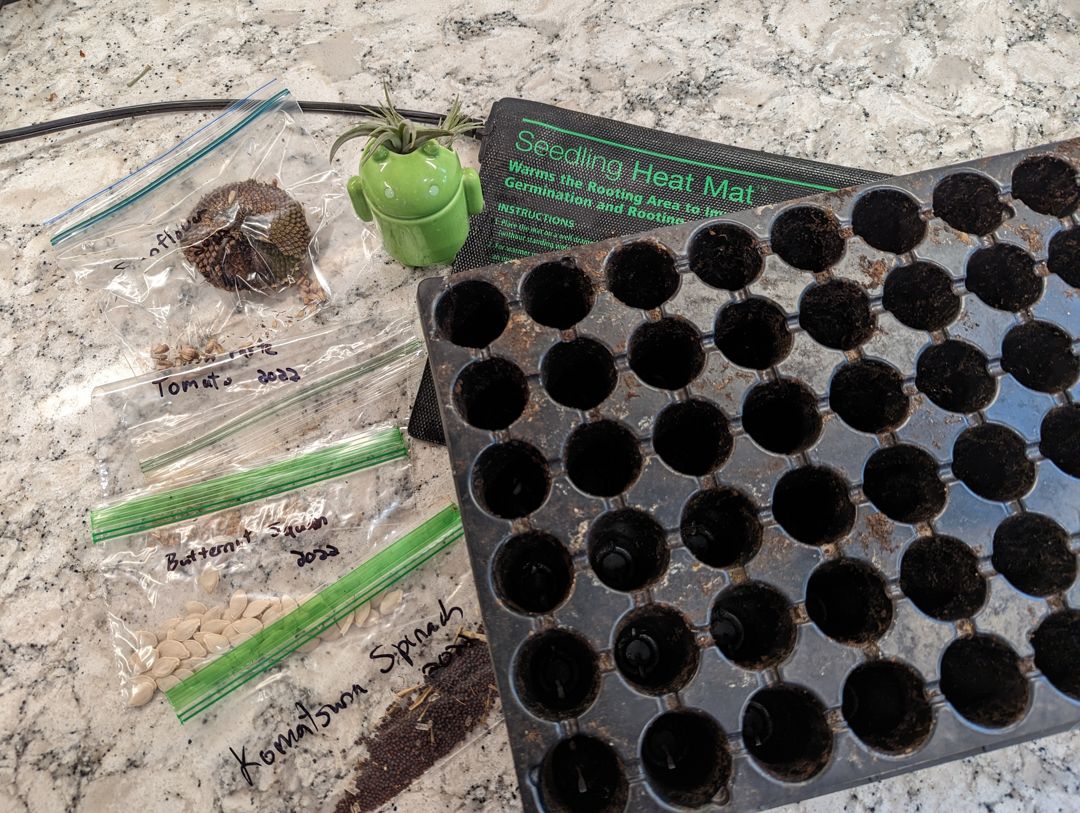
Heat Mats for Starting Seeds
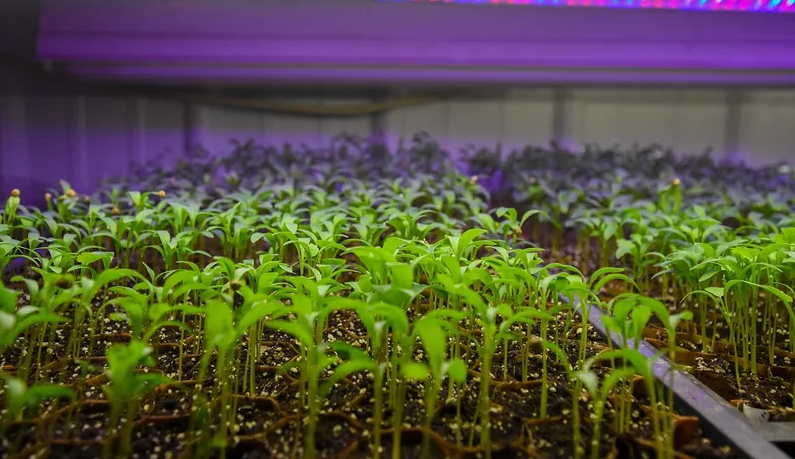
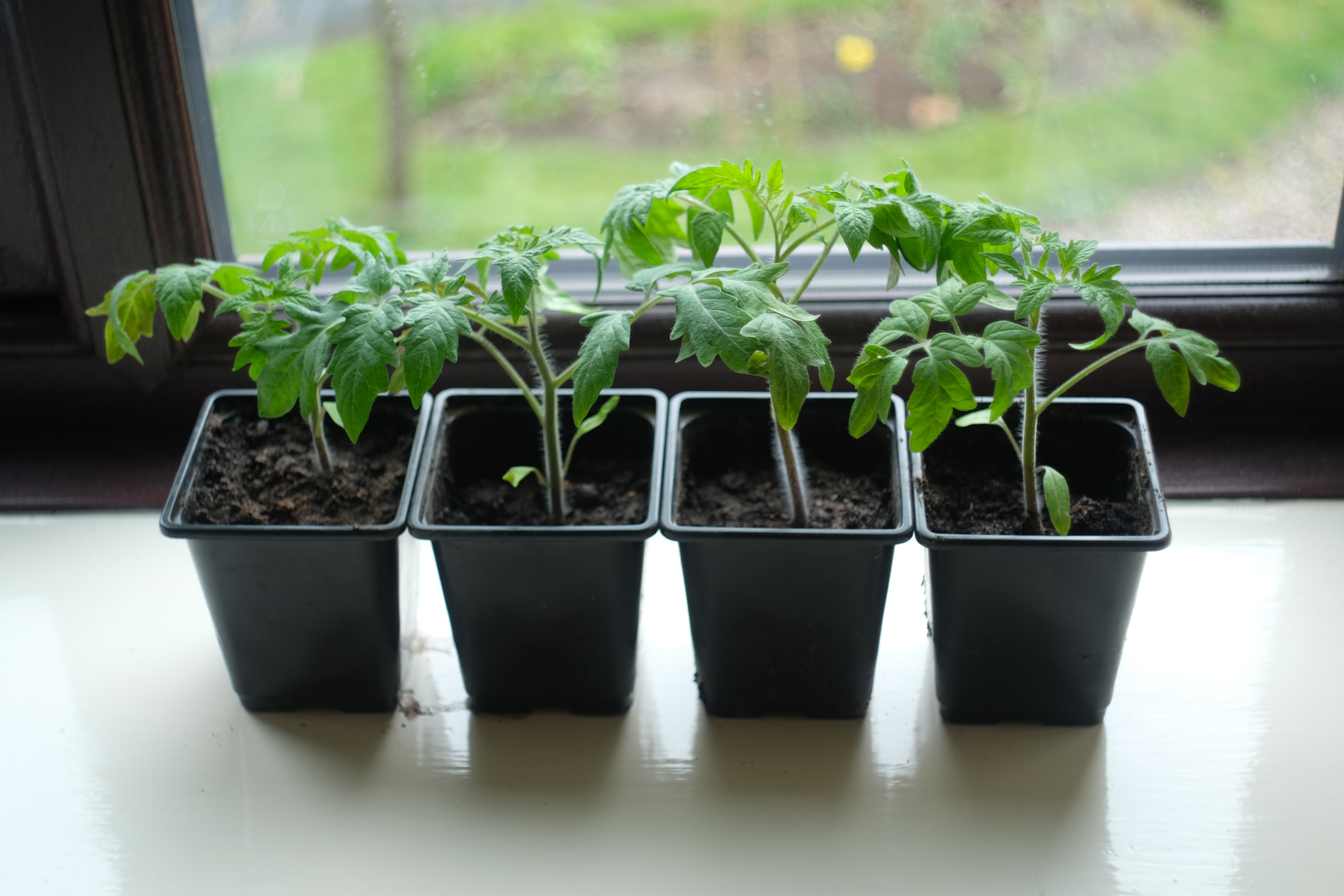
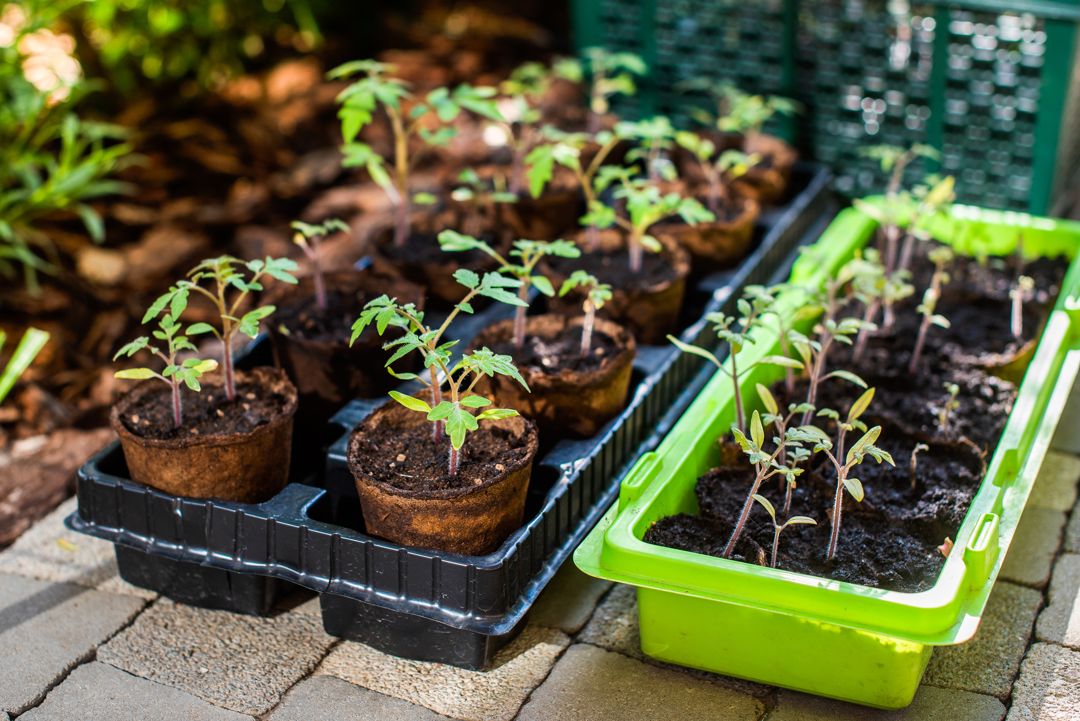

I don’t know about you, but I’m dreaming of warmer spring weather and getting back out in the garden! To satisfy that “gardening itch” that comes every winter, I like to dig out my seed starting supplies and grow tomatoes, peppers, and a few other veggies. Our last post focused on grow lights, which are arguably the most important piece of equipment for starting seeds. However, some seeds may not even germinate to see that light if you don’t keep them at the right temperature. So today, we’re going all-in on heat mats. 🔥
Temperature requirements
Some veggies will have no problem germinating in a cold basement (where I start my seeds), while others need some warmth to sprout in a timely fashion.
Luckily, master gardeners have determined the optimal temperature for germinating most veggies. The following chart is pulled from this paper by the University of California:
Soil Temperature Conditions for Vegetable Seed Germination
| Crops | Minimum (ºF) | Optimum range (ºF) | Maximum (ºF) |
|---|---|---|---|
| Asparagus | 50 | 75-85 | 95 |
| Beans, Lima | 60 | 75-85 | 85 |
| Beans, Snap | 60 | 75-85 | 95 |
| Beets | 40 | 65-85 | 95 |
| Broccoli | 40 | 60-85 | 95 |
| Cabbage | 40 | 60-85 | 95 |
| Carrots | 40 | 65-85 | 95 |
| Cauliflower | 40 | 65-85 | 95 |
| Celery | 40 | * | * |
| Chard, Swiss | 40 | 65-85 | 95 |
| Corn | 50 | 65-95 | 105 |
| Cucumbers | 60 | 65-95 | 105 |
| Eggplant | 60 | 75-85 | 95 |
| Garlic | 32 | 65-85 | 95 |
| Leeks | 32 | 65-85 | 95 |
| Lettuce | 32 | 60-75 | 85 |
| Cantaloupe | 60 | 75-85 | 105 |
| Okra | 60 | 85-95 | 105 |
| Onions | 32 | 65-85 | 95 |
| Parsley | 40 | 65-85 | 95 |
| Parsnips | 32 | 65-75 | 85 |
| Peas | 40 | 65-75 | 85 |
| Peppers | 60 | 65-75 | 95 |
| Pumpkins | 60 | 85-95 | 105 |
| Radishes | 40 | 65-85 | 95 |
| Spinach | 32 | 65-75 | 75 |
| Squash | 60 | 85-95 | 105 |
| Tomatoes | 50 | 65-85 | 95 |
| Turnips | 40 | 60-95 | 105 |
| Watermelons | 60 | 75-95 | 105 |
You may have noticed the missing temperatures for celery. Celery requires diffused, non-direct light and a cooler night temperature than the day temperature for good germination. Its optimal conditions are 85°F during the day and 70°F at night.
Keeping the seed tray at the right temperature
Most heating mats don’t have an adjustable thermostat, so it’s hard to get the soil to the right temperature. And even if the heating mat works for one gardener, it might not work for you. This is because soil temperature can vary depending on a variety of factors:
- Wattage of the heating matt
- Amount of soil
- Amount of water in the soil
- Surrounding air temperature
- Air movement
- Heat from grow light(s)
That’s why we recommend a thermostat-controlled heating mat such as the Spider Farmer Heat Mat Kit. It comes with a temperature probe that you stick in the soil, so you know your seedlings are at the optimum temperature. No more guessing! However, if you already have a heat mat that is working for you and getting good germination rates, there's no need to fix what isn't broken.
One important thing to keep in mind: Not all seeds need a heat mat. Many cold-hardy crops such as lettuce, spinach, and peas will germinate just fine at room temperature. In fact, they might not germinate at all if the soil is too warm! Just take a look at the table above, the max germination temperature for spinach is just 75°F.
Not all seeds need a heat mat
What next?
After your seeds germinate, unplug the heat mat. Besides wasting electricity, keeping the heat mat on can stress veggie roots and can cause some plants to bolt!
That's about all there is to it!
Put away the pen and paper
Plan your veggie garden in minutes with Planter's easy drag and drop planner.
Try Planter for Free