Colorful Leaves: Plants for Flower Borders
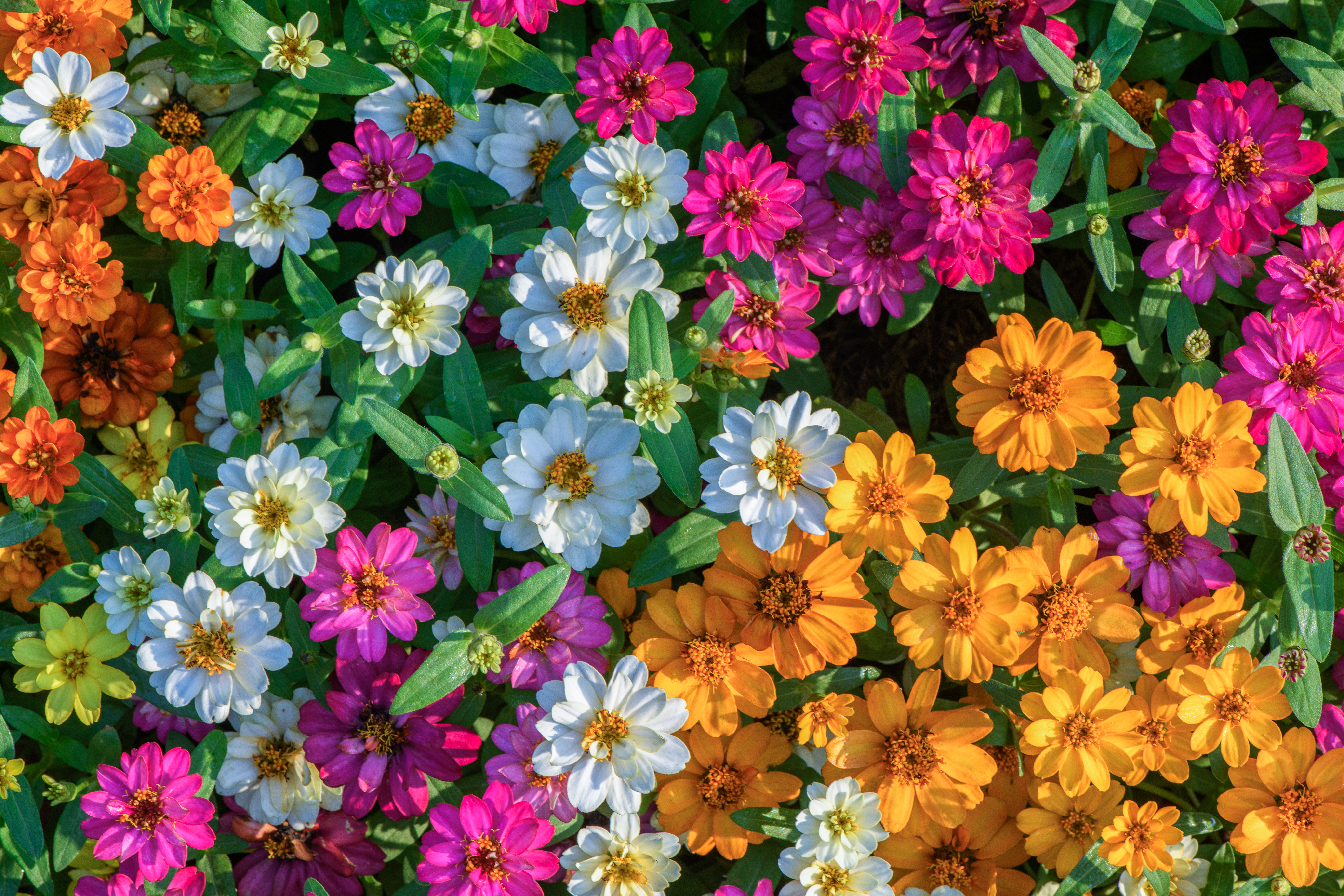
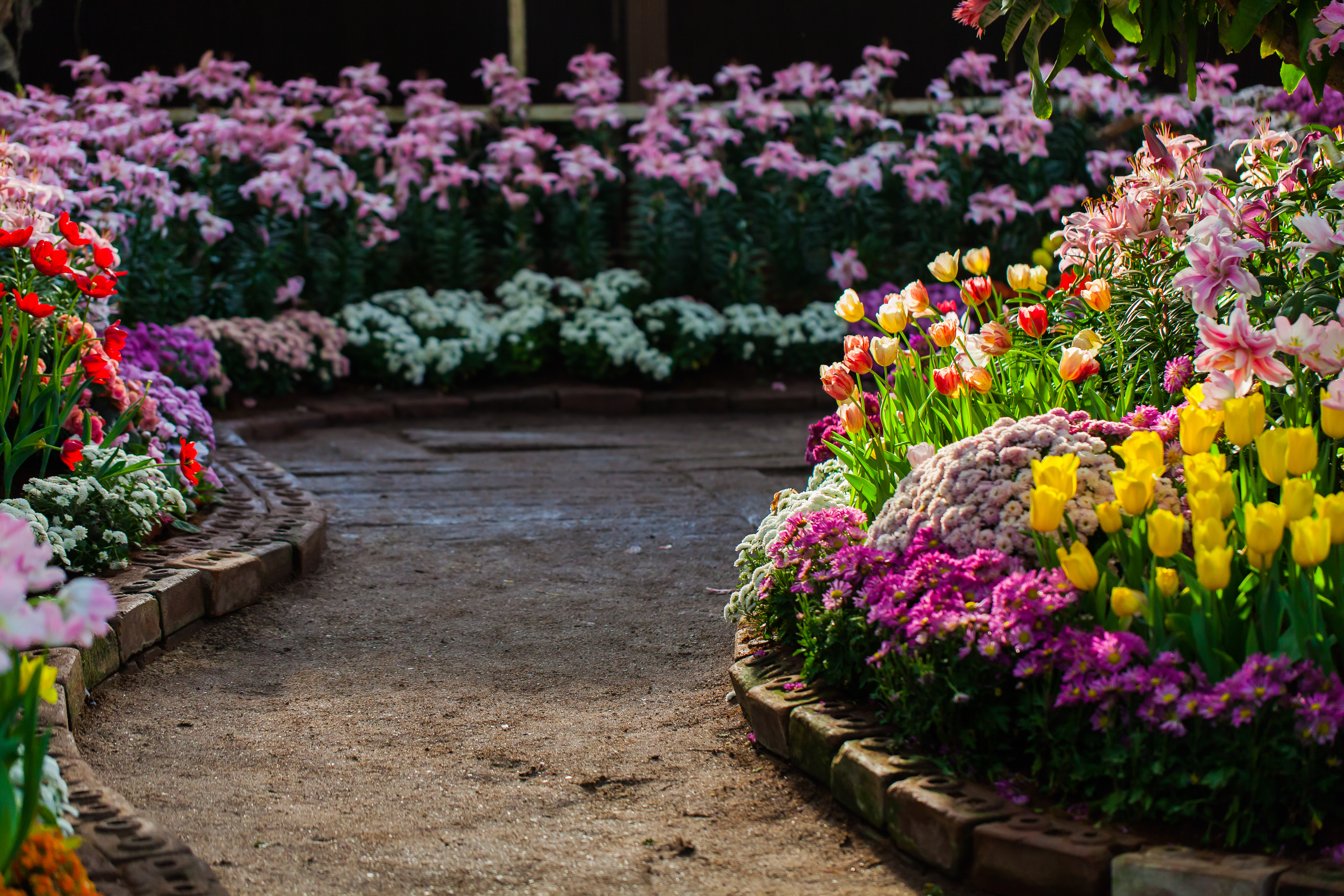
Flower borders are wonderful parts of a garden. They lead the eye, add color and movement, and their dense plantings create food and habitat for all manner of wildlife, including insects, pollinators, and small birds.
For most climates, flowers don’t bloom all year round, meaning there can be times of year when your borders look a little bare. There’s an easy way to overcome this, however, and you can achieve color for more of the year, or indeed all of it if you’re particularly lucky, by choosing some plants with colorful leaves.
A Focus on Foliage
Even on plants that do flower, the flowering stage can be brief — just a short period of the plant's yearly cycle. In between bloom periods, and before they begin, the color that flowers offer can be sustained using colorful foliage.
Foliage comes in a remarkable range of colors, from deep purples and burgundies to bright limes and yellows, silvers, and variegated combinations of two or more. Unlike flowers, foliage is present for the entire growing season, and in the case of evergreen plants, all year round. This makes it one of the most reliable sources of color in the garden.
Some plants are a two-for-one — they offer beautiful foliage and beautiful flowers. Many will have just one of the two, but regardless, all of them can work together. A well-chosen mix of flowering plants and foliage plants can ensure that your border always has something to offer, no matter the time of year.
What to Look For
A common design theme for flower garden design is 'thriller, filler, spiller.' While this is commonly associated with plant pot design, it works very well for flower borders too. When choosing plants with colorful foliage, it can be helpful to ask yourself which of the three roles — or combination of roles — you want the plant to fulfill.
- Thriller: A focus of the display. Often tall, showy plants with lots of visual interest.
- Filler: Plants that connect the central plants, or clusters of plants, together. They occupy empty spaces and create continuity.
- Spiller: Plants with a looser nature that might overlap edges, splay over rocks, and merge into other plants.
Consider color, shape, texture, and size when choosing plants. Leaf shape is something often overlooked in border planting, but with foliage-focused plants it can provide a great deal of visual interest. If you already have your flowers, think about colors that match, creating a color gradient — like pinks and reds — or a contrast — like purples and yellows.
Scale is also worth considering. A foliage plant that is too large can overwhelm a border and draw the eye away from the surrounding planting, while one that is too small can get lost entirely. Choosing plants that are proportionate to their neighbors will help the border feel cohesive rather than cluttered.
Design Tips
Speaking from experience, it can be easy to get carried away with all the different kinds of plants available when designing a border. To narrow your search and focus your plant choices, consider choosing a few central themes or unifying elements. Think of things like:
- Color
- Shape
- Texture
- Variegation
- Size
Just as you might choose just a few colors of flowers for your border, you can apply the same principle to your foliage. Repeating a common theme across several plants creates a sense of unity and cohesion, while still allowing plenty of variety. Plants that all have toothed leaves, for example, can unify the border while each plant differs in size, color, and texture — giving the display a considered, intentional feel without looking too uniform.
Contrast and Numbers
Contrast is equally important. Pairing a broad, smooth leaf with a fine, feathery one, or a deep burgundy with a bright lime green, creates visual tension that draws the eye through the border. The best borders tend to balance unity and contrast — enough repetition to feel cohesive, enough variety to stay interesting.
When planting in groups, odd numbers tend to look more natural than even ones. Three or five plants of the same variety clustered together will generally read better than two or four, which can feel symmetrical and static. This applies to foliage plants just as much as flowering ones.
Finally, think about how the border will look at different times of year. Evergreen foliage plants are particularly valuable in winter when flowering plants have died back, and placing them strategically throughout the border ensures there is always something to look at, whatever the season.
Plants to Get You Started
This list is by no means exhaustive, but it’s a good starting point and contains some of my favorites.
Hosta (Filler/Thriller — Temperate)
Hostas are widely cultivated plants. They come in many shapes, sizes, and leaf colors, ranging from deep greens to bright yellows and variegated combinations. Hostas are wonderful plants for temperate borders with moist, well-drained soil and work particularly well in shadier spots where many other plants struggle. Their bold, broad leaves provide excellent contrast to finer-textured plants.
Fern (Thriller/Spiller — Temperate)
Ferns’ arching, feathery fronds make them excellent thrillers when grown in clusters, and their relaxed, spreading habit suits them equally well as spillers at border edges. There are varieties suited to most temperate growing conditions, from dry shade to consistently moist soil. Their fine texture contrasts beautifully with broader-leaved plants like hostas.
Heuchera (Filler — Temperate)
Heucheras, or coral bells, are among the most colorful foliage plants available for temperate borders. They come in an extraordinary range of leaf colors — from deep purples and burgundies to bright caramels and silvers — making them one of the most versatile fillers for adding year-round color. Many varieties also produce delicate flower spikes in summer.
Agave (Thriller — Hot/Dry)
Agaves are bold, architectural plants that are wonderfully dramatic in hot, dry borders. Their stiff, pointed leaves provide strong visual structure that anchors a border. They are extremely drought-tolerant once established and come in a range of sizes, from compact varieties suitable for smaller borders to large specimens multiple feet tall.
Artemisia (Filler — Hot/Dry)
Artemisia, sometimes called wormwood or dusty miller depending on the variety, is valued for its soft, silver-grey foliage. It is highly drought-tolerant and thrives in hot, sunny conditions, making it an excellent filler for dry borders. Its cool silver tones work particularly well as a contrast to deeper purples and burgundies, or as a bridge between warmer colors.
Creeping Thyme (Spiller — Hot/Dry)
Creeping thyme is a low-growing, spreading plant that is perfect for softening border edges and spilling over paths and walkways. It is highly drought-tolerant, thrives in full sun, and produces small but abundant flowers in summer. Its fine, dense foliage provides a pleasant texture contrast to bolder border plants.
Blue Fescue (Filler/Spiller — Both)
This compact ornamental grass has blue-grey foliage that works well in both temperate and hot, dry climates. Its fine, mounding habit makes it an excellent filler or edging plant, and its cool tones complement a wide range of border plants. It is drought-tolerant once established and provides year-round interest even in winter.
Lamb's Ear (Filler/Spiller — Both)
Lamb's ear is beloved for its soft, silvery-white leaves. It spreads gently at border edges, making it an excellent spiller, and its low, mounding growth also suits it well as a filler between larger plants. It is drought-tolerant once established, thrives in full sun, and provides a wonderful textural contrast to both fine- and bold-leaved neighbors.
Wrapping Up
Foliage is just as exciting as flowers. Together, the two can create a lush, flowing flower border that exudes life and color. Pairing plants with matching or contrasting features can create intentional designs that also look natural, while adding color to your garden year-round.
Put away the pen and paper
Plan your veggie garden in minutes with Planter's easy drag and drop planner.
Try Planter for Free