Chard
Oriole Orange
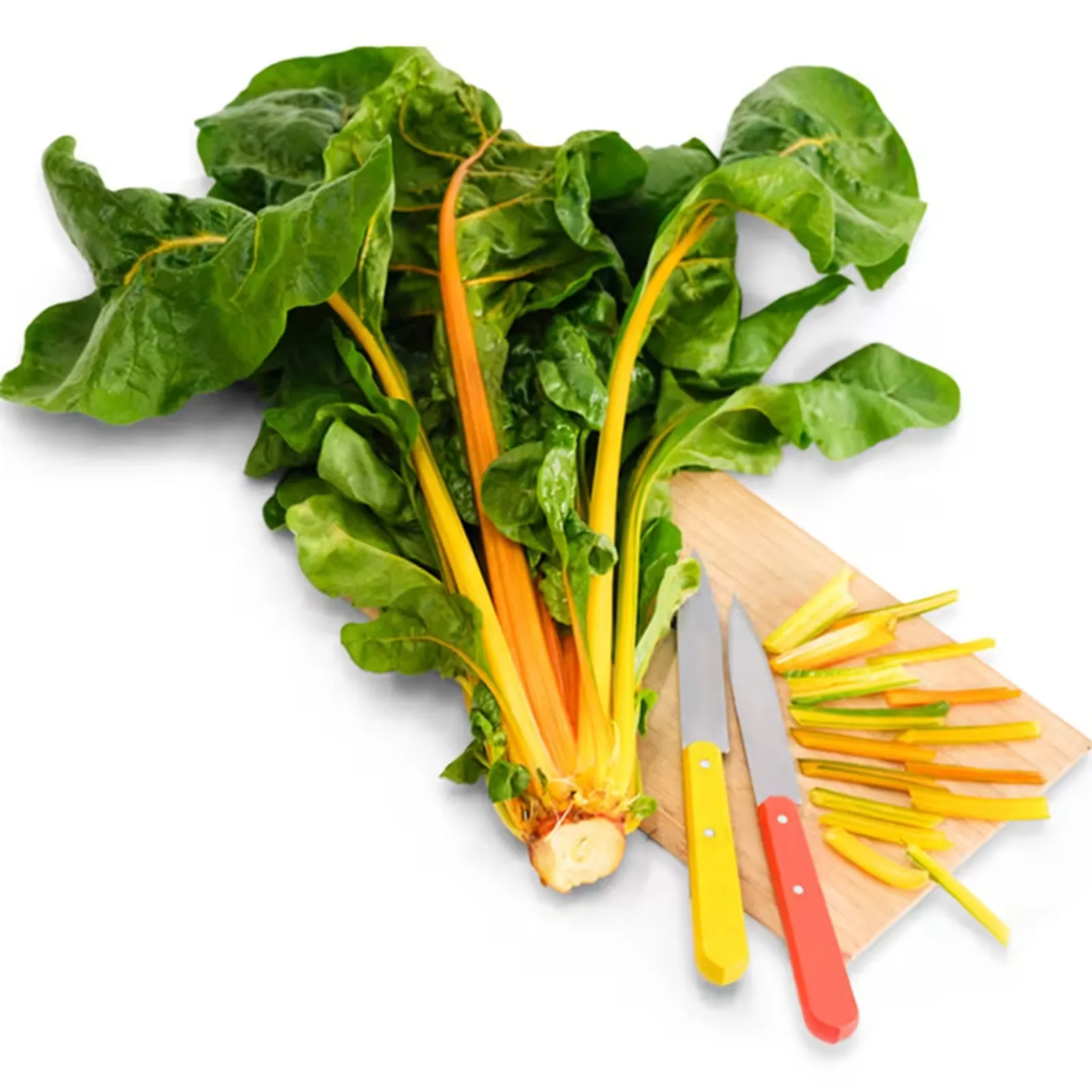
Stunning golden chard selection, beautiful in your garden. Use young leaves in salads or mature leaves as steamed greens.
About Oriole Orange
(Beta vulgaris). This stunning golden selection, named for the Oriole bird, is beautiful in your garden. Use the young leaves in salads or the mature leaves as steamed greens. 60 days 4-8 hours of sun Sprouts in 14-21 days Ideal Temperature: 50-75 F Seed Depth: 1/2" Plant Spacing: 8" Frost Hardy: Yes Growing Tips, Tricks and FAQs Growing Tips Sow in place, early spring to mid-summer, into rich, moist soil. Keep well watered; side dress with compost for best leaf production. Yields until very cold weather. When to Grow Swiss chard is a cool-season crop that can be sown from early spring, about 2-3 weeks before the last expected frost date, to mid-summer. In USDA zones 6 and warmer, chard can be sown again in late summer for winter harvests. It can also be grown year-round in mild climates. If you’re not sure how to find your area's first and last frost dates, consult our blog post 'Our Experts Answer Questions, Share Resources.' How to Sow and Plant Direct sow Oriole Orange Swiss chard seeds 1/2 inch deep in rows spaced about 12 inches apart. Thin seedlings to 8 inches apart to allow enough space for growth. If starting indoors, sow seeds in pots or trays 6-8 weeks before the last frost date, and transplant them outside when seedlings have a few true leaves and the risk of frost has passed. How to Grow Keep the soil evenly moist. Watering is especially important during the summer to prevent the plants from bolting, which stops leaf production. Mulching around the plants helps to retain moisture and control weeds. You can occasionally feed the plants with a balanced fertilizer, particularly if they seem to be growing slowly. Remove any weeds that compete for nutrients, and protect young plants from pests such as slugs and leaf miners. How to Save Like other biennial plants, chard produces flowers and seeds in the spring of its second year, after it has been through winter. Chard is only winter hardy to about 15 degrees F, so in most areas, you must dig the plants in fall and replant them in spring if you want to save seed. Through winter, keep the trimmed plants packed in damp sand in the basement or another cool place. Set them out four to six weeks before your last frost date. Chard is wind-pollinated, so at least six closely spaced plants are needed for a good seed set. Look for greenish flowers followed by seed capsules clustered close to the stem. When the stems dry to brown, crush them inside a paper bag, and gather the largest seeds that fall to the bottom. Store them in a cool, dry place. Chard seeds will keep for at least three years, and often longer. FAQ Can Oriole Orange chard be grown in containers?Yes, Swiss chard grows well in containers. Use a pot at least 12 inches deep with good drainage. Regular watering is important to keep the soil moist, especially in containers. Is Swiss chard frost-tolerant?Yes, Swiss chard can tolerate light frost and can survive through winter in milder climates, making it a hardy option for fall and winter gardening. More Questions?Check out our 'How to Grow Swiss Chard Seeds' guide. FREE SHIPPING IN THE U. S. A.
Buy Seeds
Baker CreekGrow Oriole Orange Chard
Add this variety to your garden in the Planter app.
Open in Planter App