Chard
Beta vulgaris (Leaf Beet Group)
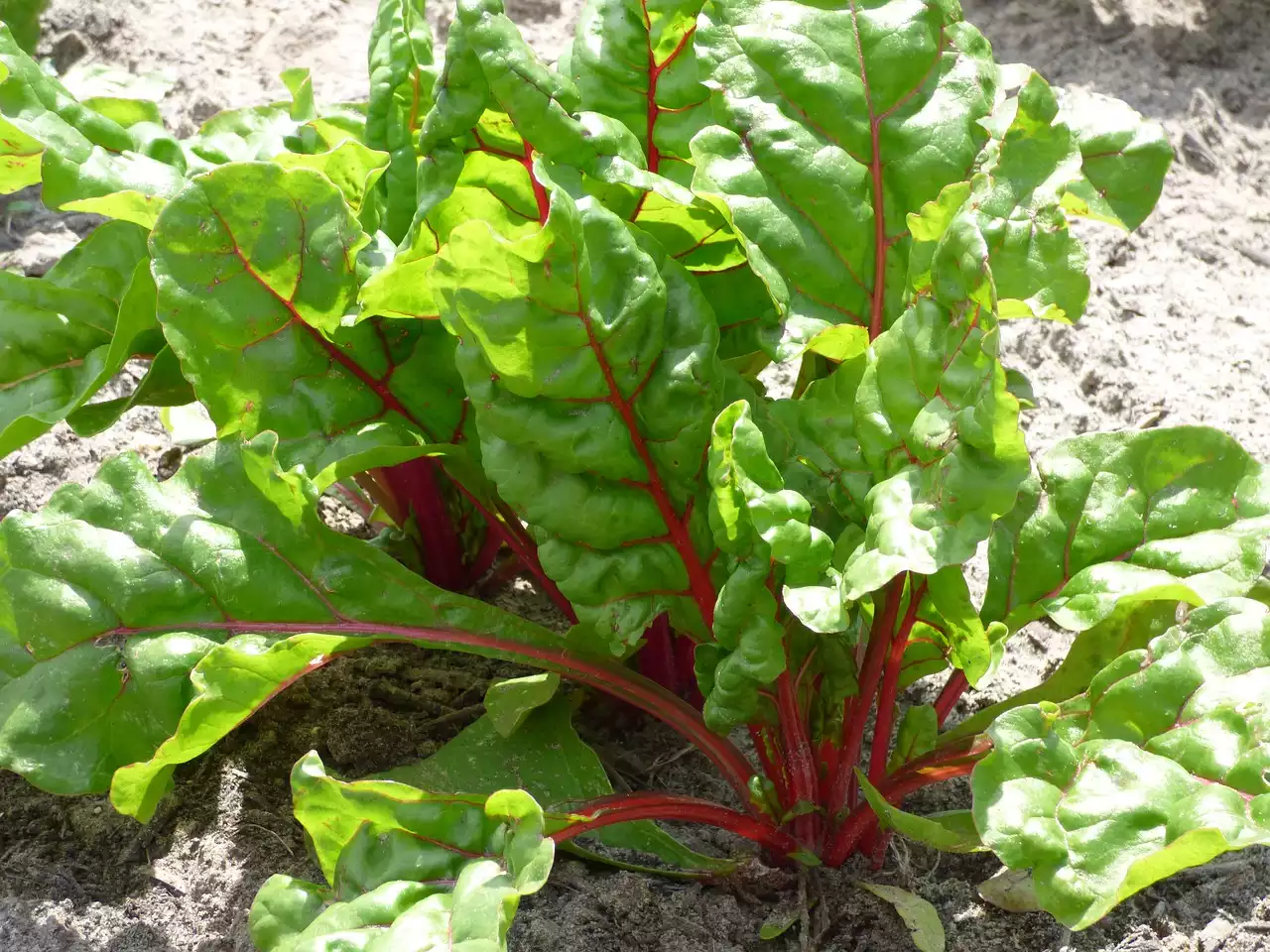
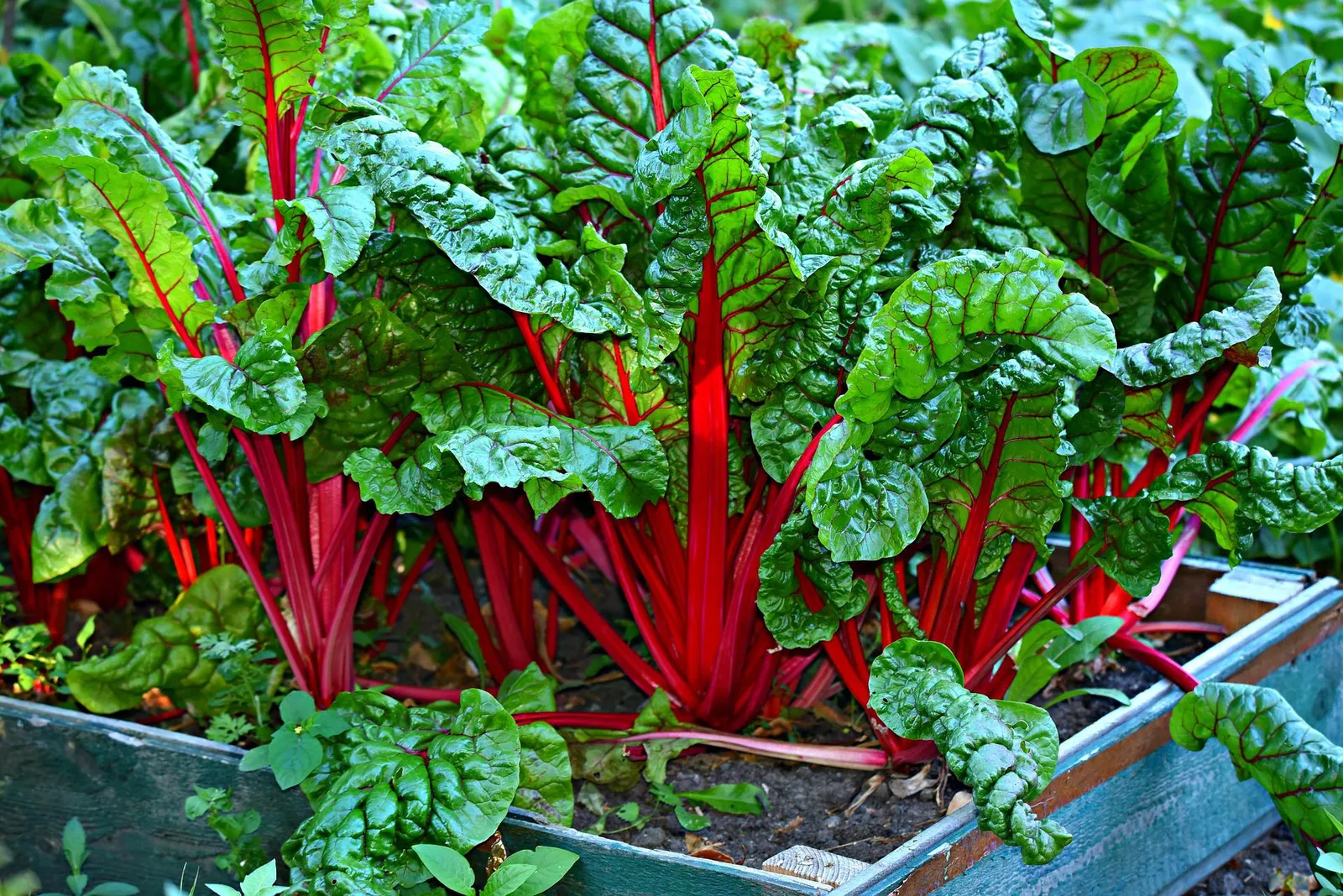
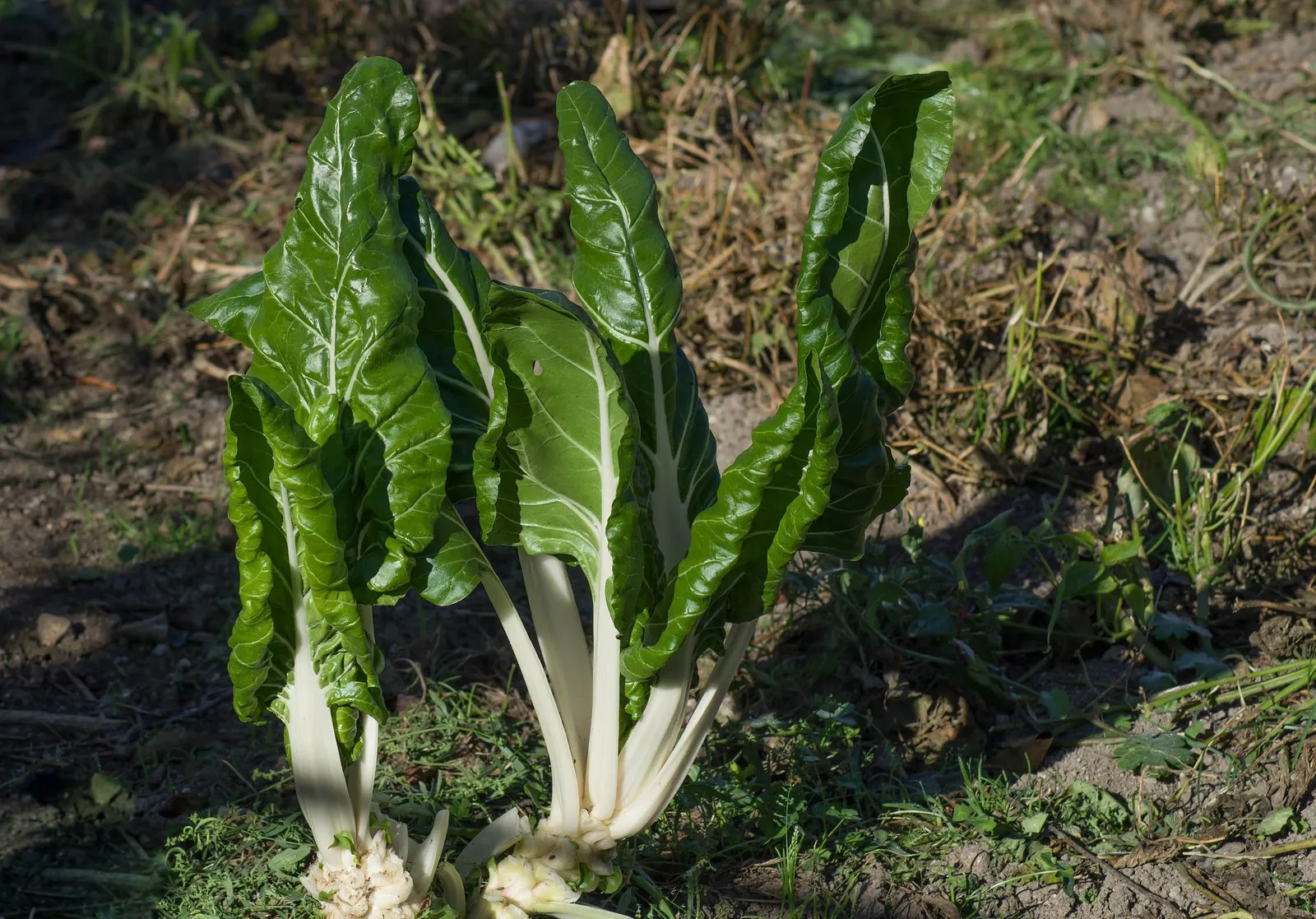
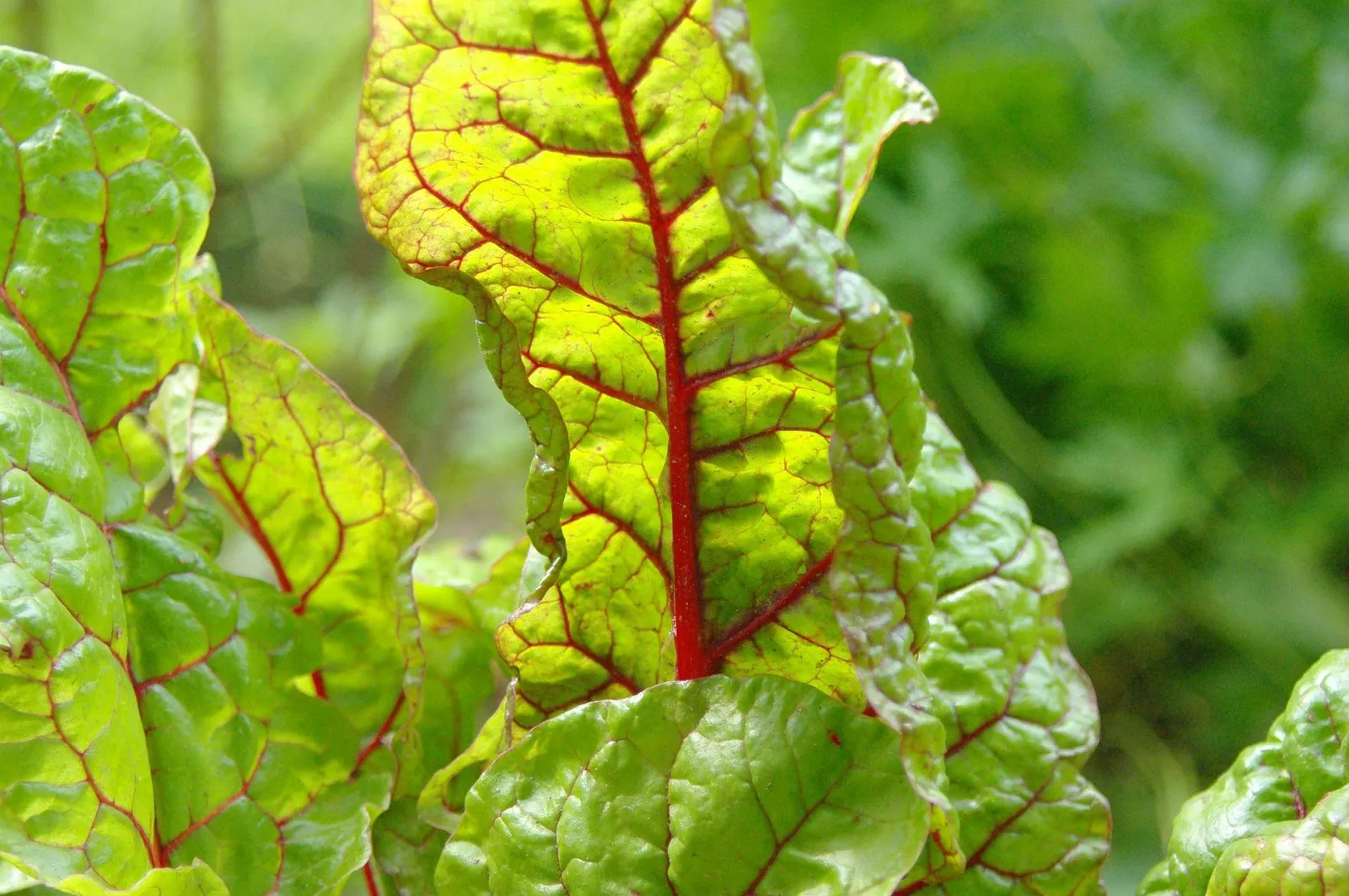
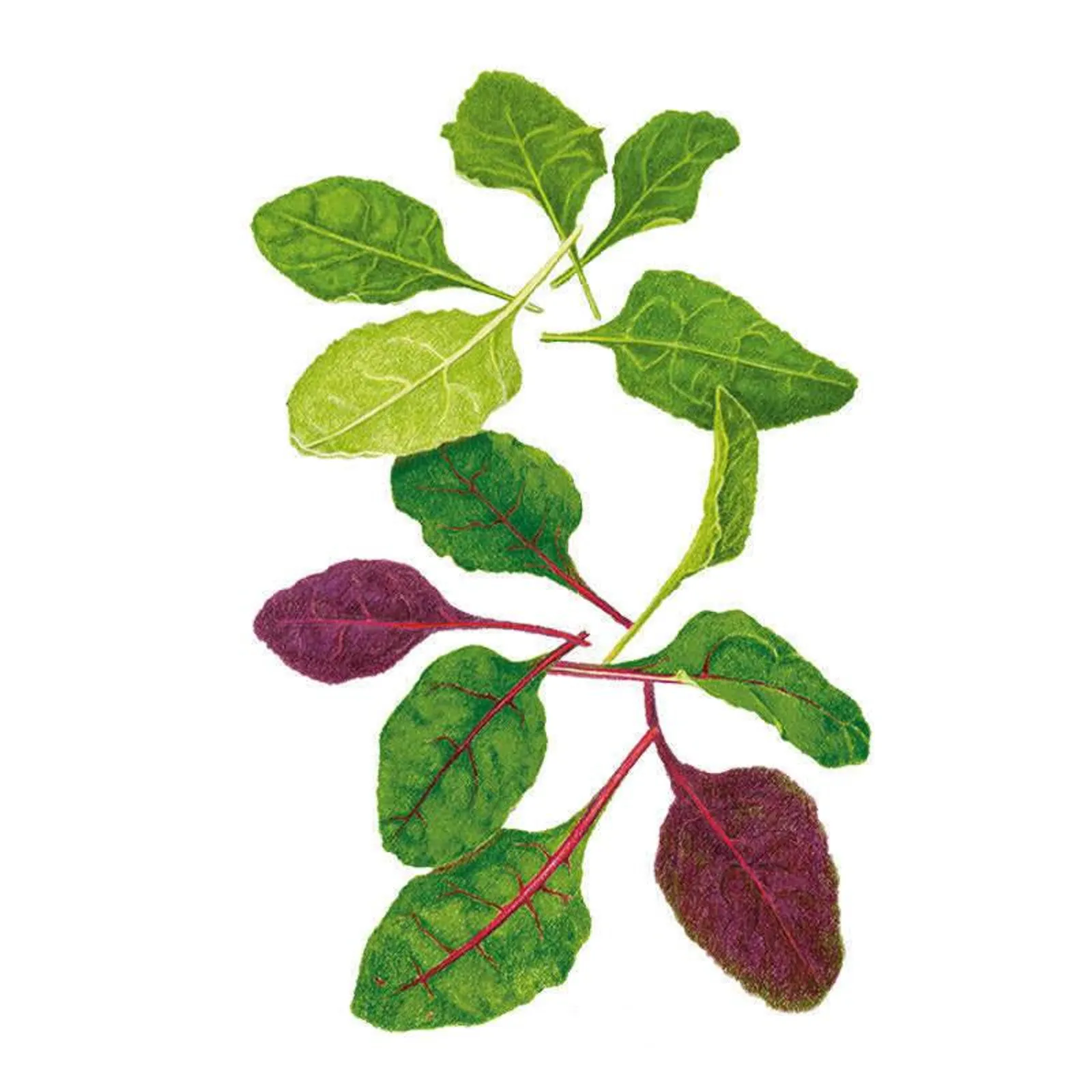
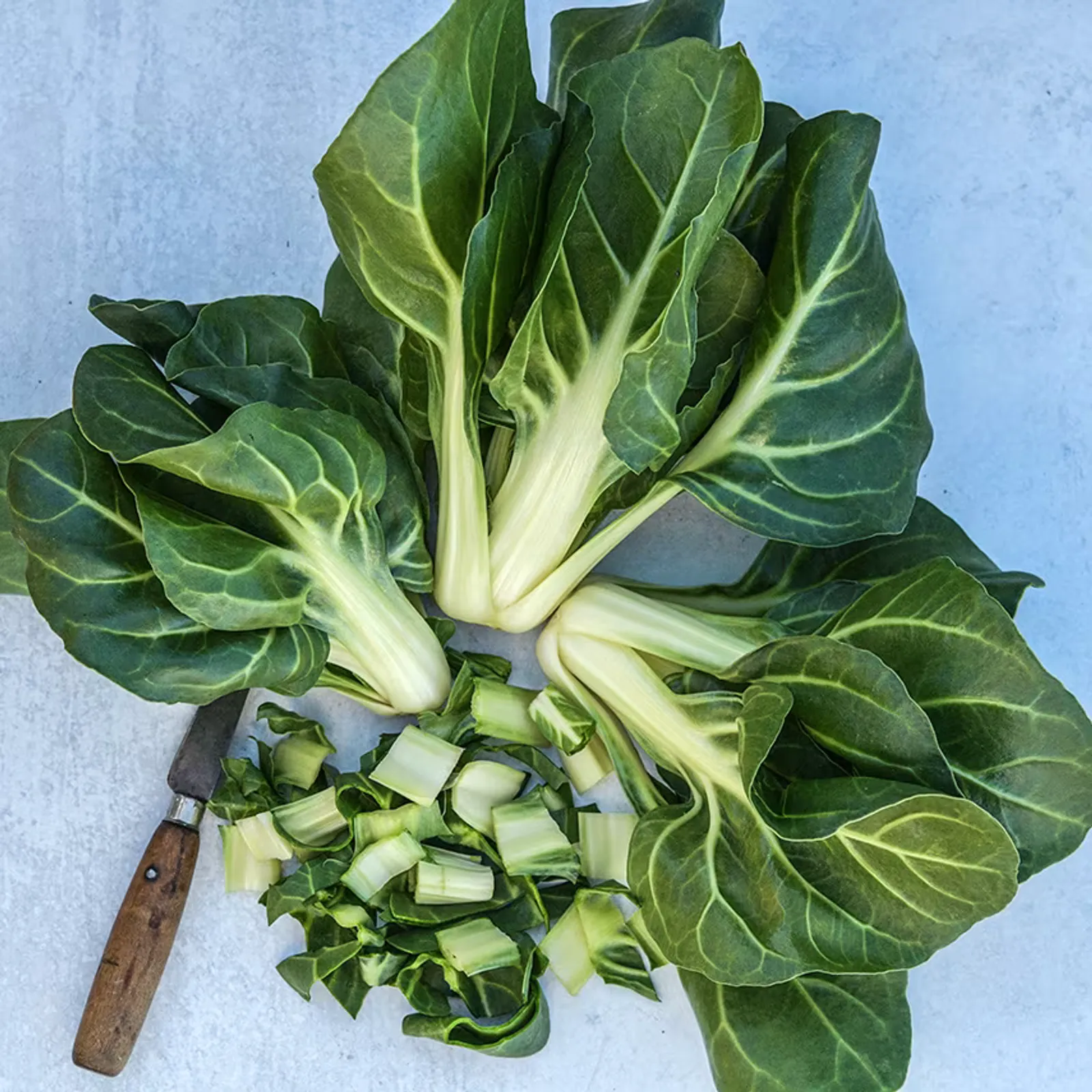
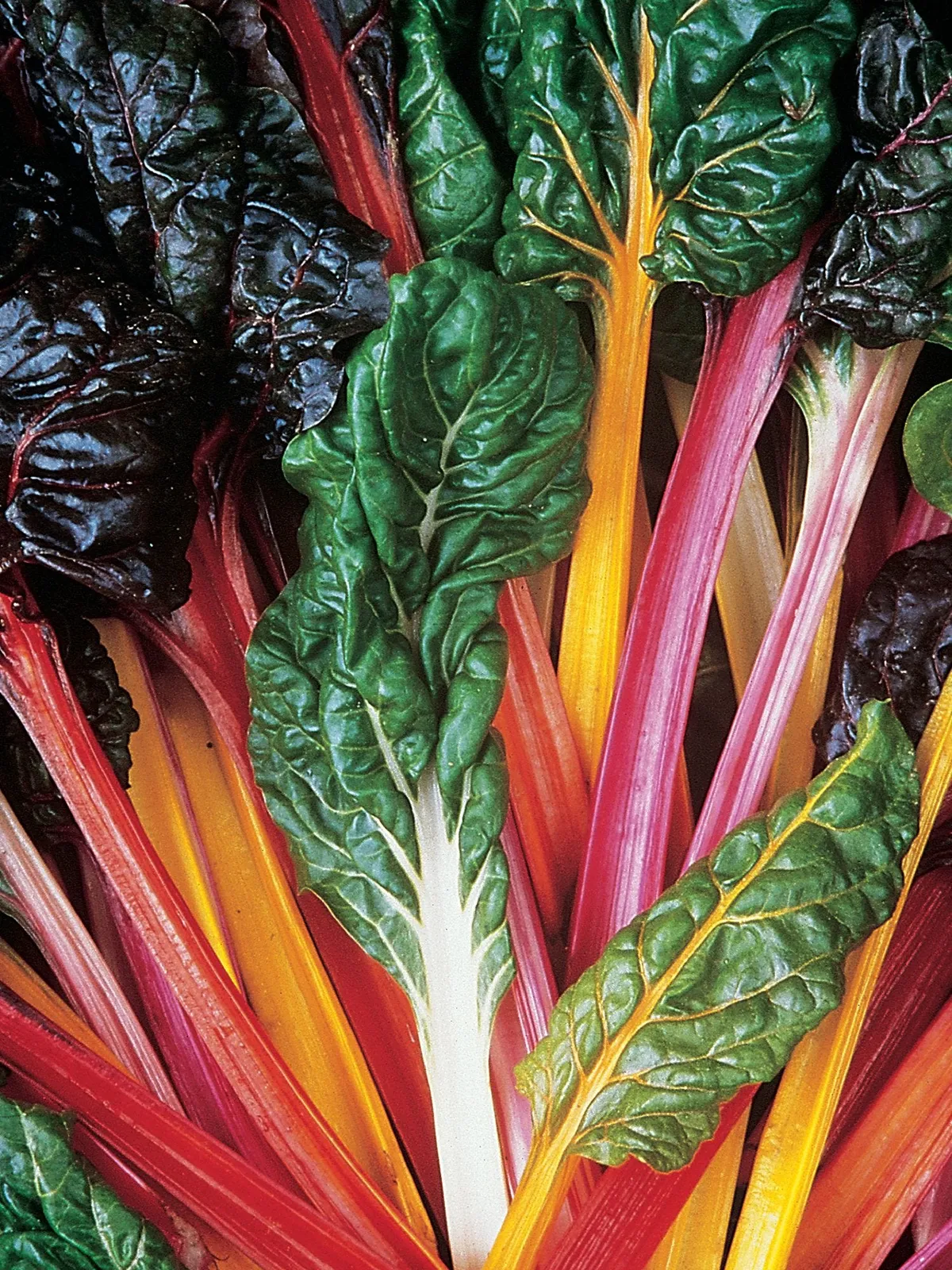
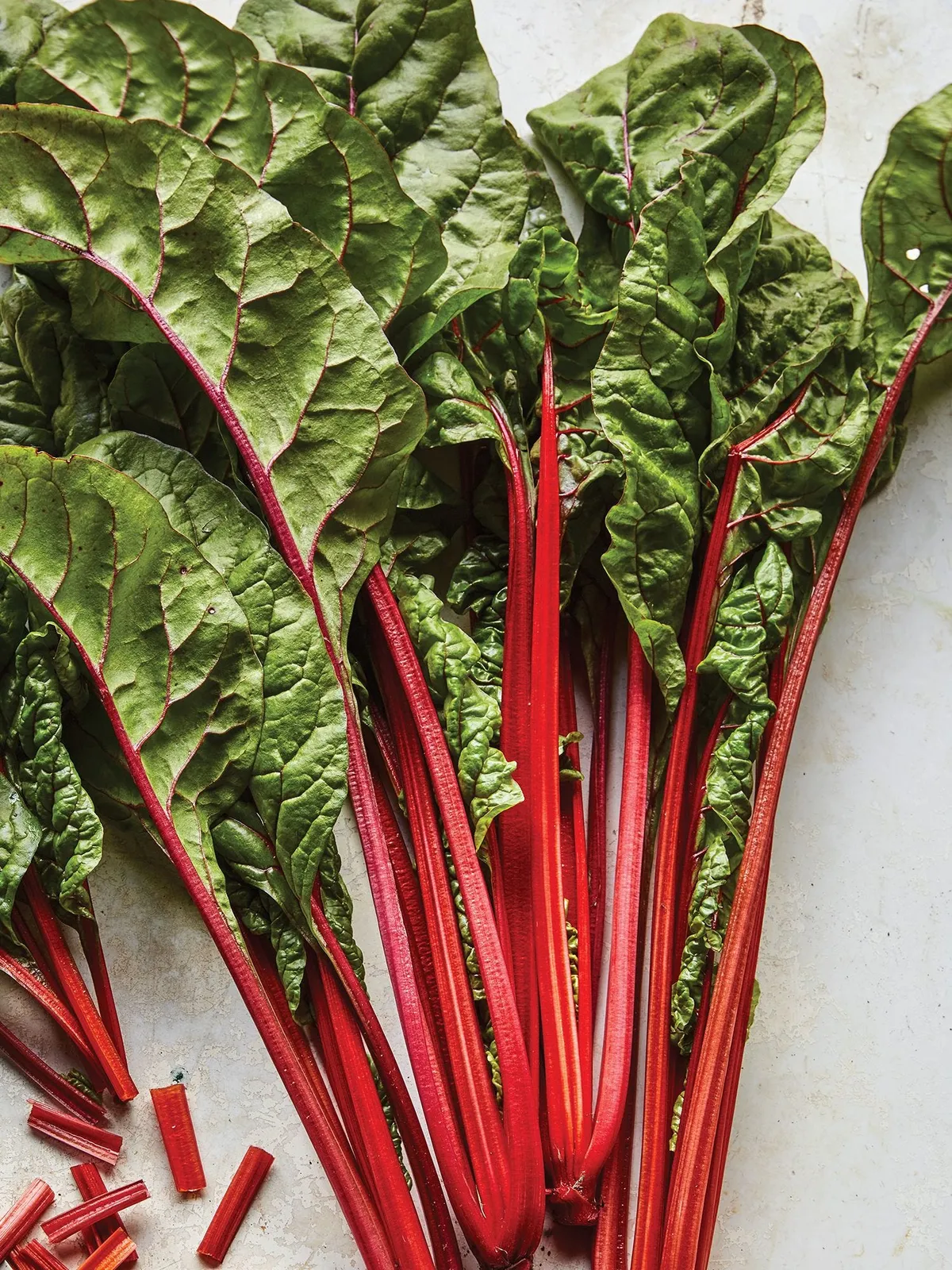
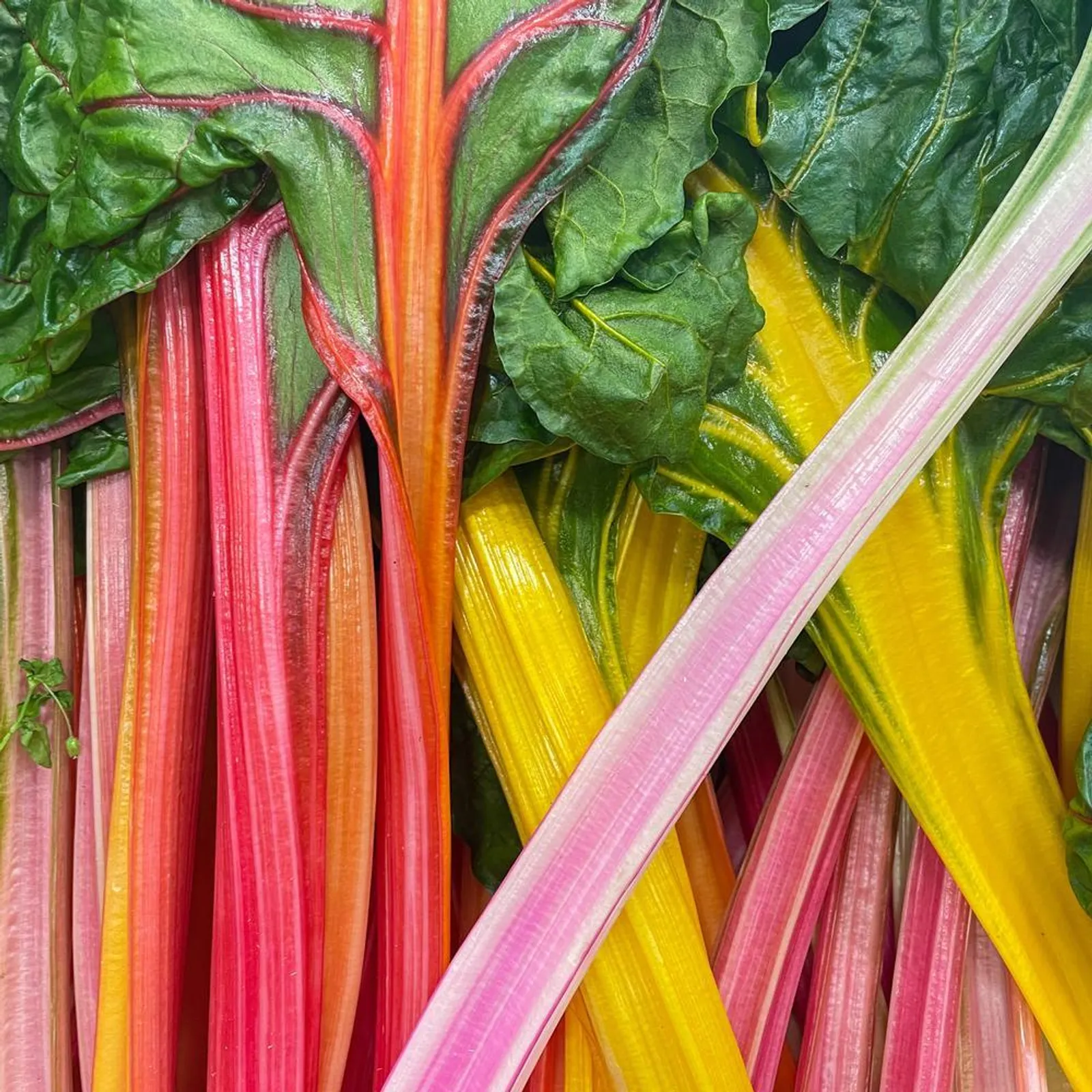
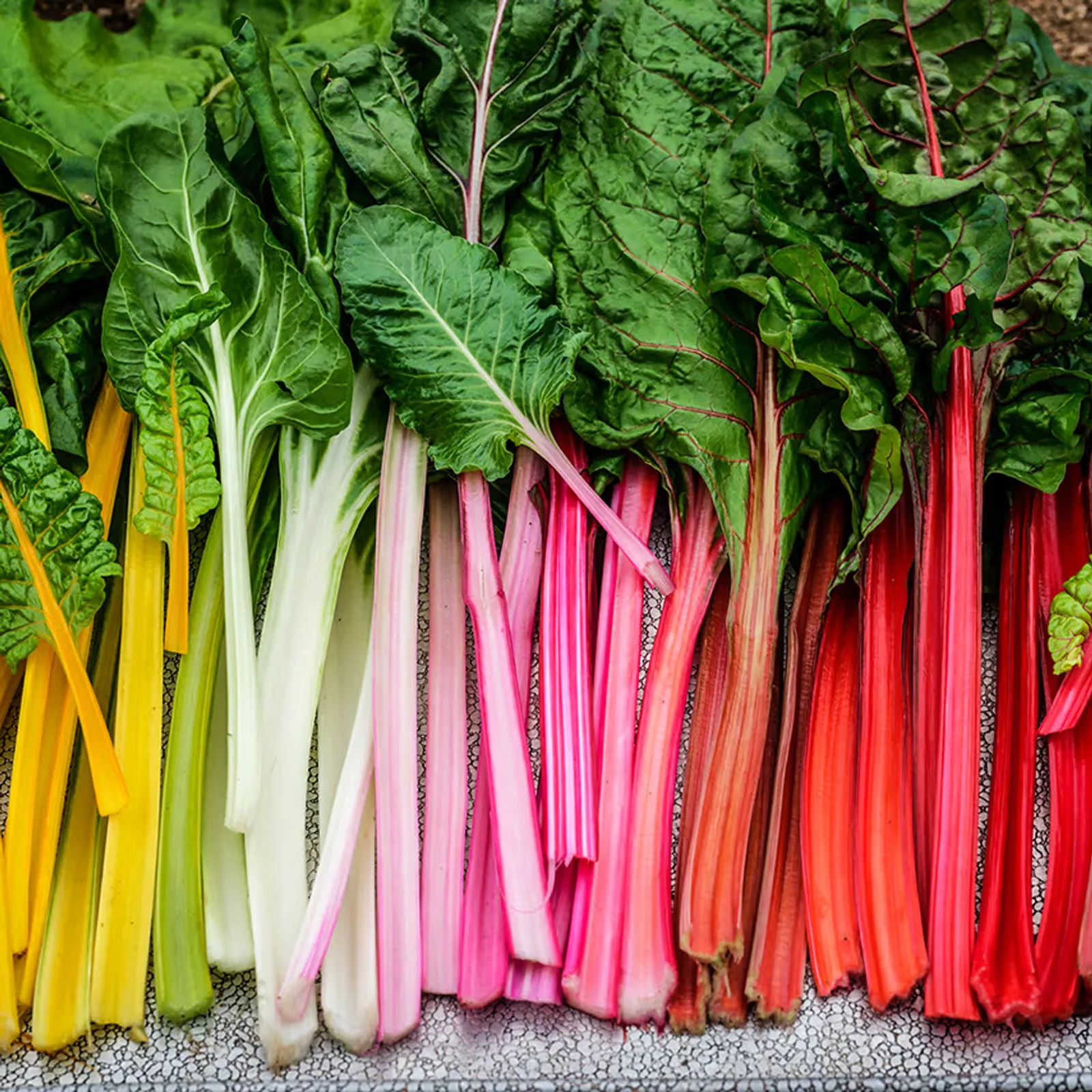
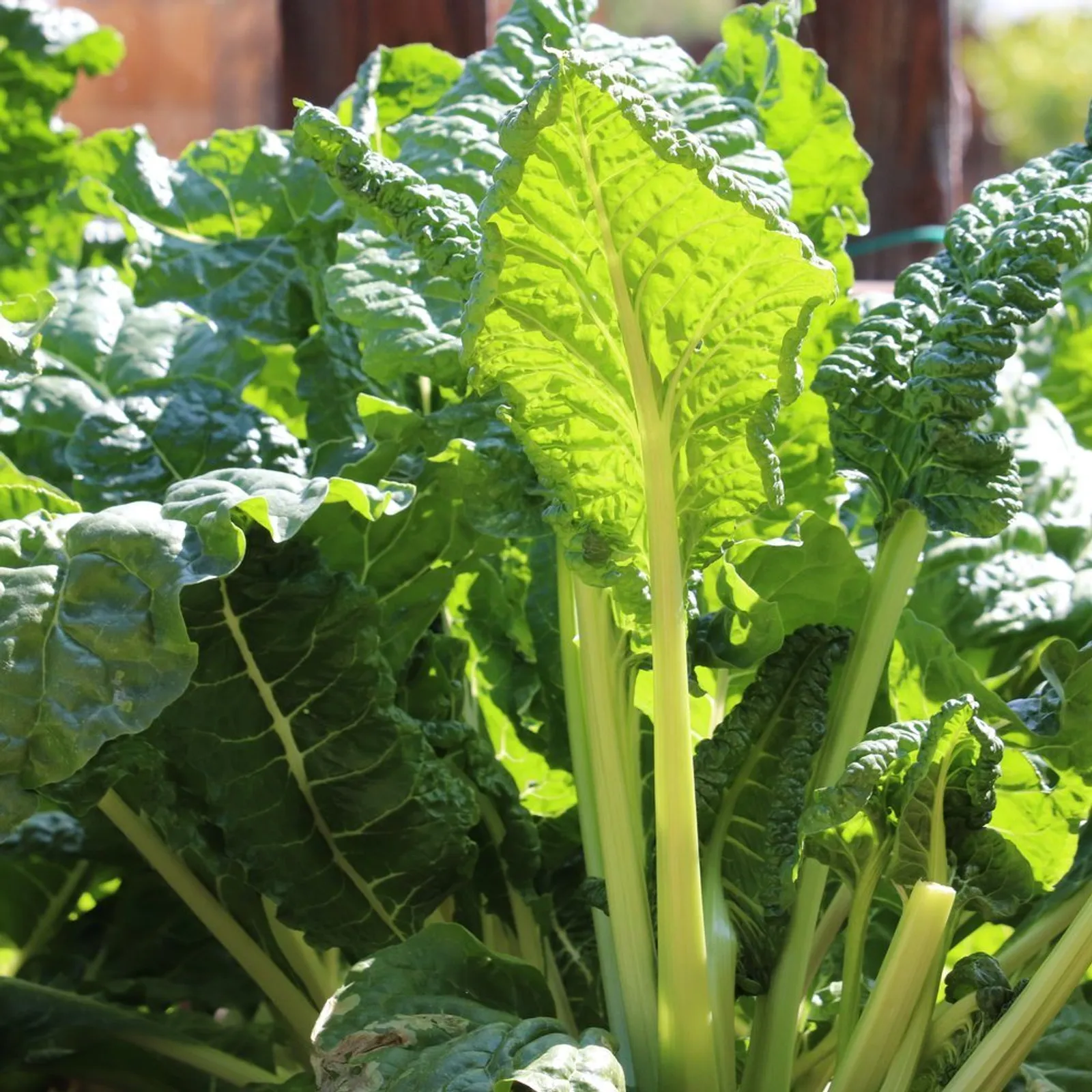
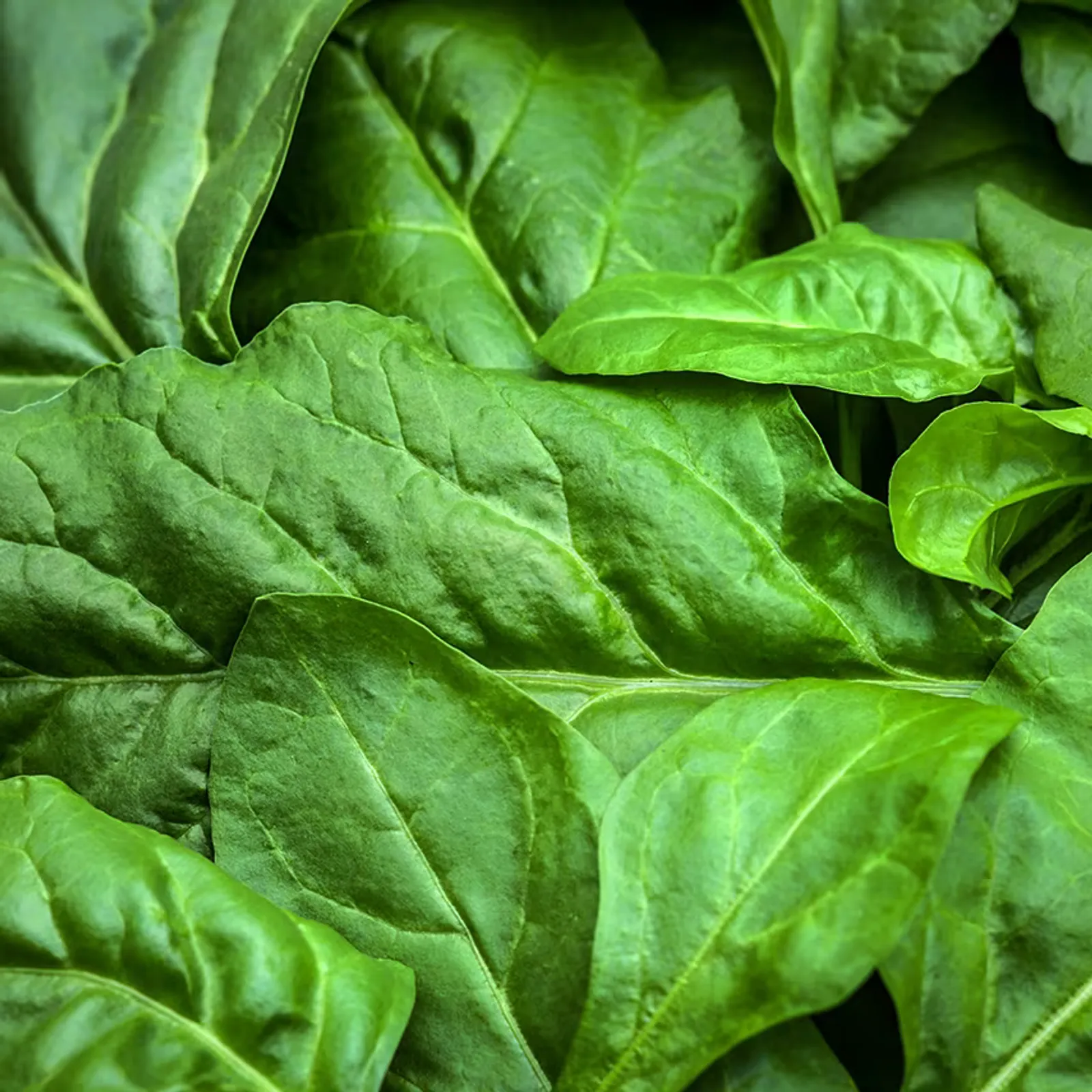
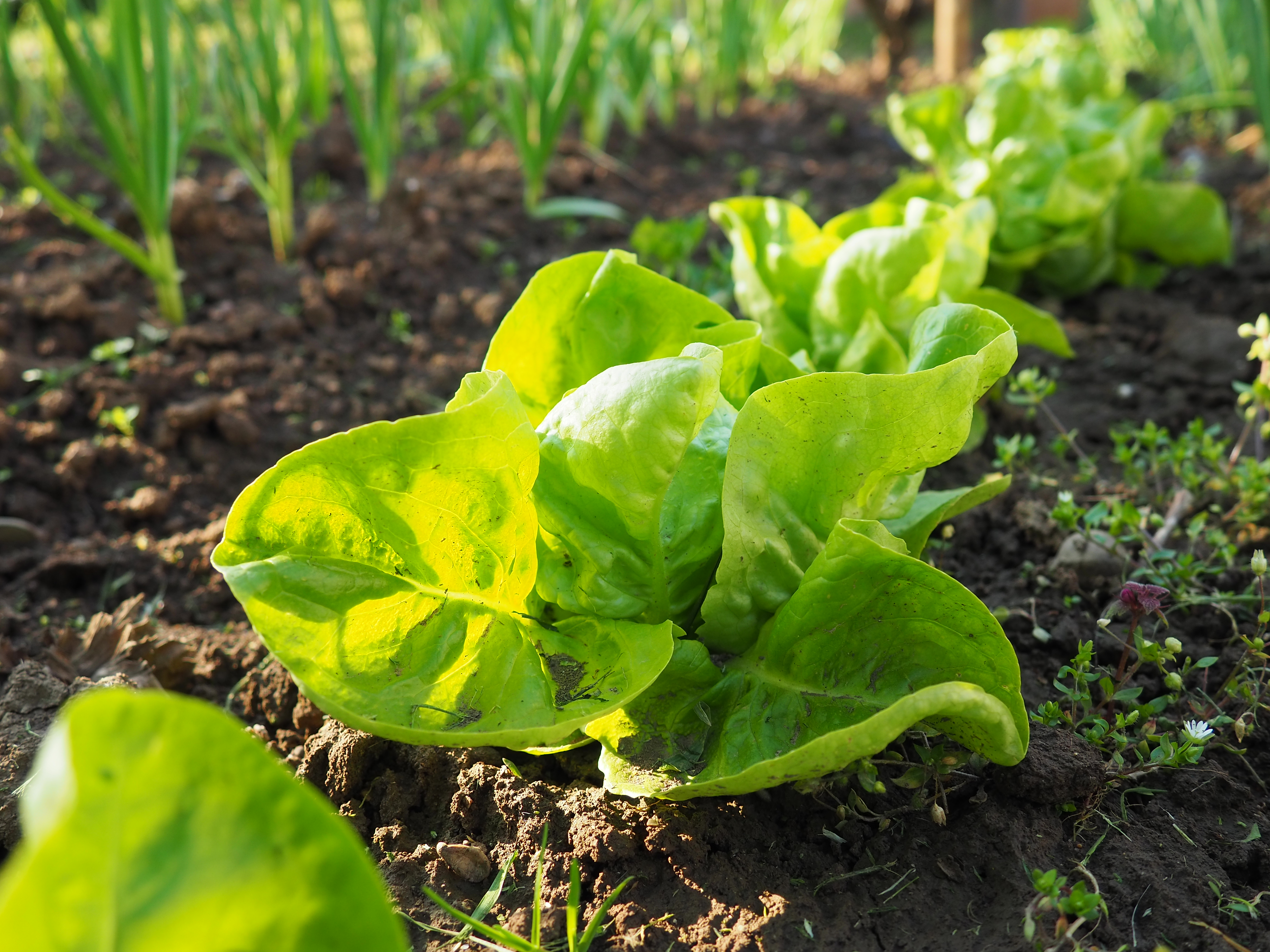
Chard is a nutritious and versatile garden veggie. It is a cool-season leafy green vegetable that can be used similarly to spinach. Chard is not as susceptible as spinach is to bolting (going to seed) which means that chard can continue to produce harvests all season long provided the plants stay healthy! There are many varieties of chard available with brightly colored stems. There is also a special type of chard called 'perpetual spinach' which is more spinach-like in its texture and flavor than other chard types. Chard can be grown for full-size leaves, which are typically cooked, or for baby chard which can be added to salad mixes. The chard stems can be separated from the leaves for cooking. Either cook the stems a few minutes longer than the leaves then combine the two, or cook them on their own- they can be used in place of celery or cooked like asparagus.
How to Grow Chard
Quick Info

Put away the pen and paper
Plan your veggie garden in minutes with Planter's easy drag and drop planner.
Try Planter for Free
Varieties
Related Articles
Companion Plants


Nutrition
Vitamins




Nutrients












Pests
Diseases
Beneficial Critters
Growing from Seed
Chard can be sown directly outdoors or it can be started inside and transplanted. 'Ruby Red' or 'Rhubarb' chard varieties may bolt if the seed is exposed to freezing temperatures; delay planting these chard types until after the last frost or start them indoors. Each chard seed (technically, a fruit) can produce more than one chard plant. Because of this chard sometimes needs to be thinned out to the desired spacing. Regardless of which sowing method is used, be sure to keep the seed starting mix or soil consistently moist. If growing indoors, provide supplemental light as soon as the seeds germinate.
Planting Considerations
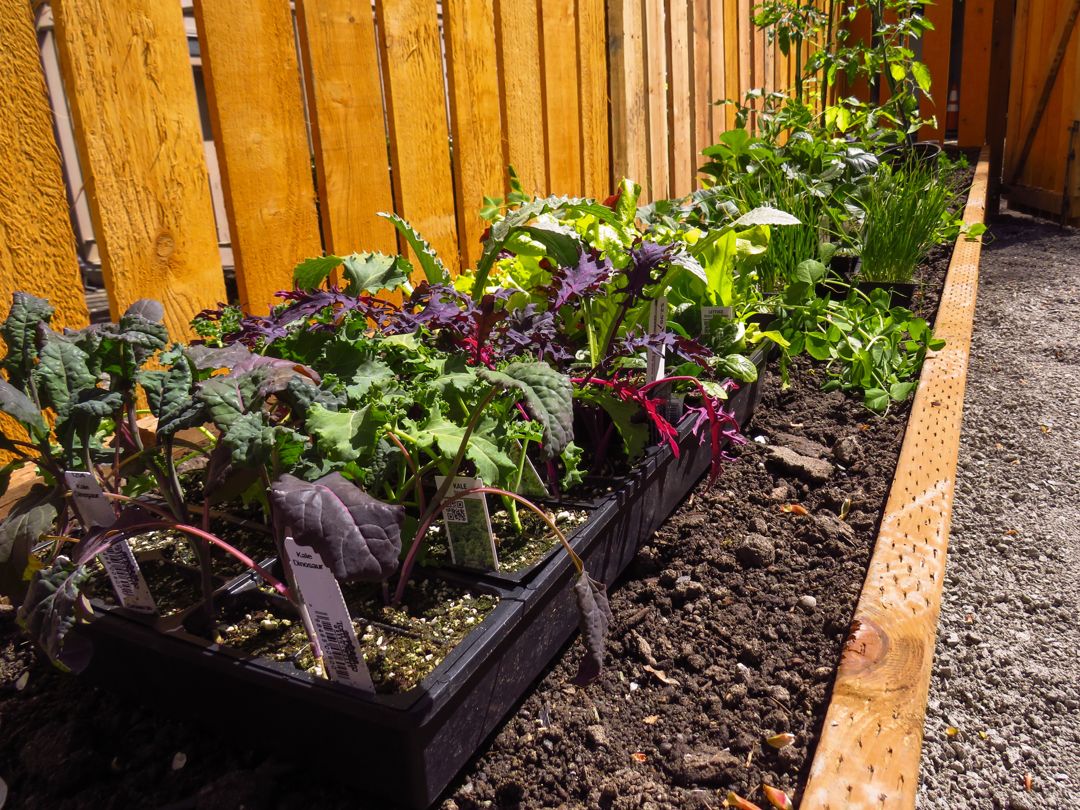
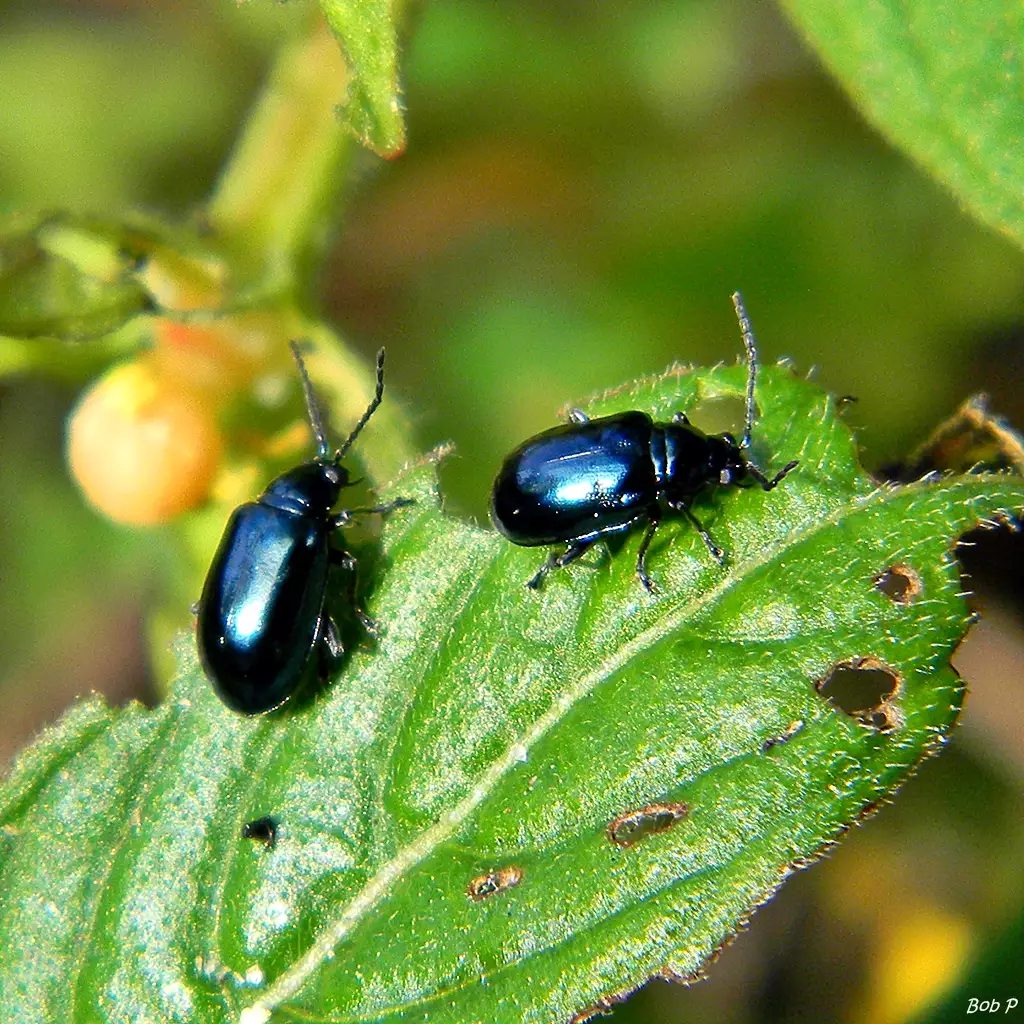
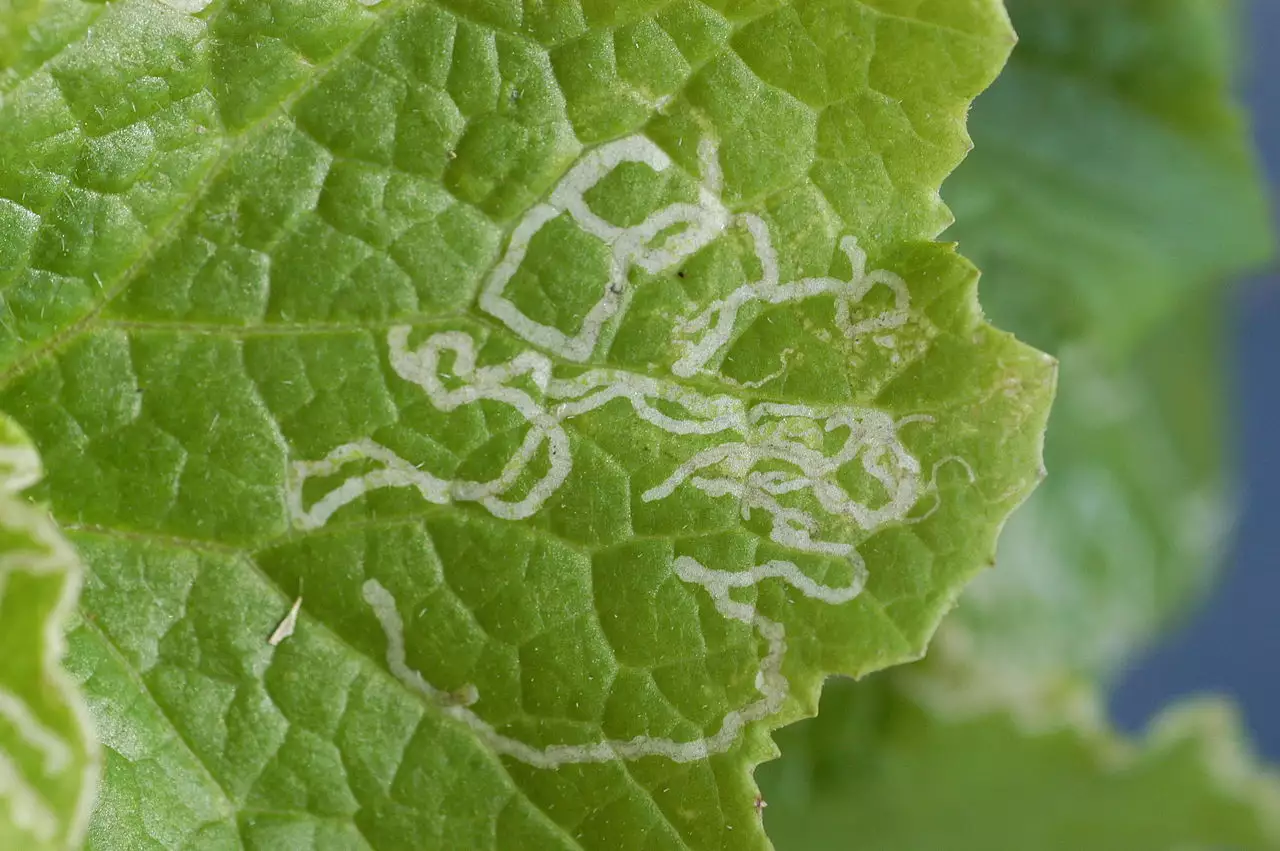
Chard prefers fertile, well-draining soil. Apply compost at the time of planting. Chard spacing can vary depending on whether you are growing full size chard or baby chard. If you are growing full size chard one planting can often last all season although you may want a second or third planting as insurance in case of pest or disease issues. Apply mulch around the plants to manage weeds and to help retain moisture. If flea beetles or leaf miners are a major problem in your garden you may want to protect newly planted chard with row cover or insect netting. Chard can be grown in containers. Choose a container that holds at least 1 gallon (3.8L).
Feeding
Chard is a moderately heavy feeder. Fertilize regularly throughout the growing season with a balanced fertilizer. Do not spray or apply fertilizer directly on the leaves.
Harvesting
Chard leaves can be harvested at any size so long as the plant is well established. The outermost leaves should be harvested first as they are the largest and oldest. Use a sharp knife to cut off a few individual leaves as close to the stem as possible. Be careful not to accidentally cut off the inner leaves or stem so the plant can continue to grow. Individual leaves can also be snapped off the plant by holding the plant with one hand and quickly pulling the leaf sideways with the other hand (it can be easy to accidentally damage the plant this way so using a knife may be a better option).
To harvest baby chard, cut roughly 3-4" (8-10 cm) leaves by holding the leaves together in one hand and carefully cutting horizontally using a sharp knife in the other hand. Avoid cutting too low so the inner leaves and stem remain intact and the plant can continue to grow.
If possible, avoid harvesting chard during the hottest parts of the day to help keep it from wilting.
Storage
Chard should be cooled down quickly after harvesting to prevent wilting. Immerse chard in cold water or gently spray it and inspect it for any pests that need to be removed. Spread chard out to dry on a clean towel in a cool area. Chard should not be stored wet; refrigerate once the excess moisture has been removed. Chard can be kept in the fridge for up to several days. Store chard in loose plastic bags or airtight containers to prevent wilting. Chard (that has been thoroughly cleaned) can also be chopped then portioned into airtight containers or freezer-safe bags and frozen for up to several months.
Chard contains oxalates so be careful if you are on a low-oxalate diet.