Cauliflower
Brassica oleracea var. botrytis
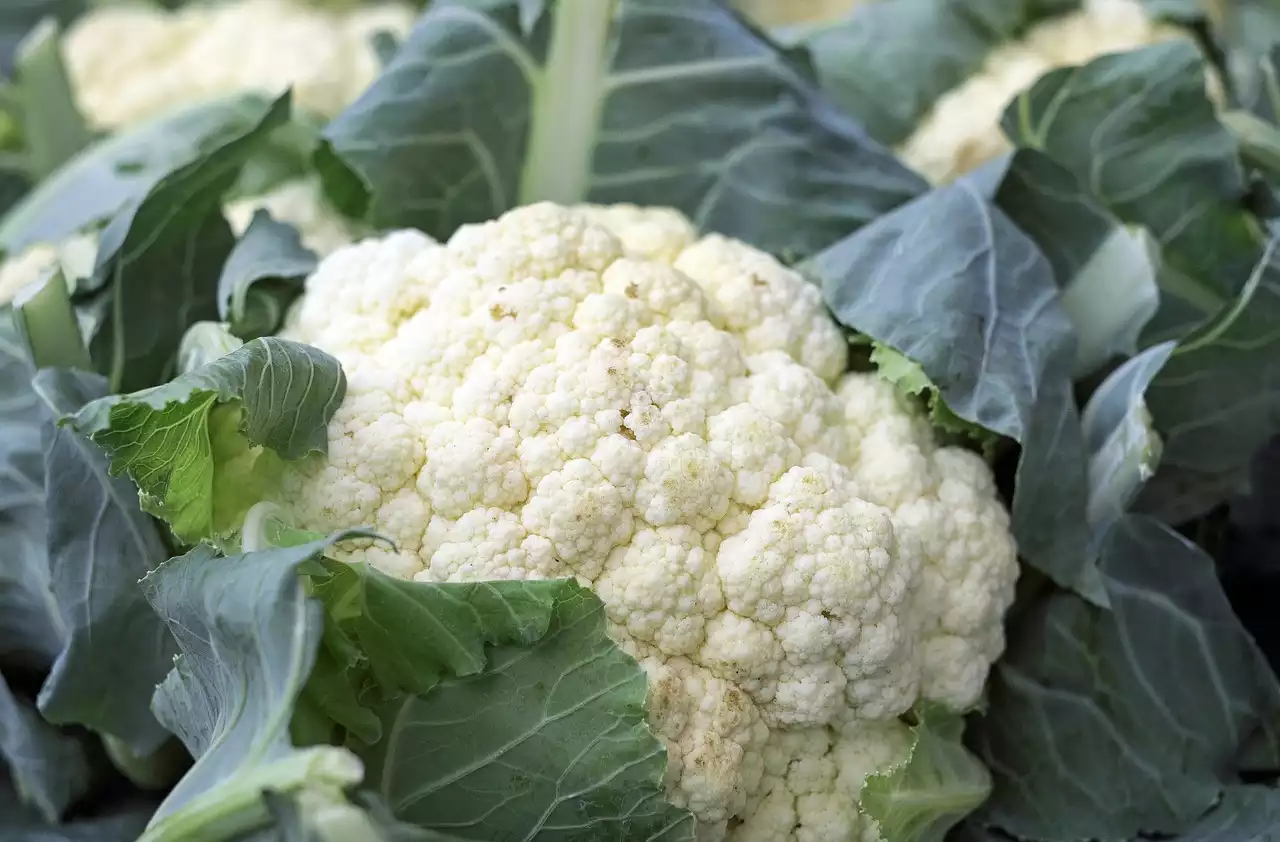
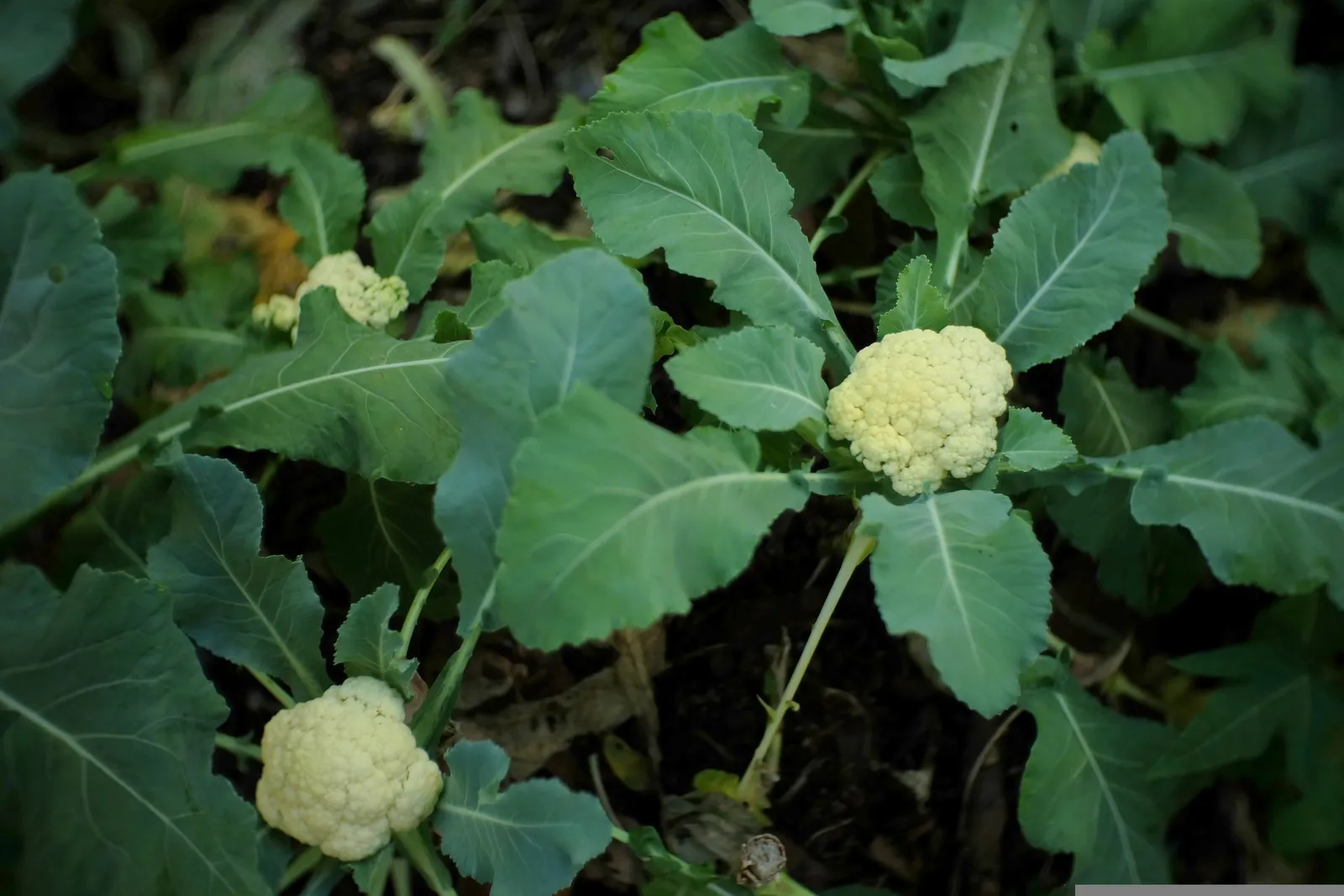
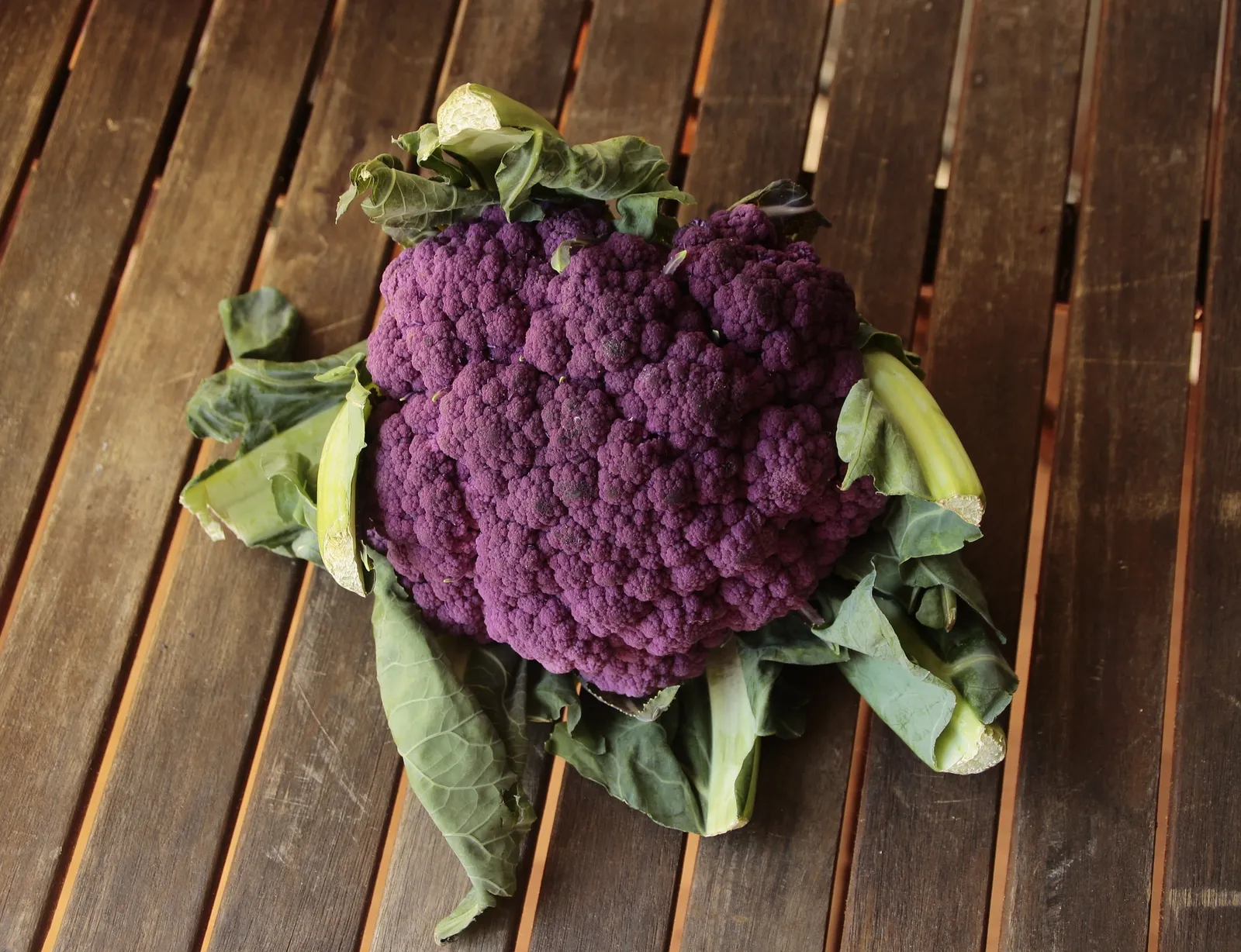
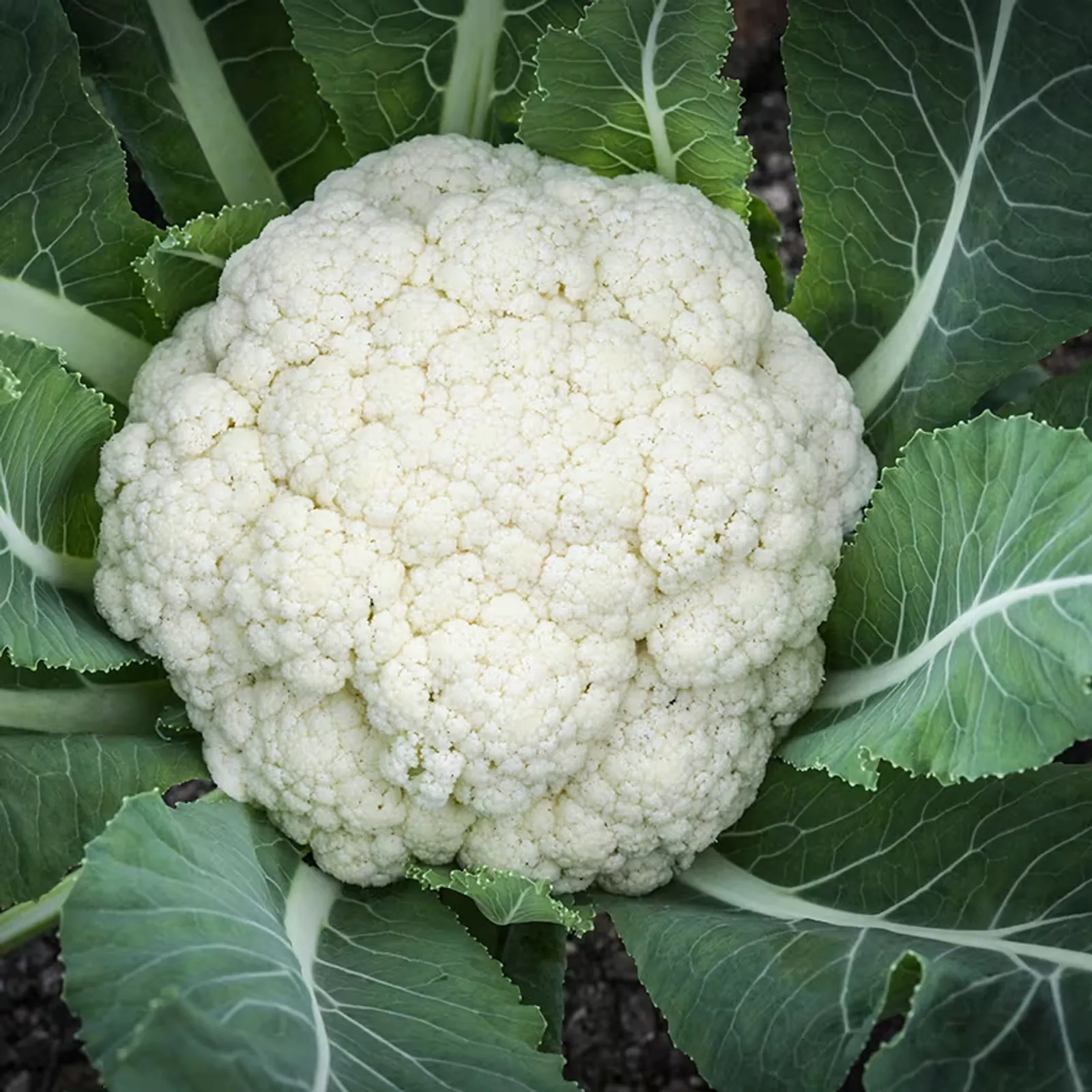
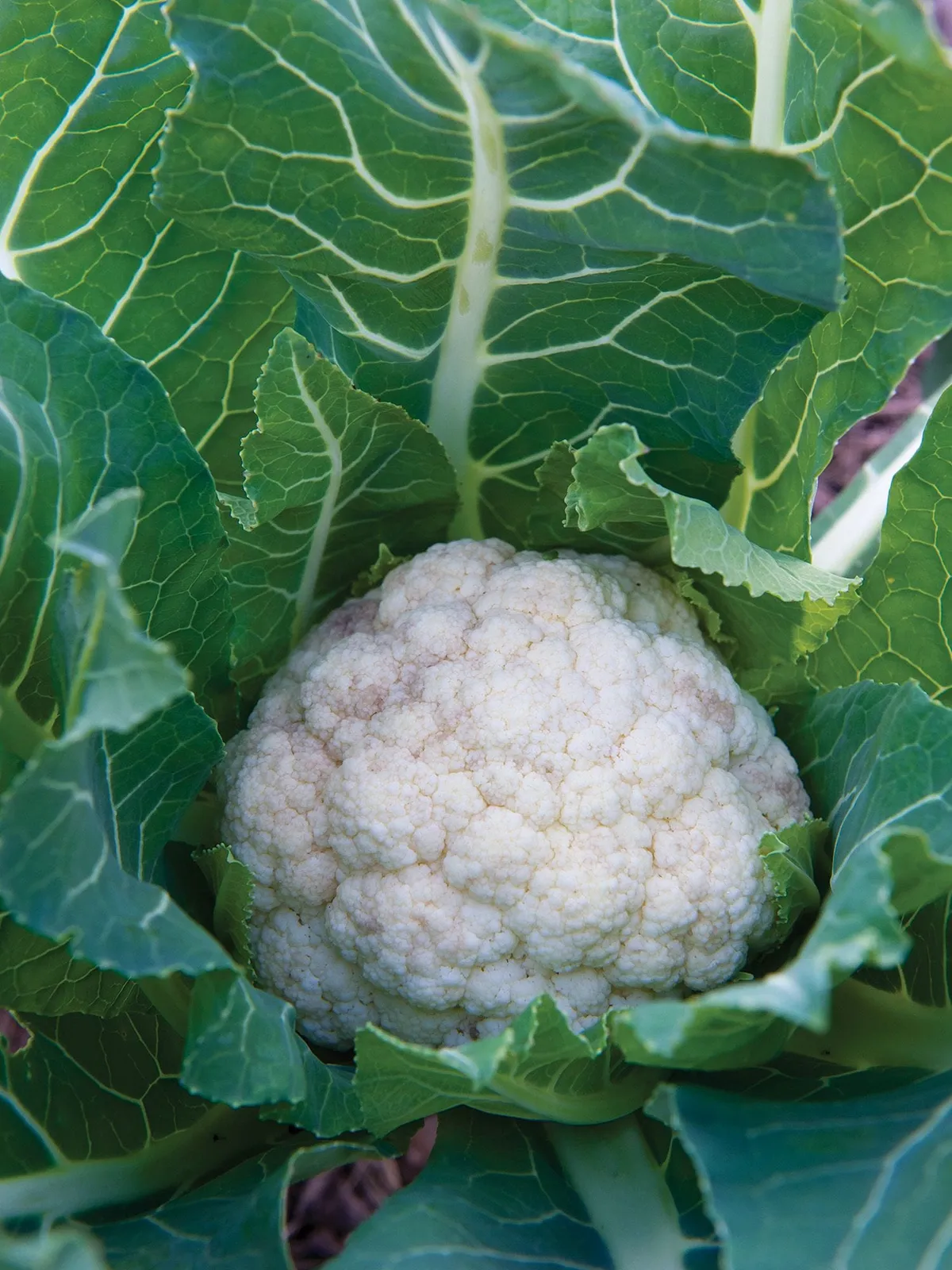
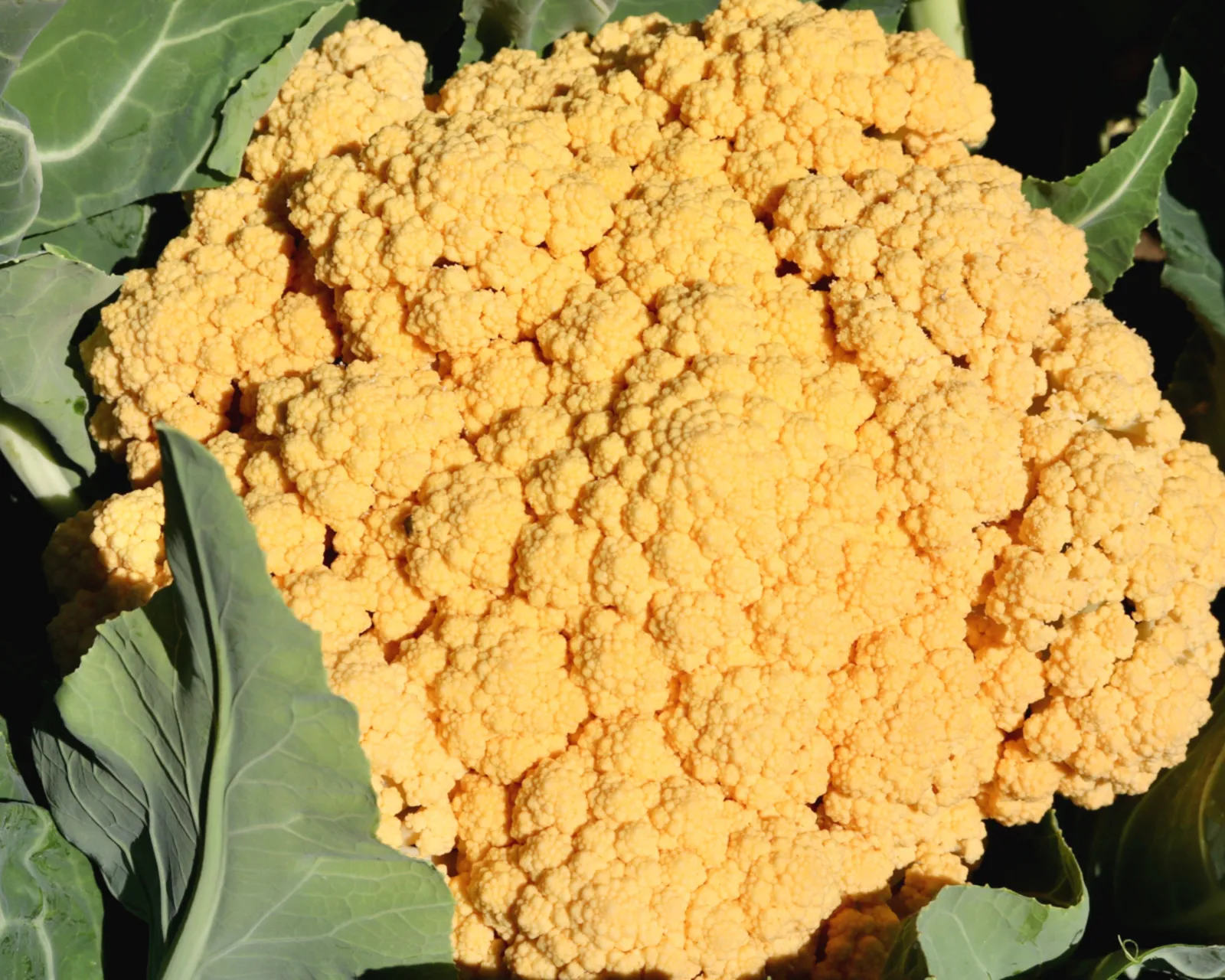
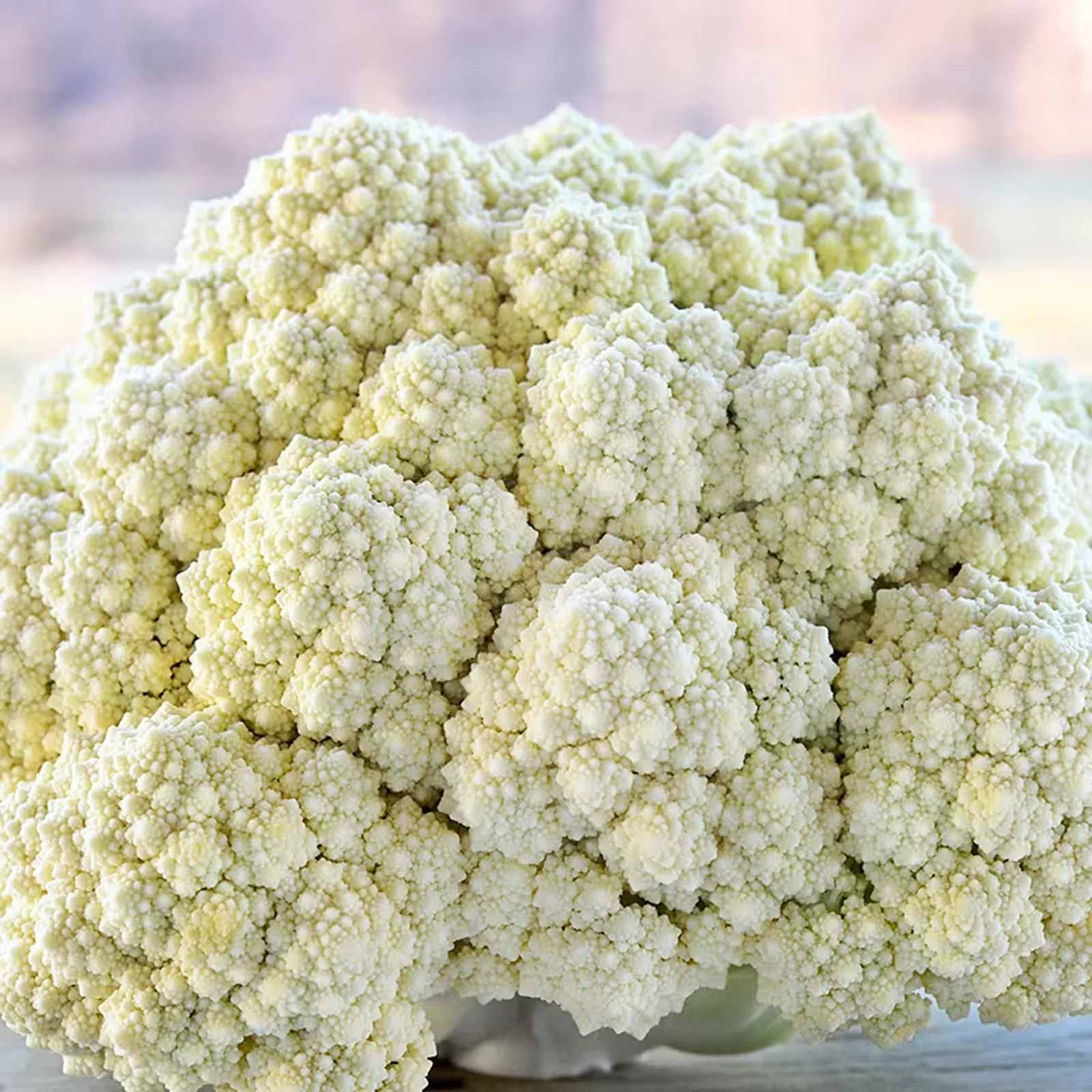
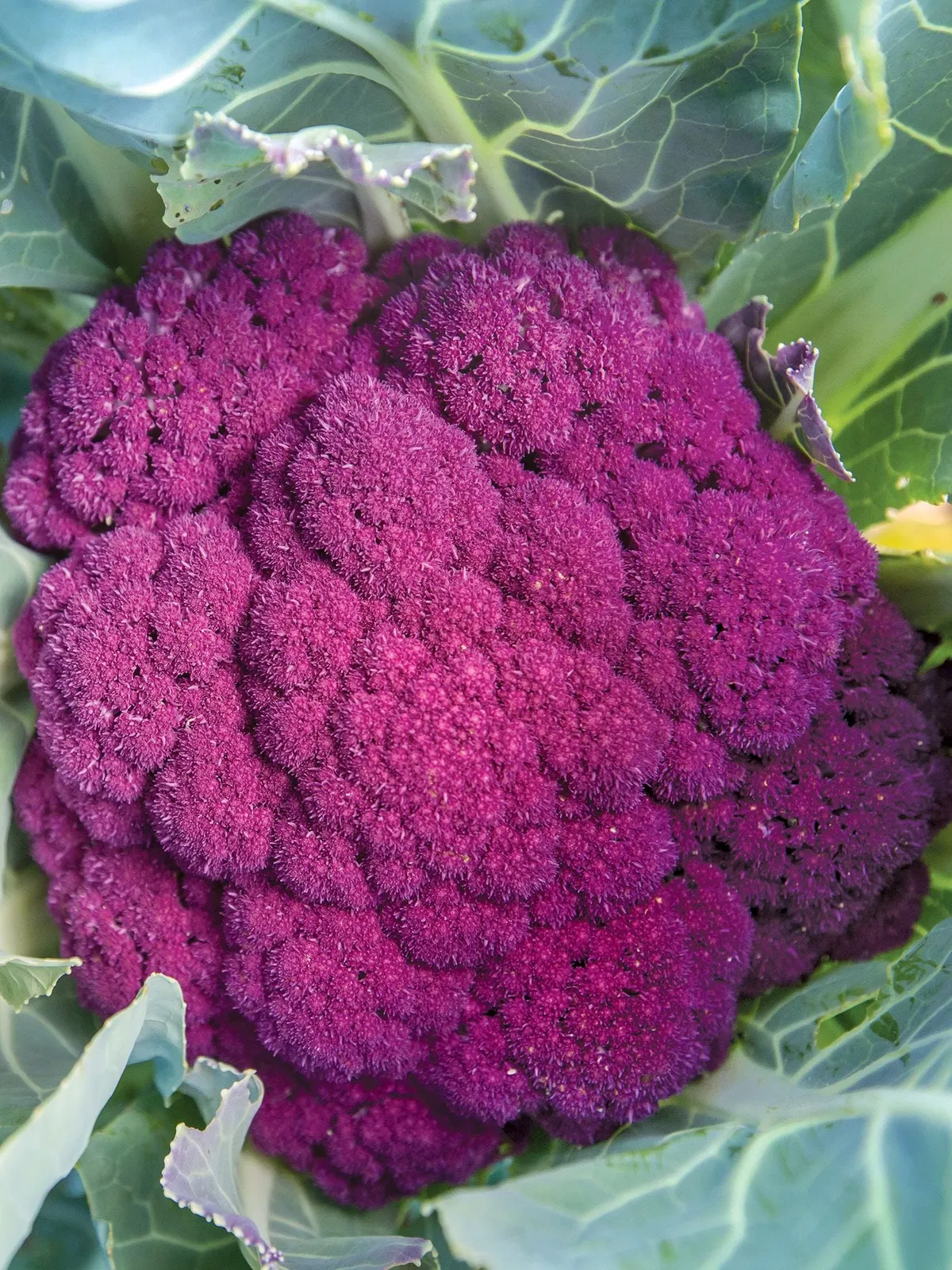
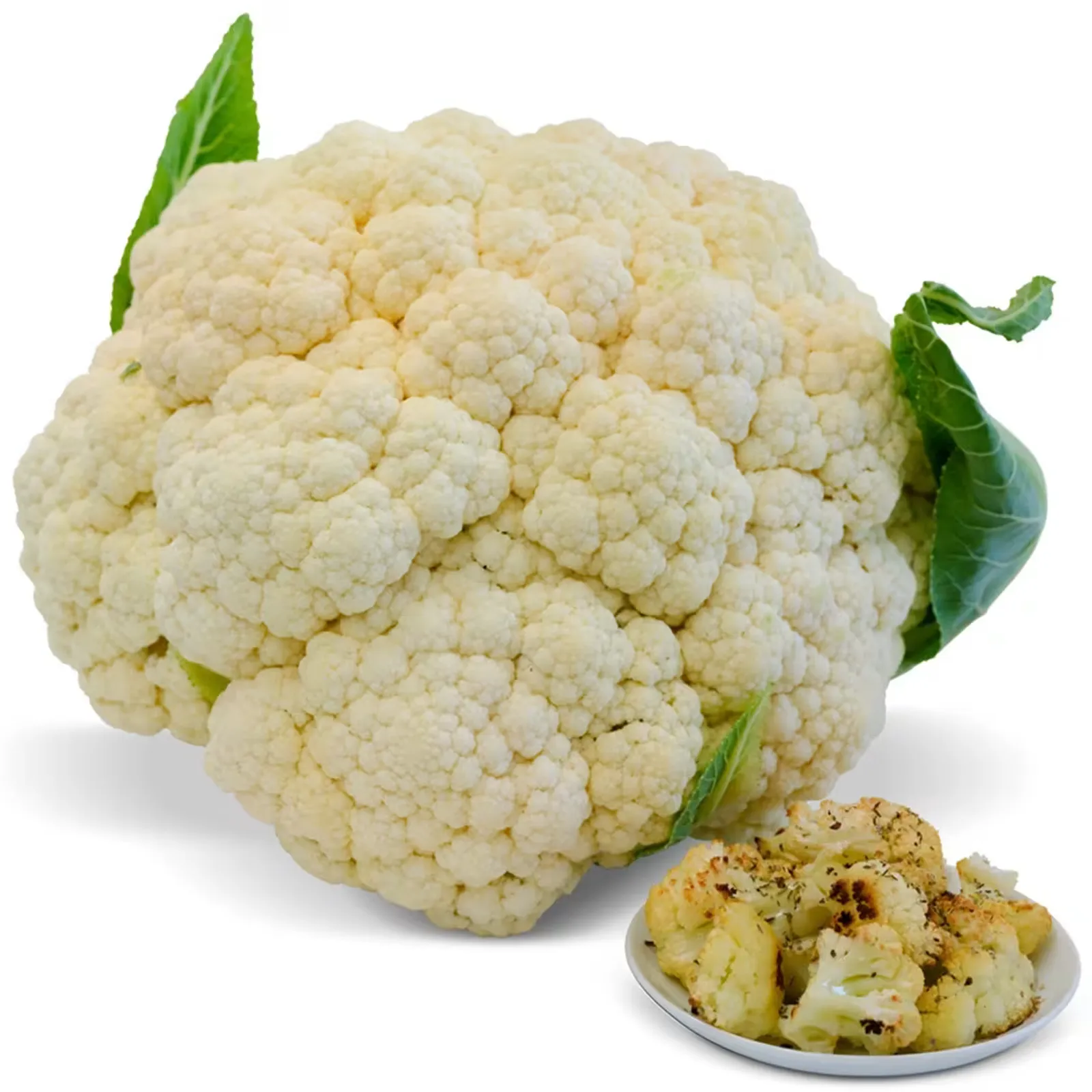
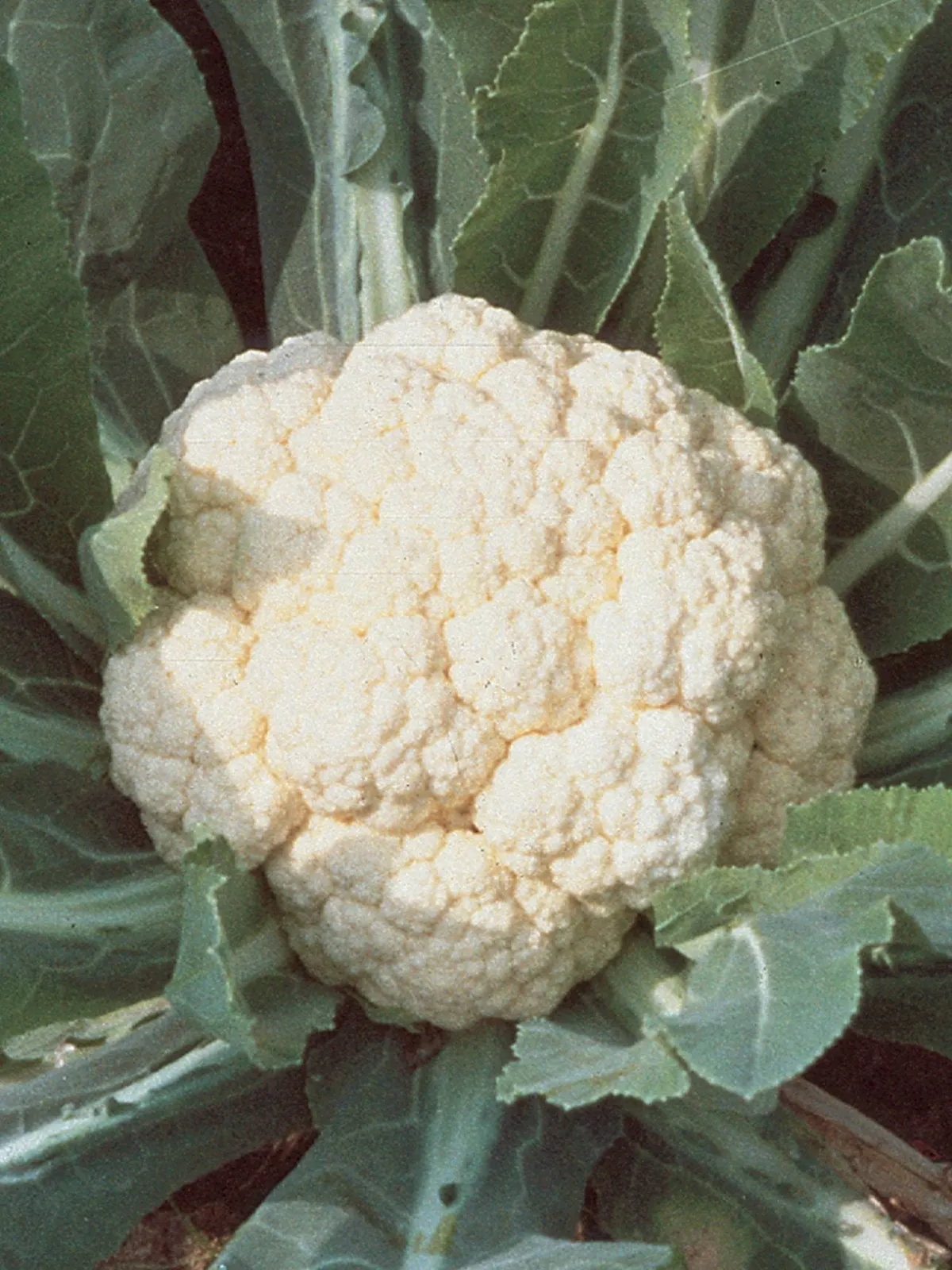
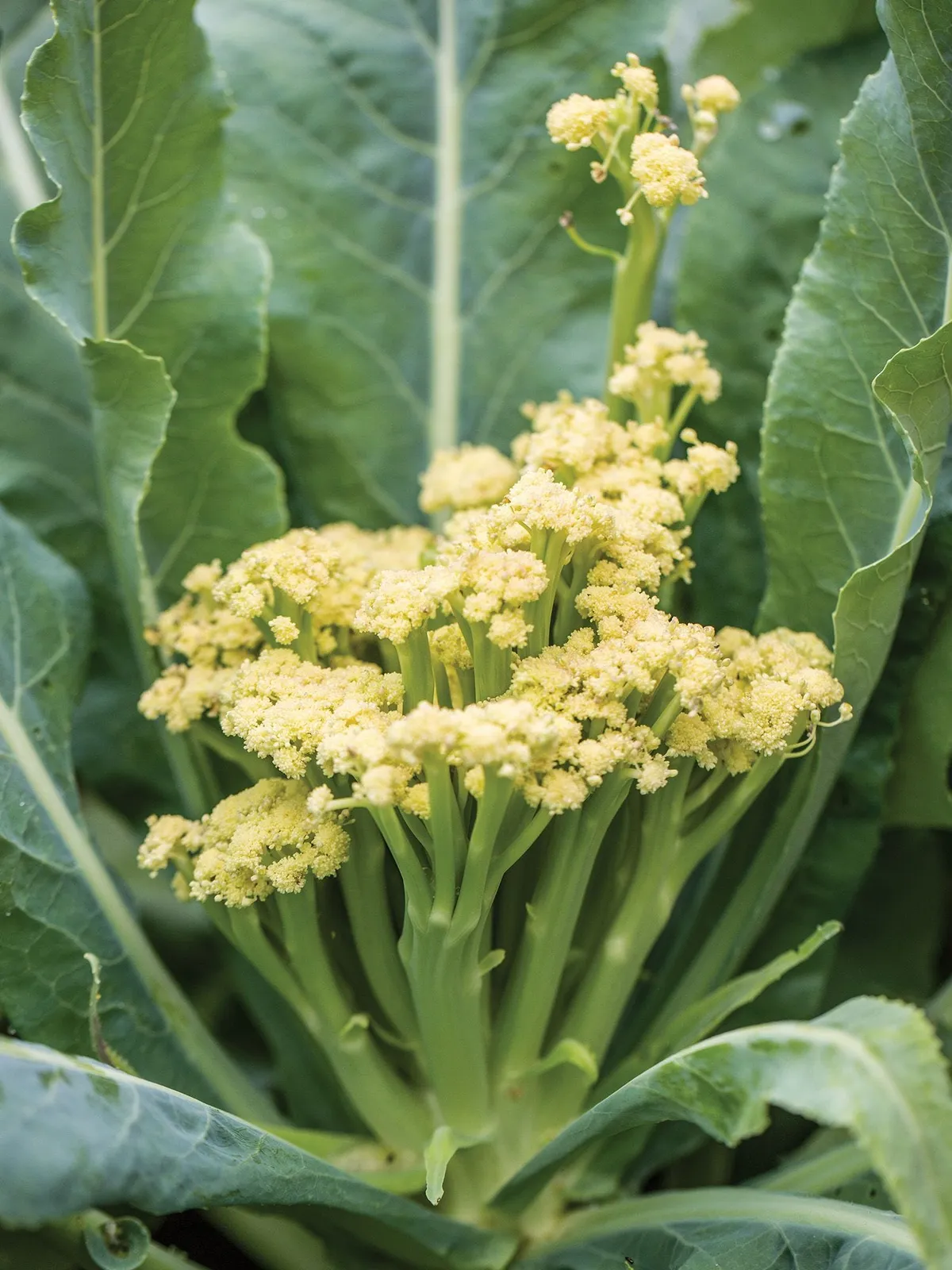
Cauliflower has gained recent popularity as a healthy choice used in dishes such as cauliflower pizza crust and cauliflower bites; not to mention the classics like cauliflower soup and gratin. Cauliflower can be more challenging to grow than broccoli and cabbage because it is prone to 'buttoning'- forming small underdeveloped florets instead of one large head. Temperature fluctuations or extremes, as well as moisture or nutrient stress all contribute to buttoning. The white (sometimes orange, green, or purple) parts of the cauliflower are called curds. White curds turn an off-yellow color if exposed to sunlight. To prevent this gardeners either tie the topmost leaves around the developing curds, or choose "self-wrapping" varieties. There are also 'sprouting cauliflower' varieties available that form individual florets instead of one large head. Cauliflower can be a demanding crop but the reward of having a fresh, home-grown cauliflower head makes all the effort worthwhile!
How to Grow Cauliflower
Quick Info


Put away the pen and paper
Plan your veggie garden in minutes with Planter's easy drag and drop planner.
Try Planter for Free
Varieties
Related Articles
Companion Plants





Combative Plants





Nutrition
Vitamins





Nutrients








Pests
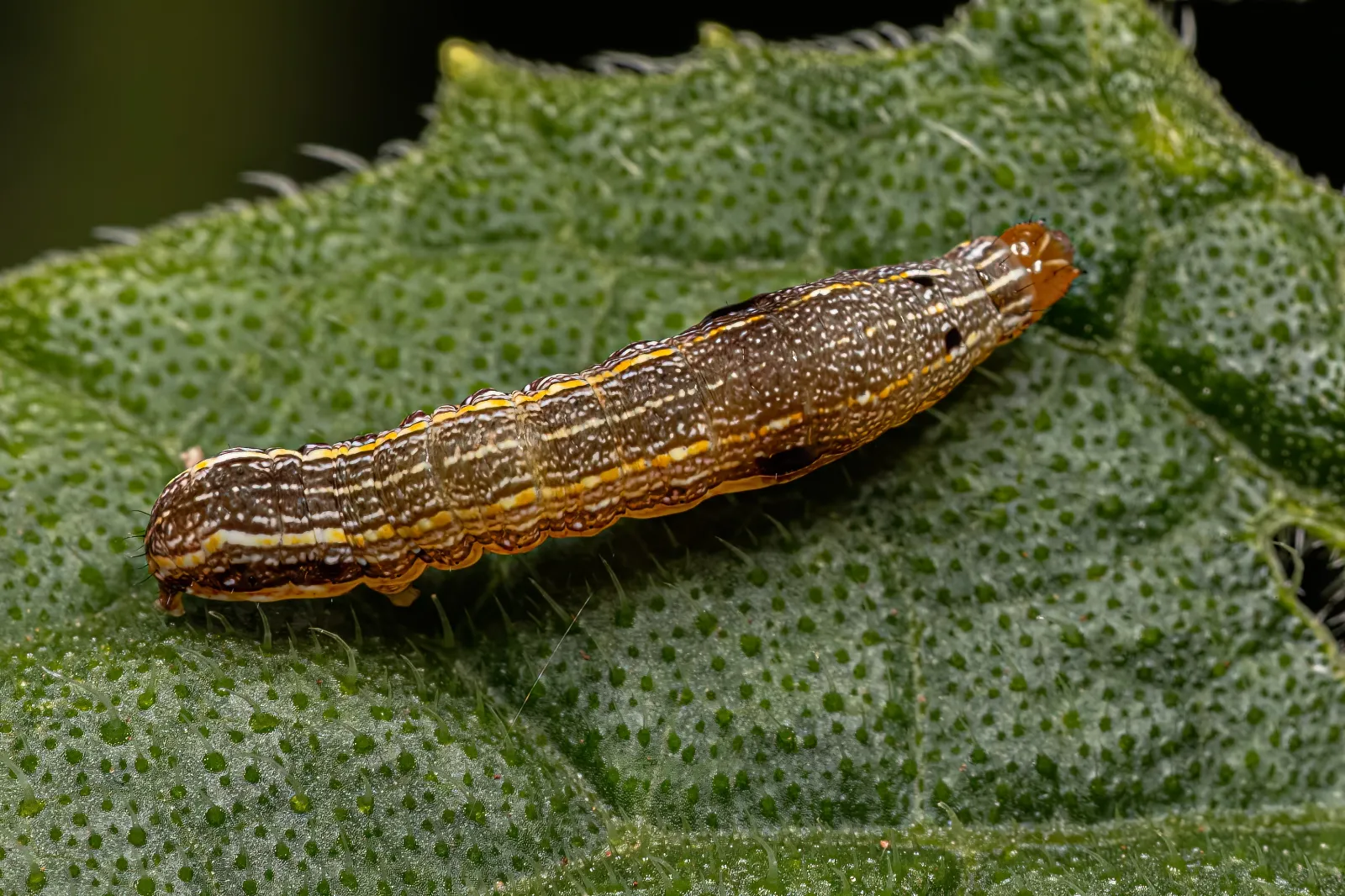
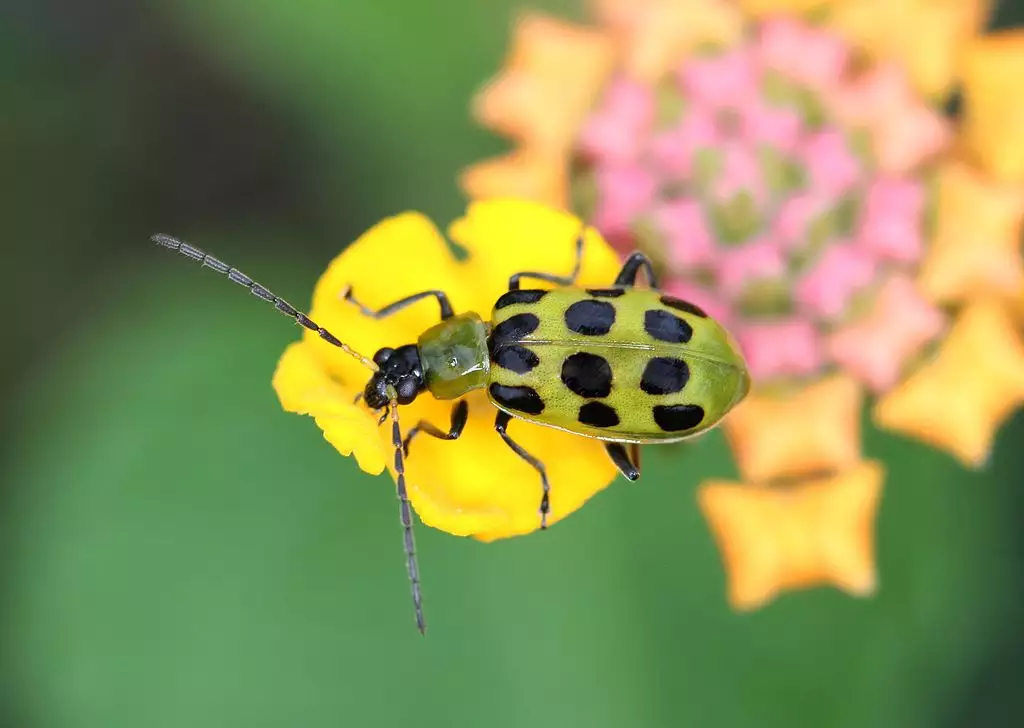
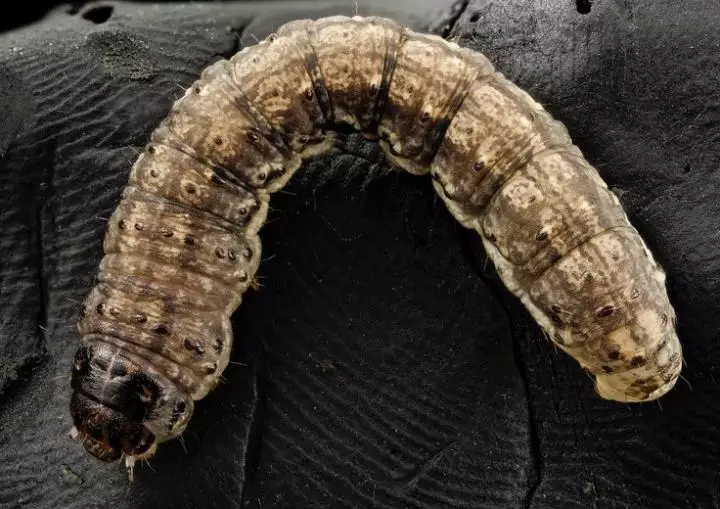
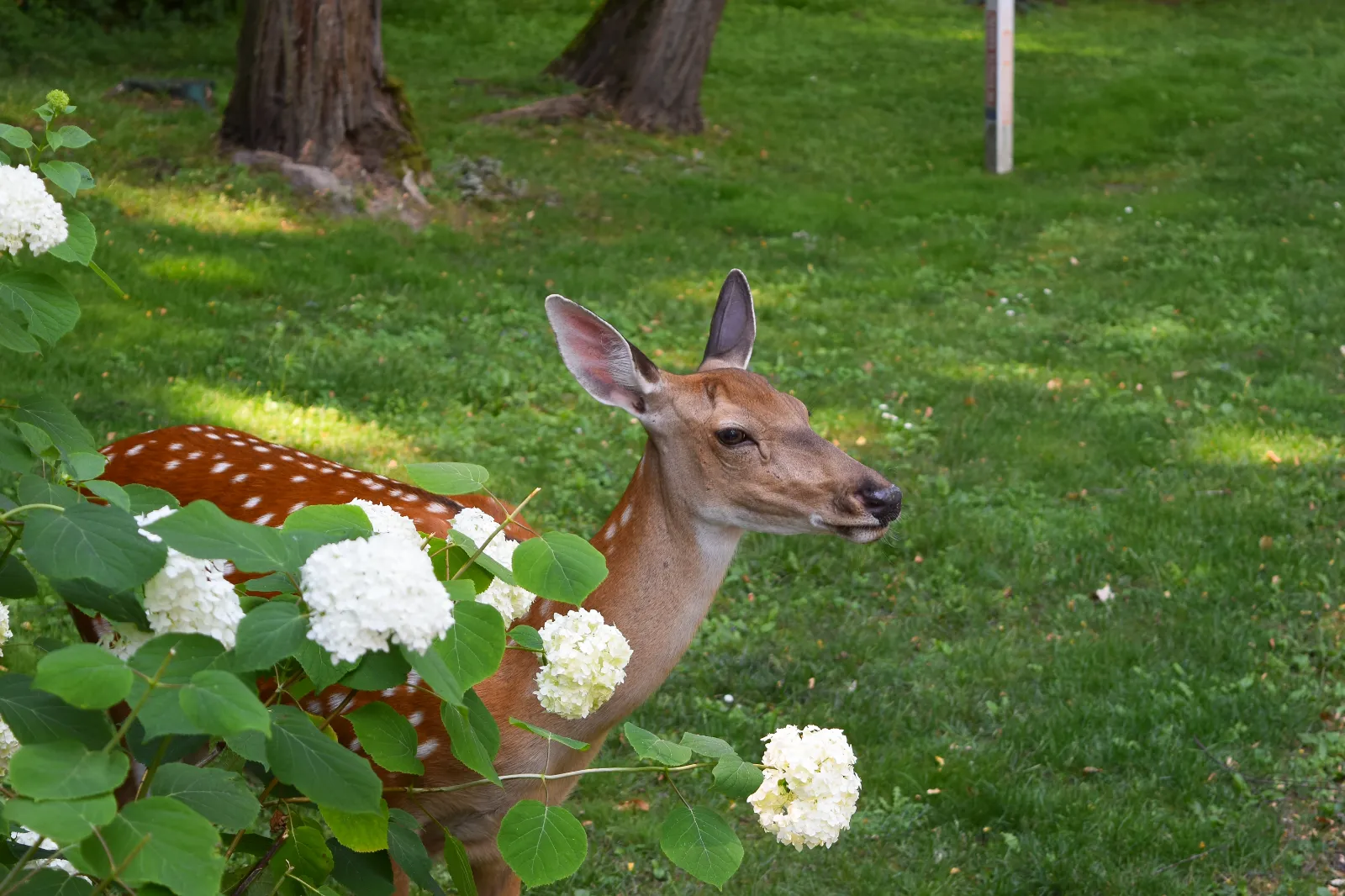
Diseases

Beneficial Critters
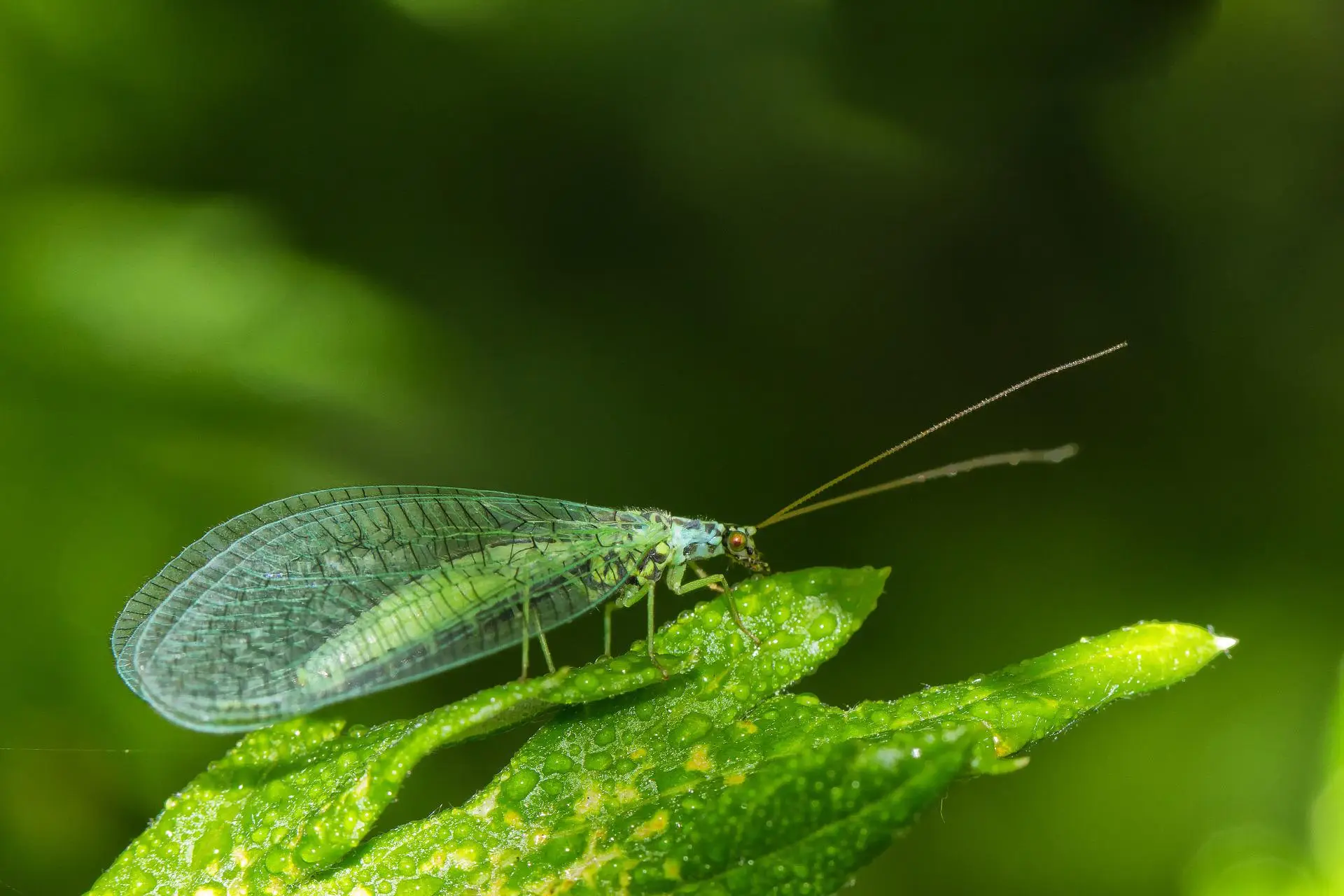
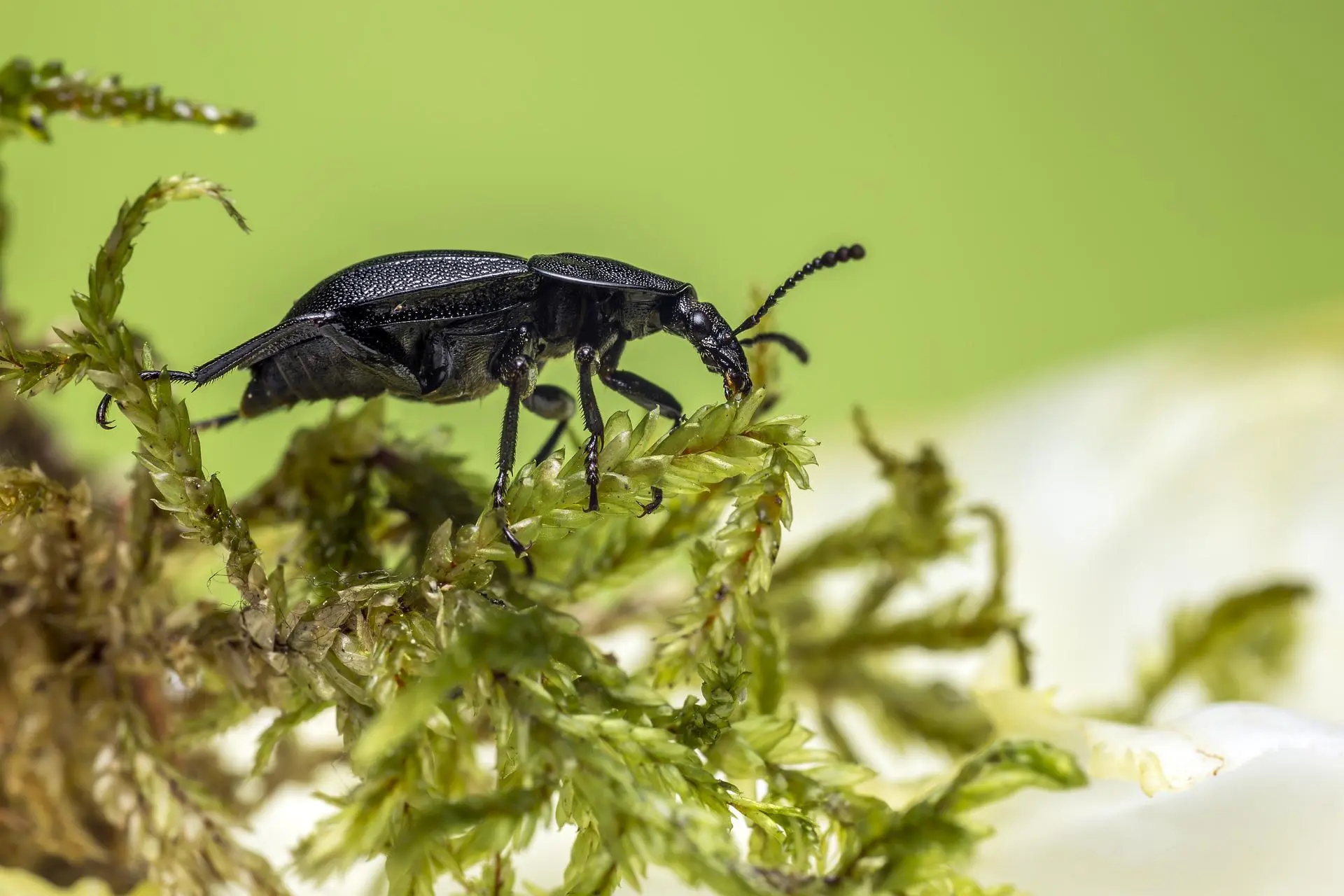
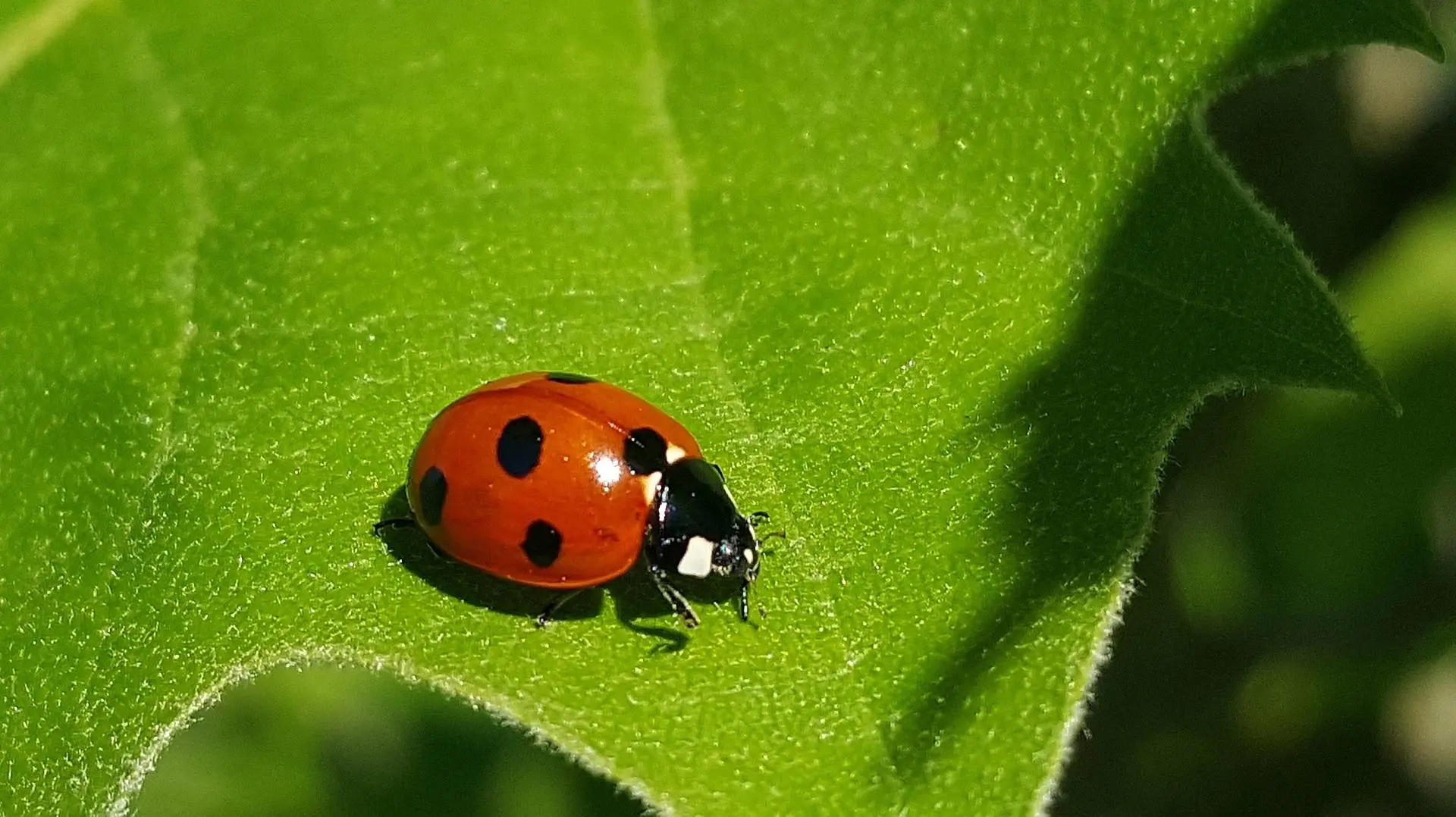
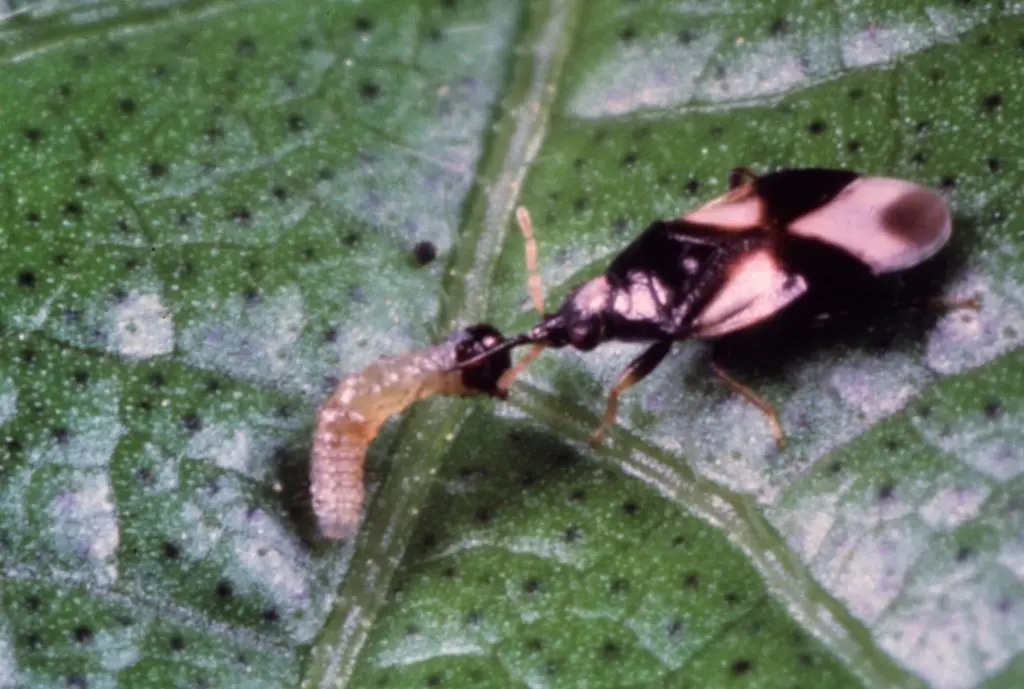
Growing from Seed
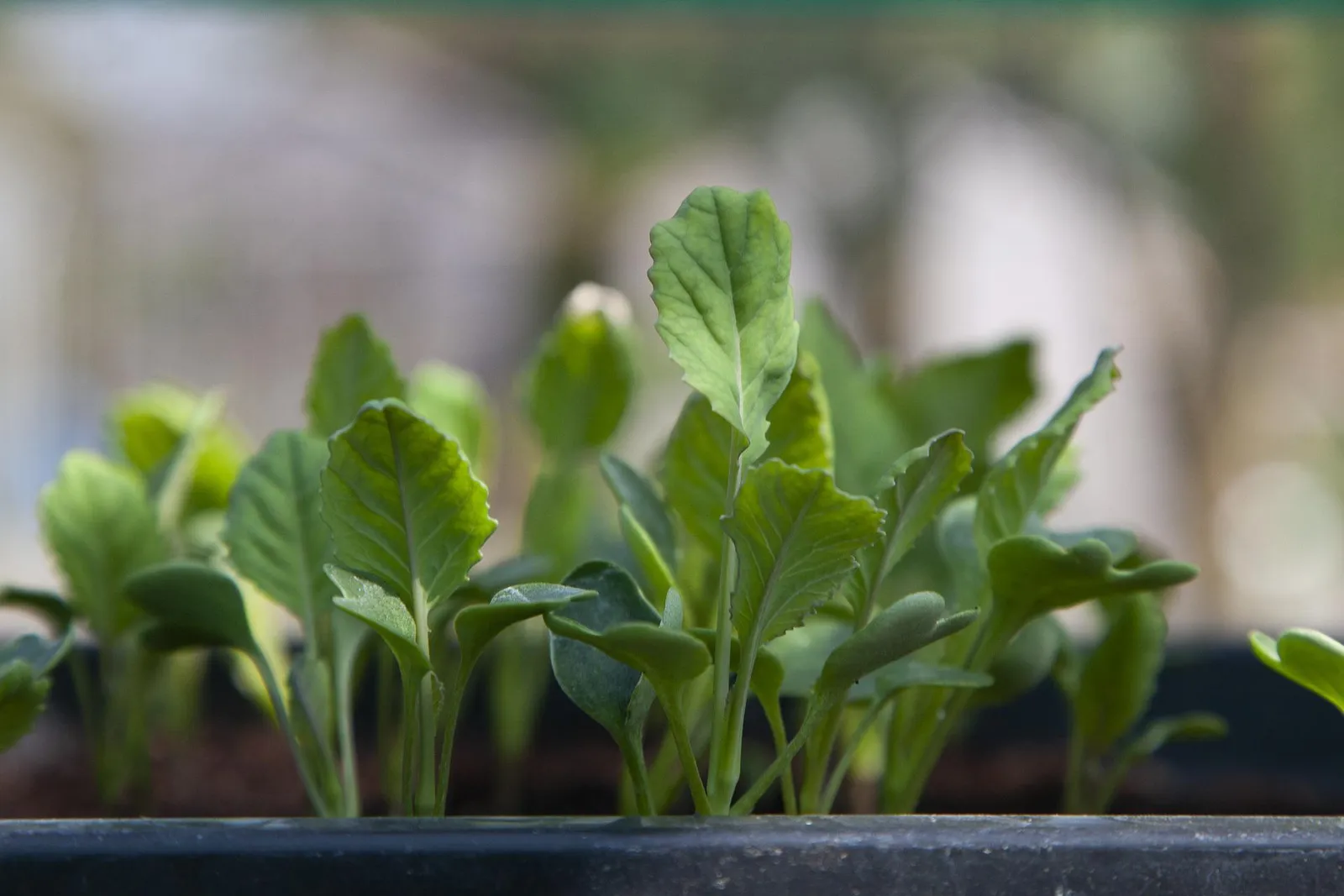
Cauliflower is a cool weather crop that typically grows best in the spring or fall, and it is more sensitive to heat and cold extremes than other brassicas. Some varieties of cauliflower can be grown over winter in milder climates. Choose a variety that is suited for the time of year you intend to grow it. Cauliflower seeds can be sown directly outdoors in spring as soon as the soil is workable, however because cauliflower can be fussy and timing is crucial most gardeners will start it indoors (especially for a spring crop). Keep the seed starting mix consistently moist but not wet. A heat mat can be used to aid germination but excessive heat after germination can cause the seedlings to become leggy and weak. Turn off heat mats as soon as seedlings emerge and be sure your grow room is cool. Use grow lights to provide supplemental light as soon as the seeds germinate. For a fall crop of cauliflower it is also helpful to start seeds indoors to avoid the intense heat in summer.
Planting Considerations
Do not allow cauliflower seedlings to become root bound before transplanting otherwise the stress may trigger buttoning; only transplant young, healthy seedlings. Cauliflower prefers fertile, loamy soil that retains moisture but does not become waterlogged. Add compost to the soil at the time of planting. Apply mulch around the plants to manage weeds and to help retain moisture. Cauliflower is susceptible to many pests. Proper plant spacing, good weed control, and applying row cover or insect netting at the time of planting can help to minimize pest damage. It is possible to grow cauliflower in containers although it may be more challenging to maintain the consistent moisture and nutrition that cauliflower demands. To grow cauliflower in a container be sure to choose a compact variety that is suited for container growing and use a container that holds at least 5 gallons.
If you are growing white cauliflower that is not self-wrapping (also called self-blanching), remember to use an elastic or a piece of twine to tie the topmost leaves around the curds as soon as they start to form to block the sun.
Feeding
Cauliflower is a heavy feeder. Fertilize regularly throughout the growing season with a balanced fertilizer. Cauliflower requires ample sulfur and boron. If your soil test indicates a deficiency be sure to amend your soil prior to planting cauliflower
Harvesting
Check the seed packet to confirm the estimated days to maturity for the variety you are growing as there can be a wide variation between different varieties. Harvest cauliflower when the head is sizable (for the variety you are growing) and the curds are still firm and tight. You may need to untie the leaves to check how the heads are forming inside, then tie them back up if they are not yet ready. If the florets start to loosen, harvest immediately as the head is becoming overly mature and will develop a grainy texture. Use a sturdy knife to cut the stalk 1-2" (2.5-5 cm) below the head, keeping a few leaves along with the head to help protect it in storage. Cauliflower leaves are also edible.
Sprouting cauliflower generally matures more quickly than heading cauliflower. It is harvested as a whole head then seperated into individual florets. Plants may continue to produce side shoots after the main head has been harvested.
Storage
Whole cauliflower heads can be stored in the fridge for up to a week or two. Cauliflower can also be cut into bite-size pieces (or left whole for sprouting cauliflower), blanched, cooled and dried then arranged in a single layer on a baking tray to be frozen. Transfer the frozen cauliflower to a freezer safe bag and store it in the freezer for up to several months. Cauliflower can also be pickled for long-term storage.