Strawberries
Fragaria x ananassa
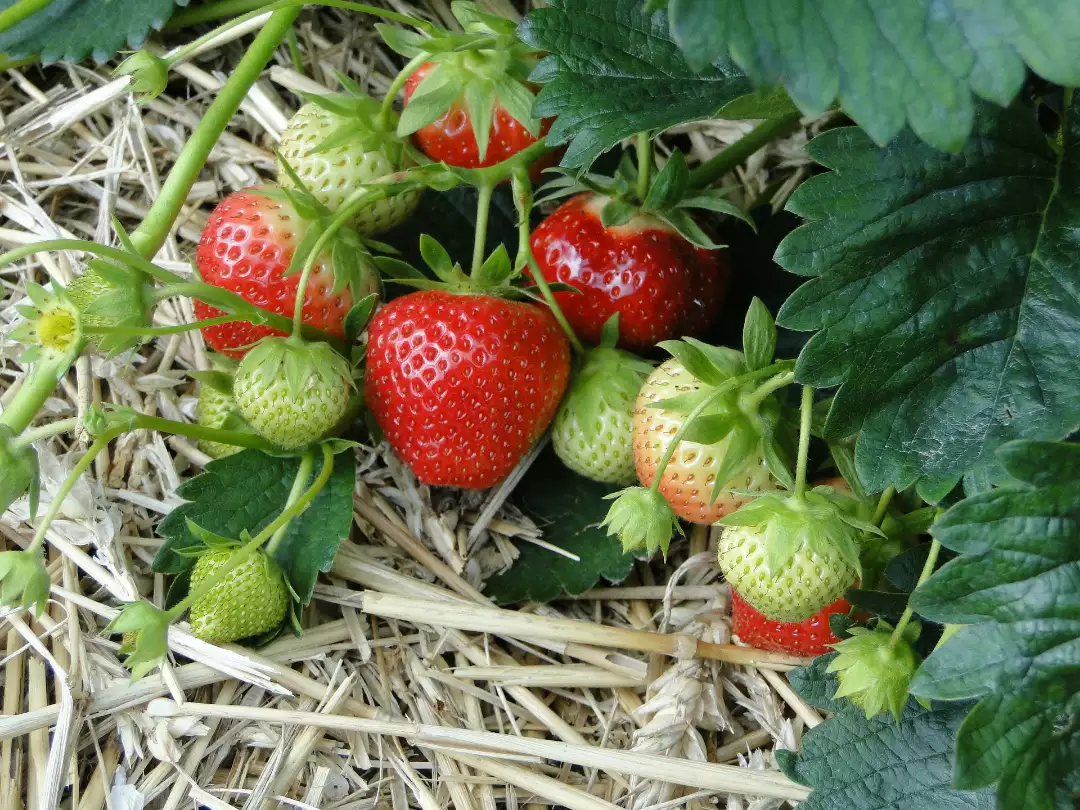
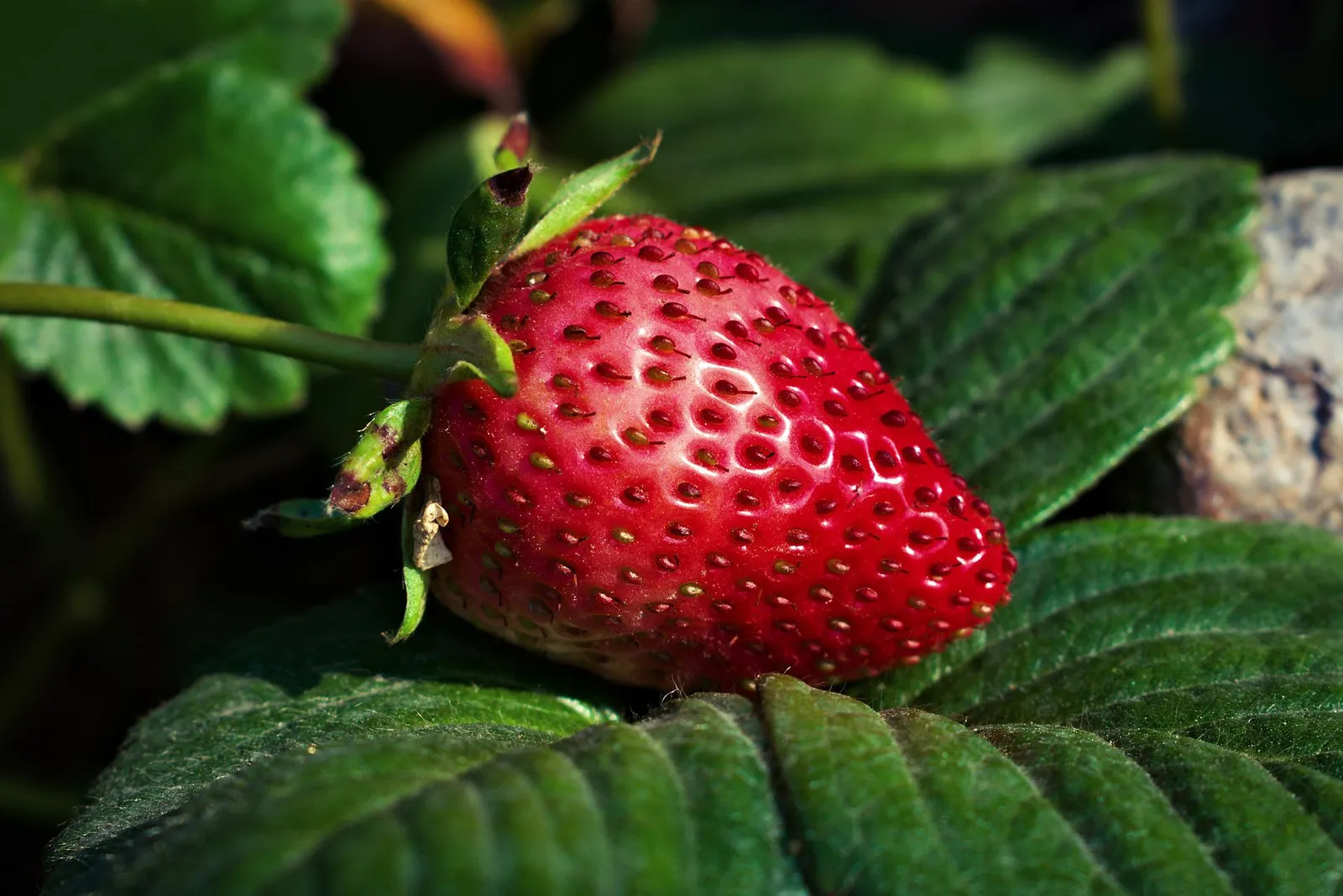
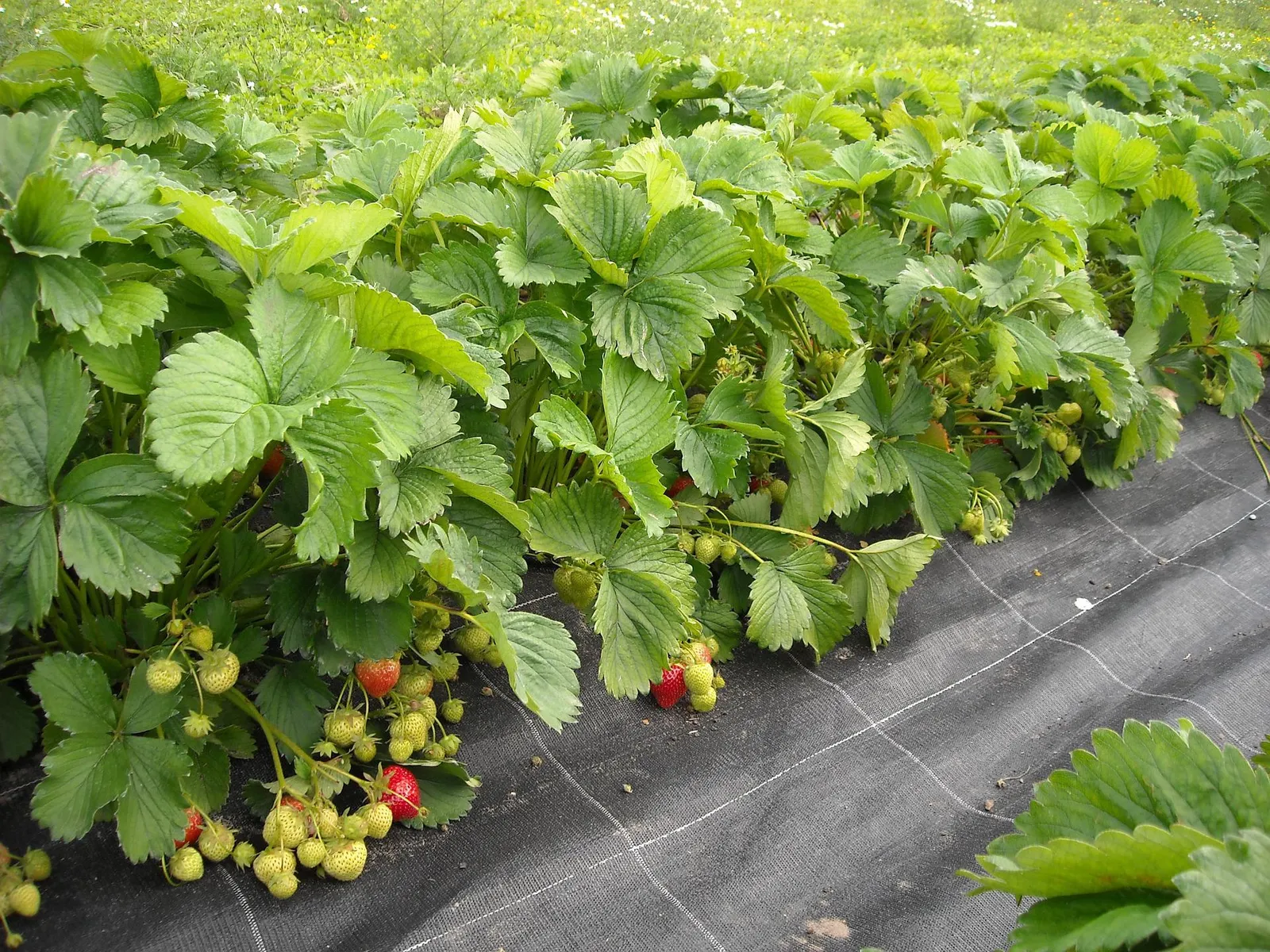
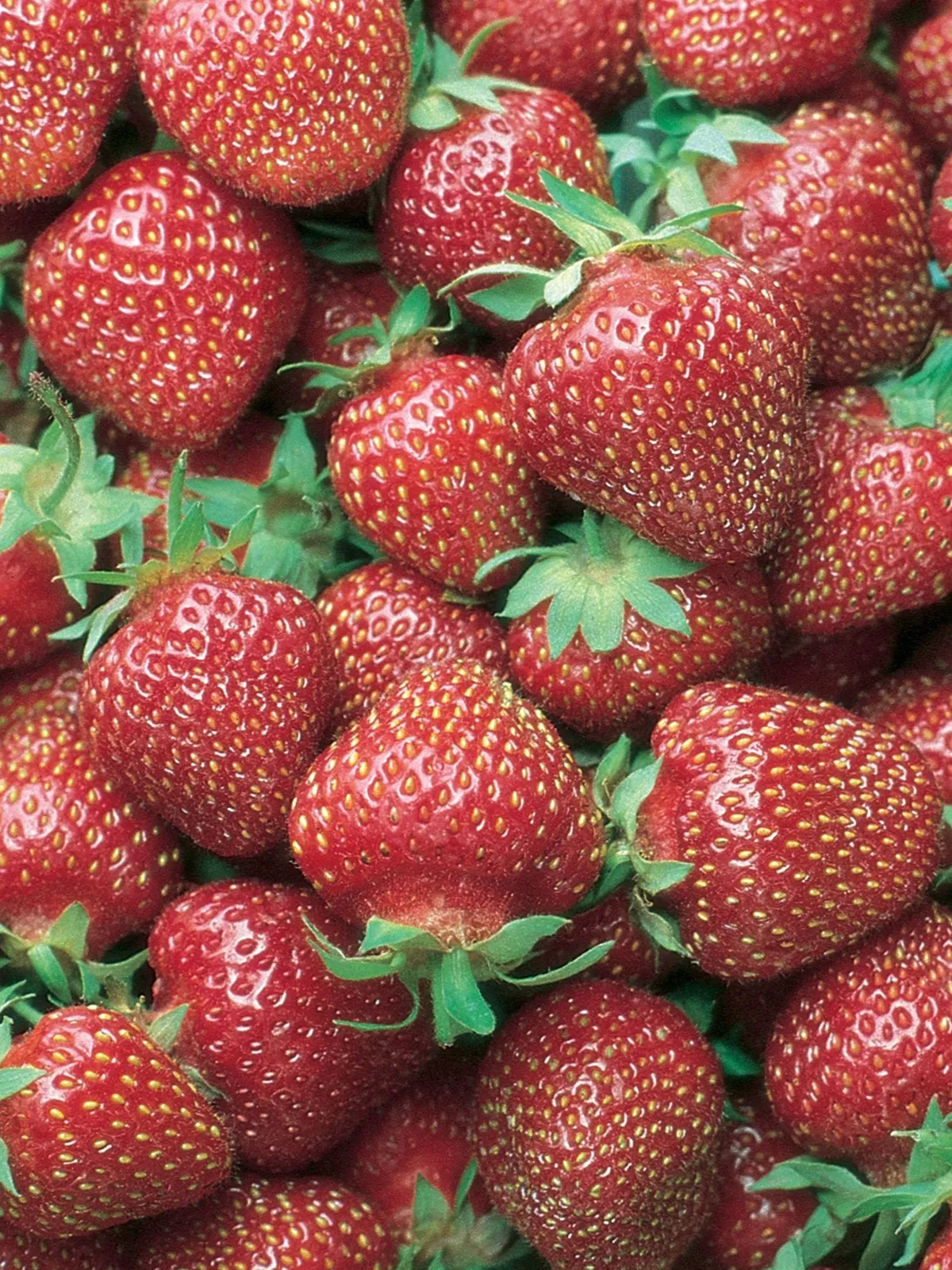
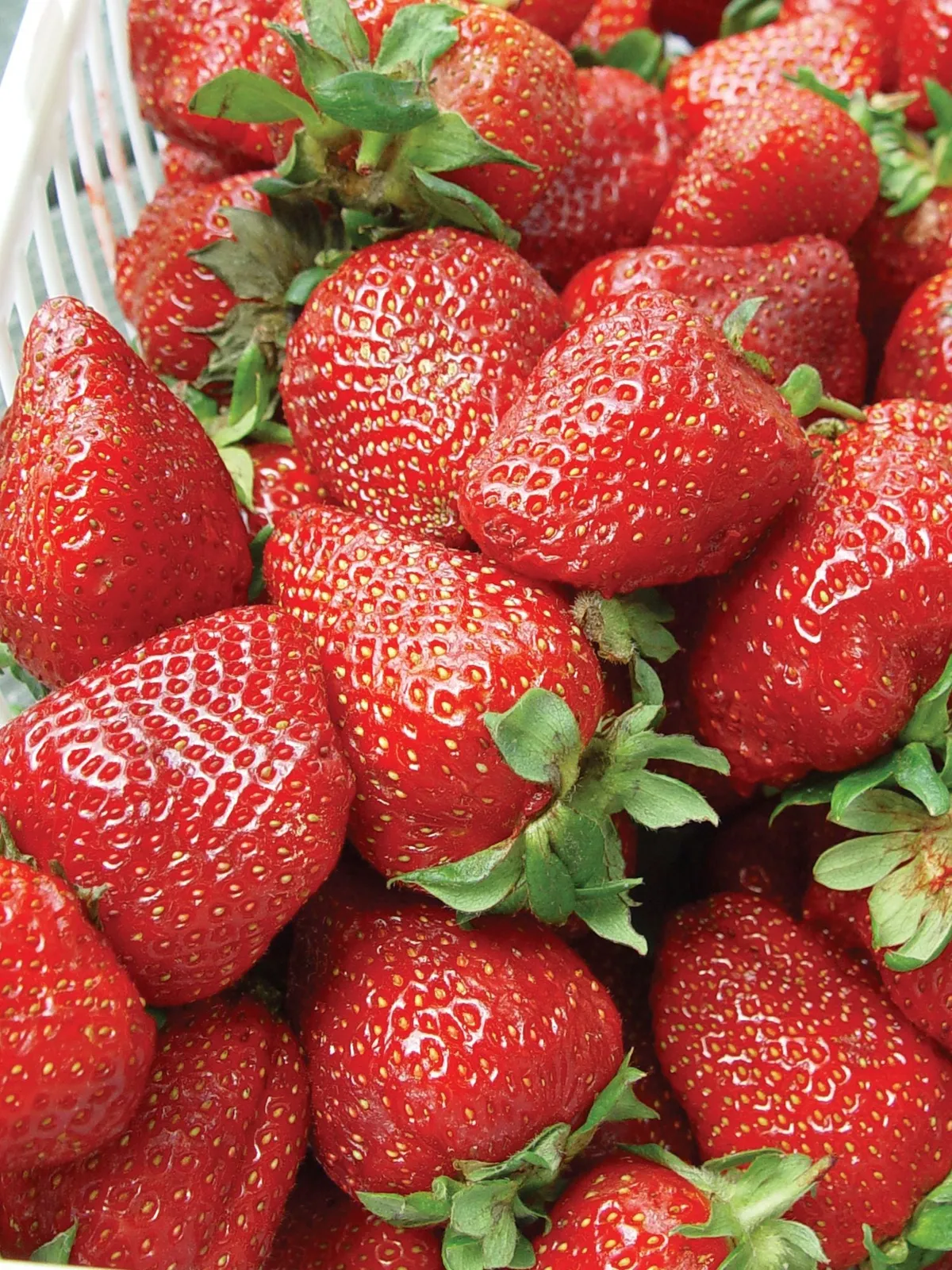
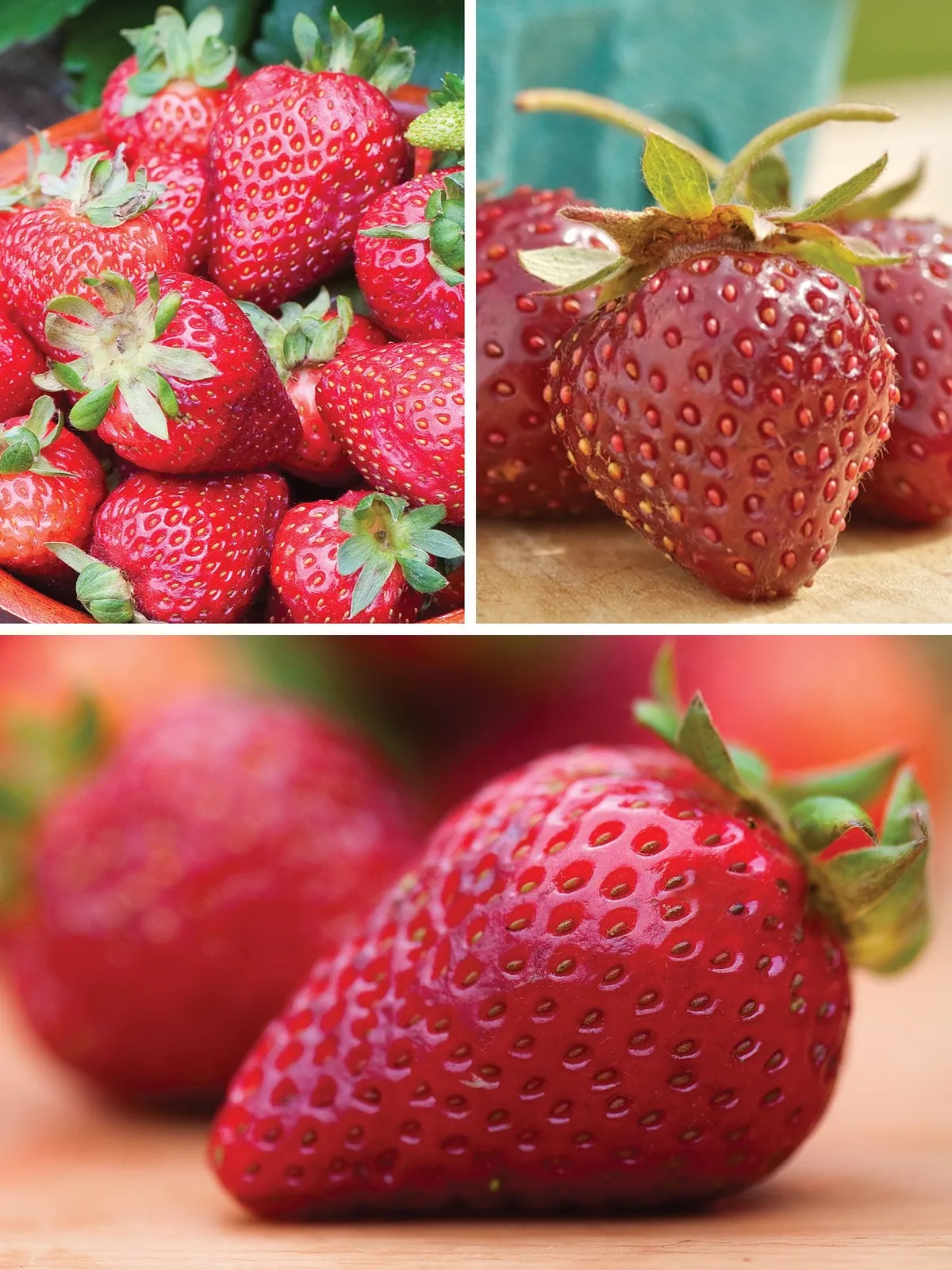
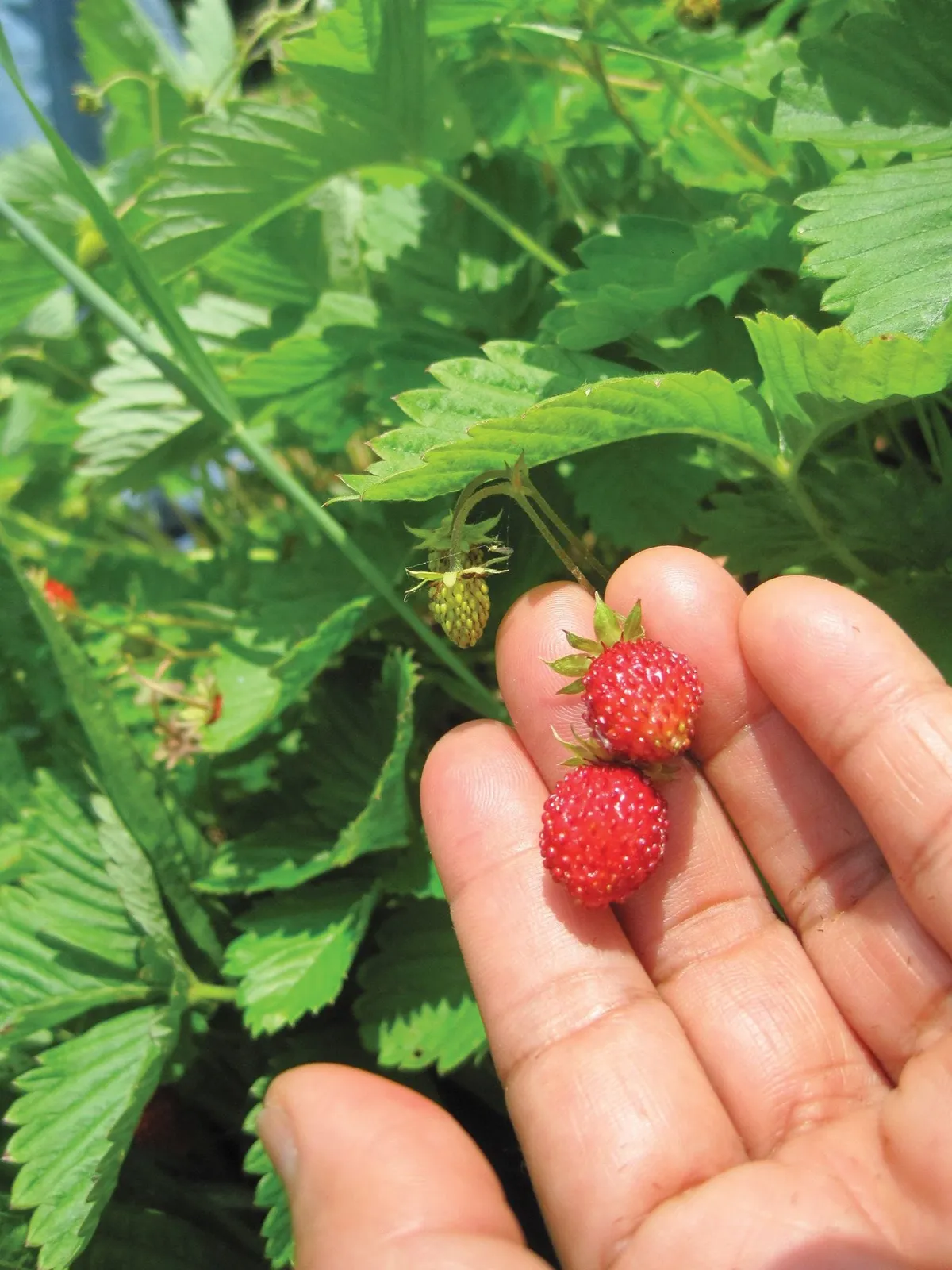
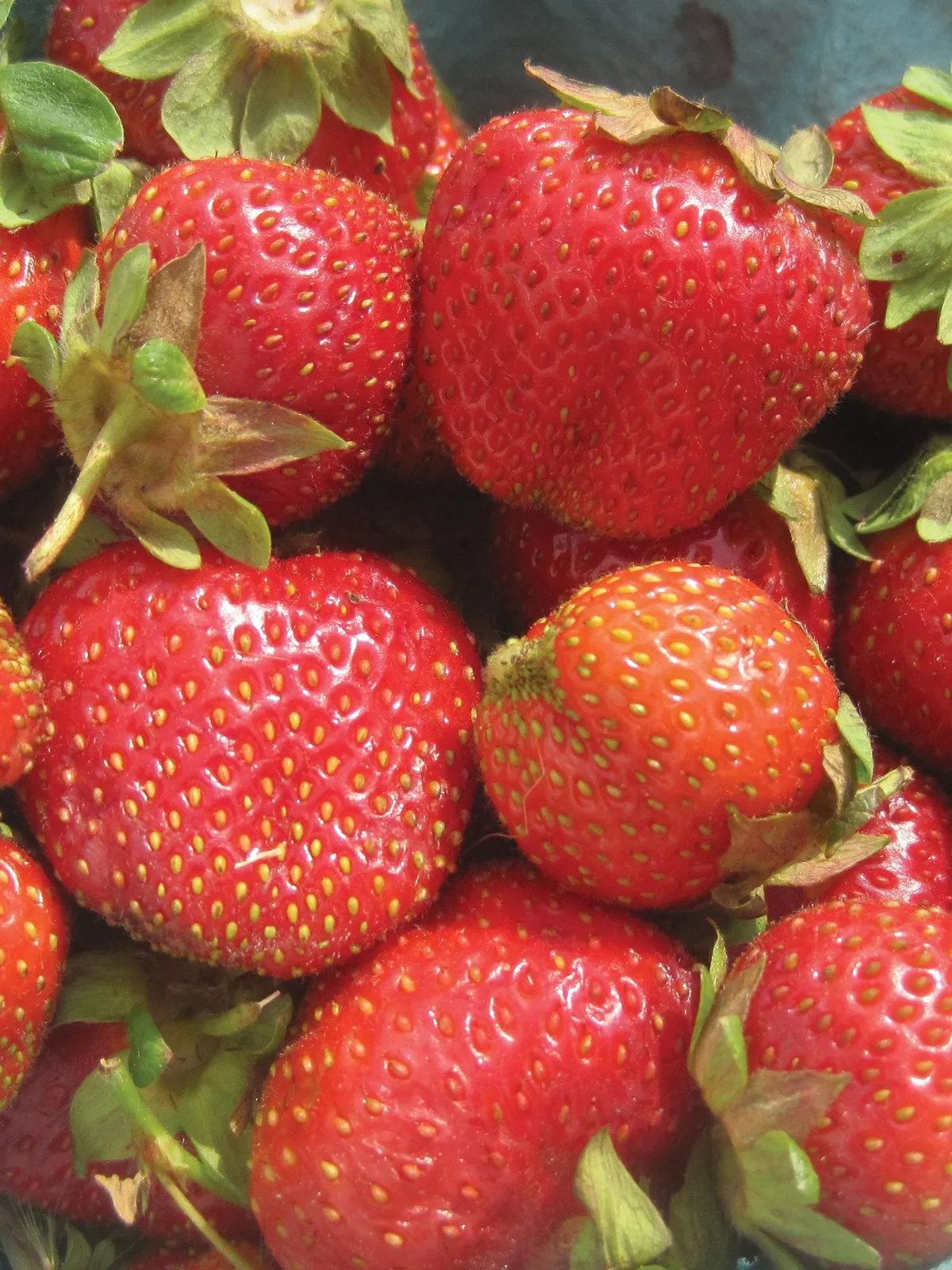
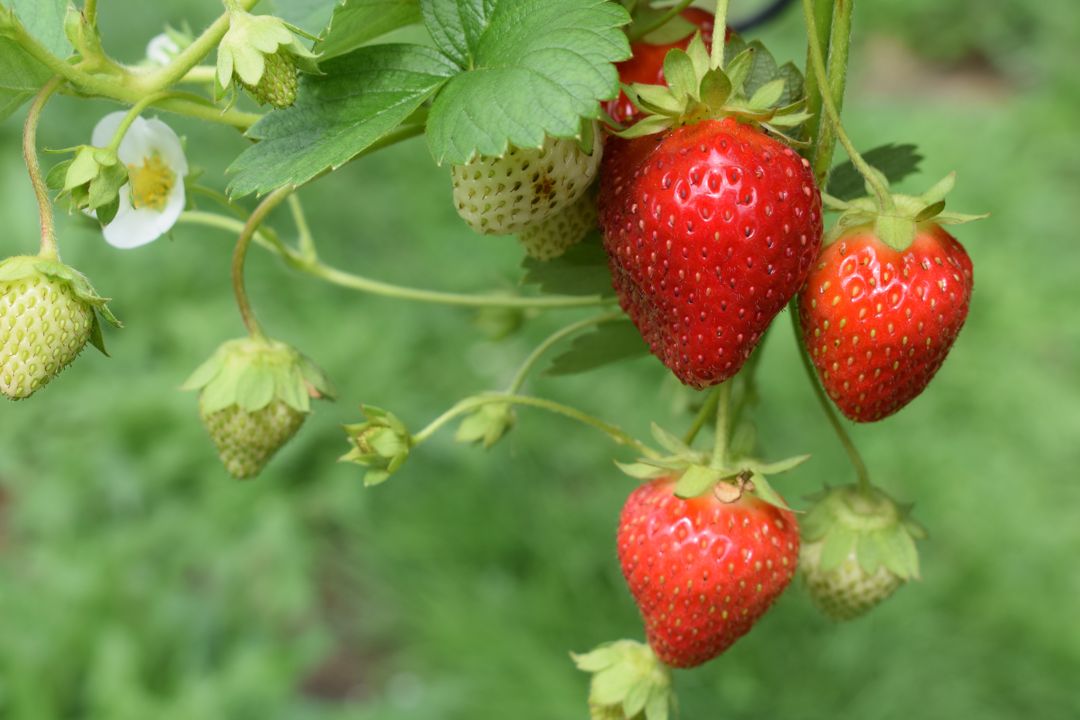
June-bearing or spring-bearing, everbearing and day-neutral are the three main types of strawberries. Fruits of day-neutral plants and everbearers are usually smaller than June-bearers' fruit. June-bearing strawberries produce a crop during a two-to-three week period in the spring. June-bearers produce flowers, fruits and runners. Everbearing strawberries produce three periods of flowers and fruit during the spring, summer and fall. Everbearers do not produce many runners. Day neutral strawberries will produce fruit throughout the growing season. These strawberries produce just a few runners. Everbearing and day neutral strawberries are great for gardeners who have limited space. They can be grown in terraced beds, barrels or pyramids. They can also be used as an edging plant or a groundcover.
How to Grow Strawberries
Quick Info

Put away the pen and paper
Plan your veggie garden in minutes with Planter's easy drag and drop planner.
Try Planter for Free
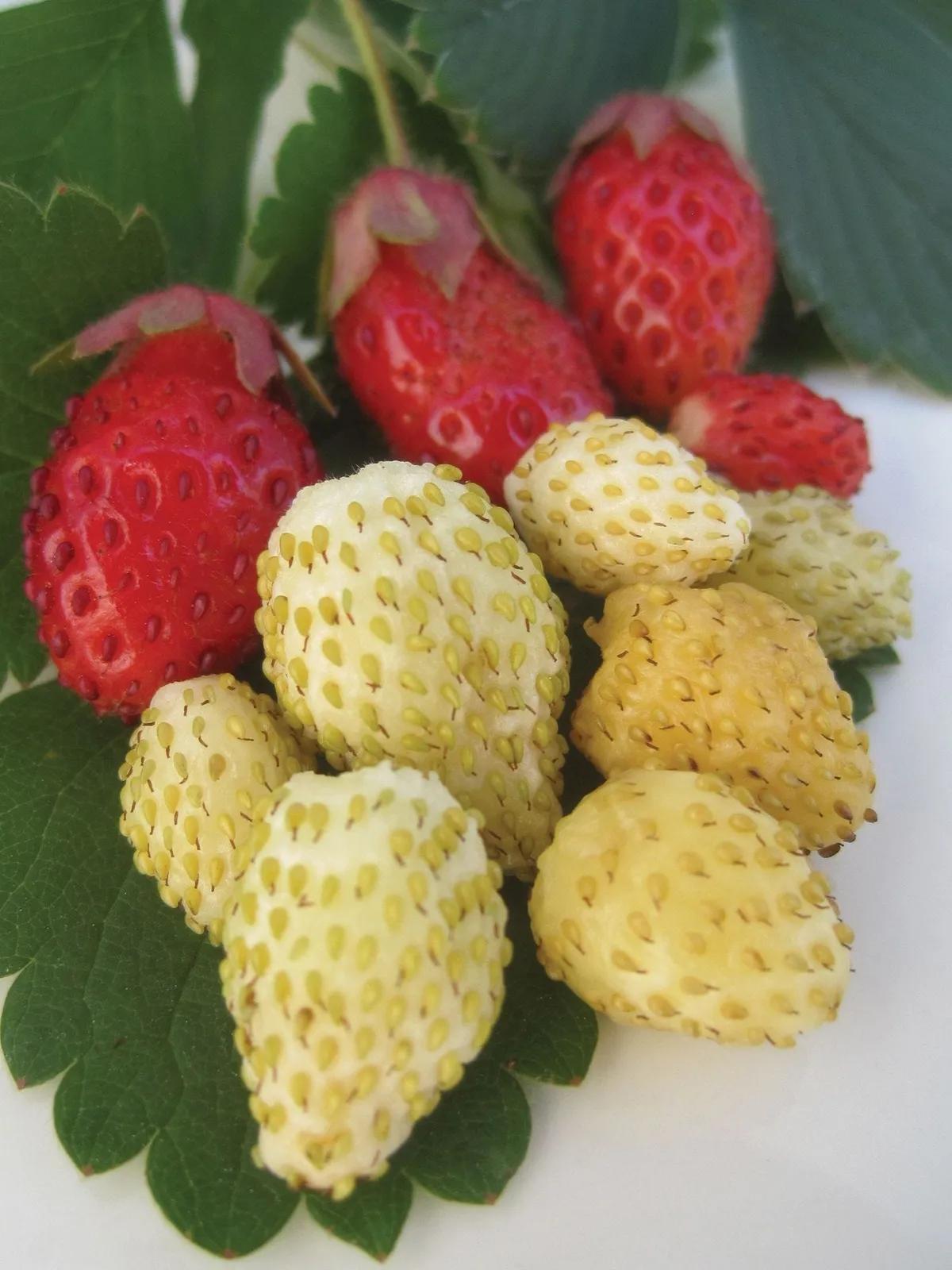
Varieties
Related Articles

Companion Plants




Combative Plants








Nutrition
Vitamins


Nutrients




Pests

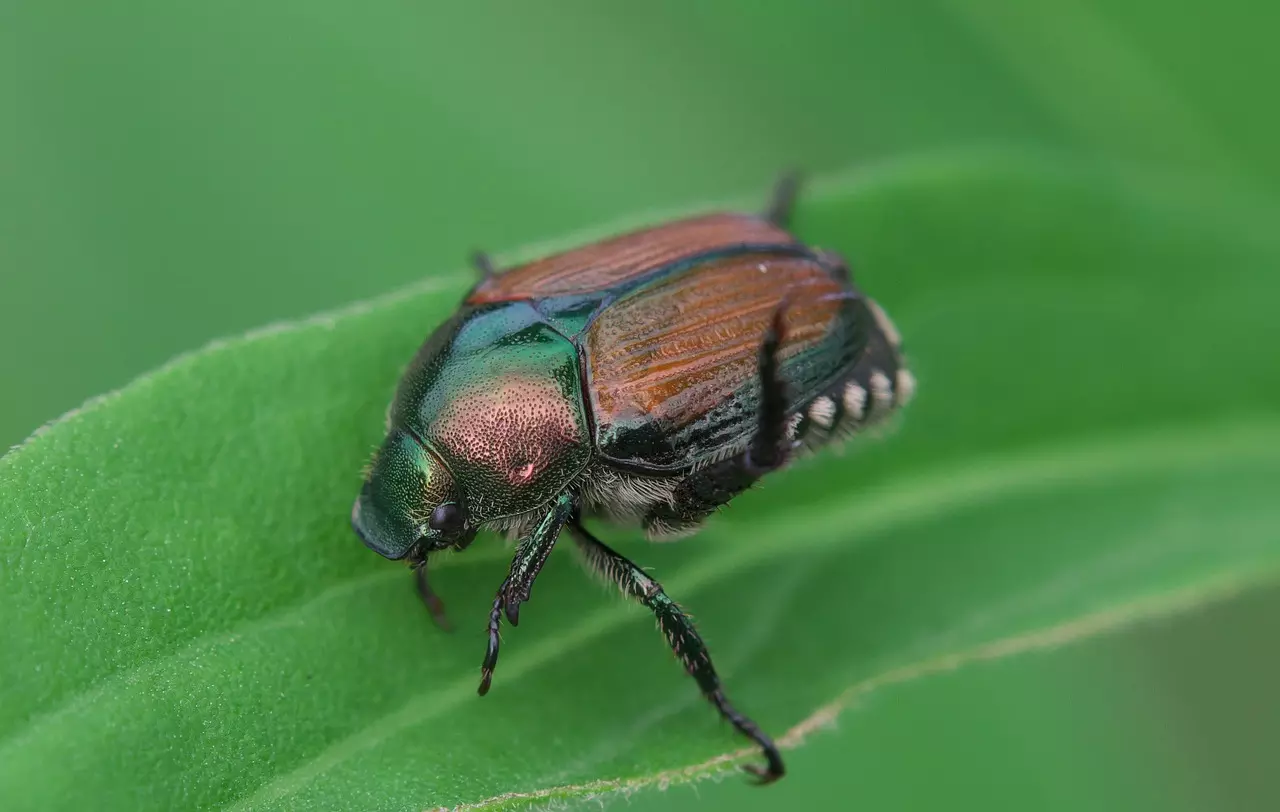
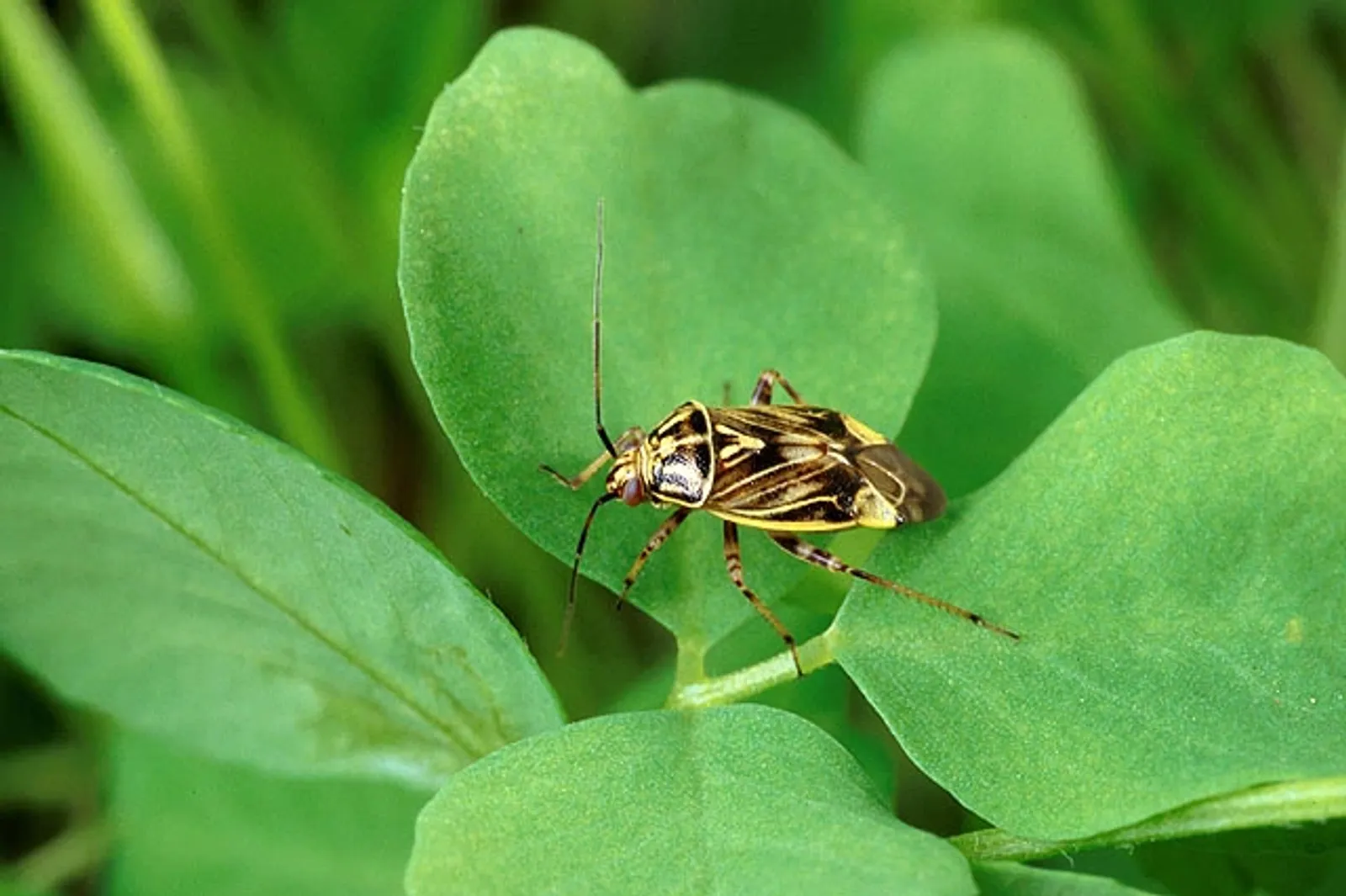
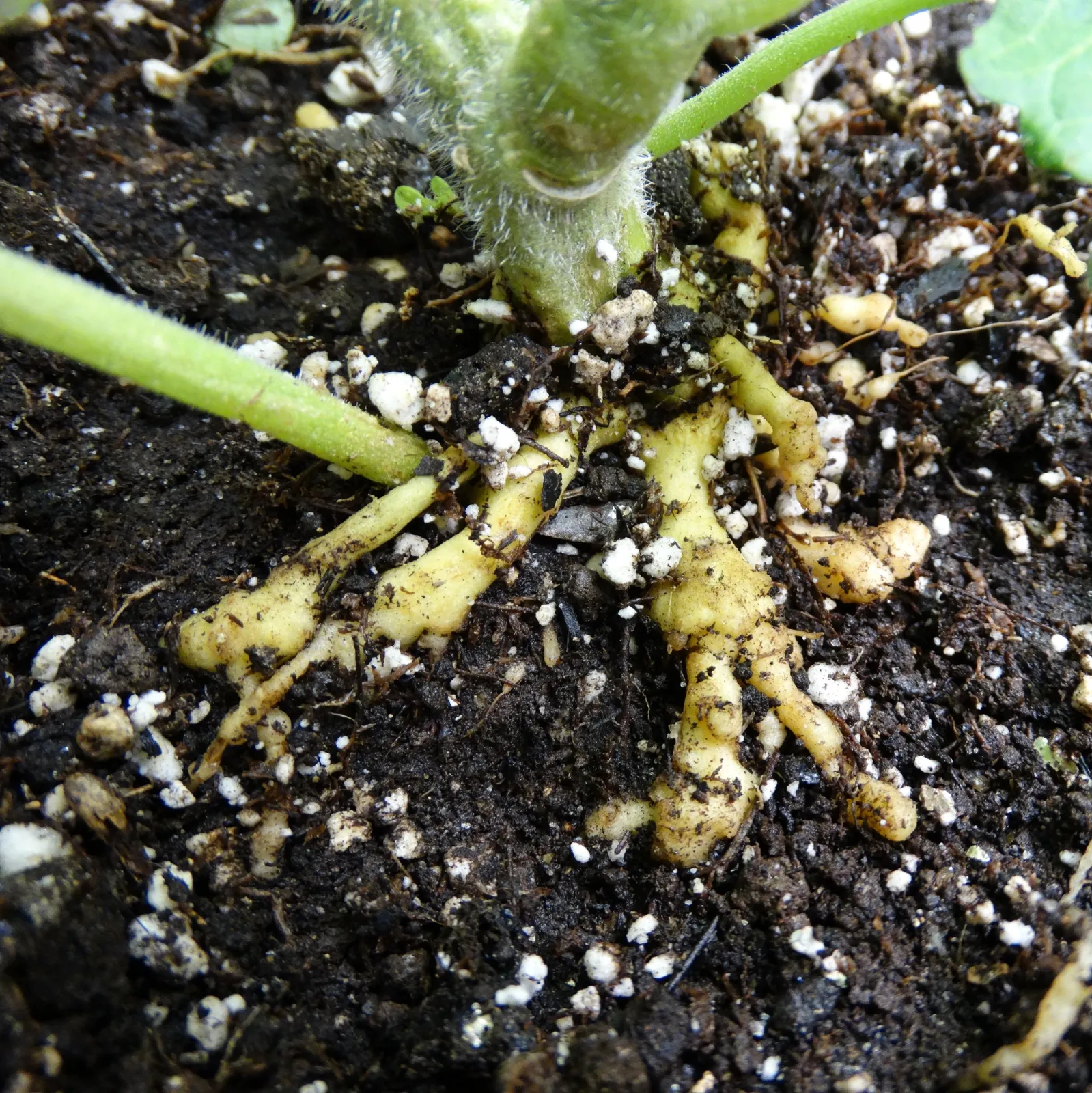
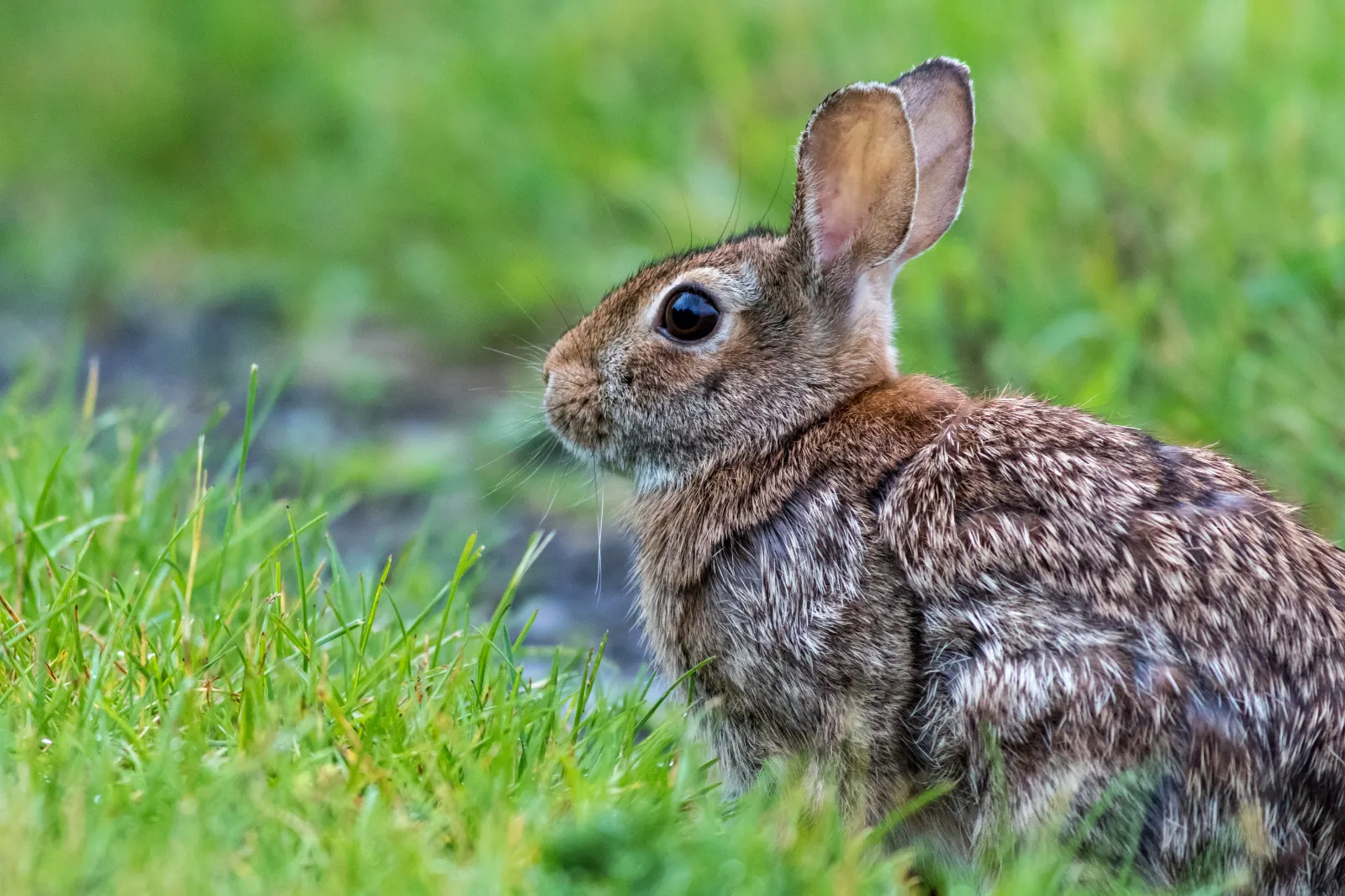
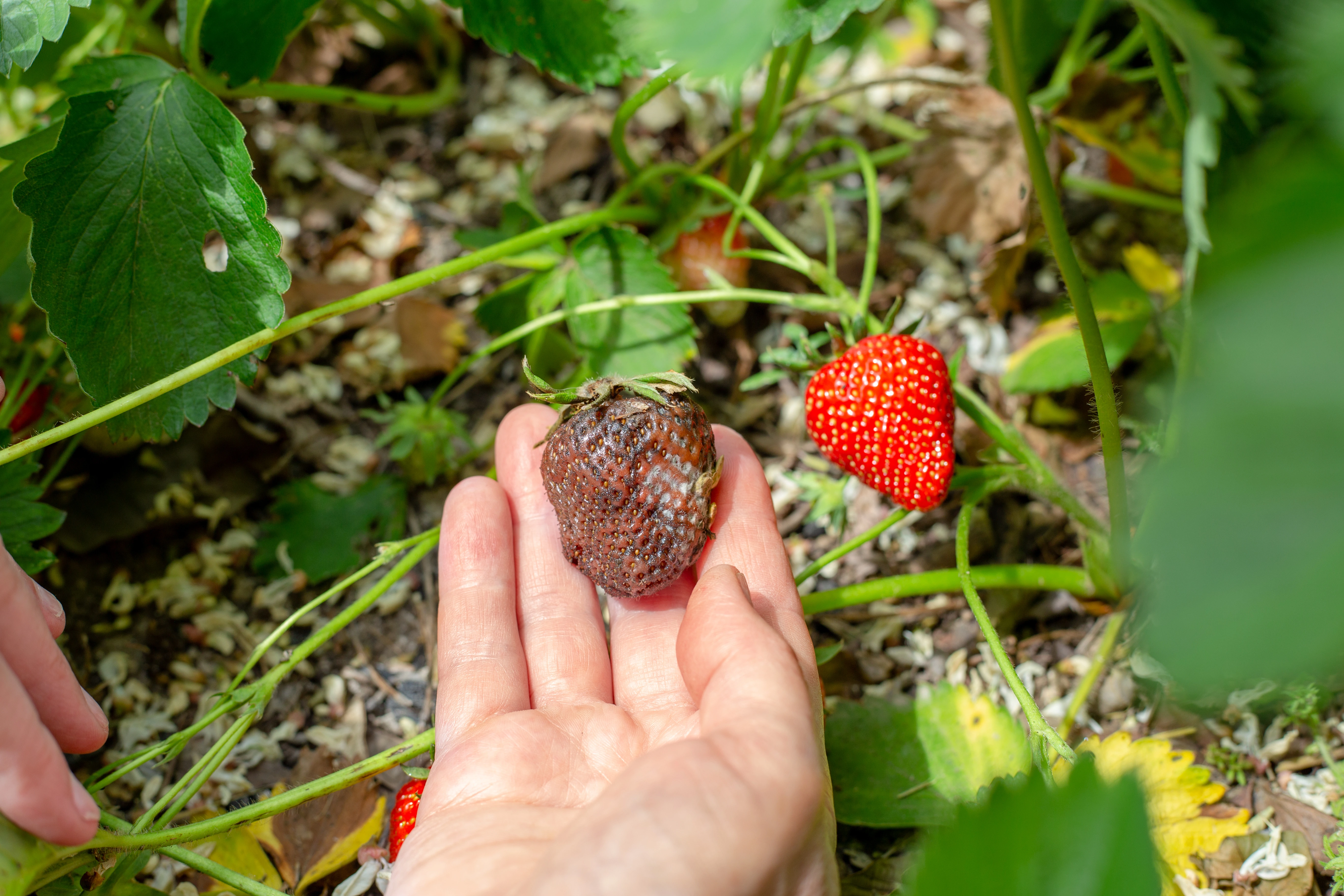
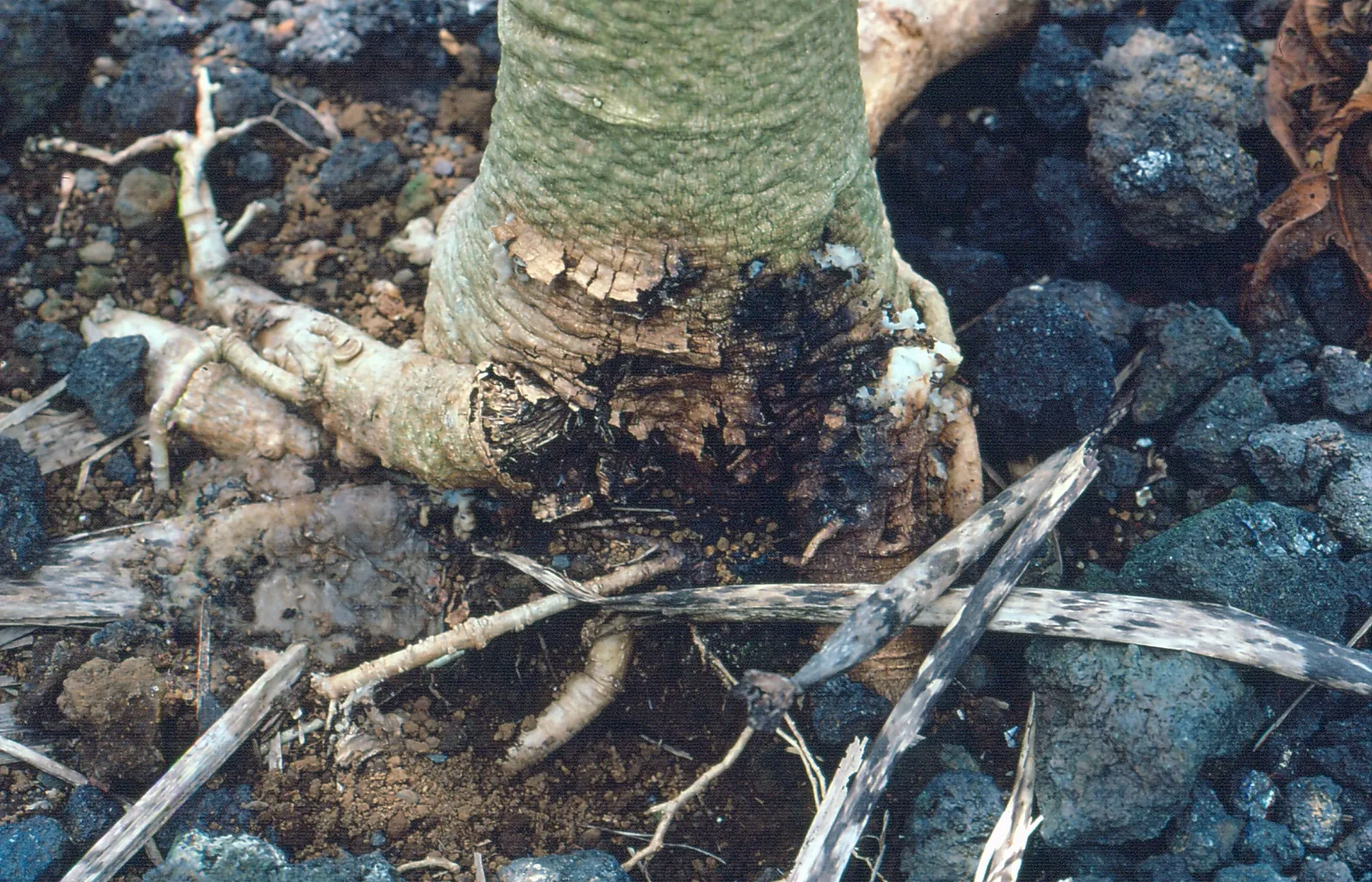
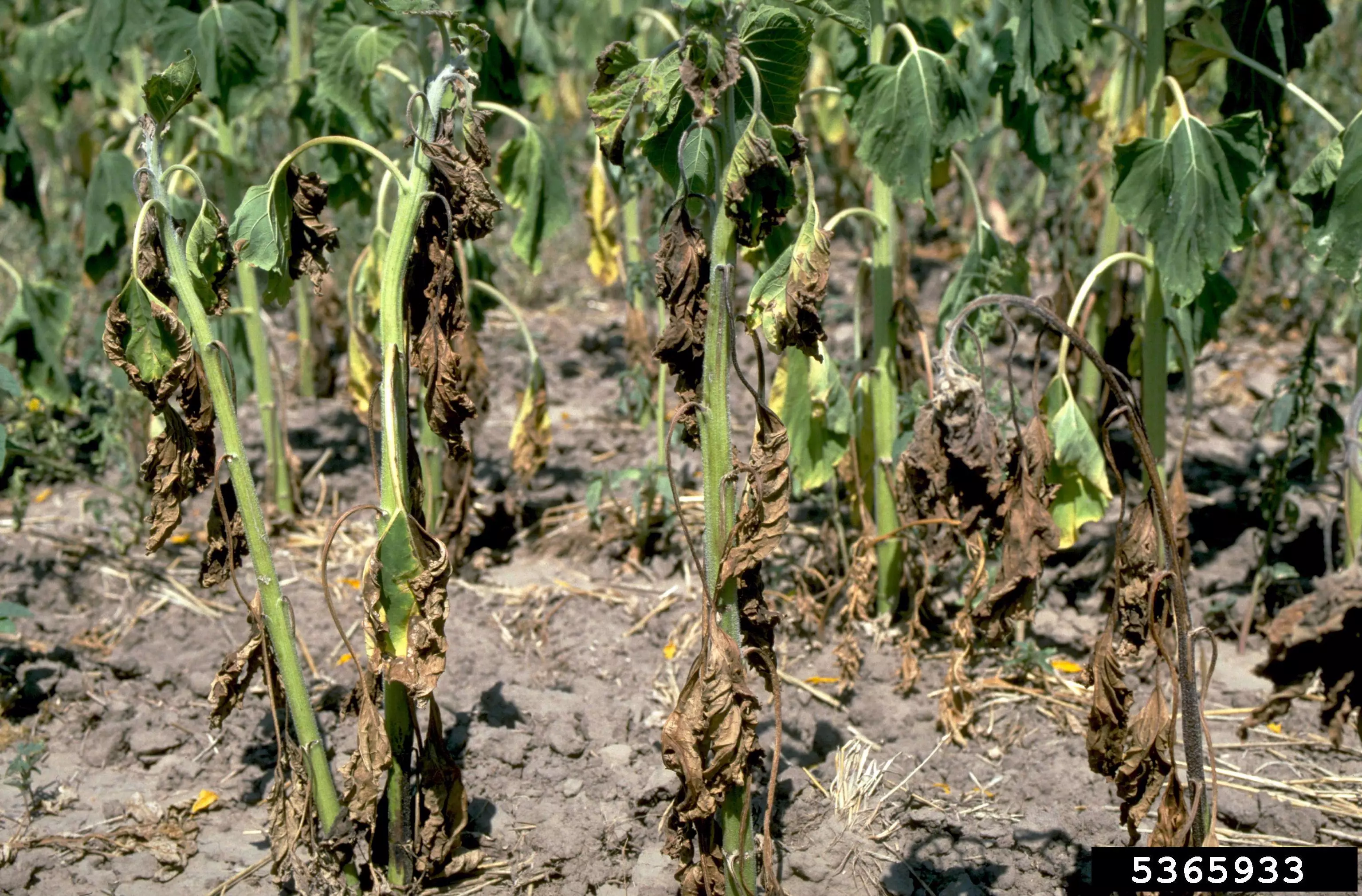
Diseases
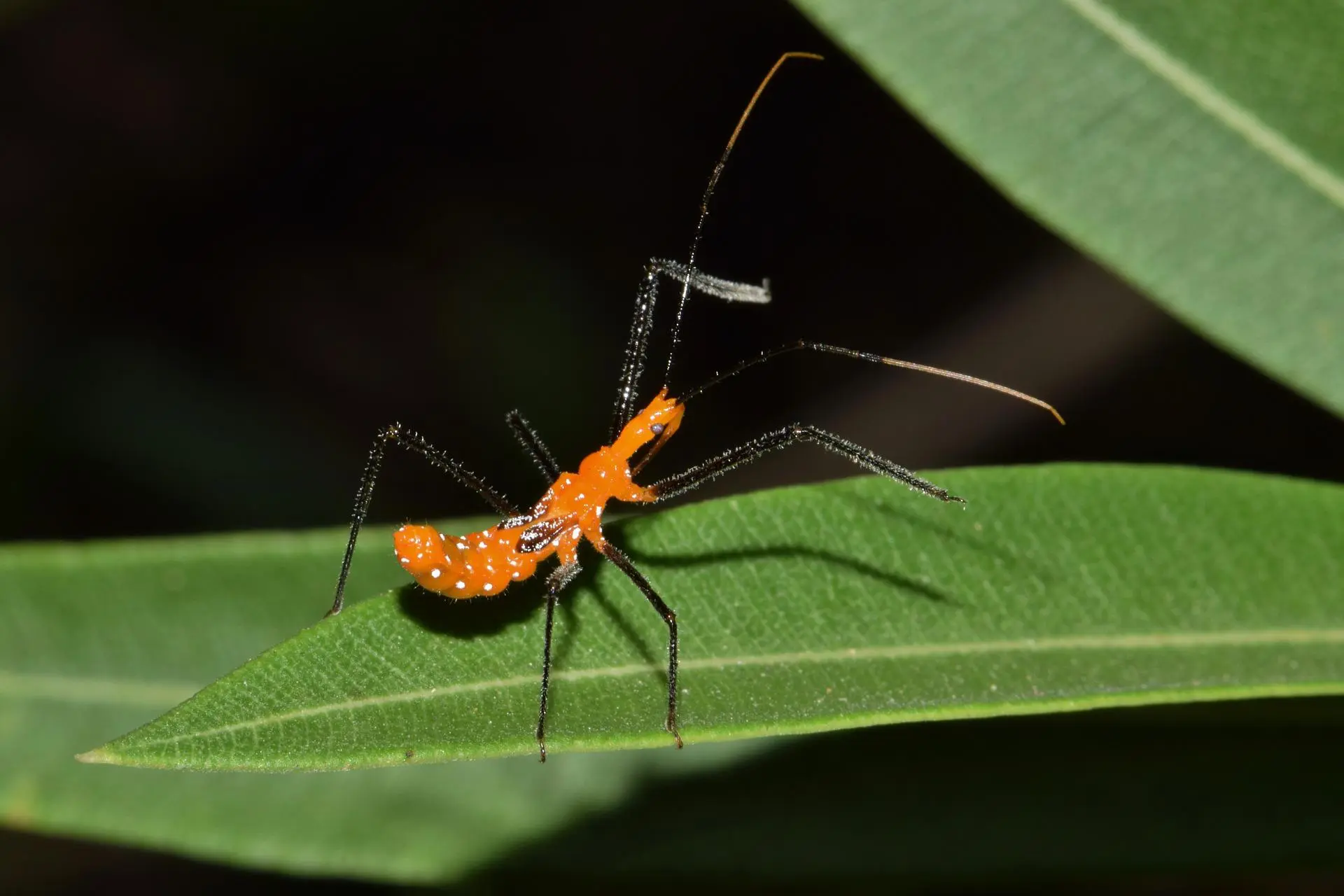
Beneficial Critters

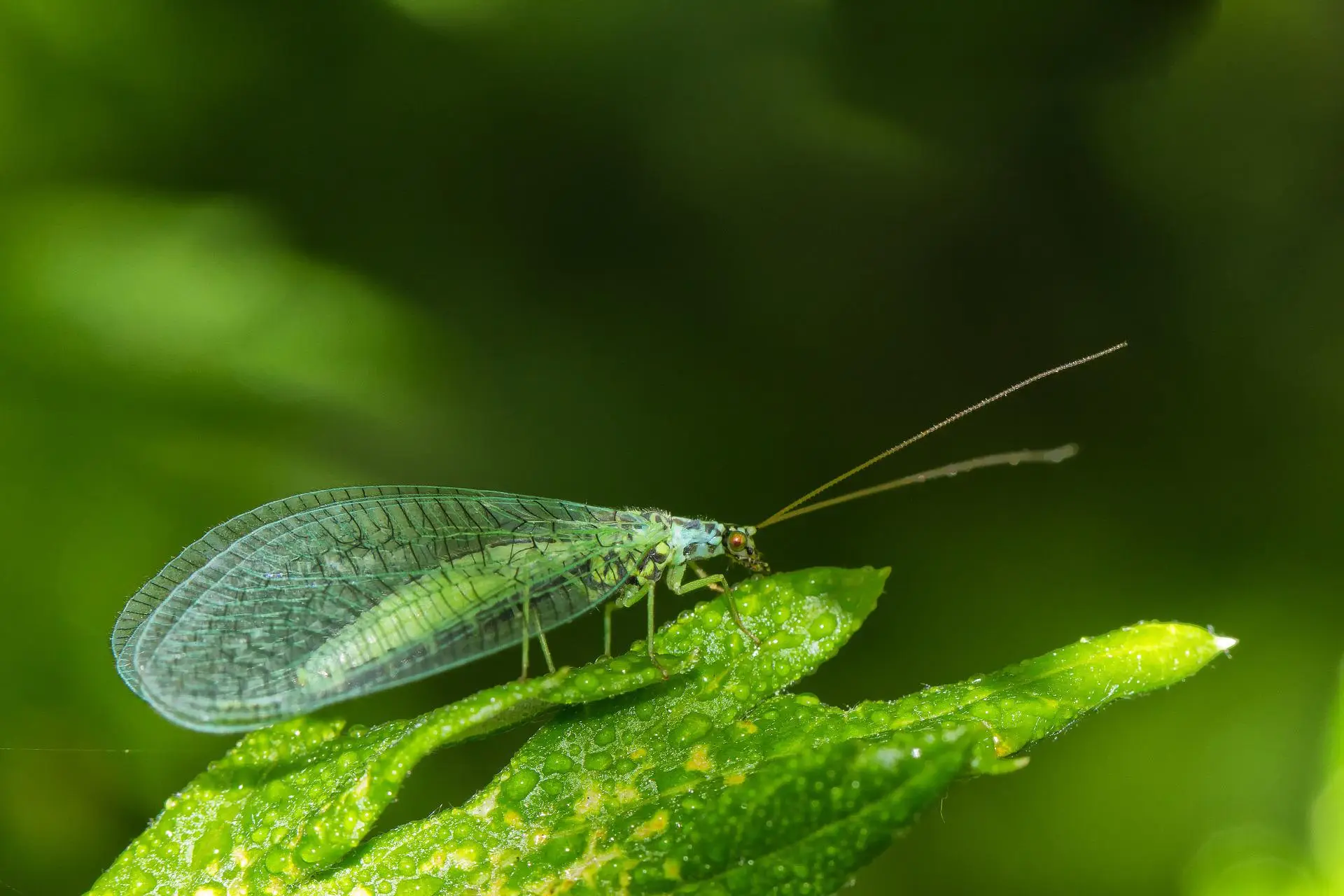
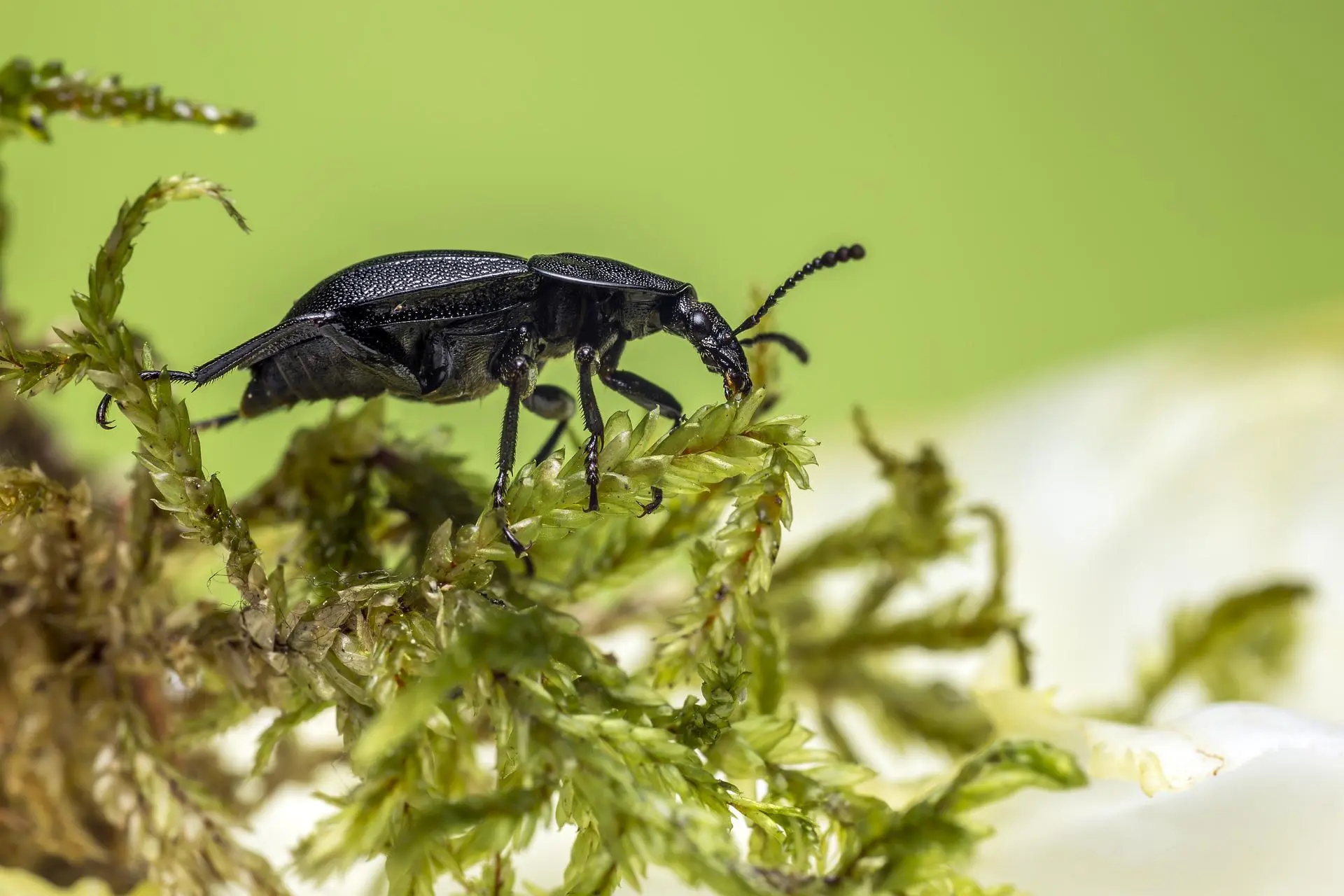
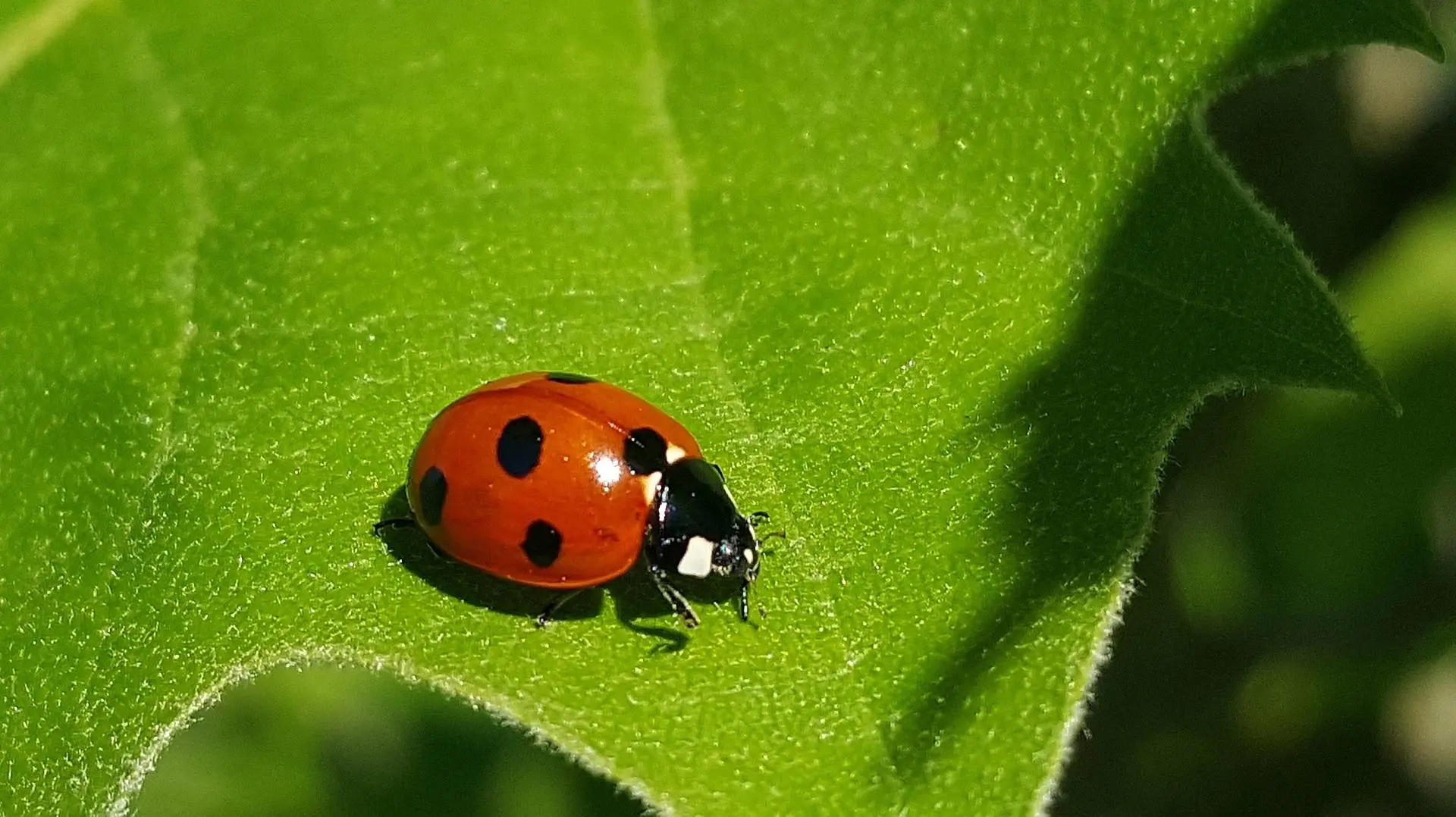
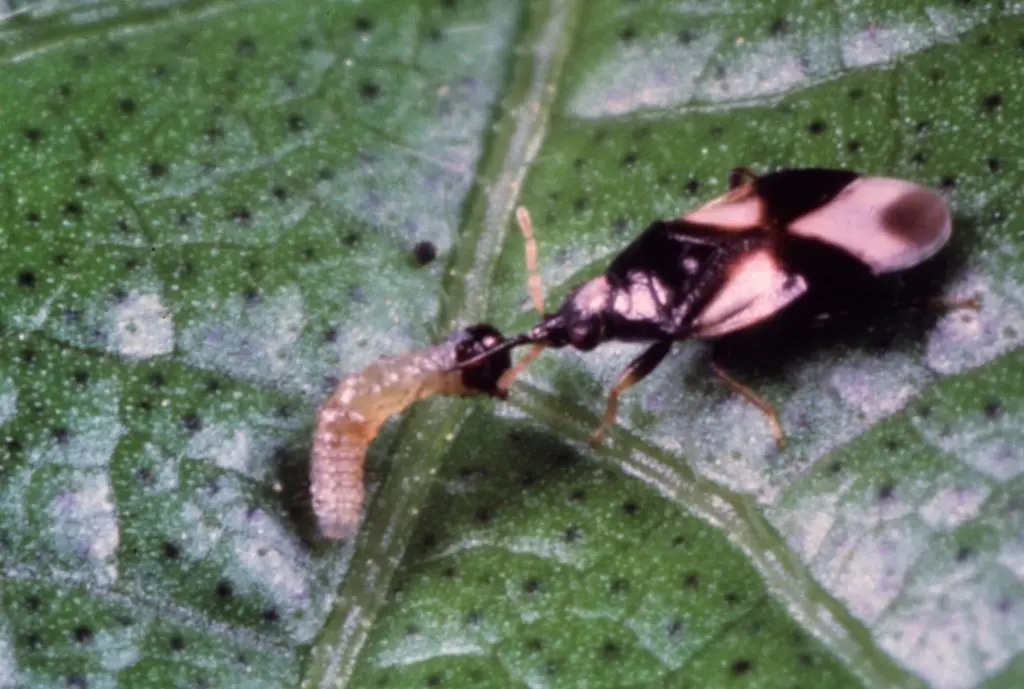
Growing from Seed
Strawberries are not typically grown from seed.
Feeding
Before planting, apply one pound per 100 square feet of a 10-10-10 fertilizer and dig into soil at least six to eight inches deep. After the first harvest in the second season, strawberries should be fertilized after renovation in July. Water the fertilizer in to get it down to the root zone. This application is made to keep the plants in a vigorous condition and to promote new growth causing the development of more fruit buds. However, overfertilization will cause excessive vegetative growth, reduce yields; increase losses from frost and foliar disease and result in winter injury.
Harvesting
New plants should have the flowers pinched before producing fruit in the first year; this will result in better fruit and root system moving forward. Harvest fully ripe fruit every few days. Cut the stem instead of pulling the berry.
Storage
Unwashed strawberries last 5 days in the refrigerator. They can also be frozen or processed into jam.