Spinach
Spinacia oleracea, Basella alba, B. rubra, Tetragonia tetragonioides, Corchorus olitorius
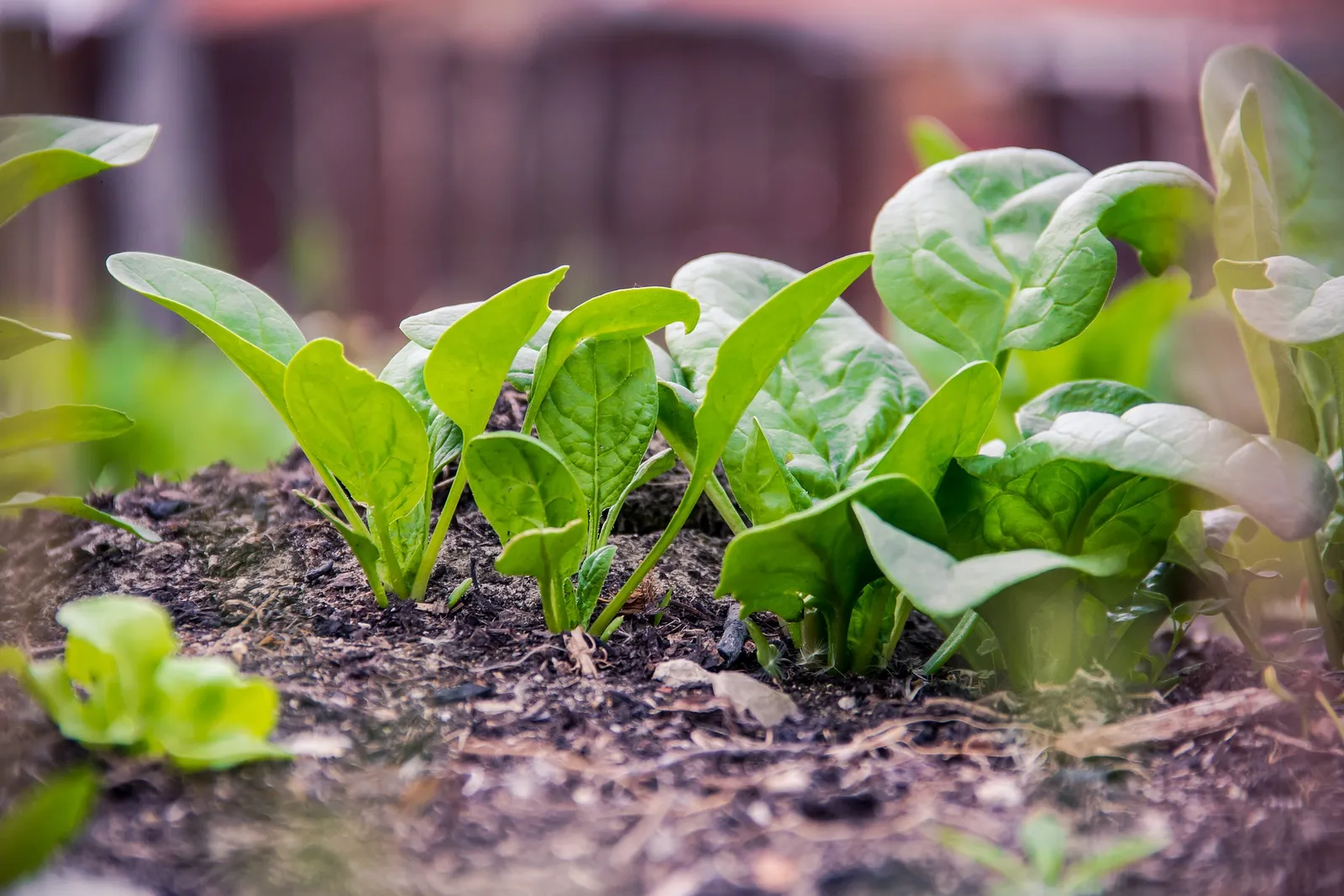
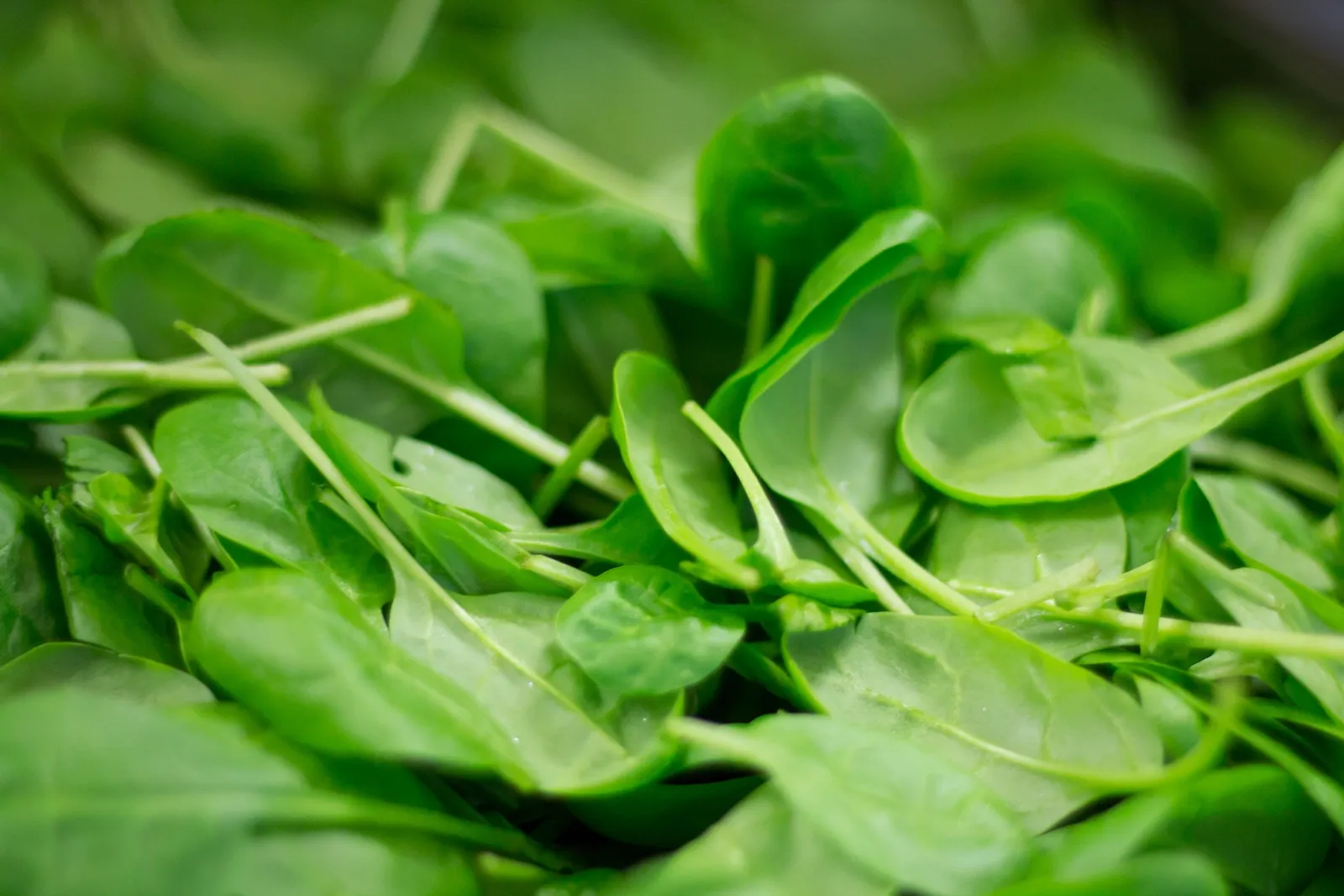
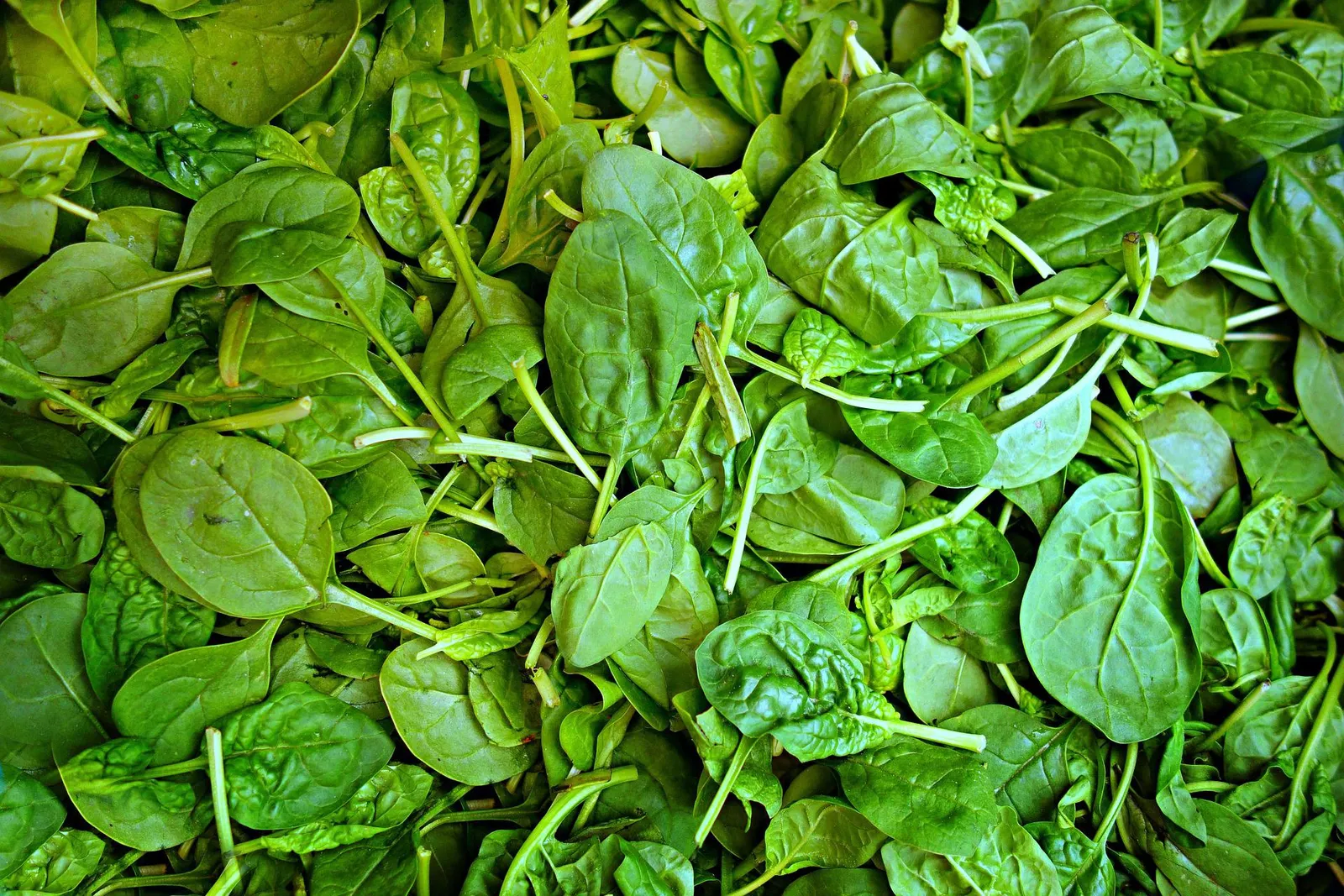
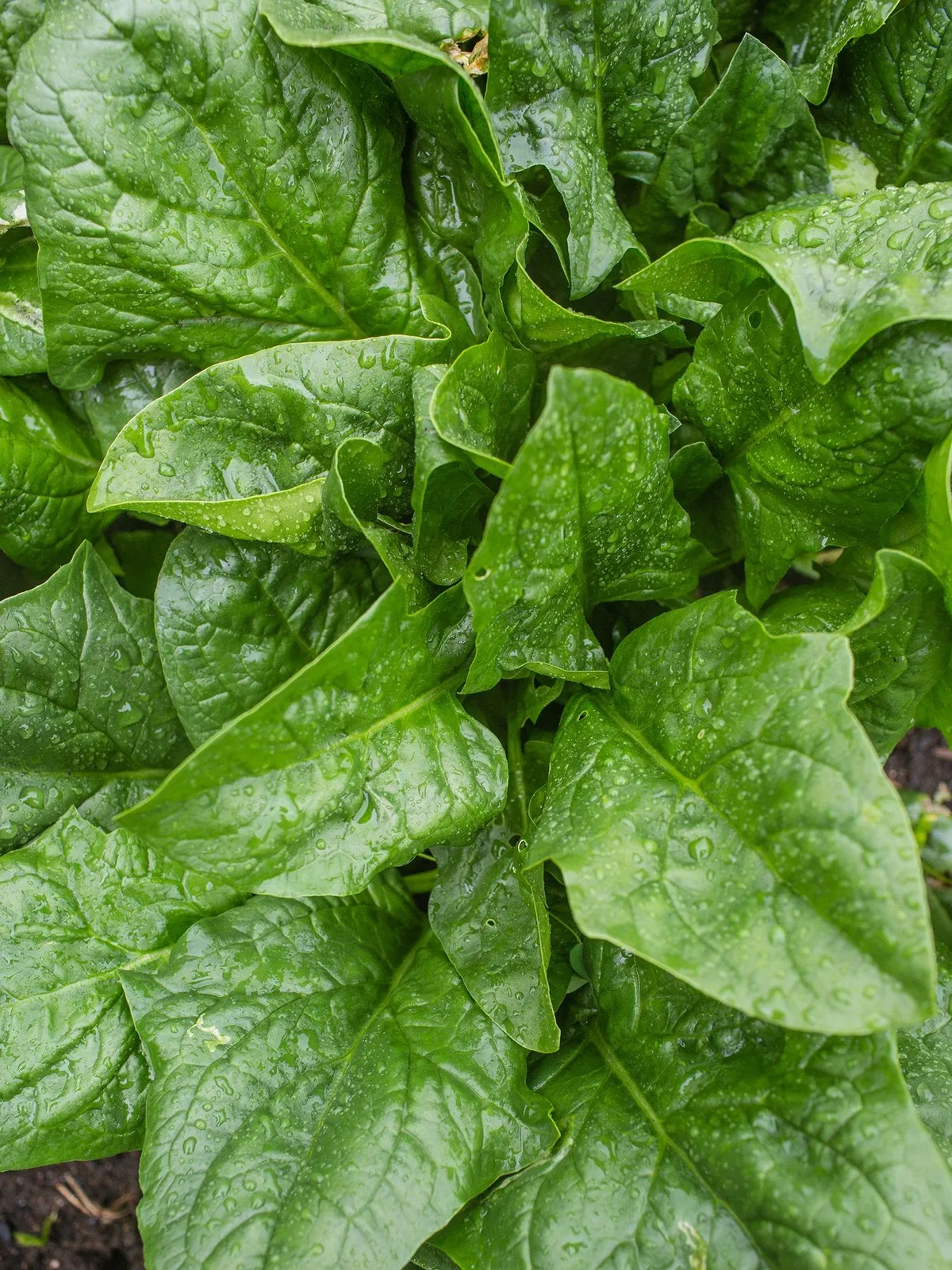
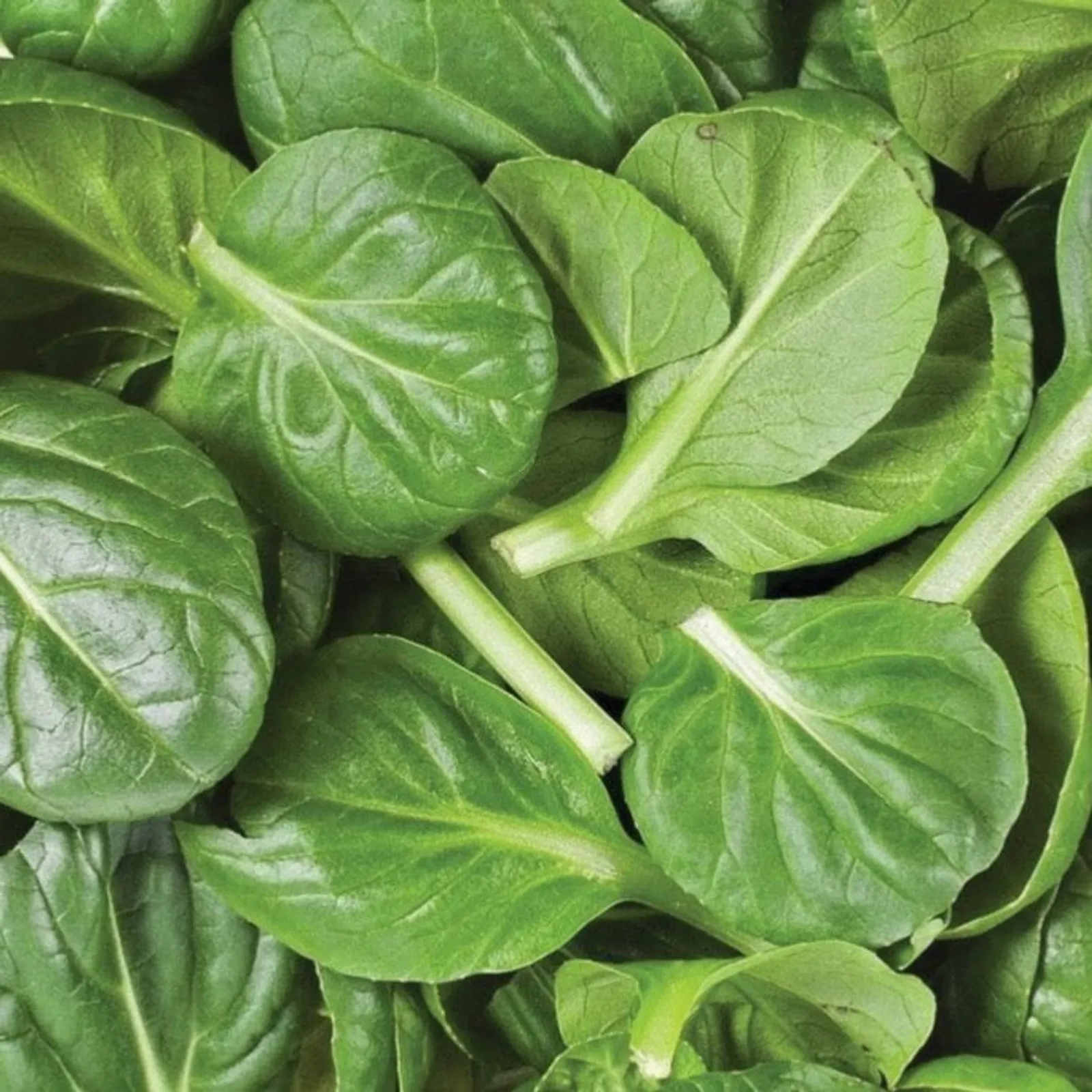
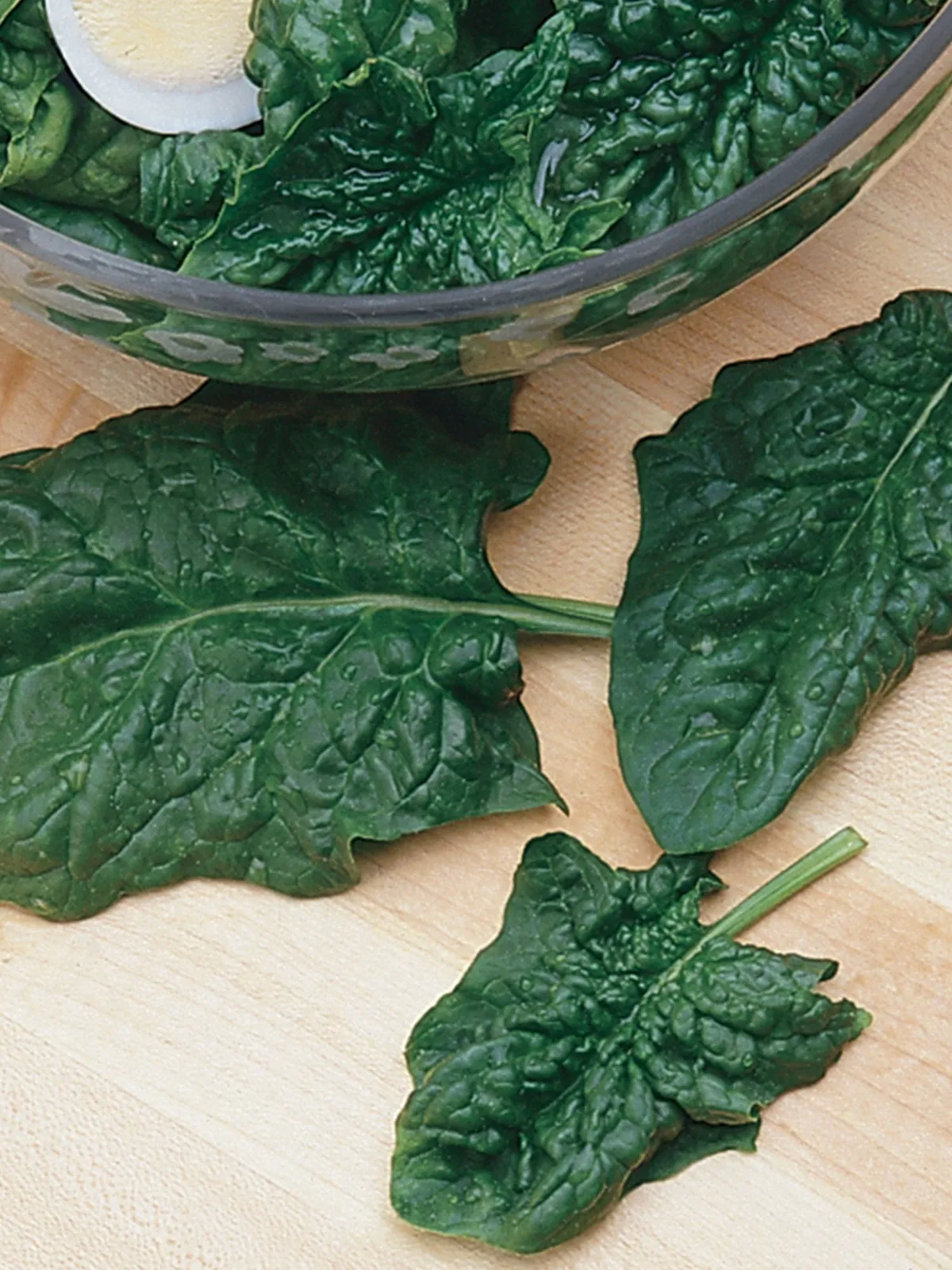
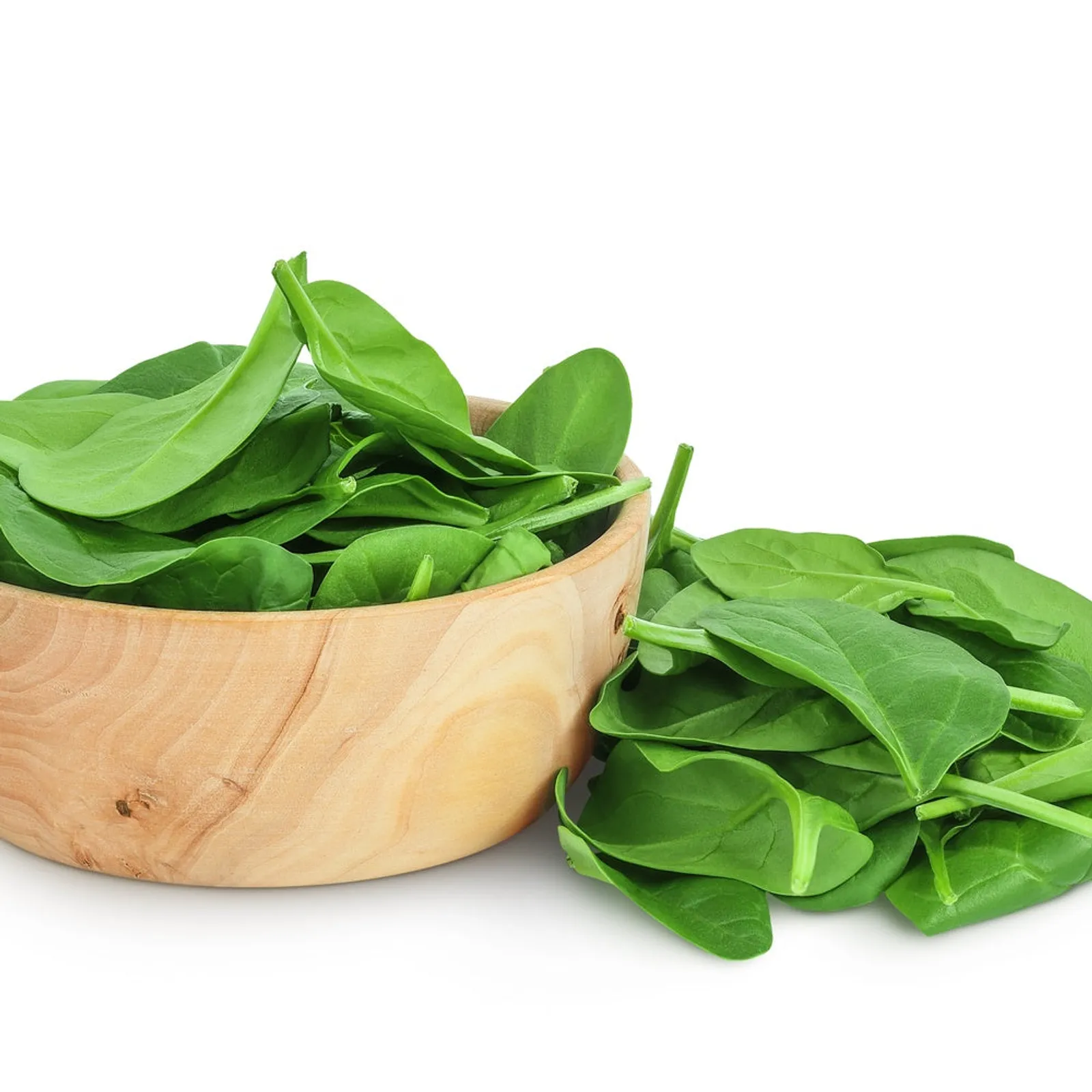
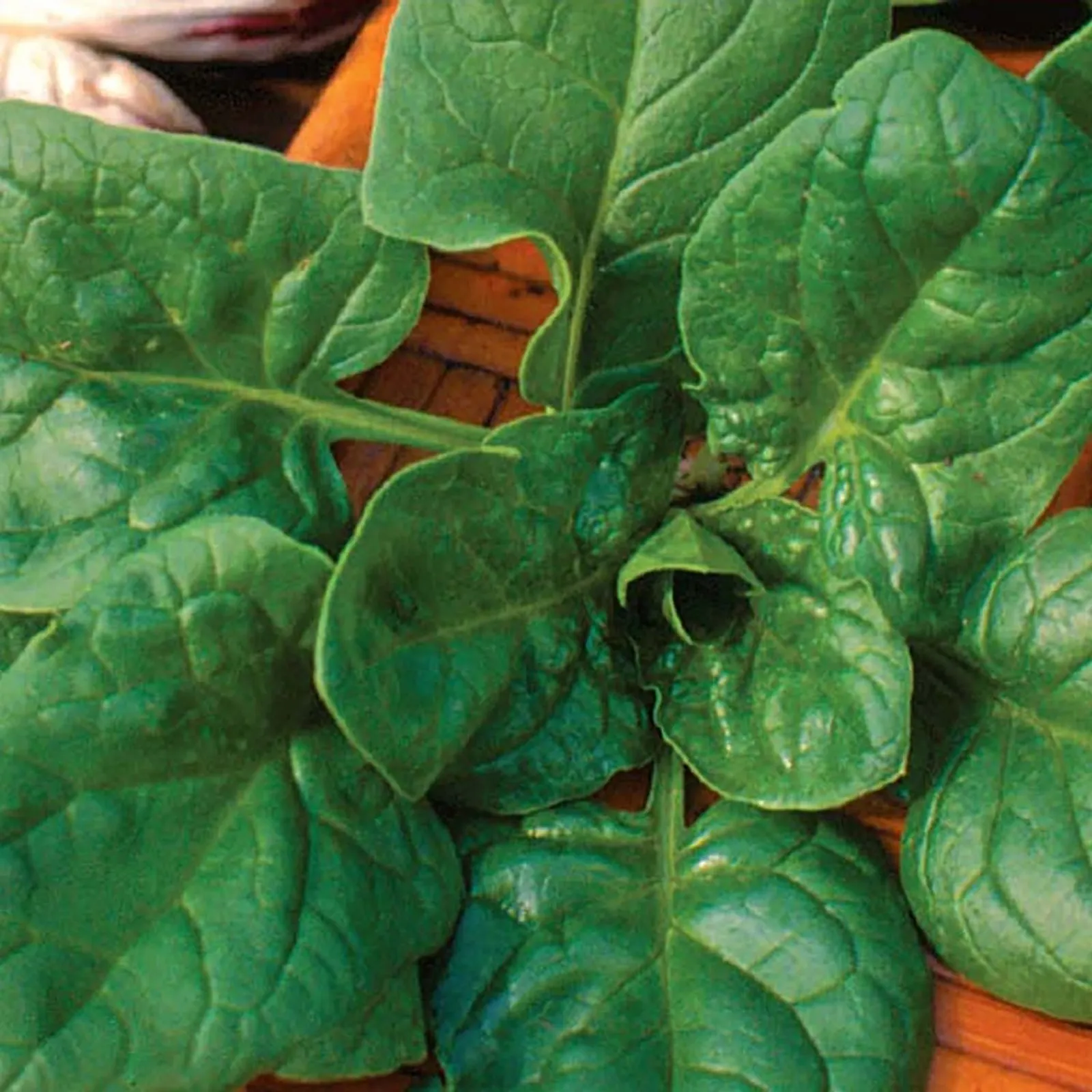
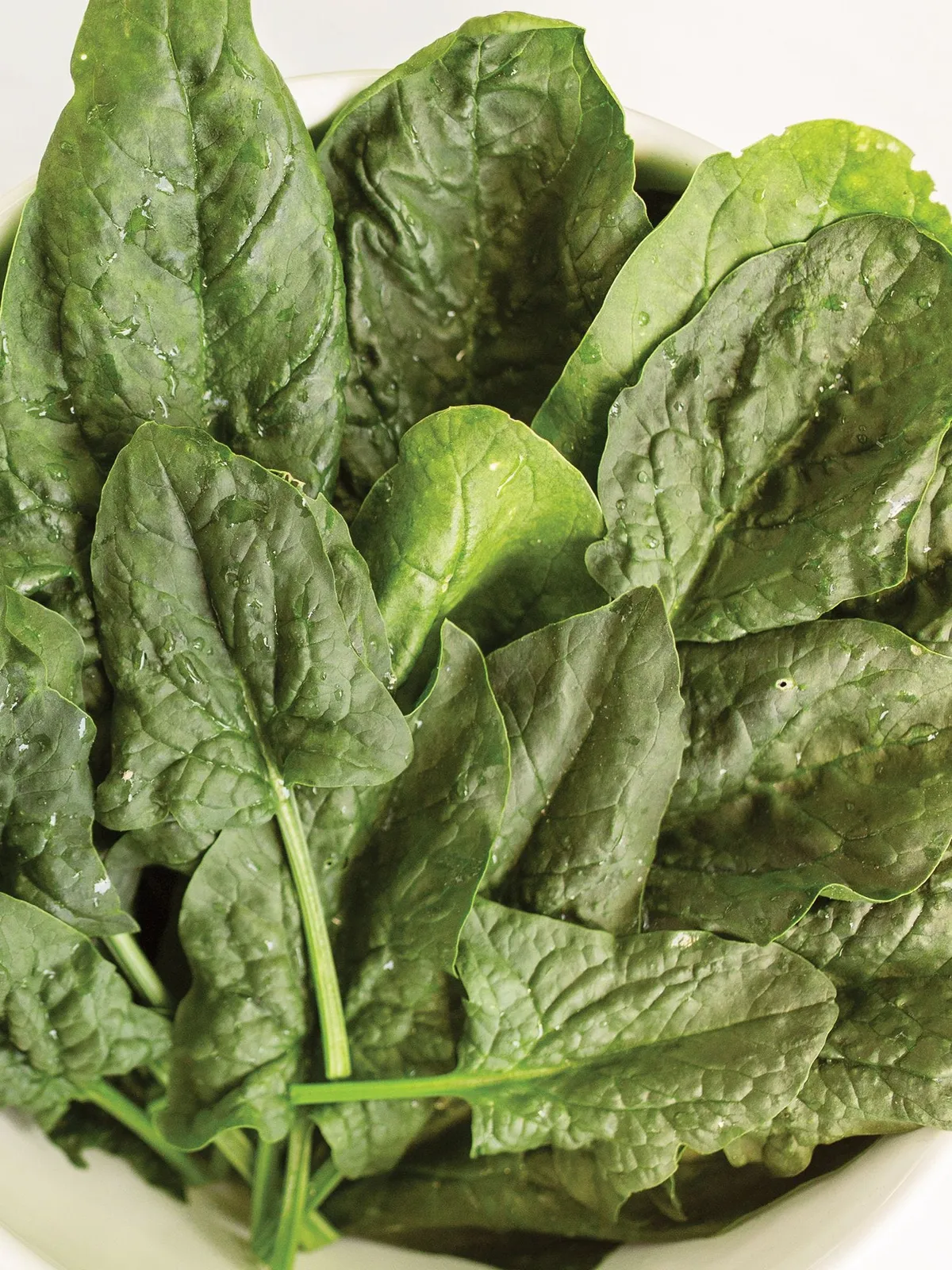
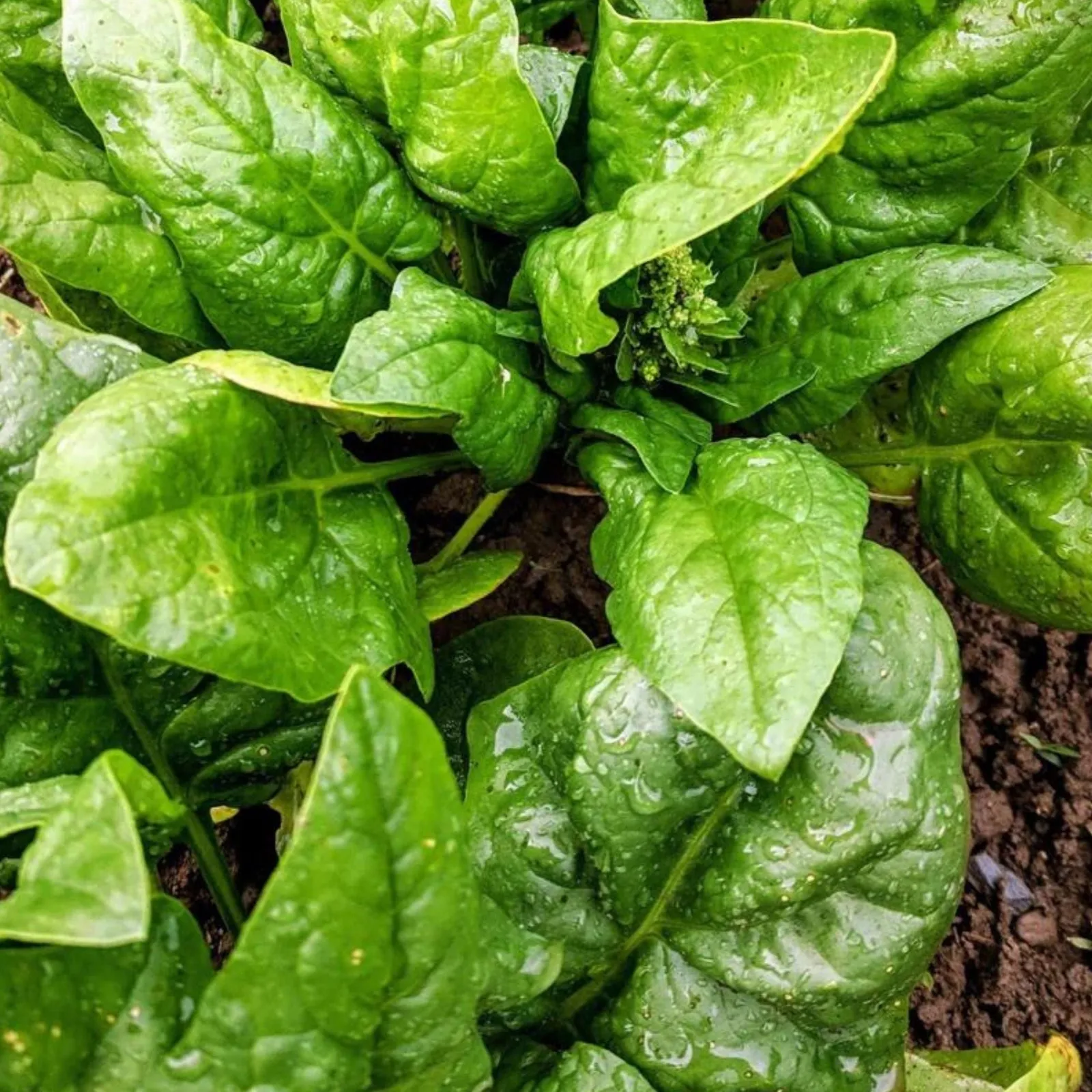
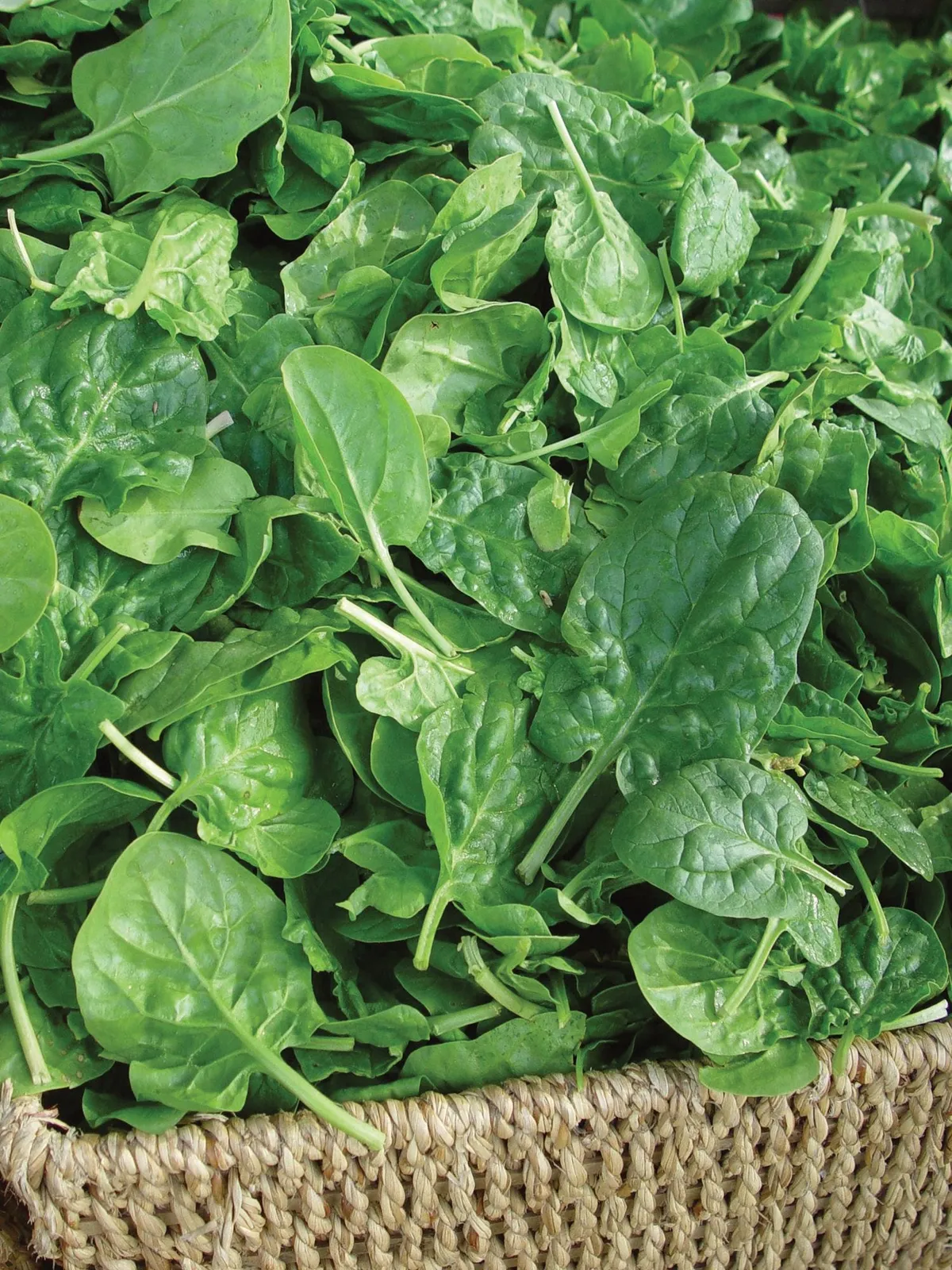
Spinach is a versatile, nutritious, and easy-to-grow garden crop. Spinach is amongst the most cold-hardy veggies which means it can be started early and grown very late into the season- potentially even over winter. Spinach is prone to bolting (going to seed) as day lengths increase and temperatures get warmer. There are two main types of spinach: smooth-leaved spinach is faster-growing and best for cooking and freezing, while savoyed (wrinkled leaf) spinach can be more flavorful and is preferred for fresh eating. There is also semi-savoyed spinach which is in between the two. Spinach can be grown for baby leaf spinach which is usually favored for salads or for full size spinach plants ('bunching spinach') which are generally used for cooking. In addition to 'regular' spinach (Spinacia oleracea) there are spinach alternatives available that seed companies sometimes group together with spinach. Malabar spinach (Basella alba or B. rubra), New Zealand spinach (Tetragonia tetragonioides), and Egyptian spinach (Corchorus olitorius) can be grown in hot weather when it can be tough to grow spinach.
How to Grow Spinach
Quick Info


Put away the pen and paper
Plan your veggie garden in minutes with Planter's easy drag and drop planner.
Try Planter for Free
Varieties
Related Articles
.jpg)
Companion Plants















Nutrition
Vitamins




Nutrients








Pests
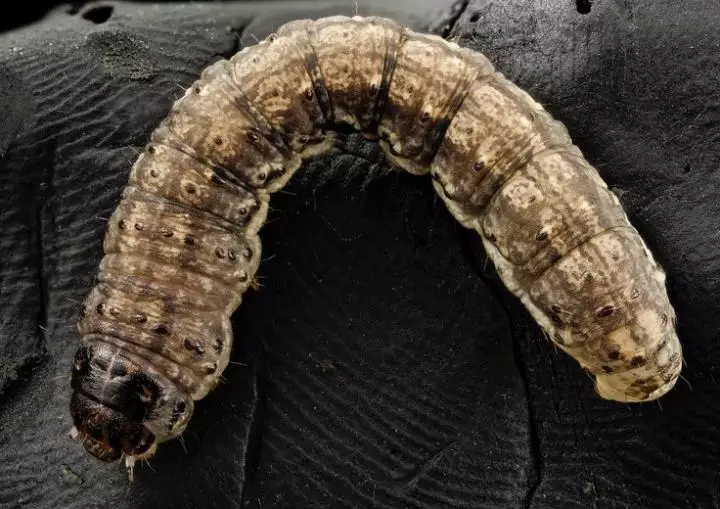
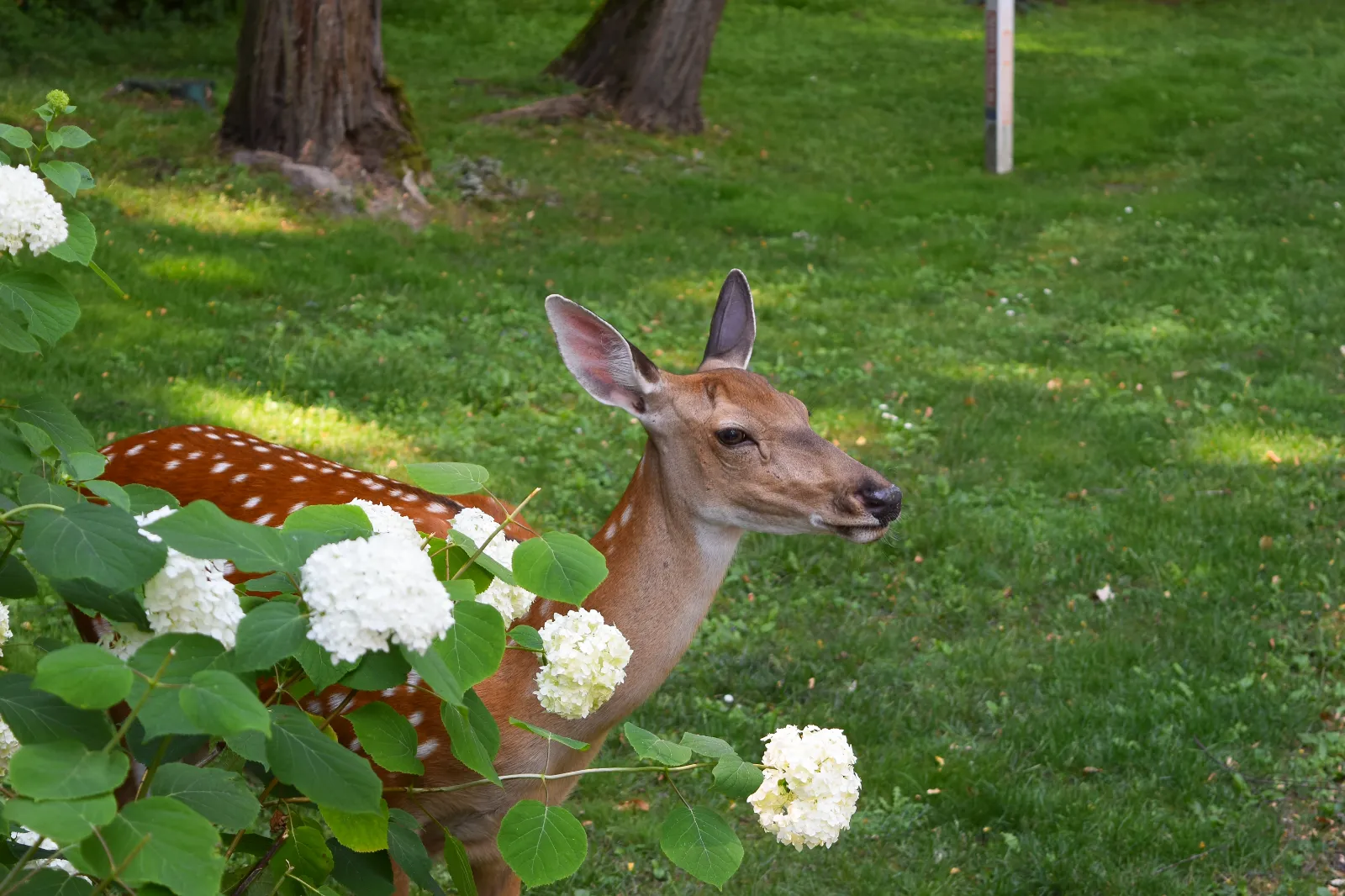
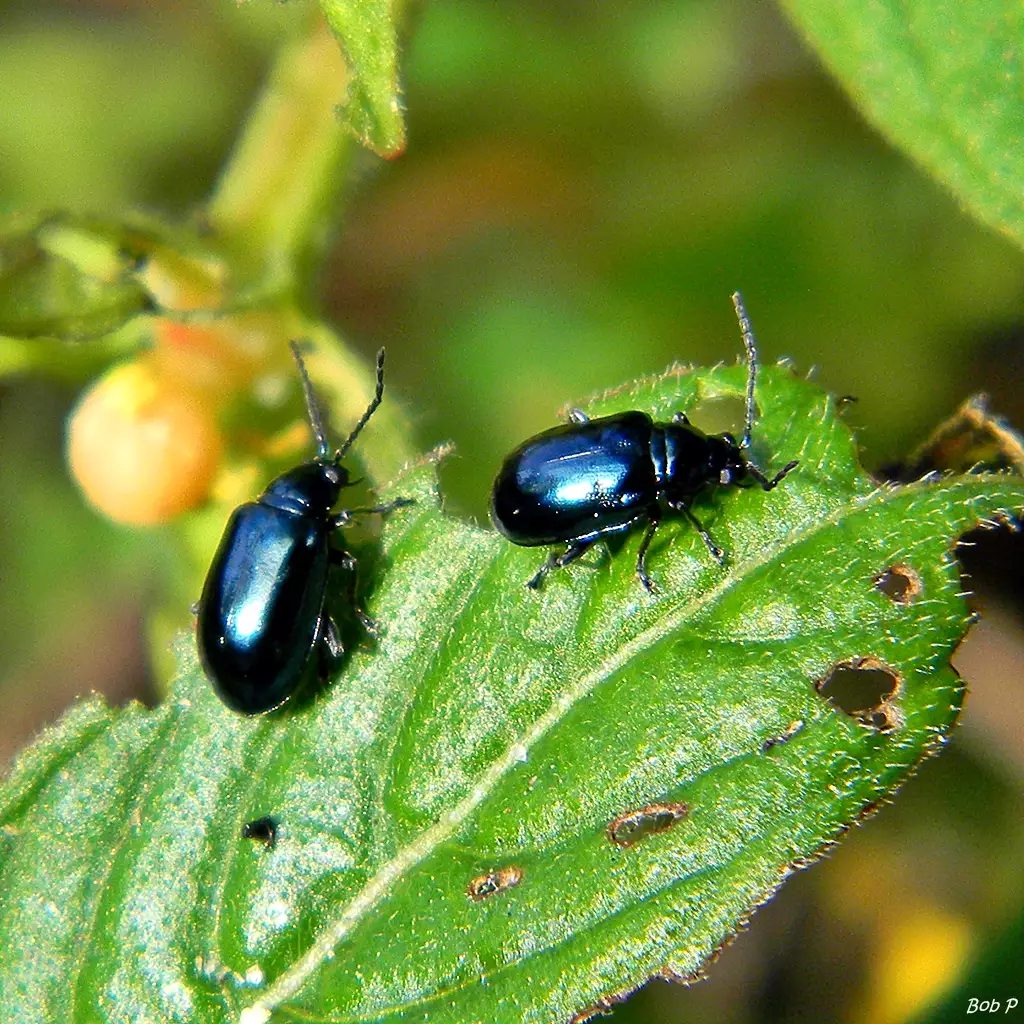
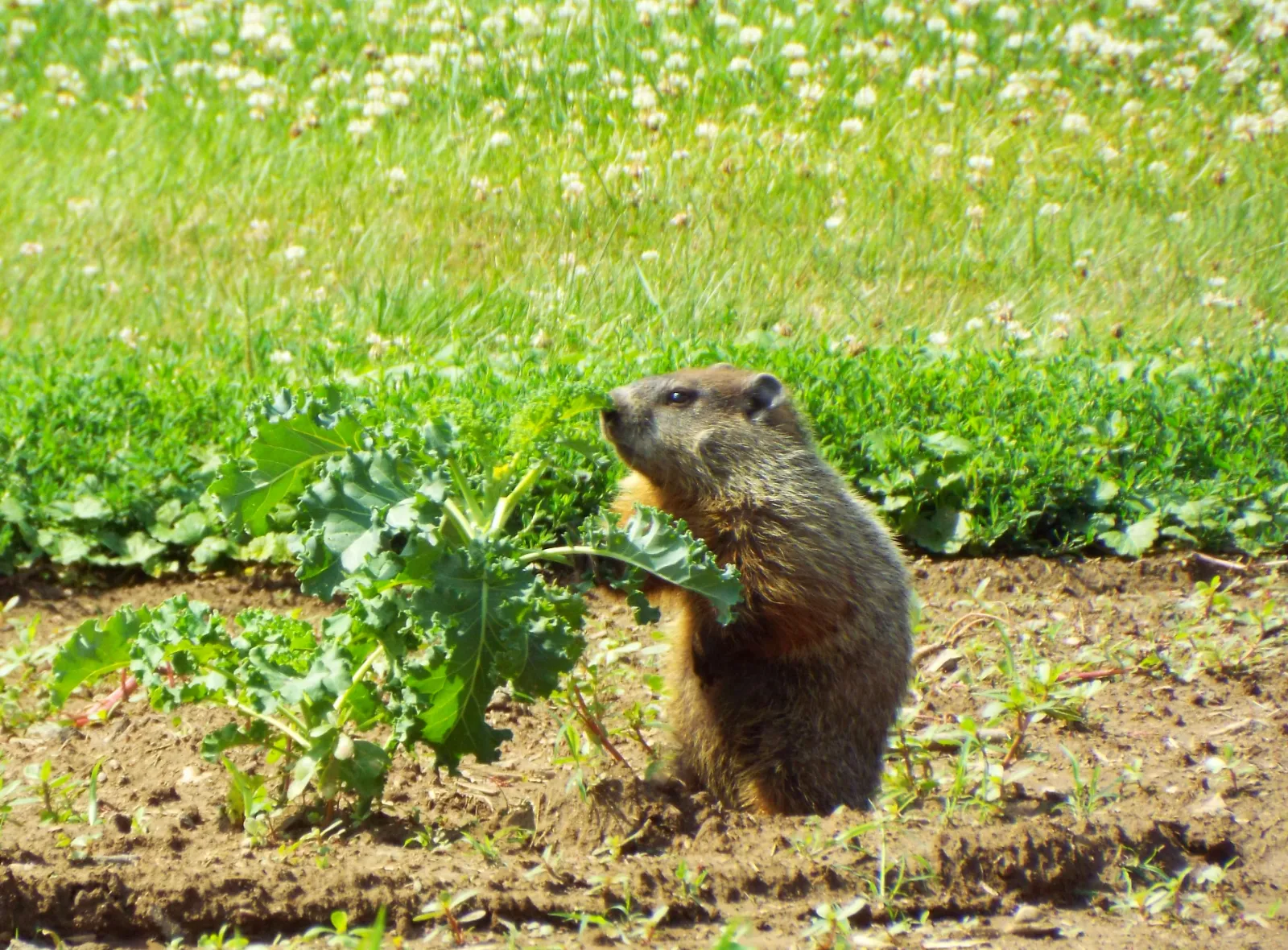
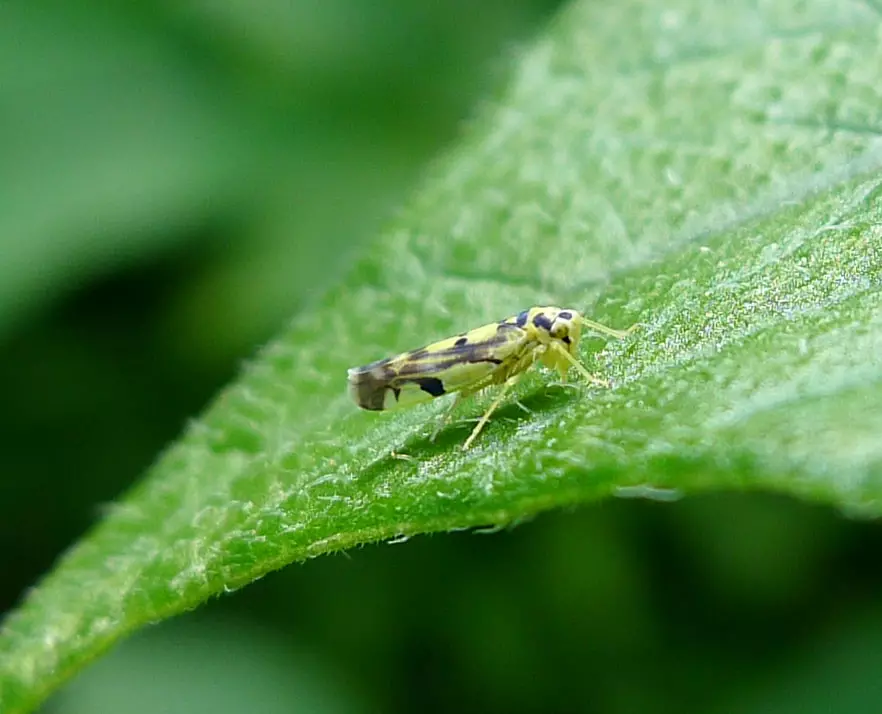
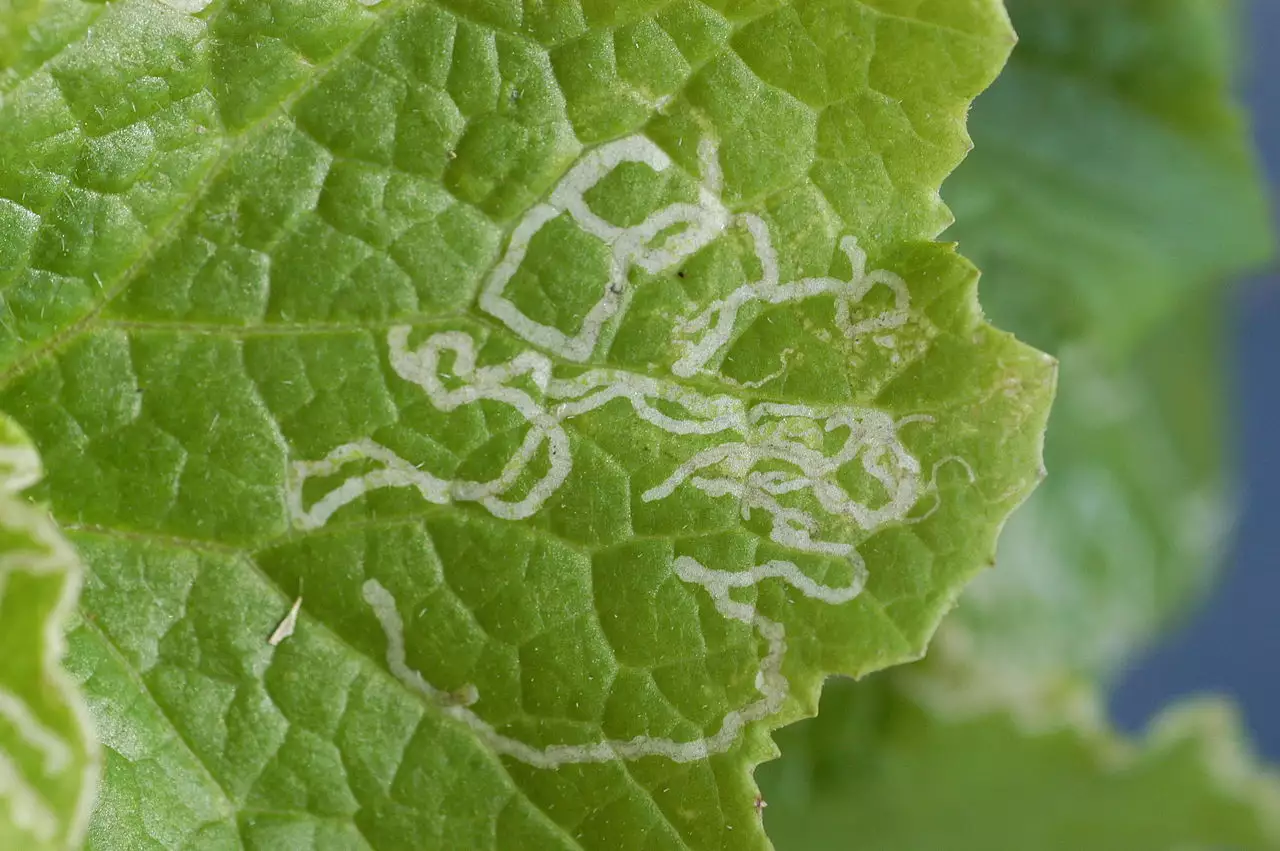
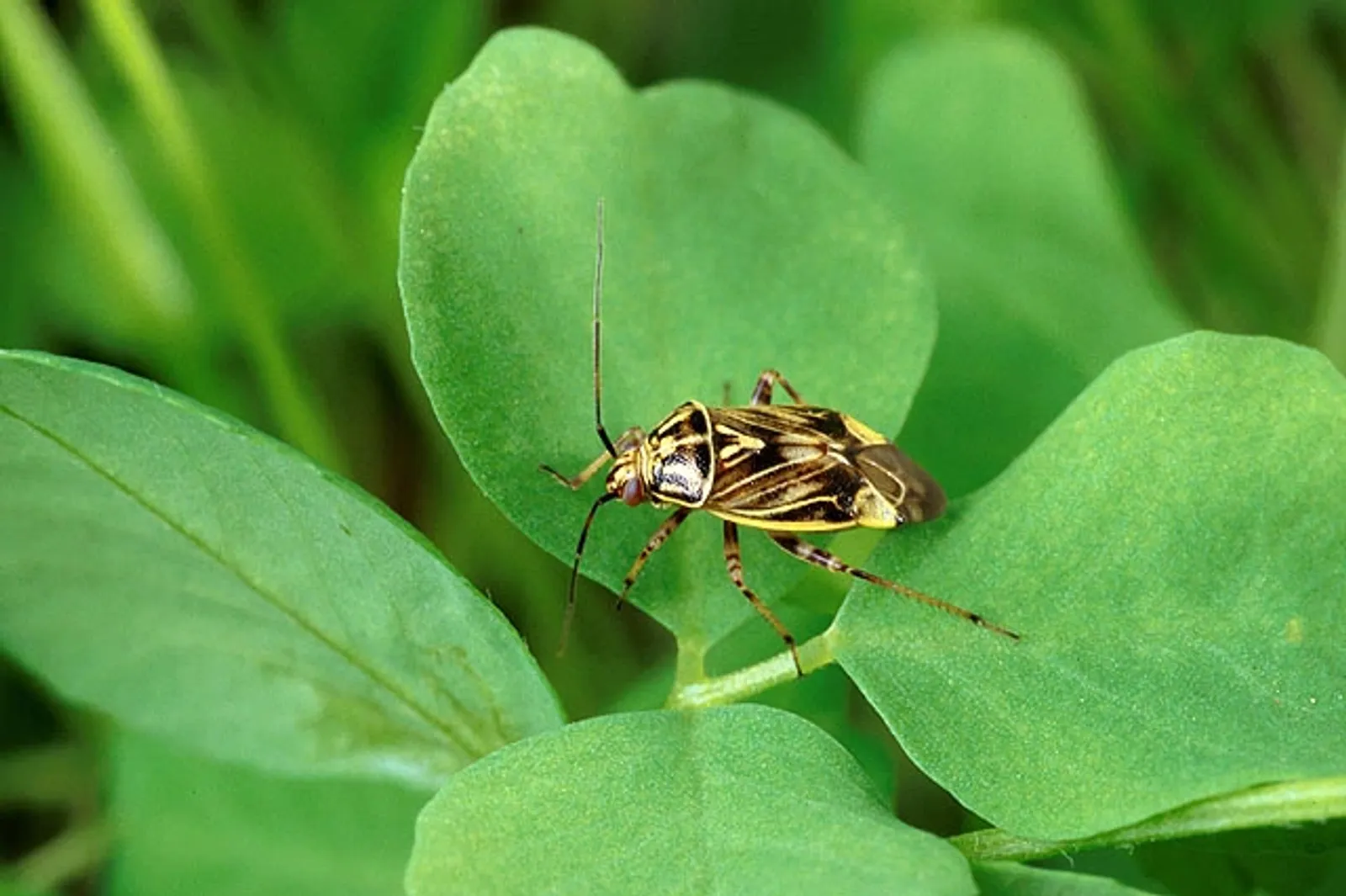
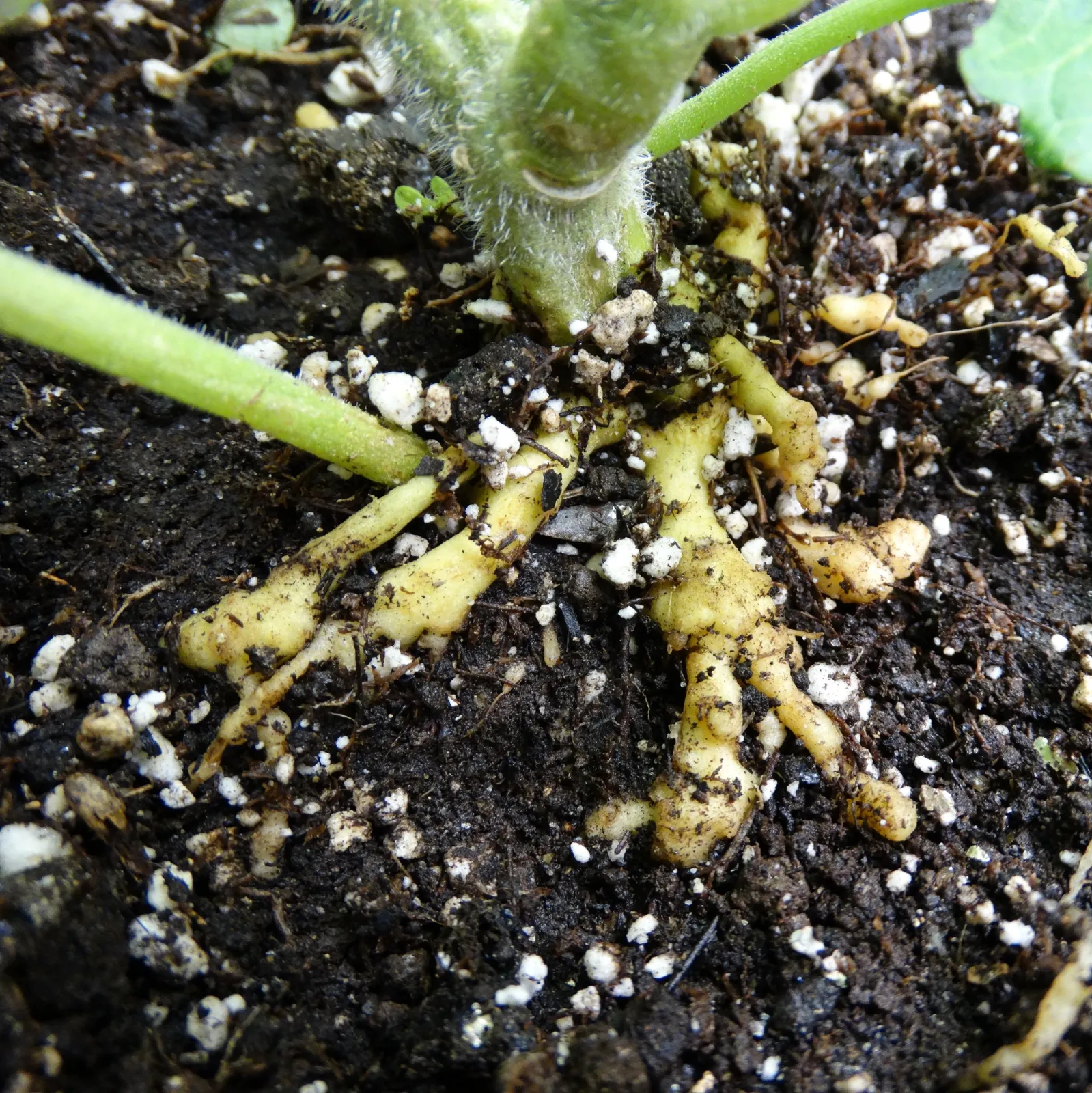
Diseases
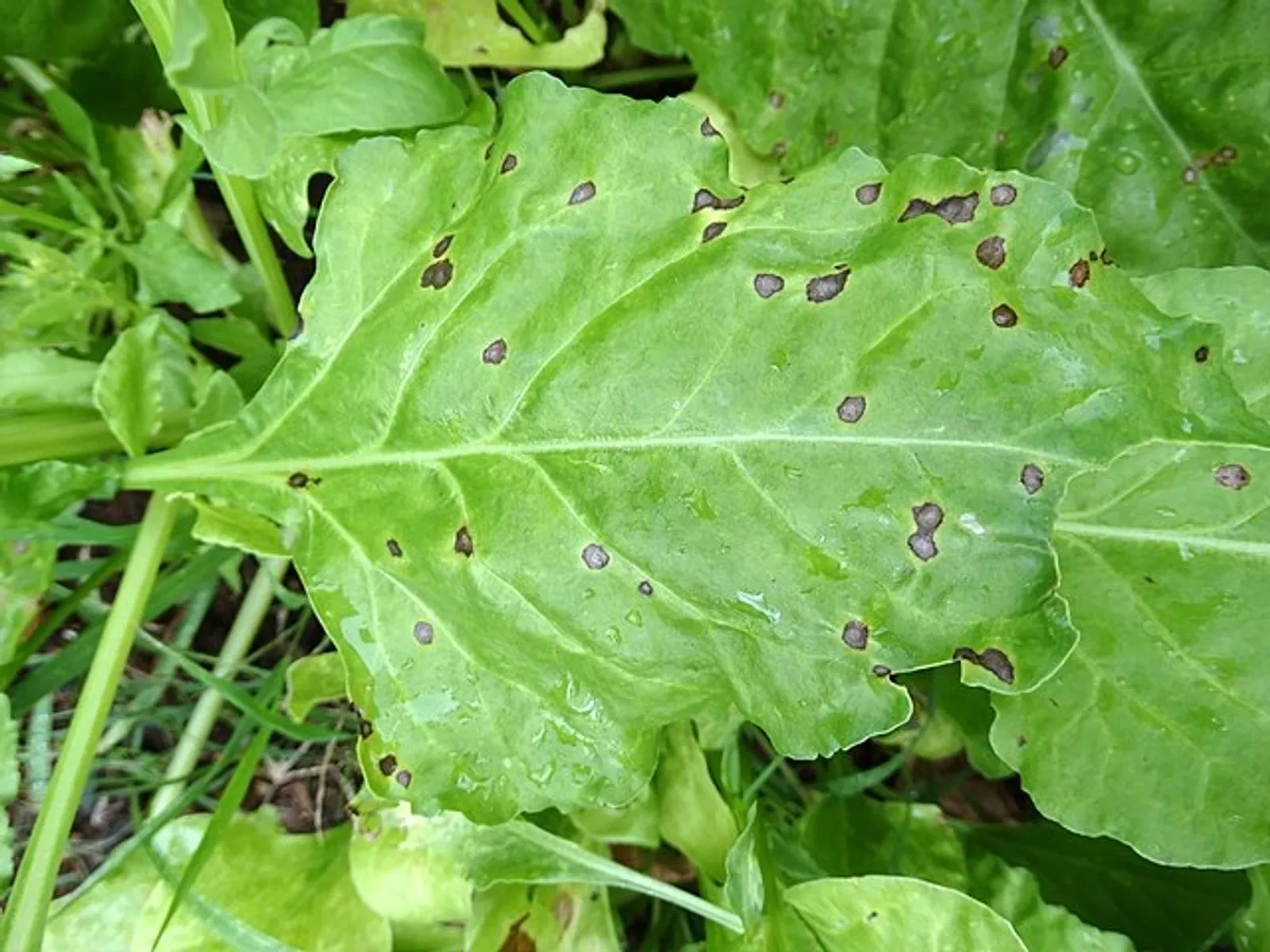
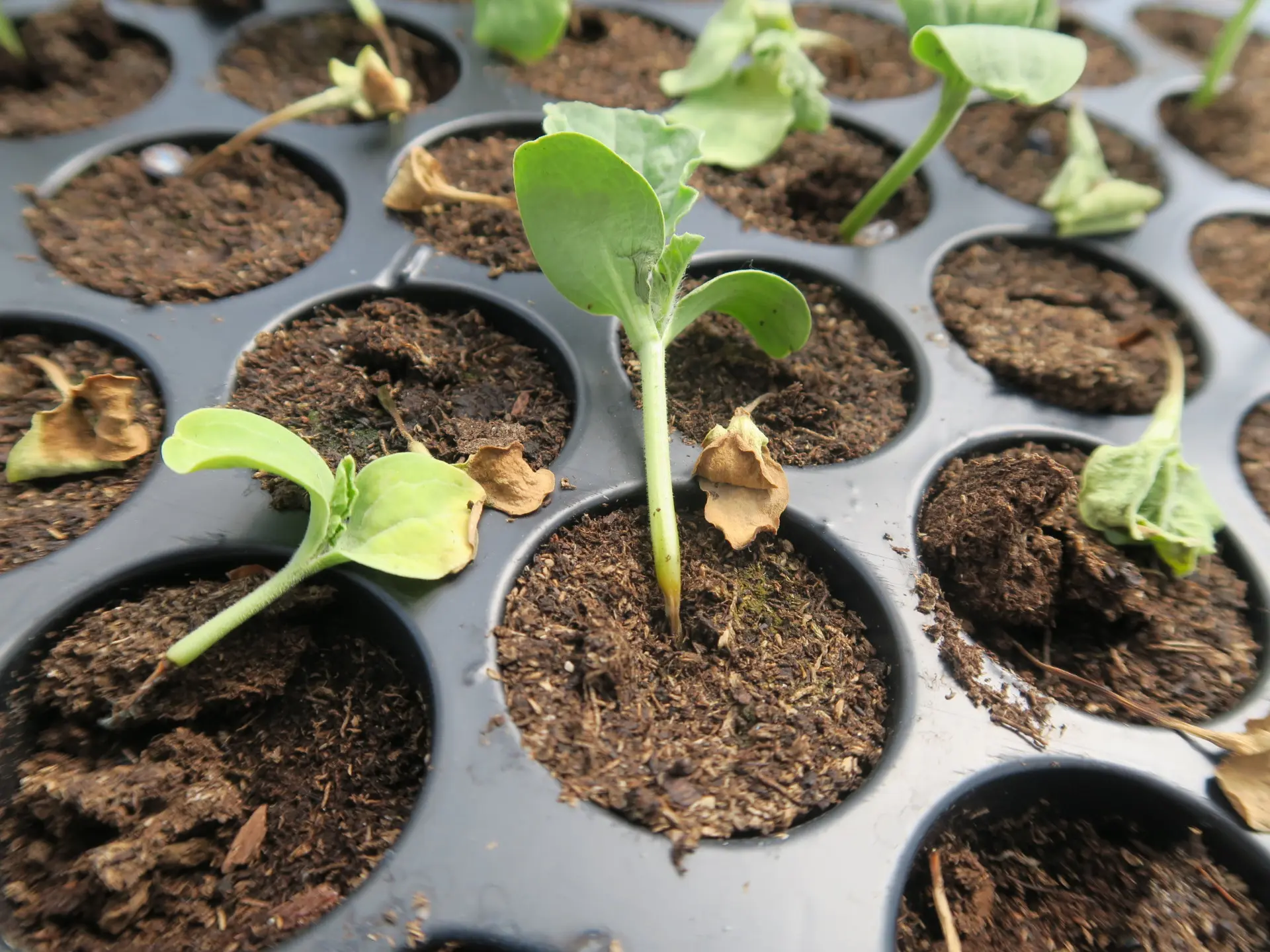
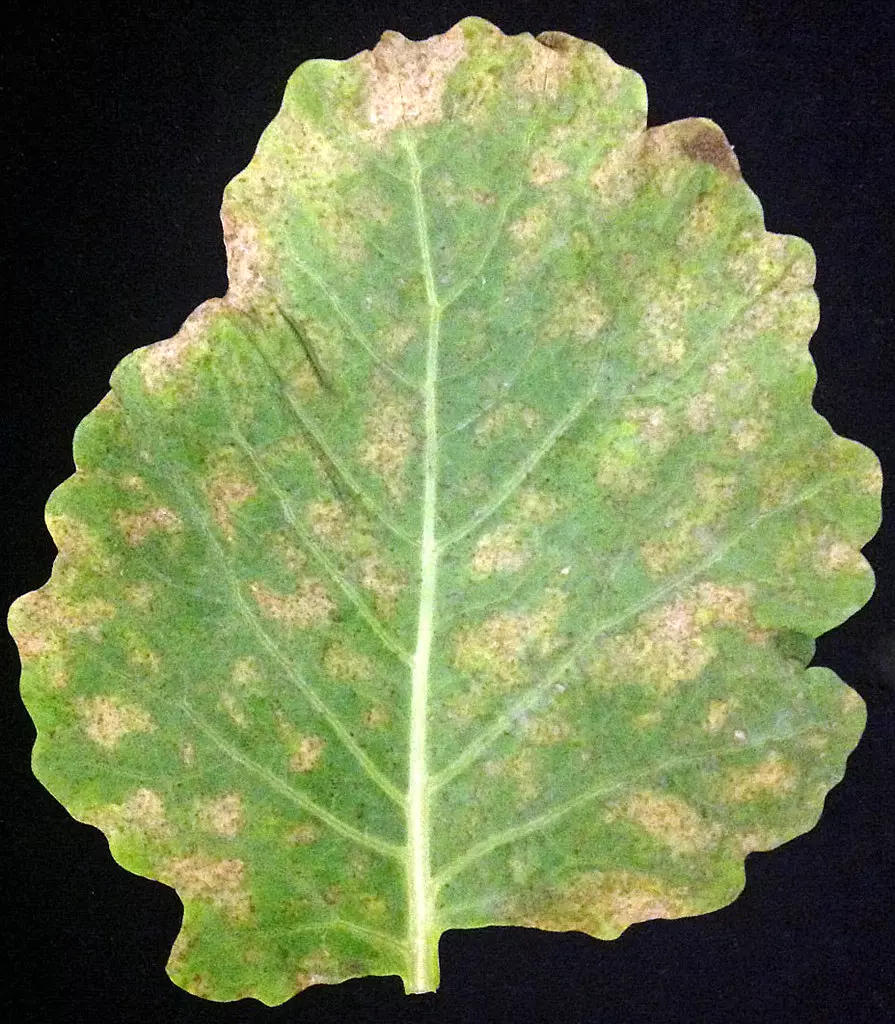
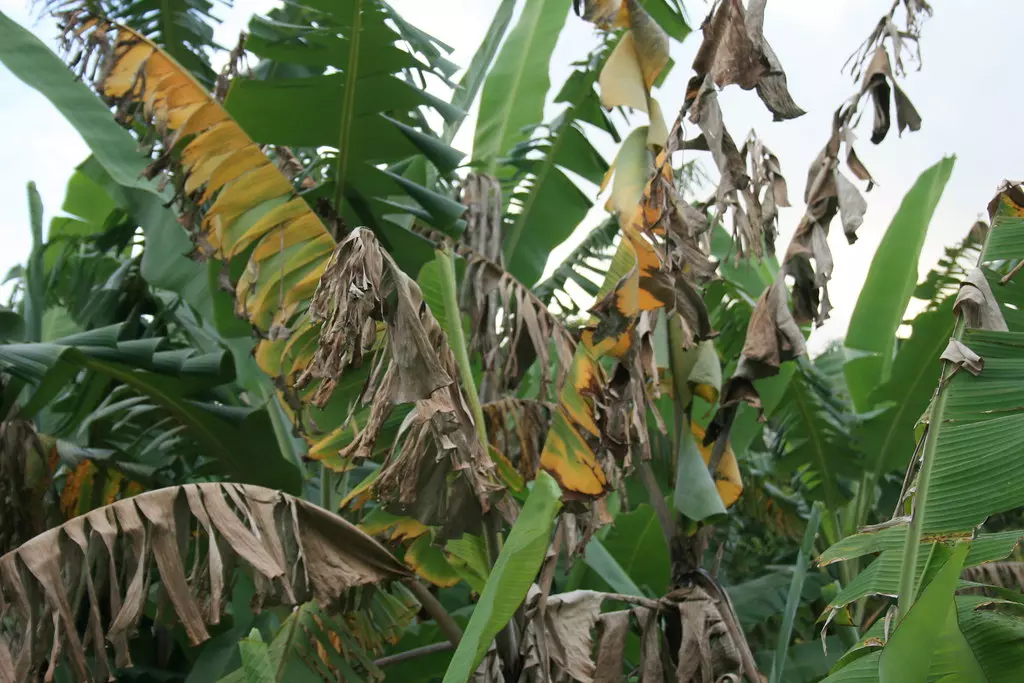
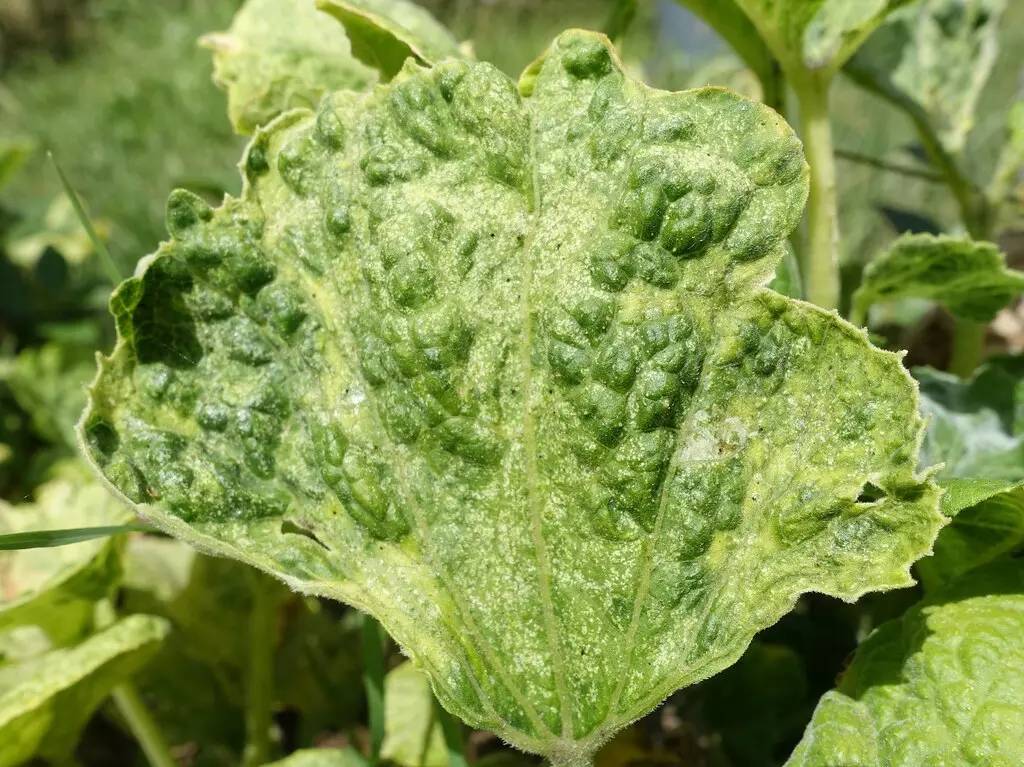
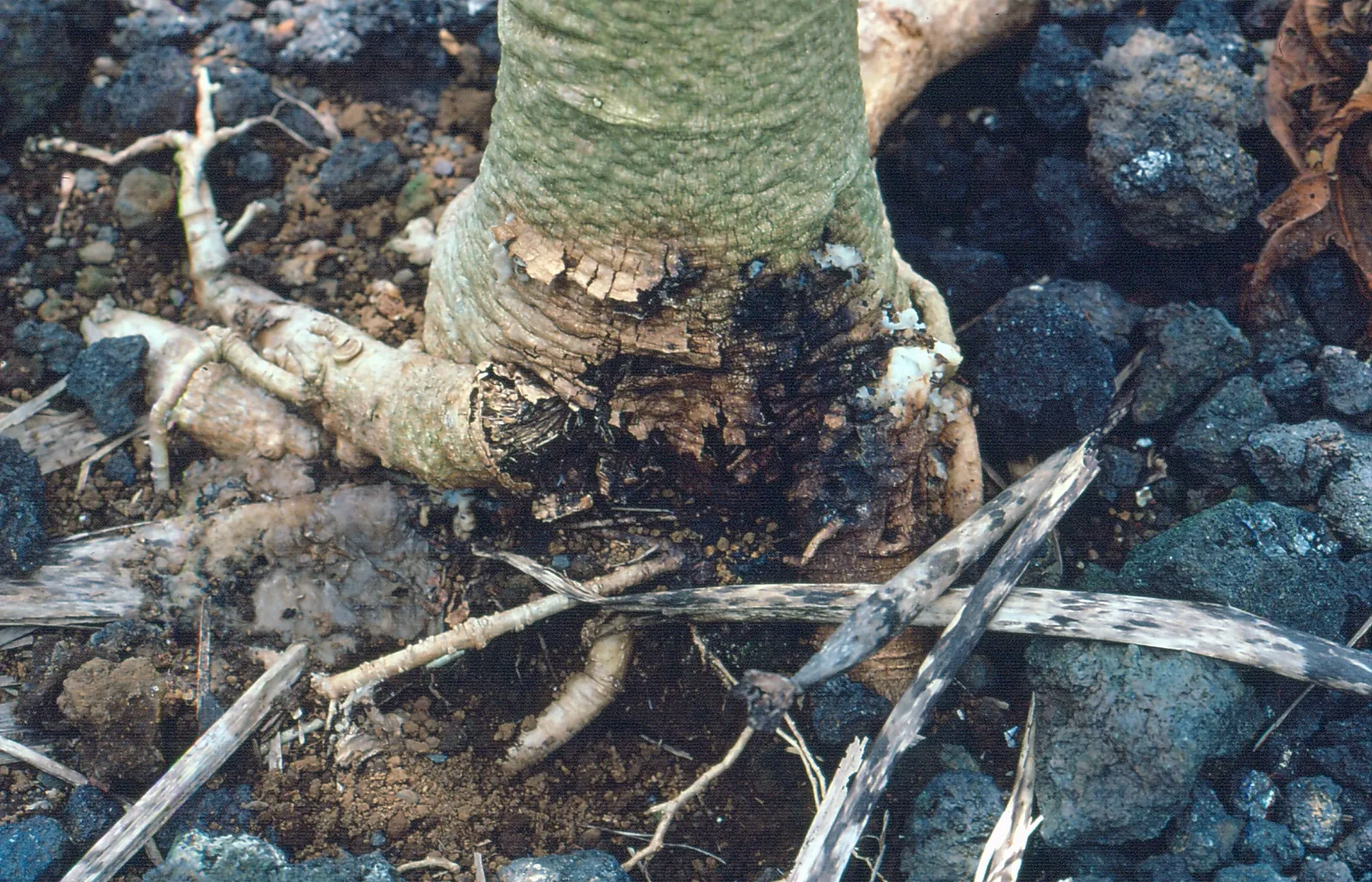
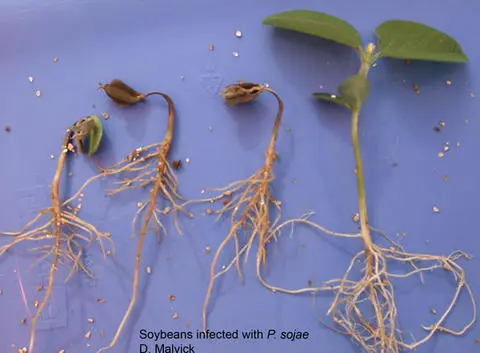
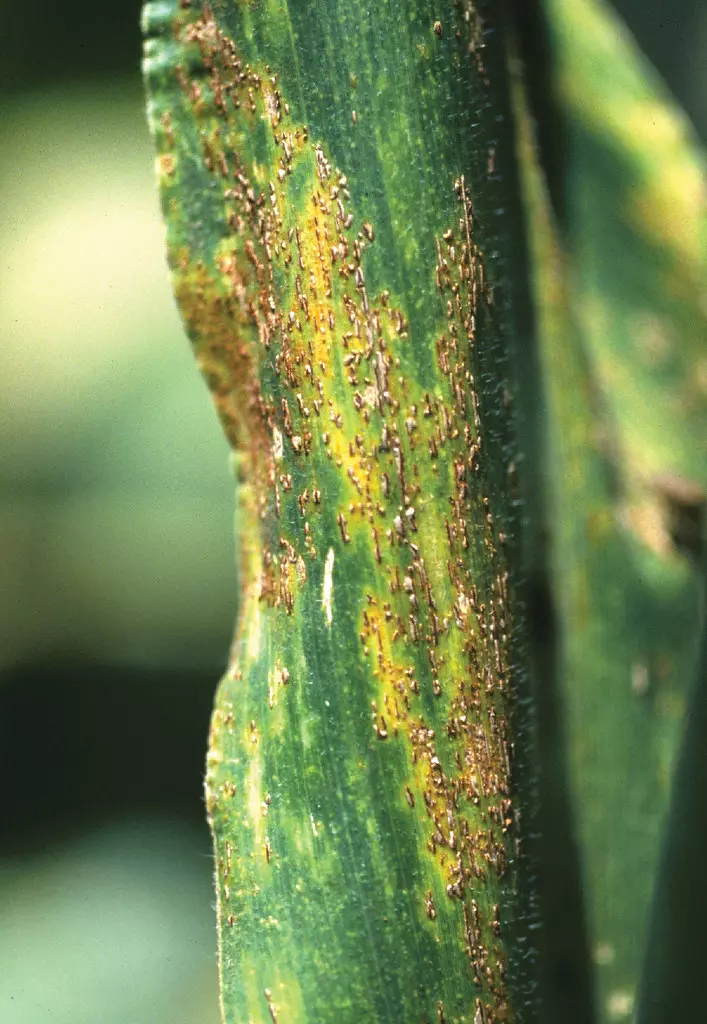
Beneficial Critters

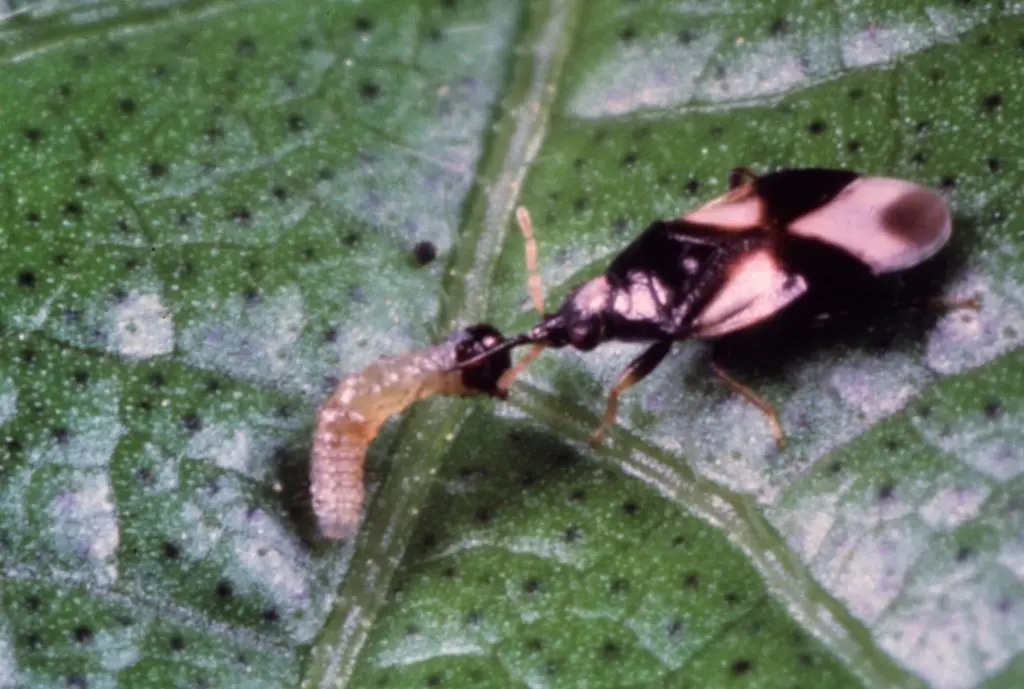
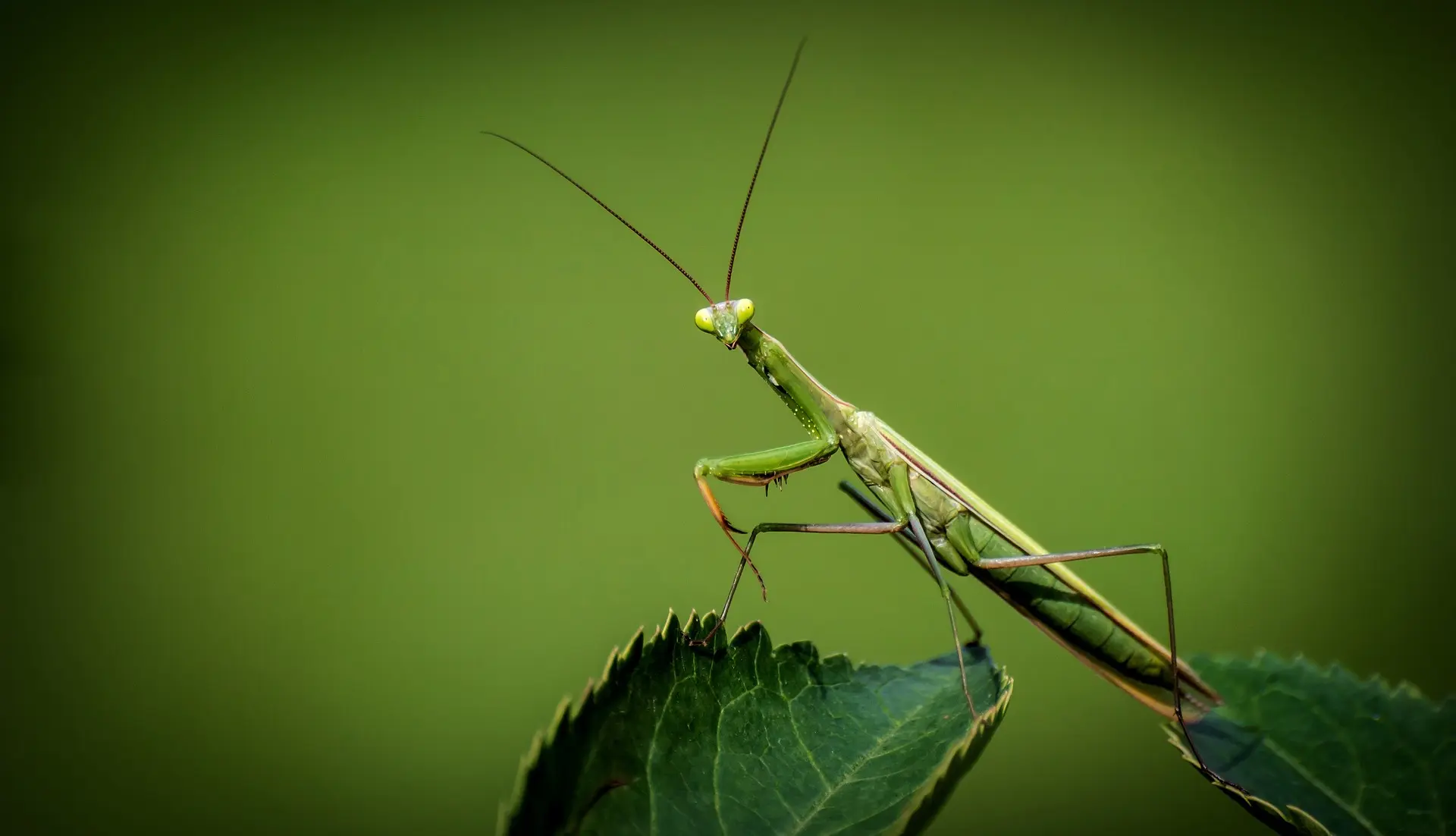
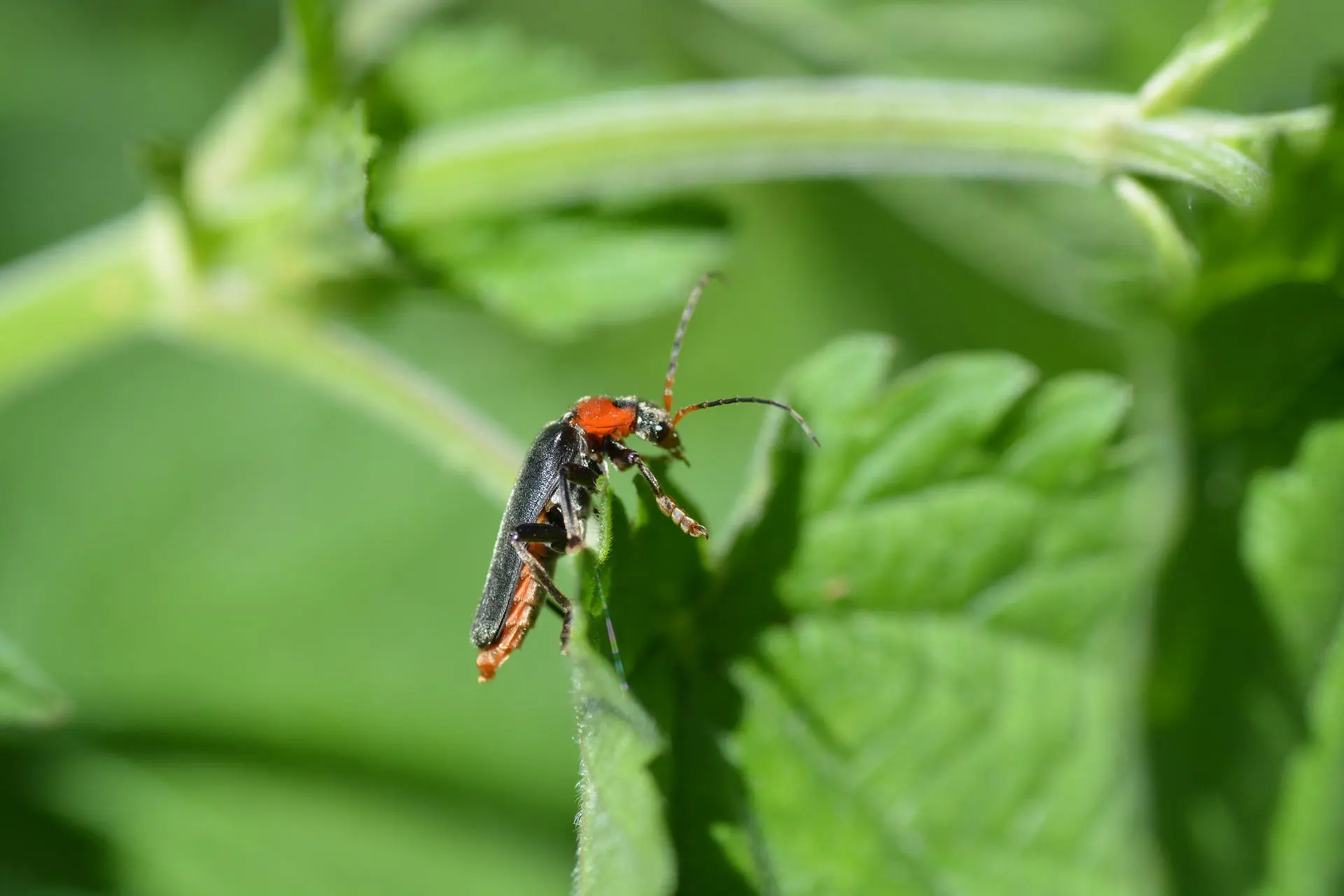
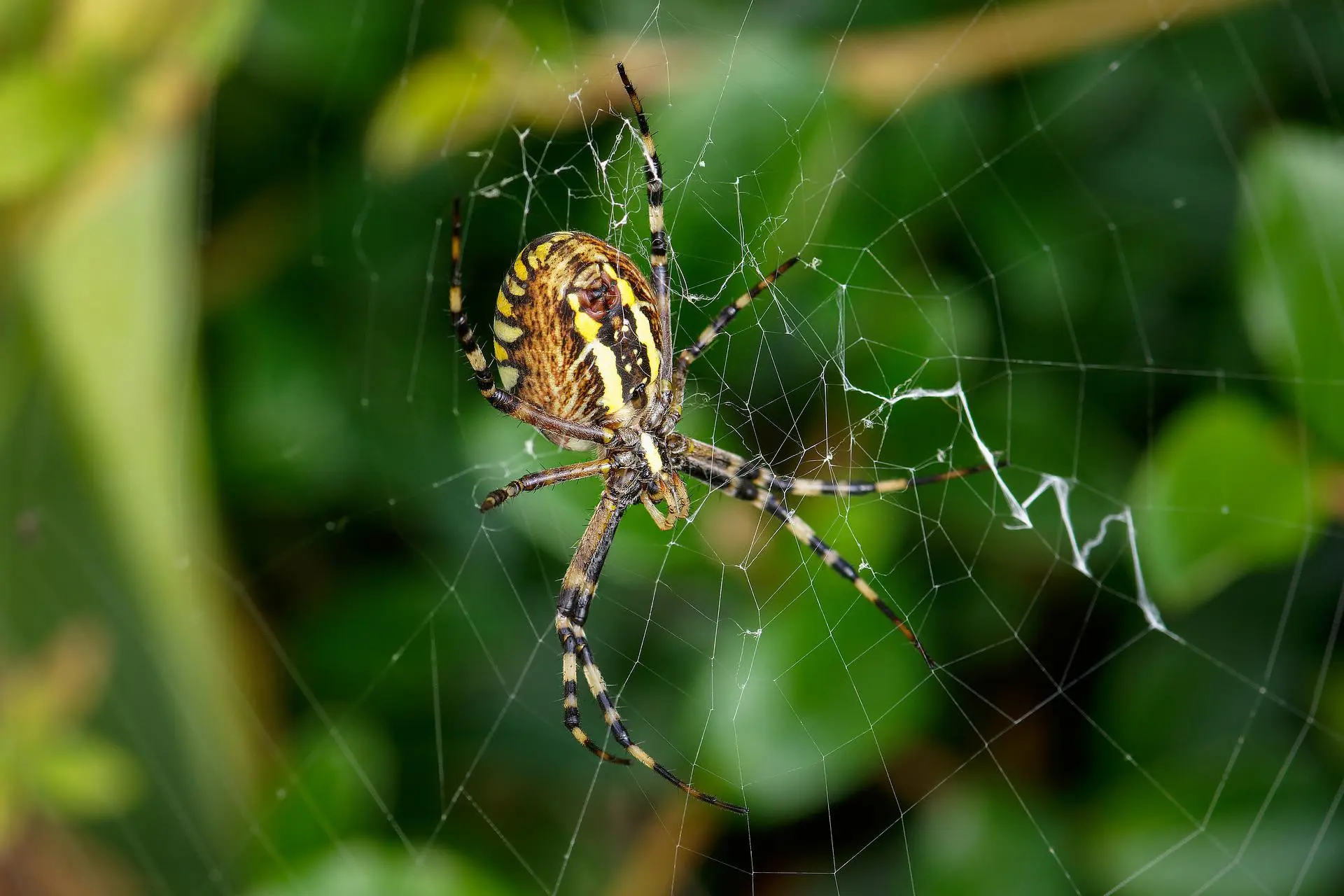
Growing from Seed
It is generally recommended to sow spinach directly outdoors as soon as the soil is workable. However, spinach can be started indoors and carefully transplanted outside. Starting spinach indoors can help to get a head start on the growing season and can also be helpful to avoid the hottest parts of the season when germination outdoors can be very poor. At temperatures above 95°F (35°C) spinach seed enters 'thermodormancy' and does not germinate well. Regardless of which method is used, be sure to keep the seed starting mix or soil consistently moist. If growing indoors, provide supplemental light as soon as the seeds germinate.
Spinach seeds do not keep very well so you may want to start with fresh seeds each year for the best germination rates.
Planting Considerations
Spinach prefers fertile, well-draining soil that retains moisture but does not become waterlogged. Apply compost at the time of planting. Spinach spacing can vary depending on whether you are growing full size spinach or baby leaf spinach. Spinach grows best in cool temperatures however it can be grown through hotter weather with special care. Choose heat-tolerant, bolt-resistant varieties and ensure the soil is kept consistently moist. Provide partial shade to help to keep spinach cool especially during the hottest parts of the day. Sow reasonable quantities of spinach multiple times throughout the season; this way if your spinach bolts there are fresh, new plantings coming. Spinach can be grown in containers. Choose a container that holds at least 1 gallon (3.8L).
Spinach can be grown over winter in milder climates or in colder climates it can be 'overwintered' for an early spring crop. To overwinter spinach remove the leaves from fall-sown spinach, leaving the inner rosette intact, then protect the plants with a thick layer of mulch or with other protective infrastructure. Remove the mulch or protective covering as the weather begins to warm in spring.
Feeding
Spinach is a heavy feeder. Apply a balanced fertilizer at the time of planting and as the plant grows. Do not spray or apply fertilizer directly on the leaves.
Harvesting
Spinach can be harvested a few different ways. If you are growing baby leaf spinach, begin harvesting when the outer leaves are about 3-4" (8-10 cm) long. You can use the fingernail on your thumb against your index finger to pluck off the outermost, lower leaves leaving roughly 1"-2" (2.5-5 cm) of stem on the leaves. You can also use a knife to cut leaves off- some spinach types grow more upright than others, especially if spaced densely, making knife harvesting easier. Hold the leaves in one hand and cut horizontally with the other hand. Whether plucking or cutting, leave the inner leaves intact so the plant can continue growing.
If you are harvesting whole spinach plants for larger leaves you can cut the base of the plant near the soil line with a knife. When harvested this way the plant will not regrow. If your spinach is starting to form a seed stalk, harvest the entire plant before it turns bitter.
If possible, avoid harvesting spinach during the hottest parts of the day to help keep it from wilting.
Storage
Spinach should be cooled down quickly after harvesting to prevent wilting. Immerse spinach in cold water or gently spray it and inspect it for any pests that need to be removed. Spread spinach out to dry on a clean towel in a cool area. Spinach should not be stored wet; refrigerate once the excess moisture has been removed. Spinach can be kept in the fridge for up to several days. Store spinach in loose plastic bags or airtight containers to prevent wilting. Spinach (that has been thoroughly cleaned) can also be chopped if the leaves are large then portioned into airtight containers or freezer-safe bags and frozen for up to several months.
Spinach contains oxalates so be careful if you are on a low-oxalate diet.