Eggplant
Solanum melongena
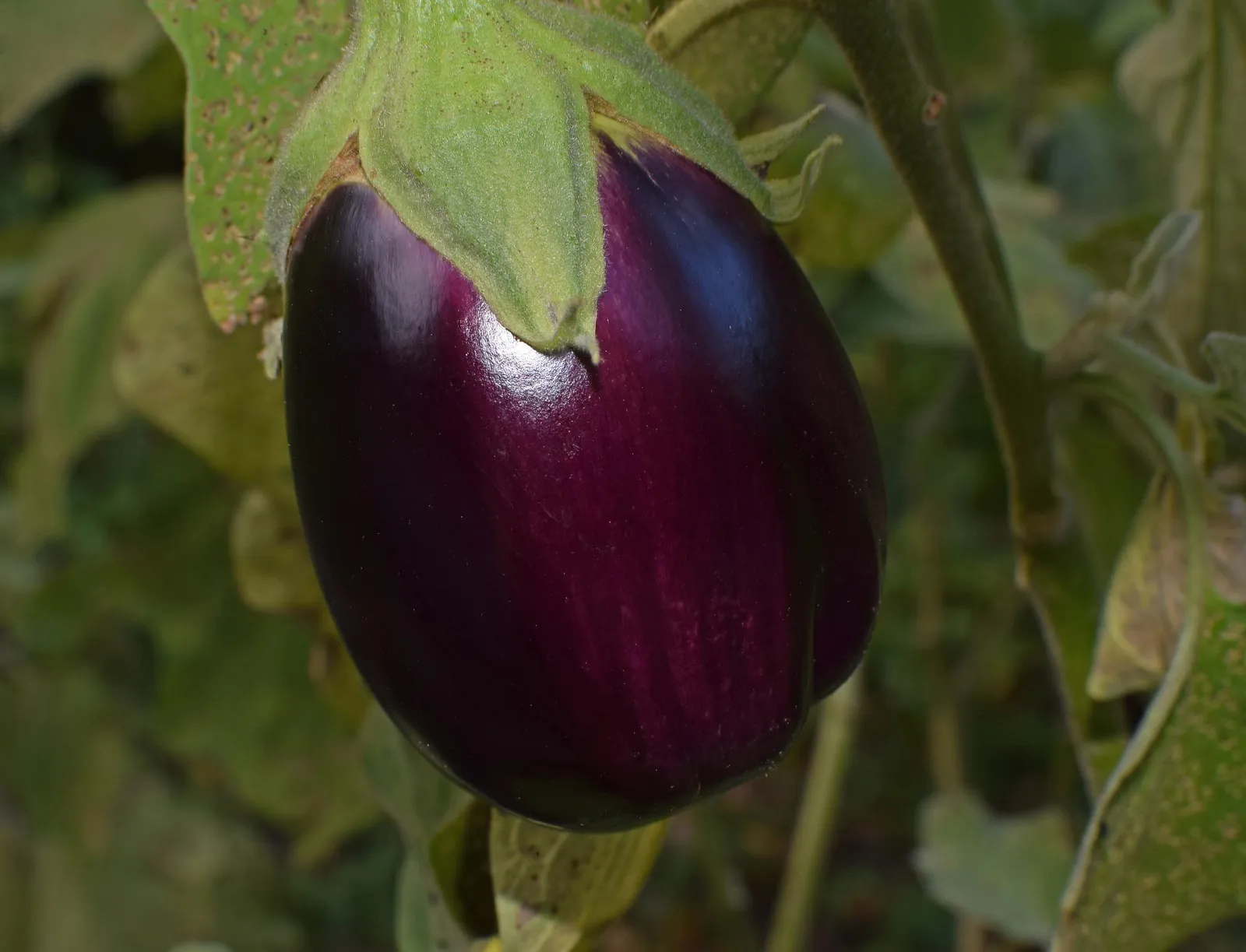
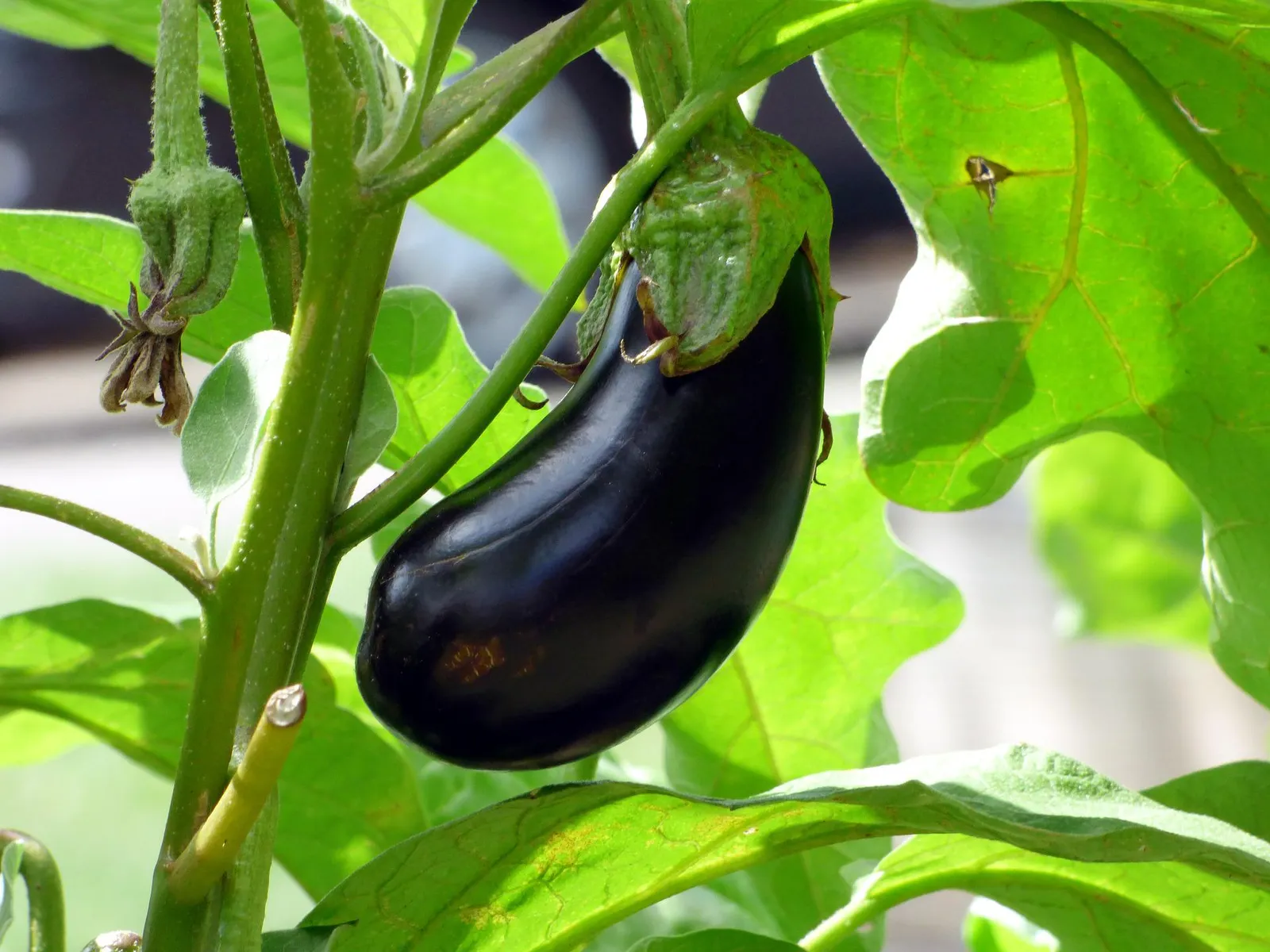
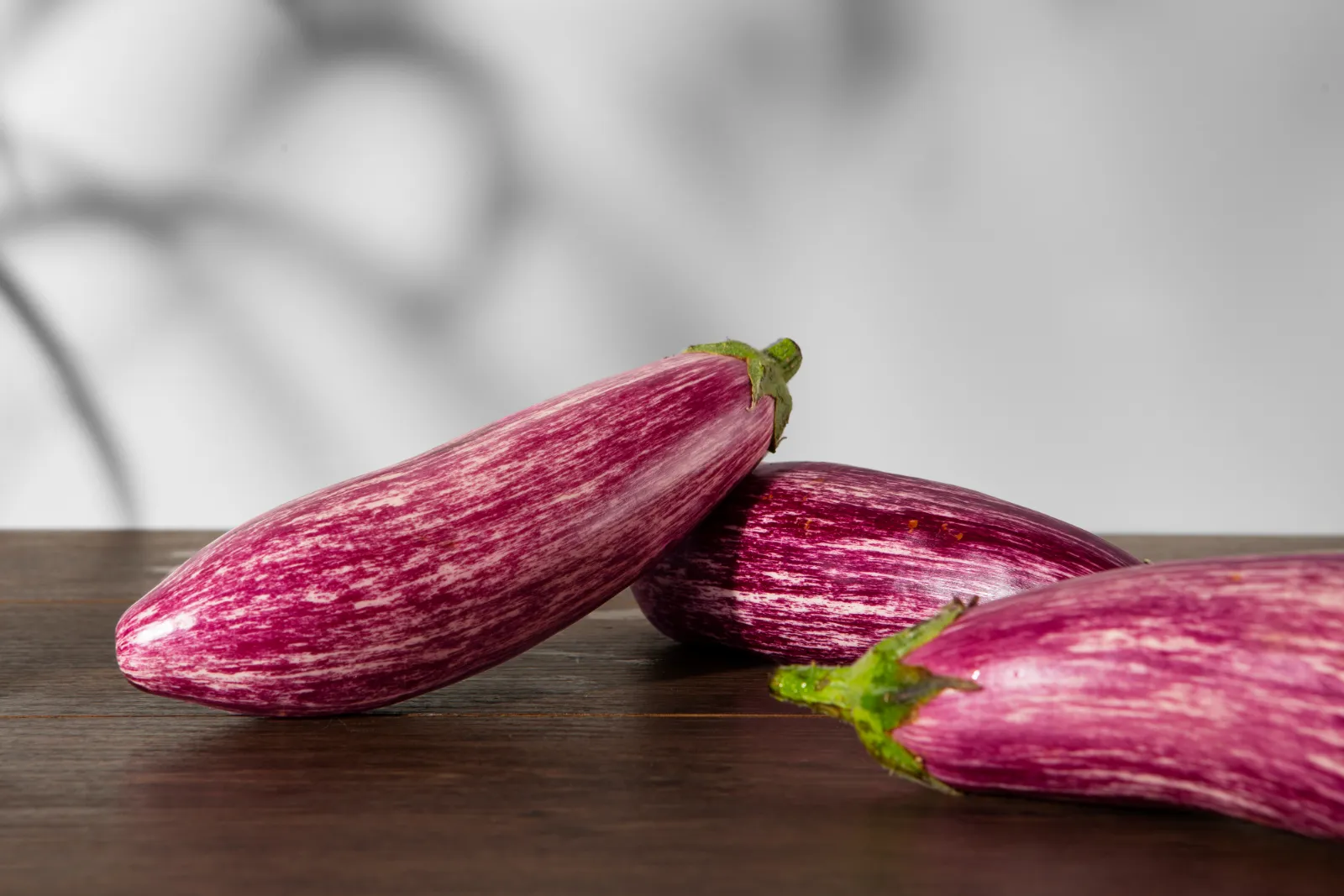
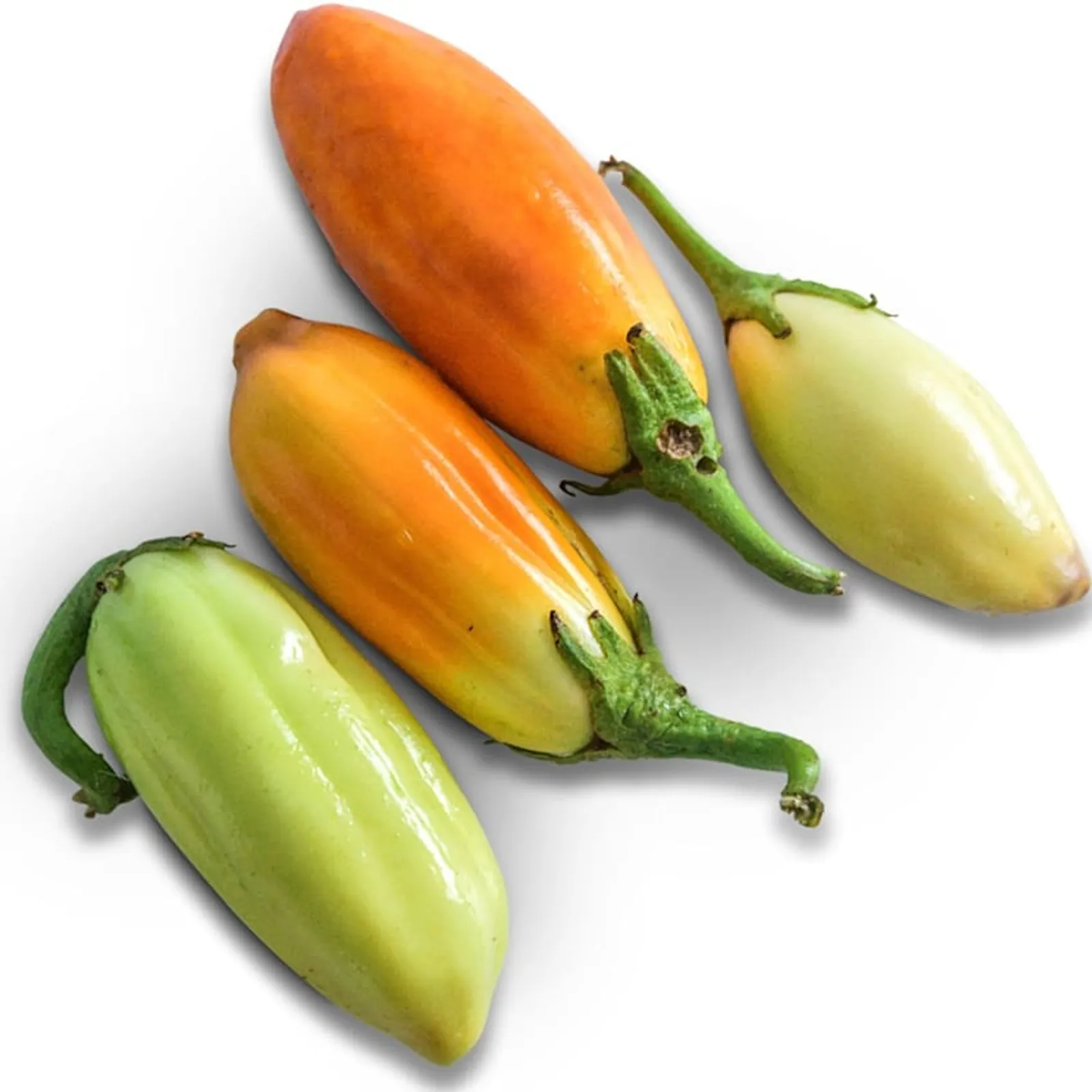
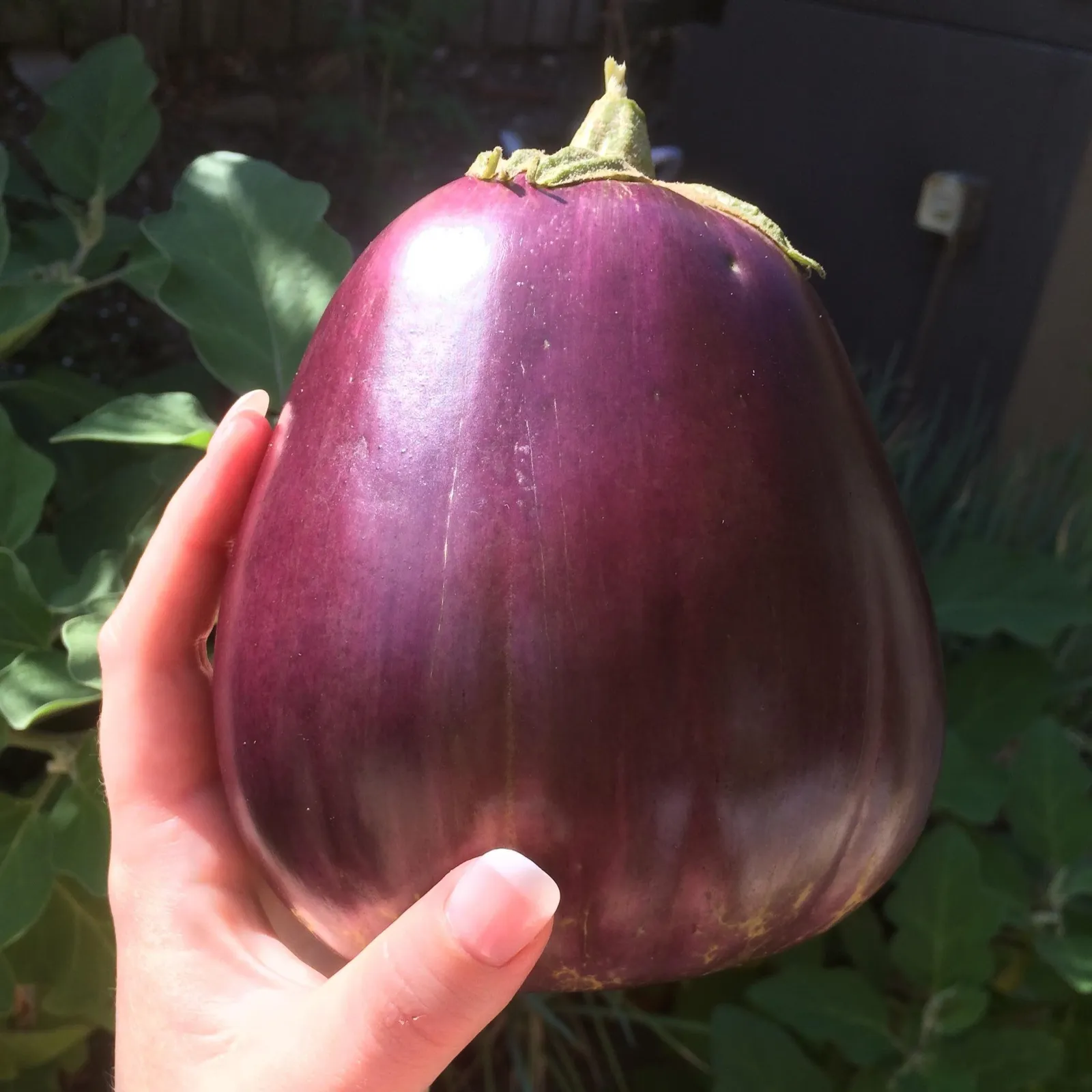
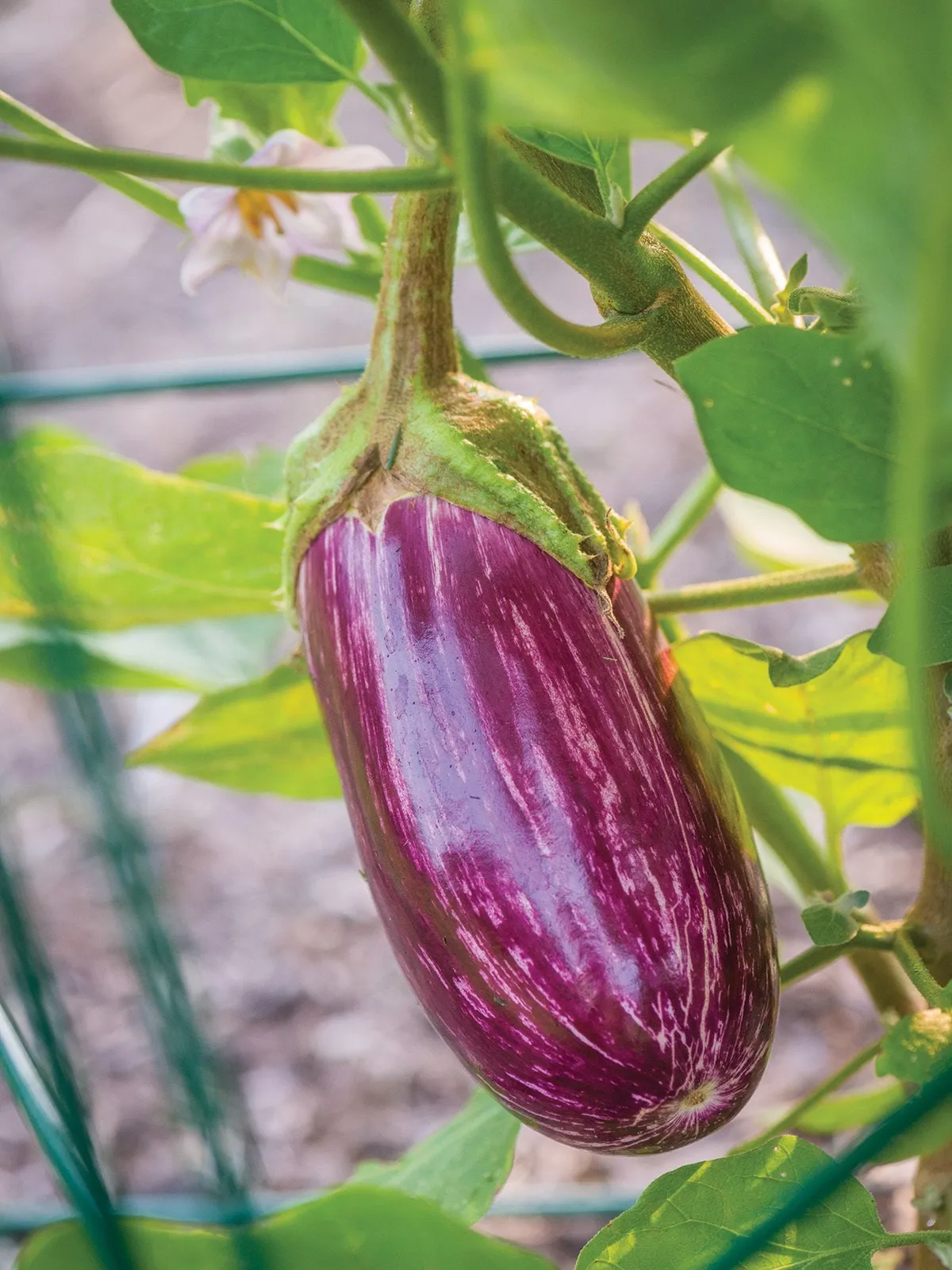
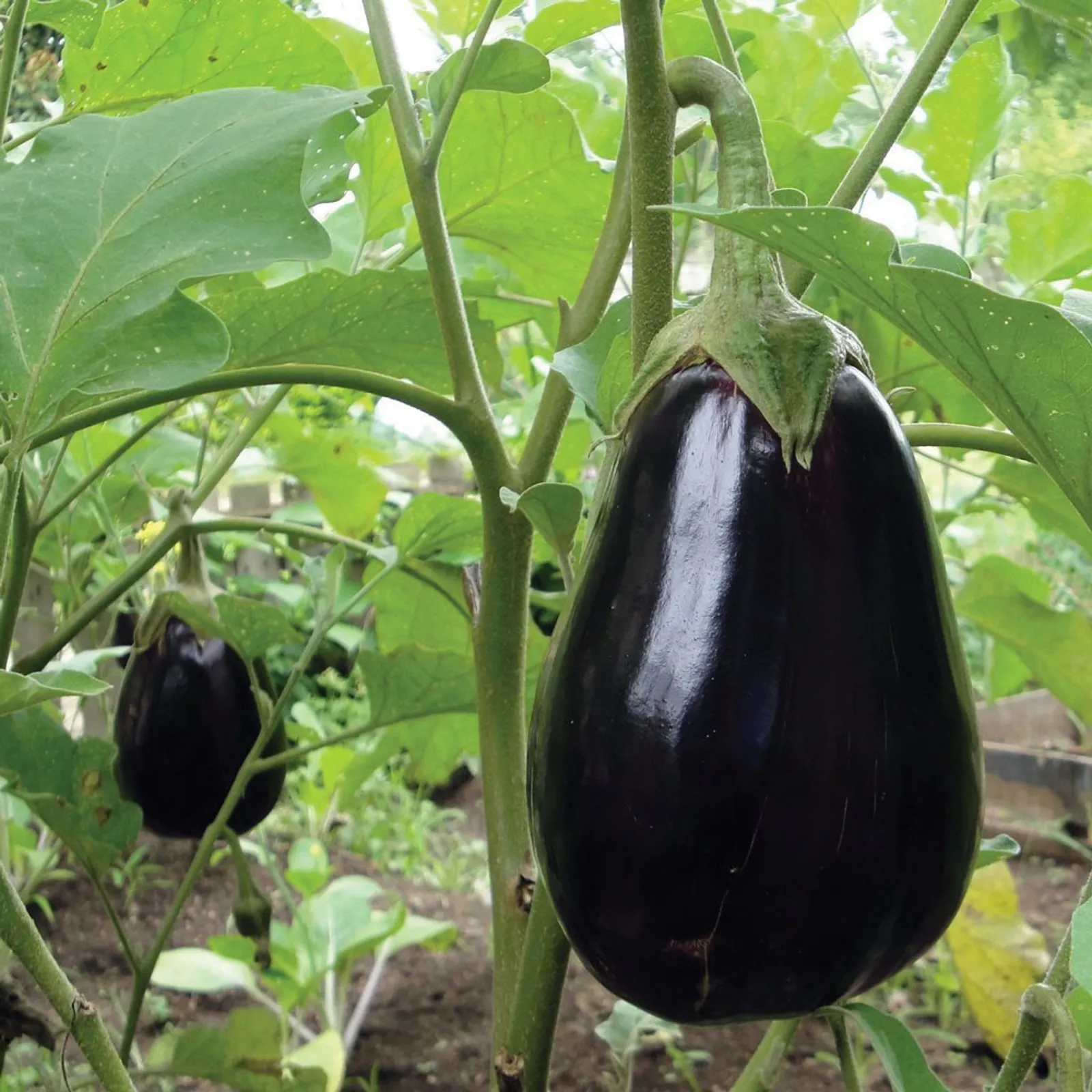
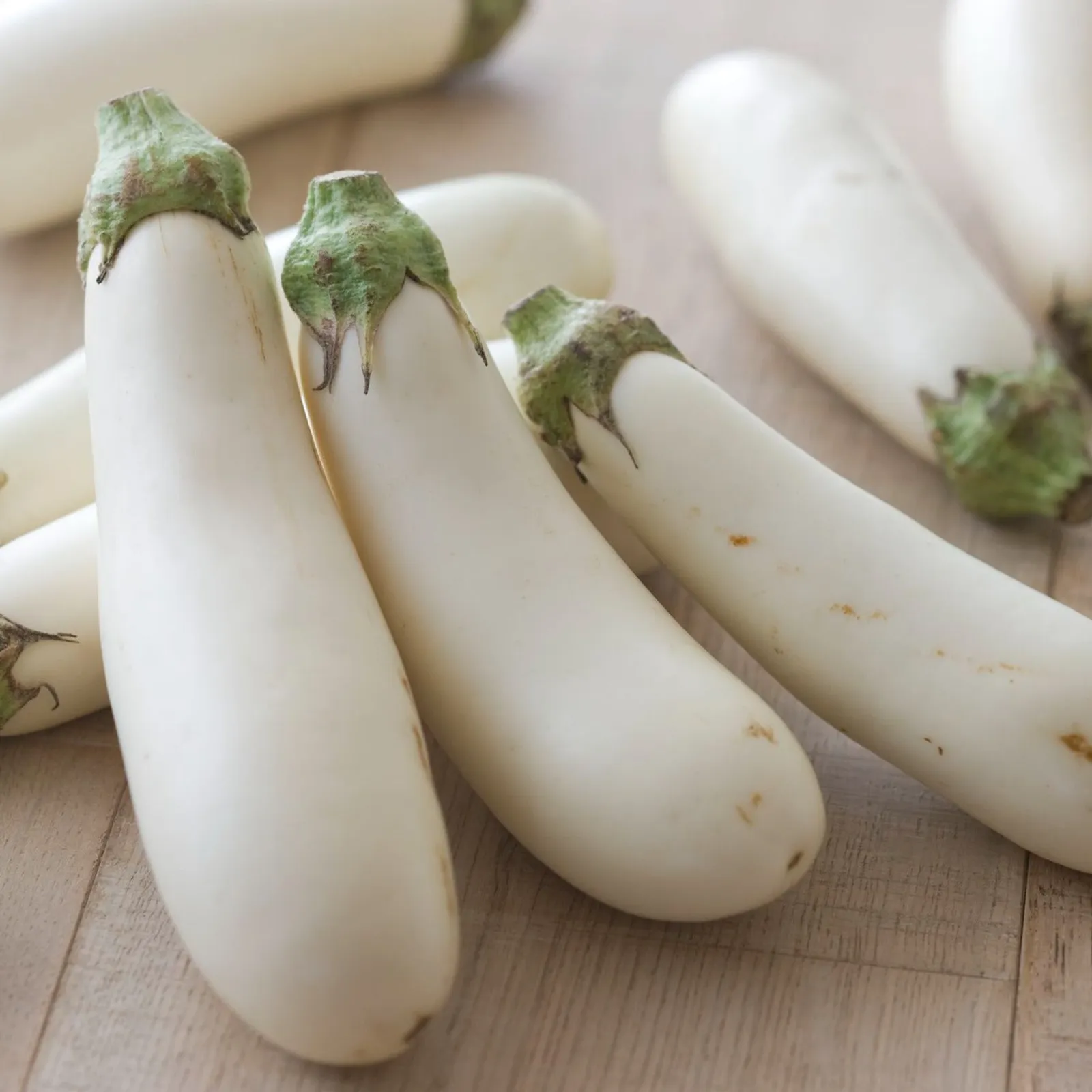
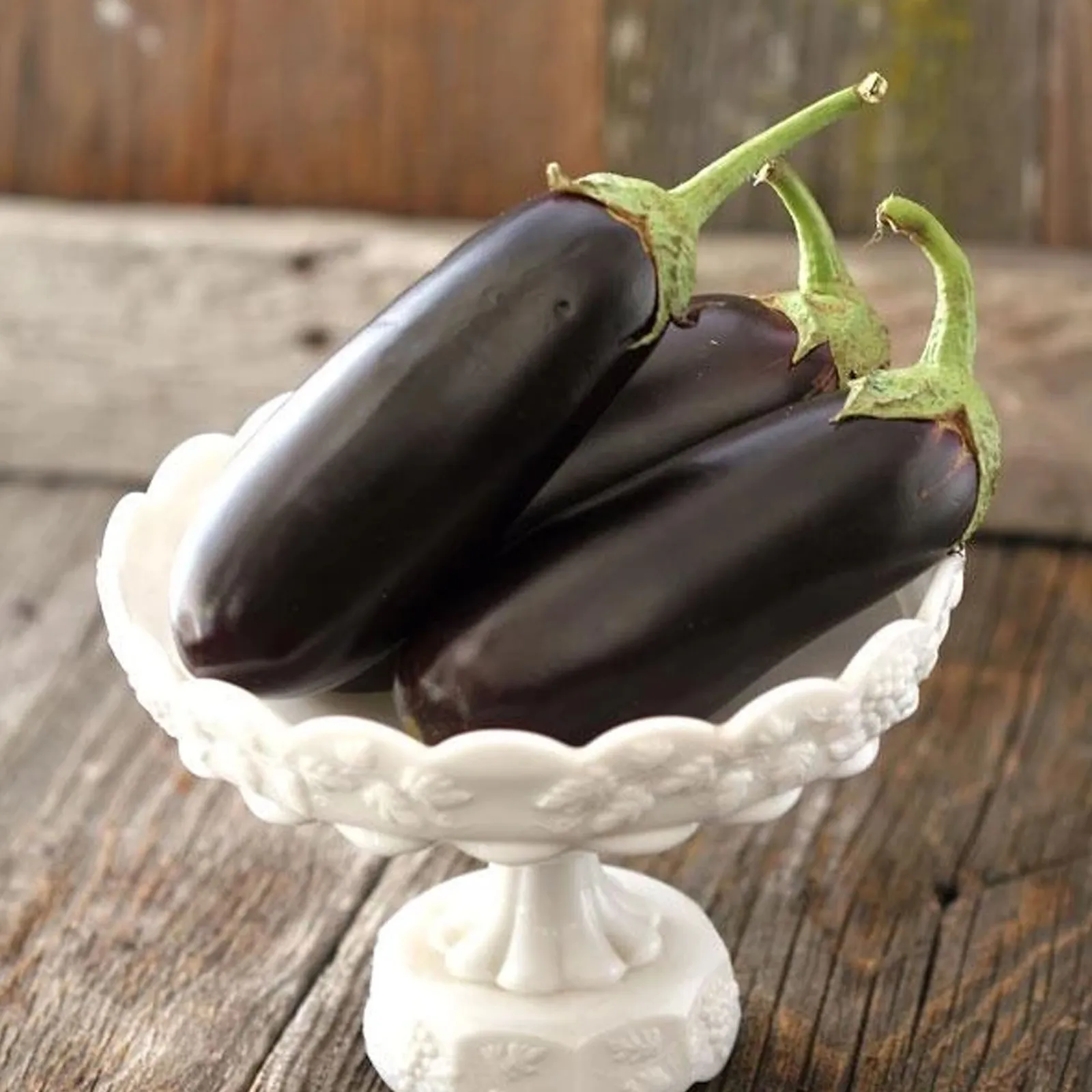
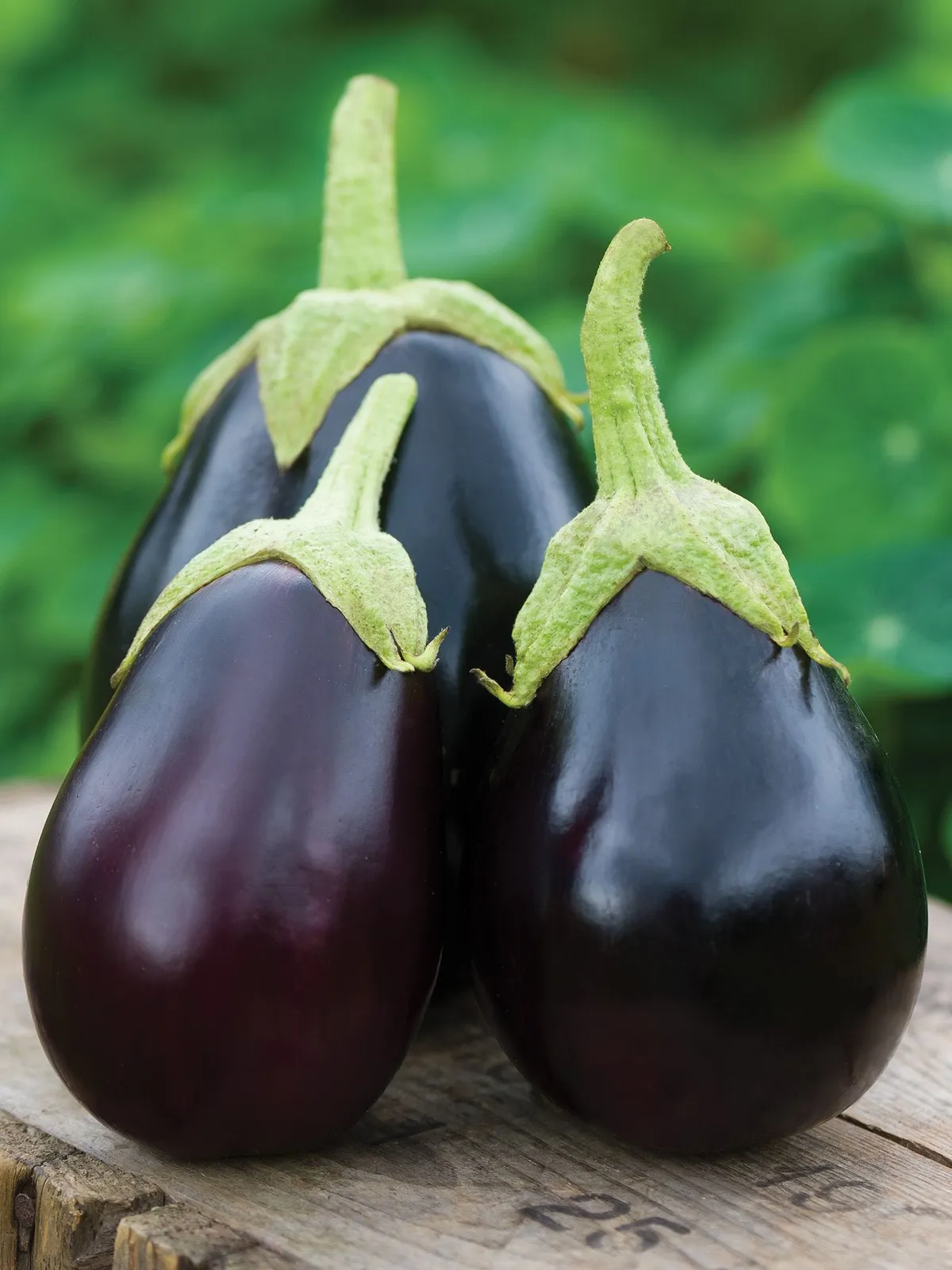
Eggplant is a member of the Solanaceae (nightshade) family along with tomatoes and peppers and other garden favorites. Interestingly, because of its appearance and relationship to other poisonous nightshades, in Europe eggplant was grown only ornamentally at first as it was thought to be toxic! While technically a fruit, eggplant is used in savory dishes. Its mild flesh readily takes on the flavors of other ingredients in a dish. Black-purple, oval shaped fruits are most commonly seen in grocery stores, but there are a plethora of unique eggplant varieties available to gardeners with different colors, textures, shapes, and sizes. Eggplant is a relatively easy-to-grow crop; the key to success is to ensure the plants receive the consistently warm temperatures they prefer. Once they reach maturity eggplants will continue producing until frost or disease takes them out at season's end.
How to Grow Eggplant
Quick Info


Put away the pen and paper
Plan your veggie garden in minutes with Planter's easy drag and drop planner.
Try Planter for Free
Varieties

Related Articles

Companion Plants






Combative Plants
Nutrition
Vitamins



Nutrients





Pests
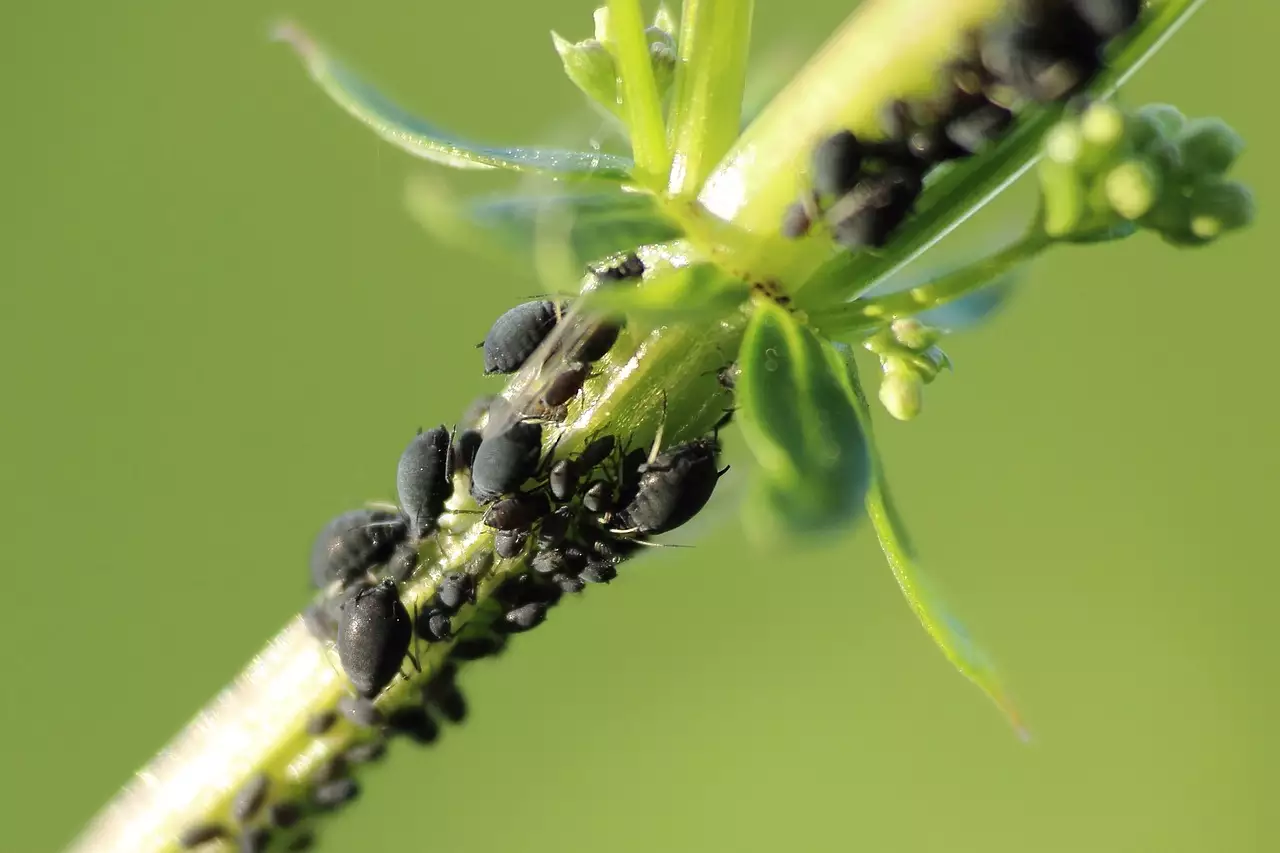
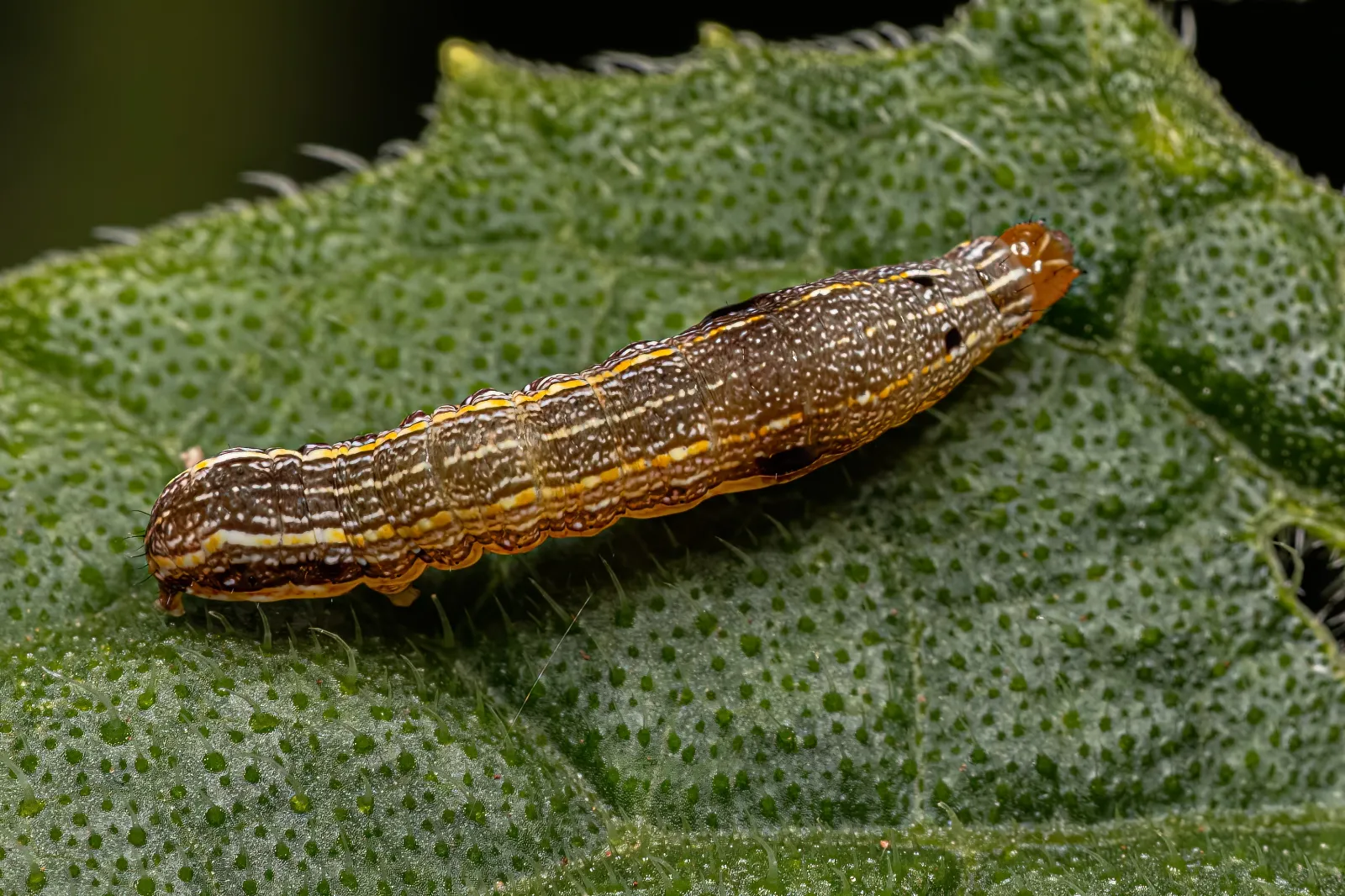
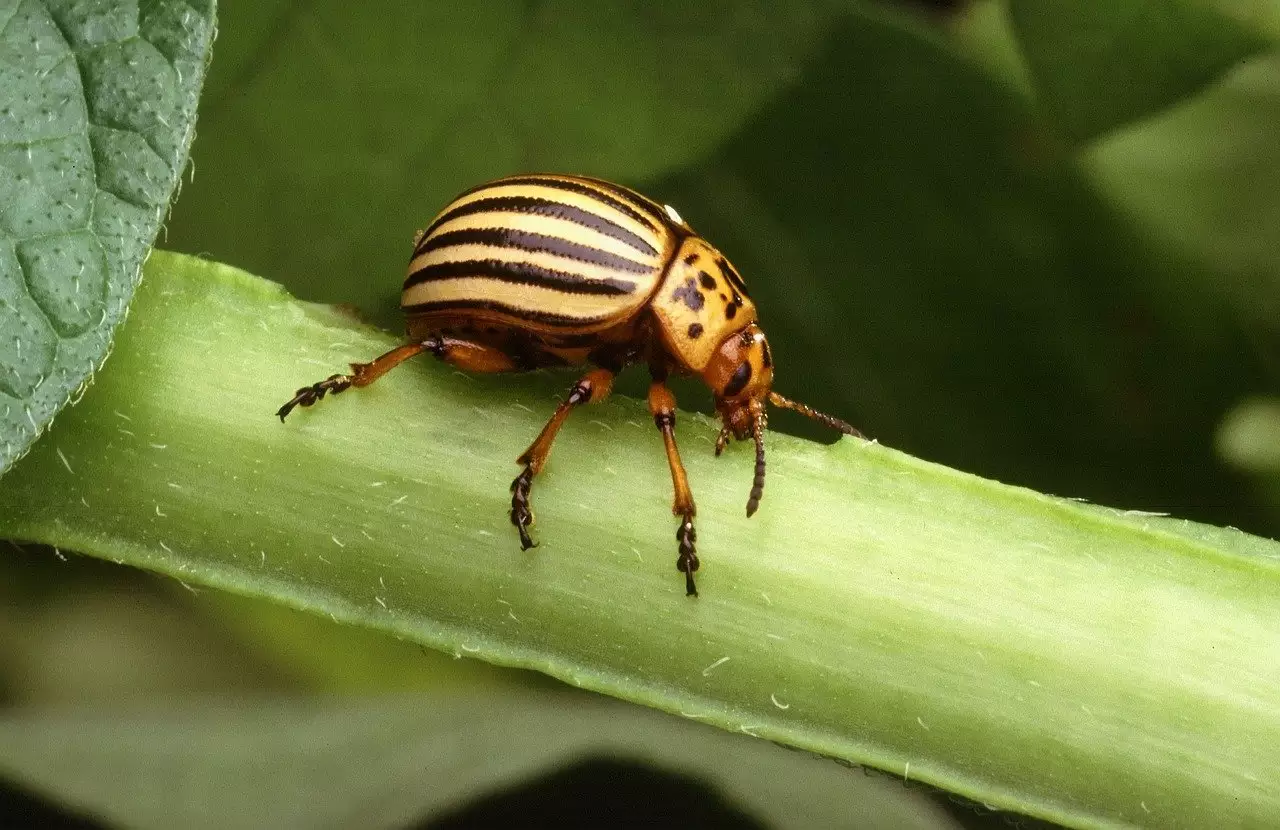
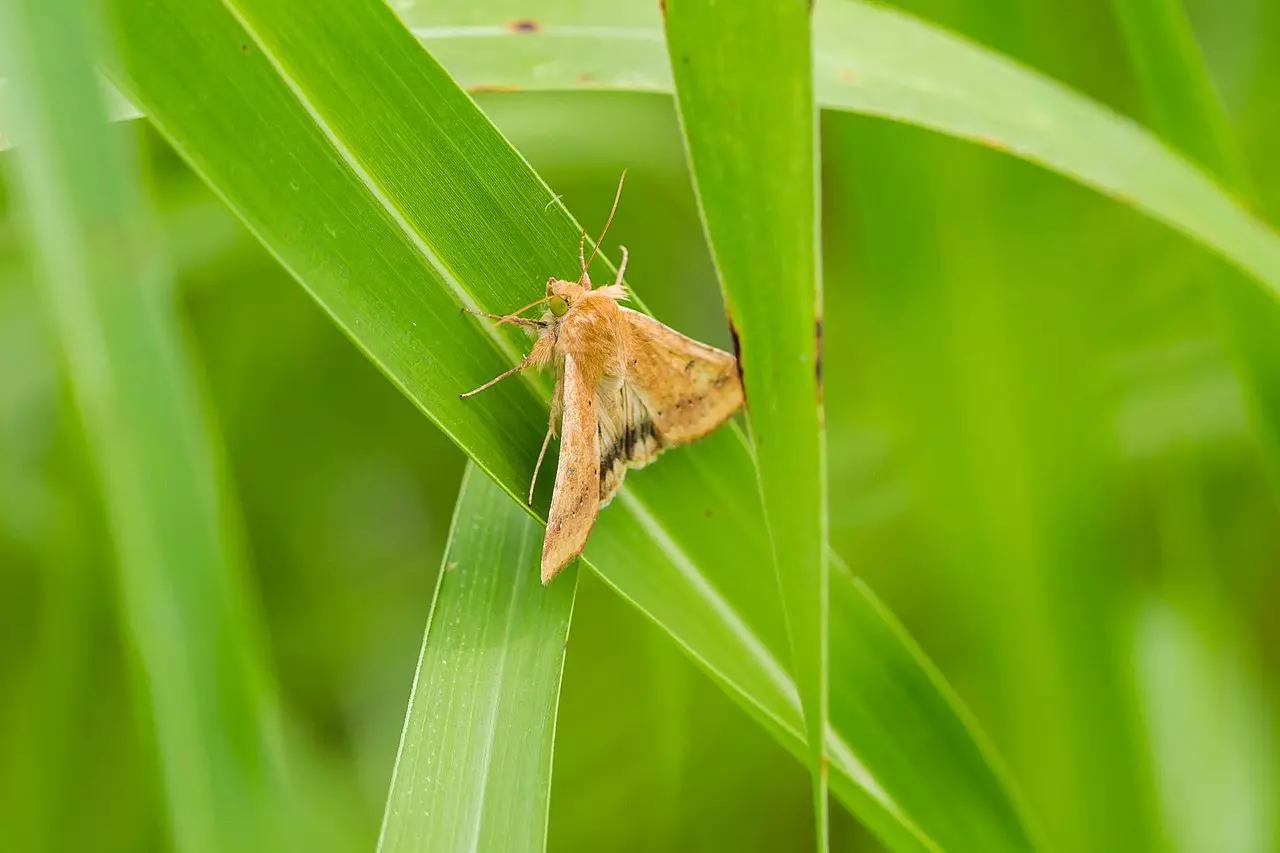
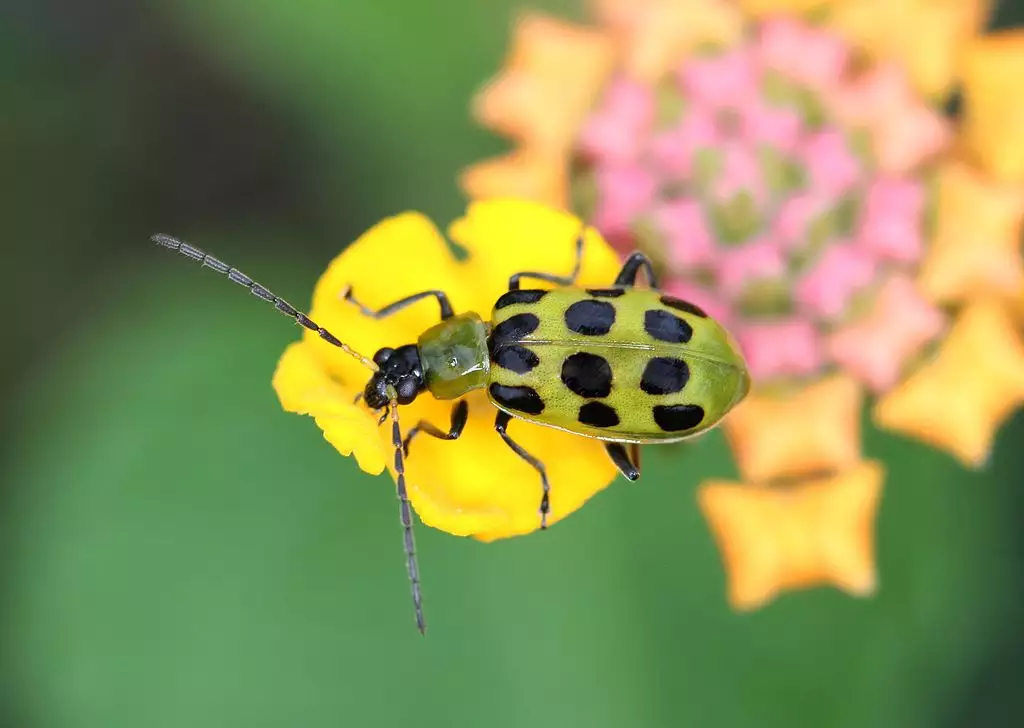
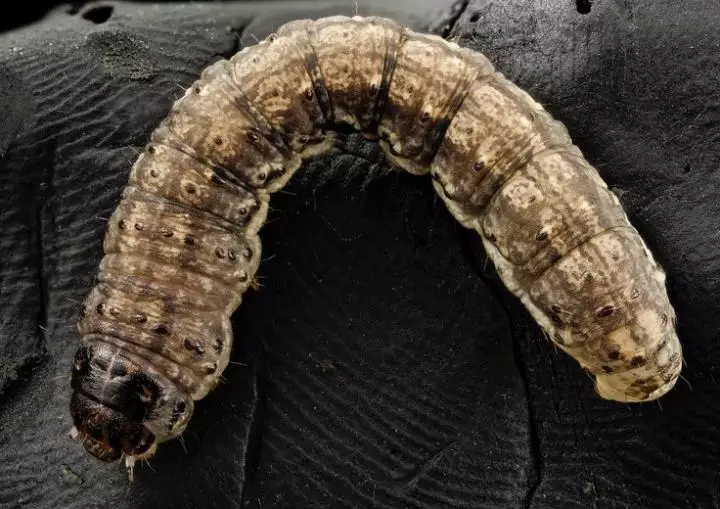
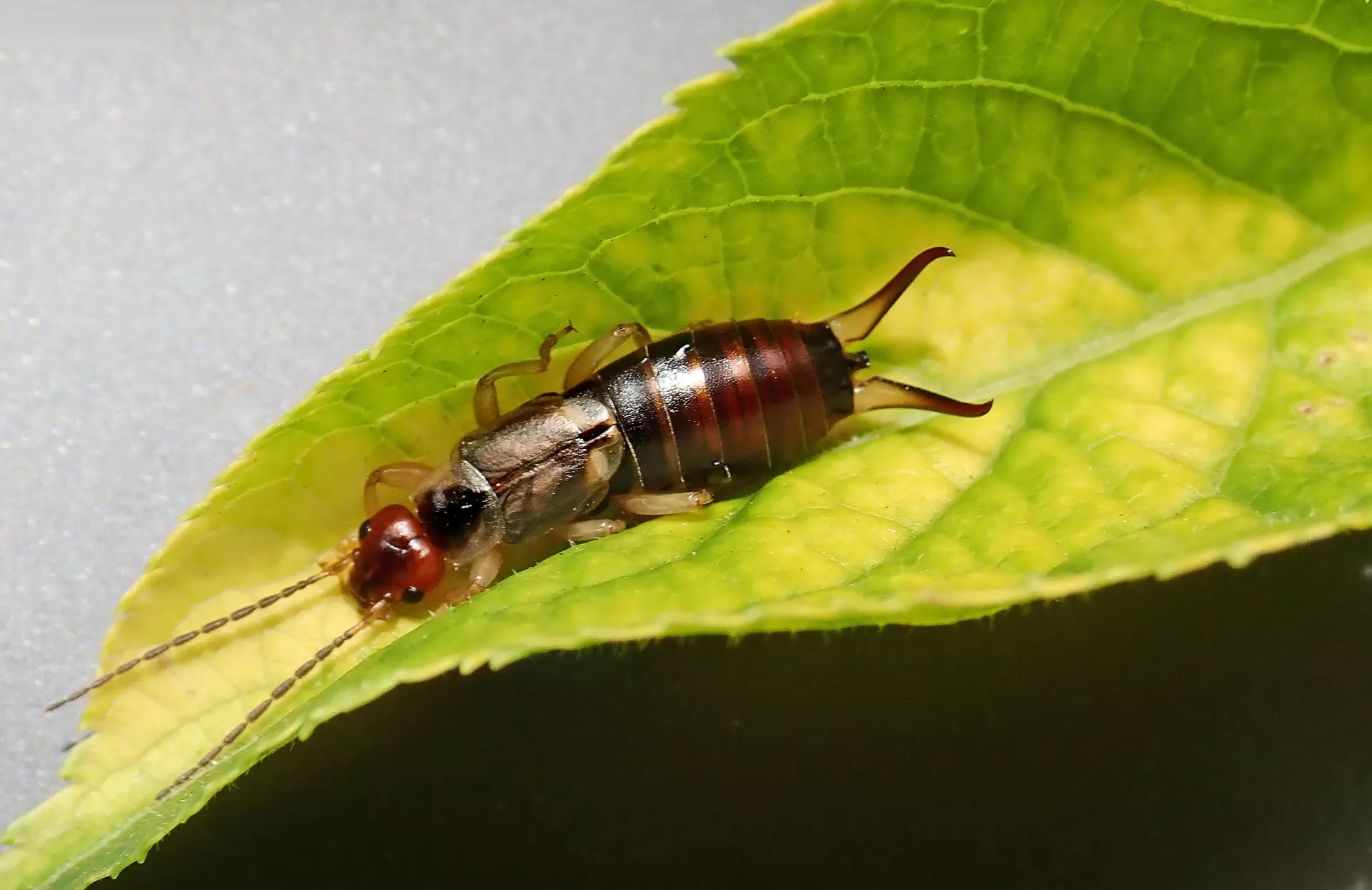
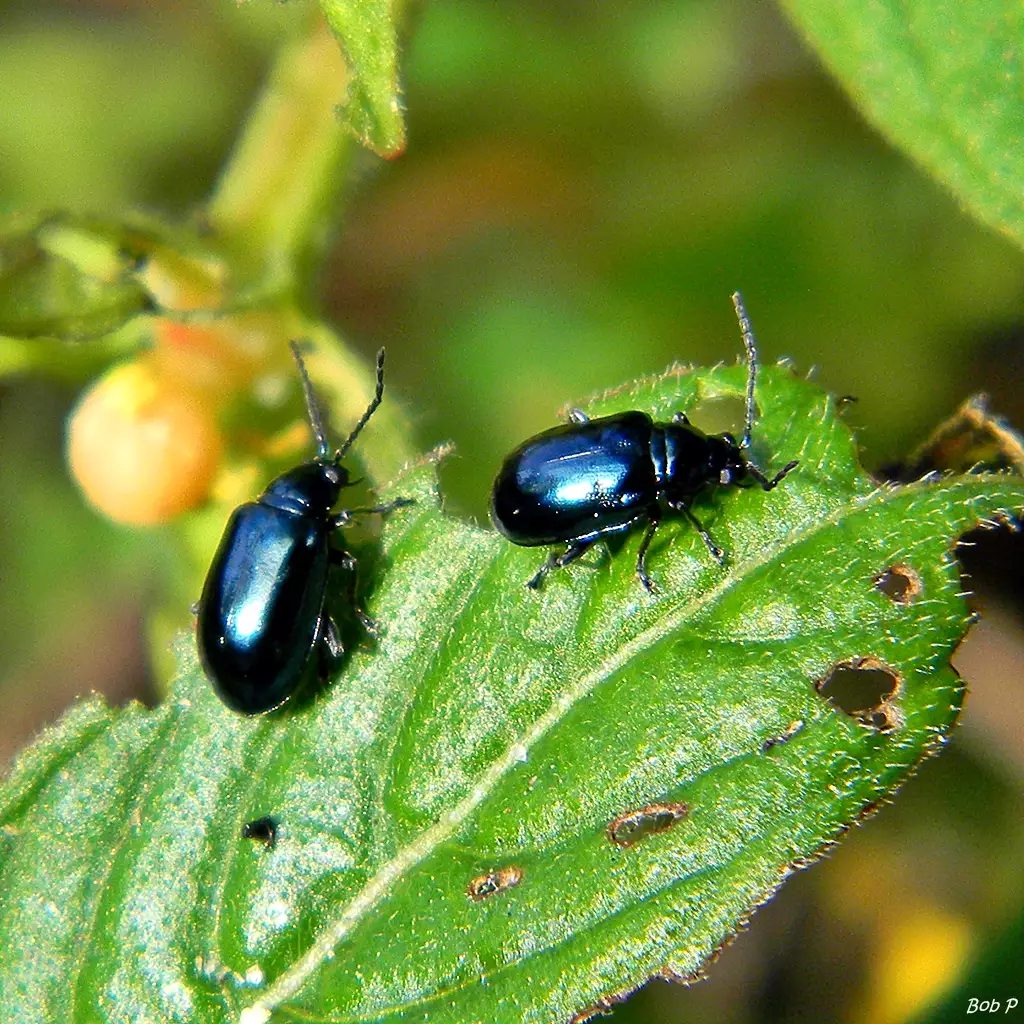

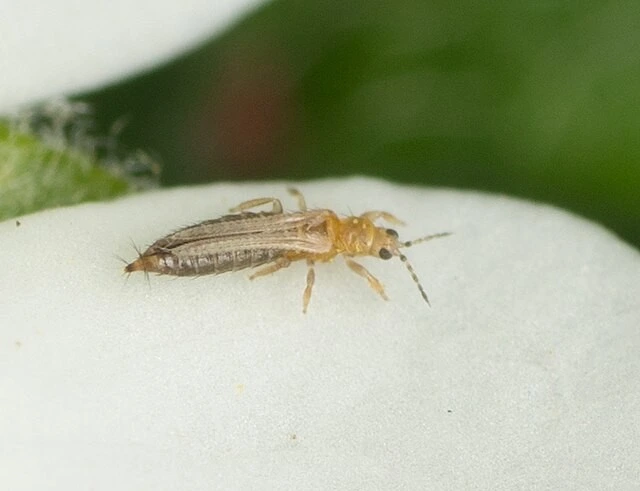
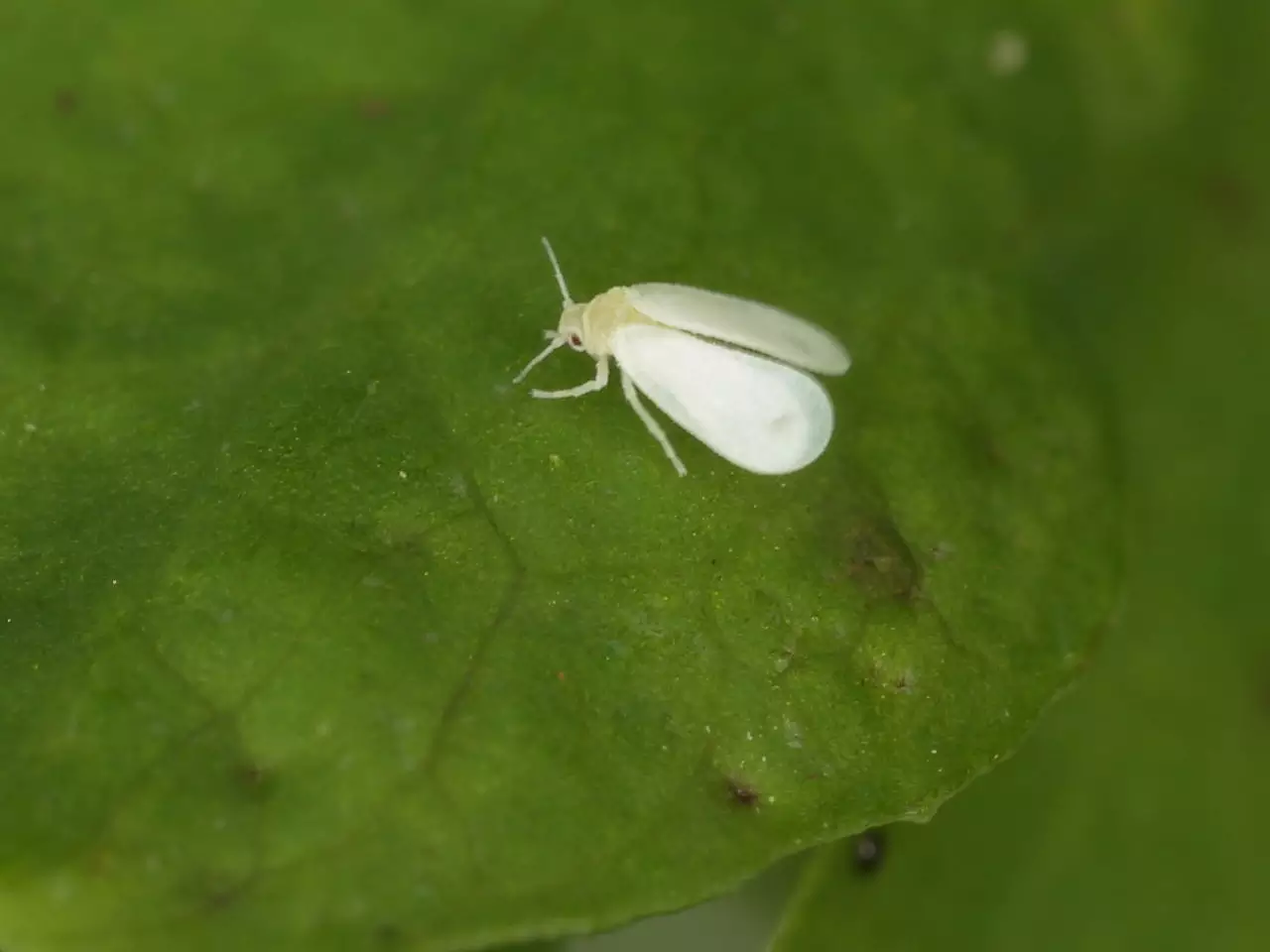
Diseases
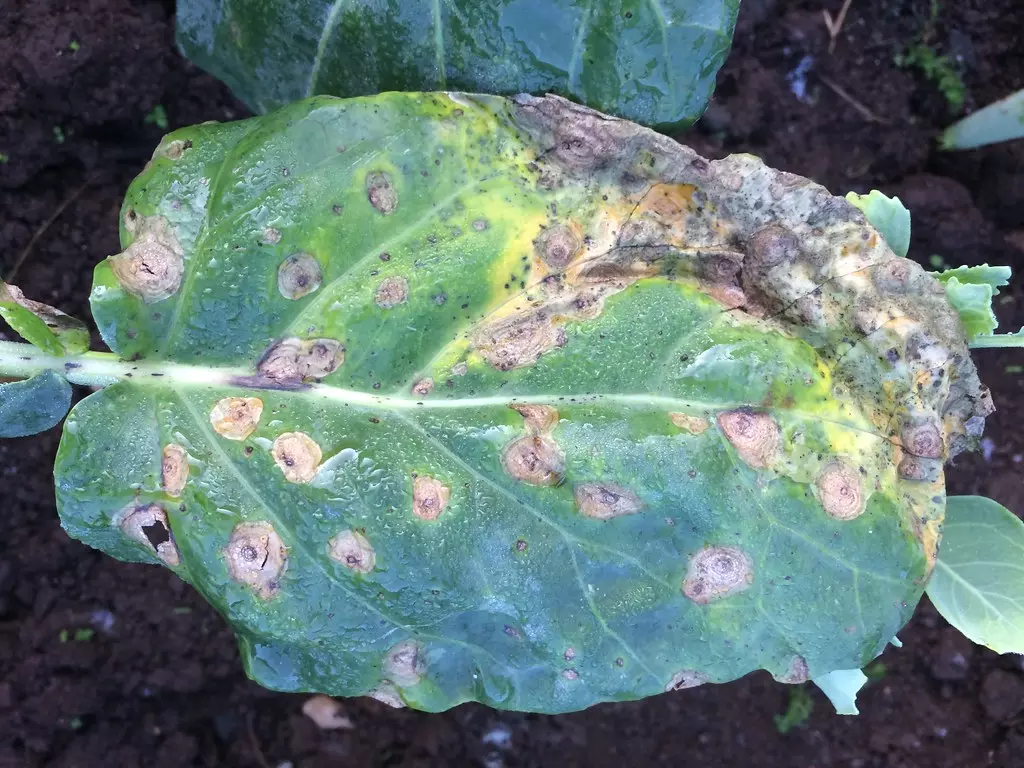
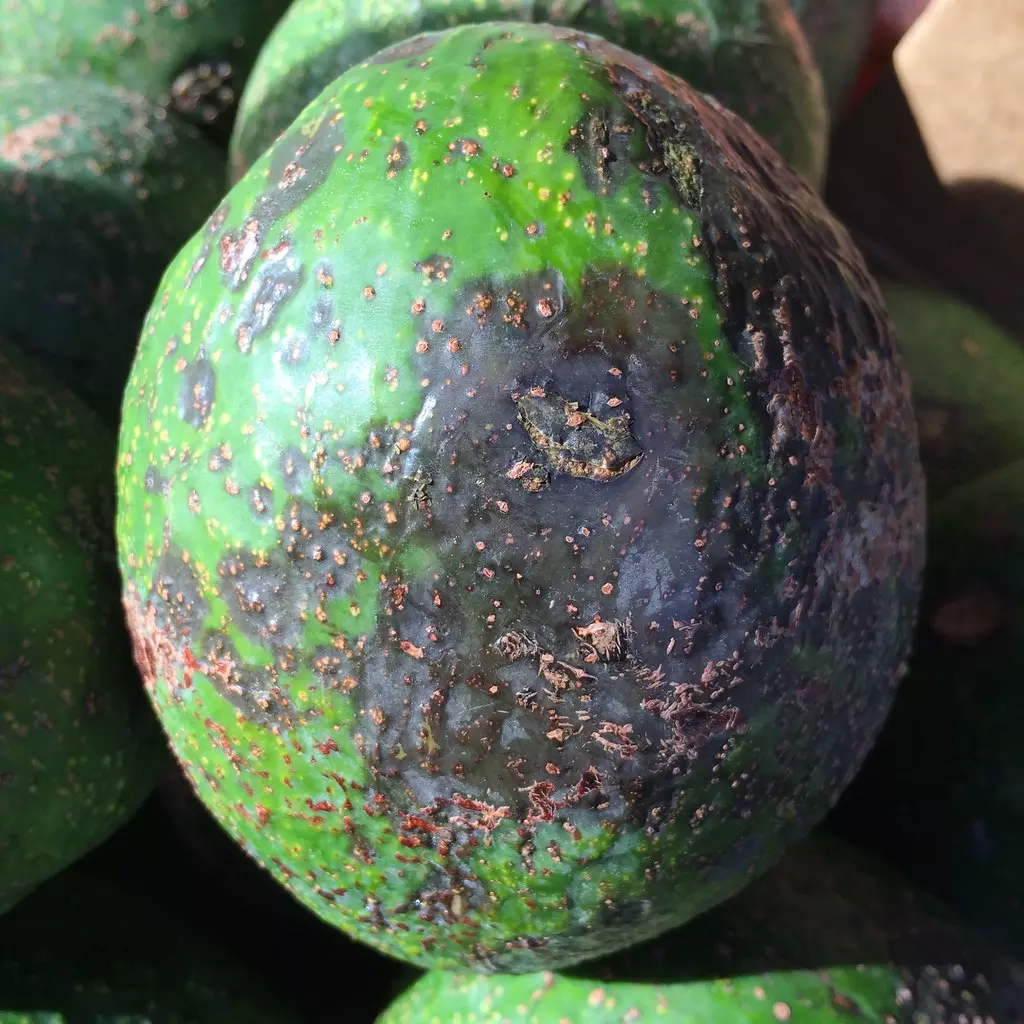
Beneficial Critters






Growing from Seed
Because eggplant is a long-growing, warm-season crop it is typically started from seed indoors then transplanted outside, although in some warmer climates eggplant can be sown directly outdoors. Keep the seed starting mix consistently moist but not wet. A heat mat is recommended to aid germination. Use grow lights to provide supplemental light as soon as the seeds germinate. Depending on the size of the container they were started in, eggplant seedlings may need to be potted up into larger containers as they grow so they don't become root bound and stunted. If eggplant seedlings start to flower while still indoors pinch off the flowers.
Planting Considerations
Transplant eggplant seedlings outdoors after all risk of frost has passed and the weather is consistently warm. Eggplants are very sensitive to cold and transplanting them in cool weather can cause them to suffer and potentially die. Seedlings should be hardened off before transplanting. Eggplant prefers loamy, fertile, well-draining soil. Add compost to the soil prior to planting. Transplant eggplant seedlings at the same depth as they were grown. Apply mulch around the plants to manage weeds and to help retain moisture. Some gardeners like to use black plastic mulch around eggplants to help warm the soil. Row cover can be used to protect young seedlings from pests and to help keep the plants warm. Eggplants can be grown in containers. Choose a container that holds at least 5 gallons for each plant. Eggplant can benefit from staking to help keep the plants upright and to keep the fruits growing straight. Install stakes at the time of planting.
Feeding
Eggplant is a heavy feeder. Fertilize regularly throughout the growing season with a balanced fertilizer. Excessive nitrogen can cause the plant to put energy into leaf growth and can delay fruiting.
Harvesting
The days to maturity and mature fruit size varies widely between varieties; check the seed packets to confirm the expected mature size and timing for the varieties you are growing. Many eggplant varieties have thorns along the stems; harvest carefully and wear protective gloves if needed. Harvest by cutting the fruit off the stem with a sturdy serrated knife or sharp pruners, leaving about 1" (2.5 cm) of stem on the fruit. Harvest mature eggplants regularly for the best fruit quality and to encourage continued production.
Storage
Whole eggplant can be kept for a week or two in the fridge. Eggplant can optionally be cut up and salted for 30 minutes to help draw out moisture and improve flavor before cooking. Rinse off excess salt and pat the eggplant dry before using. Eggplant can also be sliced, blanched, and frozen although it can lose much of its texture and flavor this way. Another option to freeze eggplant is to roast it, puree it, then portion it into freezer-safe bags for use in eggplant dips and other recipes. Eggplant can be kept frozen for up to several months.
Pruning
Start pinching off blossoms about 2 to 4 weeks before your average fall frost date to encourage the plant to put its energy towards maturing existing fruit.