Ground Cherries
Physalis pruinosa, P. pubescens, P. grisea, P. peruviana
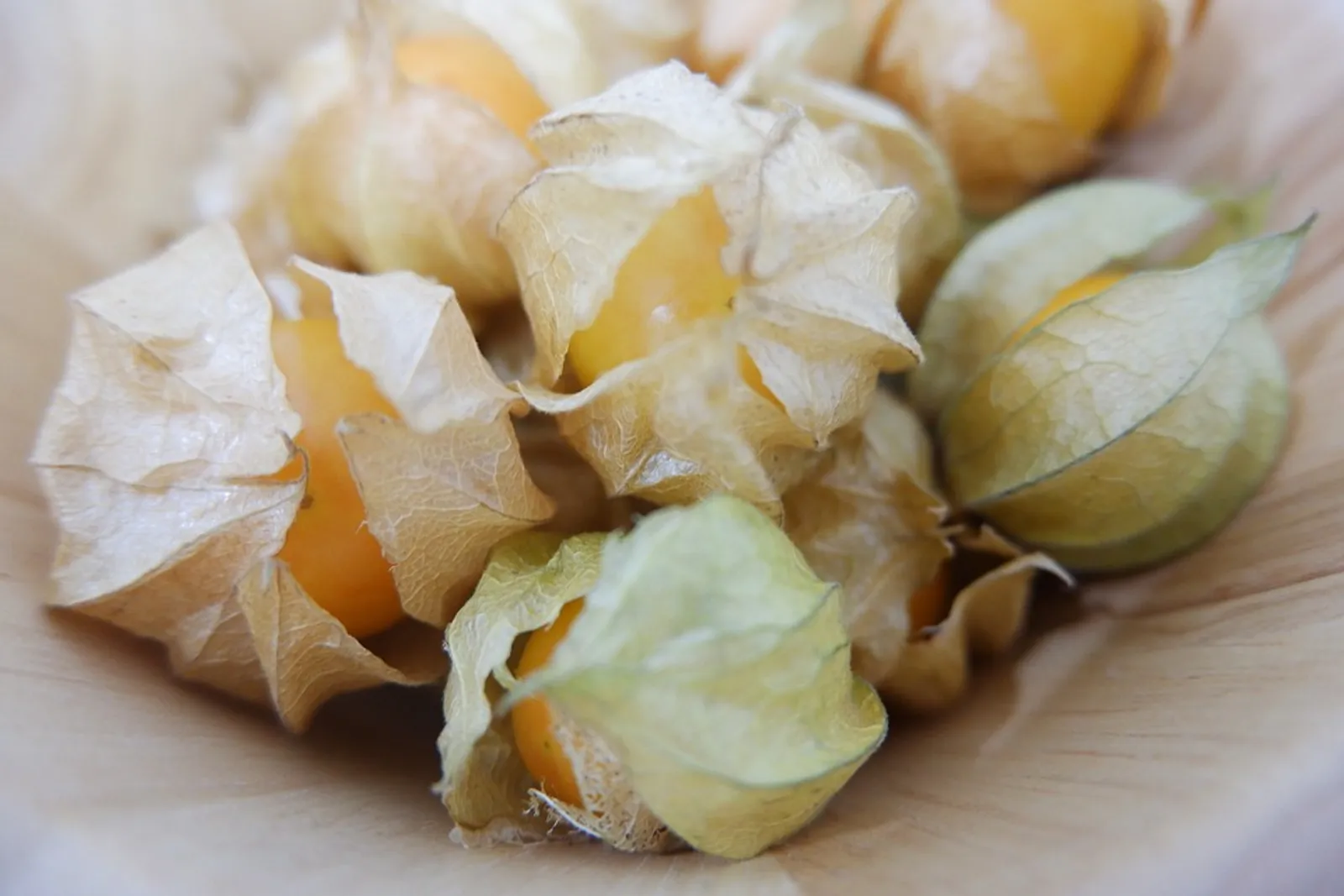
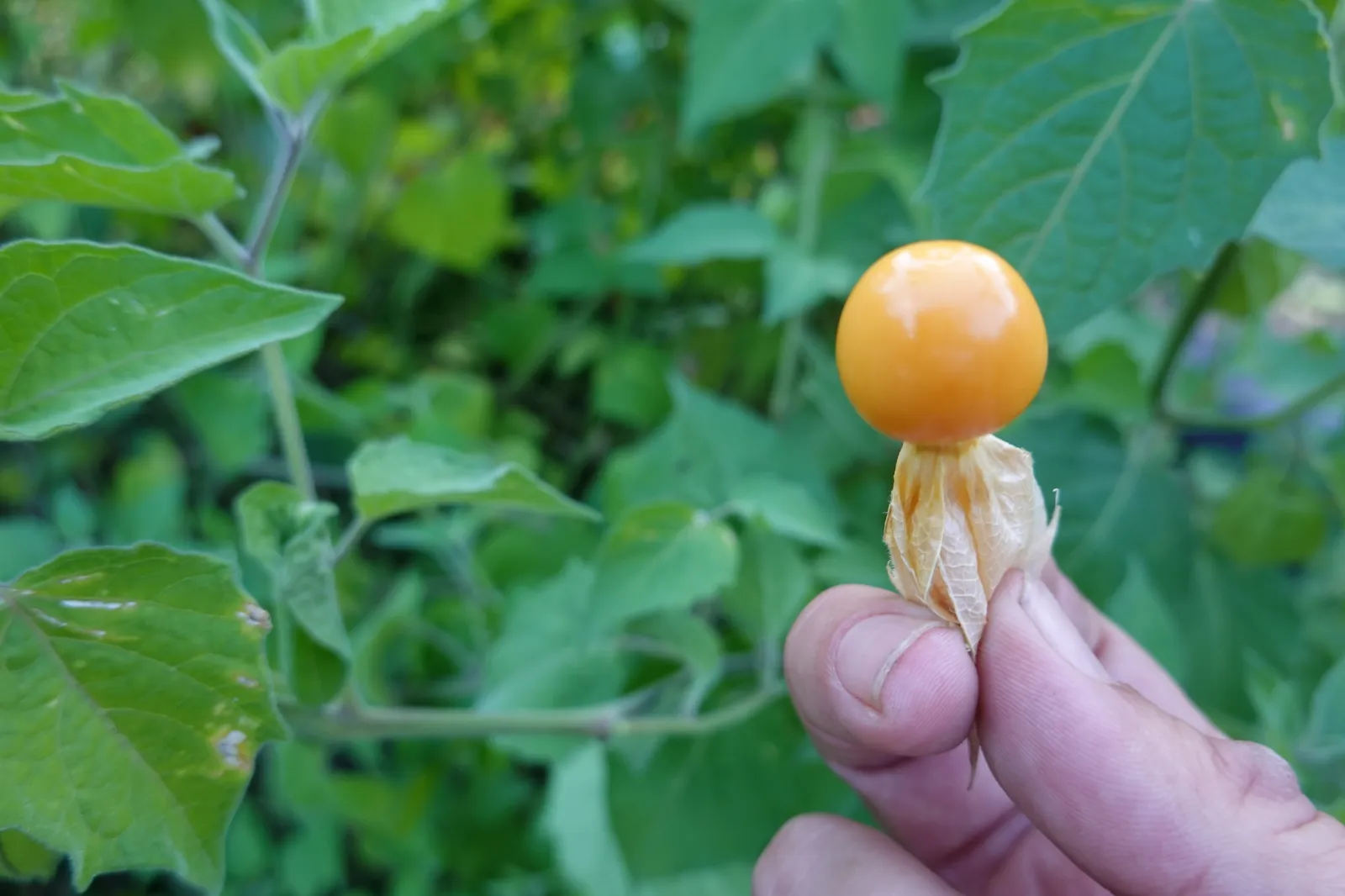
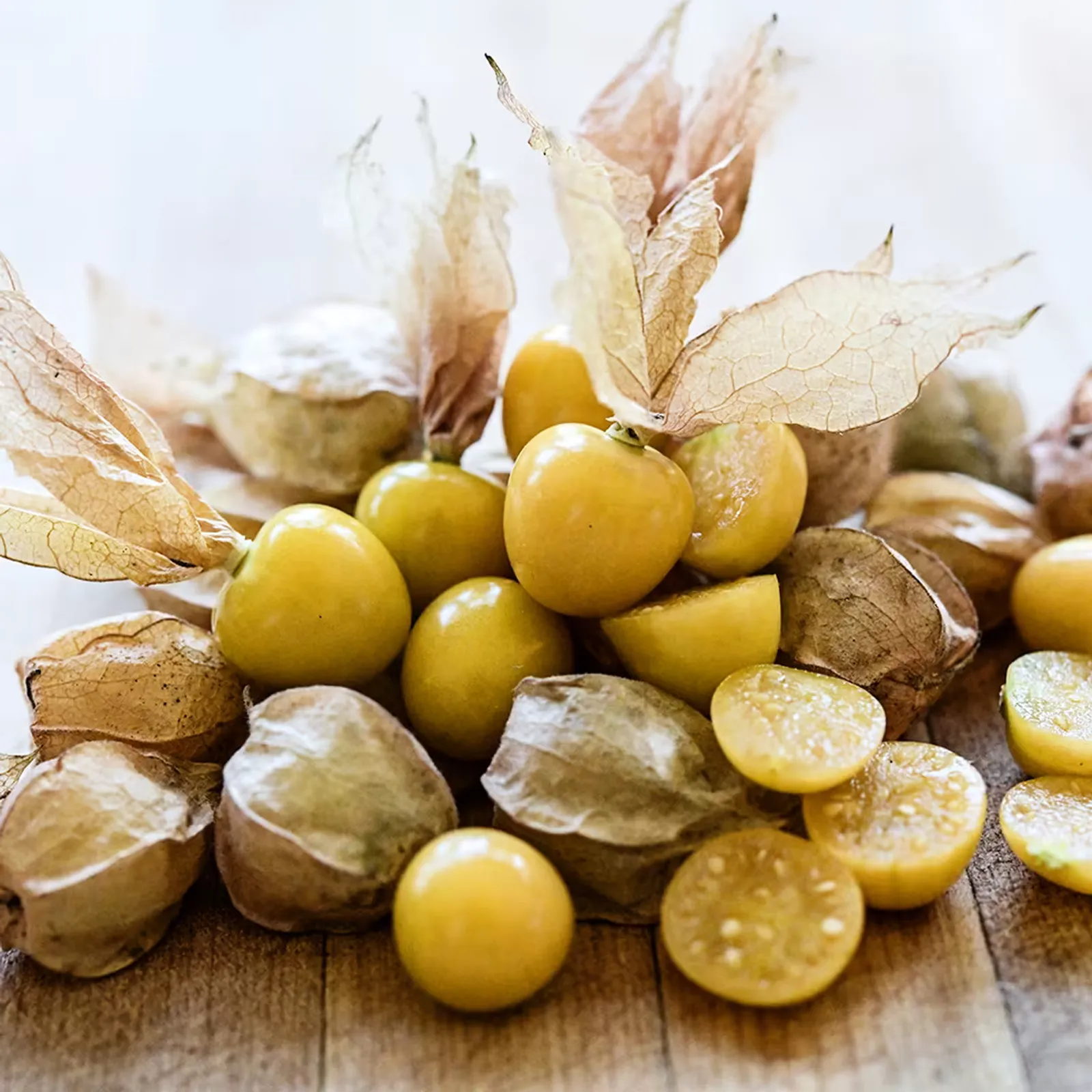
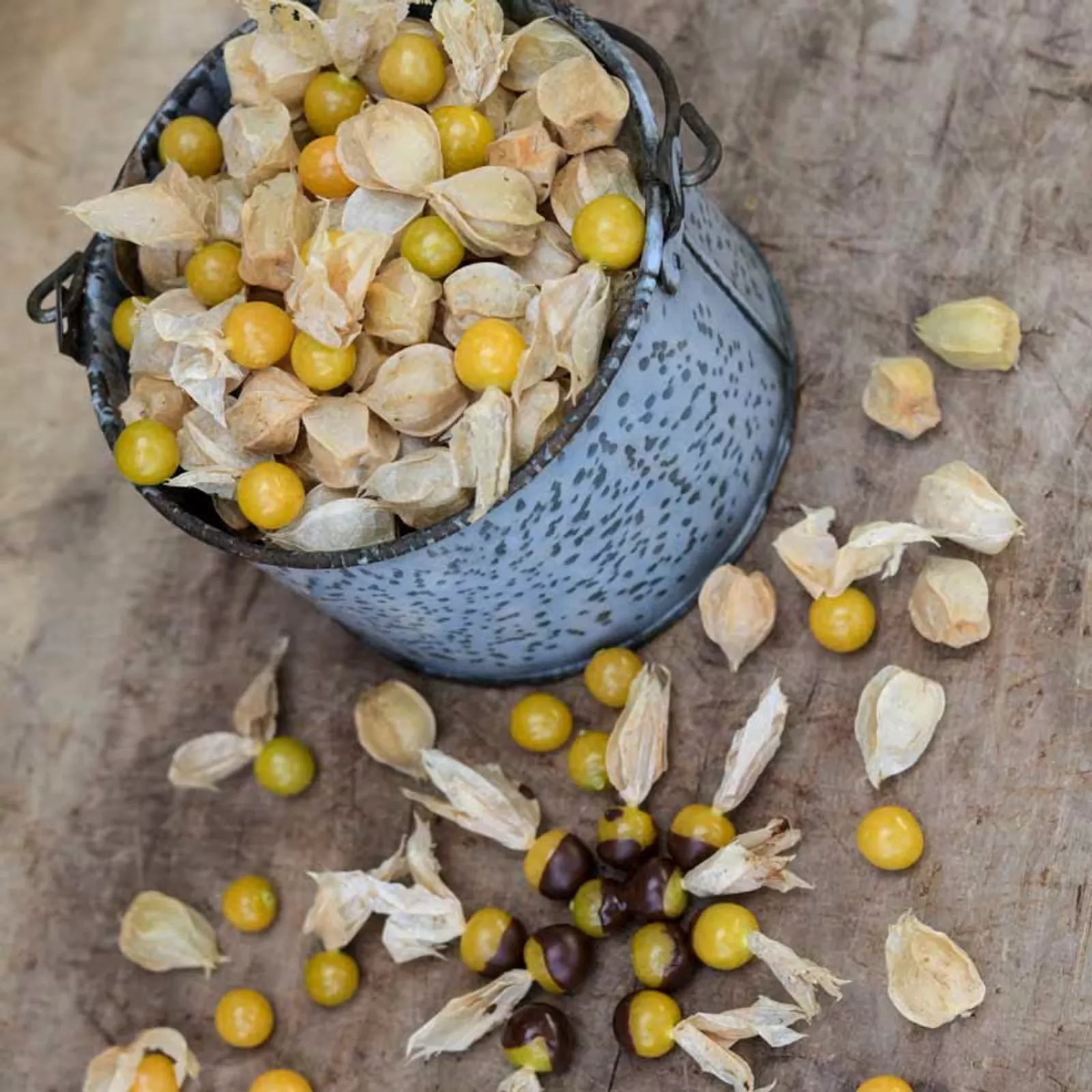
Ground cherry plants produce unique, yellow, sweet-tart fruits encased in papery husks. They have a distinct tropical flavor with a slight tomato-y undertone that people tend to love or hate. While there are several species of ground cherry, Physalis pruinosa tends to be the most common. Ground cherries are a treat mainly reserved for gardeners; since the fruits have a tendency to fall to the ground when they are ripe they are not well-suited for large-scale commercial growing. Another species often lumped together with ground cherries is the Cape gooseberry or golden berry, Physalis peruviana. Cape gooseberry plants are more upright and slower to grow than regular ground cherries. They produce larger fruits, with debatably less tomato-ness, that don't have the same tendency to drop off the plant. Depending on where you live, Cape gooseberry seeds can be tricky to find.
How to Grow Ground Cherries
Quick Info

Put away the pen and paper
Plan your veggie garden in minutes with Planter's easy drag and drop planner.
Try Planter for Free
Varieties
Companion Plants






Combative Plants





Nutrition
Vitamins






Nutrients







Pests
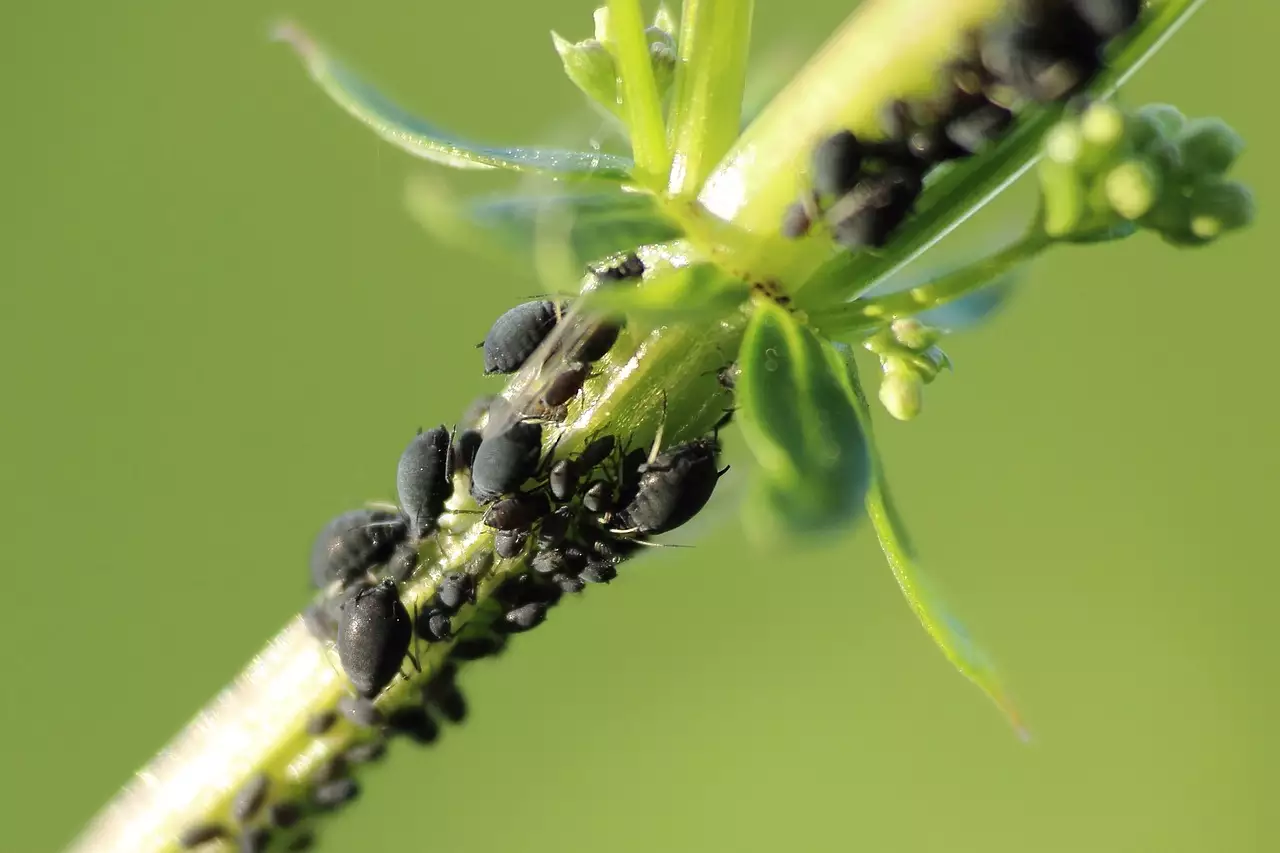
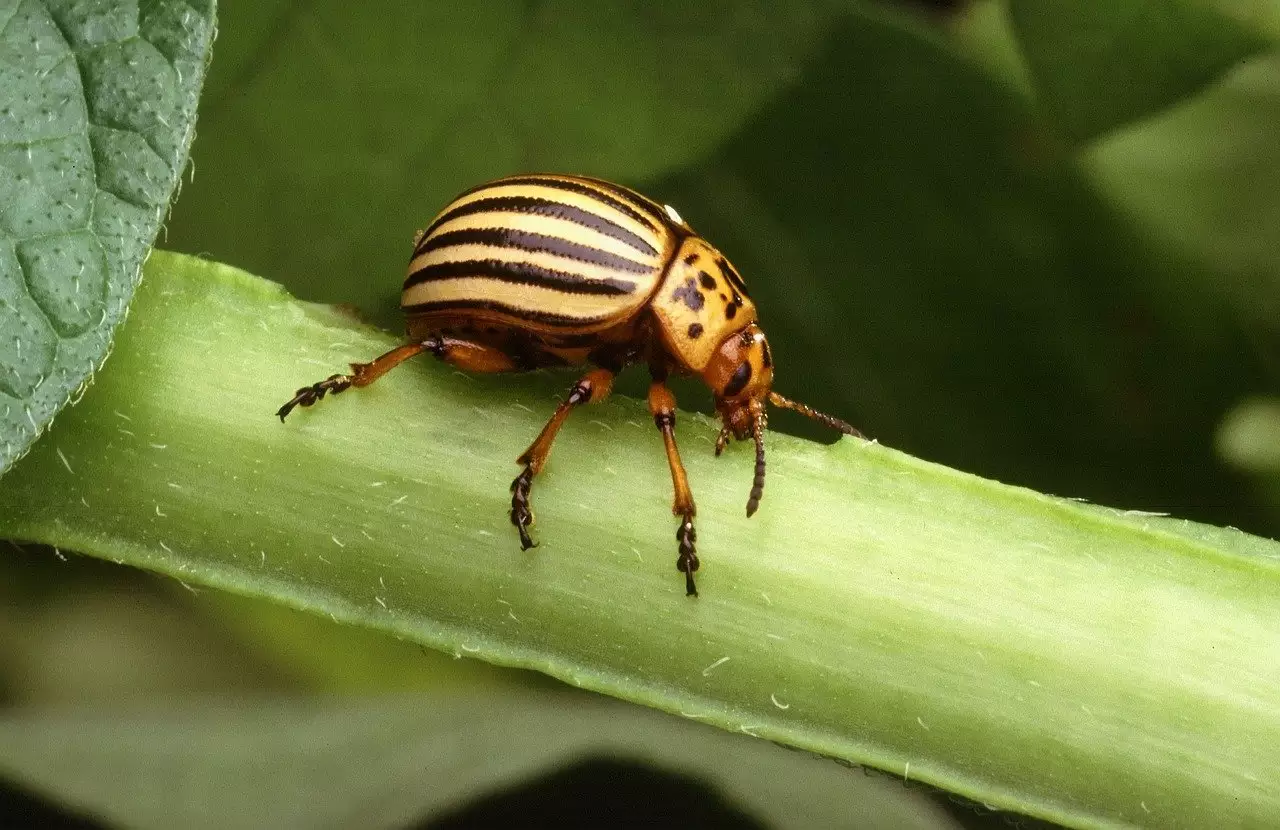
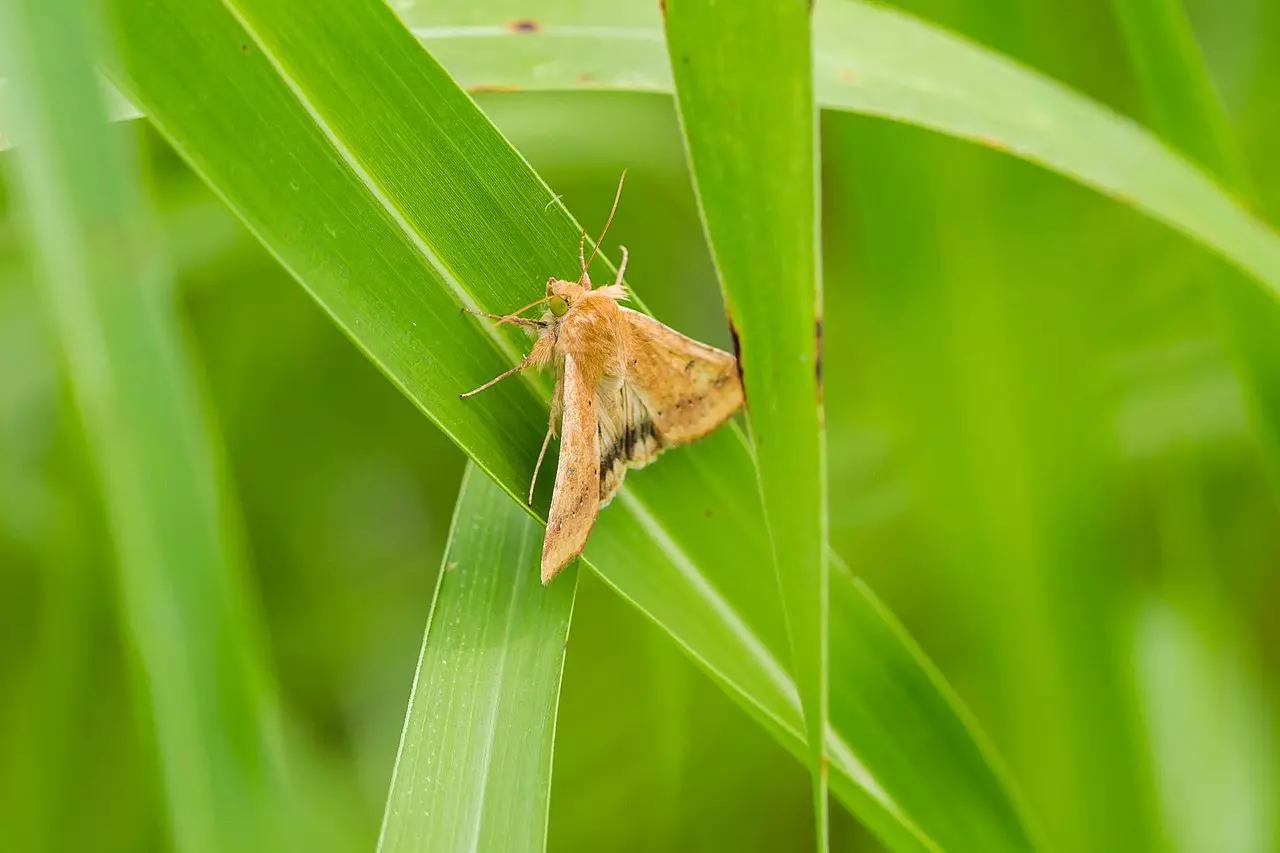
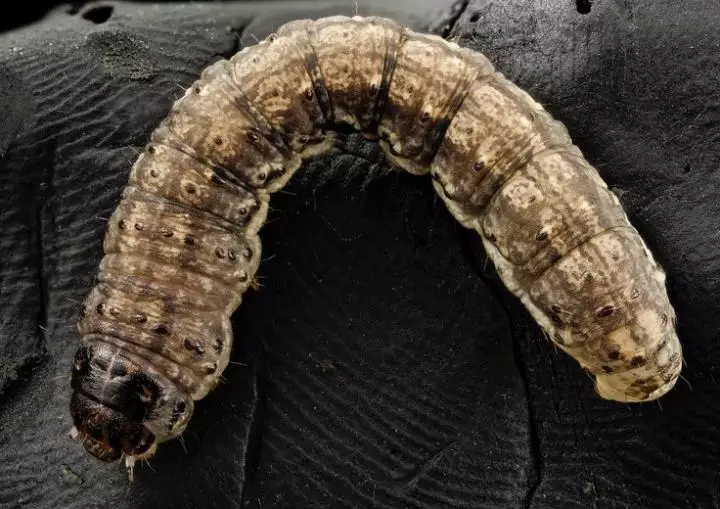
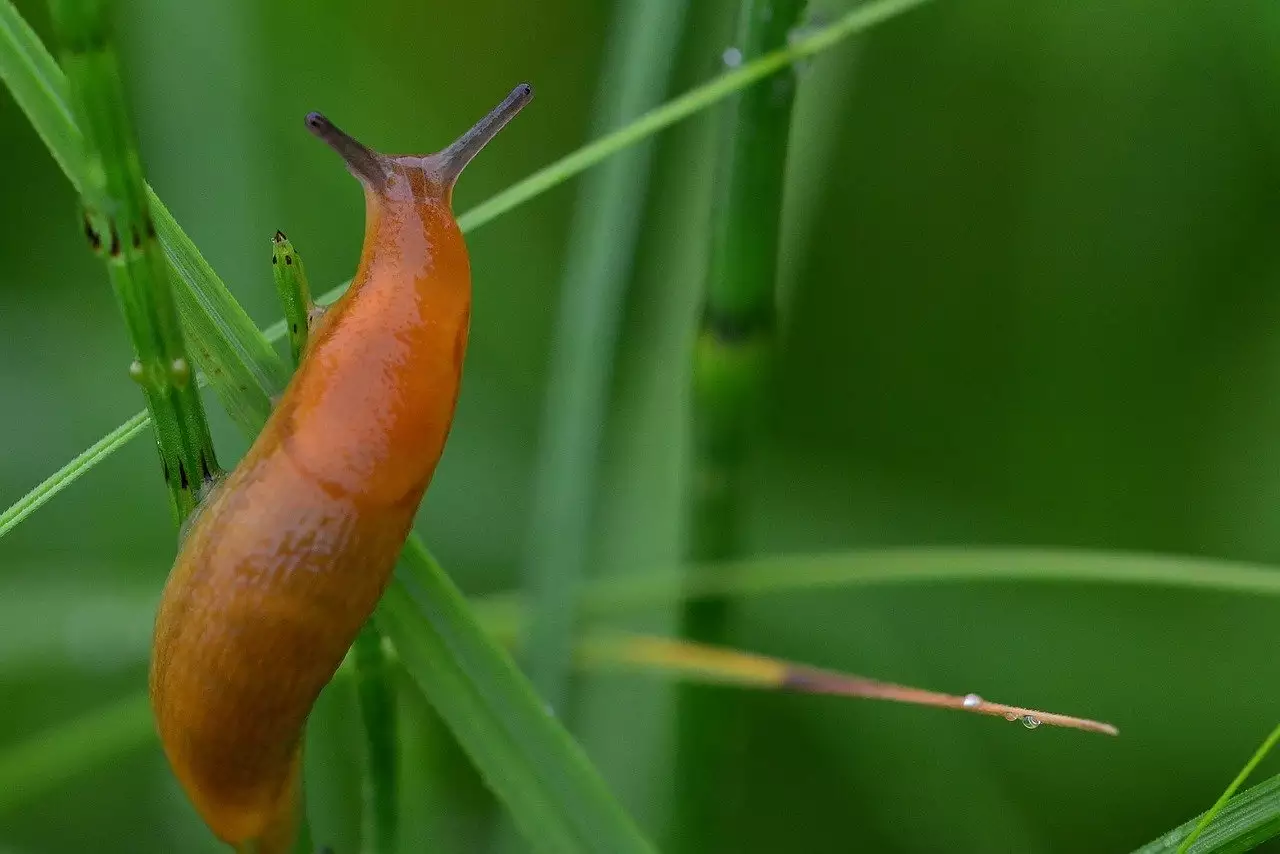
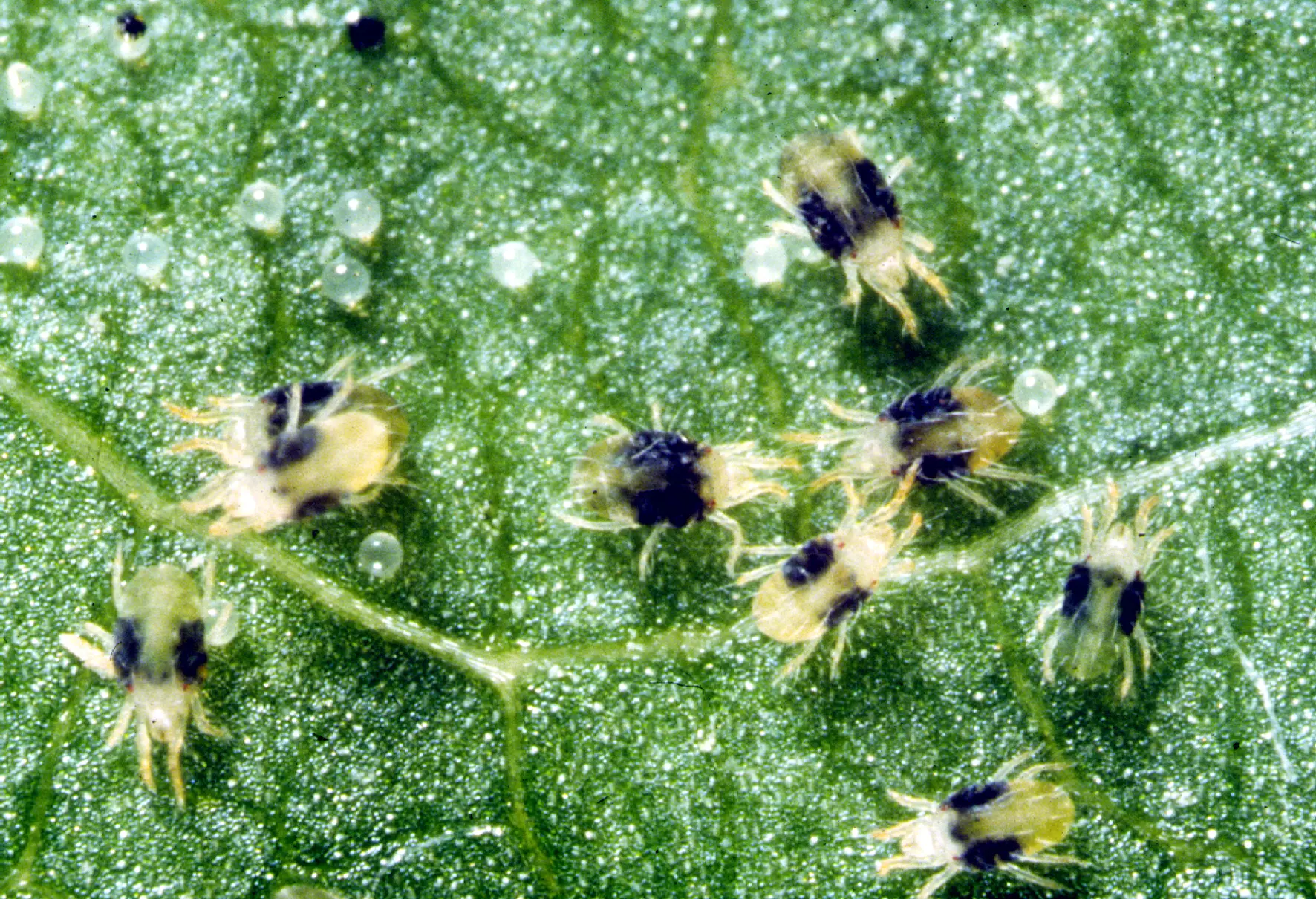
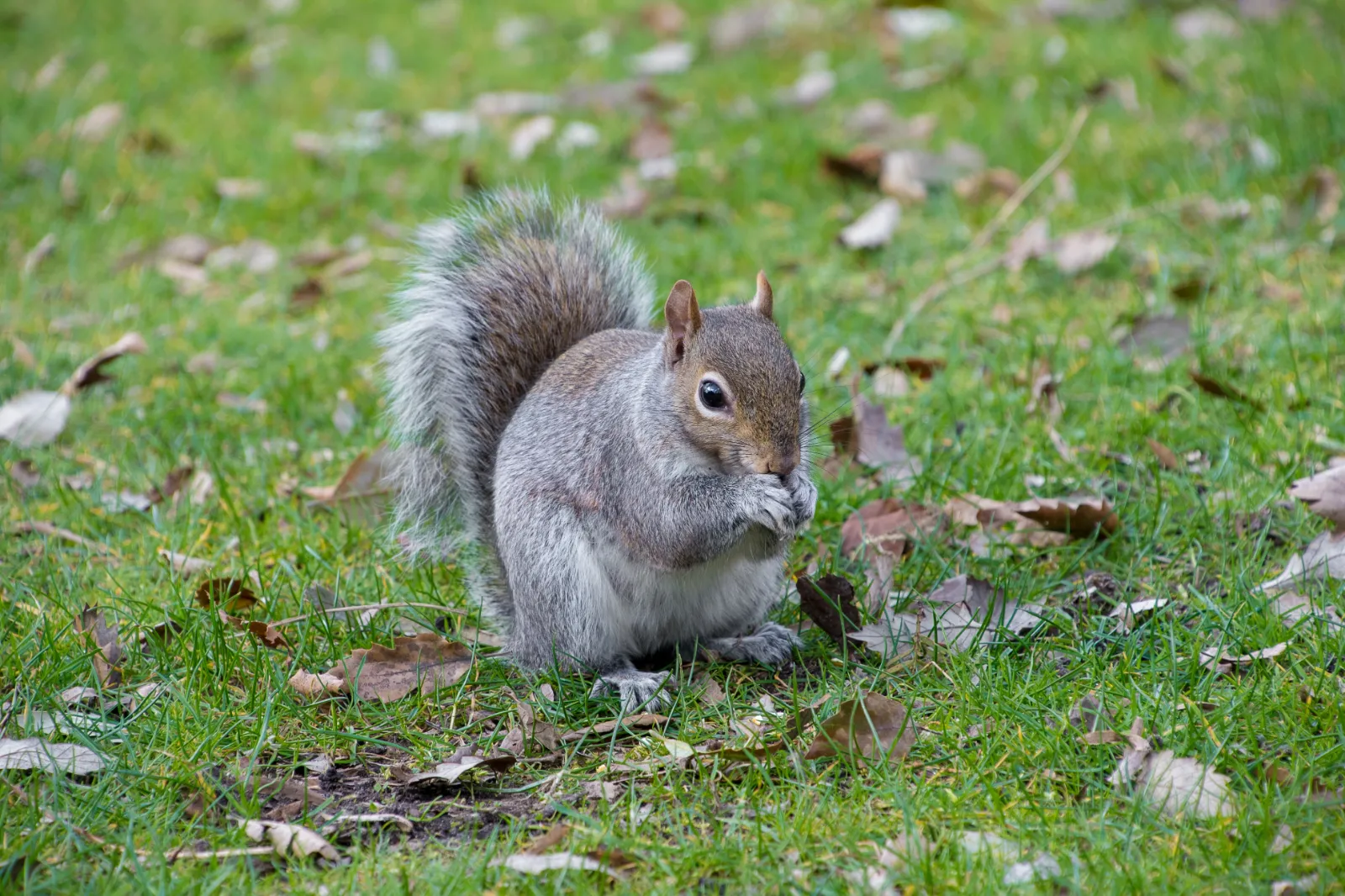
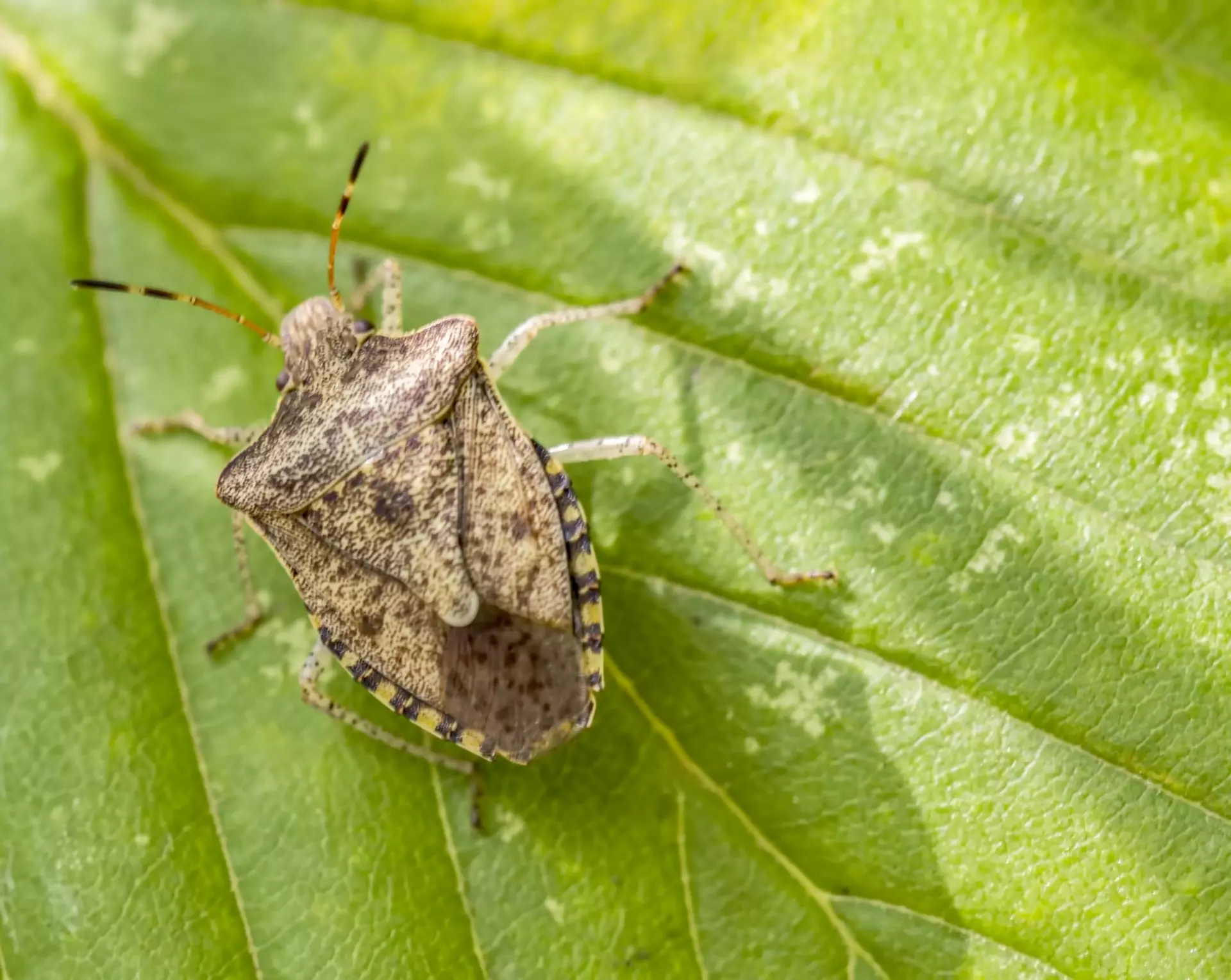
Diseases

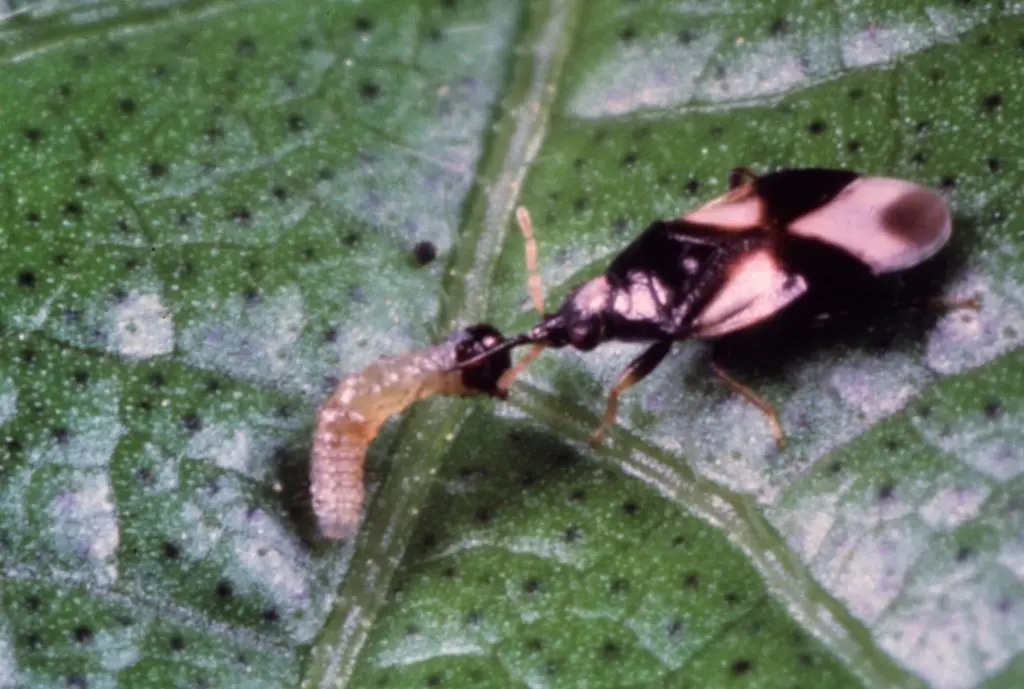
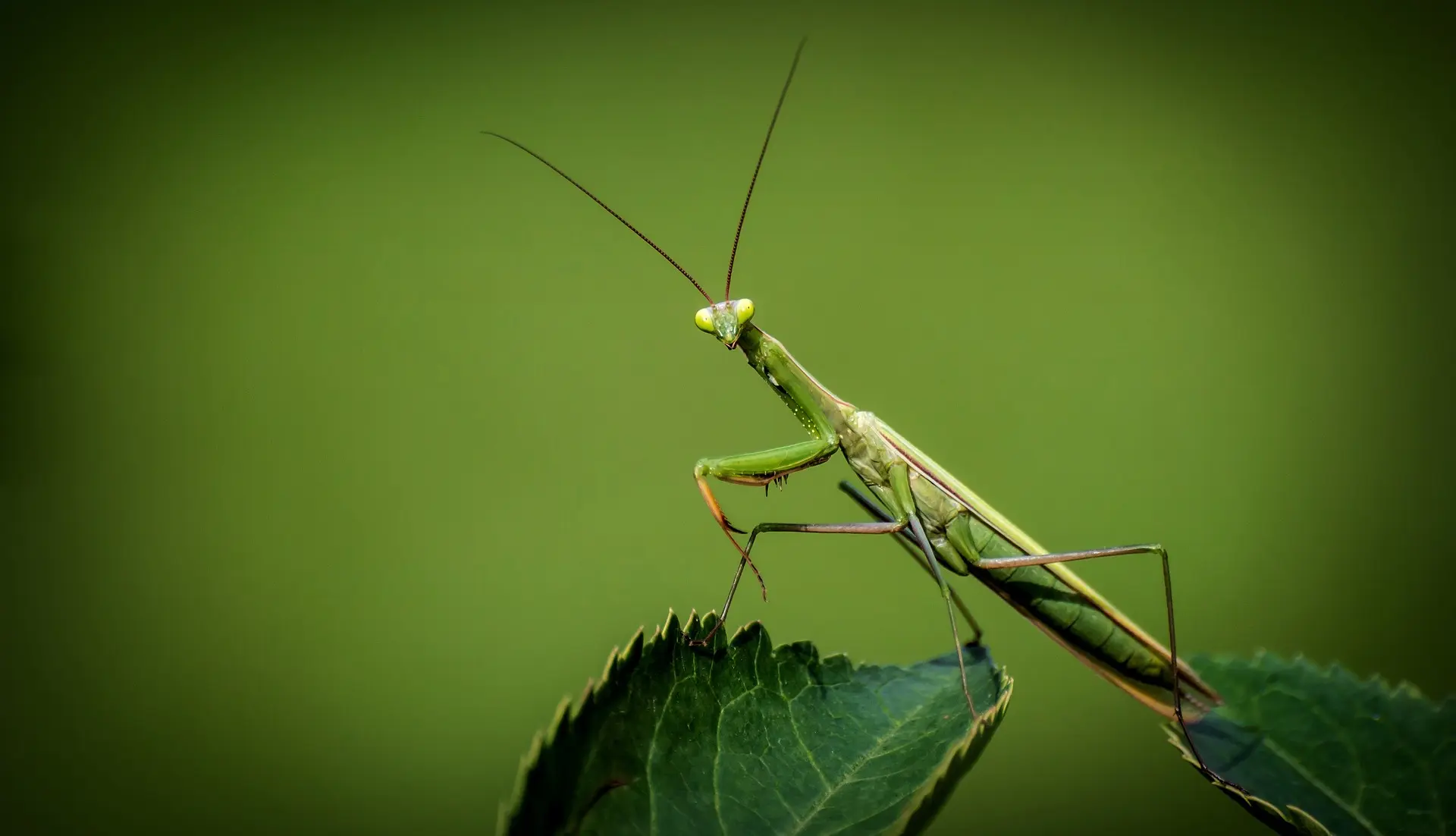
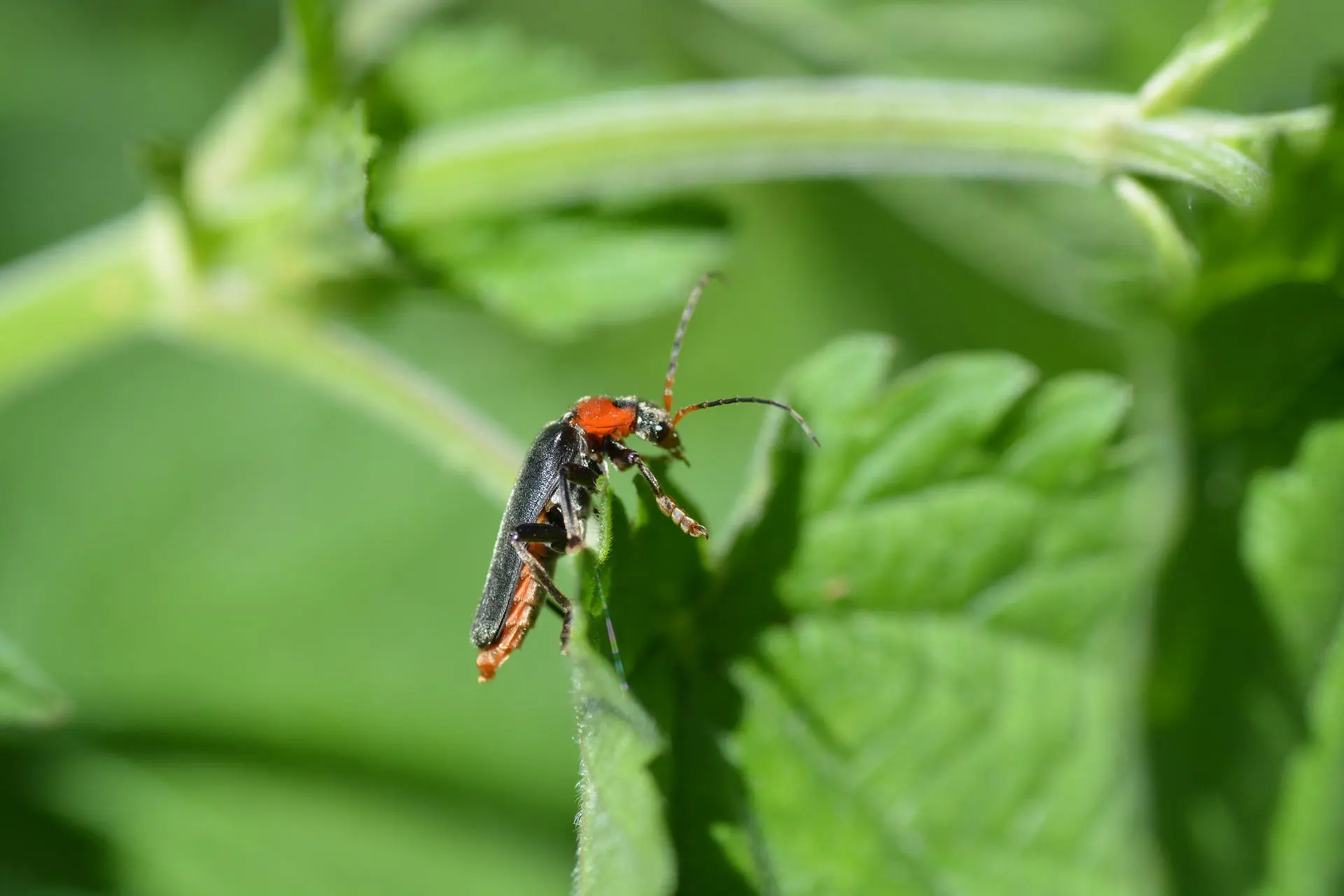
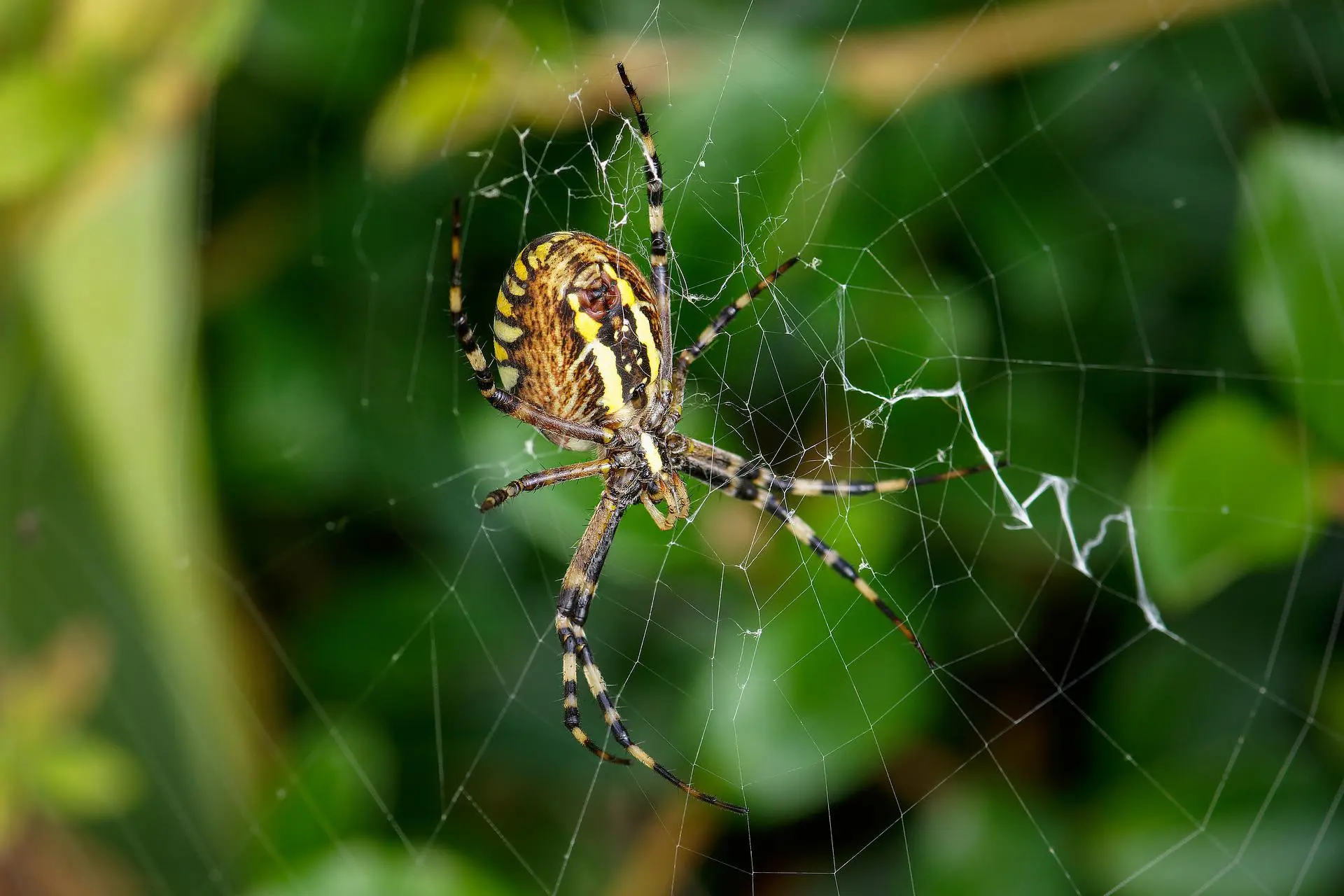
Beneficial Critters



Growing from Seed
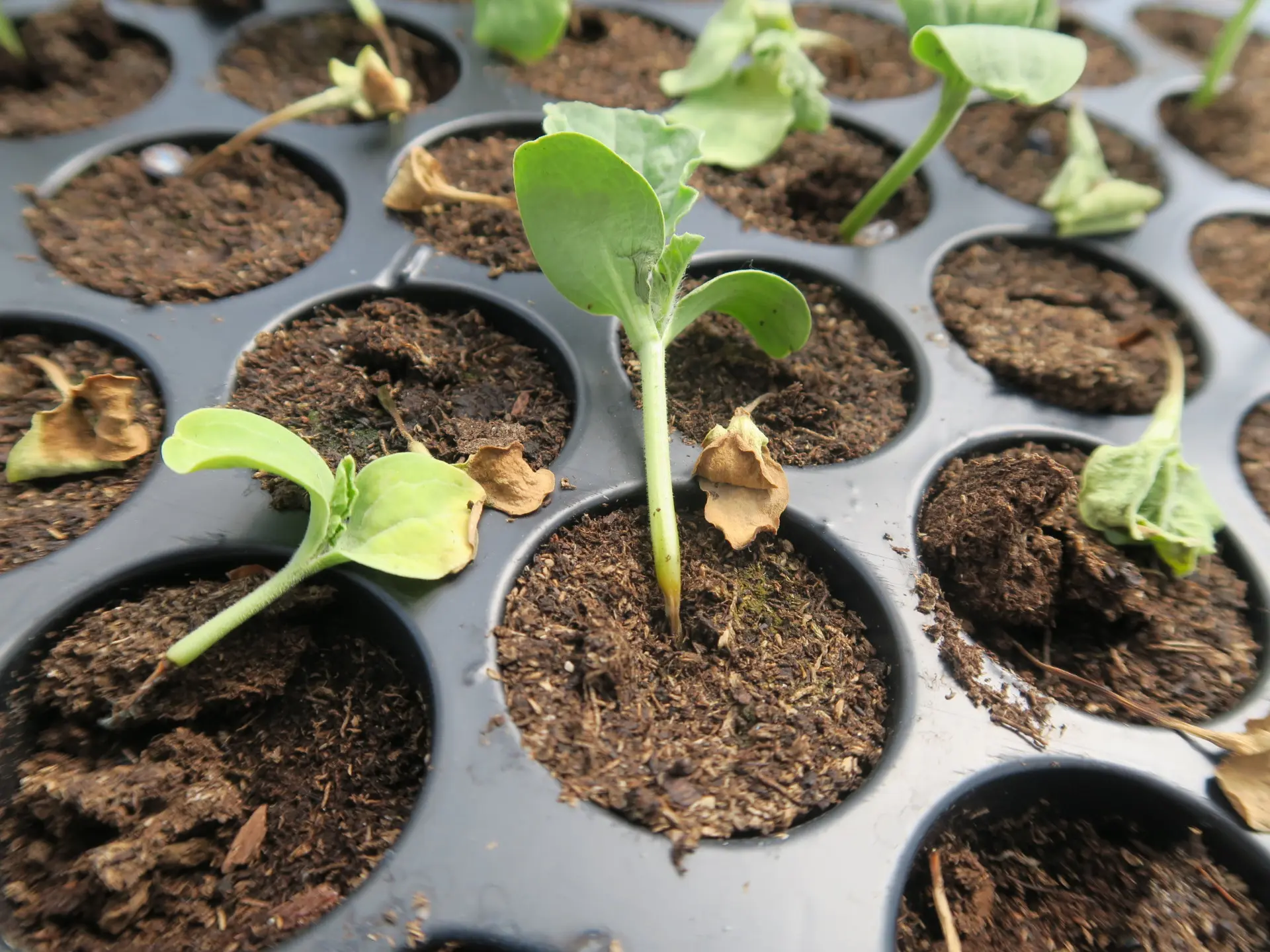
Because ground cherries are a long-growing, warm-season crop they are typically started from seed indoors then transplanted outside. In some warmer climates ground cherries can be sown directly outside. Keep the seed starting mix consistently moist but not wet. A heat mat can be used to aid germination. Use grow lights to provide supplemental light as soon as the seeds germinate. Depending on the size of the container they were started in, ground cherry seedlings may need to be potted up into larger containers as they grow so they don't become root bound and stunted.
Planting Considerations
Transplant ground cherry seedlings outdoors after all risk of frost has passed and the weather is consistently warm. Ground cherries are sensitive to cold and transplanting them in cool weather can cause them to suffer and potentially die. Seedlings should be hardened off before transplanting. Ground cherries prefer loamy, fertile, well-draining soil. Add compost to the soil prior to planting. Transplant ground cherry seedlings at the same depth as they were grown. Apply mulch around the plants to manage weeds and to help retain moisture. Some gardeners like to use black plastic mulch around ground cherries to help warm the soil. Row cover can be used to protect young seedlings from pests and to help keep the plants warm. Ground cherries can be grown in containers. Choose a container that holds at least 5 gallons for each plant. Ground cherries have a tendency to sprawl along the ground; use stakes or tomato cages (even the flimsy wire ones) to help keep plants upright and supported. Install stakes or cages at the time of transplanting to avoid damaging the branches later on.
Feeding
As long as your soil is well amended at the time of planting, ground cherries may not need extra fertilizer. Excessive nitrogen can cause the plant to put energy into leaf growth and can delay fruiting.
Harvesting
Ground cherries are ripe when the husk is dry. Ripe fruits generally fall from the plant and are harvested from the ground. Harvest regularly so the fruits do not rot, and remove all fruits from the ground (even the ones you don't intend to eat) to prevent the plant from self-seeding. In the case of golden berries, the fruit remains on the plant and is harvested by snipping it off. Be aware that ground cherries leave a sticky residue on your hands- this is normal.
Note that unripe fruits (as well as other plant parts) are toxic.
Storage
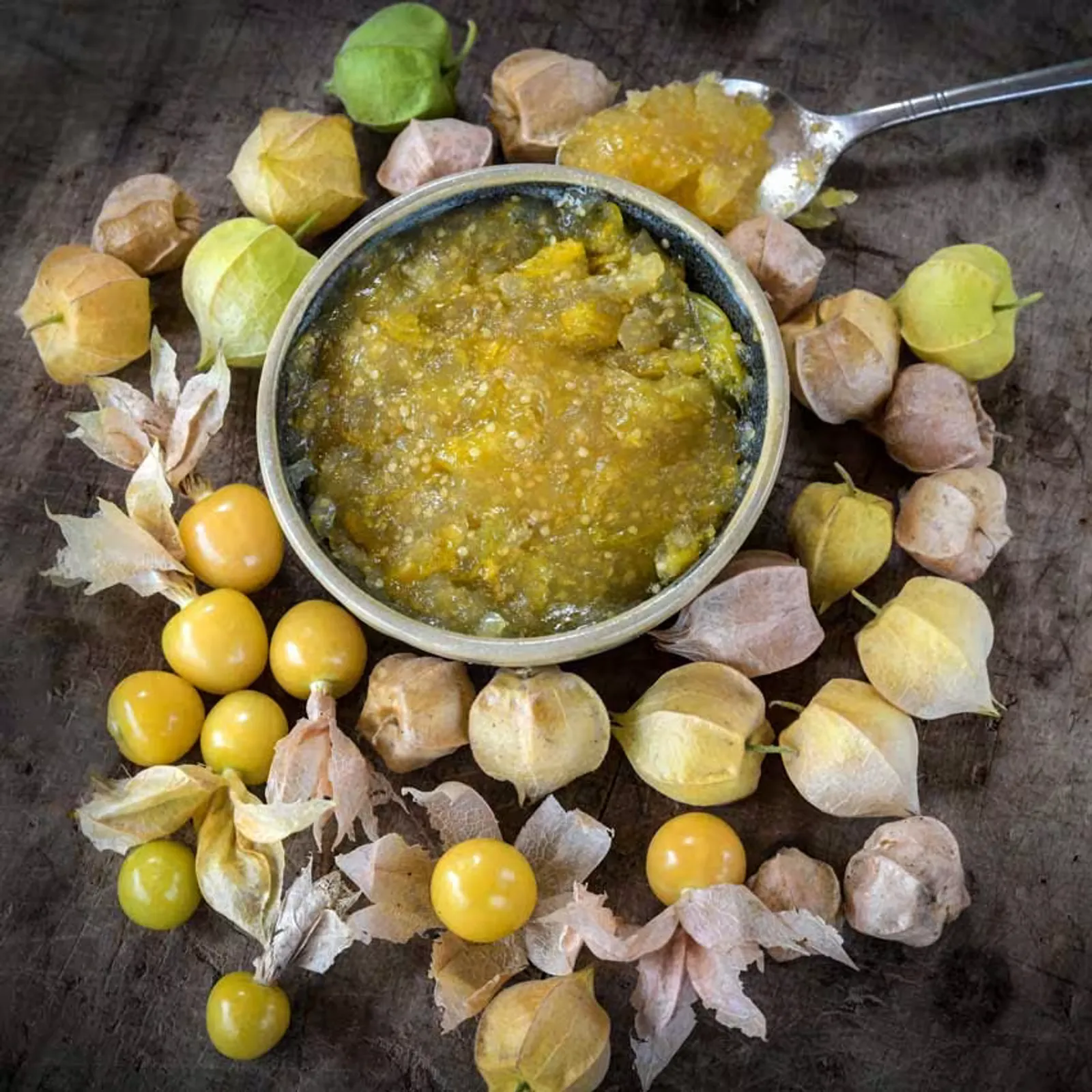
Ground cherries should be left in their husks until you are ready to use them. Ground cherries can be kept in the fridge for up to several weeks. Ground cherries can also be de-husked, washed, and frozen whole in a single layer on a baking sheet. Transfer frozen ground cherries to an airtight container or freezer-safe bag where they can be kept frozen for up to several months. Ground cherries can be processed into jams, jellies, and preserves for long-term storage. They can also be dehydrated.
Pruning
Ground cherries do not require pruning however the plants can be lightly trimmed if needed to manage their size.