Chives
Allium schoenoprasum, A. tuberosum
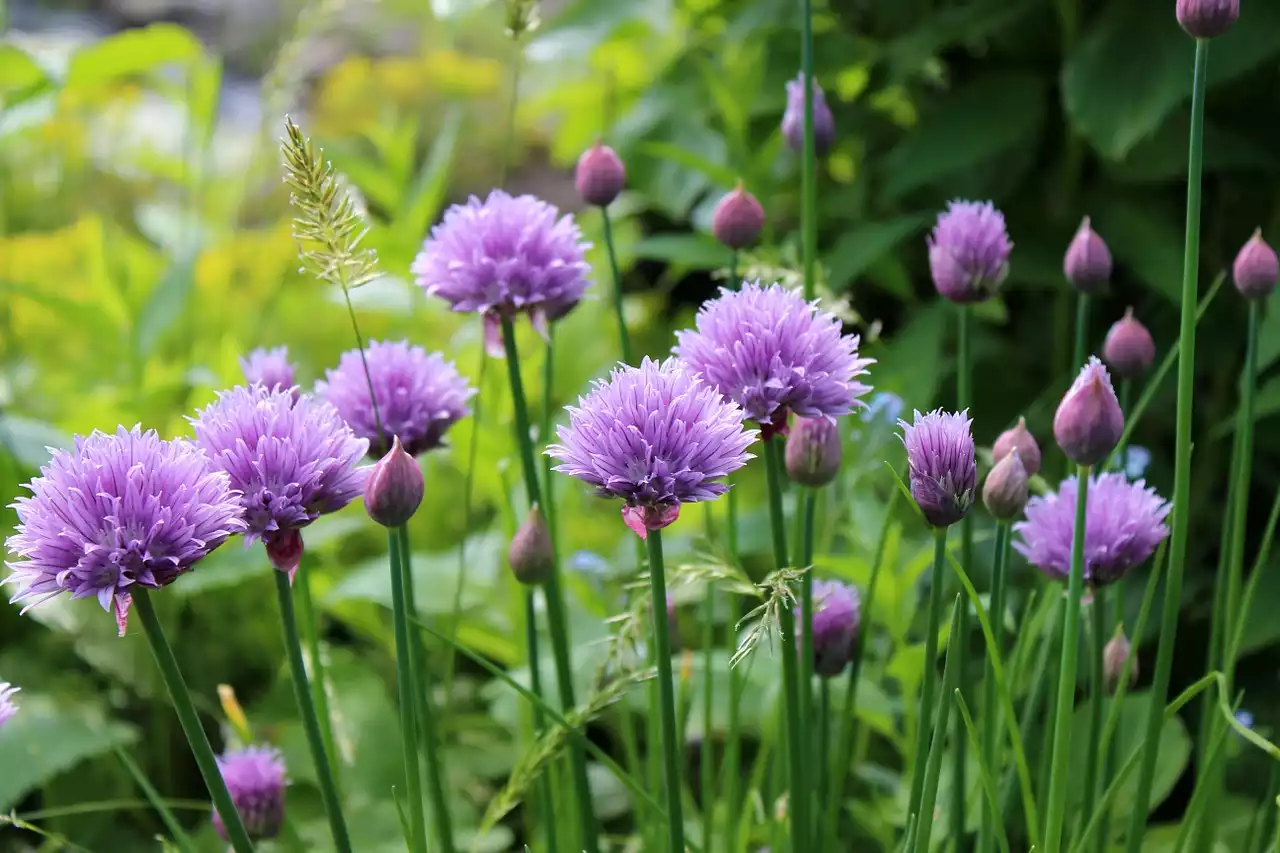
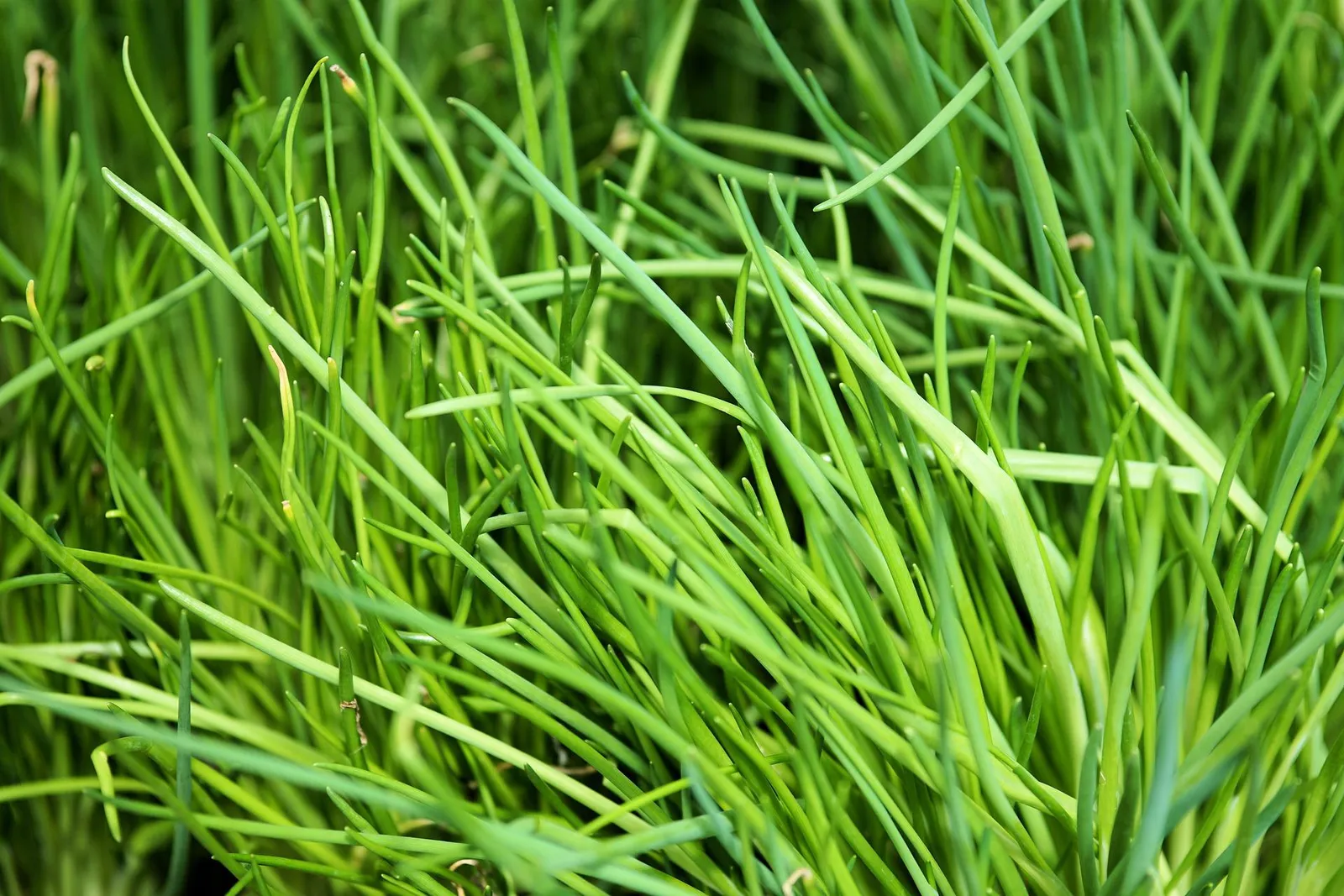
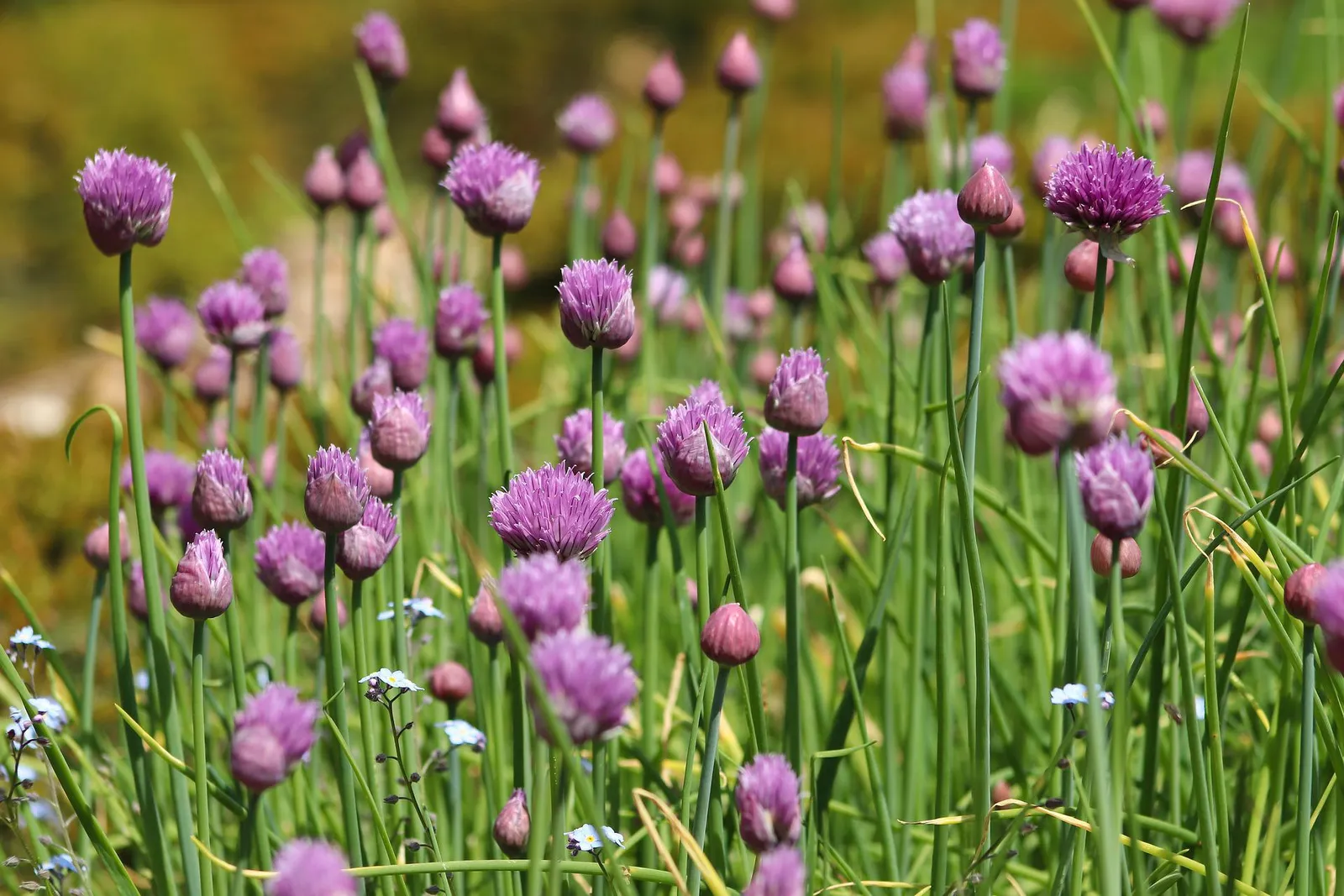
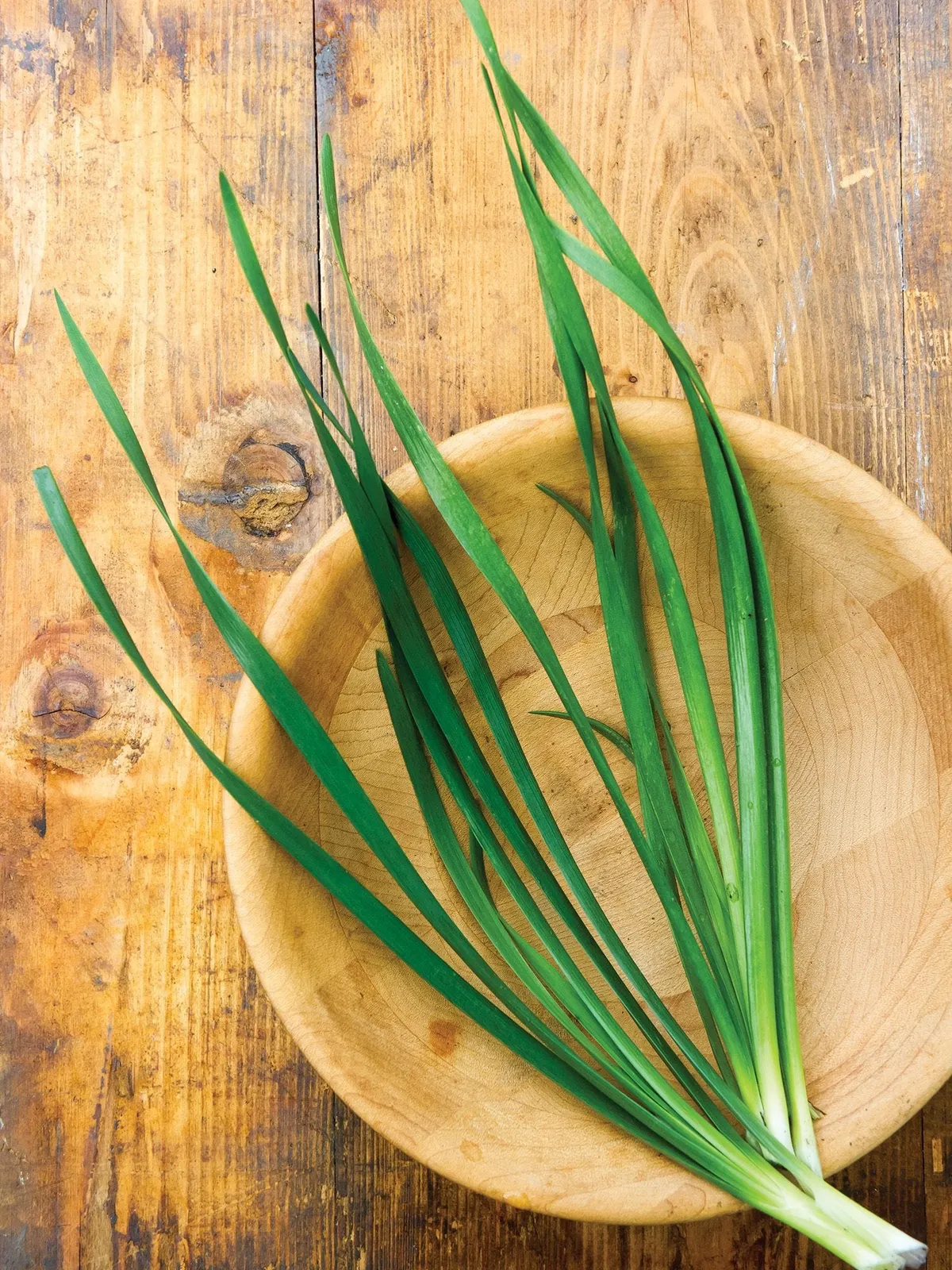
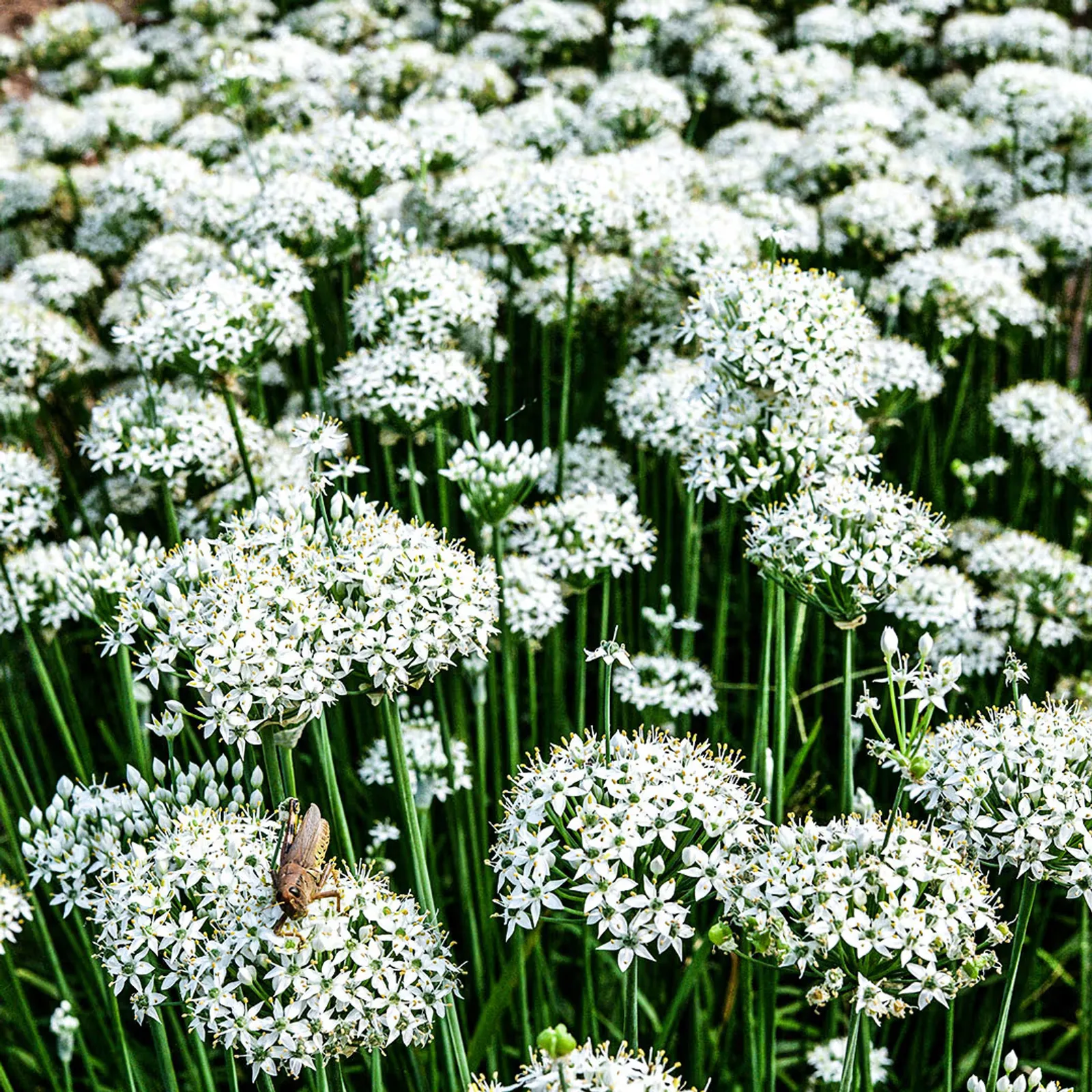
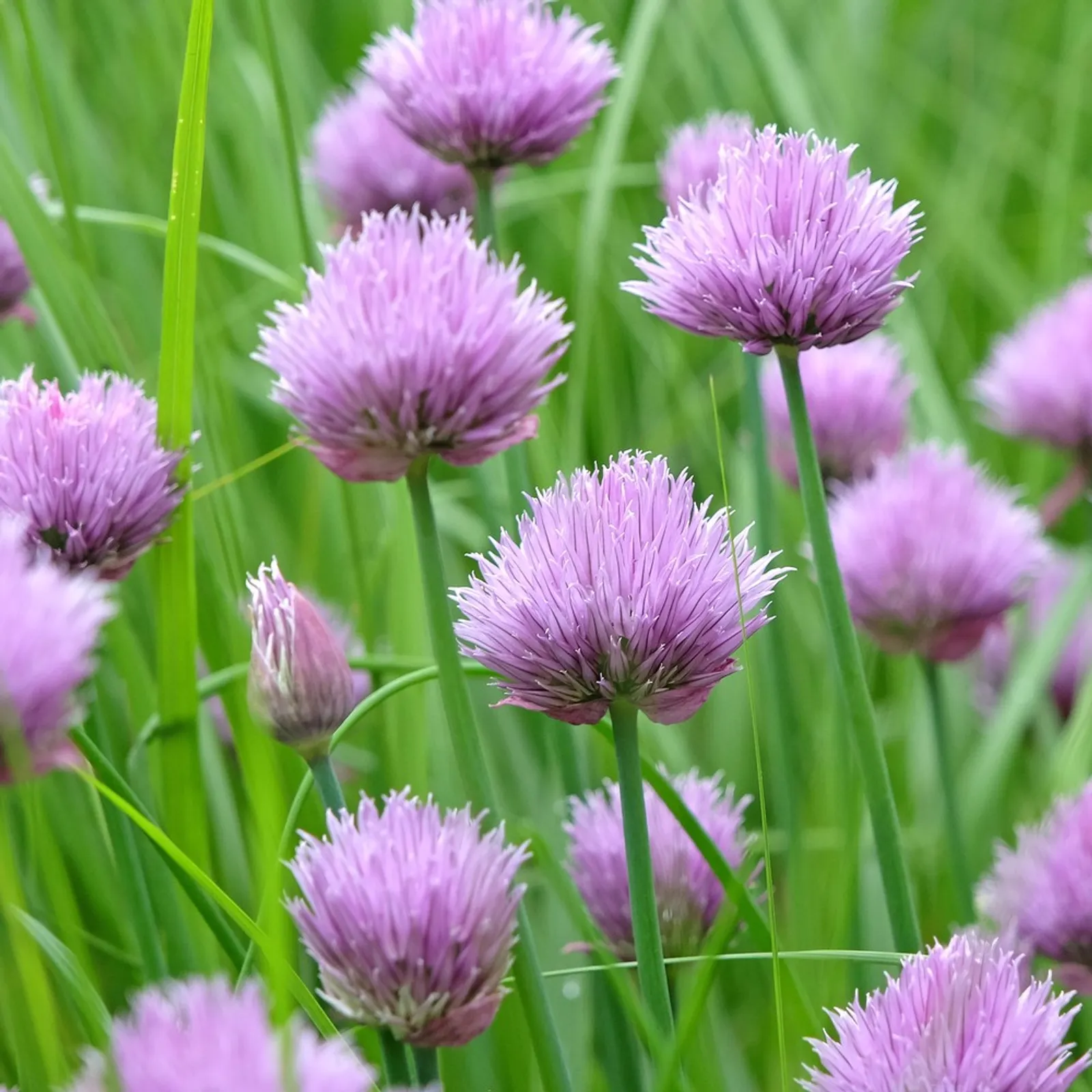
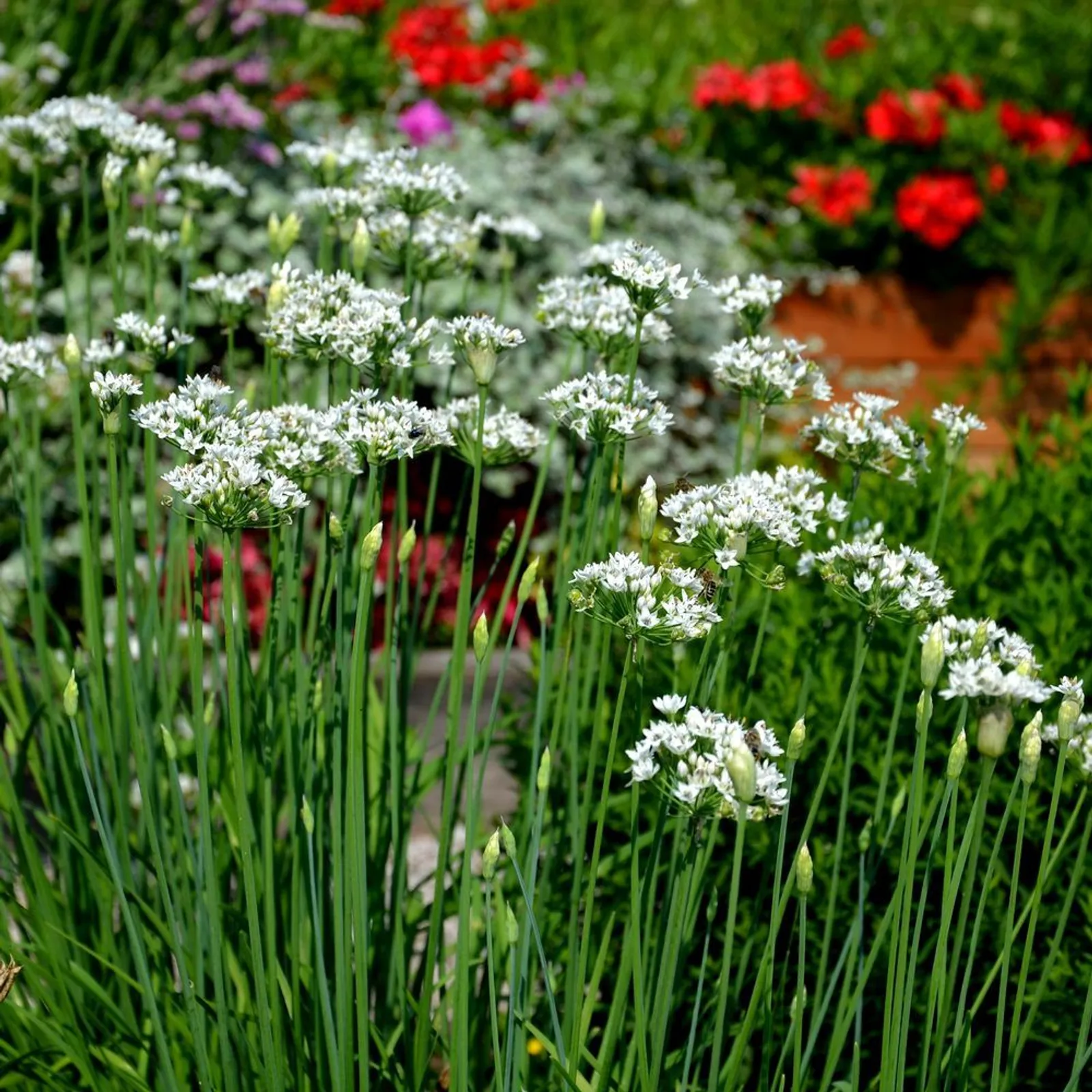
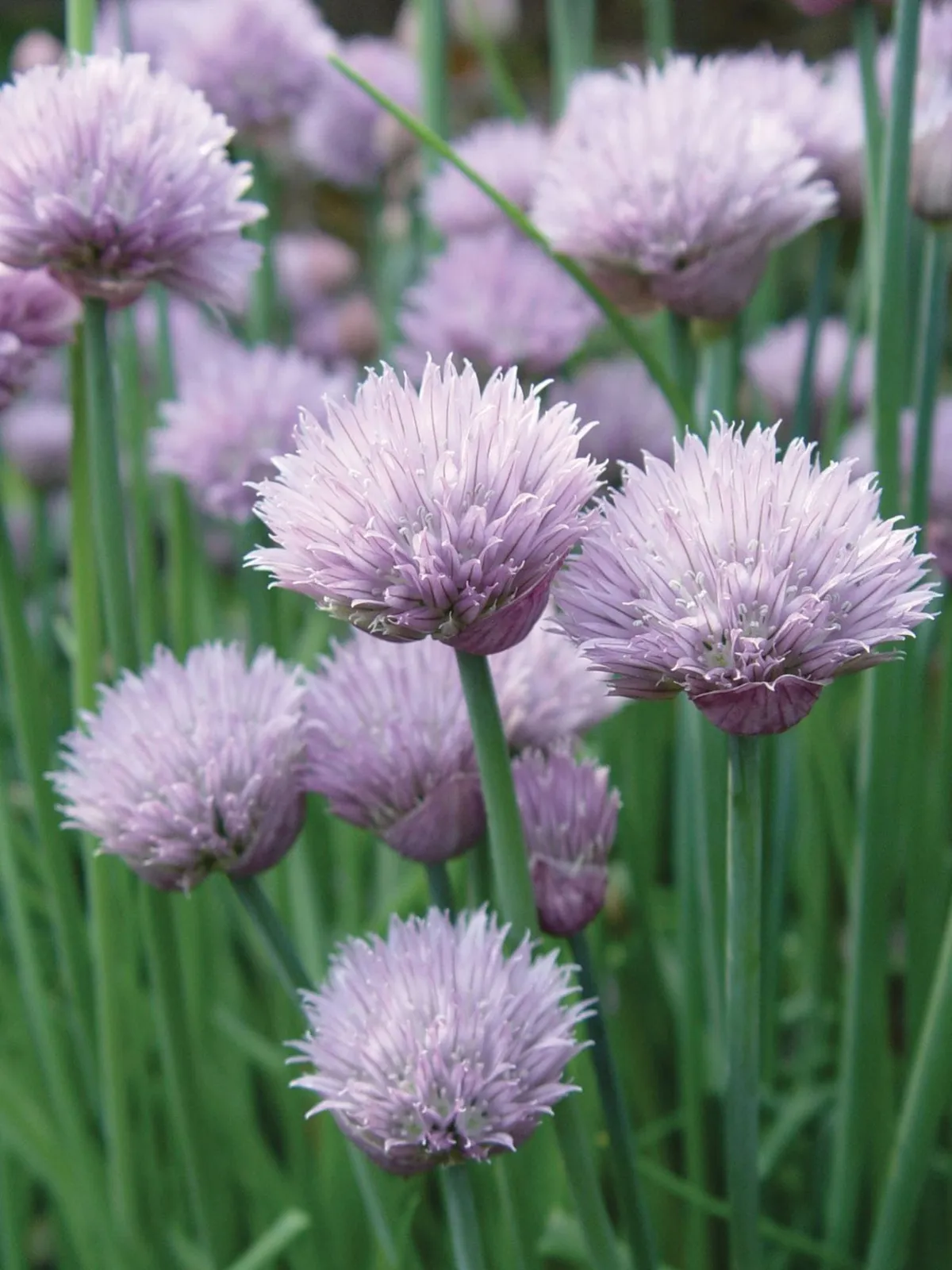
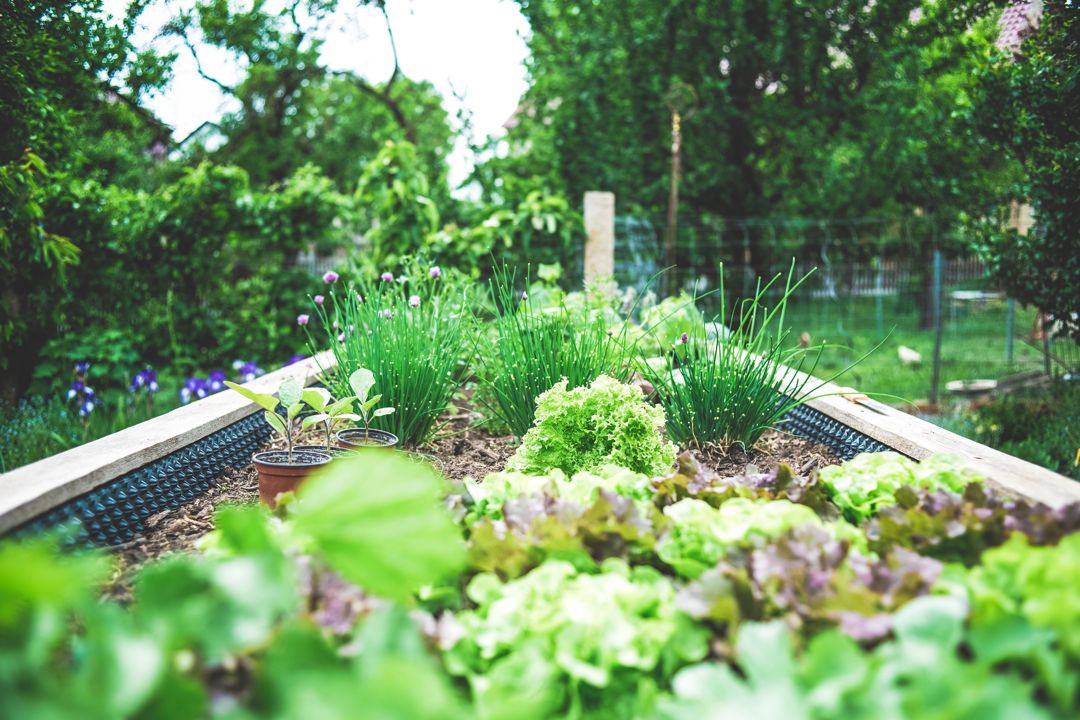
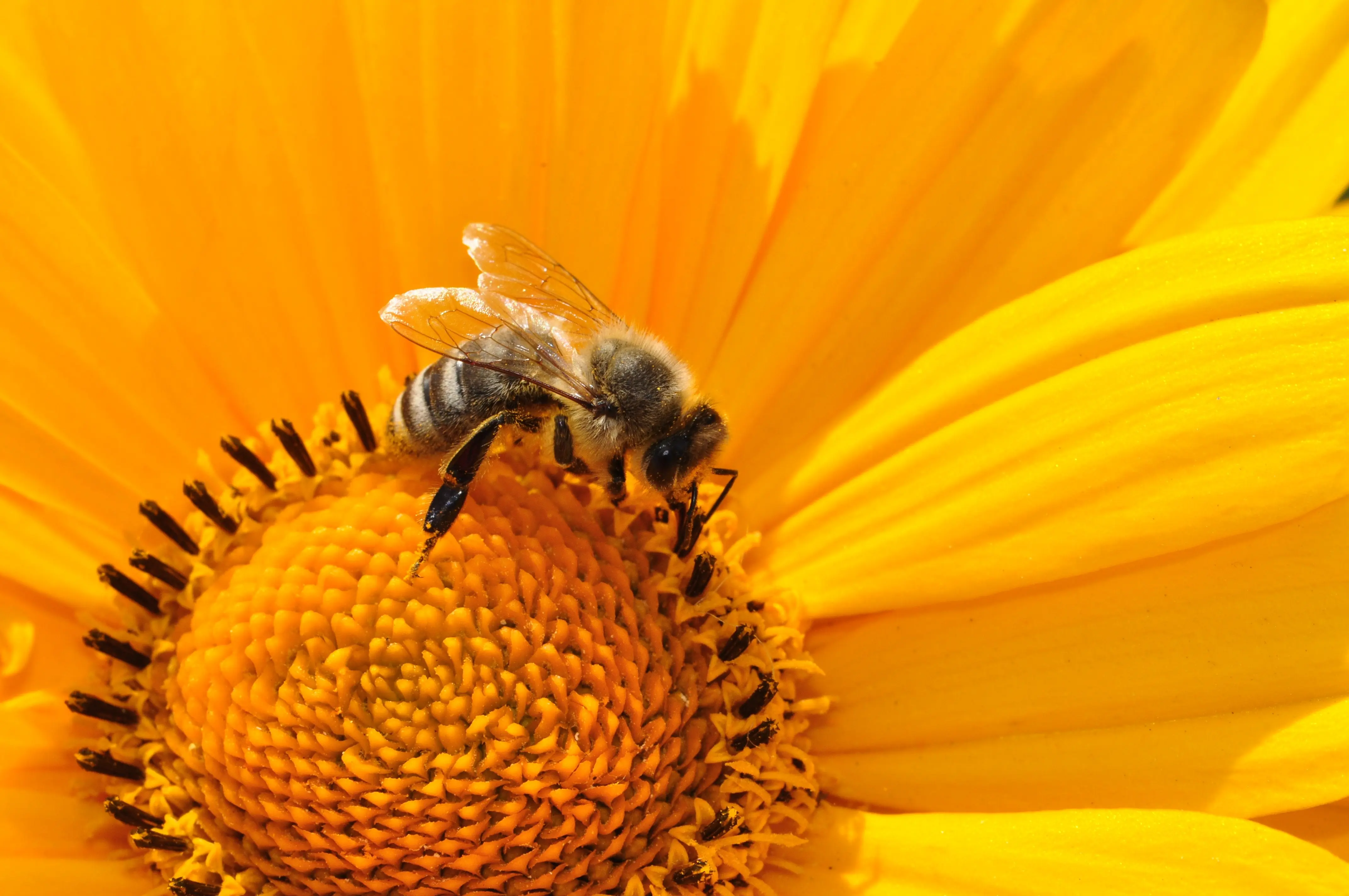
Chives are easy-to-grow perennial plants in the allium family. They are hardy down to USDA zone 3. Common chives, Allium schoenoprasum, are grown for their fine green leaves and striking purple flowers, both of which are edible and have a mild onion flavor. There are also garlic chives, A. tuberosum, which have flat leaves and white flowers with a mild garlicky flavor. The flowers are highly attractive to bees and other beneficial insects. Chives grow in clumps and are generally not invasive, although they should be divided every few years and can self-seed if the flowers are left on the plant.
How to Grow Chives
Quick Info


Put away the pen and paper
Plan your veggie garden in minutes with Planter's easy drag and drop planner.
Try Planter for Free
Varieties

Related Articles
.jpg)
Companion Plants



Combative Plants

Nutrition
Vitamins




Nutrients


Pests
Diseases
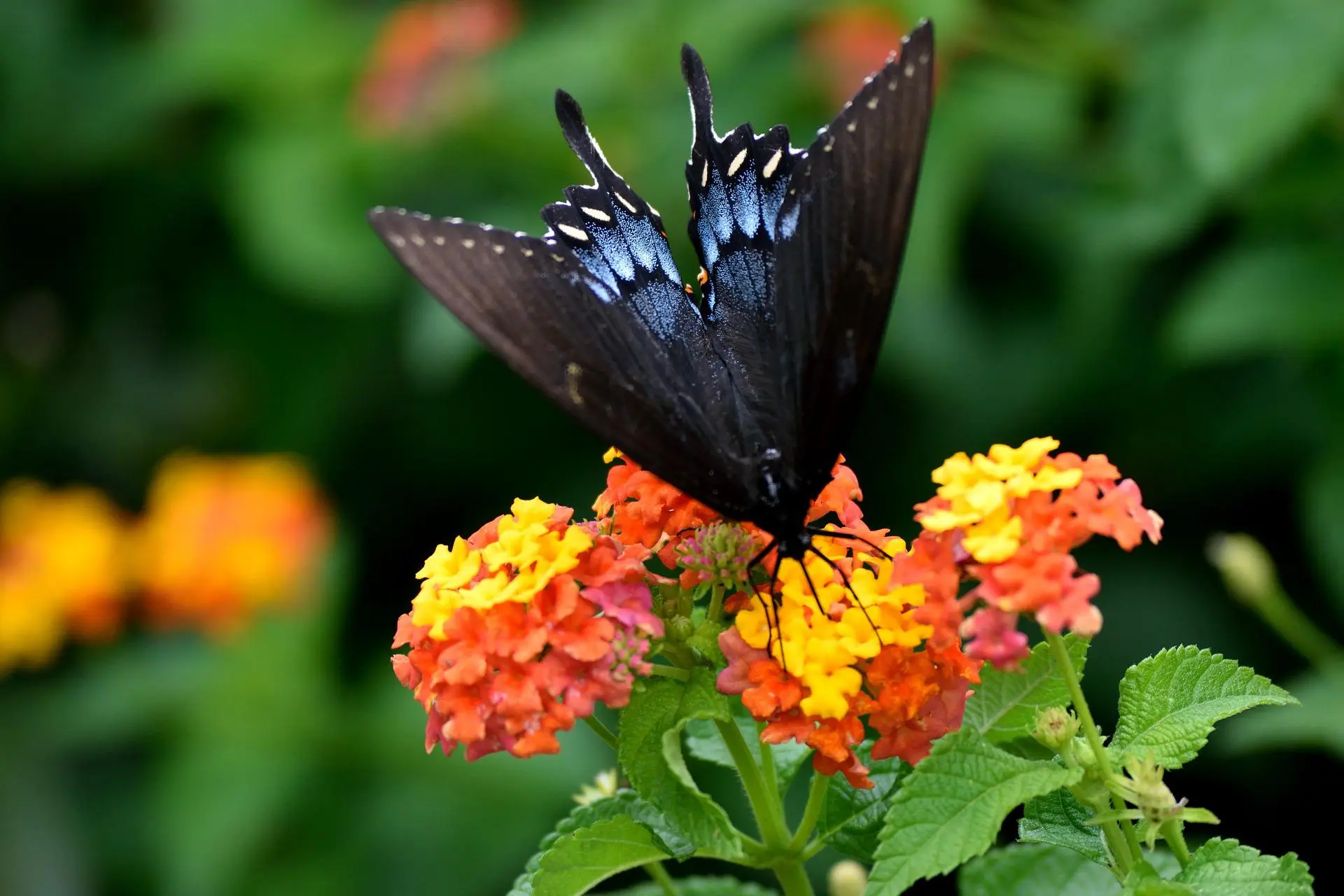
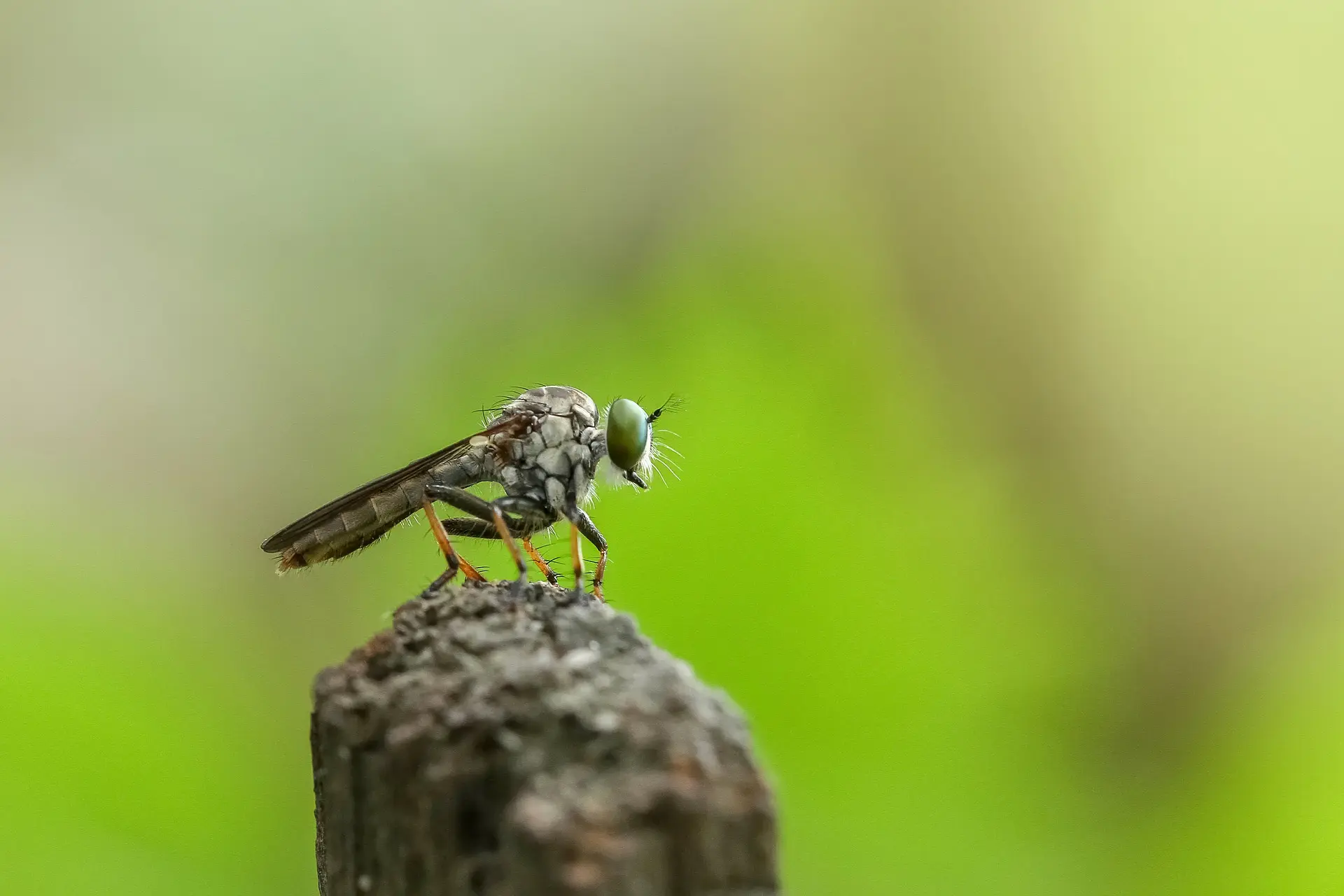
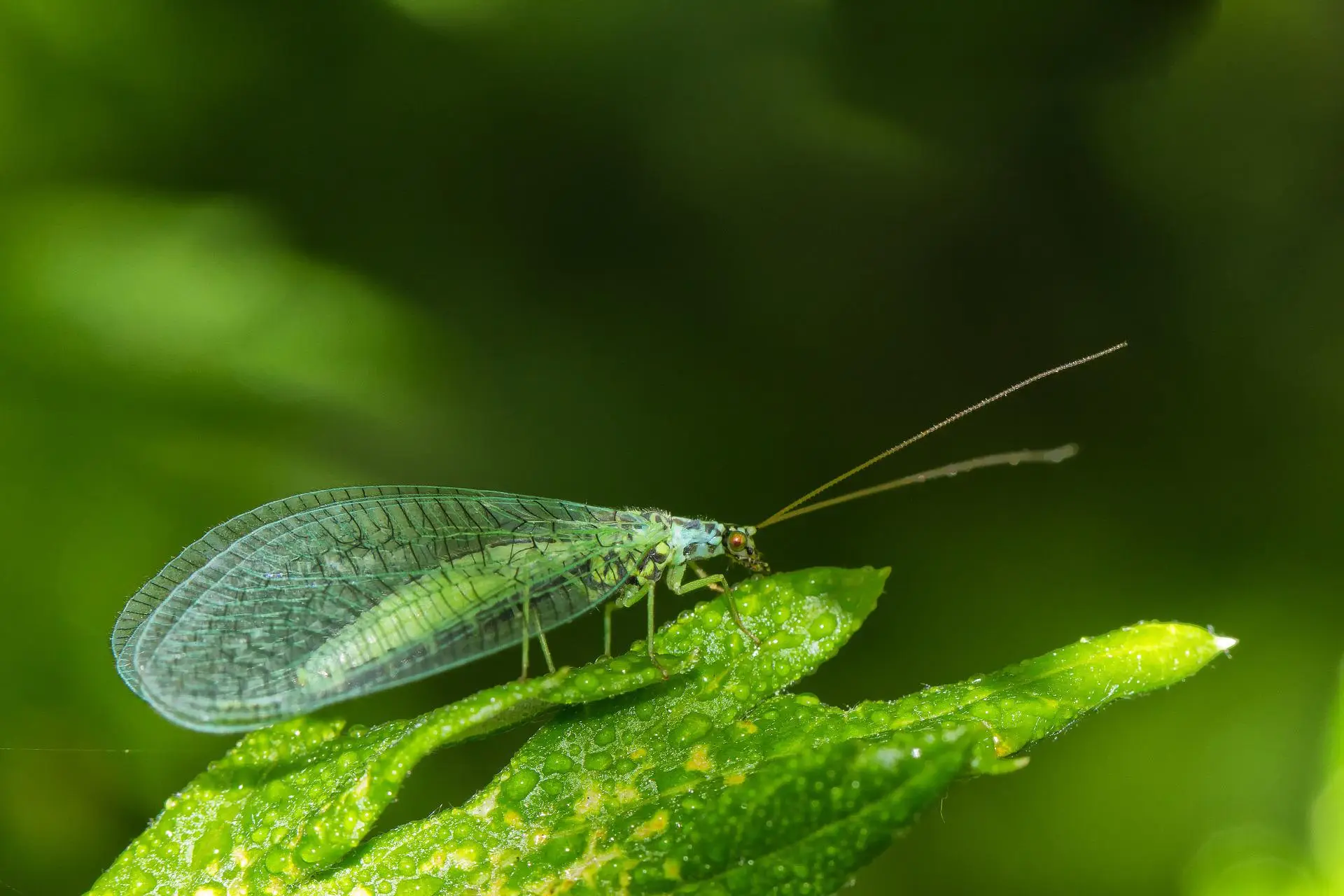
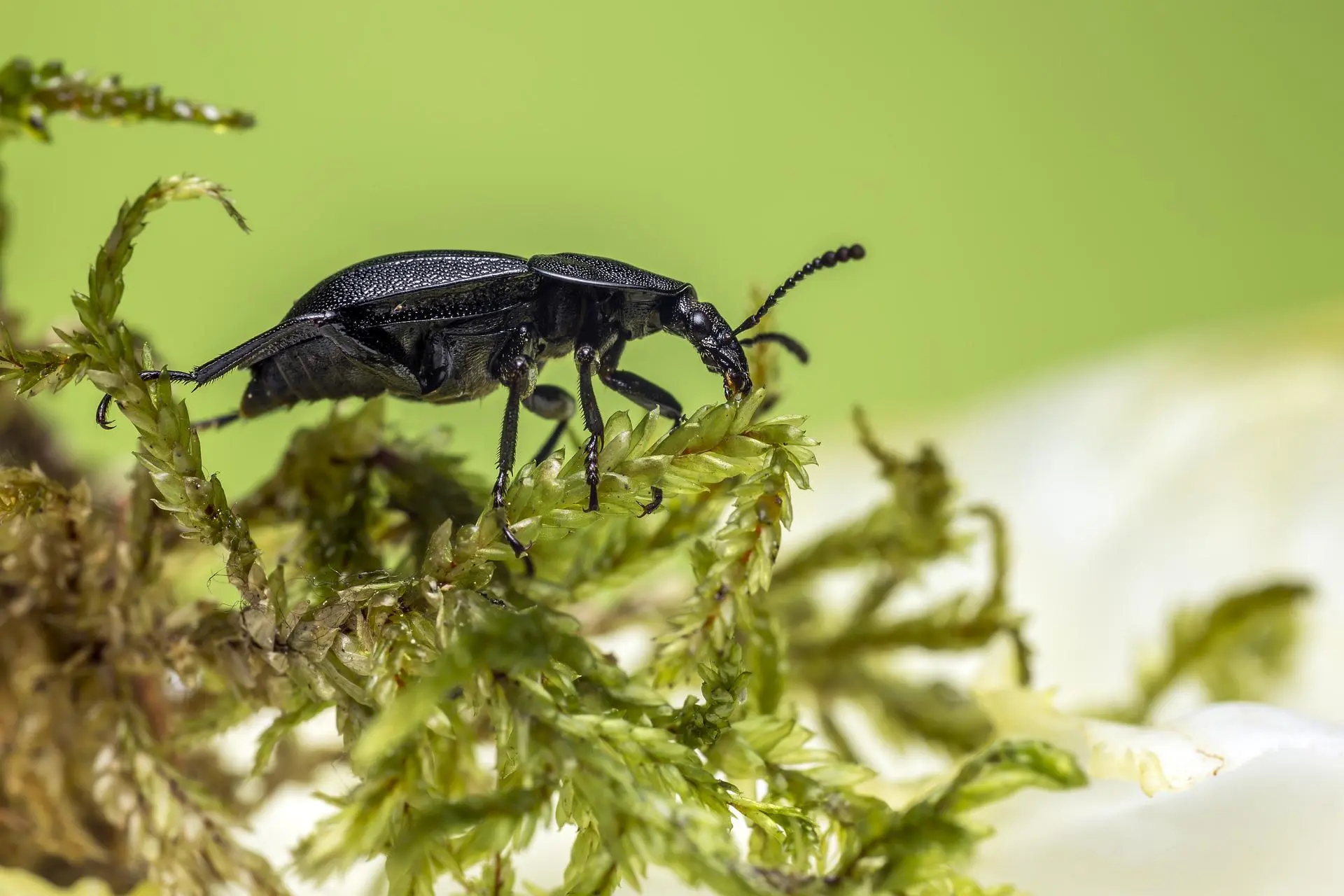
Beneficial Critters

Growing from Seed
Chives are often grown from nursery transplants or from root divisions, although they can be grown from seed. Direct seeding in spring once the soil has warmed up is generally recommended versus starting indoors. The optimal soil temperature for germination is 65-70°F (18-21°C). Chive seeds can be slow to germinate so even if they haven't emerged after two weeks don't give up. If starting indoors, supplemental heat should not be required for germination. Keep the seed starting mix consistently moist. Provide supplemental light as soon as seedlings emerge.
Planting Considerations
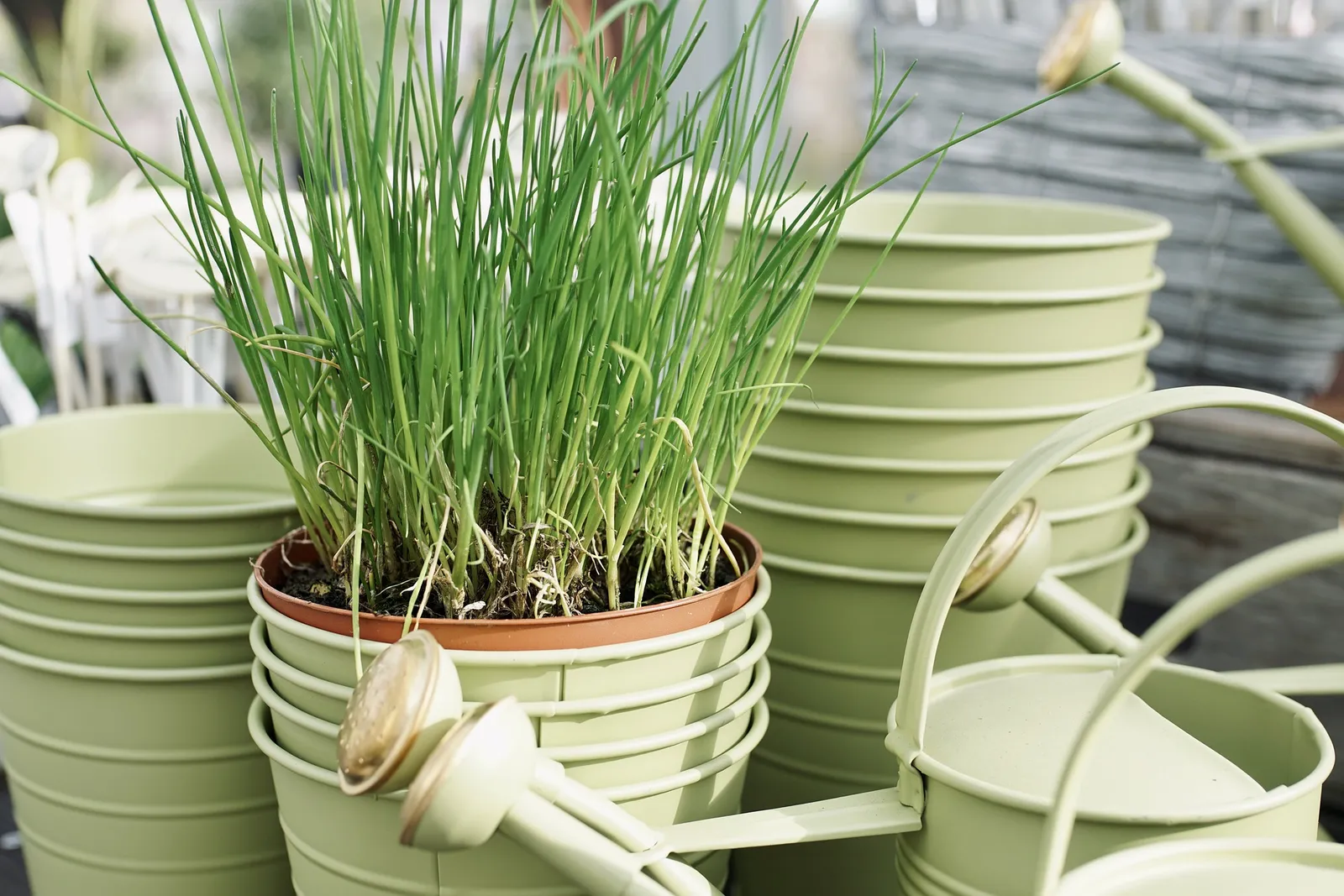
Chives prefer rich, well-draining soil. Work compost into the soil before planting. If your soil is deficient in specific nutrients, incorporate needed amendments prior to planting. Since chives are perennials, select a location where they can grow undisturbed and won't interfere with other plants. Apply mulch around the base of the plants to help retain moisture and suppress weeds. Chives can also be grown in containers. Choose a container that is 8" (20 cm) deep and wide at minimum. If space allows, a larger container can help to retain moisture and reduce watering frequency. Chives grown in a container may need to be buried in the ground (container and all) or stored in an unheated garage to overwinter.
Note that chives can be toxic to pets; while the effect is dose-dependent do not allow your pets to eat chives.
Feeding
Chives are light feeders and like many herbs fertilizing can weaken their flavor. If the plant is showing signs of deficiency, provide a light application of balanced fertilizer in spring. Container grown chives may need occasional fertilizing with a dilute liquid fertilizer.
Harvesting
Snip fresh green chive leaves off as needed as close as possible to the soil level at the base of the plant. Harvest selectively for repeated cut-and-come-again harvests. Chive plants newly started from seed will not be as productive in the first year as plants grown from divisions; harvest sparingly during the first season. Chives bloom from mid-spring to early summer; you can choose to harvest the flowers or to leave them for the pollinators. The taste of the leaves is not affected by flowering, although the flavor of chives can intensify in hot weather. If you do not want chives to self-seed, snip off individual flower stalks as soon as the blooms start to fade. Removing spent flowers also helps to keep the plant more productive.
Storage
Fresh chive leaves can be kept refrigerated for up to a week. They can also be chopped and kept frozen in an airtight container or freezer-safe bag for up to several months. Chives can also be air dried or dehydrated, although they lose much of their flavor when dried. Dried chives can be stored for a year or more.
Pruning
Mature chive plants can be cut back to about 3" (8 cm) after flowering to promote a new flush of leaves. Divide chives every 2-4 years in spring to prevent overcrowding.