Cucumbers
Cucumis sativus, C. melo var. flexuosus, Melothria scabra
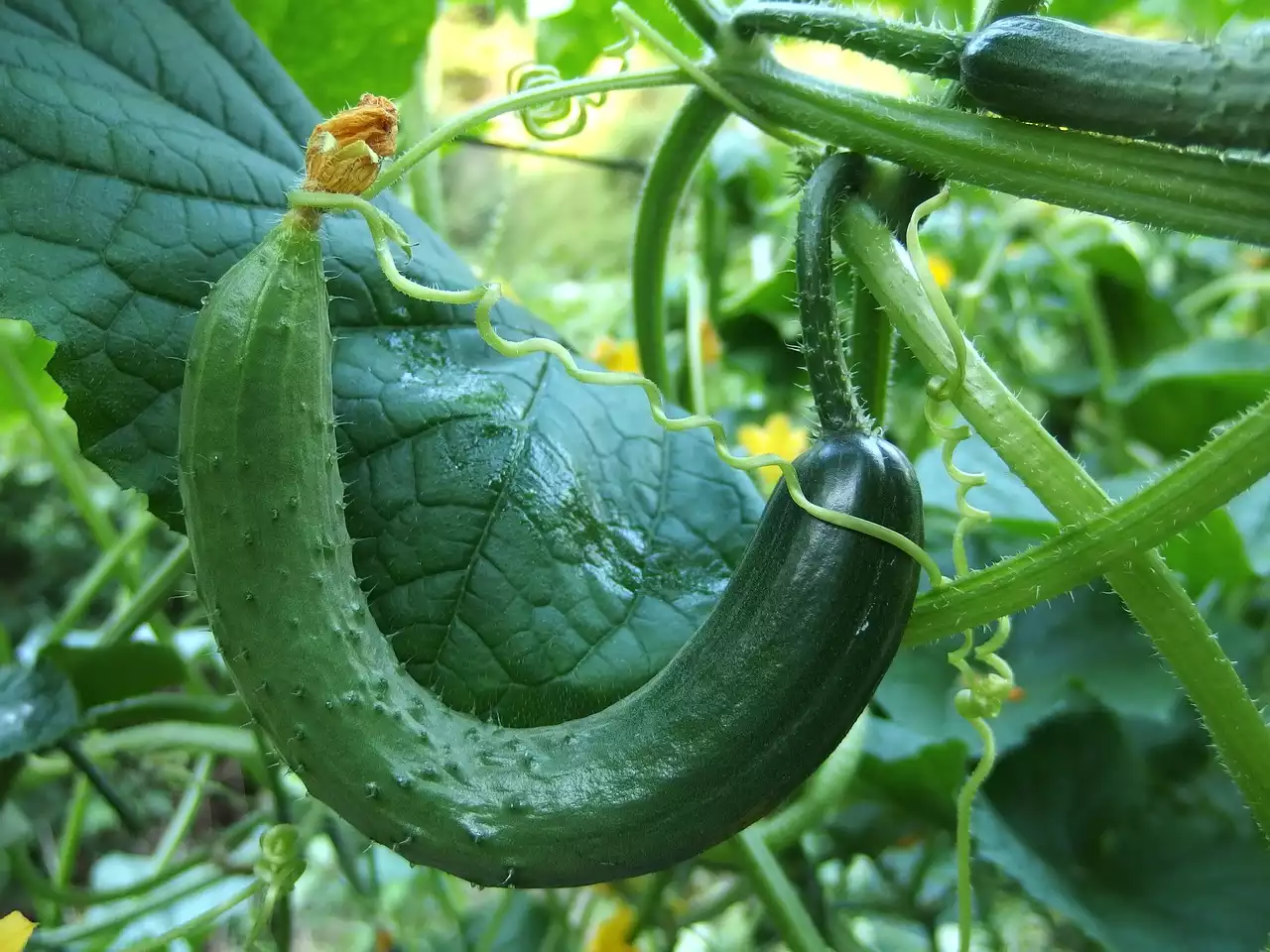
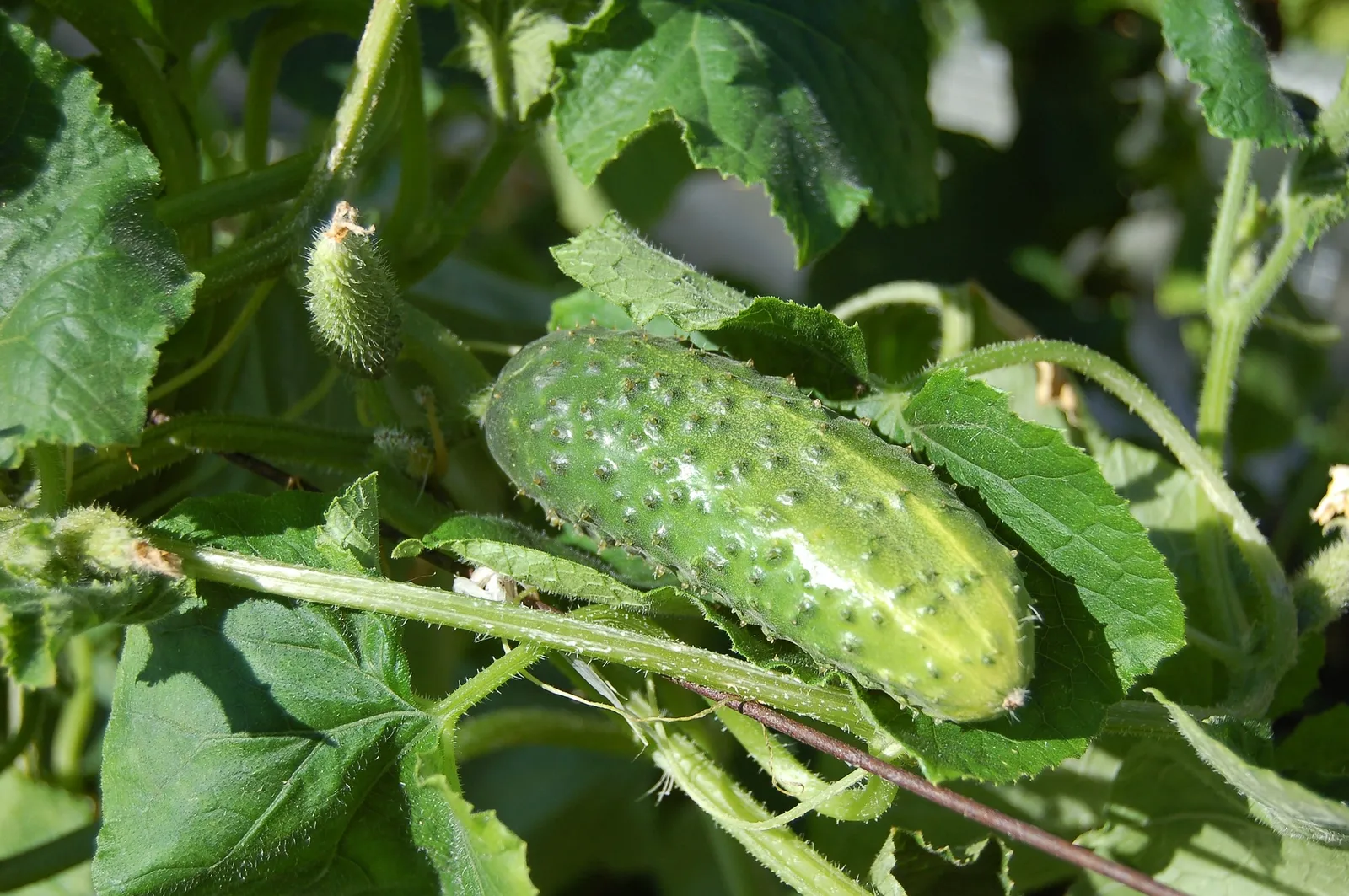
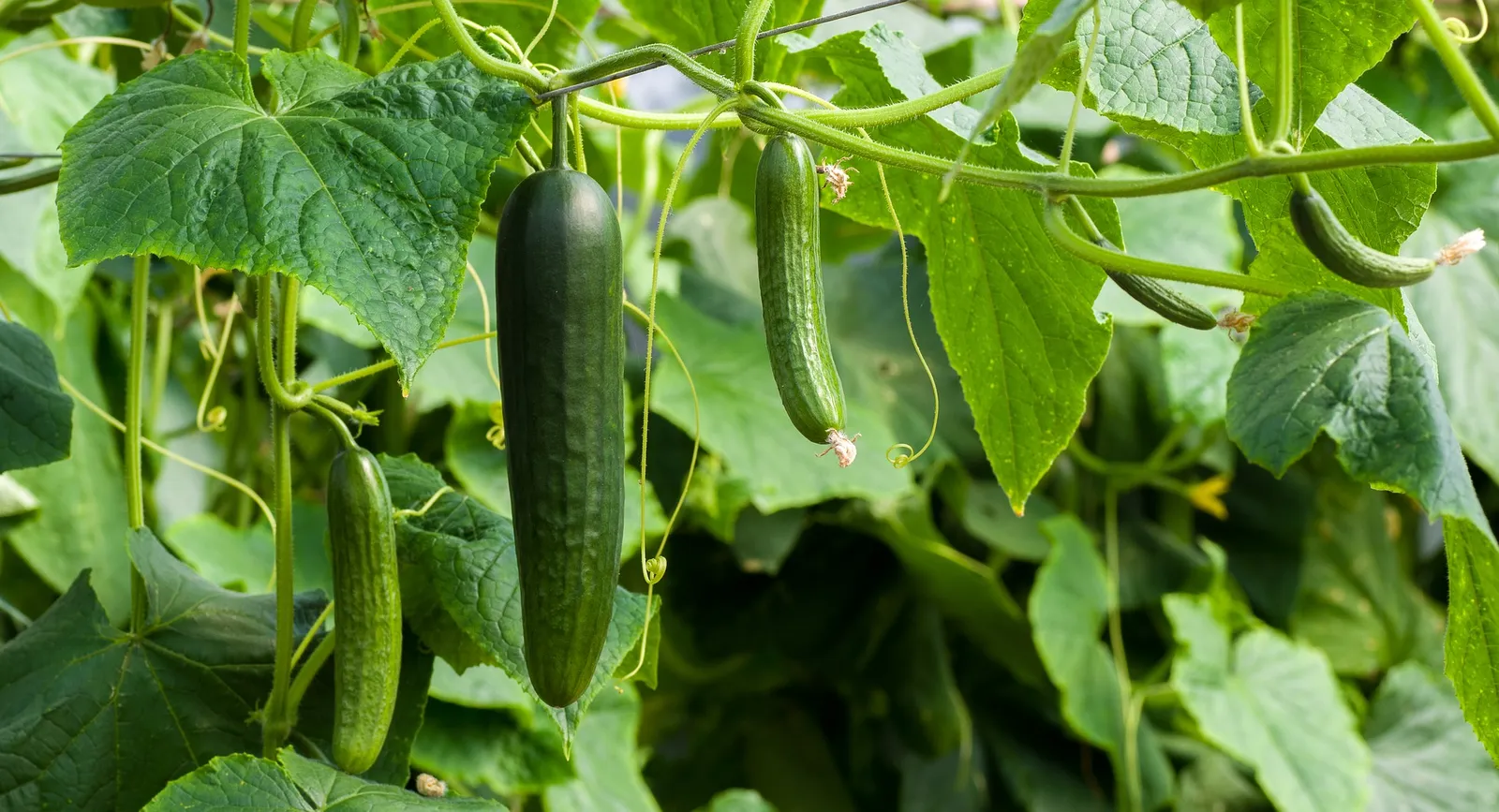
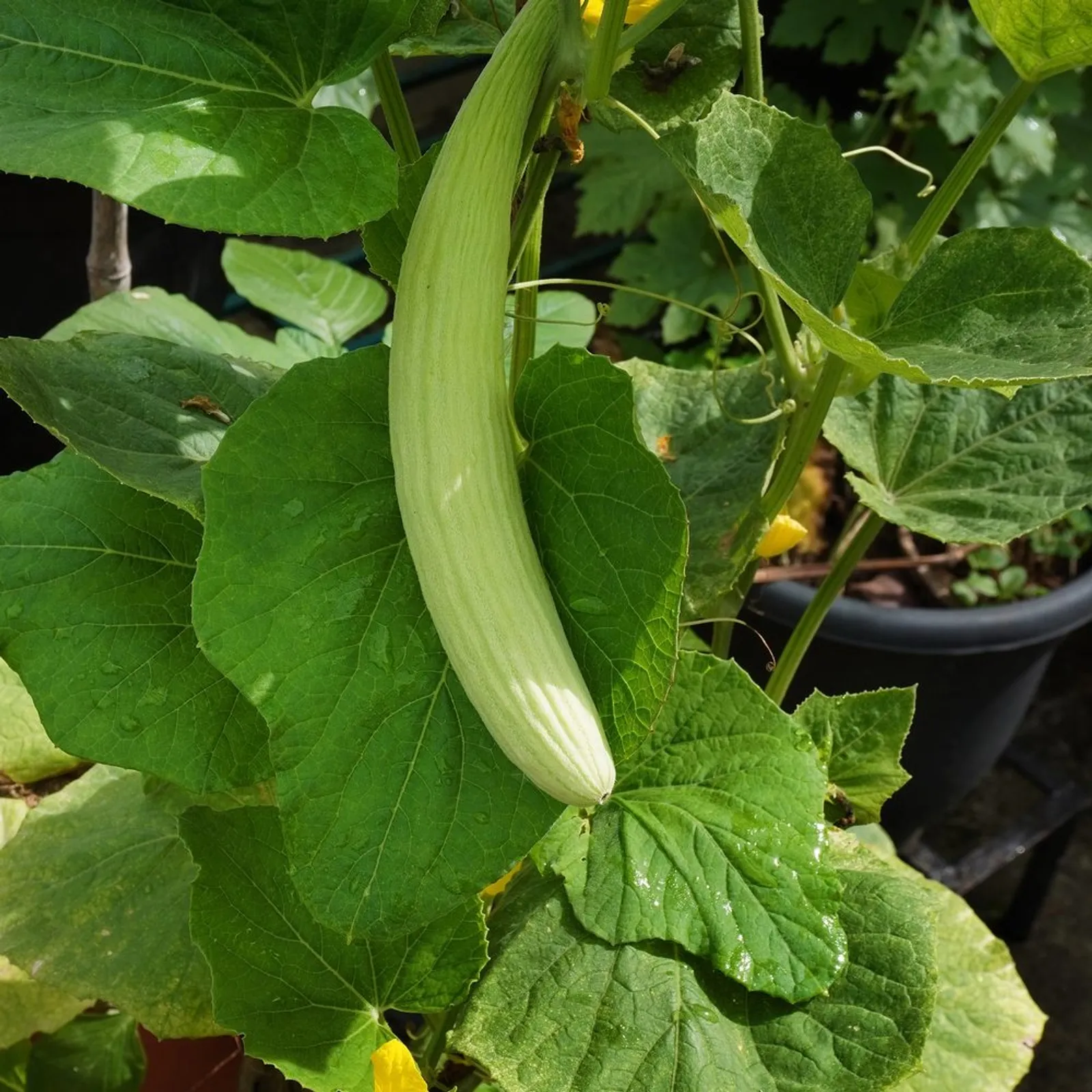
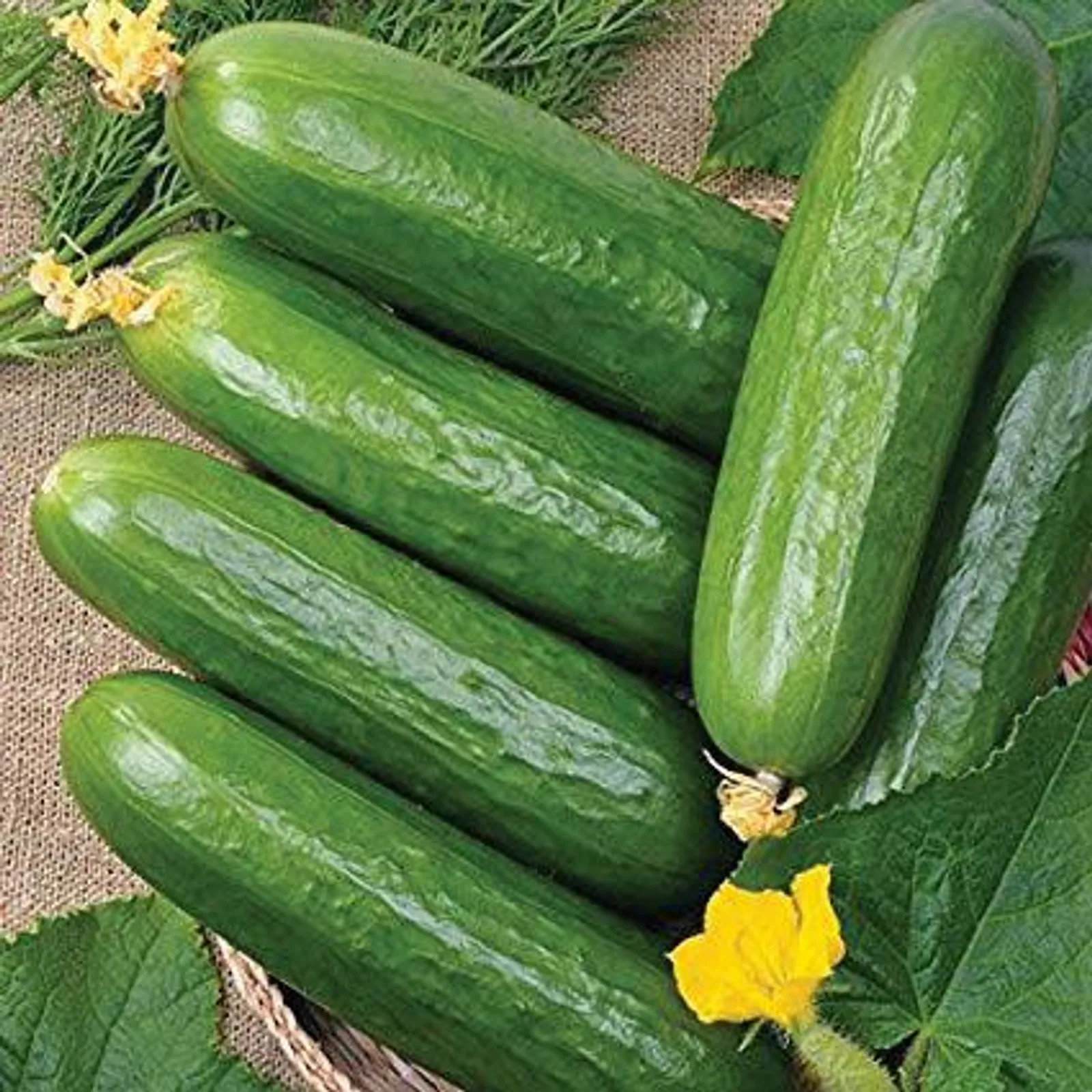
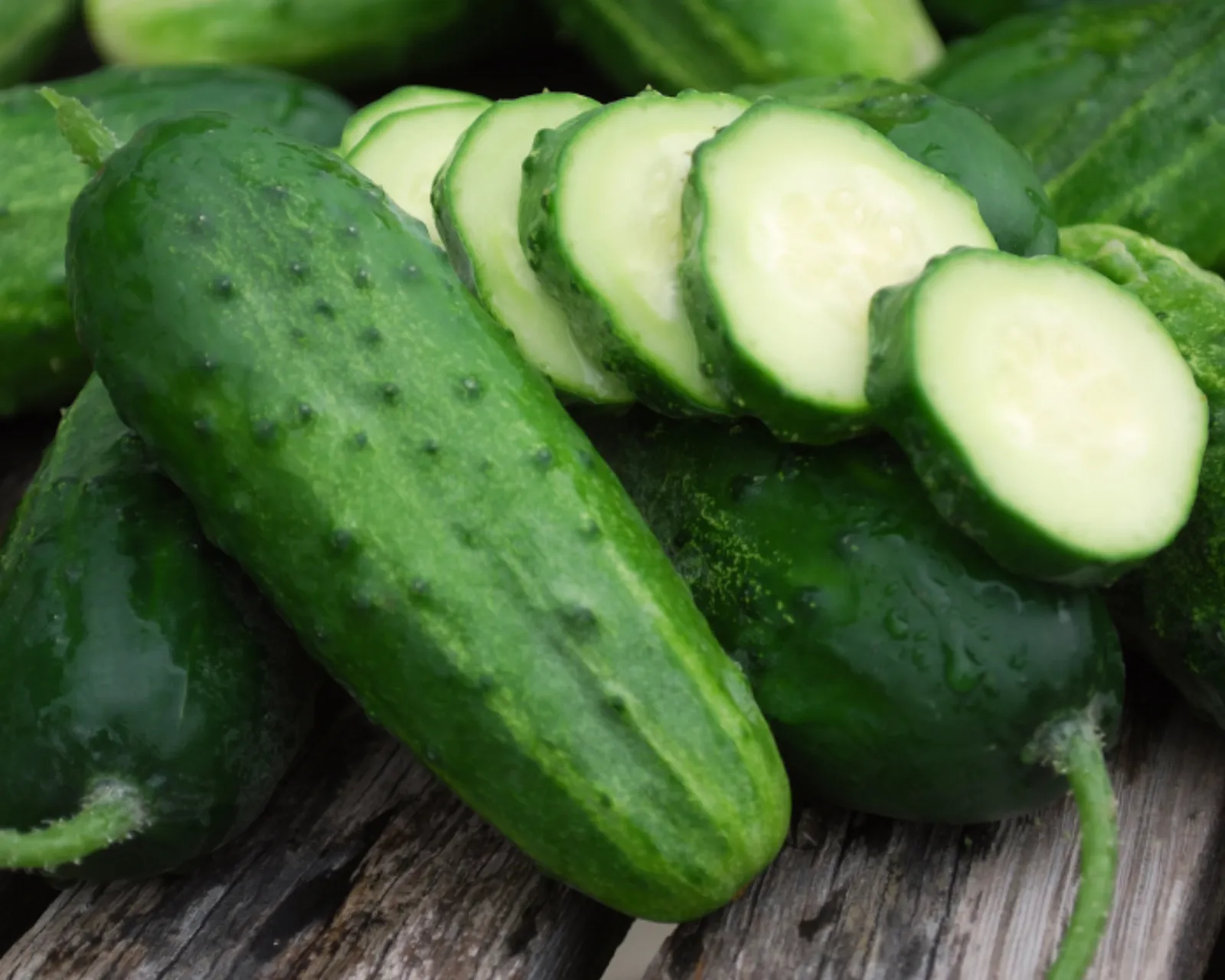
Cucumbers are a classic, must-grow garden crop. Variety selection is important with cucumbers but the terminology for different cucumber types can be mind-boggling! Cucumbers can be classified by their use. Primarily there are pickling cucumbers, which are smaller, and slicing cucumbers, which are larger. There are compact bush type cucumbers or vining types which prefer something to climb on. ‘Field cucumbers’ are seeded cucumbers that are best suited for outdoor growing. Seedless cucumbers are (generally) better suited for greenhouse growing. Called ‘parthenocarpic’ cucumbers, the plants do not require pollination to produce cucumbers. In fact if they accidentally cross-polinate they will produce seeded cucumbers. Most cucumber varieties have male and female flowers on the same plant, however some are have only female flowers ('gynoecious'). These plants have higher yields, however they need a pollinator plant nearby unless they are also parthenocarpic.
How to Grow Cucumbers
Quick Info

Put away the pen and paper
Plan your veggie garden in minutes with Planter's easy drag and drop planner.
Try Planter for Free
Varieties
Related Articles
Companion Plants










Combative Plants











Nutrition
Vitamins


Nutrients





Pests
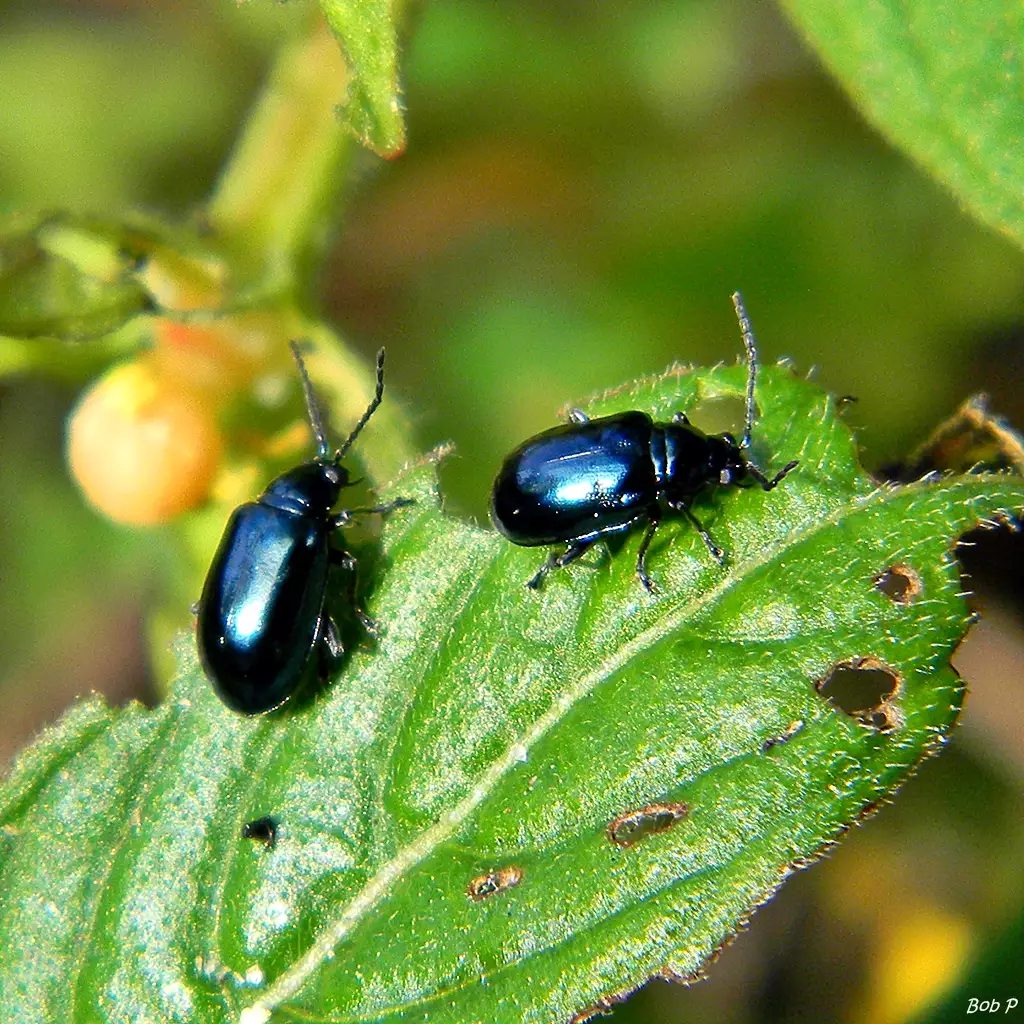
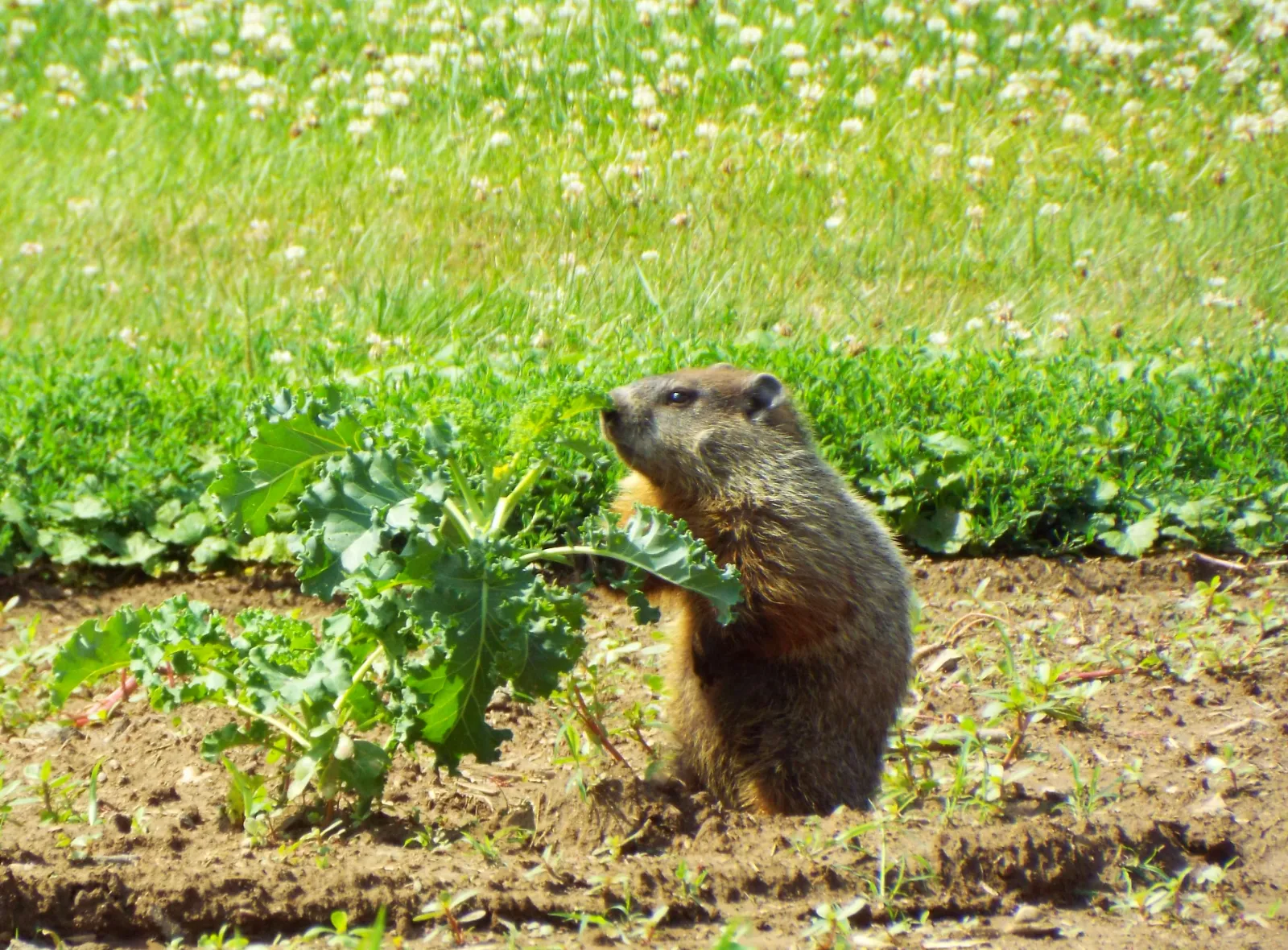
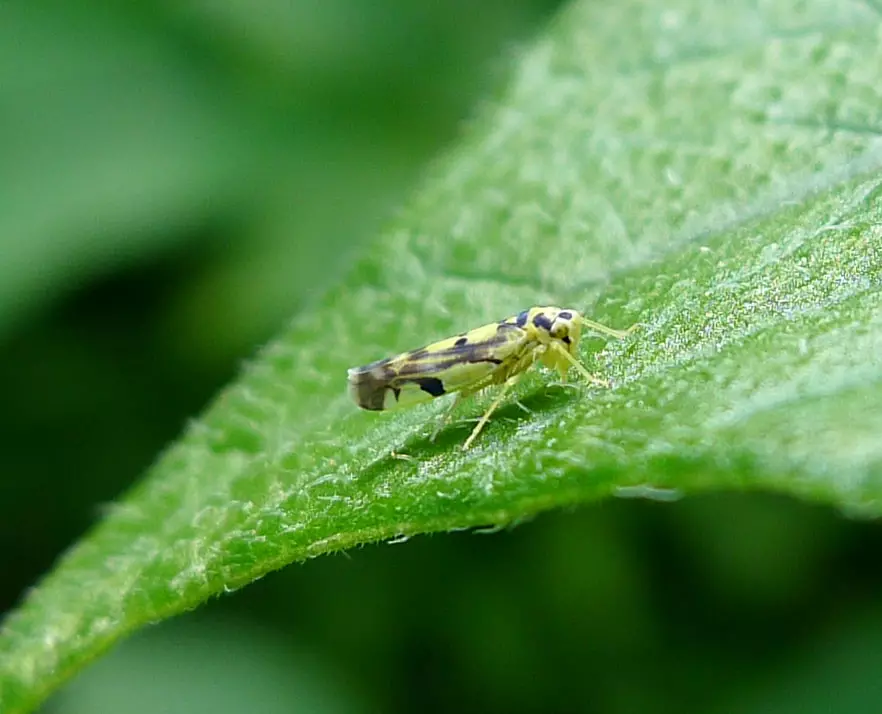
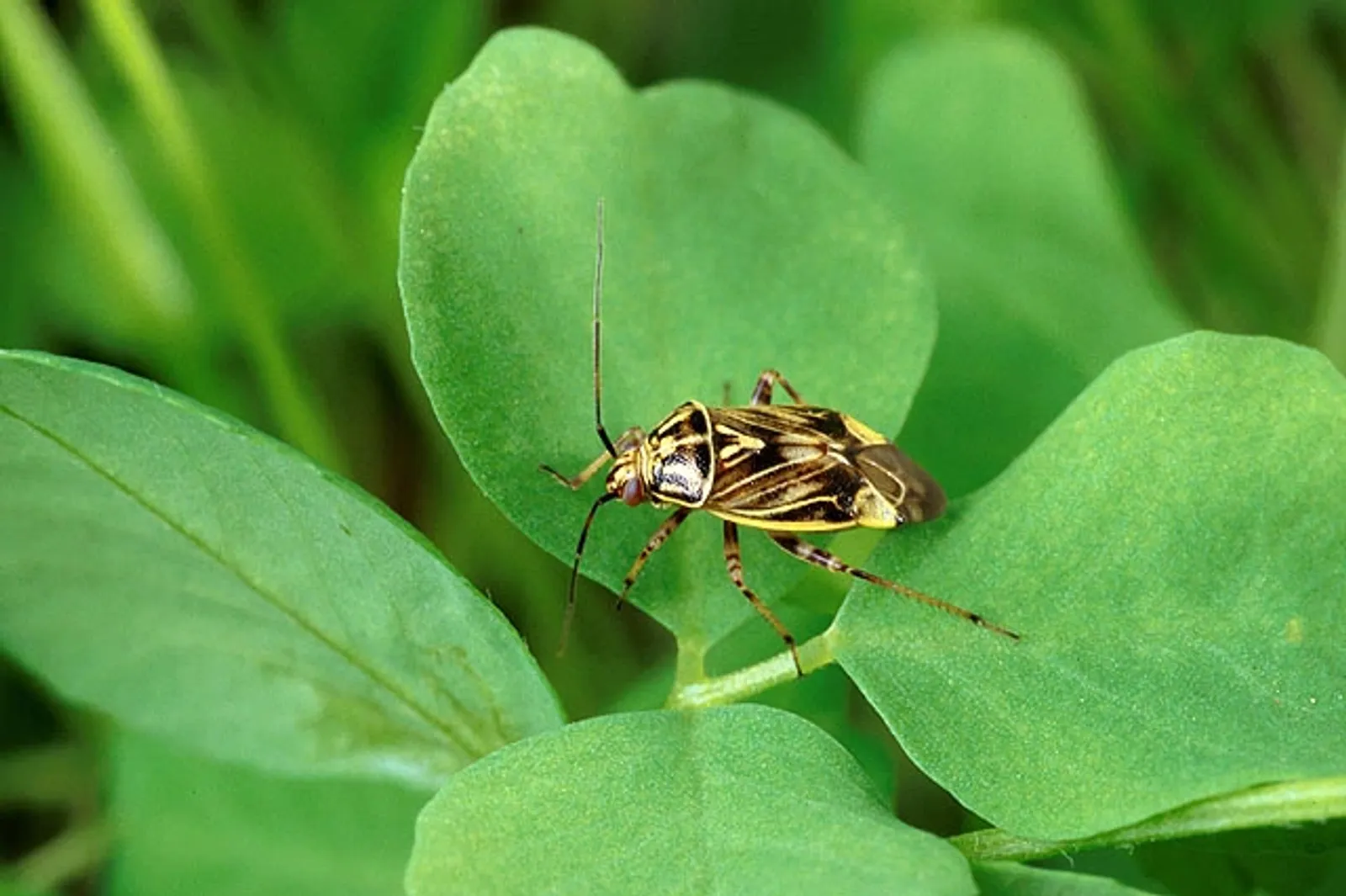
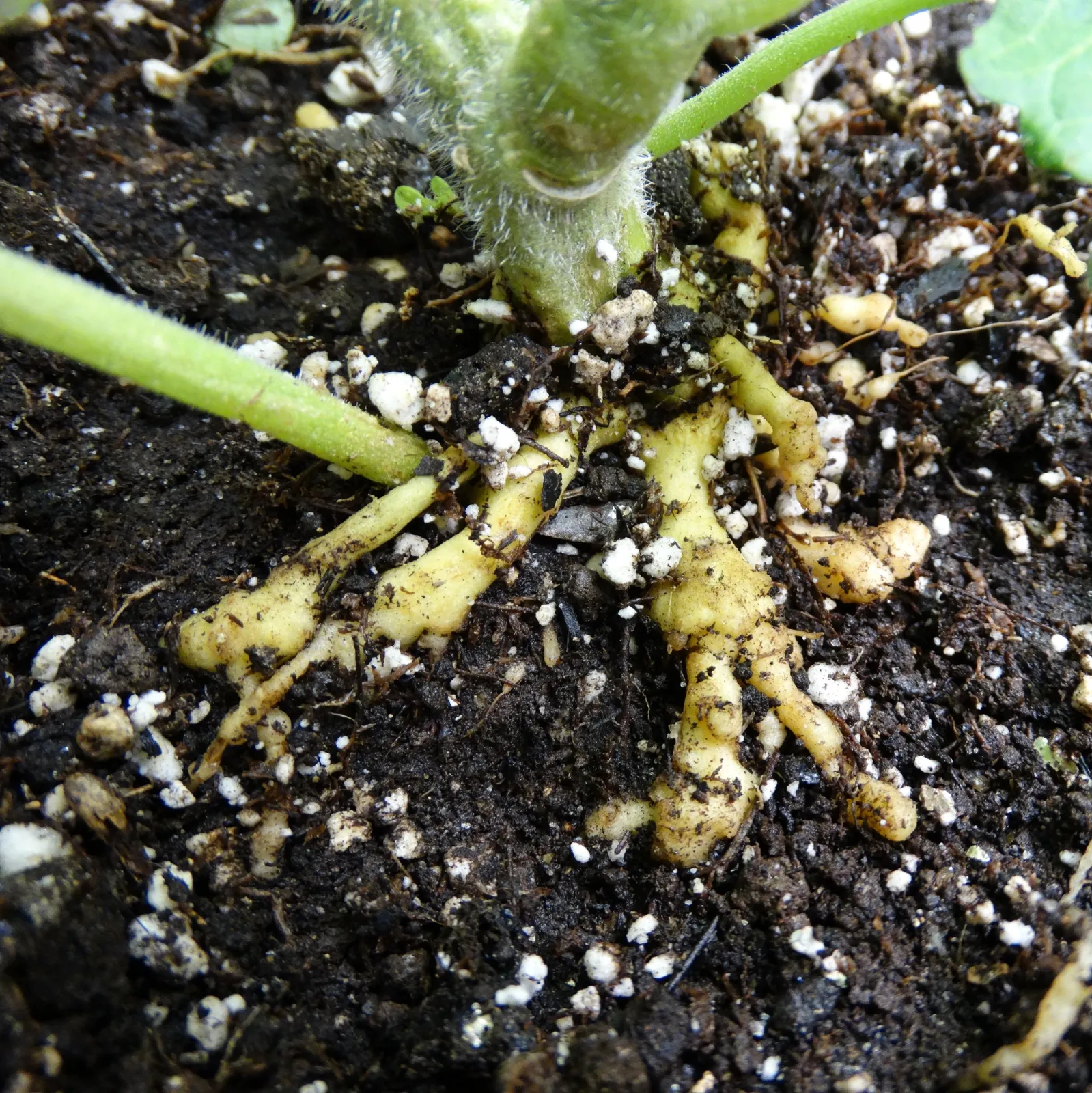
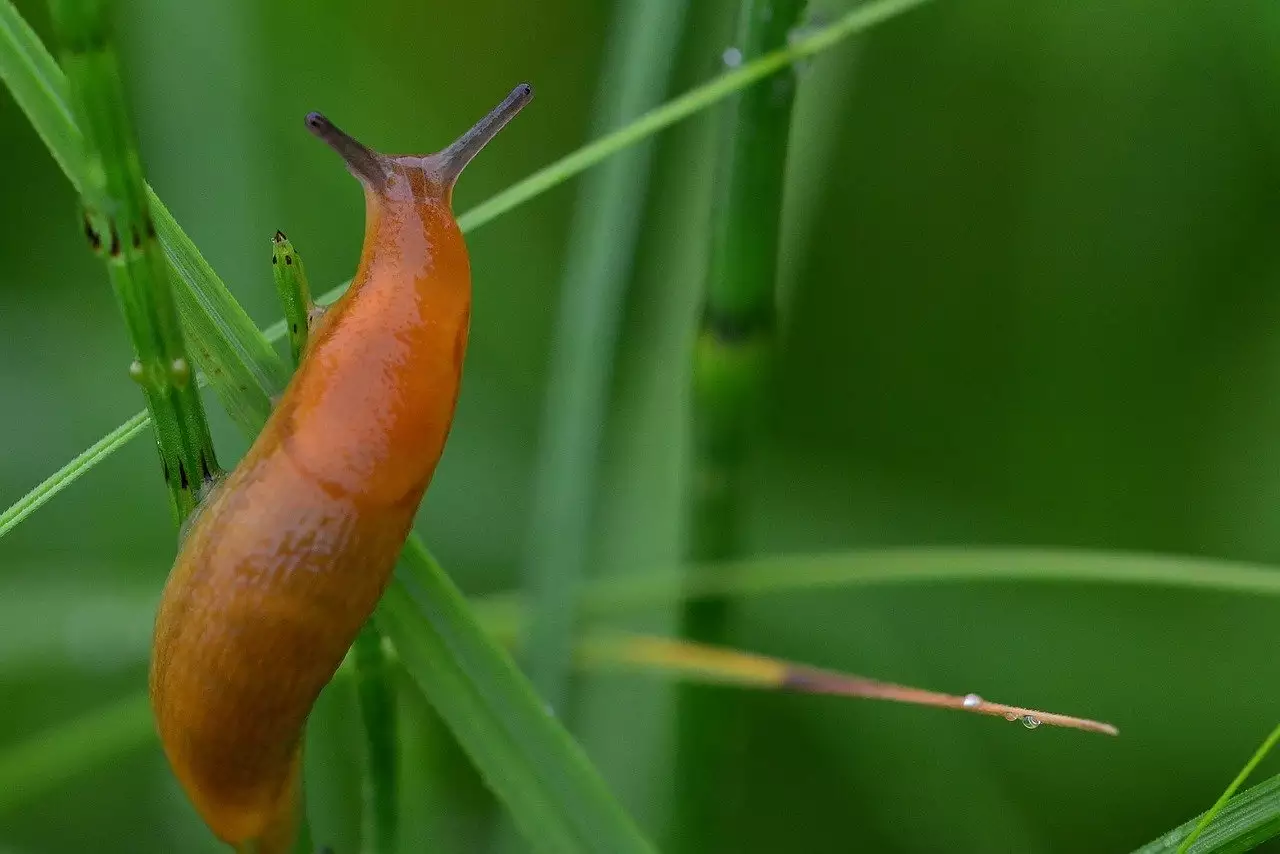
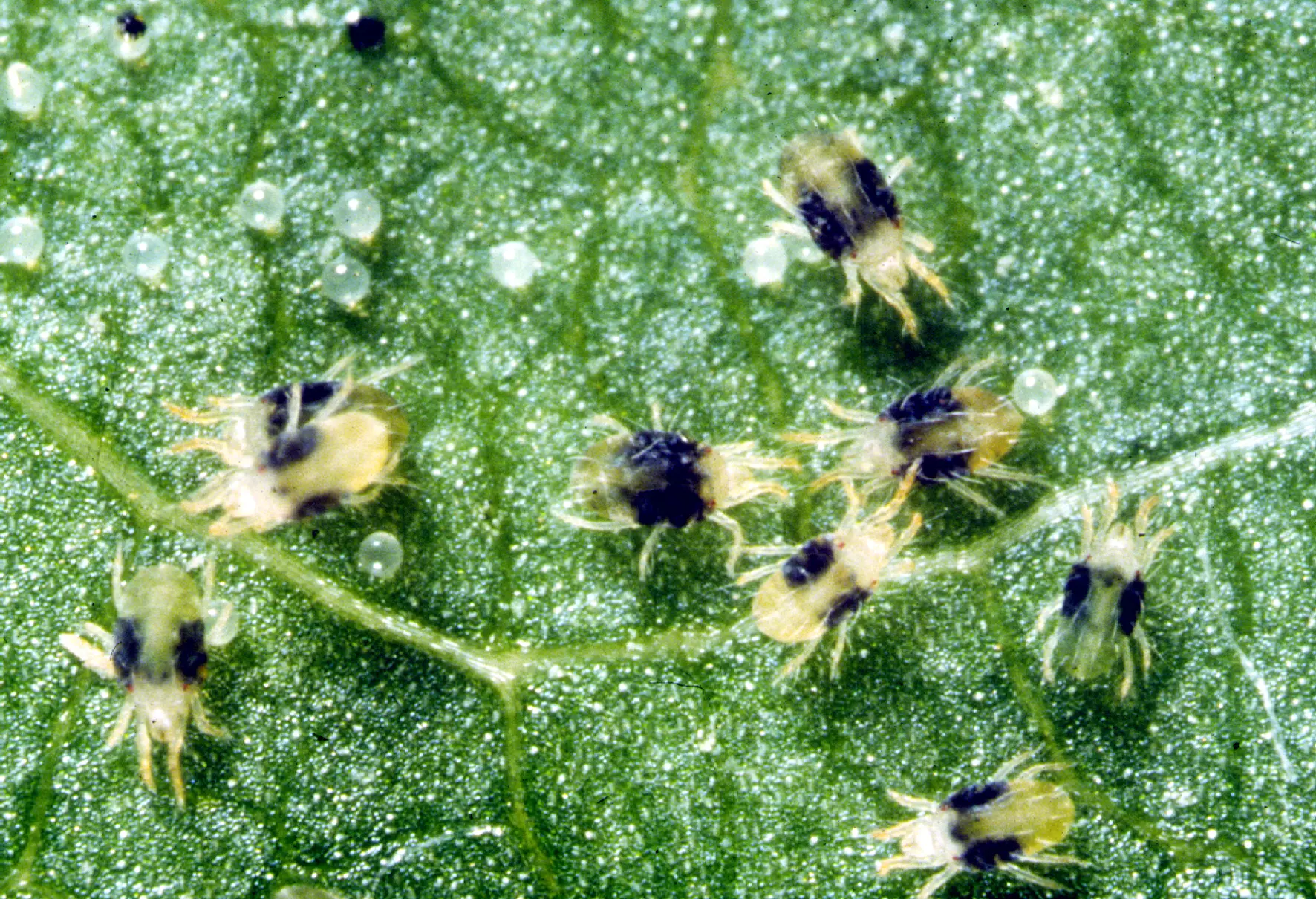
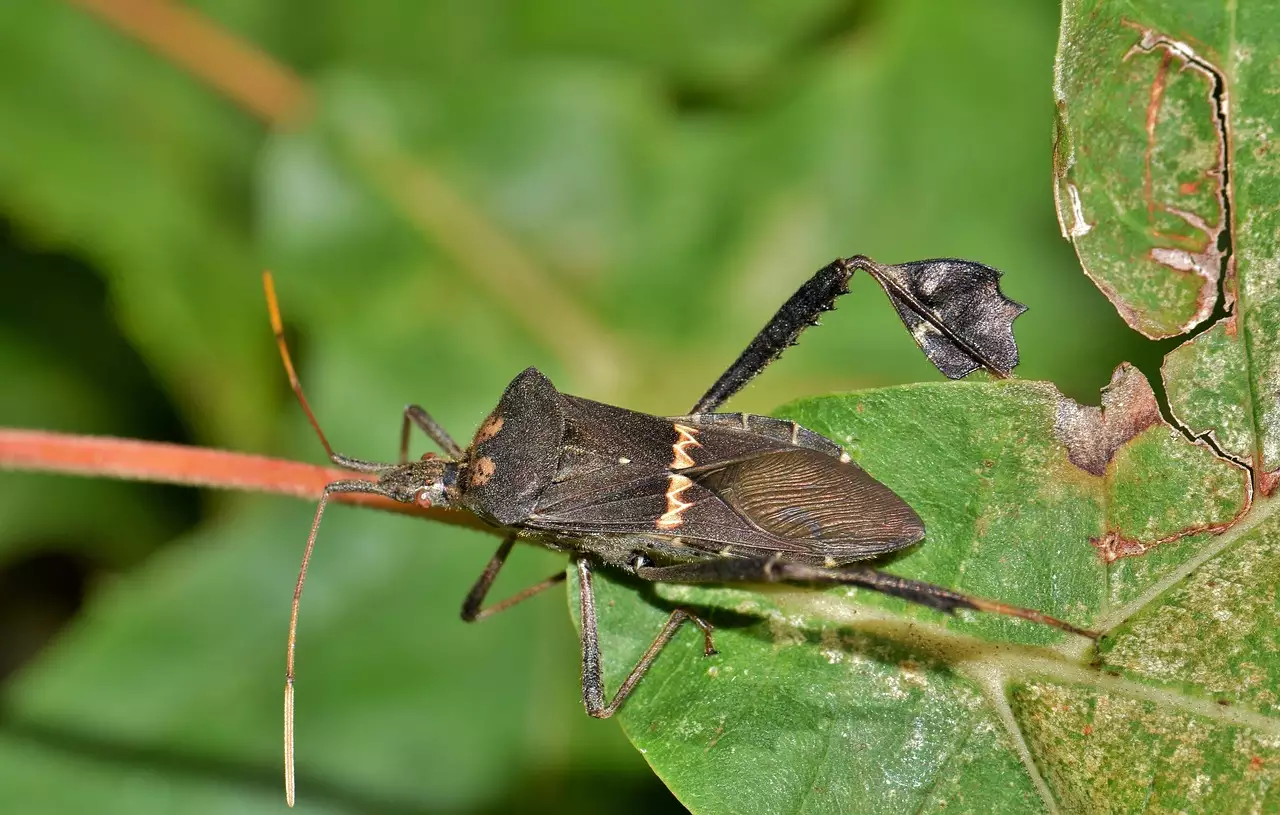
Diseases

Beneficial Critters
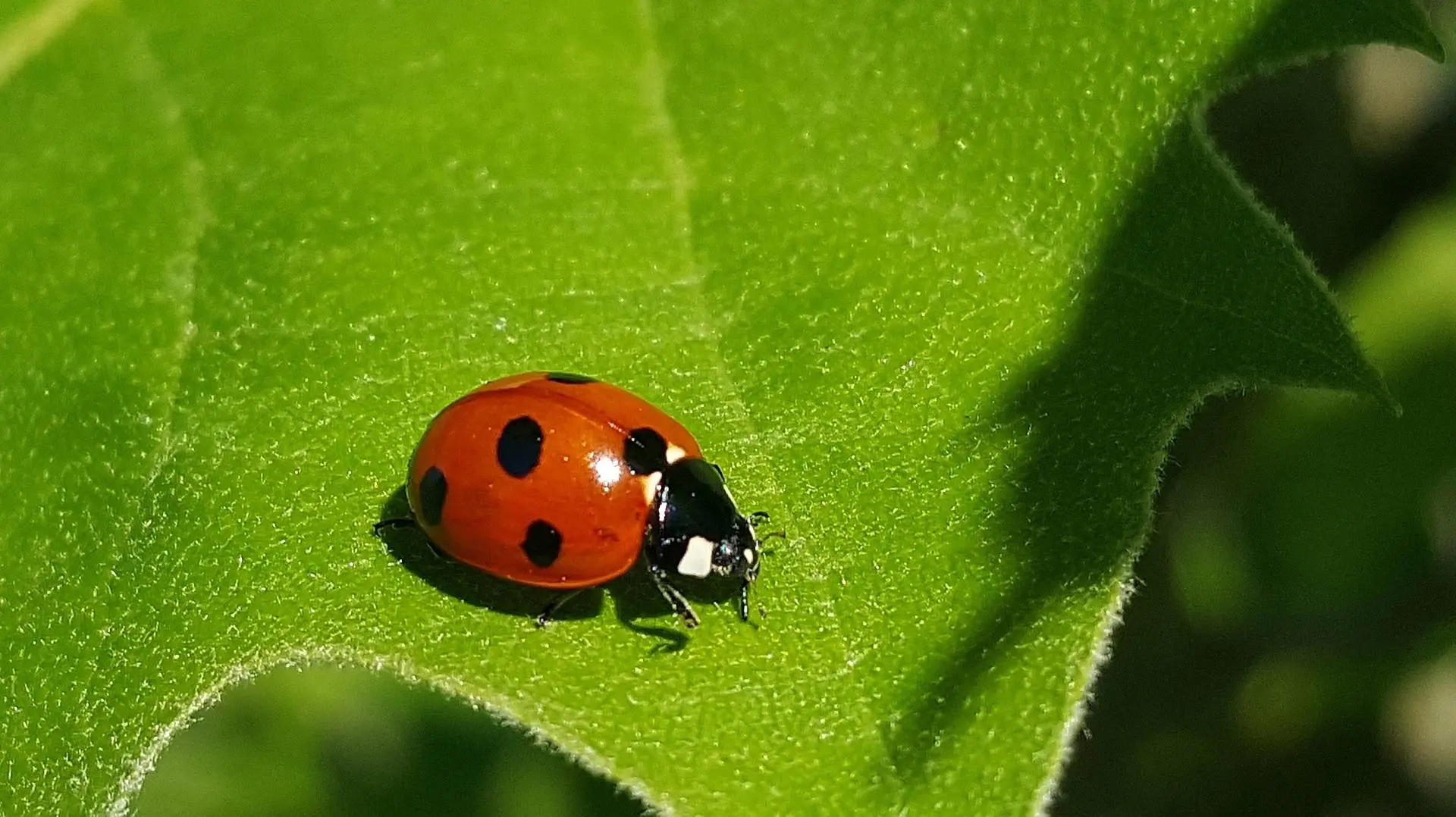
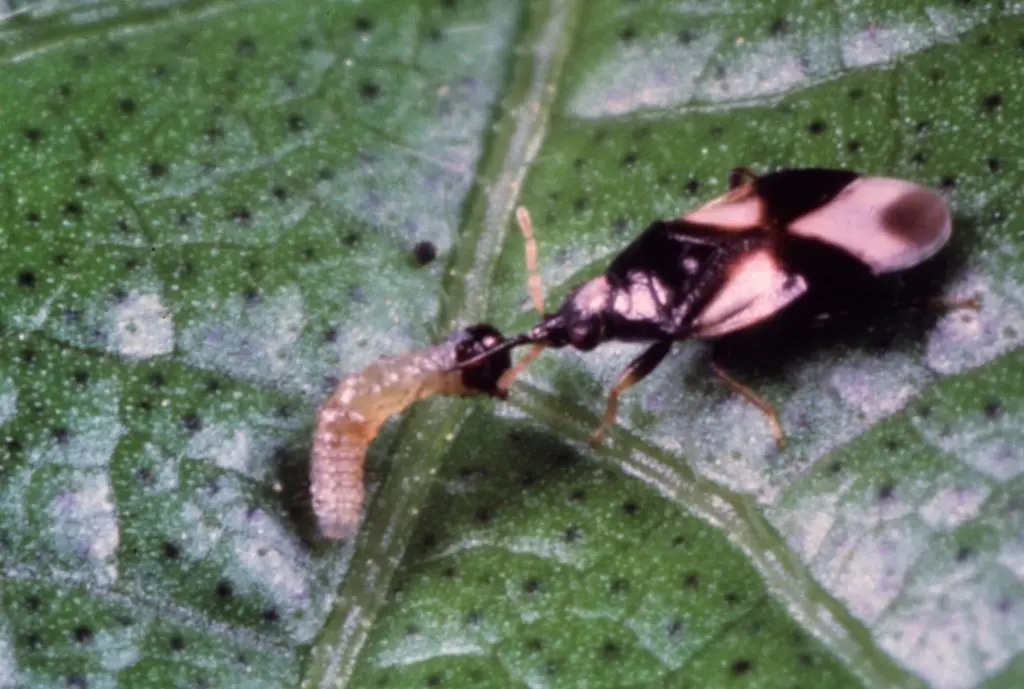
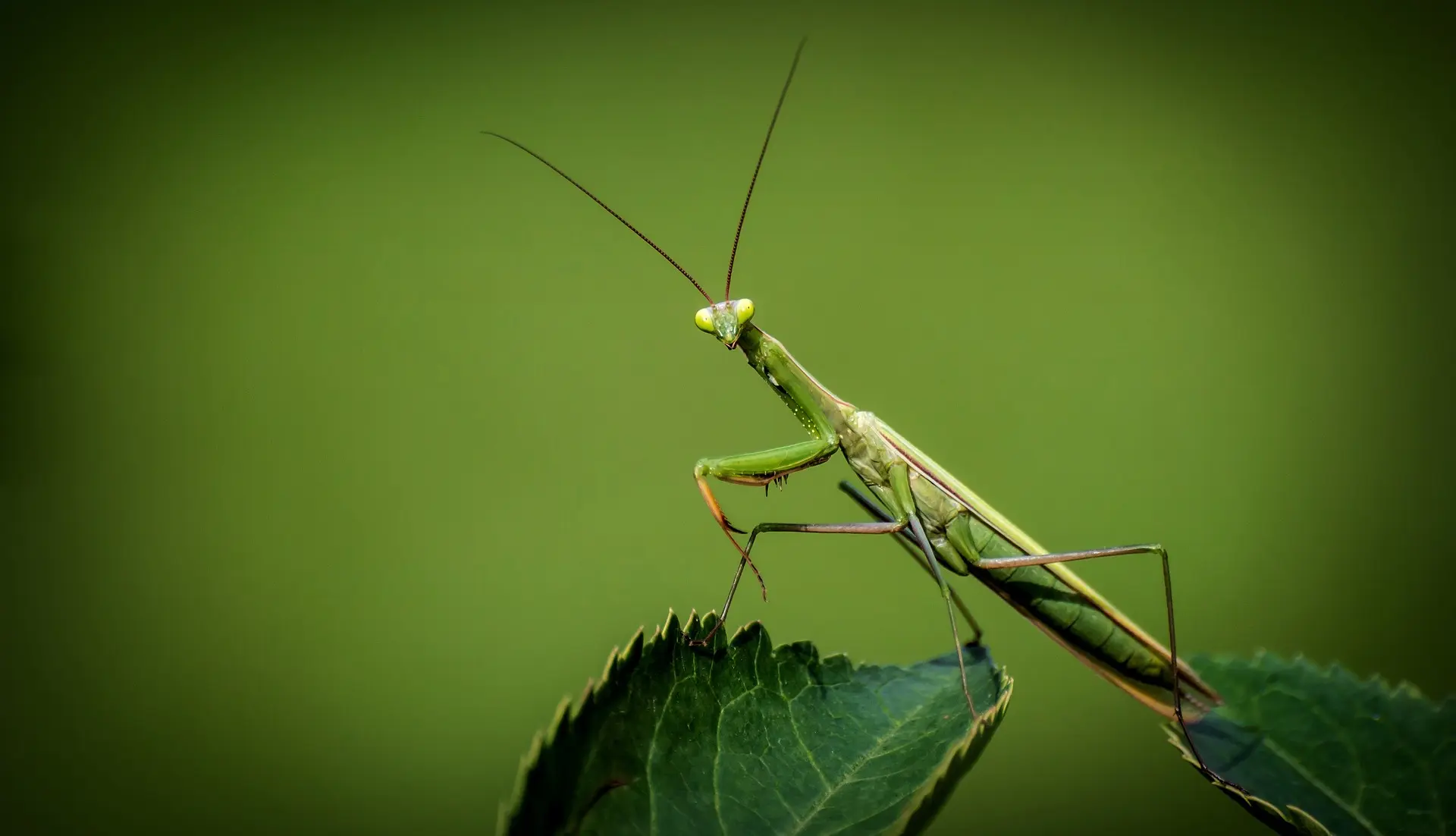
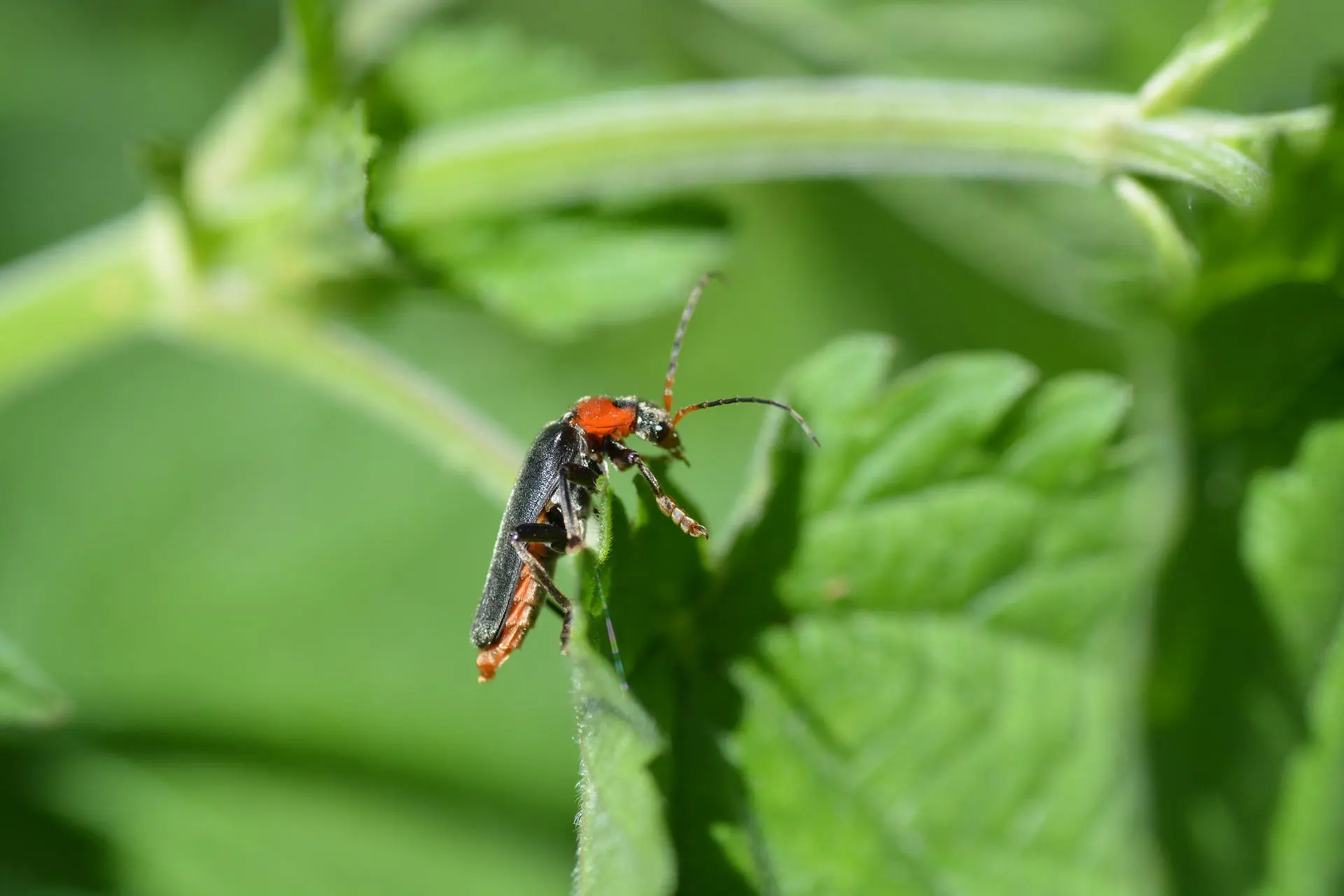
Growing from Seed
It is generally recommended to sow cucumbers directly outside as they don't like having their roots disturbed; however it is possible to start them indoors and carefully transplant them. Cucumbers are a warm-season, frost-sensitive crop so they should be sown after all risk of frost has passed and once the soil has warmed up. Some gardeners like to sow cucumbers in 'hills'- small mounds of soil with 2-3 plants in the center. Growing in hills can help to warm the soil, improve drainage, and increase airflow around the plant. Sow 4-5 seeds per hill initially then thin them down to the 2-3 strongest seedlings. Hills are typically spaced around 5' (1.5 m) apart, or 2-3' (60-90 cm) in the case of bush type cucumbers, since there are multiple plants per hill and they are often allowed to sprawl out. Trellised cucumbers can be planted more densely.
Planting Considerations
Cucumbers prefer loamy, fertile, well-draining soil. Add compost to the soil prior to planting. Bush type cucumbers do not need a trellis however vining cucumbers are typically grown on a trellis- often made with netting or 'cattle panel' fencing- to save garden space and to increase airflow around the plants which can help prevent disease. Trellising also makes it easier to harvest! Install the trellis at the time of planting to avoid damaging the plants' roots later on. If you are not planning to use a trellis for vining cucumbers, be sure to leave enough space for vines to sprawl along the ground. Apply mulch around the plants to manage weeds and to help retain moisture. Mulch can also help keep the cucumbers from touching the ground and potentially rotting if you are not using a trellis. Some gardeners like to use black plastic mulch when planting cucumbers to help warm the soil; otherwise be sure the soil has warmed up before applying mulch. Row cover can be used to protect young seedlings from pests and to help keep the plants warm. Be sure to remove the row cover once the plants start flowering to allow pollination (unless you are growing a variety that does not require pollination). Cucumbers can be grown in containers. Choose a container that holds at least 1 gallon (3.8L) for each plant.
Feeding
Cucumbers are heavy feeders. Apply a balanced fertilizer at the time of planting and fertilize regularly as the plants begin to flower and produce fruit. Excessive nitrogen can cause the plant to put energy into vine and leaf growth at the expense of cucumber yields; be sure your chosen fertilizer is not nitrogen-heavy.
Harvesting
Bush type cucumbers tend to produce their fruit mostly at once while vining type cucumbers produce an ongoing harvest. Cucumbers are harvested while they are still immature and the seeds have not yet begun to mature and turn hard. Pickling cucumbers can be harvested when the cucumbers are about 2-4" (5-10 cm) long. Slicing cucumbers when they are about 6-8" (15-20 cm). Check the seed packet to confirm the expected size for the variety you're growing. Harvest by cutting the stem at the base of the fruit with clean snips. Many cucumber varieties have spines so gloves may be helpful when harvesting. Cucumbers should be harvested every few days to ensure the best quality and continued production. Cucumbers that begin to turn yellow and bulge are overripe and usually not appetizing. Allowing cucumbers to become overly mature on the vine will cause the plant's production to slow down. Check vines thoroughly for any hidden cucumbers! If the season is coming to an end and frost threatens, harvest remaining cucumbers from the plant even if they are small.
Storage
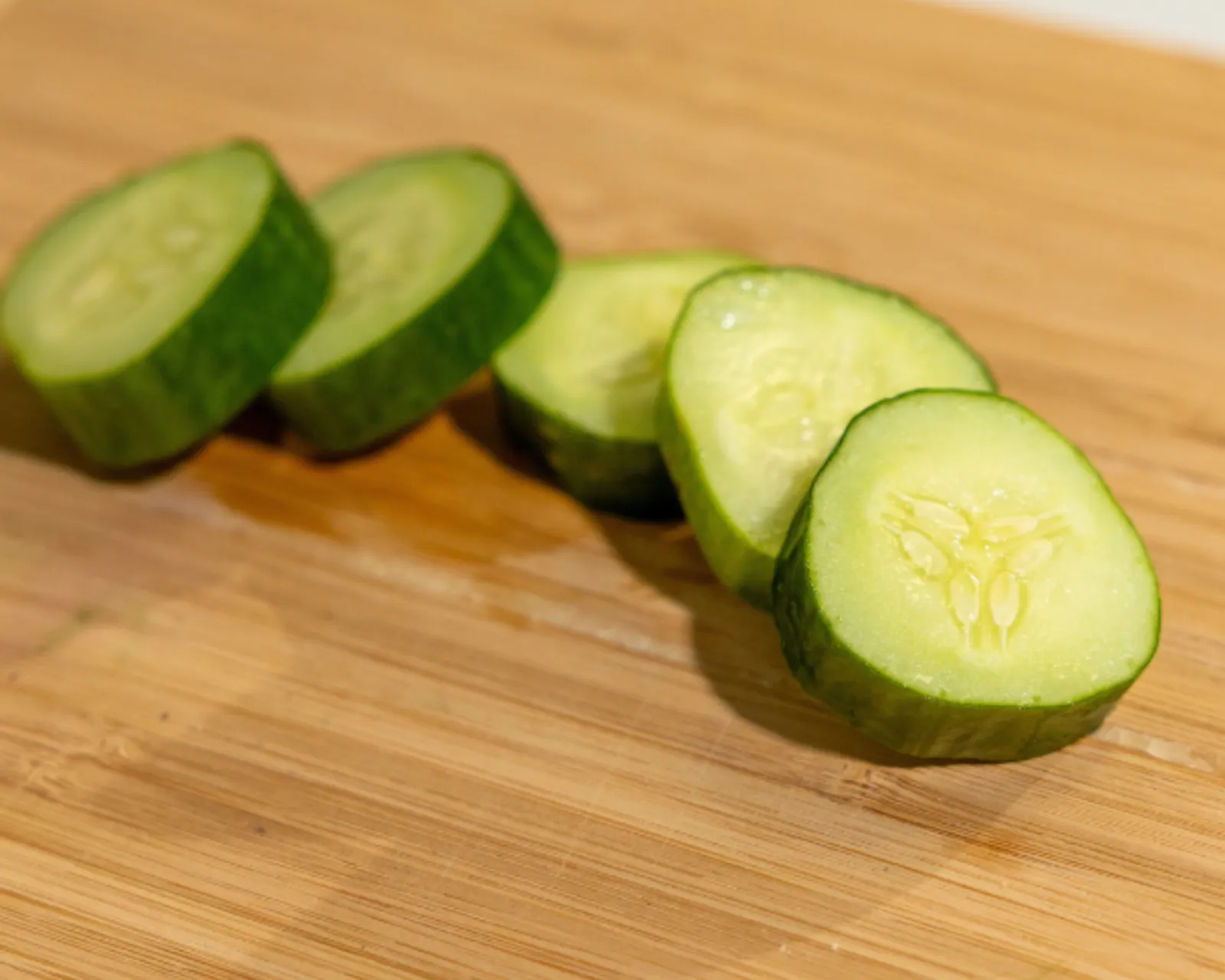
Cucumbers can be stored whole in the fridge for up to several days. Greenhouse cucumbers are often wrapped tightly in plastic because they lose moisture quickly due to their thin skin. Before eating, wash cucumbers and use a scrub pad or brush to scrub away the spines. Many people prefer to peel off the skin of field slicing cucumbers as it can be tough. Cucumbers can also be pickled or fermented. Quick pickles or refrigerator pickles must be kept in the fridge and can last up to several weeks. Shelf-stable pickles can last up to a year or more without refrigeration (provided they remain sealed). Follow pickling instructions from a reputable source, especially for shelf-stable and fermented pickles.
Pruning
Bush type cucumbers do not require pruning other than to remove diseased or dying leaves. On vining cucumbers, the lowermost leaves, flowers, and suckers can be removed as the plant grows larger. Removing lower leaves, flowers, and suckers can help to promote better airflow around the base of the plant and to encourage upward growth. Do not remove too much foliage as cucumber yield is directly related to leaf area. Prune within the bottom 2' (60 cm) of the plant at most and do not remove a significant proportion of the plant at one time. Greenhouse cucumbers can be pruned more aggressively- to a 'single leader' or to an 'umbrella' shape- but this practice is not recommended for field cucumbers.