Pumpkin
Cucurbita pepo
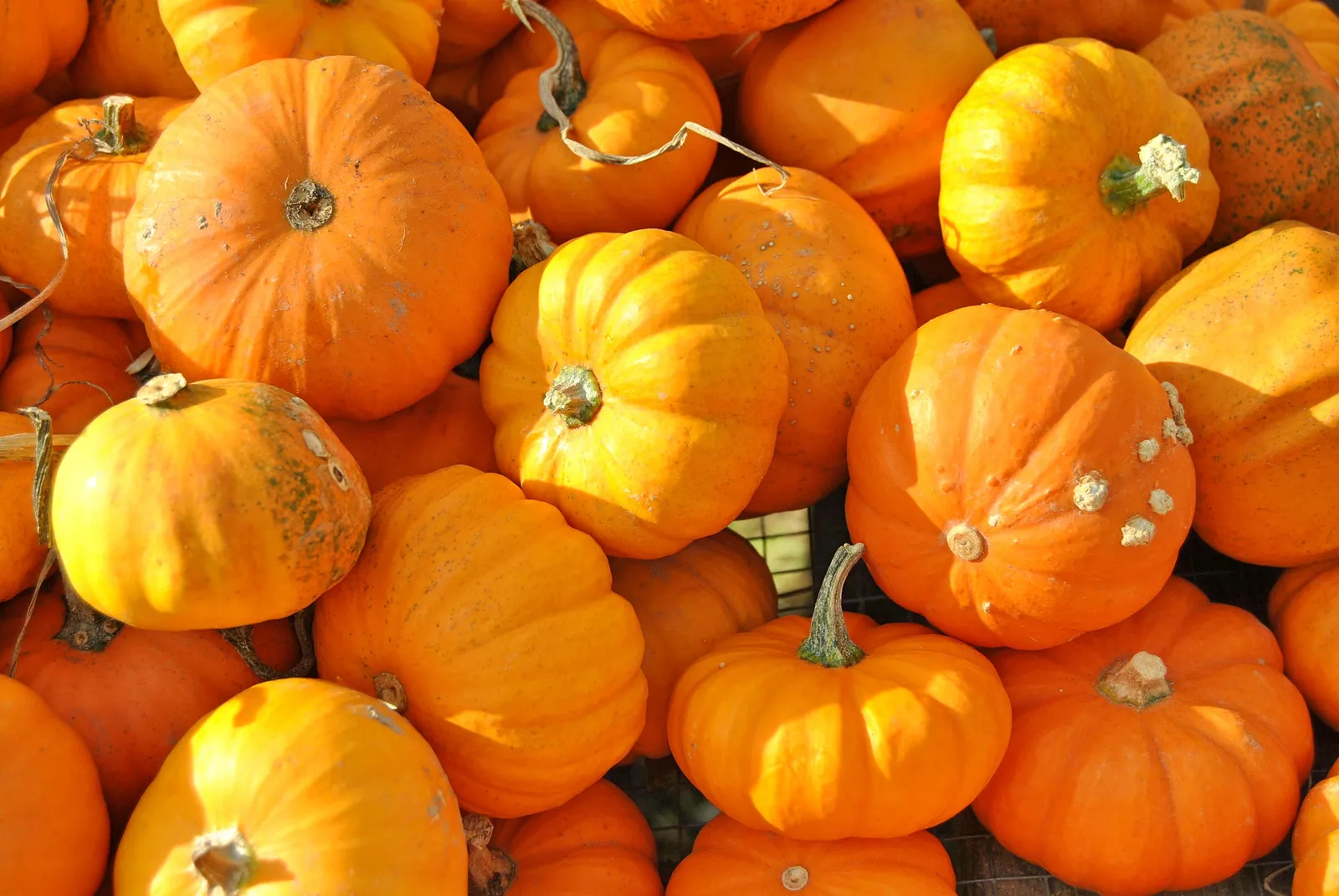
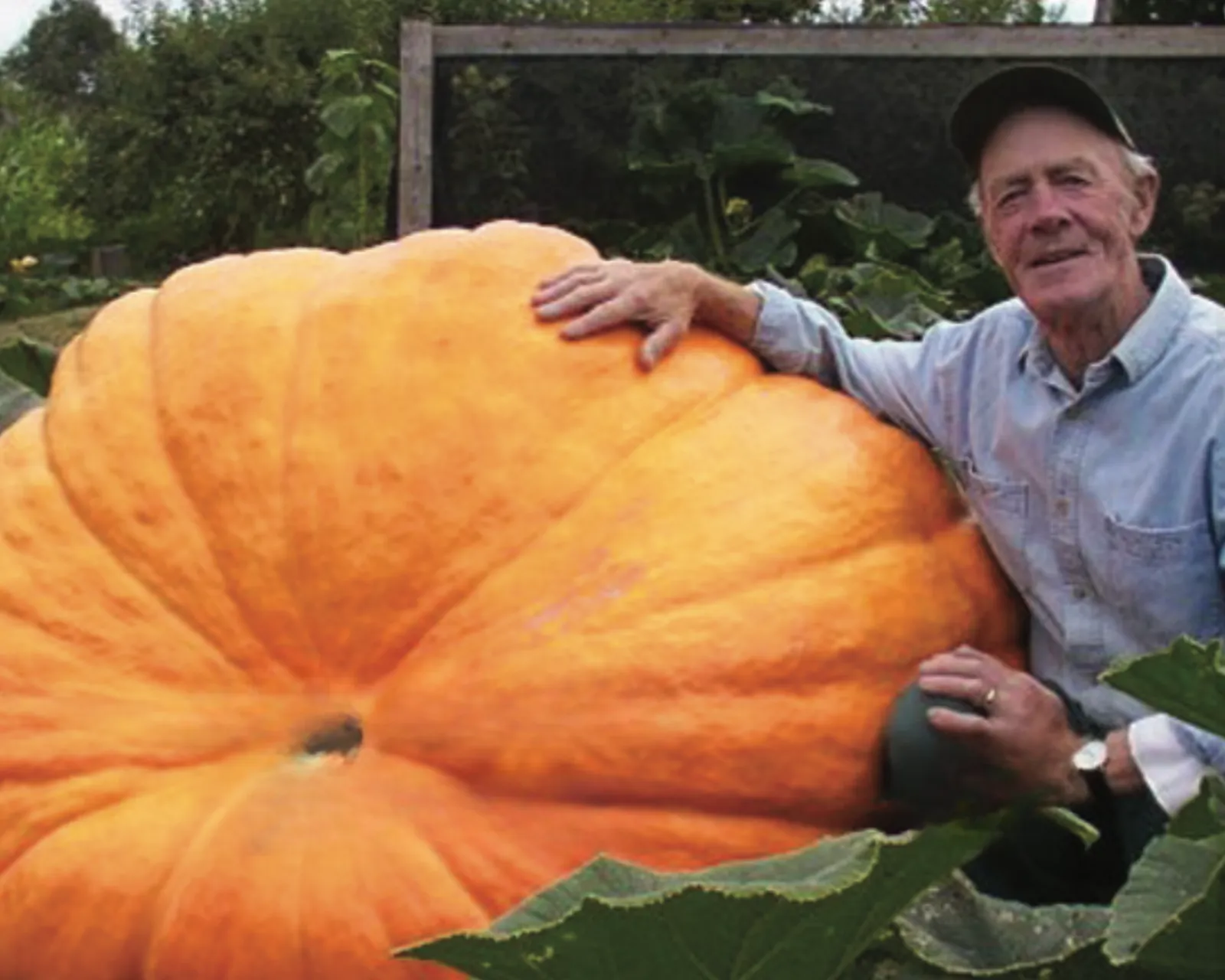
Whether you use them for carving or cooking, pumpkins do not disappoint. Note that pumpkins do require a lot of food and a long growing season (generally from 75 to 100 frost-free days) so you need to plant them by late May in northern locations to early July in extremely southern states. Do not plant this tender vegetable until all danger of frost has passed and the soil is warmed, as the seedlings will be injured or rot. (See the Almanac.com/Gardening page for frost dates.) That said, pumpkins are easy to maintain if you have the space.
How to Grow Pumpkin
Quick Info

Put away the pen and paper
Plan your veggie garden in minutes with Planter's easy drag and drop planner.
Try Planter for Free
Varieties
Related Articles
Companion Plants




Combative Plants



Nutrition
Vitamins




Nutrients



Pests
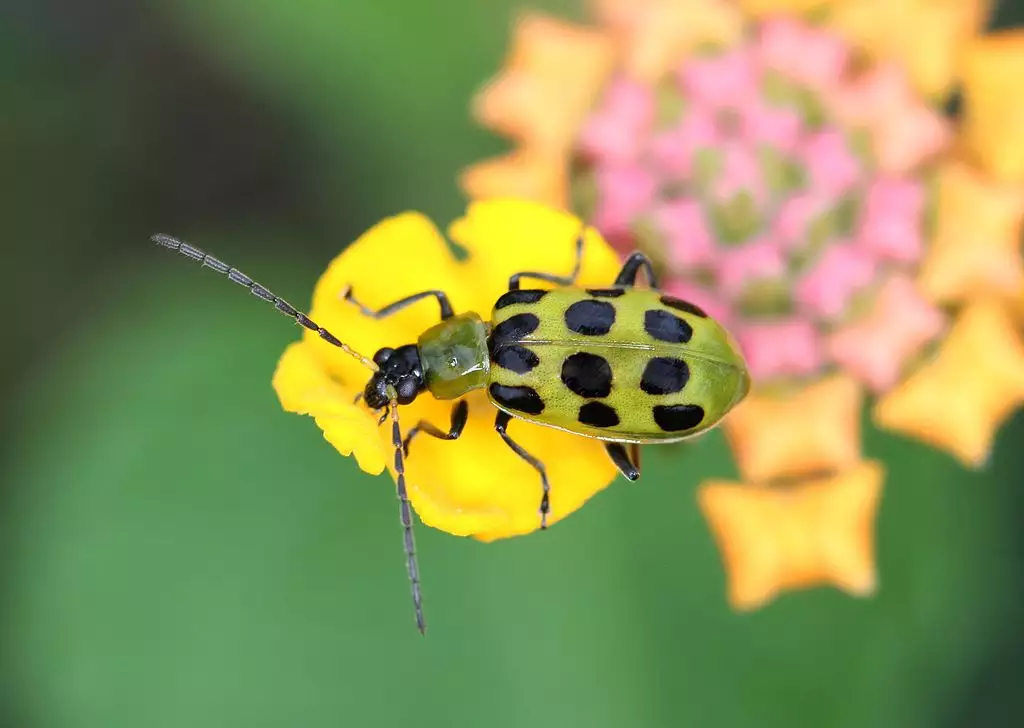
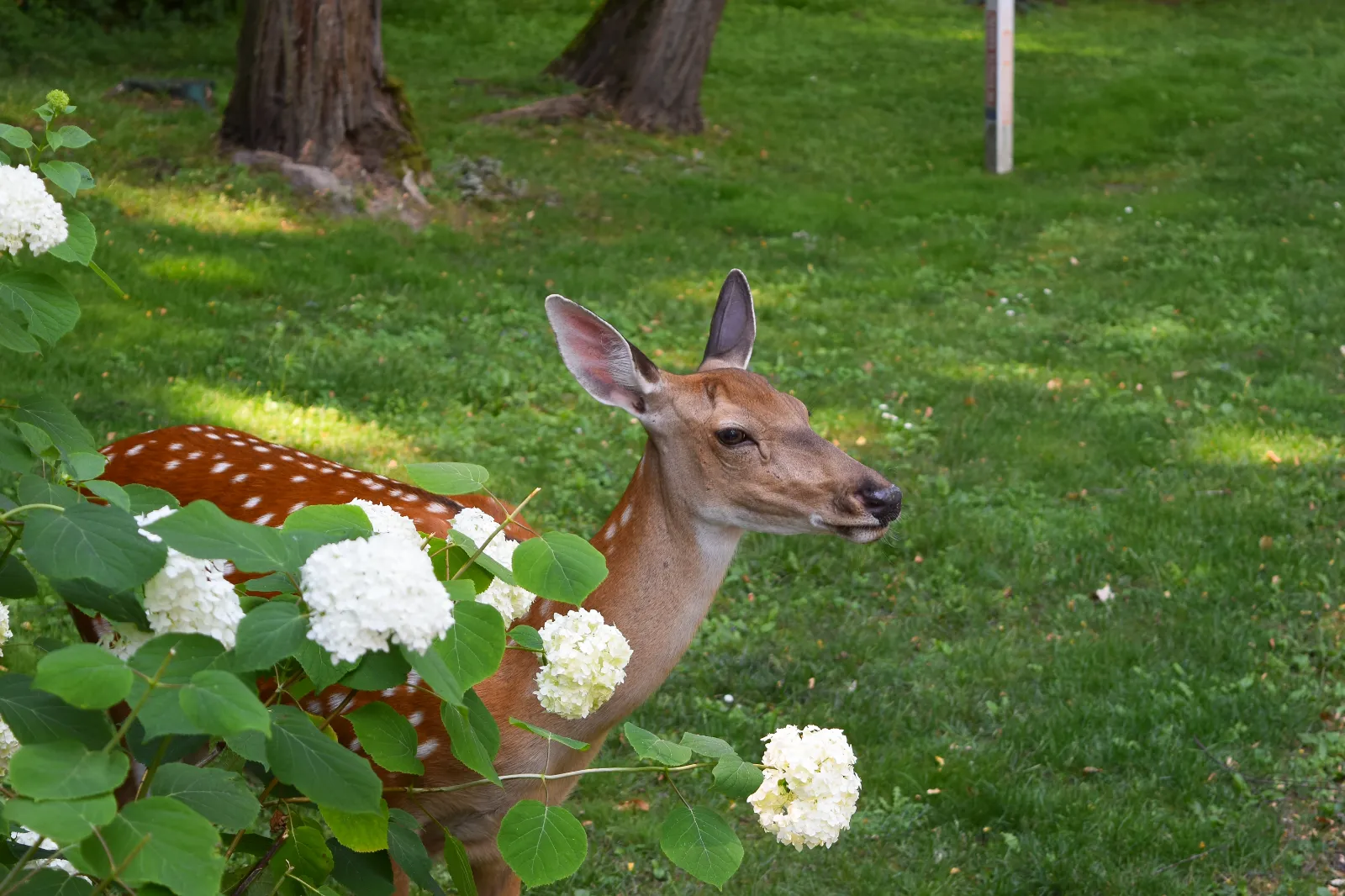
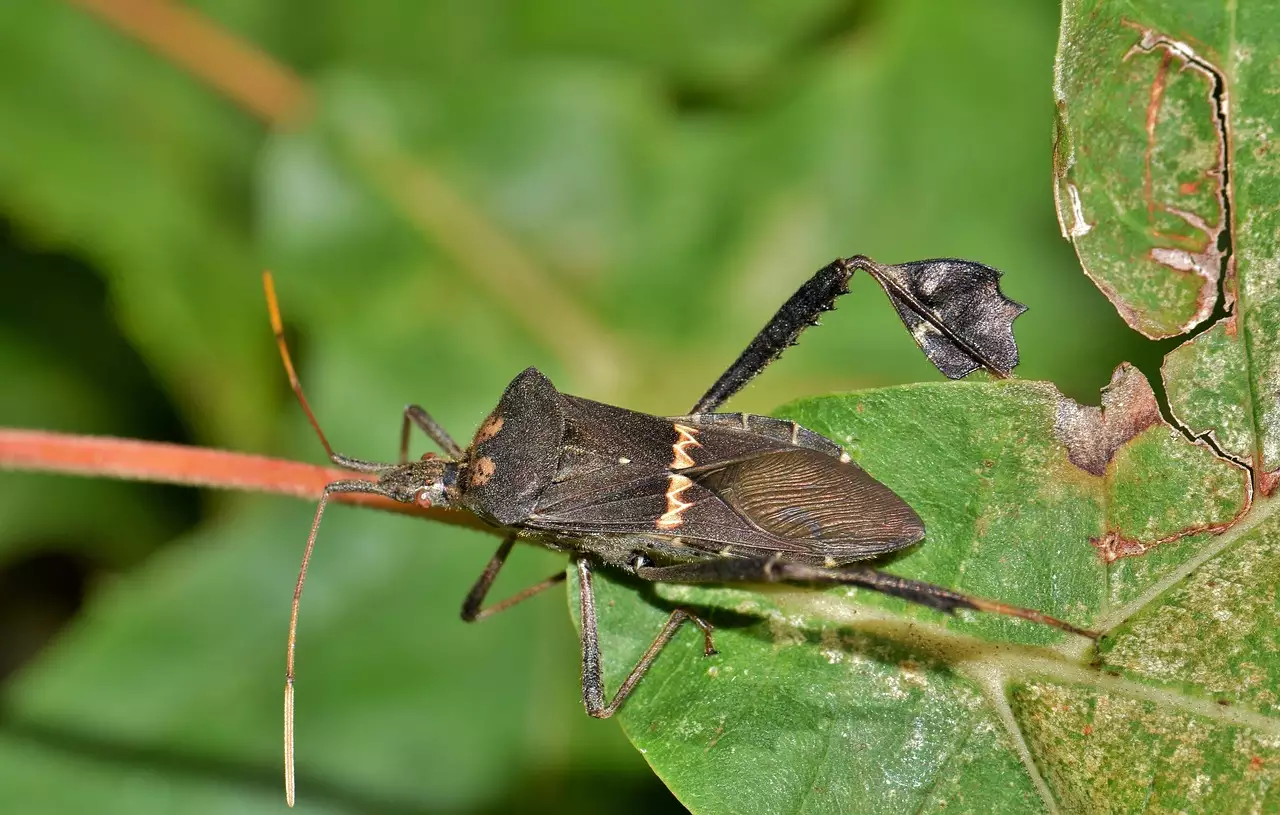
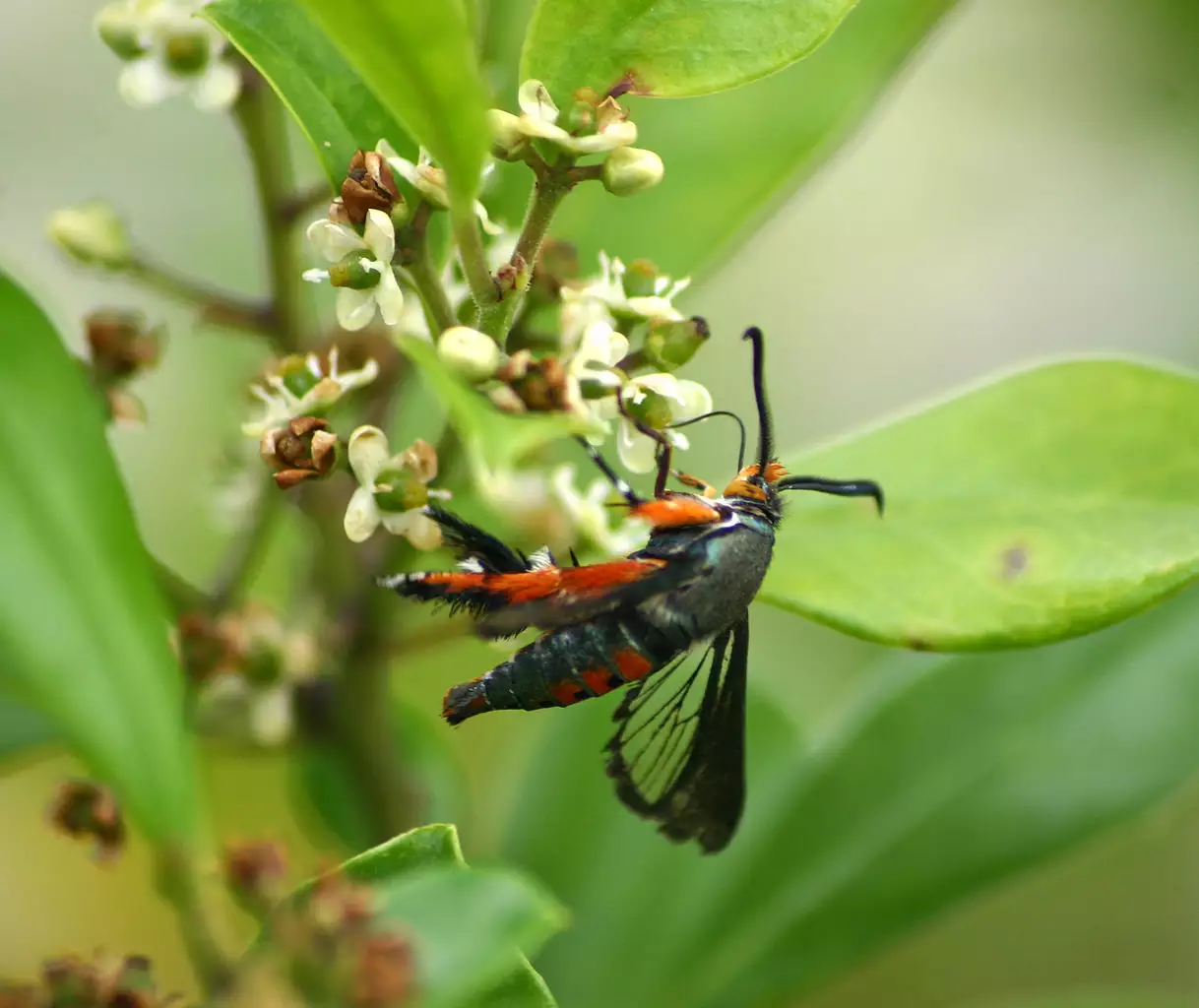
Diseases
Beneficial Critters
Growing from Seed
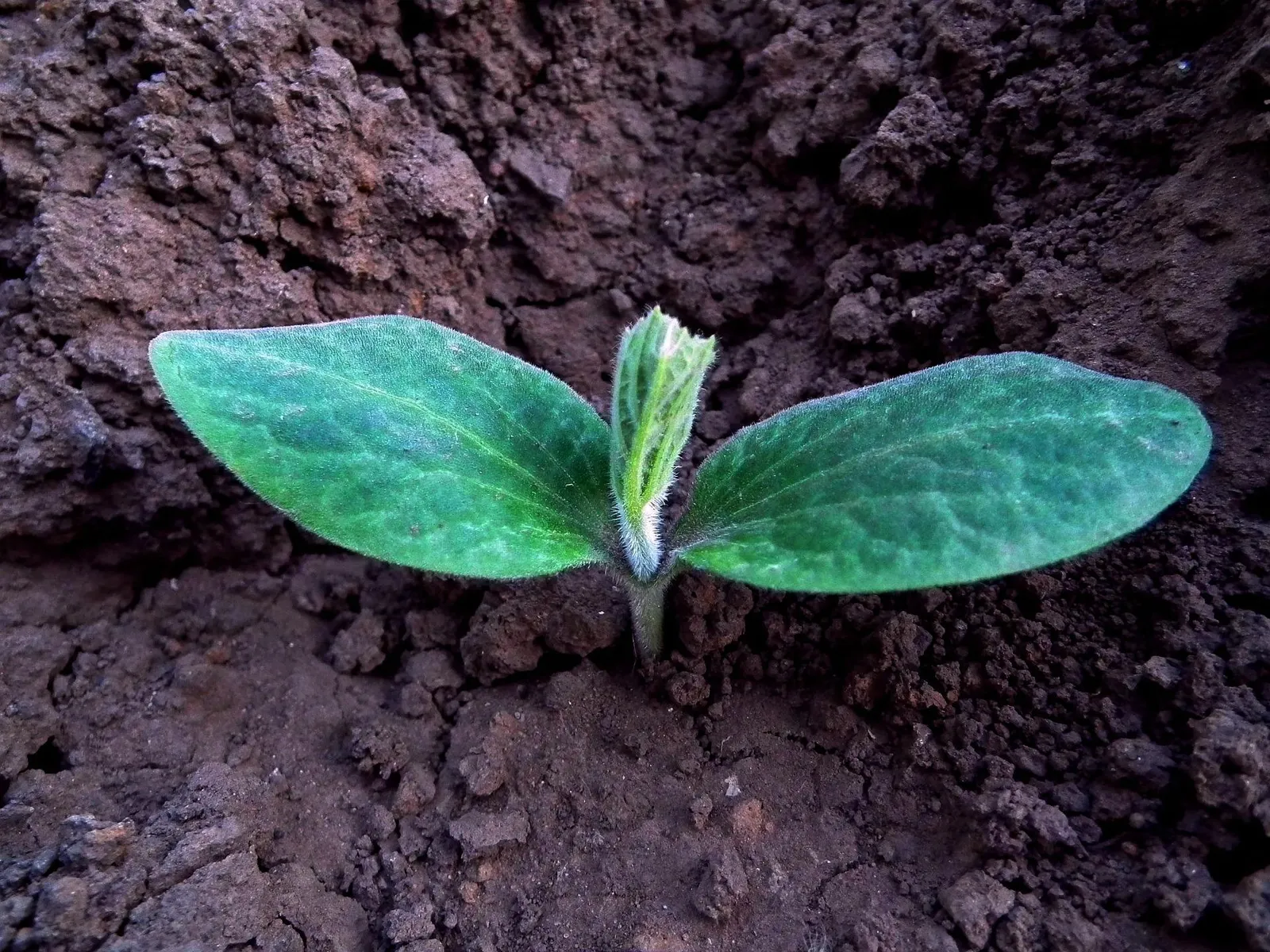
Plant seeds in rows or “pumpkin hills” which are the size of small pitcher mounds. With hills, the soil will warm more quickly and the seeds will germinate faster. This also helps with drainage and pest control. Prepare the hills in advance with an abundance of compost dug deep into the ground (12 to 15 inches). Plant the seeds 1 inch deep into the hills (4 to 5 seeds per hill). If you live in a colder climate, you may be best off starting your pumpkin seedlings indoors and transplanting them when the soil is consistently warm.
Planting Considerations
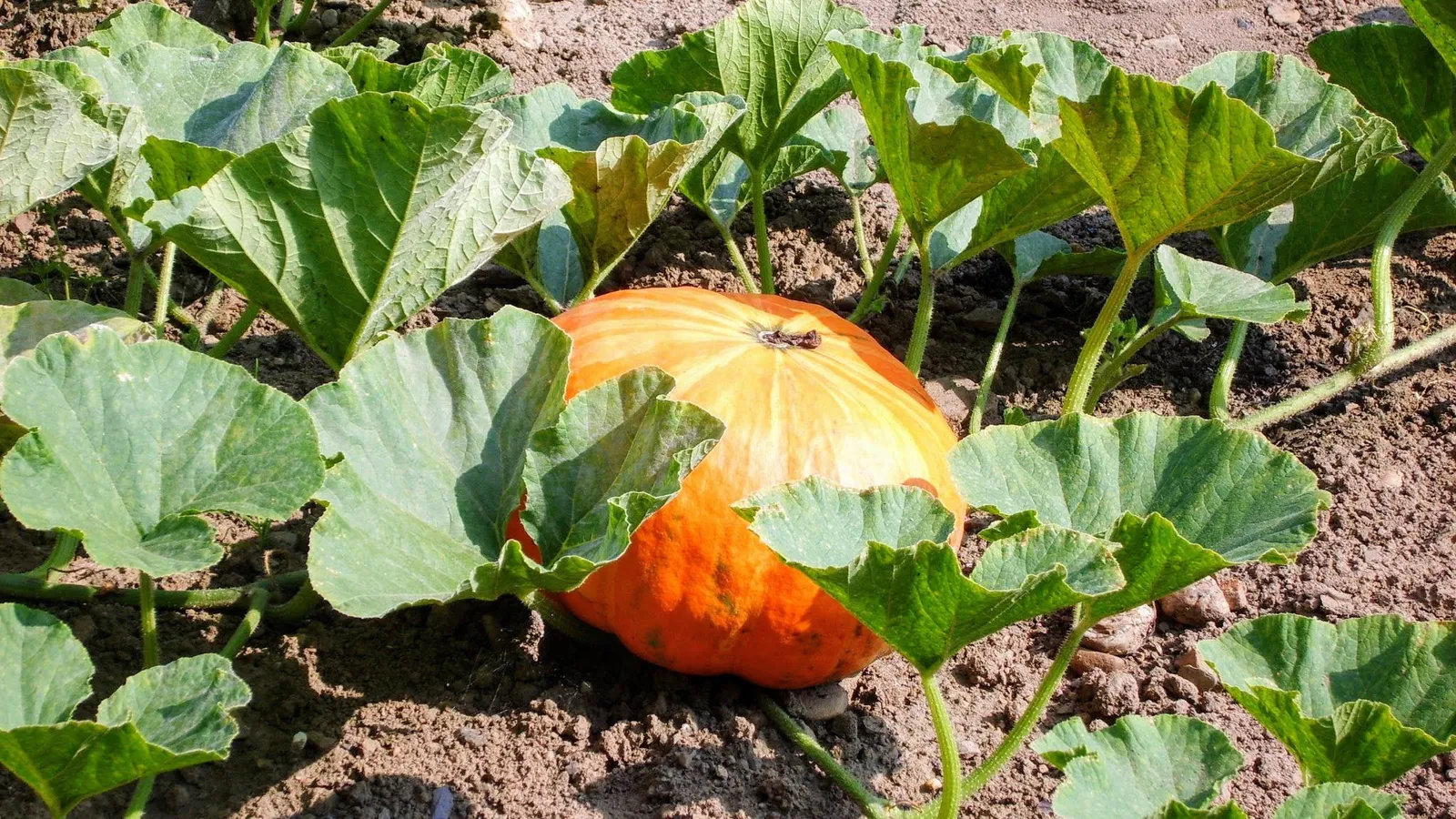
Pick a site with full sun (to light shade) and lots of space for sprawling vines. Vine varieties need 50 to 100 square feet per hill. Pumpkins are big greedy feeders. They prefer very rich soil that is well-drained and not too soggy. Mix lots of compost and aged manure into the planting site before you sow seeds or transplant. Pumpkins do best when the seeds are directly planted in the ground, though this may not be practical in colder climates due to pumpkins' long growing season.
Feeding
Pumpkins are HEAVY feeders. Regular treatments of manure or compost mixed with water will sustain good growth. You can also use pre-purchased fertilizer. In this case, apply a high-nitrogen fertilizer mix early in the growing season, and switch to a phosphorus-rich fertilizer just before blooming time.
Harvesting
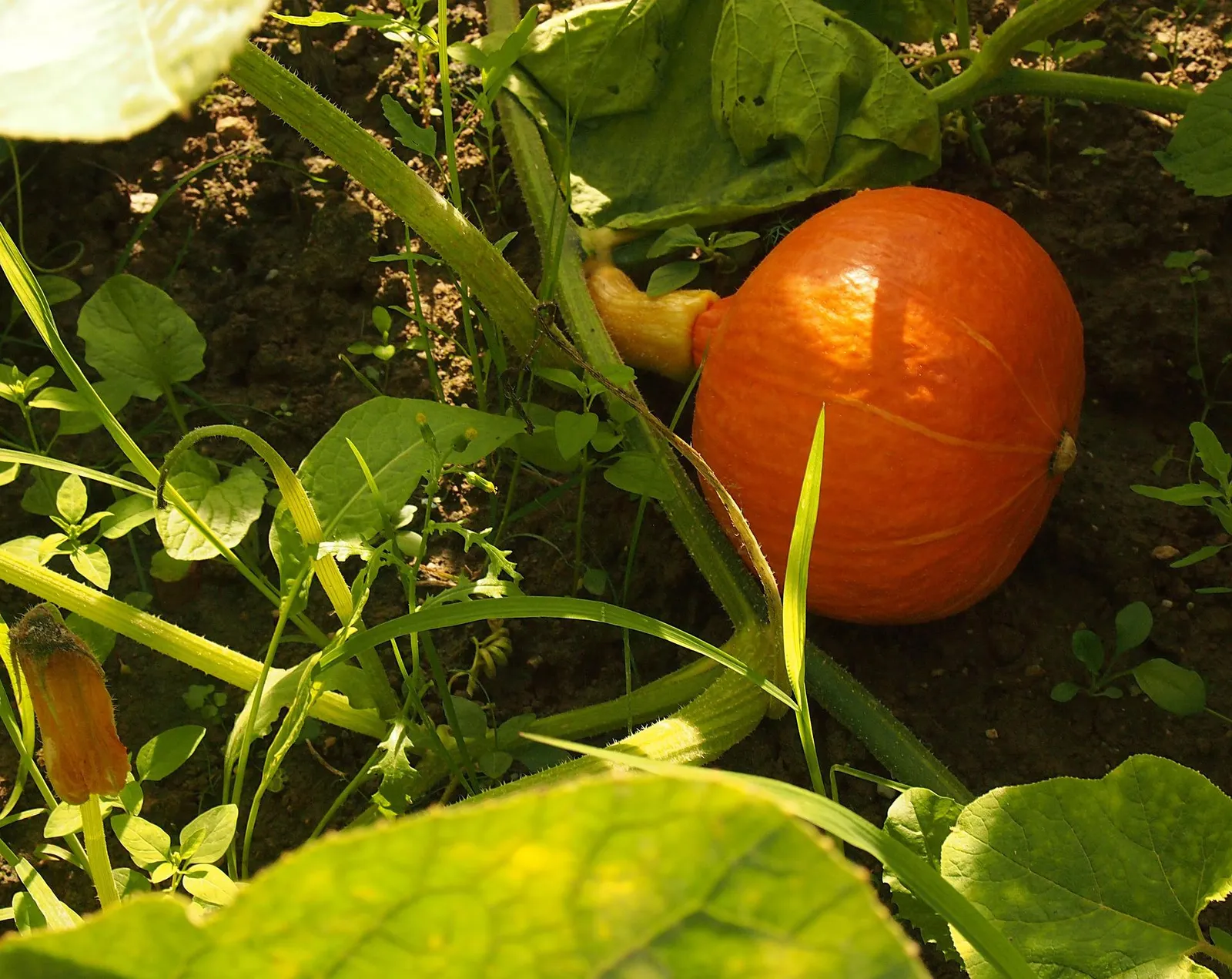
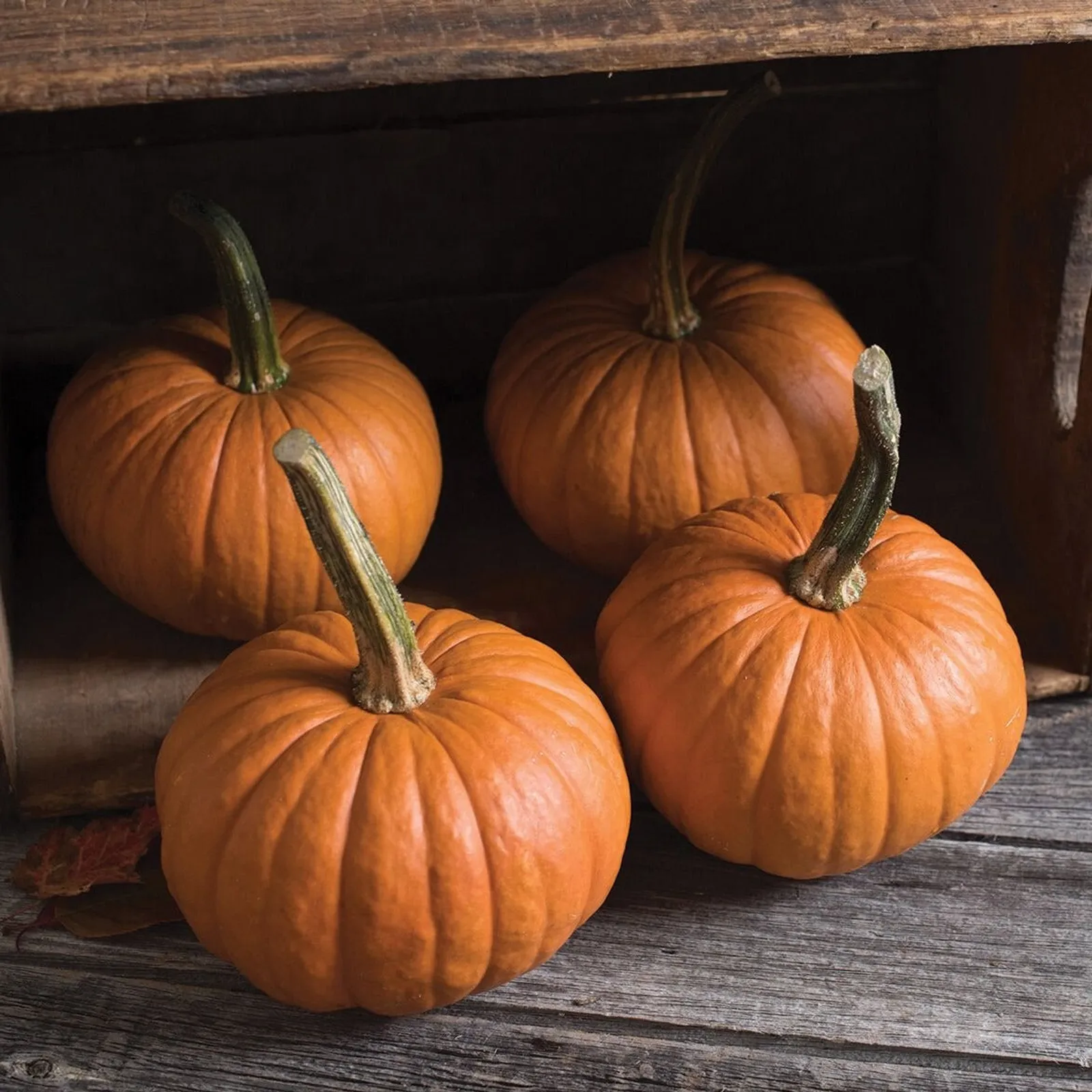
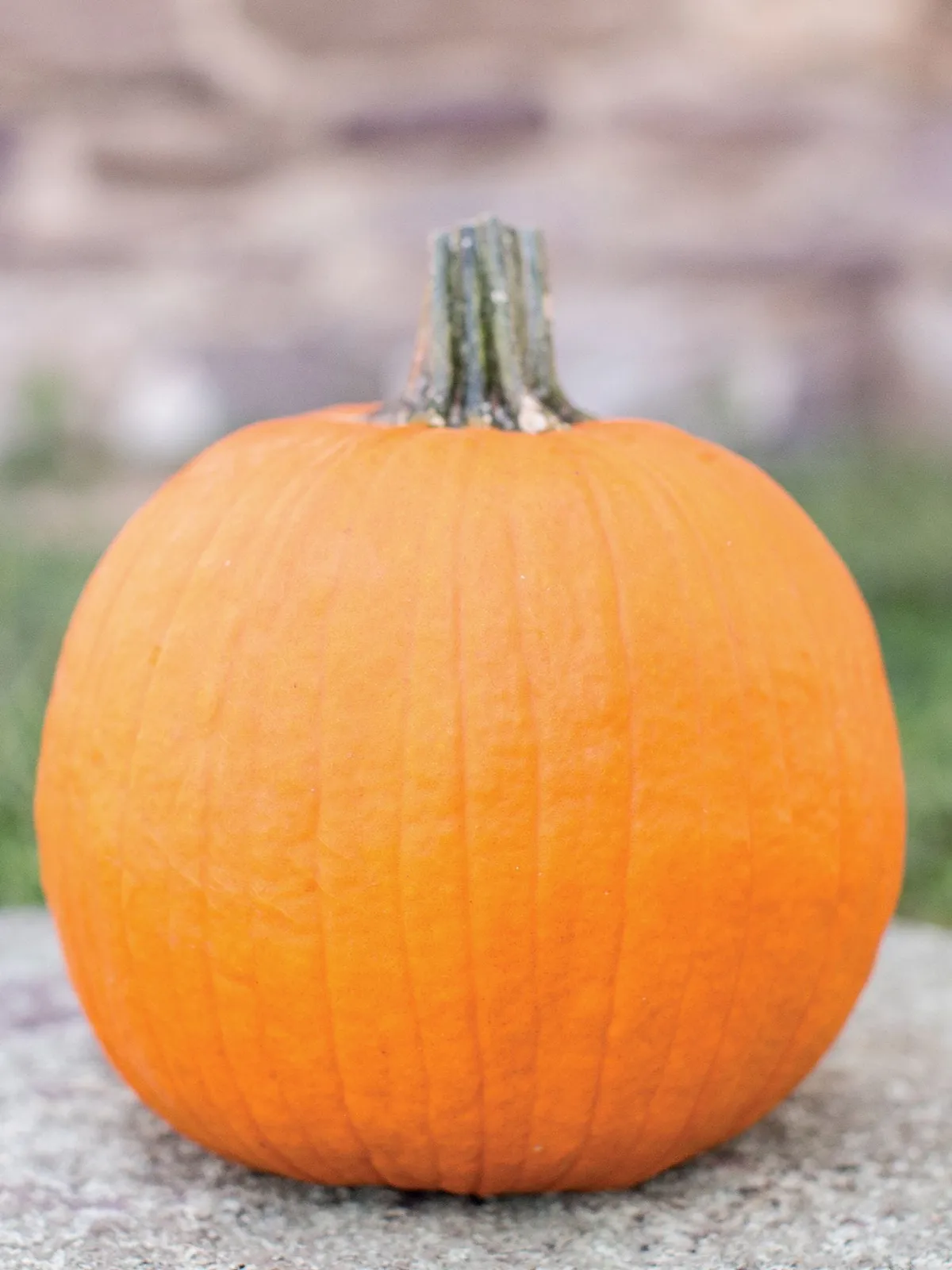
Your best bet is to harvest pumpkins when they are mature. They will keep best this way. Do not pick pumpkins off the vine just because they have reached your desired size. If you want small pumpkins, buy a small variety. A pumpkin is ripening when its skin turns a deep, solid color (orange for most varieties). When you thumb the pumpkin, the rind will feel hard and it will sound hollow. Press your nail into the pumpkin’s skin; if it resists puncture, it is ripe. To harvest the pumpkin, cut the fruit off the vine carefully with a sharp knife or pruners; do not tear. Be sure not to cut too close to the pumpkin; a liberal amount of stem (3 to 4 inches) will increase the pumpkin’s keeping time.
Storage
Pumpkins should be cured first in the sun for about a week to toughen the skin, and then stored in a cool, dry bedroom or cellar—anywhere around 55ºF.