Cantaloupe
Cucumis melo var. cantalupensis
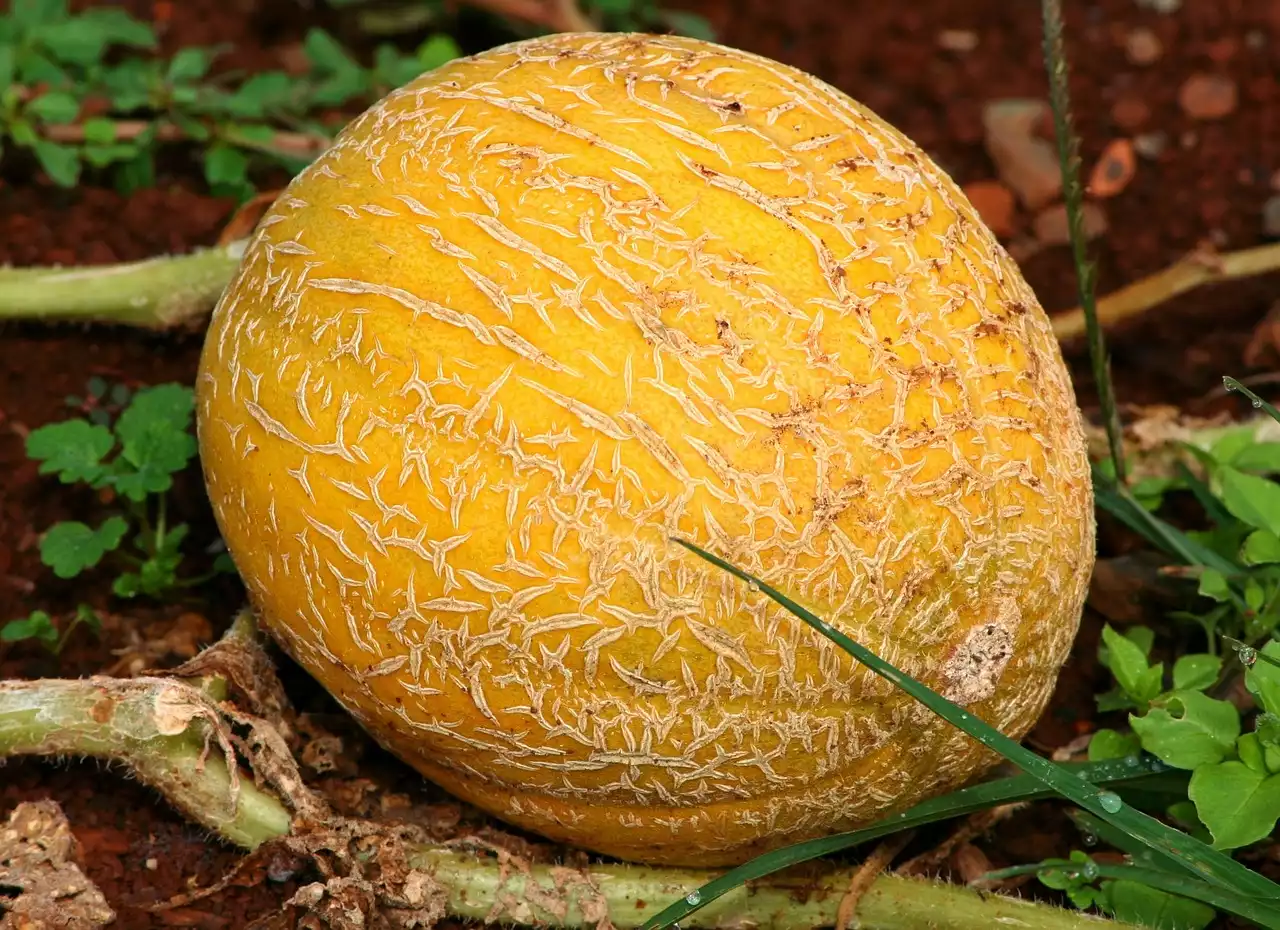
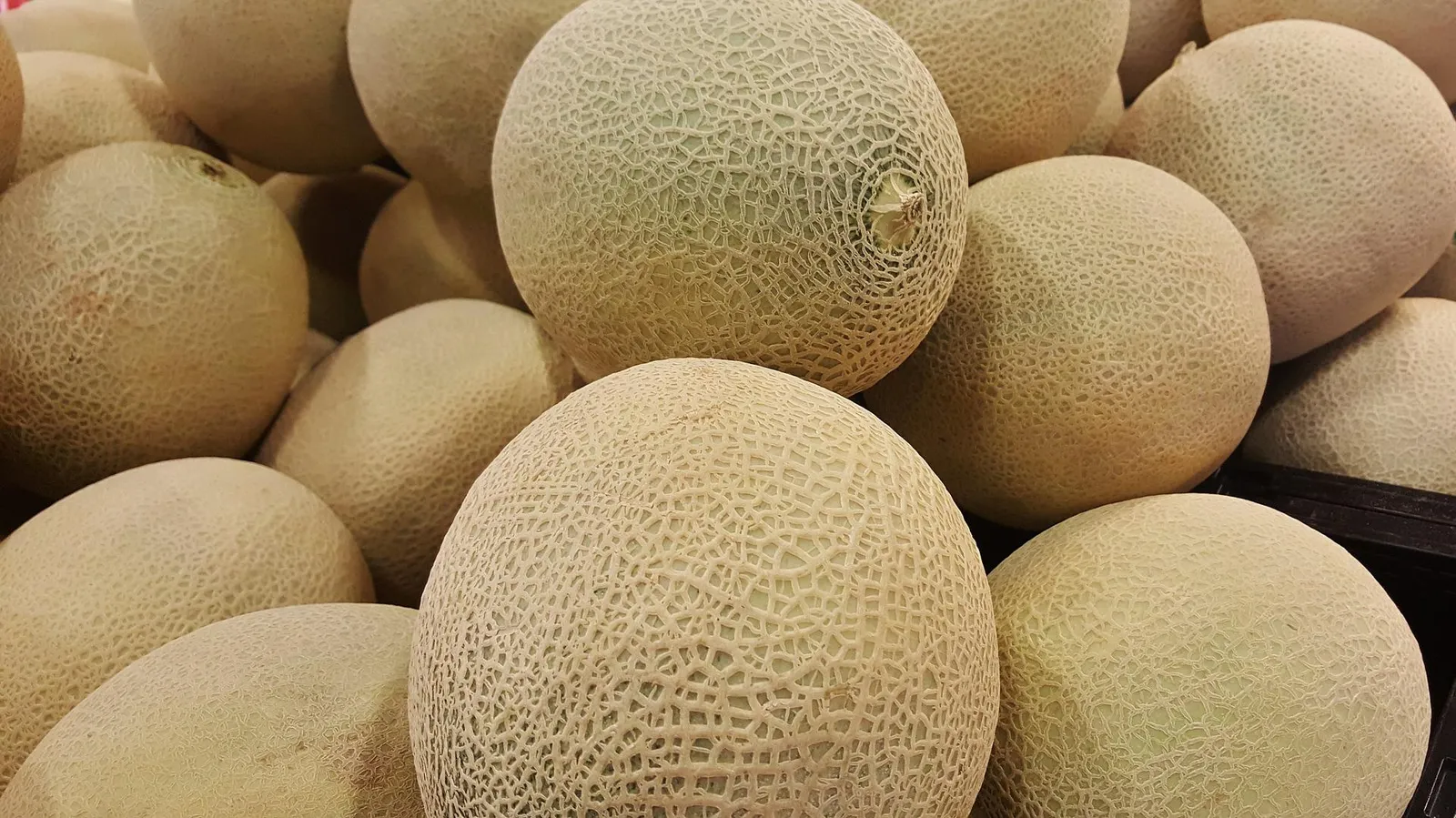
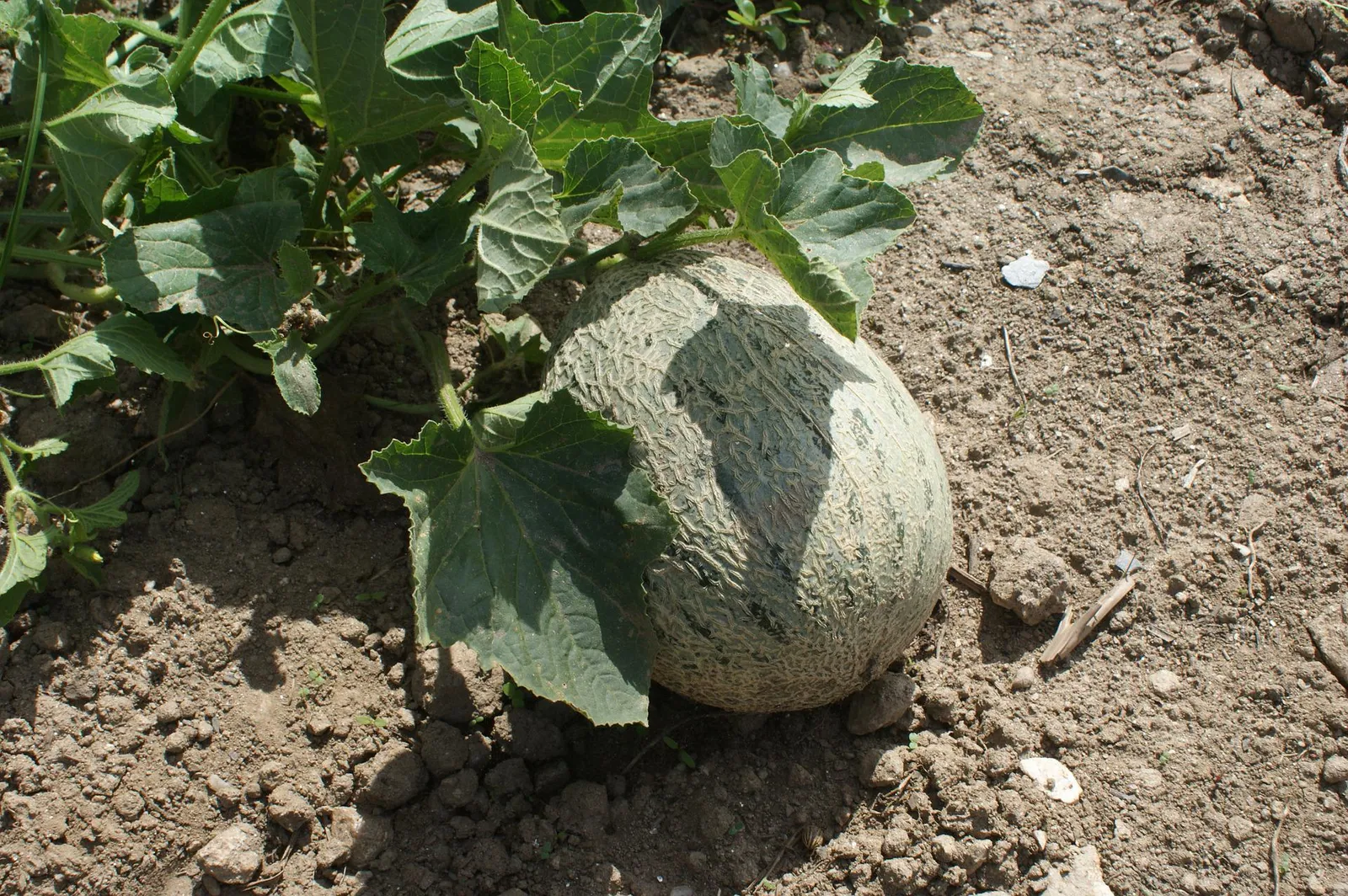
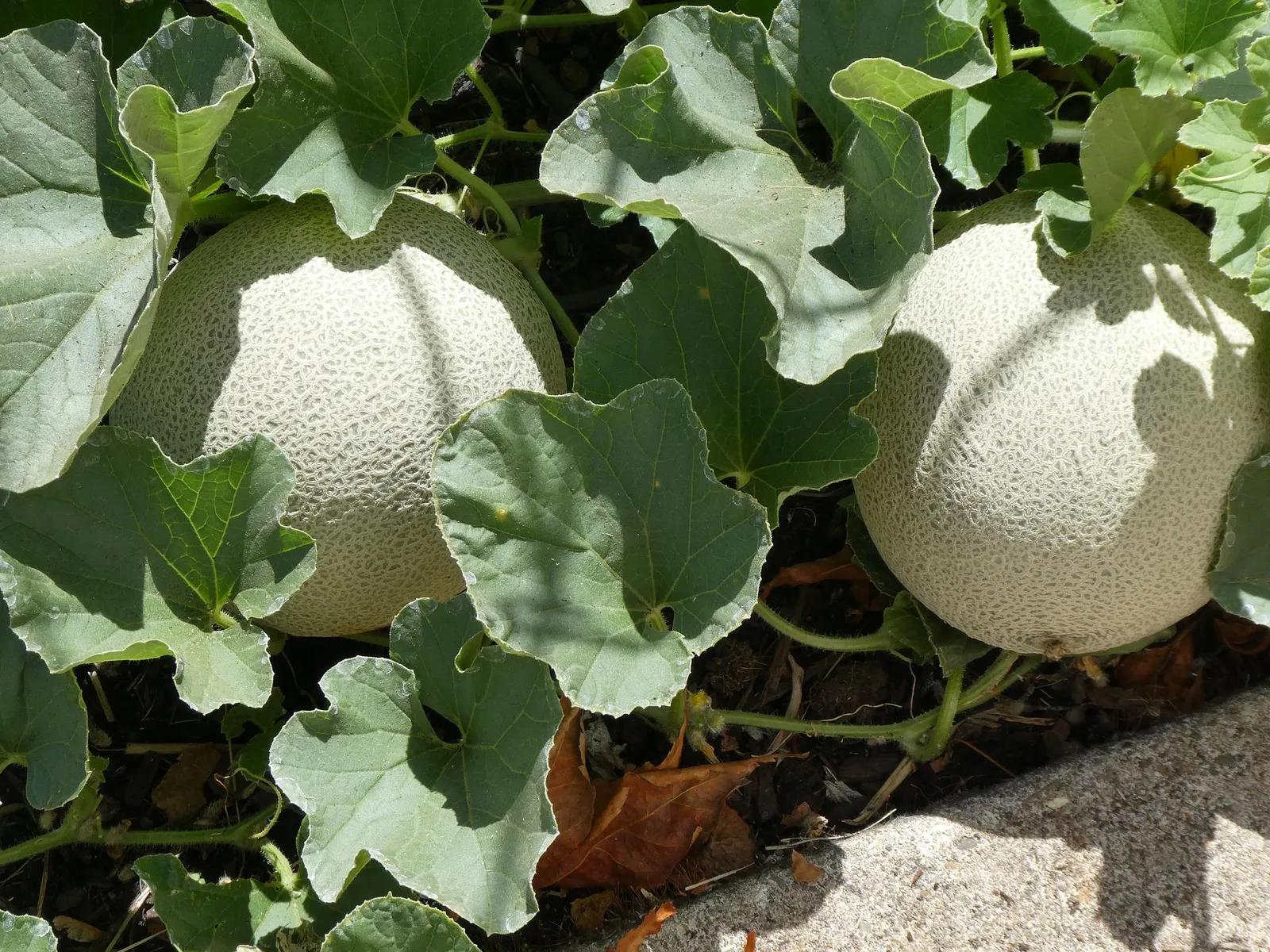
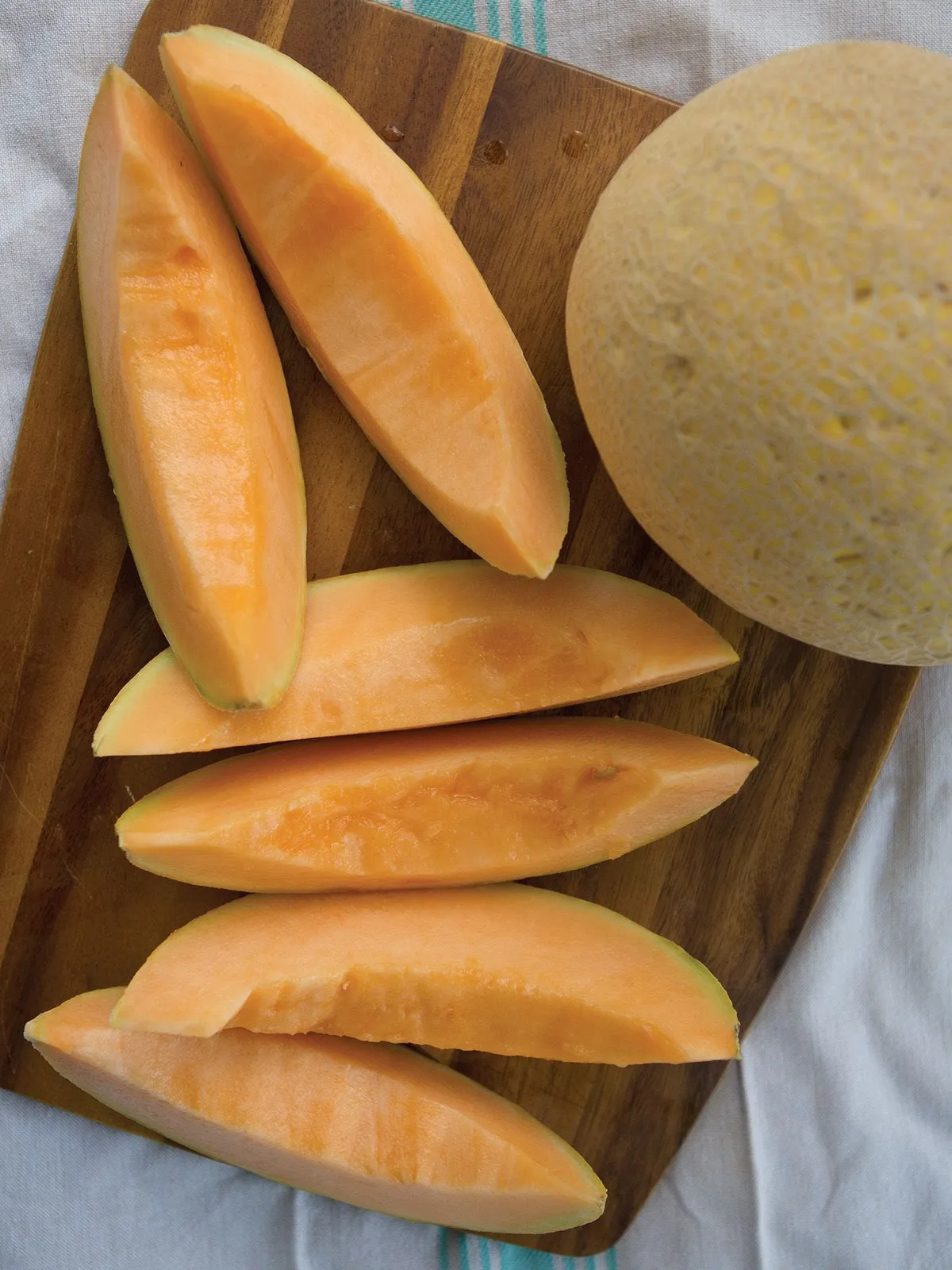
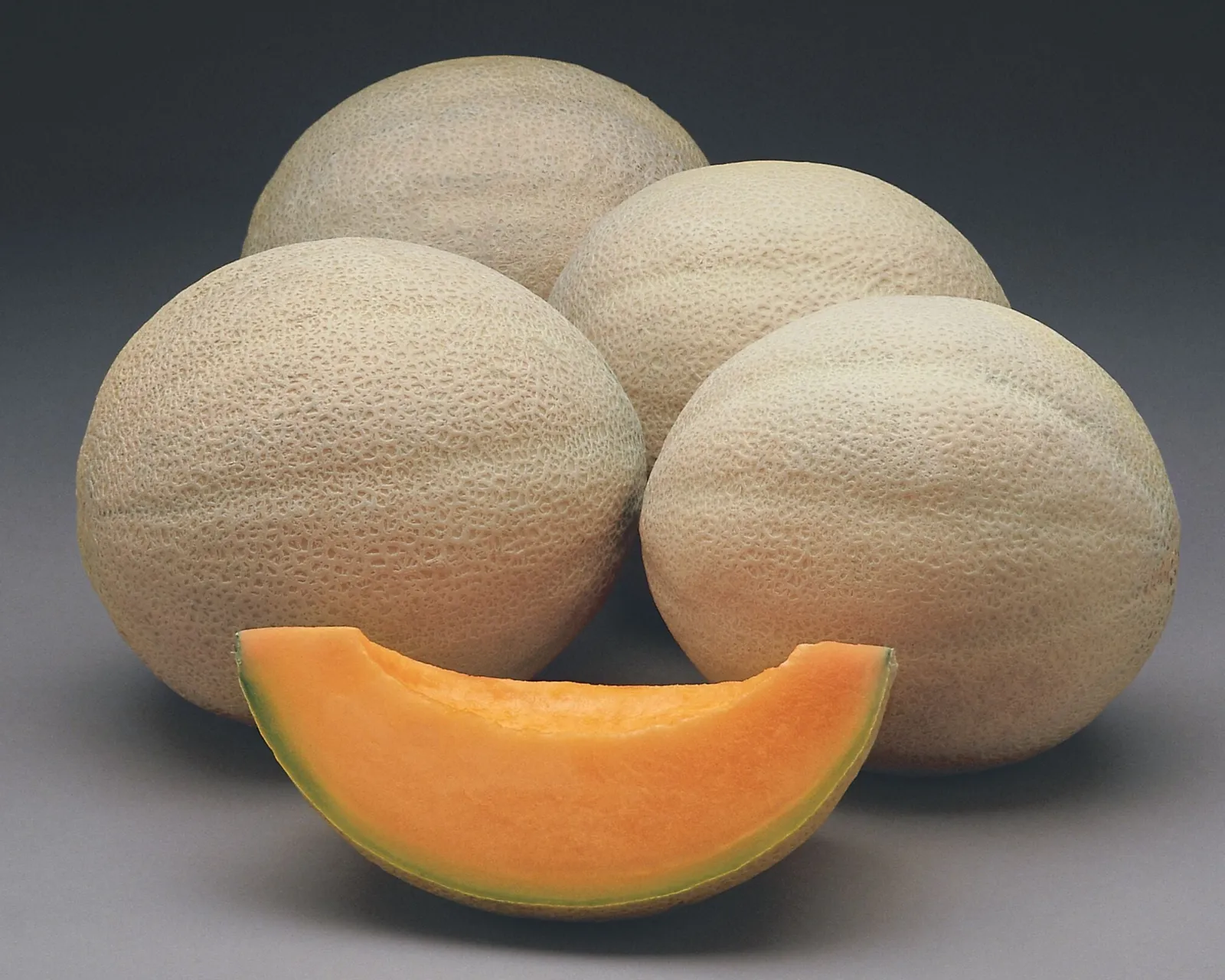
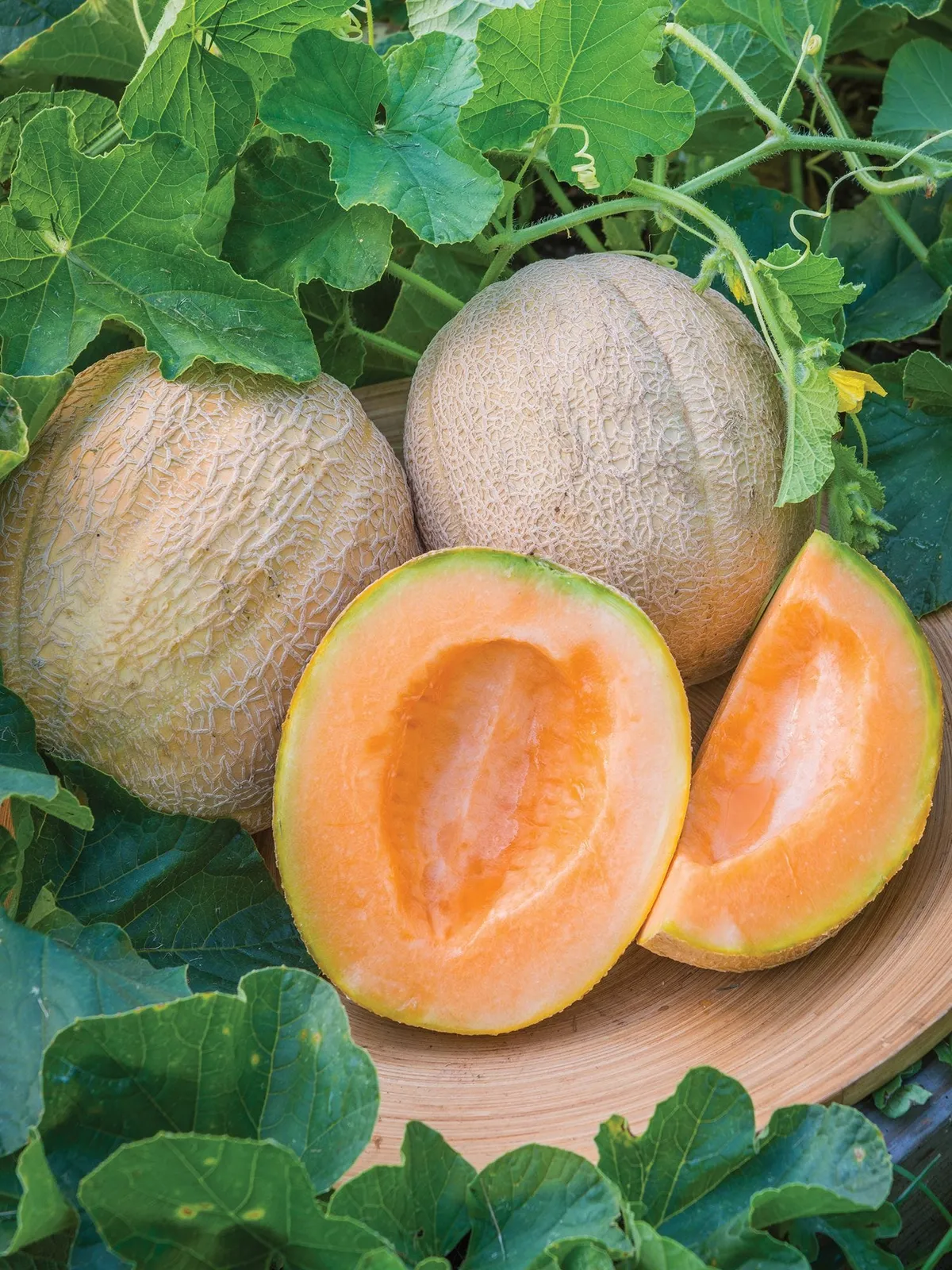
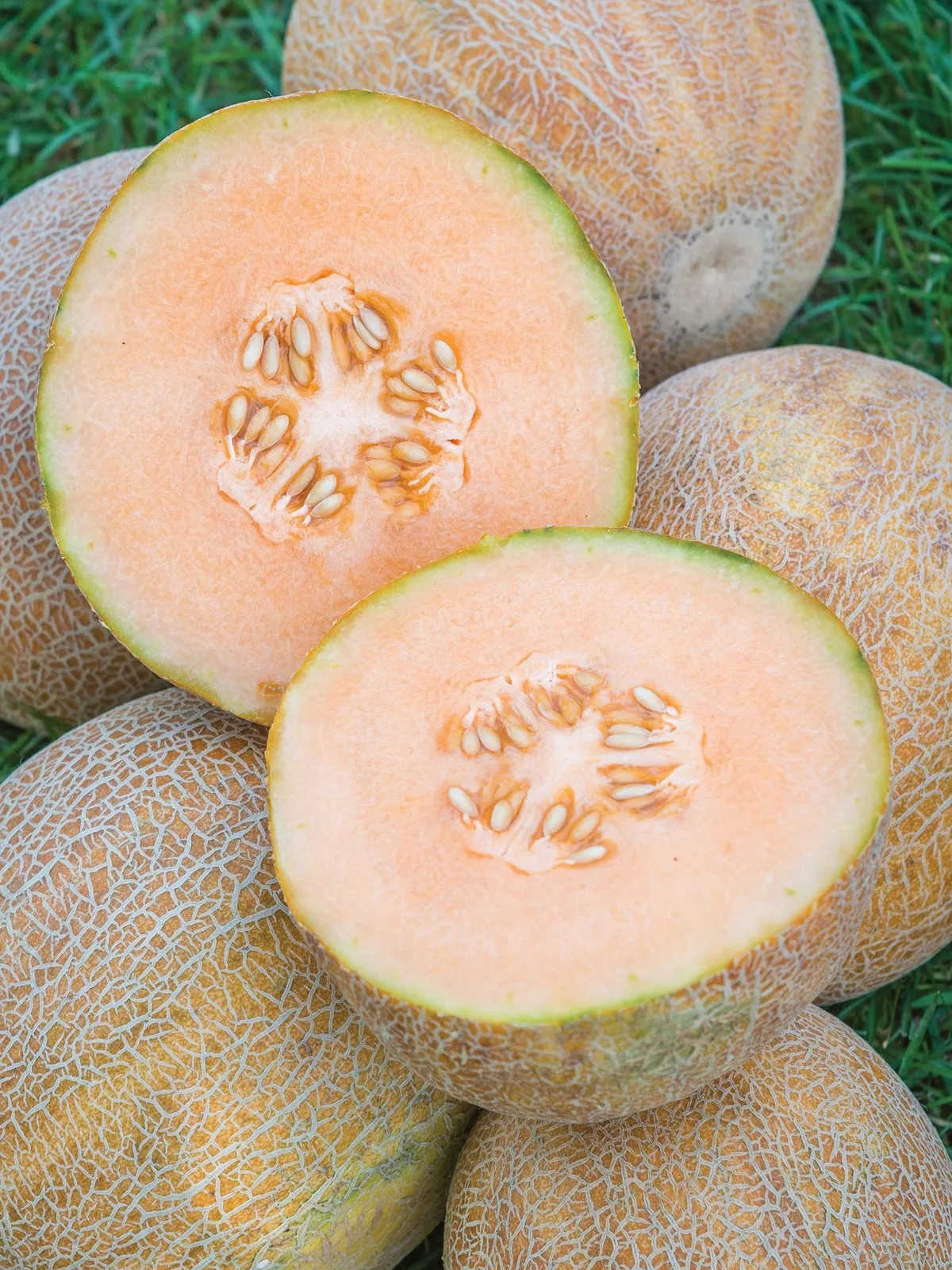
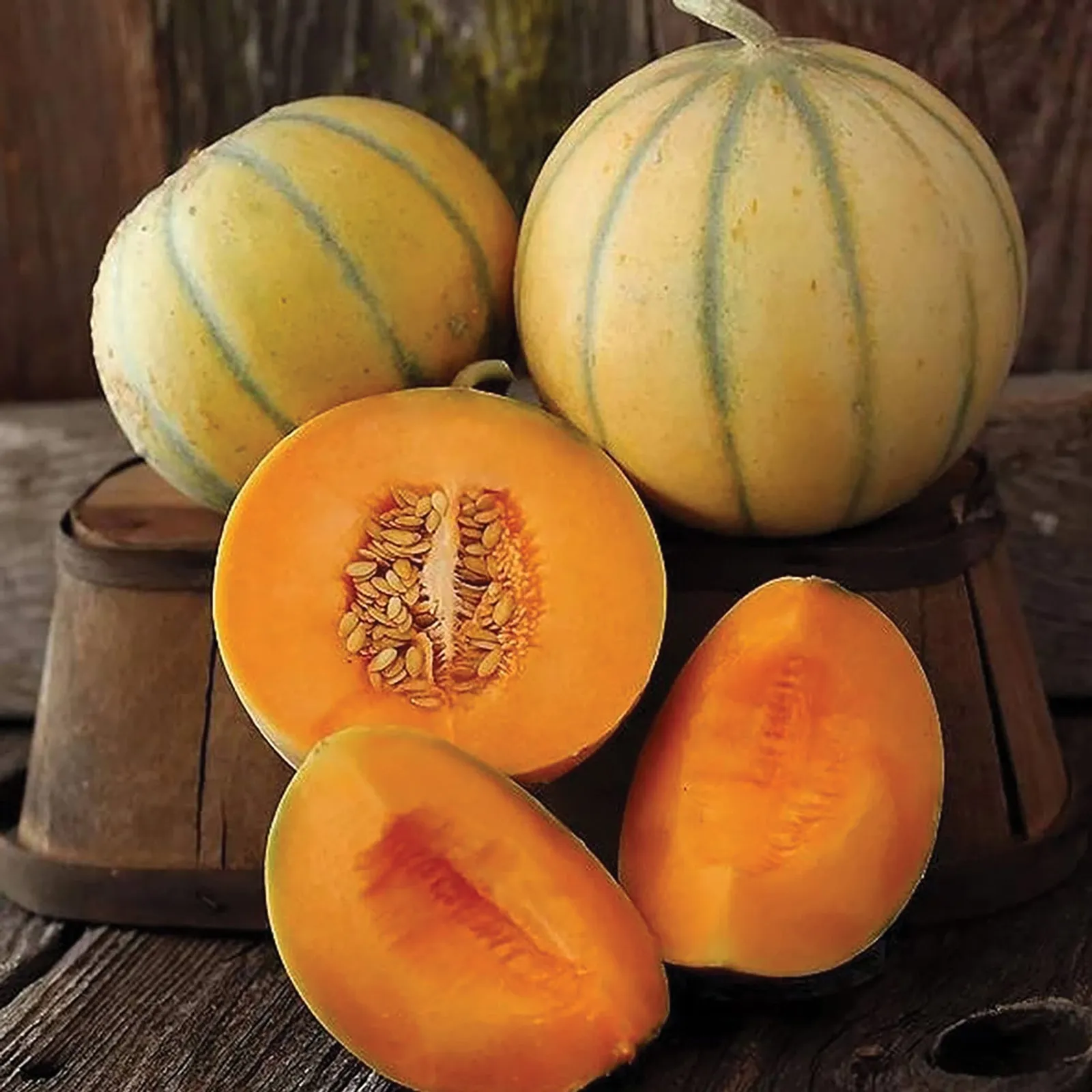
What we commonly refer to as ‘cantaloupe’ is actually not true cantaloupe, rather, a type of muskmelon. True cantaloupe has a rough, warty rind and is not widely grown or commercially available in the US. Muskmelons are a heat-loving fruit with a long growing season. Their cultural and growing requirements are very similar to other melons. They have a net-like, tan rind, and sweet orange flesh. The names muskmelon and cantaloupe are used interchangeably. We will use the name cantaloupe for this page to avoid confusion.
How to Grow Cantaloupe
Quick Info

Put away the pen and paper
Plan your veggie garden in minutes with Planter's easy drag and drop planner.
Try Planter for Free
Varieties
Related Articles
Companion Plants








Combative Plants






Nutrition
Vitamins





Nutrients









Pests
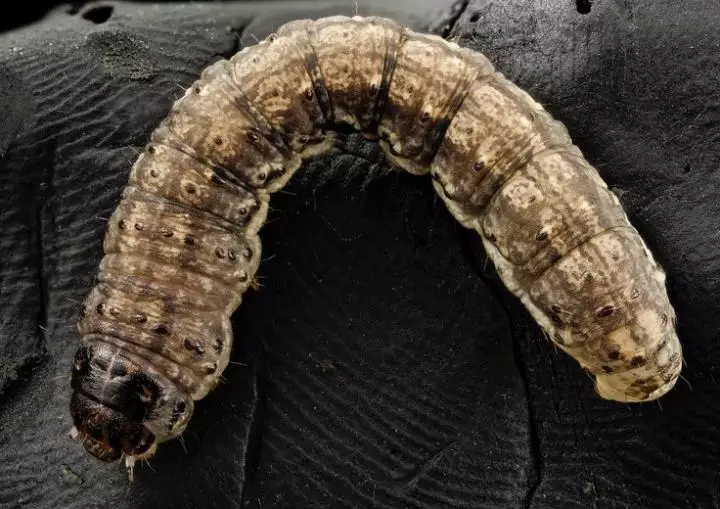

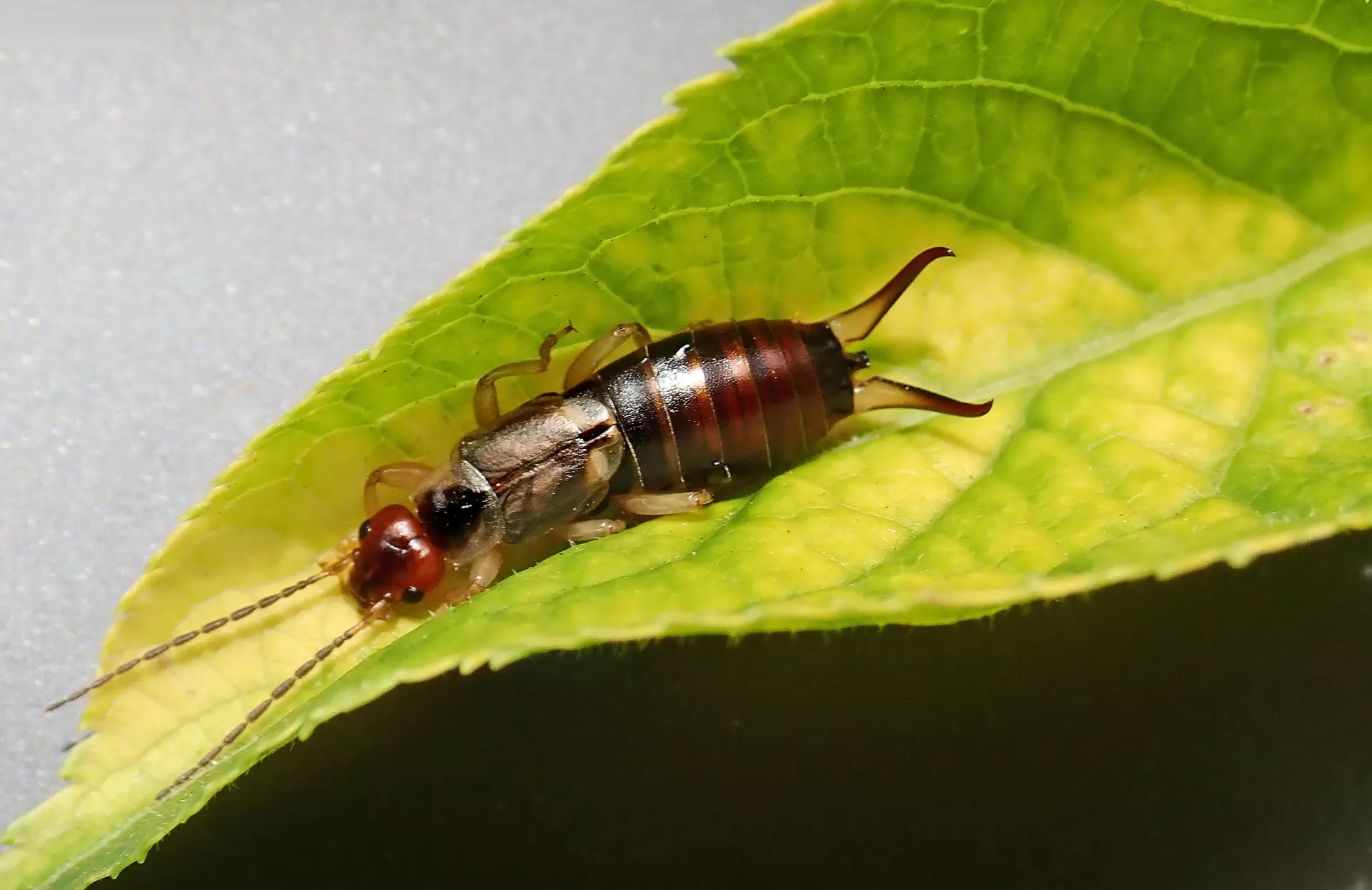
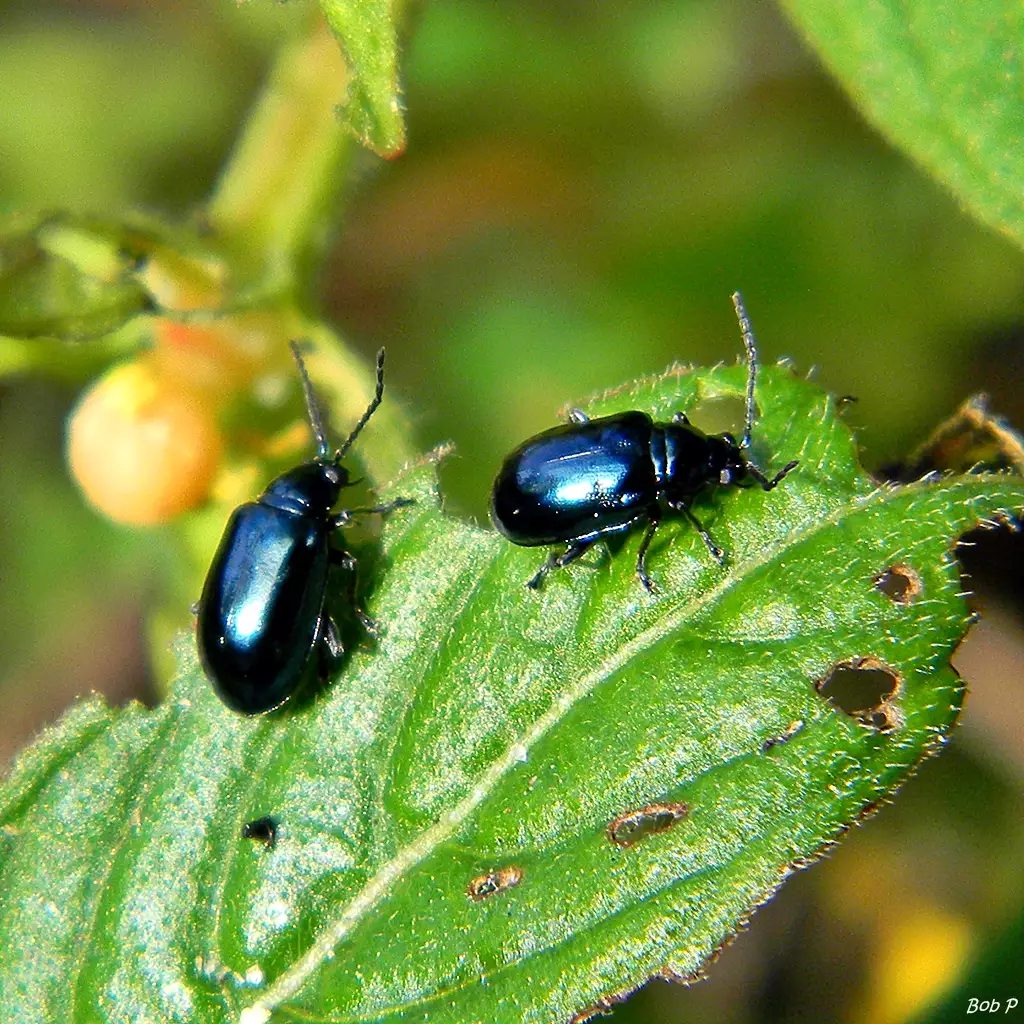

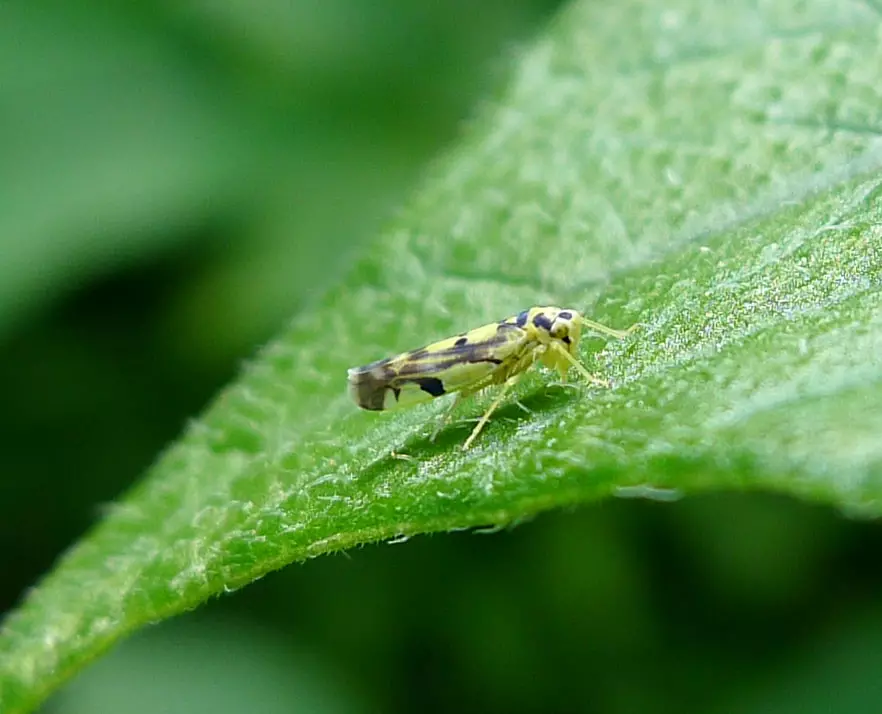
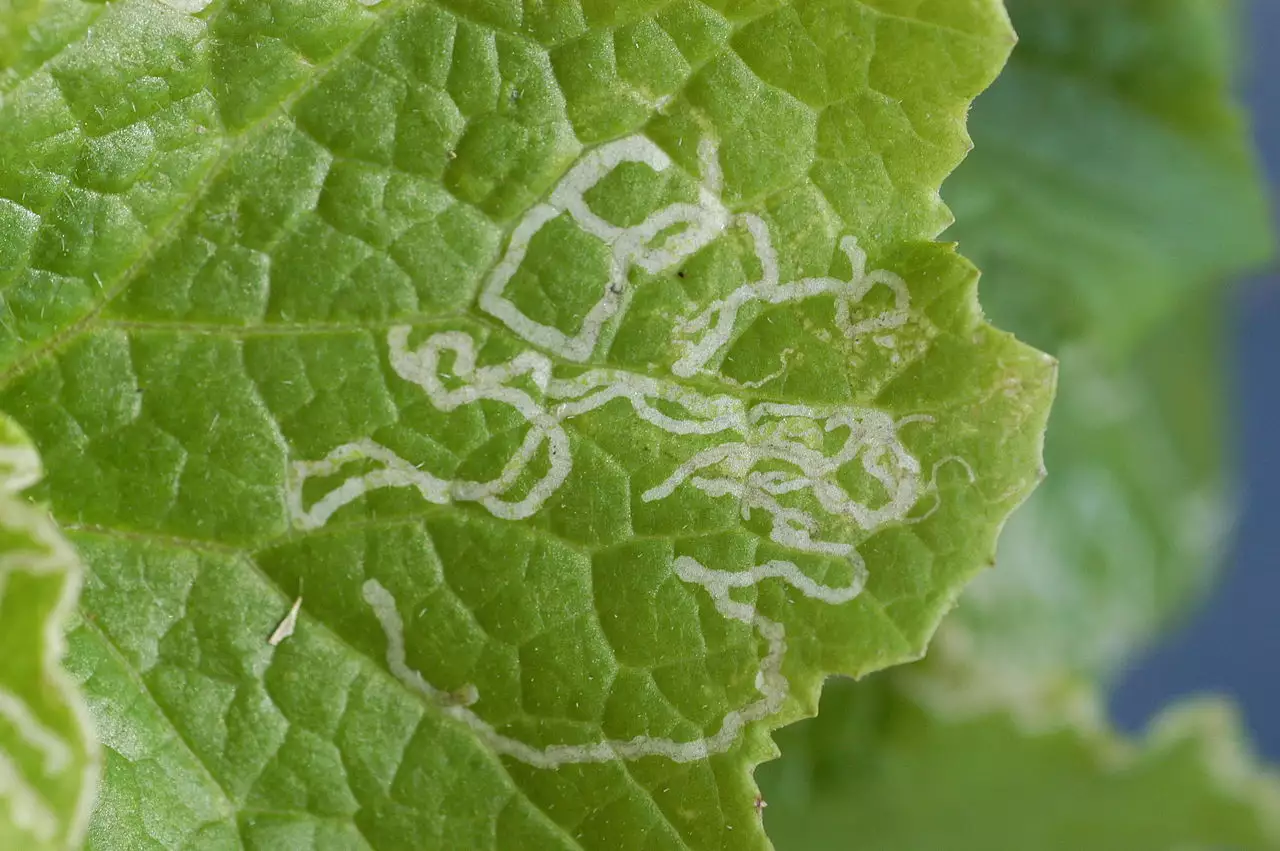
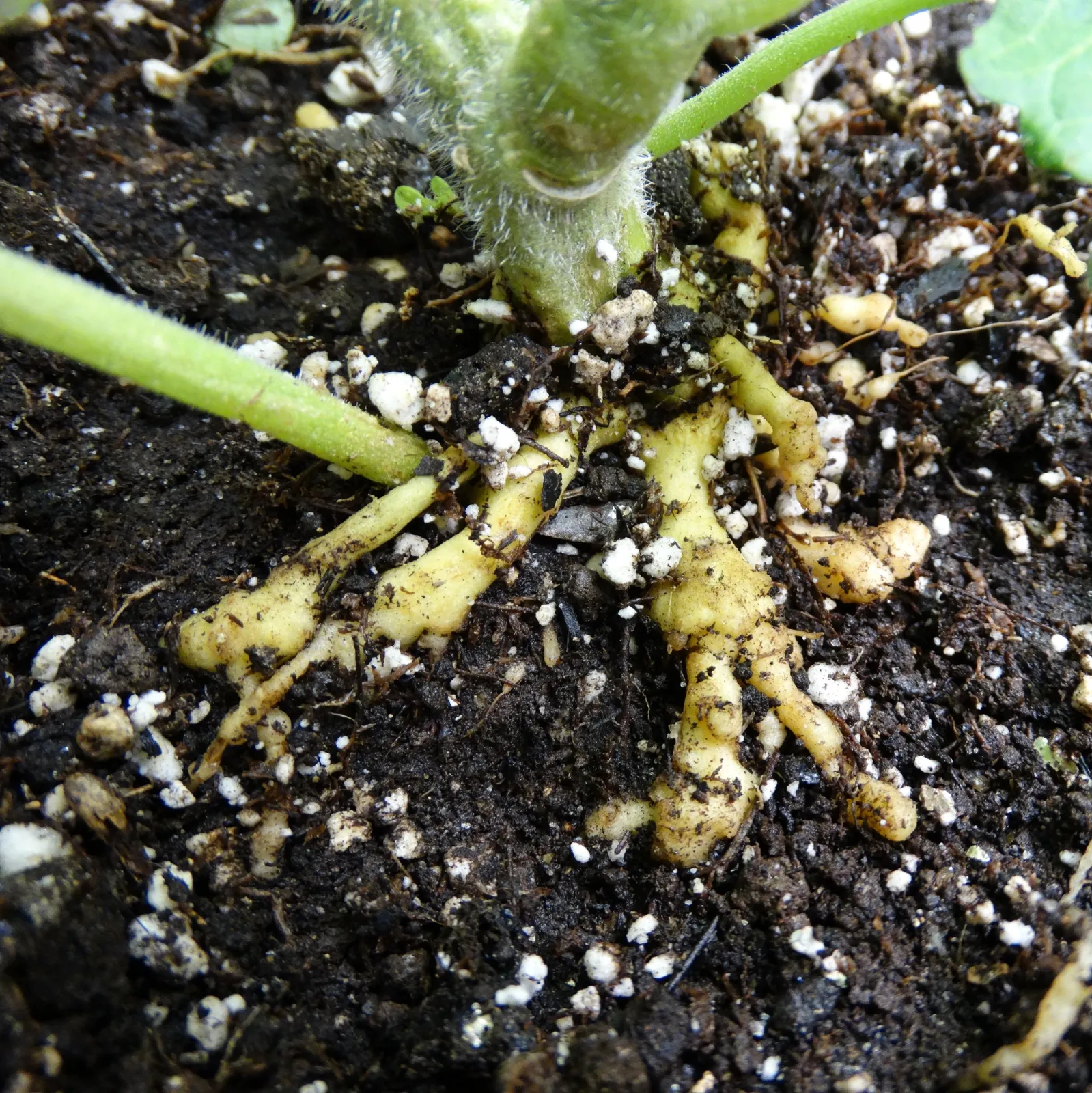
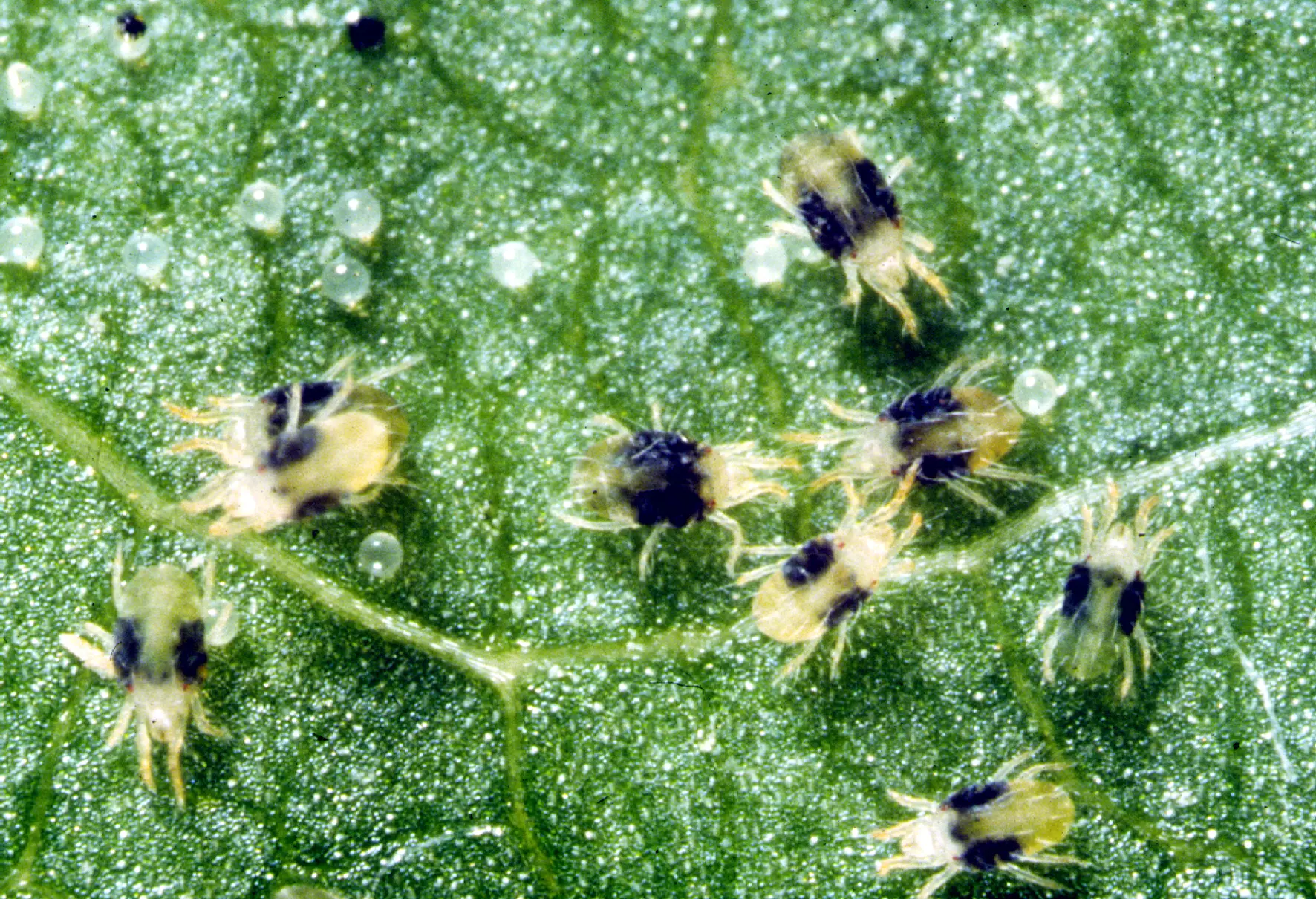
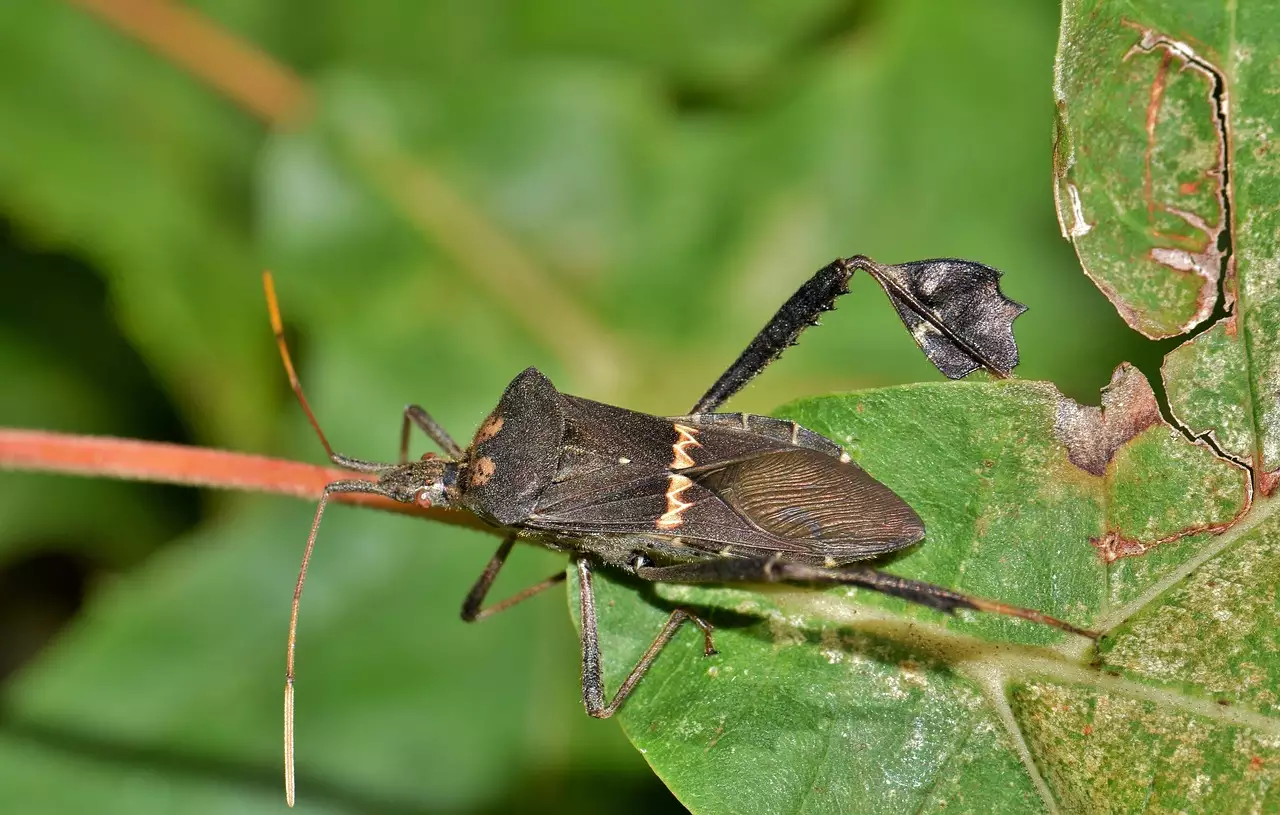
Diseases
Beneficial Critters



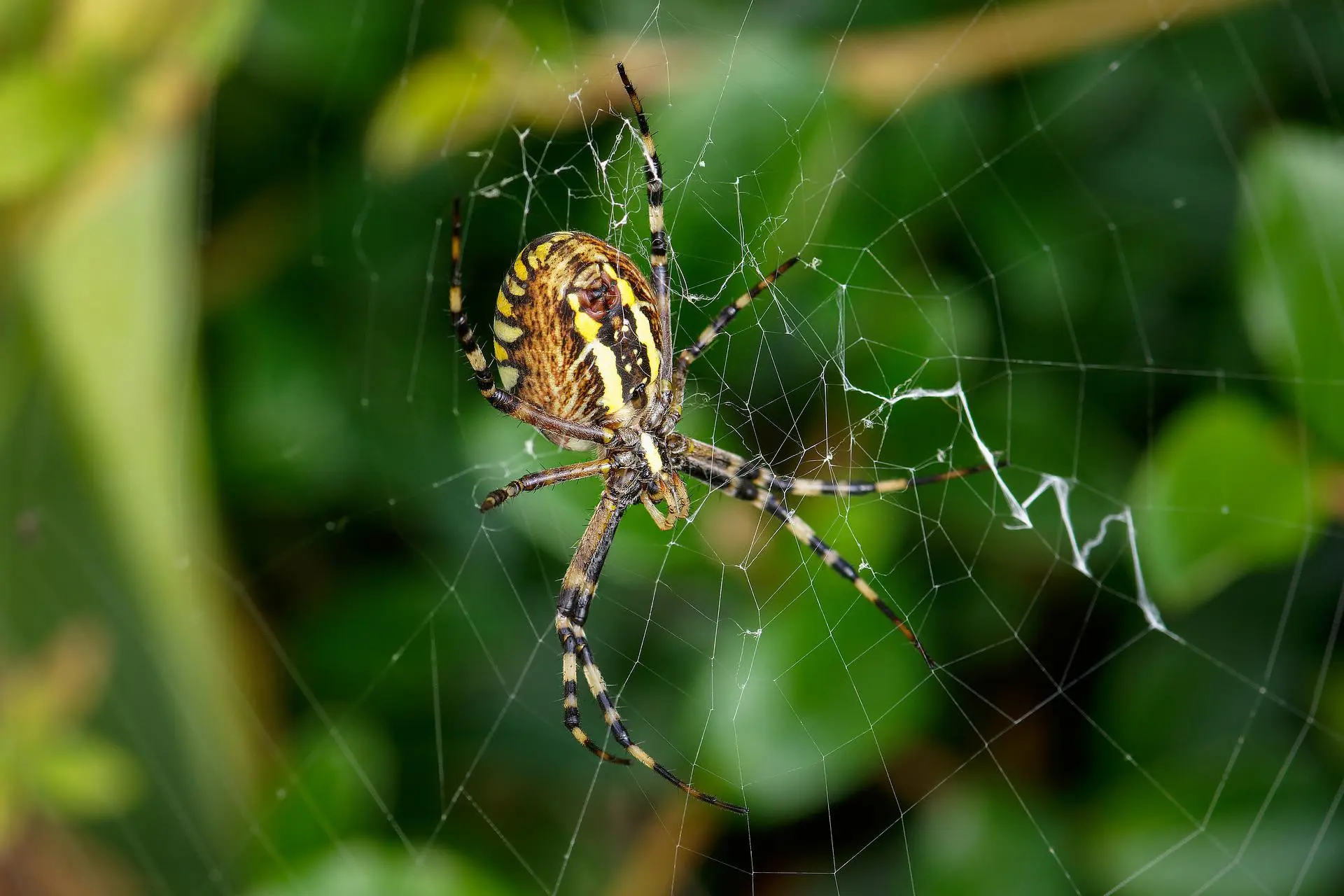
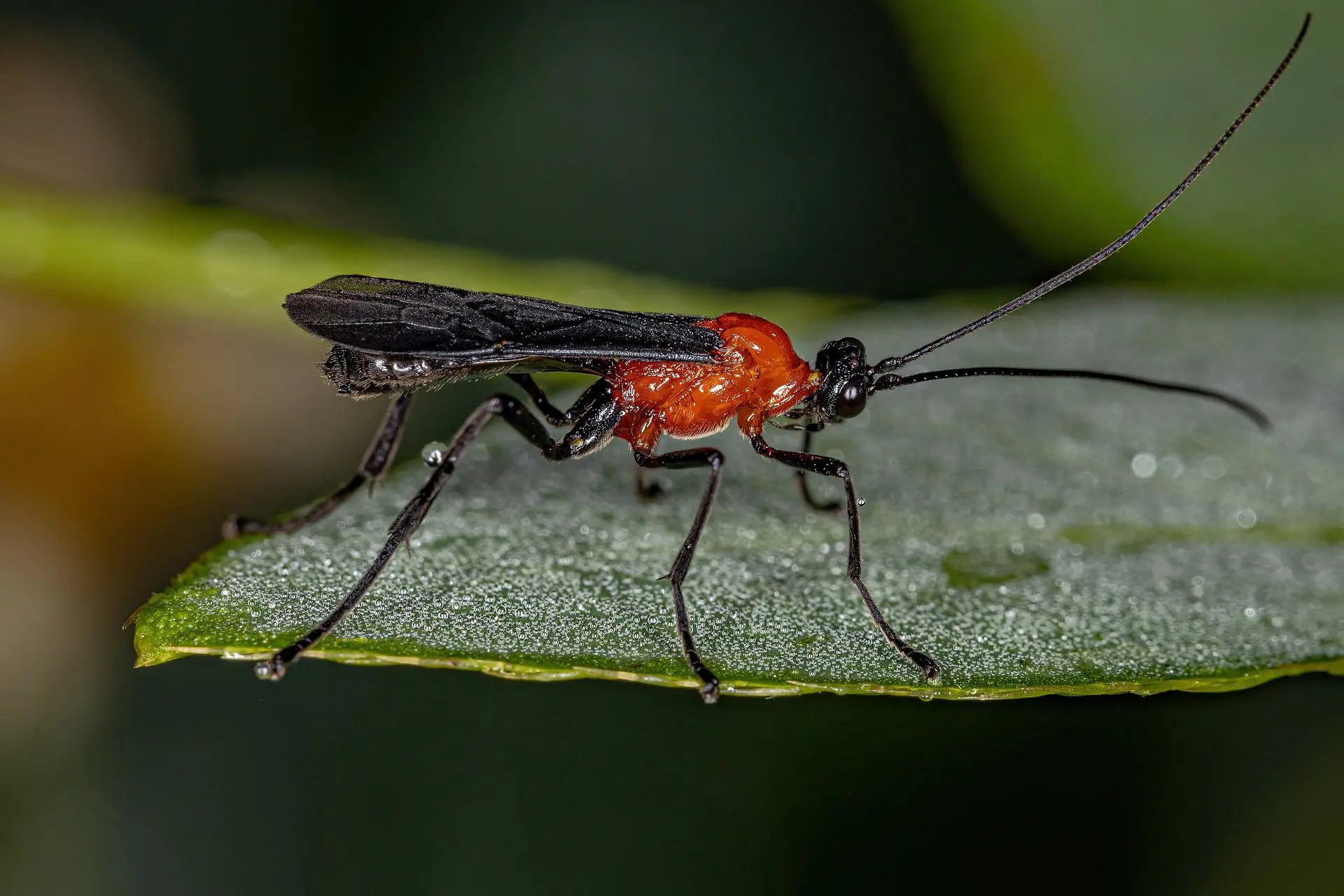
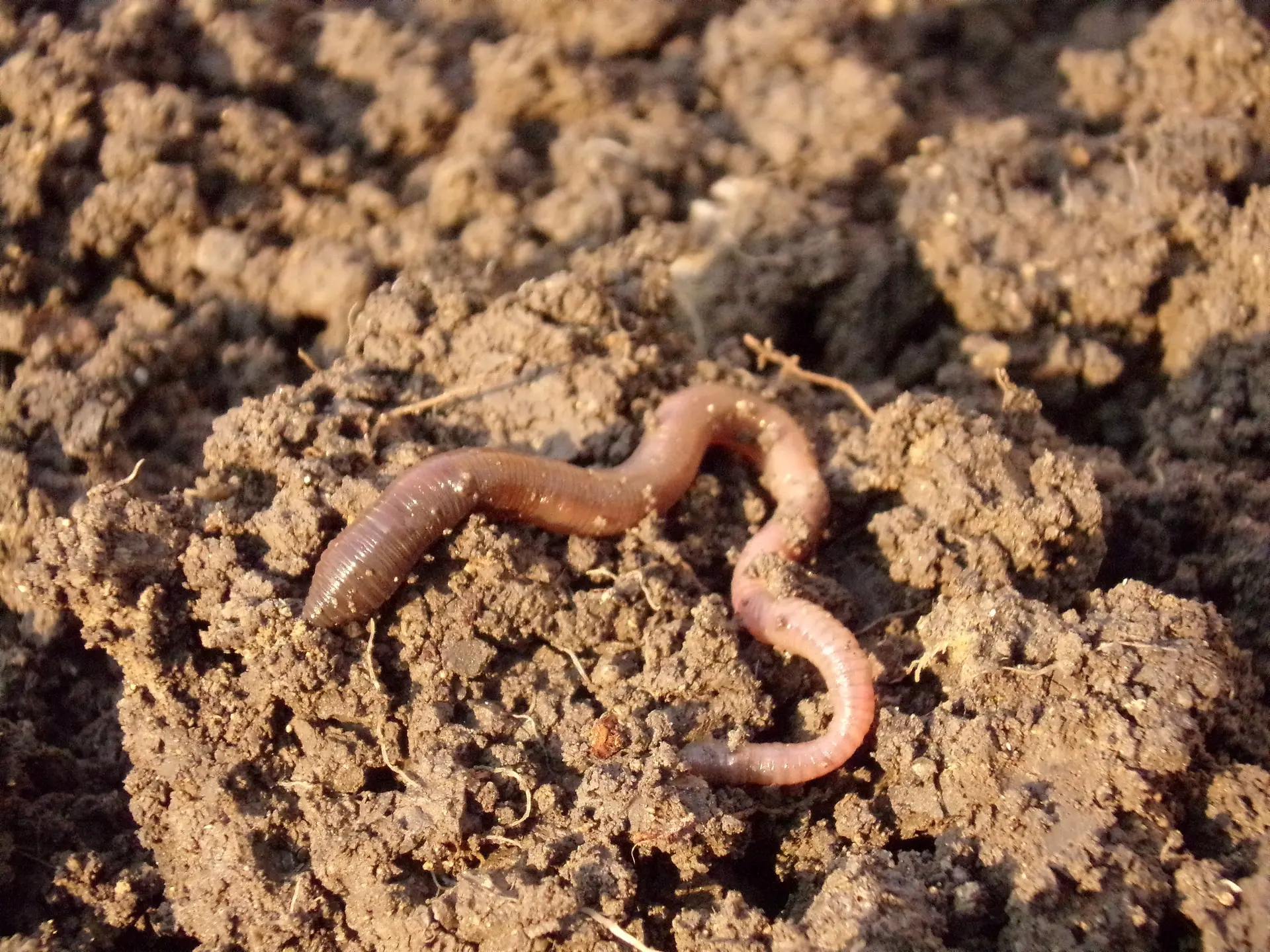
Growing from Seed
In warmer regions, cantaloupe seeds are often direct sown. Cantaloupes can also be started indoors and transplanted. This method is useful for those living in cooler climates. Ensure seedlings have plenty of light- 16 hours a day is recommended. Be sure to harden off seedlings before transplanting them. At first, keep the seedlings in a sunny, sheltered area outside for just a few hours a day. Bring the plants in at night. Gradually leave the seedlings outside for longer and longer, under less shelter, until it is time for them to be transplanted to the garden. This process will help strengthen your plants and ensure their survival.
Planting Considerations
Amend soil with compost before planting. Cantaloupes and other melons are heavy feeders, and require lots of nutrients. Growing the vines in raised rows, known as hills, ensures good drainage and will hold the sun’s heat longer. If you have limited space, vines can be trained to a support such as a trellis.
Feeding
Fertilize regularly once vines start growing. Use a balanced fertilizer, such as a 10-10-10 (10% nitrogen, 10% phosphorous, and 10% potassium) mix. A fertilizer with too much nitrogen will cause the plant to grow excess leaves instead of fruit.
Harvesting
When rinds begin to change from green to tan or yellow, the melon is probably ripe, but be careful not to pick too early. Look for a crack in the stem where it attaches to the fruit. This is a sign of ripeness as well. The fruit should be easy to separate from the vine, but if they fall off by themselves they are usually overripe. Harvest melon when vines are dry, and be careful not to damage them.
Storage
They will soften after harvesting, but will not continue to sweeten off the vine. Cantaloupe can be stored uncut for 5 or 6 days. If cut, they can last in the refrigerator for about 3 days, wrapped tightly in plastic.