Rhubarb
Rheum rhabarbarum
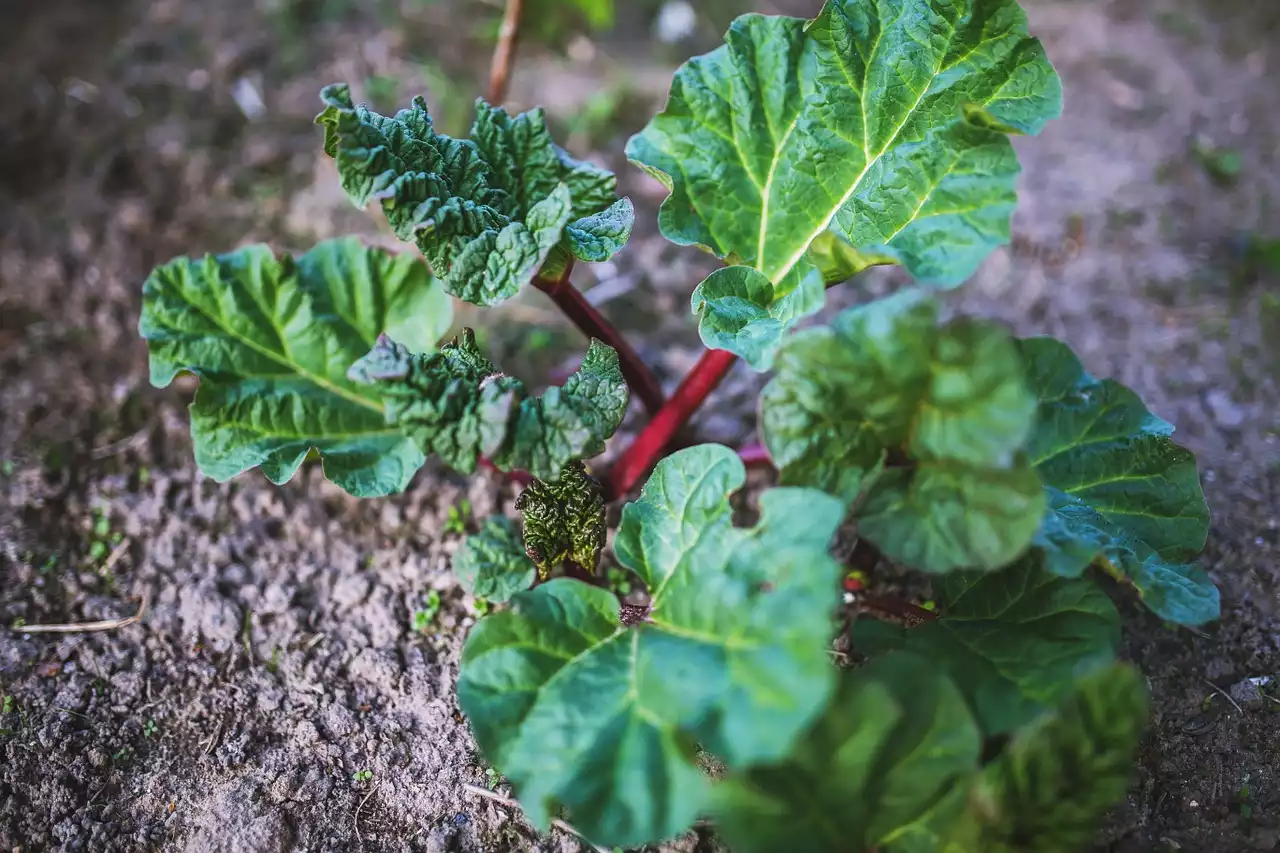
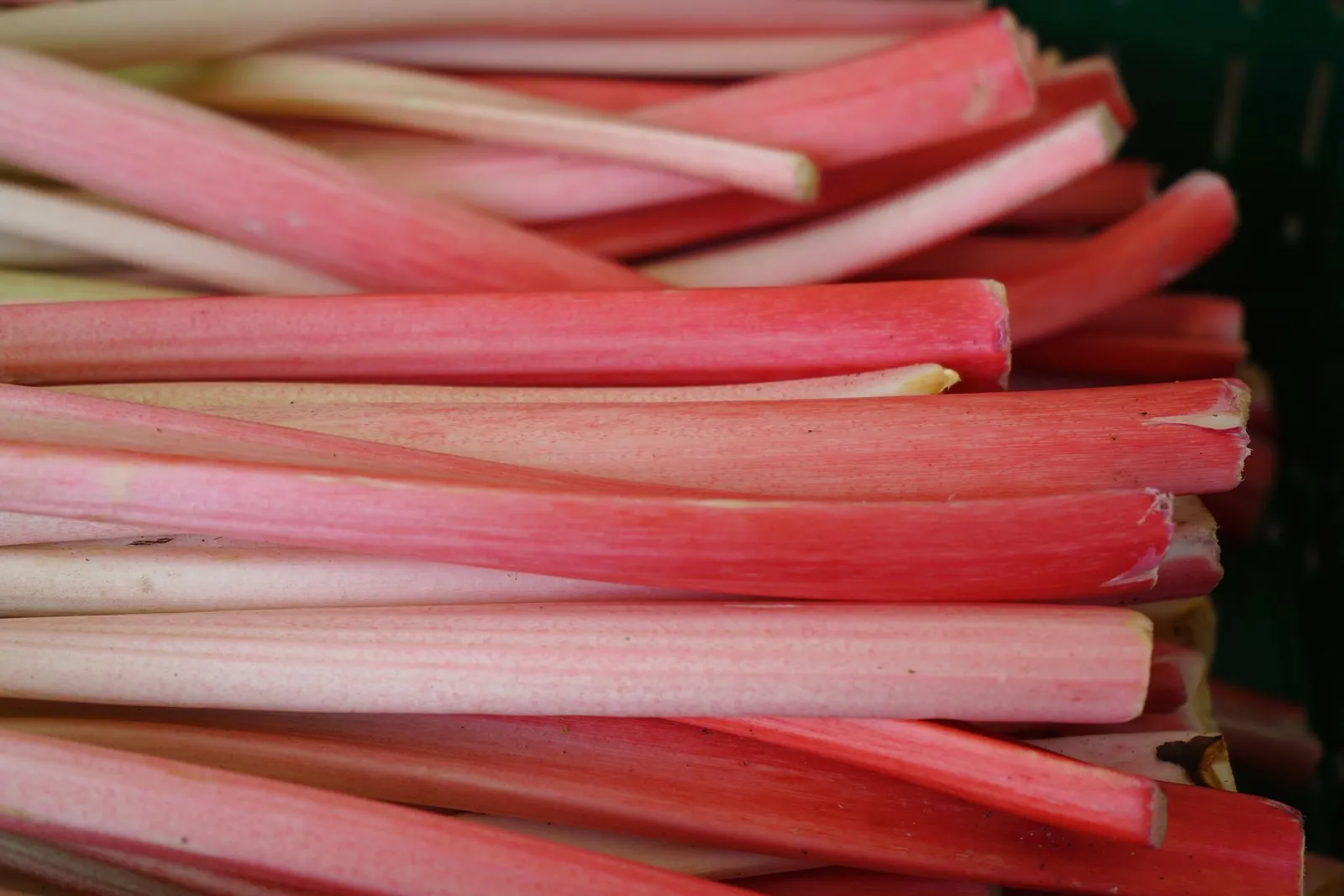
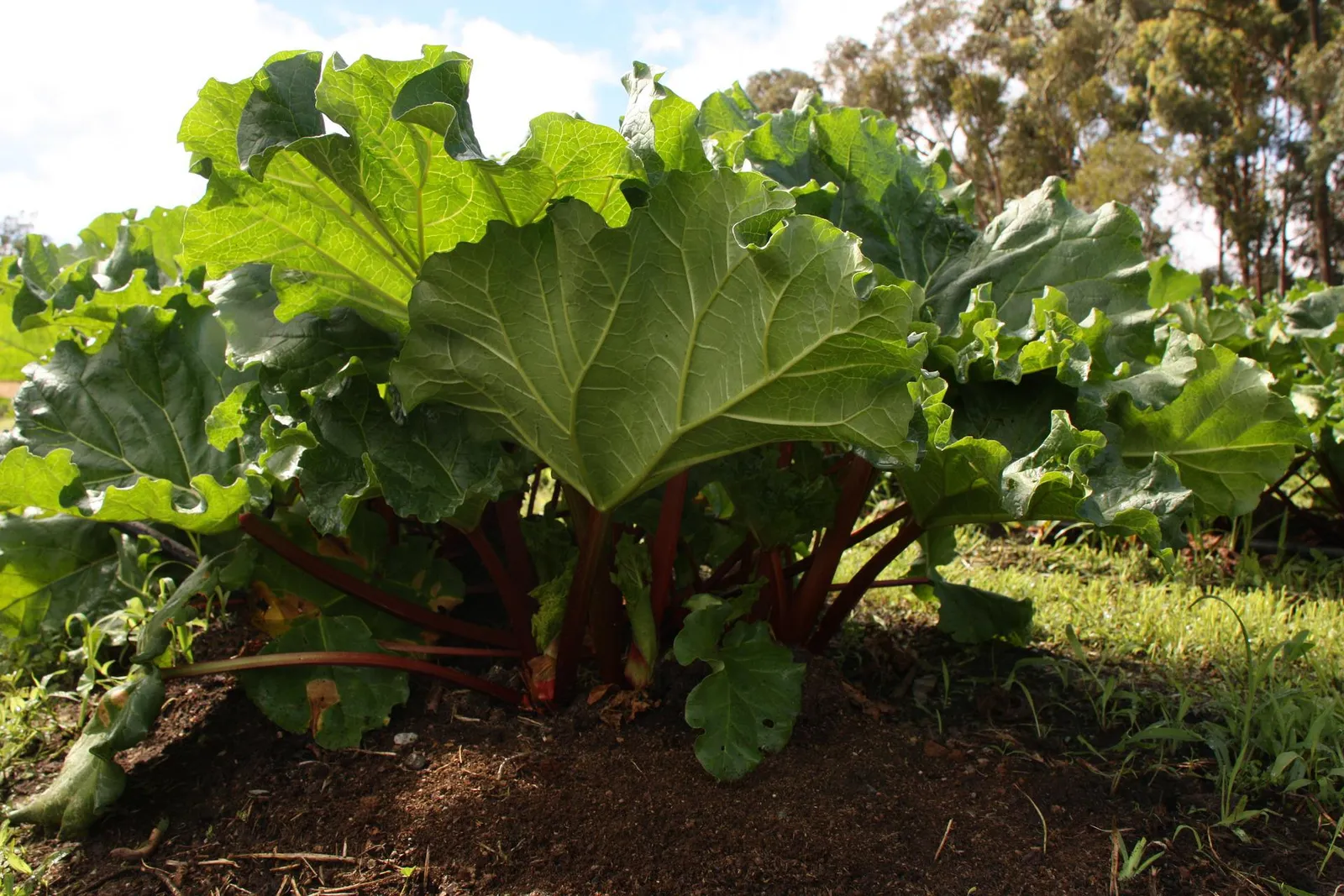
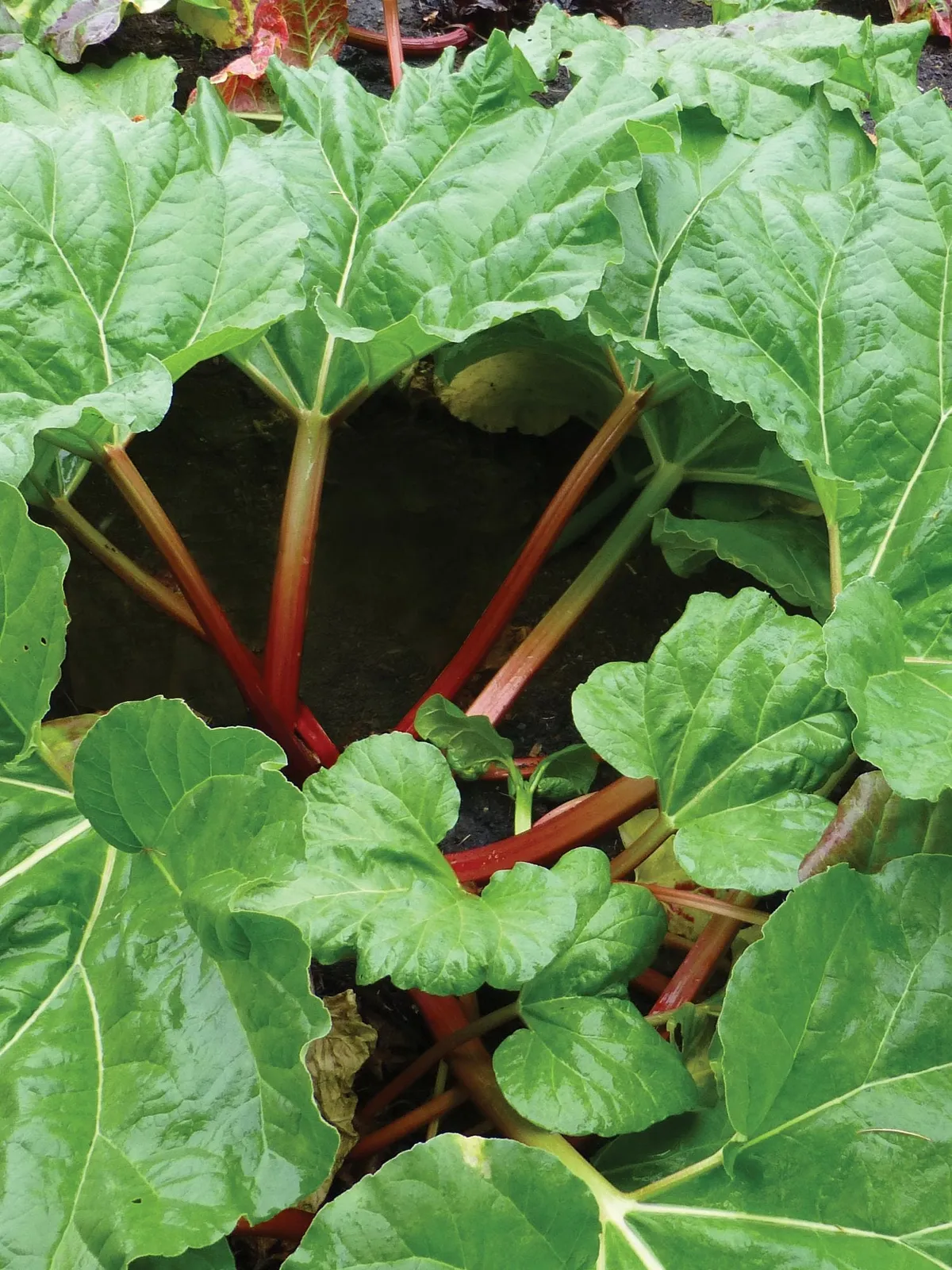
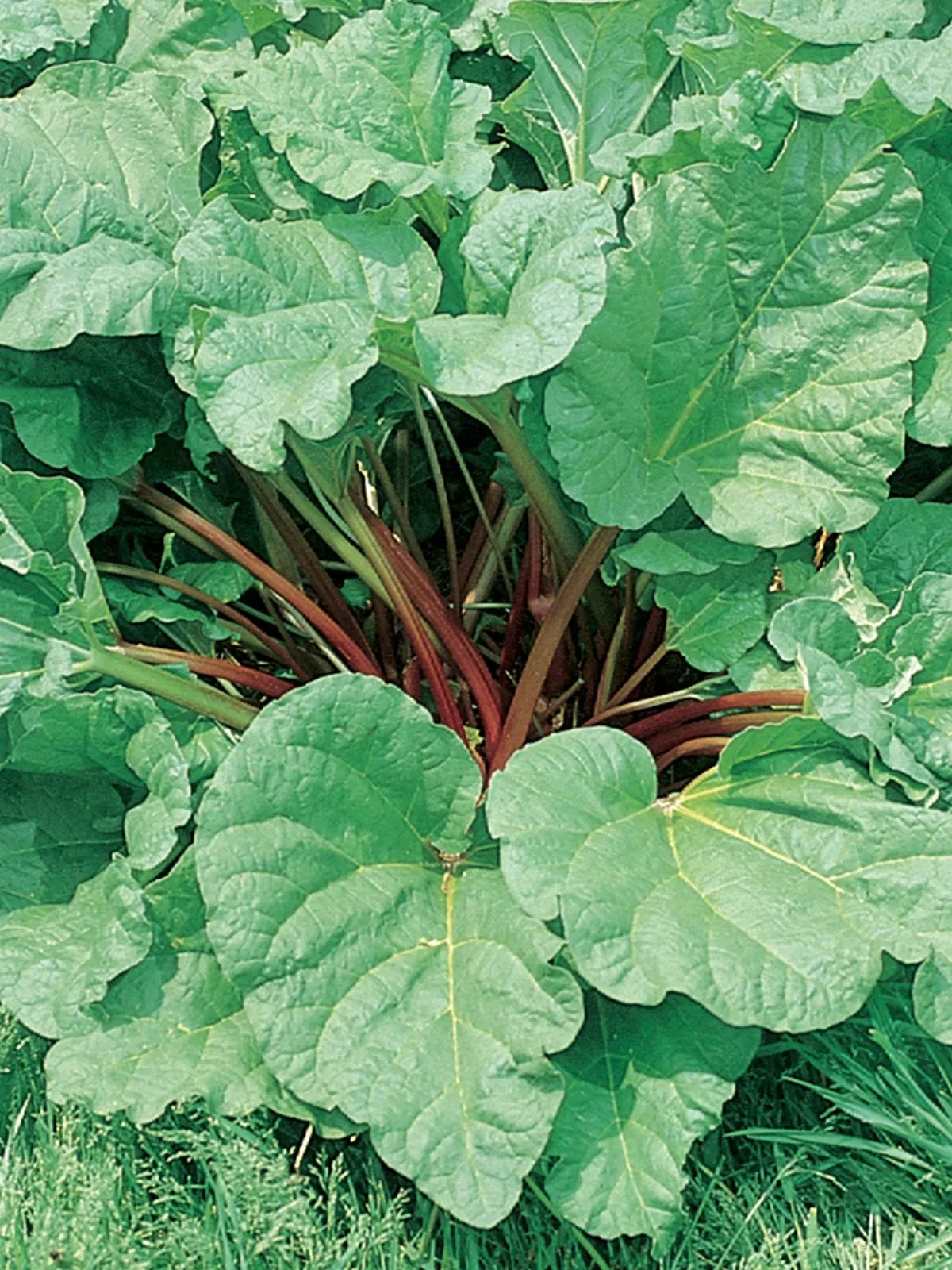
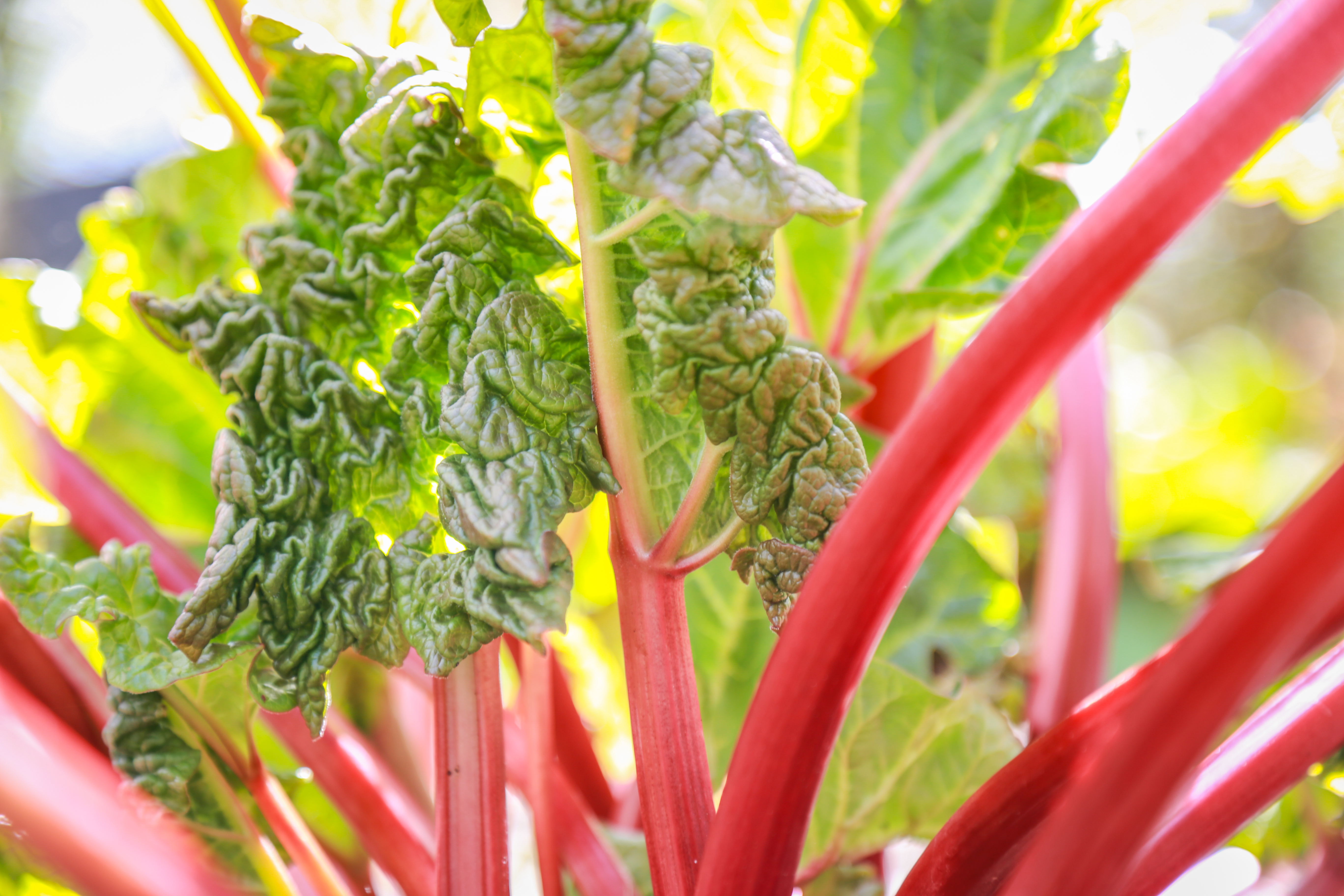
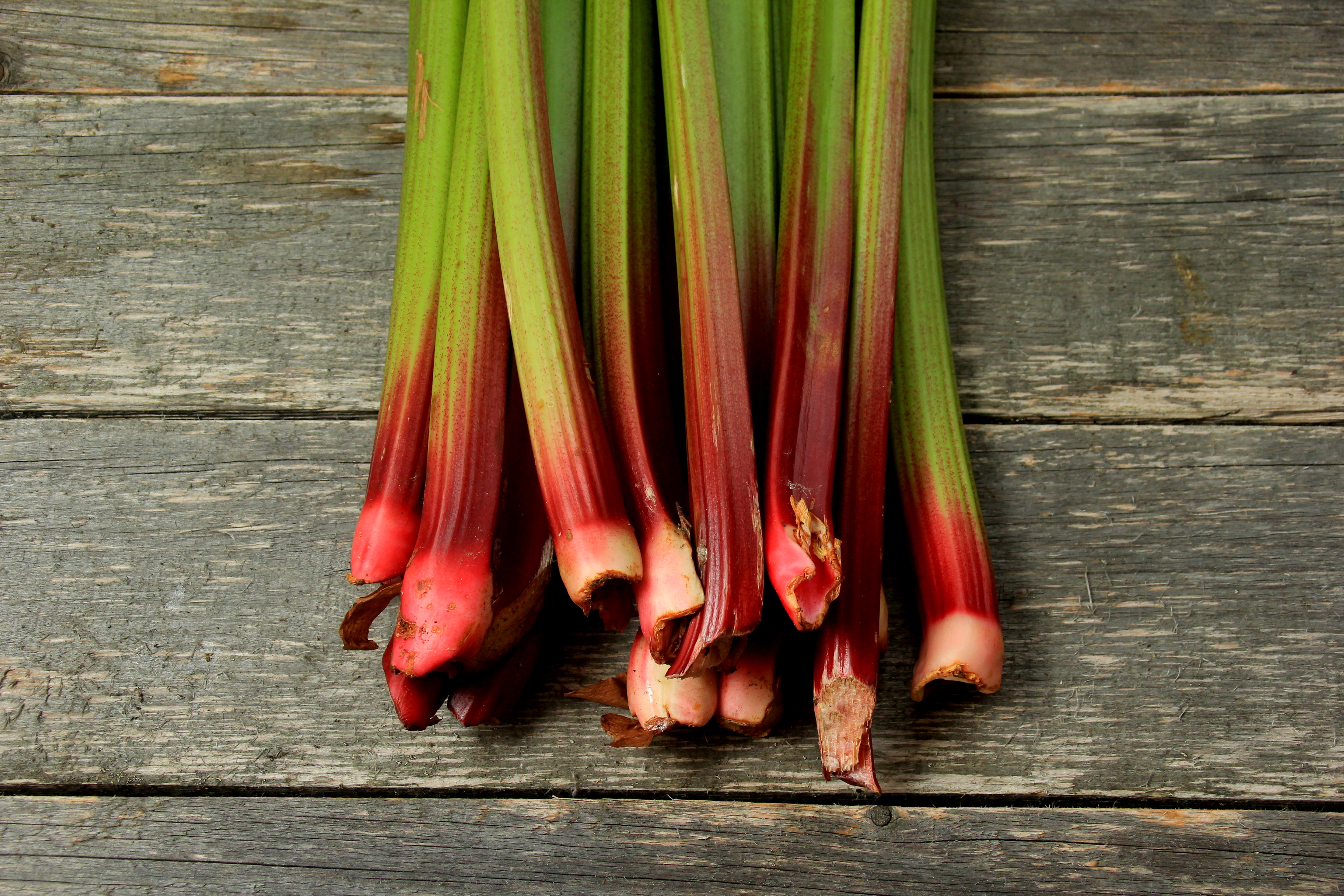
Rhubarb is a perennial vegetable, though it is generally used as a fruit in desserts and jams. You only eat the stalks, which have a rich tart flavor. The leaves of this plant are poisonous, so be sure that they are not ingested. Rhubarb is easy to grow, but needs cool weather to thrive.
How to Grow Rhubarb
Quick Info

Put away the pen and paper
Plan your veggie garden in minutes with Planter's easy drag and drop planner.
Try Planter for Free
Varieties
Related Articles
.jpg)
Companion Plants




Combative Plants
Nutrition
Vitamins




Nutrients





Pests
Diseases
Beneficial Critters
Growing from Seed
Pre-soaking seeds prior to planting may aid germination. Rhubarb is typically grown from crowns or transplants, although it is possible to grow from seed. If growing from seed it is preferable to start seeds indoors then transplant out.
Planting Considerations
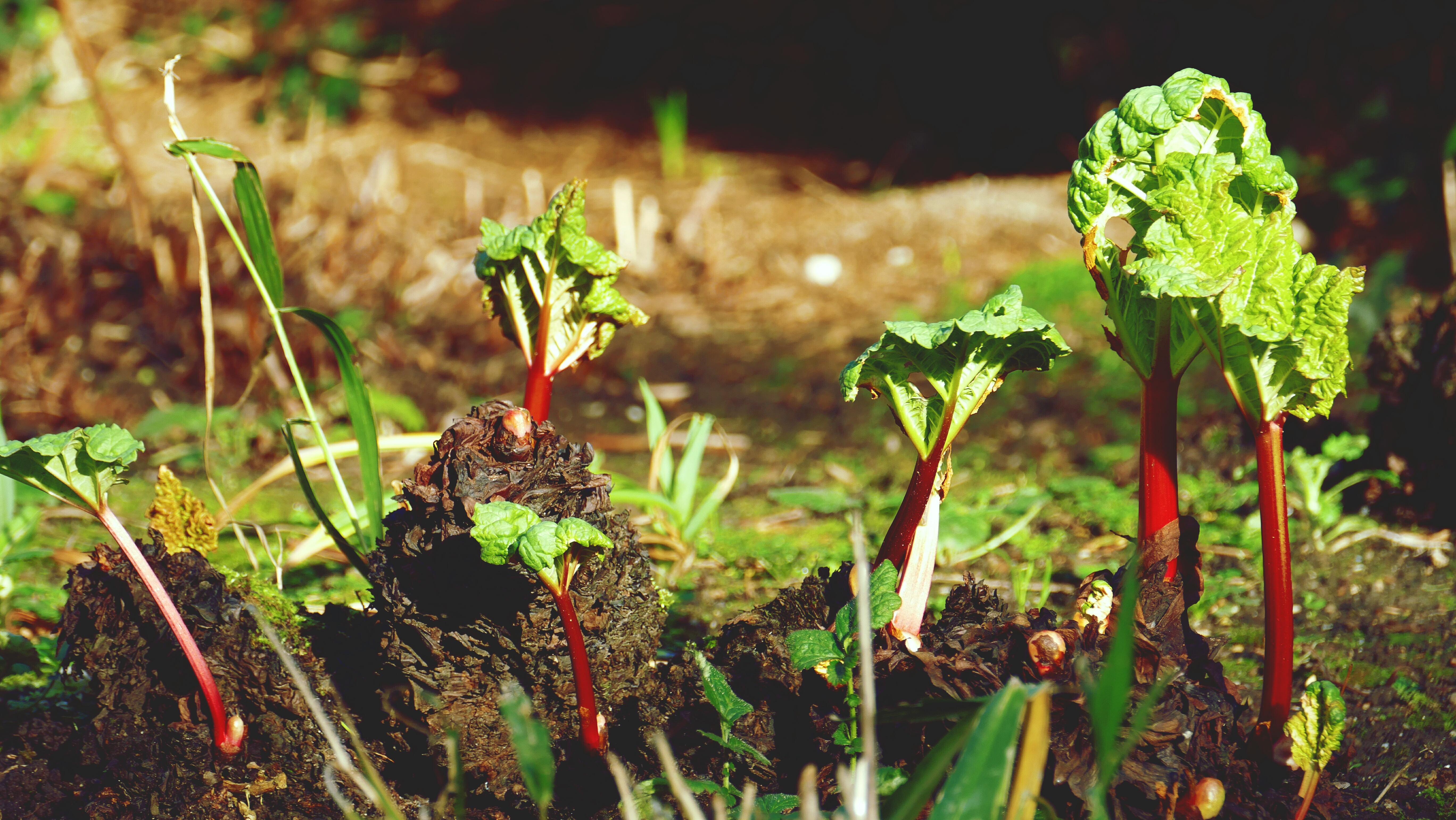
Transplant rhubarb seedlings out after the danger of frost has passed. Transplant rhubarb crowns in early spring as soon as the soil is workable. Before planting, eliminate all perennial weeds. Choose a site that is well-drained, fertile, and preferably in full sunlight. It does best where the average temperature falls below 40ºF in the winter and below 75ºF in the summer. Dig large bushel basket-size holes. Space rhubarb plants about 4 feet apart and plant the roots 1 to 2 inches below the surface of the soil. Be sure to mix compost, rotted manure, or anything high in organic matter in the soil. Rhubarb plants are heavy feeders and need this organic matter. Don't add a chemical fertilizer when planting rhubarb or during the first year of growth. Direct contact with nitrates can kill your rhubarb plants.
Feeding
After the first spring, apply a light sprinkling of a high-nitrogen fertilizer (25-3-3 or 10-6-4) when the ground is thawing or has just thawed, so that the fertilizer will go into the ground and not harm the roots.
Harvesting
Do not harvest any stalks during the first growing season so that your plants can become established. Harvest the stalks when they are 12 to 18 inches long. Usually after 3 years, the harvest period runs 8 to 10 weeks long. If the stalks become thin, stop harvesting; this means the plant's food reserves are low. Grab the base of the stalk and pull it away from the plant with a gentle twist. If this doesn't work, you can cut the stalk at the base. Be sure the discard of the leaves! Always leave at least 2 stalks per plant to ensure continued production. You may have a bountiful harvest for up to 20 years without having to replace your rhubarb plants.