Beans
Phaseolus vulgaris, P. lunatus, P. coccineus, Vicia faba, Glycine max, Vigna angularis, V. radiata, V. unguiculata, Cicer arietinum
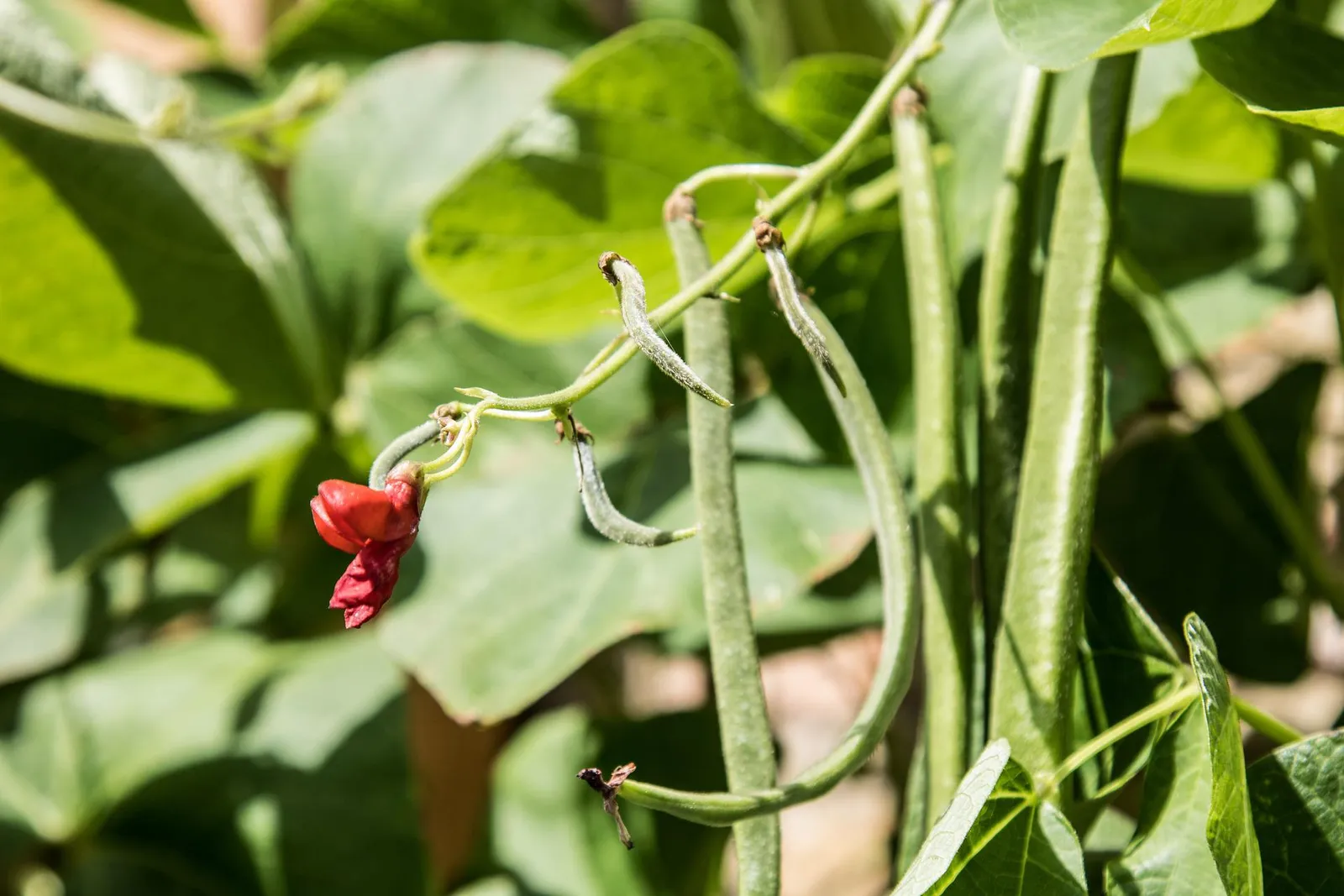
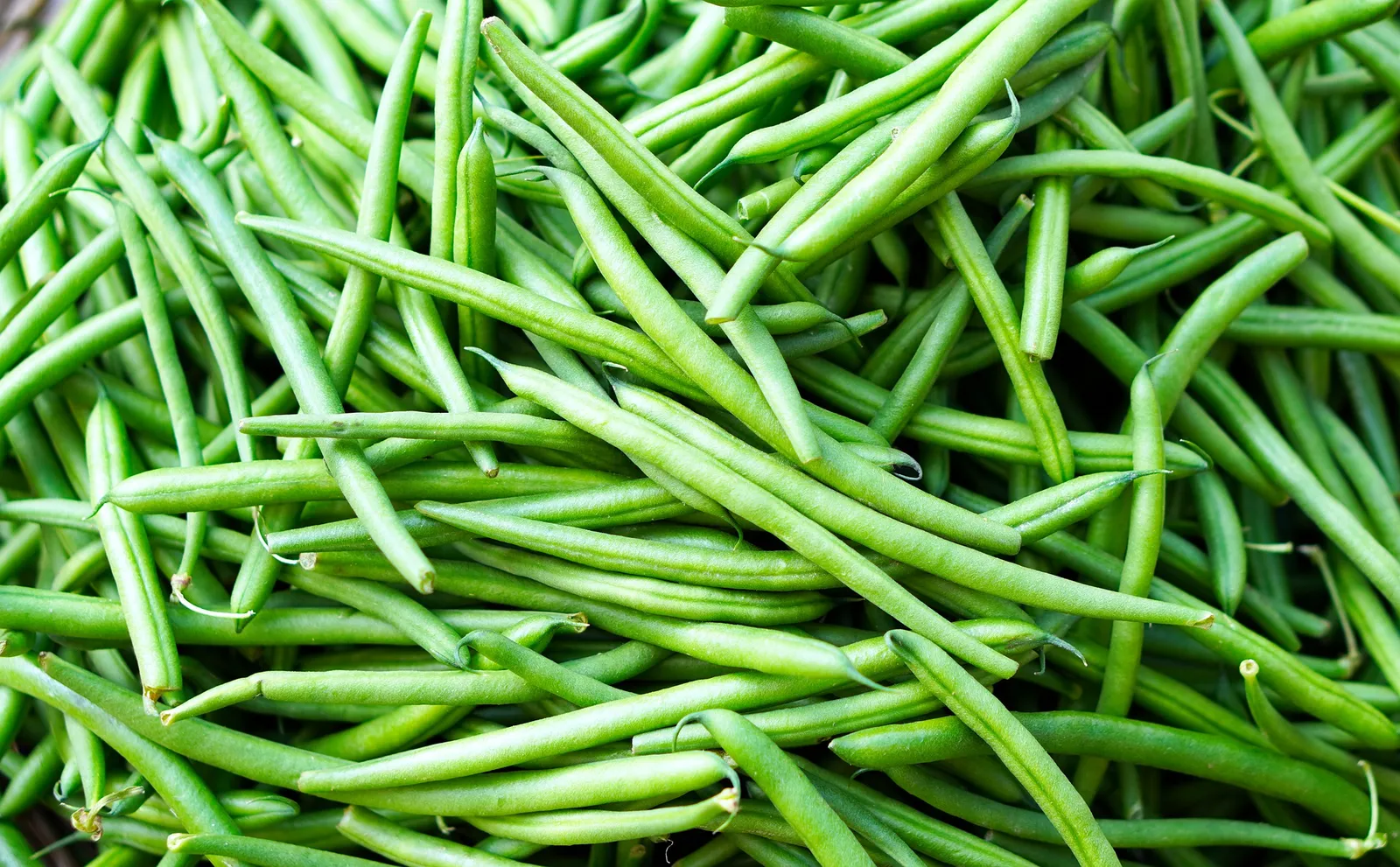
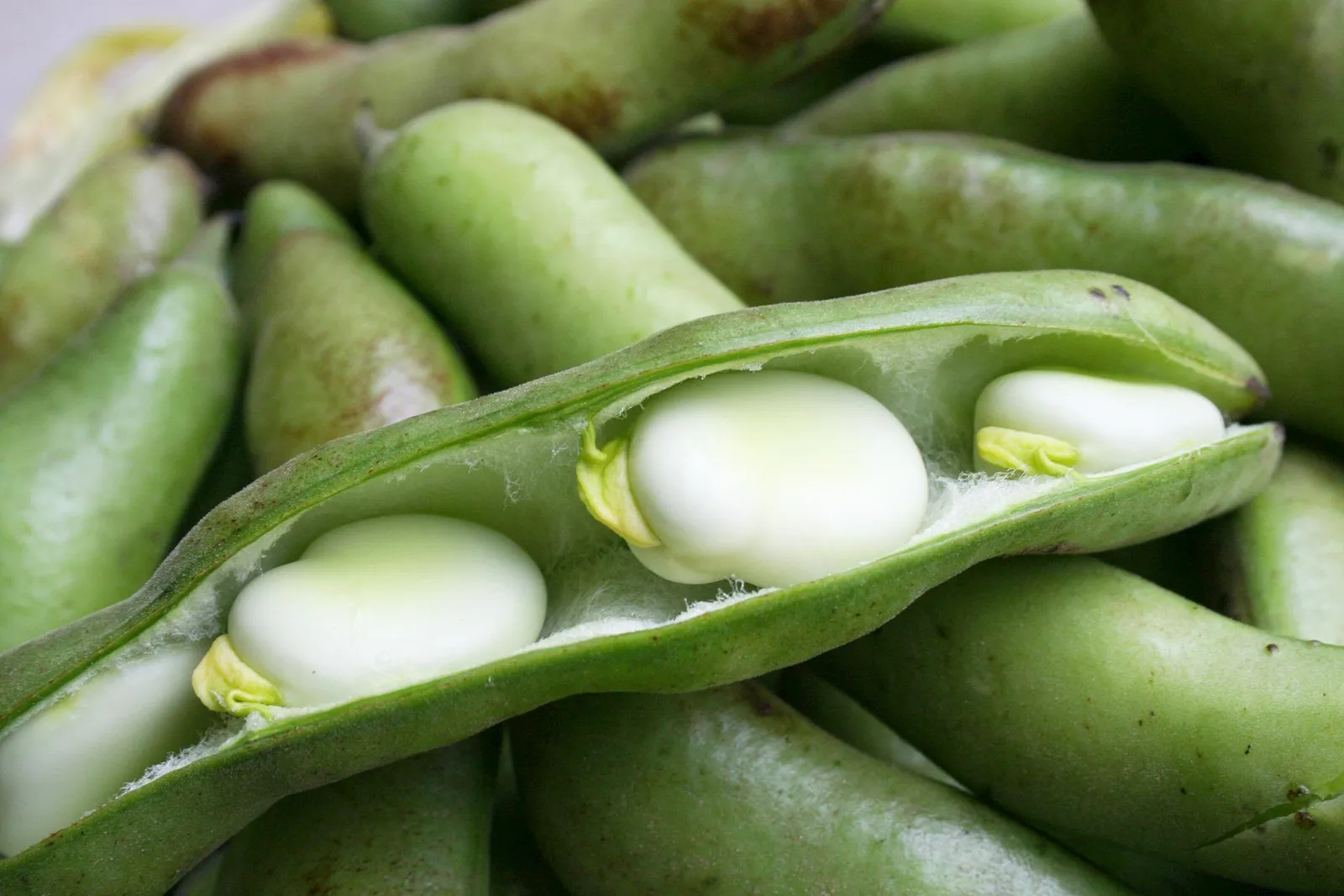
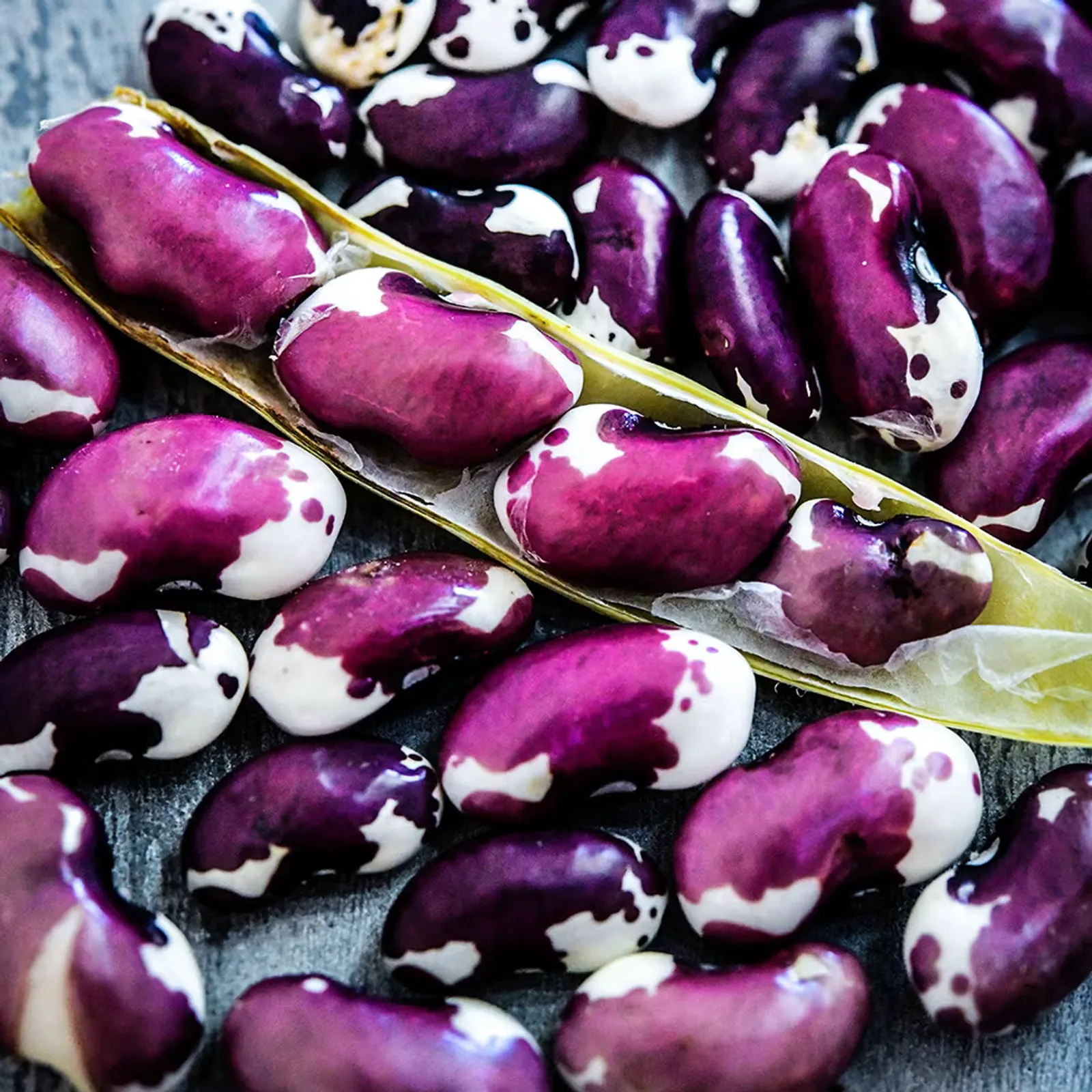
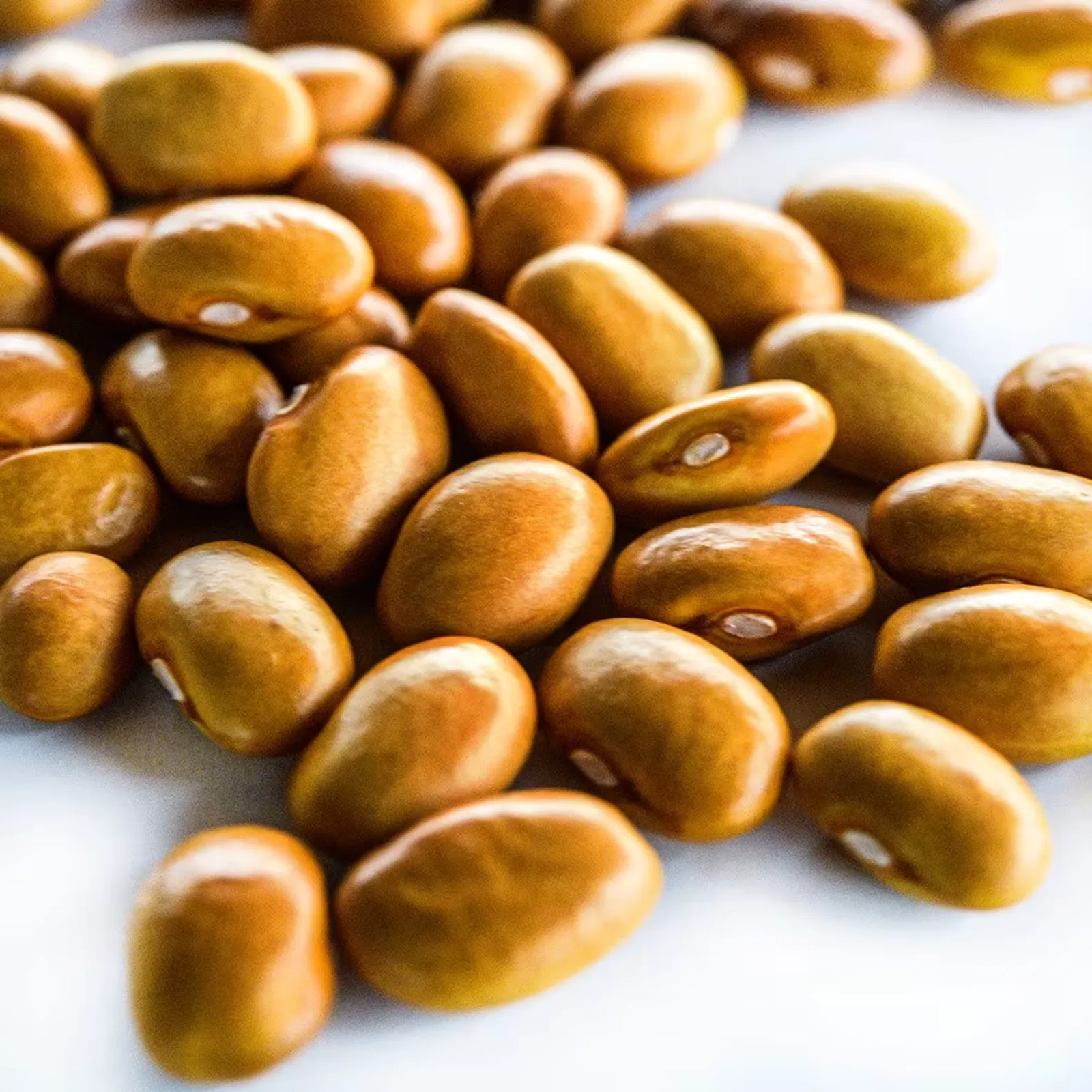
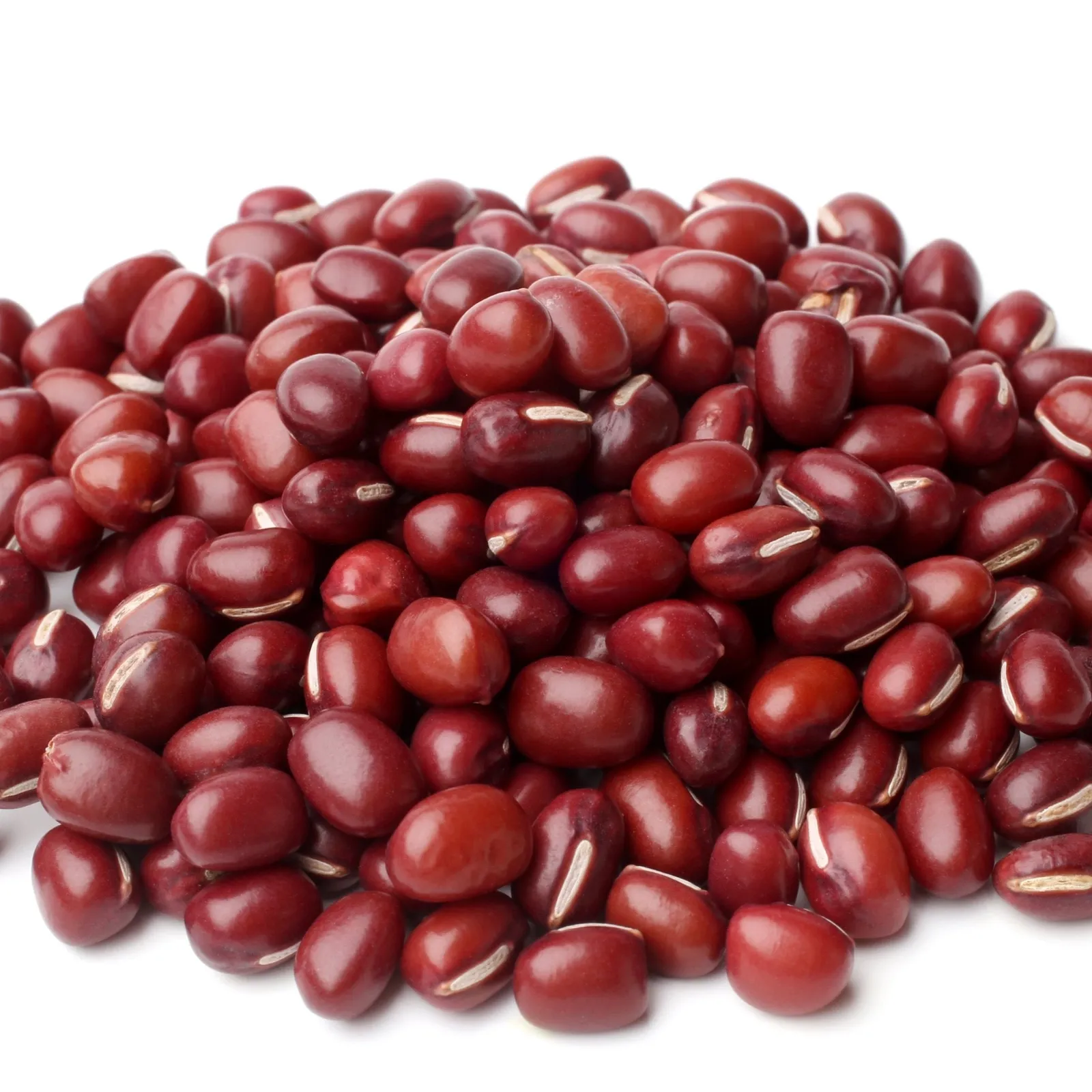
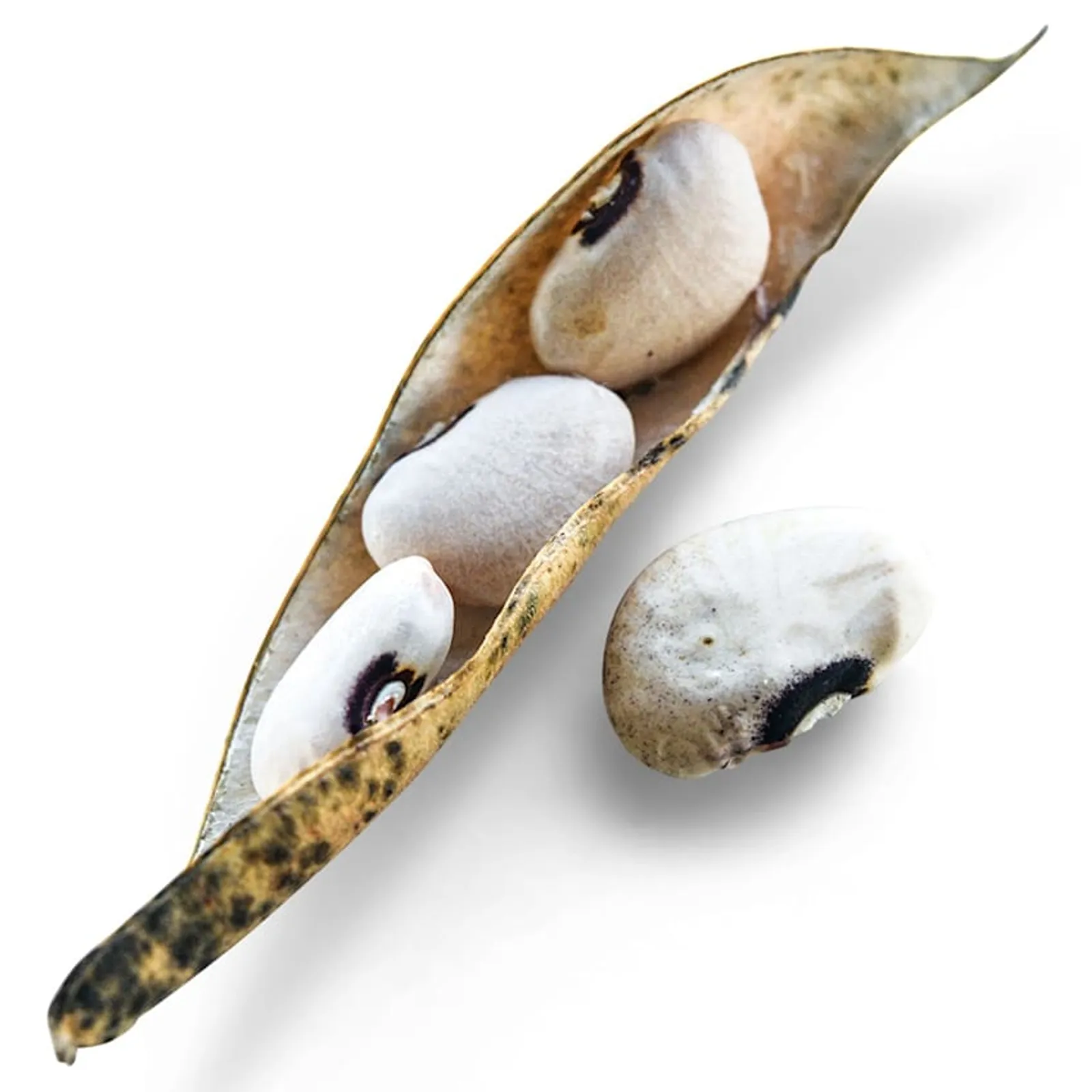
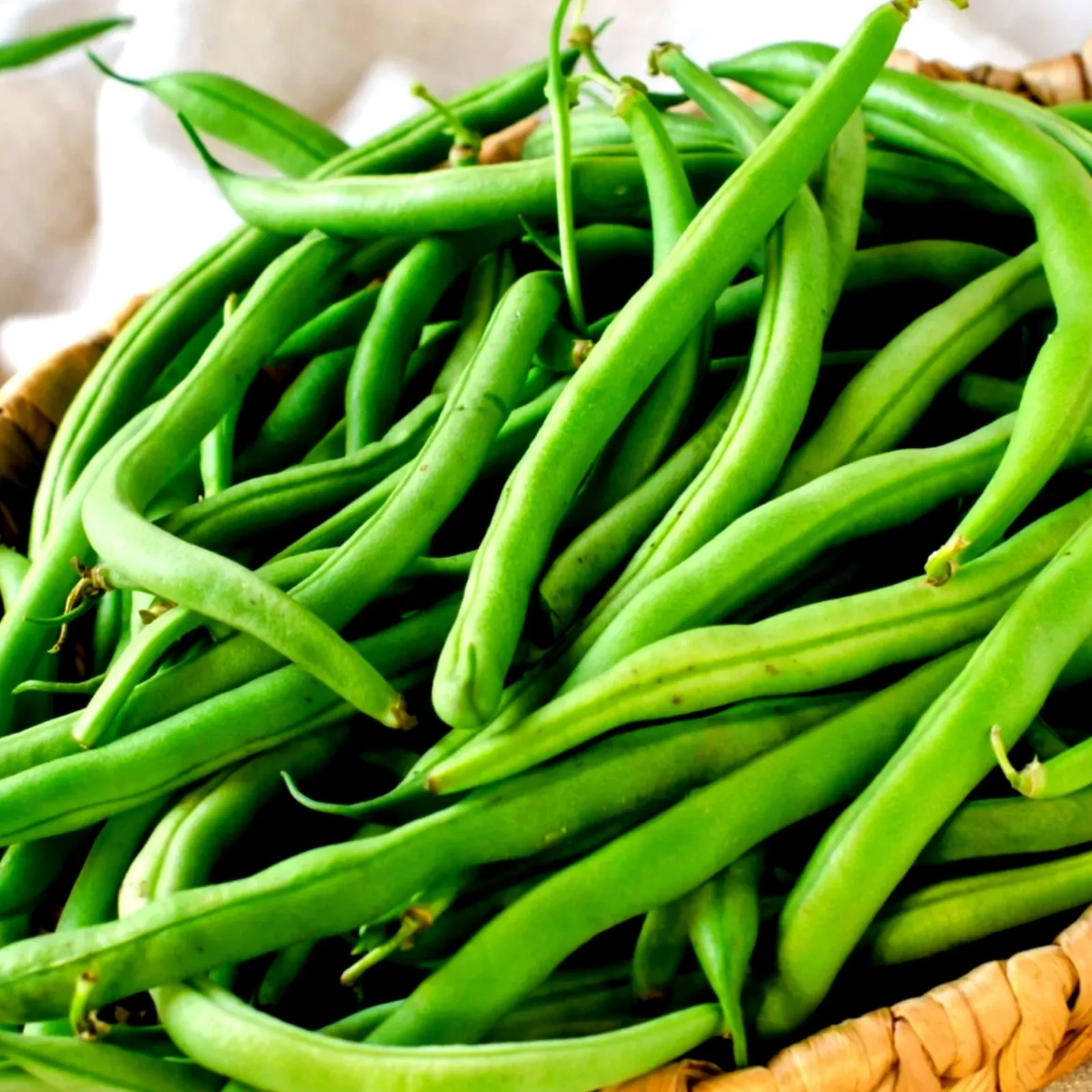
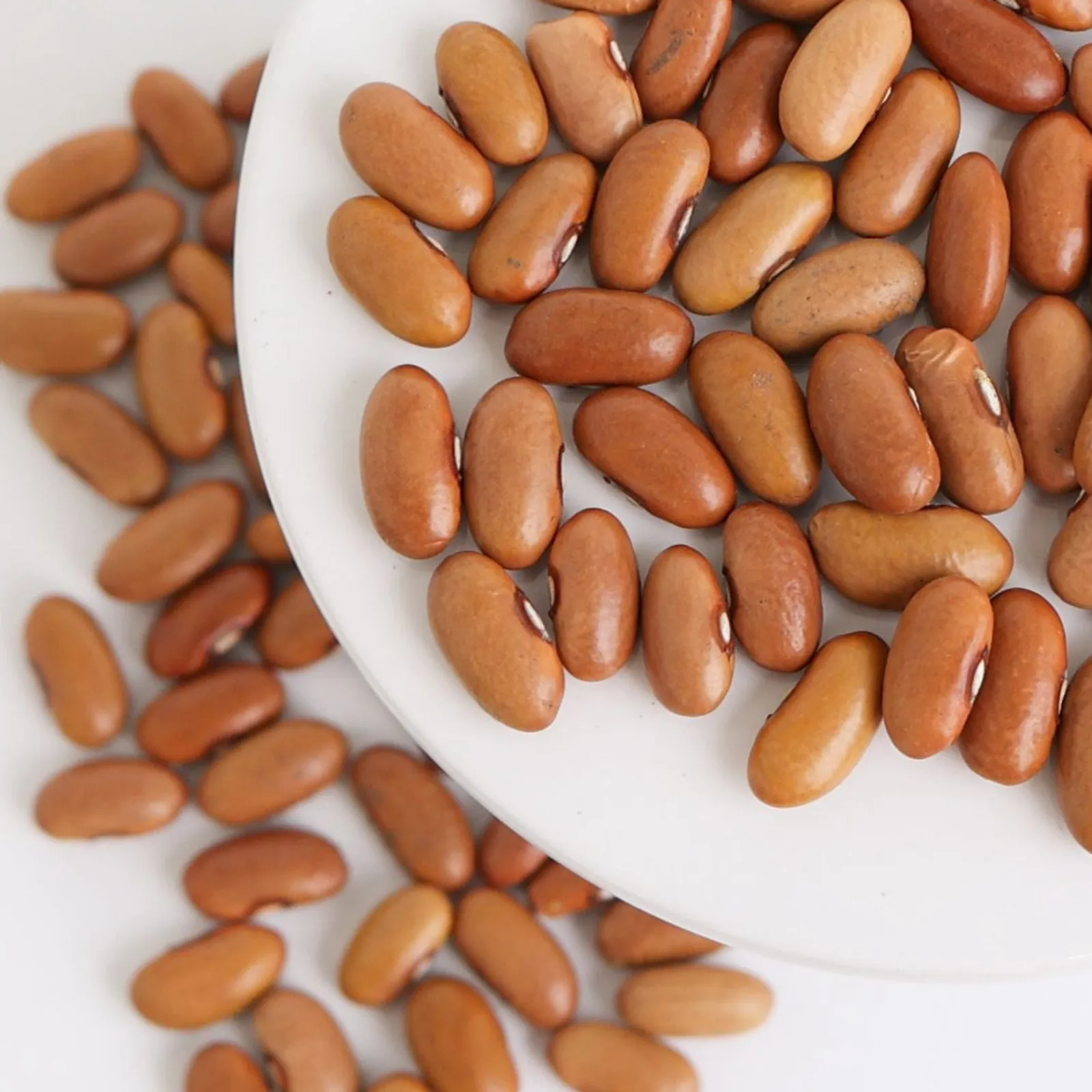
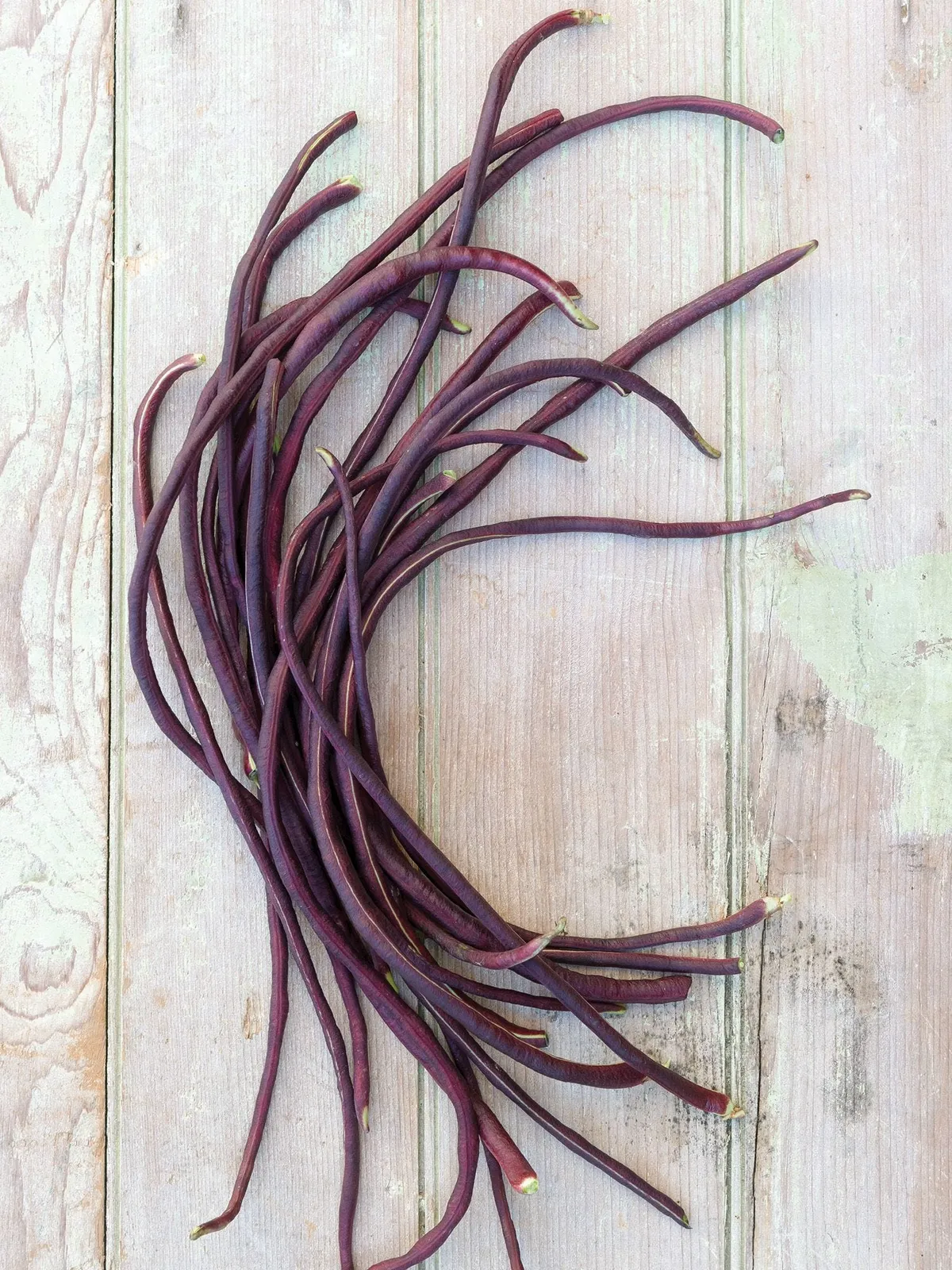
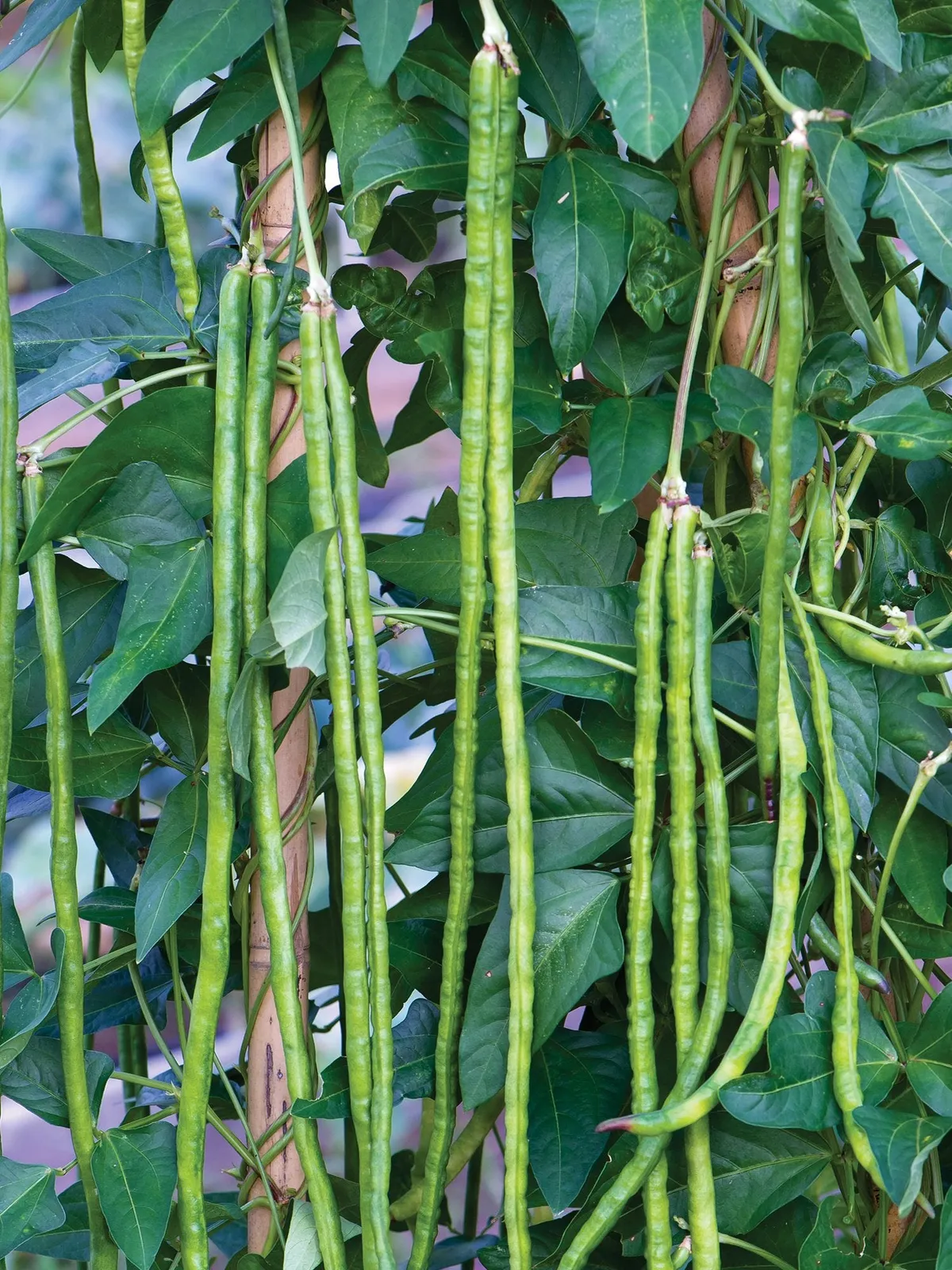
Beans are an easy-to-grow, ever-popular garden plant. Bean varieties are generally grouped by their growing habit, either as bush beans- smaller bush-type plants- or pole beans which have climbing vines. There is a specific species of climbing bean called a runner bean (Phaseolus coccineus) which is a garden favorite for its ornamental value as well as prolific yields of tasty pods. There are also 'half-runner' beans which are somewhere in between bush and pole beans. Bean varieties are also classified by how they are used. Snap beans are beans that are intended to be eaten while young- pod and all (e.g., 'green beans'). Shelling beans are intended to be eaten without the pod but while the bean inside is still fresh (not dry). Drying beans are intended to be dried for long-term storage. Some varieties are multi-purpose, while others are best suited as either snap, shelling, or drying beans. Choose bean varieties that are suited to your garden space and how you plan to cook with them.
How to Grow Beans
Quick Info


Put away the pen and paper
Plan your veggie garden in minutes with Planter's easy drag and drop planner.
Try Planter for Free
Varieties
Related Articles

Companion Plants


























Combative Plants




Nutrition
Vitamins





Nutrients












Pests

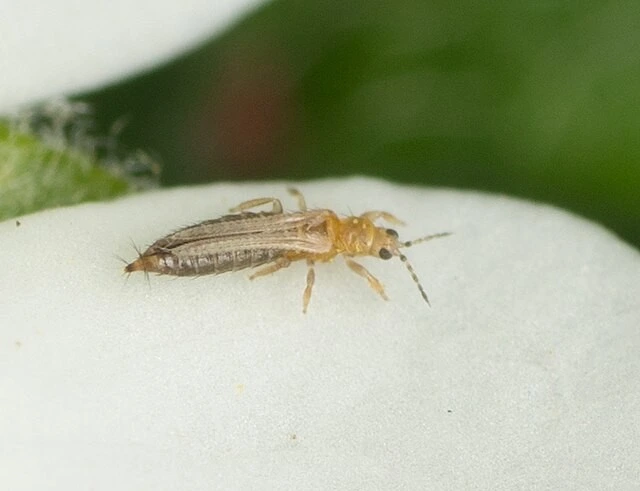
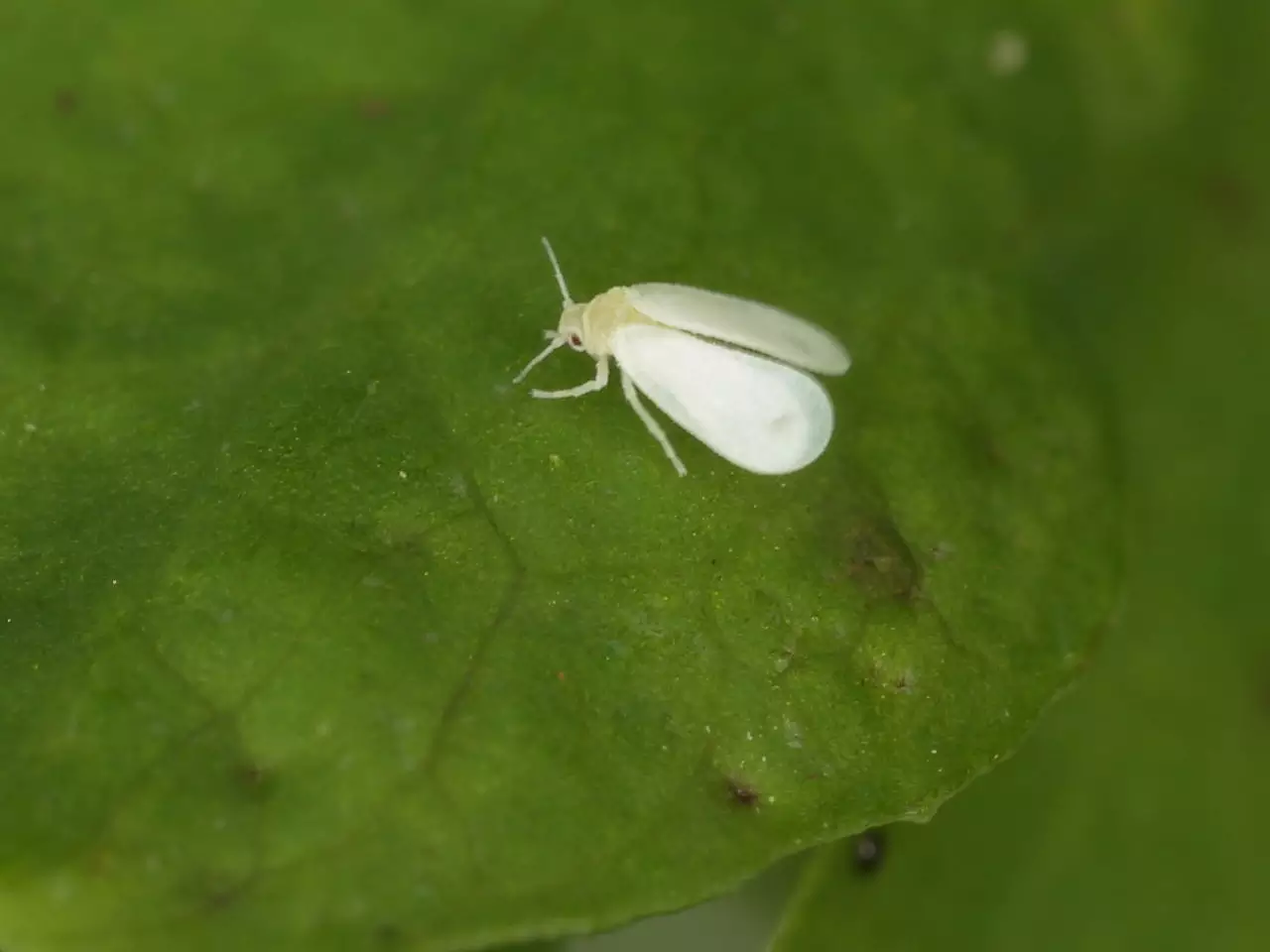
Diseases
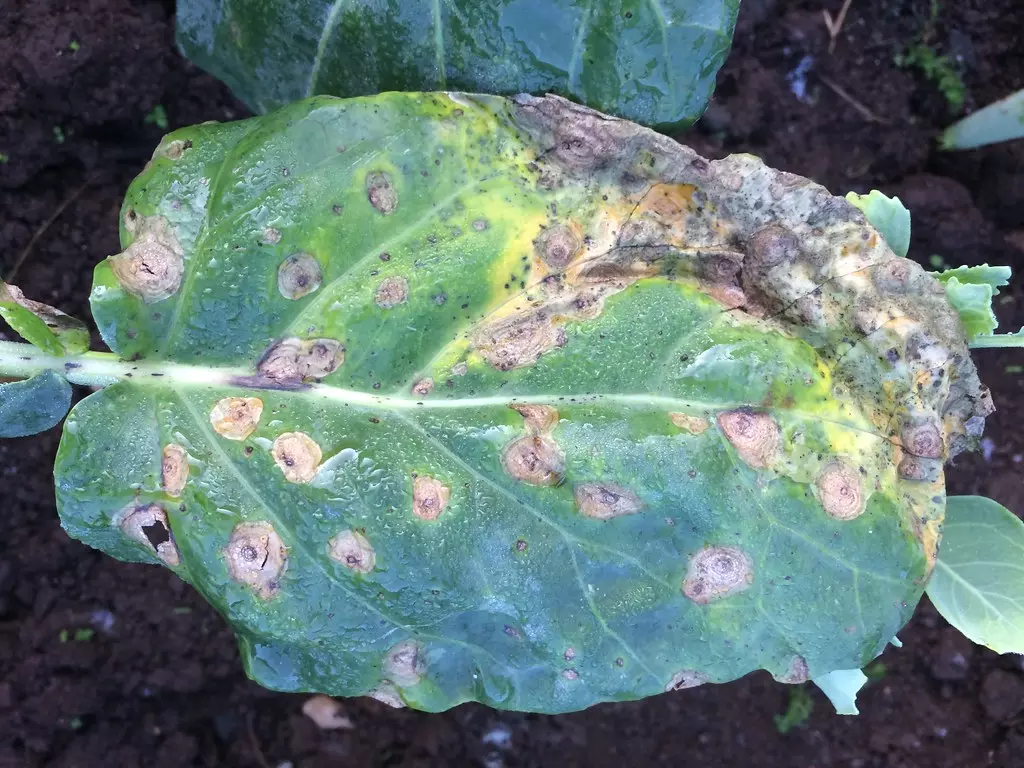
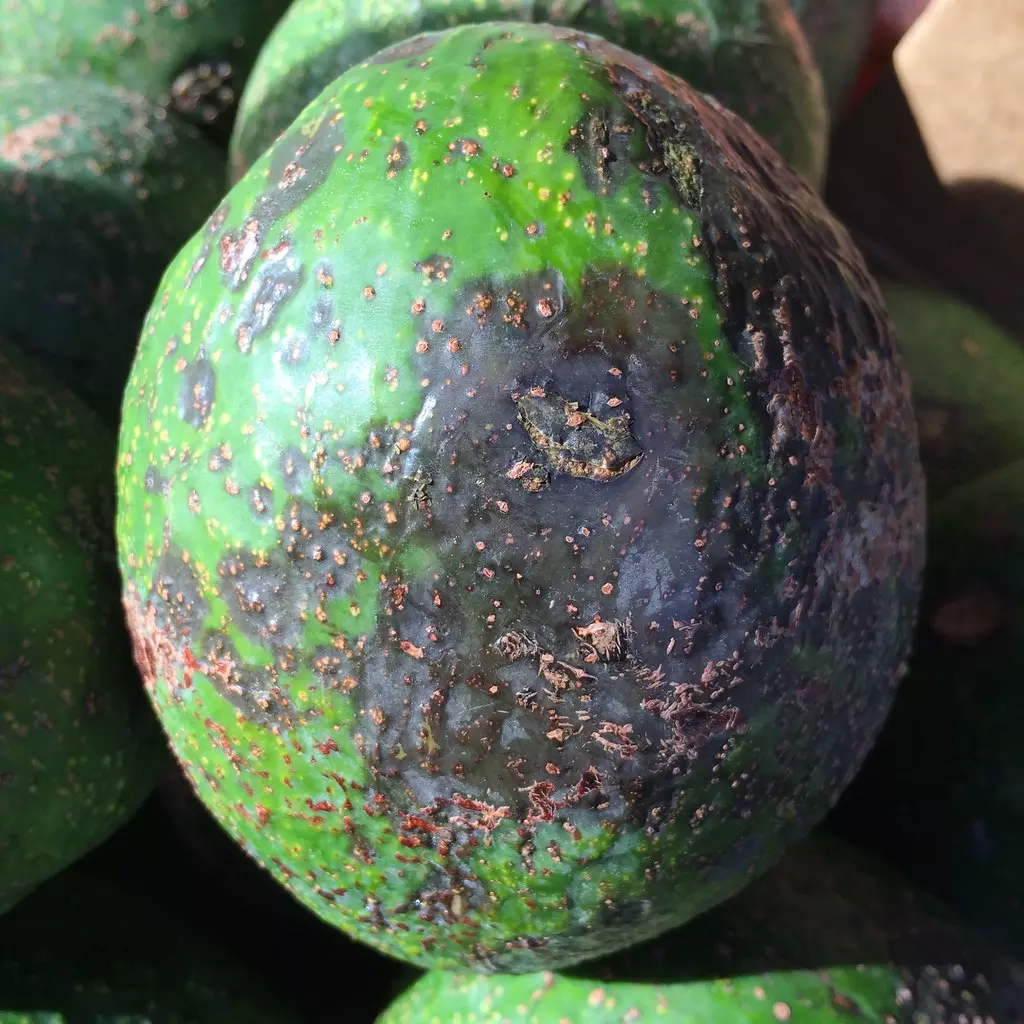
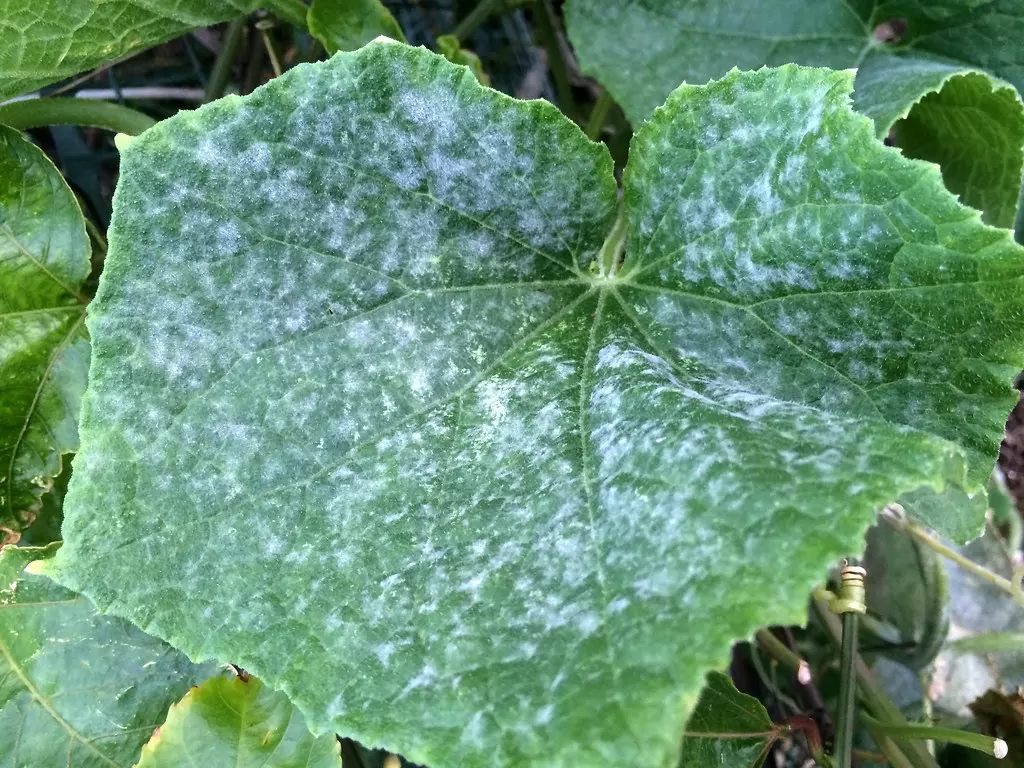
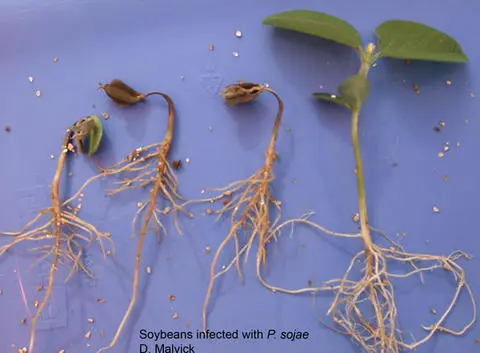
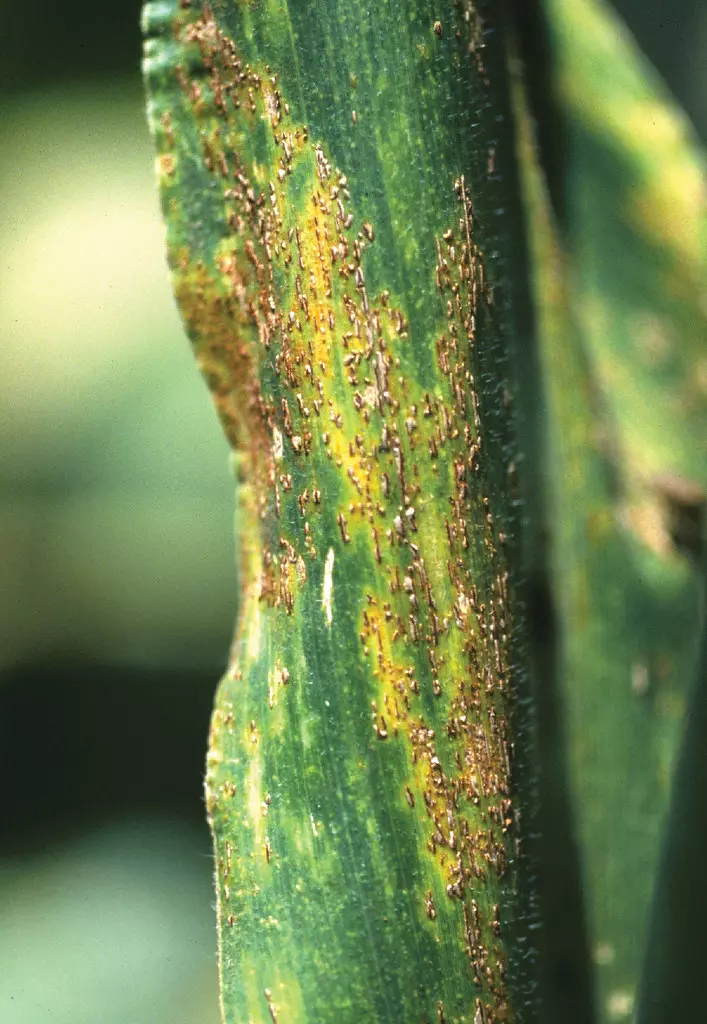
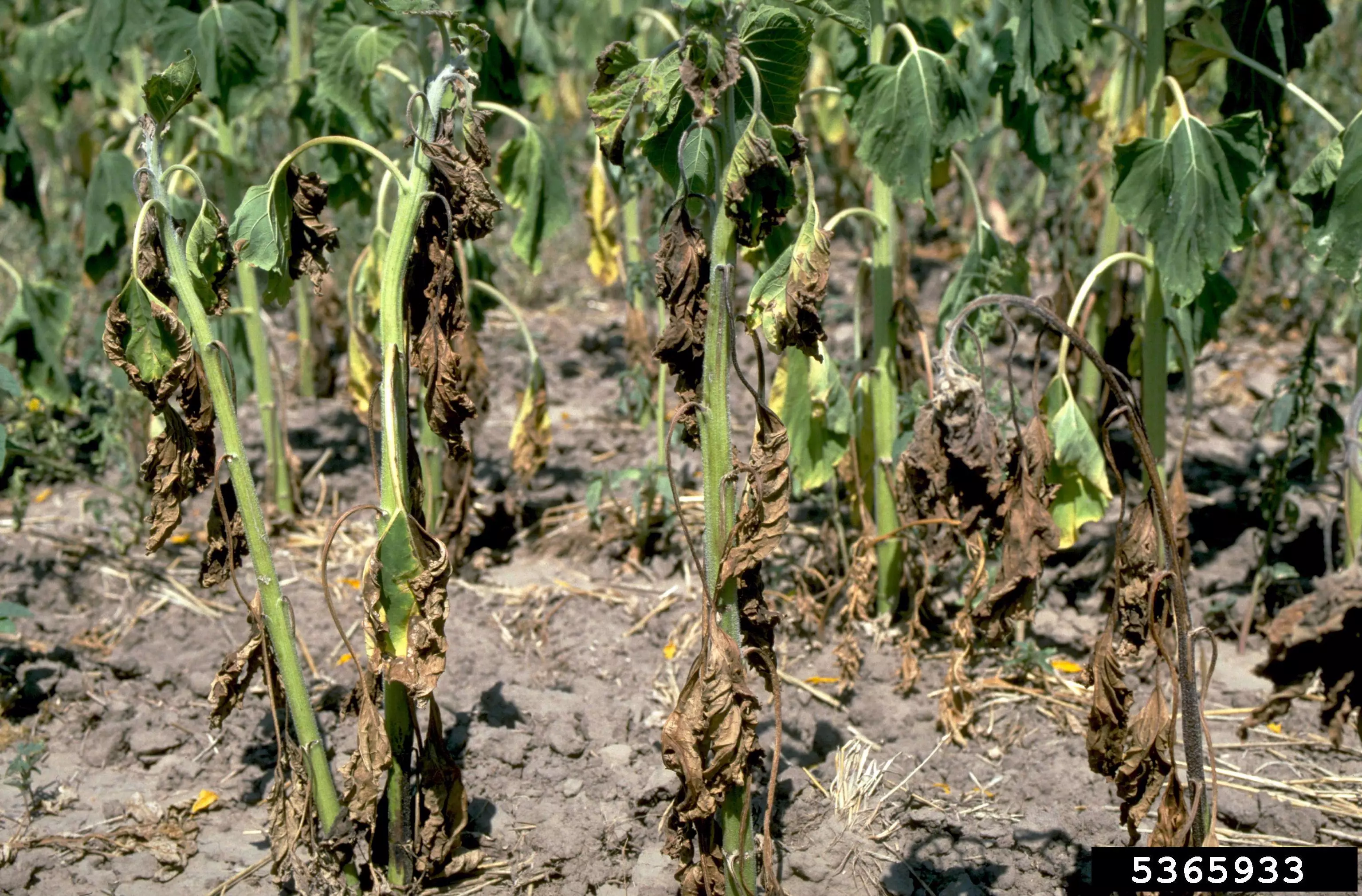
Beneficial Critters

Growing from Seed
It is generally recommended to direct sow beans. Some types of beans take a very long time to mature, especially for dry beans, so before planting be sure that you have enough time in your growing season. Bean seeds may rot if planted in soil that is too cold, resulting in spotty germination. Beans are especially sensitive to planting depth. Beans can be planted 1-2" (2.5-5 cm) deep depending on the size of the bean. If you are planting beans into heavy soils and/or it's early in the season, lean towards planting beans more shallowly so the soil is warmer and they can emerge easily. If you are planting into sandy soil and/or it is later in the season, you may want to plant more deeply so the beans don't dry out. Bush beans can be planted in succession every few weeks for ongoing bean harvests. Pole beans (and runner beans) generally only need to be planted once or at most twice in a season as they are highly productive and continue to produce new pods over an extended period of time. Bush beans can be planted as densely as 9 plants per square foot, while pole beans can be planted up to 4 per square foot.
Planting Considerations
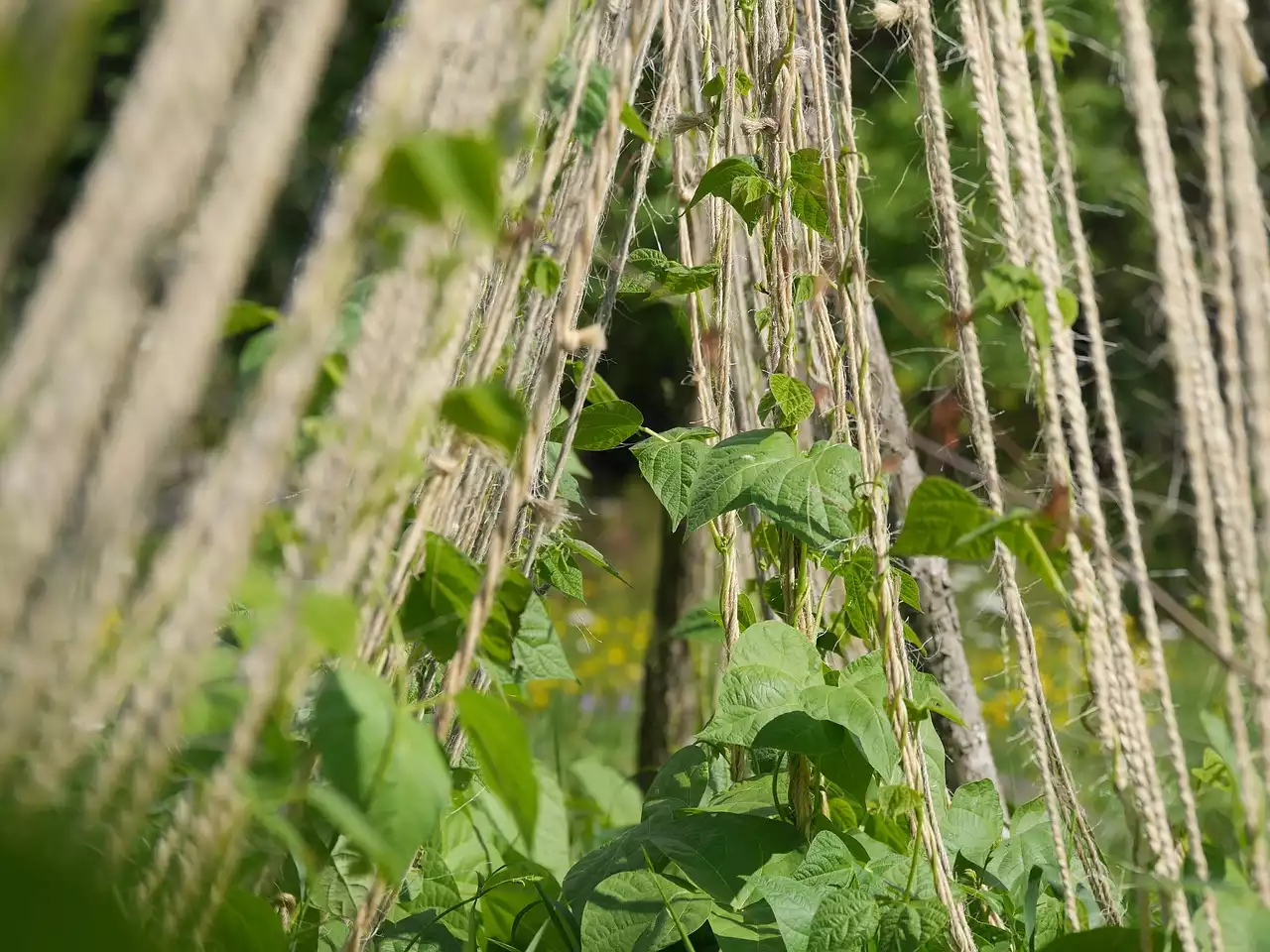
Beans prefer loamy, fertile soil that retains moisture. Add compost to the soil at the time of planting. Pole beans are climbing vines that require a trellis or another structure to climb. Install the trellis at the time of planting to avoid damaging the plants' roots later on. Bush beans should not need support. Row cover can be used to protect young seedlings from pests and to help keep the plants warm. Beans can be grown in containers; choose a container that holds at least 2 gallons. Bush beans may be an easier choice for container growing, although pole beans can be grown in containers so long as the container is large enough and has a sturdy trellis that will not topple over.
Feeding
Beans are able to fix a portion of their own nitrogen from the air with the help of Rhizobium bacteria in the soil. Because of this, beans usually do not need regular fertilizing. Amending the soil with compost and applying a balanced fertilizer at the time of planting should provide enough fertility to carry beans through the season. Excessive nitrogen can cause the plant to put energy into leaf growth at the expense of bean yields.
Harvesting
Days to maturity varies widely between different bean varieties and whether they are grown for snap beans or dry beans. Check the seed packets to confirm the expected timing for the varieties you are growing.
Snap beans should be harvested when the pods are full-size and the beans inside are not too mature and round. The expected pod size depends on the variety. Harvest snap beans every few days to encourage continued production and to make sure the beans are picked at their prime. Shelling beans can be harvested when the beans inside have reached full maturity but are still soft and not dry. Drying beans can be left on the plant until the pods are fully dry. Stop watering drying beans when the first pods begin to dry out. If cold, wet weather is coming in fall, cut off the entire plant and hang it indoors until the mature pods are dry. Strip fully-dry beans from the shell and winnow them (use a fan or a light breeze to gently blow off loose plant debris).
When harvesting beans, be careful not to yank on the plants as the stems can easily snap. Secure the plant in one hand and pull off pods with the other, ideally keeping a small piece of stem on the pod.
Storage
Snap and shelling beans can be kept in the fridge for up to several days. They can be blanched, cooled, and frozen in an airtight container or freezer-safe bag. Frozen beans can be kept for up to several months. Beans can also be pressure canned or pickled for long-term storage. Carefully follow pressure canning instructions from a reputable source; as a low-acid vegetable beans must be properly pressure canned to eliminate the risk of botulism.
Dried beans can be stored in an airtight container in a cool, dark place for up to a year.
While it may be tempting, snap and shelling beans should not be consumed raw as they contain lectins- proteins that can cause digestive upset and inhibit nutrient absorption if eaten in large quantities. Cooking beans helps to break down lectins.
Some beans, especially kidney beans, contain a toxic compound called phytohemagglutinin which can cause severe digestive distress even in small quantities. Soak and drain beans before cooking and ensure beans are fully cooked to eliminate phytohemagglutinin. Note that slow cookers may not cook beans enough to break down phytohemagglutinin. Also be aware that some individuals can have a severe adverse reaction to fava beans called favism. If you eat fava beans and begin to feel unwell seek treatment.
Pruning
To remove spent bean plants, cut the plant off at soil level leaving the roots in the soil to provide nitrogen to the next crop.