Garlic
Allium sativum var. sativum, A. sativum var. ophioscorodon, A. ampeloprasum var. ampeloprasum
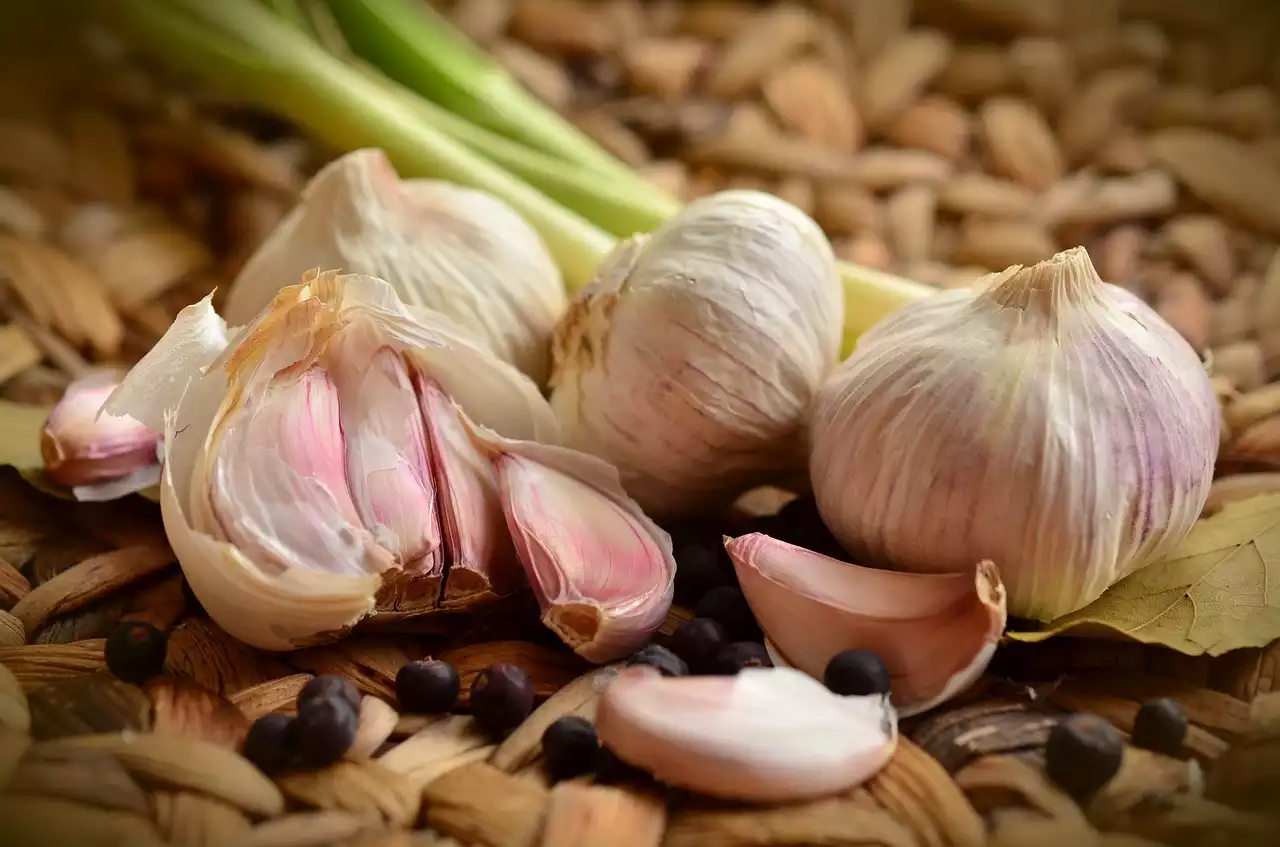
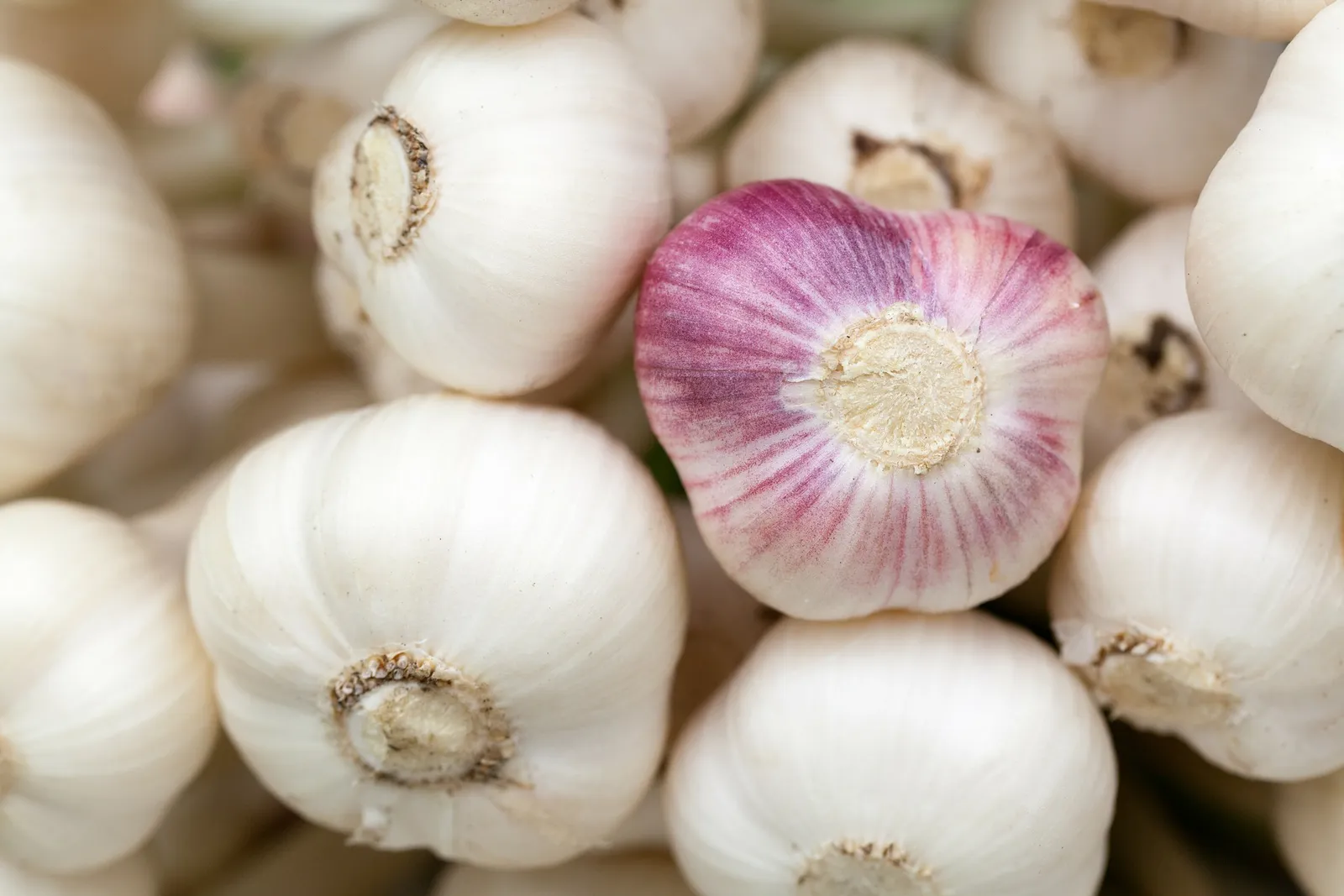
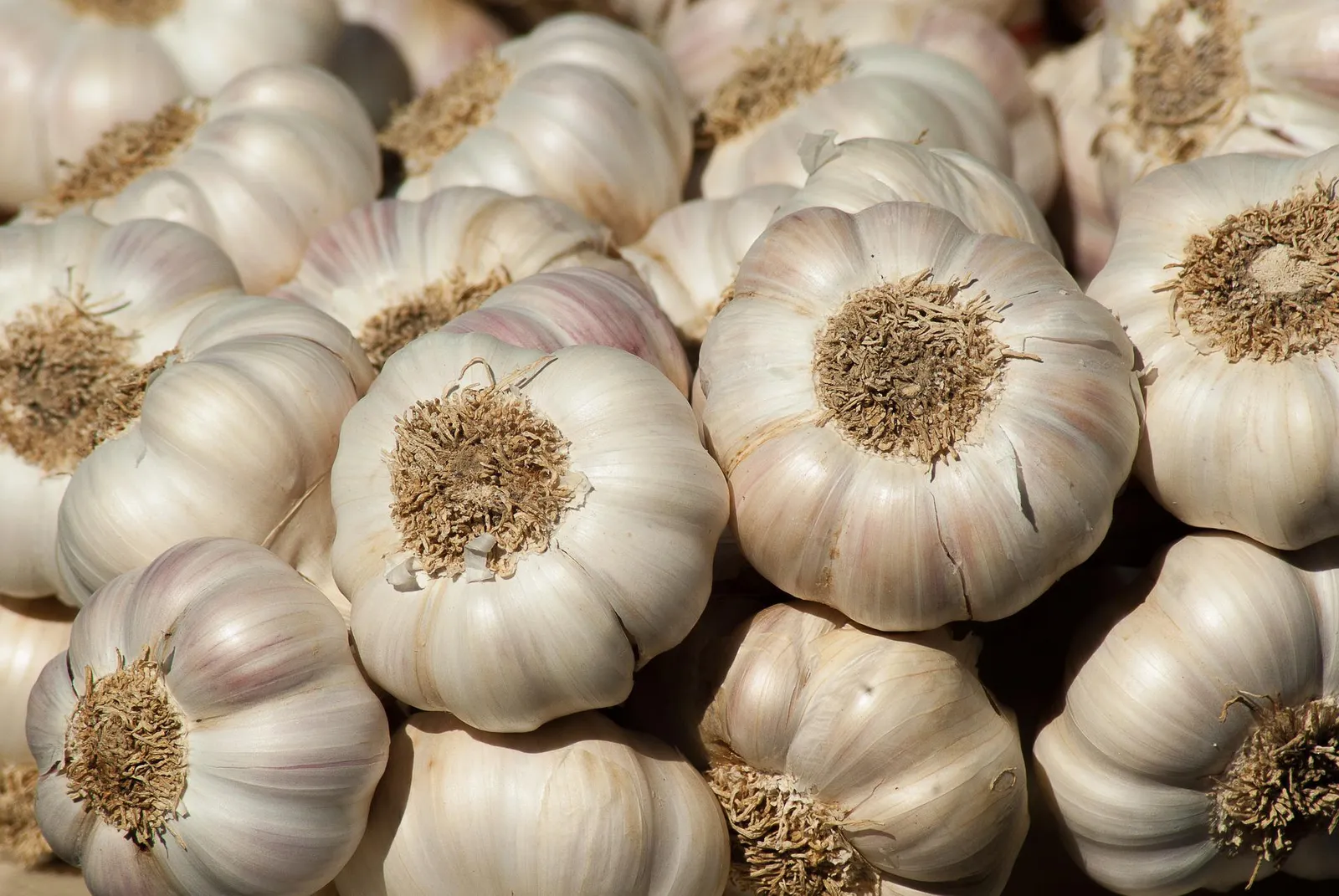
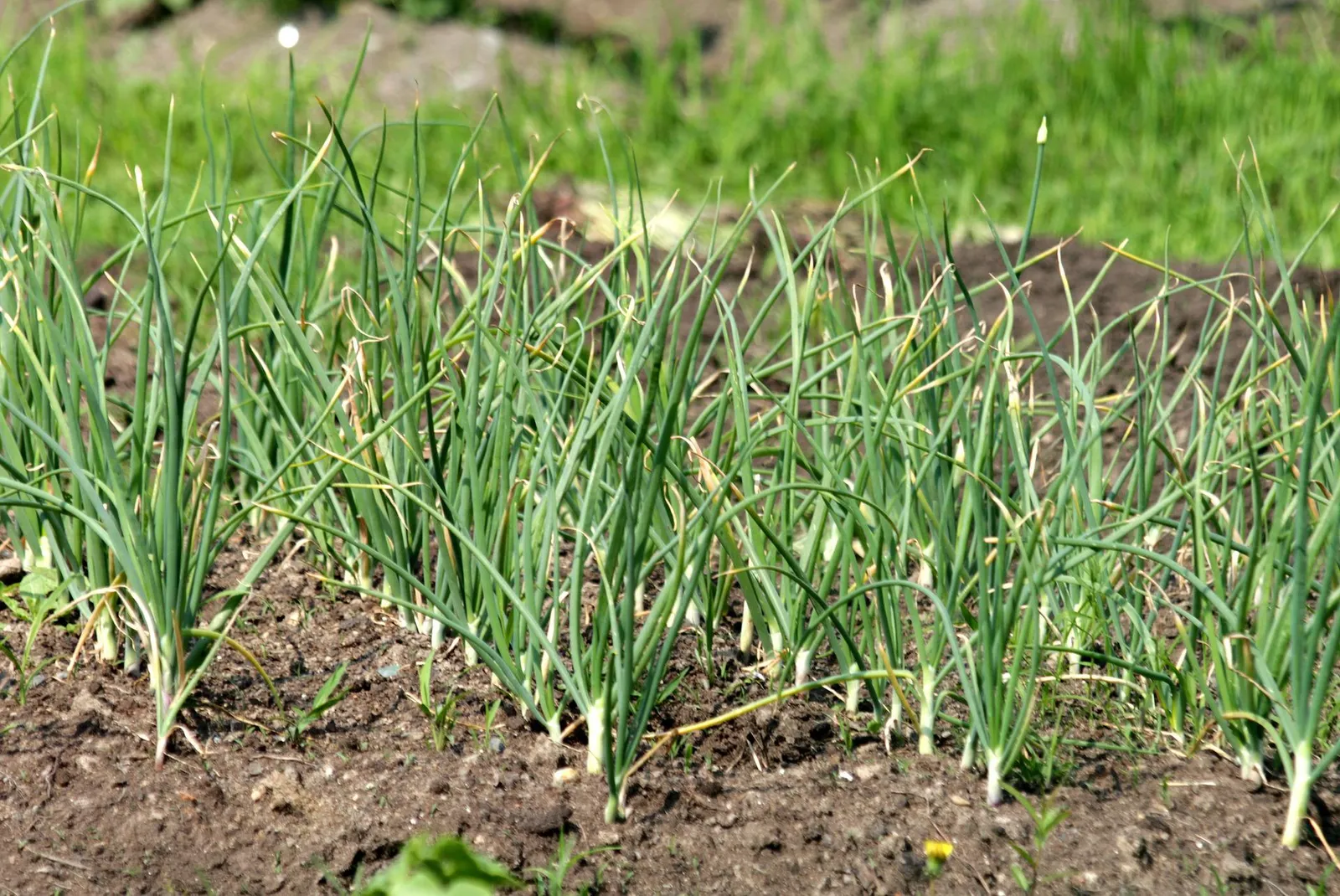
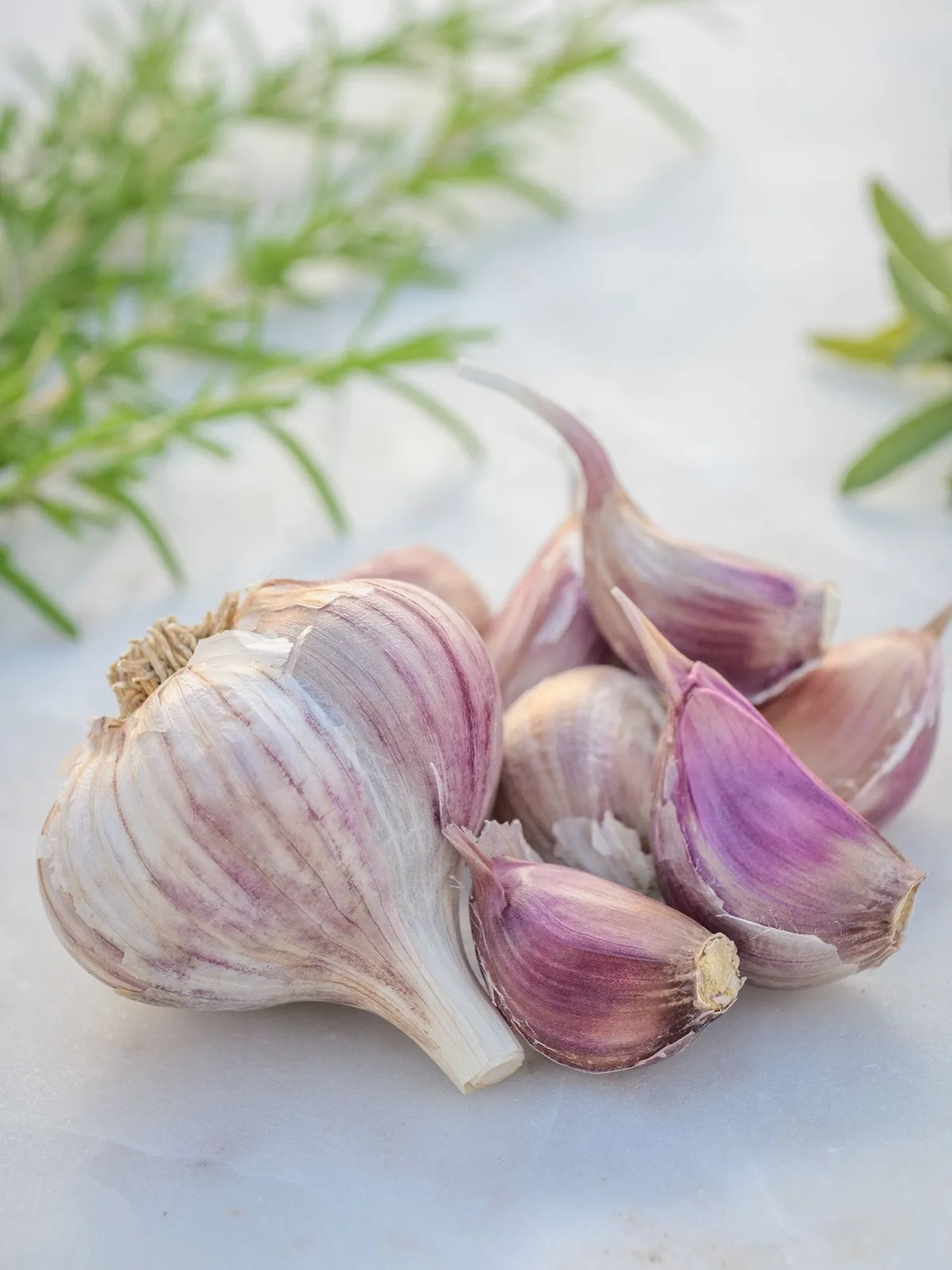
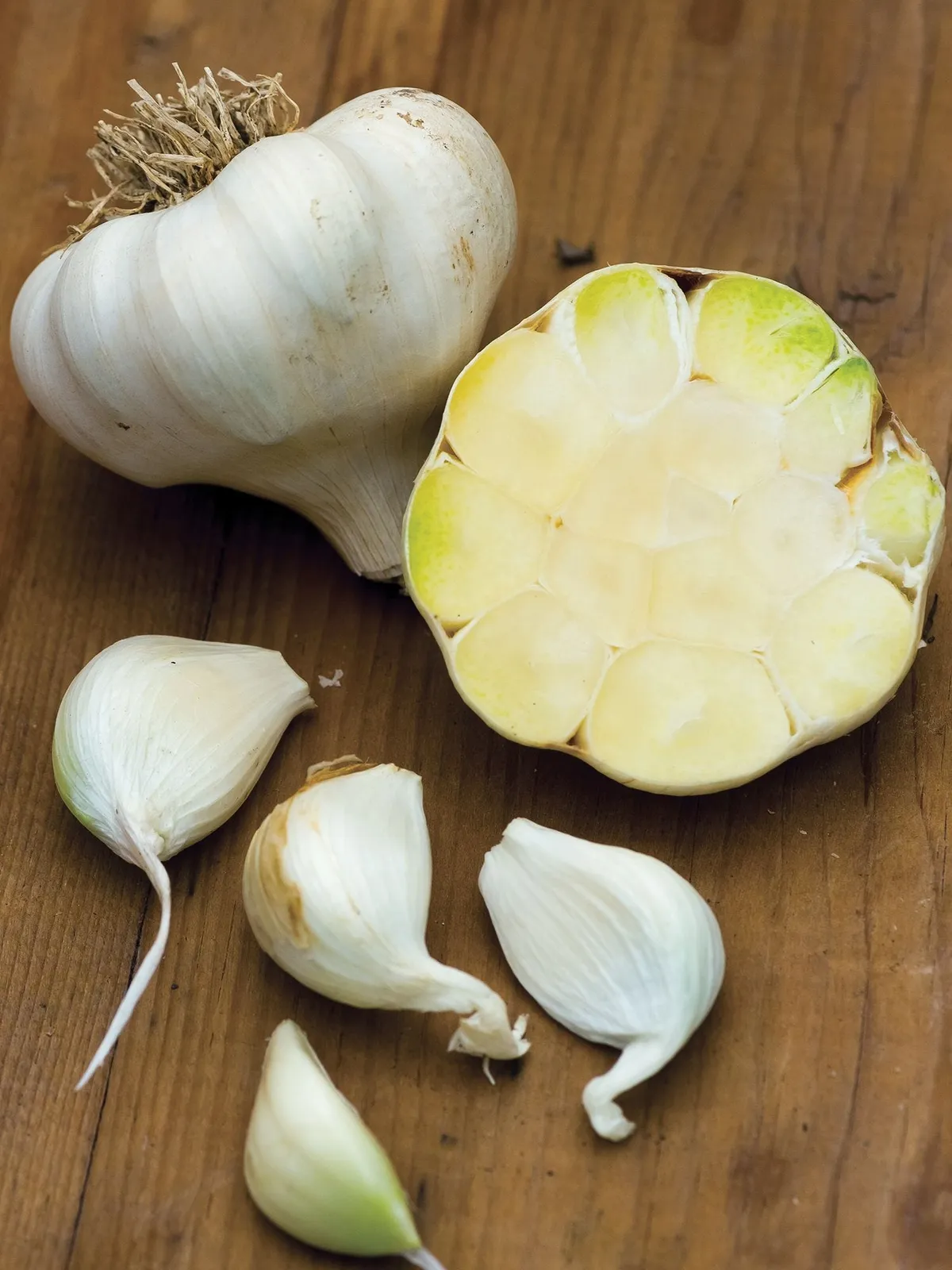
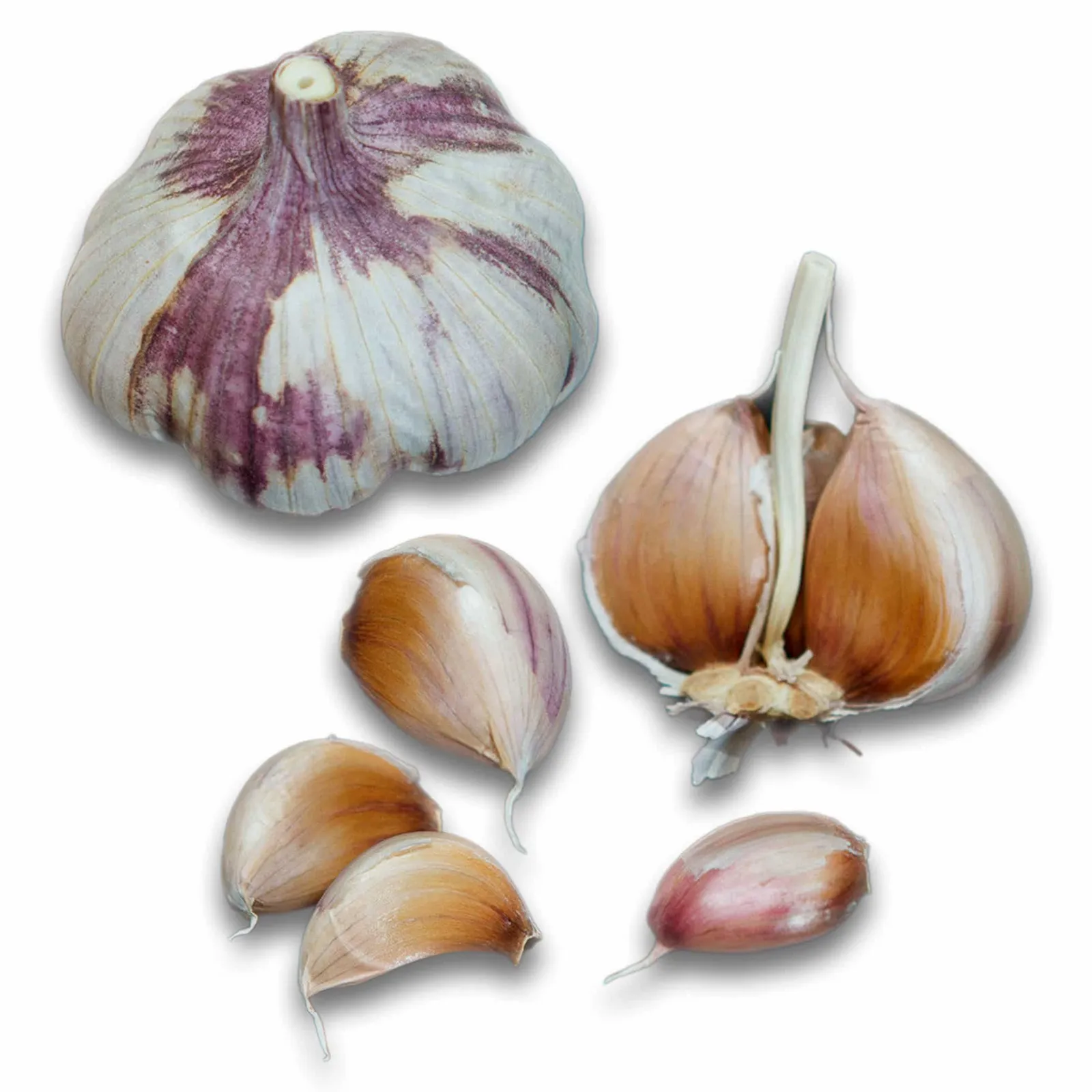
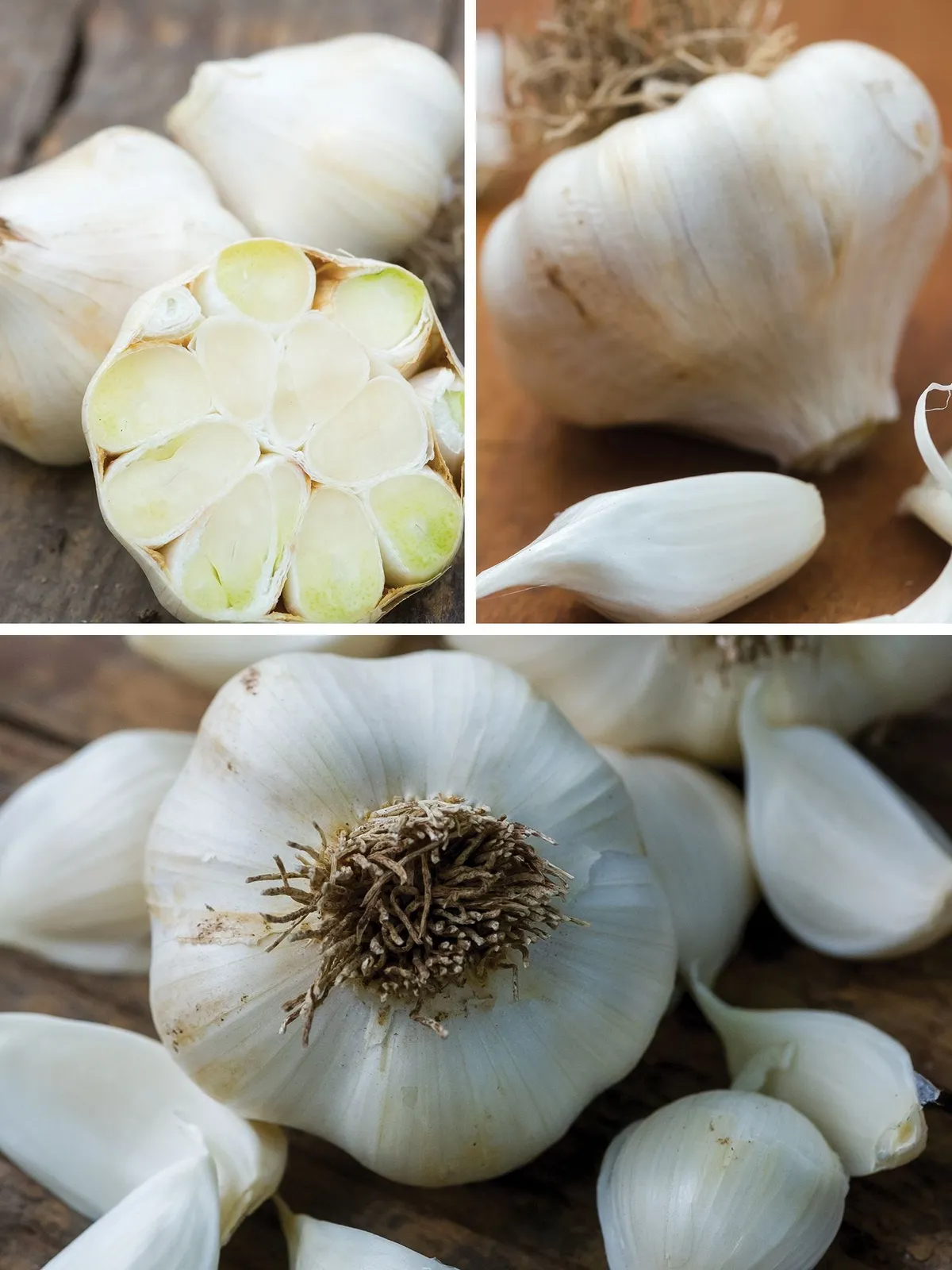
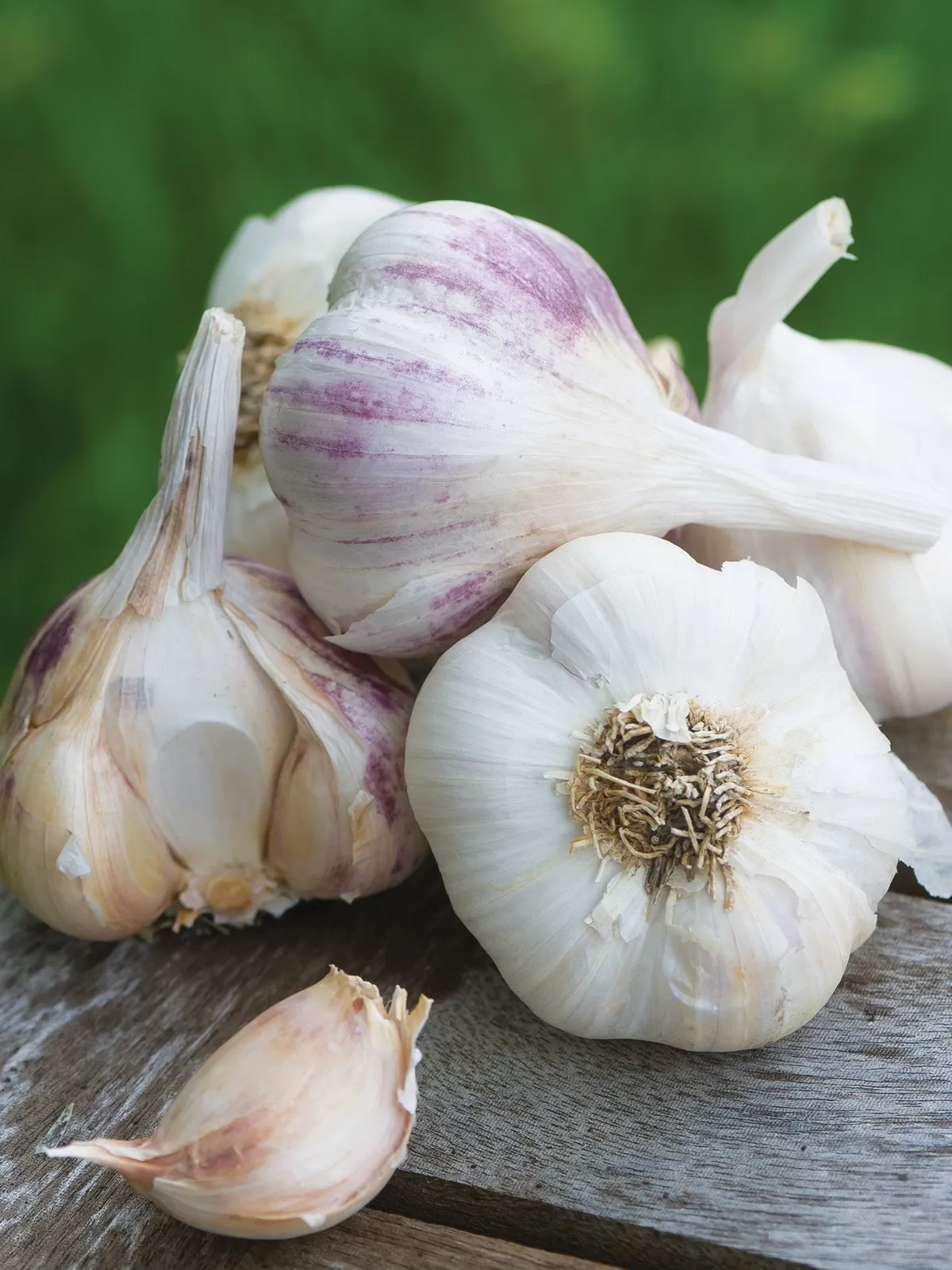
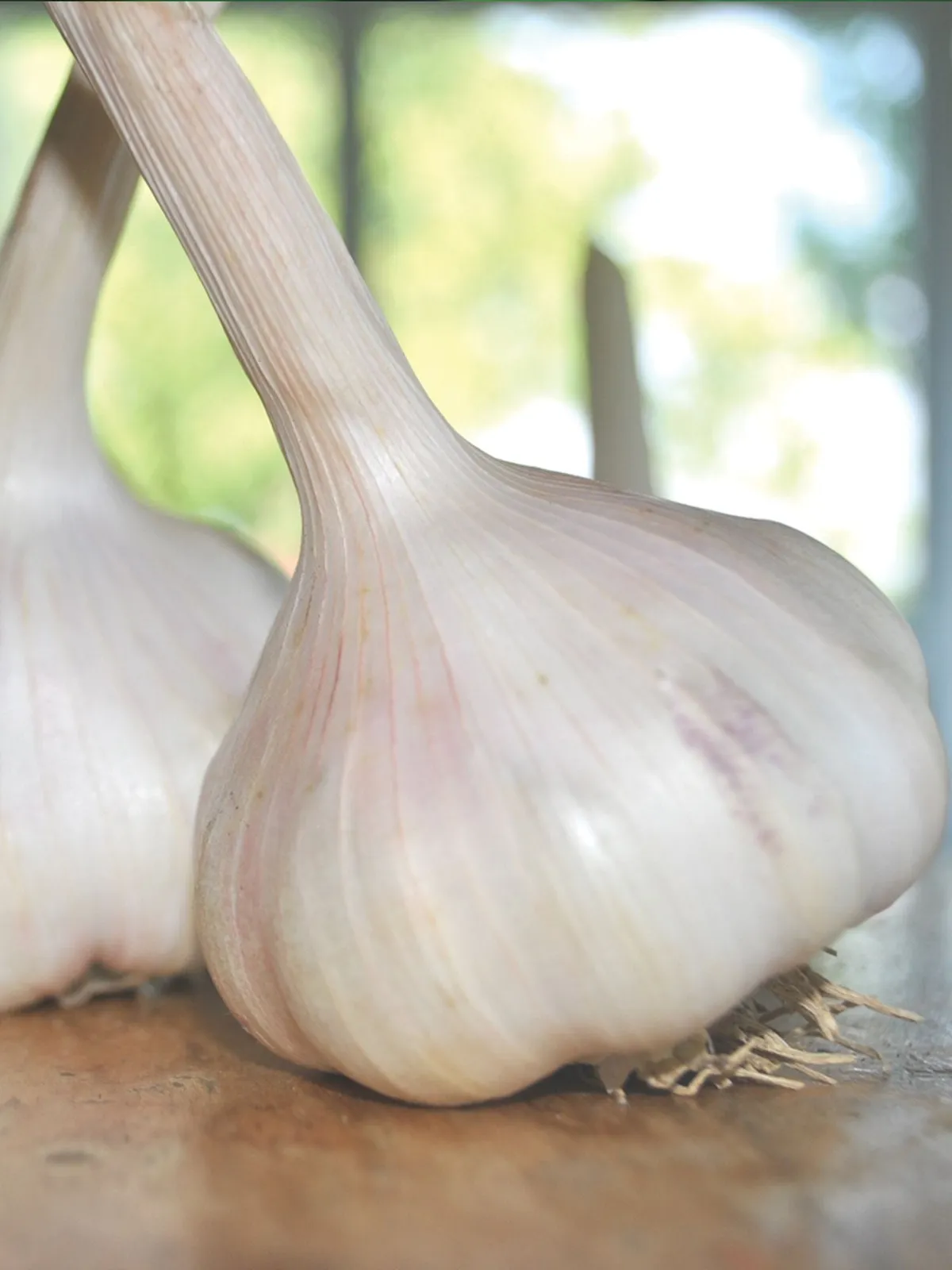
Garlic is an easy-to-grow crop and the taste of home-grown garlic is incomparable. While garlic is slow-growing, it's possible to grow a year's worth of garlic in a small space (depending on how much garlic your family enjoys!) There are two general types of garlic: softneck garlic (Allium sativum var. sativum) which has a pliable stalk and is generally grown in warmer climates. It has more cloves per bulb and a longer shelf life than hardneck garlic. Hardneck garlic (A. sativum var. ophioscorodon) is generally grown in colder climates as it needs to be exposed to temperatures under 40°F (4°C) for 40 days or more to form a bulb. Hardneck garlic has fewer, larger cloves per bulb with a more pronounced, complex flavor. Many gardeners also enjoy growing elephant garlic (A. ampeloprasum var. ampeloprasum) which is technically a bulbing leek with a mild garlic flavor.
How to Grow Garlic
Quick Info

Put away the pen and paper
Plan your veggie garden in minutes with Planter's easy drag and drop planner.
Try Planter for Free
Varieties
Related Articles
.jpg)


Companion Plants





Combative Plants



Nutrition
Vitamins



Nutrients








Pests
Diseases
Beneficial Critters
Growing from Seed
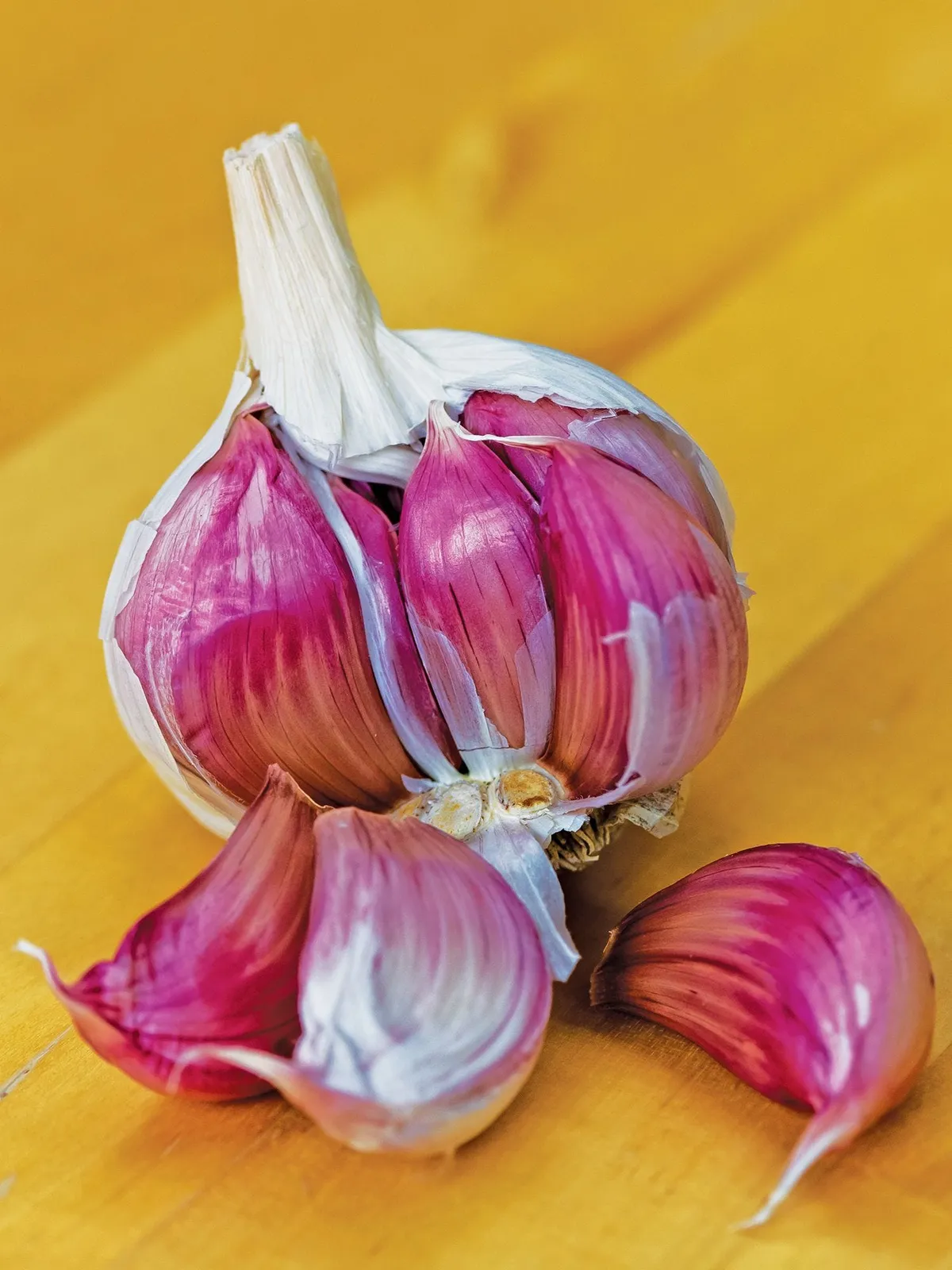
Garlic is not grown from seeds as almost all garlic plants are sterile. Garlic is grown from 'seed garlic' which are garlic cloves intended for planting. Some gardeners like to experiment with growing garlic from 'bulbils'- small bulb-like parts that form from hardneck garlic flowers. But growing garlic from bulbils can take several years to produce a full-sized garlic bulb. It is not recommended to use garlic cloves from the grocery store for planting. Grocery store garlic varieties are likely not well-suited for growing in your area and the bulbs may have been treated with anti-sprouting agents. Source seed garlic from a seed company or a local grower. Break seed garlic bulbs into individual cloves up to a few days before planting. Try to keep the papery husk intact on each clove. Larger cloves are preferable for planting as they can produce larger bulbs; very tiny cloves may not produce a fully developed bulb. Some sources recommend pre-soaking garlic cloves in various solutions to sterilize or fertilize them before planting, but this is generally not necessary to have a successful garlic crop.
Planting Considerations
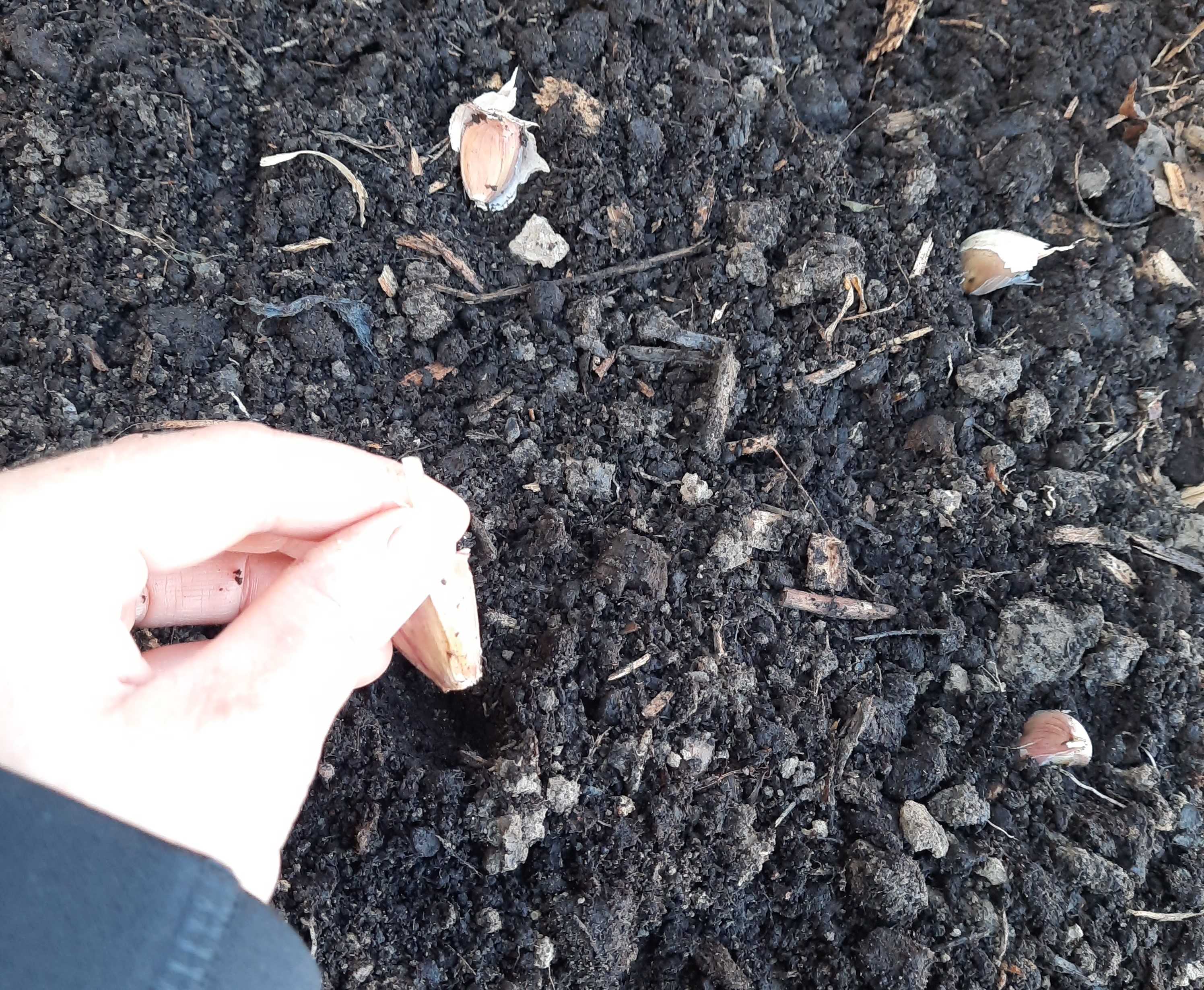
Garlic prefers loose, loamy, well-draining soil. Work compost into the soil at the time of planting. If your soil is deficient in specific nutrients apply the necessary amendments at the time of planting. Recommendations for garlic planting depth vary but 3" is a general rule of thumb. Apply several inches of mulch after planting to help protect the cloves through winter. If you live in a very cold climate or are not mulching your garlic you may want to plant slightly deeper. Plant cloves with the root side facing down and pointed side facing up. In cool climates garlic is generally planted in fall for a harvest the following summer. If you missed the fall planting window it is possible to plant garlic in spring as soon as the soil can be worked, however the bulbs will be significantly smaller. If you are attempting to grow hardneck garlic in a warmer climate, or planting it in the spring, place the seed garlic bulbs in the fridge in a breathable container for several weeks so they get the necessary cold exposure. Around the last frost date in spring pull back most of the mulch to help the soil to warm up; leave just enough to keep the soil covered. Spring planted garlic can be grown in containers but container growing is not generally recommended for fall planted garlic as the cloves can freeze and die over winter.
Note that garlic can be toxic to pets; while the effect is dose-dependent do not allow your pets to eat garlic.
Feeding
Garlic is a heavy feeder and in particular needs ample phosphorus to promote good bulb development. Excess nitrogen can cause garlic to develop too much vegetative (leaf) growth and can hinder bulb growth. Fertilize regularly through the growing season with a balanced fertilizer.
Harvesting
Hardneck garlic will produce garlic scapes- tall flower stalks that shoot up around mid-spring. Garlic scapes have a mild garlic flavor and can be used as a garlic substitute in many recipes. Garlic scapes should be removed when they form as leaving them on too long can cause the bulbs to be smaller. Cut scapes off as close as possible to where they originate on the plant without harming the leaves. Garlic bulbs can be harvested once half to two-thirds of the leaves have yellowed. Garlic bulbs harvested too early will be smaller and possibly not fully formed, while bulbs harvested too late can start to degrade in the soil. To harvest garlic use a garden fork to lift the soil around the bulbs, being careful not to pierce them. Pull up the loosened plants and brush off as much soil as possible from the roots. Garlic can be used when freshly harvested as "green garlic", but it is often cured for long-term storage. To cure garlic leave the stalks in a dry, shady spot with good airflow for three weeks or until the outer leaves are fully dry.
Storage
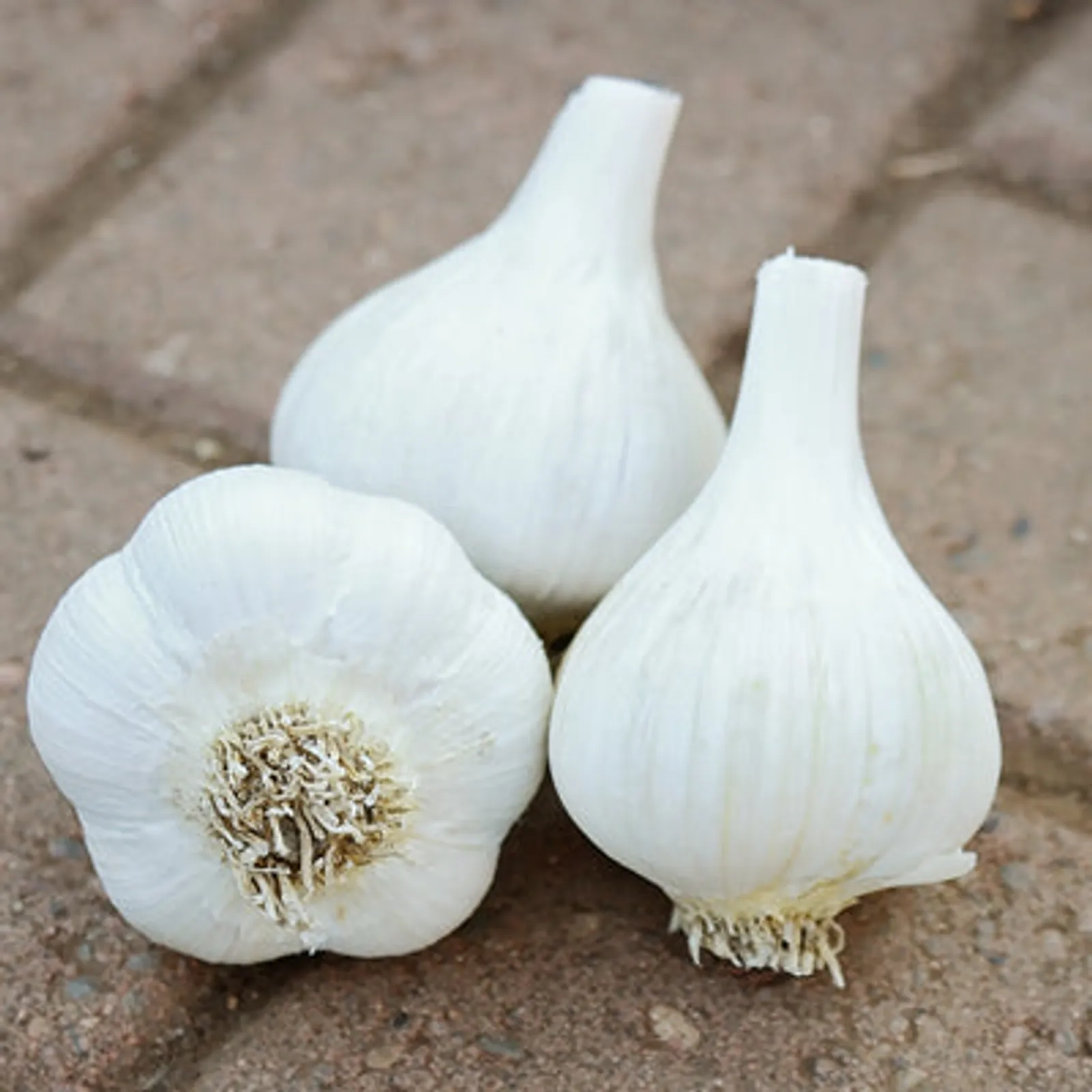
After curing, trim off the roots and stalks and brush off any remaining dried dirt (softneck stalks can be left on if you want to braid them together). If needed peel off the outermost, dirtiest layer of the papery skin but try to leave most of the layers intact for long-term storage. Whole, cured bulbs can be stored in a cool, dark, dry place with good airflow for several months. Don’t store garlic in your basement if it’s humid! Once garlic bulbs are broken up into cloves they should be used within a couple weeks. Garlic can also be frozen either as peeled cloves or chopped up into ice cube trays topped off with water. Frozen garlic can be stored in an airtight container or freezer-safe bag for up to several months. Garlic can also be pickled or fermented. If you plan on planting your own garlic next season, save large, disease-free bulbs for planting.
Pruning
Remove scapes from hardneck garlic as soon as they form to encourage the plant to put energy into bulb formation.