Parsley
Petroselinum crispum var. crispum, P. crispum var. neapolitanum
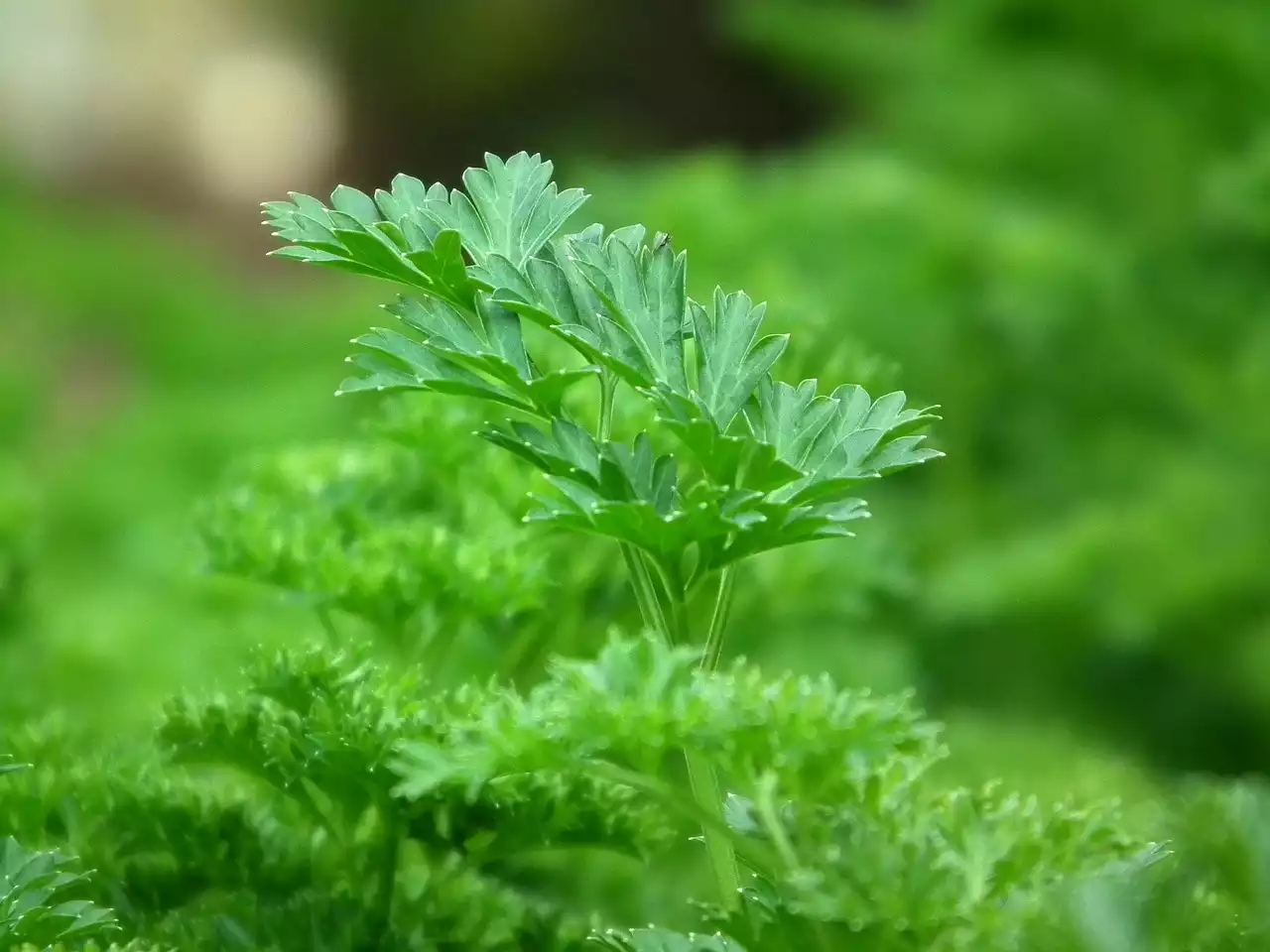
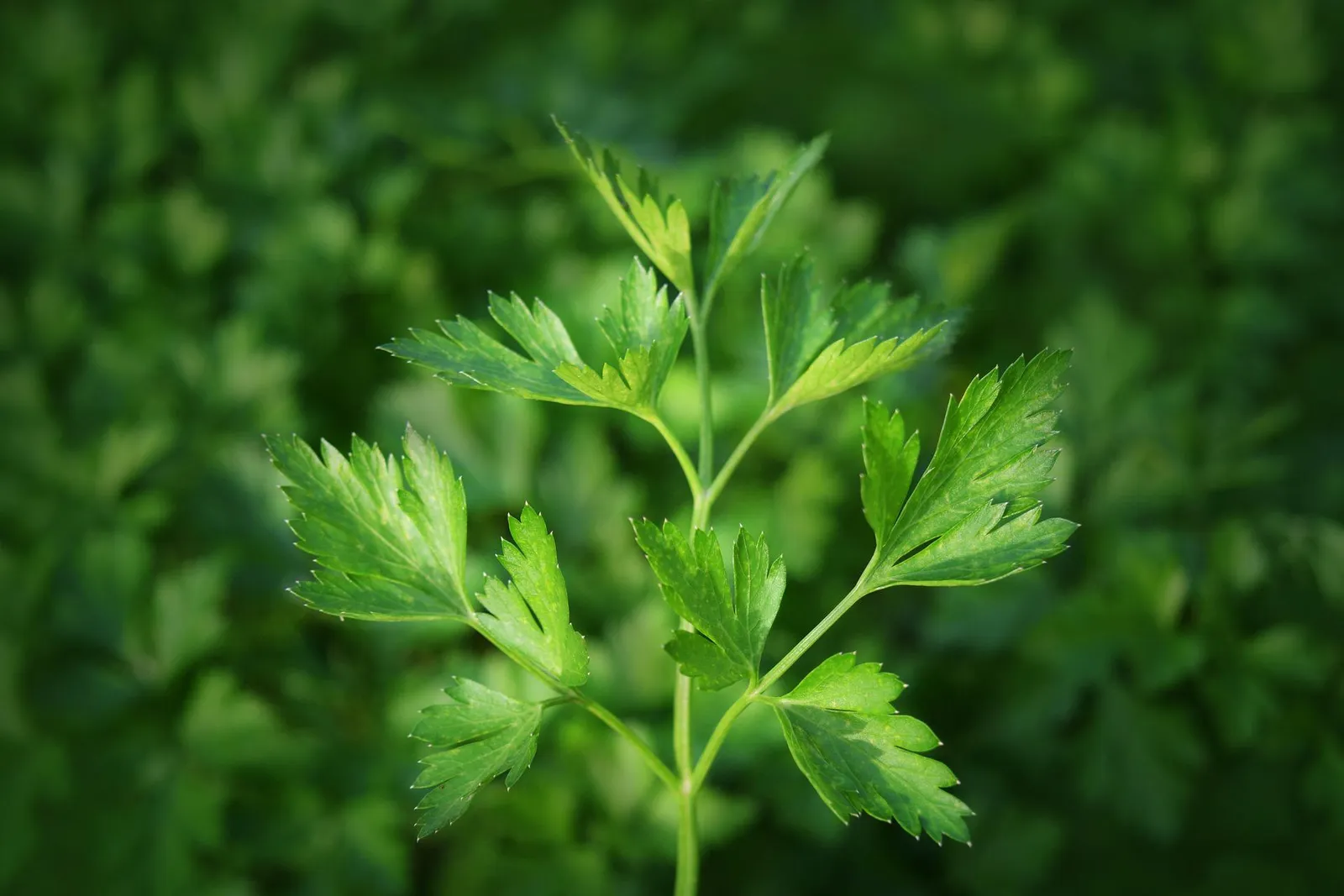
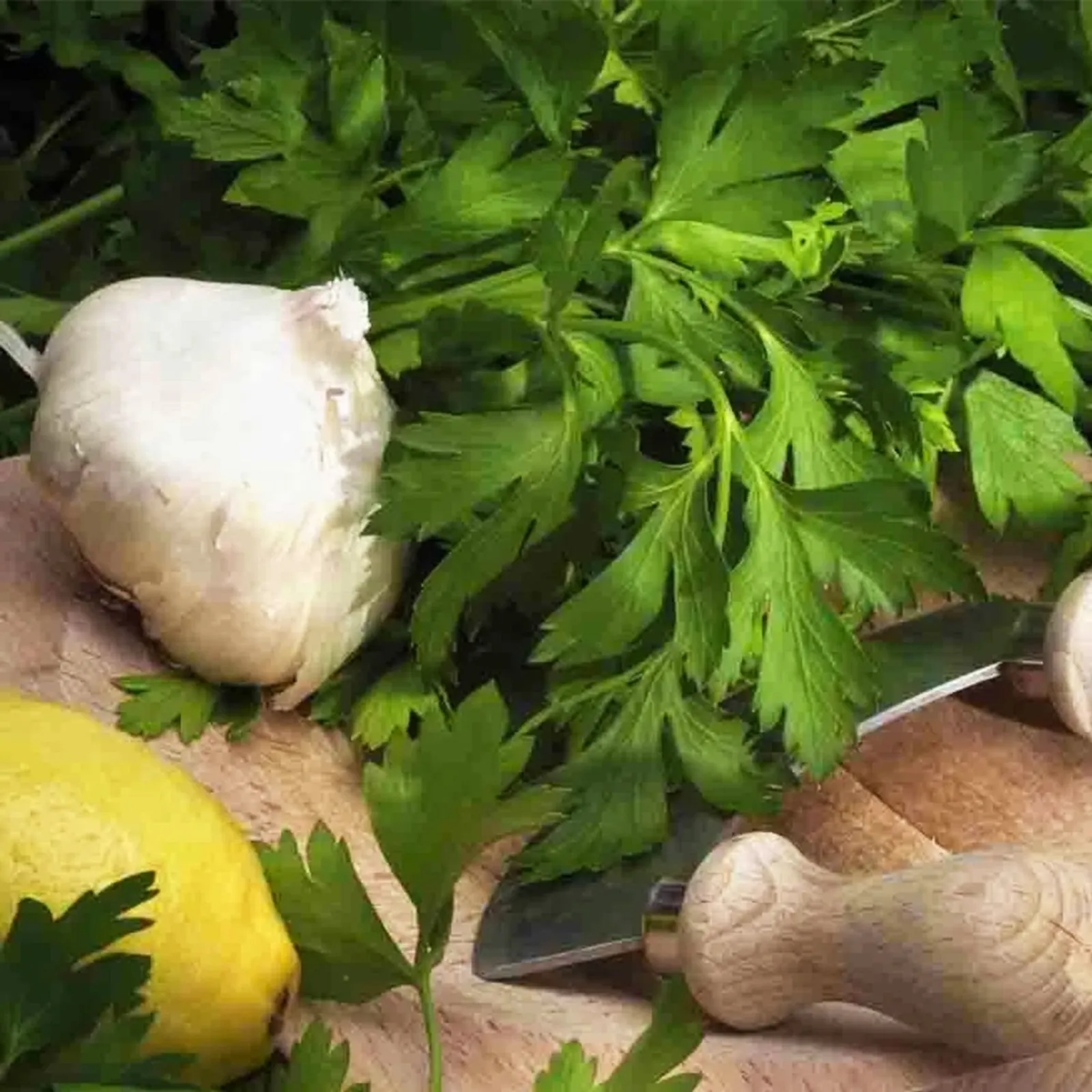
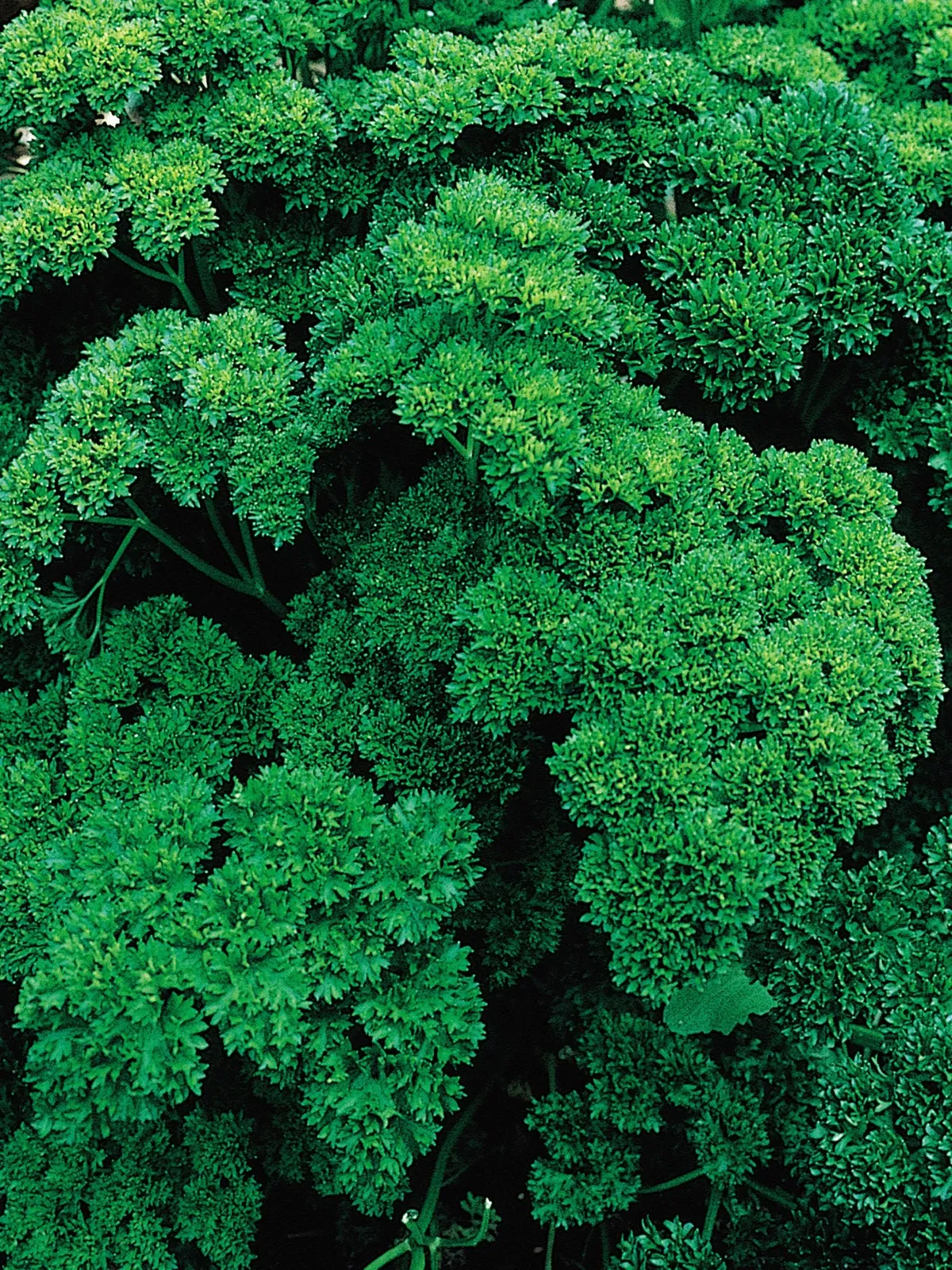
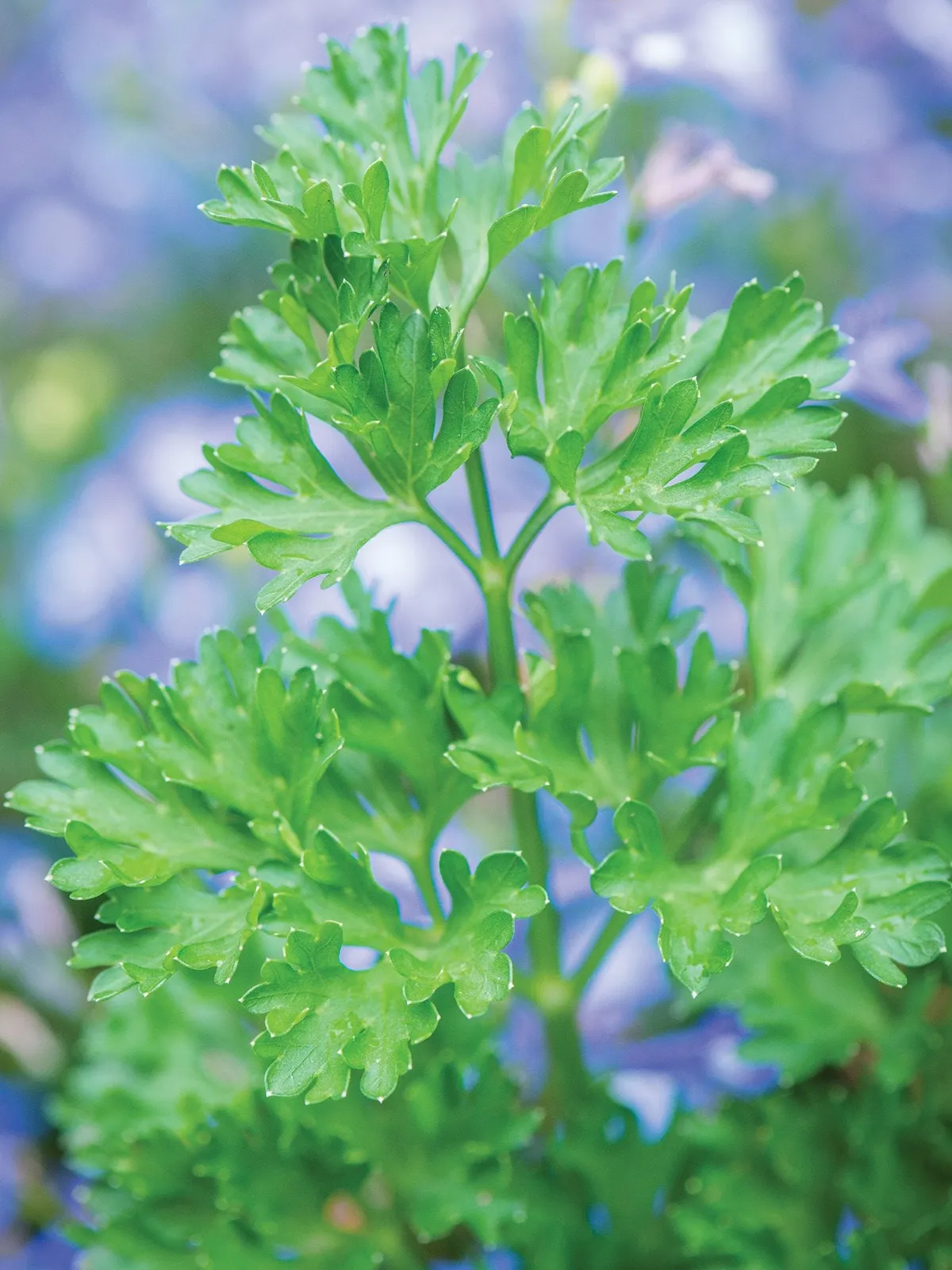
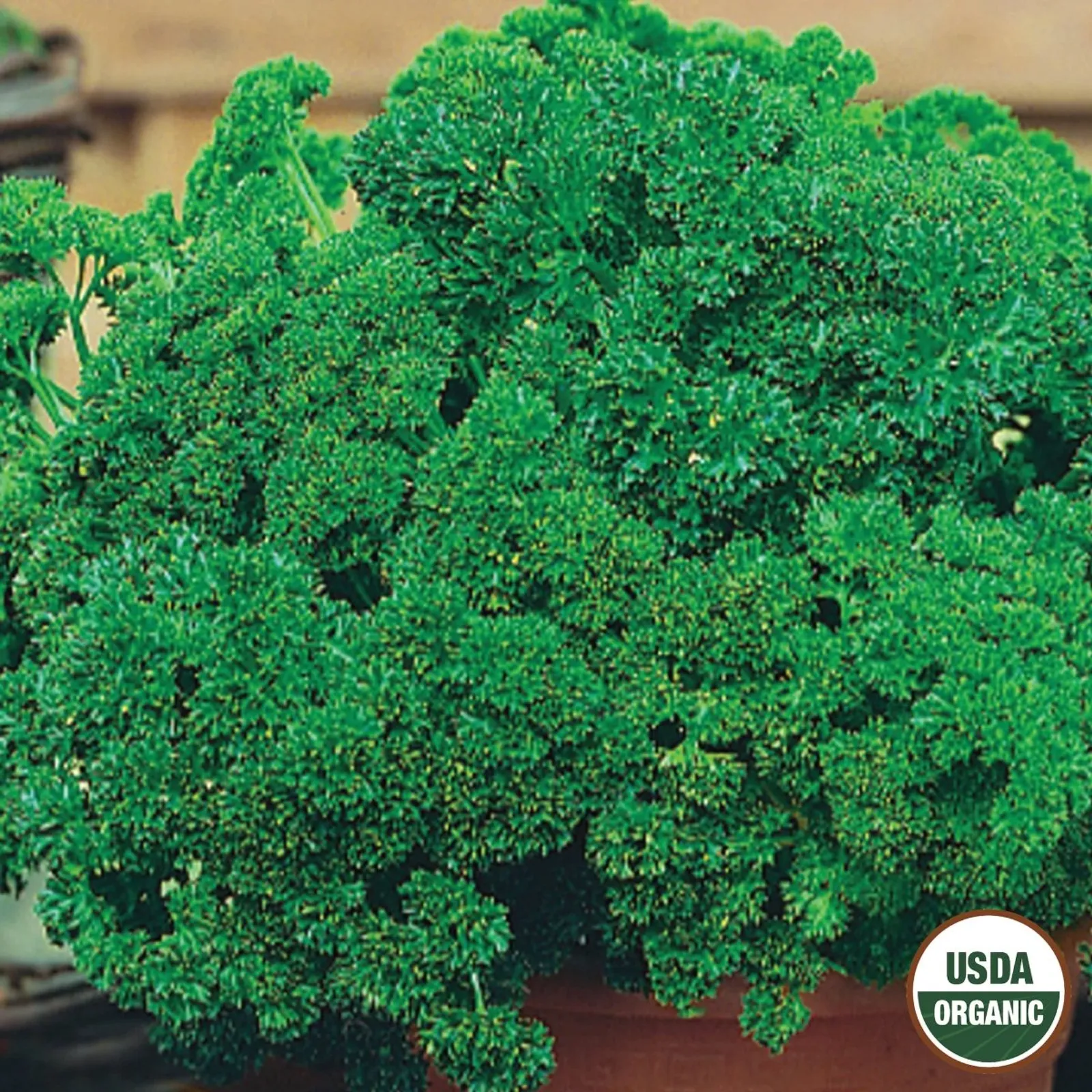
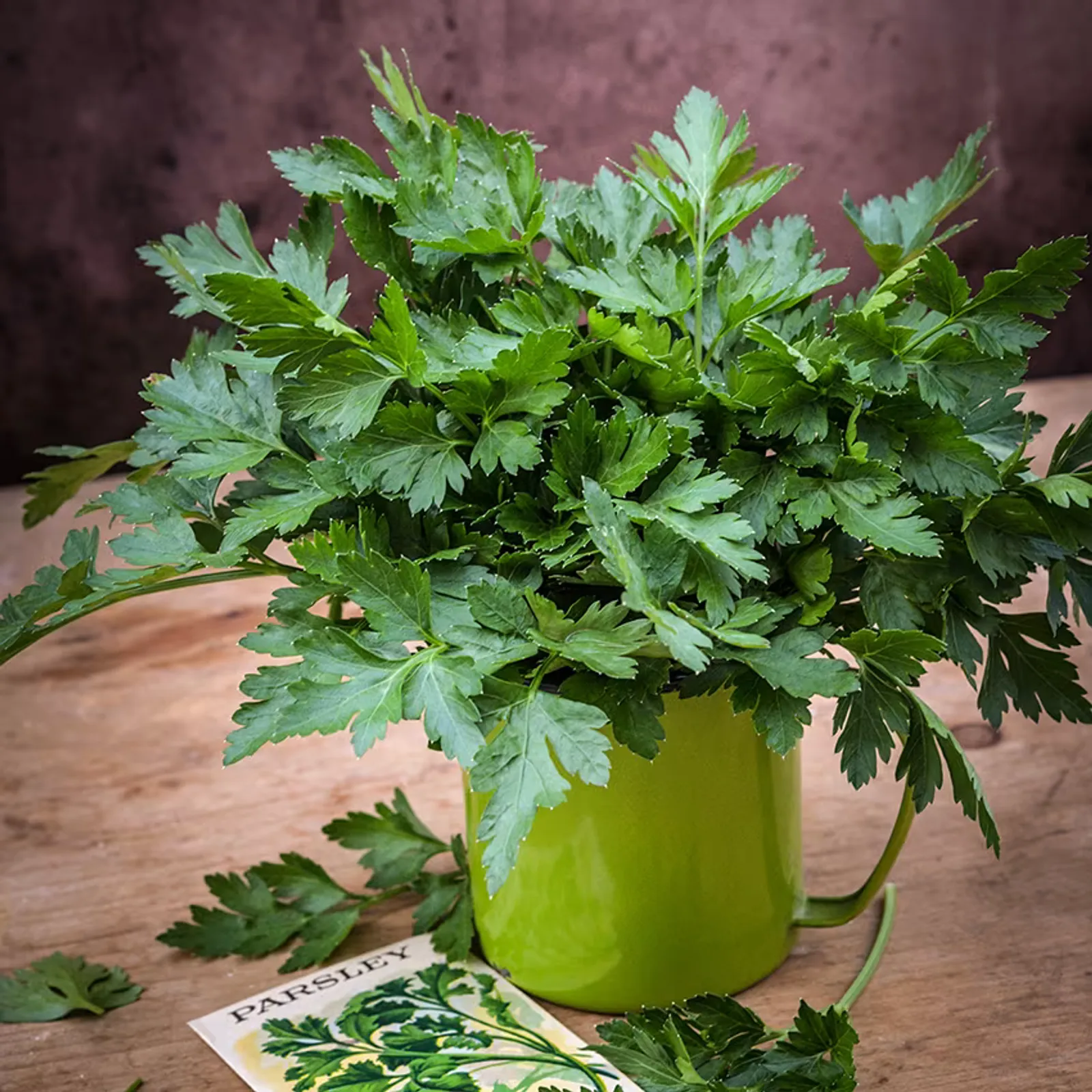
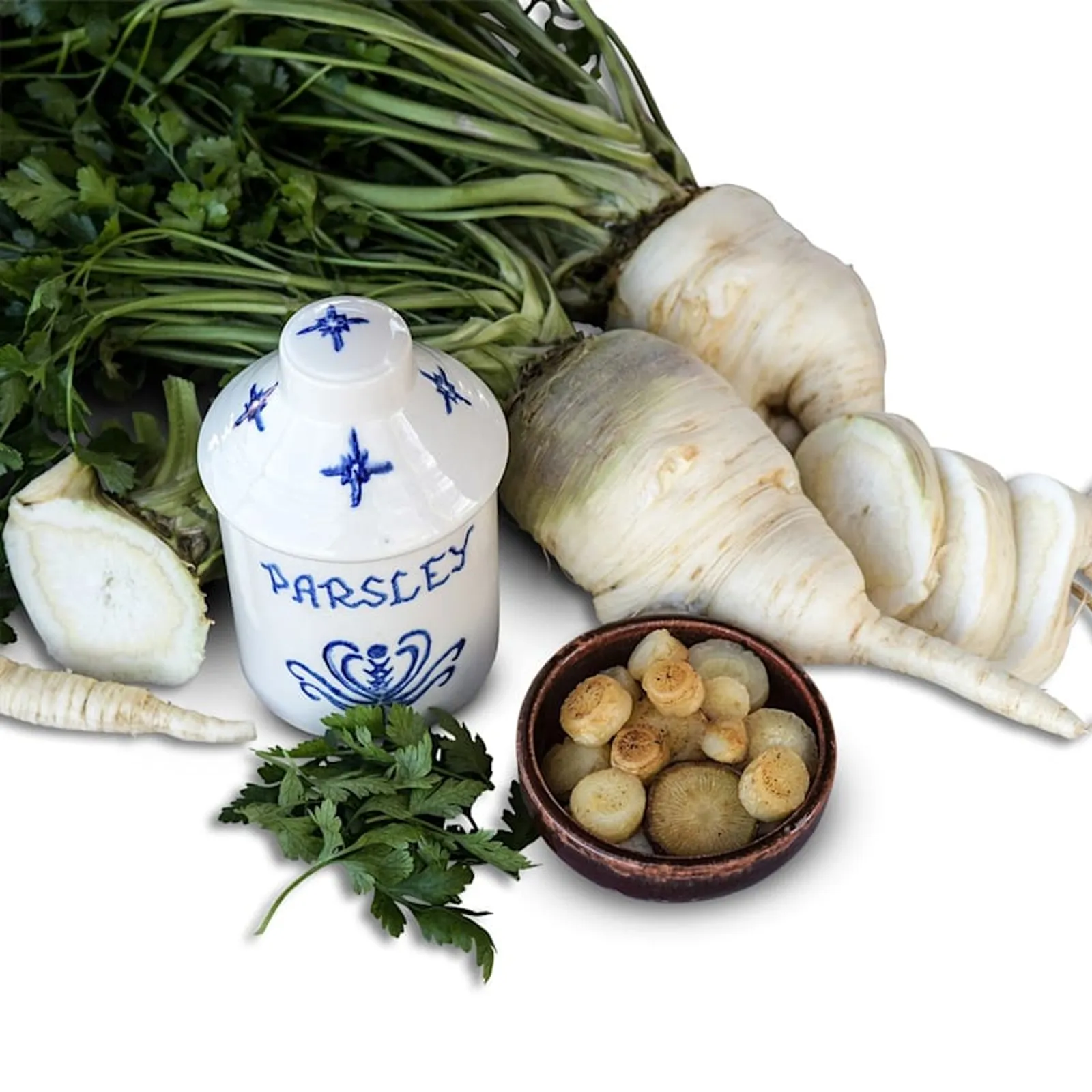
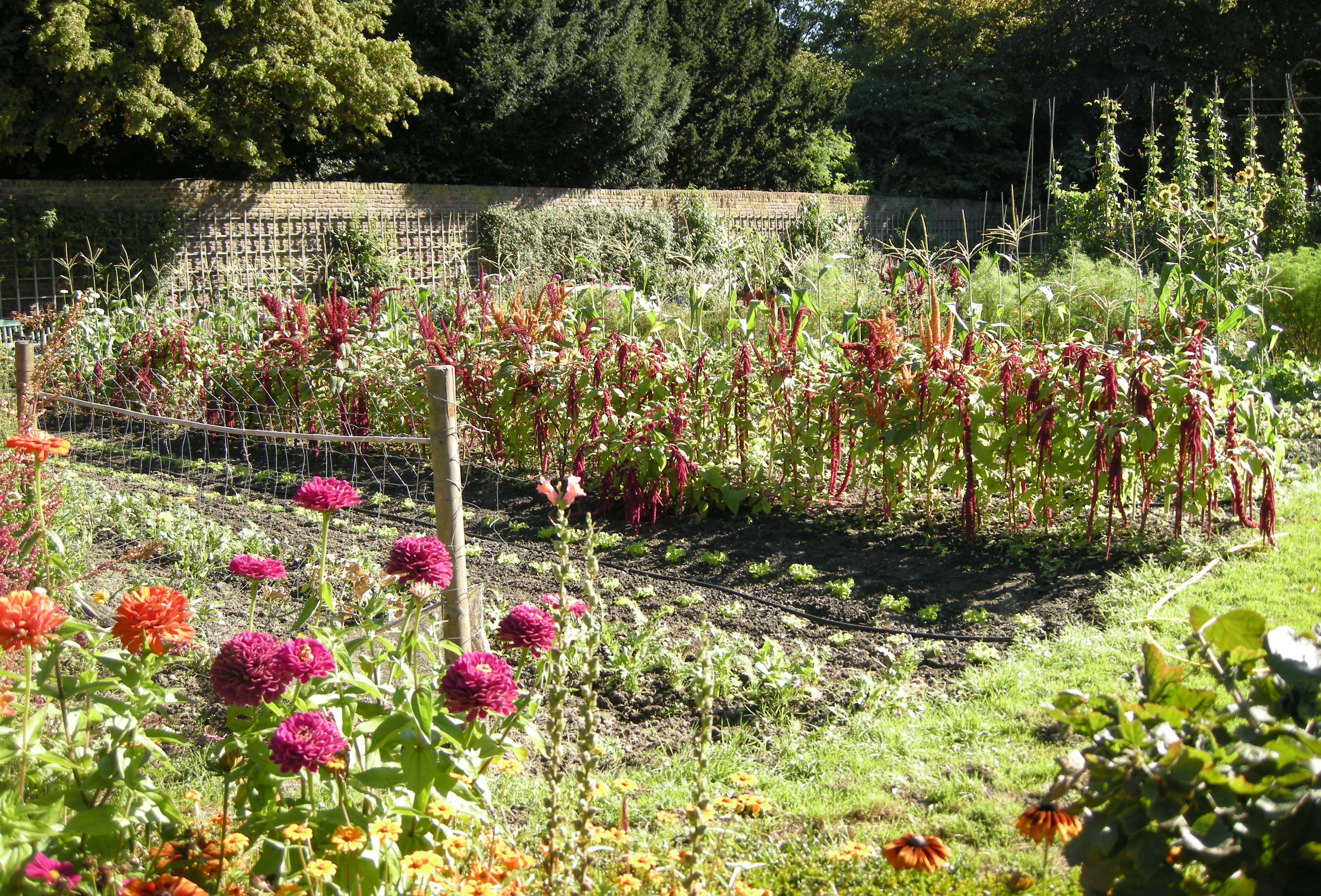
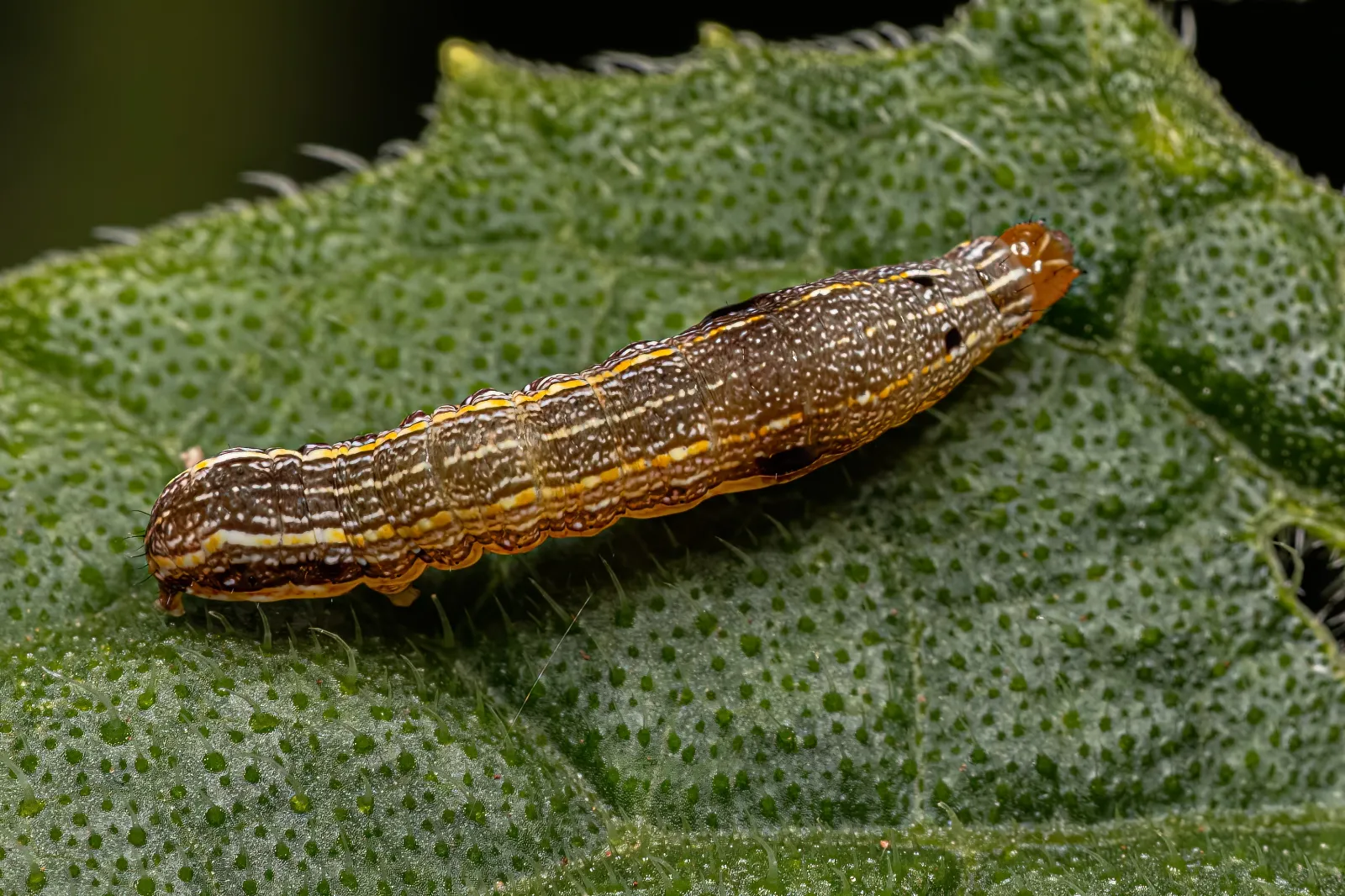
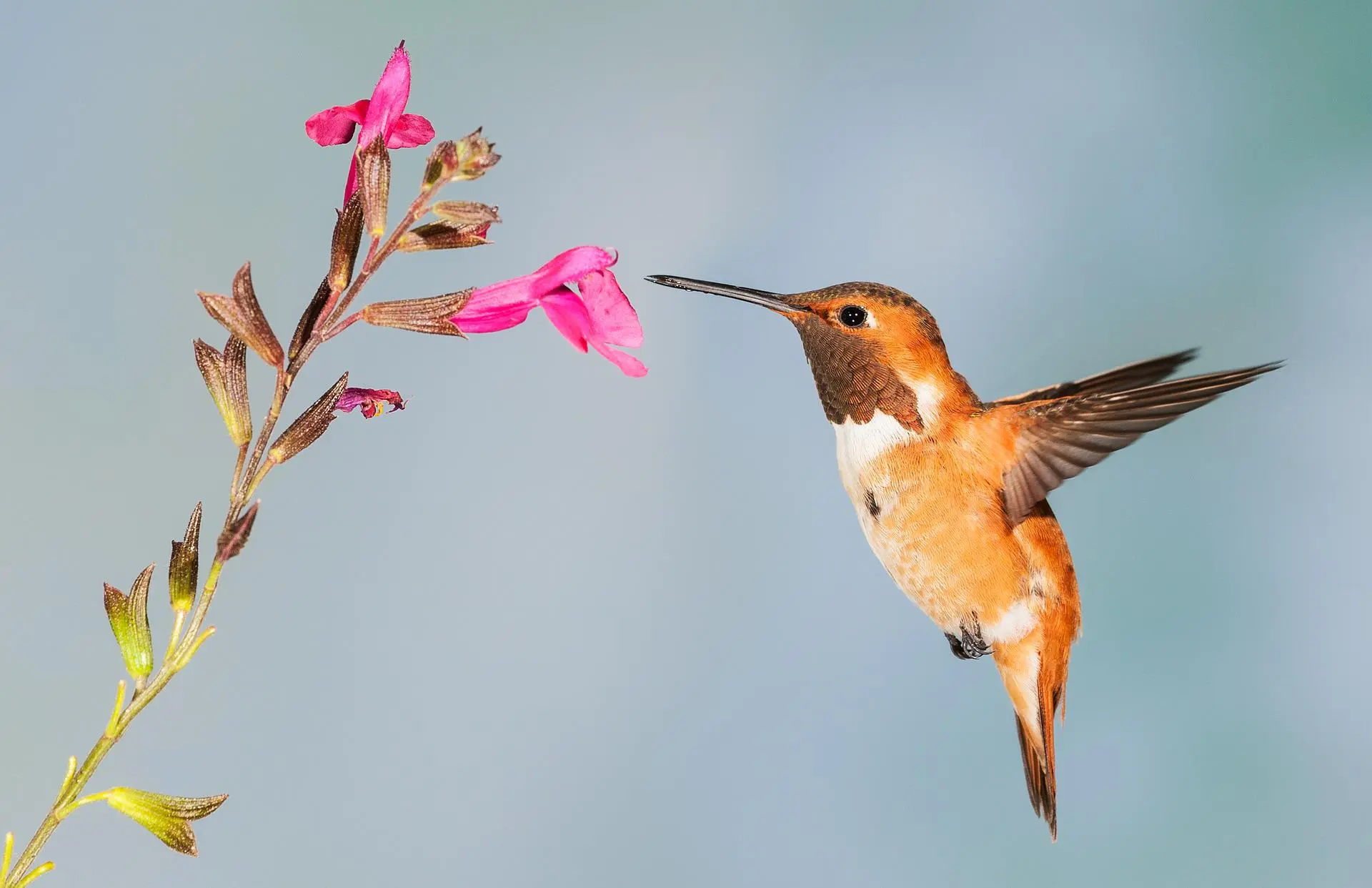
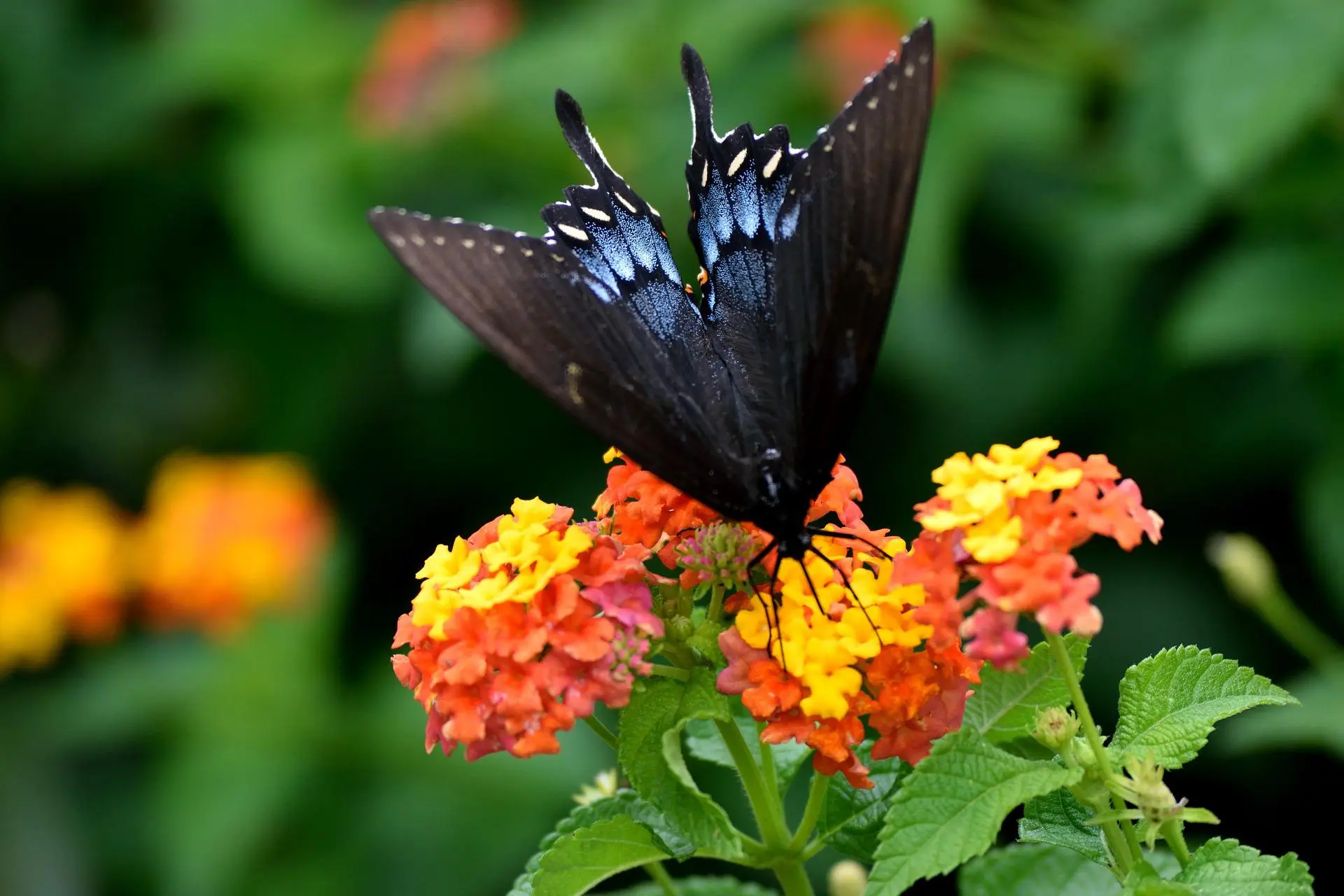
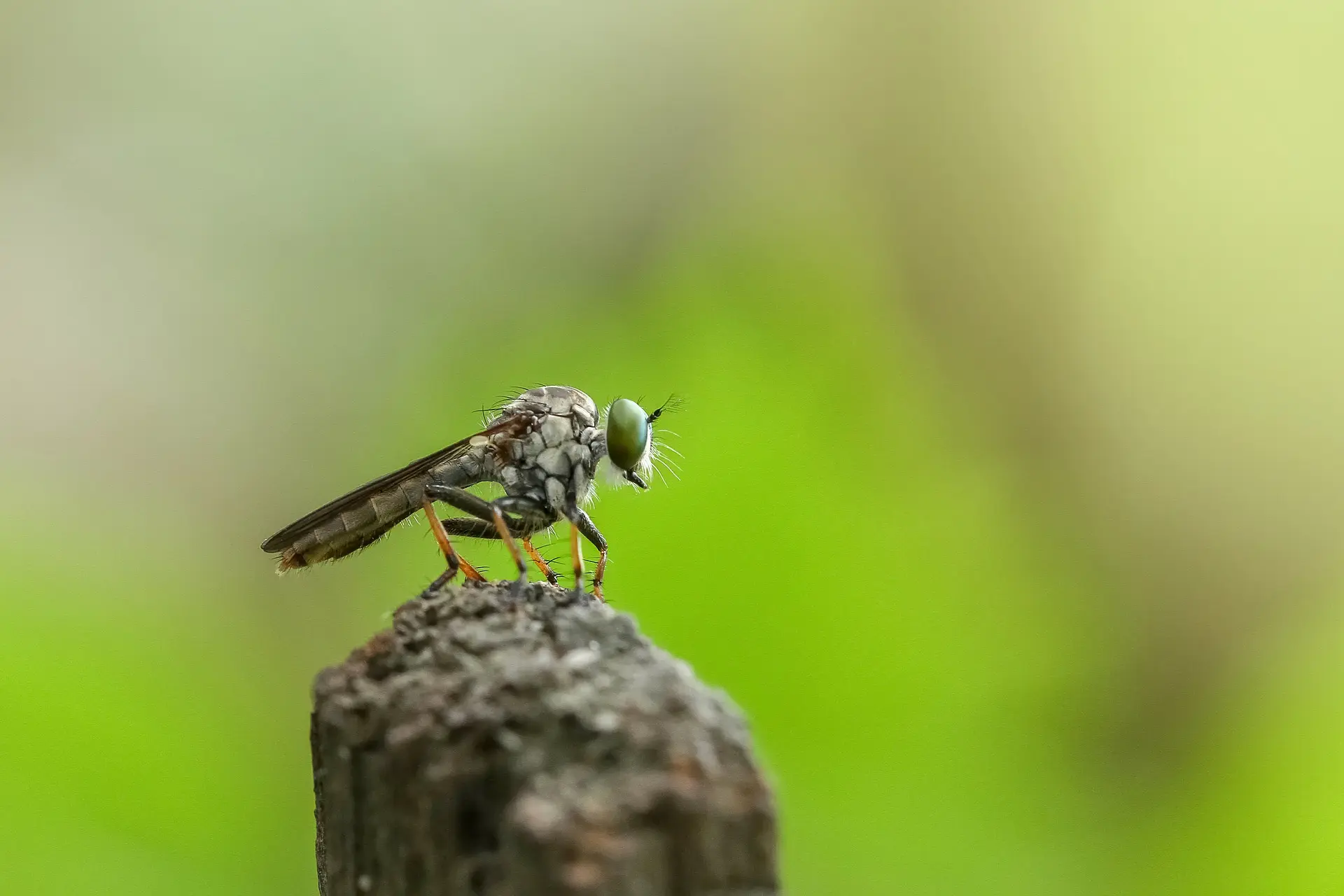
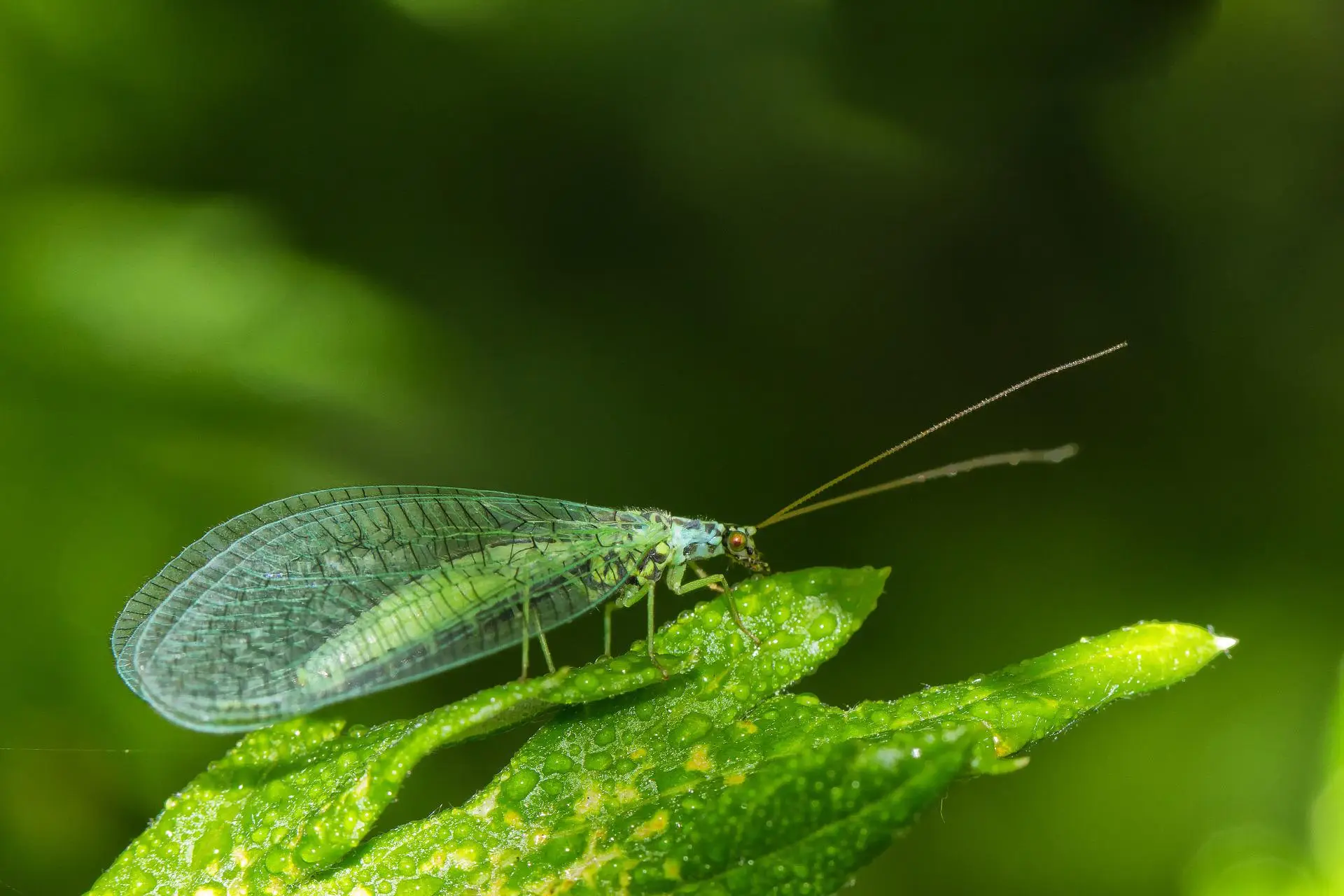
Parsley is a biennial member of the Apiaceae family along with carrots, dill, and fennel (to name a few). Parsley seed can be tricky to germinate but once parsley is up-and-running it's an easy-to-grow herb that can produce continuous harvests all season. There are two main types of parsely grown for their leaves: curly parsley (Petroselinum crispum var. crispum) and Italian flat-leaf parsley (P. crispum var. neapolitanum). Curly parsley is usually used as a garnish or used fresh in salads and other dishes. Flat-leaf parsley is the more flavorful of the two types; it can be used fresh but also holds up well in cooked dishes. Parsley can be used as an edible landscaping plant intermingled with flowers and is highly attractive to beneficial insects (especially if it's left to flower). It's very common to find the caterpillars of black swallowtail butterflies, also known as parsleyworms, inhabiting parsley plants. While they can be a pest, it's rare that they cause substantial damage and the butterflies are pollinators. We suggest adding extra parsley to your garden to share!
How to Grow Parsley
Quick Info

Put away the pen and paper
Plan your veggie garden in minutes with Planter's easy drag and drop planner.
Try Planter for Free
Varieties
Related Articles
Companion Plants







Combative Plants



Nutrition
Vitamins




Nutrients








Pests
Diseases
Beneficial Critters
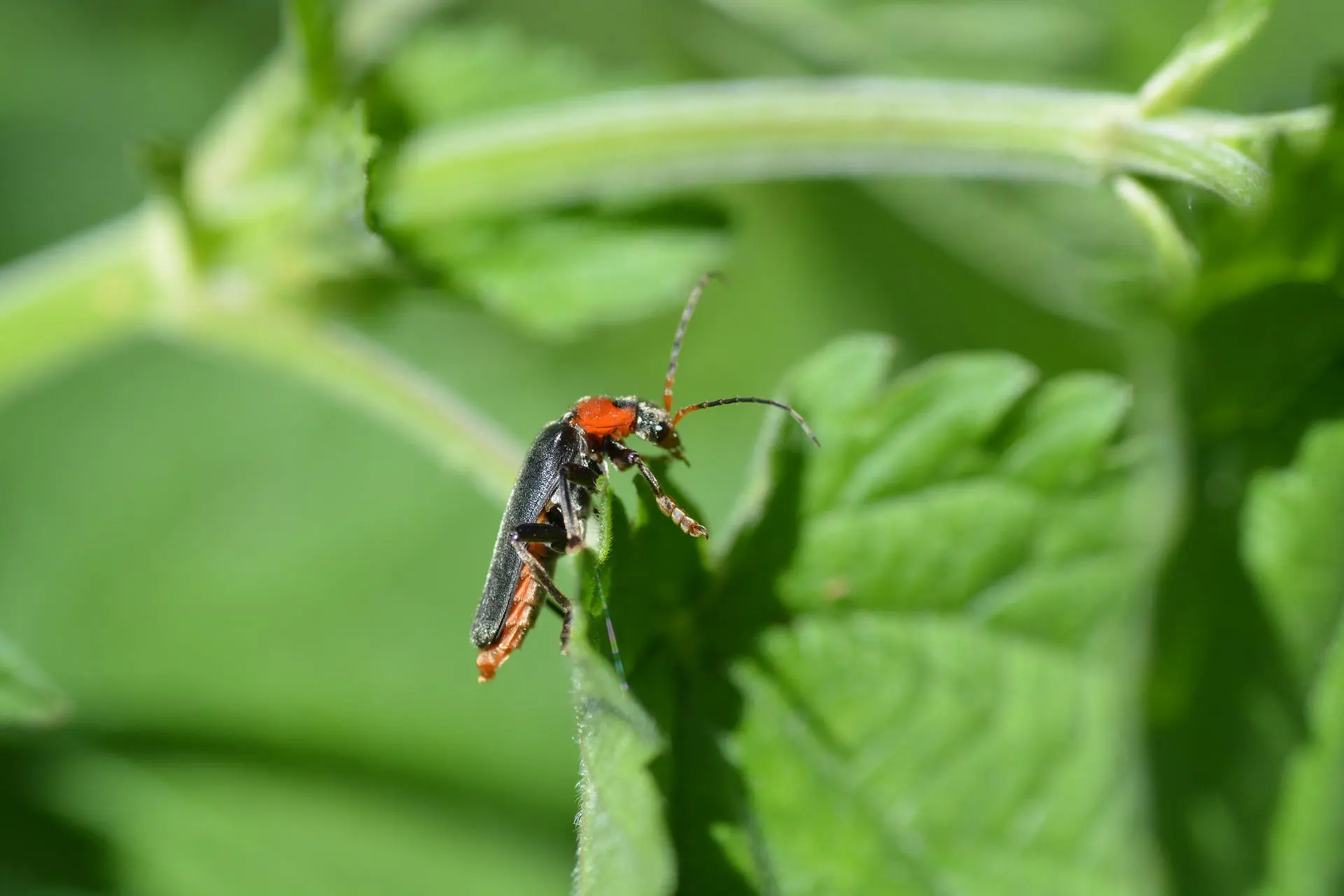
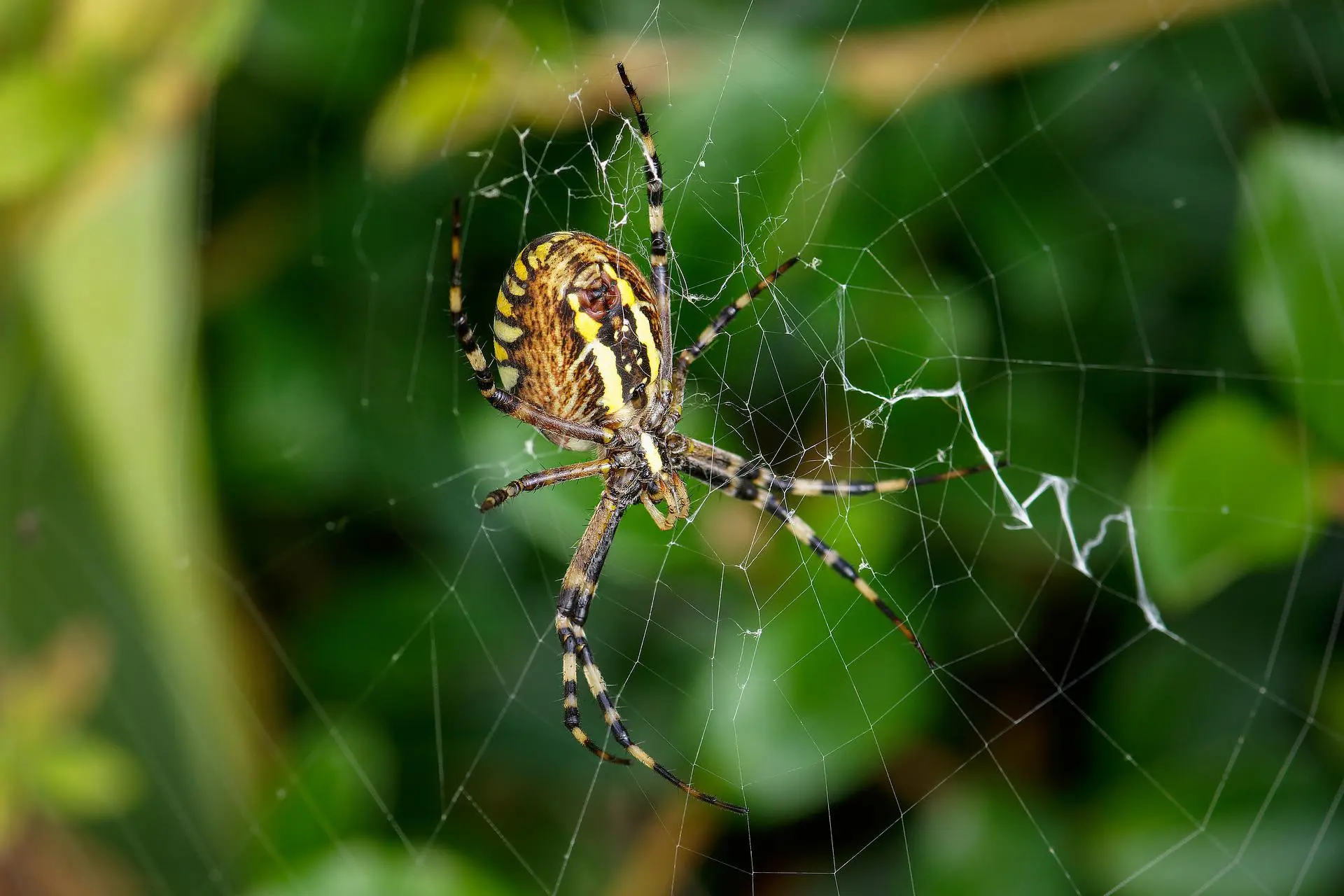
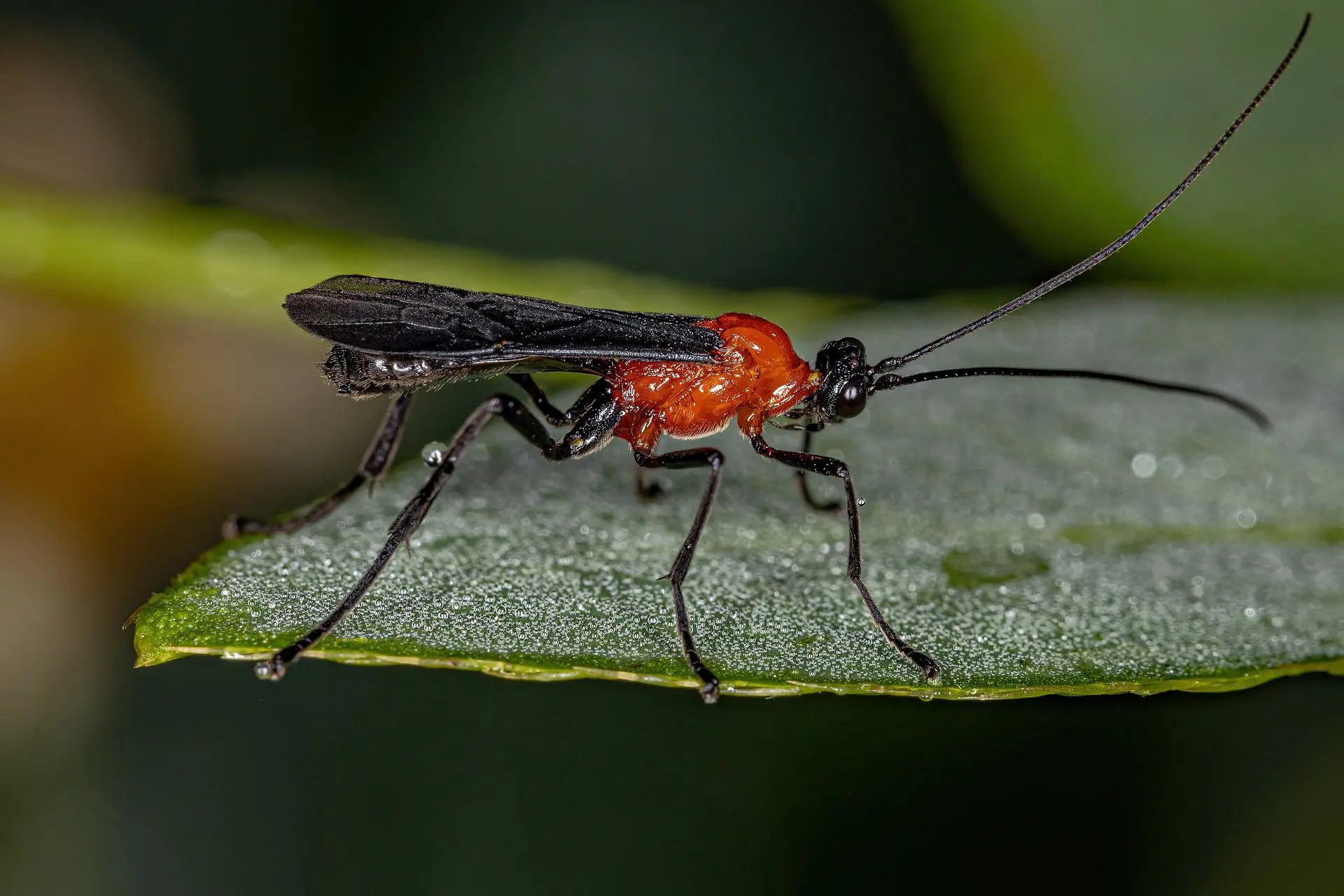
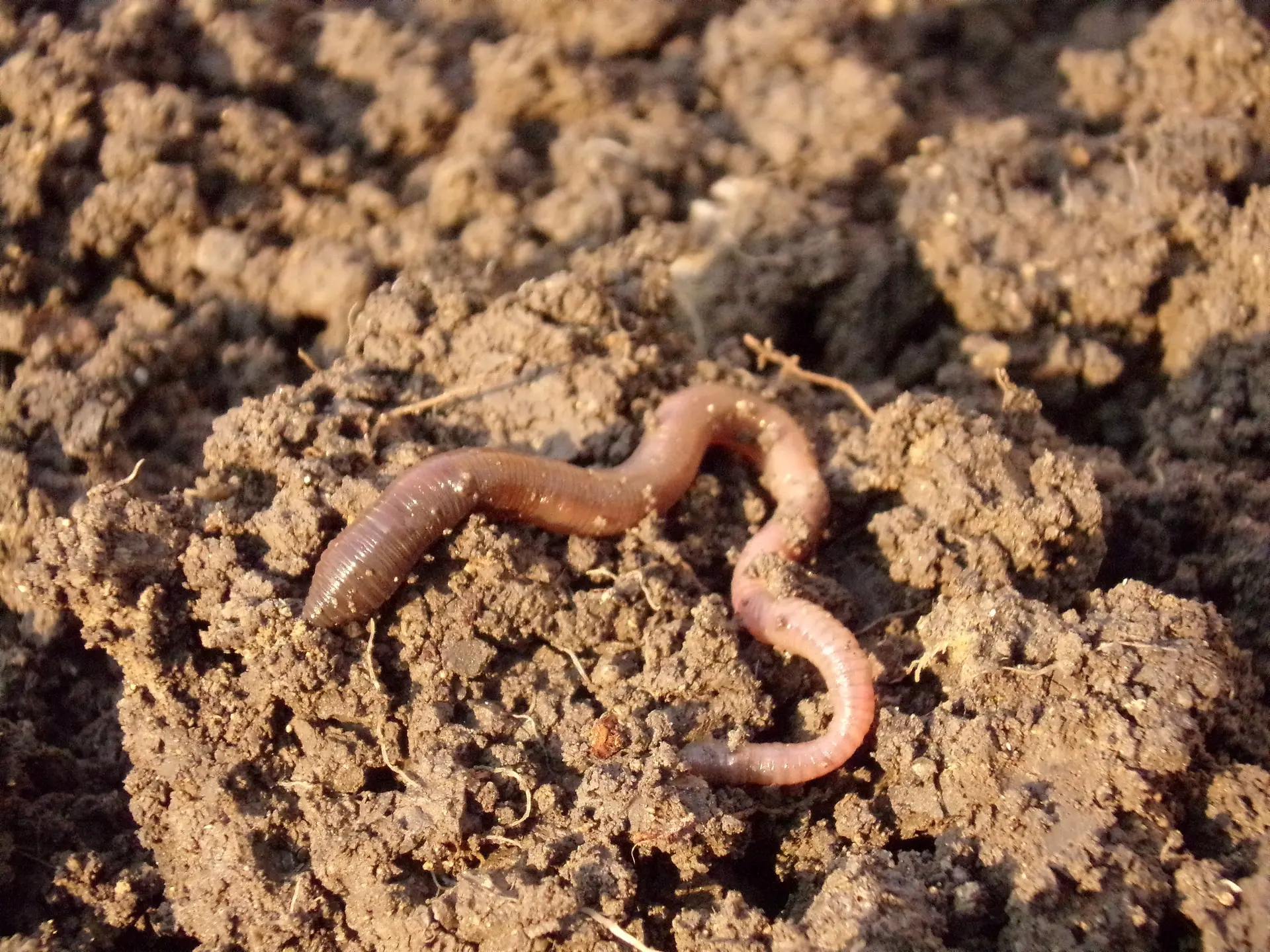
Growing from Seed
Parsley can be started from seed indoors then transplanted outside. It can also be directly sown in the garden after the risk of frost has passed. Soaking parsley seeds for 24 hours prior to planting may aid germination. Parsley seed is very slow to germinate; it can take up to several weeks depending on how fresh the seed is and the soil temperature. Keep the seed starting mix (or soil) consistently moist. If growing indoors provide supplemental light as soon as the seeds germinate.
Planting Considerations
Parsley prefers fertile, well-draining soil that retains moisture but does not become waterlogged. Add compost at the time of planting. Transplant parsley carefully as it does not like having its roots disturbed. One planting of parsley can potentially last all season although you may want a second or third planting as insurance in case of pest or disease issues. Apply mulch around the plants to manage weeds and to help retain moisture. Parsley can be grown in containers. Choose a container that holds at least 1 gallon (3.8L). In milder climates parsley can be planted in early fall and grown over winter. Parsley can also potentially be overwintered in colder climates for an early spring harvest (even if the foliage has died back). Apply a thick layer of mulch overtop of the plants to help protect them. Once the plant flowers the leaves will not be as flavorful. Parsley that is left to flower can help to attract pollinators and other beneficial insects. If seed heads are left on the plant parsley will readily self-seed new parsley plants.
Feeding
Parsley is a heavy feeder. Apply compost and a well-balanced fertilizer at the time of planting and fertilize regularly throughout the growing season. Do not spray or apply fertilizer directly on the leaves. Stop fertilizing before overwintering parsley.
Harvesting
Parsley is ready to harvest once the outer leaves and their stems are roughly 8" (20 cm) tall/long. To harvest parsley use a sharp knife or scissors to cut off the outmost leaves, cutting the stems as closely as possible to the base of the plant. Cutting off just the leaf tips and leaving the stems can make it more difficult to harvest later and can reduce future growth. Regular harvesting ensures the best quality leaves and can help to keep the plant productive. Leave the inner leaves intact and do not harvest too aggressively so the plant can continue growing.
Storage
Parsley can be stored in the fridge for up to a few days. It can also be washed, chopped, and frozen in ice cube trays topped off with water or olive oil. Transfer the frozen parsley cubes to an airtight container or freezer-safe bag where they can be kept frozen for up to several months. Parsley can be air dried or dehydrated for long-term storage although the leaves lose much of their flavor when dried. Dried parsley can keep for a year or more.
Pruning
Remove seed heads if you do not want parsley to self-seed.