Peach
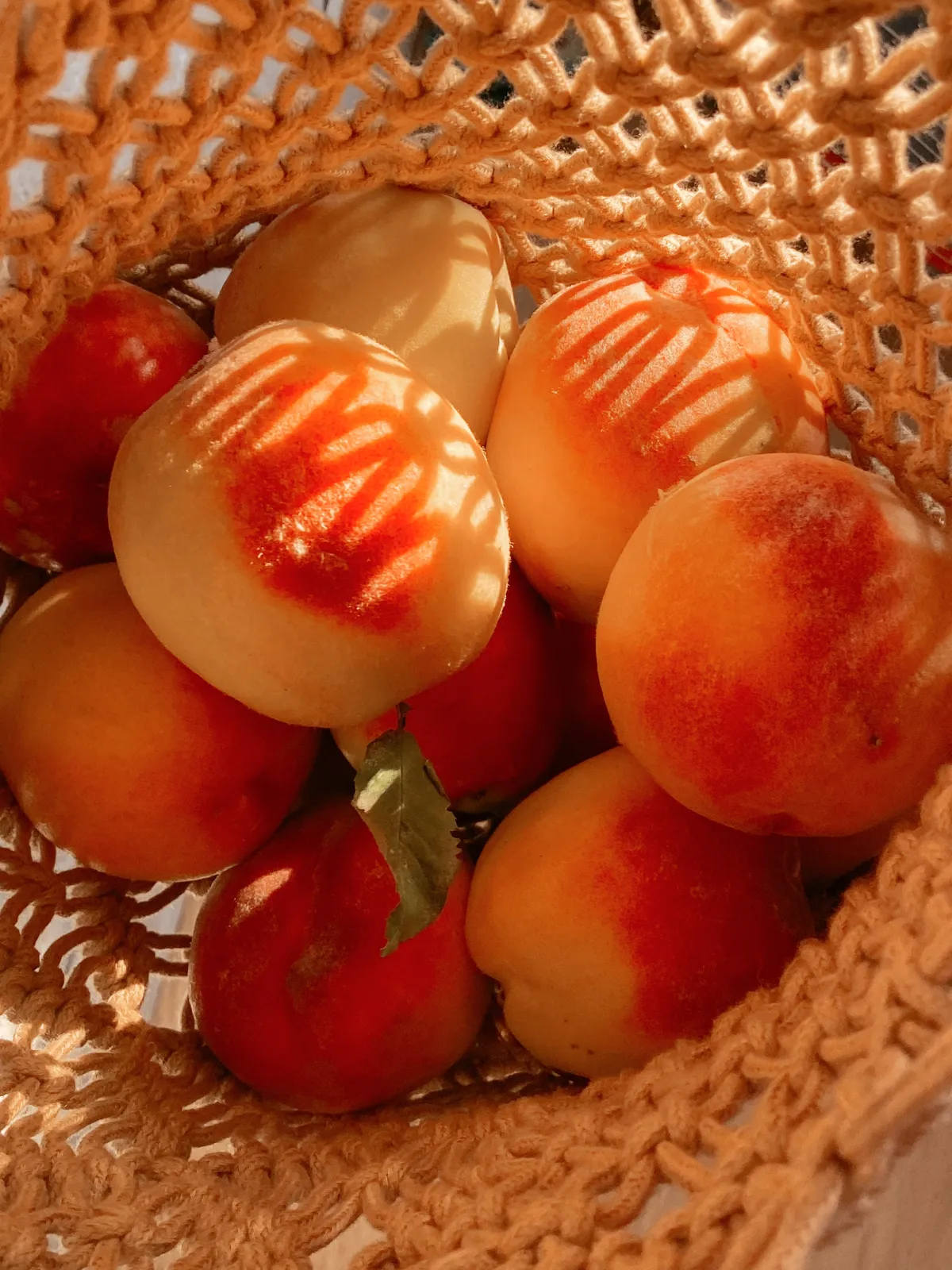
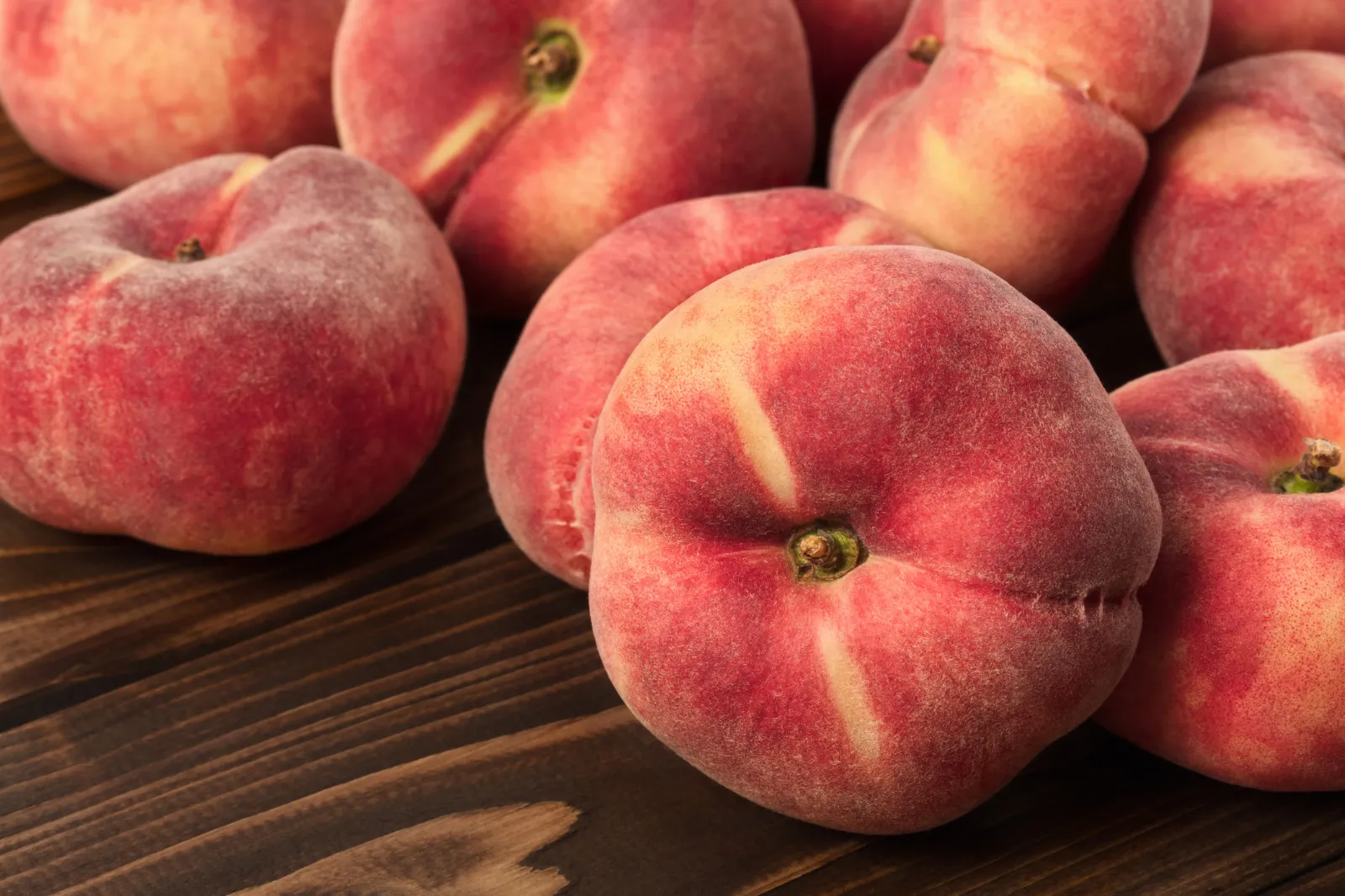
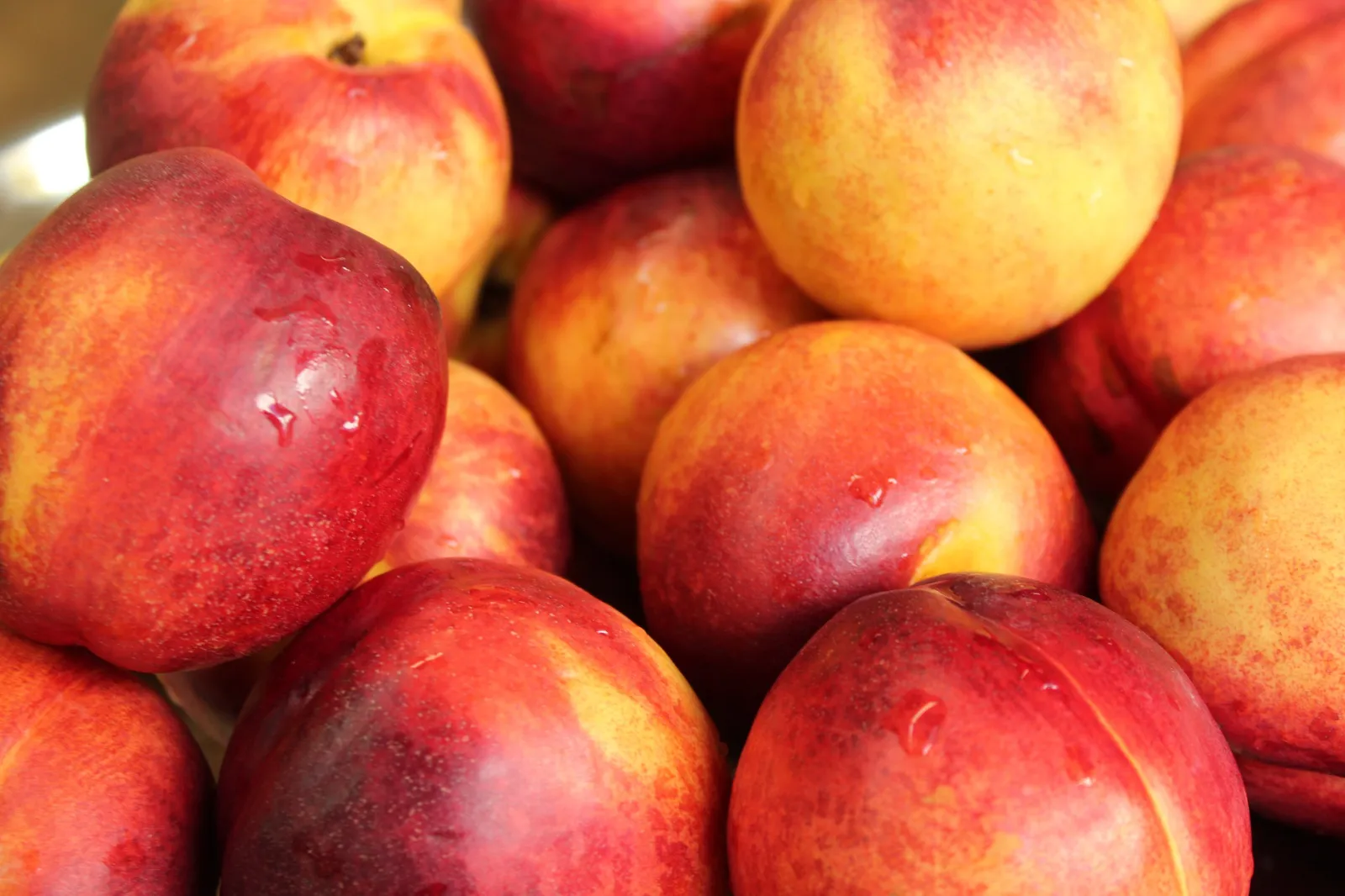
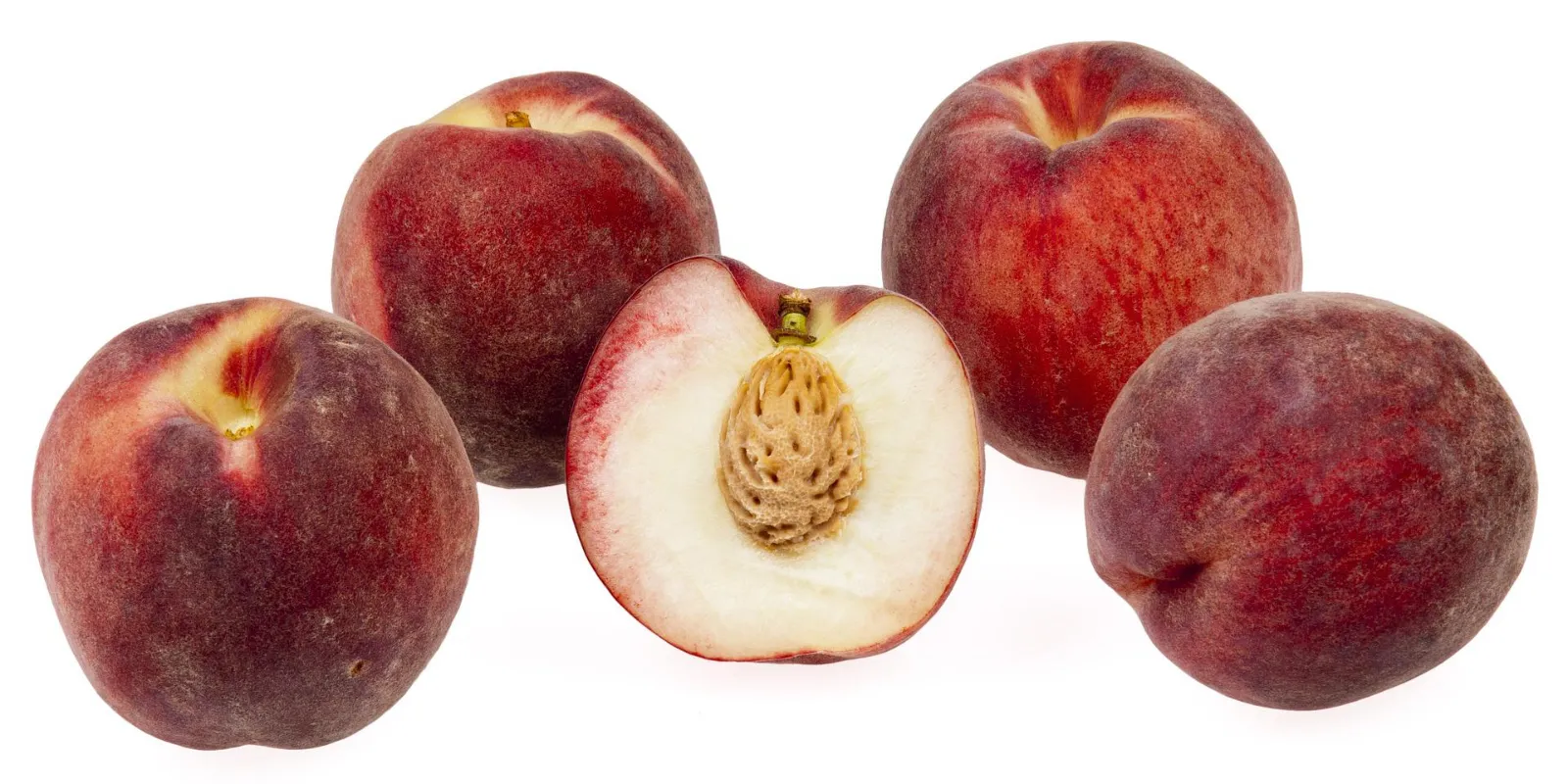
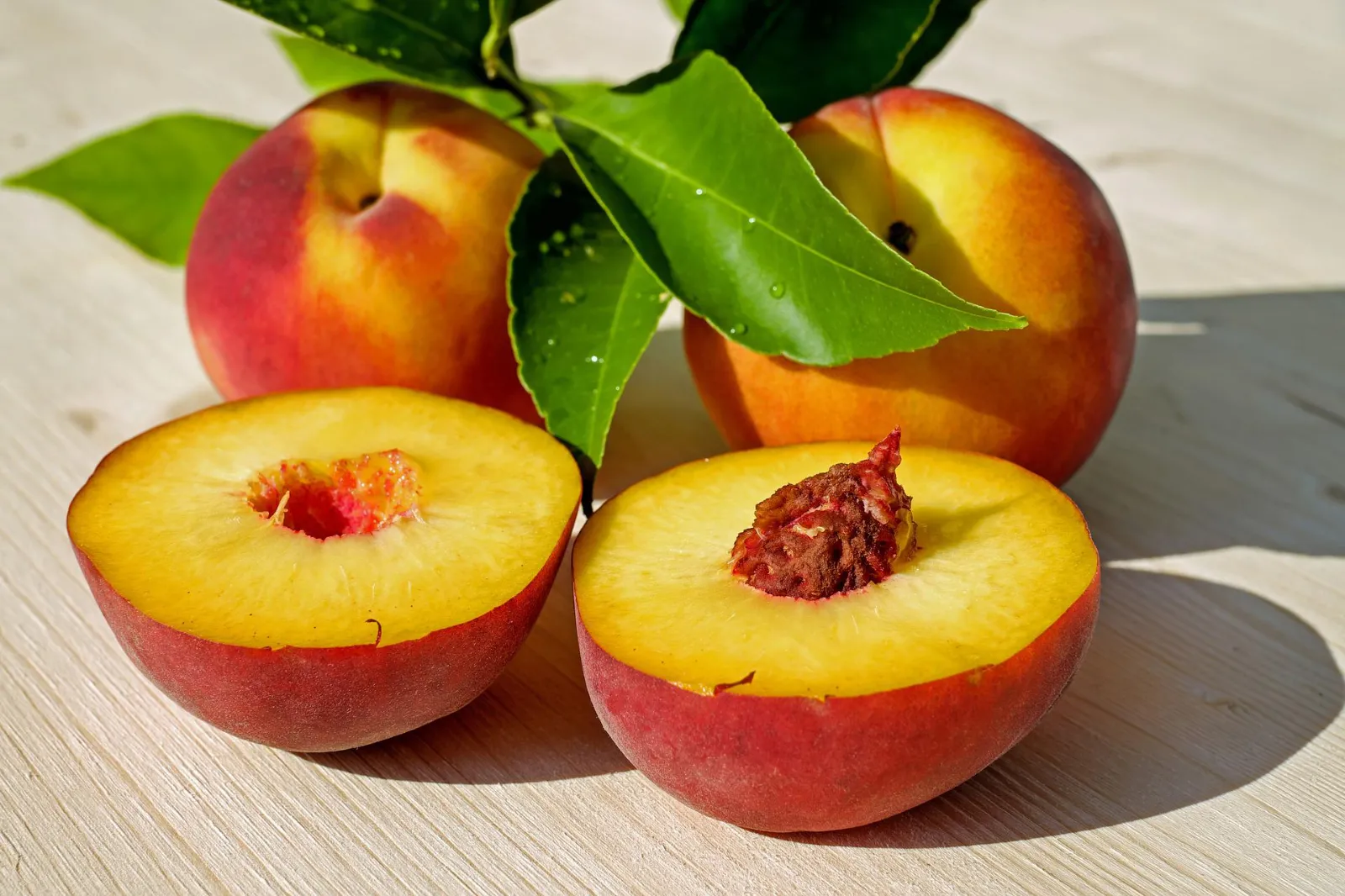
Peaches are a rosy, fuzzy fruit that’s great for baked goods, jams and jellies, snacking, or even salsa. Despite their very low frost tolerance, peaches have a large number of varieties so there’s almost always a peach tree that fits your climate! There are two main categories of peaches, freestones (best for fresh eating, as their pits are not as securely attached to the flesh) and clingstones (best for canning; their flesh is difficult to separate from the pits).
How to Grow Peach
Quick Info

Put away the pen and paper
Plan your veggie garden in minutes with Planter's easy drag and drop planner.
Try Planter for Free
Varieties
Related Articles
Companion Plants










Combative Plants




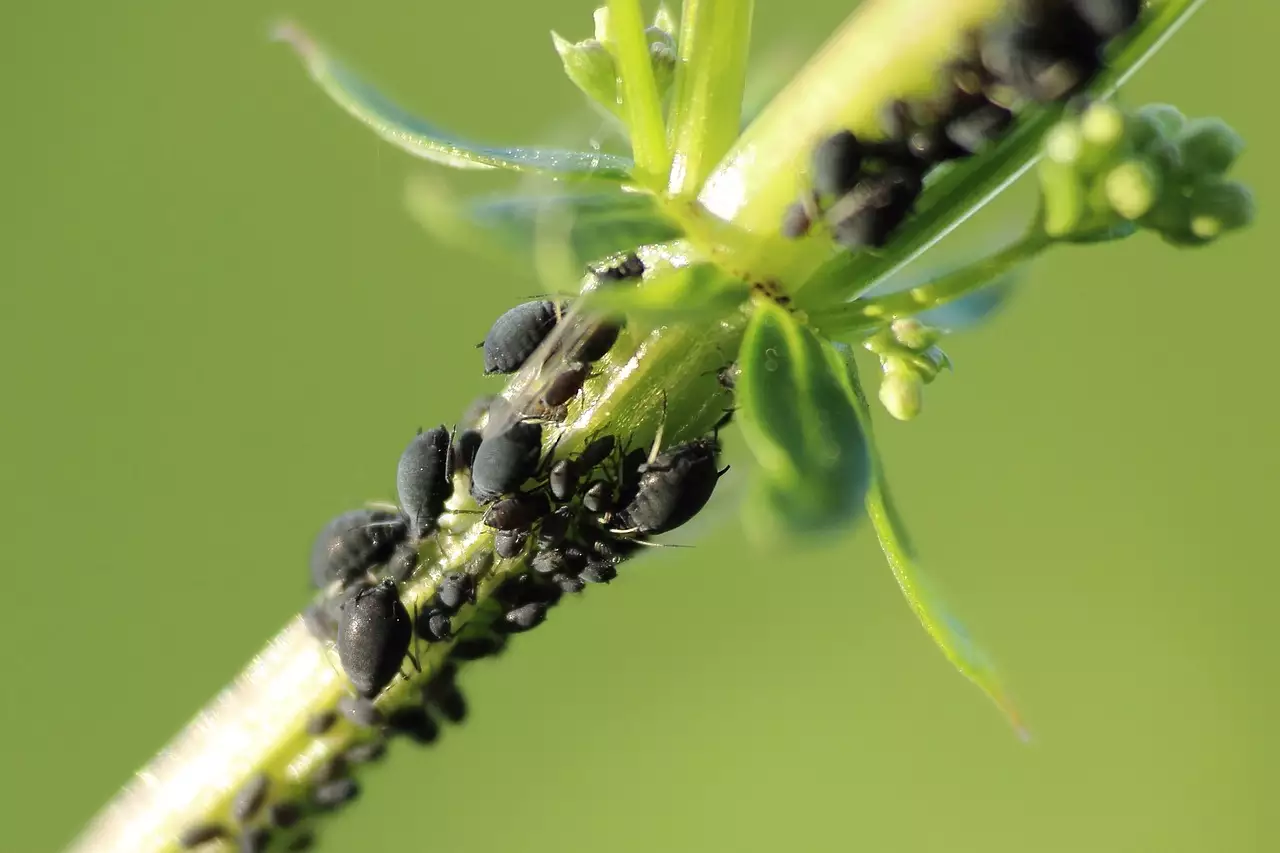
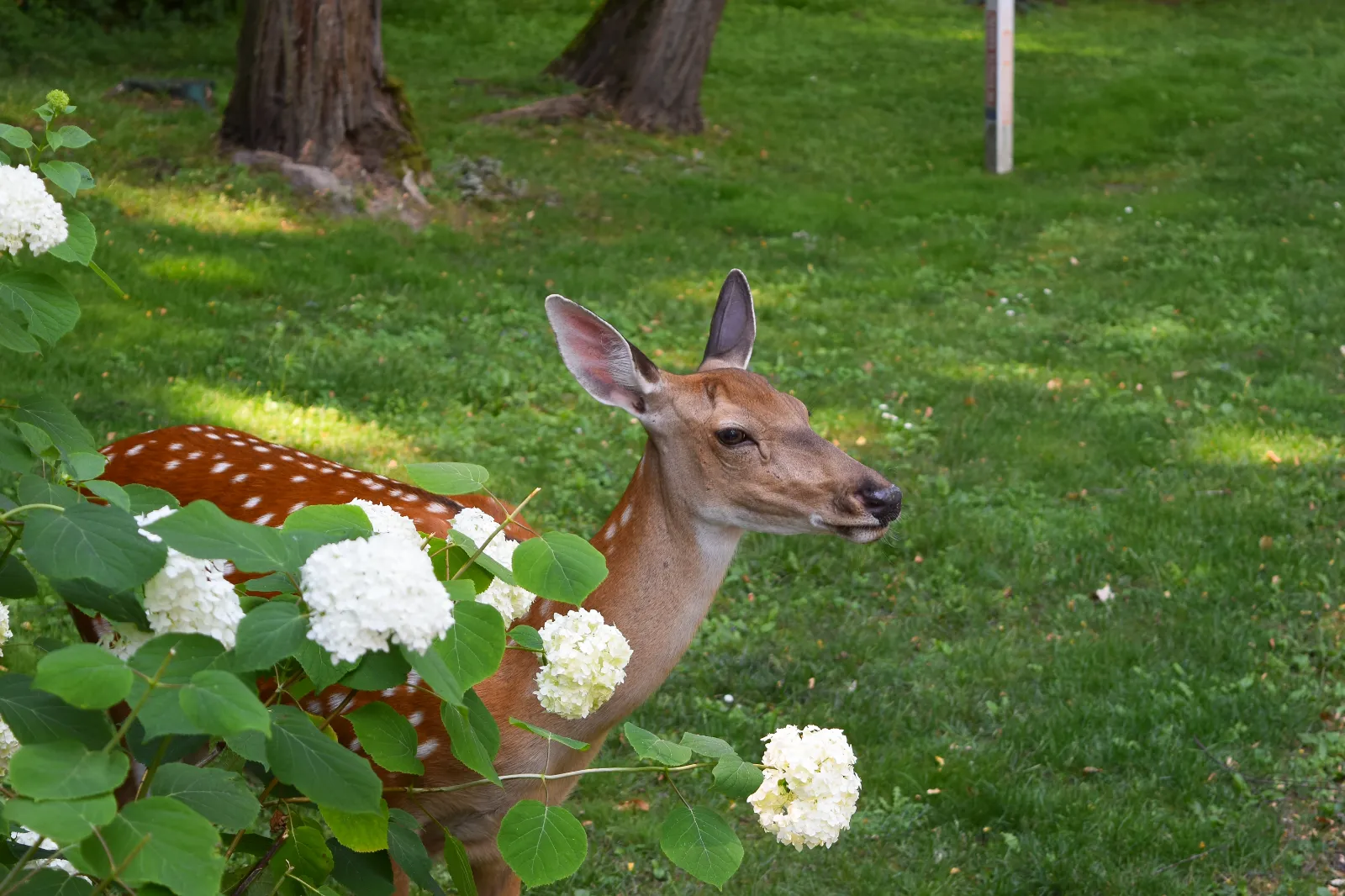
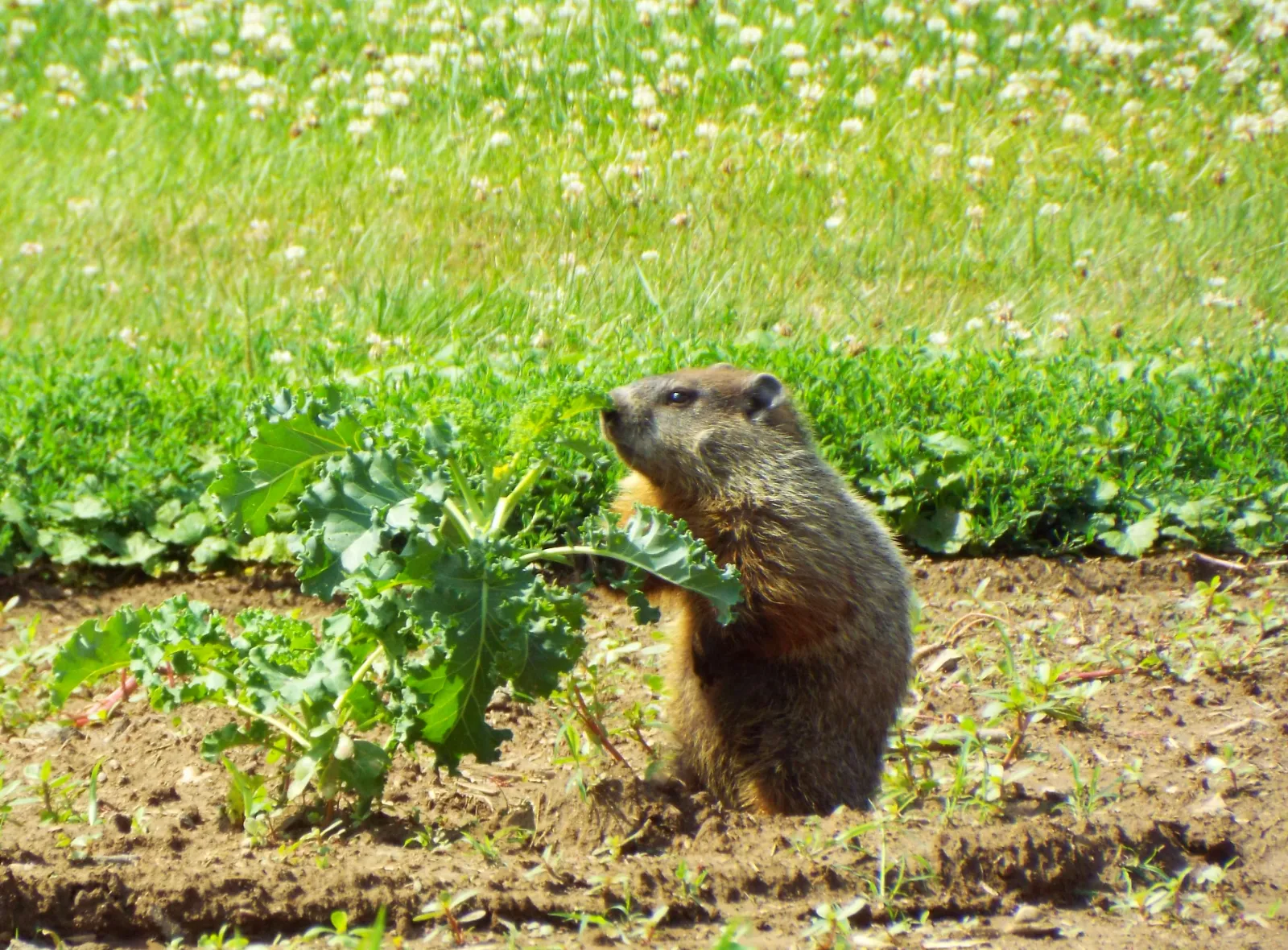
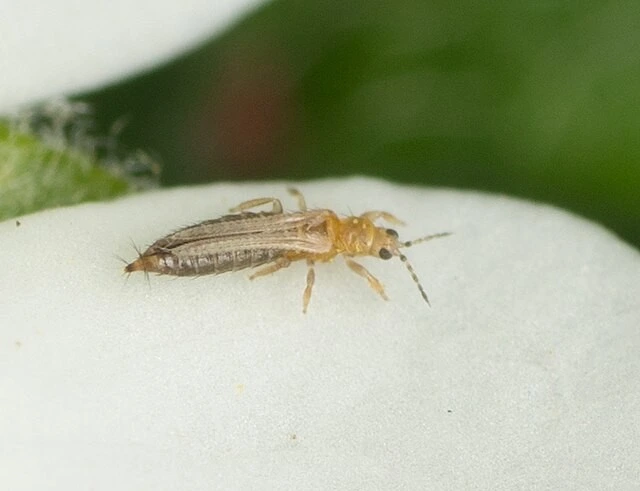
Pests
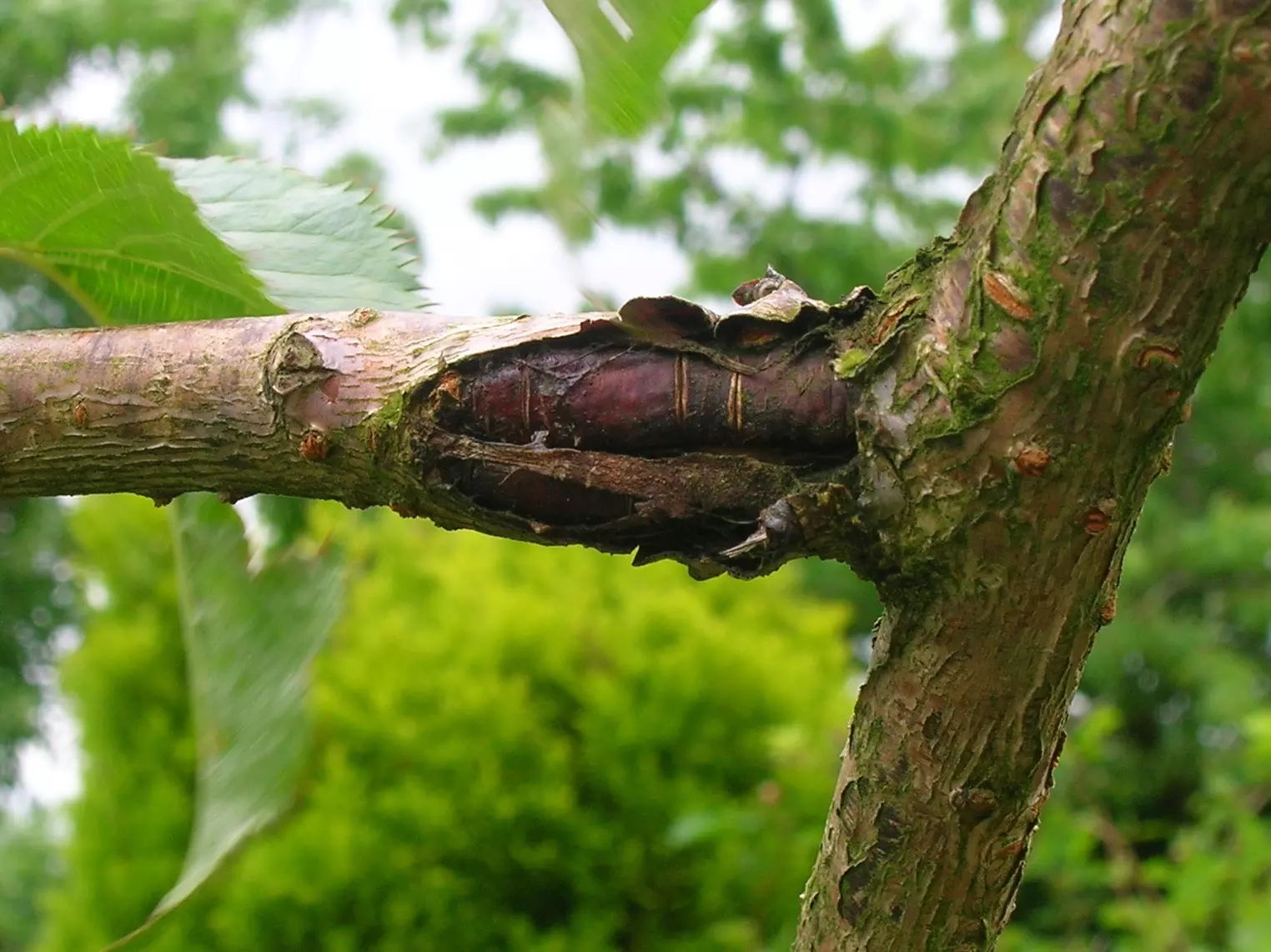
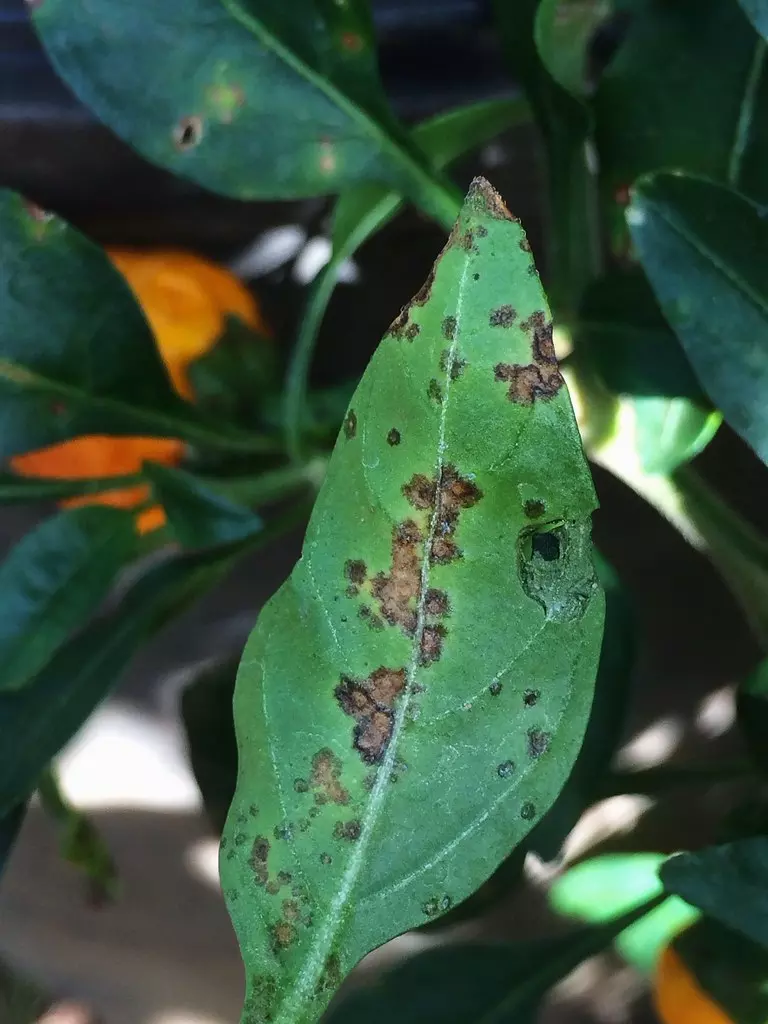
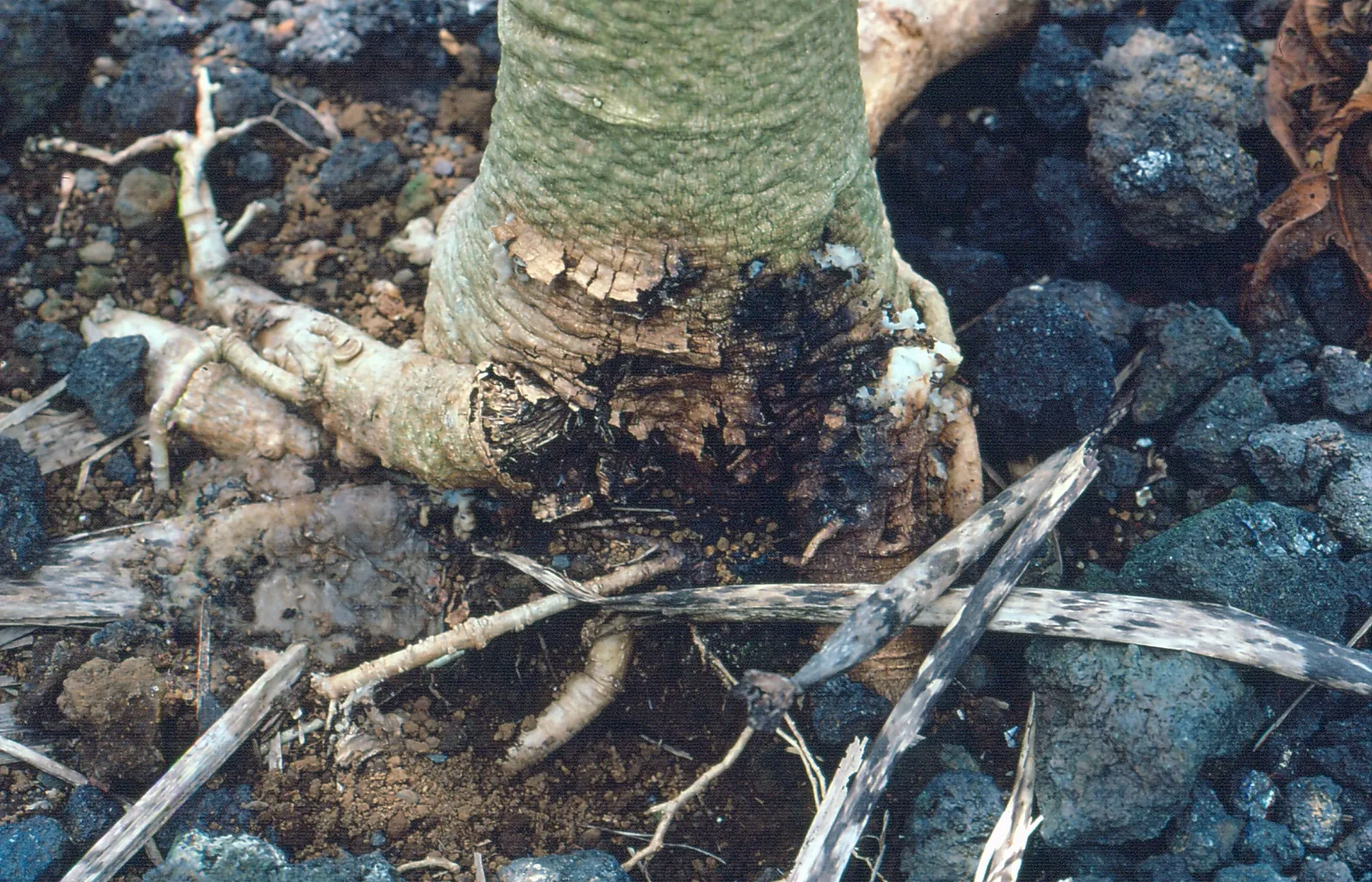
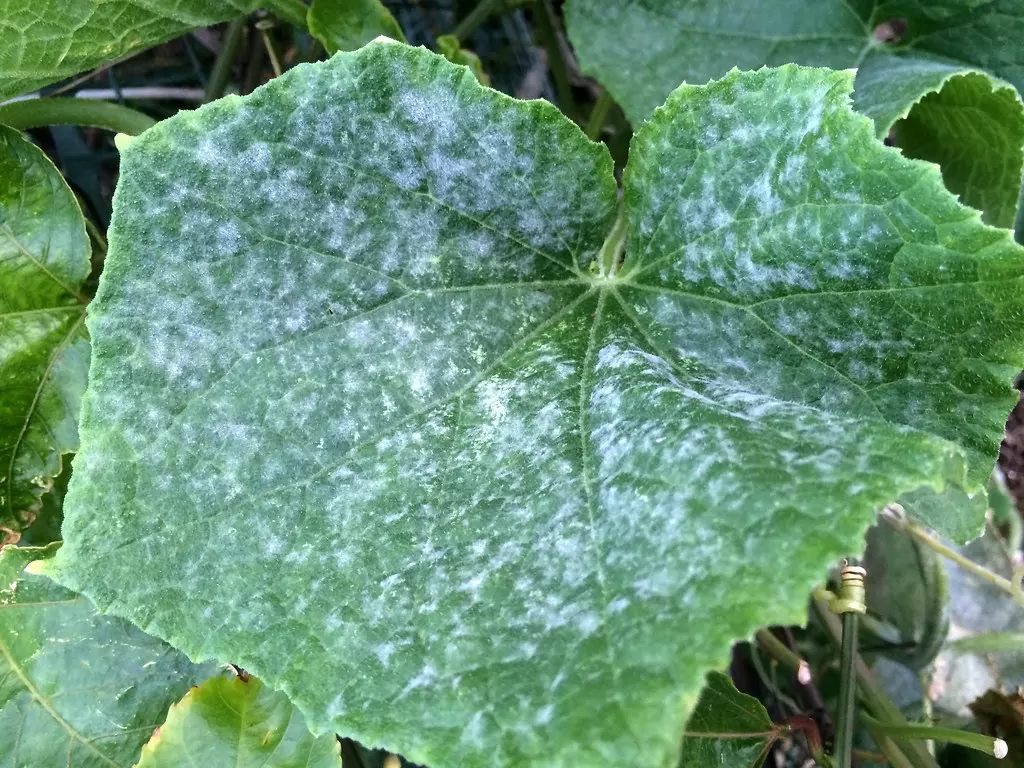
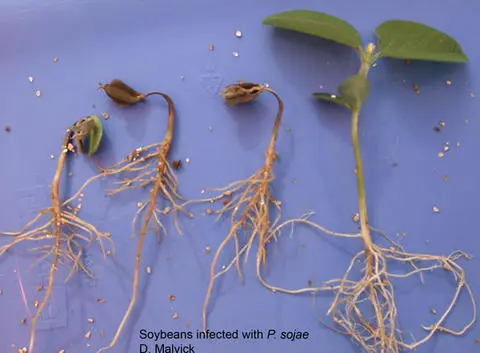
Diseases
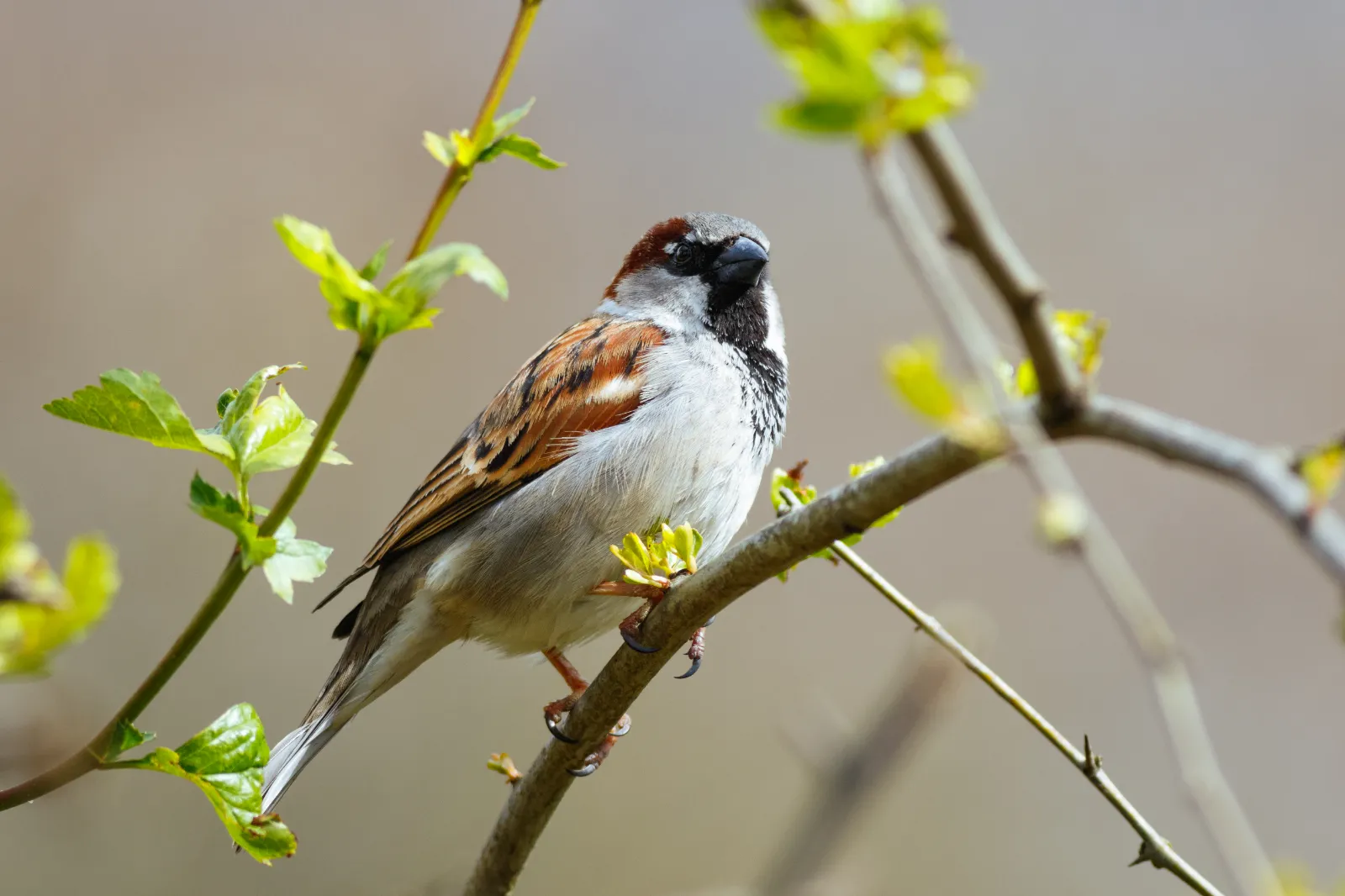
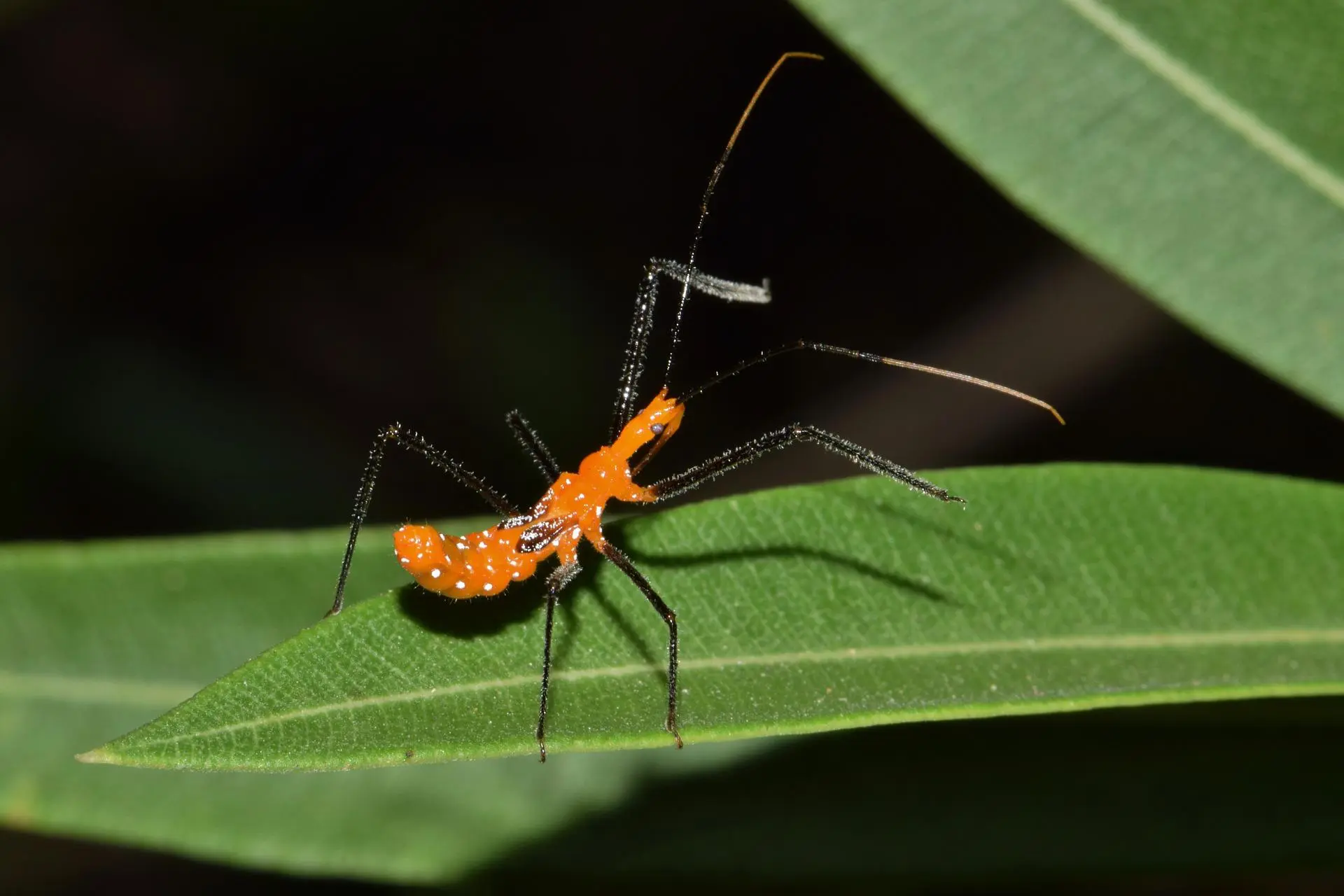
Beneficial Critters
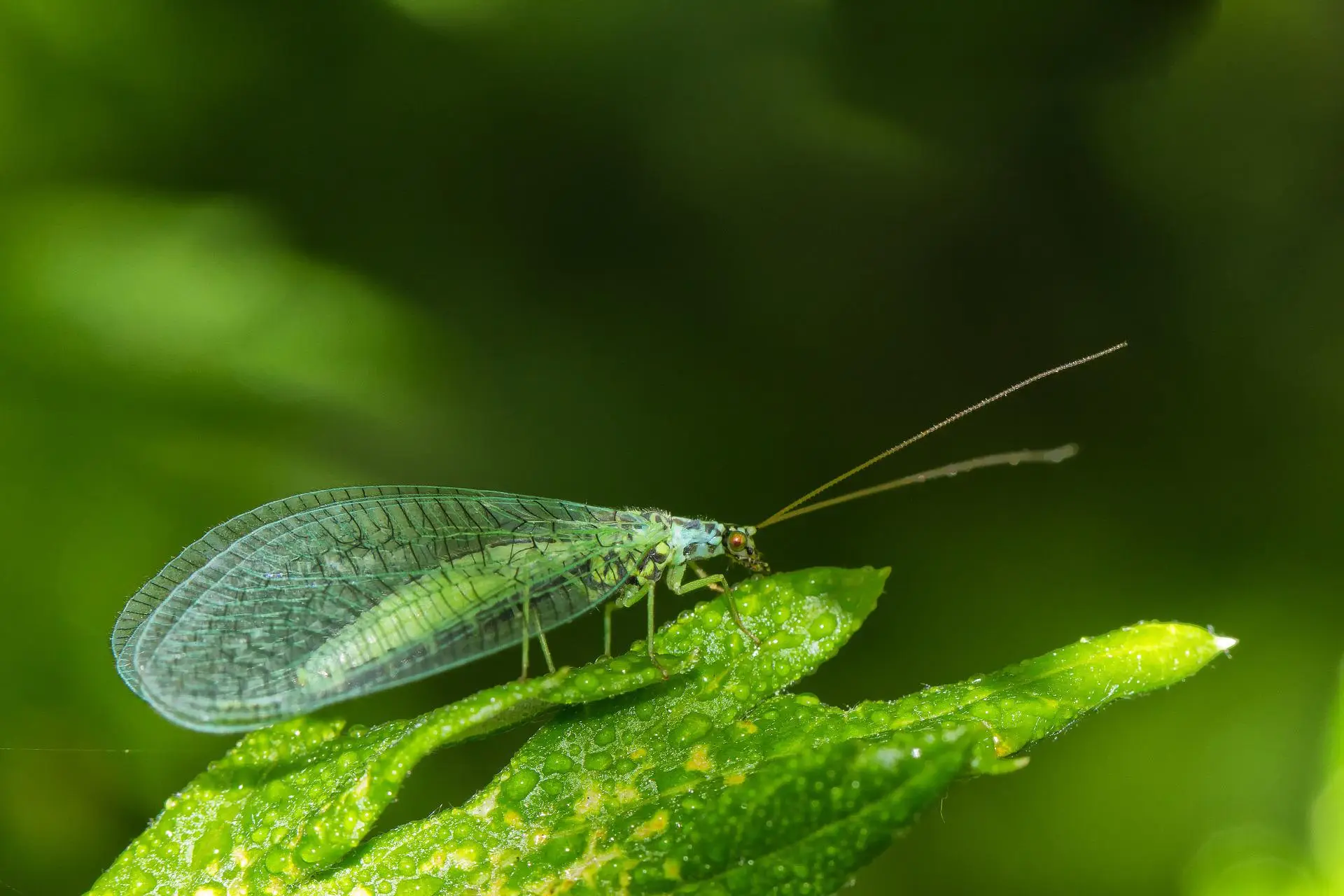
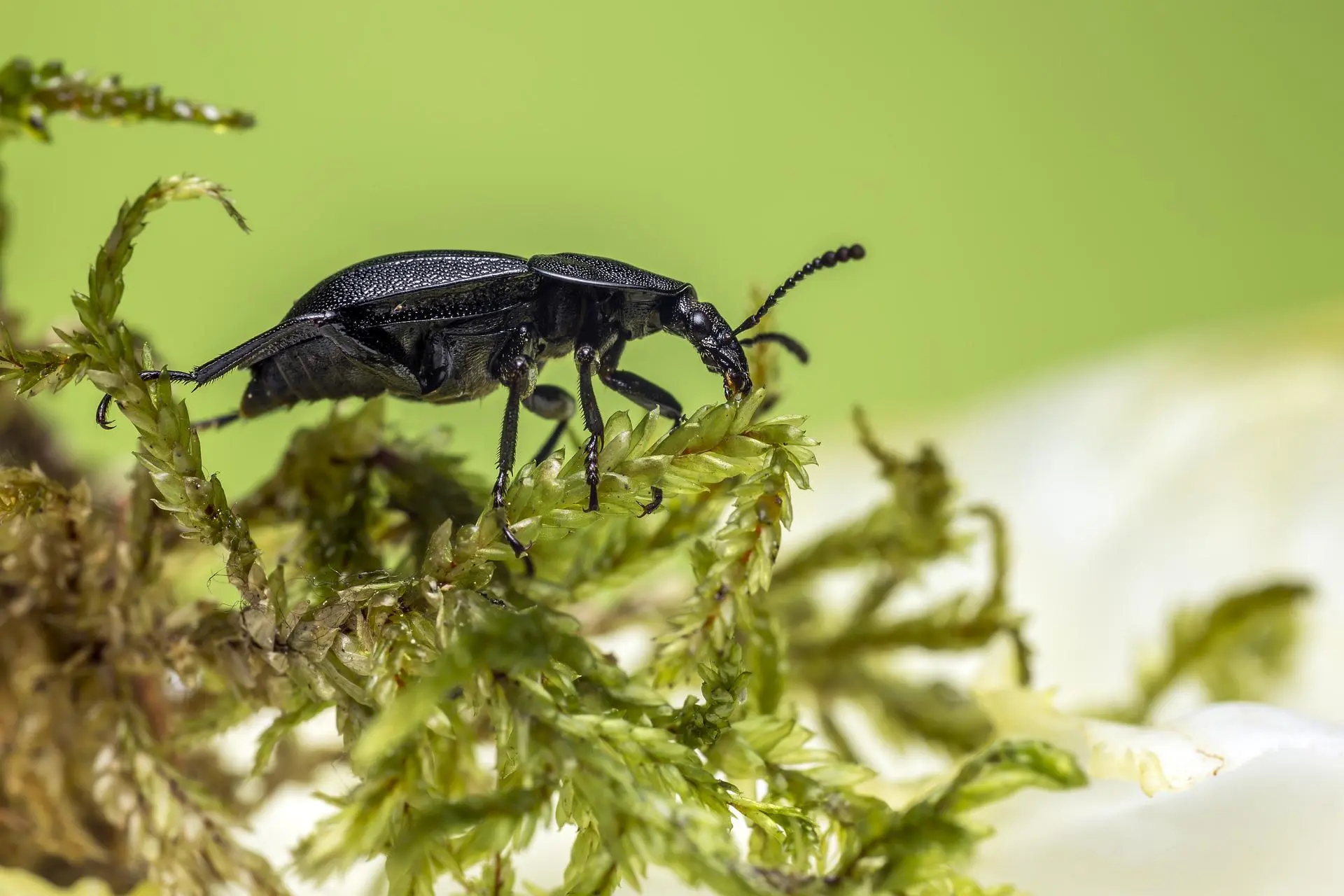
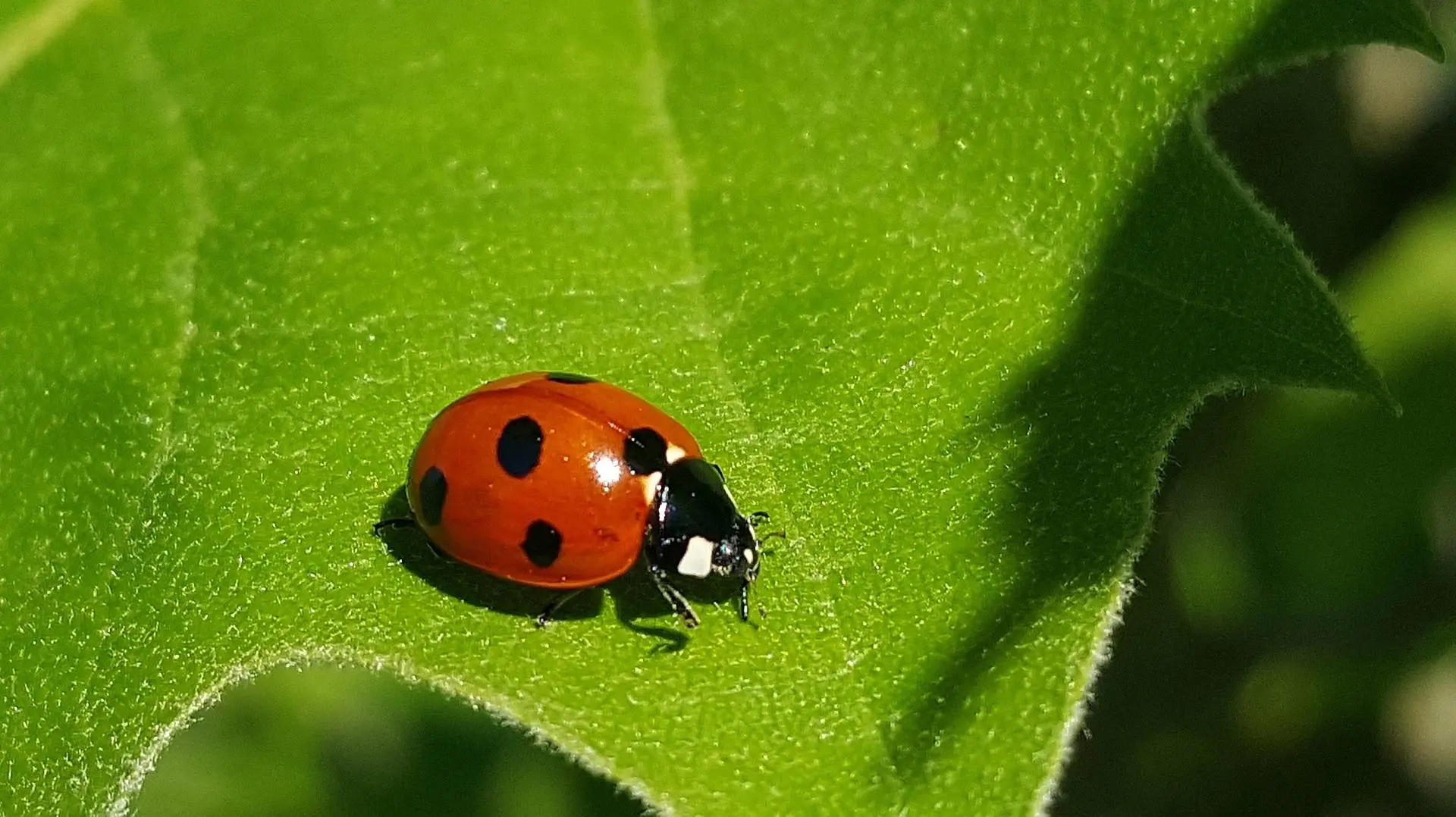
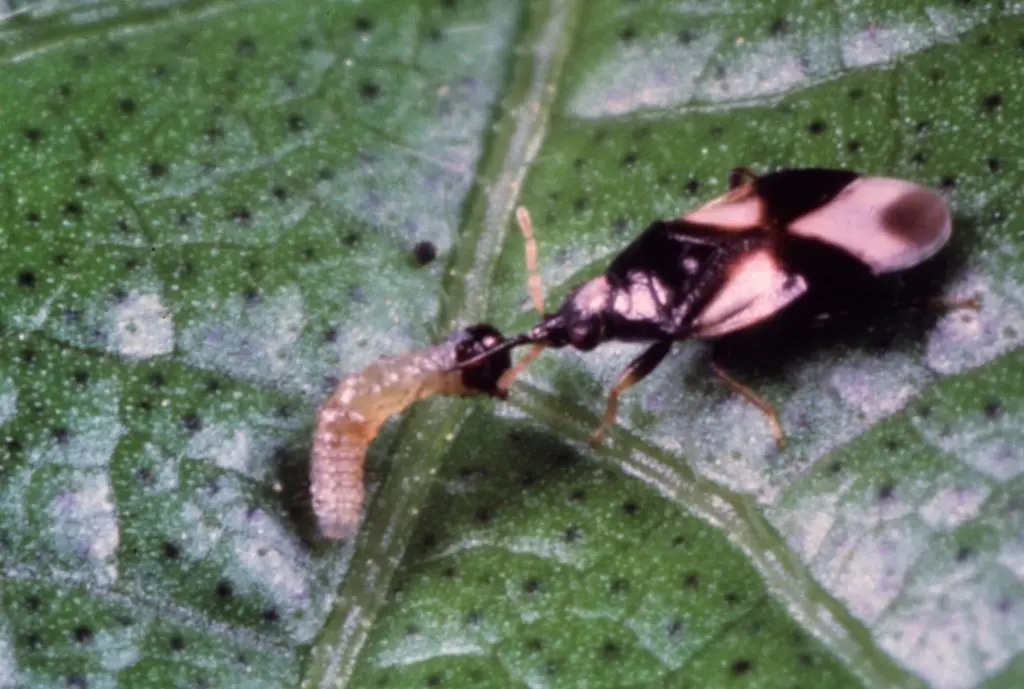
Growing from Seed
Peaches are not typically grown from seed.
Planting Considerations
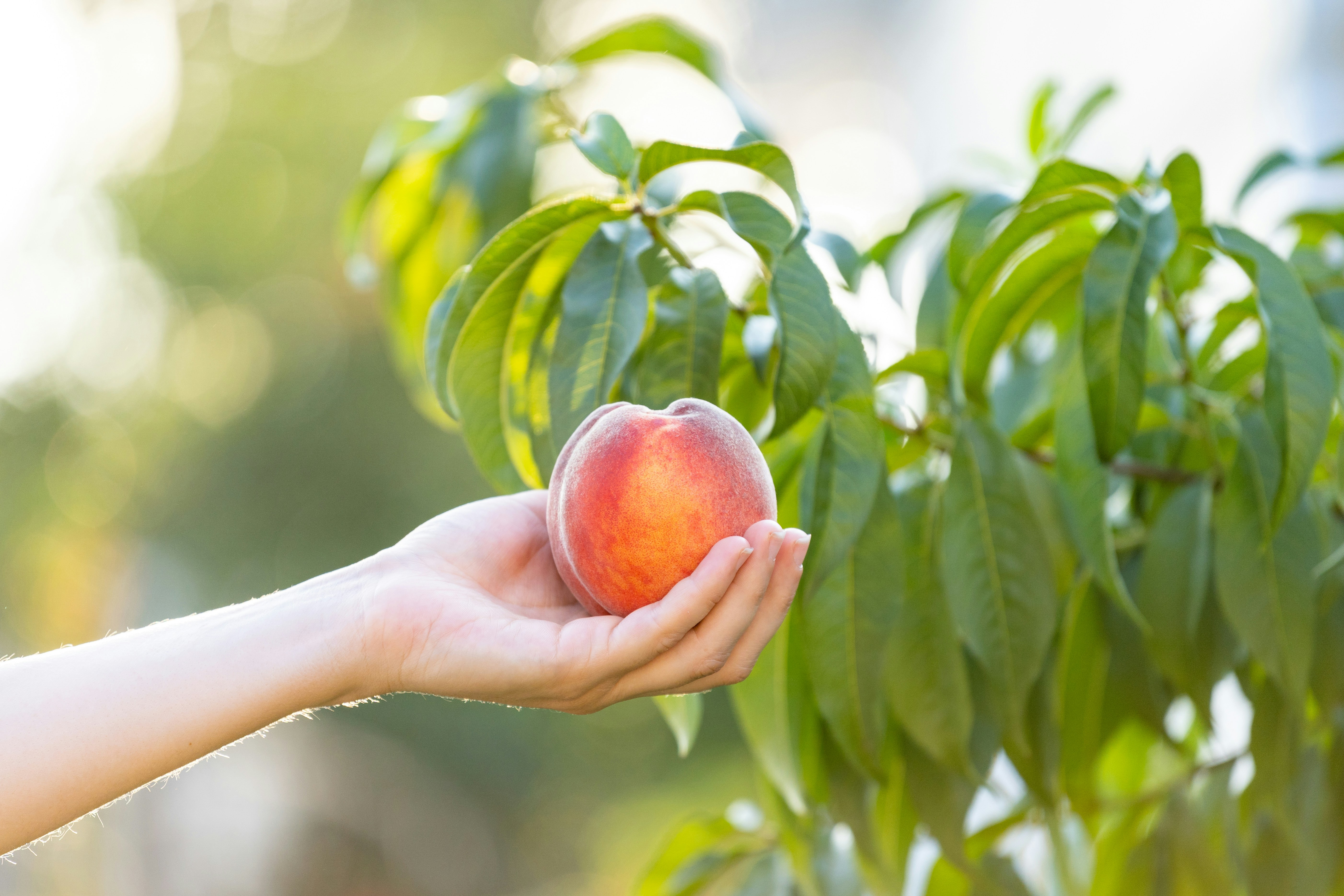
Transplanted trees should be planted late winter to early spring, so it has the entire growing season to adjust to the environment before winter. Peach trees prefer well-drained soil. When transplanted, the root ball should be planted a few inches down.
Feeding
Peaches need a lot of nitrogen. Fertilizer should only be applied between spring and midsummer; don’t fertilize it within 2 months of the frost date, or when the fruit is maturing.
Harvesting
Around 5 weeks after the tree blooms, thin out the fruit so that there are higher quality fruits to harvest.
Storage
Fresh, but not yet ripe, peaches can be put in an enclosed container (like a bowl covered with wrap) to allow them to ripen. Fresh, ripe peaches need to breathe, so they should be kept in the fridge in a bag with holes for up to five days or, if outside of the fridge, in an open bag away from other fruits. Cut peaches should be wrapped tightly and kept in the fridge. Peaches are great fruits for canning, jams, or preserves.