Marigold
Tagetes spp.
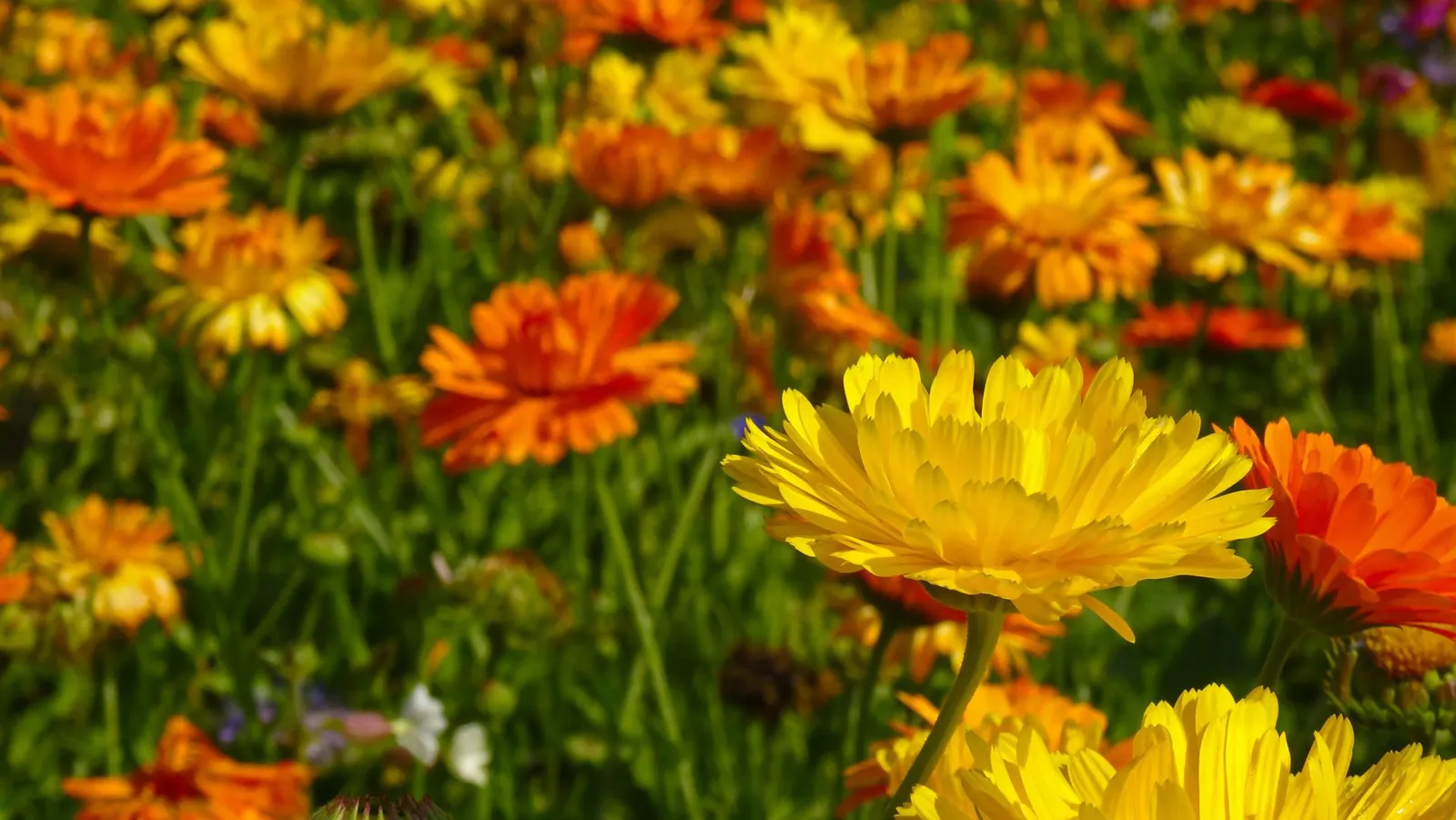
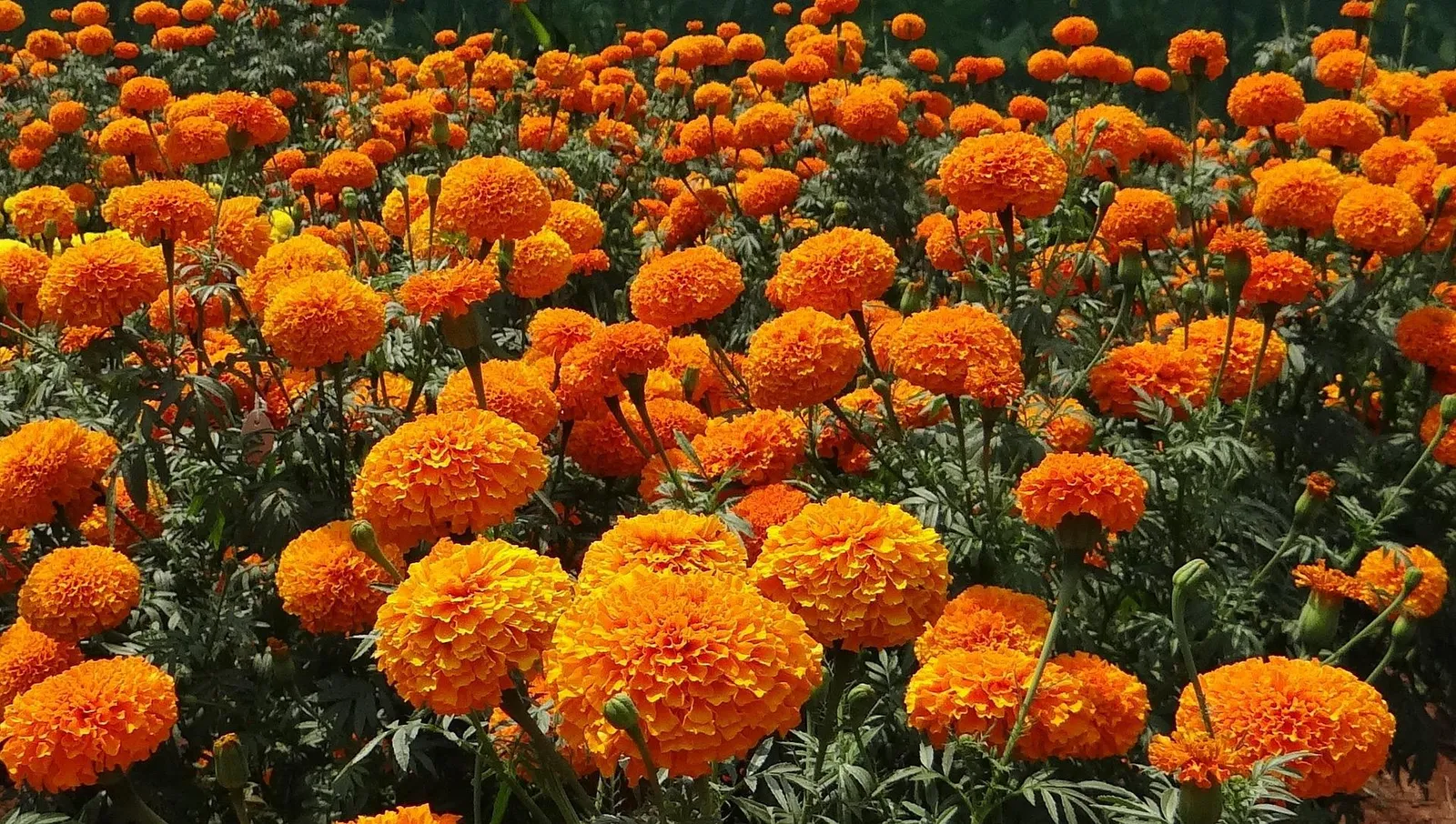
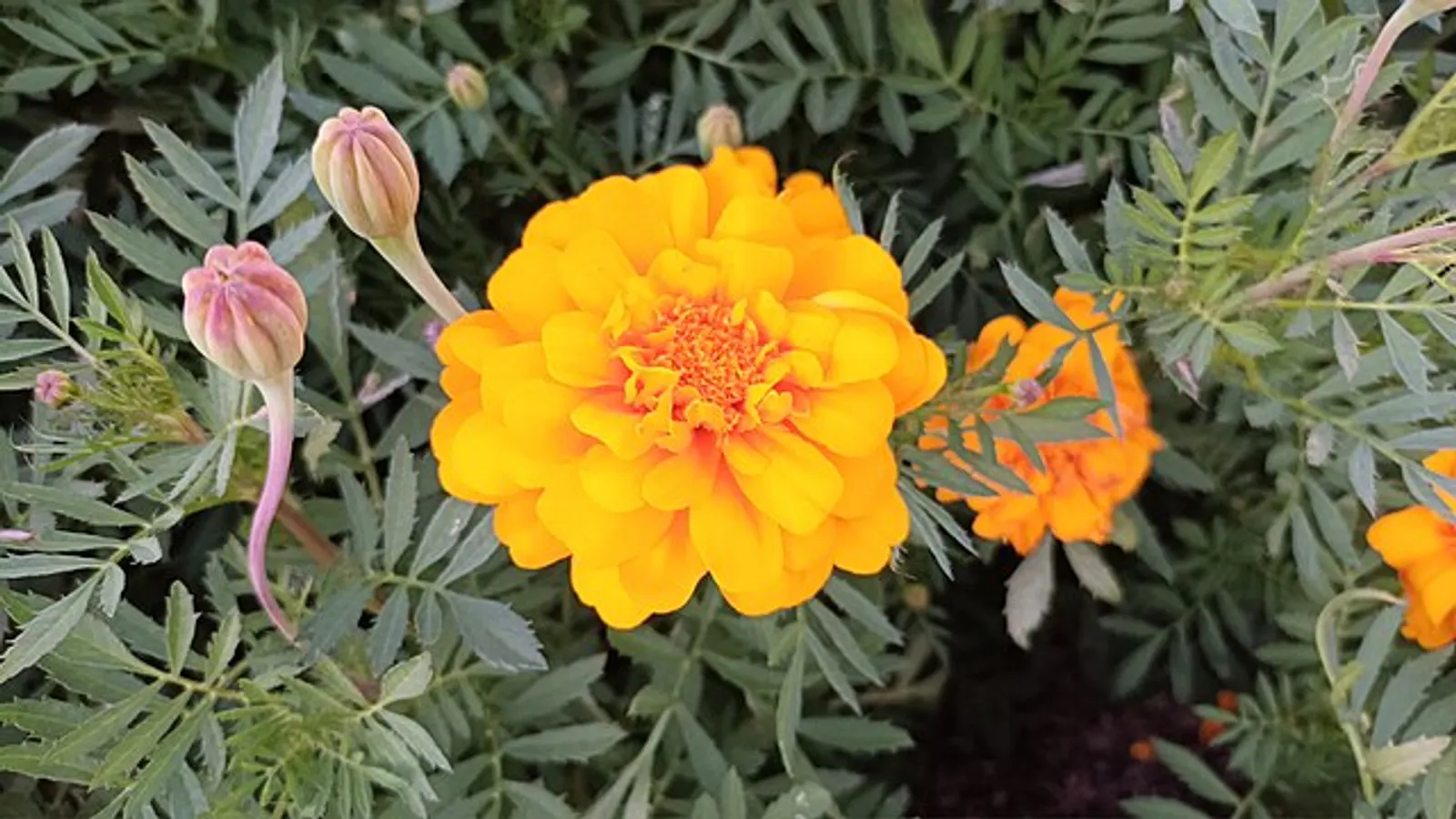
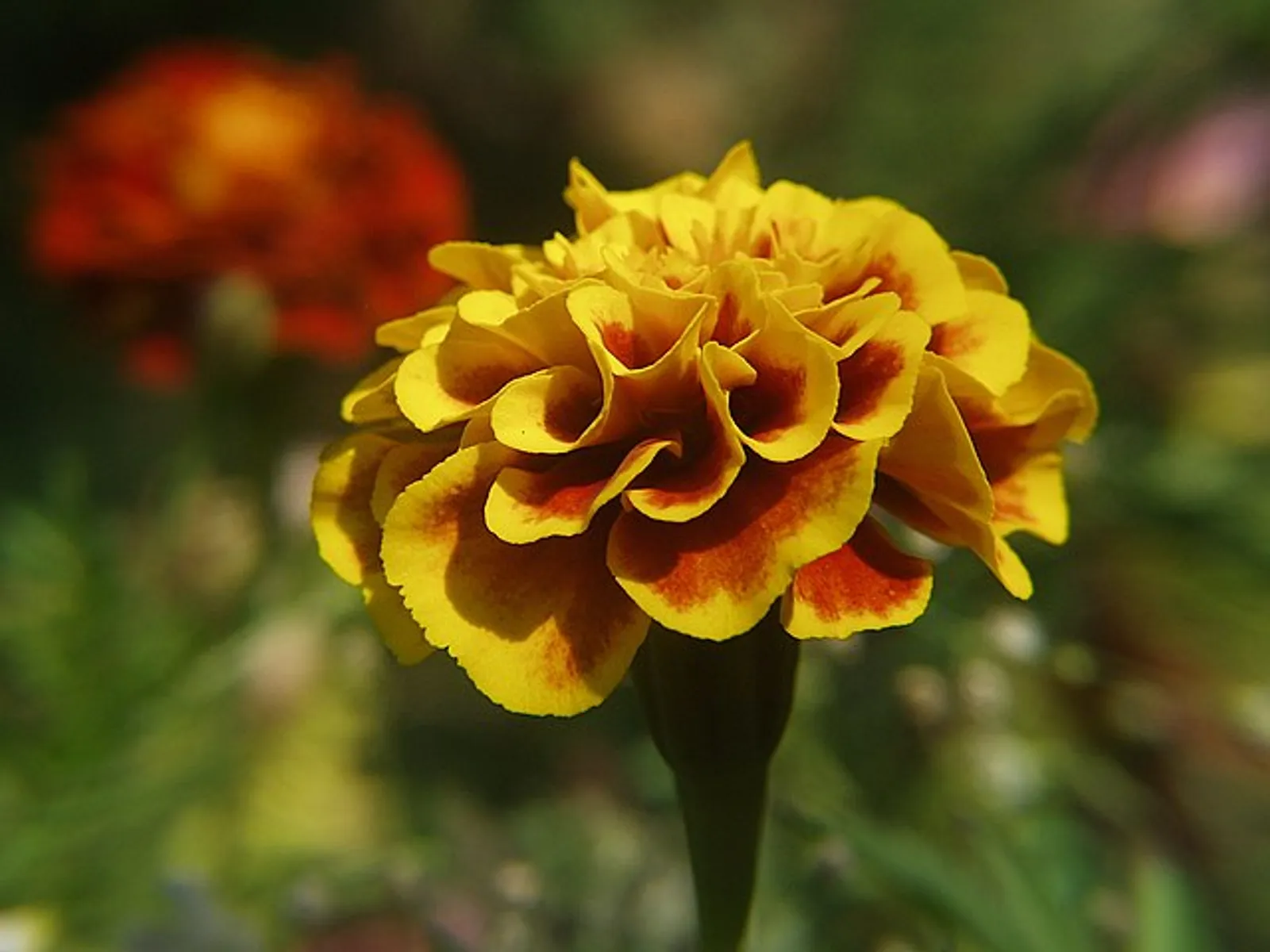
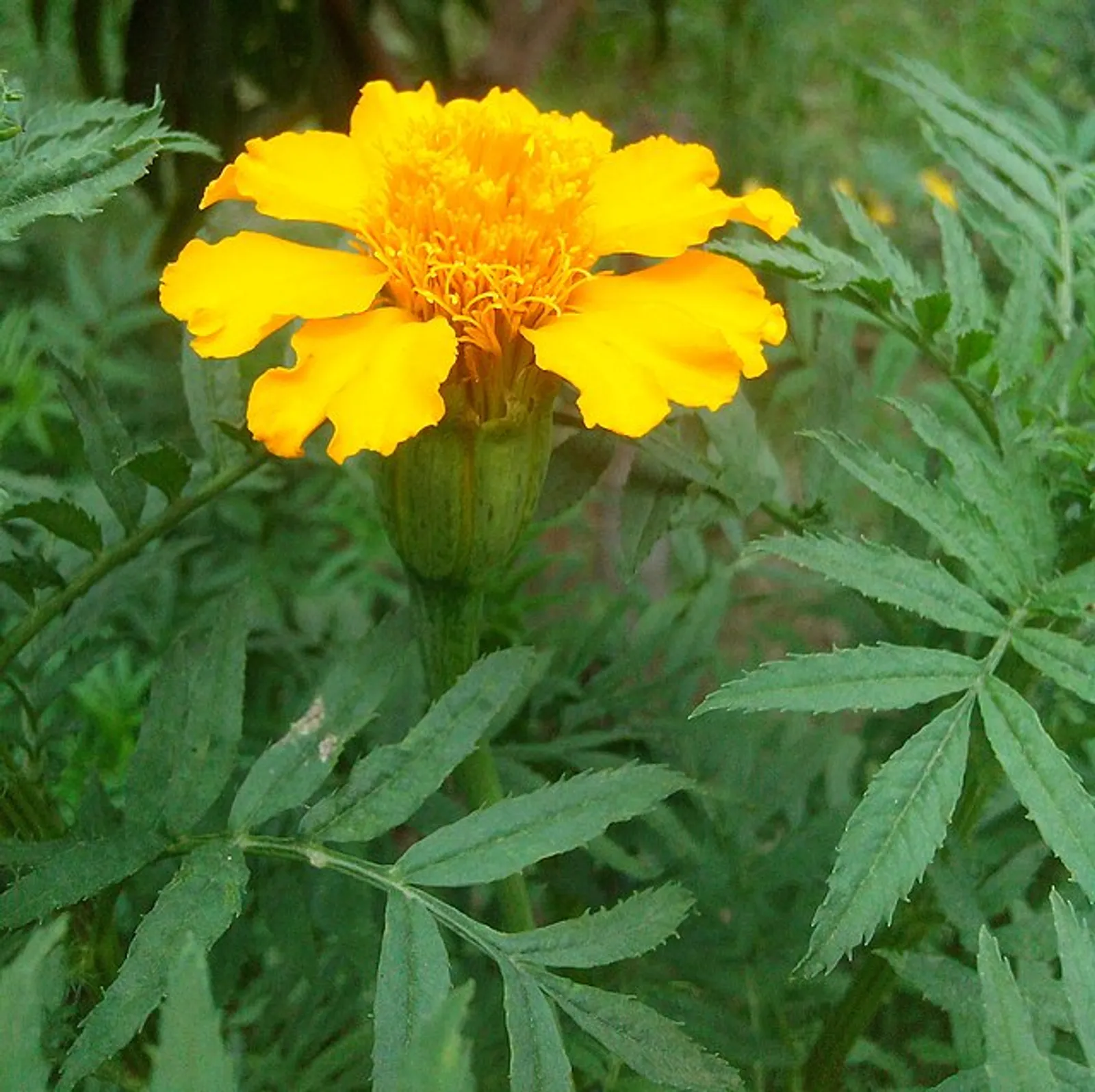
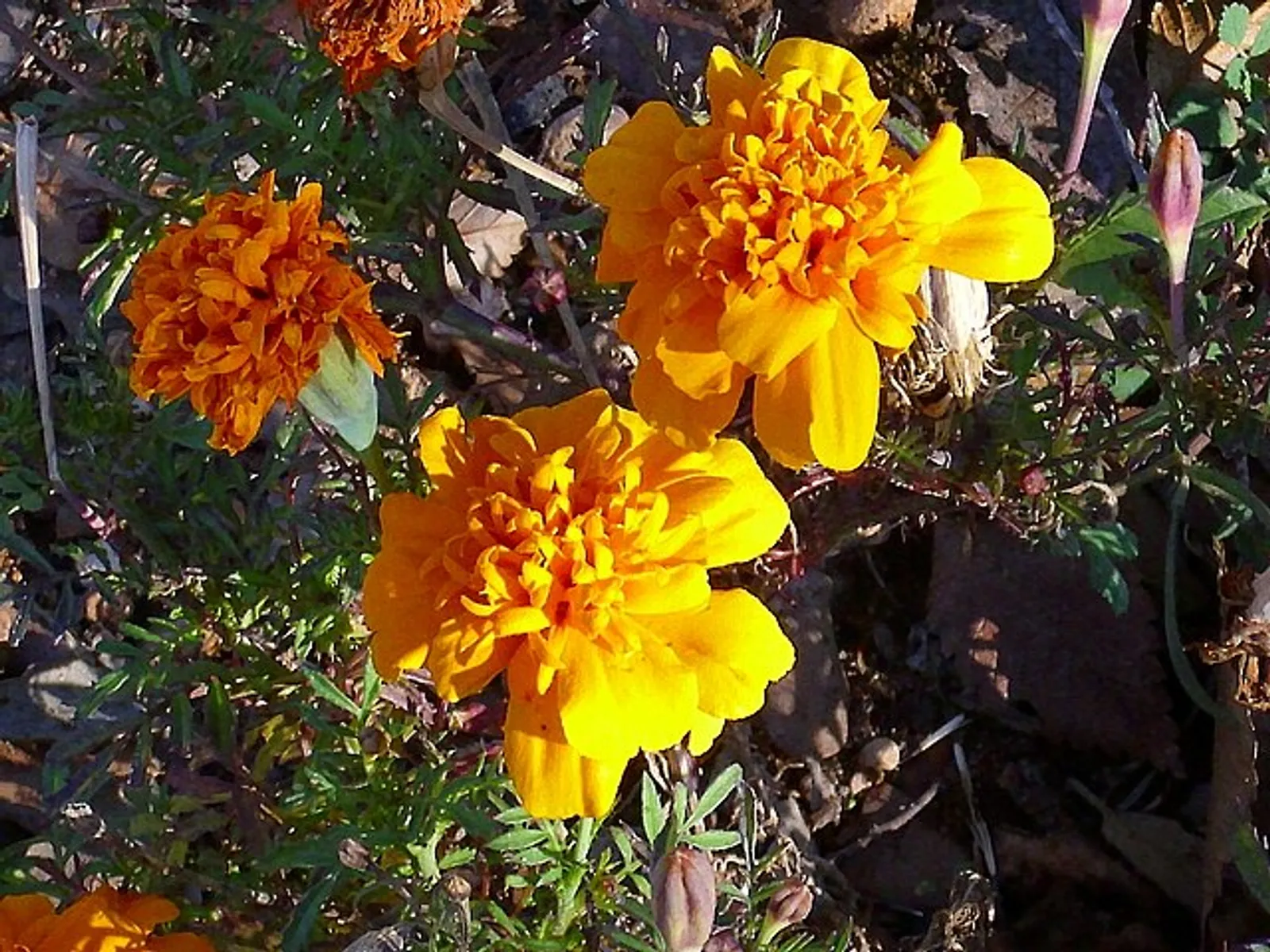
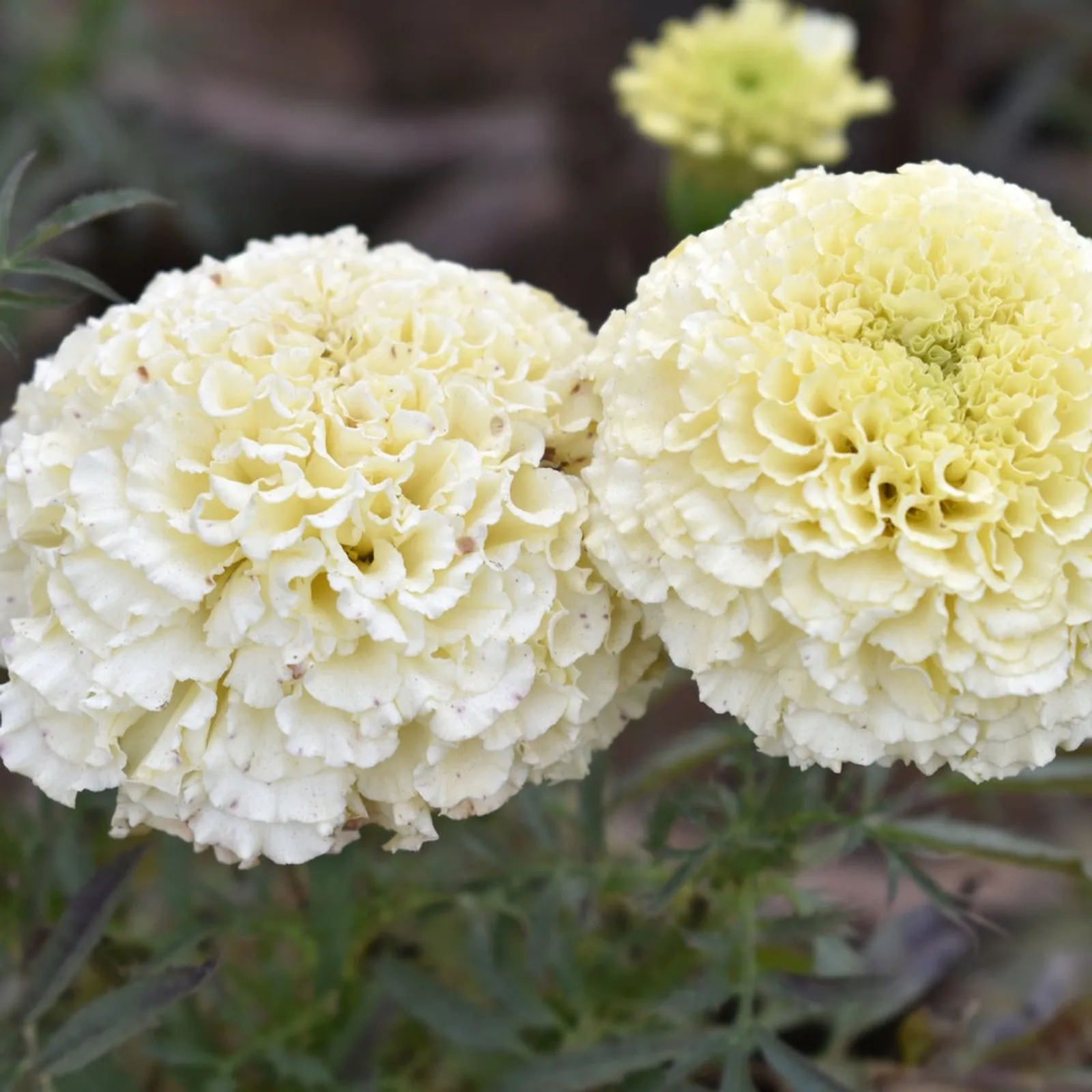
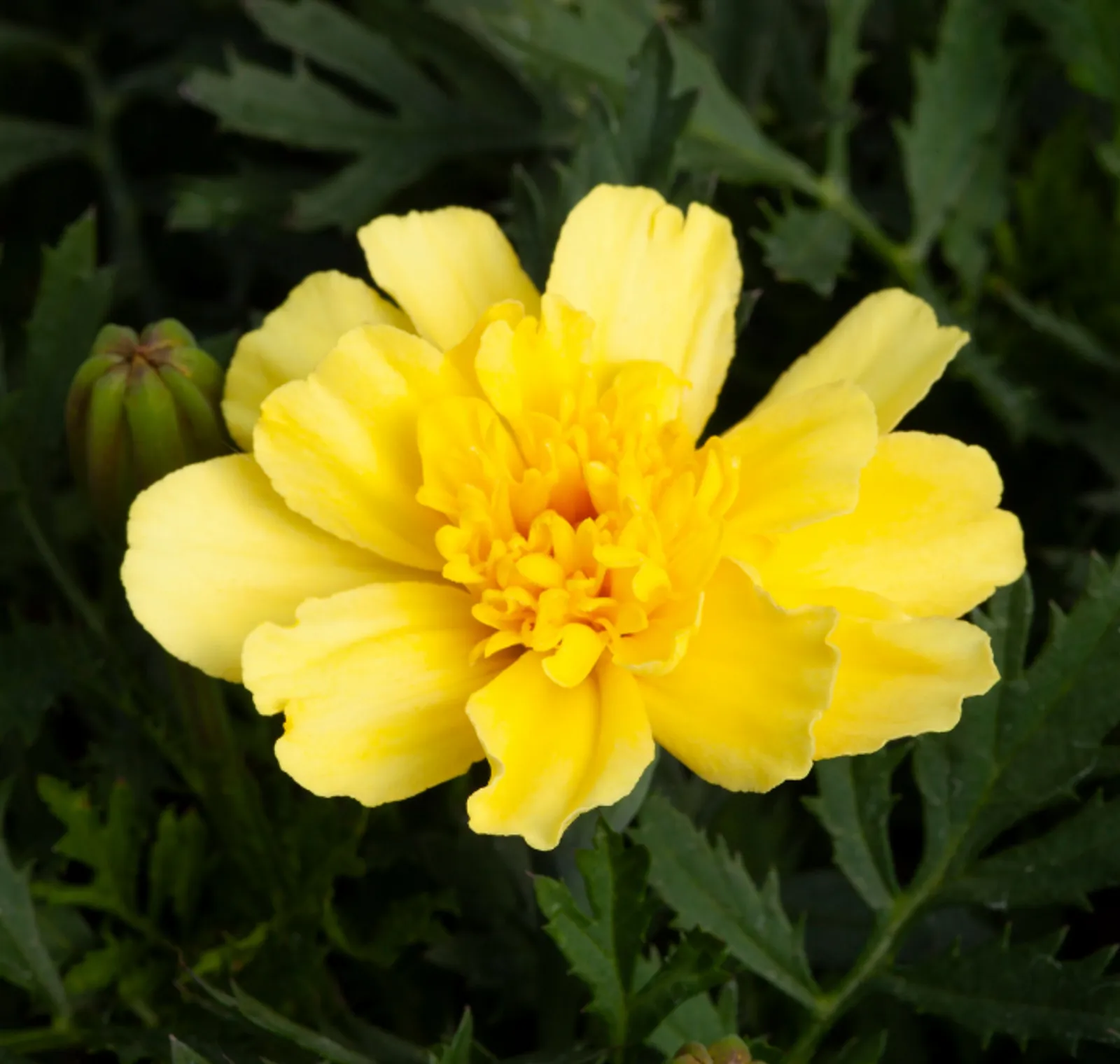
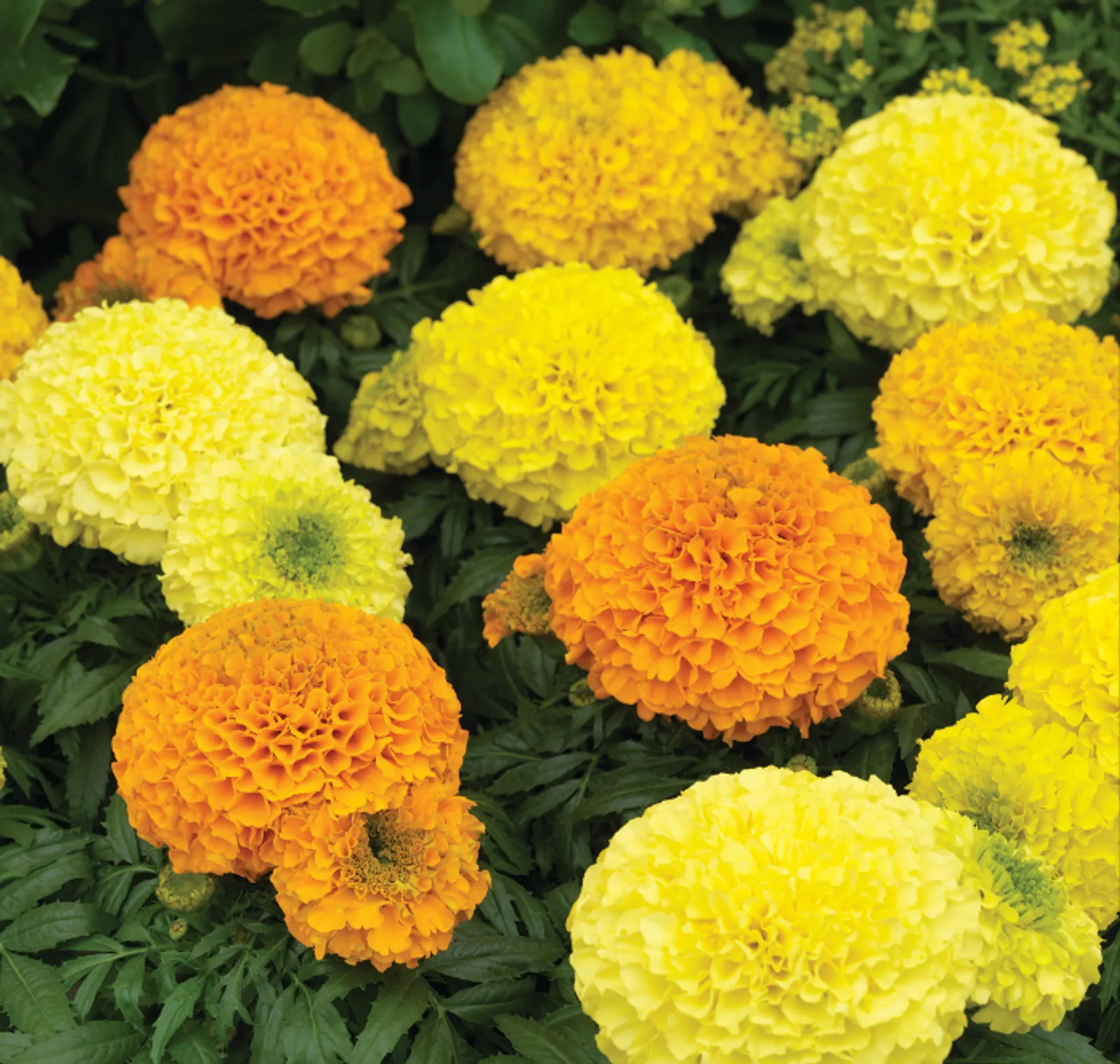
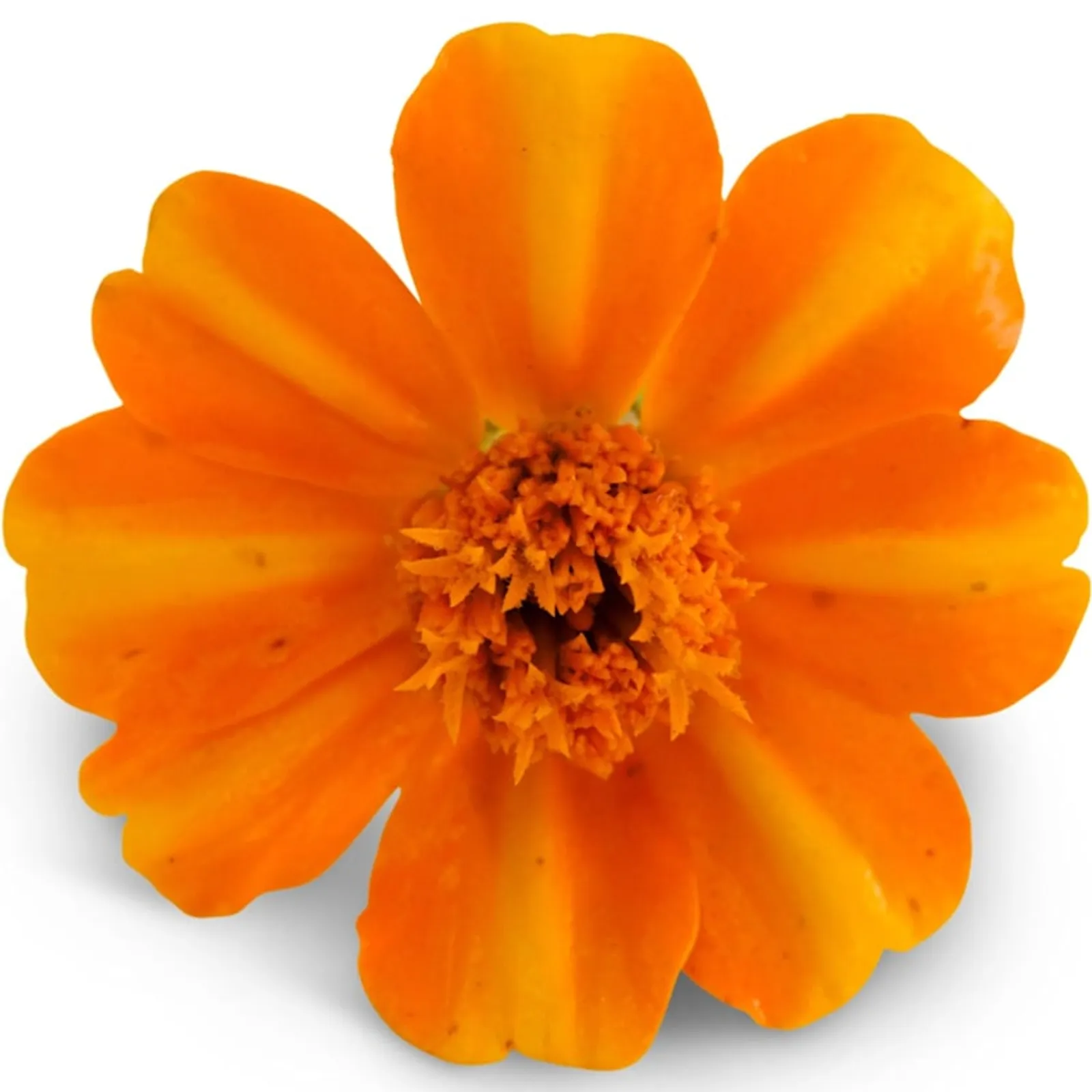
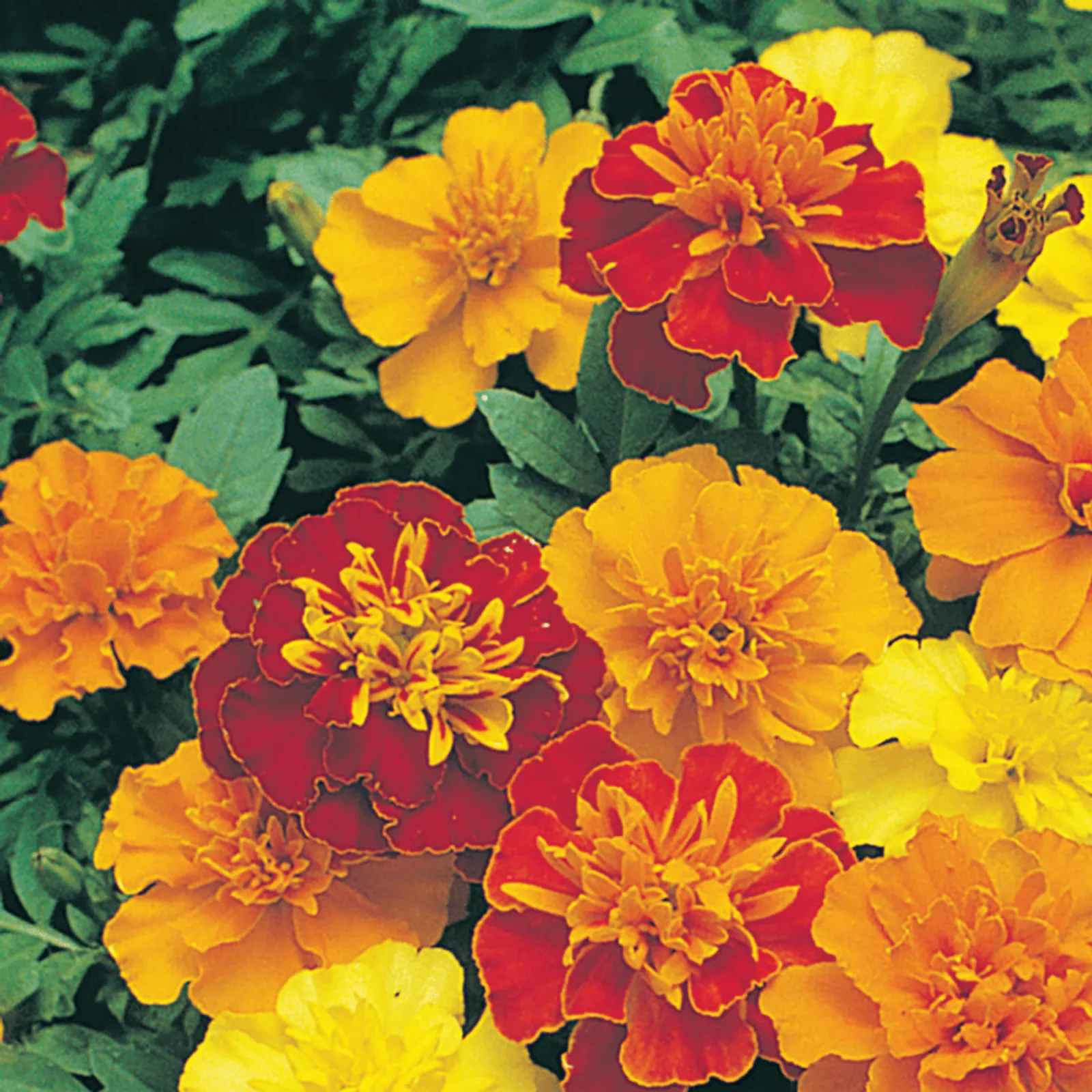
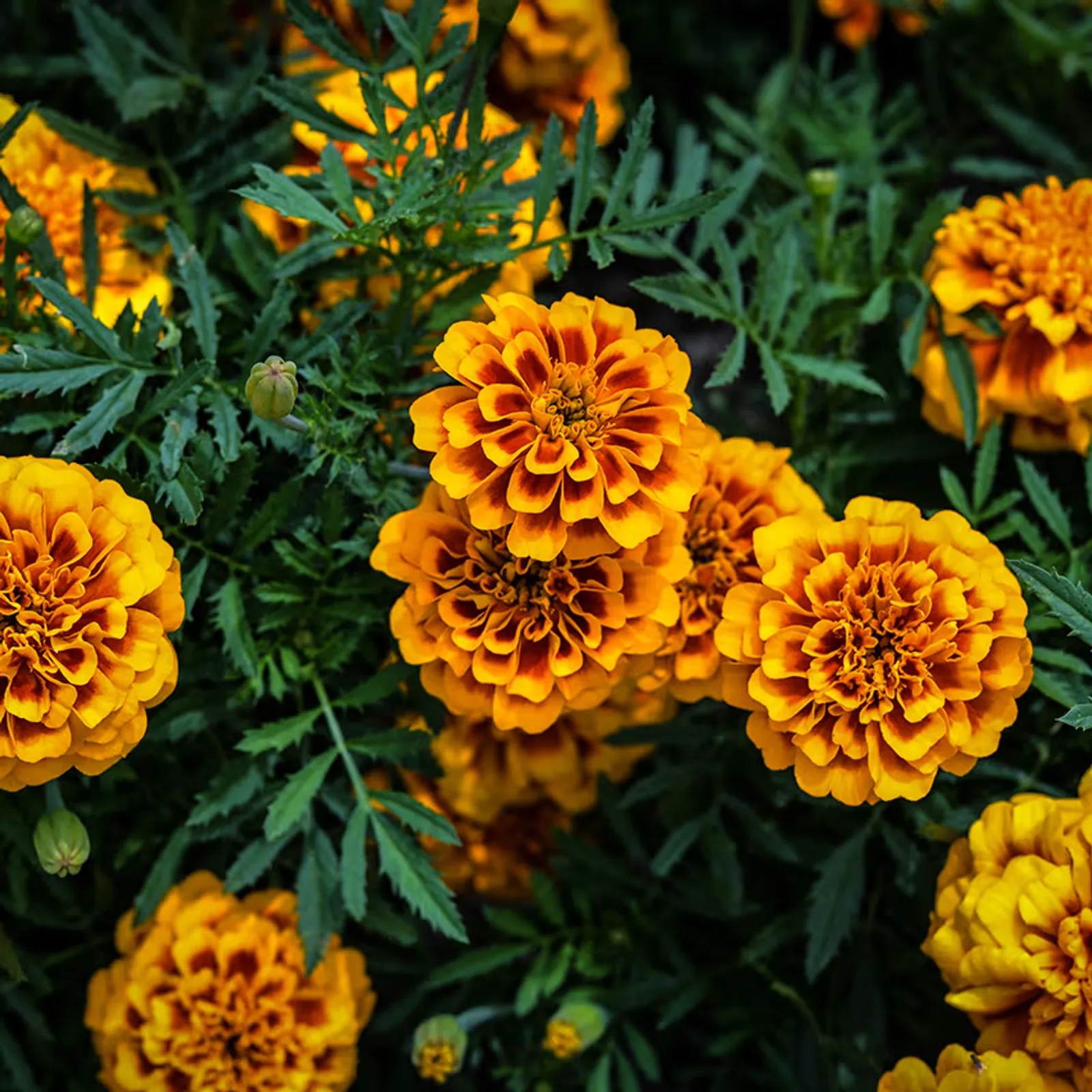
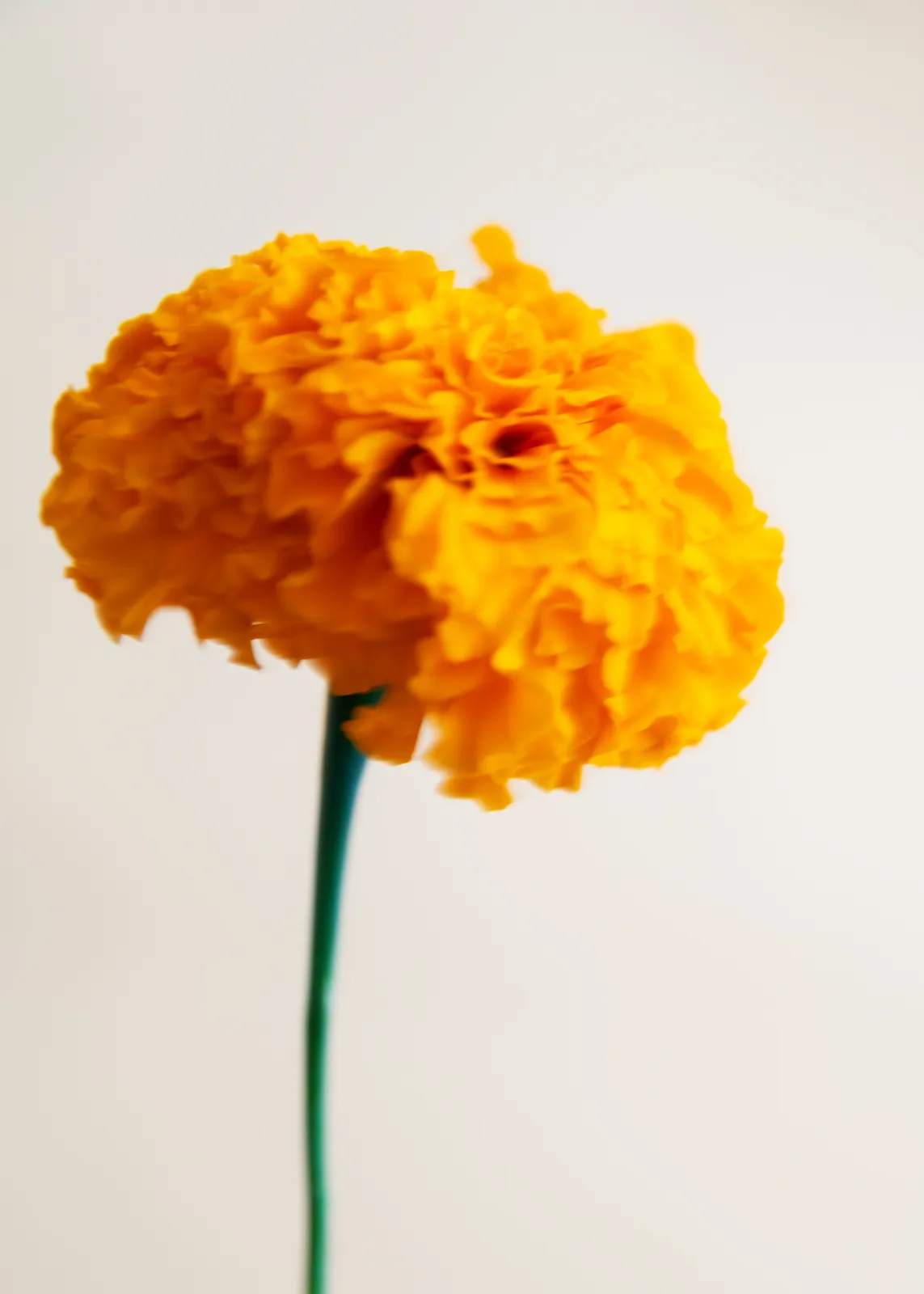
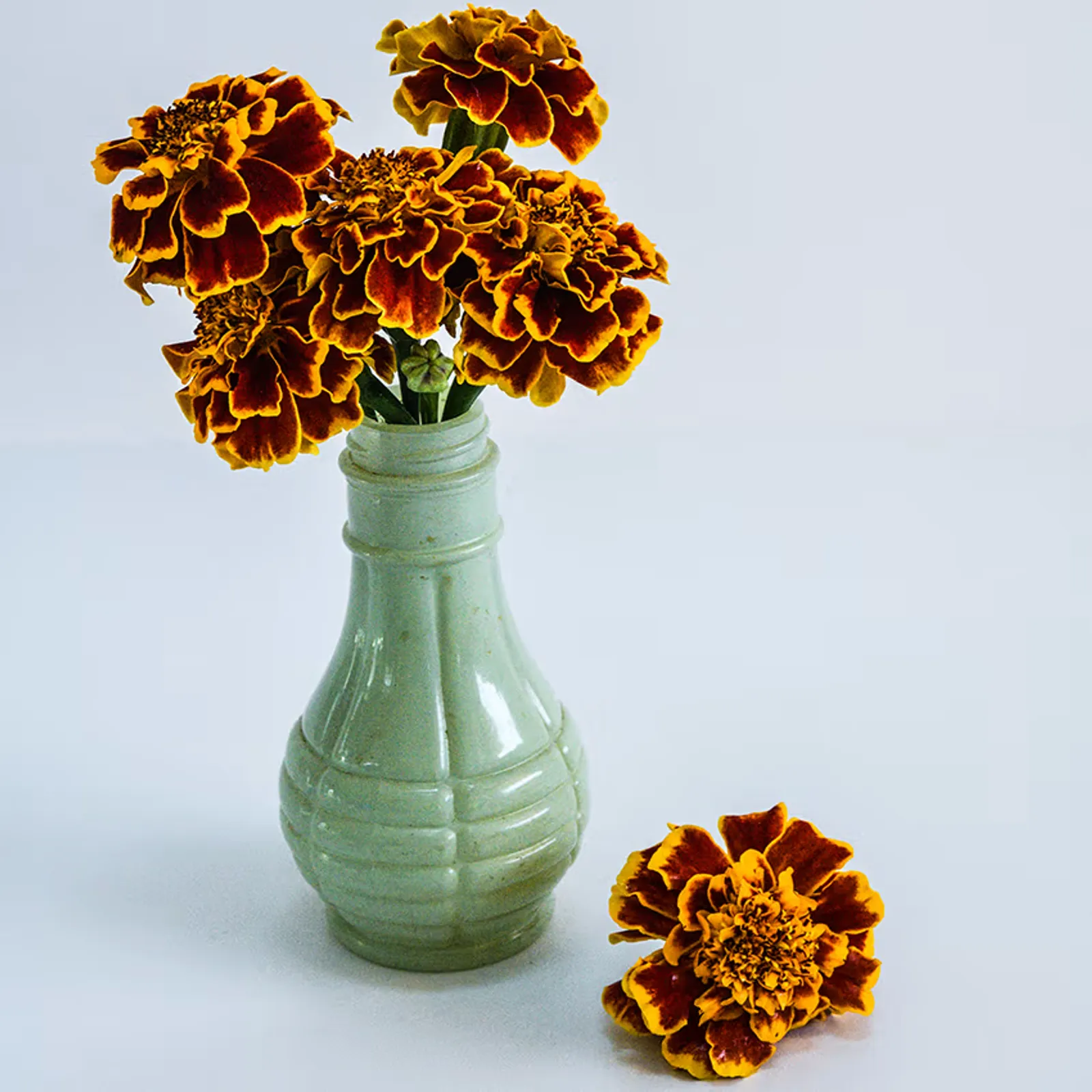
These bright orange flowers add a splash of color to the garden. Marigolds have the added benefit of being a natural pest deterrent, making them an excellent companion to a plethora of plants. Additionally, if properly cared for, marigolds will bloom all summer long! For the cutting garden, there are taller marigold varieties excellent for the vase or in containers and gardens. 3" (8 cm) ball-shaped blooms on sturdy plants come in yellow, orange, and palest of yellow/white.
How to Grow Marigold
Quick Info


Put away the pen and paper
Plan your veggie garden in minutes with Planter's easy drag and drop planner.
Try Planter for Free
Varieties
Related Articles
Companion Plants



















Combative Plants


Pests
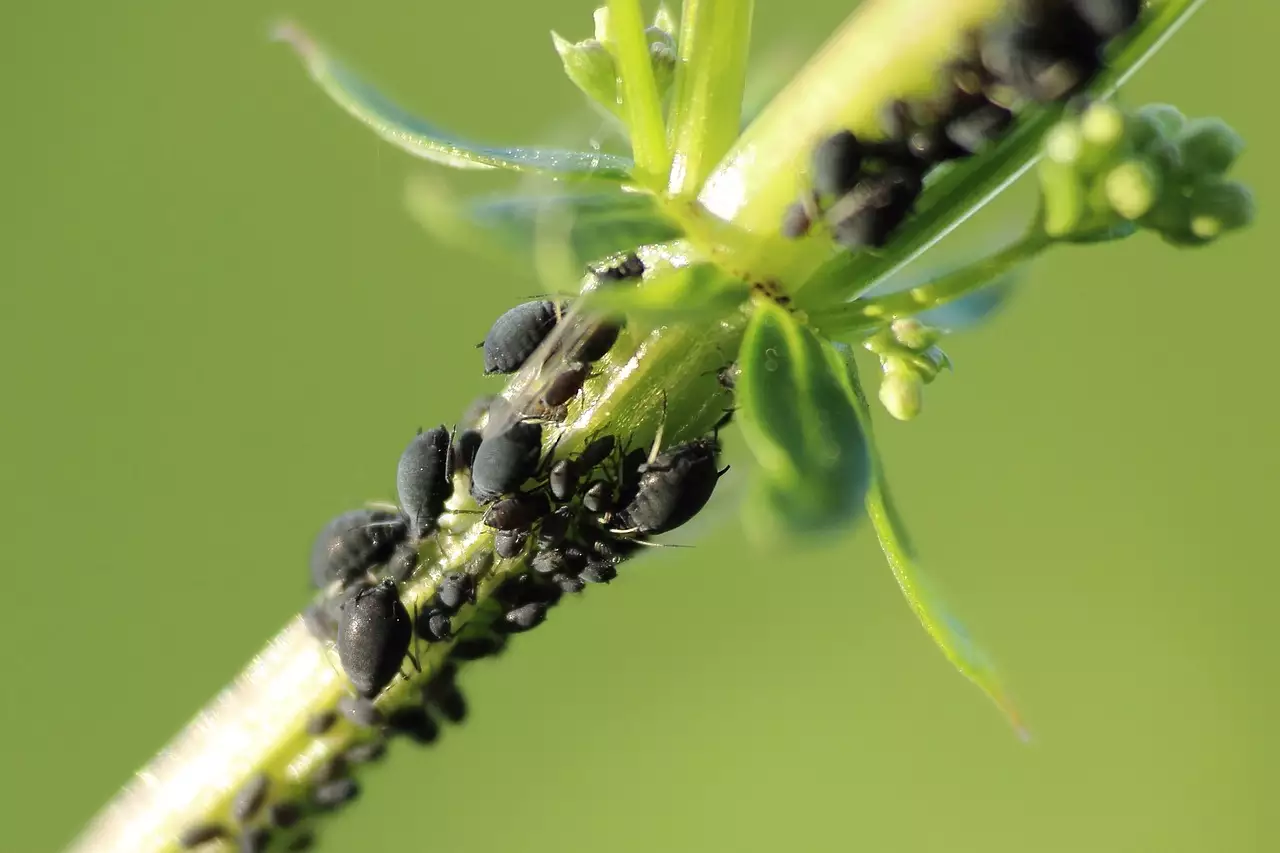
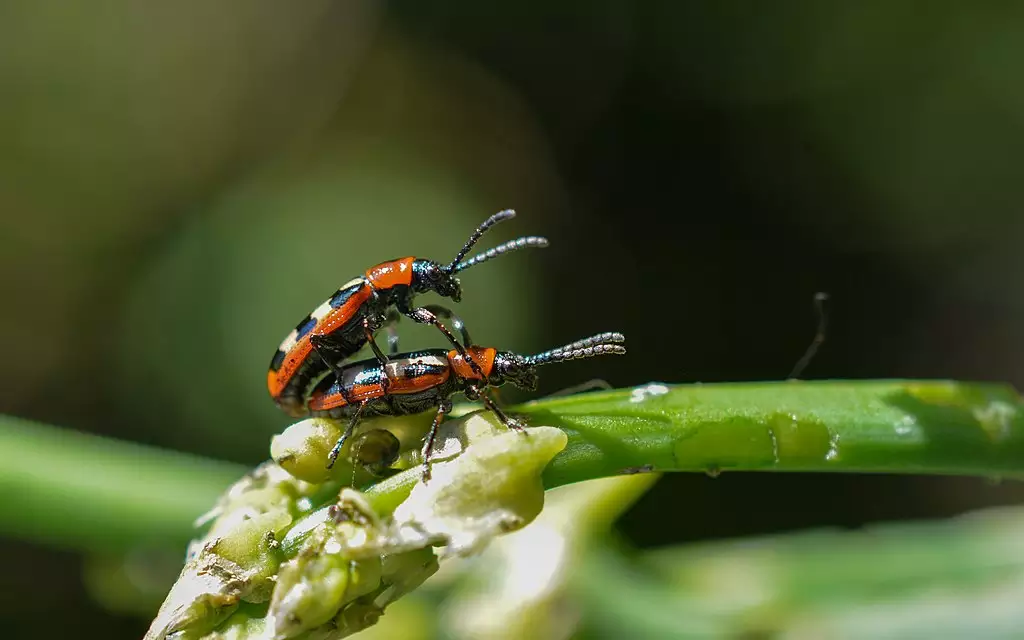
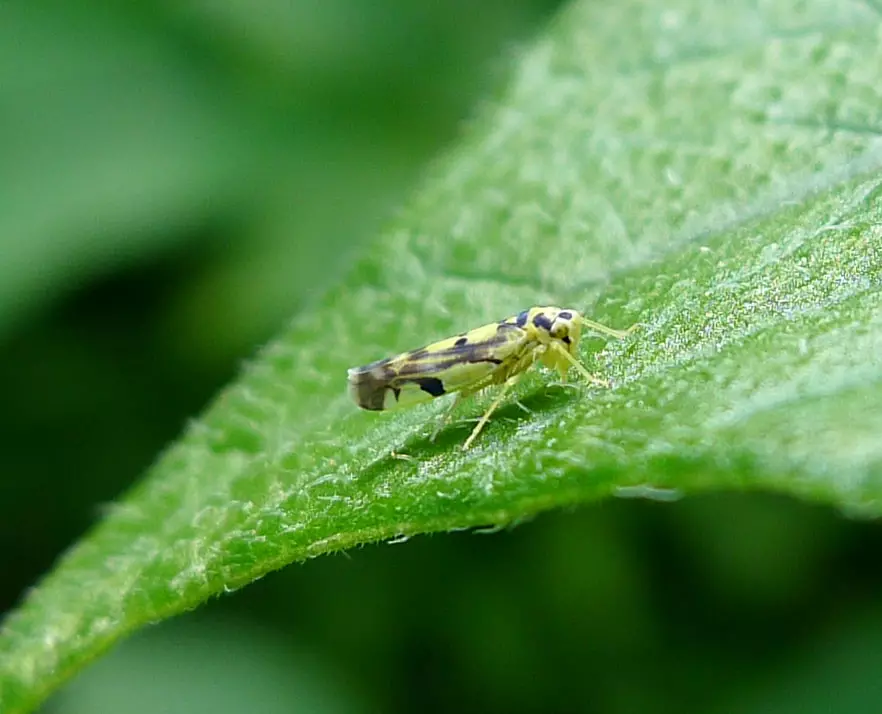
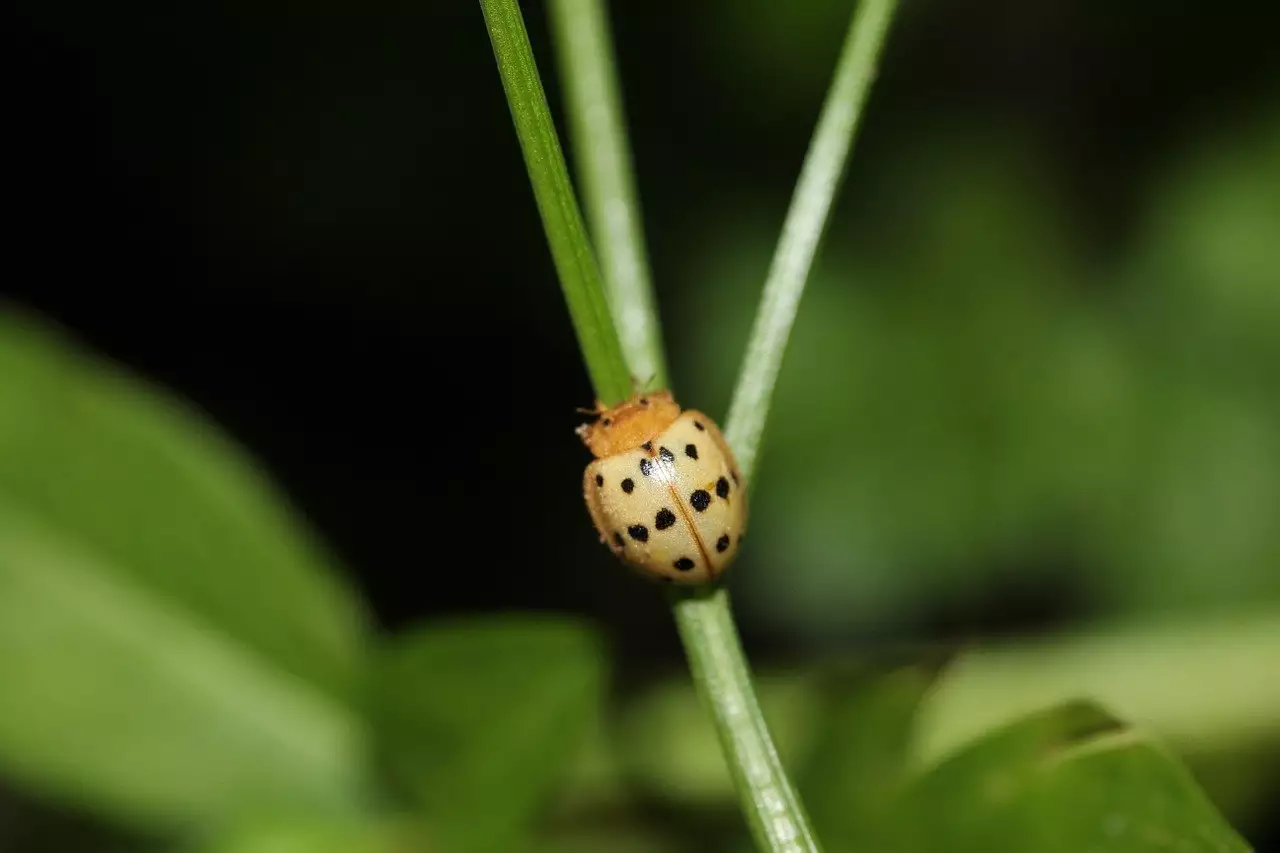
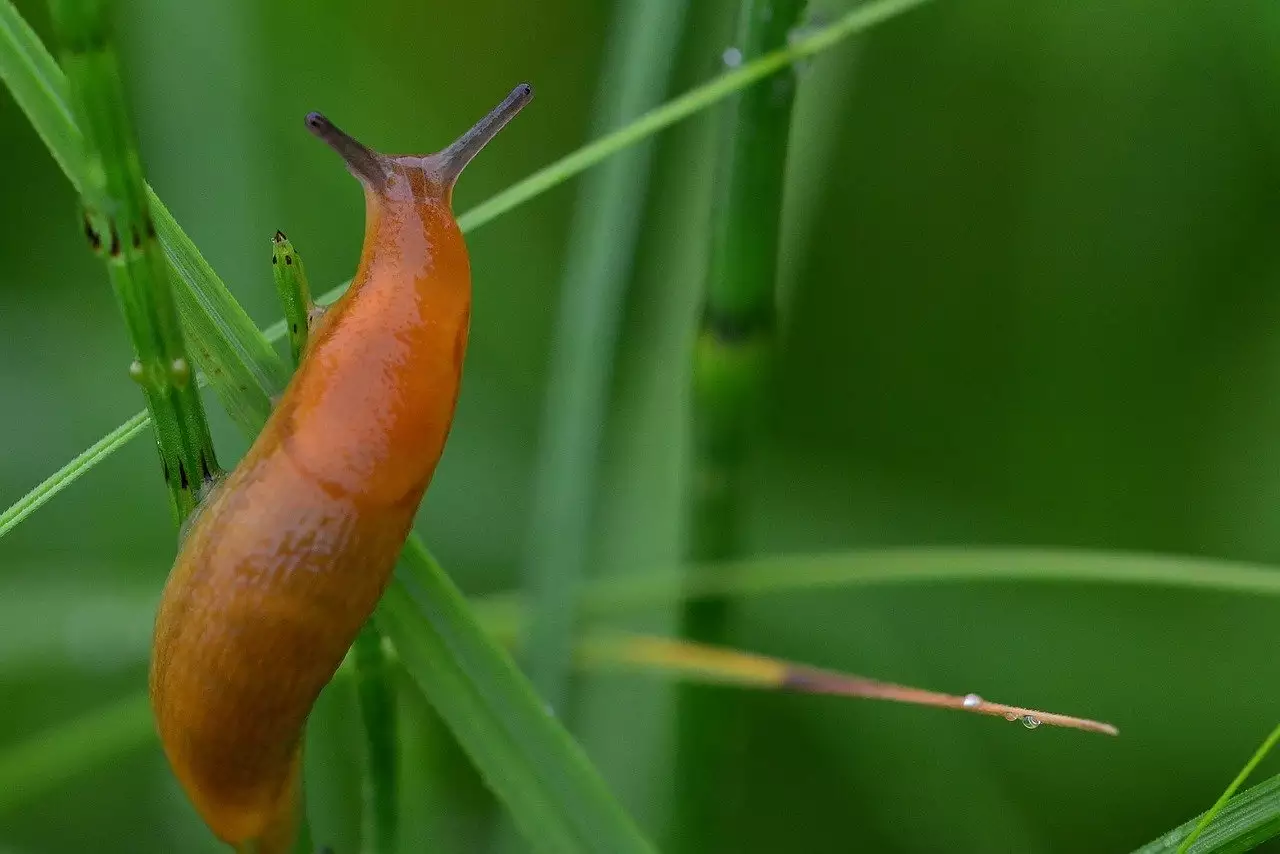
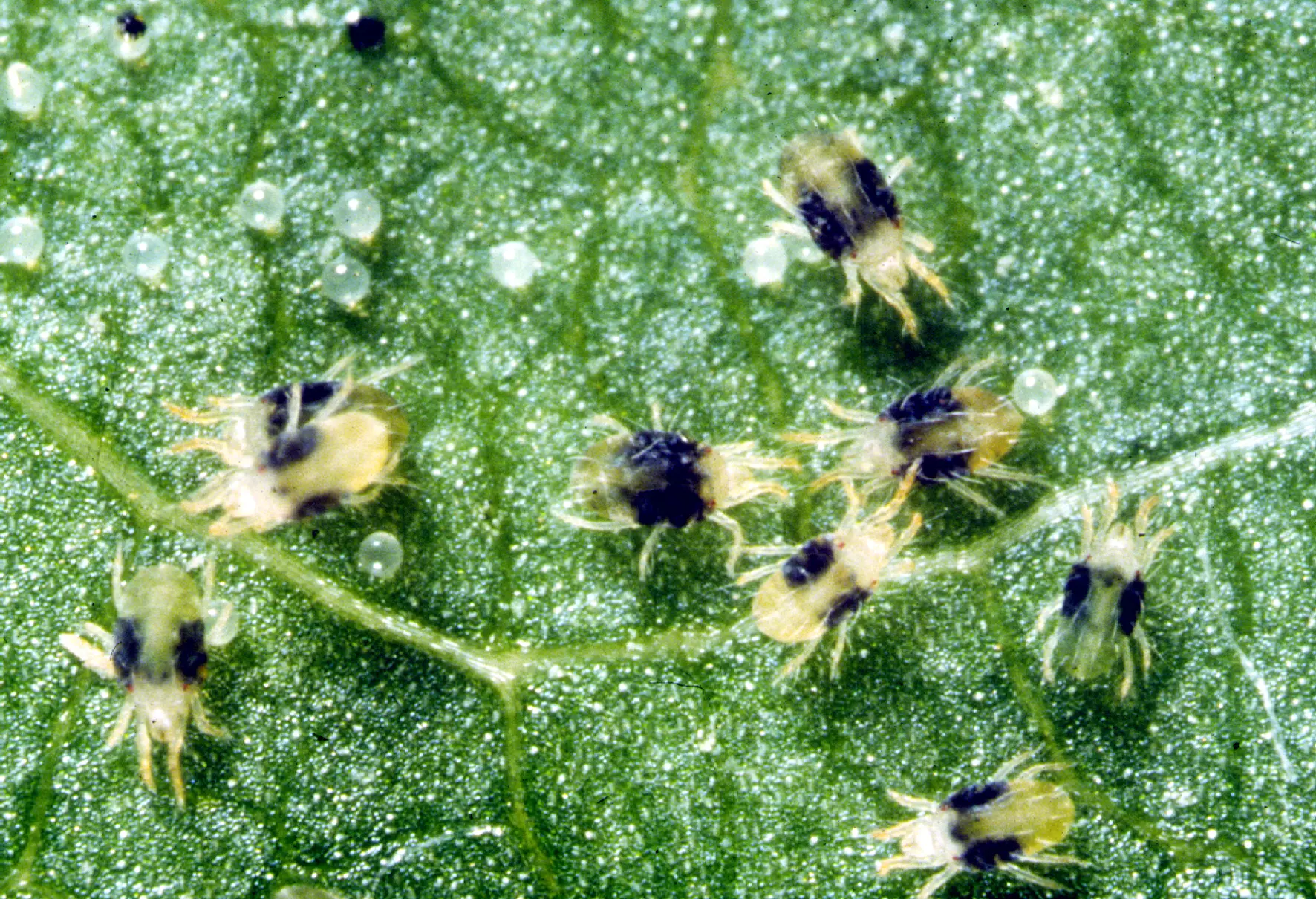
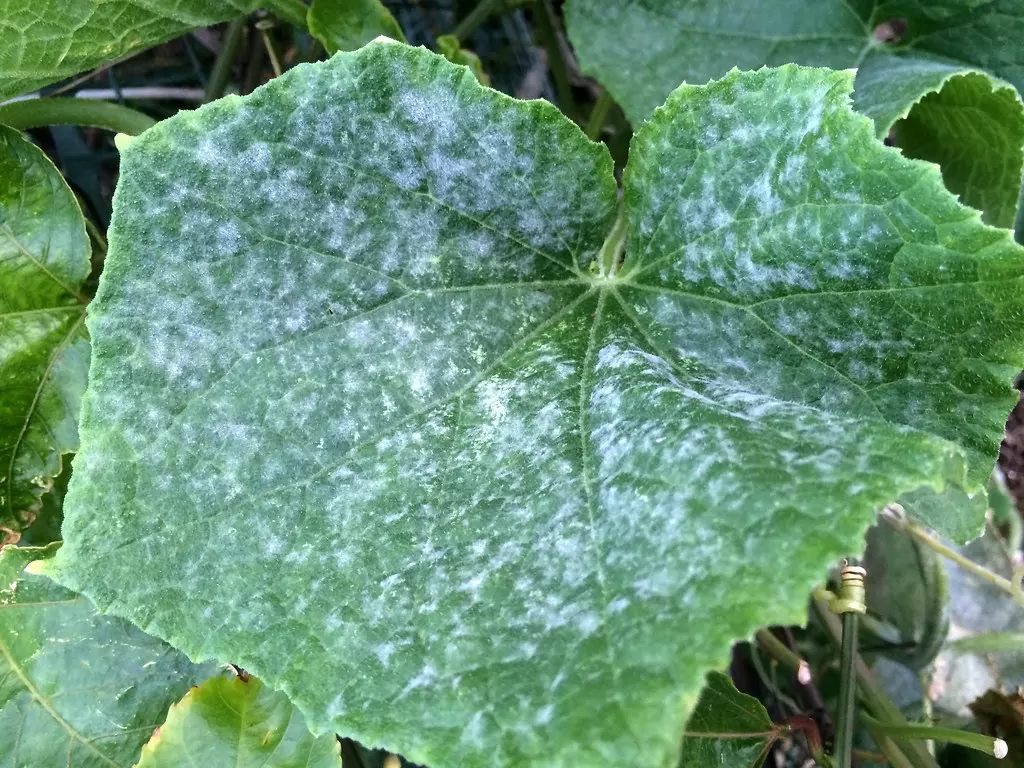
Diseases
Beneficial Critters
Growing from Seed
While marigold can be grown from seed, transplanting is generally recommended for cutting gardens. Sow seeds directly in the ground and cover with a thin layer of soil. Water in thoroughly.
Feeding
Marigolds grow well in most soils without any additional amendments. However, if your soil is particularly nutrient-starved, an application of slow-release 5-10-5 fertilizer around planting time may help.
Harvesting
Harvest when flowers are fully open but tight center. Petals are edible with a citrus, floral, spicy flavor.
Storage
The flowers can be dried for use in floral arrangements.
Pruning
Remove faded flowers by pinching them off at the head. This encourages the plant to bloom even more!