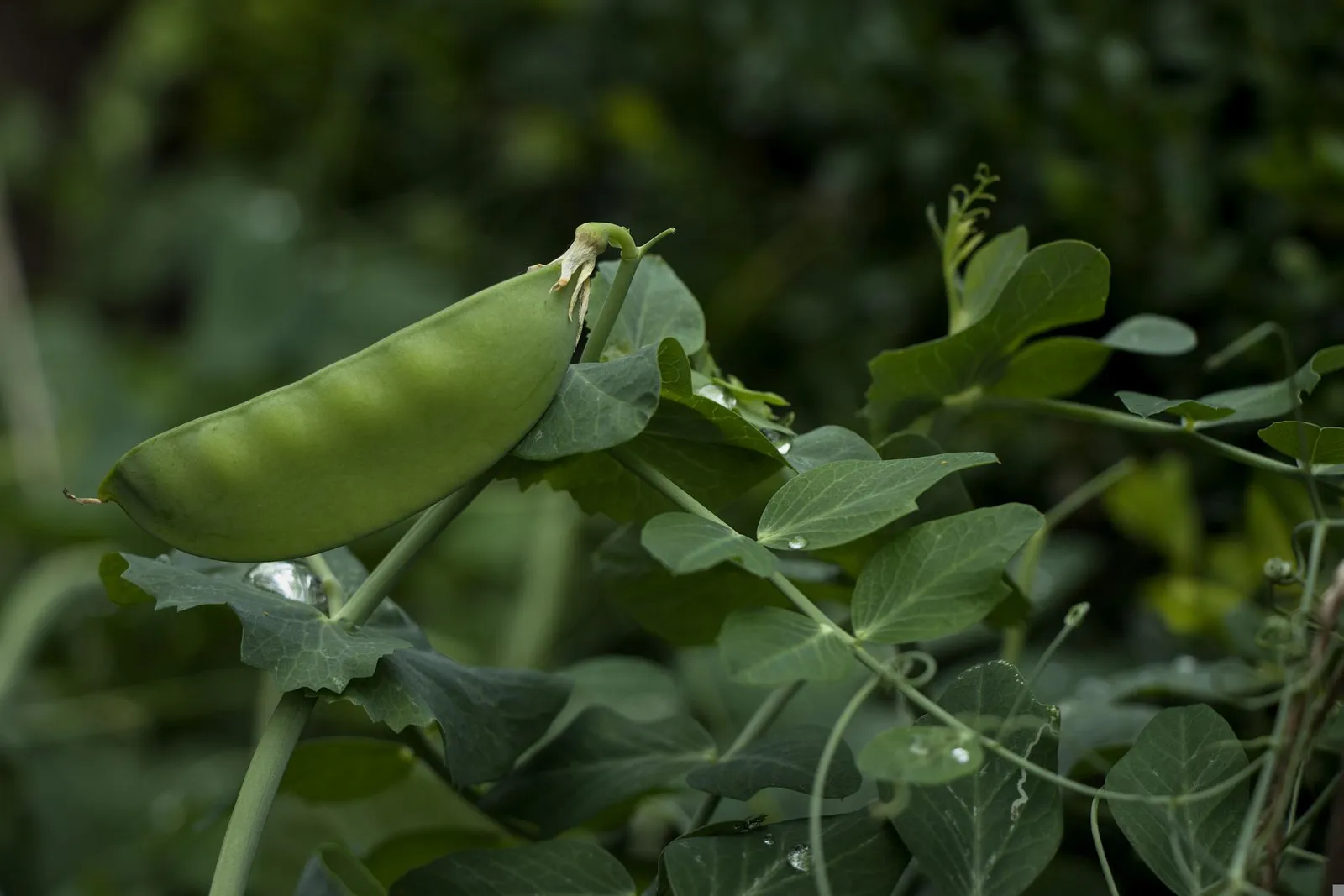
Peas
Pisum sativum
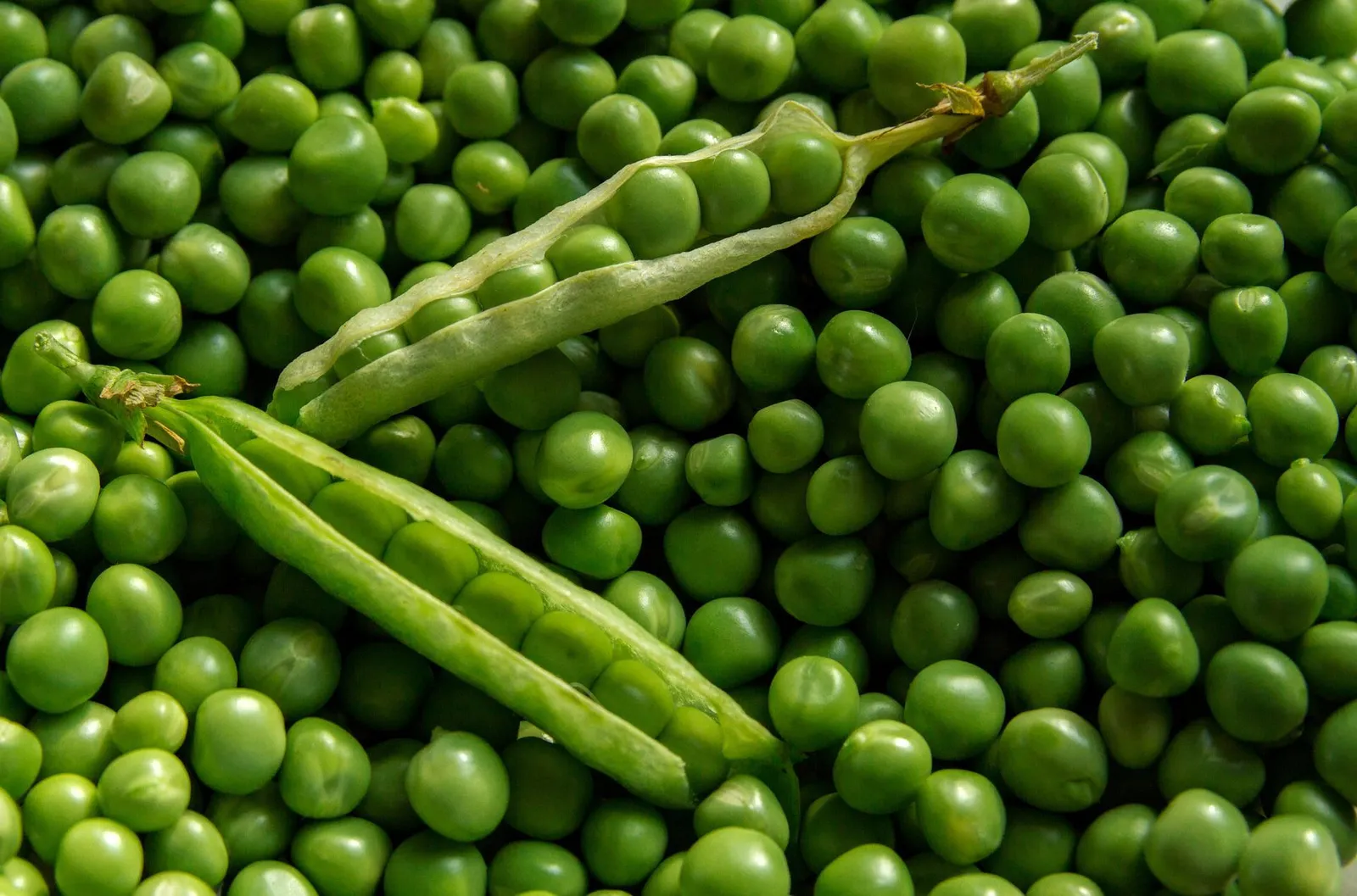
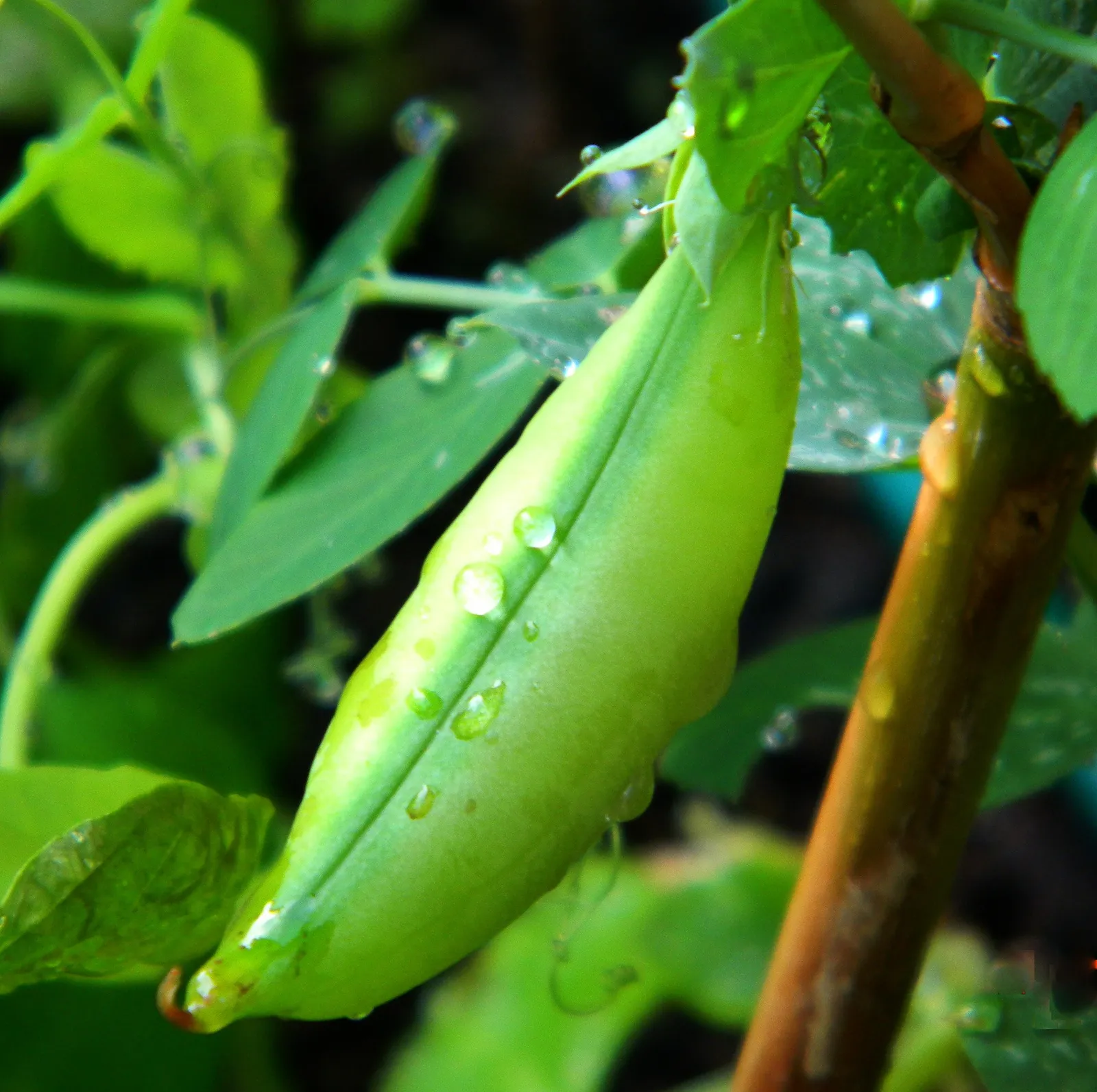
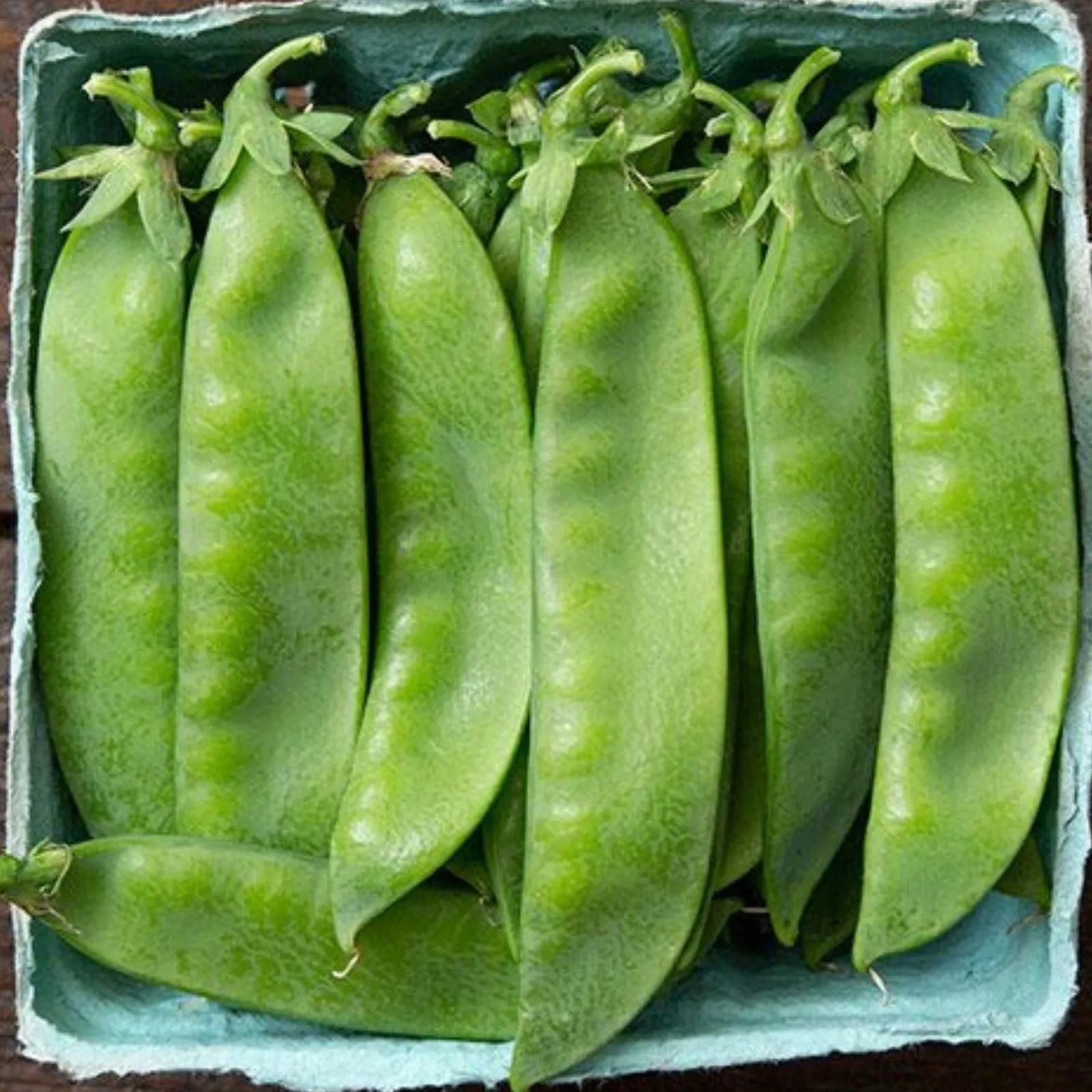
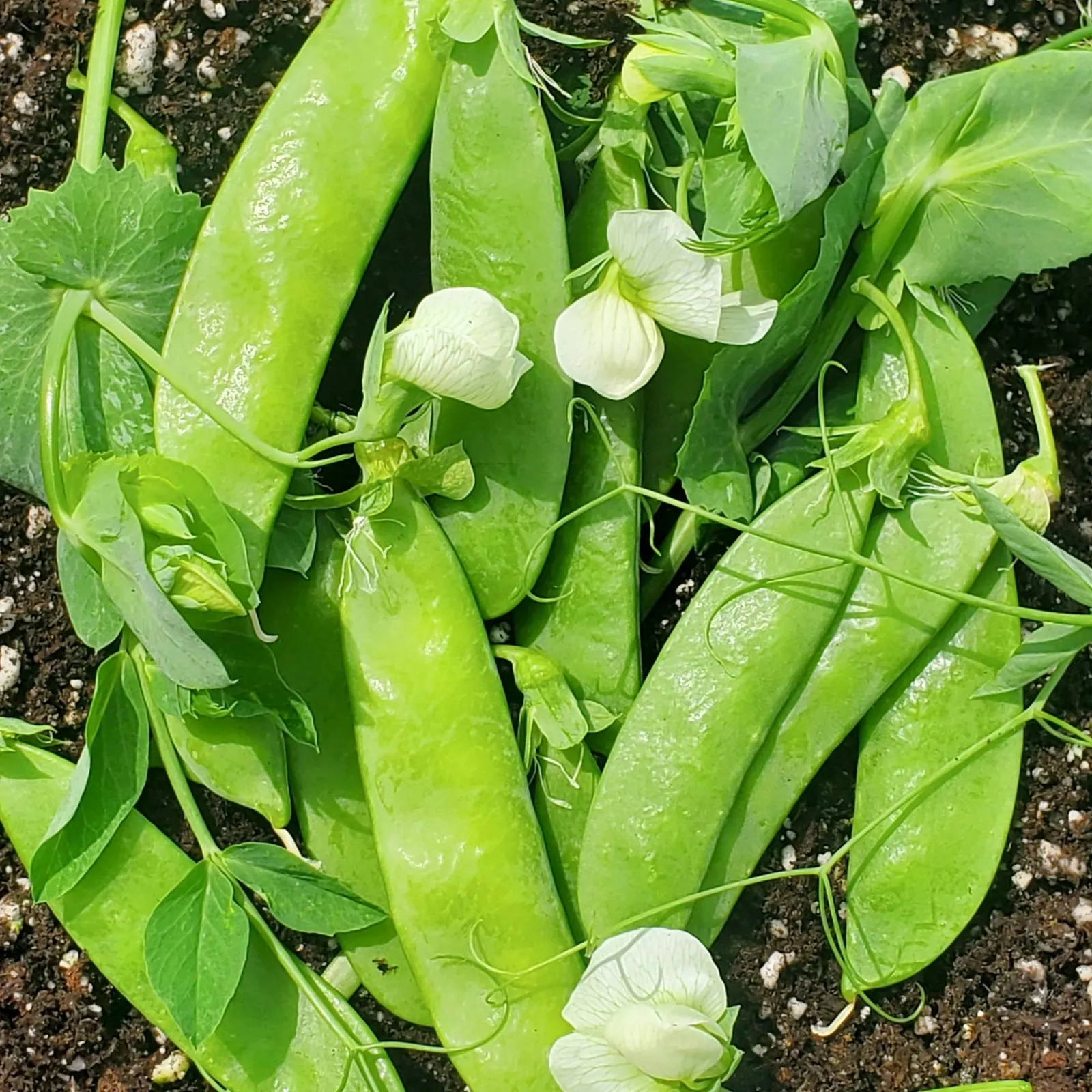
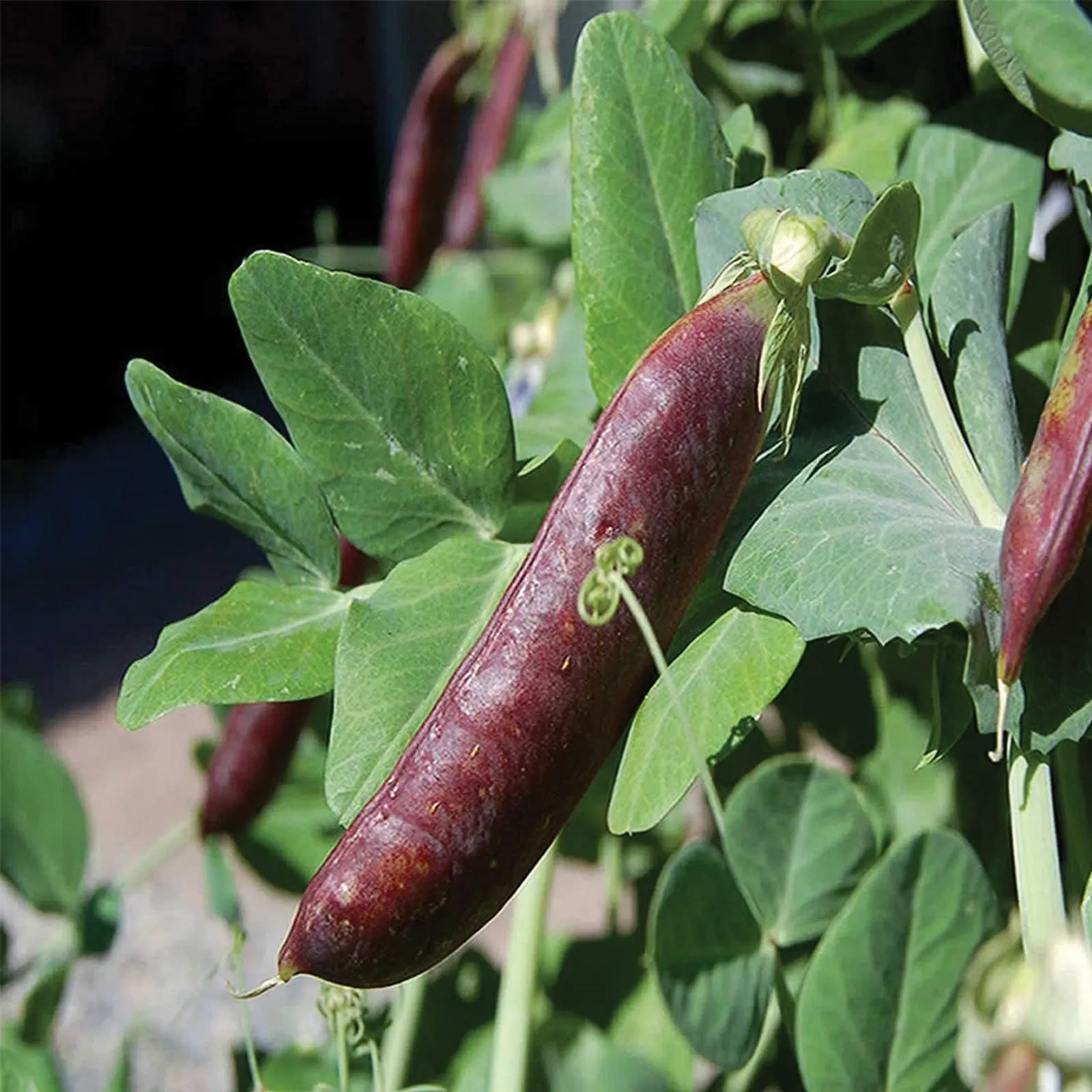
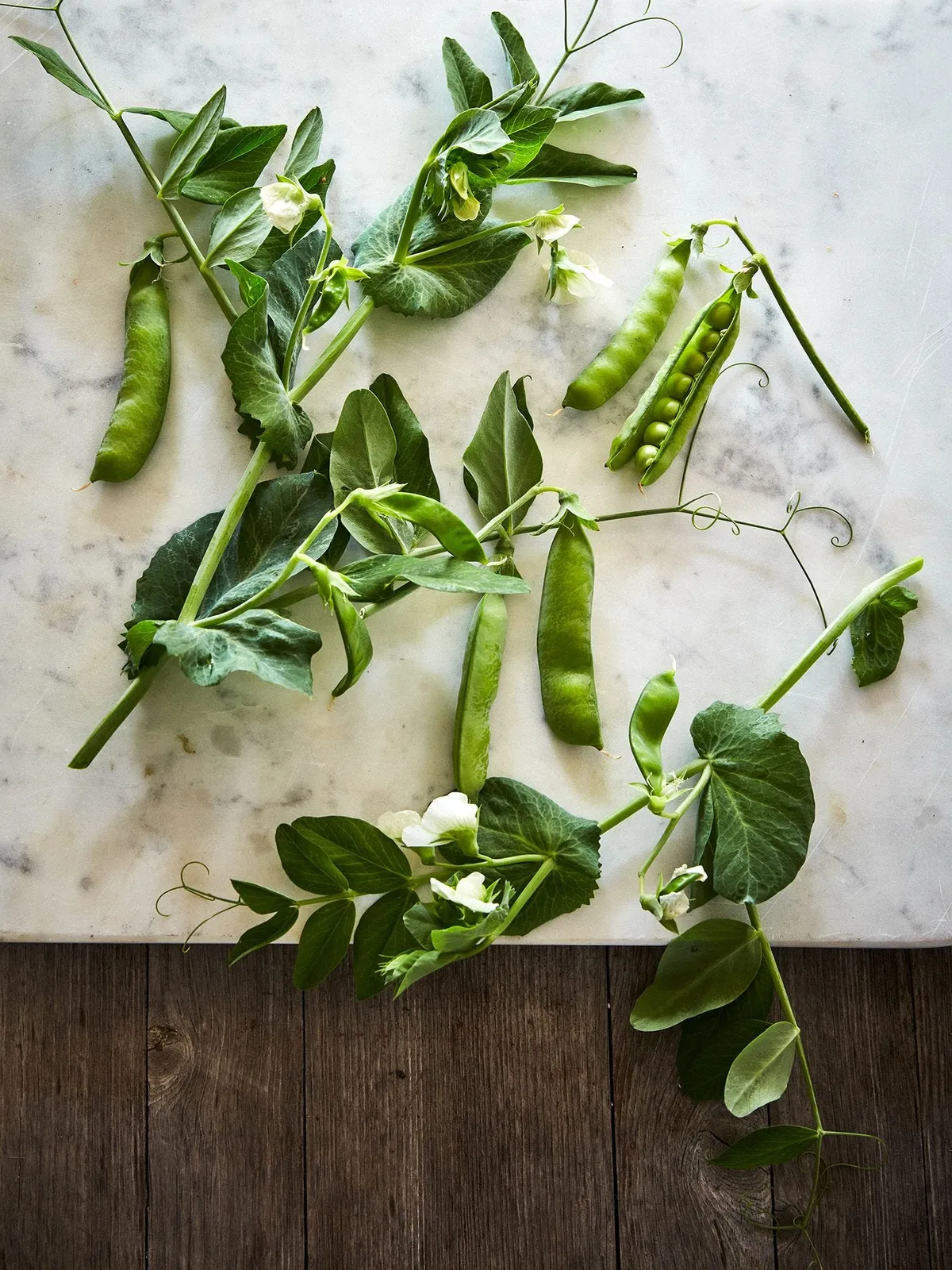
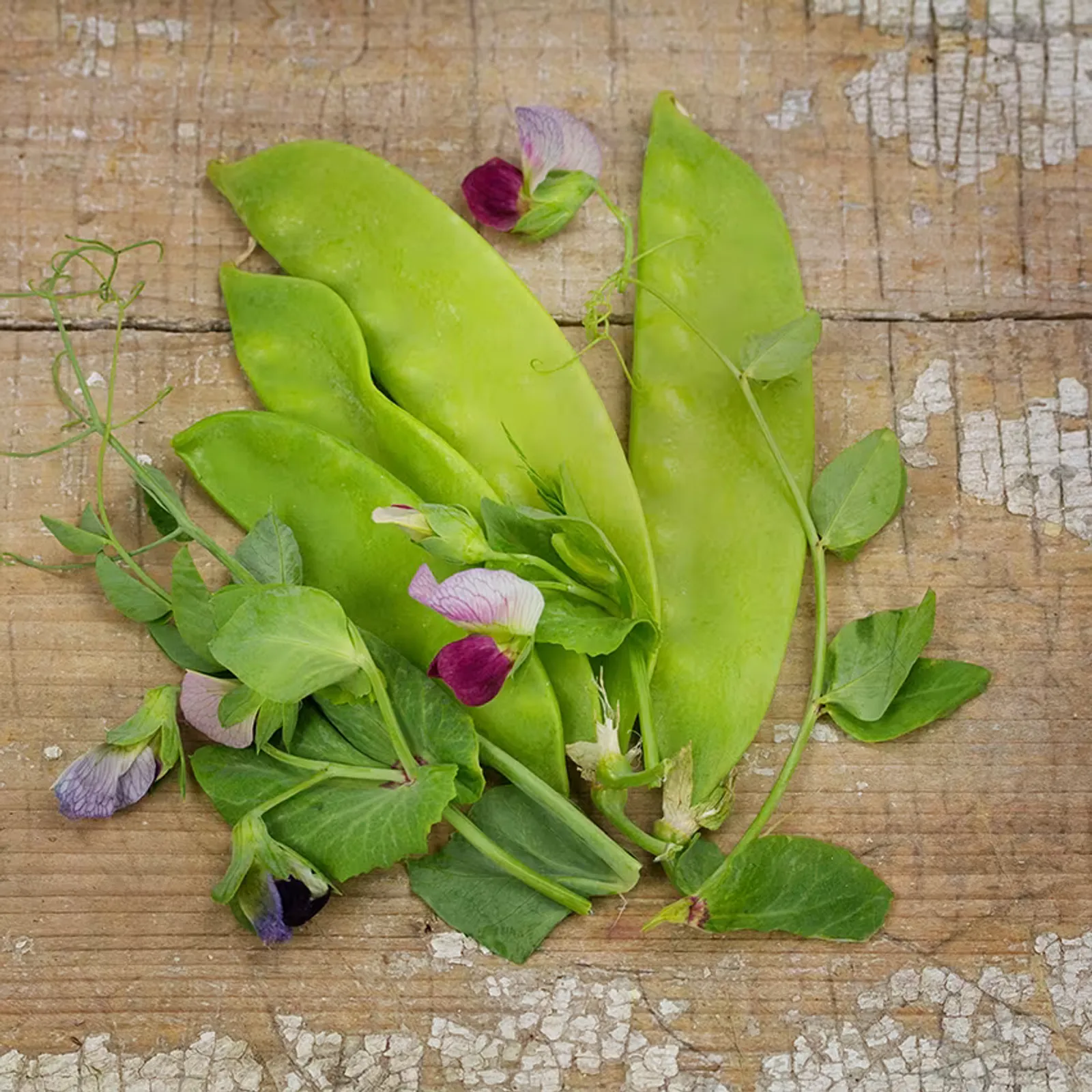
Peas are a great addition to your early season garden. They grow best in cool temperatures and are amongst the first plants to produce a harvest. When the hot weather arrives pea plants can be cleared out to make way for a new crop. There are bush pea and vining (pole) pea varieties available. Bush peas are compact plants that need little or no trellising, while vining peas need something to climb. Different types of peas are harvested at different times and used in different ways. Snow peas have flat, edible pods and are harvested while the peas inside are still tiny. Snap peas are eaten whole (pod and all) when the pods are just starting to get plump. Shelling peas (aka. English peas, garden peas) are eaten without the pod. Field peas or drying peas are intended to be shelled then dried for long-term storage.
How to Grow Peas
Quick Info


Put away the pen and paper
Plan your veggie garden in minutes with Planter's easy drag and drop planner.
Try Planter for Free
Varieties


Related Articles
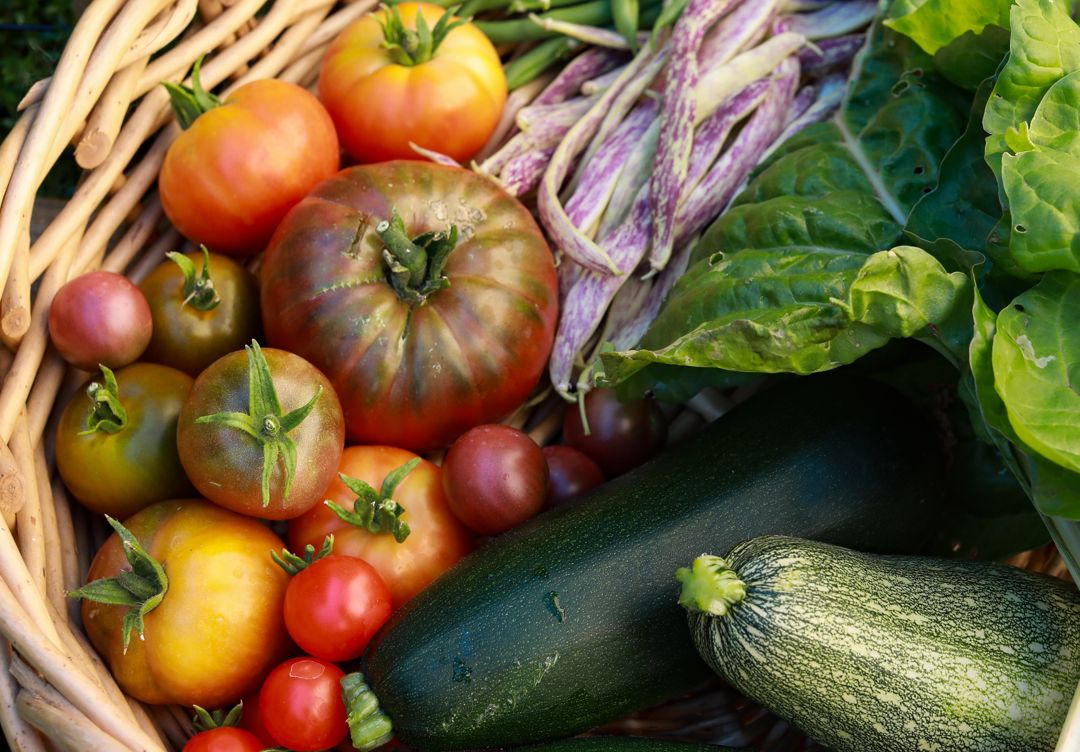
Companion Plants








Combative Plants
Nutrition
Vitamins





Nutrients







Pests
Diseases
Beneficial Critters
Growing from Seed
It is generally recommended to sow peas directly outdoors. Sow in spring once the soil is workable (or otherwise during the cool season in your area). The trick with peas is to plant them early enough so they have time to mature while the weather is still cool, but not so early that the seeds rot in wet, cold soil. Peas stop making new flowers and pods when temperatures are above 85°F (29°C). Peas can be sown in late summer for a fall harvest but many gardeners find they are more successful growing peas in spring.
If you are planting peas into heavy soils and/or the soil is still a bit cool and damp, lean towards planting peas around 1" (2.5 cm) deep. If you are planting into sandy soil and/or the soil is drier you may want to plant more deeply, around 1.5-2" deep (4-5 cm) so the peas don't dry out. Some sources recommend pre-soaking pea seeds prior to planting however this is not necessary so long as the soil remains sufficiently moist while peas are germinating.
Planting Considerations
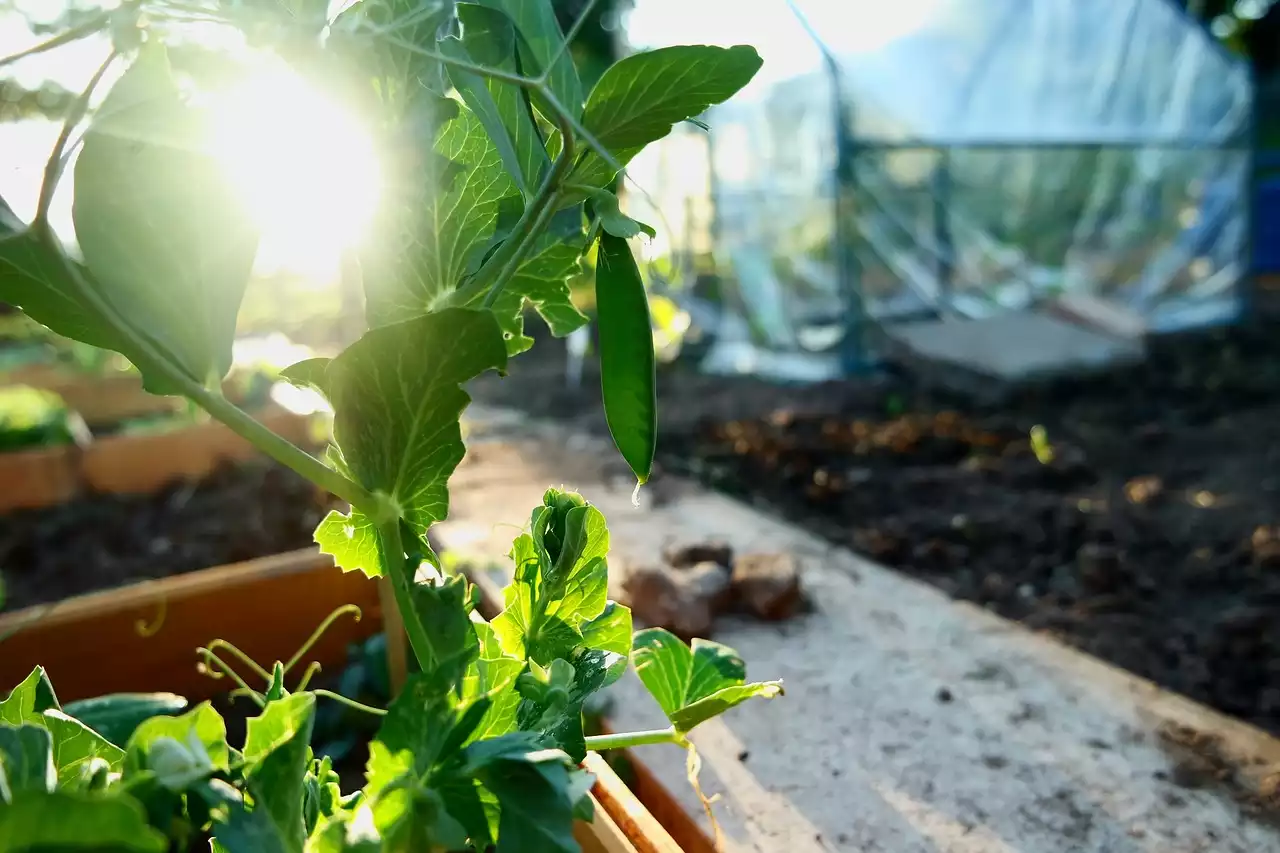
Peas prefer loamy, fertile soil that retains moisture. Add compost to the soil at the time of planting. Vining peas require a trellis or another structure to climb; install the trellis at the time of planting to avoid damaging the plants' roots later on. Bush peas do not need support although a rudimentary trellis- even made with sticks and branches- can help keep them up off the ground. Peas can be grown in containers; choose a container that holds at least 2 gallons. Bush peas may be an easier choice for container growing, although vining peas can be grown in containers so long as the container is large enough and has a sturdy trellis that will not topple over.
Feeding
Peas are able to fix a portion of their own nitrogen from the air with the help of Rhizobium bacteria in the soil. Because of this, peas usually do not need regular fertilizing. Amending the soil with compost and applying a balanced fertilizer at the time of planting should provide enough fertility to carry peas through the season. Excessive nitrogen can cause the plant to put energy into leaf growth at the expense of pea yields.
Harvesting
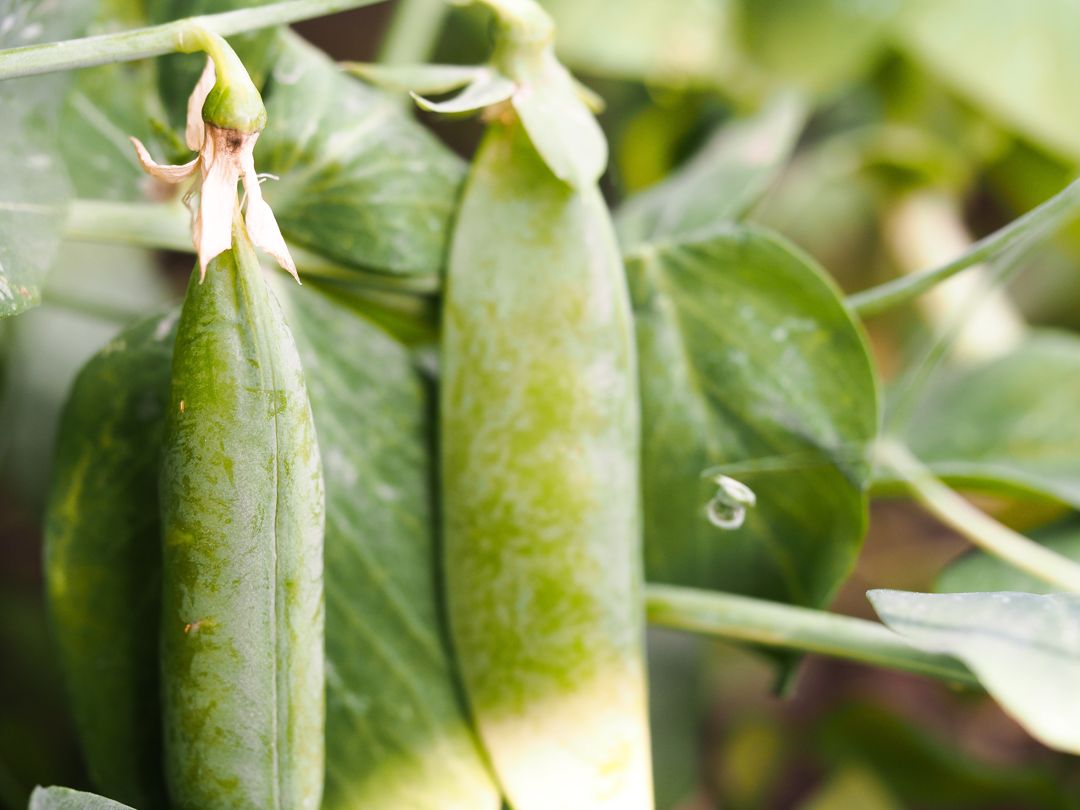
The days to maturity for peas varies widely depending on the variety and whether it is a snow, snap, shelling, or drying pea. Snow peas should be harvested when the pods are sizable but still completely flat (the peas inside should not be rounded). Snap peas should be harvested when the pods are plump but still tender and the peas inside are sweet, not starchy. If in doubt, sample some peas before harvesting. Harvest snap peas and snow peas every few days to encourage continued production and to make sure the peas are picked at their prime. Some snap pea and snow pea varieties have a fibrous string along the top of the pod that can be pulled off before eating or cooking them. Even 'stringless' varieties can sometimes develop strings. Snap and snow peas that are a little too far gone can potentially be used as shelling peas.
Shelling peas can be harvested when the peas inside have reached full size but are still tender and not dried out. Drying peas can be left on the plant until the pods are fully dry. Stop watering drying peas when the first pods begin to dry out. If desired, cut off the entire plant and hang it upside down indoors until the peas are fully dried. Strip fully-dry peas from the shell and winnow them (use a fan or a light breeze to gently blow off loose plant debris).
To harvest peas either snap them off by hand carefully to avoid damaging the plant, or use a clean pair of snips to cut them off. Keep a very small bit of stem attached to the pod. Peas towards the bottom of the plant will be ready to harvest first. If possible, harvest during a cool part of the day.
Storage
To preserve the quality of snow/snap/shelling peas it is important to cool the peas immediately after harvesting either by immersing them in cold water or putting them in the fridge right away. Snap peas lose their quality very quickly; they should be used within a few days of harvesting or otherwise frozen. Snow and shelling peas can be kept in the fridge for up to several days.
Snap and snow peas can be frozen whole or cut into pieces, just be sure to snap off the stem end and remove the string if there is one. Take shelling peas out of their shells before freezing. Blanch peas in boiling water then cool and dry them. Freeze the peas in an airtight container or freezer safe bag. Peas can be kept frozen for up to several months.
Shelling peas can be pressure canned for long-term storage. Carefully follow pressure canning instructions from a reputable source; as a low-acid vegetable peas must be properly pressure canned to eliminate the risk of botulism.
Dried peas can be stored in an airtight container in a cool, dark place for up to a year.
Pruning
To remove spent pea plants, cut the plant off at soil level leaving the roots in the soil to provide nitrogen to the next crop.