Potatoes
Solanum tuberosum
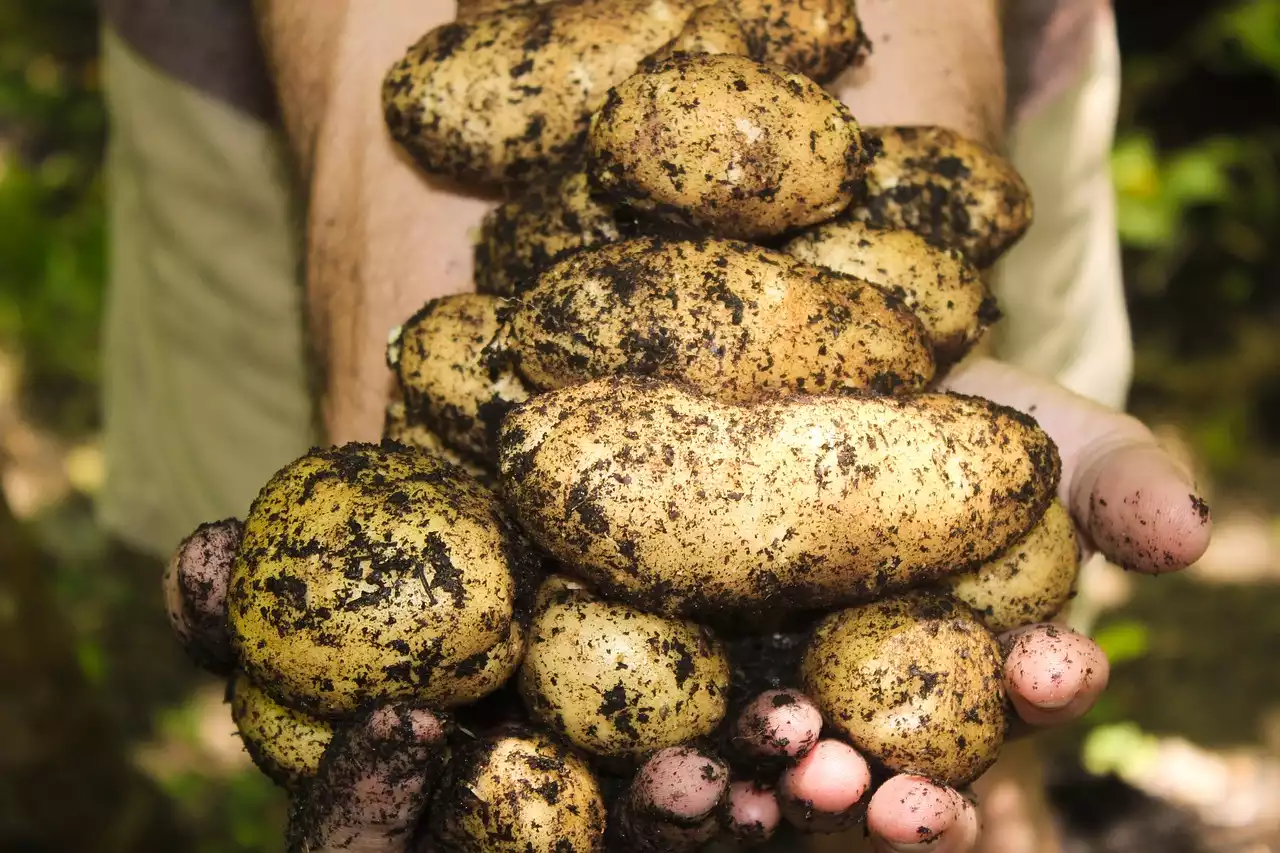
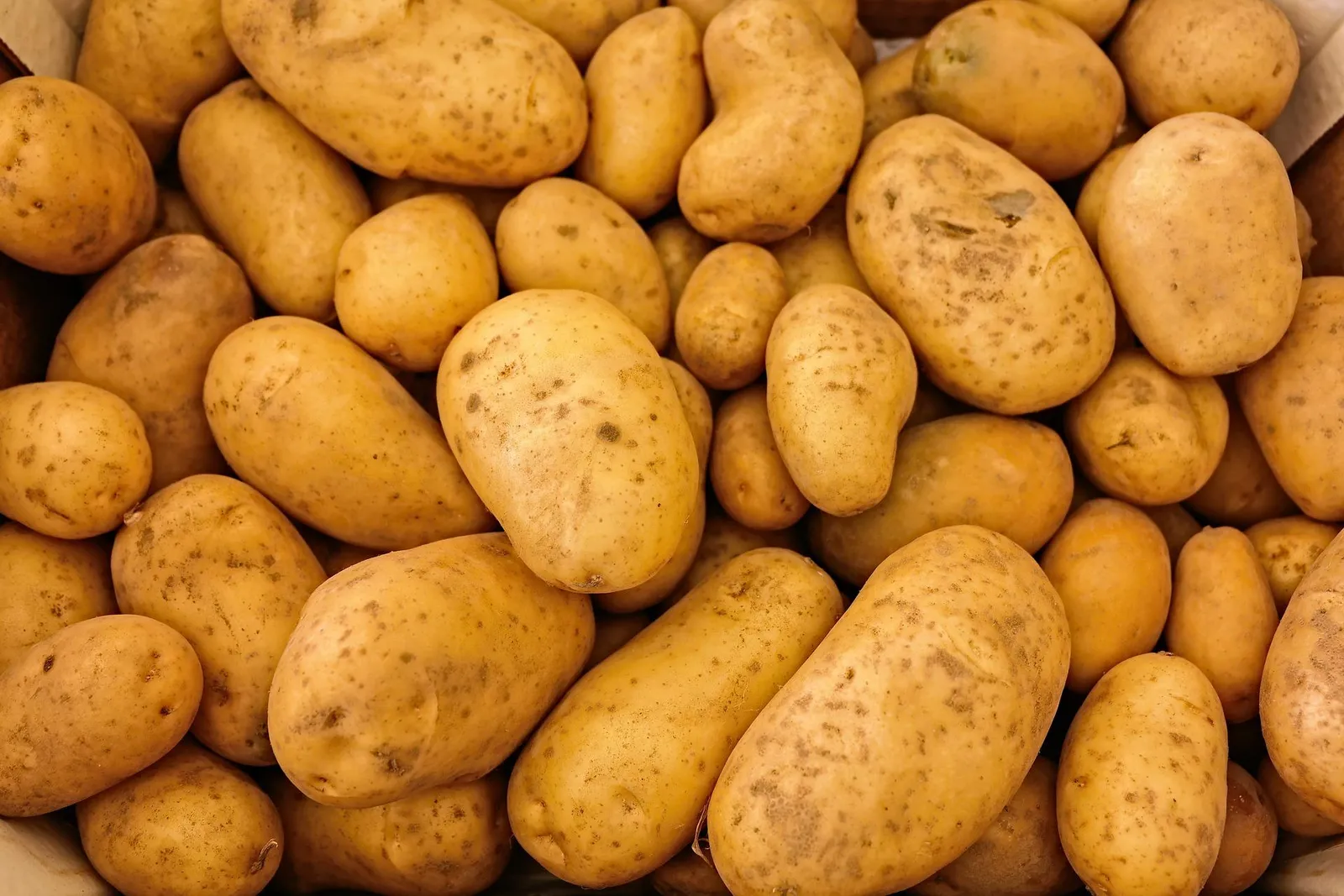
This half hardy vegetable is a culinary staple, and yet is overlooked by many backyard gardeners. The taste and texture of home-grown potatoes are far superior to store bought, especially the early varieties. They need a cool climate, and also need to be watched to prevent sunburn. Potatoes can be grown as a winter crop in warmer climate zones.
How to Grow Potatoes
Quick Info


Put away the pen and paper
Plan your veggie garden in minutes with Planter's easy drag and drop planner.
Try Planter for Free
Varieties

Related Articles
Companion Plants










Combative Plants







Nutrition
Vitamins



Nutrients



Pests
Diseases
Beneficial Critters

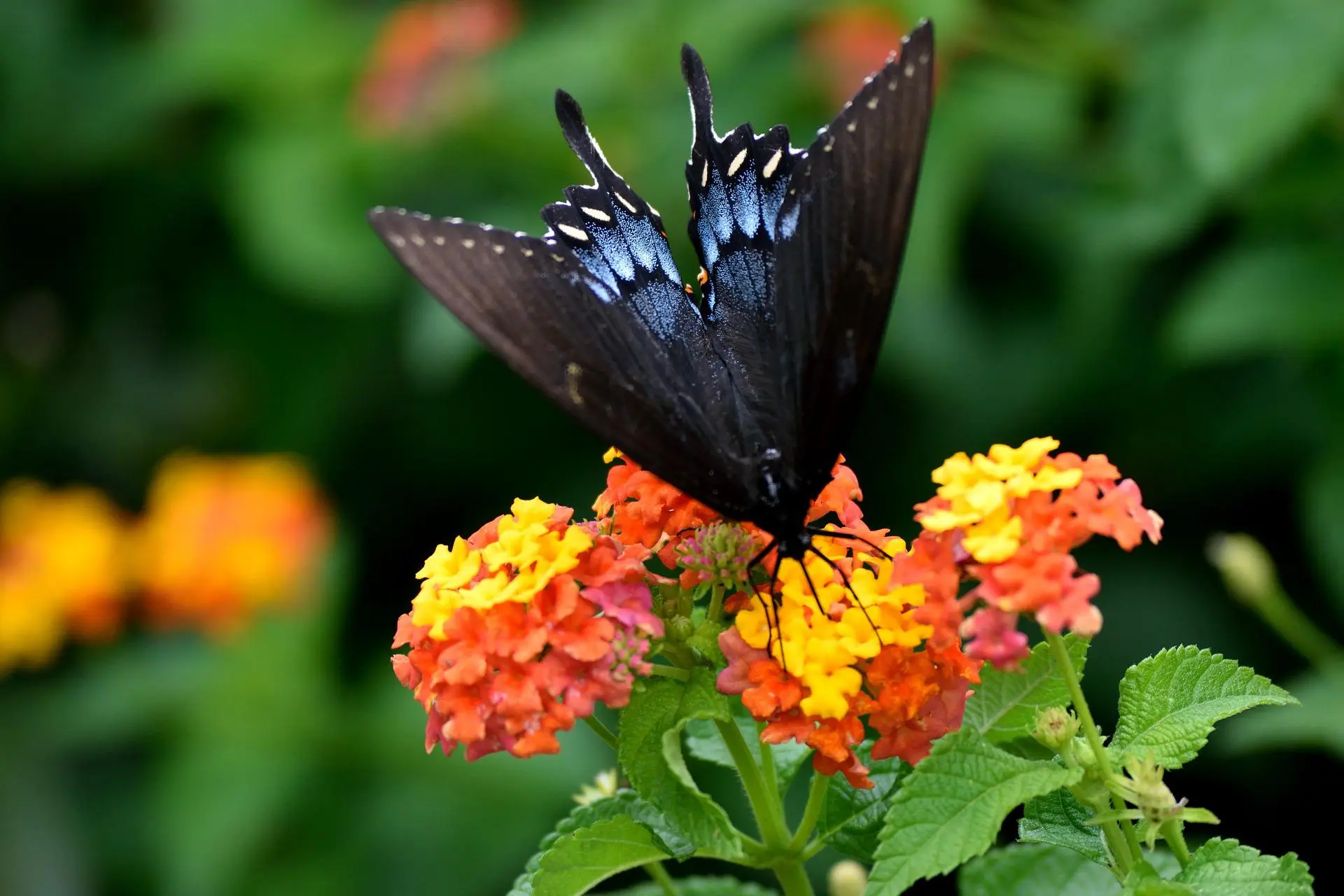
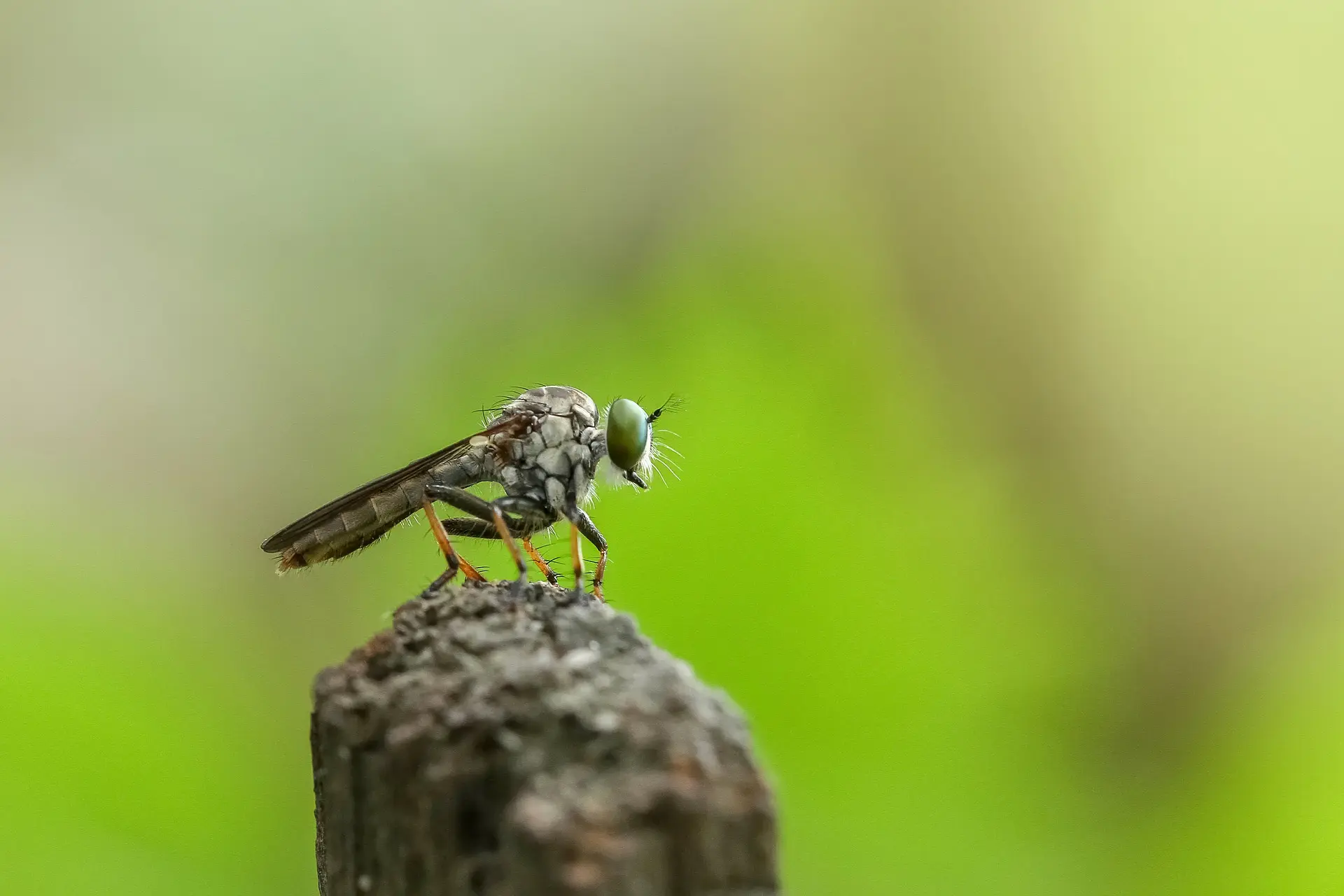
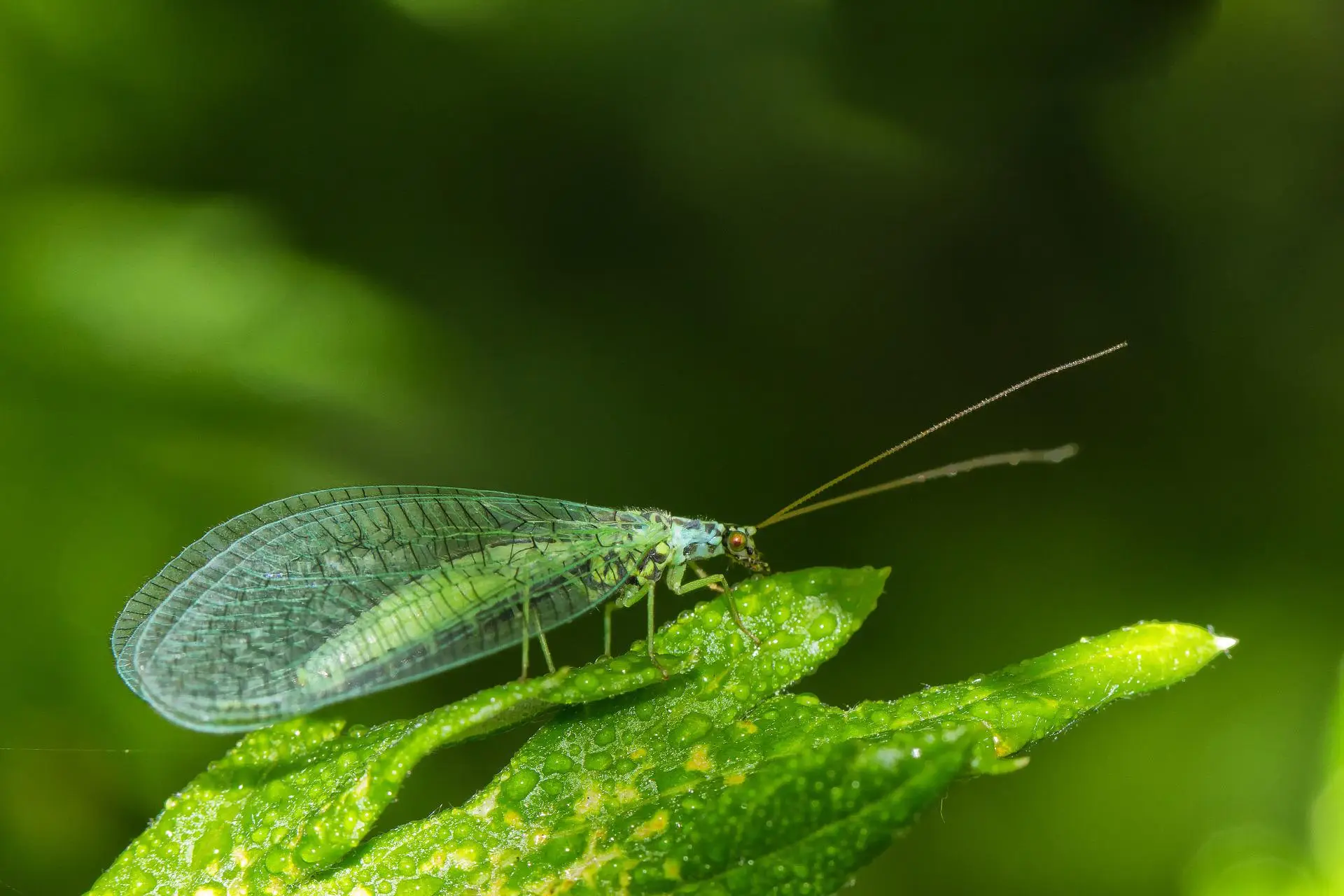
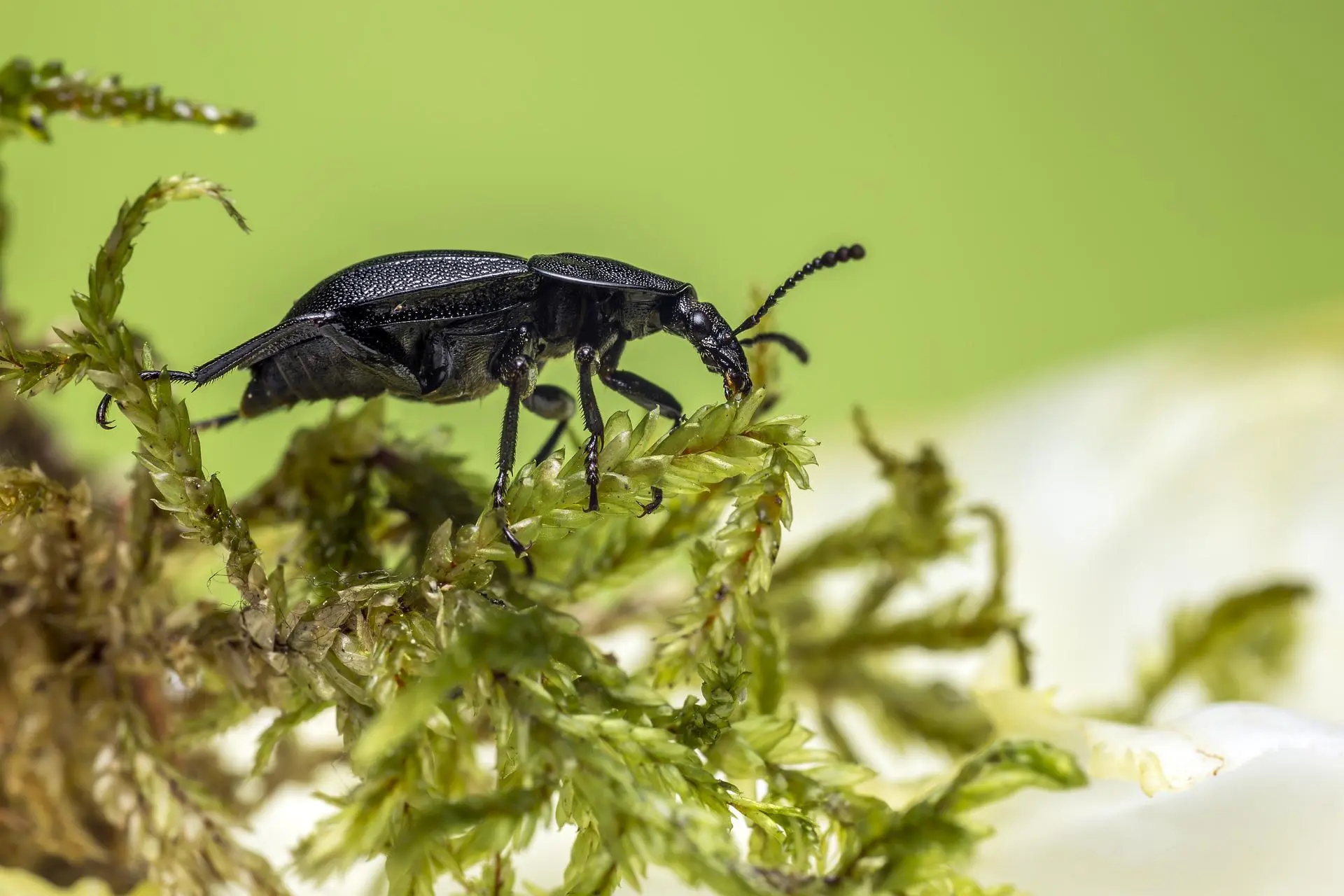
Growing from Seed
Plant seed potatoes one foot apart in a 4-inch deep trench, eye side up.
Planting Considerations
If you are cutting up potato pieces for planting, do so a 1-2 days ahead of time. This will give them the chance to form a protective layer, both for moisture retention and rot resistance. Potatoes thrive in well-drained, loose soil.
Harvesting
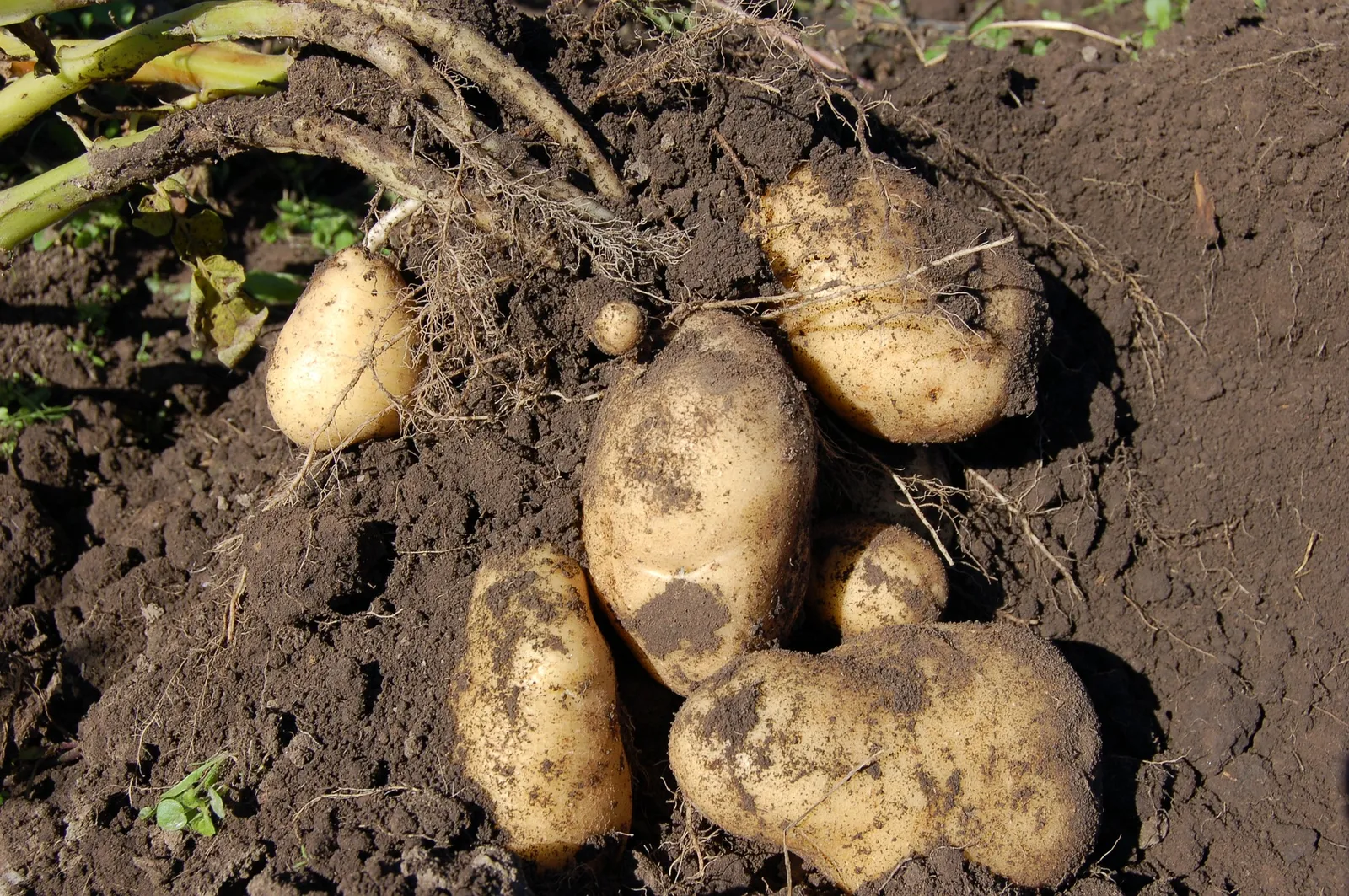
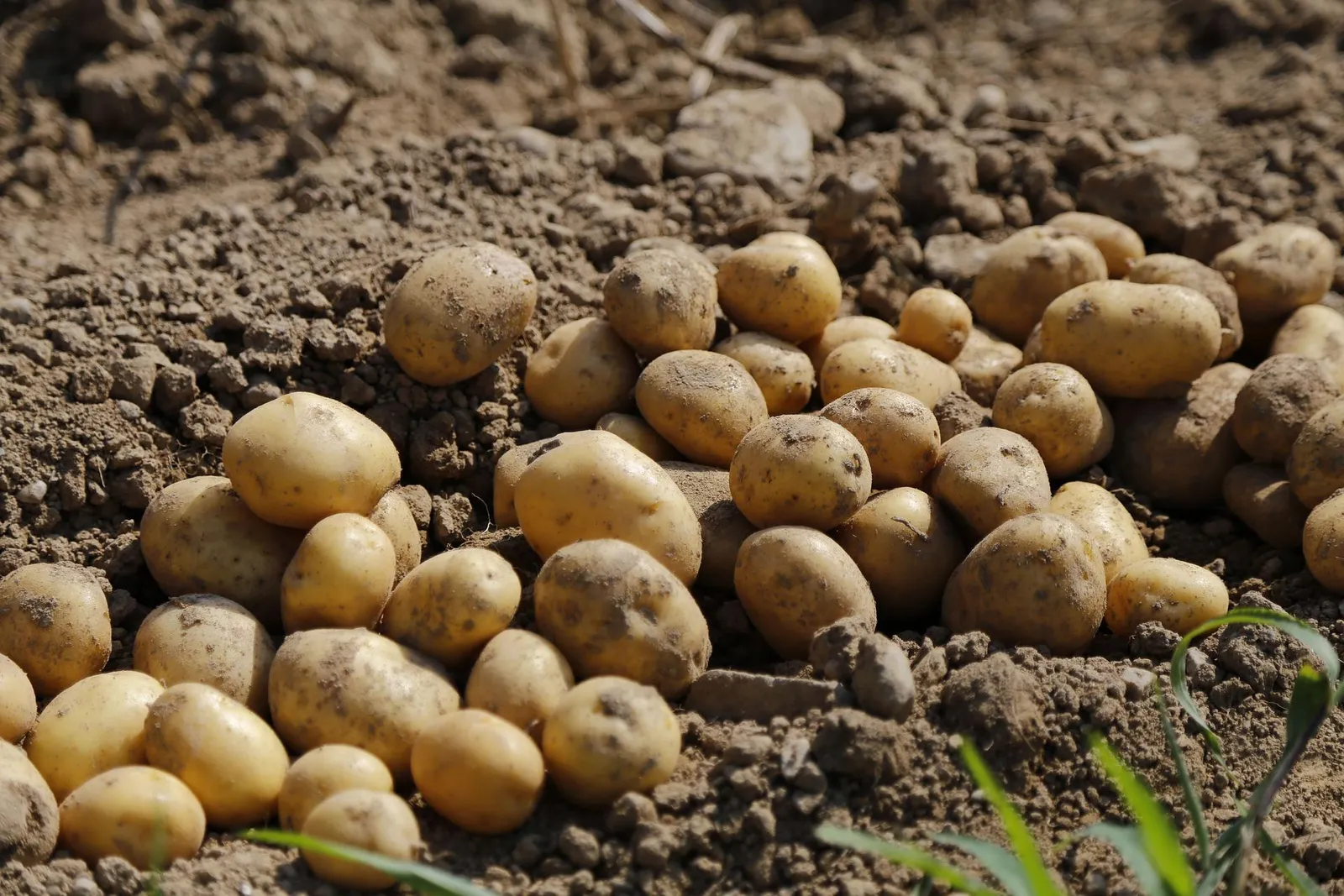
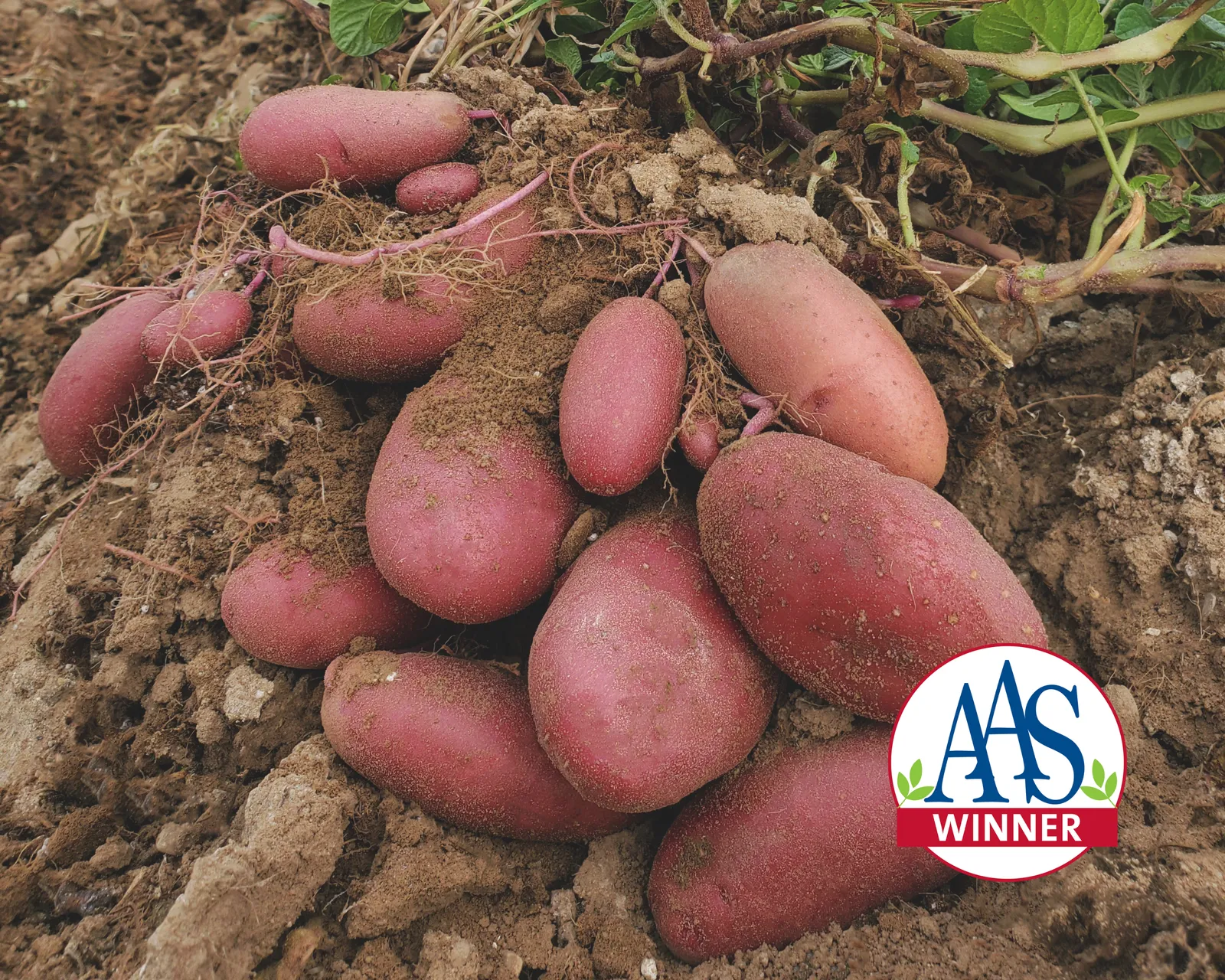
Dig potatoes on a dry day. Dig up gently, being careful not to puncture the tubers. The soil should not be compact, so digging should be easy. New potatoes will be ready for harvest after 10 weeks, usually in early July. You should harvest all of your potatoes once the vines die (usually by late August), or the potatoes may rot.
Storage
Make sure you brush off any soil clinging to the potatoes, then store them in a cool, dry, dark place. The ideal temperature for storage is 35 to 40°F. Do not store potatoes with apples; their ethylene gas will cause potatoes to spoil.