Nasturtium
Tropaeolum majus
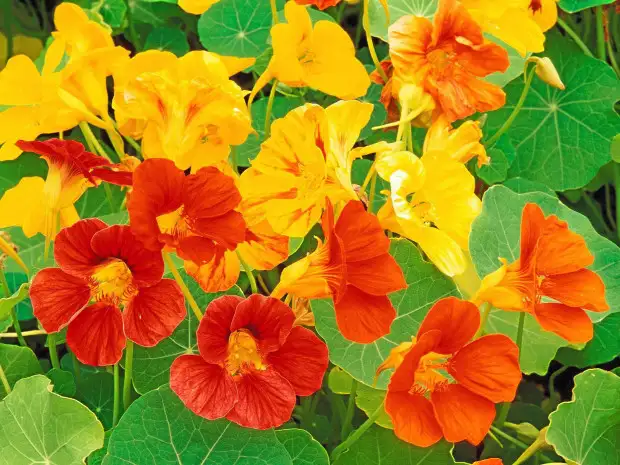
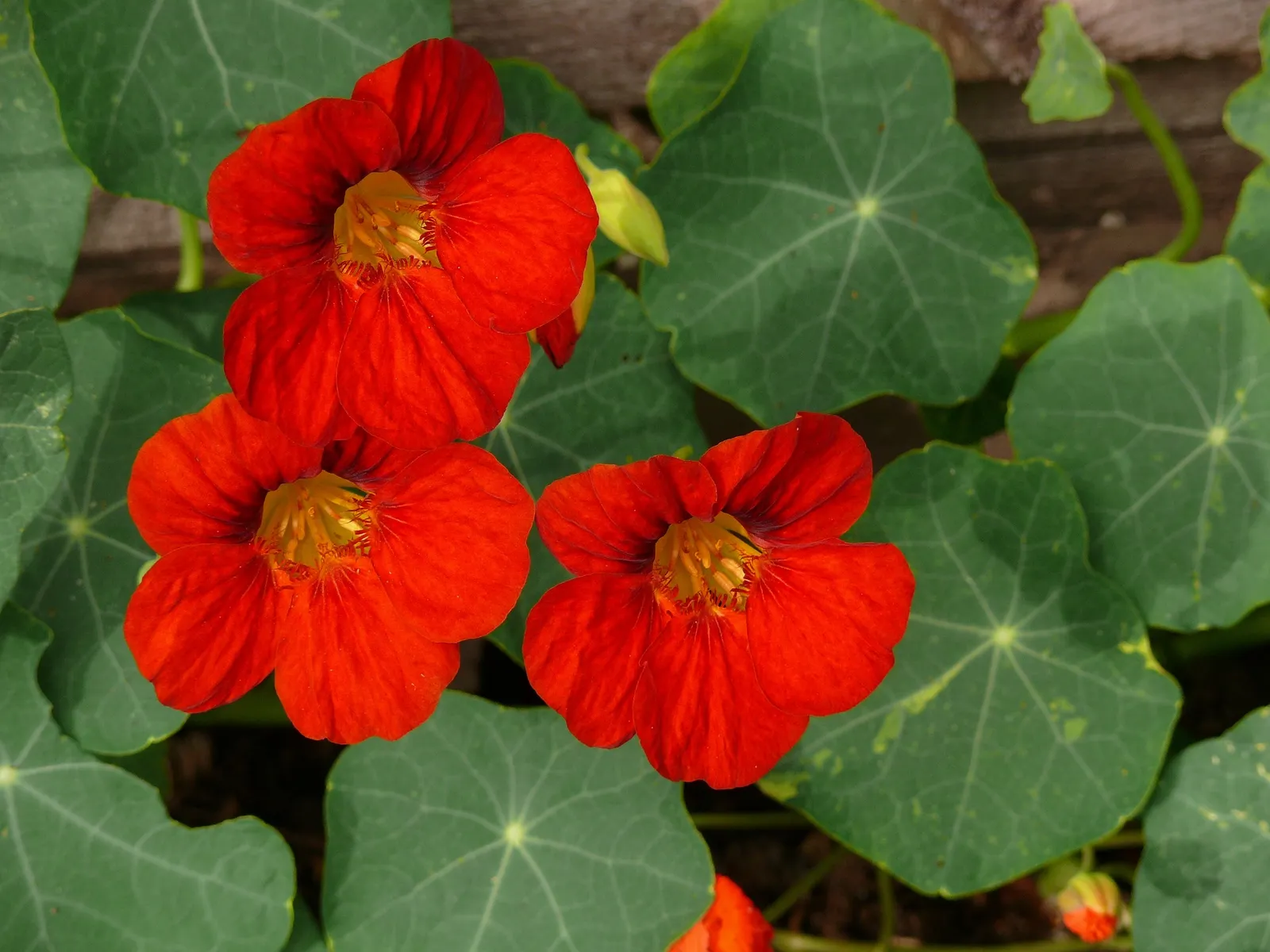
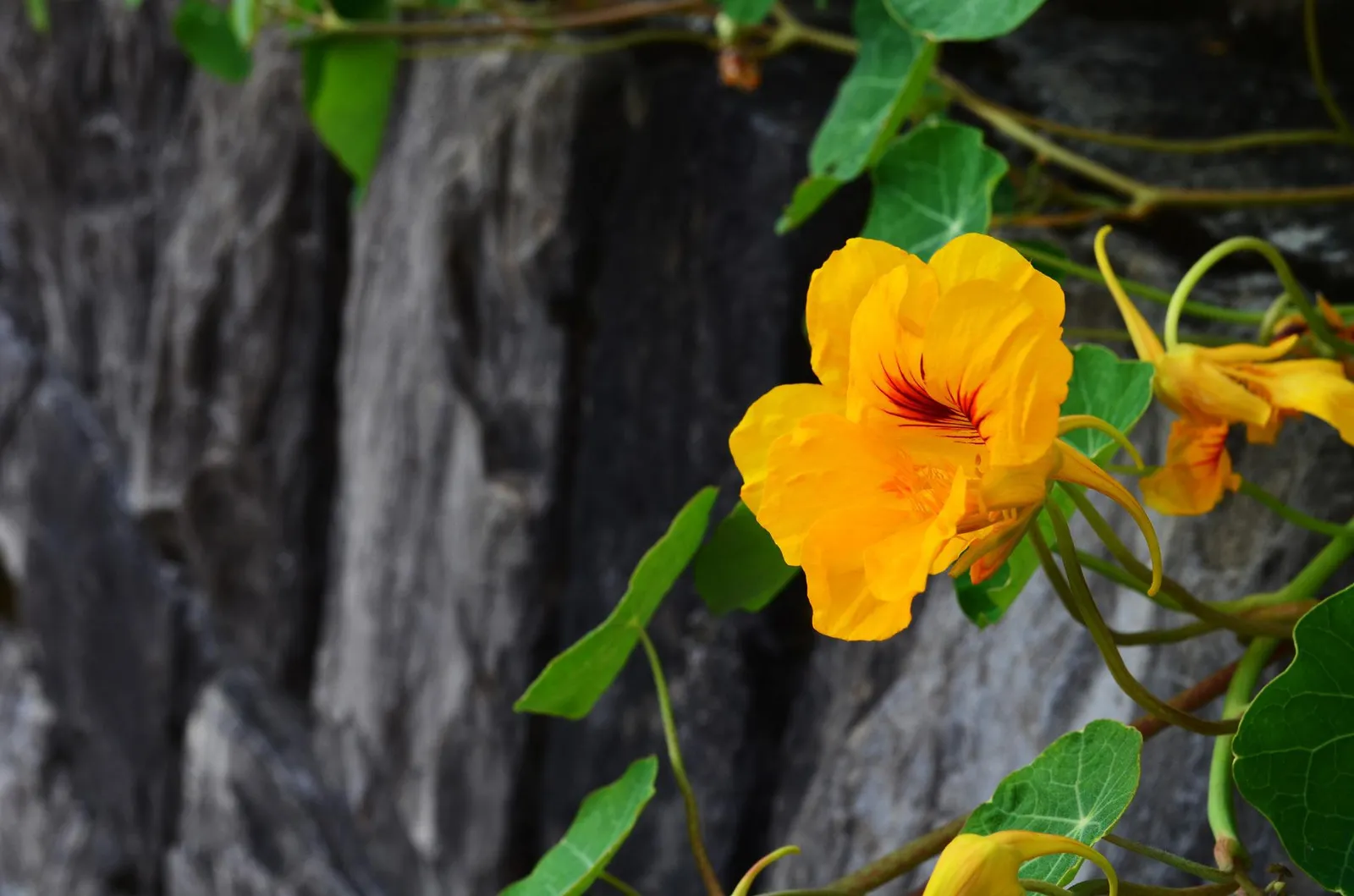
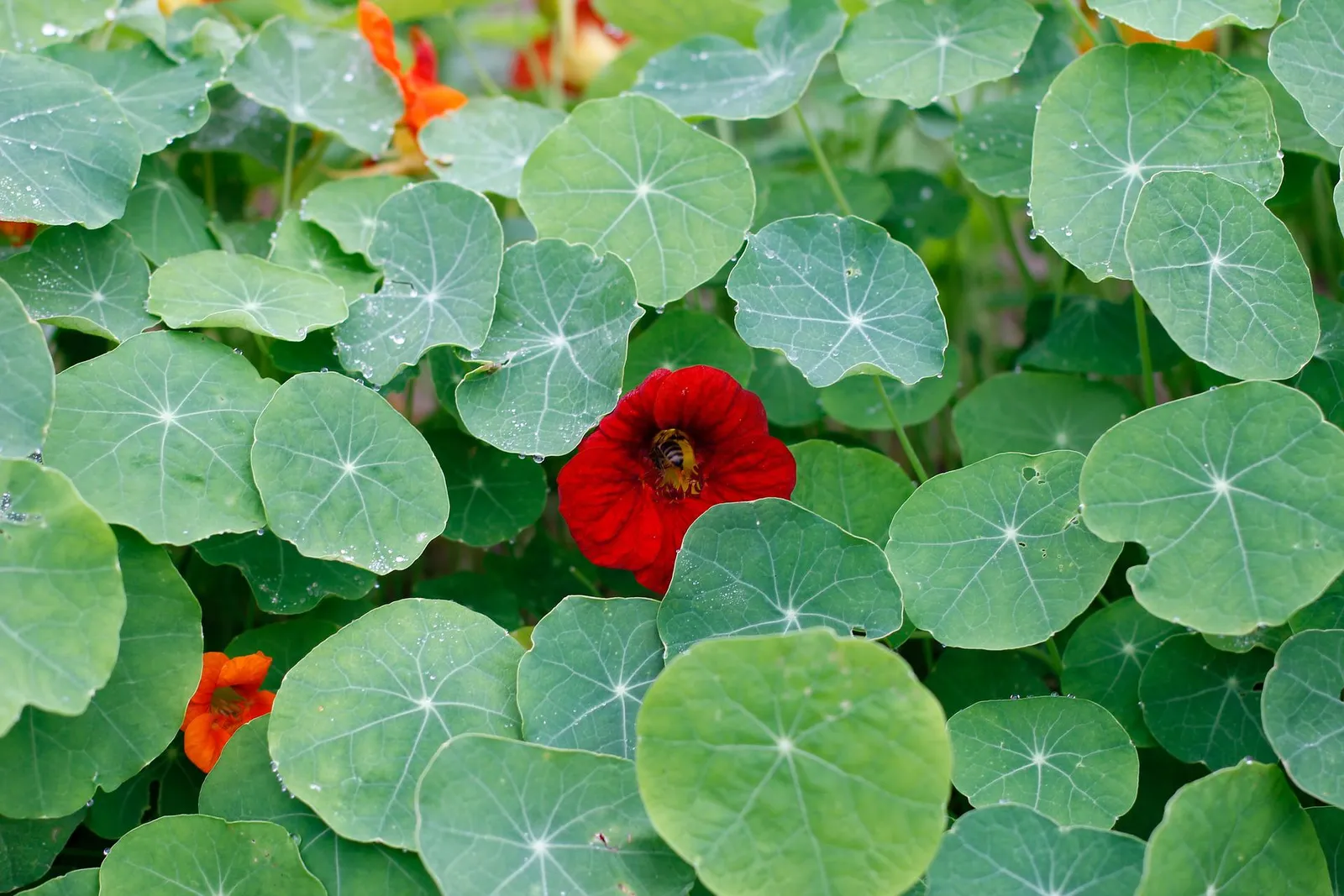
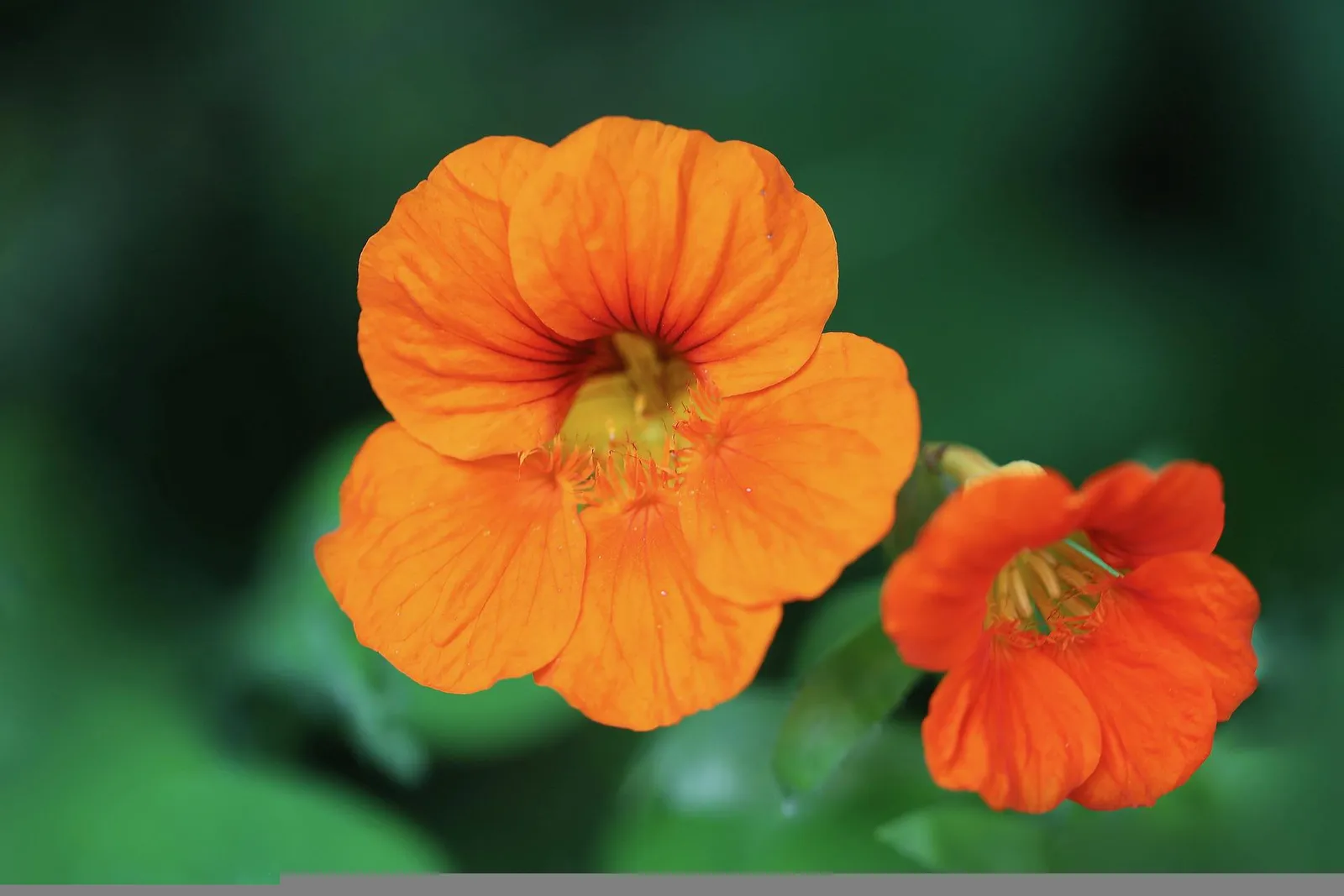
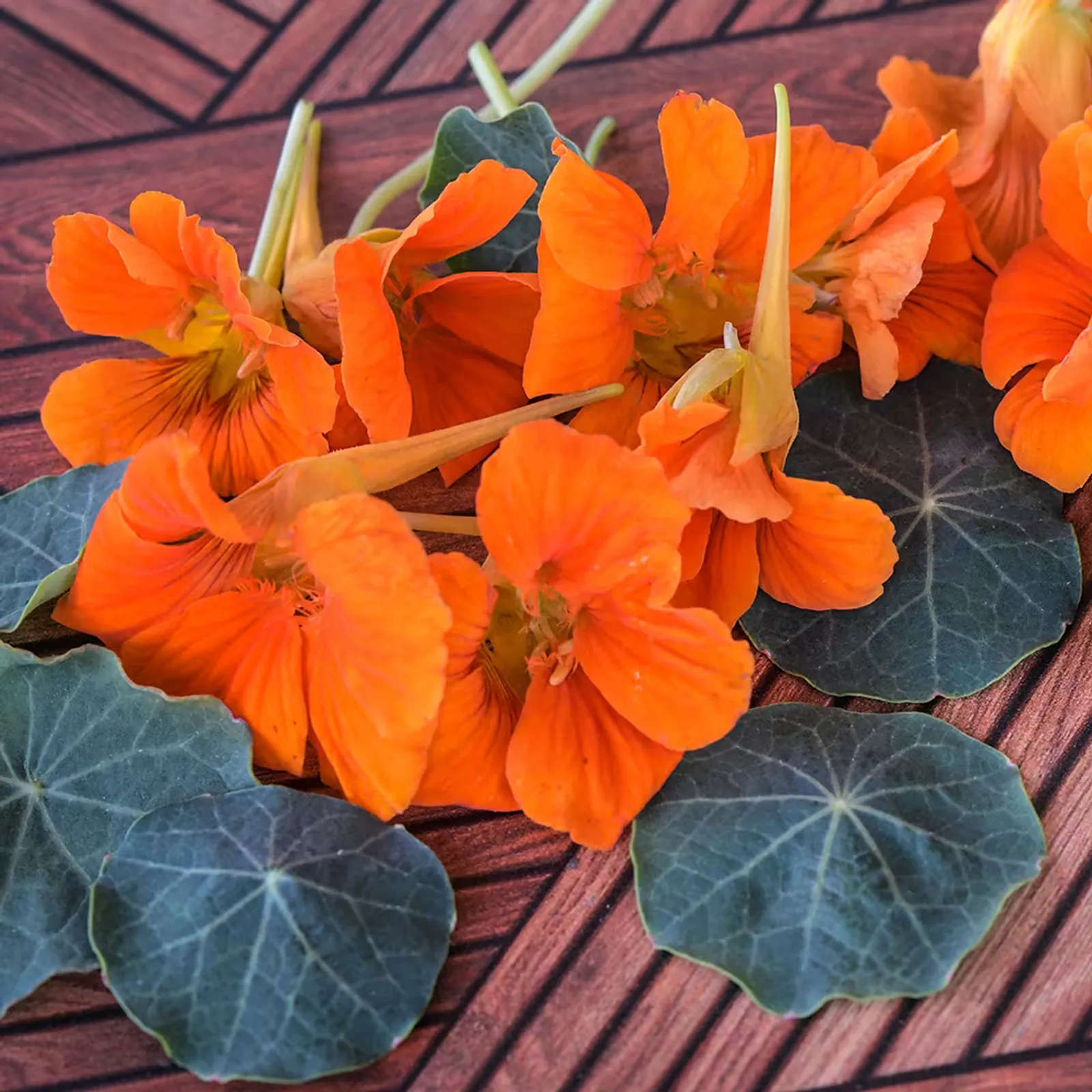
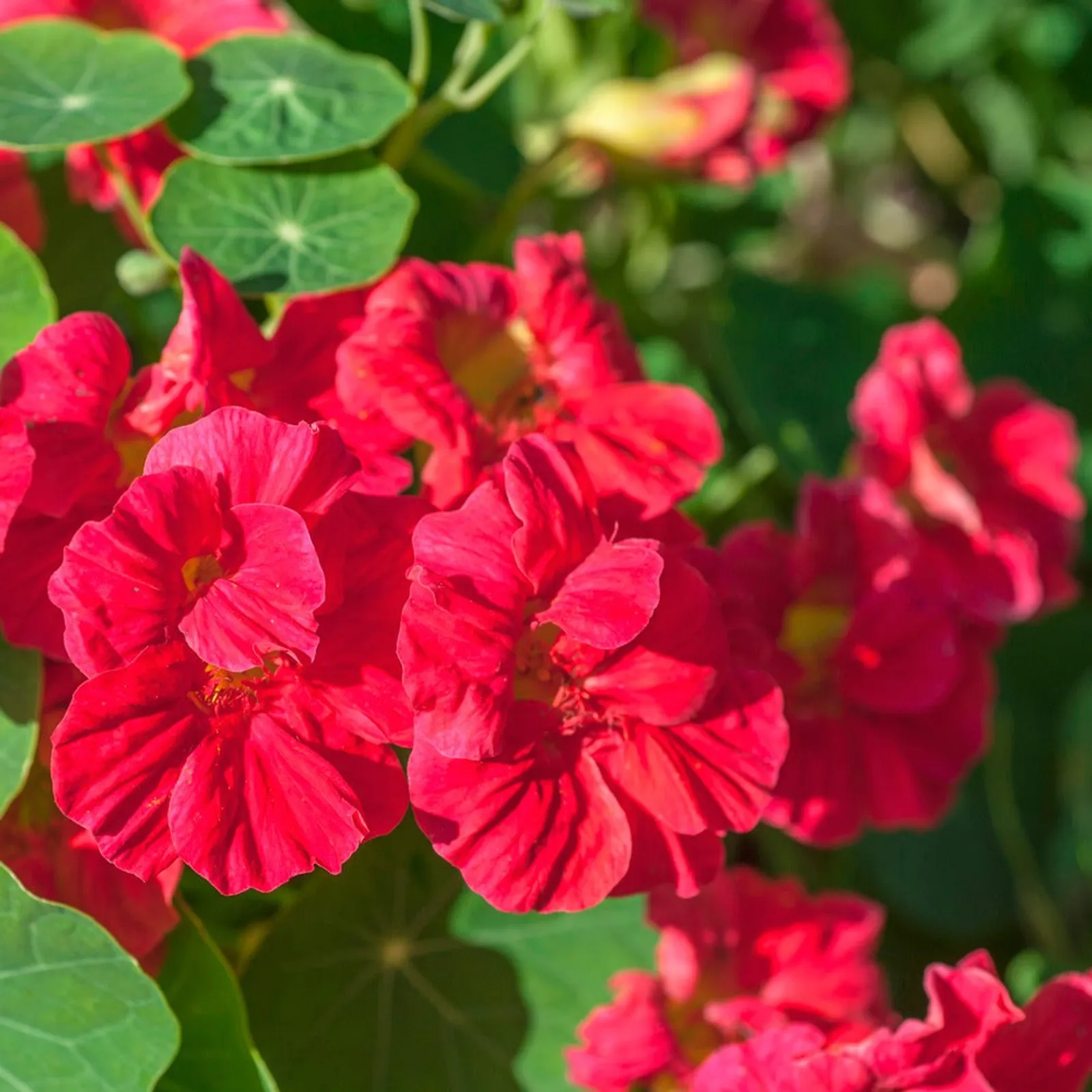
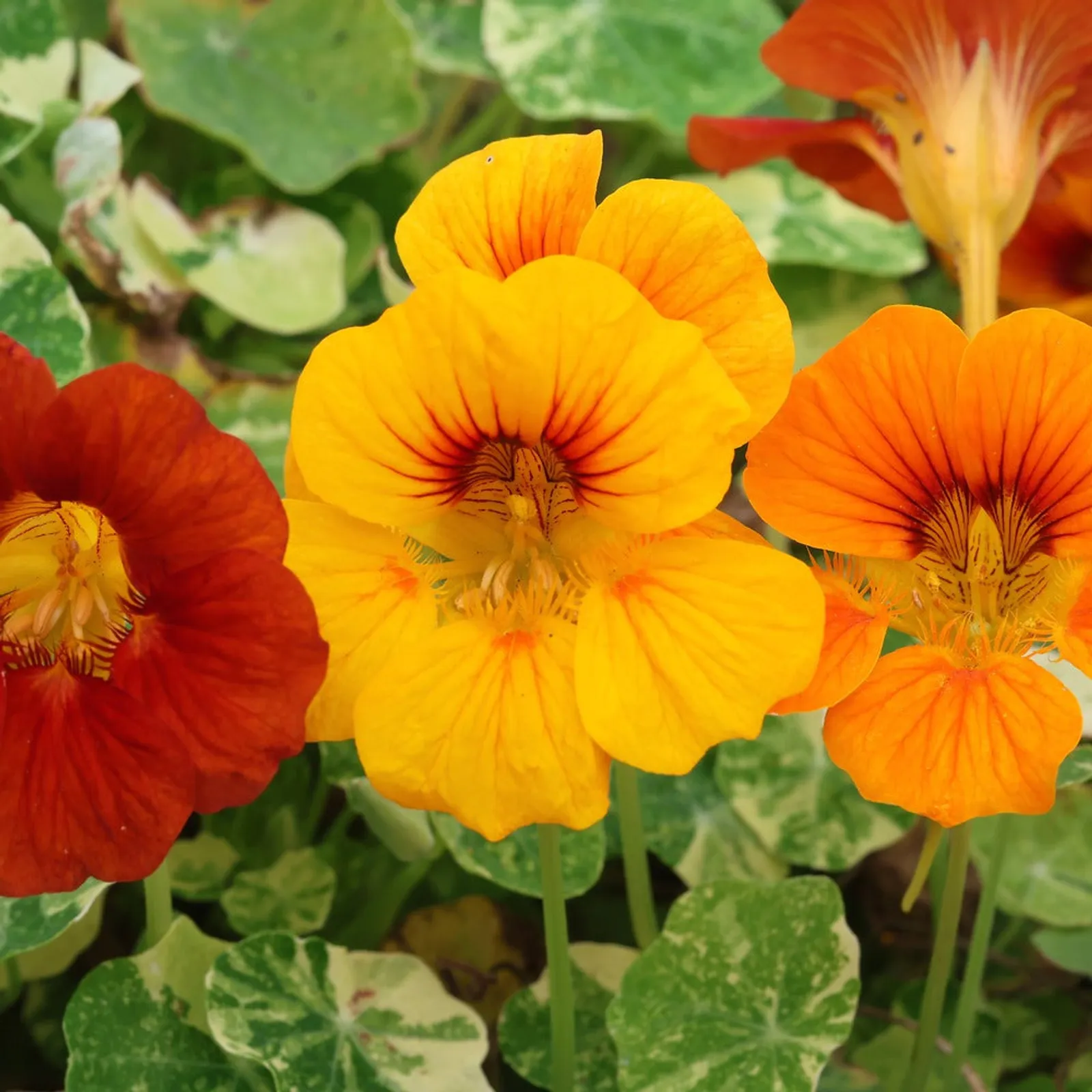
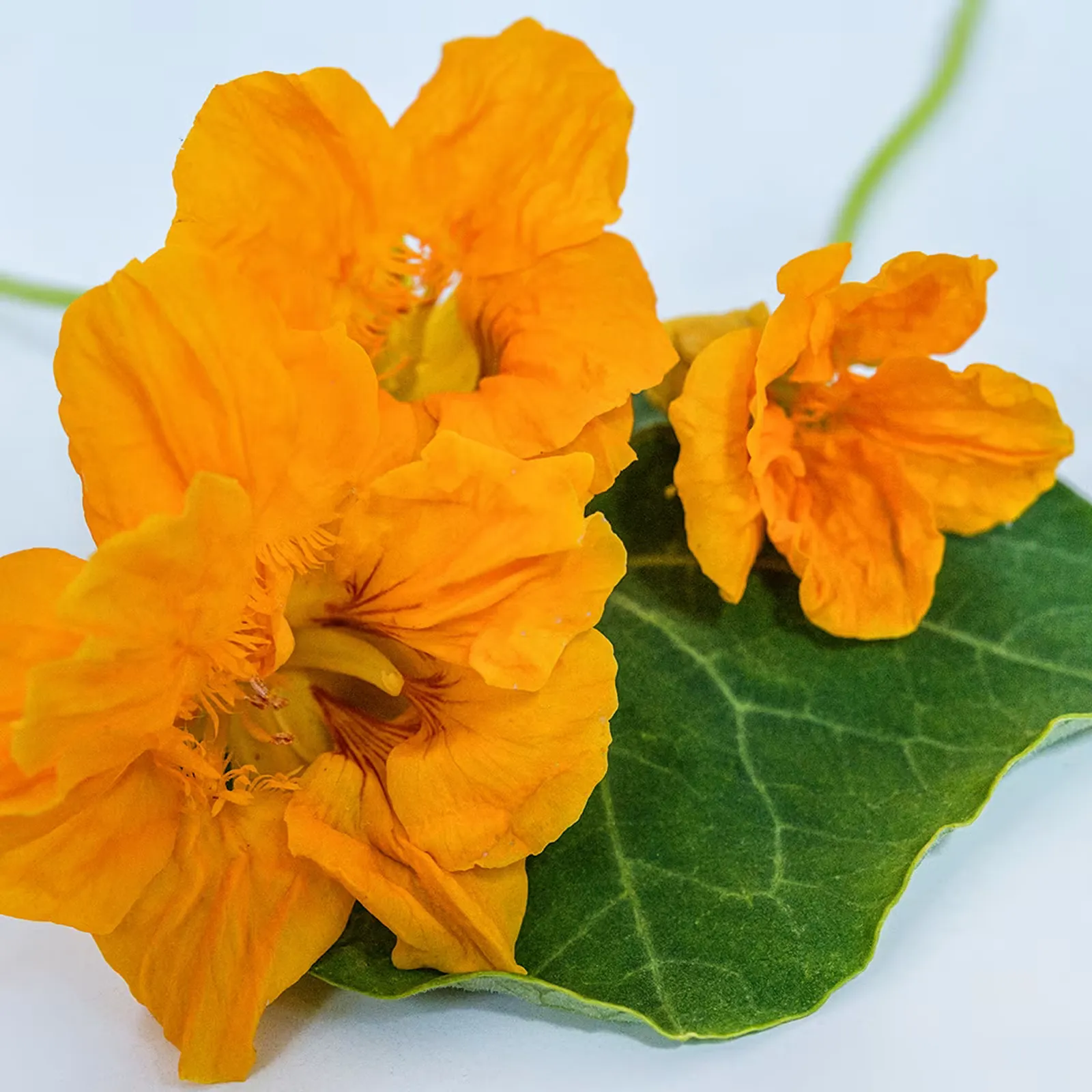
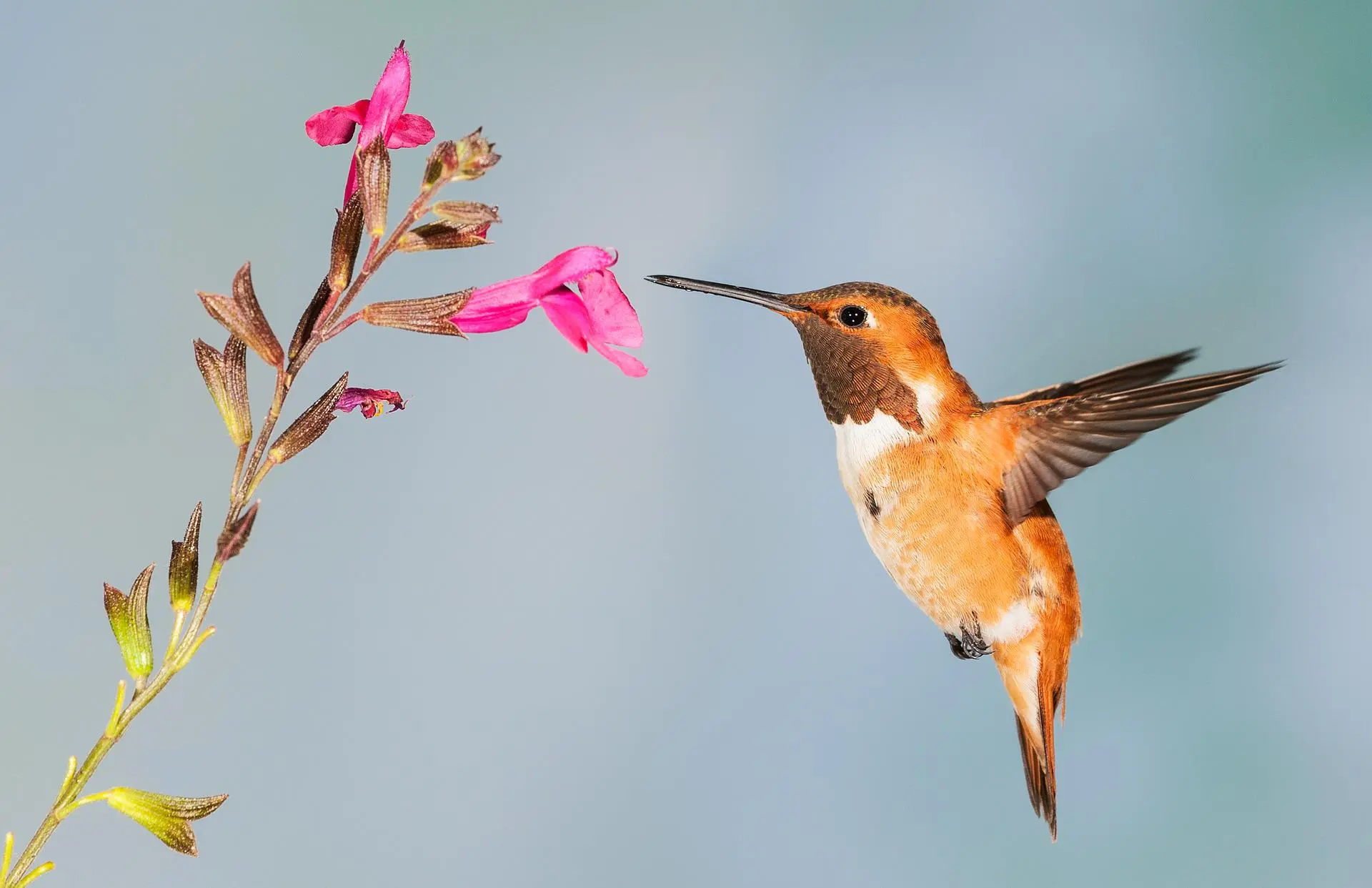
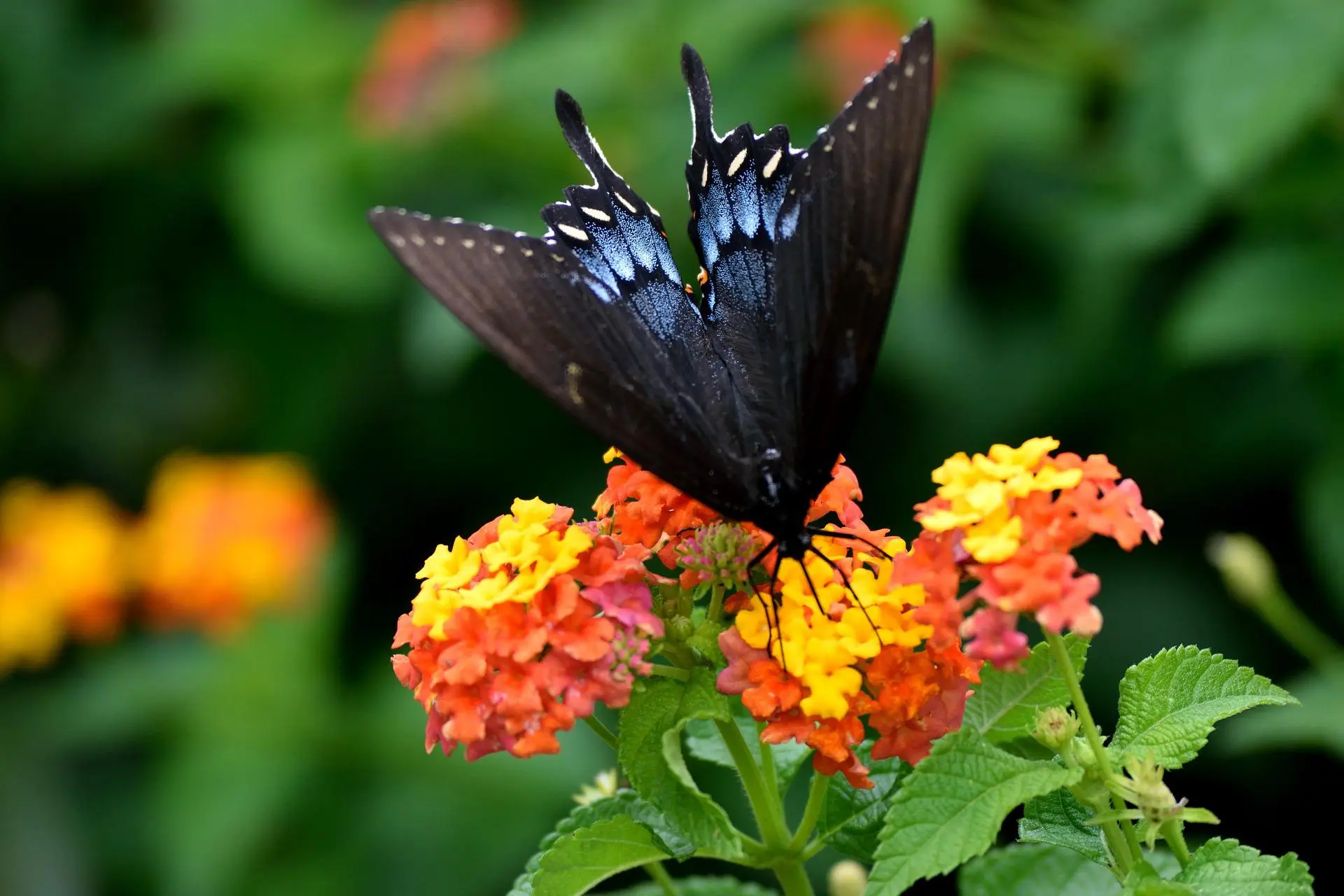
In addition to looking great in the garden (and in containers!) nasturtiums are also edible. Both the leaves and the flowers can be safely consumed; they have a peppery flavor. These colorful flowers make a great companion plant to many vegetables as they can attract beneficial insects such as hover flies and may help repel some pests. The flowers are also attractive to pollinators such as butterflies and hummingbirds!
How to Grow Nasturtium
Quick Info

Put away the pen and paper
Plan your veggie garden in minutes with Planter's easy drag and drop planner.
Try Planter for Free
Varieties
Related Articles
Companion Plants












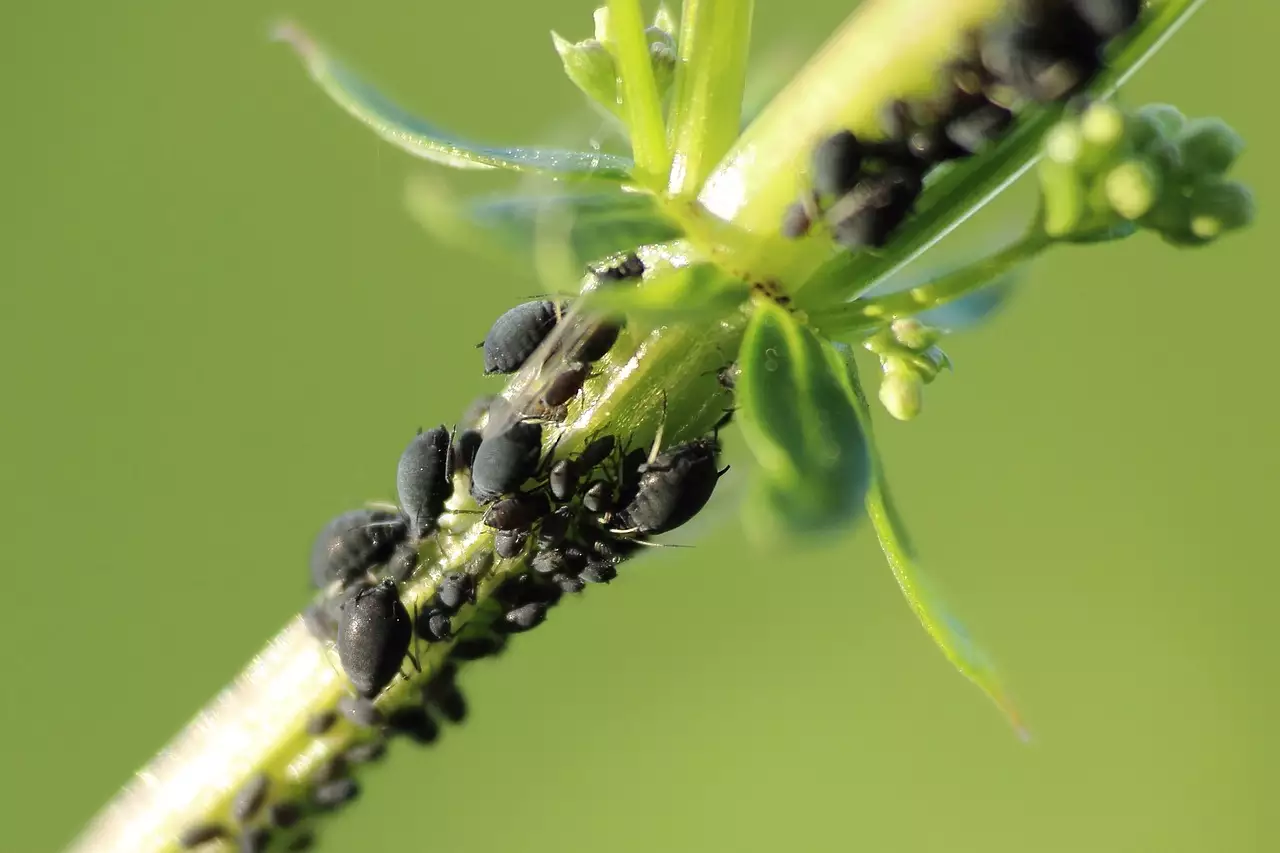
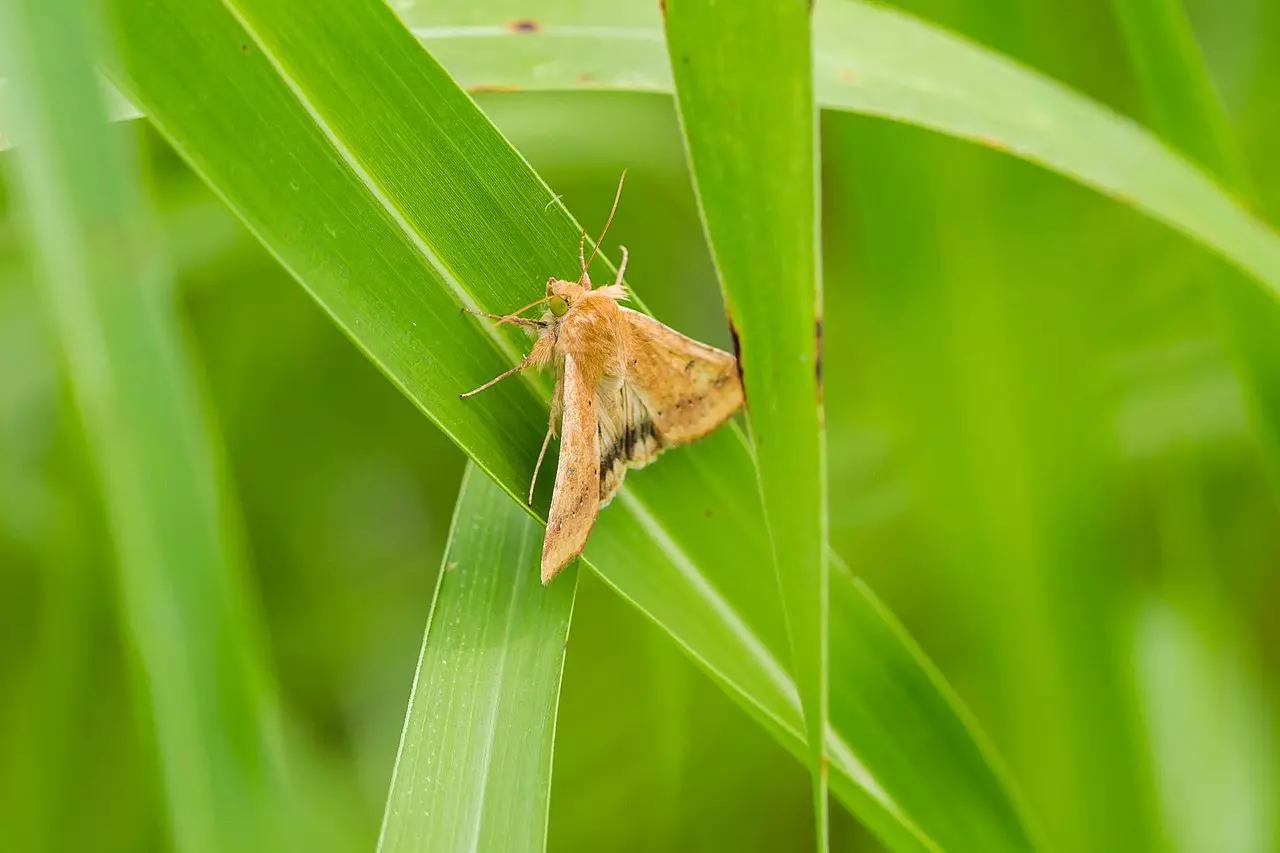
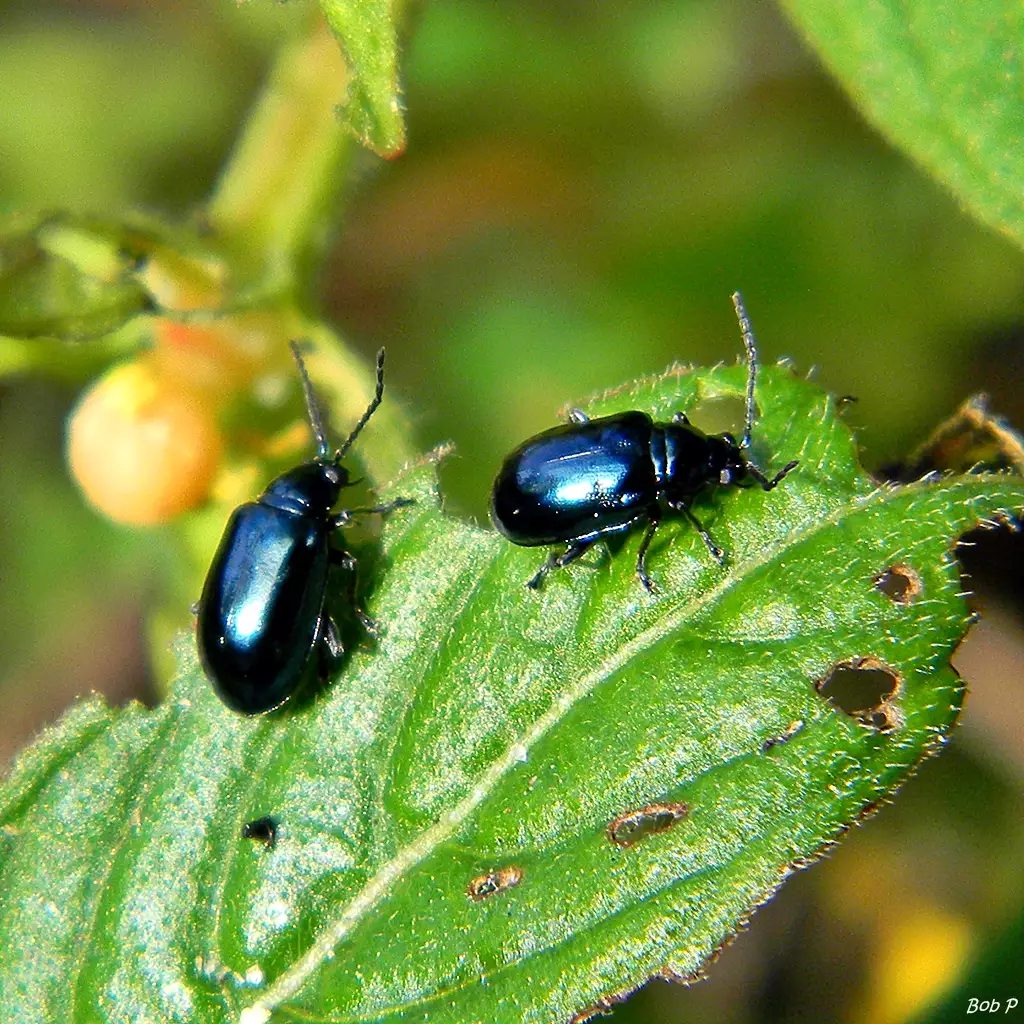
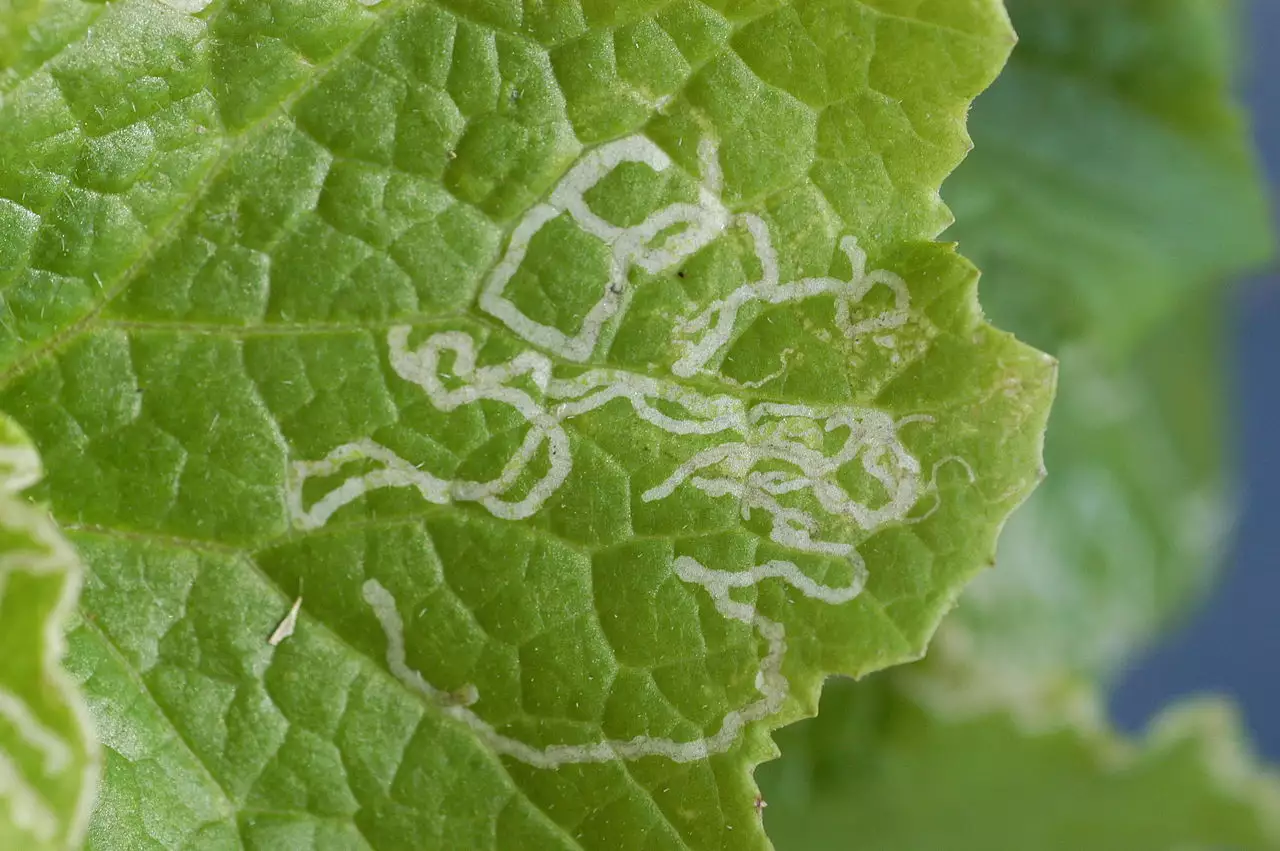
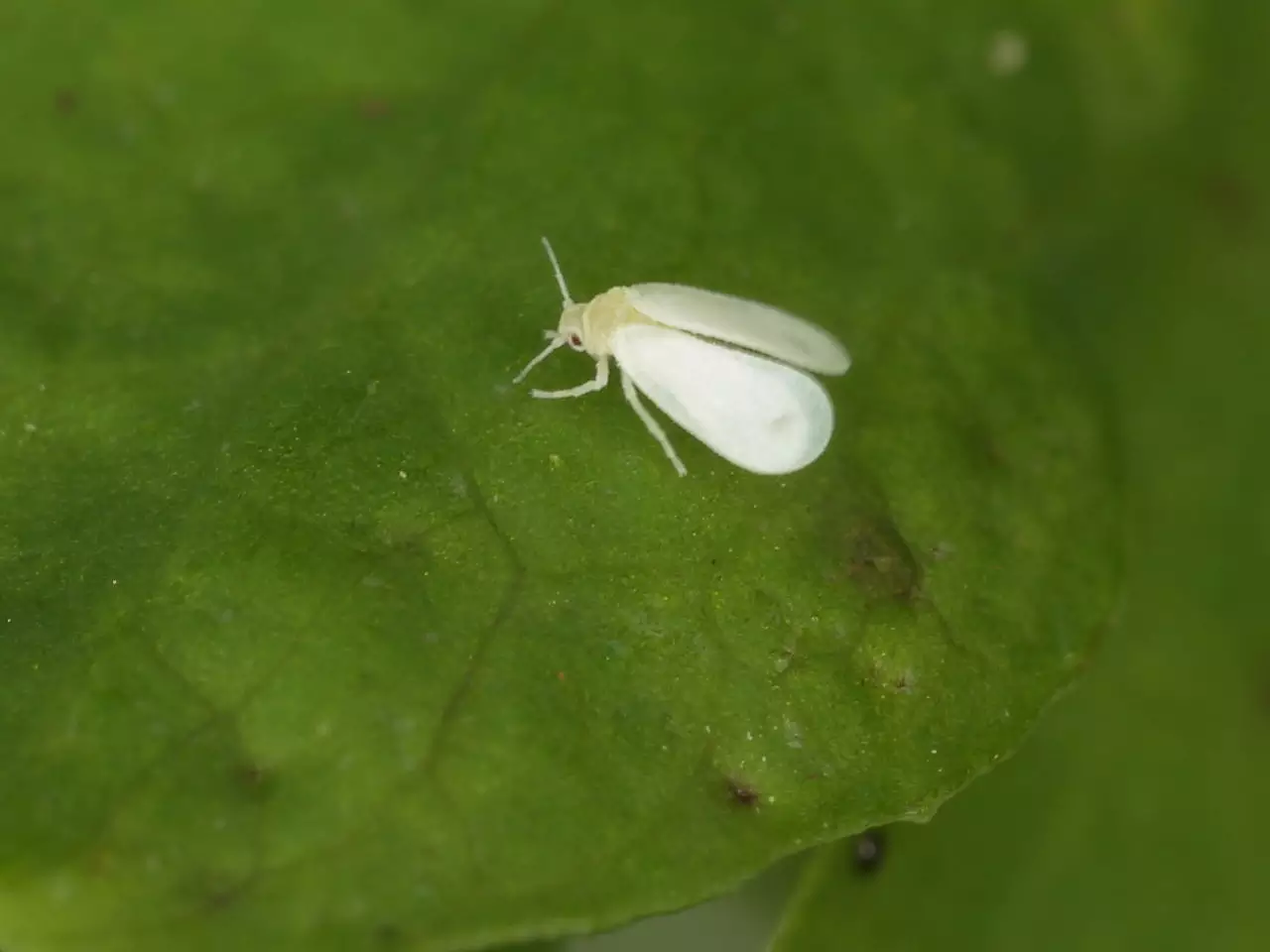
Pests
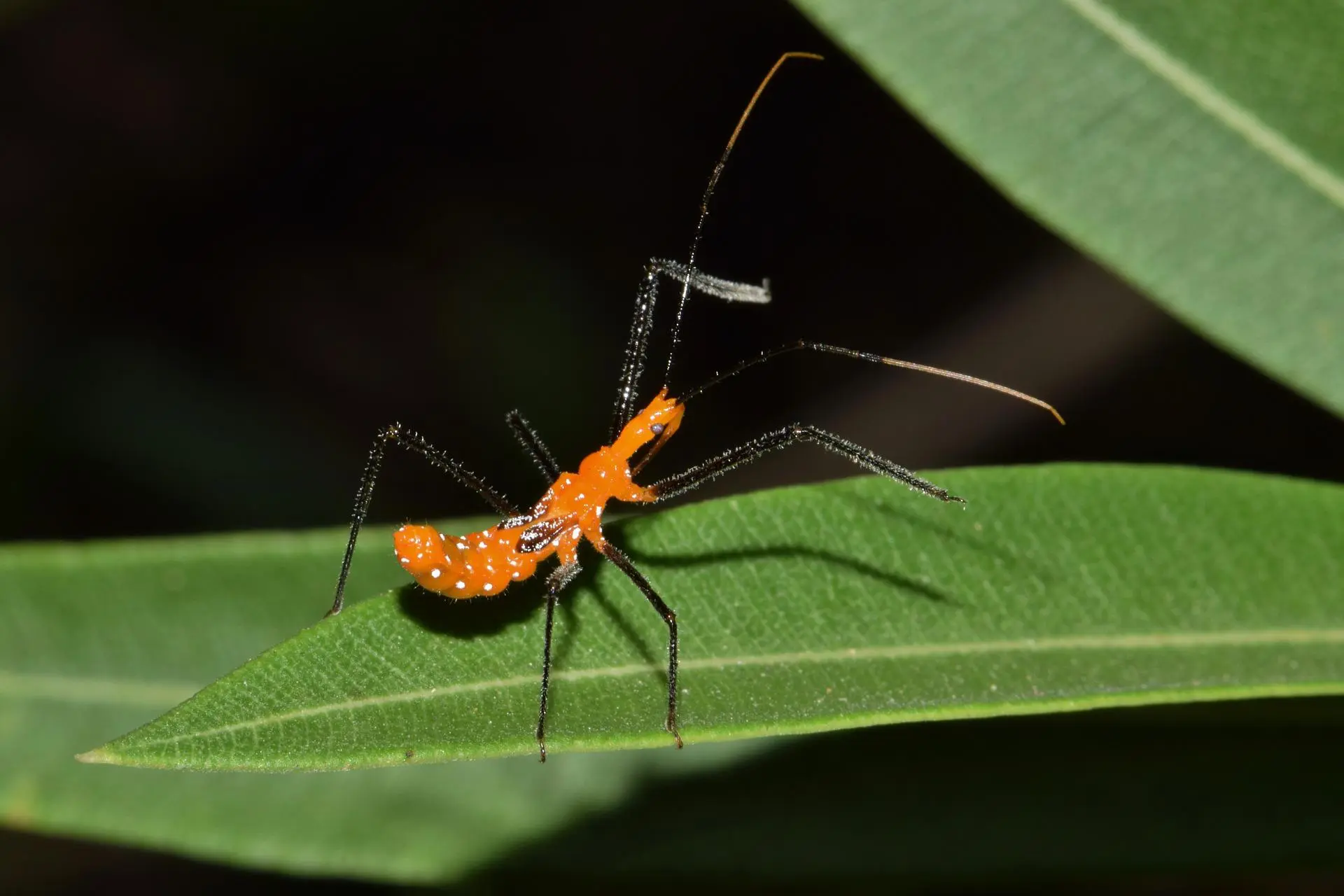
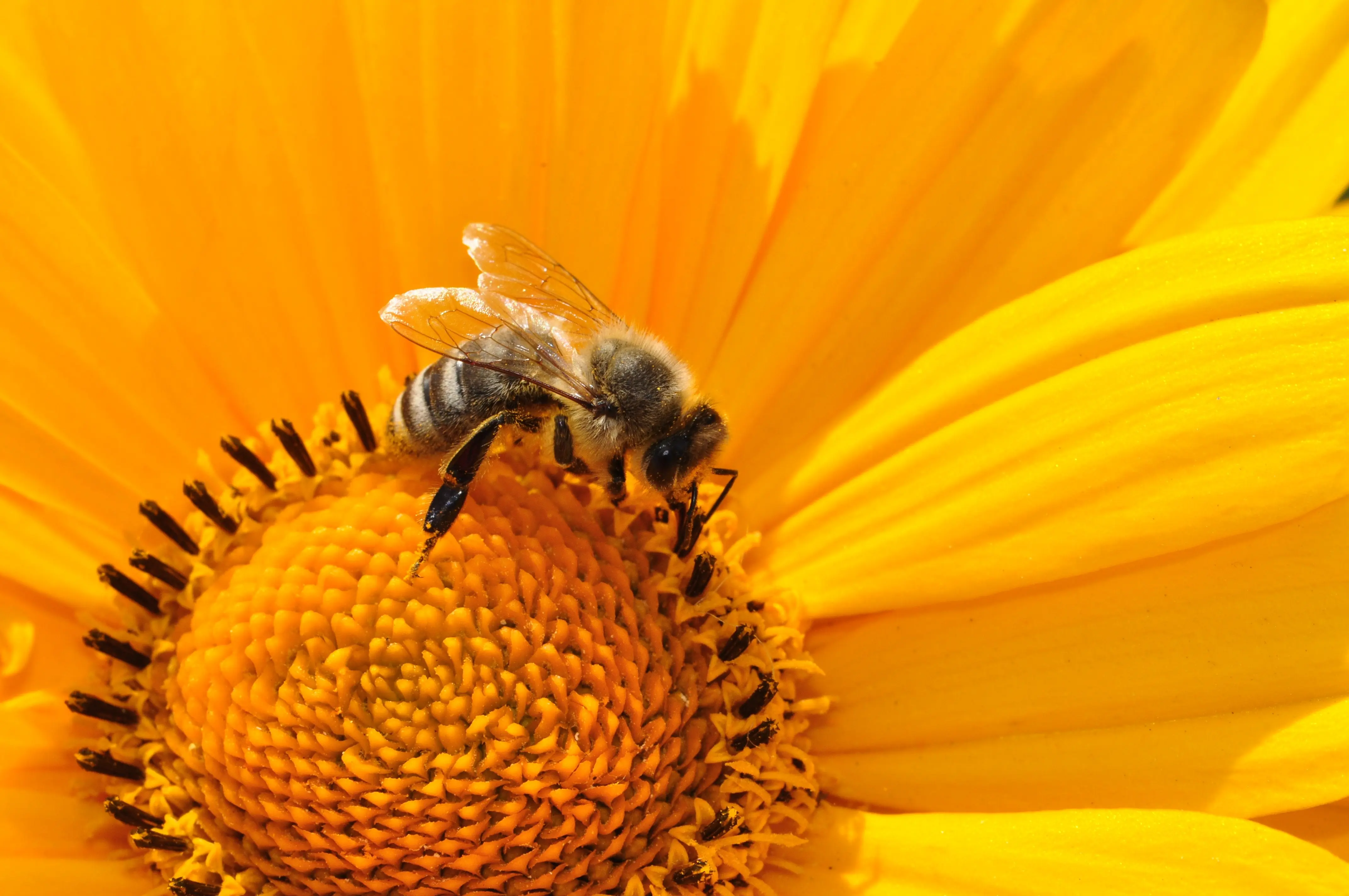
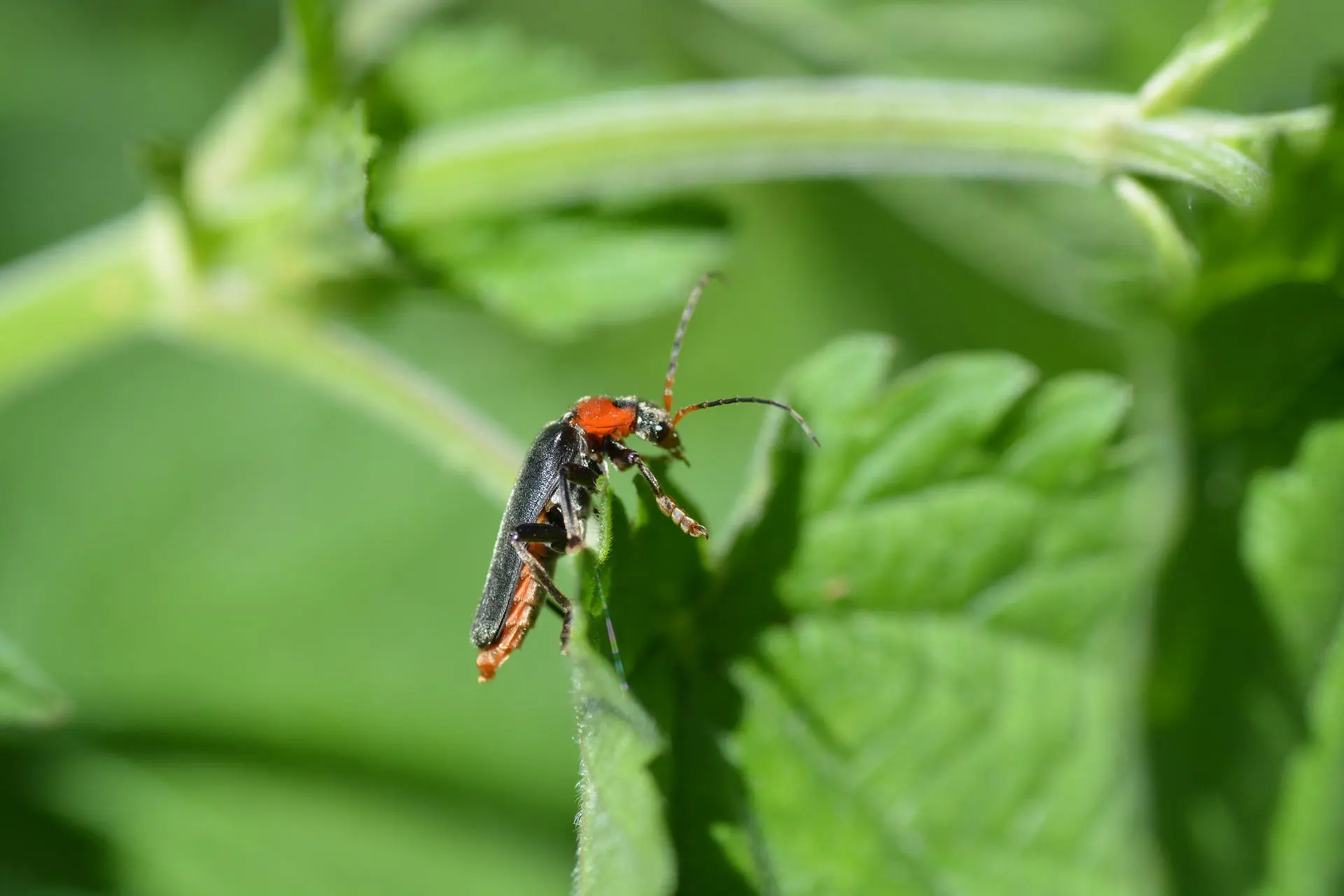
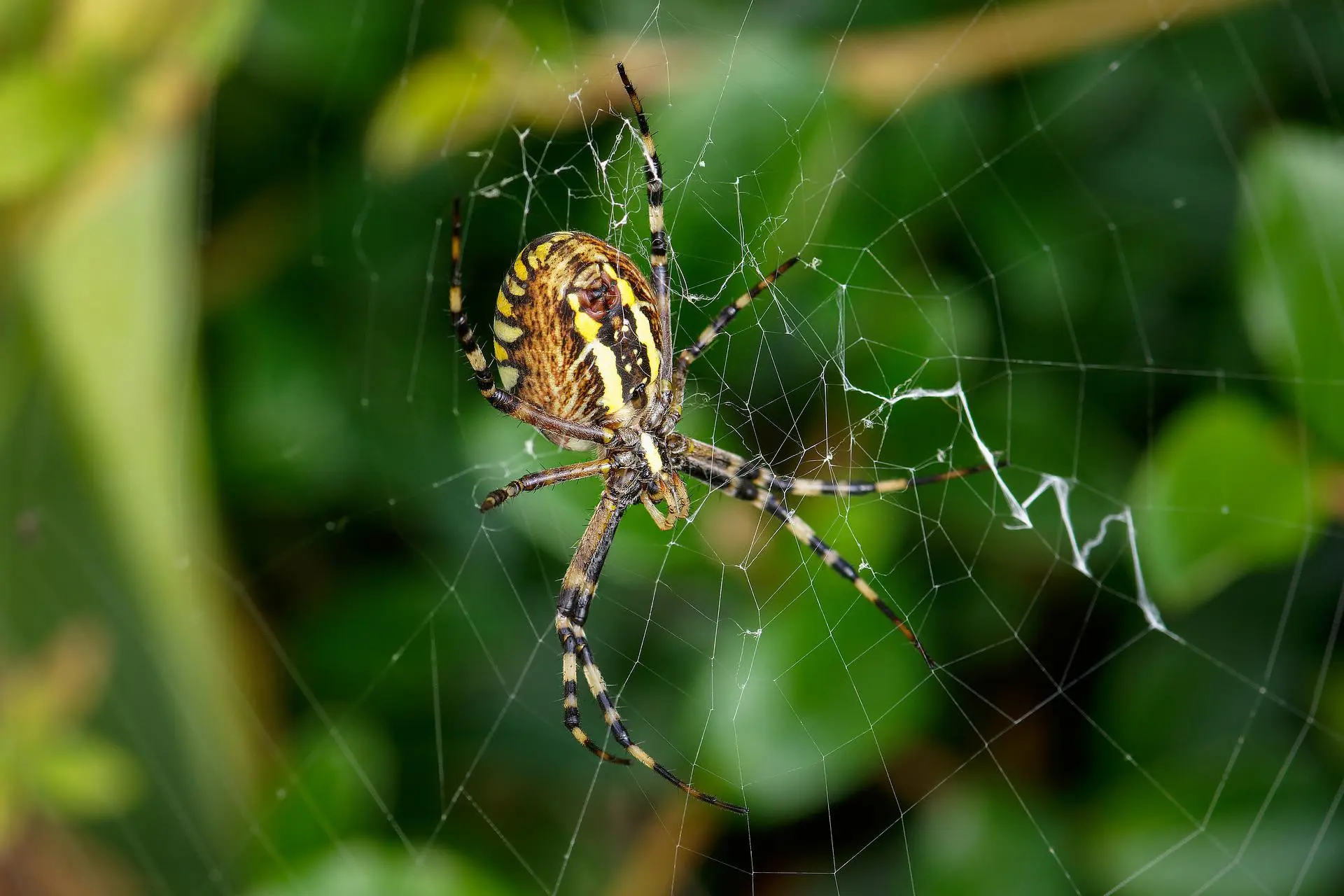
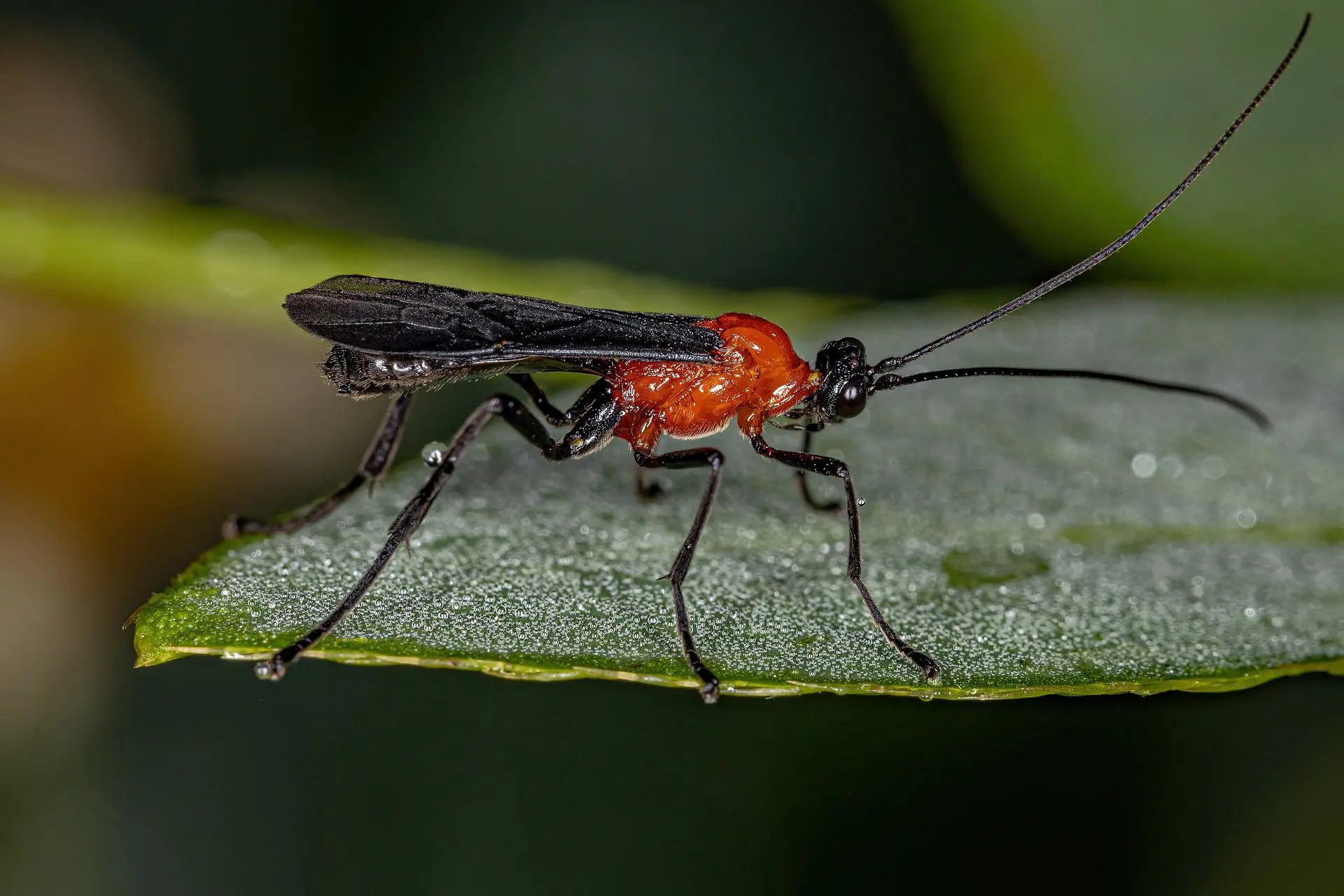
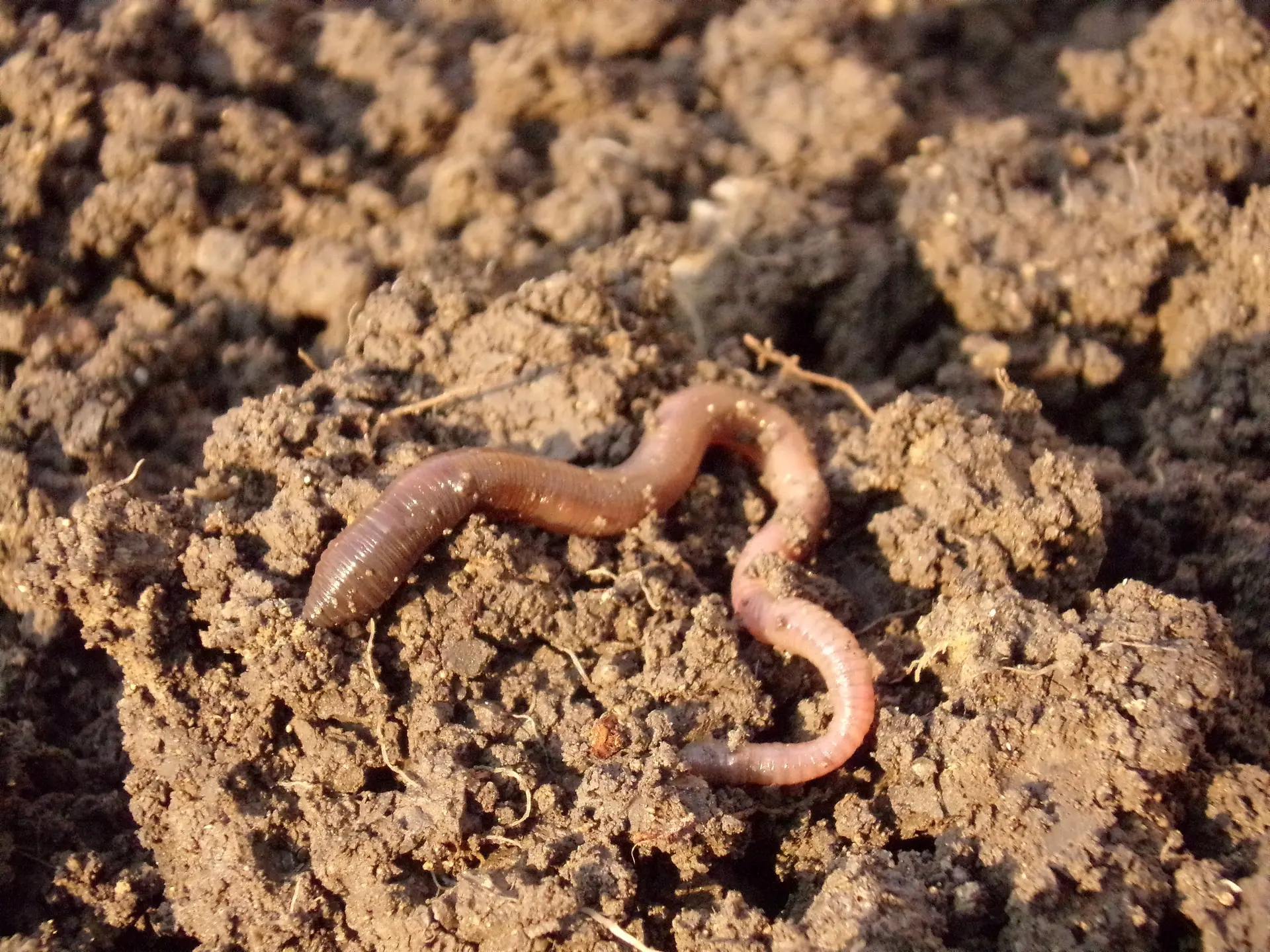
Beneficial Critters
Growing from Seed
Nasturtium seeds sprout best when the soil is warm. It is recommended to direct sow nasturtium seeds as opposed to growing transplants, as their roots are very sensitive. Nasturtium is an annual but often re-seeds itself.
Planting Considerations
Plant nasturtiums in well-drained soil.
Feeding
Optionally add fertilizer to the soil before planting. Generally, nasturtiums grow well in most soils without any fertilization or amendment. Too much nitrogen is detrimental to these plants as it will cause them to grow more leaves than flowers.
Harvesting
Gather nasturtium blossoms in the morning, when they are plumped up with moisture. Snip away the base of each blossom, which may taste bitter.
Storage
Nasturtium flowers are not generally stored. Instead, use fresh blossoms in salads or as a garnish.
Pruning
Throughout the growing season, cut off any dead/fading flowers.