Tomatillos
Physalis ixocarpa, P. philadelphica
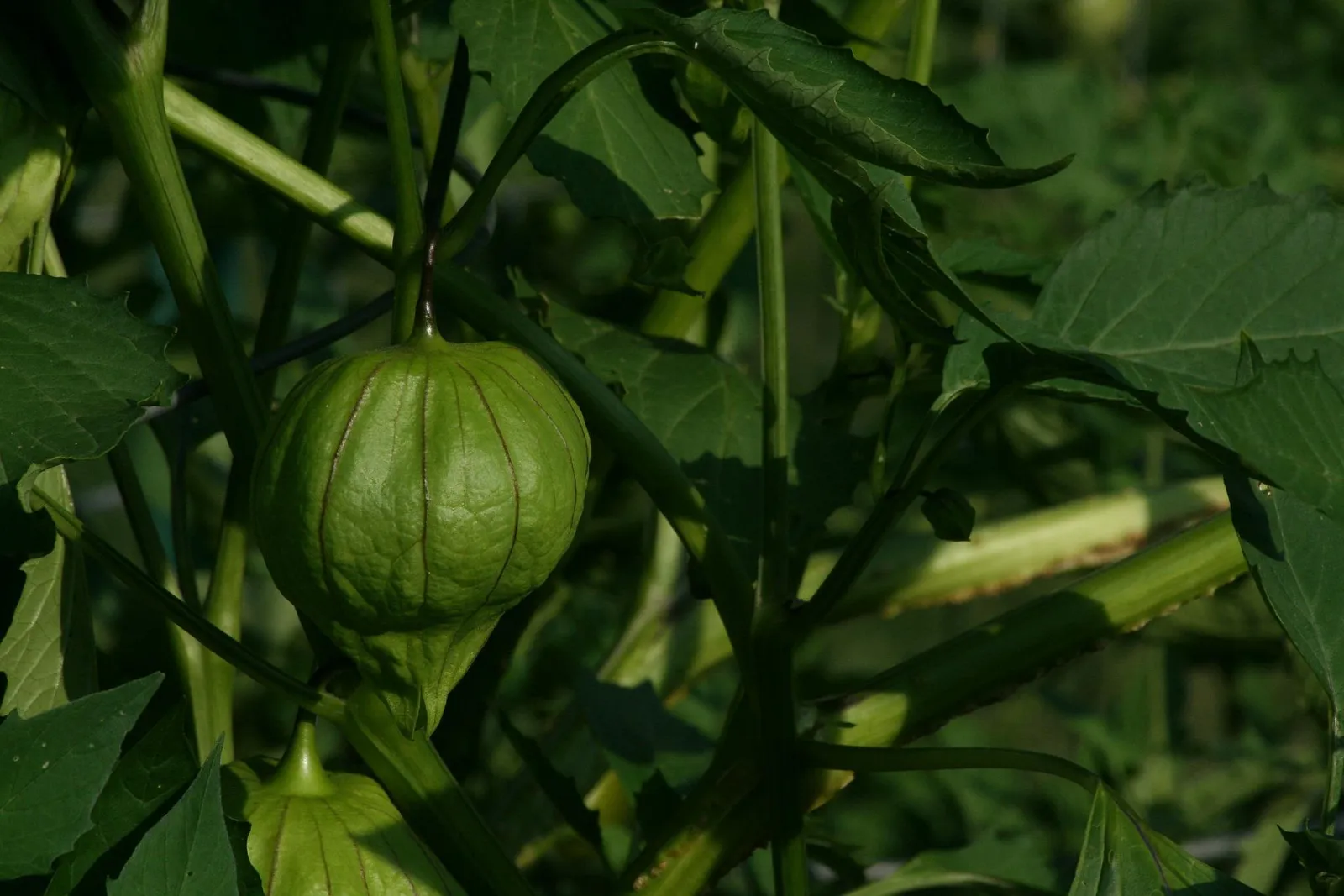
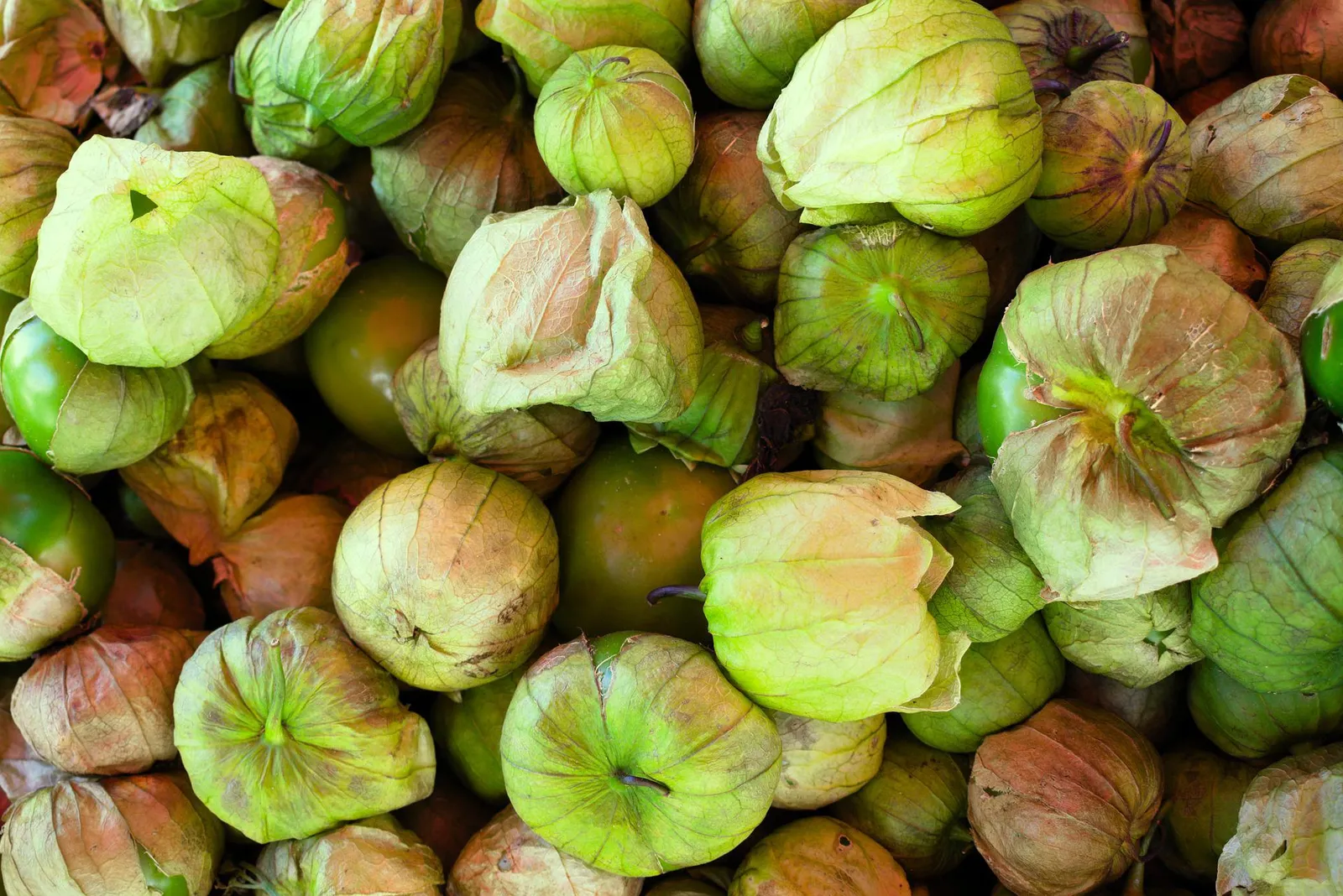
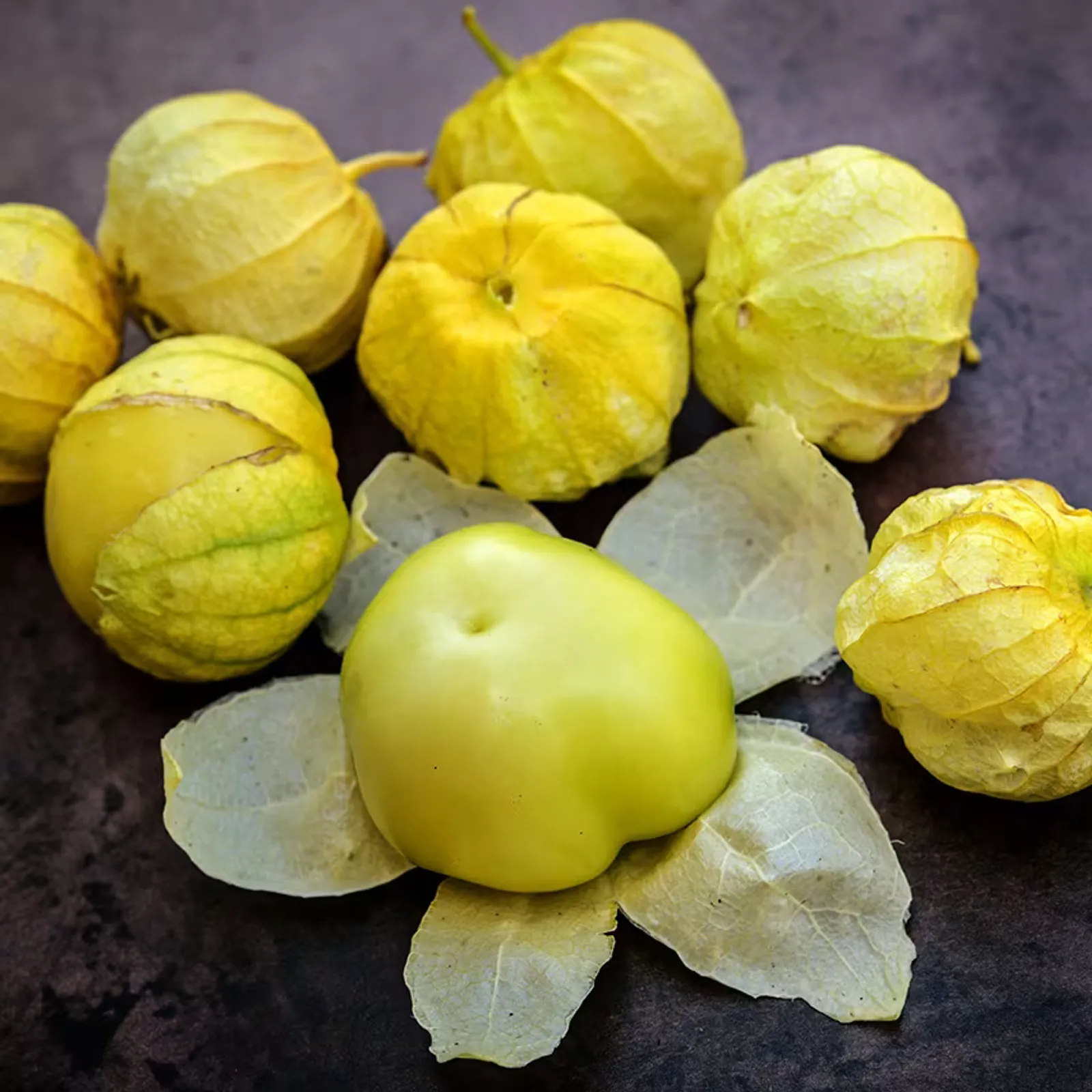
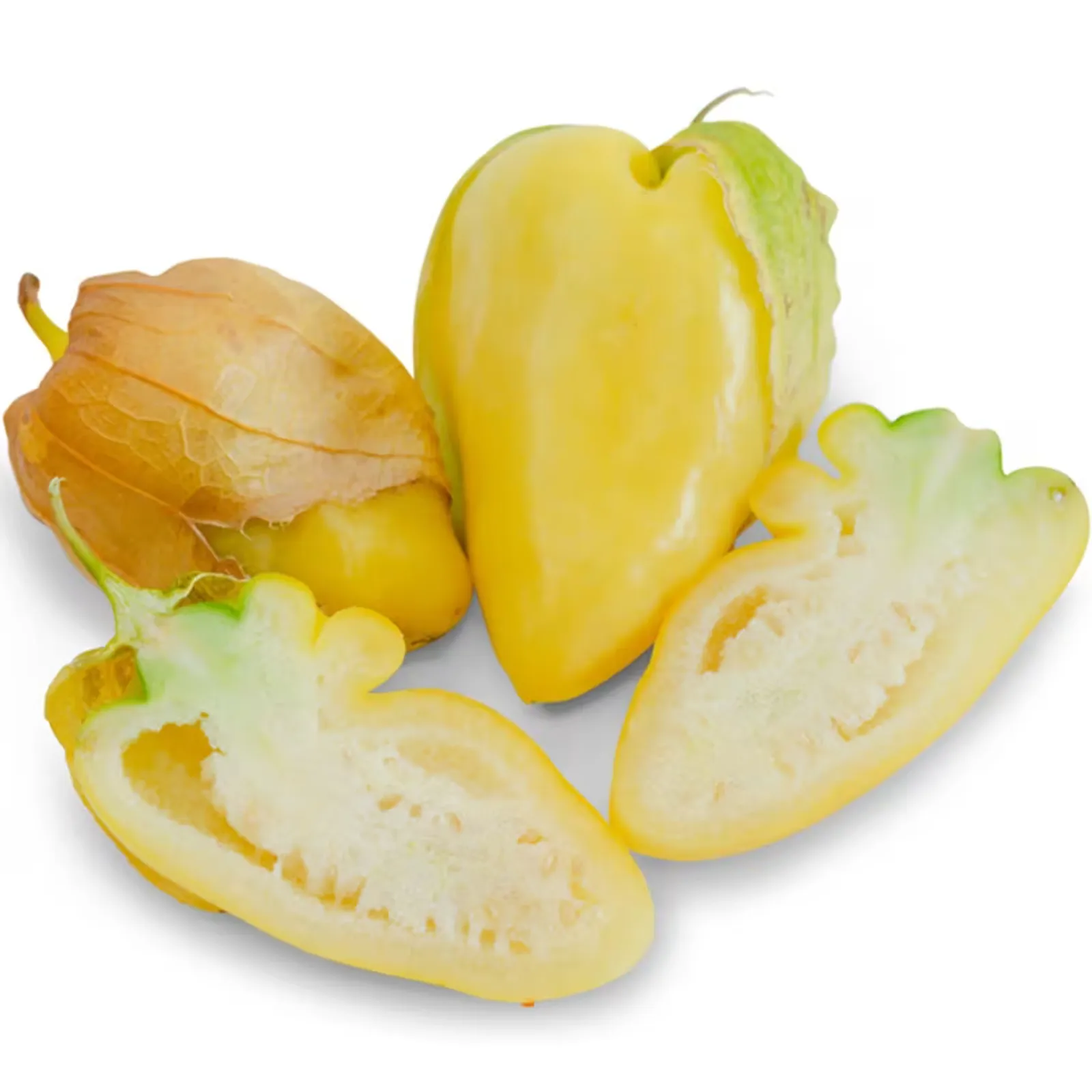
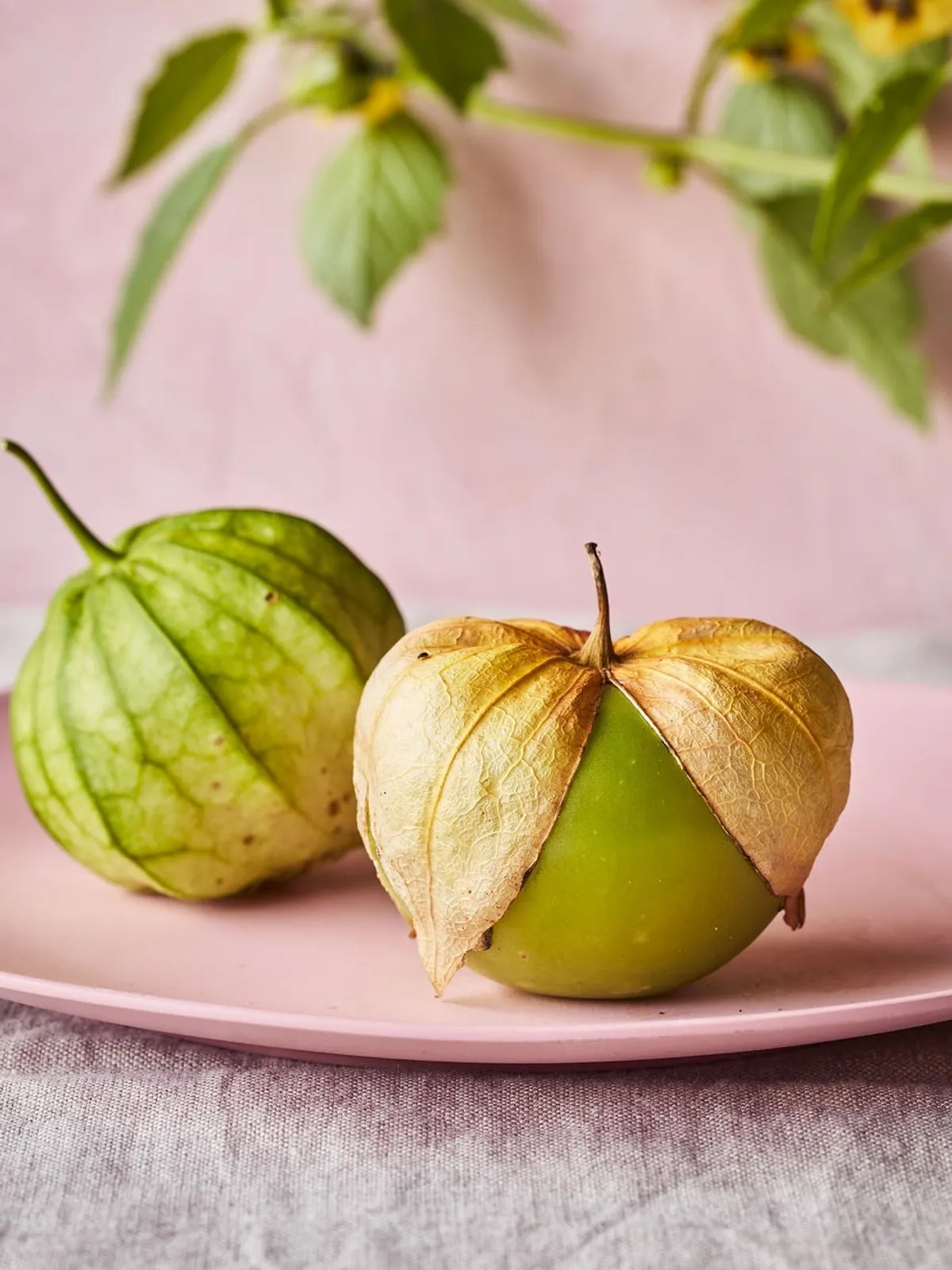
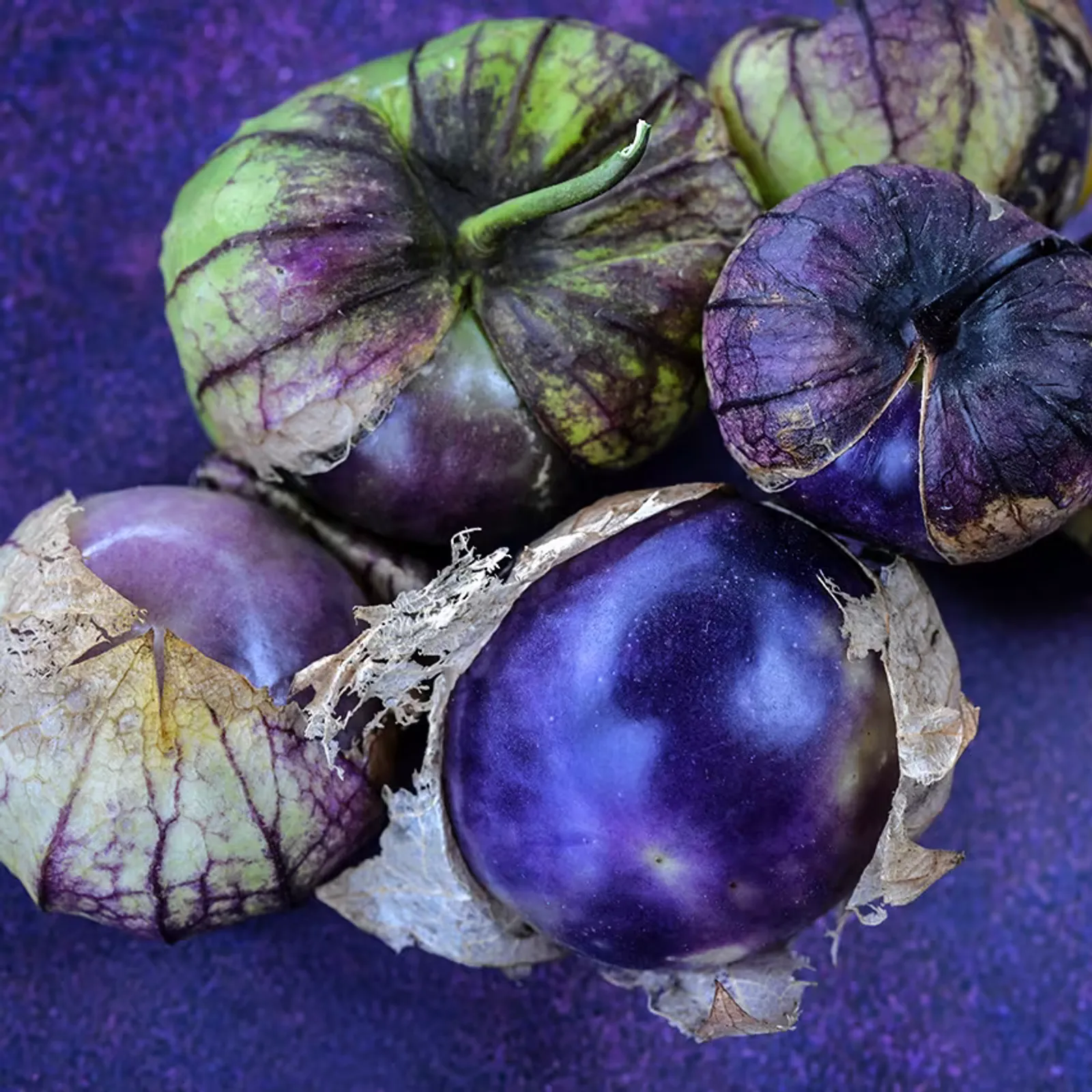
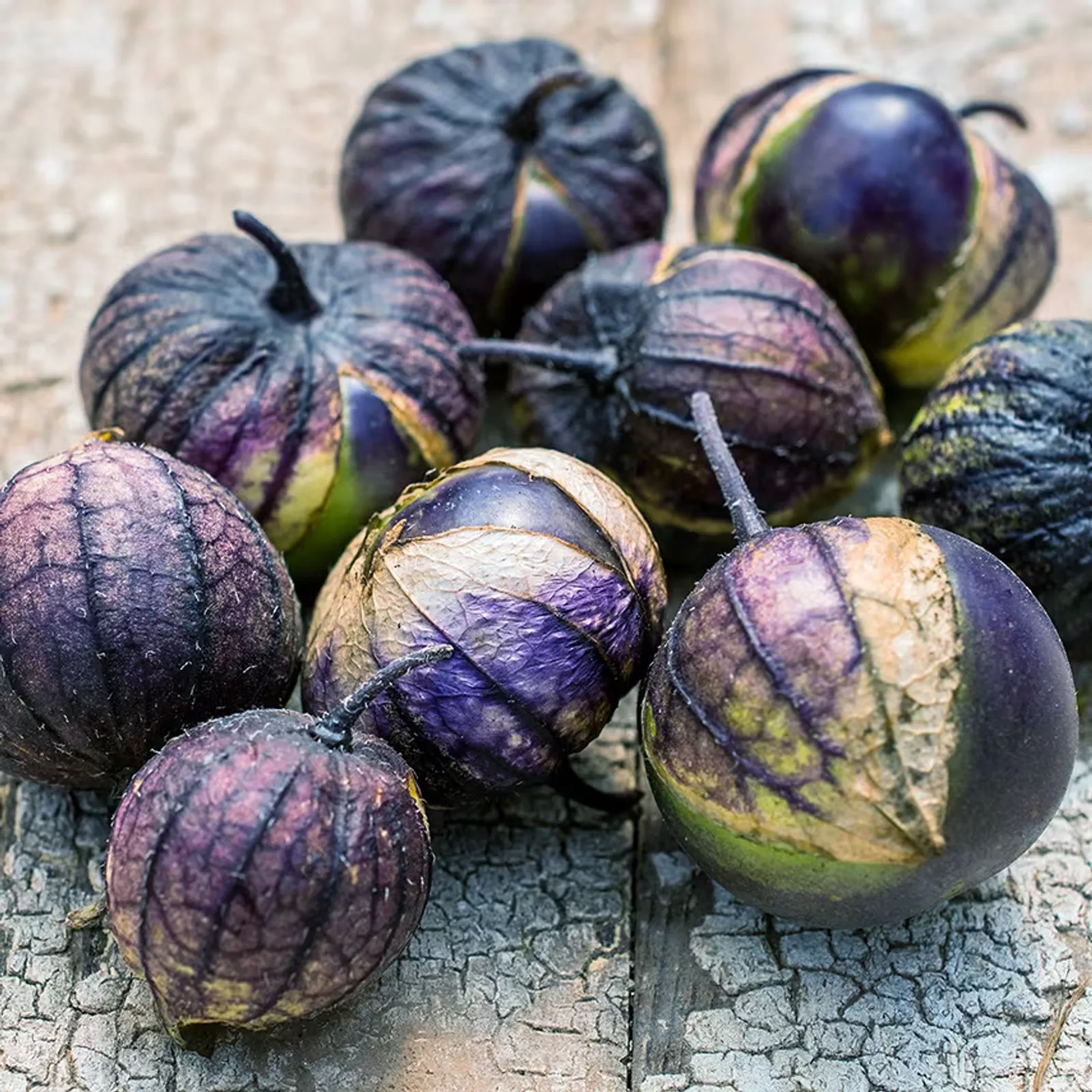
Tomatillos look like small green tomatoes with papery husks. While both are members of the nightshade family, tomatillos belong to an entirely different genus- Physalis. Tomatillos are best-known as an ingredient in Mexican salsa verde. Despite their association with Mexican cuisine, tomatillos can be successfully grown as annuals in cold regions with short growing seasons. Tomatillos are less fussy than tomatoes and even just a few plants can produce prolific quantities of fruit. While one tomatillo plant may produce some fruit, for a good crop it is generally recommended to plant two or more tomatillo plants near each other so they can cross pollinate. Tomatillo fruits are most commonly green however purple and yellow varieties are also available.
How to Grow Tomatillos
Quick Info


Put away the pen and paper
Plan your veggie garden in minutes with Planter's easy drag and drop planner.
Try Planter for Free
Varieties

Related Articles

Companion Plants


















Combative Plants






Nutrition
Vitamins




Nutrients








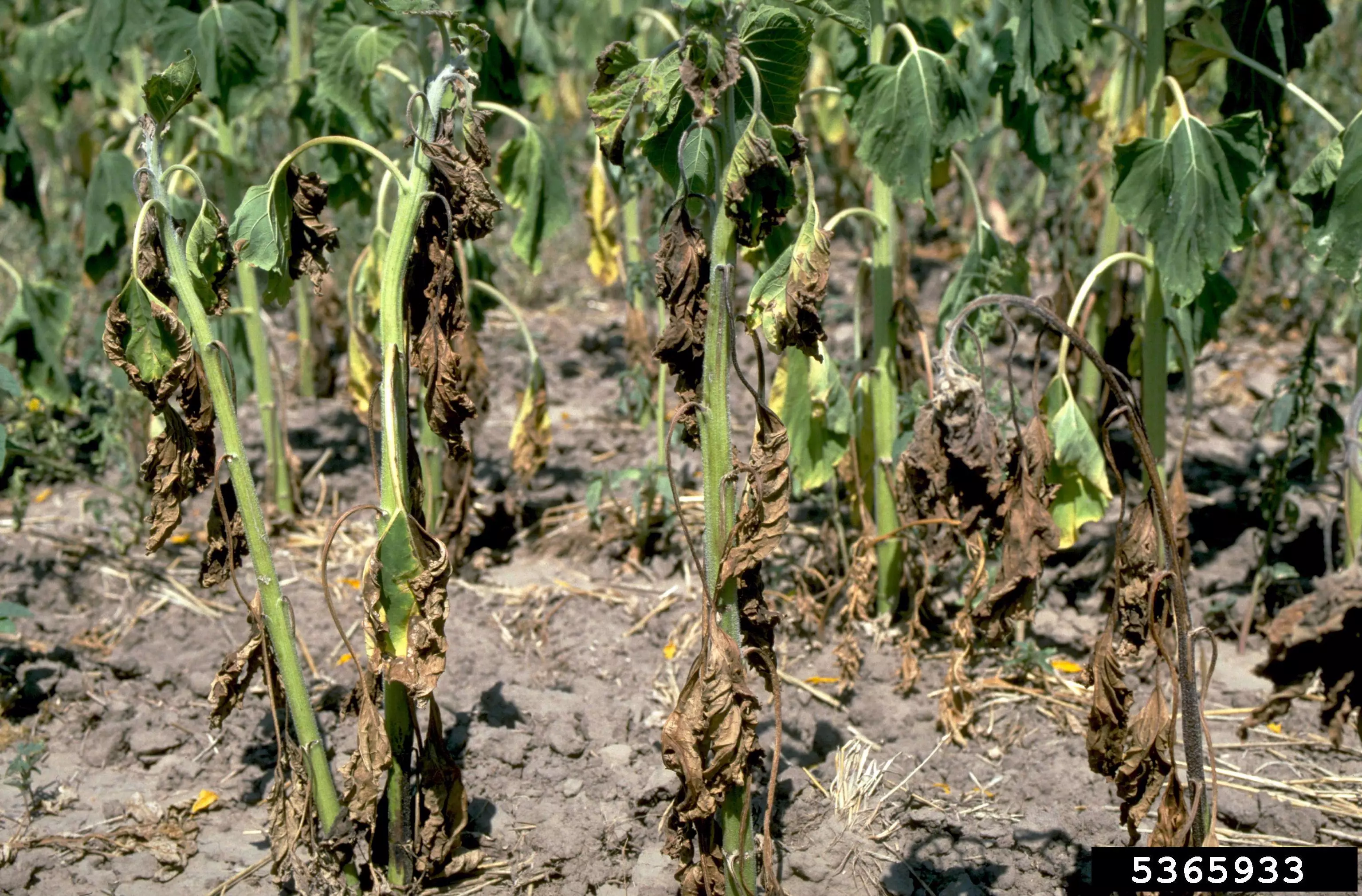
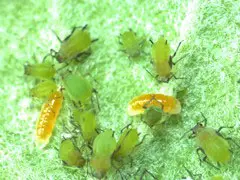
Pests
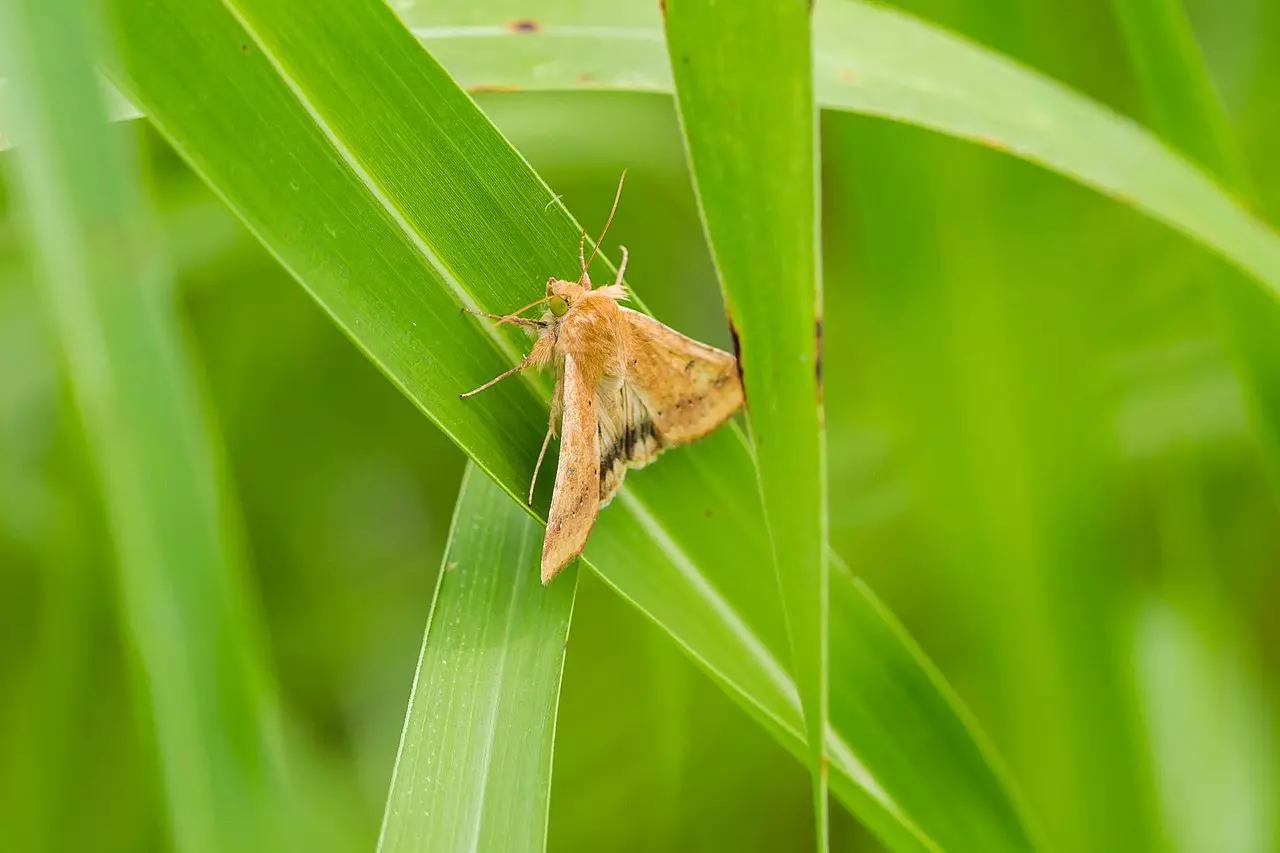
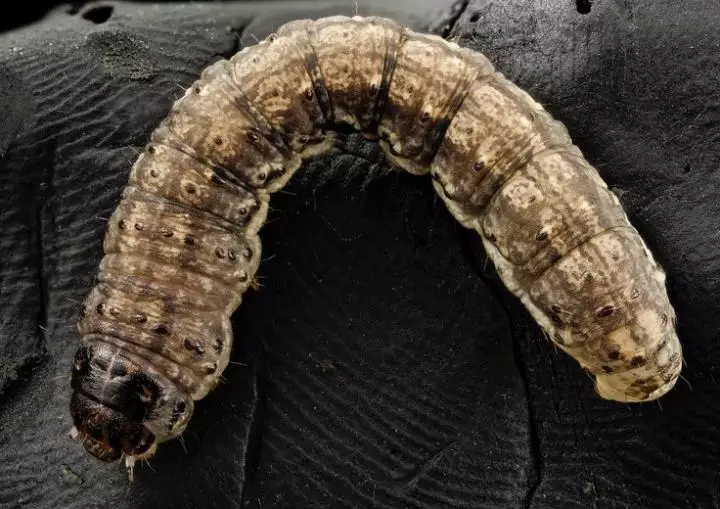
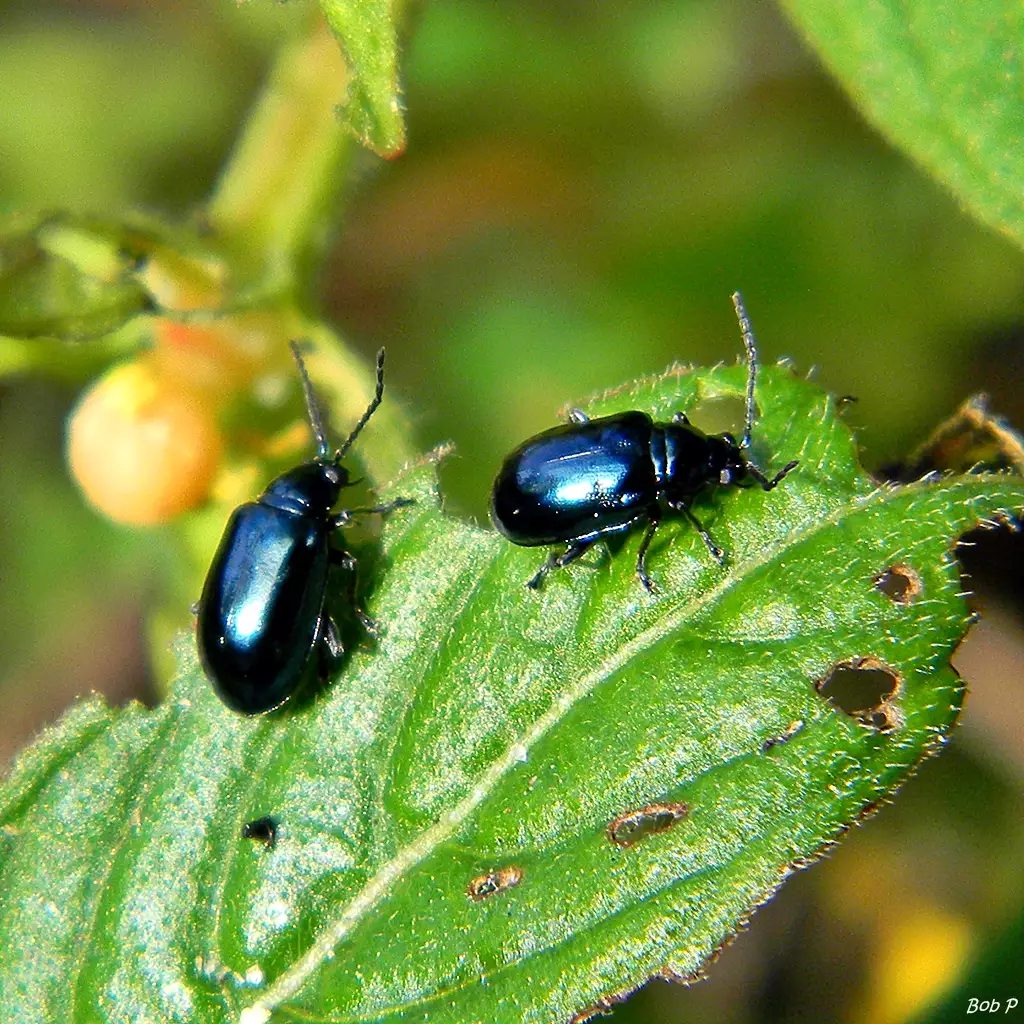
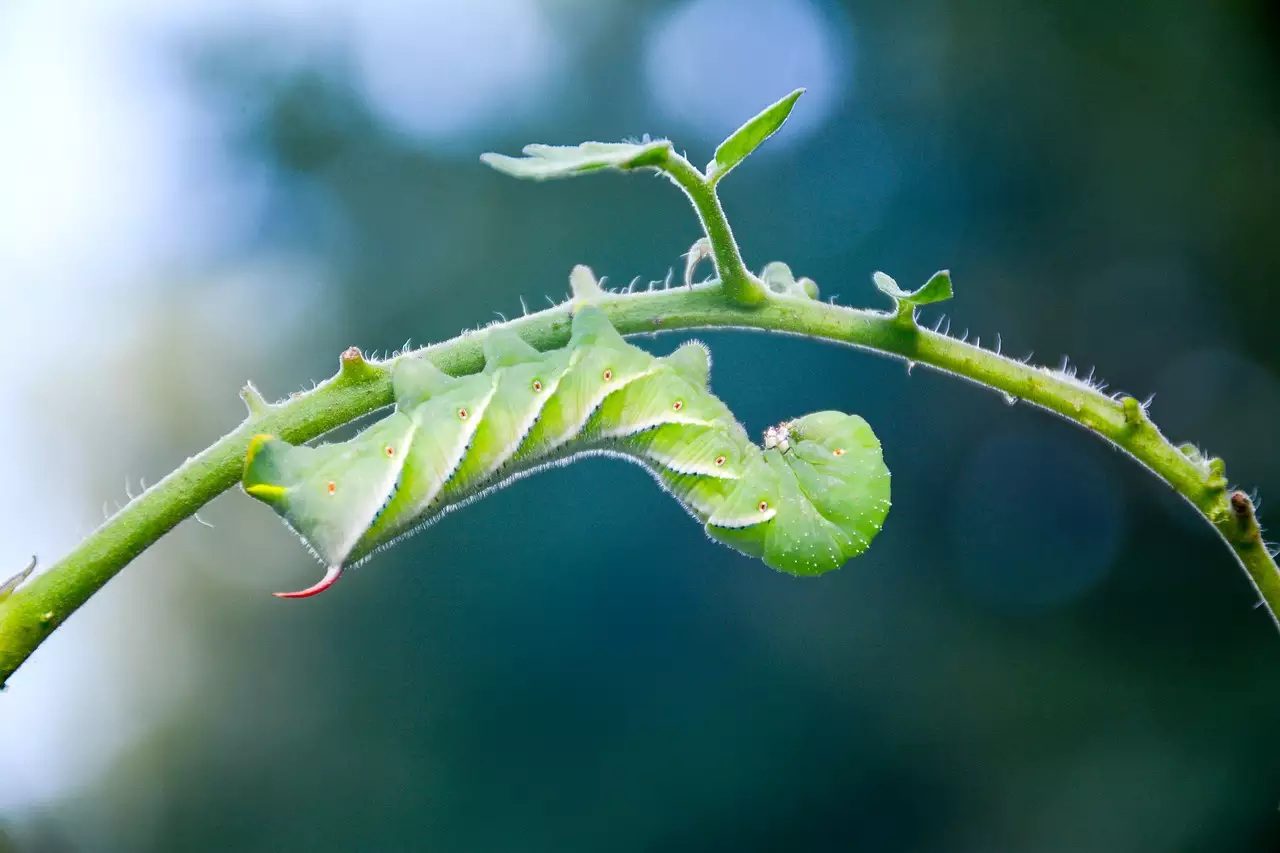
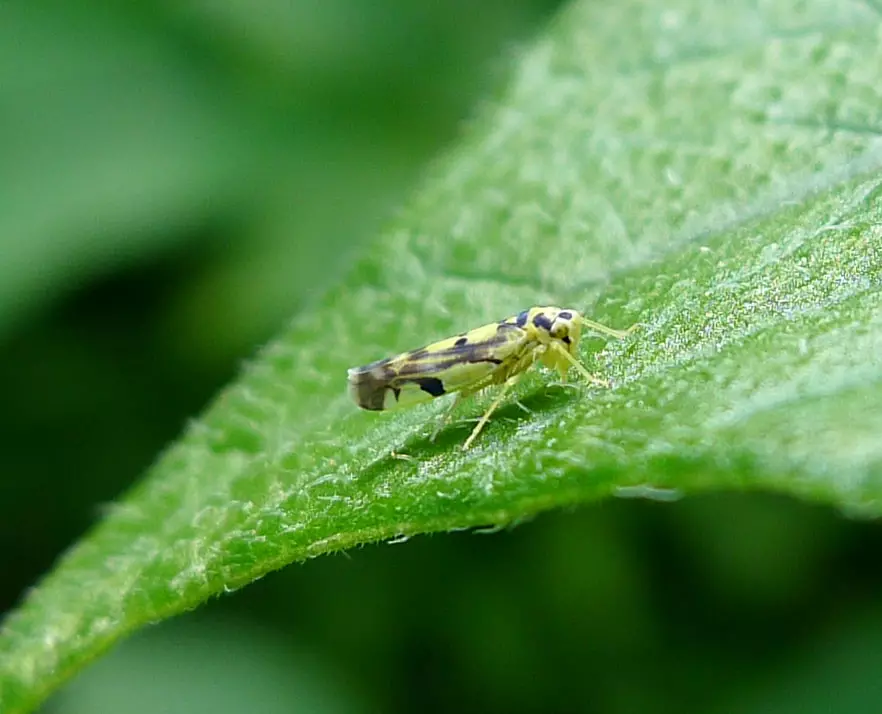
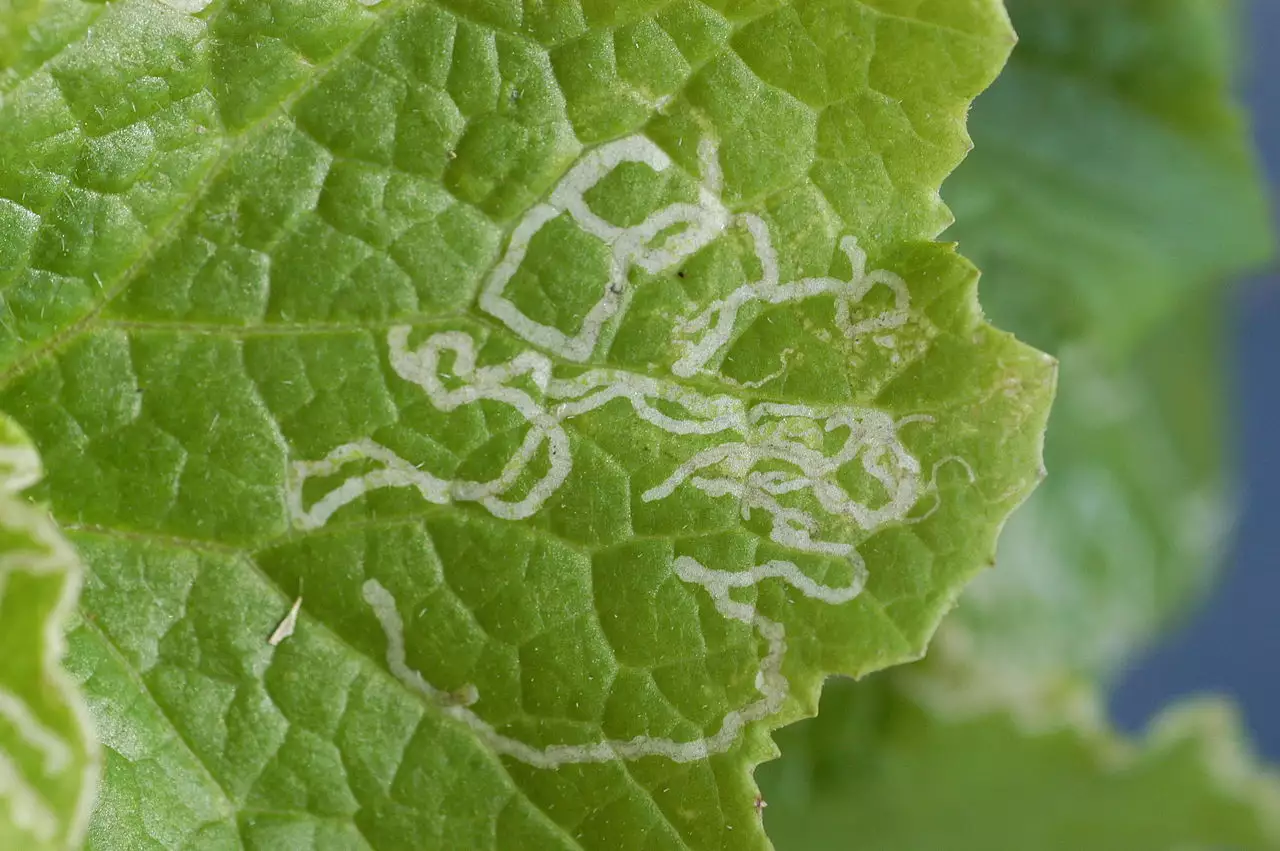
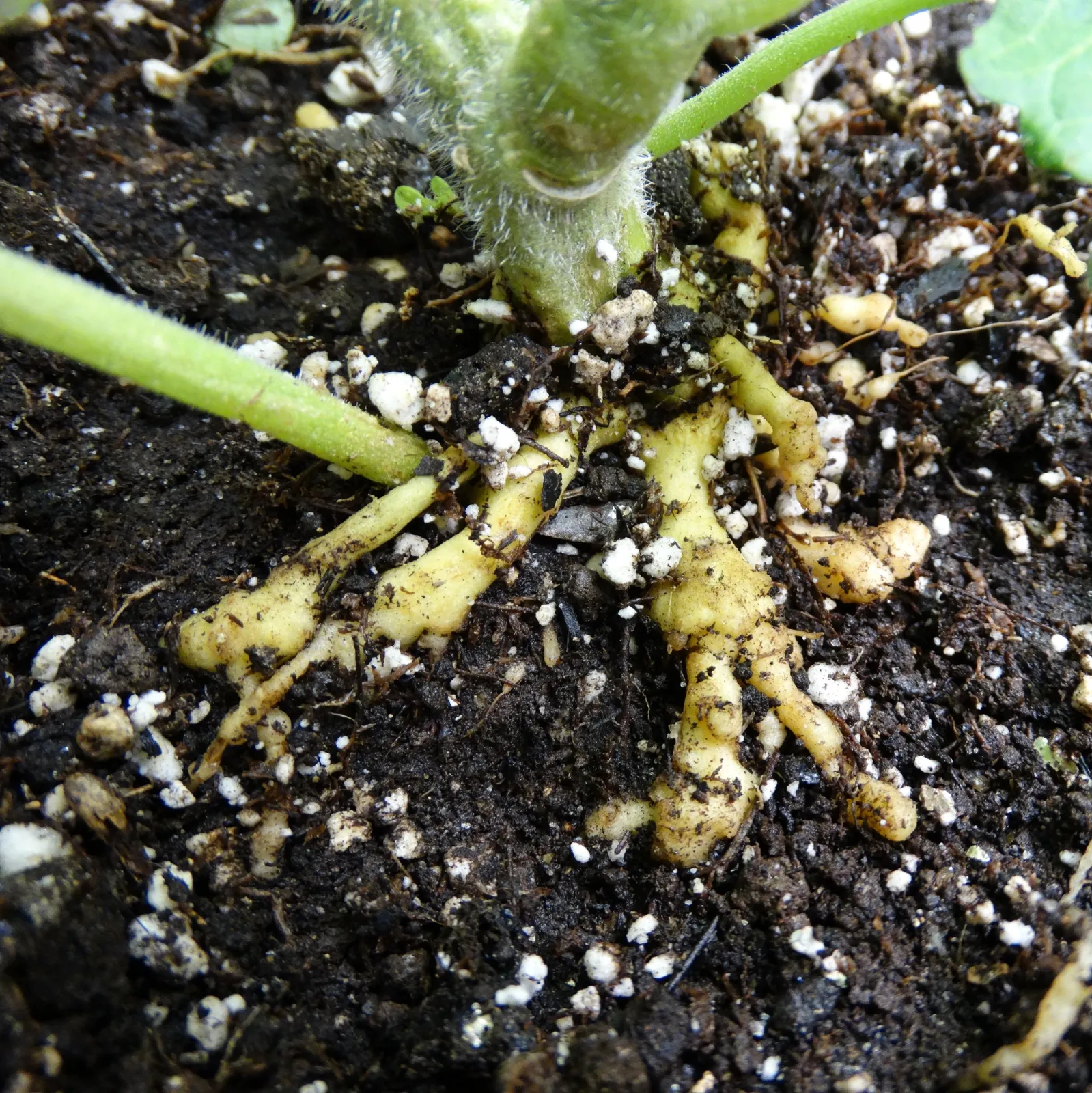
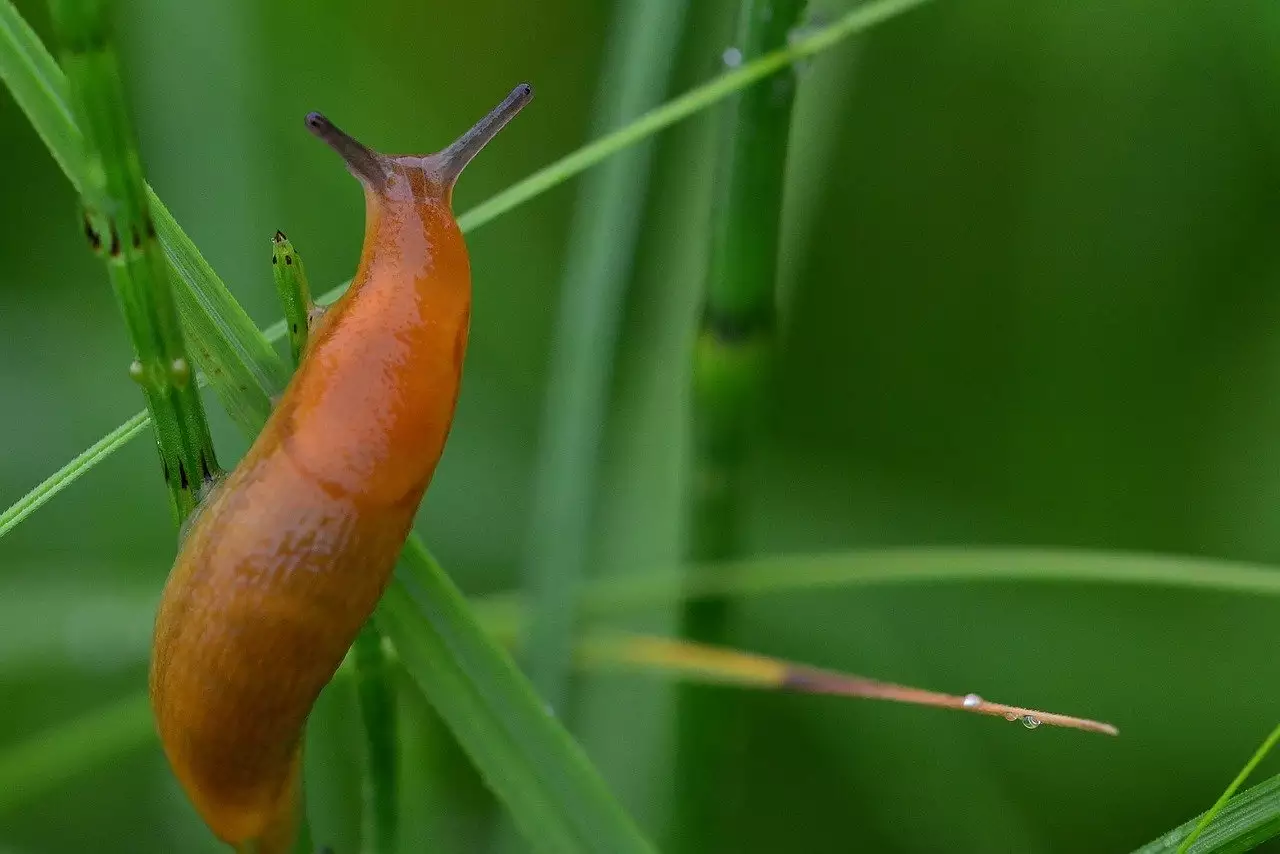
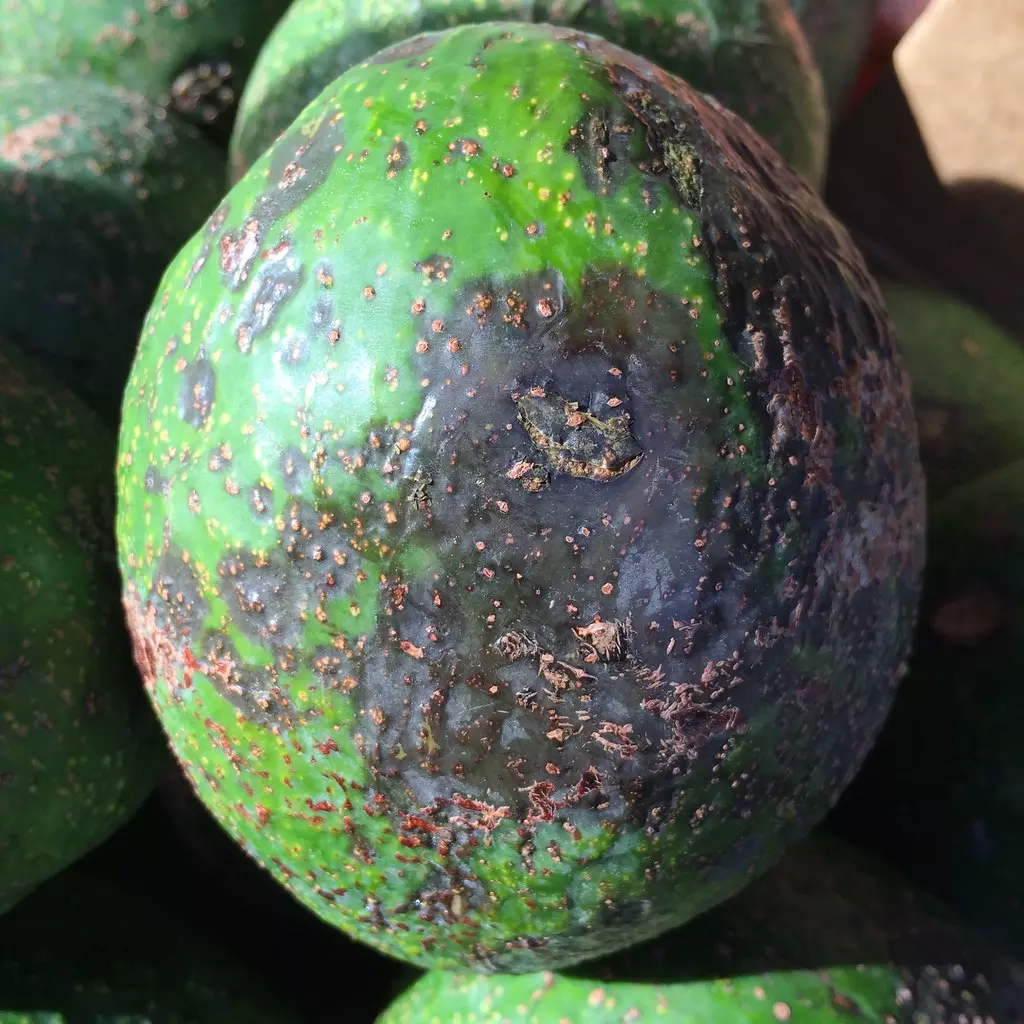
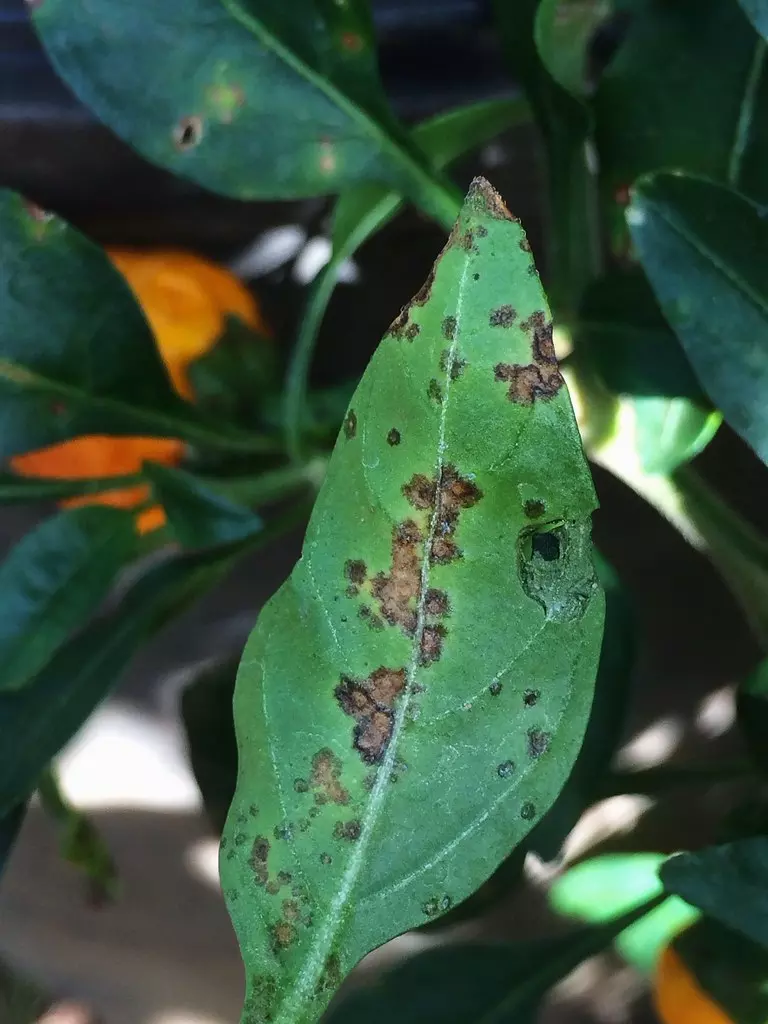
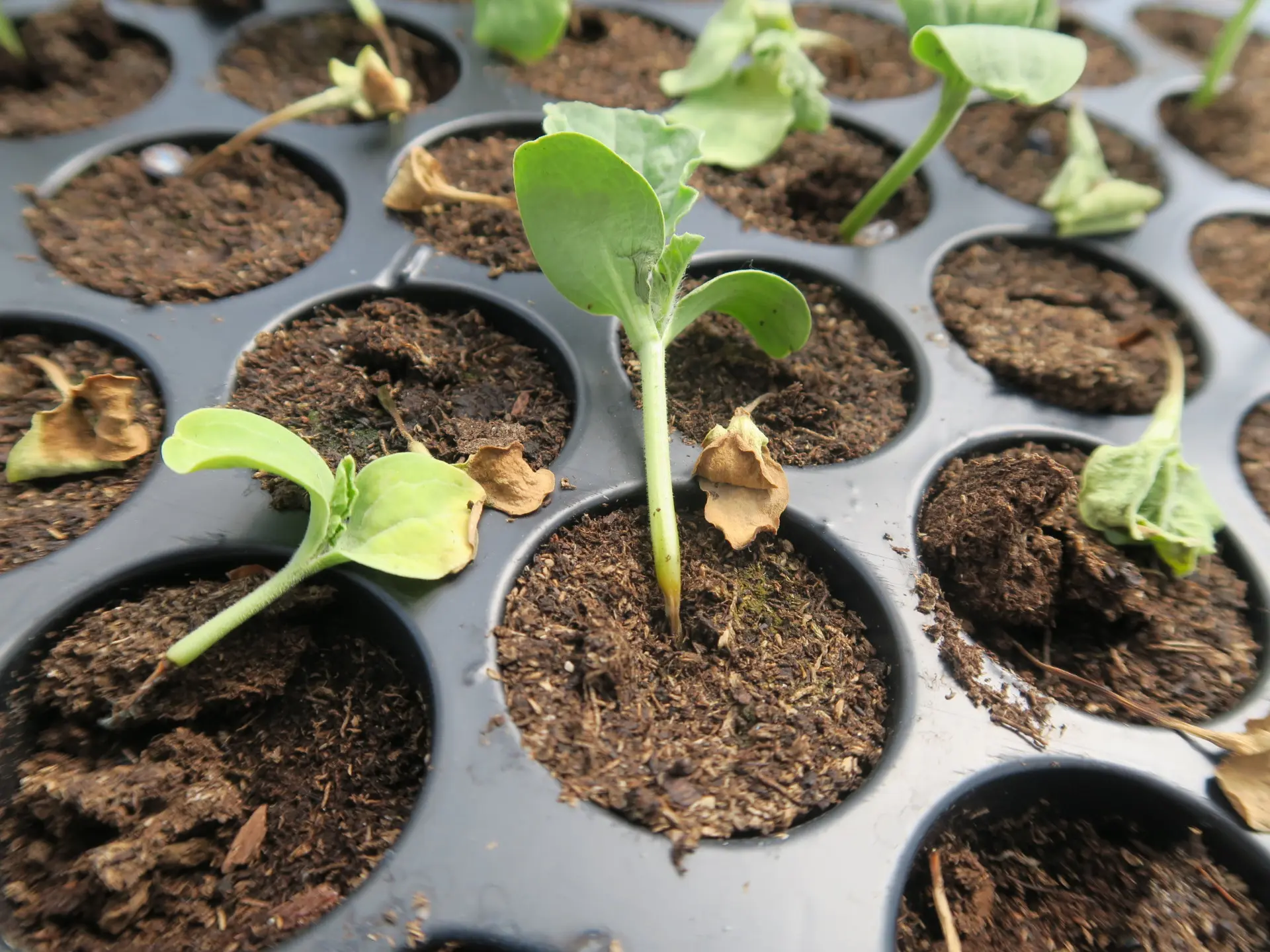
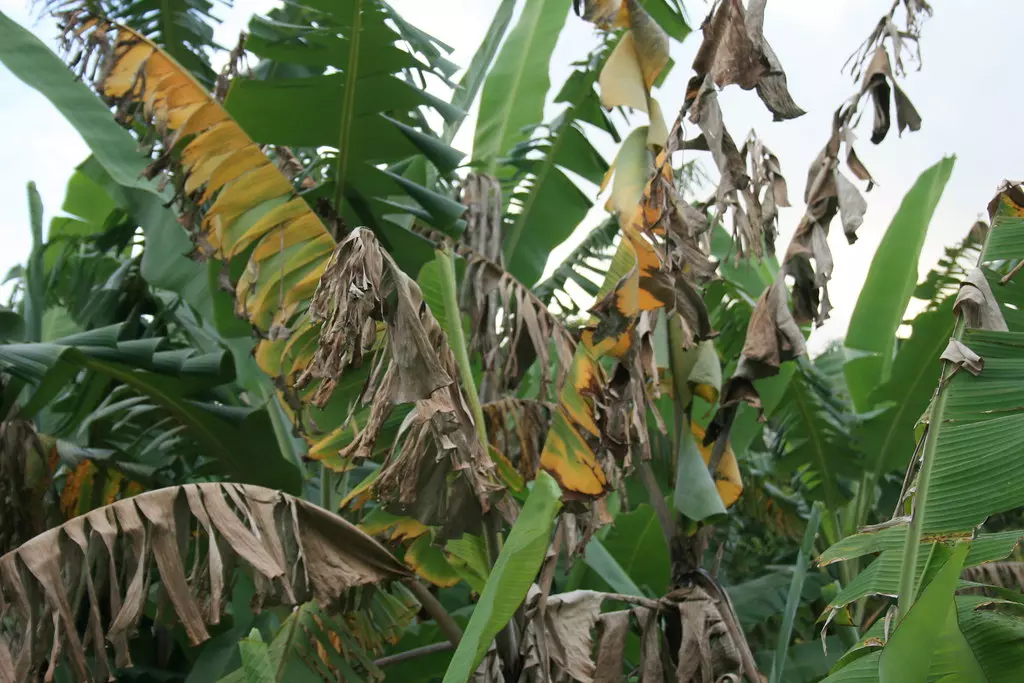
Diseases
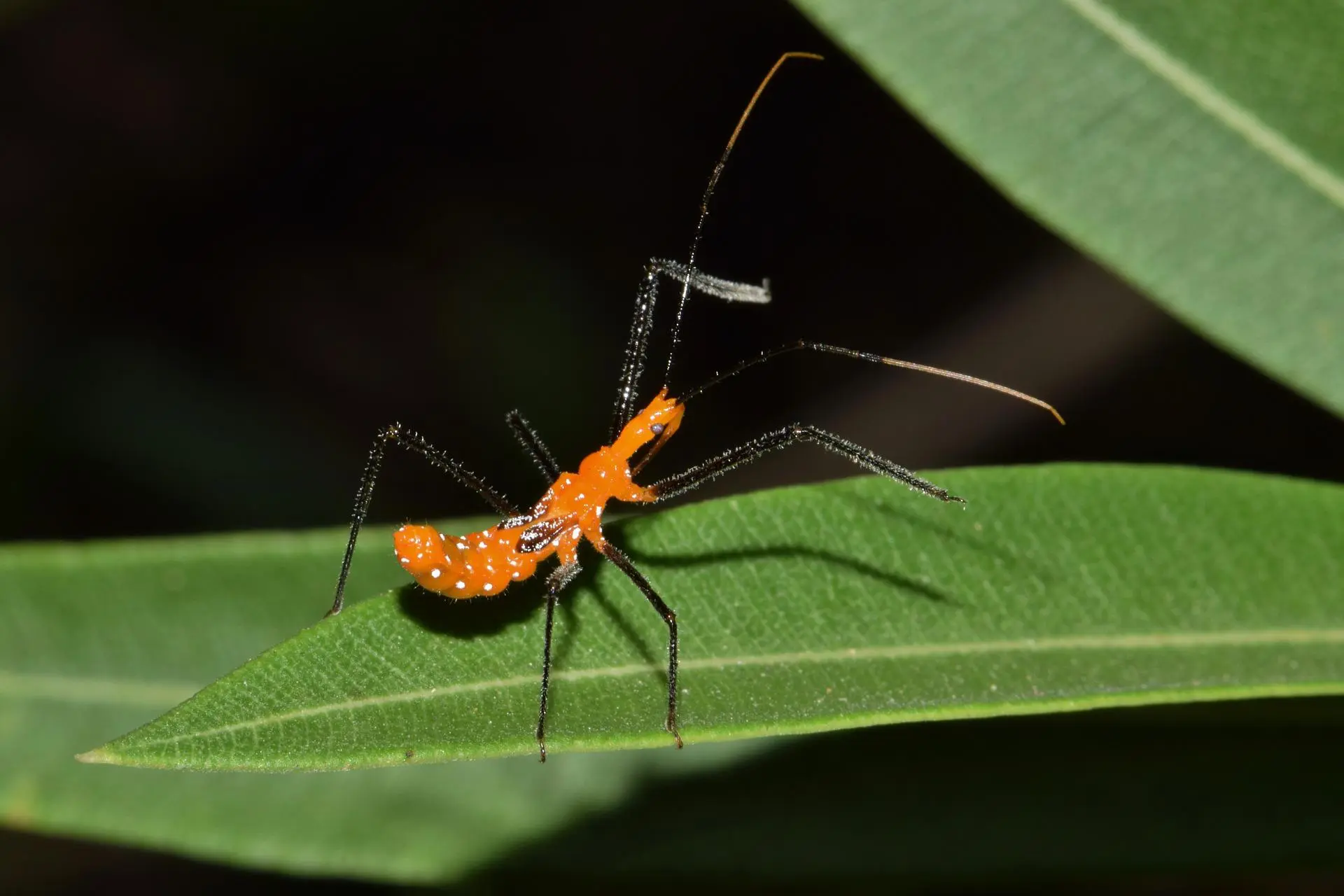
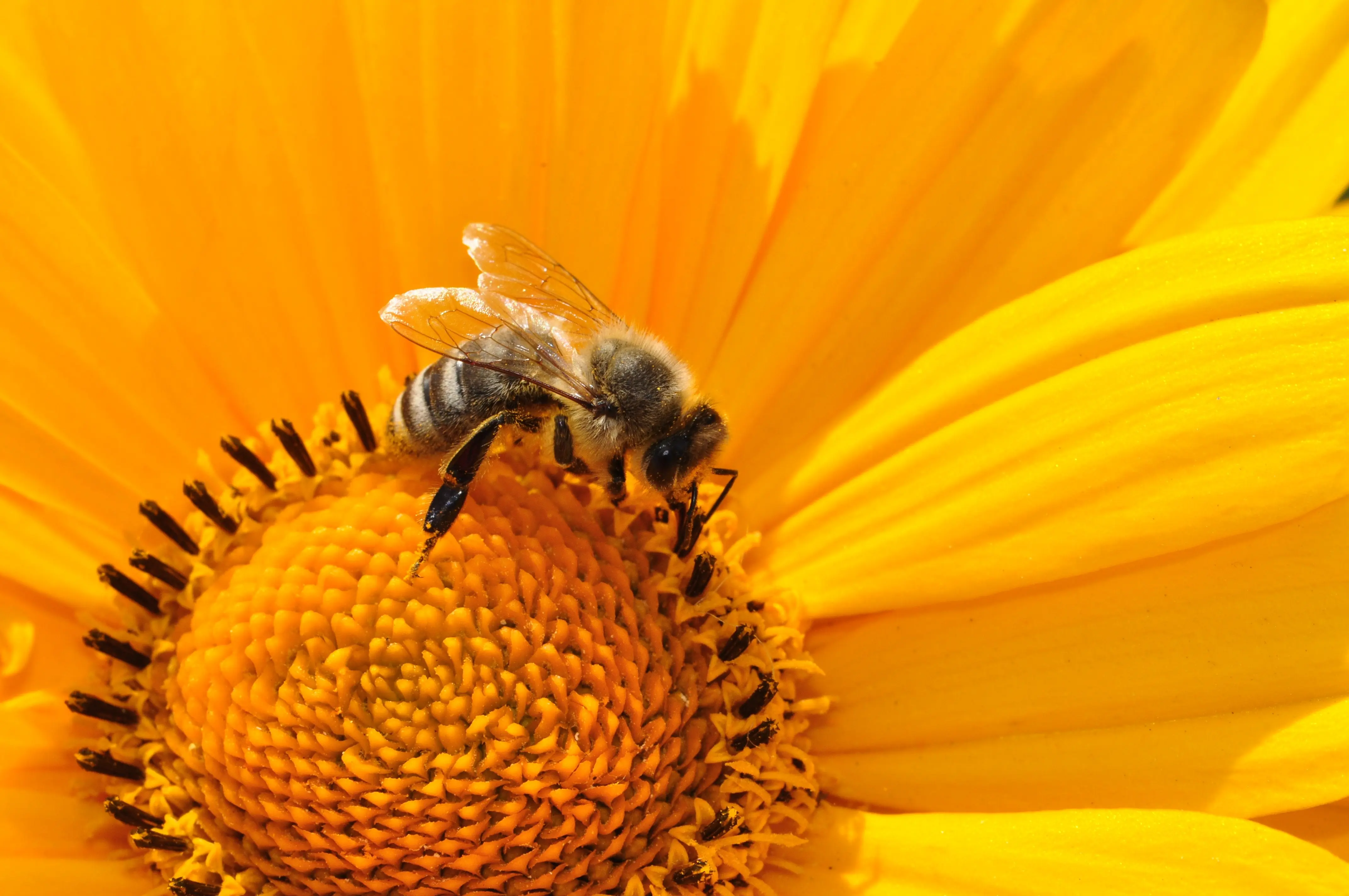
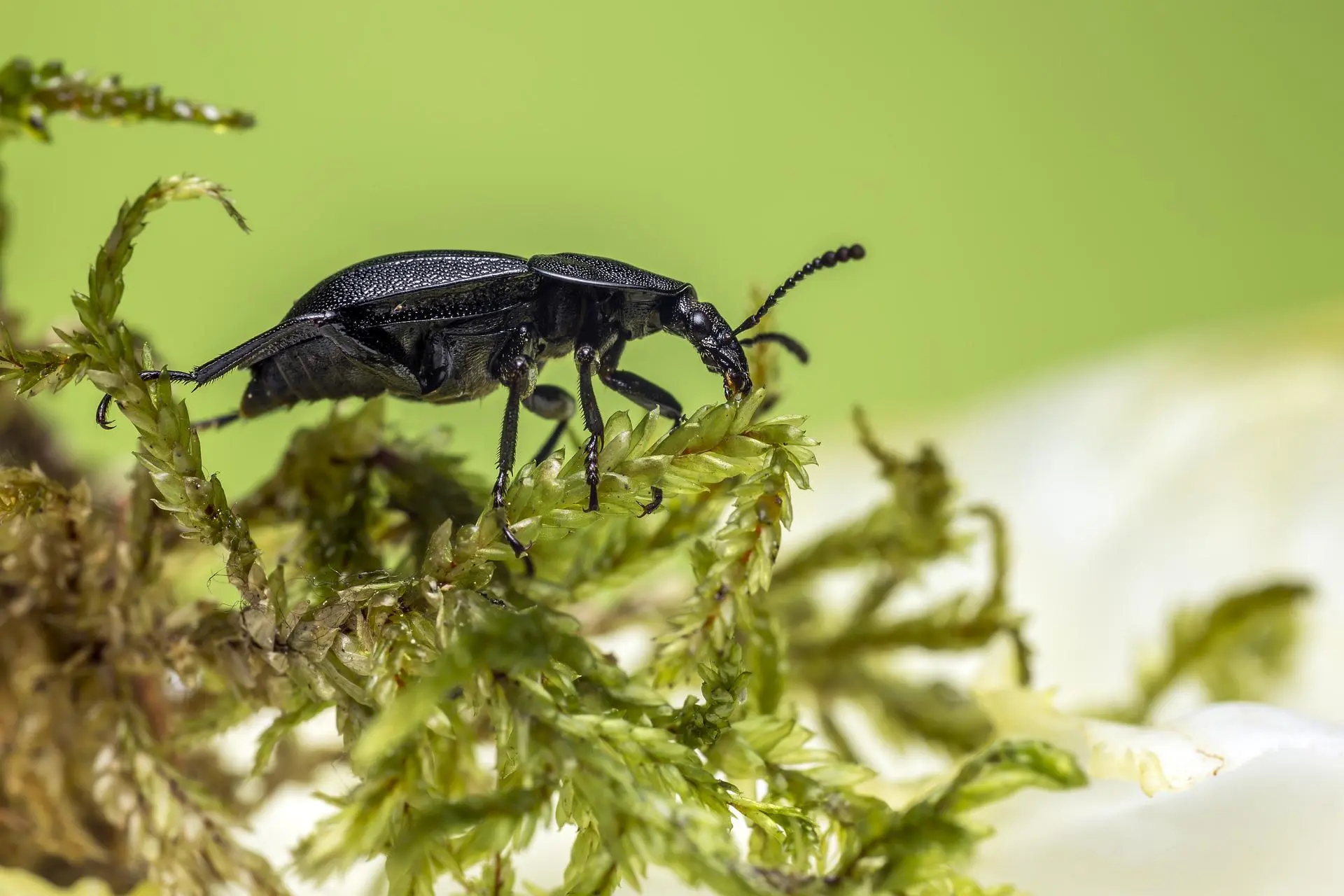
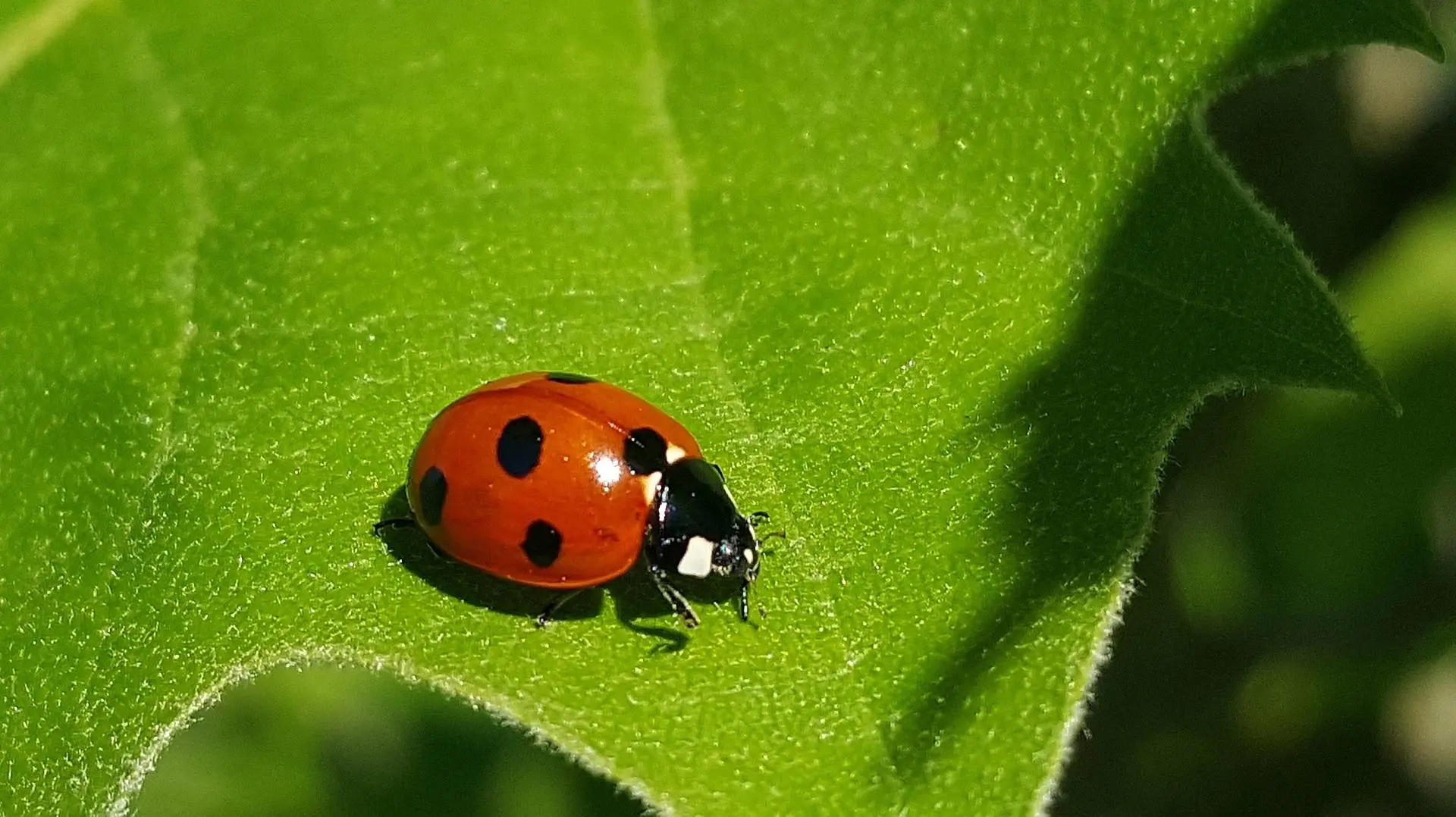
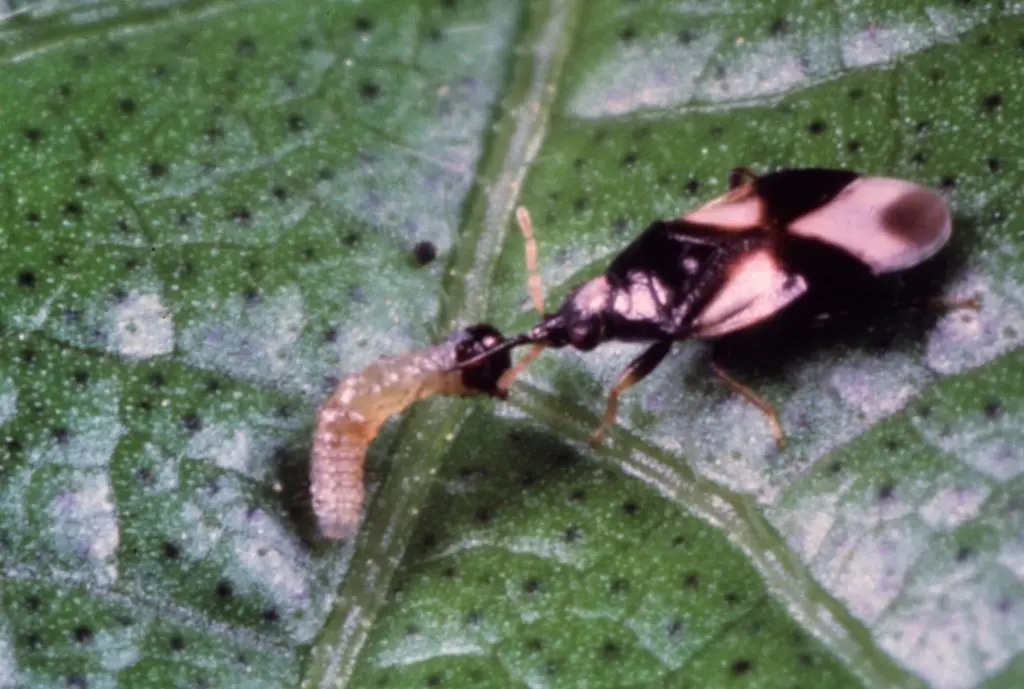
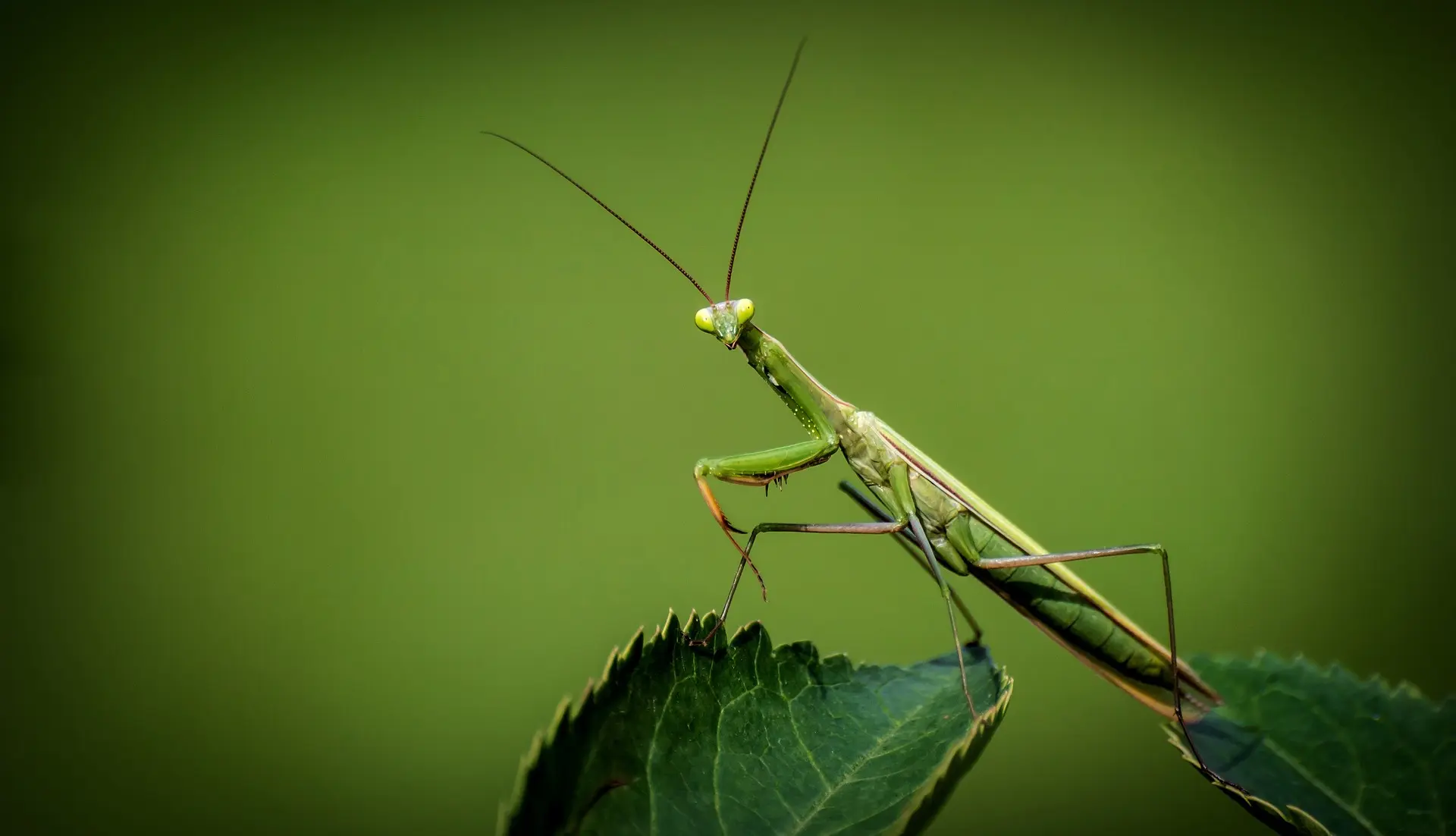
Beneficial Critters
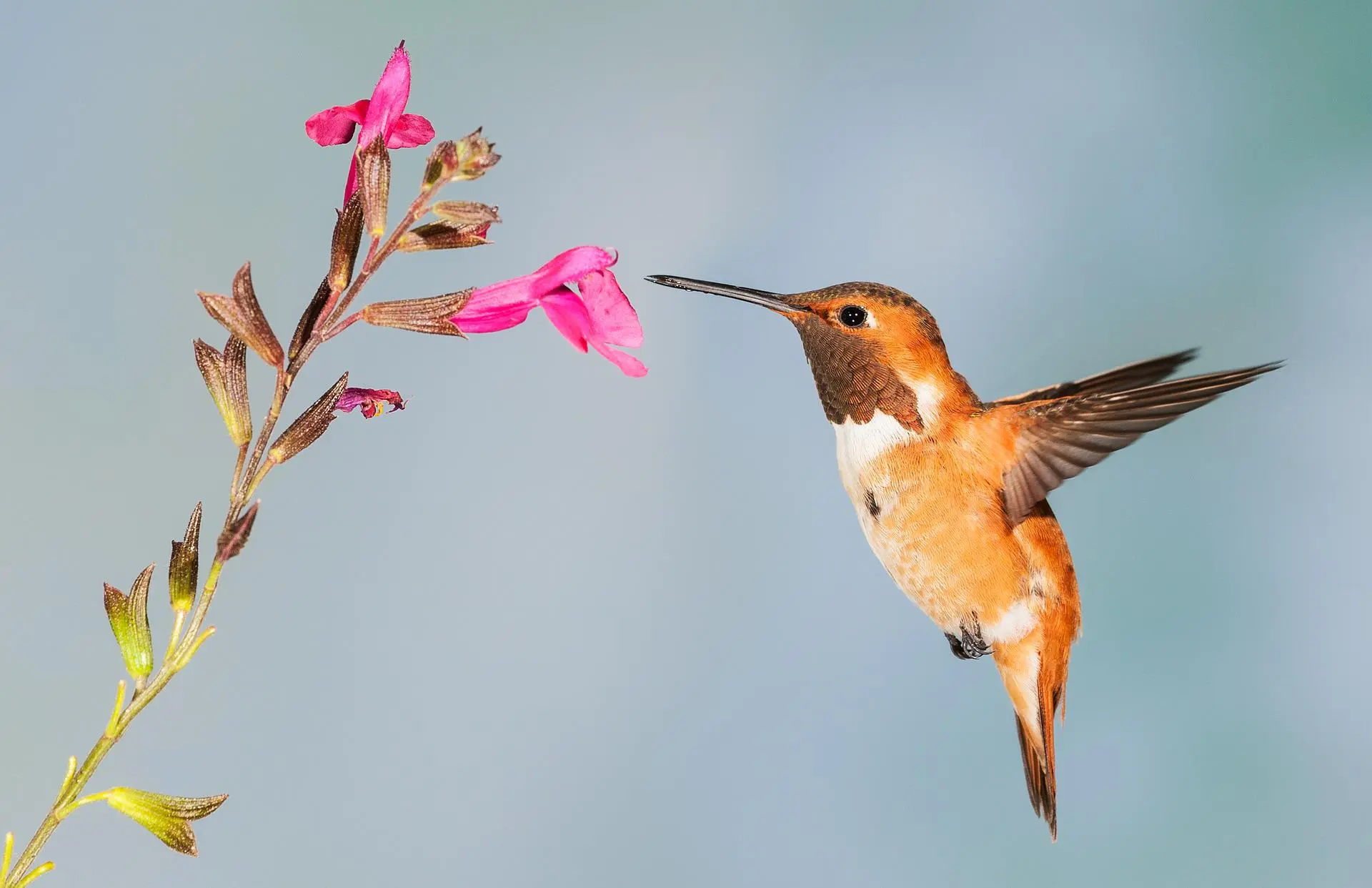
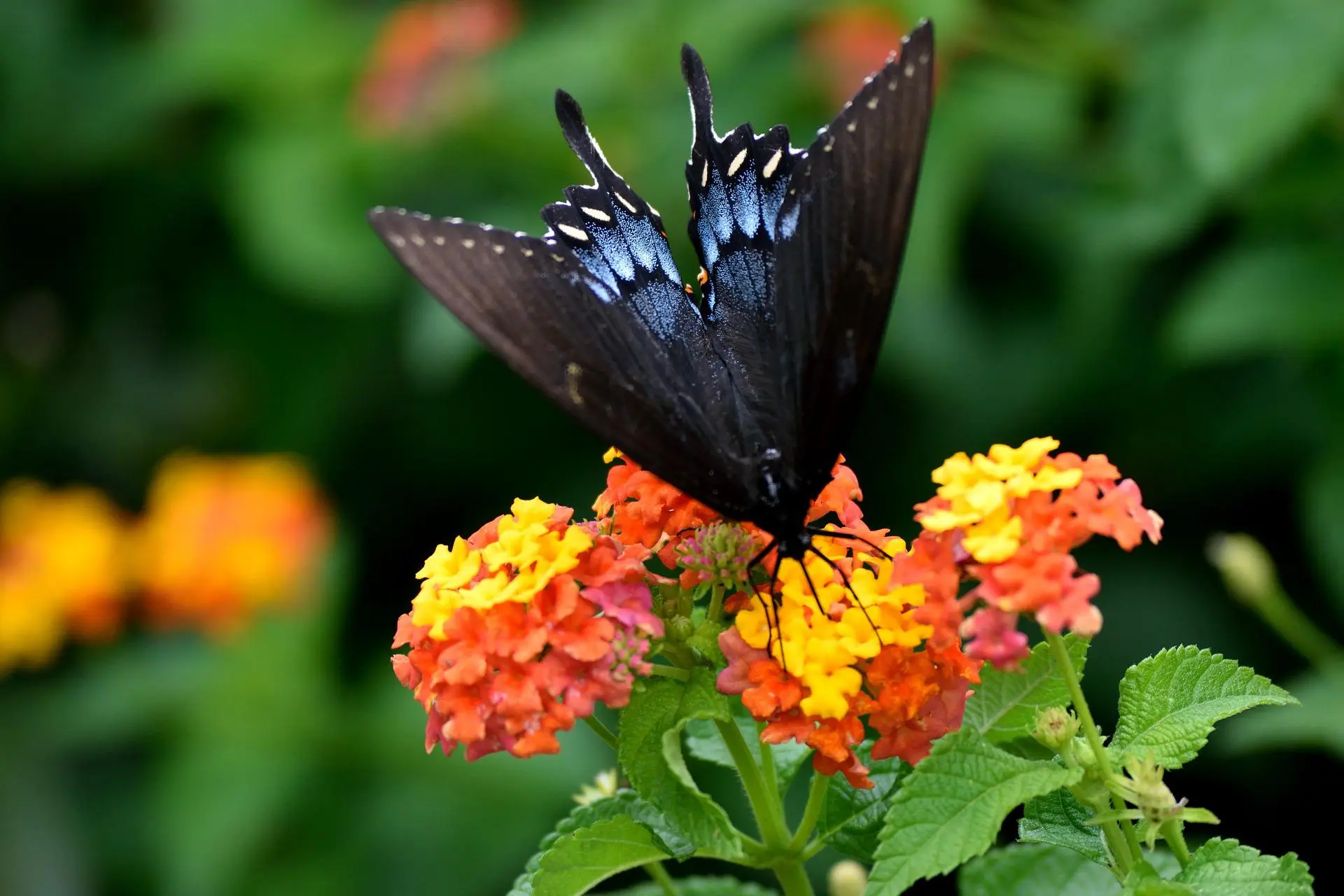
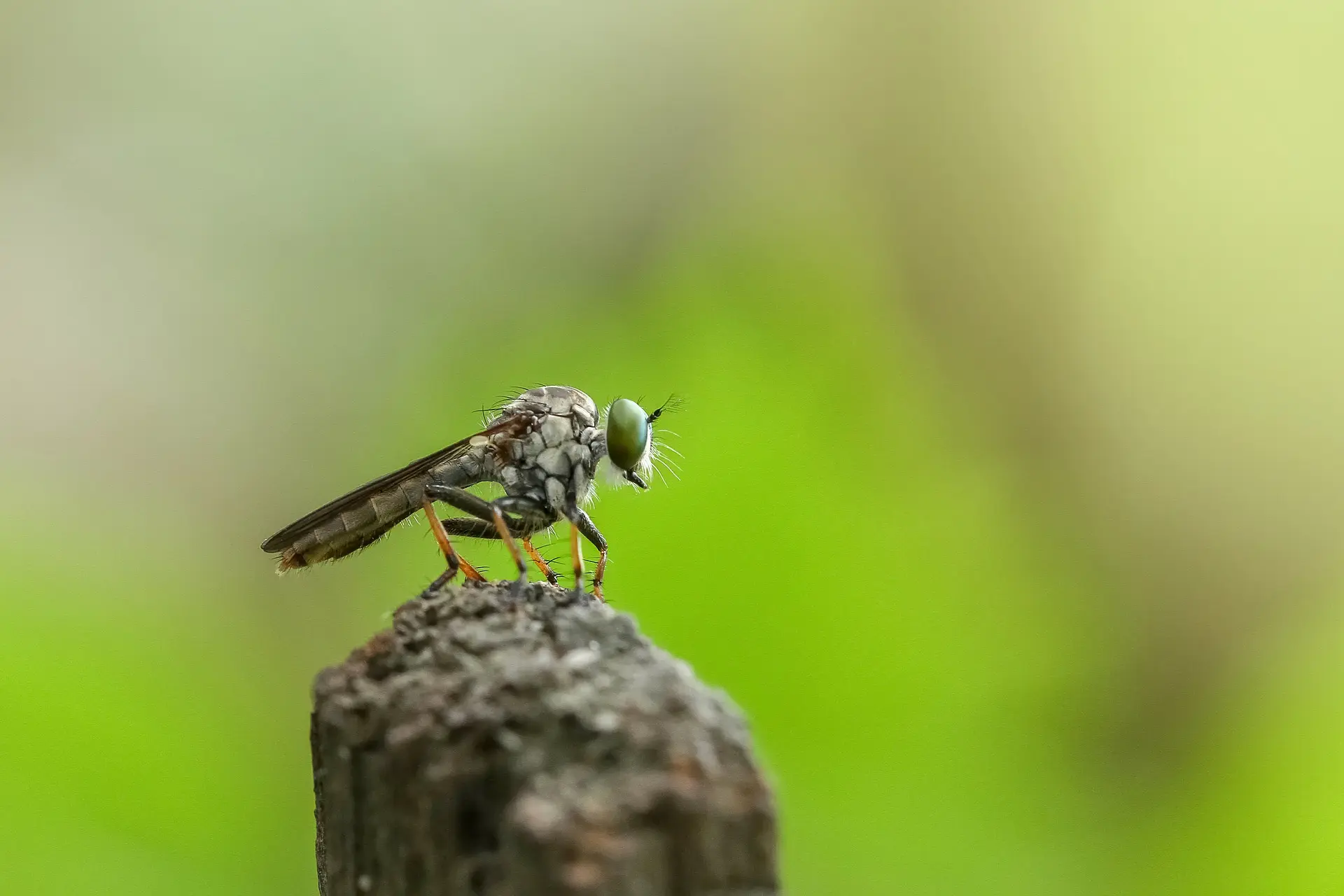
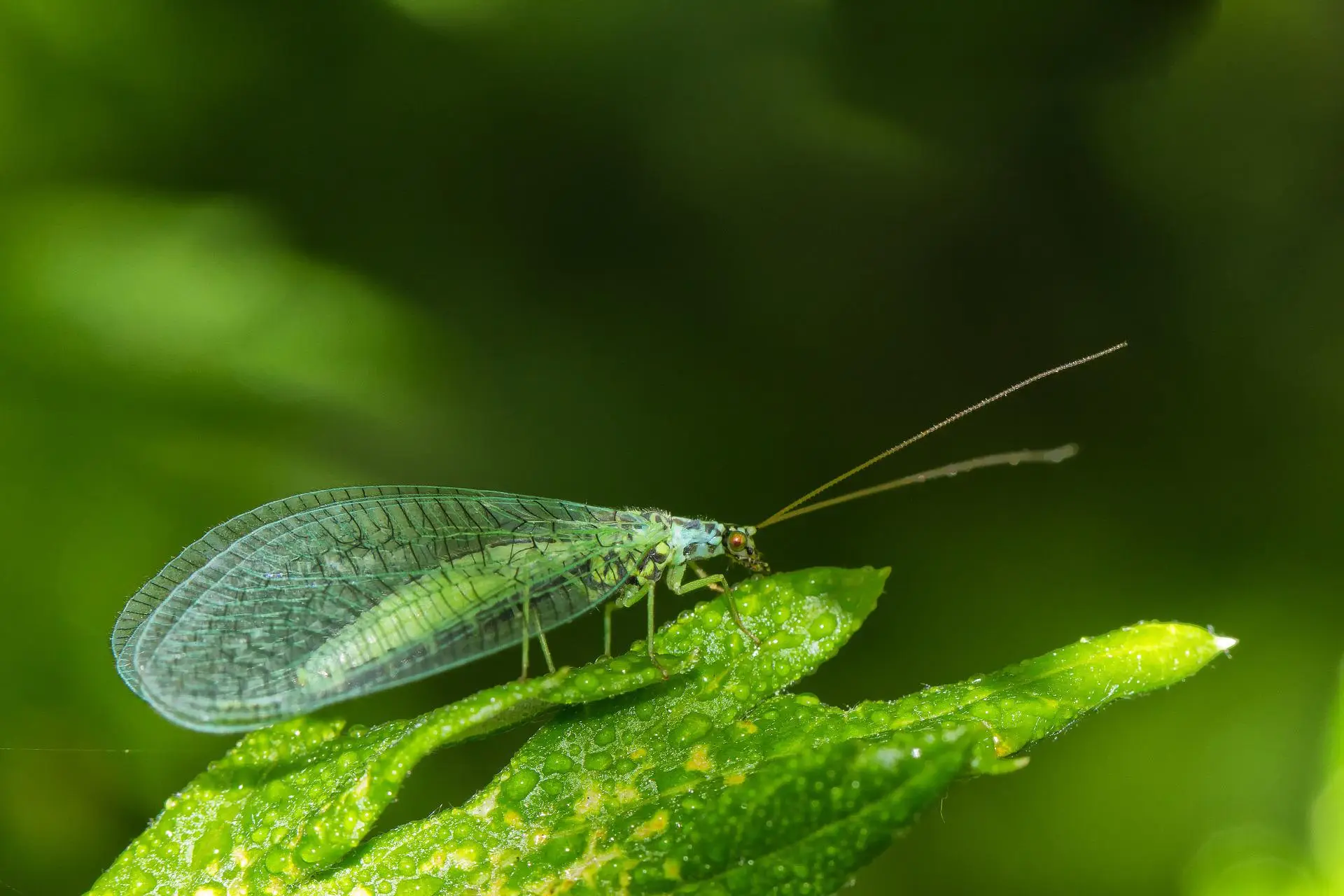
Growing from Seed
Because tomatillos are a long-growing, warm-season crop they are typically started from seed indoors then transplanted outside. In some warmer climates tomatillos can be sown directly outside. Keep the seed starting mix consistently moist but not wet. A heat mat can be used to aid germination. Use grow lights to provide supplemental light as soon as the seeds germinate. Depending on the size of the container they were started in, tomatillo seedlings may need to be potted up into larger containers as they grow so they don't become root bound and stunted.
Planting Considerations
Transplant tomatillo seedlings outdoors after all risk of frost has passed and the weather is consistently warm. Tomatillos are sensitive to cold and transplanting them in cool weather can cause them to suffer and potentially die. Seedlings should be hardened off before transplanting. Tomatillos prefer loamy, fertile, well-draining soil. Add compost to the soil prior to planting. Tomatillo seedlings can be transplanted deeper than they were originally grown. This can encourage a stockier, more vigorous plant since tomatillo plants readily develop new roots along their stem. Remove the lowermost leaves if needed and plant up to 5-6" (13-15 cm) deep. Apply mulch around the plants to manage weeds and to help retain moisture. Some gardeners like to use black plastic mulch around tomatillos to help warm the soil. Row cover can be used to protect young seedlings from pests and to help keep the plants warm. Tomatillos can be grown in containers. Choose a container that holds at least 5 gallons for each plant. Tomato cages (even the flimsy wire ones) are perfect for keeping tomatillo plants upright and supported. Install cages at the time of transplanting to avoid damaging the branches later on.
Feeding
Tomatillos are heavy feeders. Fertilize regularly throughout the growing season with a balanced fertilizer. Excessive nitrogen can cause the plant to put energy into leaf growth and can delay fruiting.
Harvesting
A telltale sign that tomatillos are ready to harvest is when the papery husks just start to break open. Sometimes ripe tomatillos will fill out the papery husk but it will not break; in this case feel the fruit to confirm that it has fully filled out the husk. Tomatillos are prolific producers; regular harvesting is necessary to ensure the fruits don't become overripe on the plant. Overripe tomatillos can still be eaten but their flavor tends to be more muted; this is likely not noticeable if you have a few overripe fruits mixed in with ripe fruit. Ripe tomatillos usually snap off the plant very easily by hand, husk and all. To be extra-cautious you can use clean snips to ensure the plant stem does not tear. Be aware that tomatillos leave a sticky residue on your hands- this is normal.
Note that unripe fruits (as well as other plant parts) are toxic.
Storage
Tomatillos should be left in their husks until you are ready to use them. Tomatillos can be kept on the counter for up to a few days or in the fridge for up to several weeks. Tomatillos can also be de-husked, washed, and frozen whole in freezer safe bags. Frozen tomatillos can be frozen for up to a year. Tomatillos can also be processed into salsa verde then stored in the fridge or freezer, or canned for long-term storage. Follow canning instructions from a reputable source.
Pruning
Tomatillos do not require pruning however the plants can be lightly trimmed if needed to manage their size.