Mint
Mentha spp.
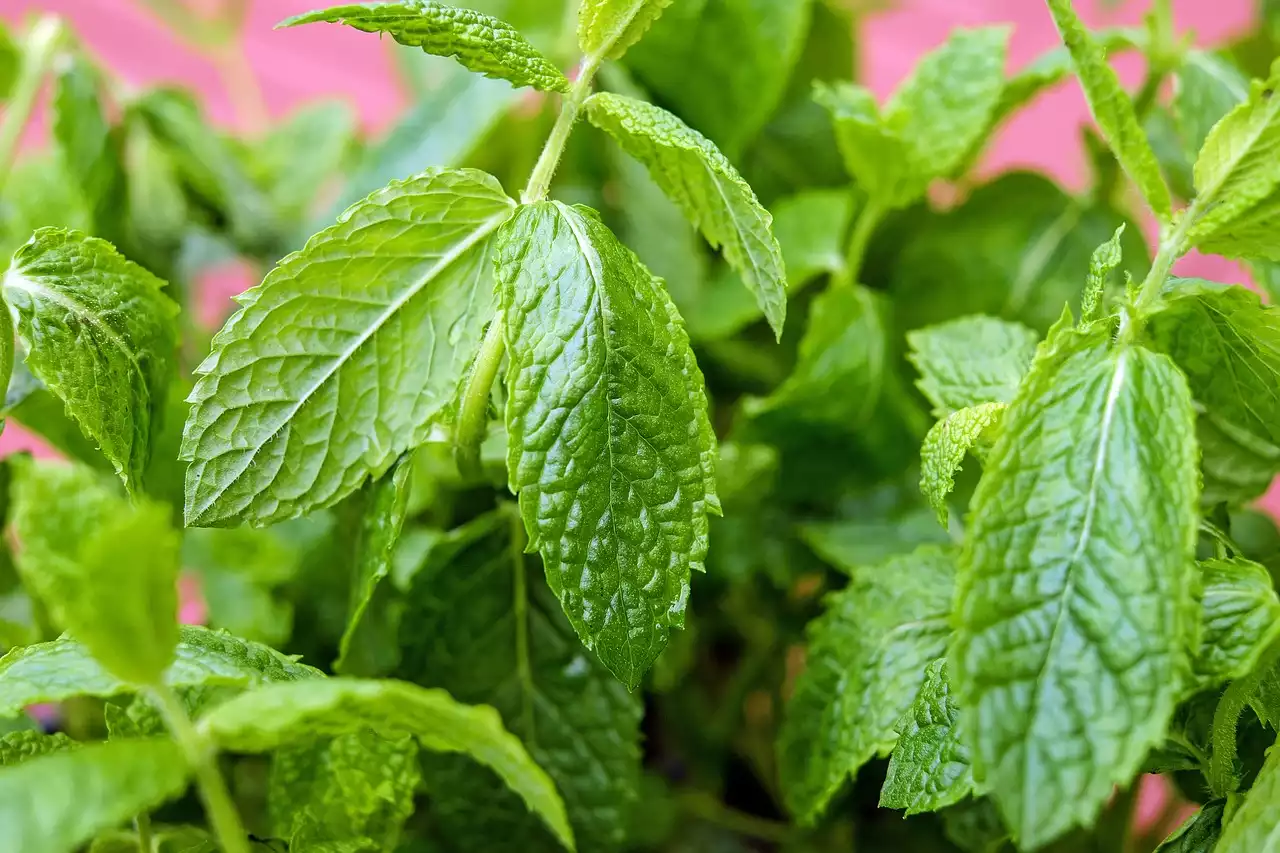
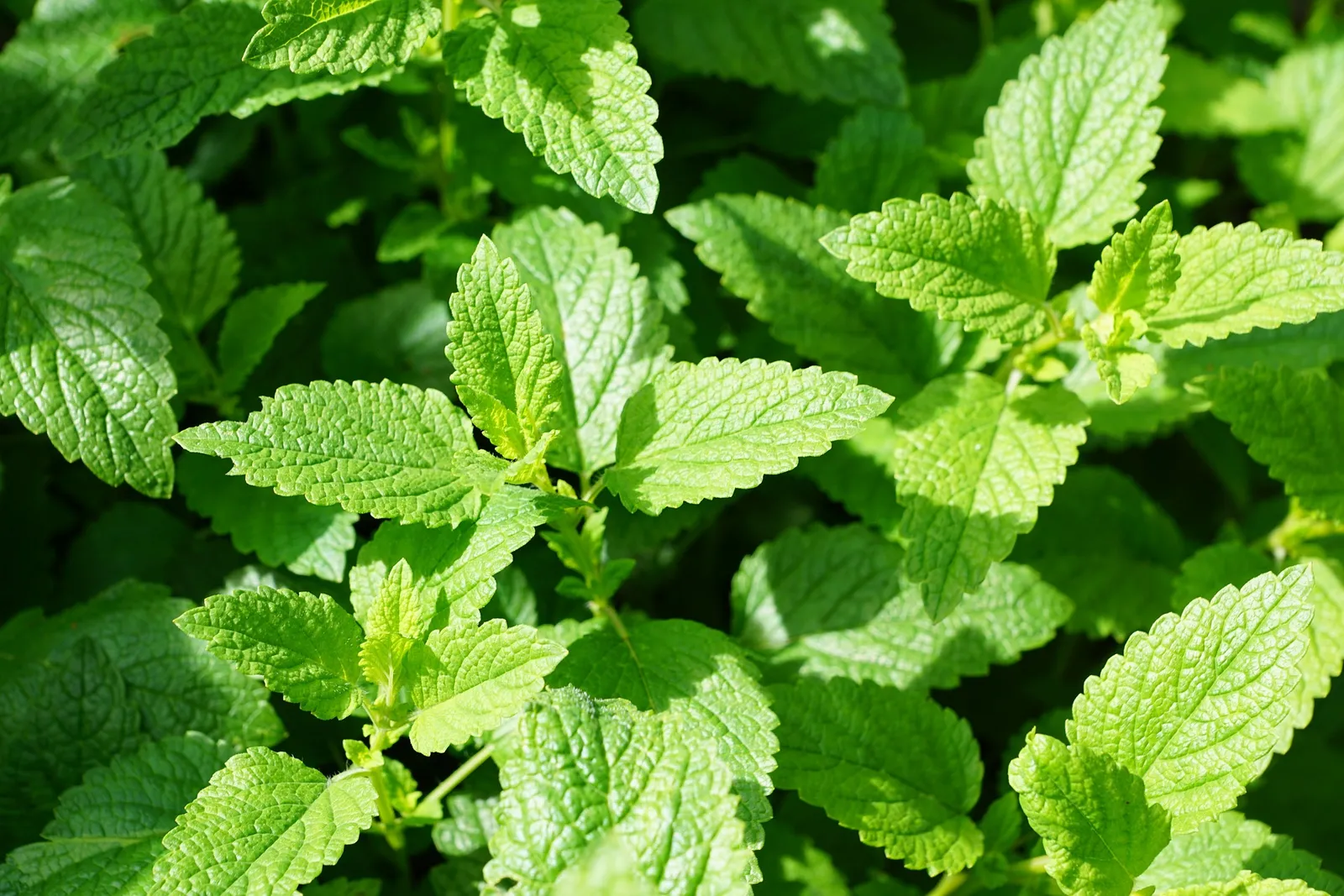
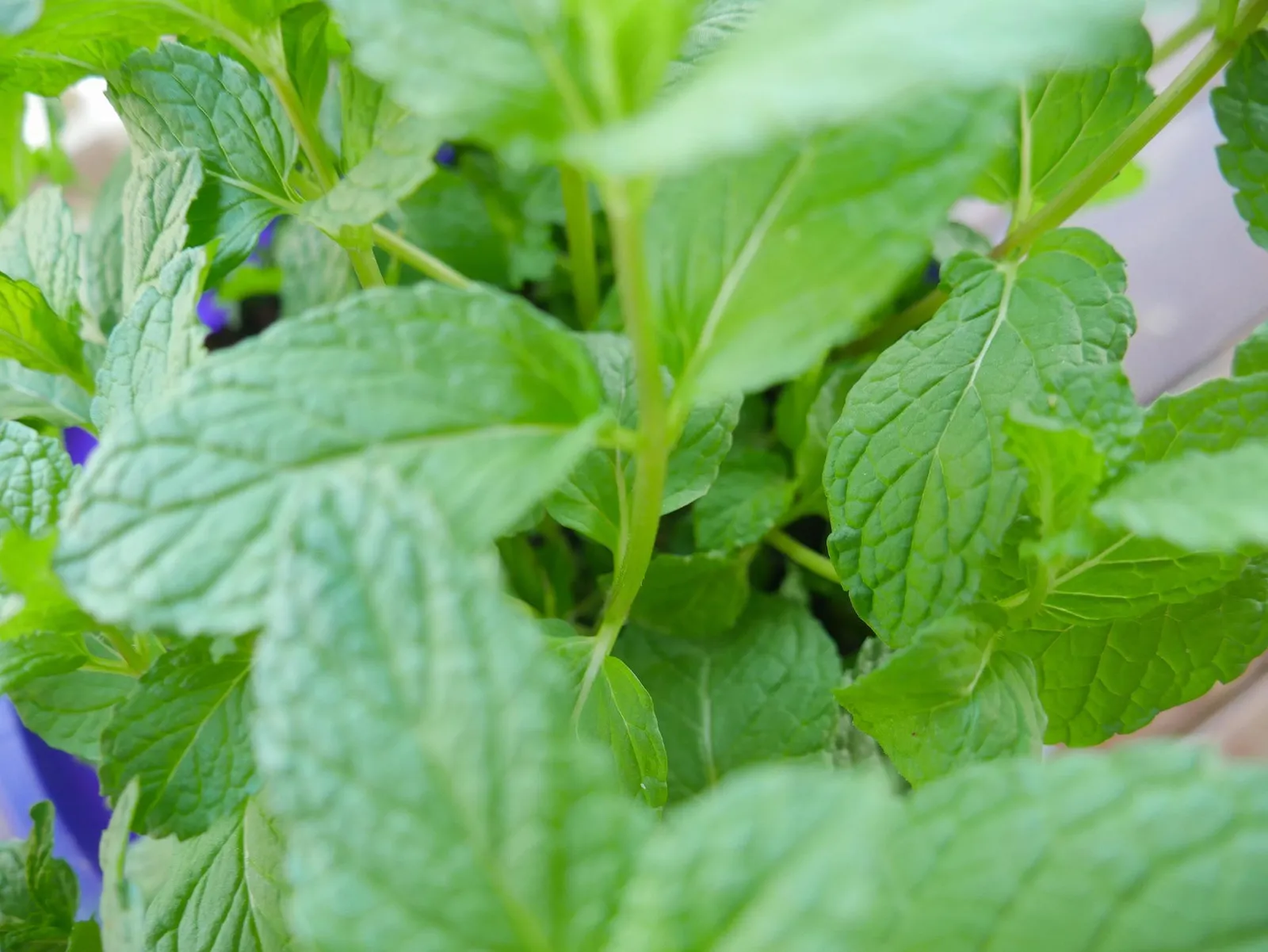
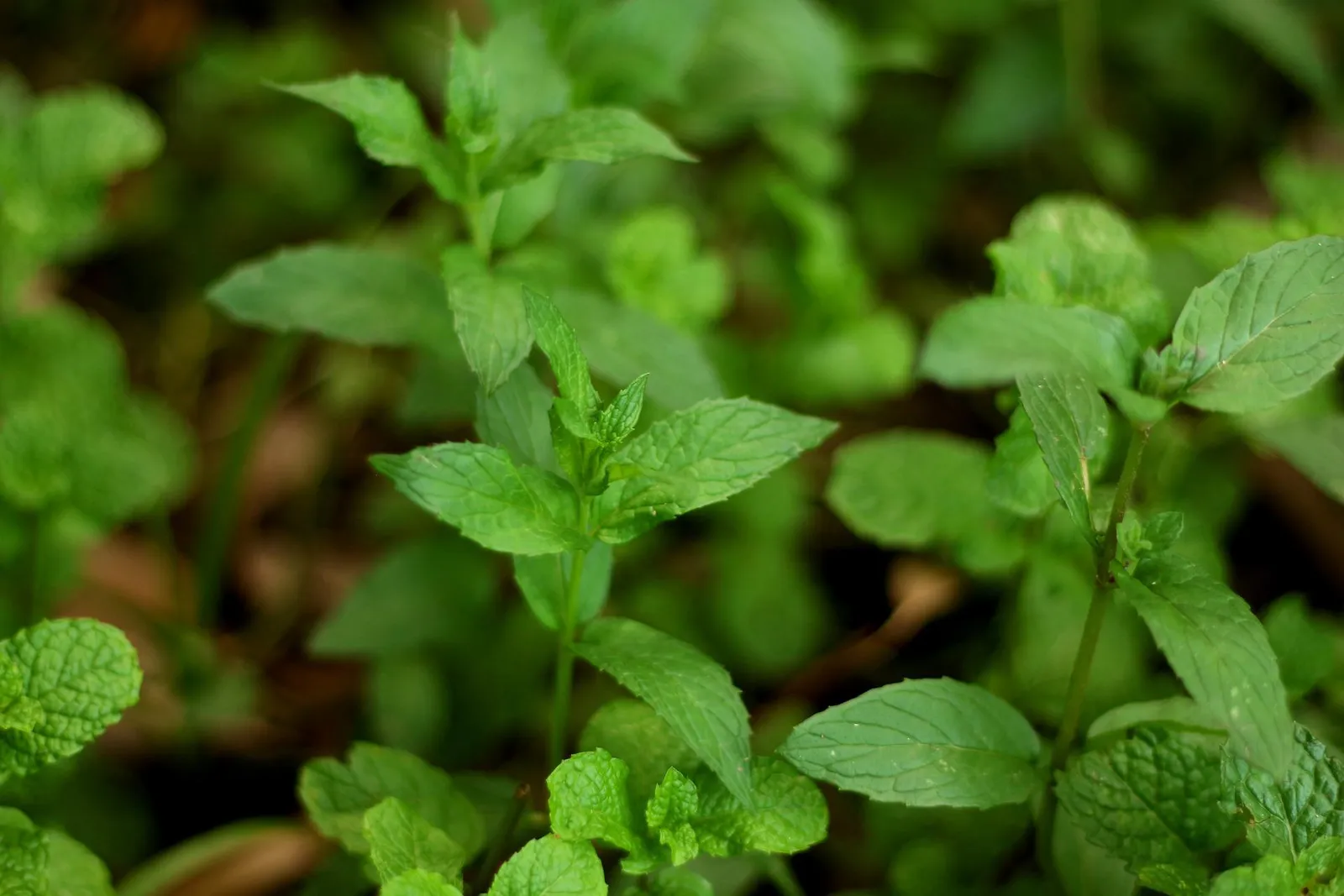
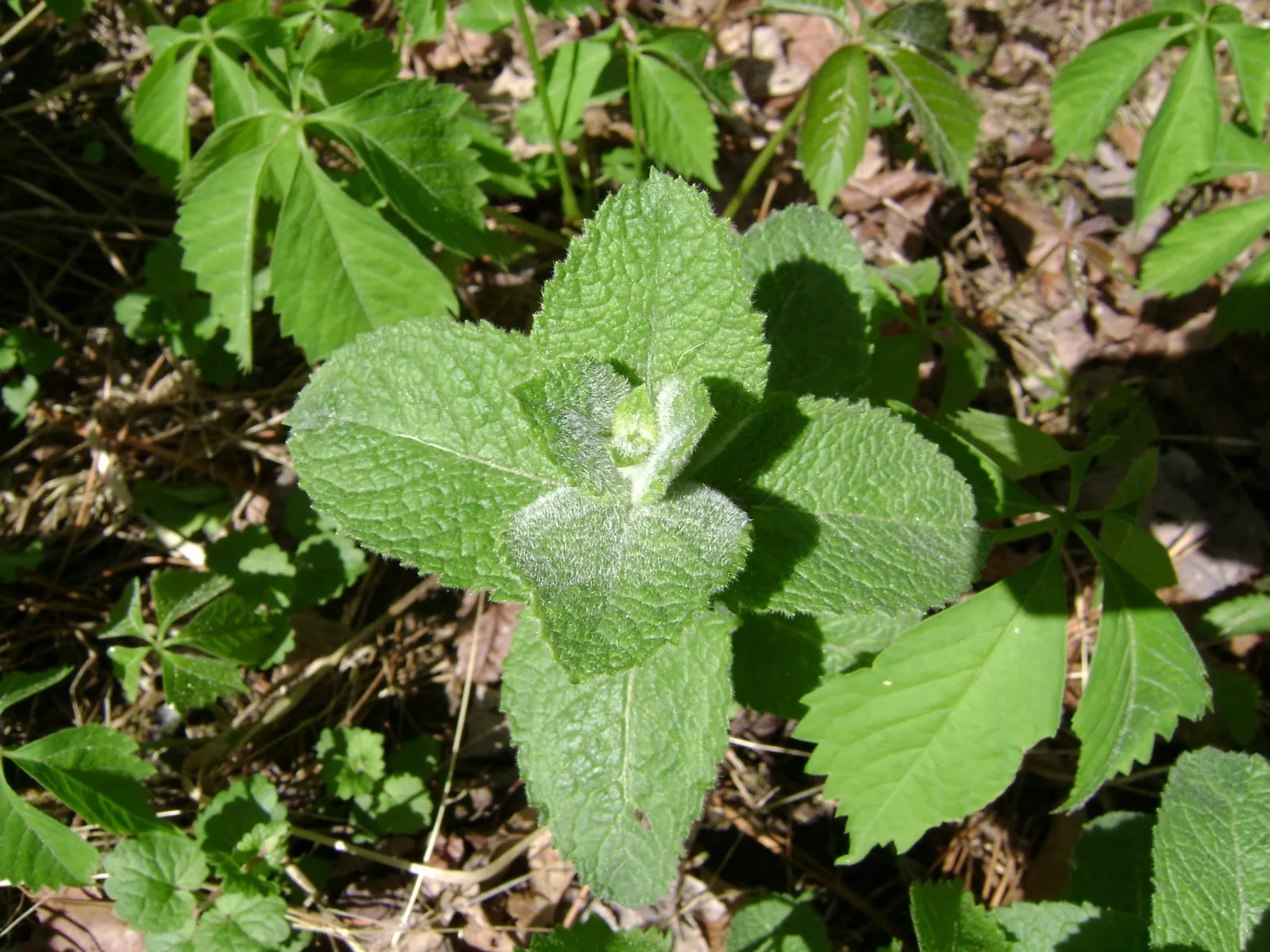
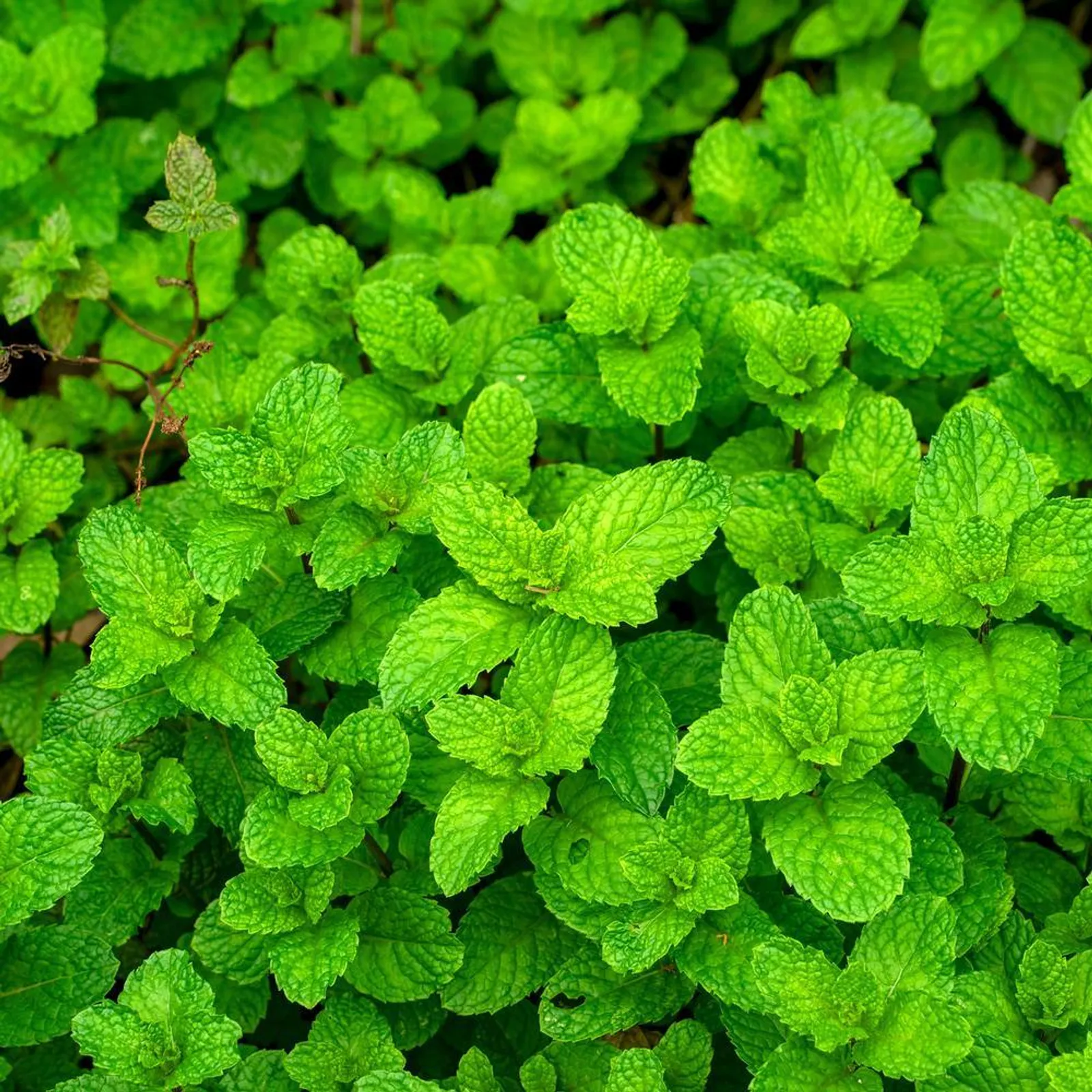
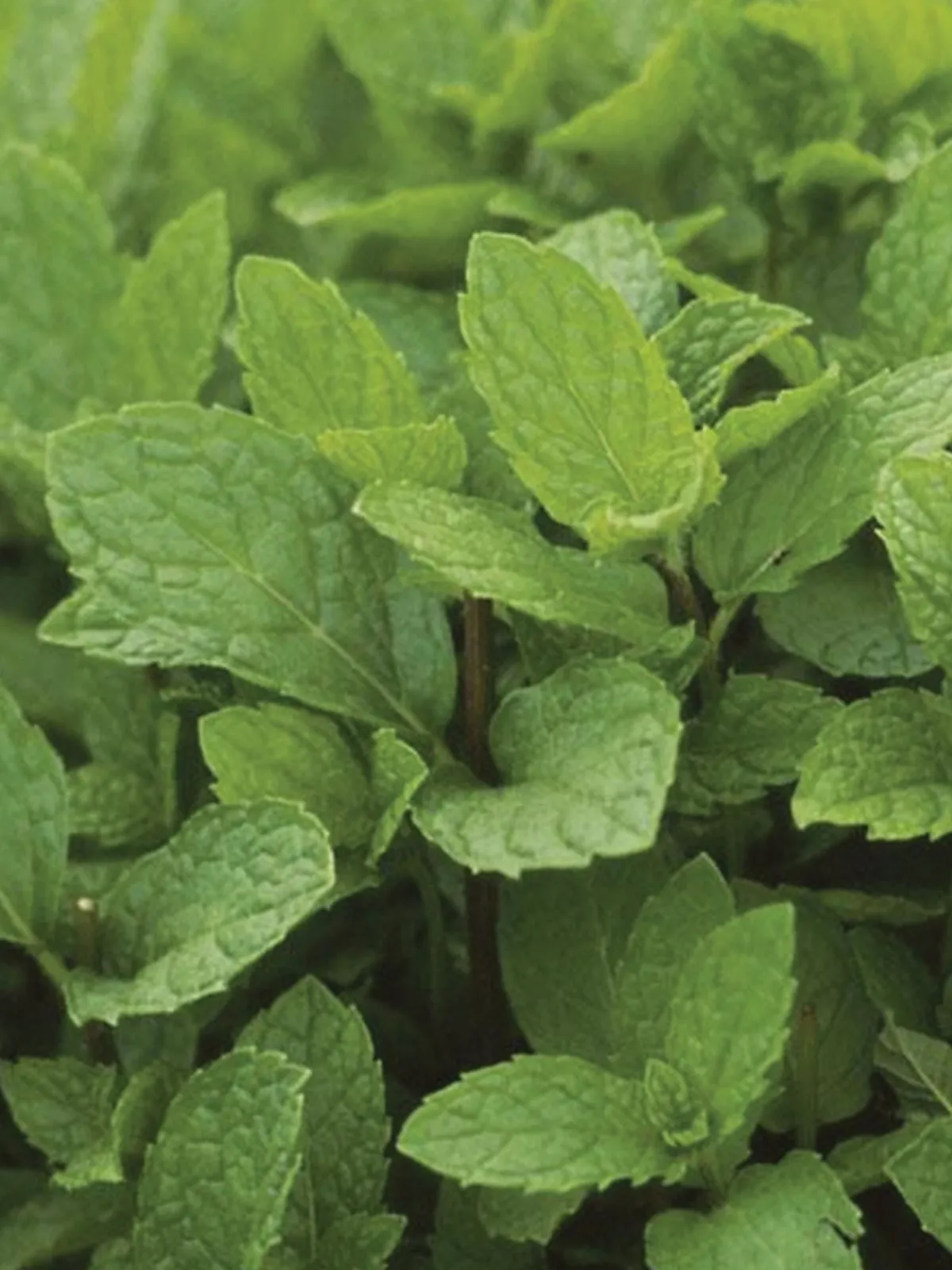
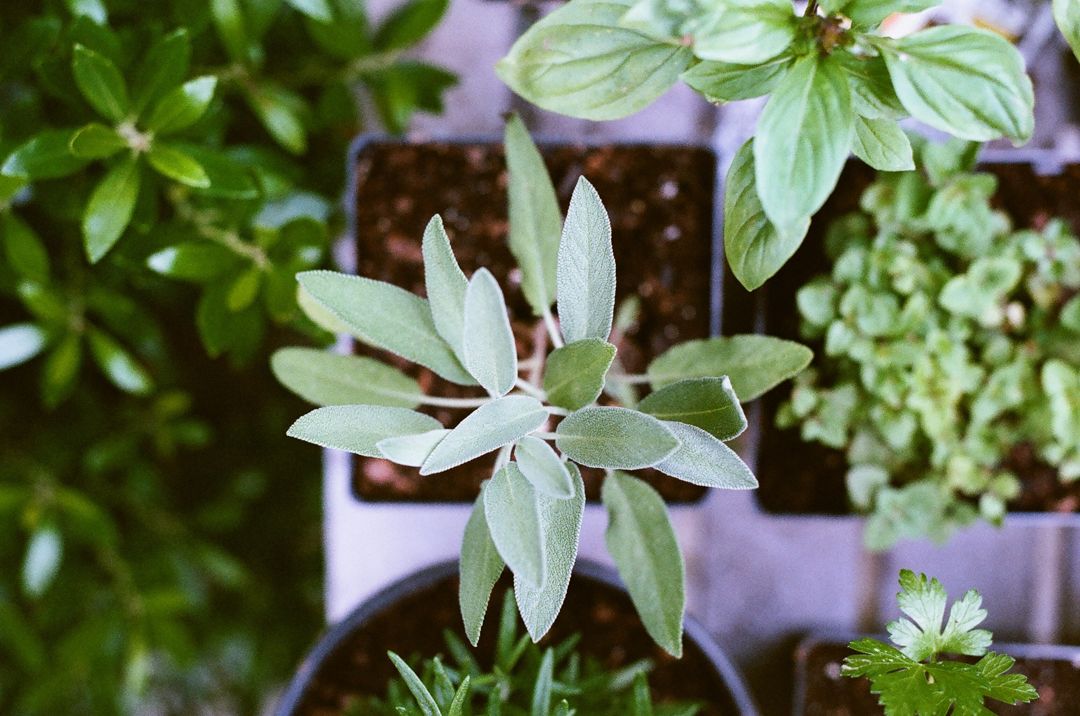
Mint is a perennial with very fragrant, toothed leaves and tiny purple, pink, or white flowers. It has a fruity, aromatic taste. There are many varieties of mint—all fragrant, whether shiny or fuzzy, smooth or crinkled, bright green or variegated. However, you can always tell a member of the mint family by its square stem. Rolling it between your fingers, you’ll notice a pungent scent and think of candy, sweet teas, or maybe even mint juleps.
How to Grow Mint
Quick Info


Put away the pen and paper
Plan your veggie garden in minutes with Planter's easy drag and drop planner.
Try Planter for Free
Varieties
Related Articles

Companion Plants






Combative Plants
Pests
Beneficial Critters
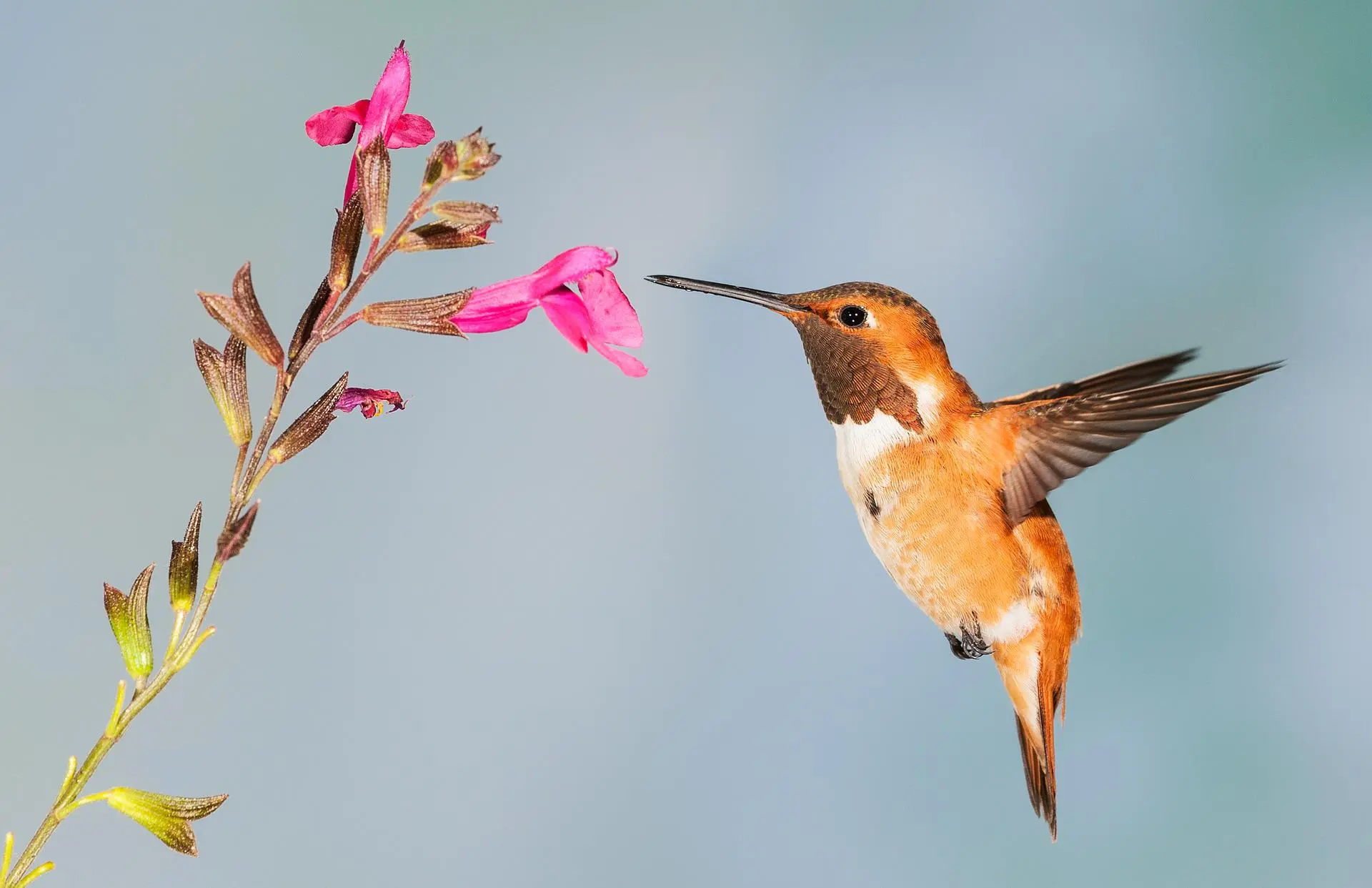
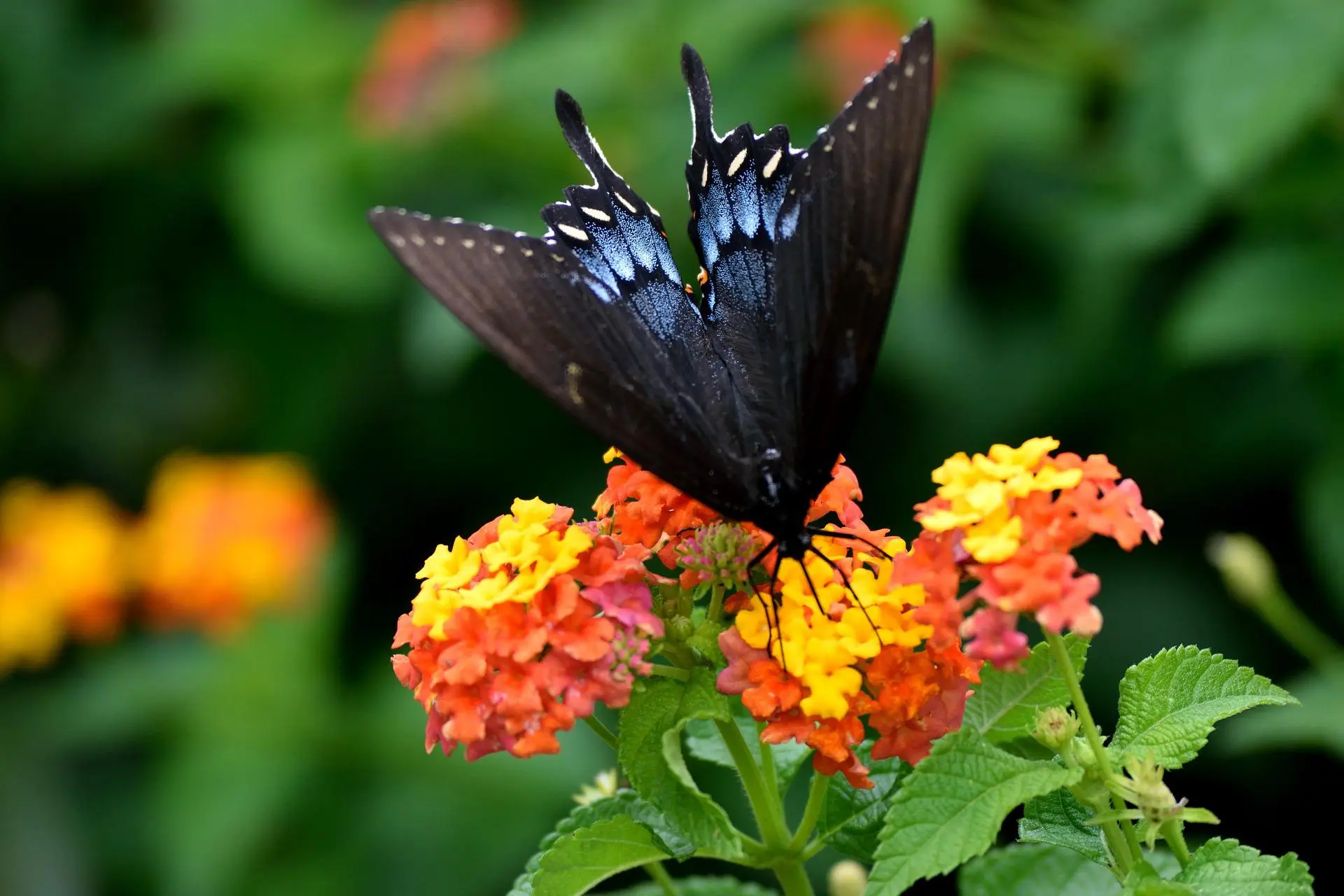
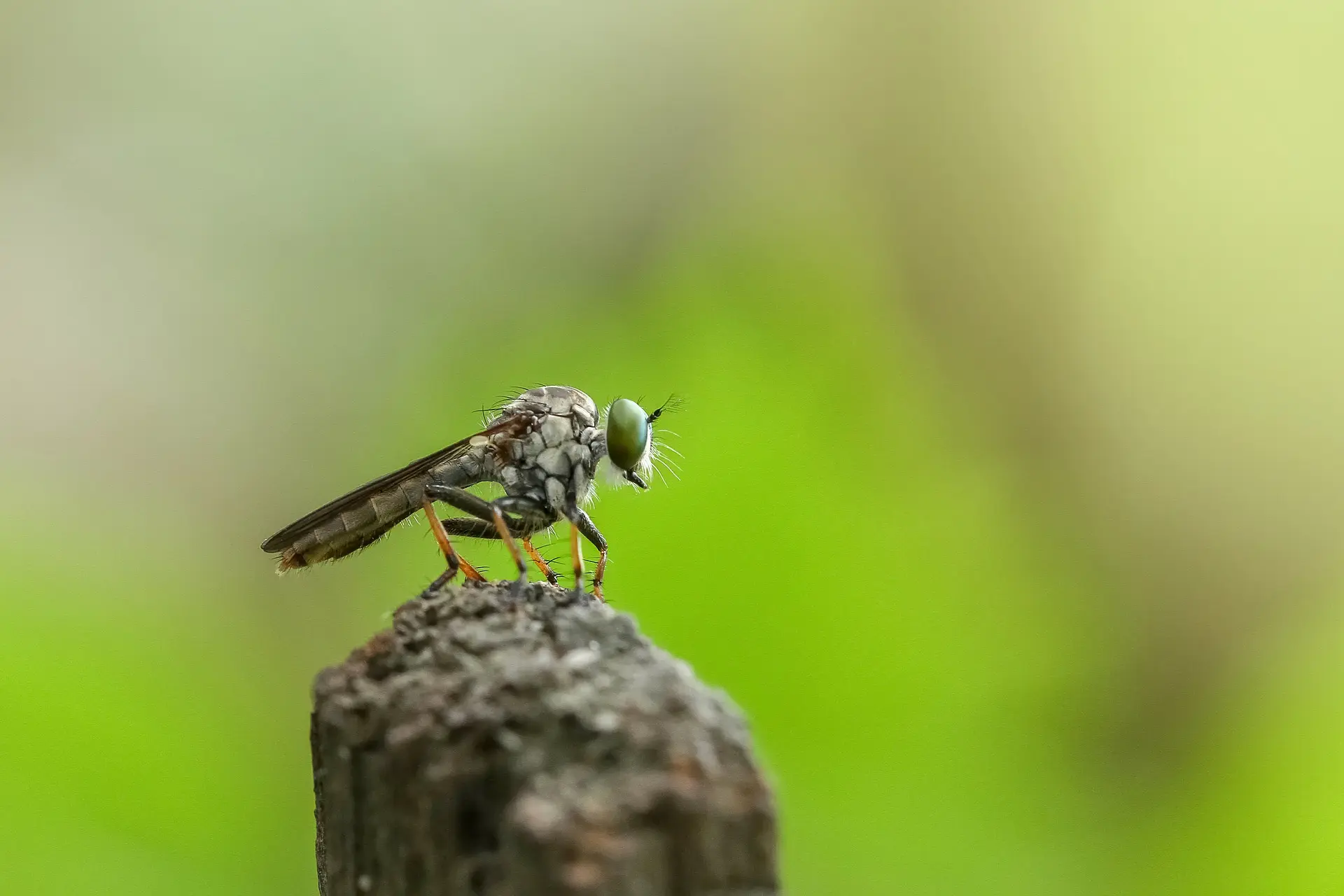
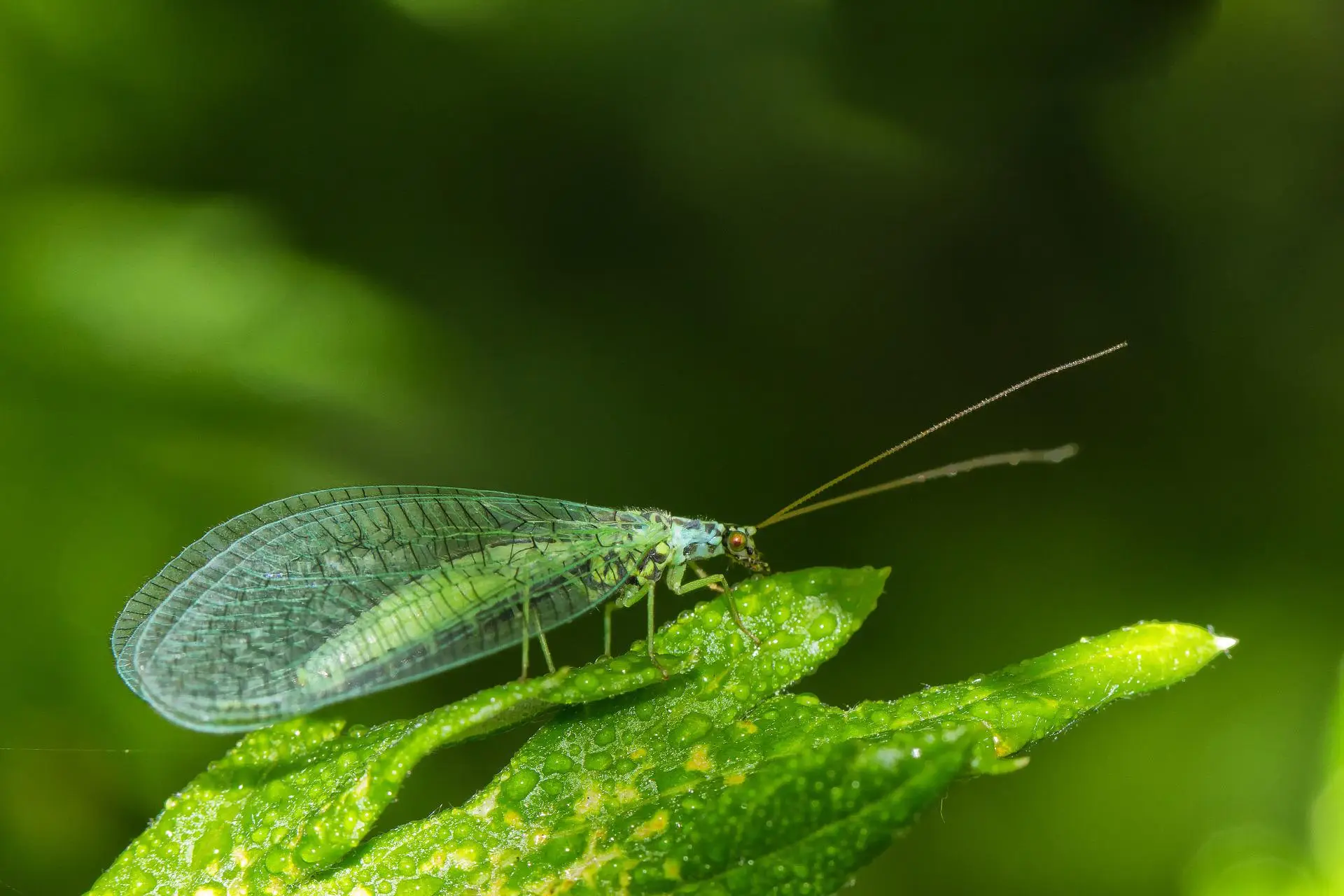
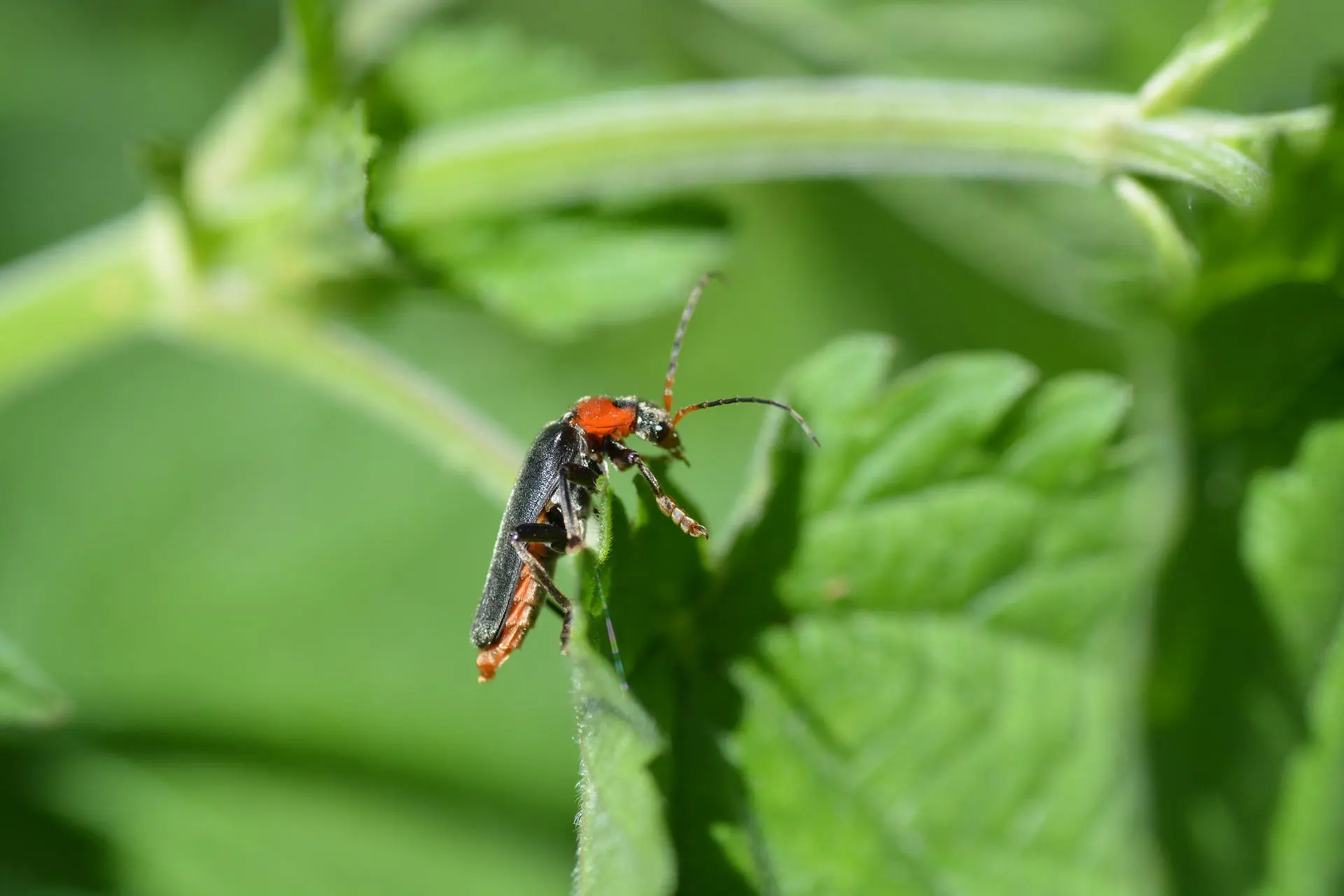
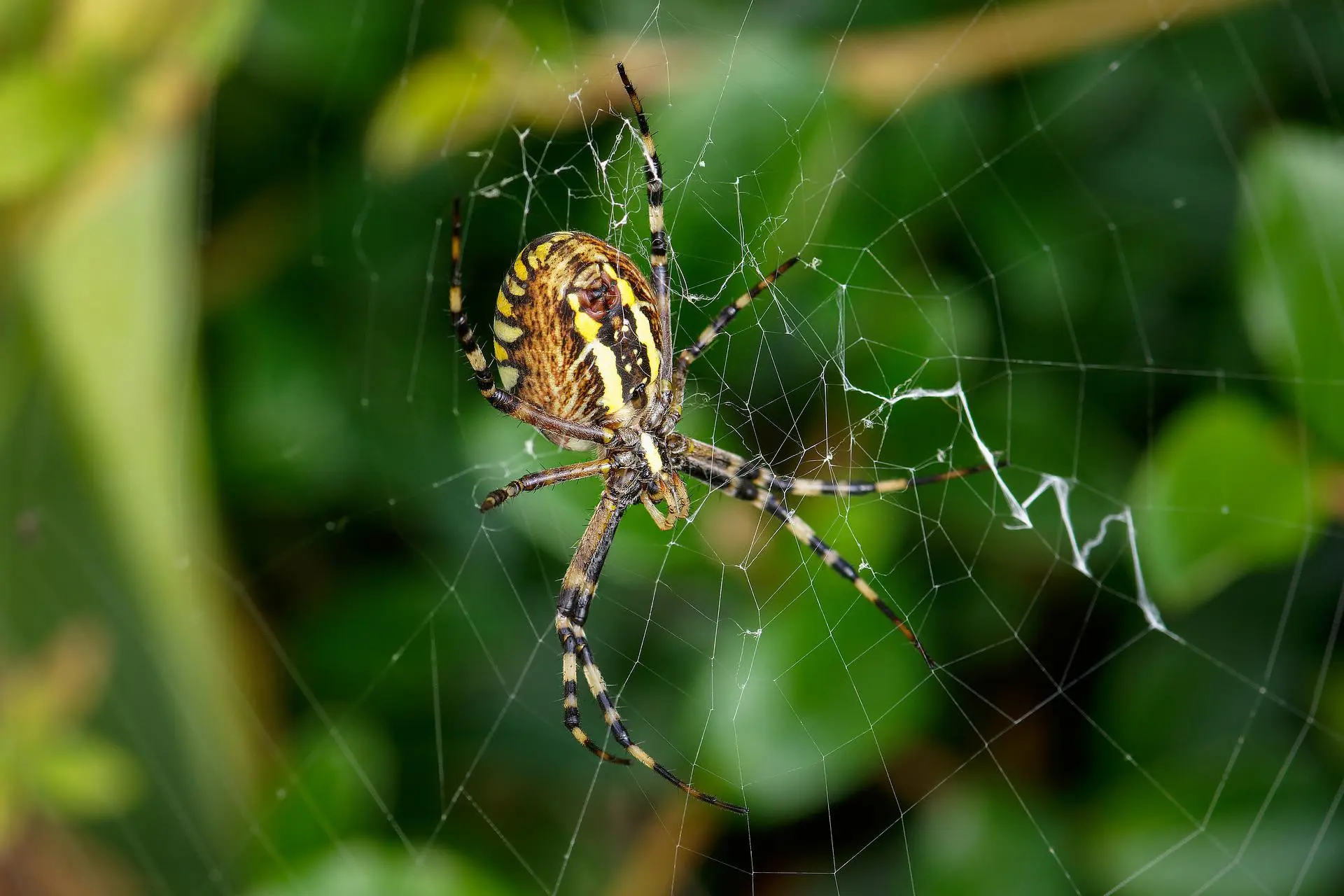
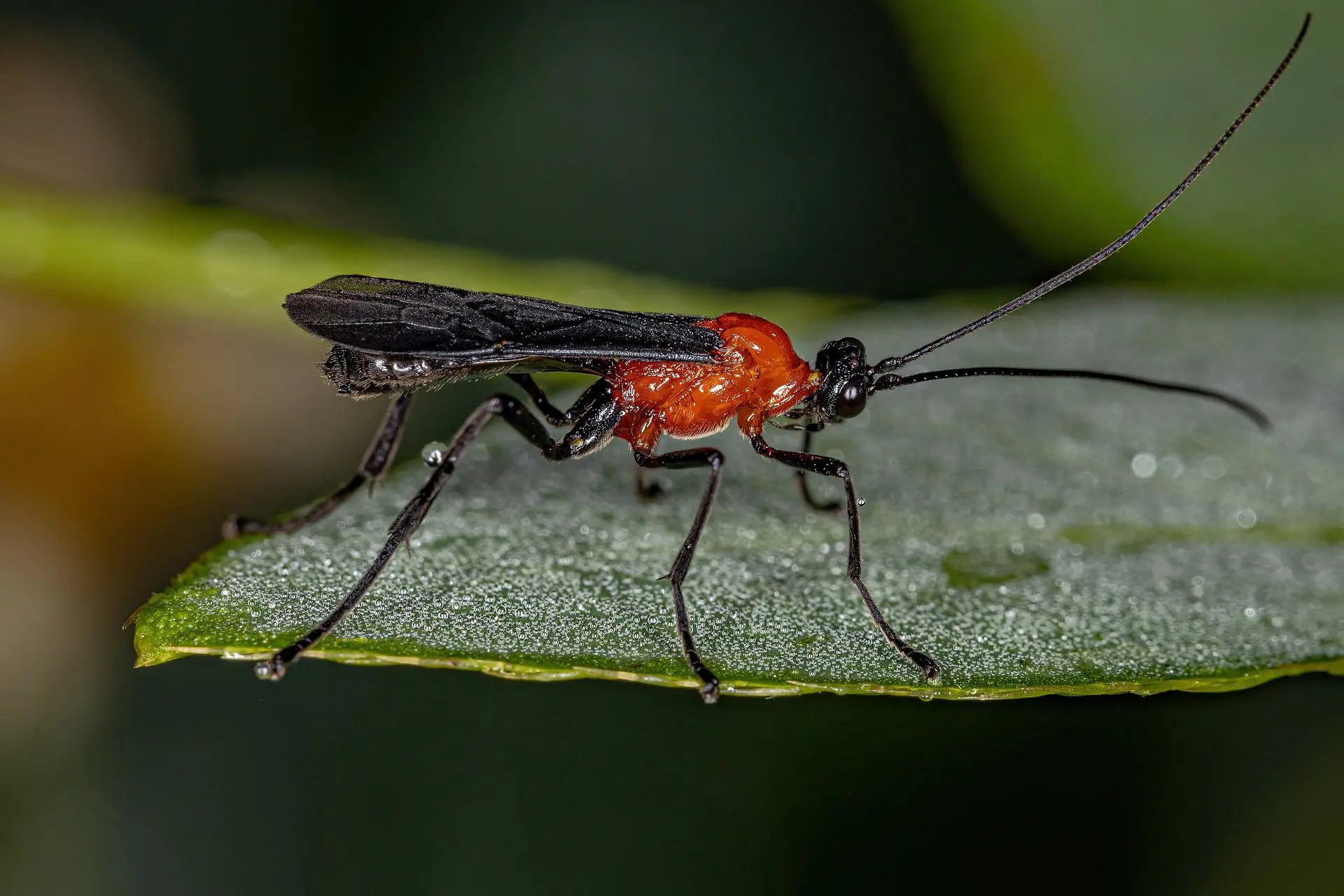
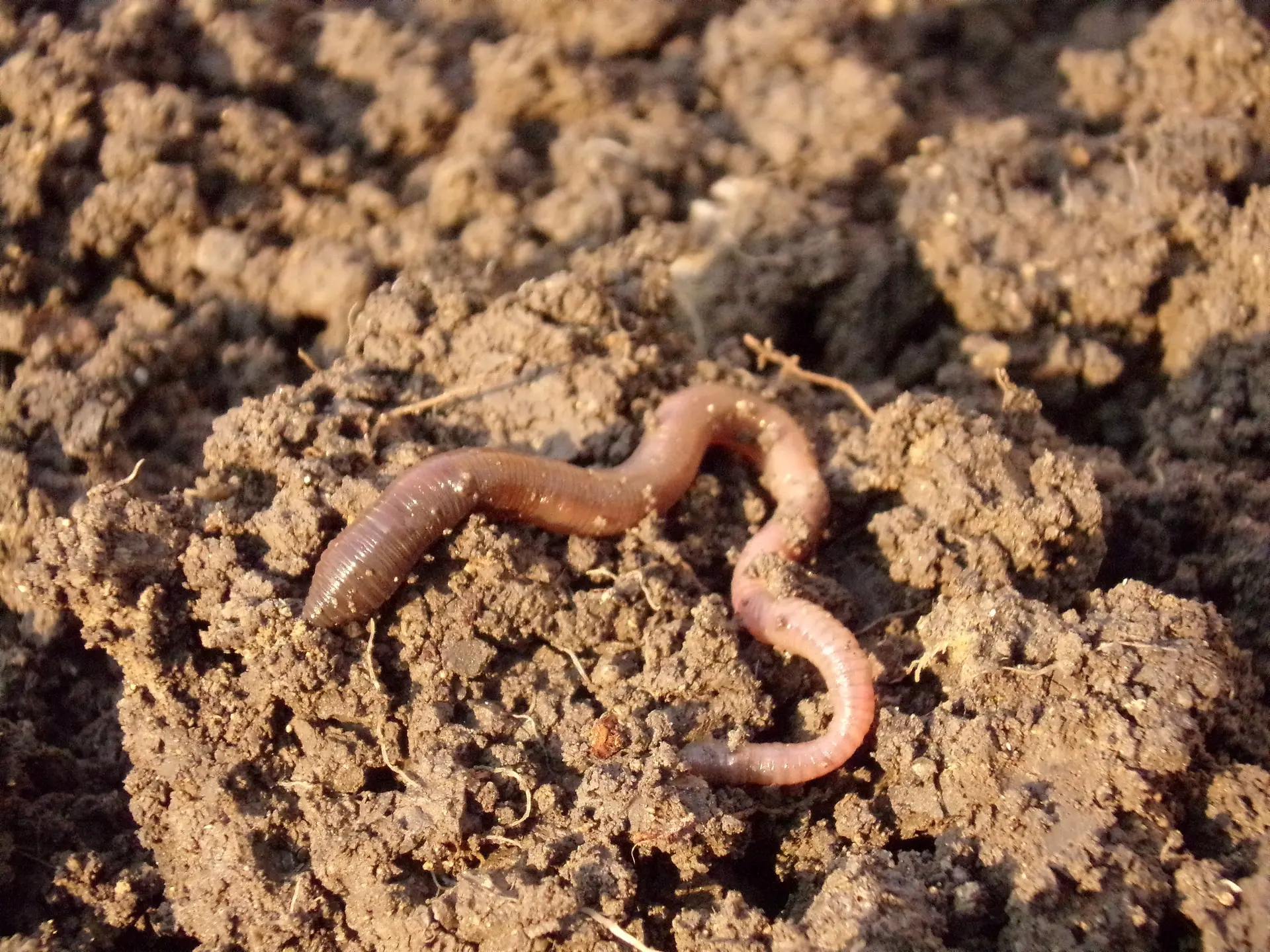
Growing from Seed
Plant seeds at a depth of roughly 1.5 times the seed’s diameter in your desired space in the garden.
Planting Considerations
Mints are vigorous perennials that thrive in light soil with good drainage. In the garden, plant mint near cabbage and tomatoes. Most will tolerate some shade, and the variegated types may require some protection from direct sun. Be warned when planting mint that it is an aggressive grower and can be invasive; it's often much safer to container-grow them, so they can't take over your garden.
Feeding
Feed mint once in the spring with a slow-release fertilizer.
Harvesting
Right before flowering, cut the stems 1 inch from the ground. You can harvest one mint plant two to three times in one growing season. You can also just pick the leaves as you need them.
Storage
The best way to propagate mints is by taking cuttings from those that you like best. It’s easy—take 6-inch cuttings of rooted stems and plant them horizontally in the soil. Mint stems will also root in a glass of water. Start with a small cutting from an established plant. Any gardening friend will give you a cutting of a favorite mint.