Arugula
Eruca vesicaria, Diplotaxis tenuifolia
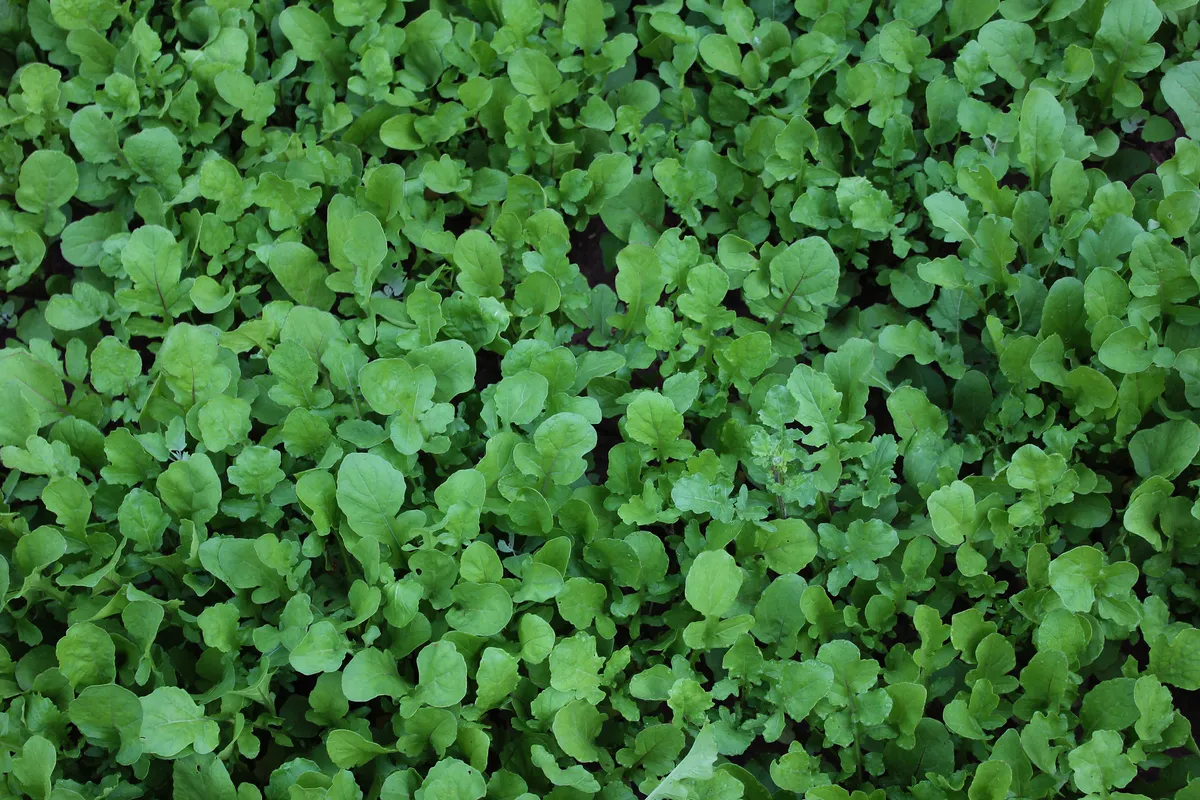
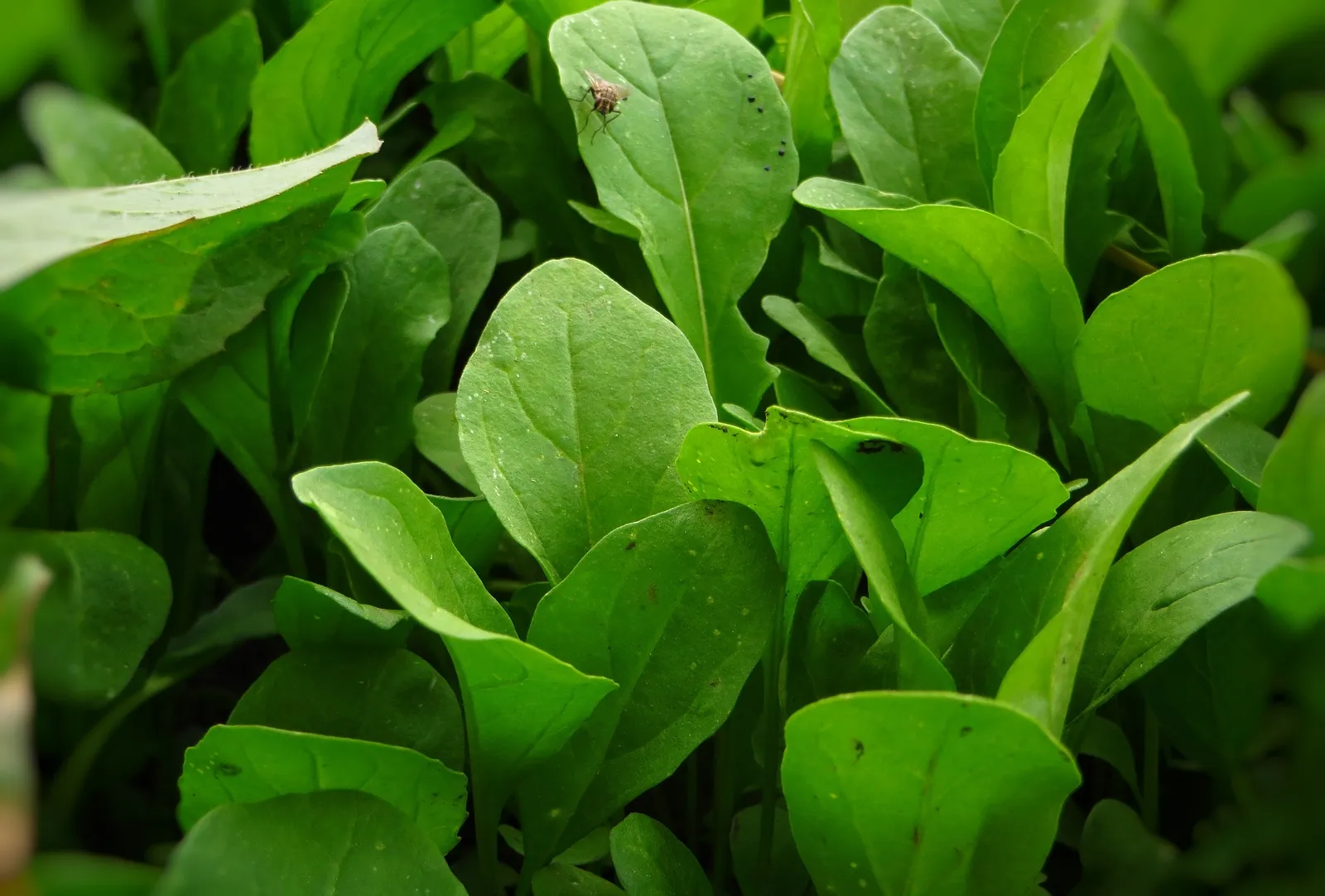
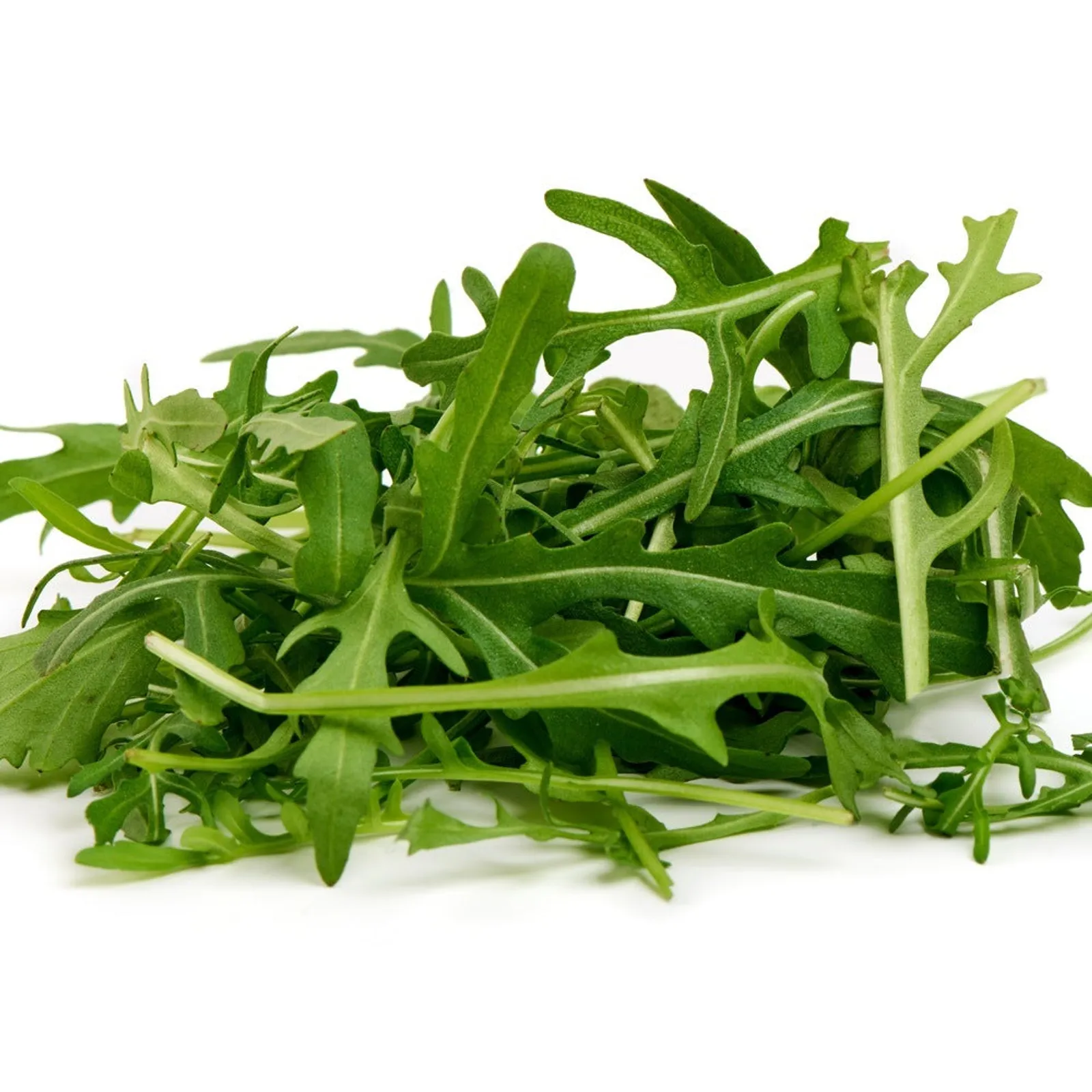
Arugula is a delicious and nutritious leafy vegetable. It packs a peppery punch and makes a great addition to salads, sandwiches, soups, and pasta dishes. Arugula is a member of the Brassicaceae family along with veggies such as cabbage, broccoli, cauliflower, and bok choy. Arugula is a fast-growing, easy-to-grow, cool-season crop. It is semi-tolerant of frost and the seeds can germinate in cool soil which makes it a great crop to start and finish the season with. In addition to 'regular' arugula, many seed companies also offer 'wild arugula' which is a different plant (Diplotaxis tenuifolia). Wild arugula, sometimes called Sylvetta arugula, is more heat-tolerant than arugula and can potentially be grown as a perennial in USDA zones 5-9.
How to Grow Arugula
Quick Info

Put away the pen and paper
Plan your veggie garden in minutes with Planter's easy drag and drop planner.
Try Planter for Free
Varieties
Related Articles
.jpg)
Companion Plants











Combative Plants

Nutrition
Vitamins




Nutrients







Pests
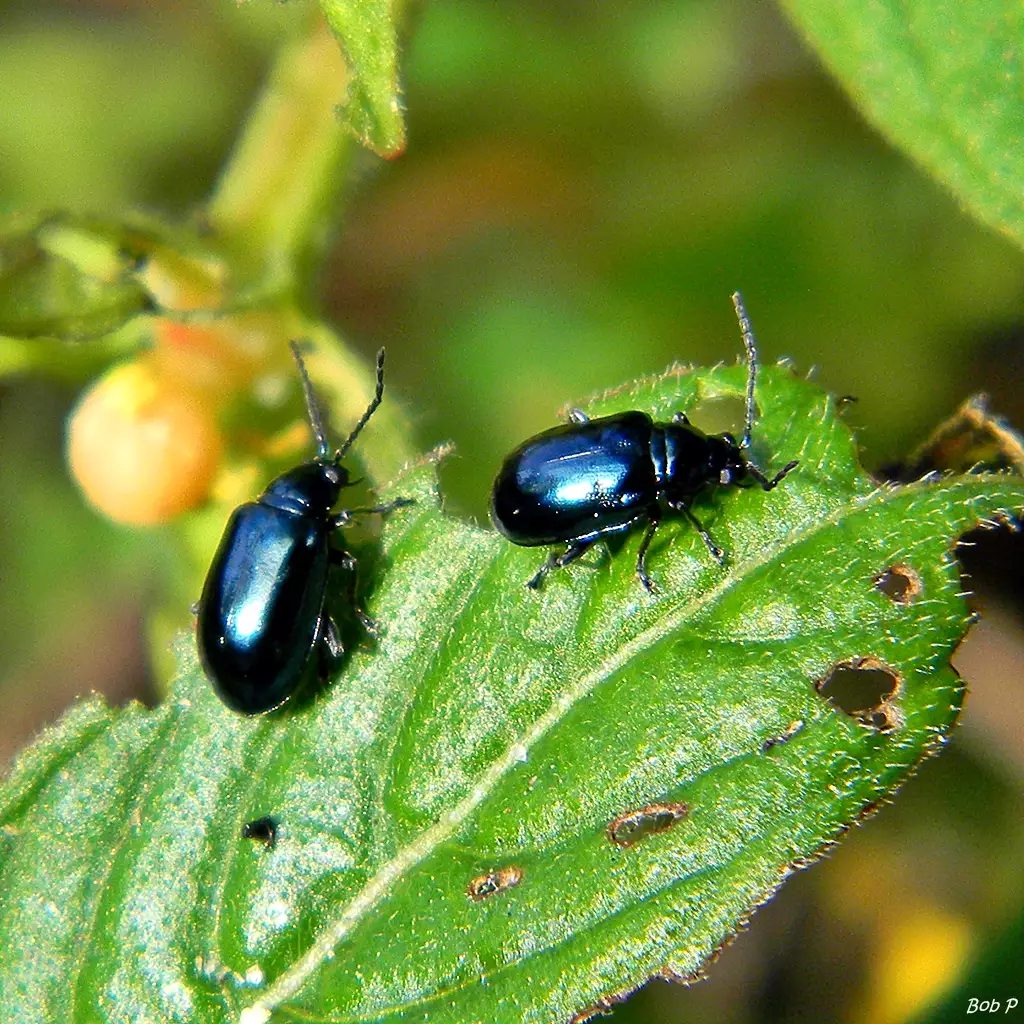
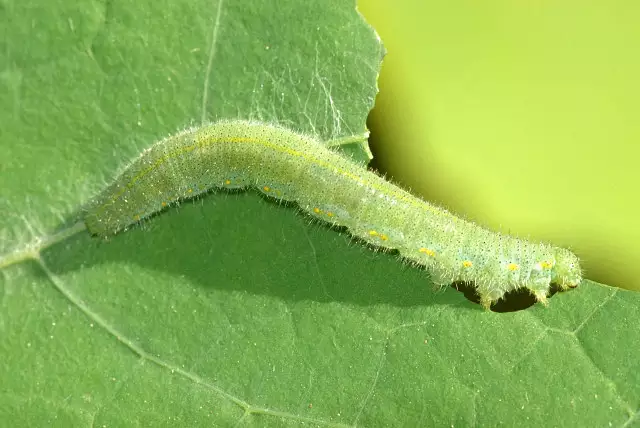
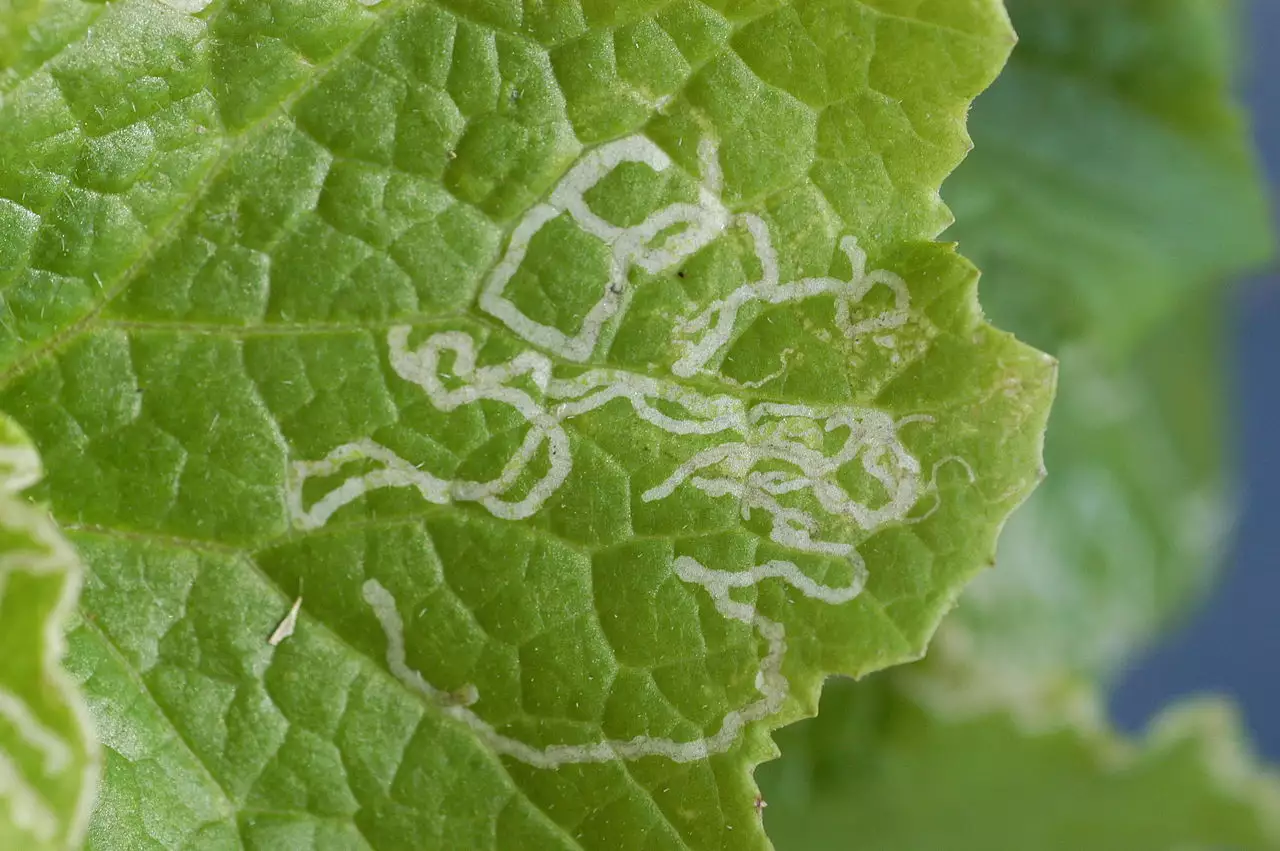
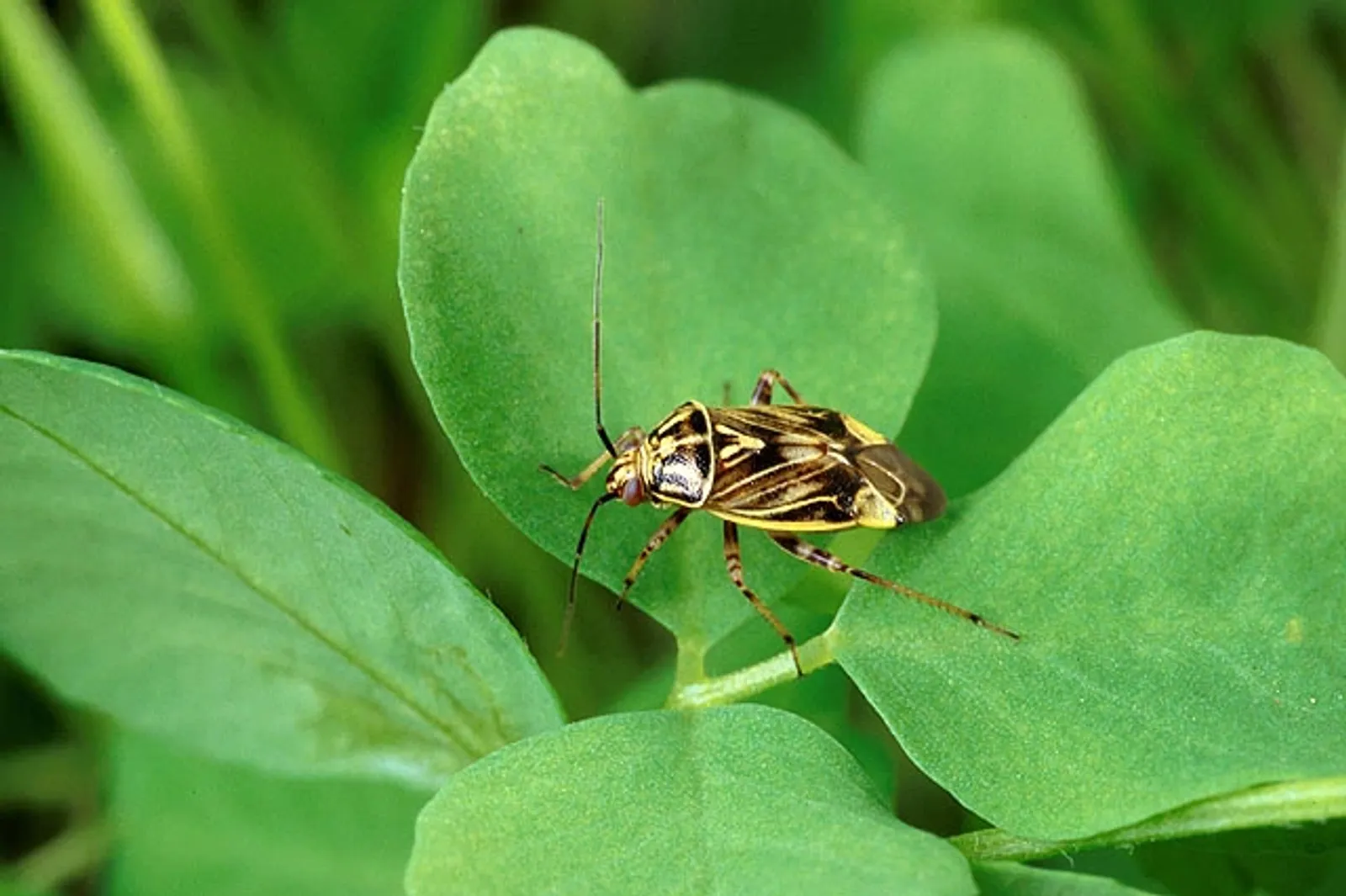
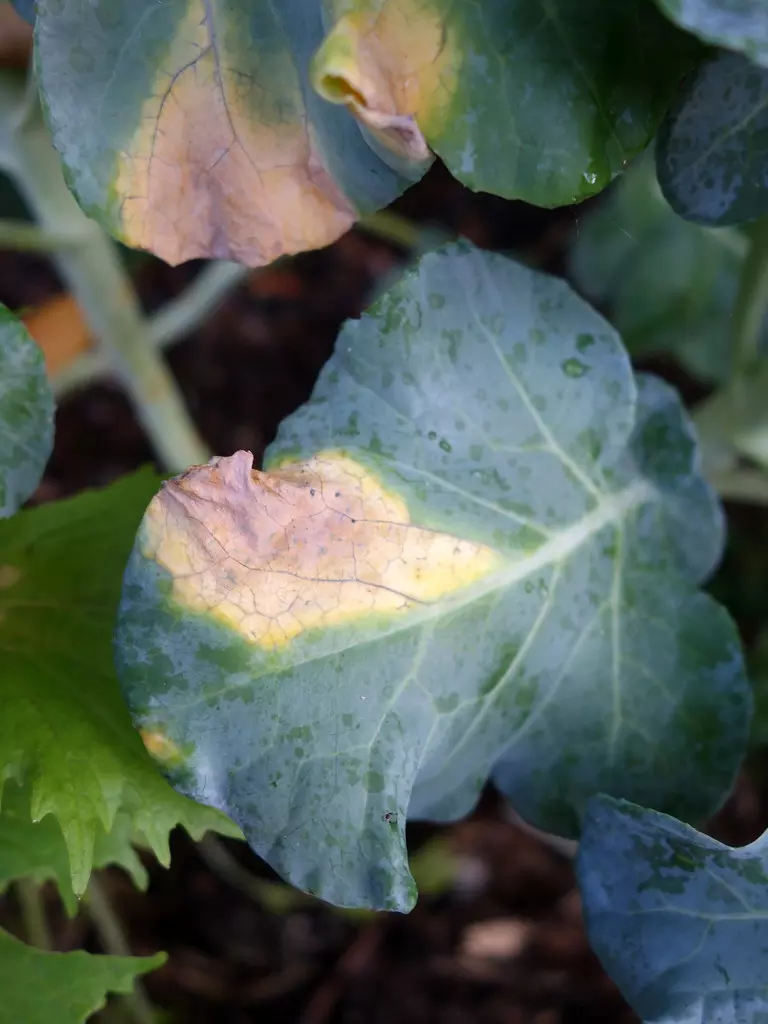
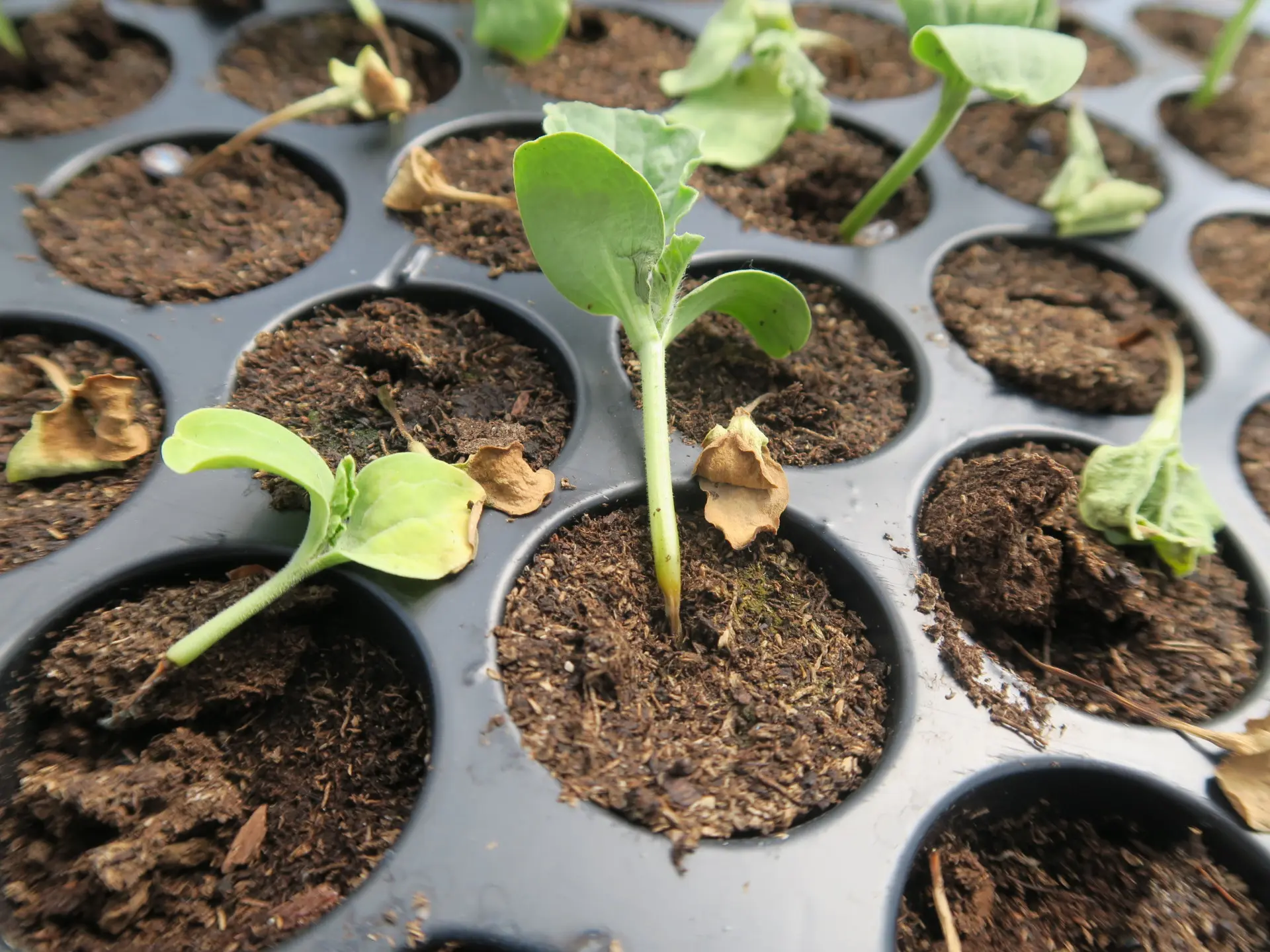
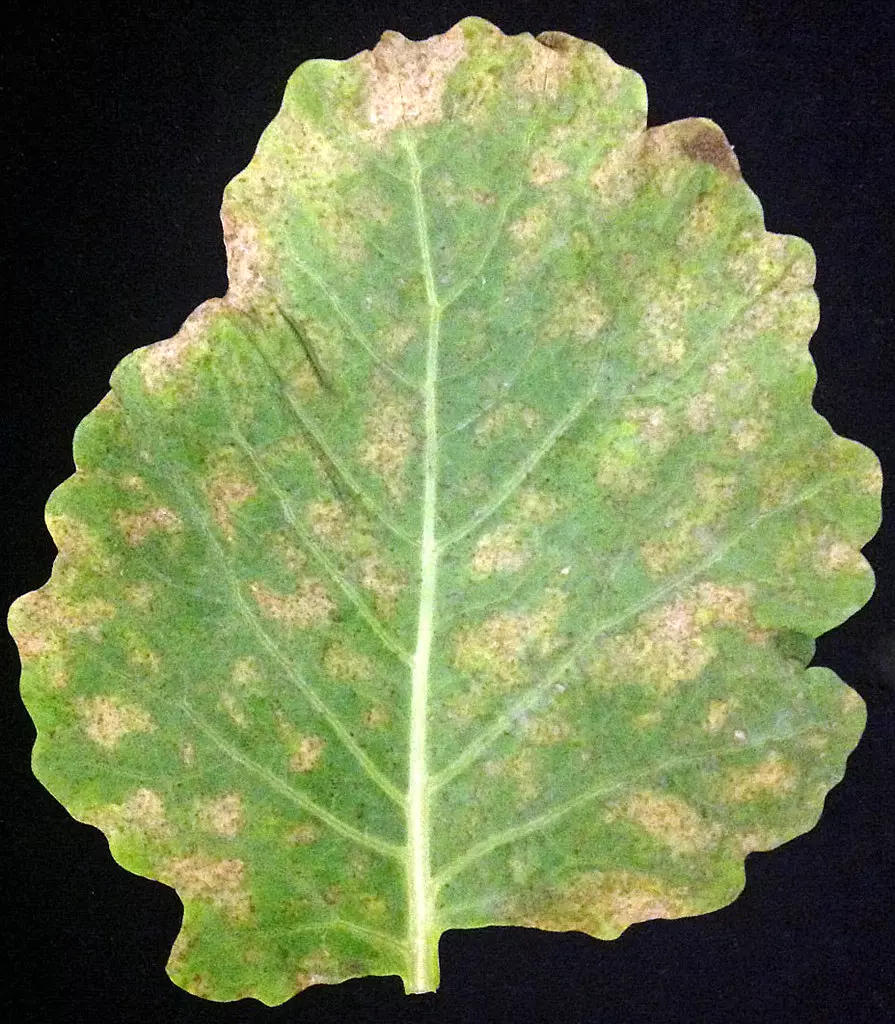
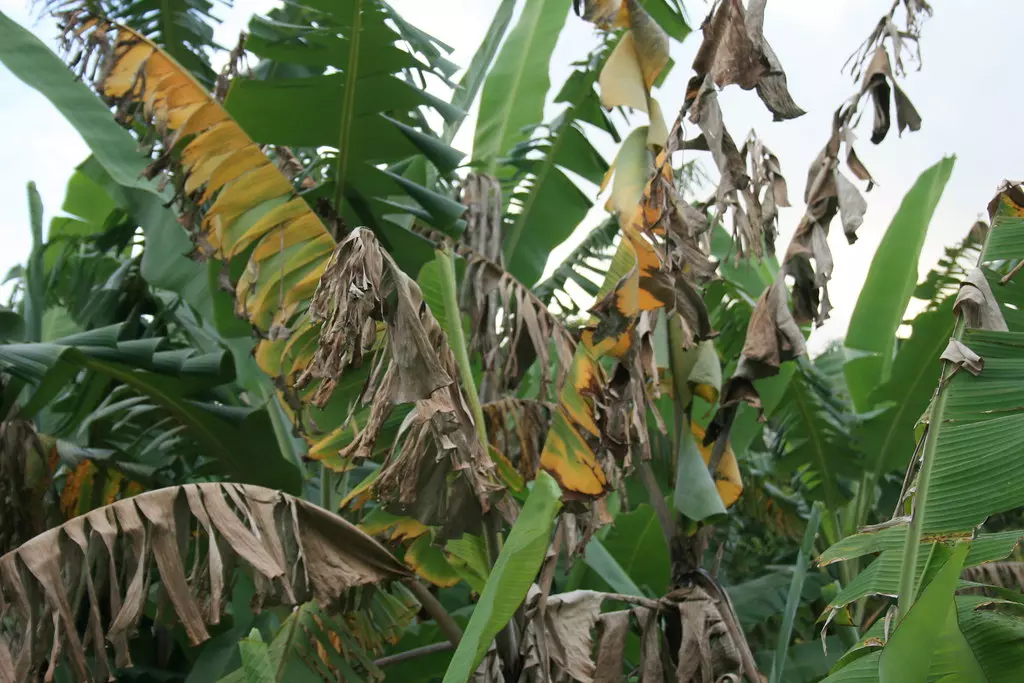
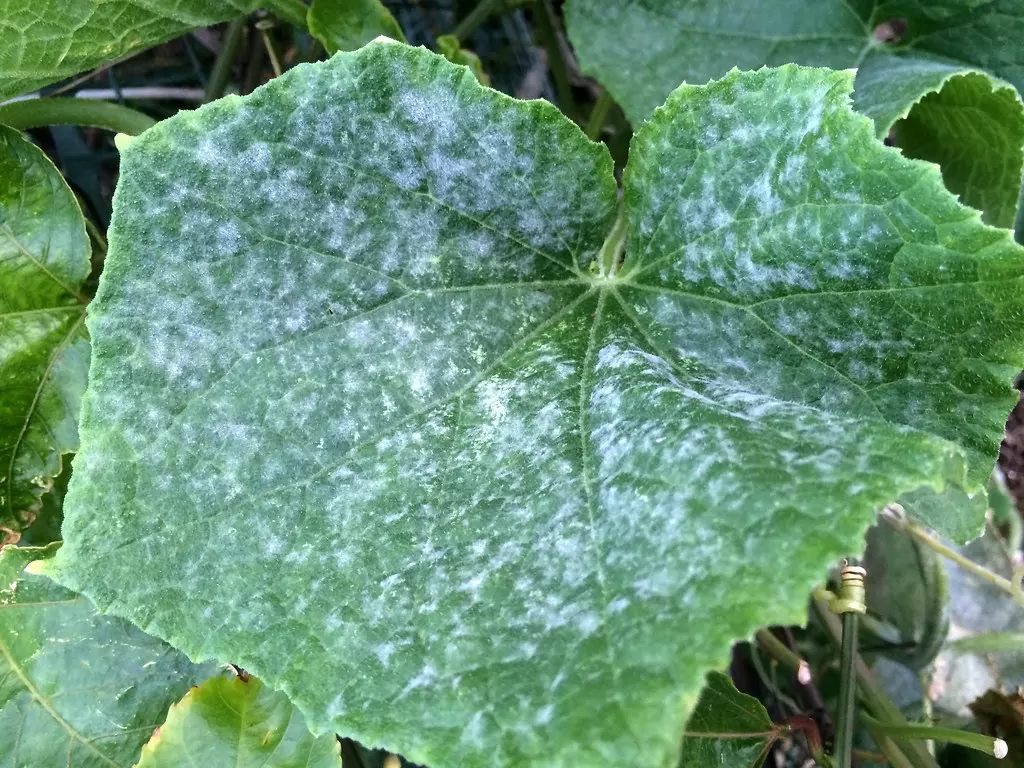
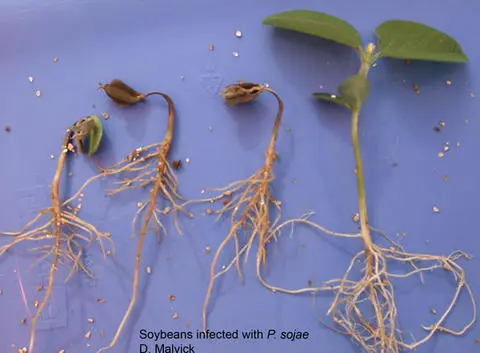
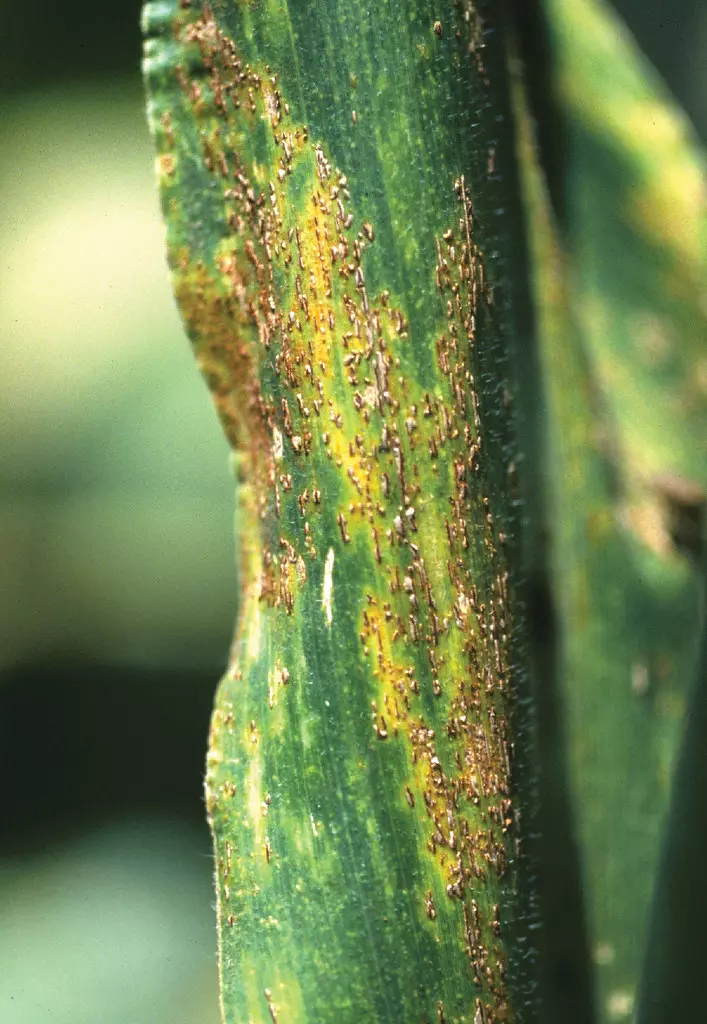
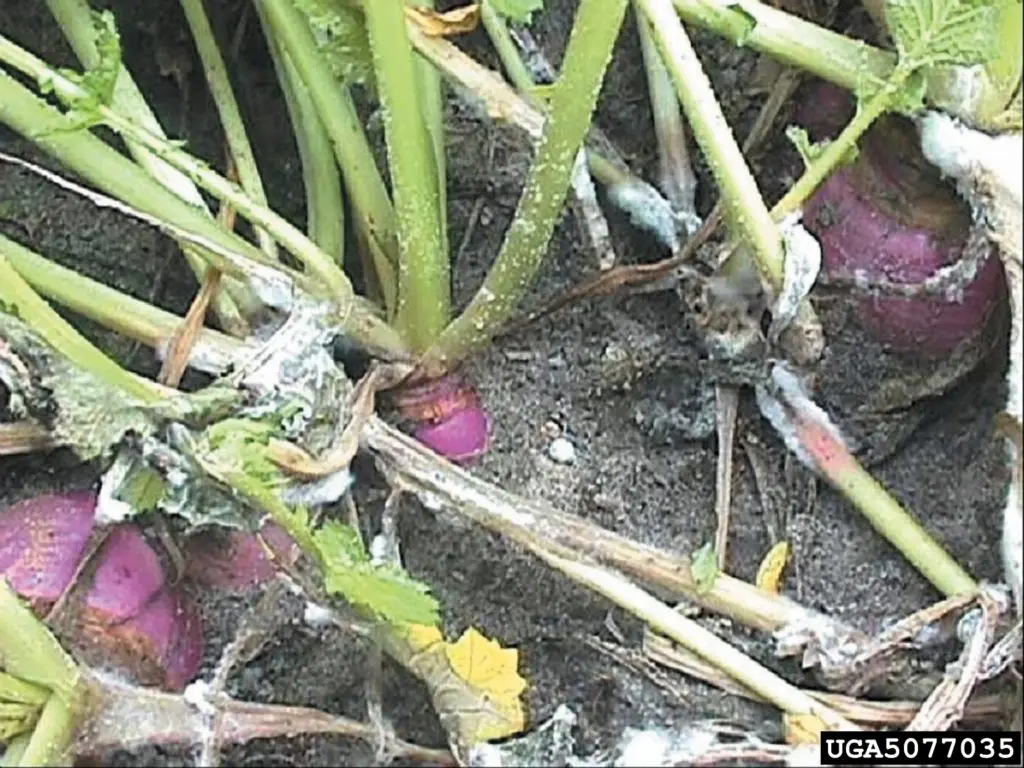
Diseases
Beneficial Critters
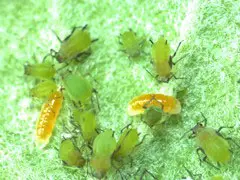
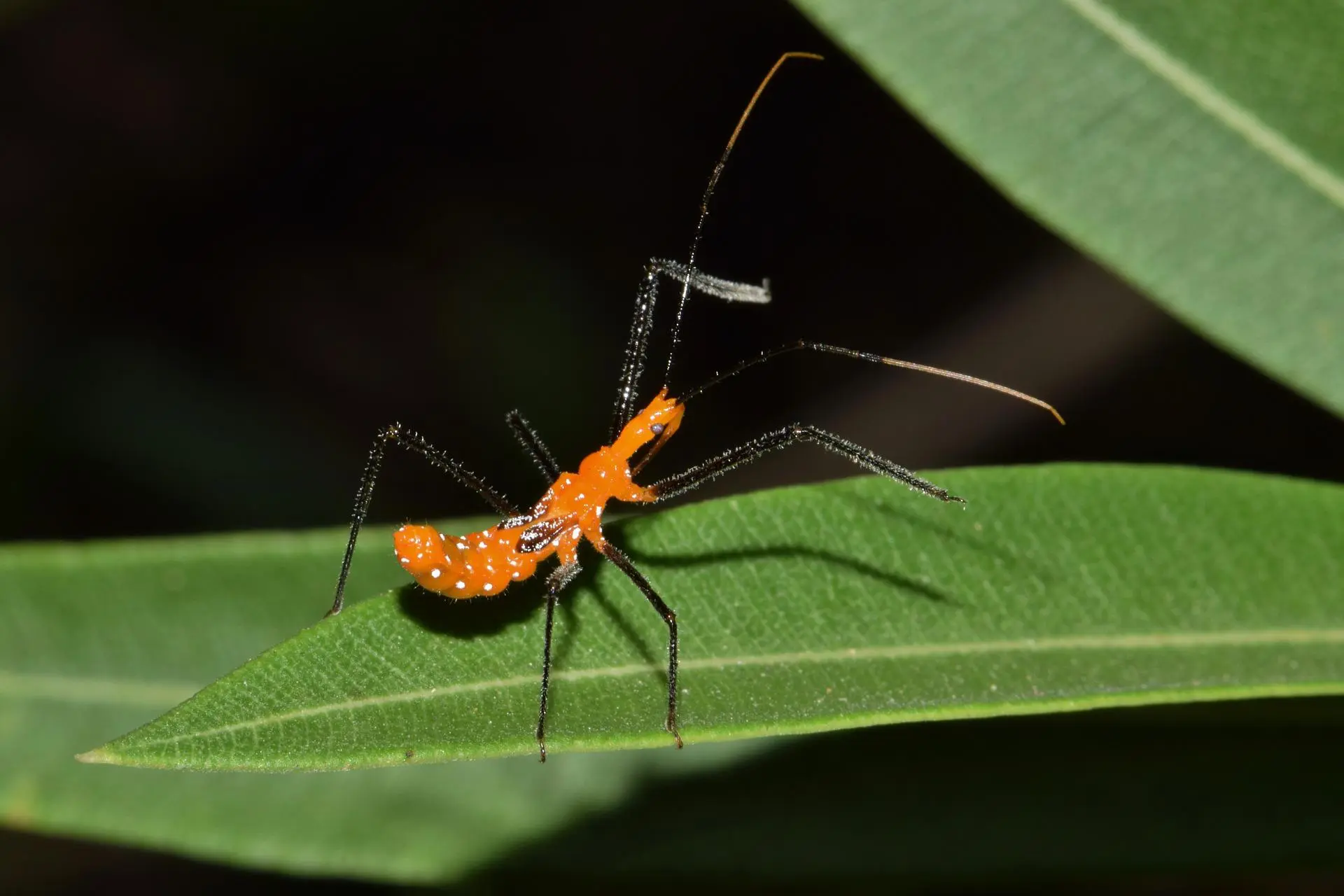
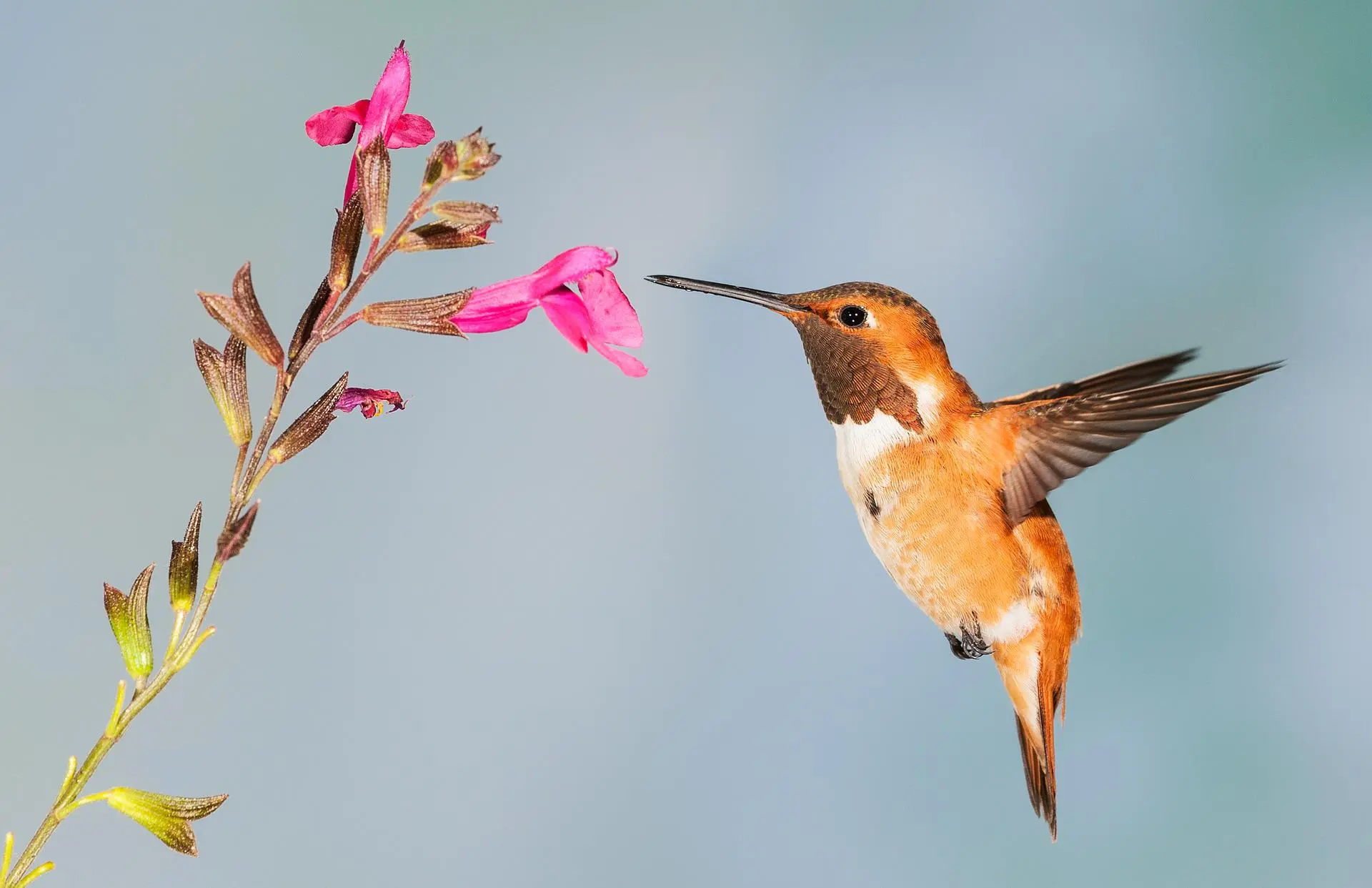
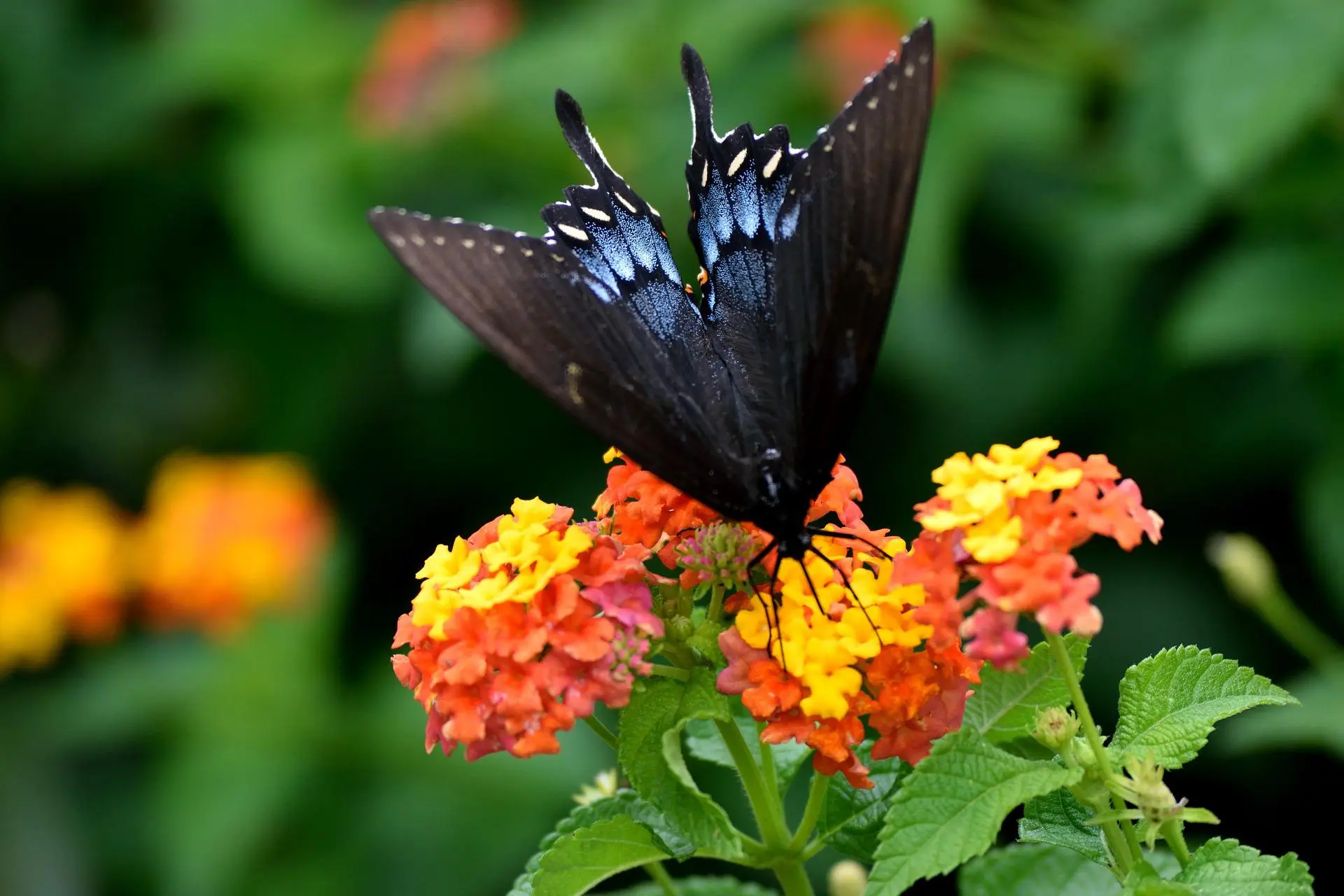
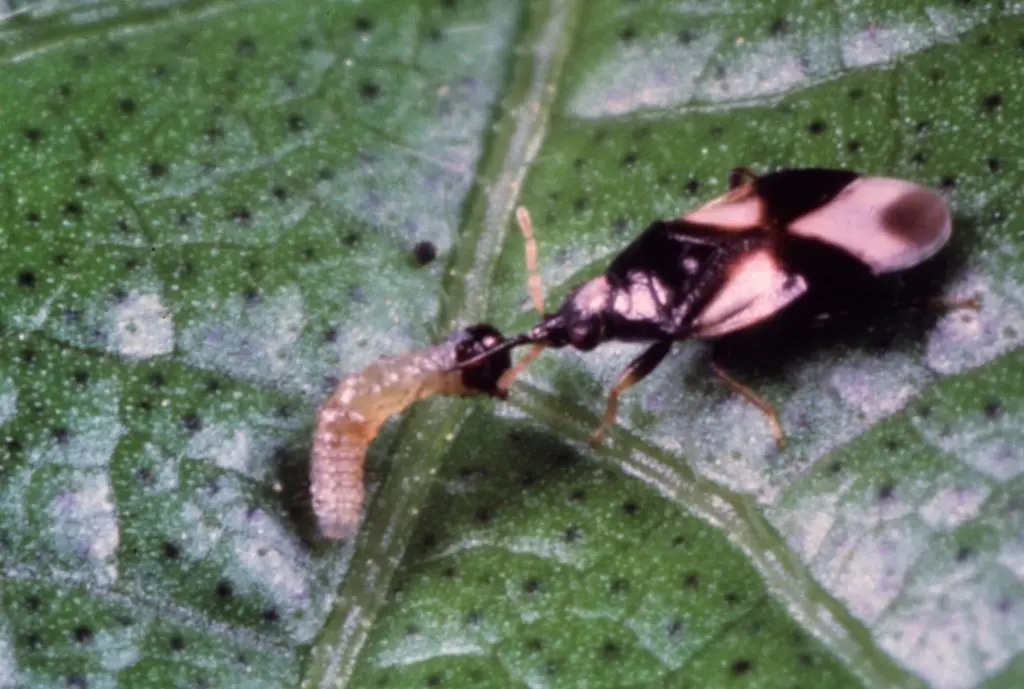
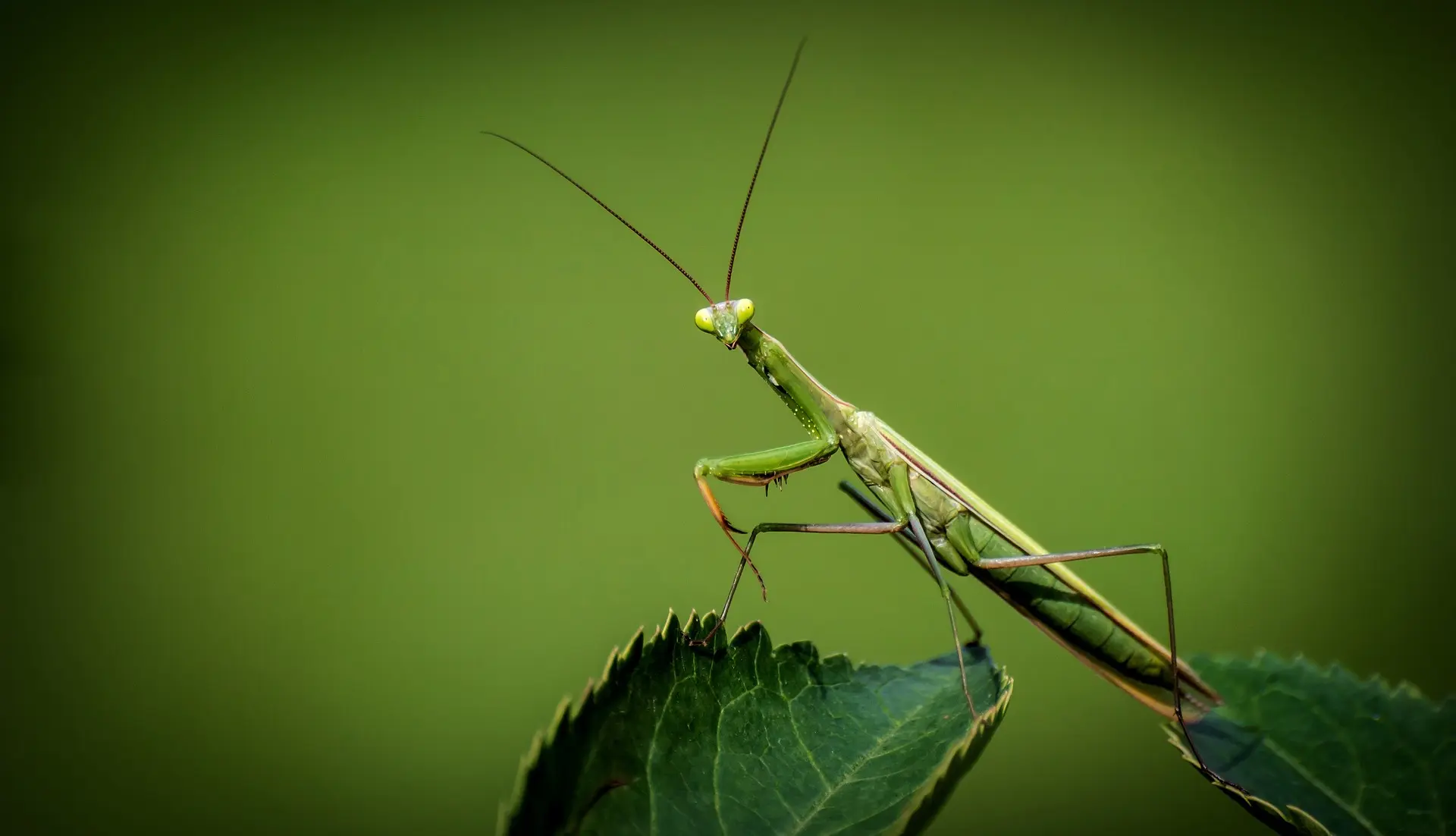
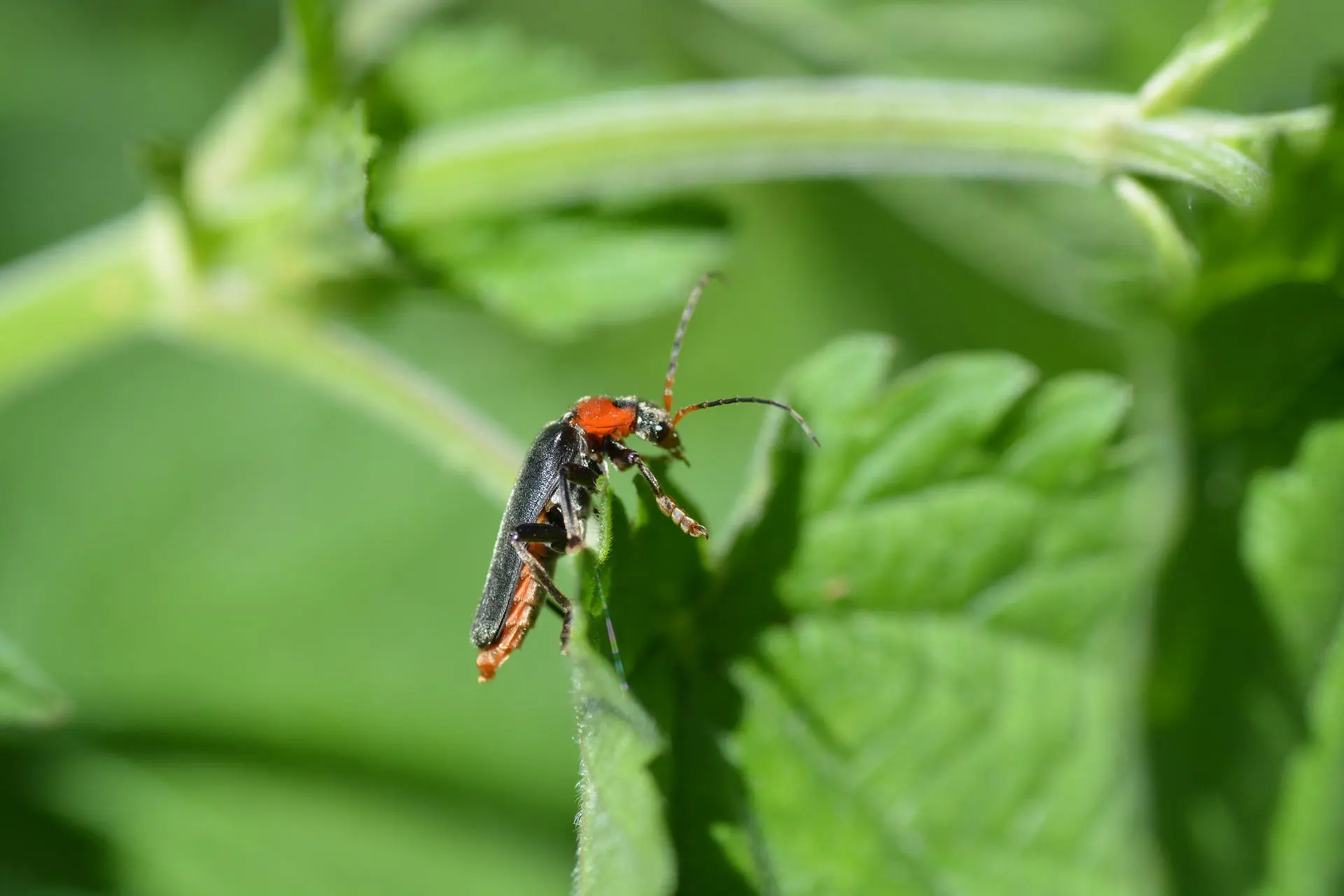
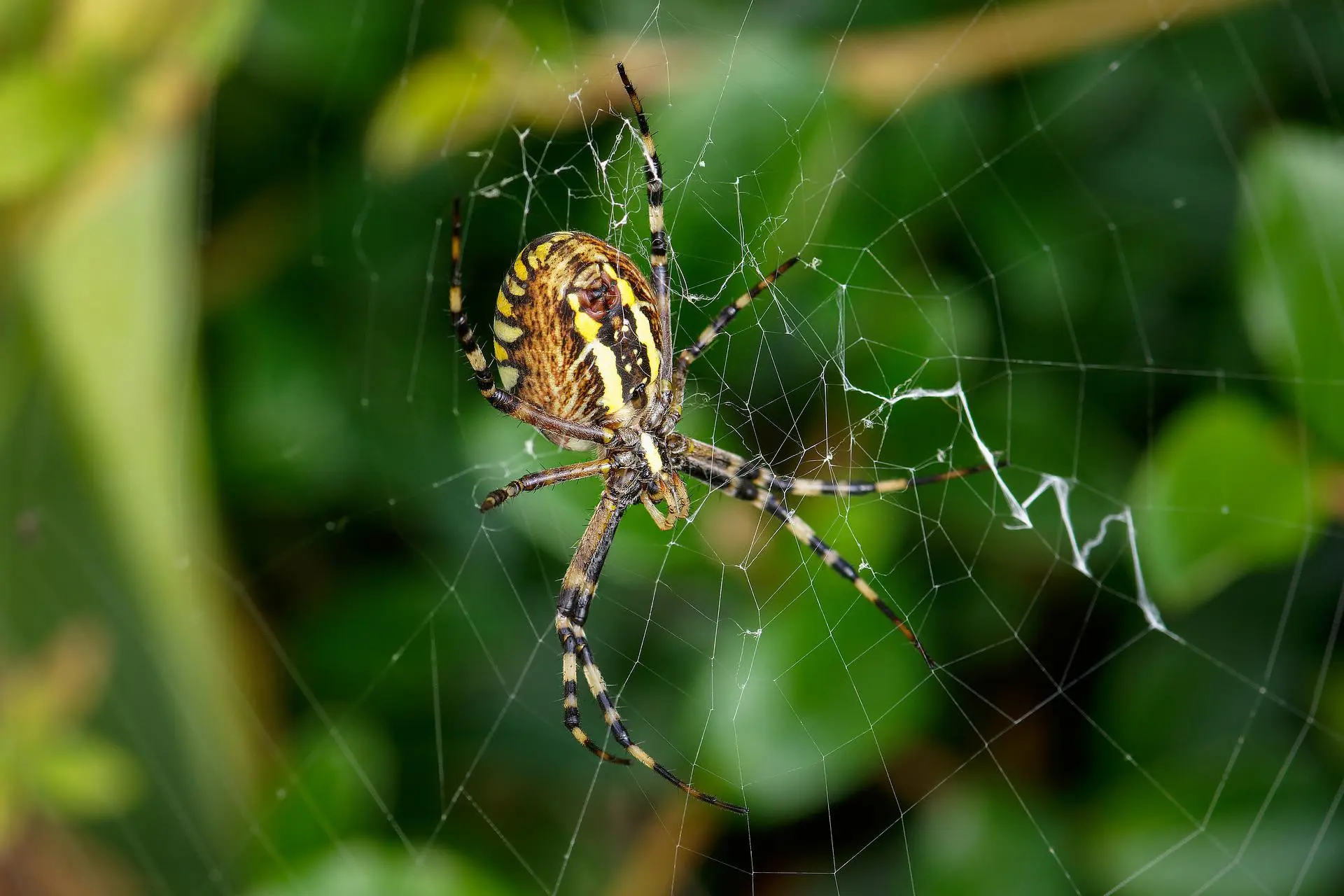
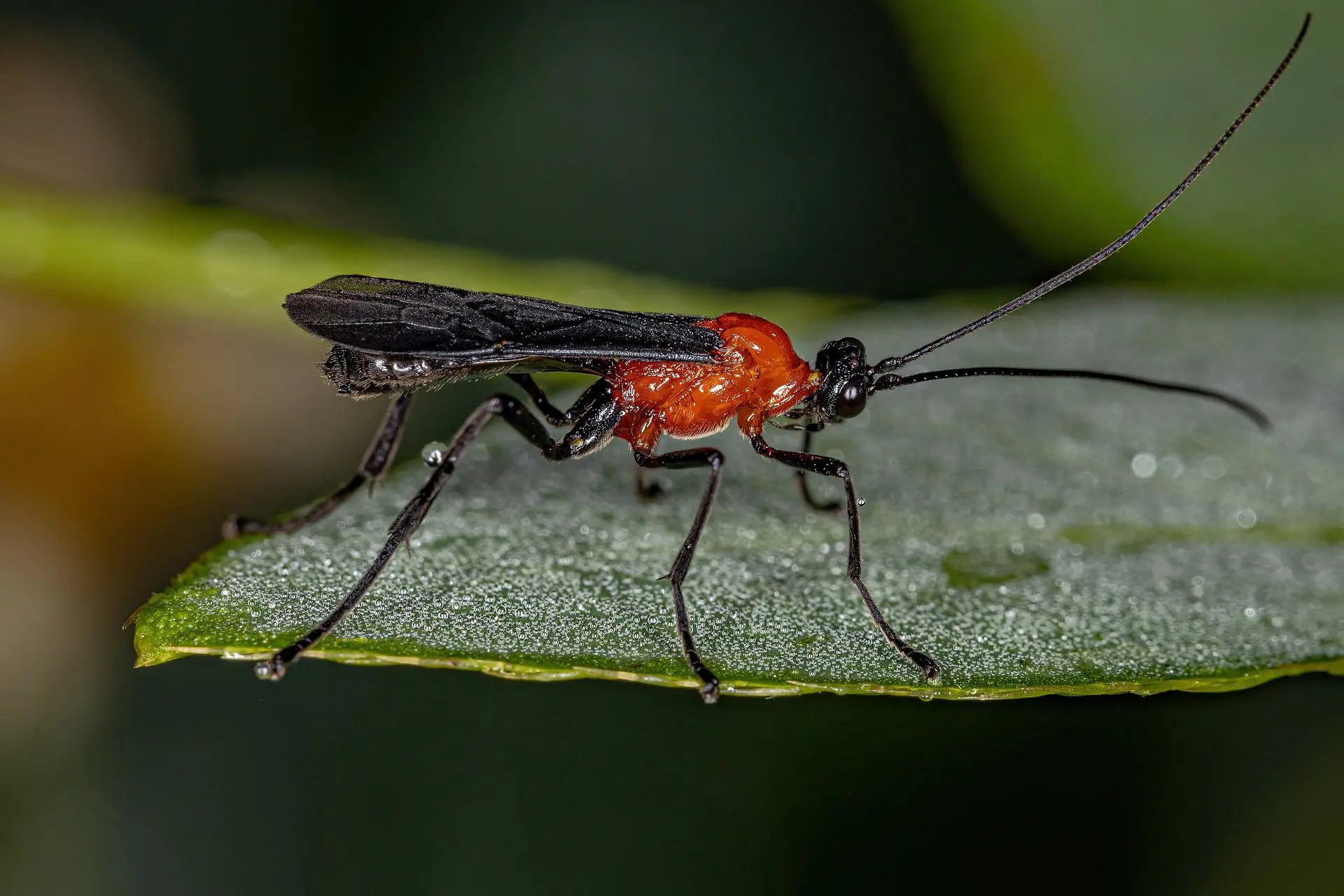
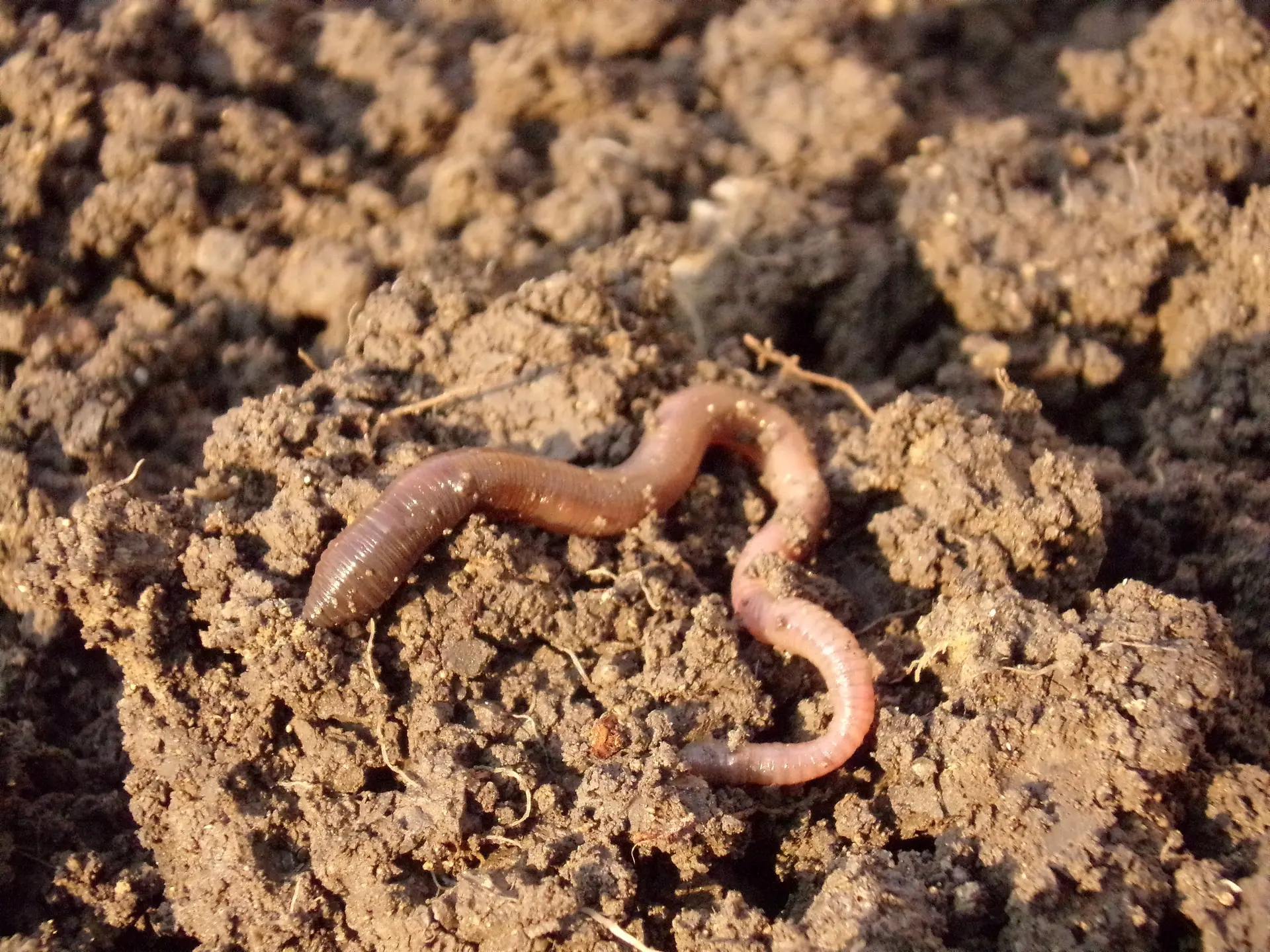
Growing from Seed
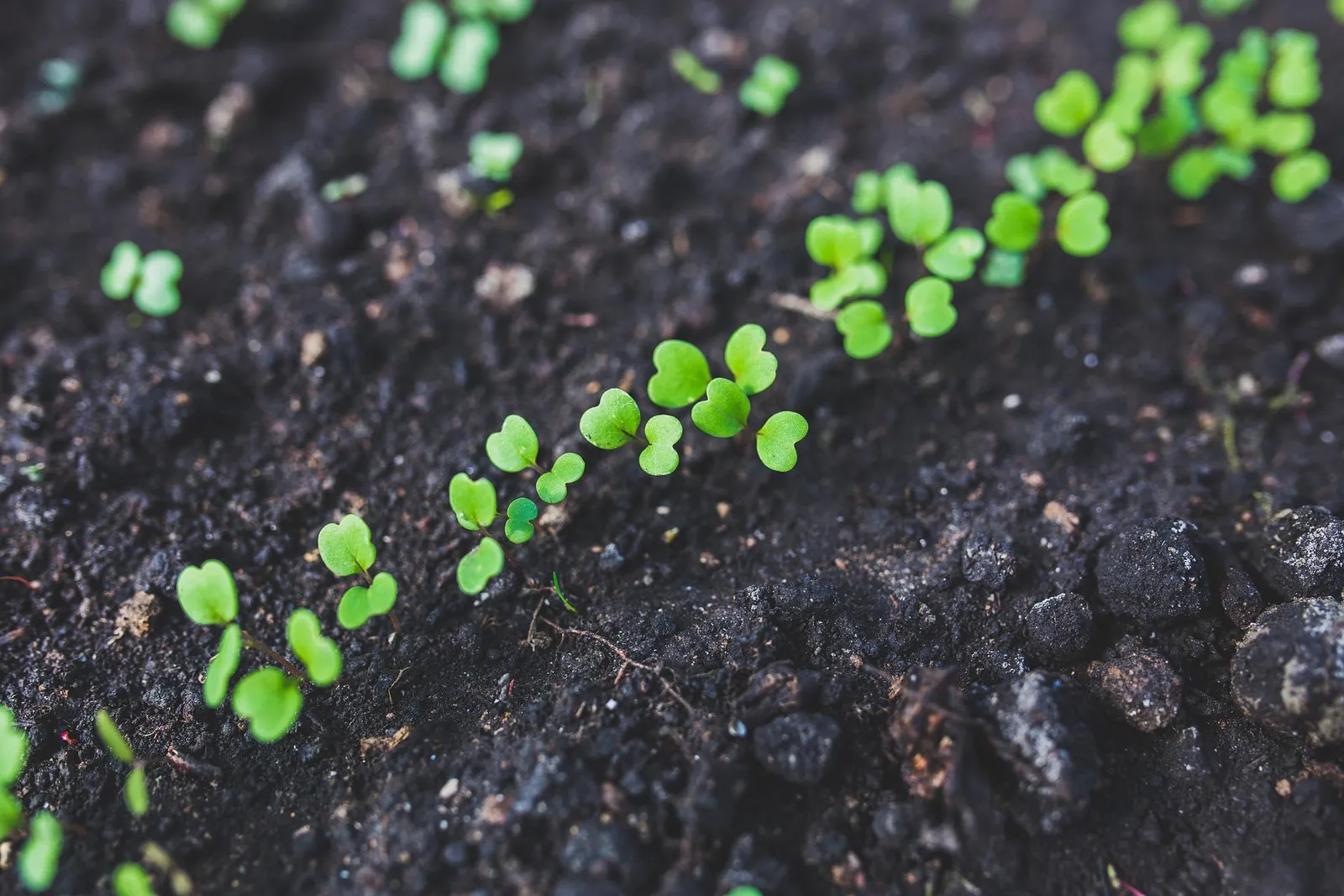
Arugula is usually seeded directly outdoors as soon as the soil is workable. The seeds typically germinate well outdoors. It is possible to start arugula indoors then transplant outside. Starting indoors can help to get an extra-early start on the season. The optimal soil temperature for germination is 40-55°F (4-13°C) although it can germinate in warmer soil. Regardless of which method is used, be sure to keep the seed starting mix or soil consistently moist. If growing indoors, provide supplemental light as soon as the seeds germinate.
Planting Considerations
Arugula prefers fertile, well-draining soil that retains moisture but does not become waterlogged. Apply compost at the time of planting. Arugula spacing can vary depending on the variety you are growing and whether you are growing it for baby greens or larger plants. Check the recommended spacings on the seed packet for the varieties you are growing. Arugula grows best in cool temperatures however it can be grown through hotter weather with special care (and wild arugula is more heat-tolerant than regular arugula). Provide partial shade and water regularly during hot weather to help delay bolting (going to seed). Sow reasonable quantities of arugula multiple times throughout the season; this way if your arugula bolts there are fresh, new plantings coming. Apply row cover or insect netting to newly planted arugula to help prevent leaf damage from flea beetles and other pests. Arugula can be grown in containers. Choose a container that holds at least 1 gallon (3.8L).
Feeding
Arugula is a light feeder. Apply a compost and/or a balanced fertilizer at the time of planting. Do not spray or apply fertilizer directly on the leaves.
Harvesting
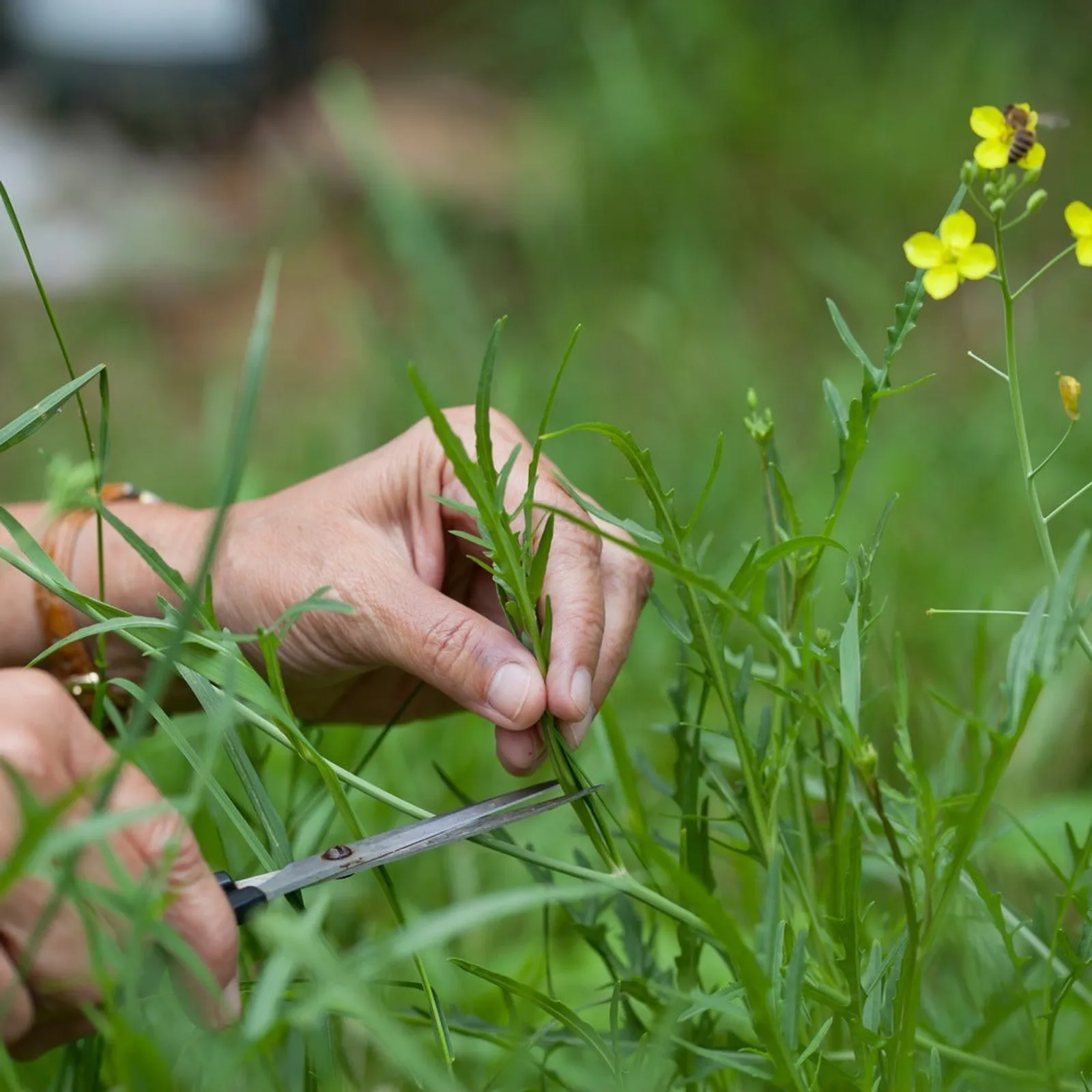
Arugula is best harvested when it is young and tender. Begin harvesting arugula when the outer leaves are about 3-6" (8-15 cm) long. Use scissors or a knife to cut off the outermost leaves. With densely planted arugula you can also hold the leaves in one hand and use a knife to cut horizontally with the other hand 1-2 inches (2.5-5 cm) above the soil line. With either method, leave the innermost leaves intact so the plant can continue growing; it is possible to get several harvests before the plant bolts. Arugula can still potentially be harvested after the plant bolts but it will be more pungent.
If possible, avoid harvesting arugula during the hottest parts of the day to help keep it from wilting.
Storage
Arugula should be cooled down quickly after harvesting to prevent wilting. Immerse arugula in cold water or gently spray it and inspect it for any pests that need to be removed. Spread arugula out to dry on a clean towel in a cool area. Arugula should not be stored wet; refrigerate once the excess moisture has been removed. Arugula can be kept in the fridge for up to several days. Store arugula in loose plastic bags or airtight containers to prevent wilting. Arugula (that has been thoroughly cleaned) can also be portioned into airtight containers or freezer-safe bags and frozen for up to several months.
Pruning
Arugula can self-seed and wild arugula is especially prolific. Remove seed heads to prevent self-seeding.