Carrots
Daucus carota subsp. sativus
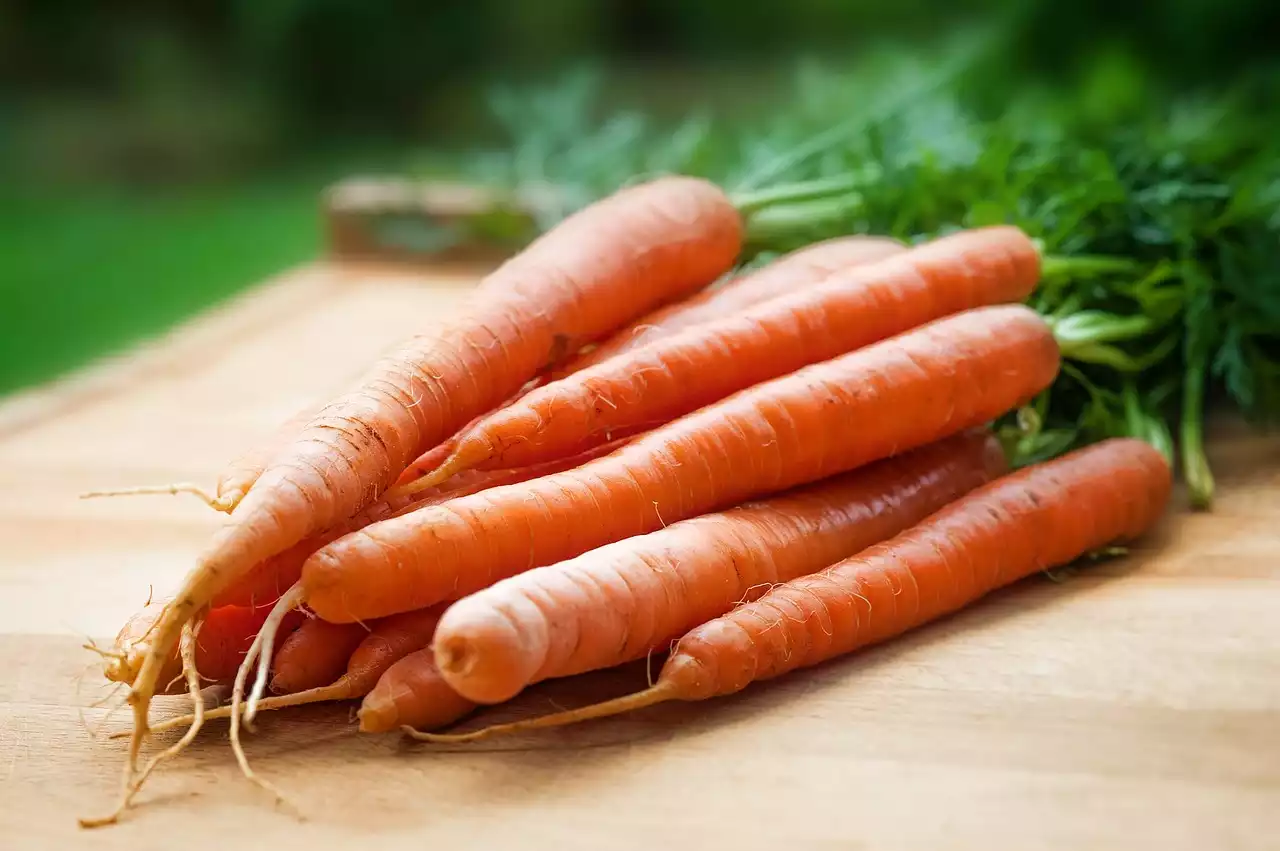
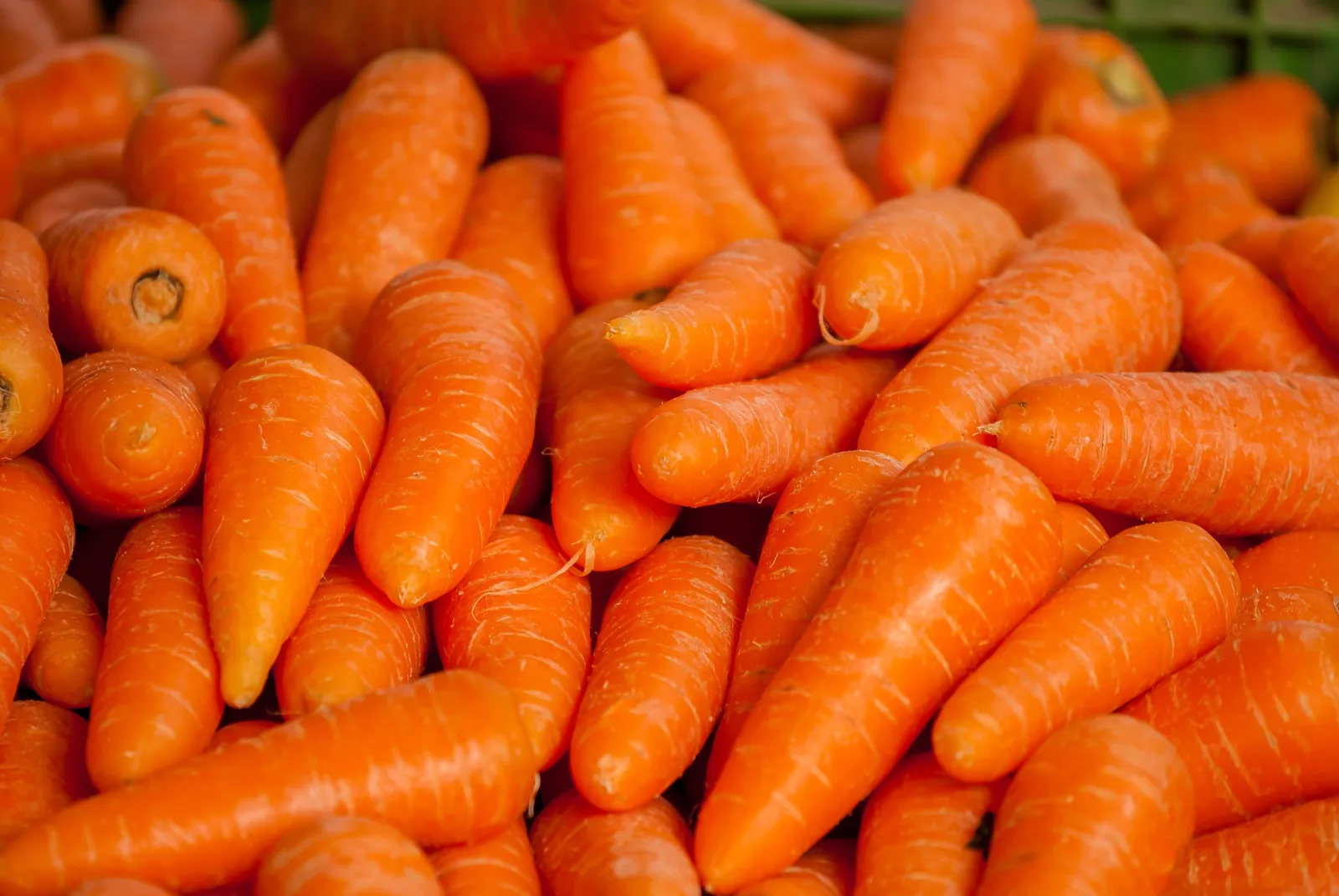
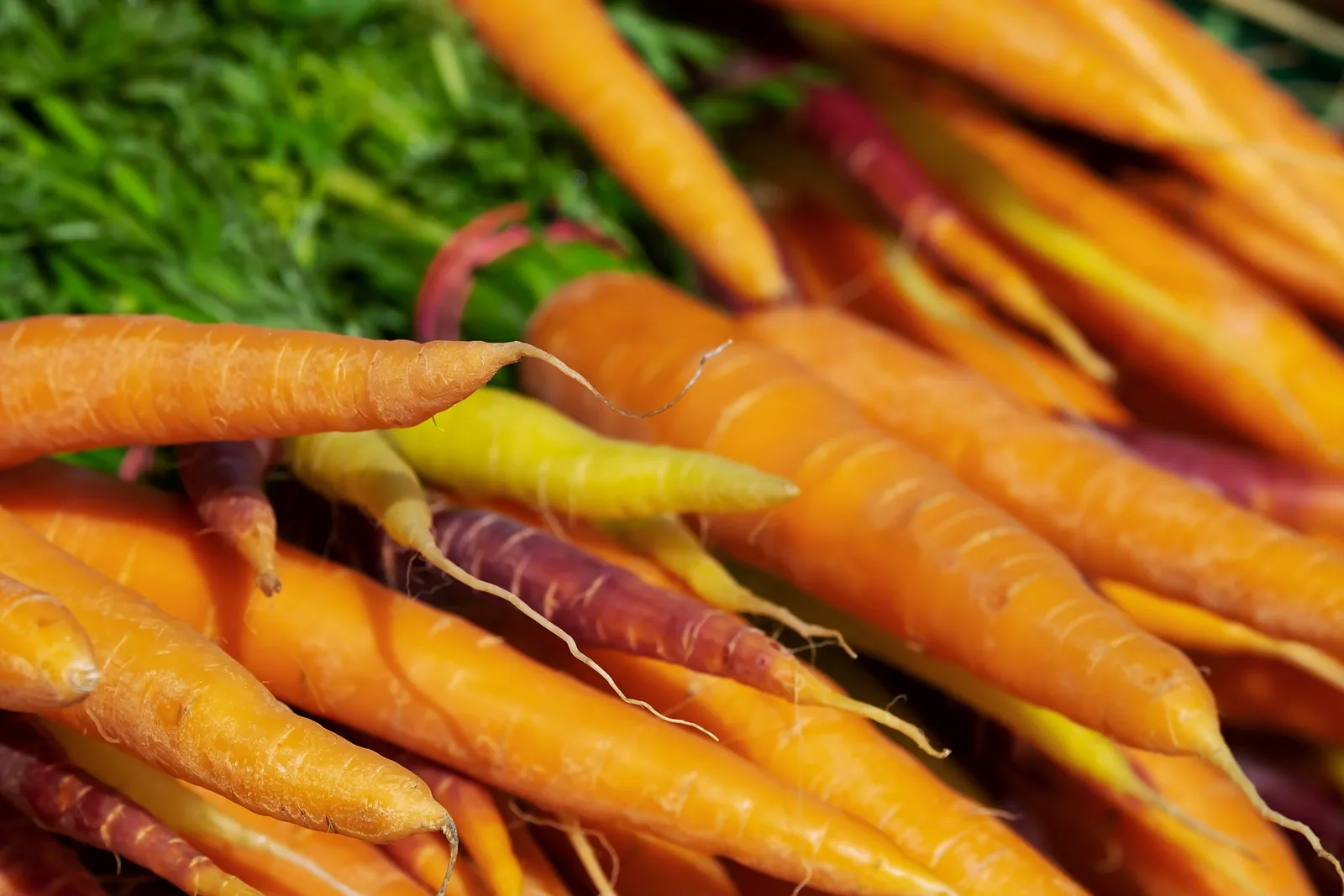
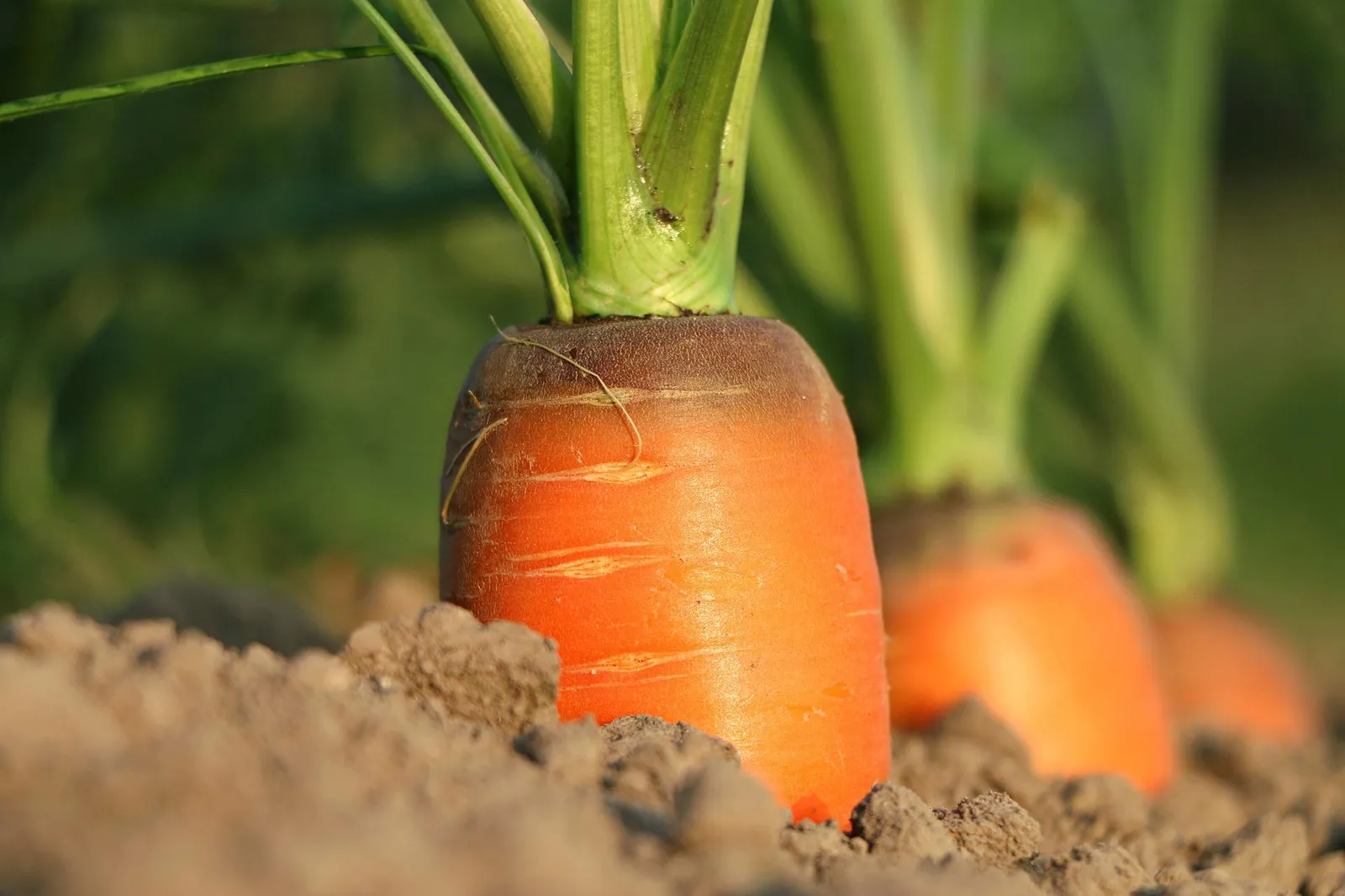
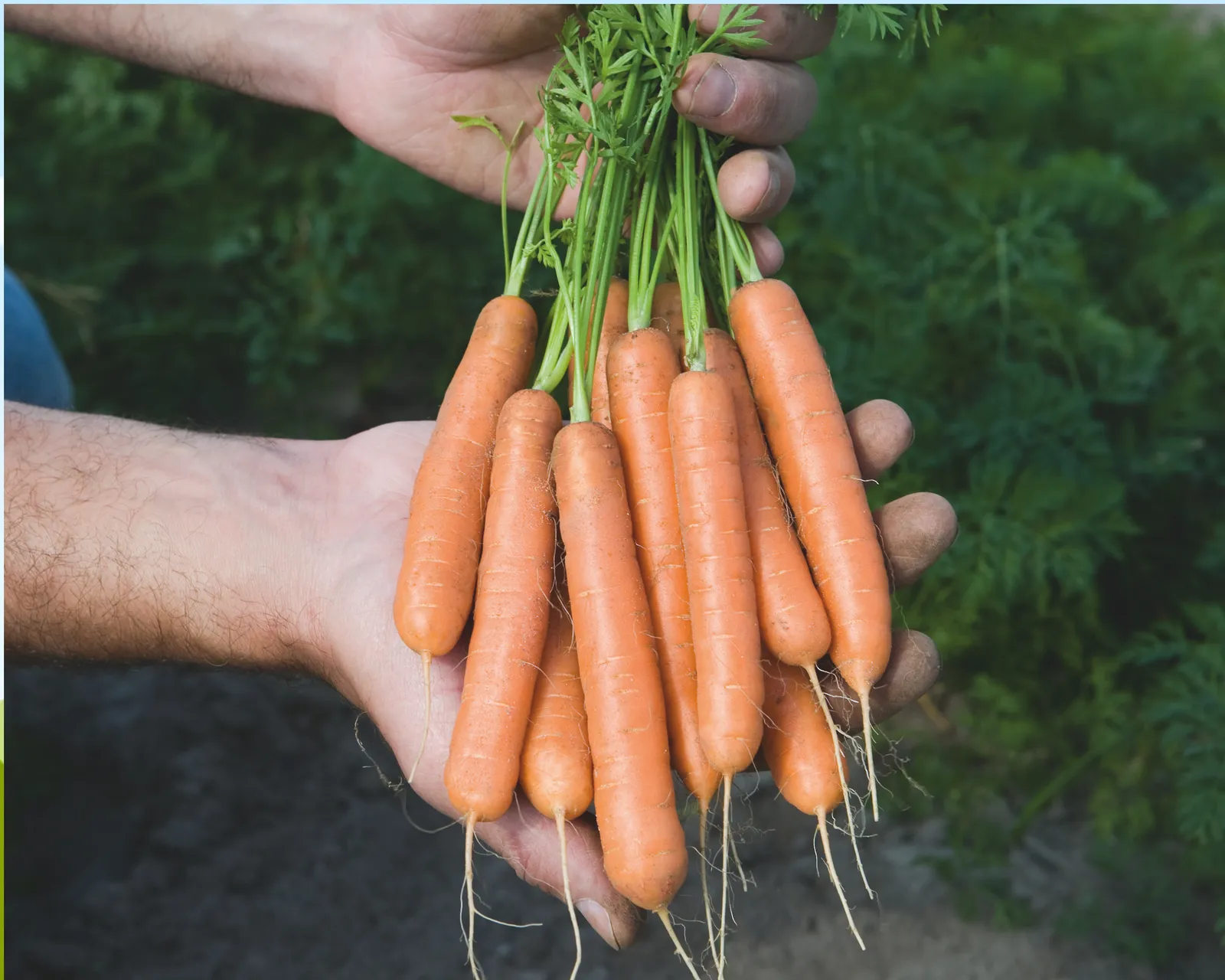
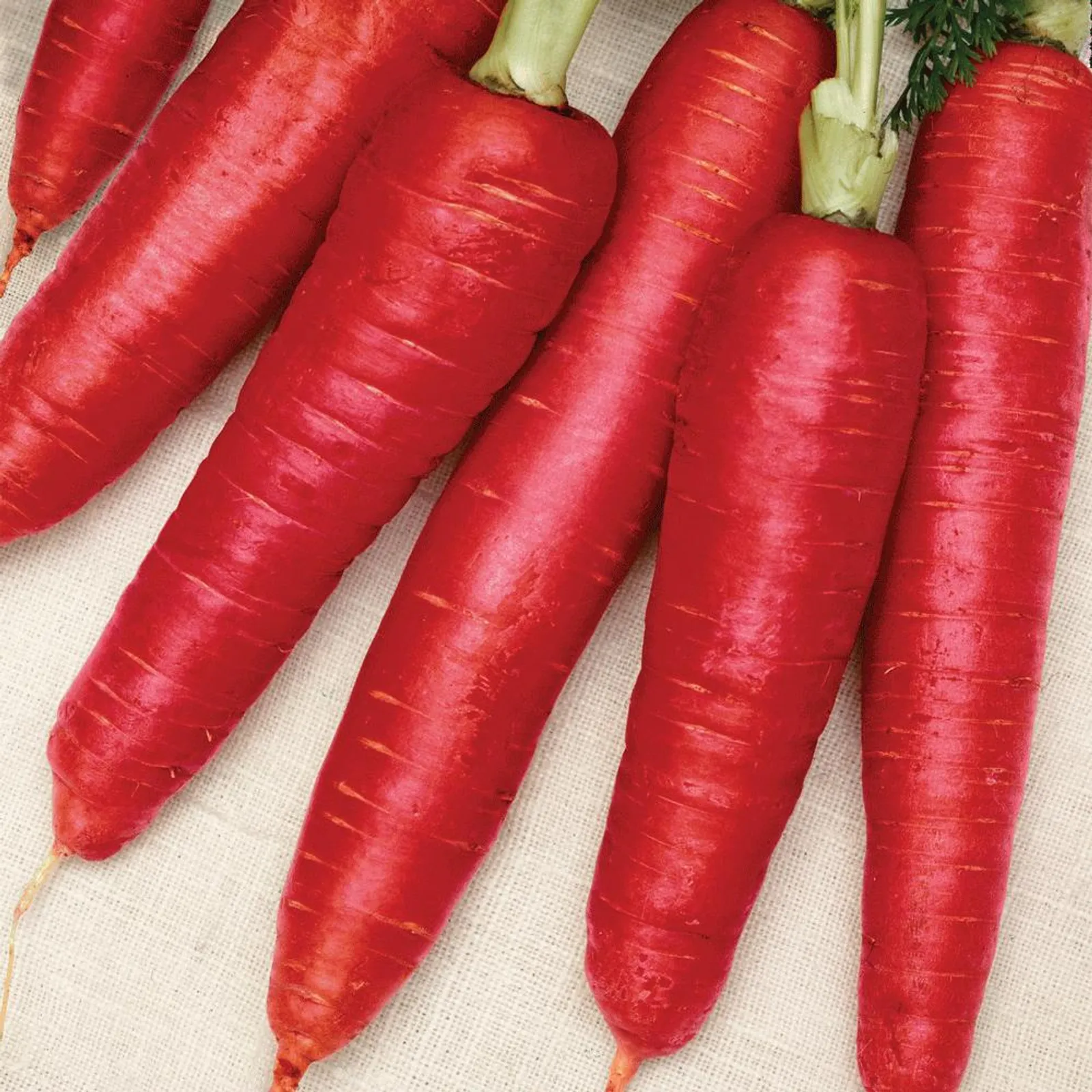
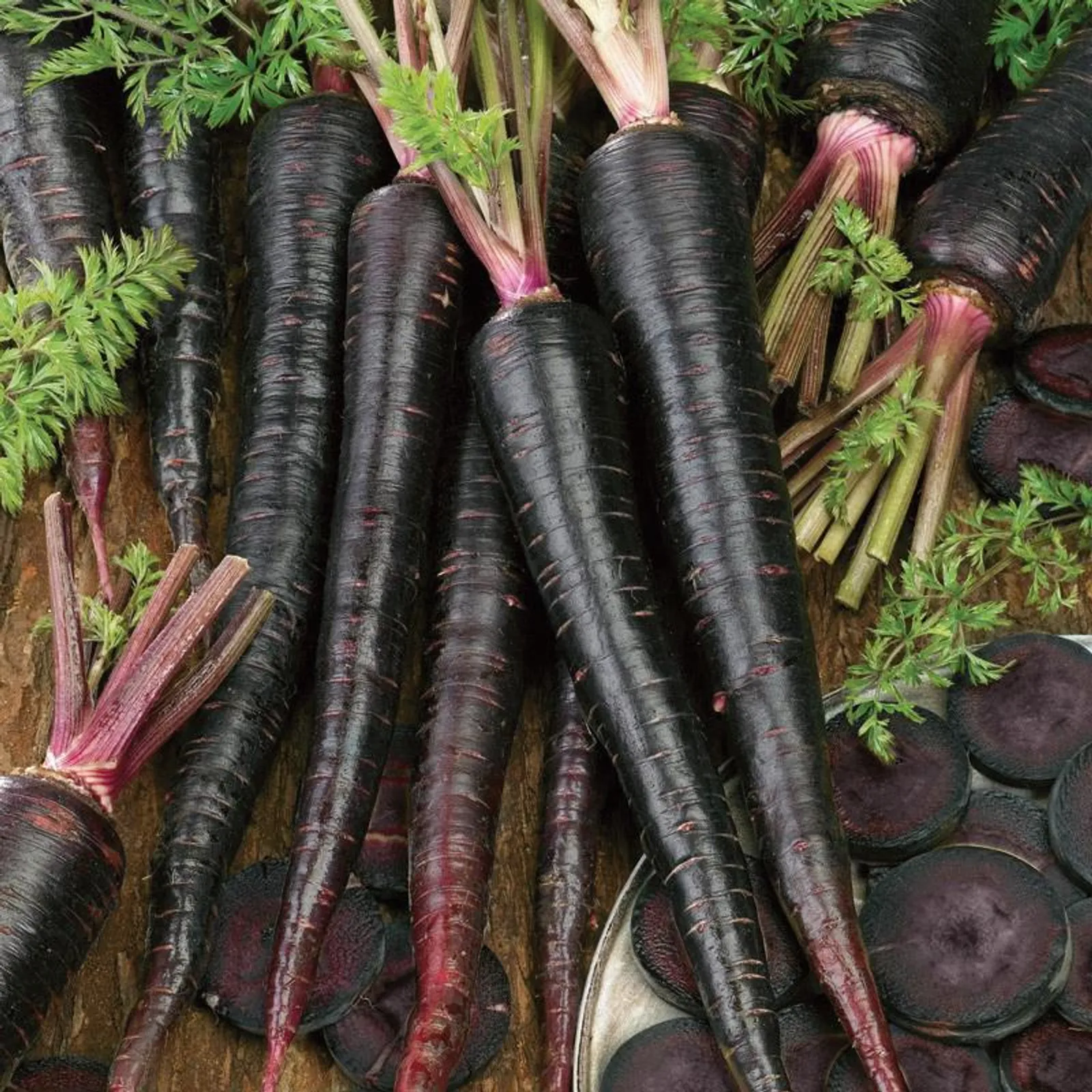
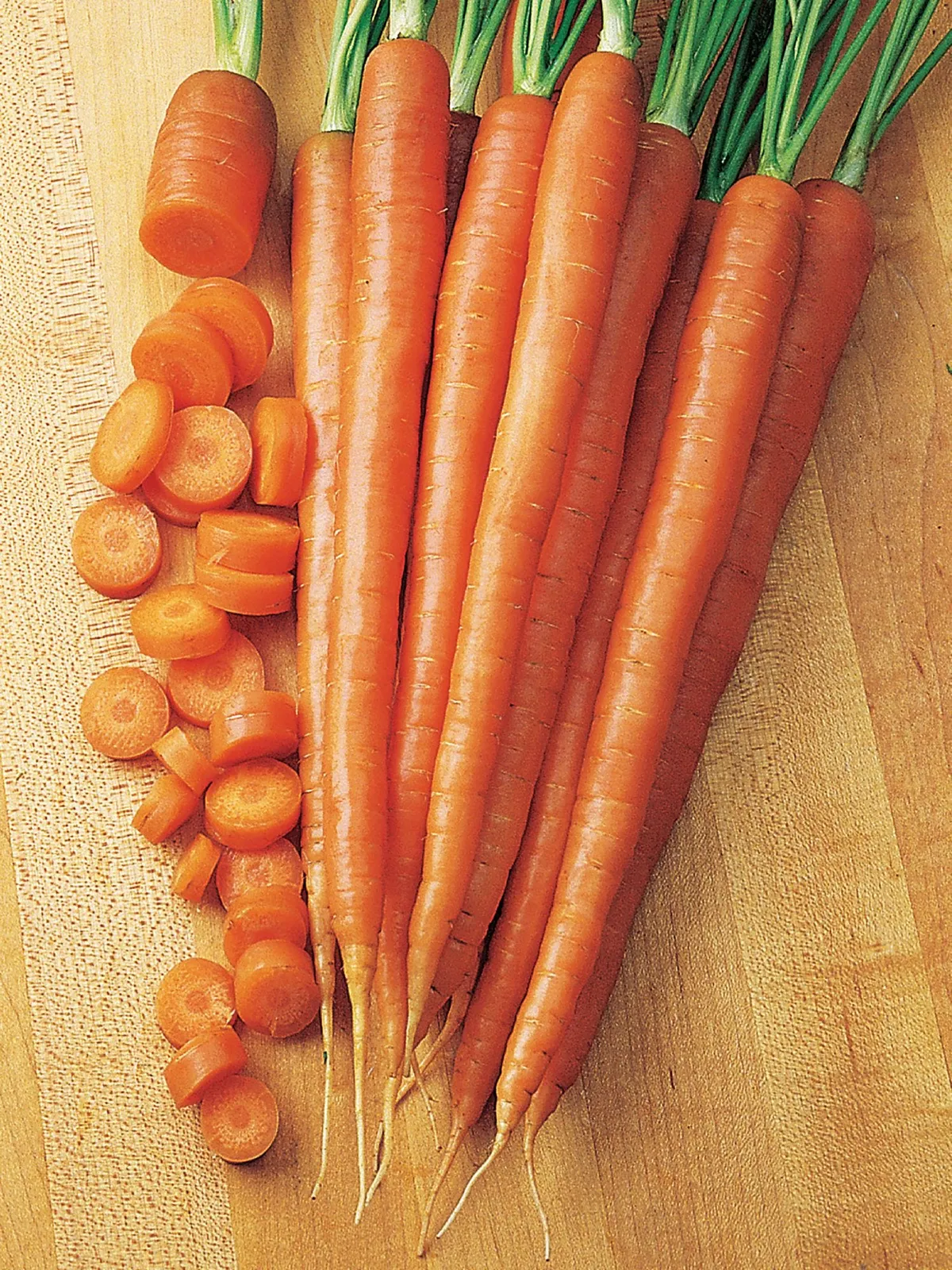
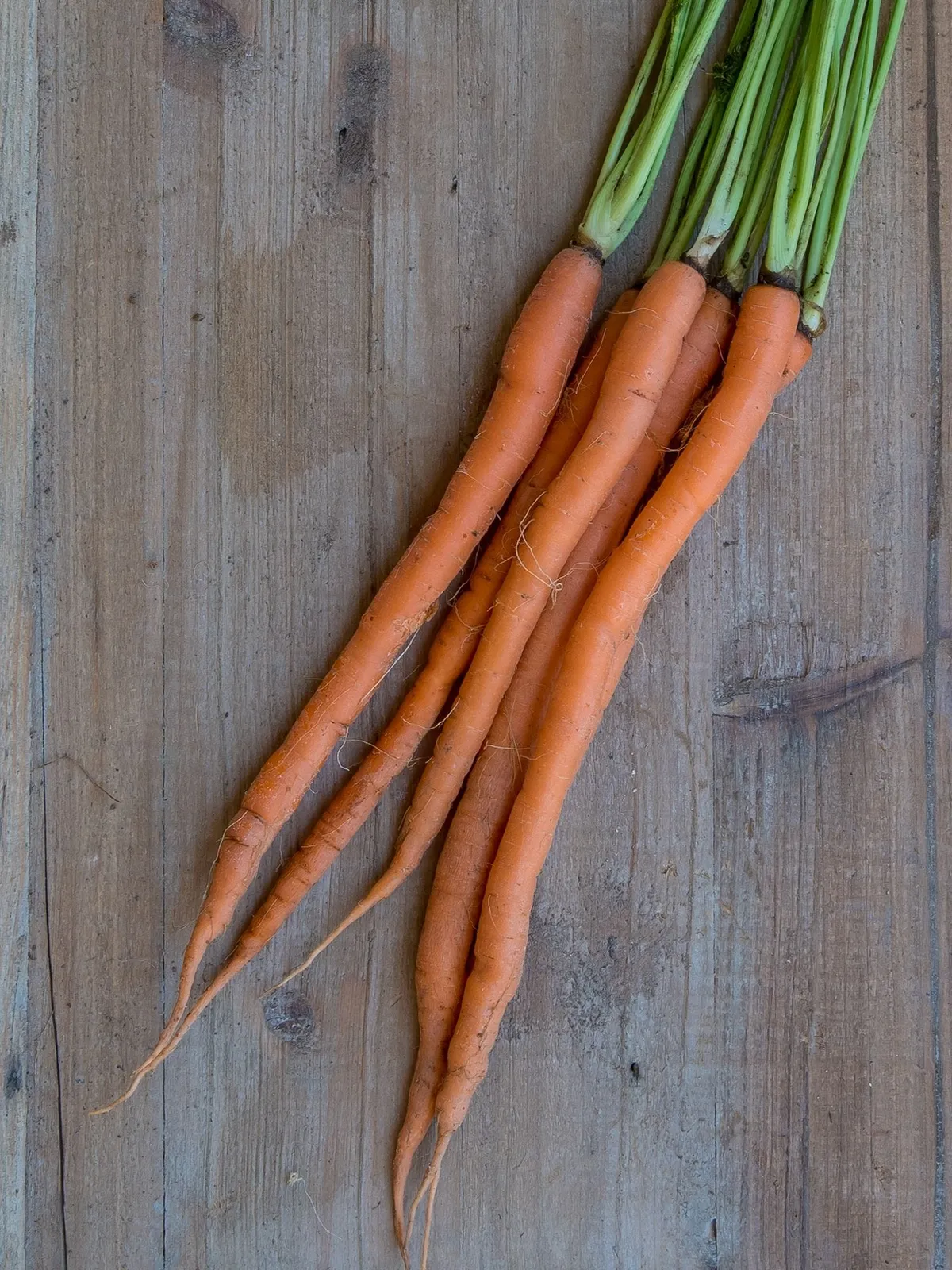
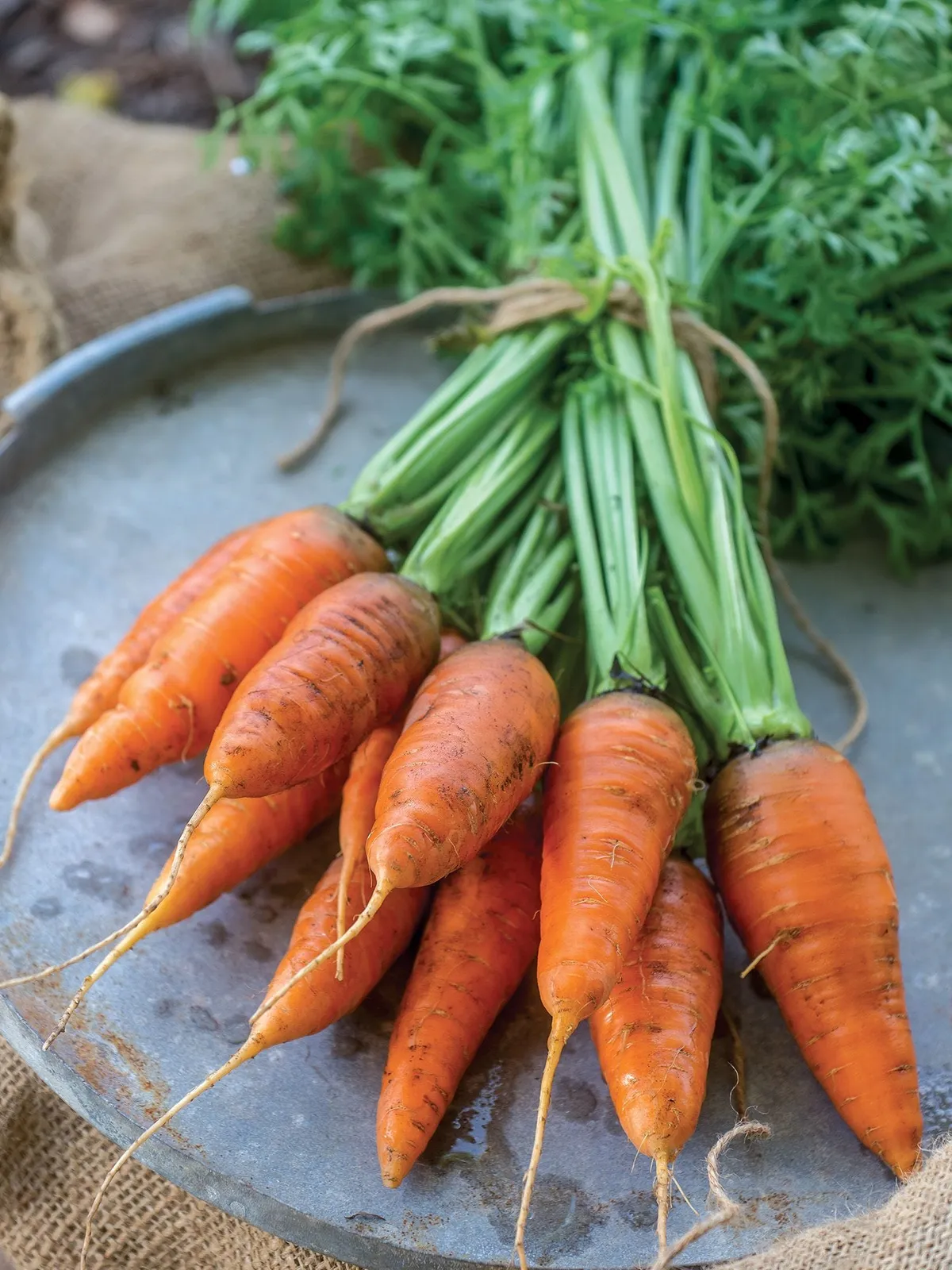
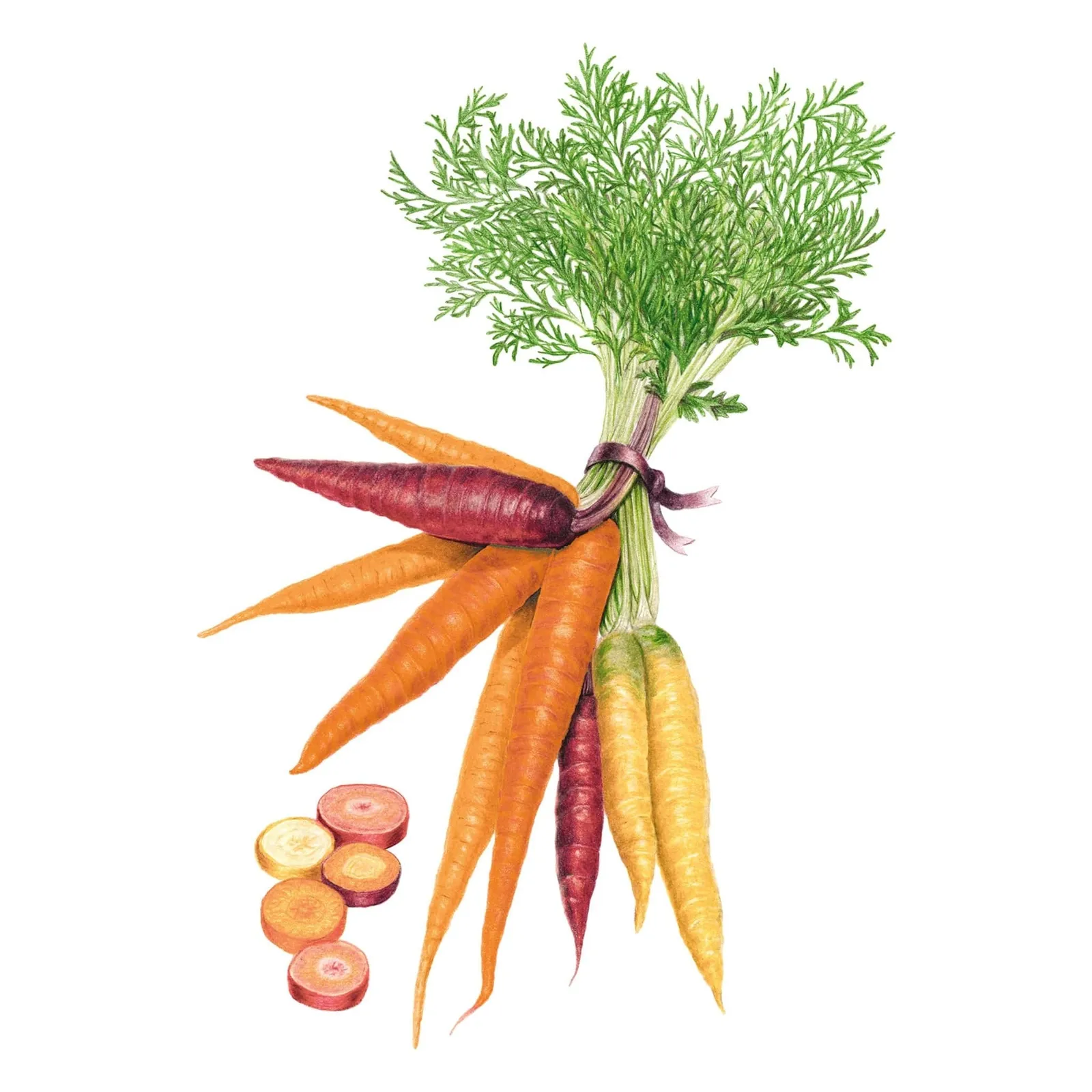
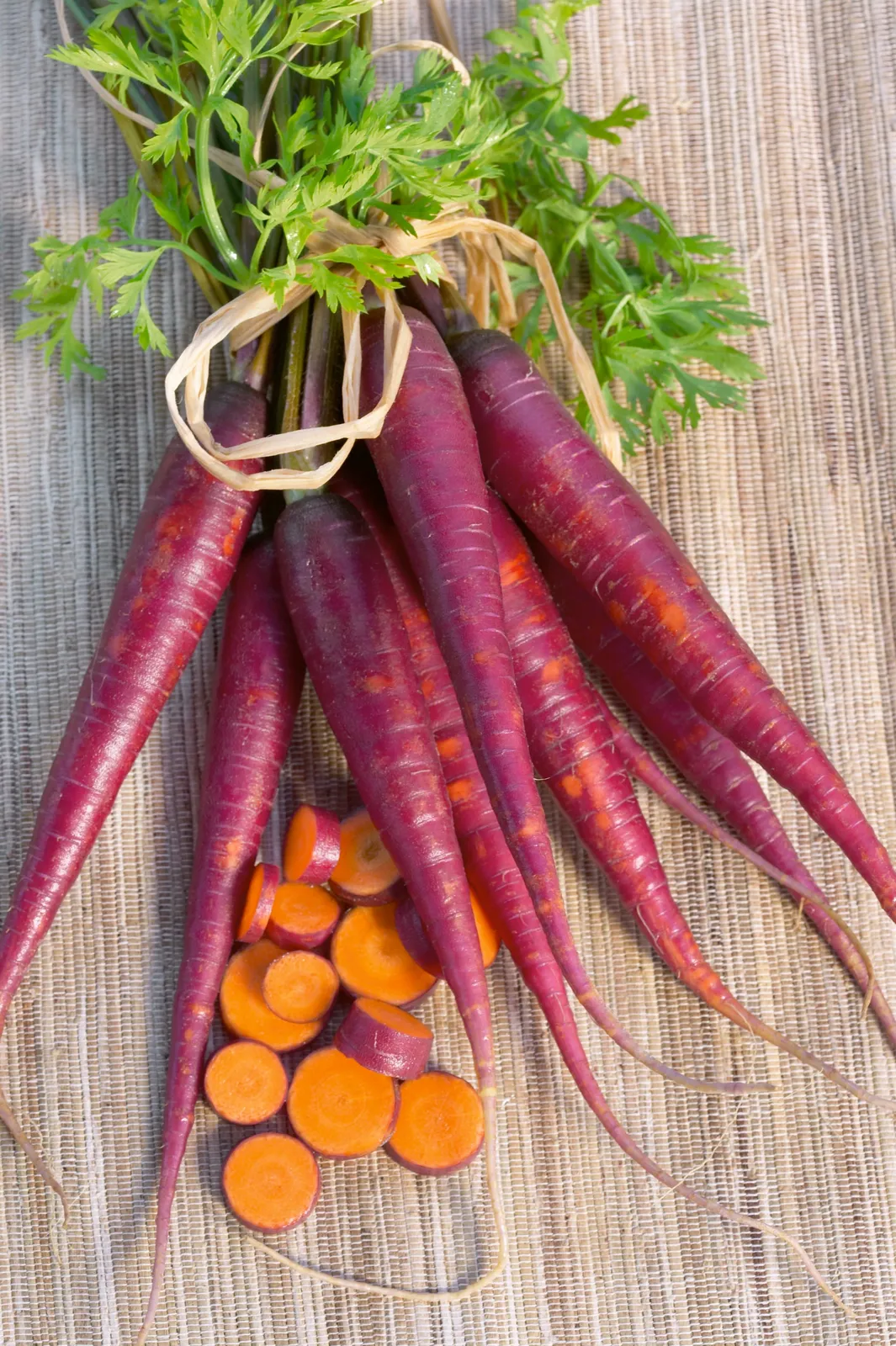
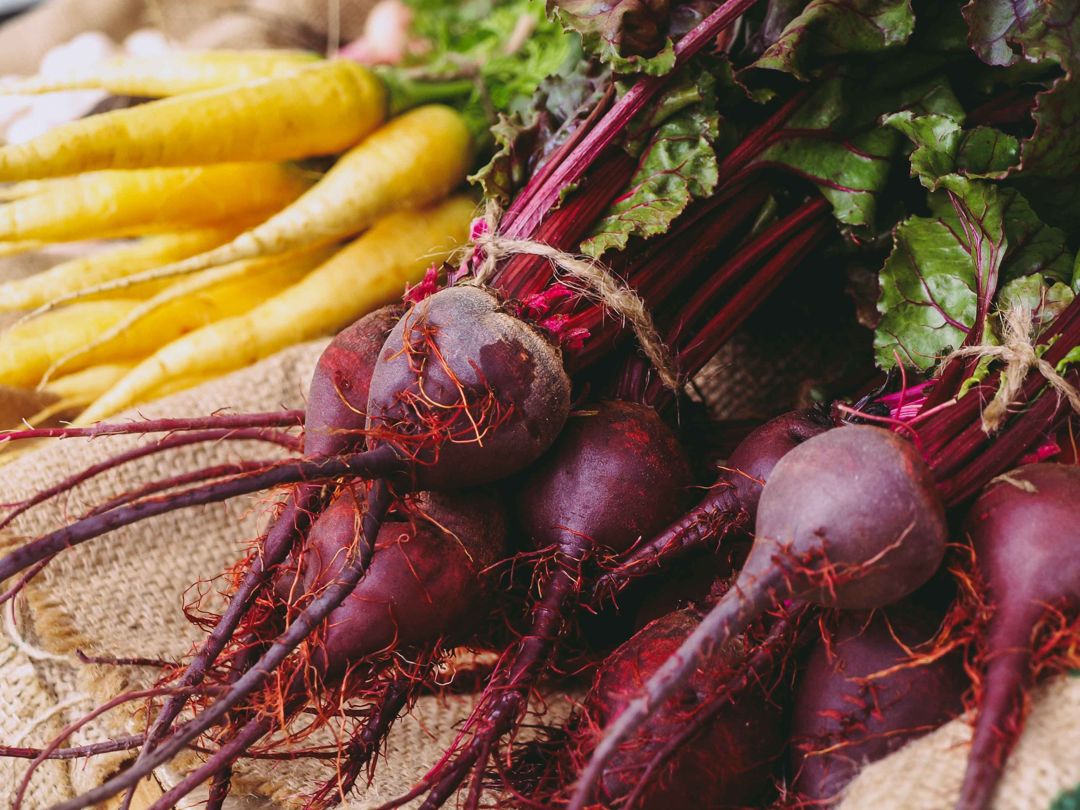
Carrots are a popular root vegetable. Carrots from the store can be a bit ho-hum, but for the garden there are many carrot color and flavor options available. There are purple, red, white, and yellow carrots along with the classic orange. Some carrot varieties are better suited for storage and cooking, while others are best suited for fresh eating. There are five main types of carrots: Imperator which are long and slender; Danvers which are medium-length, thick, and cone-shaped; Nantes which are medium-length and cylinder-shaped; and Chantenay which are short, wide-shouldered carrots; as well as speciality miniature/oxheart/parisian carrots. Miniature carrot varieties are sometimes called ‘baby carrots’ although virtually any type of carrot can be harvested while still small and young. Interestingly these are not the same as the packaged baby carrots in grocery stores which are large carrots that have been cut and polished! Carrots do best in light, loose soil however the smaller-rooted carrot varieties are better able to handle heavy soils.
How to Grow Carrots
Quick Info

Put away the pen and paper
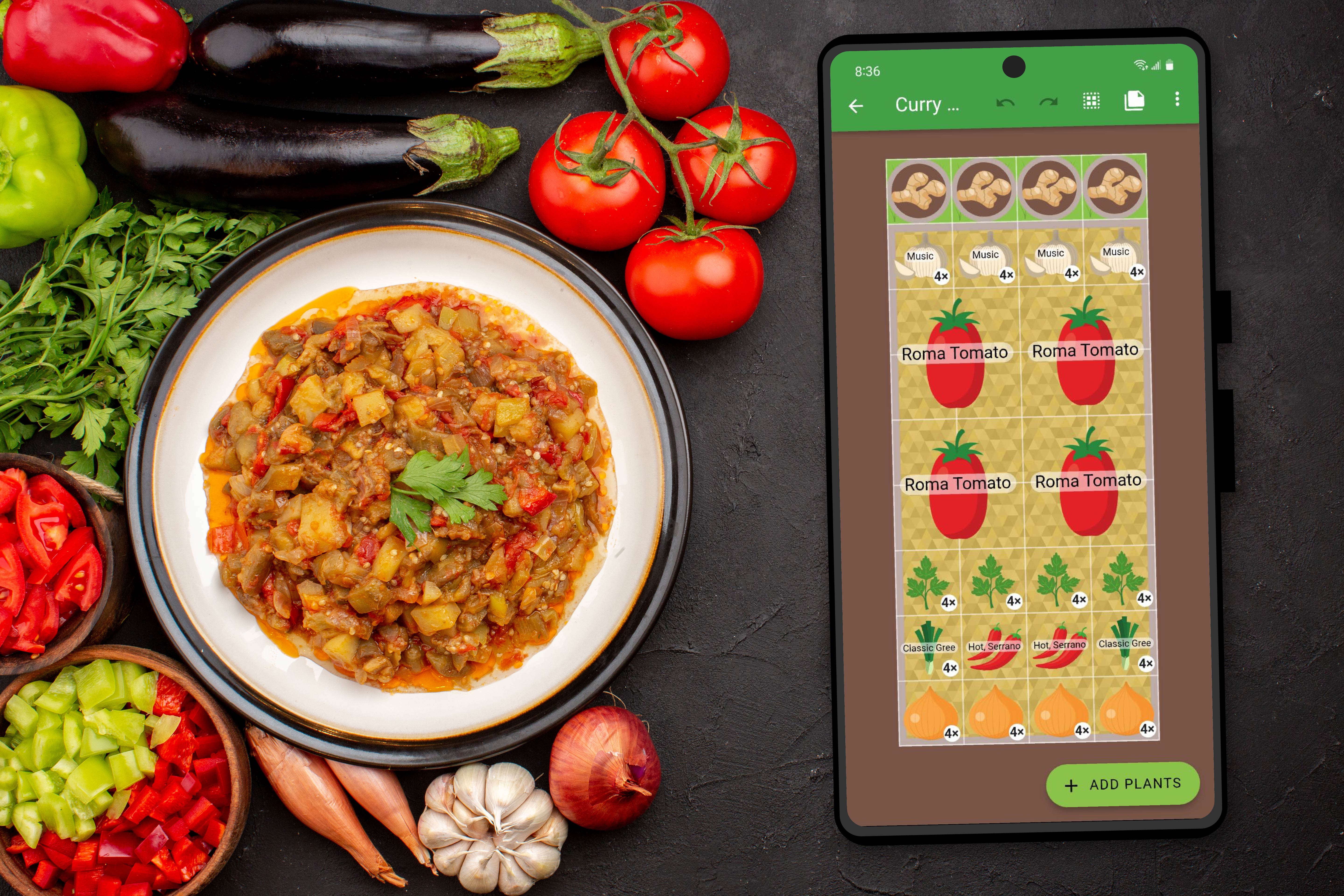
Plan your veggie garden in minutes with Planter's easy drag and drop planner.
Try Planter for Free
Varieties
Related Articles
.jpg)
Companion Plants



Combative Plants
Nutrition
Vitamins



Nutrients






Pests
Diseases
Beneficial Critters




Growing from Seed
Carrots should be sown directly outside as soon as the soil is workable. They should not be transplanted. Carrot seeds are very small and can be finicky to seed- if you struggle with this look for 'seed tape' or 'pelleted' seeds which can be easier to handle. Carrot seeds can be slow to germinate and the soil must be kept consistently moist to ensure germination. It can be difficult to keep carrot seeds moist since they are planted quite shallowly. Some gardeners place an untreated wooden board on top of their newly-sown carrot seeds after moistening the soil to help prevent the soil from drying out. Check under the board at least daily and remove it as soon as any seedlings emerge. Because the seeds are small it can be easy to accidentally over-seed carrots; thin seedlings down to the desired spacing as carrots will not grow sizably if they are overcrowded.
Planting Considerations
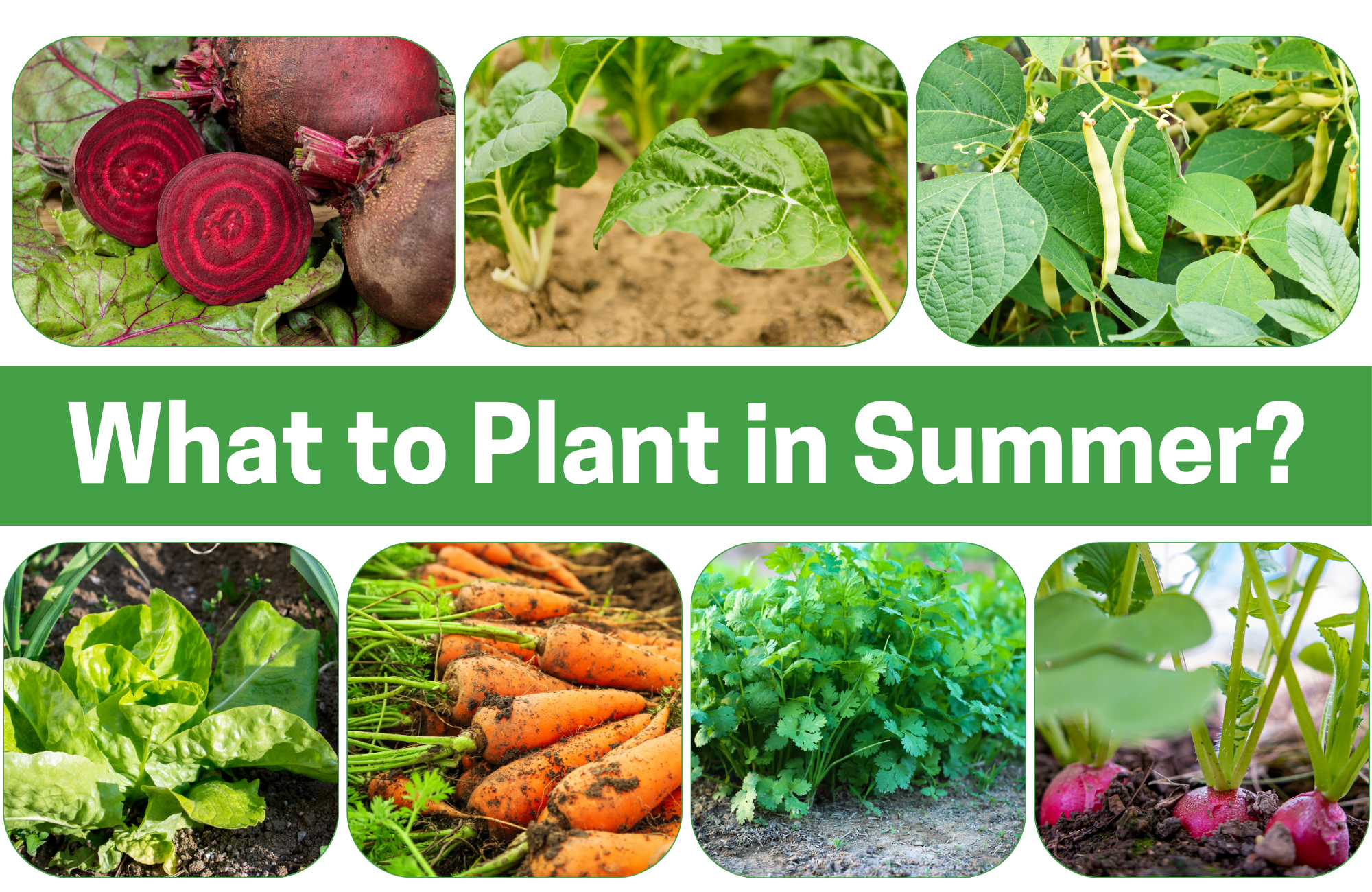
Carrots prefer loose, loamy to sandy soil. Add compost to the soil at the time of planting and loosen the soil with a garden fork if needed. Heavy clay soils or soils that are rocky can impede carrot growth. Carrot seedlings are very small which makes them difficult to spot and they do not compete well with weeds. Try to sow carrots into garden beds that do not have heavy weed pressure. Depending on how your carrots are sown you may need to carefully hand weed them especially when they are young to keep weeds from overtaking the tiny seedlings. Carrots can be grown throughout the gardening season in many areas but during the heat of summer they need consistent irrigation to help them stay cool and to prevent the soil from drying out. Plant carrots in succession (i.e., multiple times) to have an ongoing harvest through the season. You can also plant carrots with different days to maturity for harvests at different times. Carrots can be grown in containers. Choose a container that holds at least 1 gallon (3.8L) and is deep enough to accommodate the length of the root (for the variety you are growing) plus an additional 2" (5 cm).
Feeding
Carrots are light feeders and are able to 'scavenge' residual nitrogen from the soil. If your soil is fertile no additional fertilizer may be necessary, otherwise apply a balanced fertilizer at the time of planting. Too much nitrogen can cause excessive leaf growth and poor root development; be sure your chosen fertilizer is not nitrogen-heavy.
Harvesting
There is a wide variation in days to maturity between different carrot varieties; check the seed packet for the expected days to maturity for the varieties you are growing. Carrots that are left in the ground long past maturity may become tough, crack, or succumb to pests or diseases. To get a rough idea of how large the carrot roots may be look at the crown of the carrot in the soil (use your fingers to pull back some soil from around the crown if needed). Harvesting a few sample carrots is a good way to confirm the size. In very loose soils carrots can be pulled up by their tops however in many cases the soil will need to be loosened first with a garden fork. Insert the fork close to the carrots and pull back to loosen; be careful not to get too close and accidentally pierce the carrots.
Carrots are tolerant of light frosts and their flavor can sweeten with frost. Even if the tops die back the roots still remain harvestable for some time. Carrots can be mulched heavily and overwintered in the ground for harvesting in early spring (or even through winter for as long as the ground is not frozen). However they do need to be harvested out before they start to rot or bolt.
Storage
Wash the carrots and remove the leaves before storing. Carrot leaves can be used for carrot top pesto and other recipes if desired. Whole carrots can be stored in the fridge for up to a month. Carrots can also be peeled, chopped, and blanched in boiling water then cooled and frozen in airtight containers or freezer-safe bags. Carrots can be kept frozen for up to several months. Carrots can also be pressure canned or pickled for long-term storage. Be sure to follow a reputable source for canning and pickling recipes.
If you happen to have a root cellar, carrots can be stored there packed in boxes with damp peat moss, sawdust, or sand. Do not wash carrots if you plan to store them in a root cellar.