Bok Choy
Brassica rapa var. chinensis
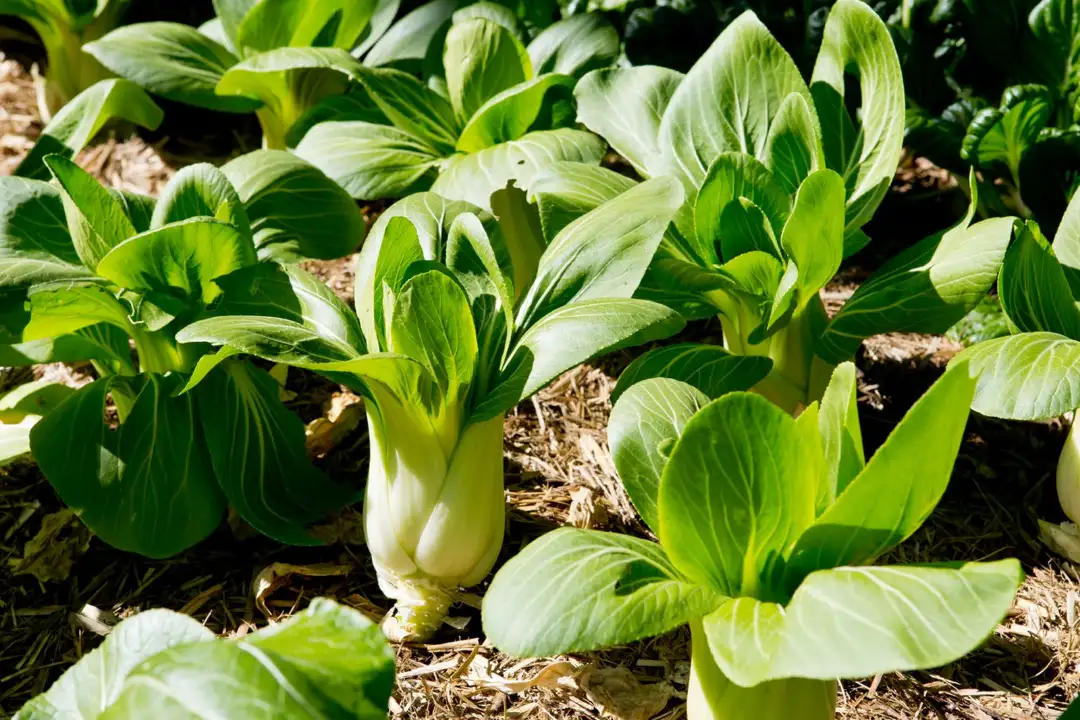
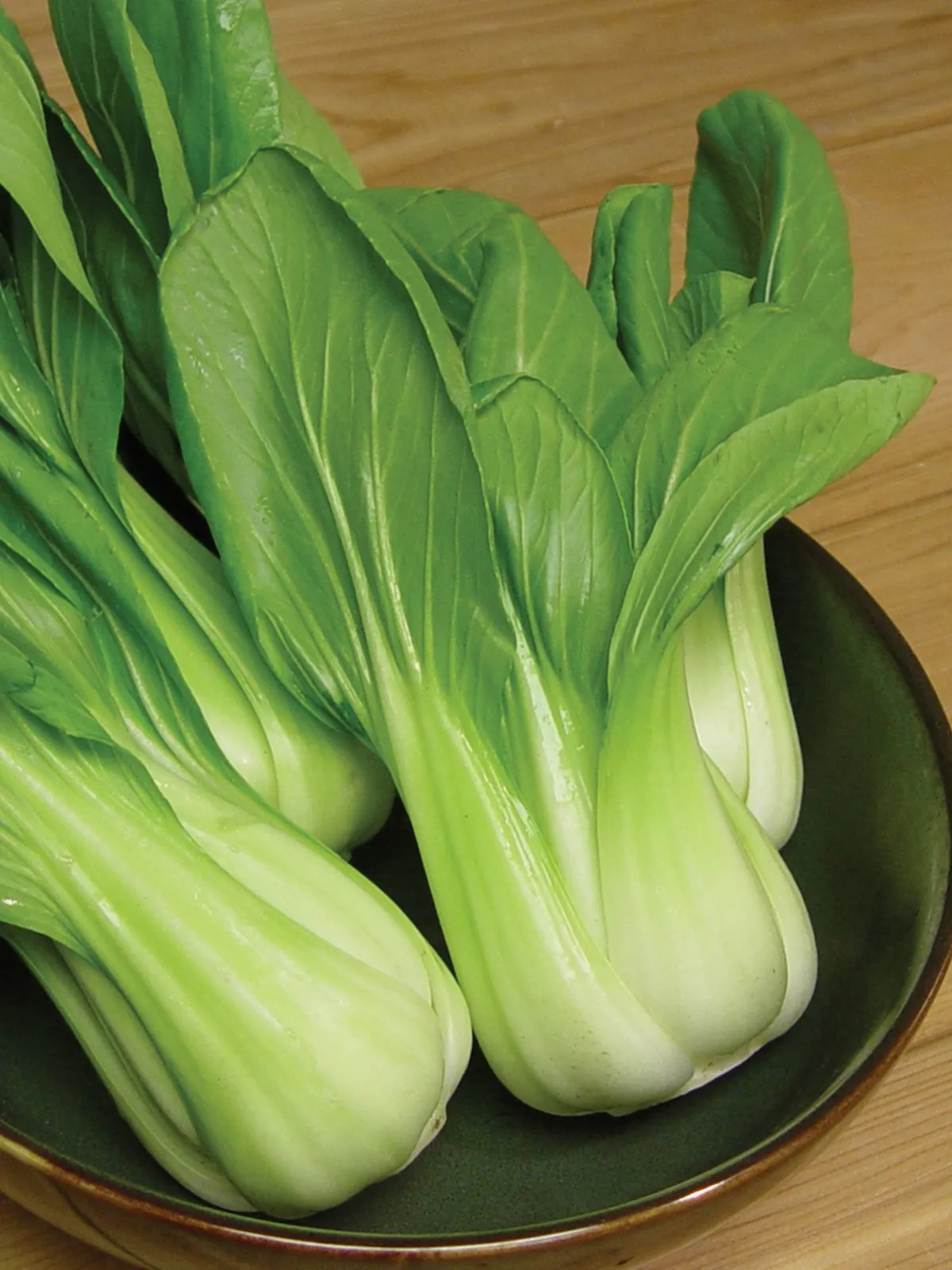
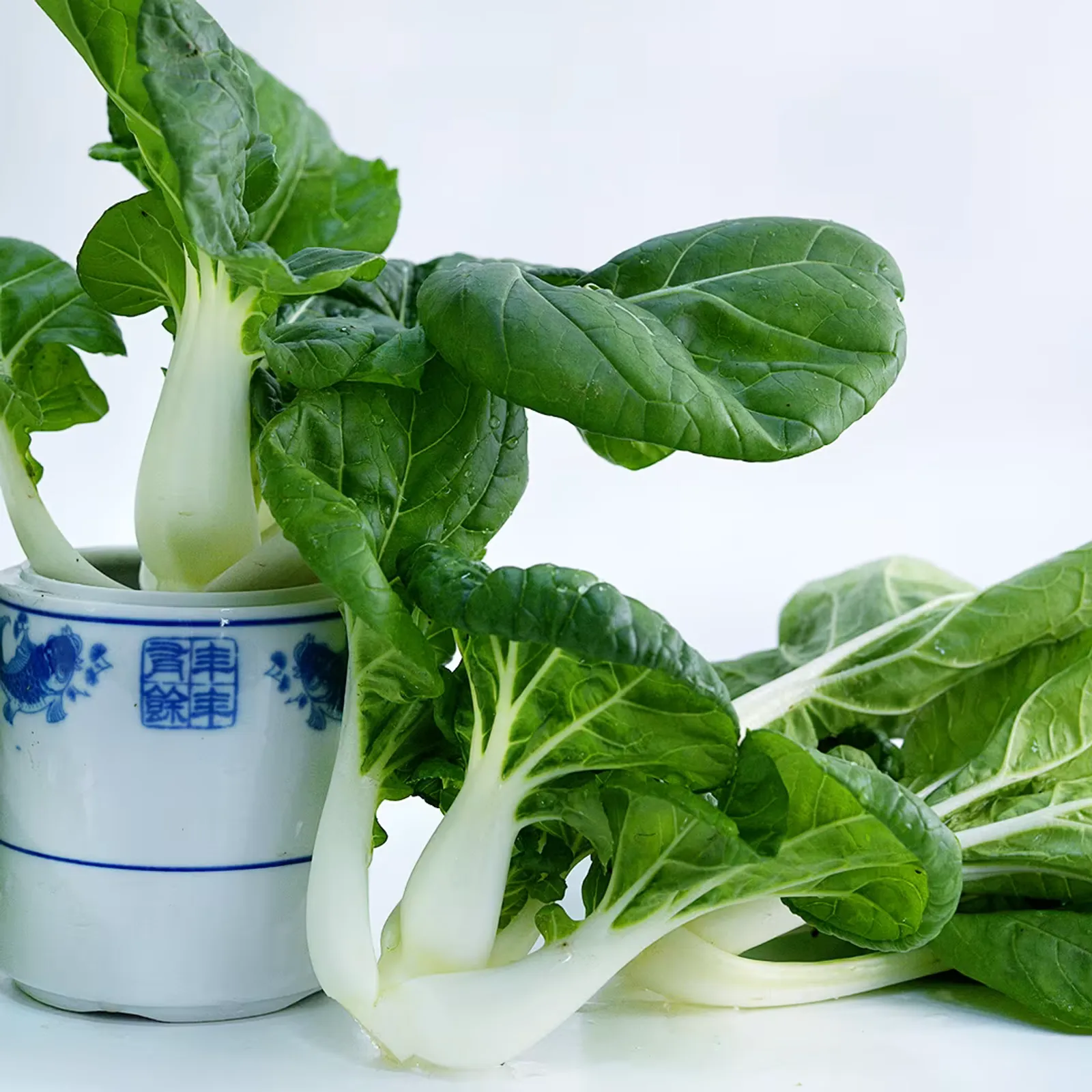
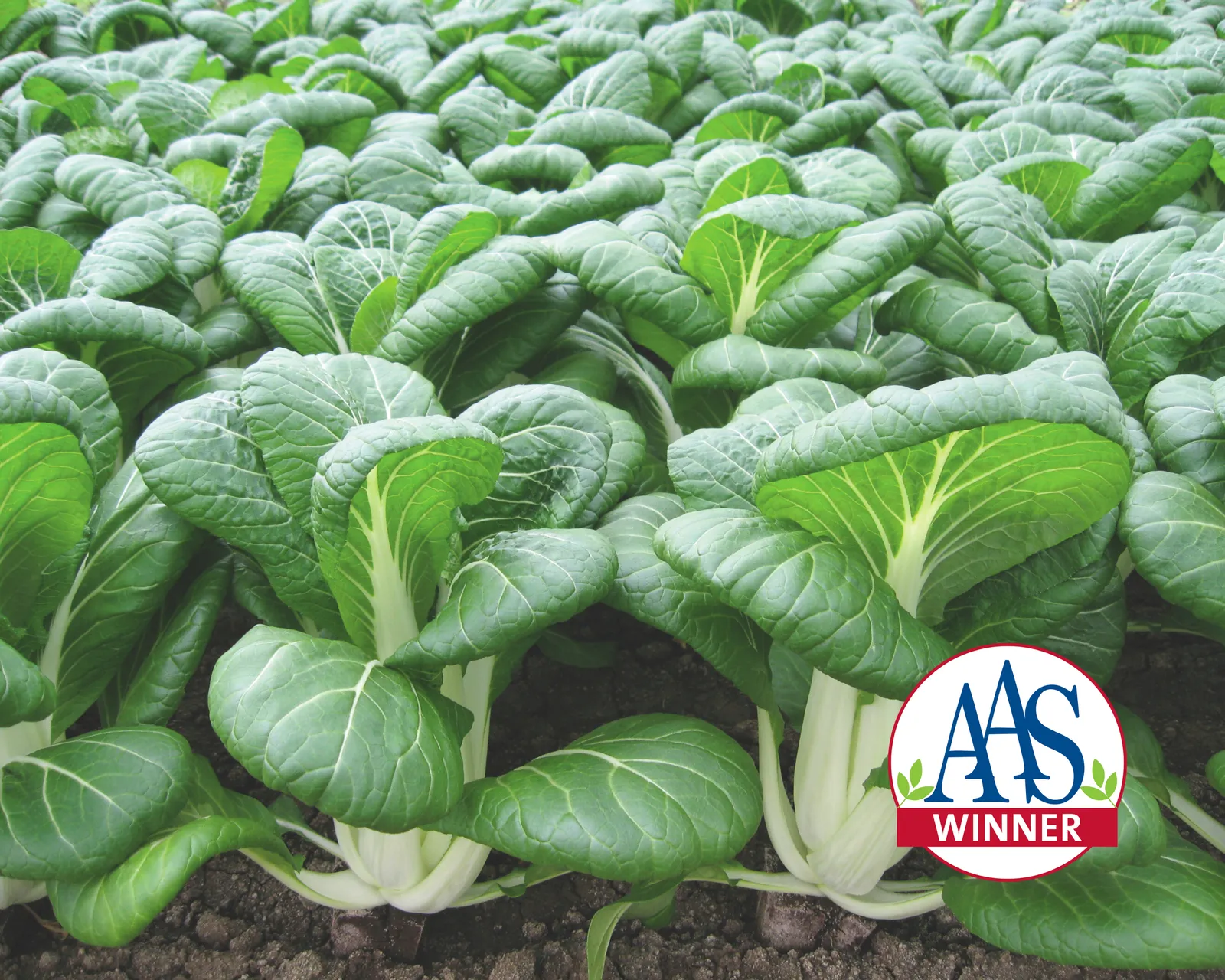
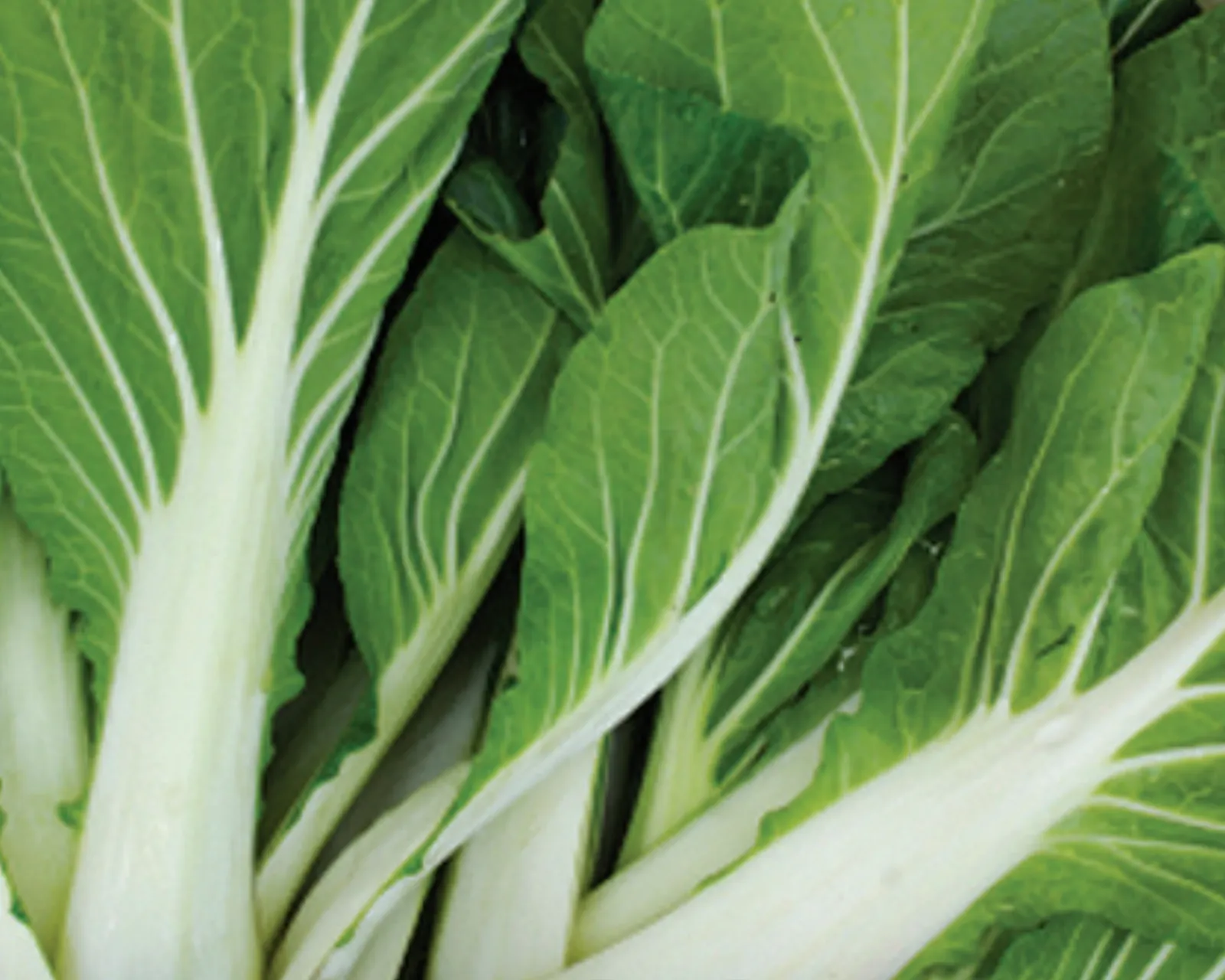
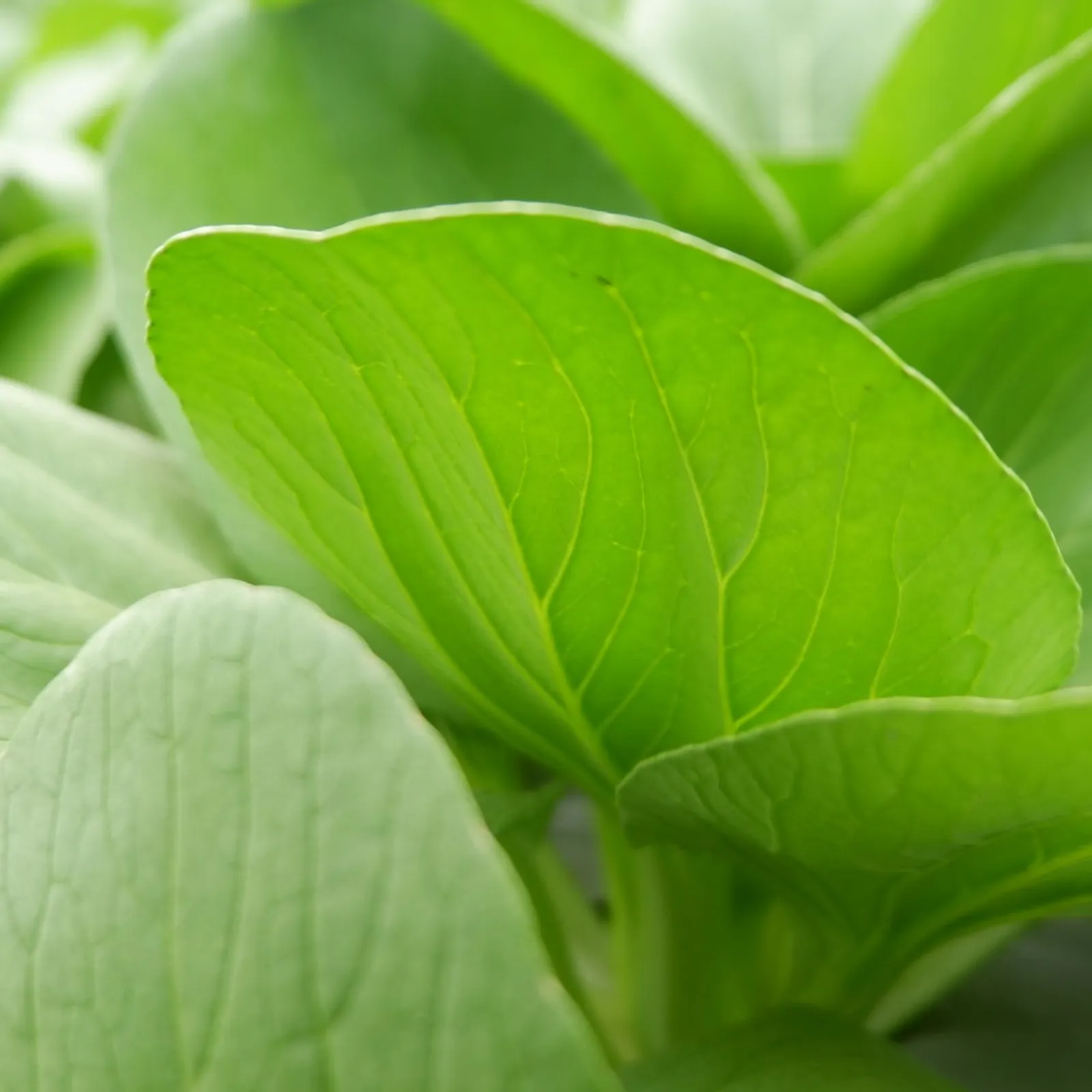
Bok choy is a type of Chinese cabbage that is grown for its mild, juicy, crispy stalks and leaves. Bok choy comes in white and green stemmed varieties, both of which are widely used in Asian cooking. There are also smaller 'baby bok choy' or 'toy choy' varieties that can be spaced more intensively and harvested sooner than full-size bok choy (although any bok choy variety can be harvested young). Bok choy is a compact, fast-growing crop that is relatively easy to grow and makes a great addition to the garden.
How to Grow Bok Choy
Quick Info


Put away the pen and paper
Plan your veggie garden in minutes with Planter's easy drag and drop planner.
Try Planter for Free
Varieties
Related Articles
.jpg)
Companion Plants









Nutrition
Vitamins





Nutrients










Pests
Diseases
Beneficial Critters
Growing from Seed
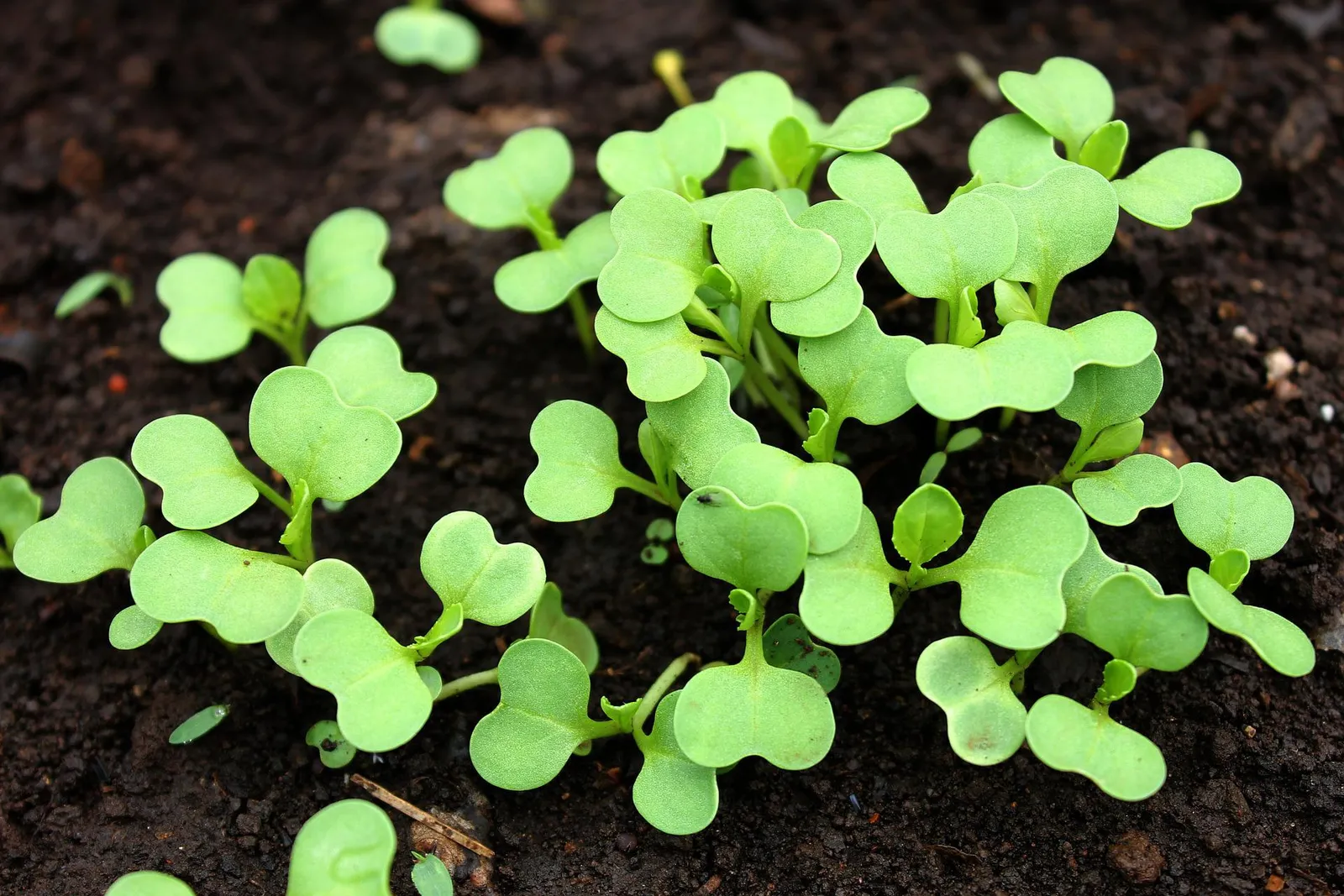
Bok choy can be started indoors or directly sown in the garden. Young bok choy seedlings exposed to temperatures below 50°F (10°C) for multiple nights may bolt prematurely, so starting seeds indoors is useful to get a head start when the weather is still cold outside. Keep the seed starting mix consistently moist. Provide supplemental light as soon as seedlings emerge.
Planting Considerations
Bok choy grows best in fertile, loamy soil. Work compost into the soil prior to planting. Bok choy can tolerate partial shade although growth will be slower. Do not allow bok choy seedlings to become root bound before transplanting otherwise the plant may bolt prematurely. Bok choy seedlings can be transplanted out after the risk of frost has passed. Harden off seedlings before transplanting out. Bok choy can also bolt prematurely when stressed; keeping the plants cool and well-irrigated can help. Lengthening days is yet another factor that can potentially cause bok choy to bolt. If you've had issues in the past with bok choy bolting too quickly during the season it may be best to plant it when days are becoming shorter or to try bolt-resistant varieties. Bok choy is susceptible to many pests. Put on row cover or insect netting at the time of planting if pest damage is a concern. Row cover can also help keep plants warmer in spring.
Feeding
Bok choy is a heavy feeder. Apply a balanced, slow-release fertilizer at the time of planting.
Harvesting
Bok choy can be harvested as a cut-and-come-again crop by picking off a few of the outermost leaves, although usually the whole head is harvested. Check the seed packet for the expected days to maturity and mature size for the varieties you are growing. Use a sharp knife to carefully cut the stem underneath the head. Be careful as the tough stems can cause dull knives to slip. Remove any damaged or yellowed outer leaves. Bok choy that is starting to bolt can still be harvested so long as the flowers have not opened.
Storage
Bok choy stems can accumulate a lot of grit so be sure to wash stems and leaves thoroughly before cooking with bok choy. Whole bok choy heads can be stored in the fridge for up to 1-2 weeks. To freeze bok choy, wash and dry it thoroughly before chopping it into usable pieces and placing them in an airtight container or freezer-safe bag. Bok choy can be kept frozen for several months.