Marjoram
Origanum majorana
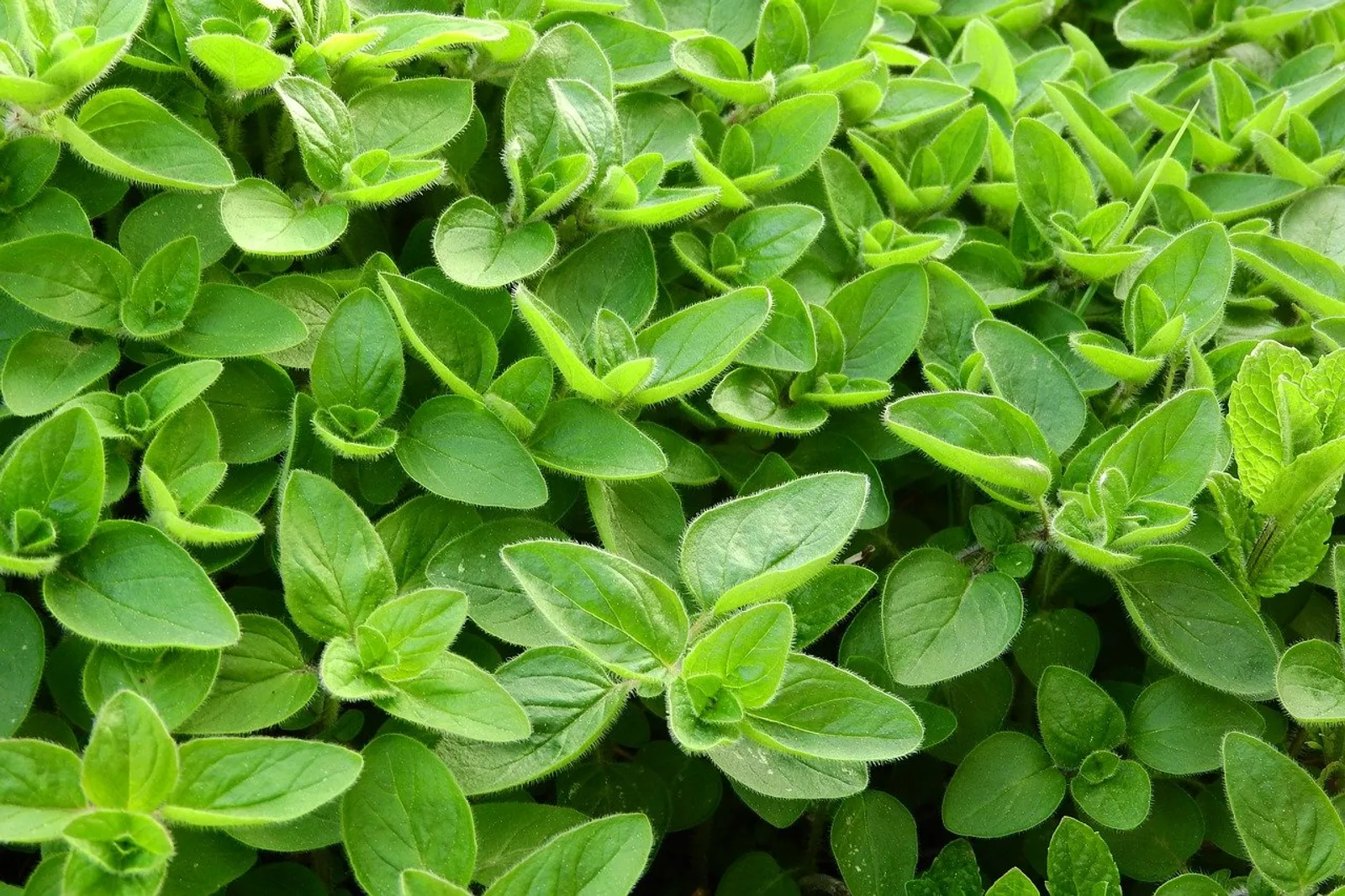
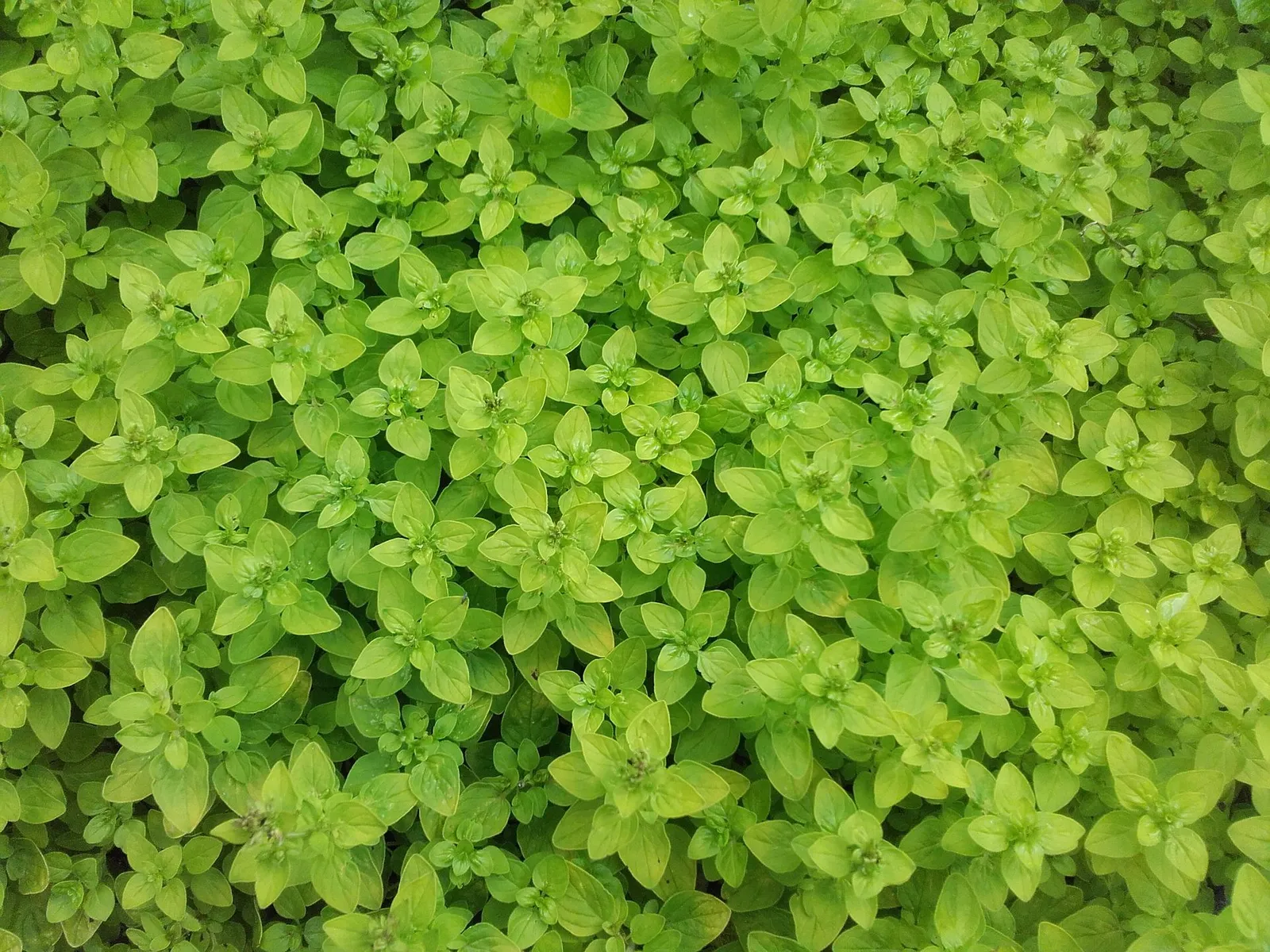
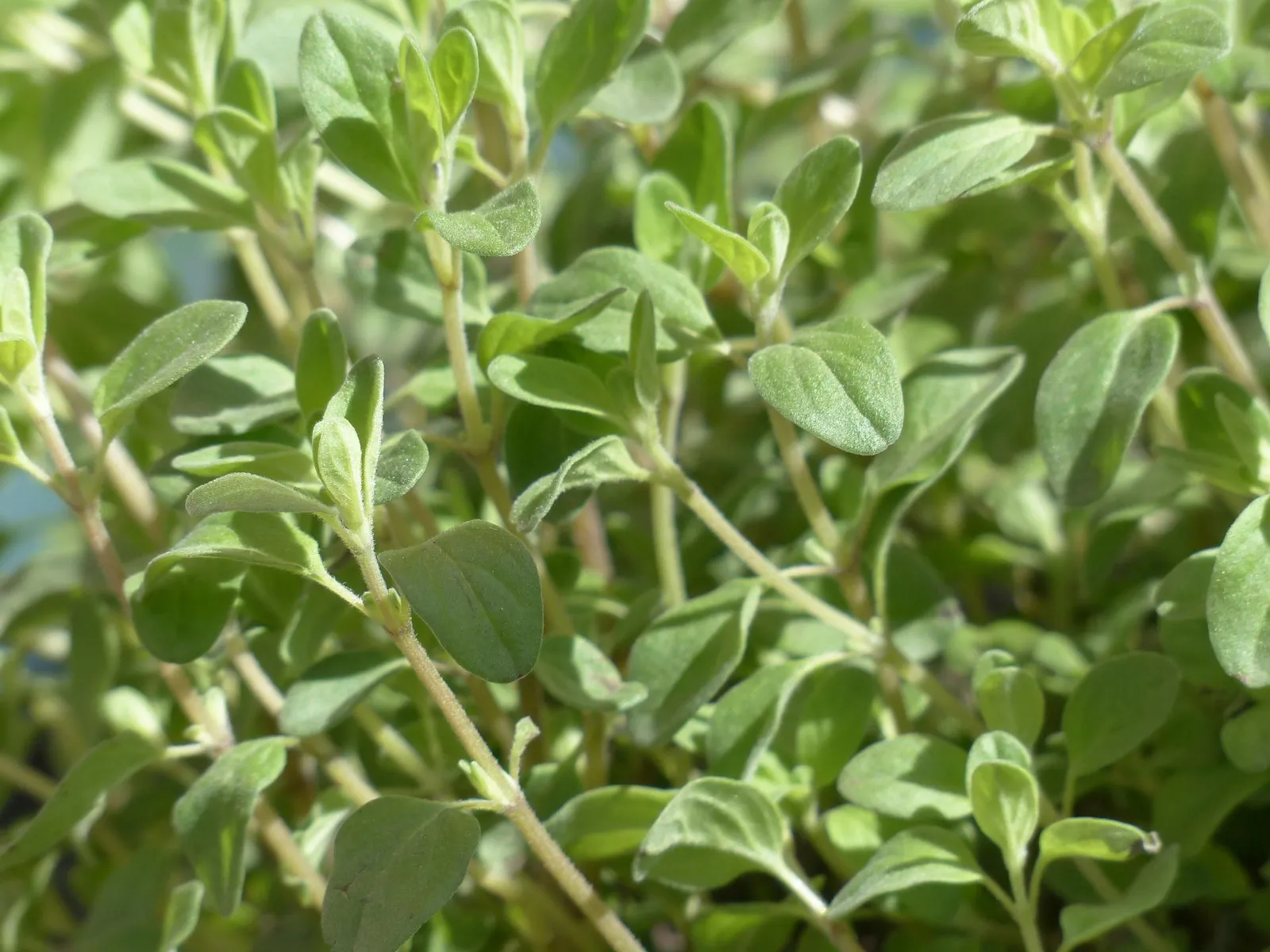
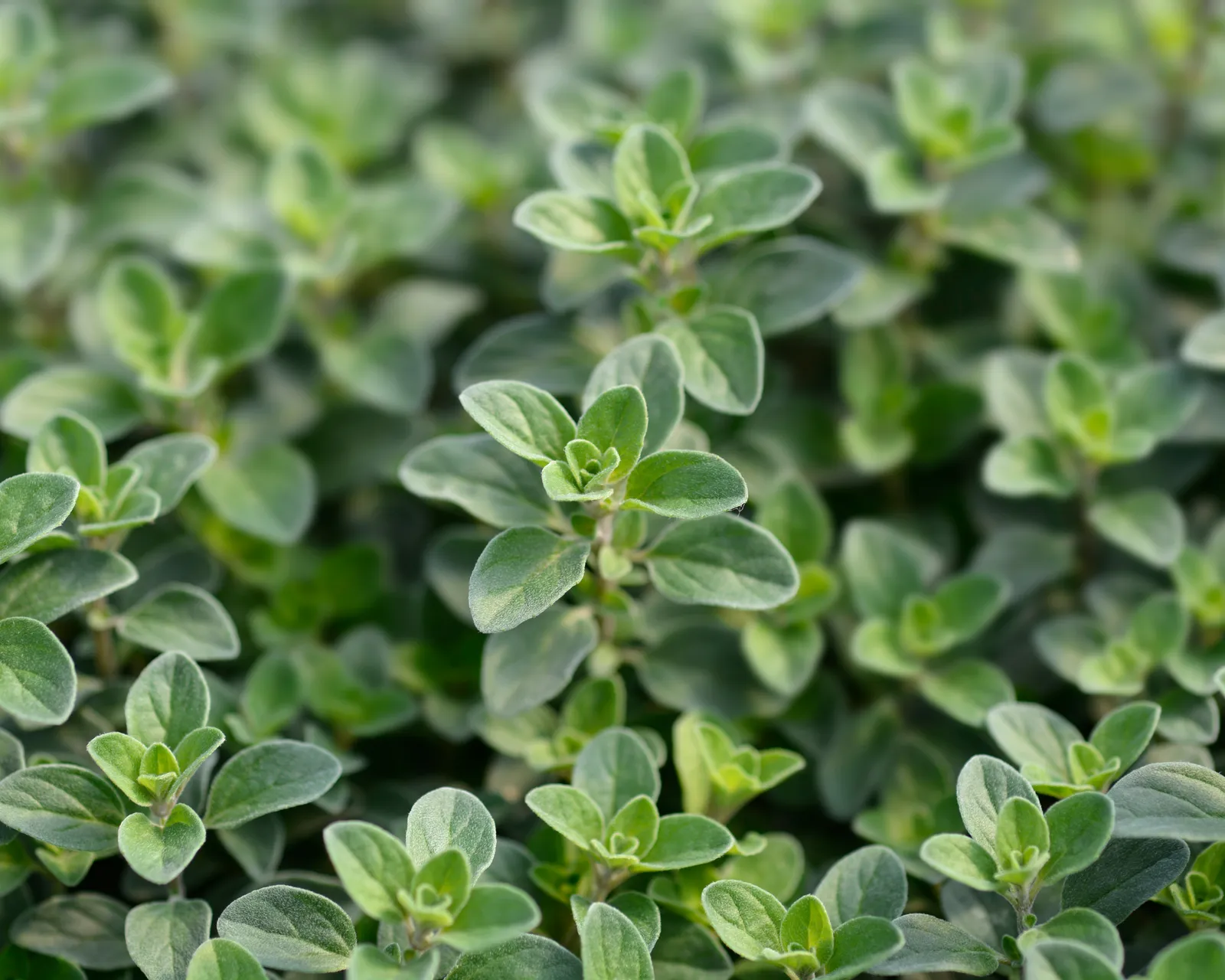
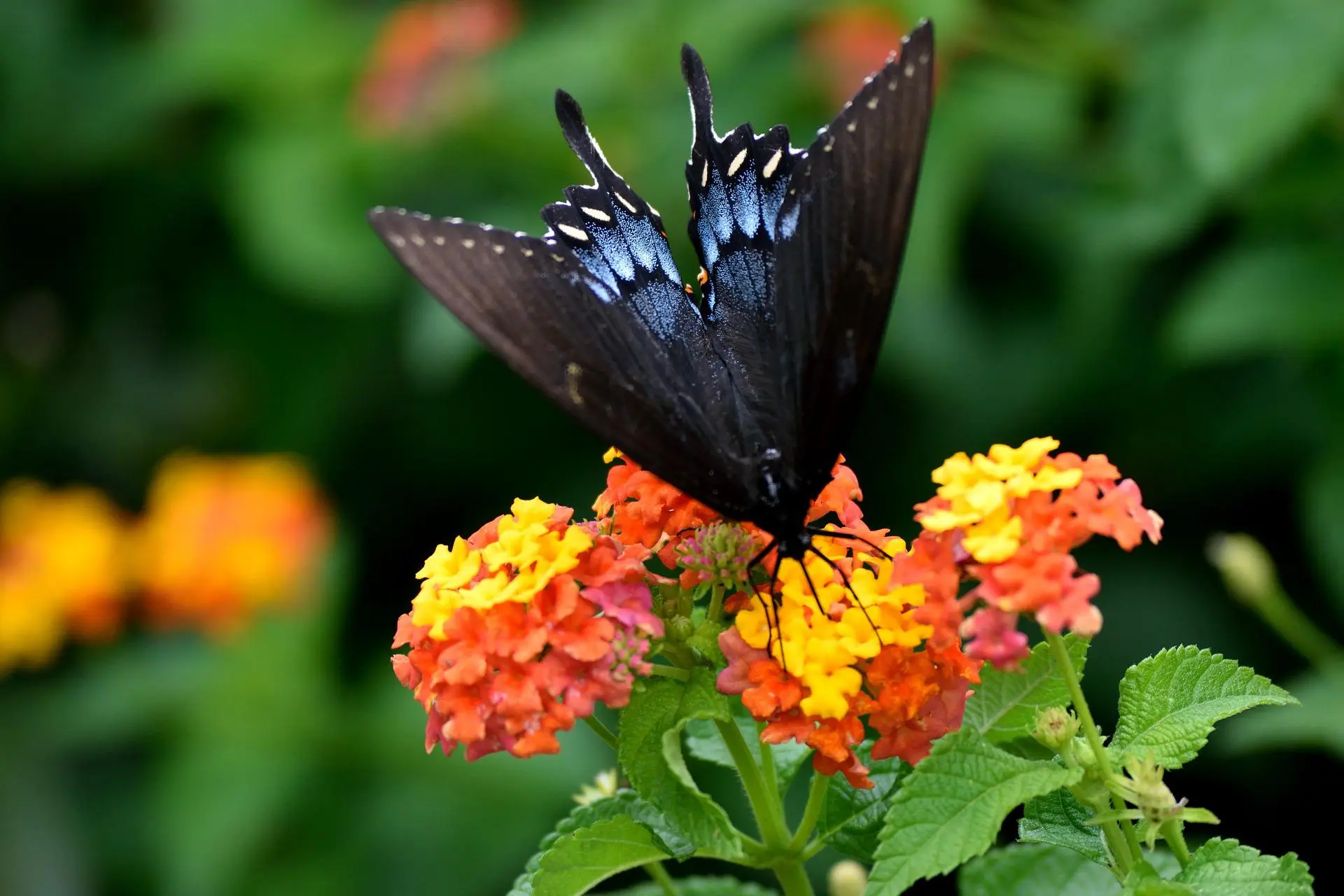
Marjoram is similar in taste to oregano, but possesses a sweeter and more delicate flavor. Though technically a perennial, marjoram is grown as an annual in most climates. This herb is great at repelling cabbage moths from the garden. Additionally, marjoram can attract beneficial insects such as butterflies.
How to Grow Marjoram
Quick Info


Put away the pen and paper
Plan your veggie garden in minutes with Planter's easy drag and drop planner.
Try Planter for Free
Varieties
Related Articles
Companion Plants








Pests
Beneficial Critters

Growing from Seed
It is recommended that you start marjoram indoors instead of directly sowing seeds in the ground. Do not use seed starting trays with extremely small cells, as young marjoram plants need adequate room to build their system of roots before transplanting. Fill trays with seed starting mix, then water it. Disperse the seeds on top of the mix. You can tamp them down lightly. The seeds should not be covered with soil. For best results, keep your seed starting tray on top of a heating mat until seeds germinate. Give new seedlings plenty of light. Be sure to harden off seedlings by gradually exposing them to more and more time outdoors, right up until transplant time. Transplant when your seedlings have two or more pairs of leaves.
Planting Considerations
Be sure to keep soil damp, but never overly wet. Marjoram is fairly drought tolerant. Marjoram should be grown in well-drained soil.
Feeding
Marjoram plants are very low-maintenance. There is no need to apply fertilizer around them. If you would like to, you can lightly fertilize seedlings 3-4 weeks after they emerge with a weak starter solution. You can also work a little organic matter into the planting area, though this is not necessary for most soil types.
Harvesting
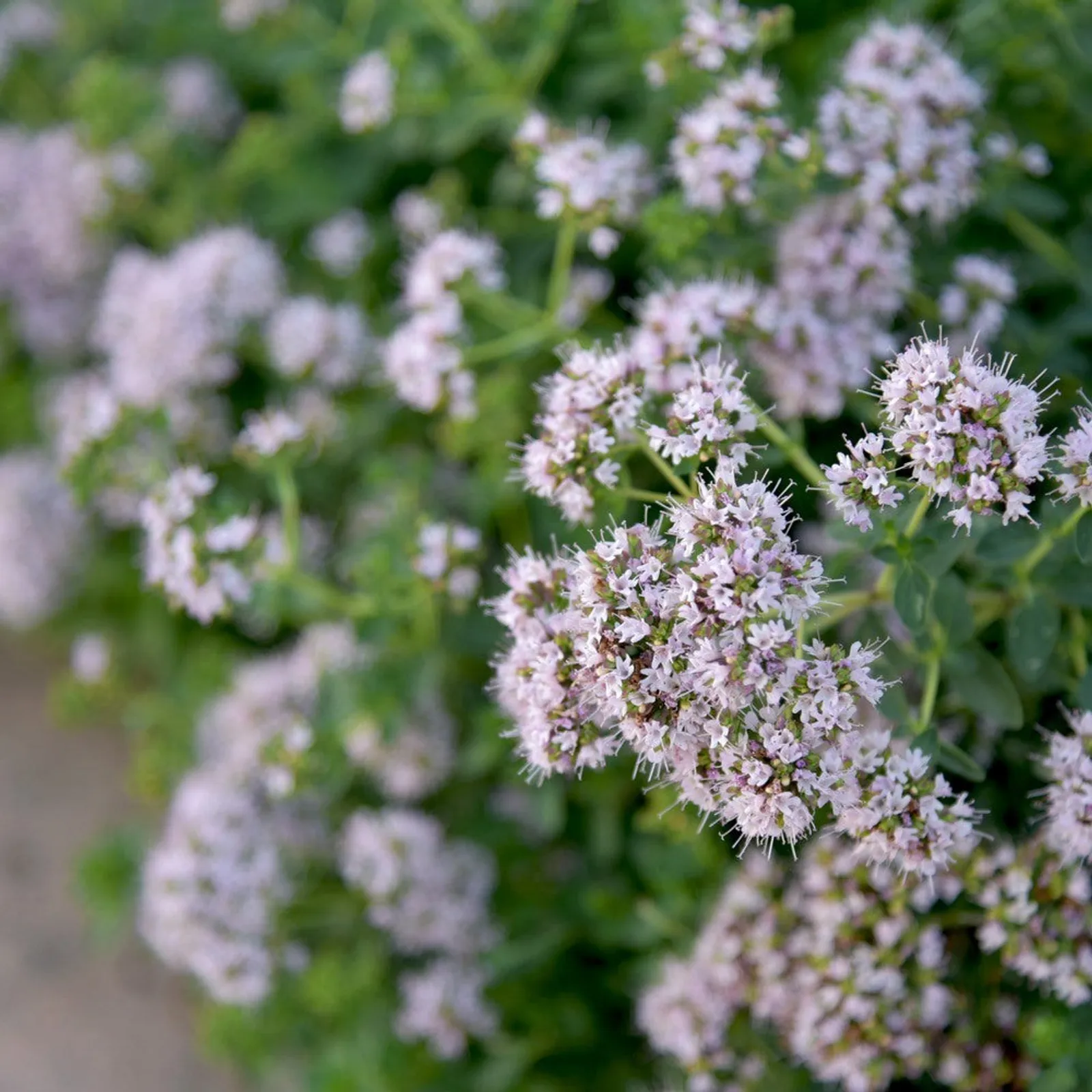
Pick marjoram stems just before their flowers open. Once the flowers have actually bloomed, marjoram leaves start to become bitter.
Storage
Marjoram can be used fresh, or dried. To dry marjoram, bundle several cuttings and hang them upside-down in a dark, dry room. Pick the leaves off, crush them, and store them in an airtight glass jar.