Brussels Sprouts
Brassica oleracea var. gemmifera
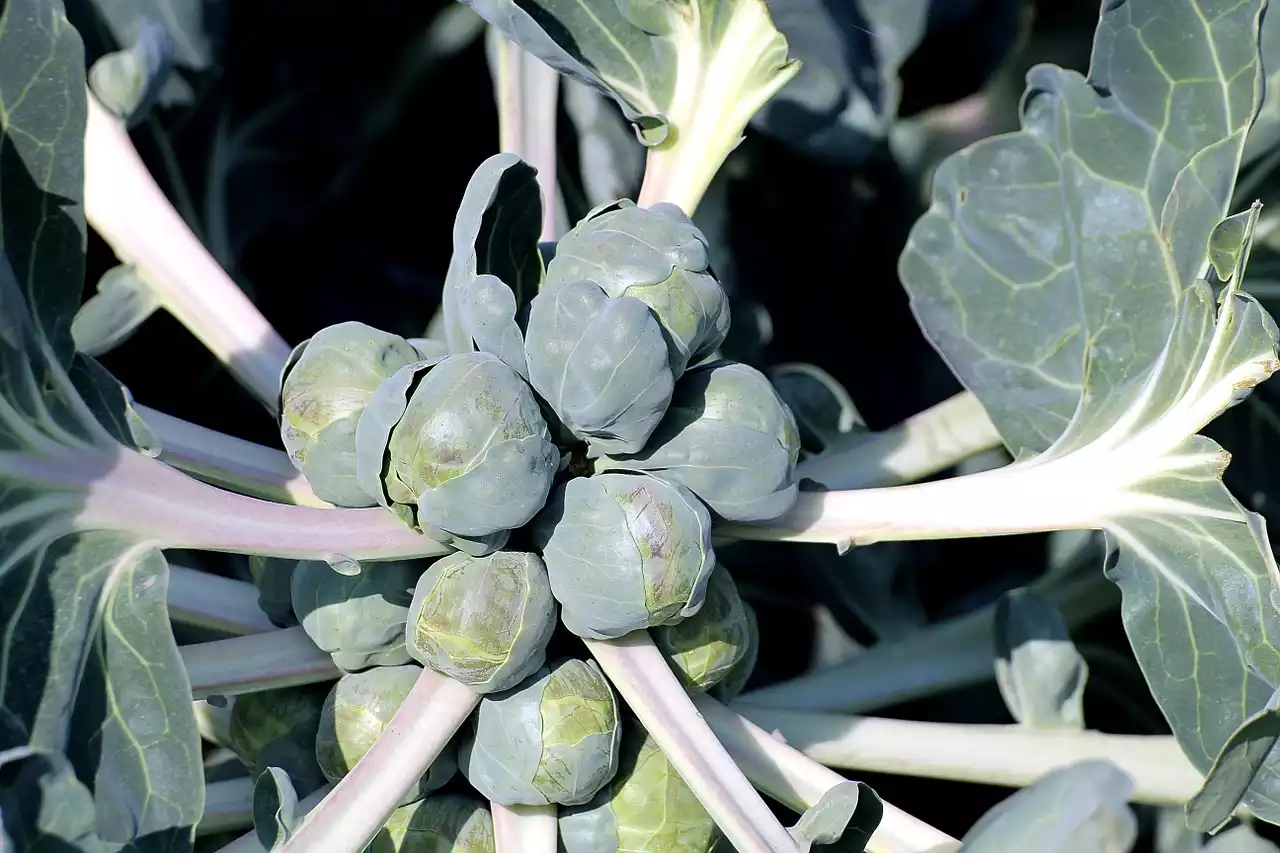
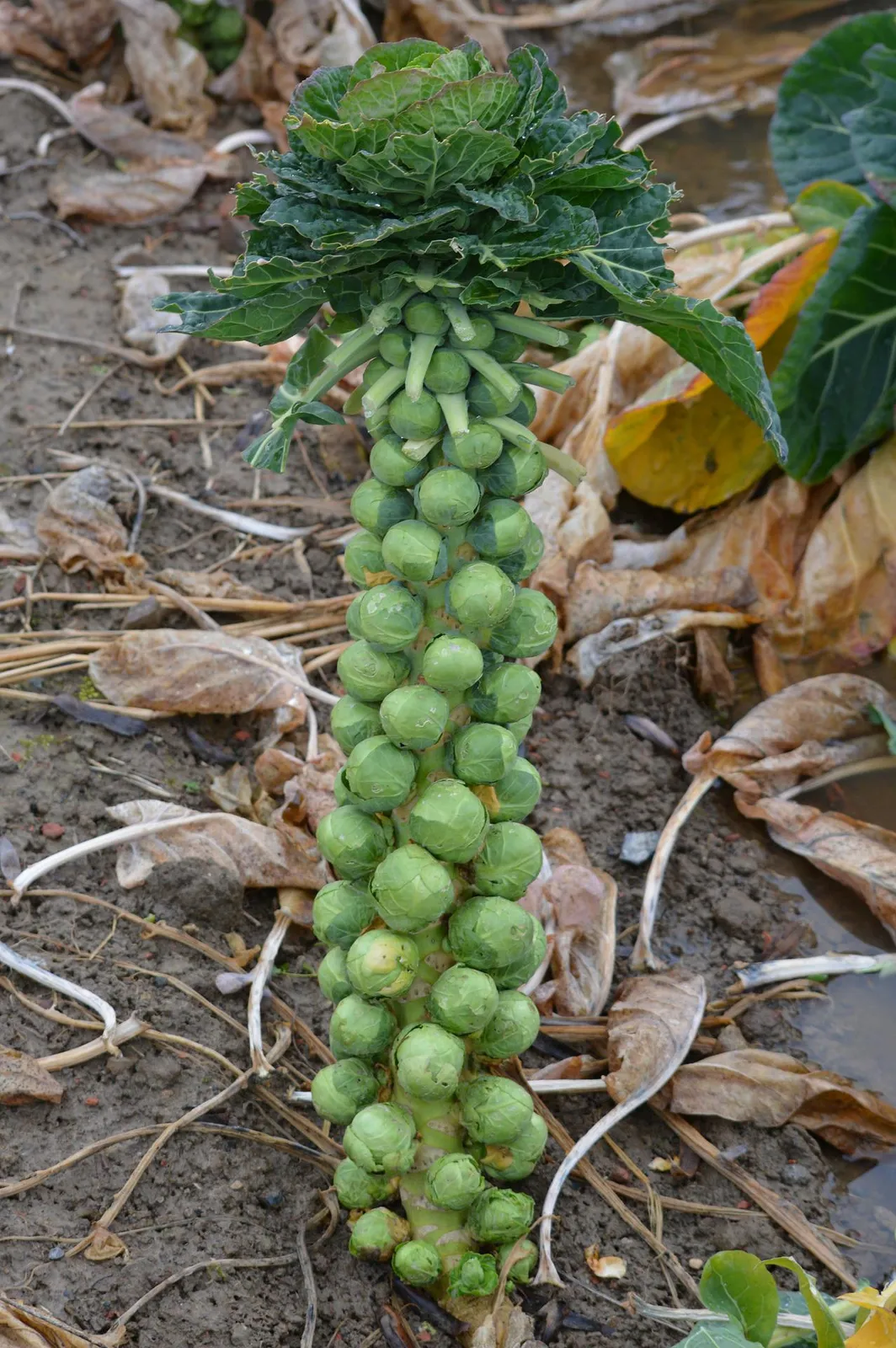
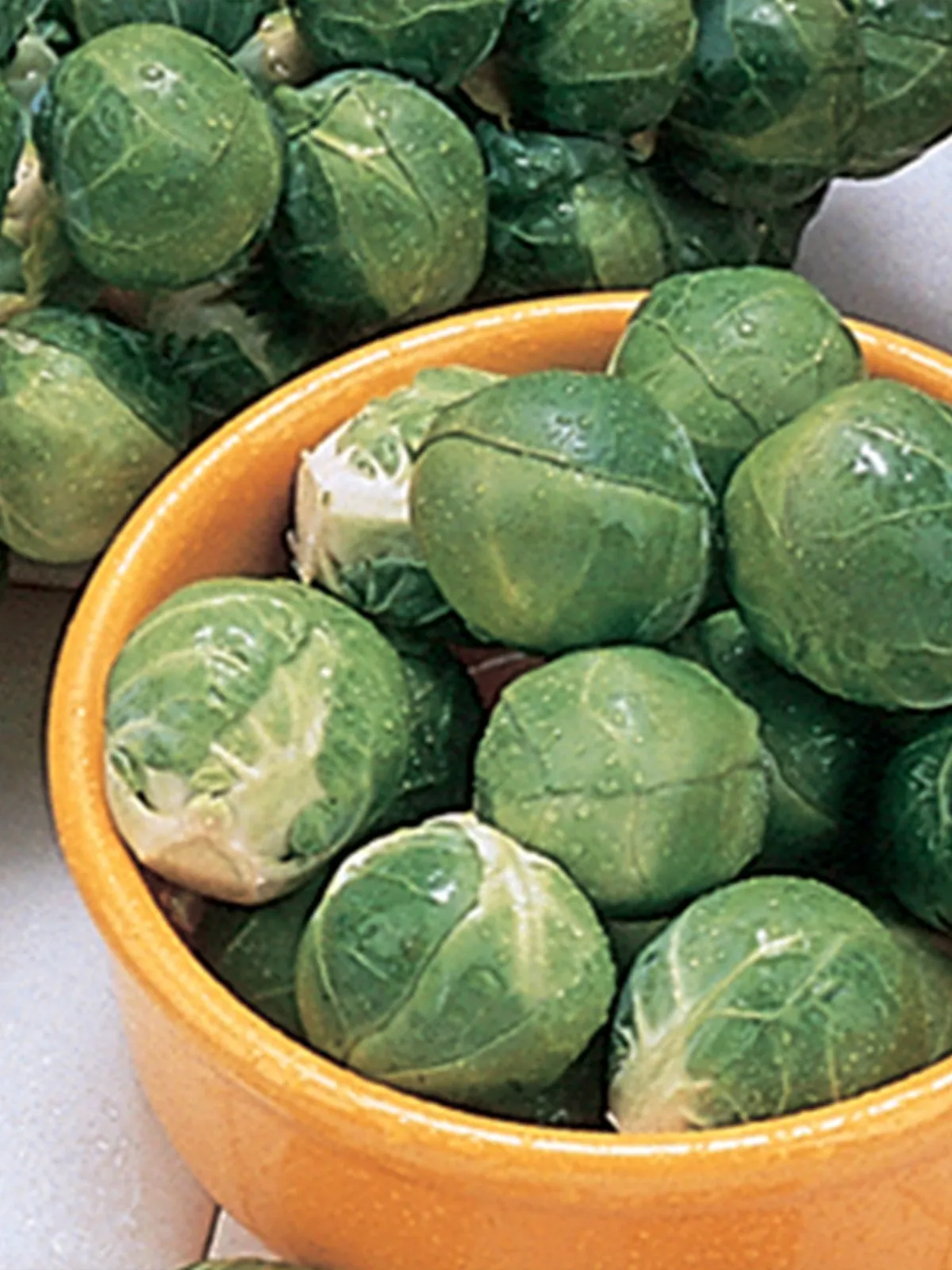
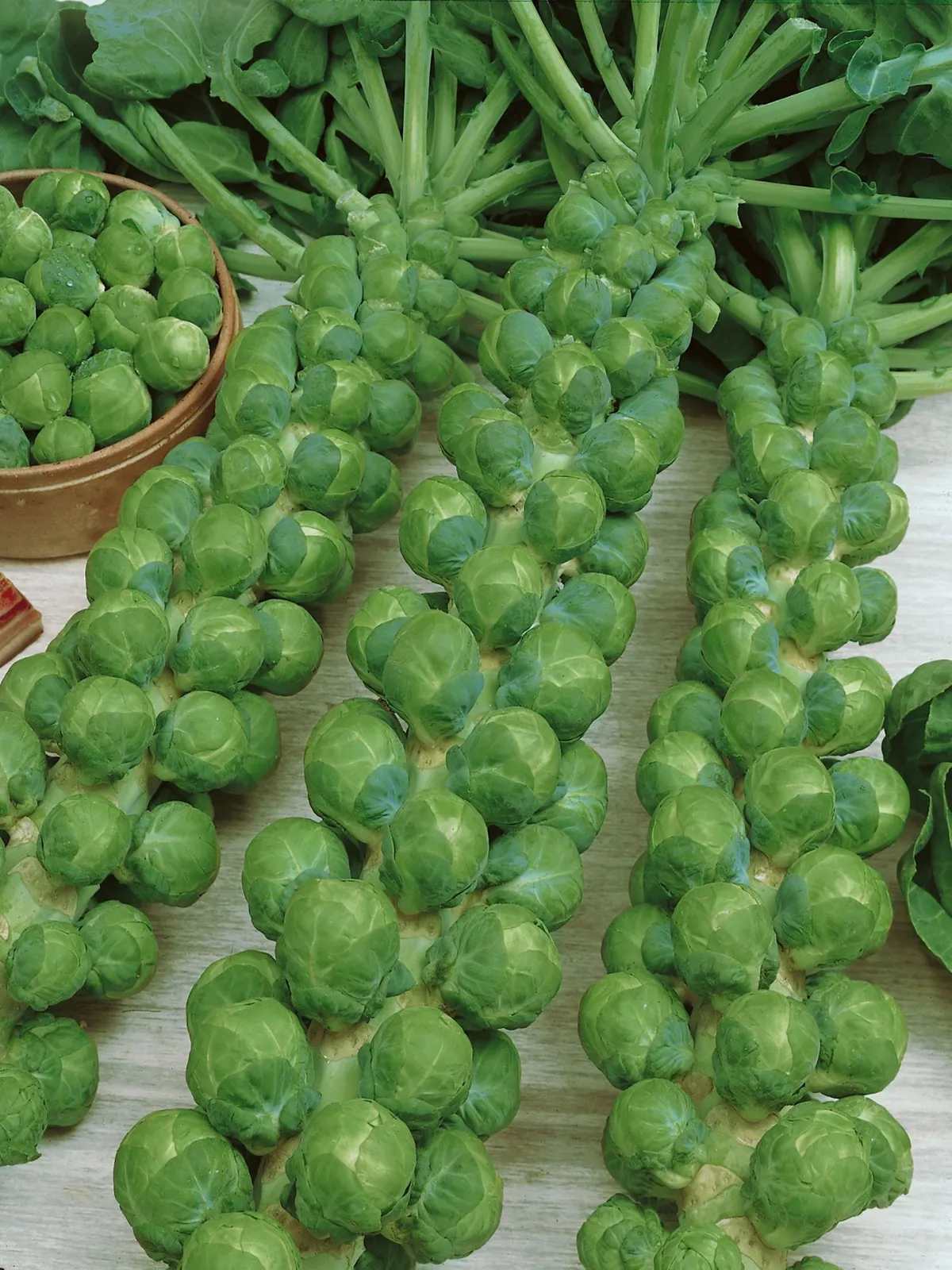
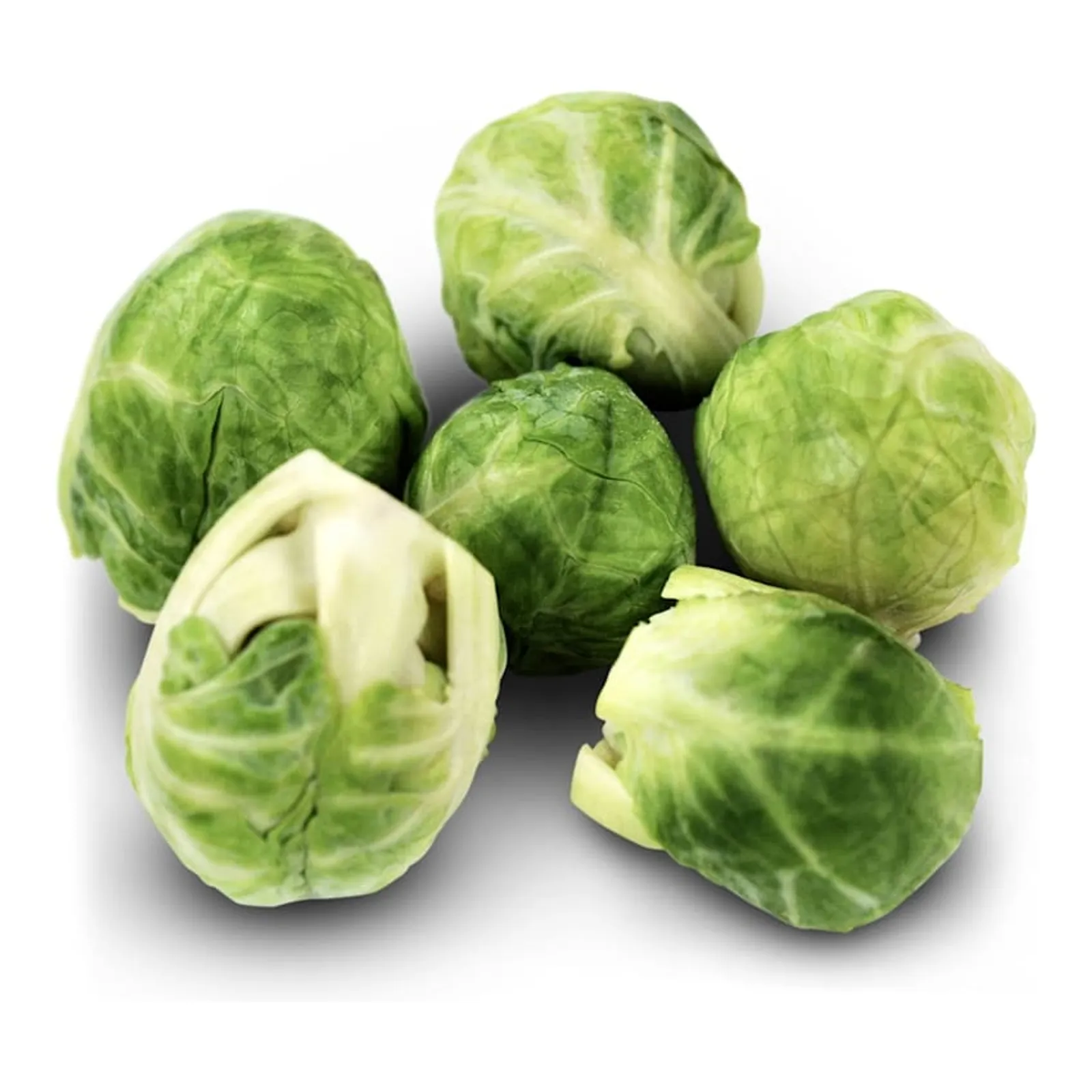
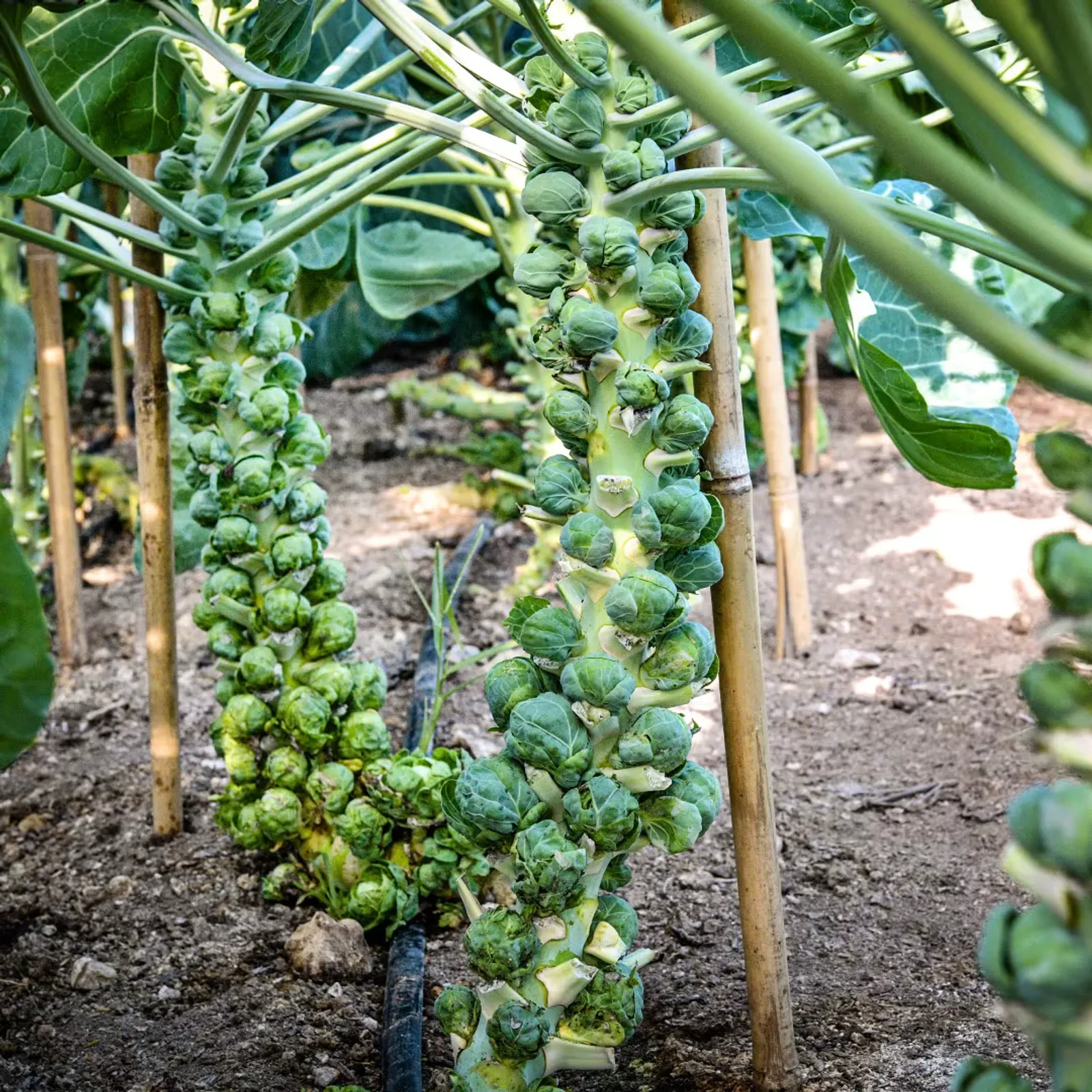
Brussels sprouts are long-growing, cool weather crops that produce multiple 'sprouts'- miniature cabbage-like buds- along a tall stalk. They are named after Brussels, Belgium where they were popularized and cultivated. Brussels sprouts can be one of the trickier crops for gardeners to grow. They're susceptible to many pests, and in unfavorable conditions the sprouts may not fully form or may become bitter. Successfully growing brussels sprouts for the first time is a rewarding gardening achievement! In cool climates Brussels sprouts are planted in spring to early summer for a fall crop. Sprouts taste their best after a frost so they are generally harvested after the first few light frosts in fall. In warmer climates Brusels sprouts can be planted in fall and grown over winter.
How to Grow Brussels Sprouts
Quick Info


Put away the pen and paper
Plan your veggie garden in minutes with Planter's easy drag and drop planner.
Try Planter for Free
Varieties
Related Articles
Companion Plants







Combative Plants

Nutrition
Vitamins




Nutrients



Pests
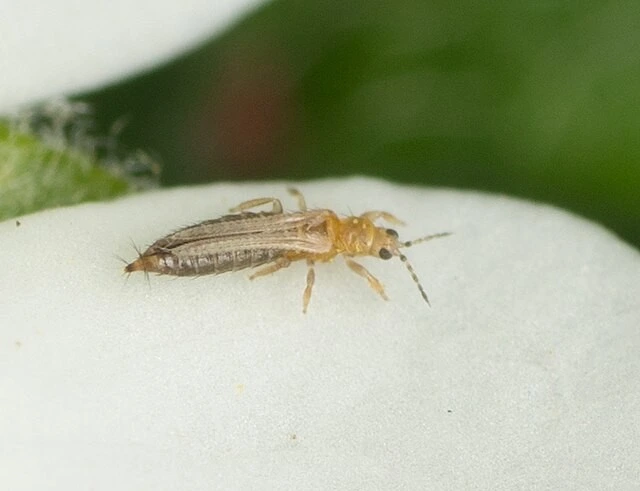
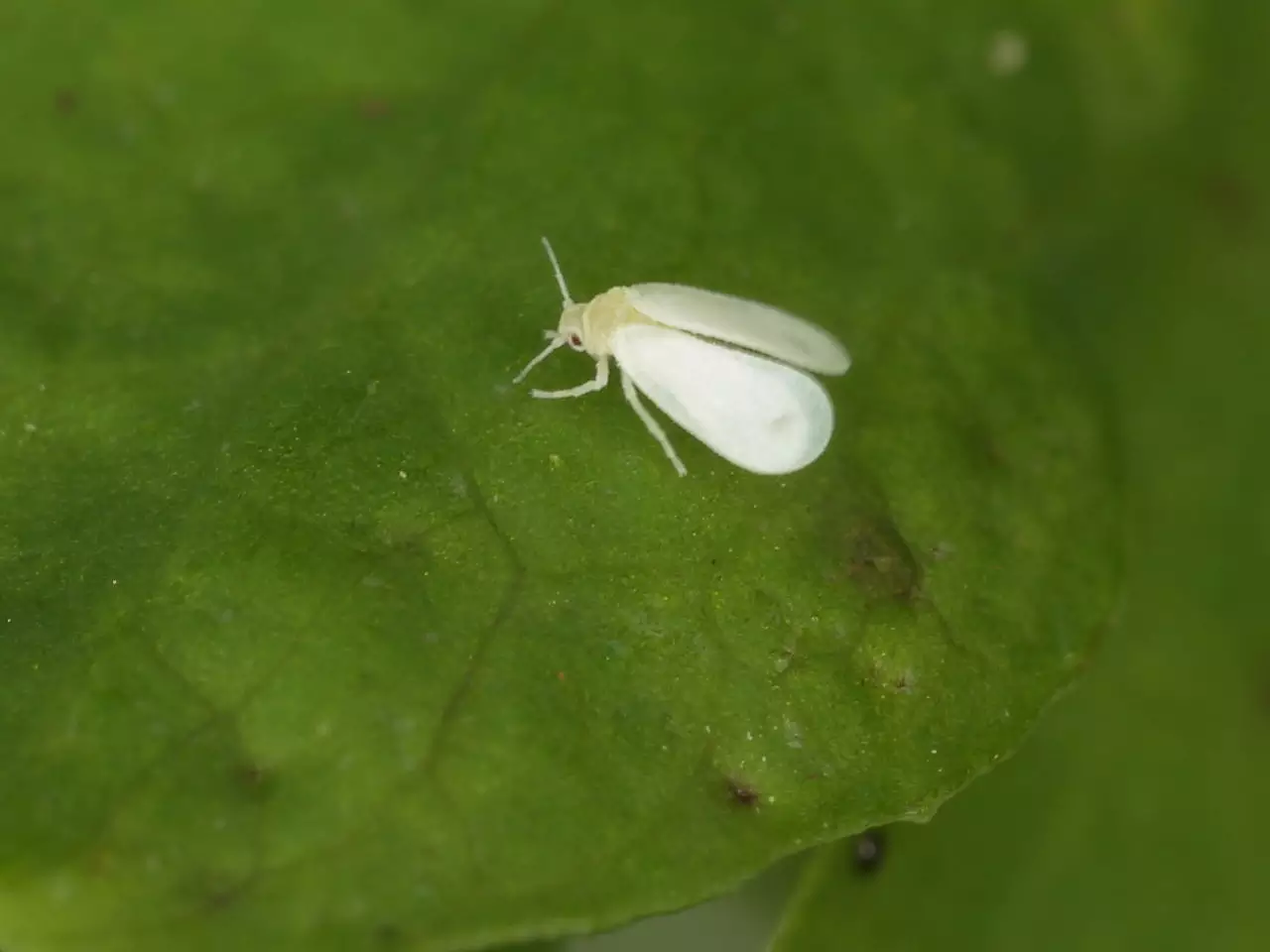
Diseases
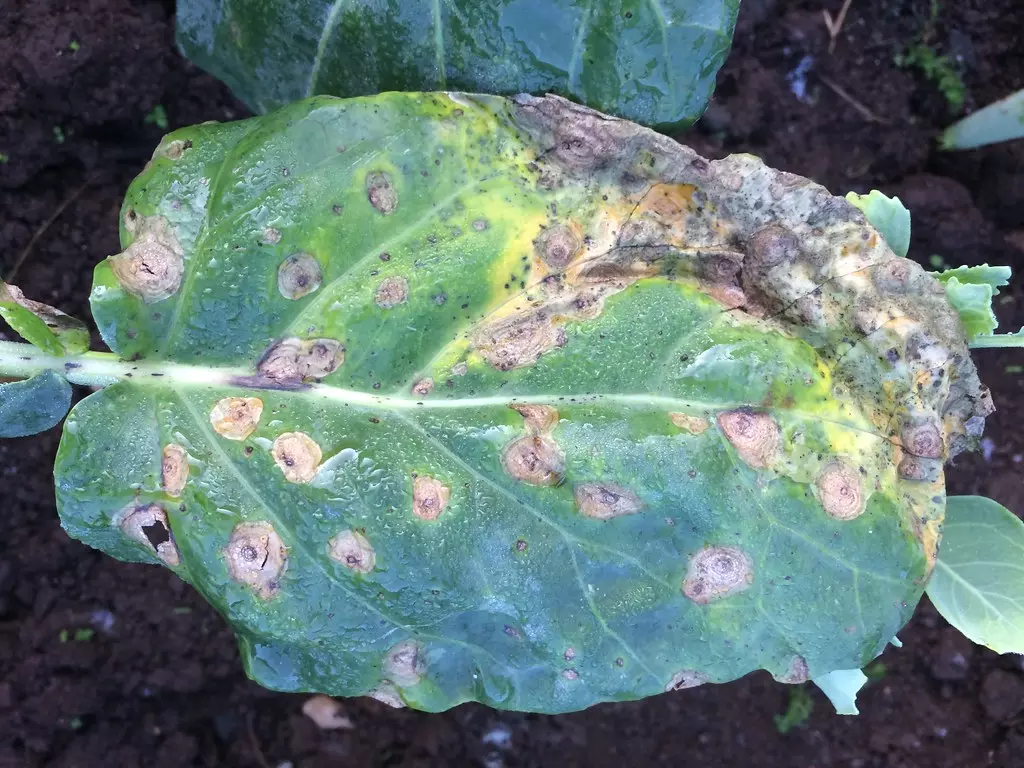
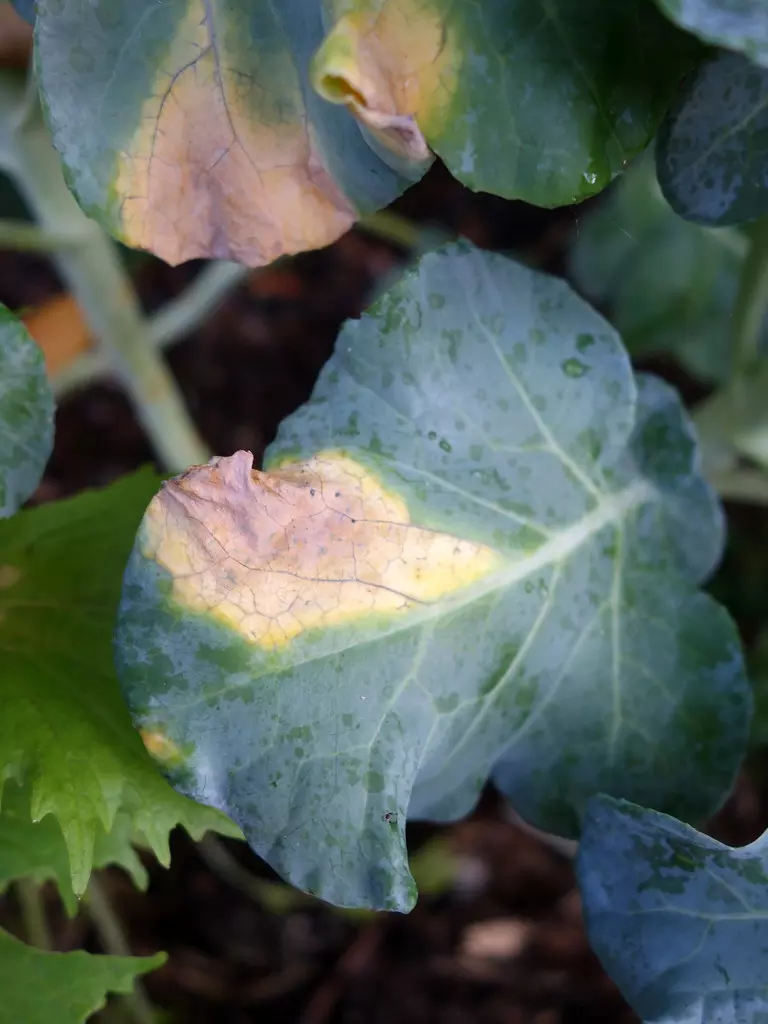
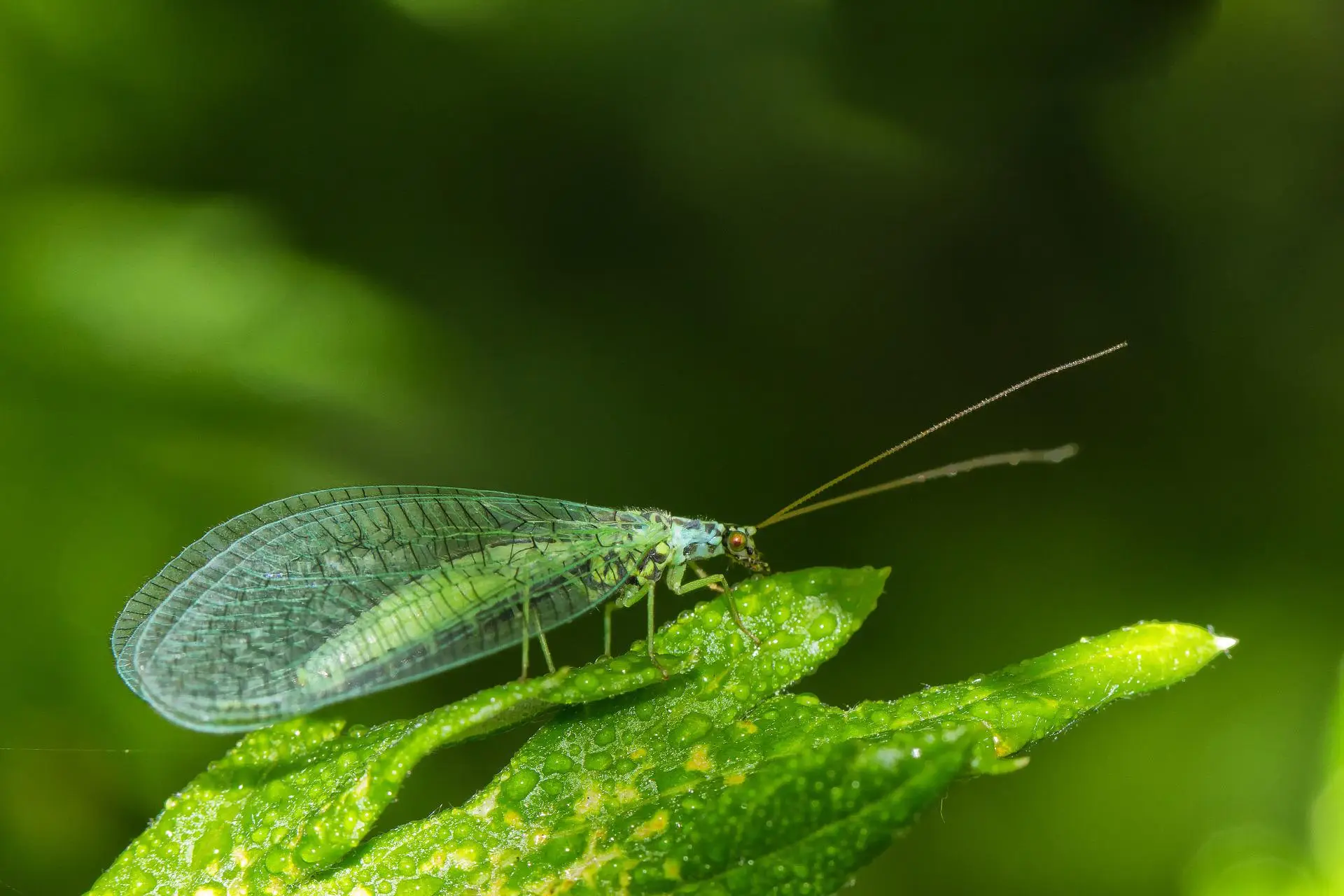
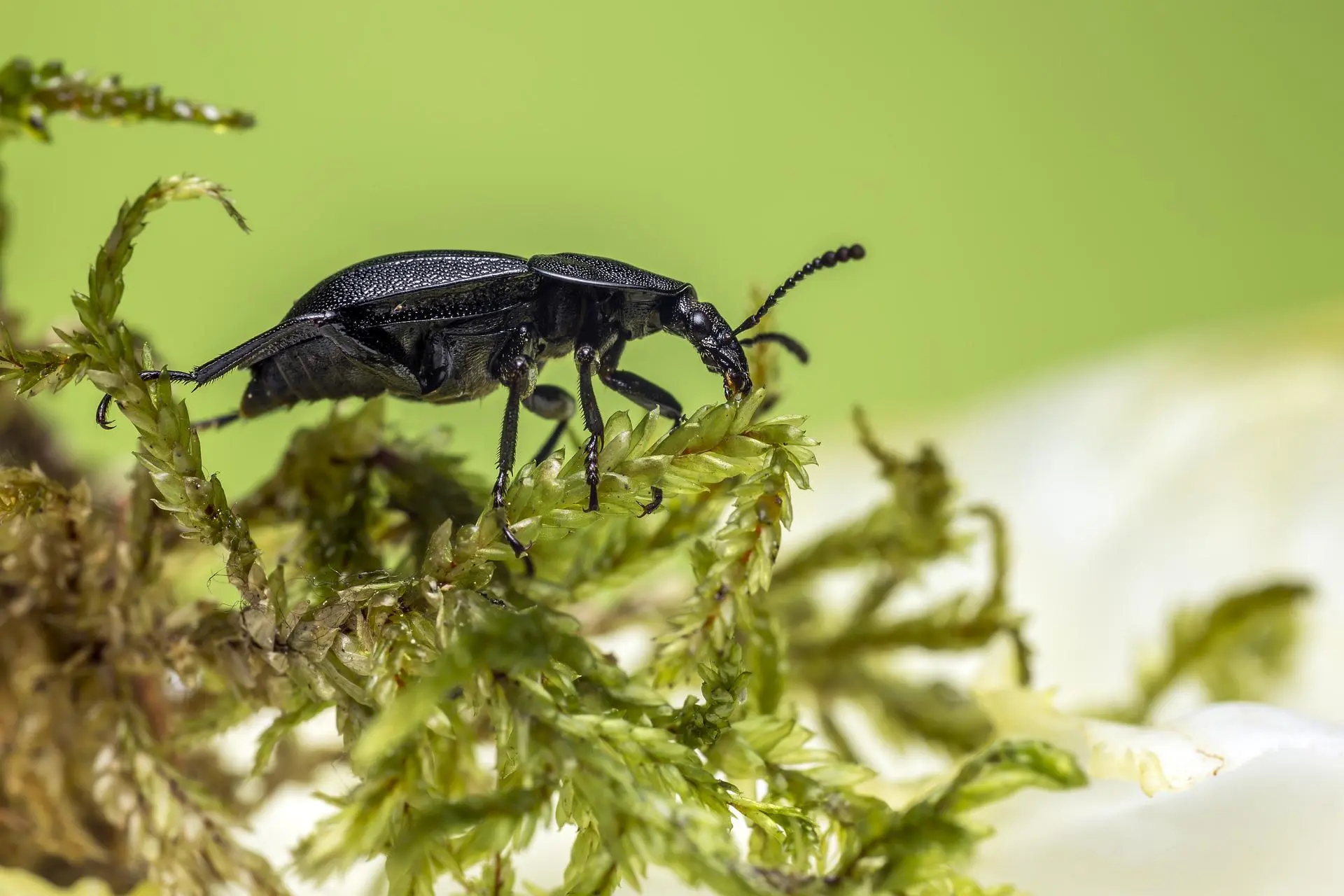
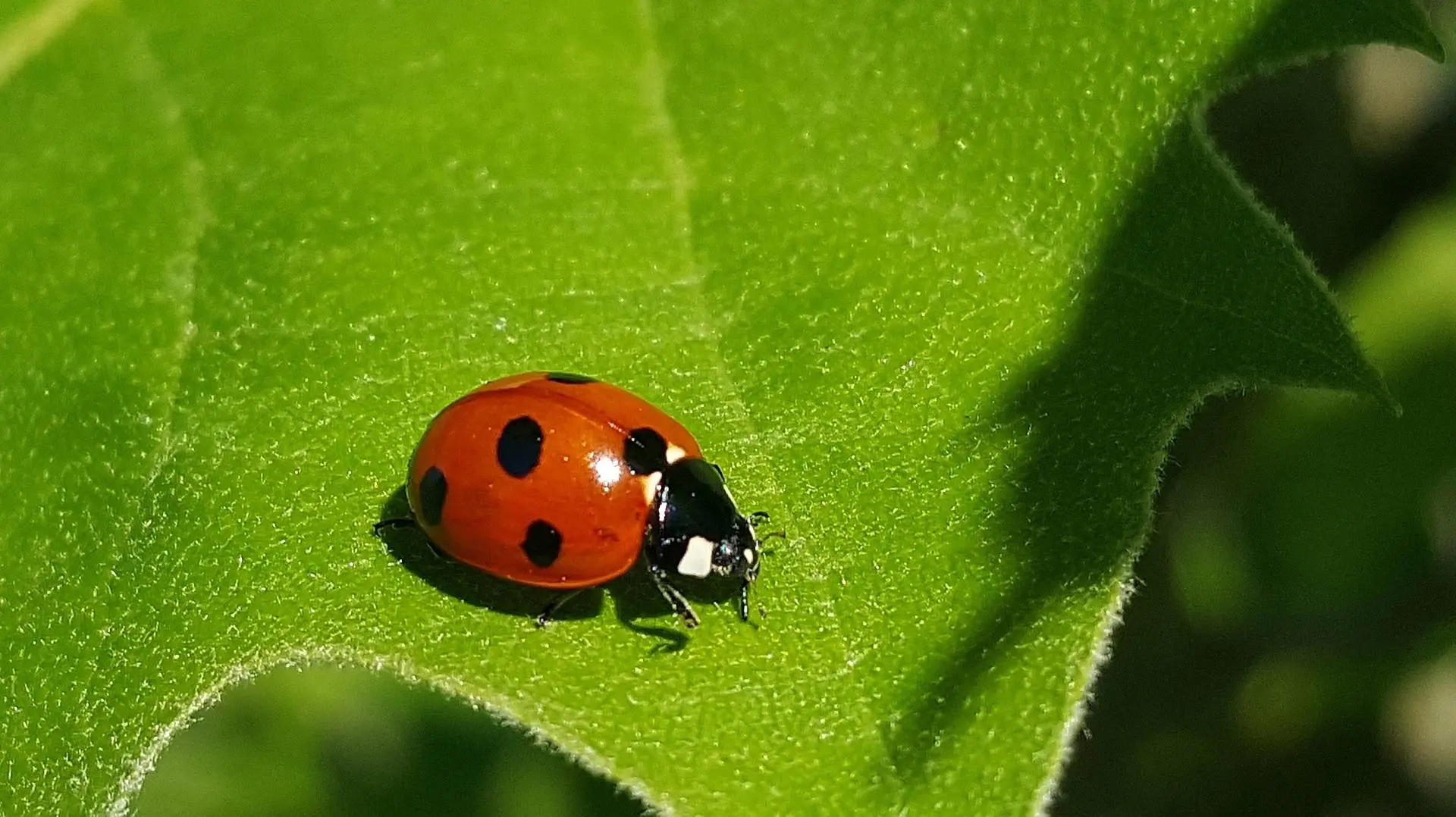
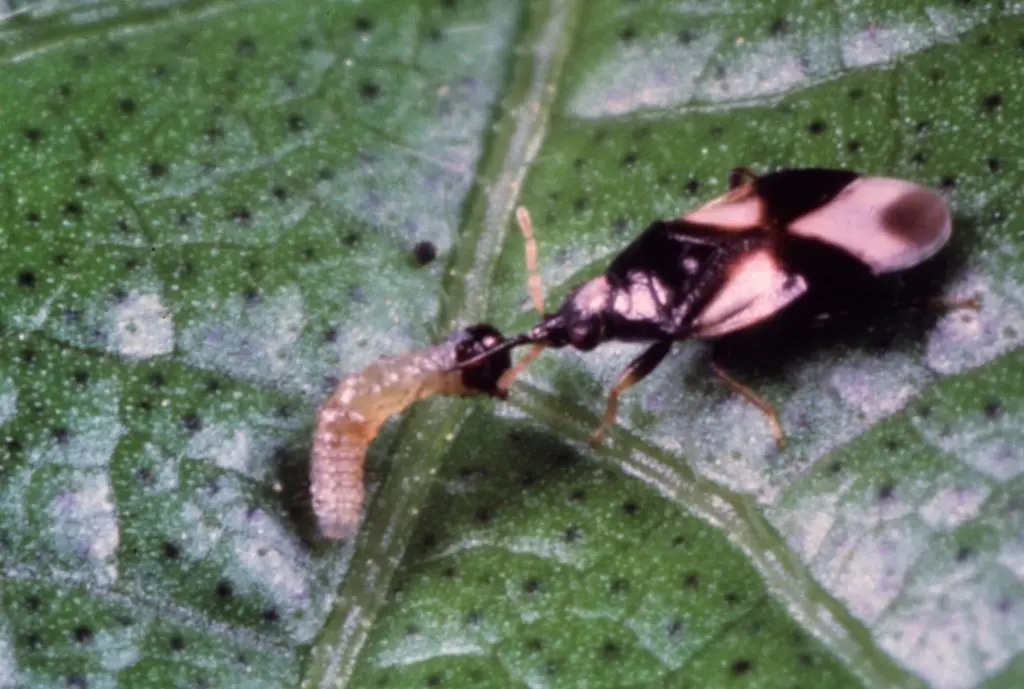
Beneficial Critters
Growing from Seed
Because Brussels sprouts are slow-growing they are usually started indoors then transplanted out, although they can be directly sown outdoors where the season is long enough. Keep the seed starting mix consistently moist. A heat mat can be used to aid germination but excessive heat after germination can cause the seedlings to become leggy and weak. Turn off heat mats as soon as seedlings emerge and be sure your grow room is cool. Use grow lights to provide supplemental light as soon as the seeds germinate.
Planting Considerations
Brussels sprouts prefer fertile soil that retains moisture but does not become waterlogged. Work compost into the soil prior to planting. Brussels sprouts are susceptible to many pests. Put on row cover or insect netting at the time of planting if pest damage is a concern. Apply mulch to help control weeds and retain moisture.
Feeding
Brussels sprouts are heavy feeders. Fertilize regularly during the growing season with a balanced fertilizer. Brussels sprouts require ample sulfur and boron. If your soil test indicates a deficiency be sure to amend your soil prior to planting Brussels sprouts.
Harvesting
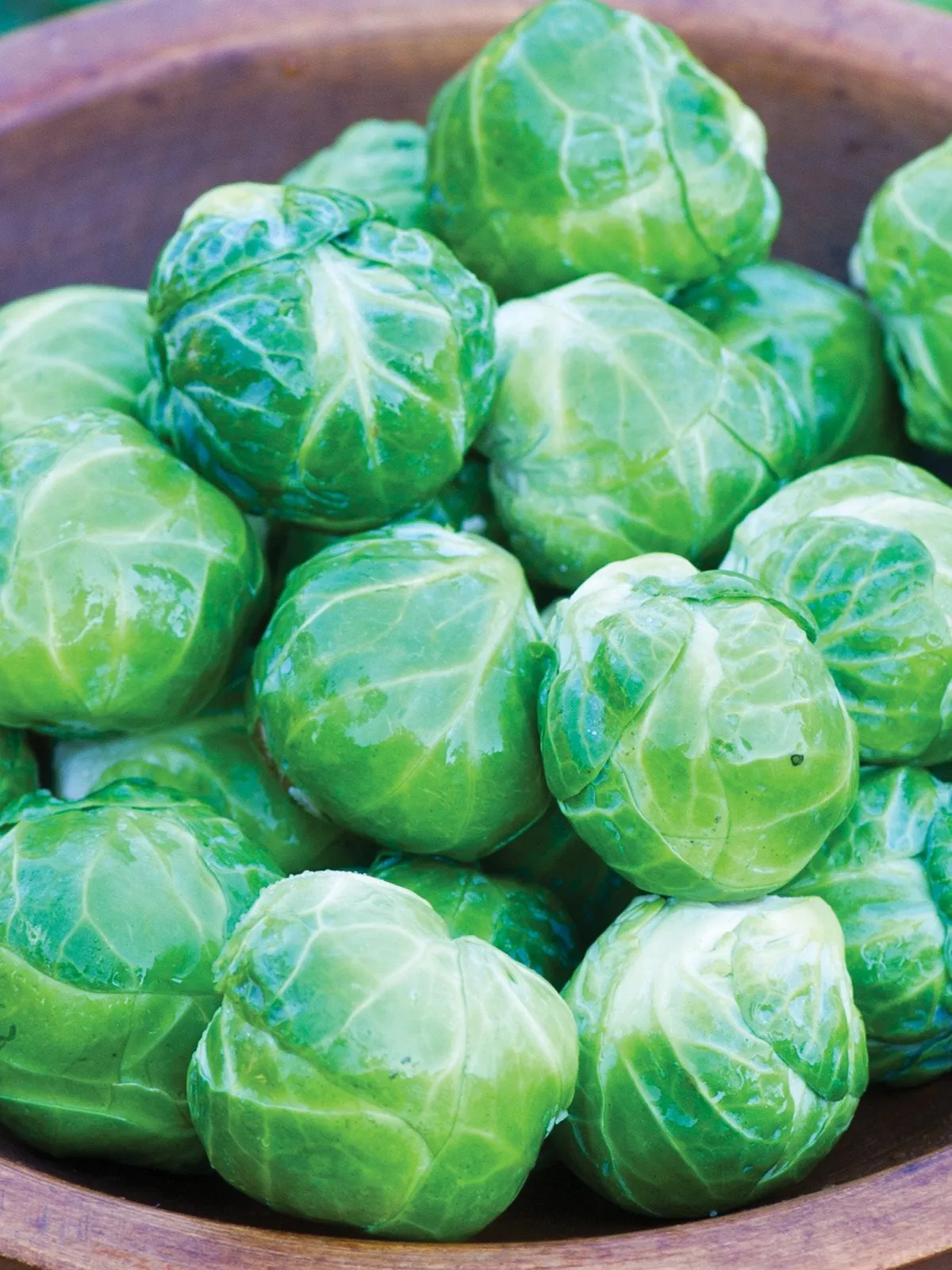
Sprouts can be harvested once they are about 1-1.5" (2.5-4 cm) wide, firm, and green. If possible, wait until after sprouts have received a few light frosts before harvesting. Lower sprouts can be cut off the stalk first leaving the upper sprouts to mature, or the entire stalk can be harvested once all of the sprouts mature. The lowermost leaves can be snapped off the stalk to allow lower sprouts to be harvested more easily. Brussels sprouts hold well in the garden so long as temperatures remain above 20°F (-6°C). If temperatures below 20°F are imminent, harvest all remaining sprouts unless you intend to protect the plants.
Storage
Sprouts can be stored in the fridge for up to several weeks. Before cooking the sprouts, they can be soaked for an hour in cold water with 1 tablespoon of salt mixed in per gallon (3.7L) to draw out any insects that could be hiding. Sprouts can also be blanched in boiling water for 3-5 minutes (depending on their size), cooled and dried, then frozen in a single layer on a baking sheet. Transfer frozen sprouts to an airtight container or freezer-safe bag and keep frozen for up to several months.
Pruning
Many gardeners will cut off the uppermost parts of the stalks when the lower sprouts begin to form, with less than 60 days left to harvest. This is called 'topping' and it can help to encourage more uniform sprout maturation. Along with topping, some gardeners snap lower leaves off the stalks when the lower sprouts are forming (i.e., before harvesting). This is called "kiting". There is conflicting information as to whether kiting is beneficial for sprout growth and uniformity or not.