Radishes
Raphanus sativus
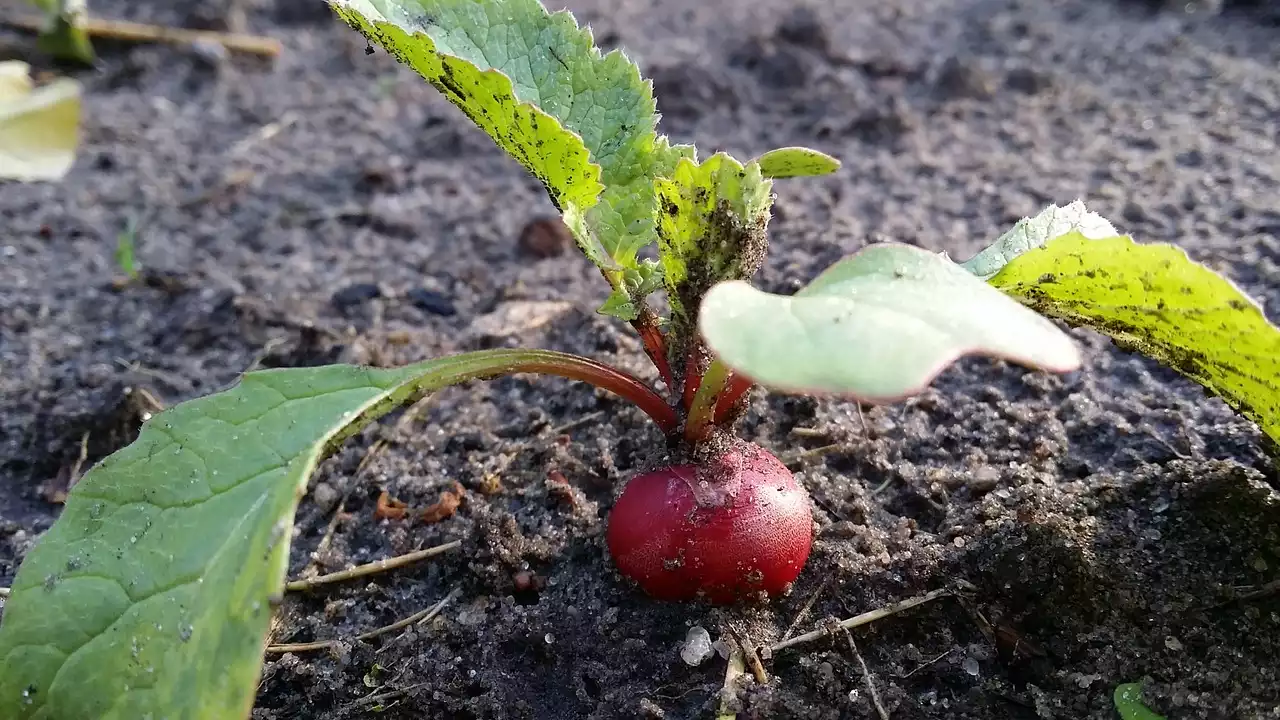
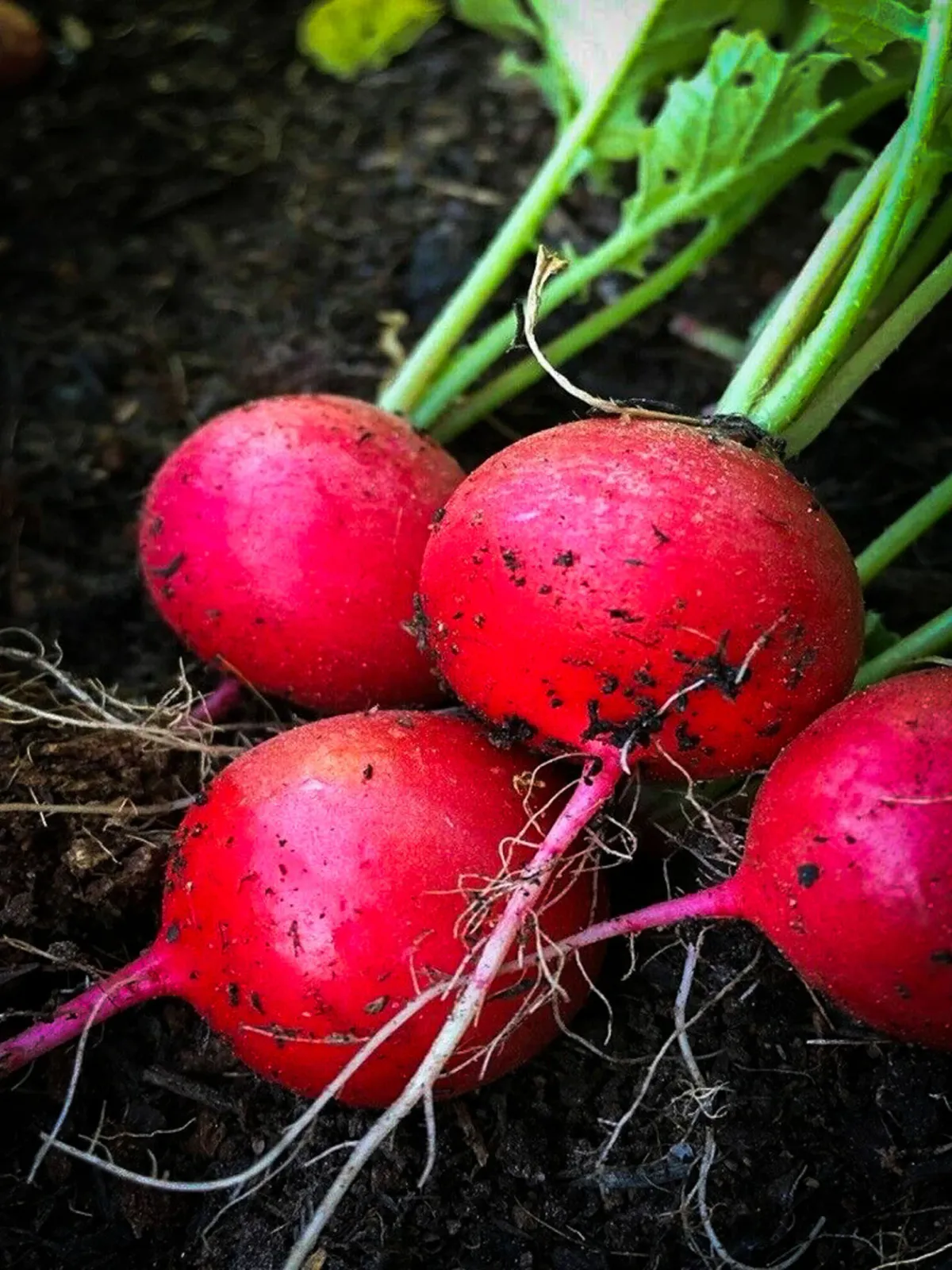
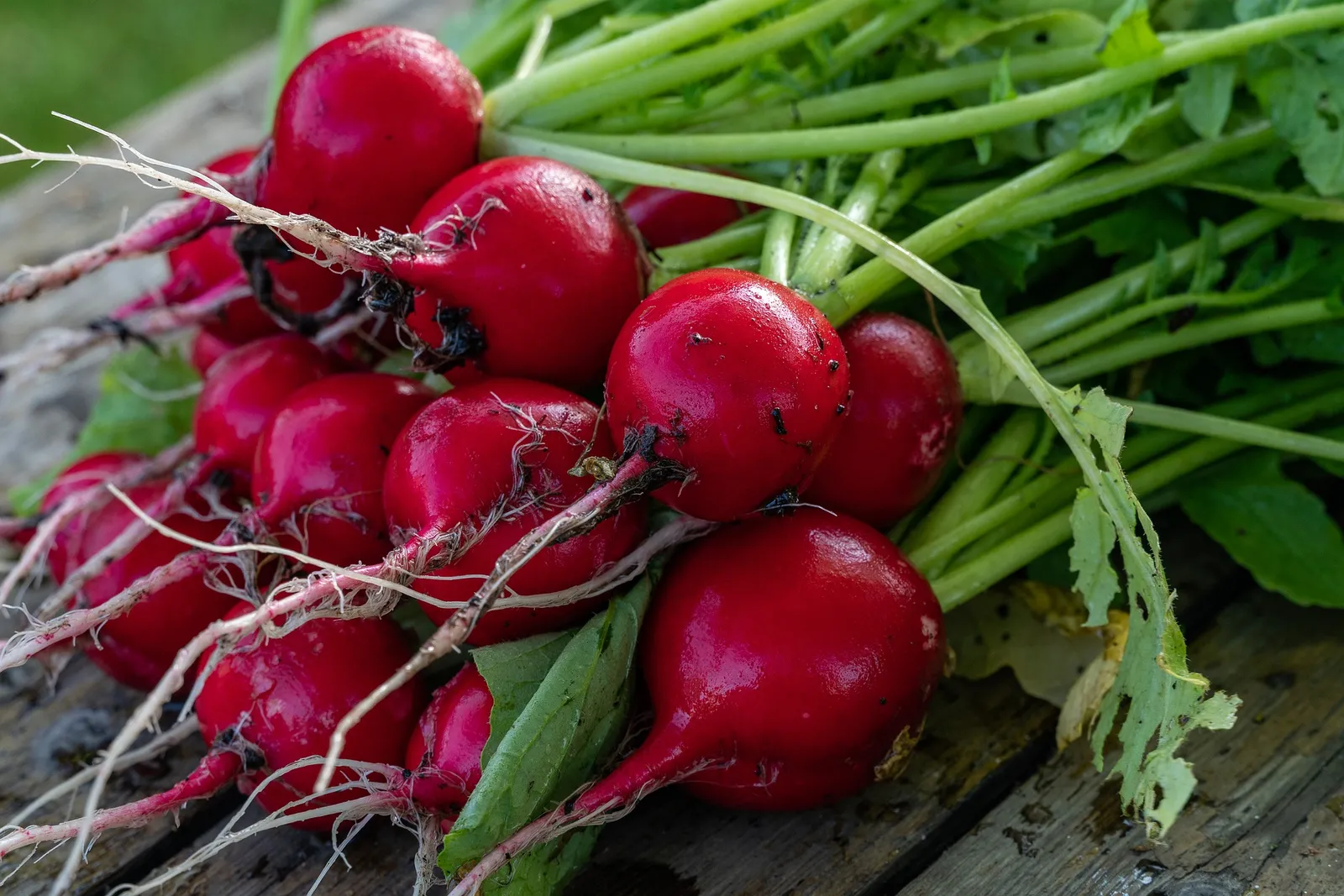
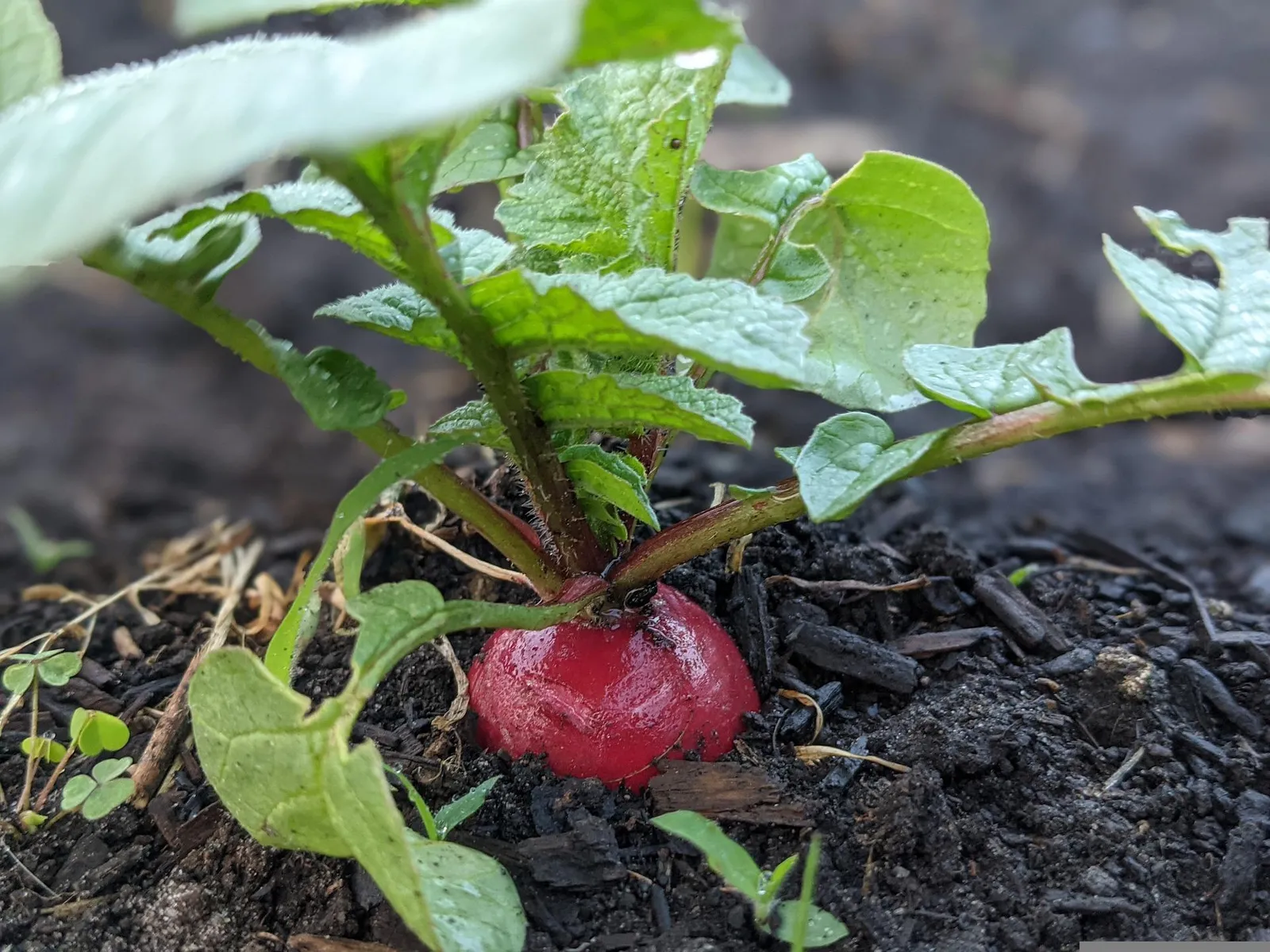
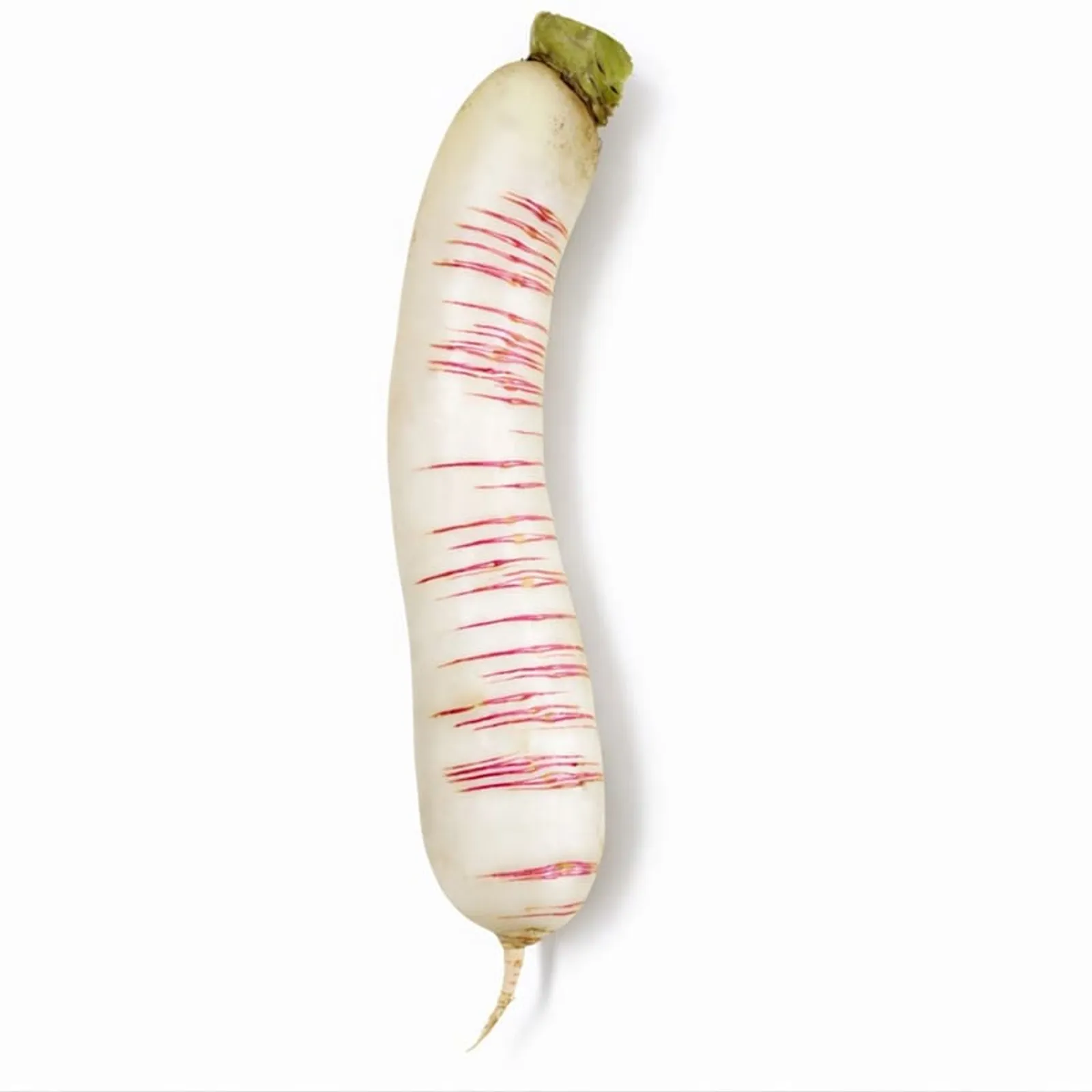
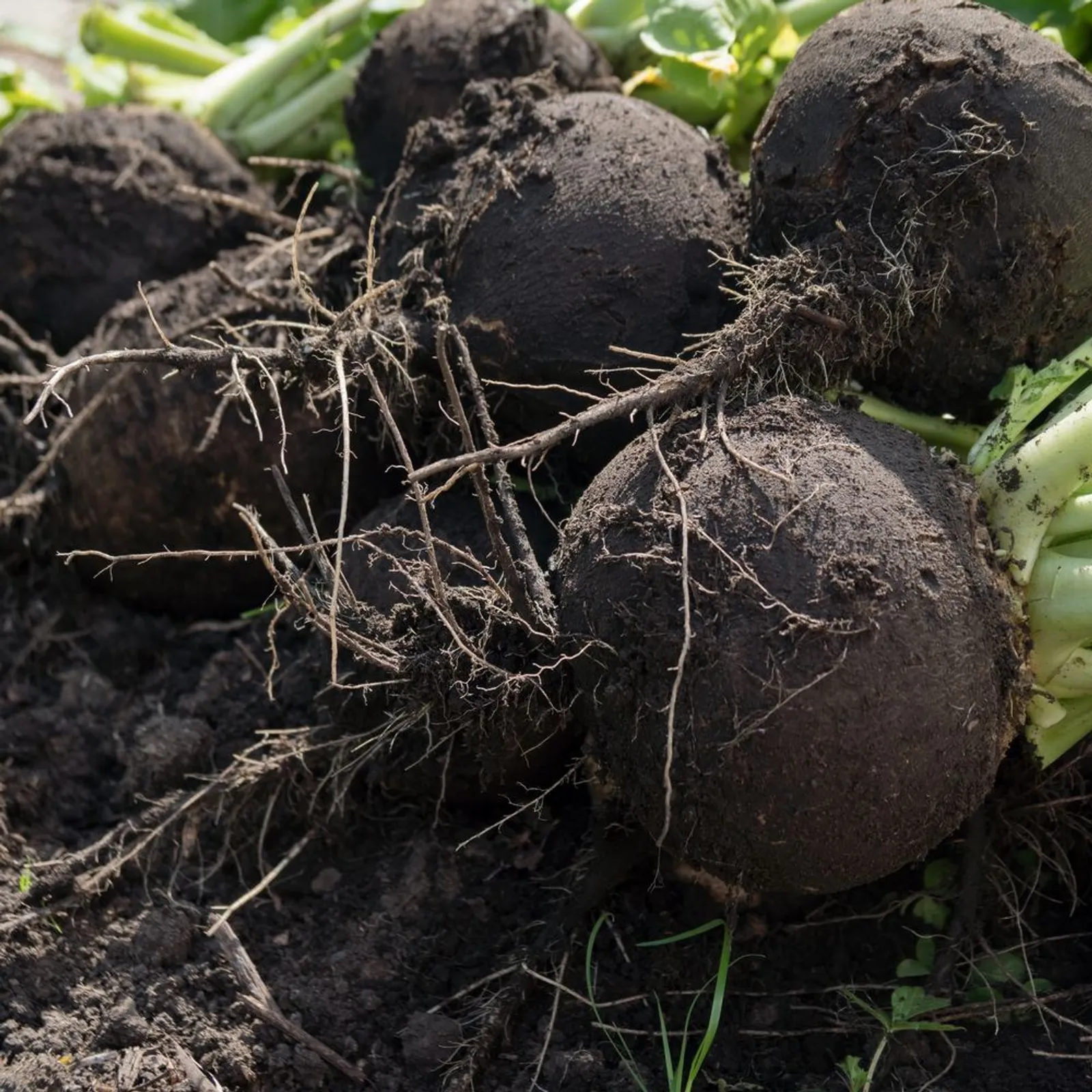
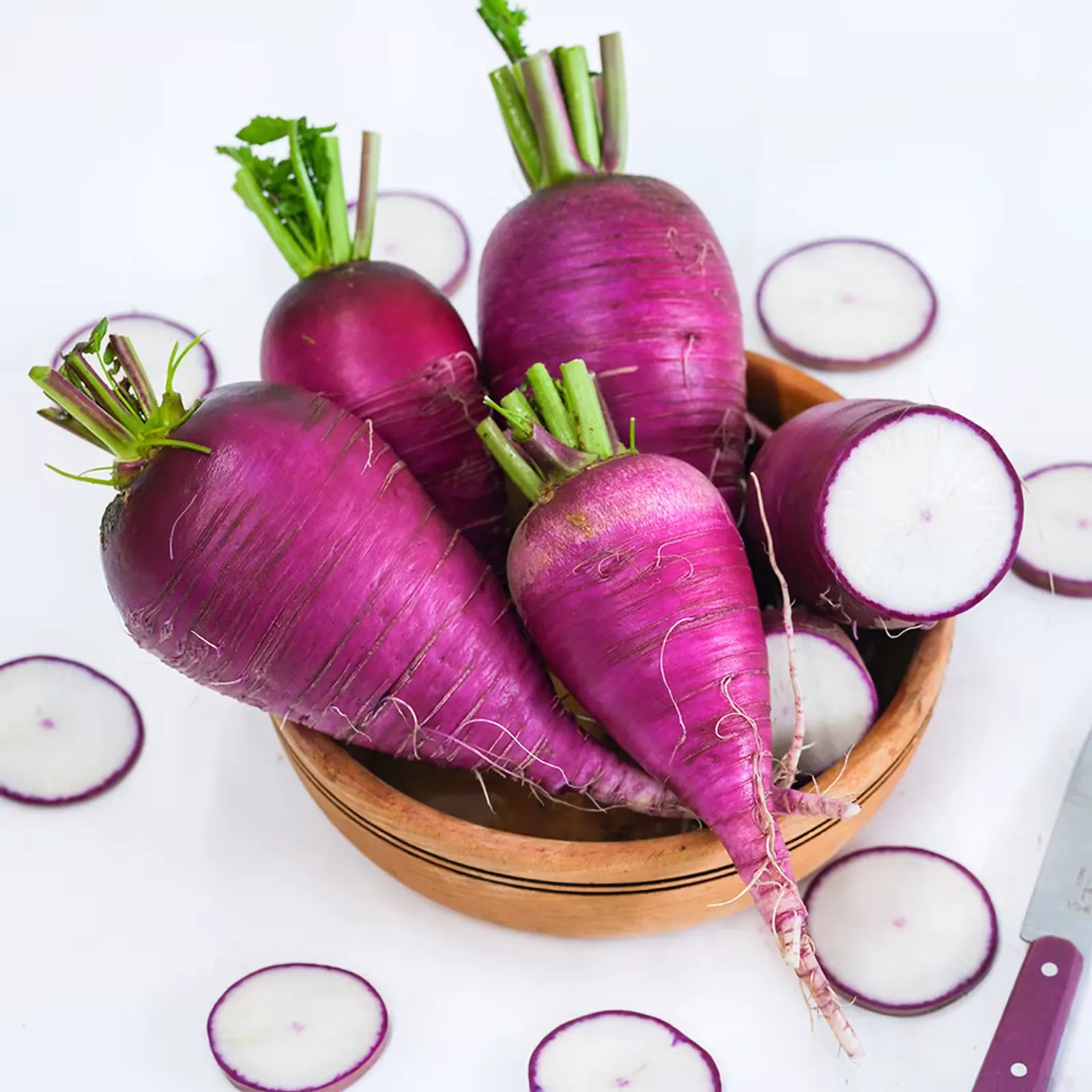
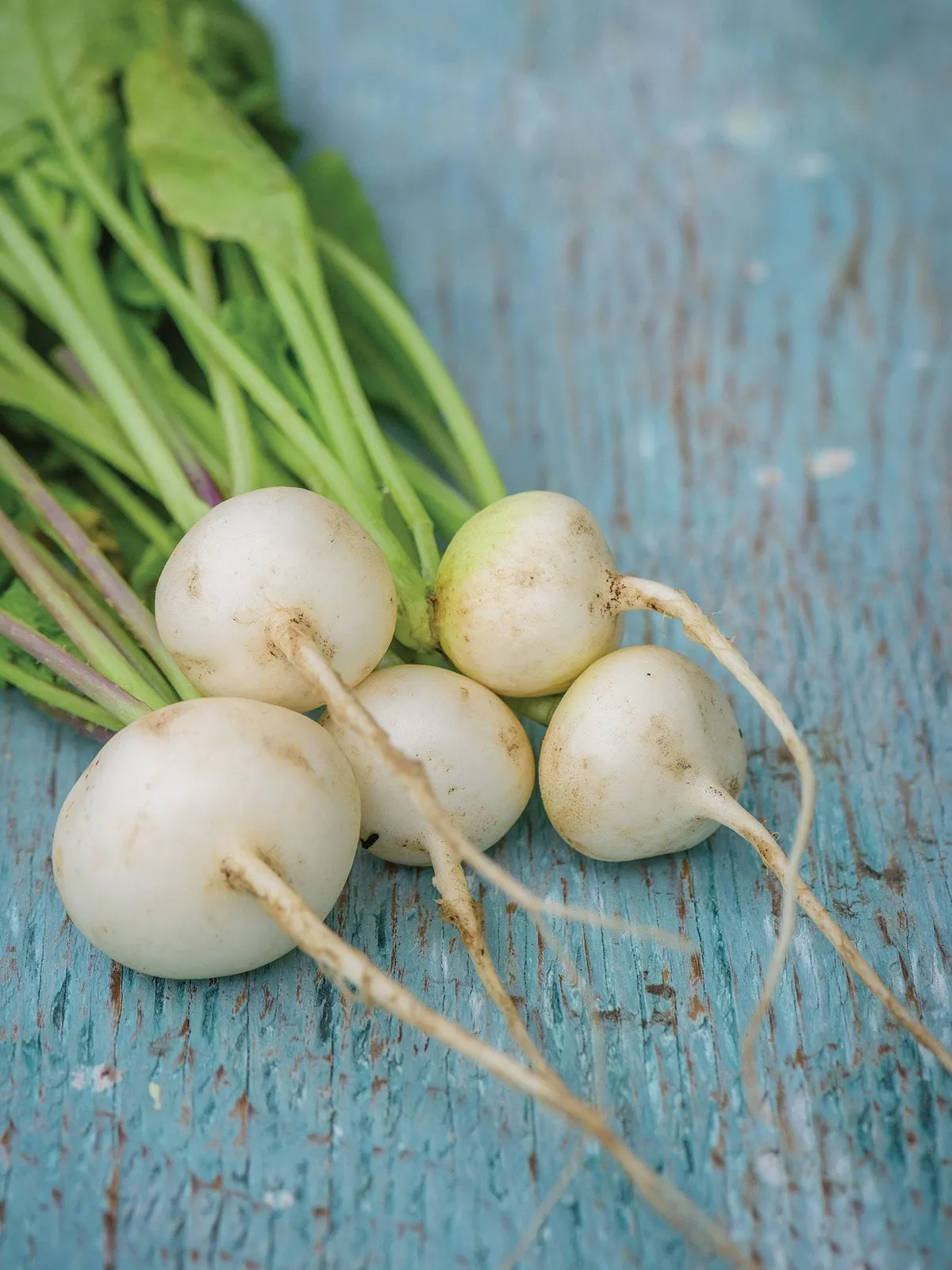
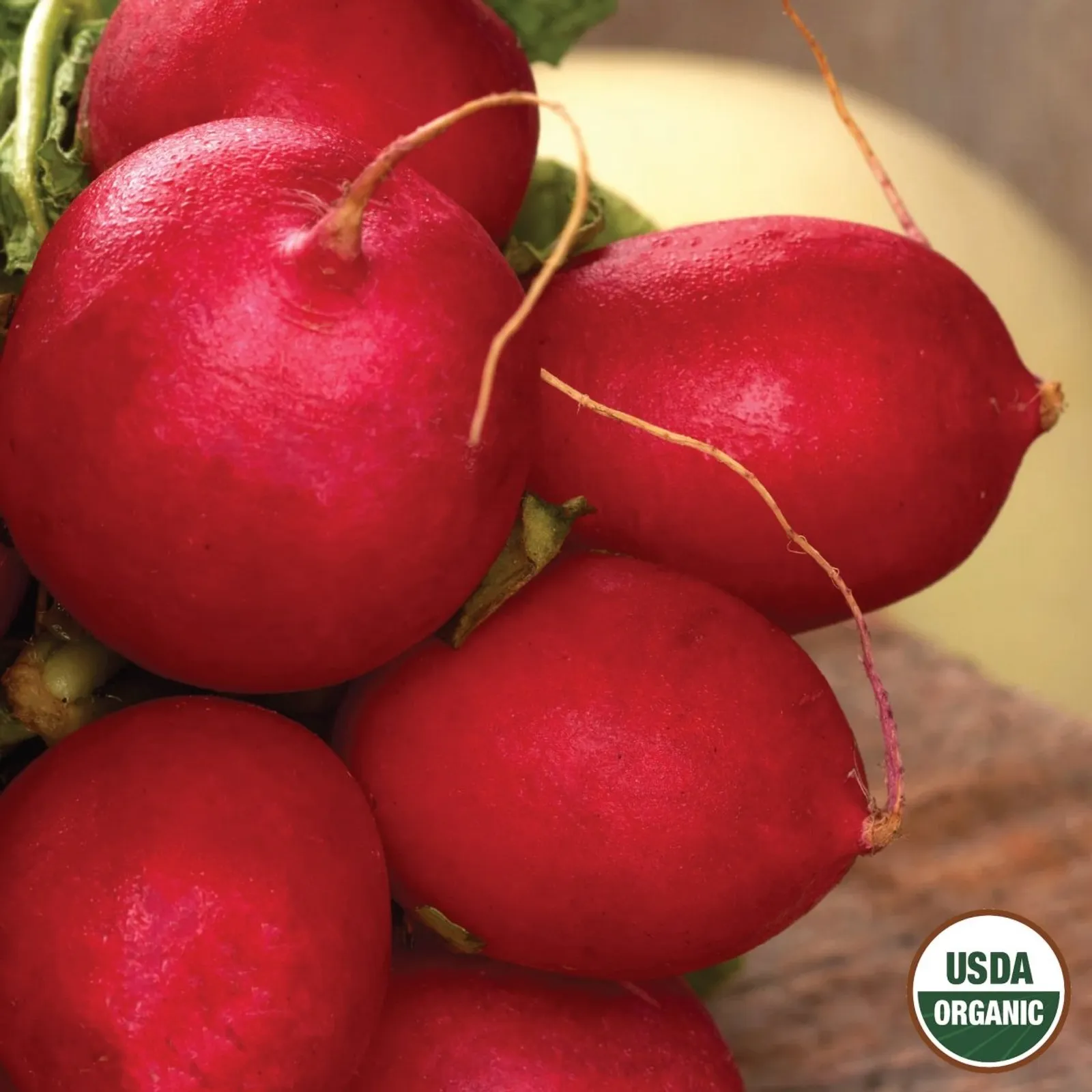
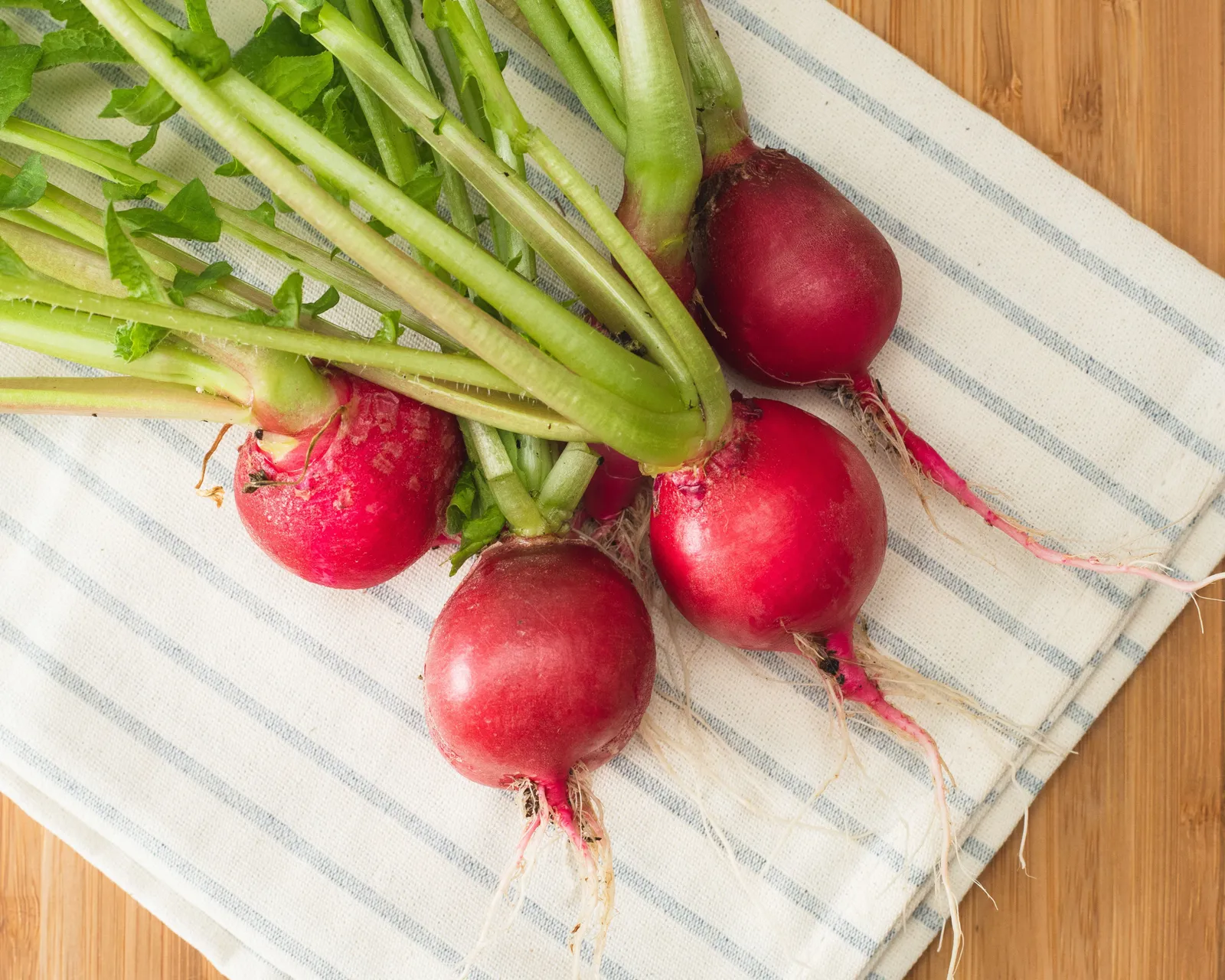
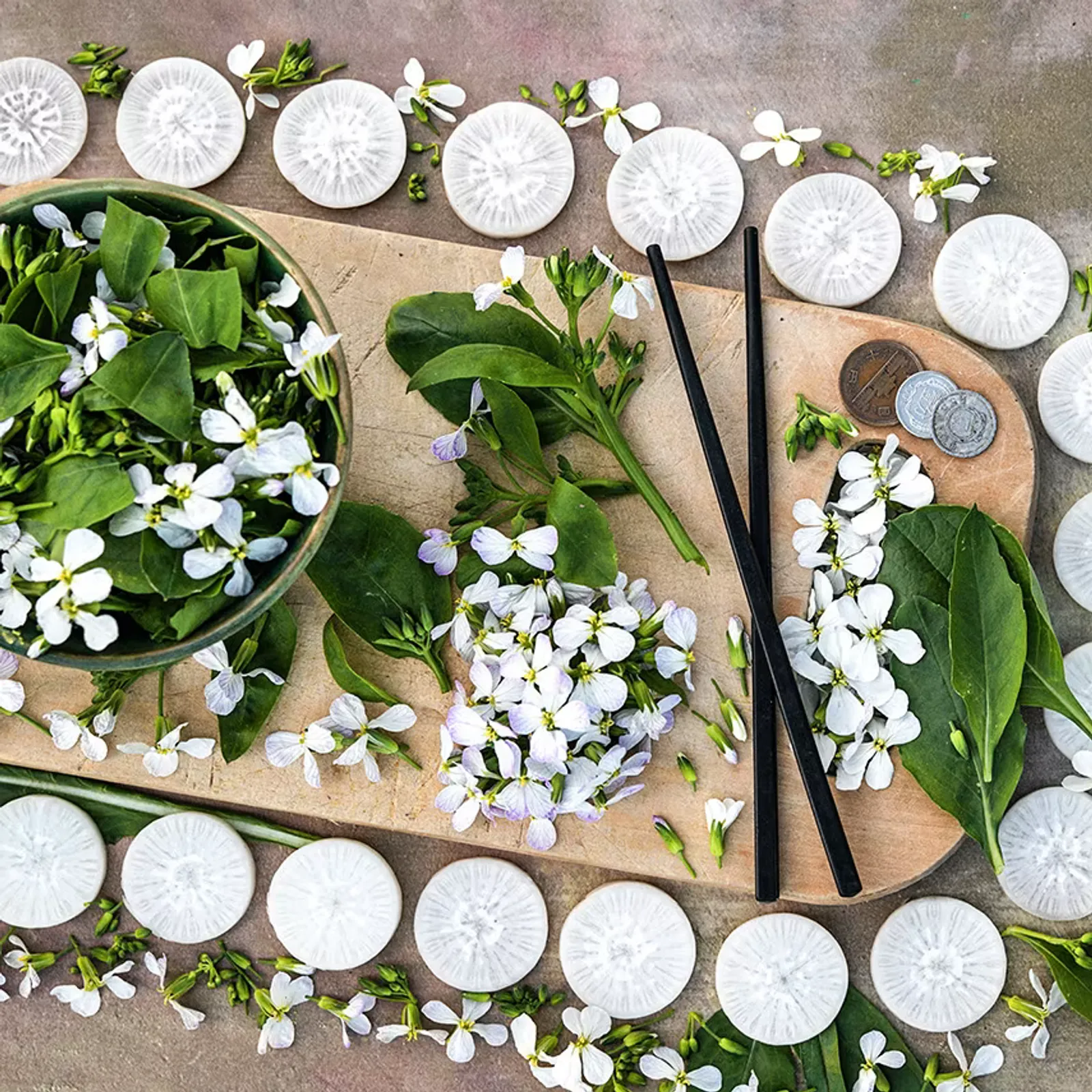
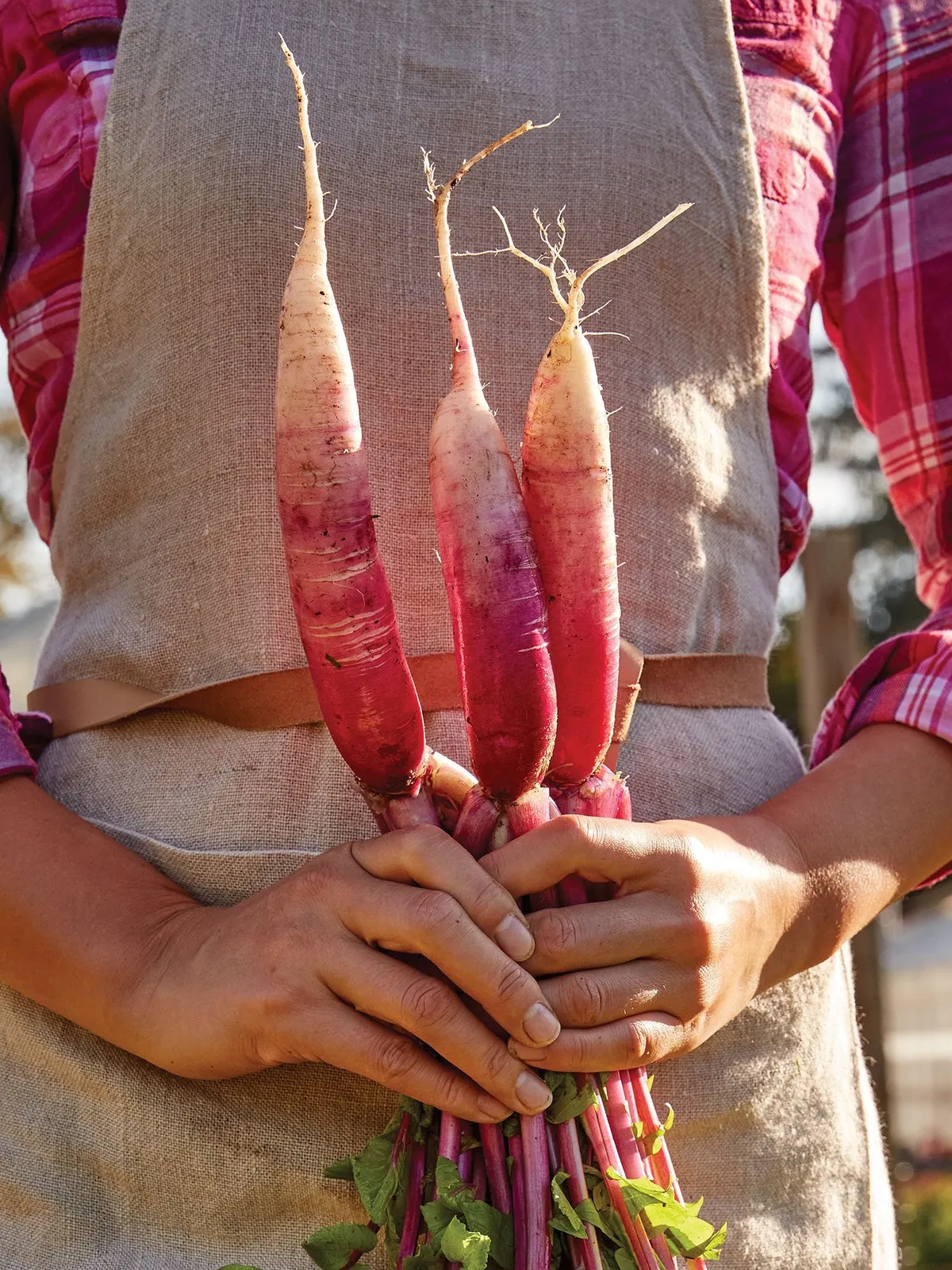
Radishes are a compact, fast growing crop. Because they are fast growing radishes are also fairly easy to grow- while they're not immune to pests and disease they are often harvested before major issues can take hold. Radishes are commonly eaten raw but they can be stir-fried, roasted, pickled, and added to soups. There are many varieties of radishes to grow- the familiar red types and also white, purple, black, pink, yellow, green, and 'watermelon' radishes - each with a unique flavor. There are also larger daikon radishes which are mild, hearty, and perfect for cooking or fermenting. Radish tops are edible as are the young green seed pods- in fact there is a 'rat tail radish' that is grown specifically for the seed pods!. If you find grocery store radishes are too pungent try growing your own- choose milder varieties, ensure they are well irrigated, and harvest them while young for a less-spicy radish experience!
How to Grow Radishes
Quick Info

Put away the pen and paper
Plan your veggie garden in minutes with Planter's easy drag and drop planner.
Try Planter for Free
Varieties
Related Articles
.jpg)
Companion Plants










Combative Plants

Nutrition
Vitamins

Nutrients










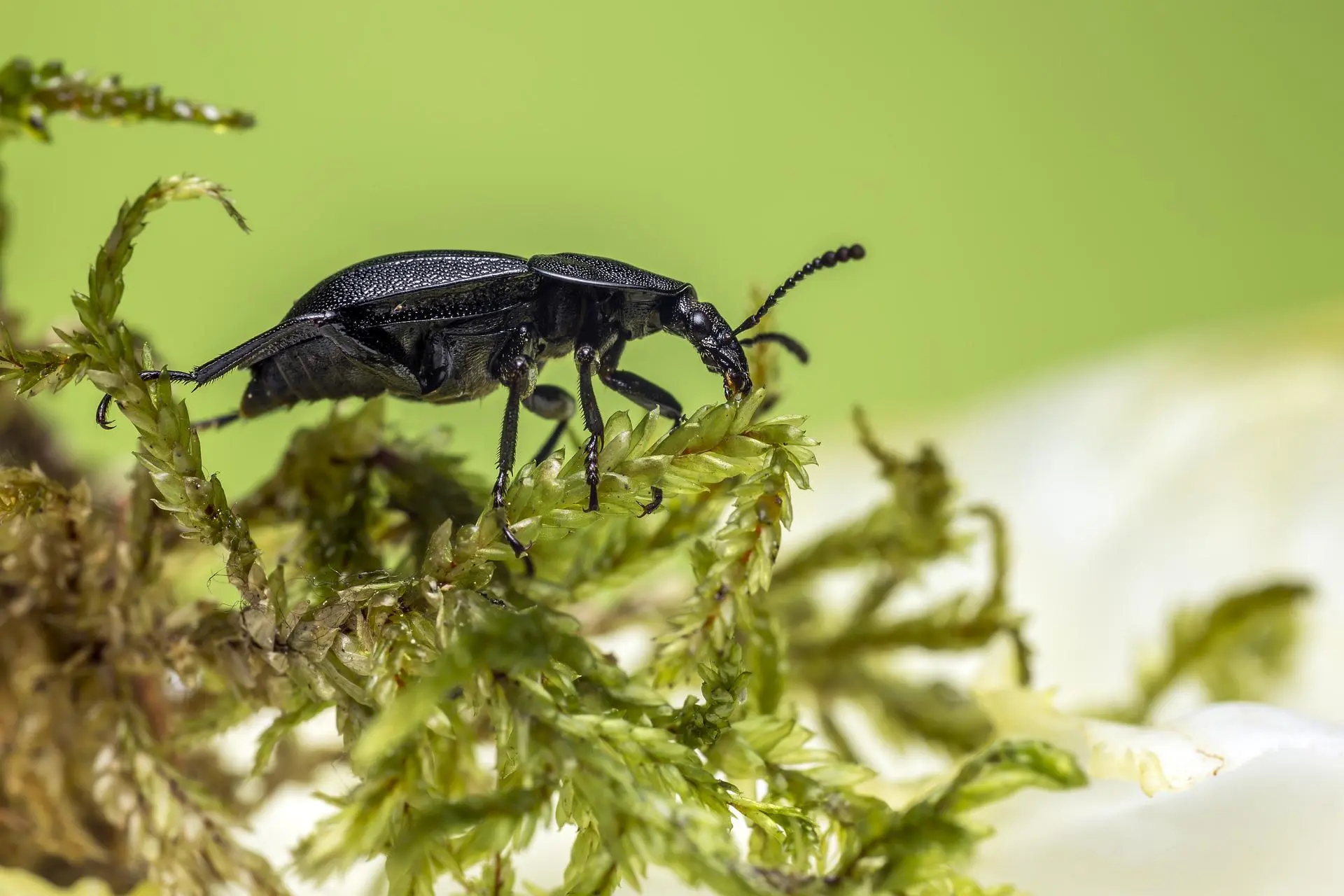
Pests
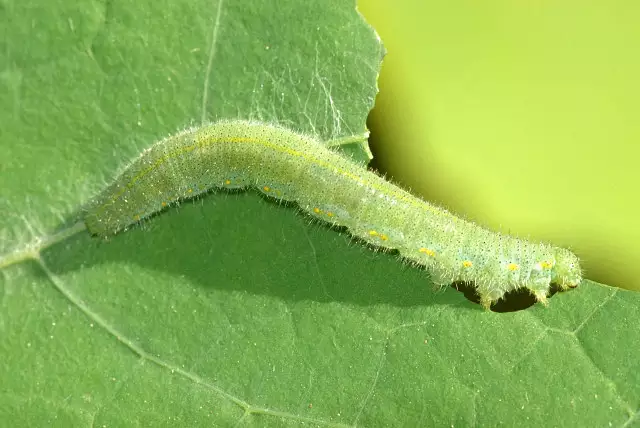
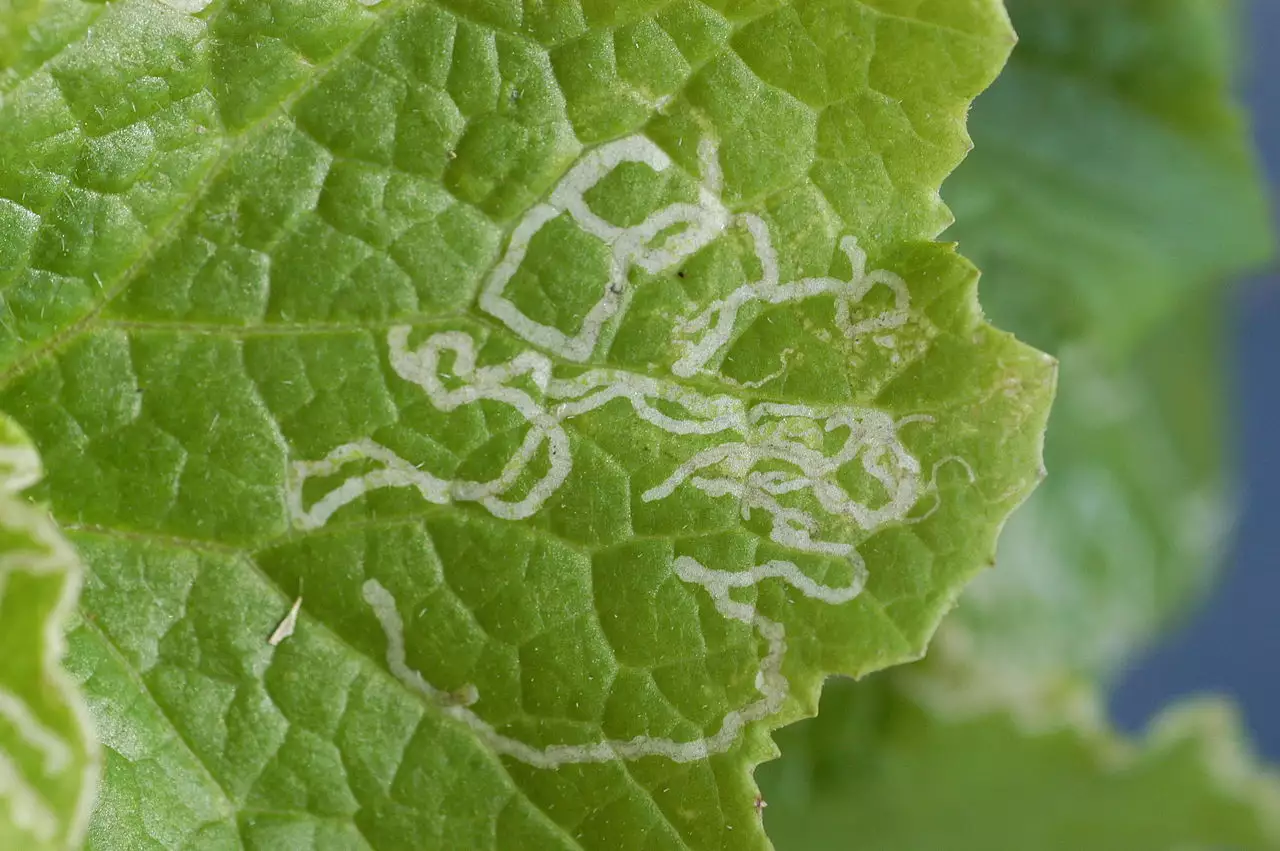
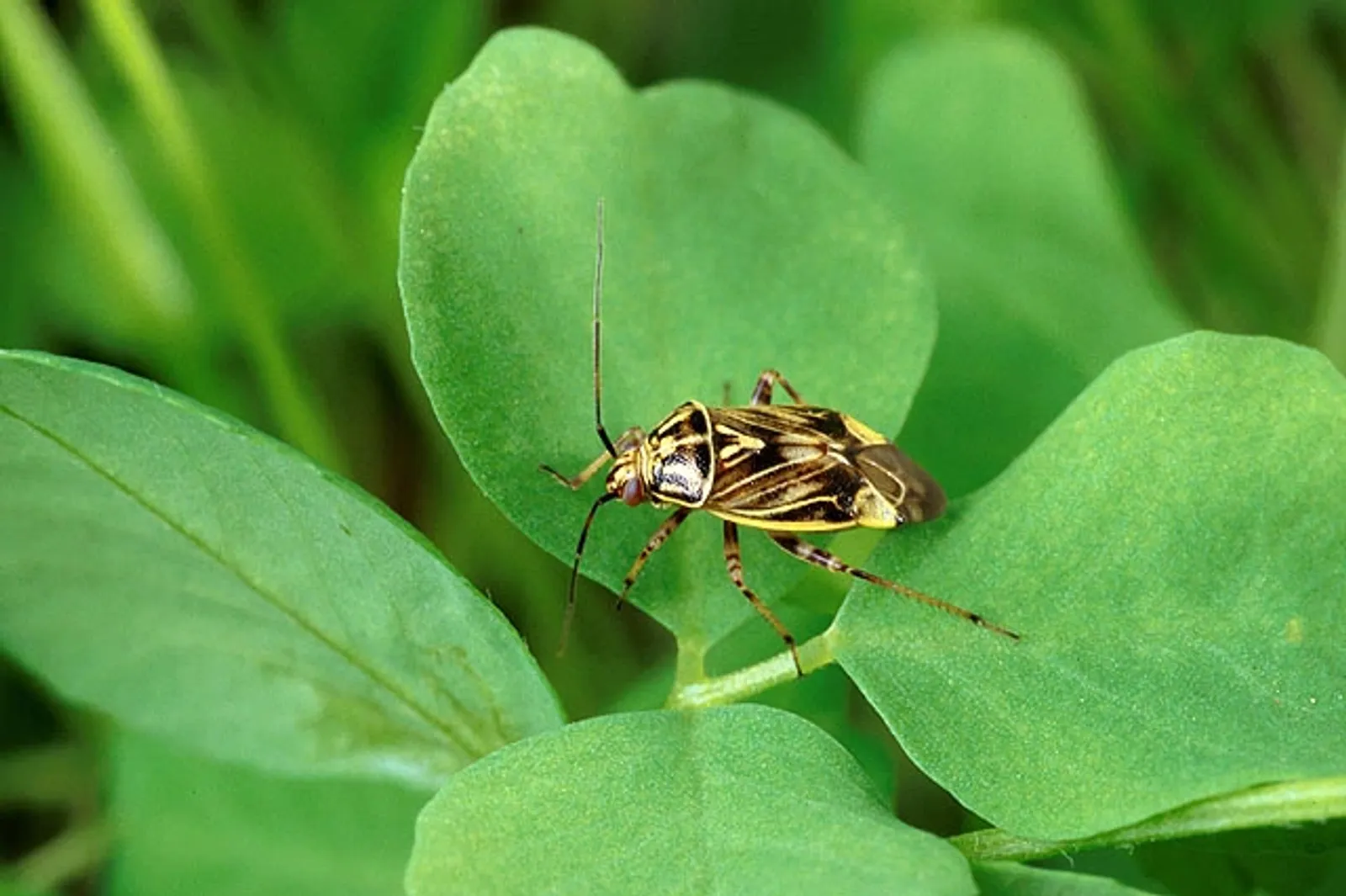
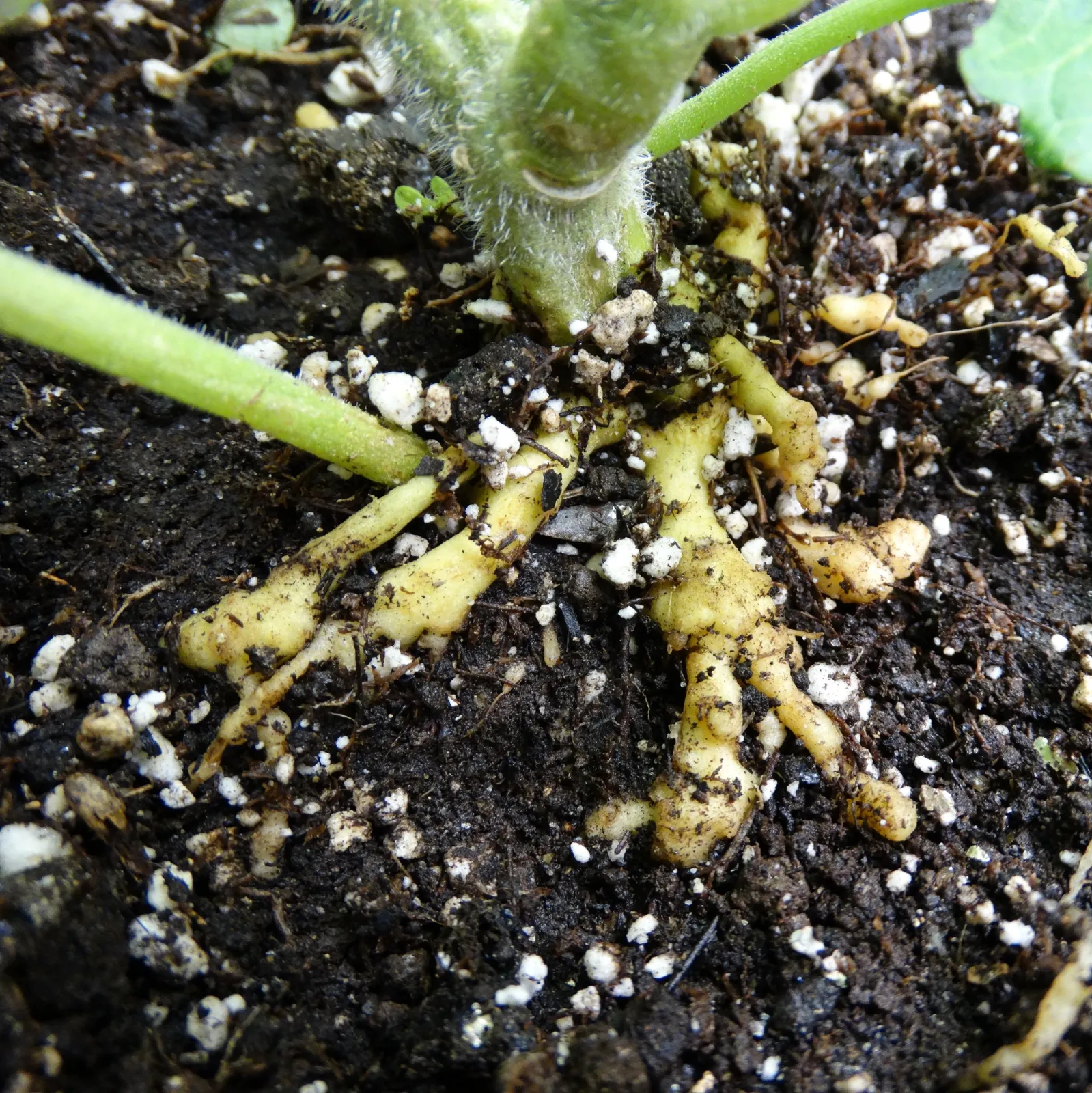
Diseases
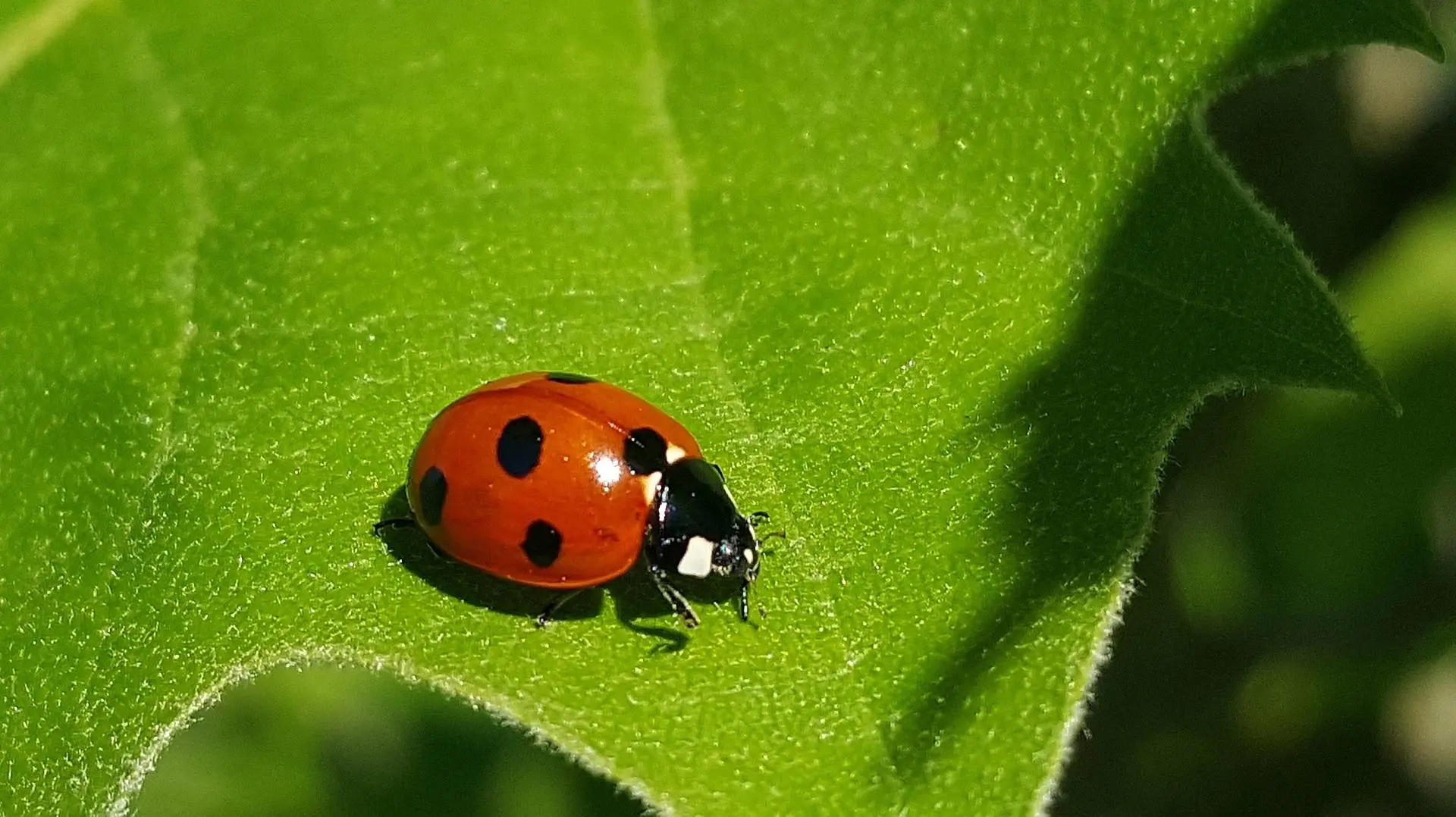
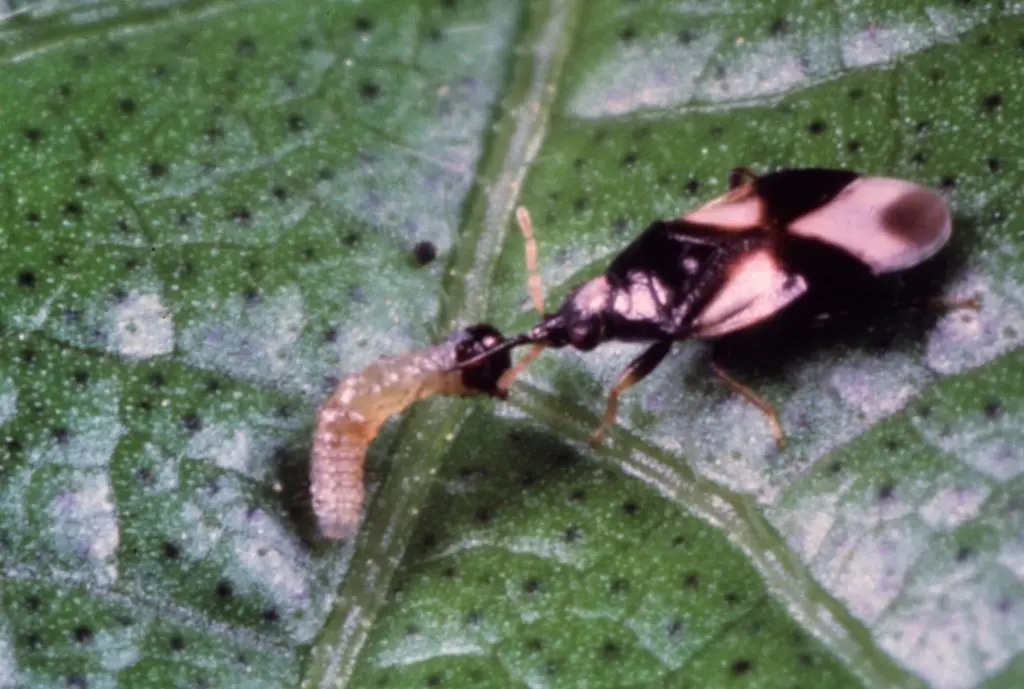
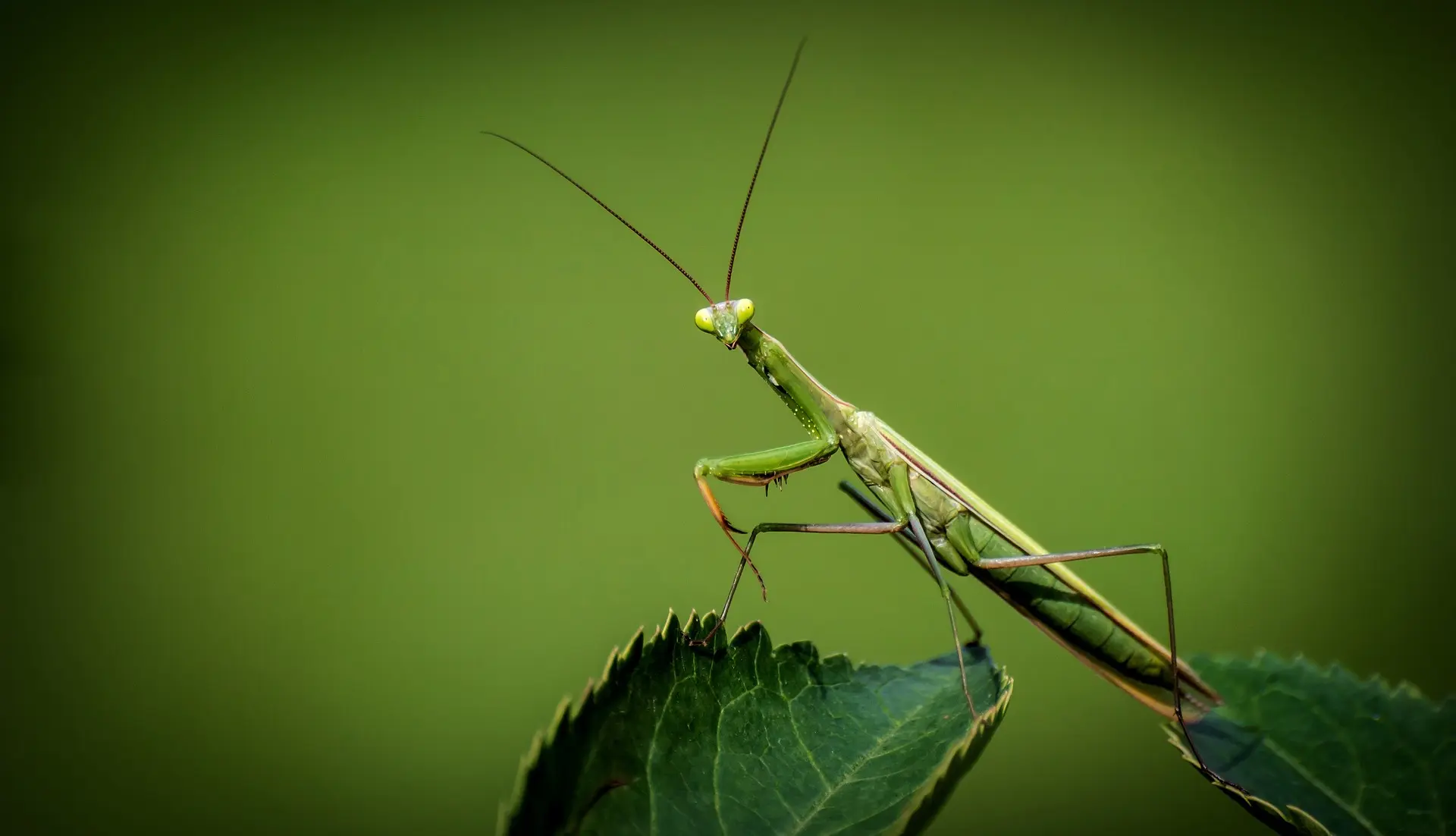
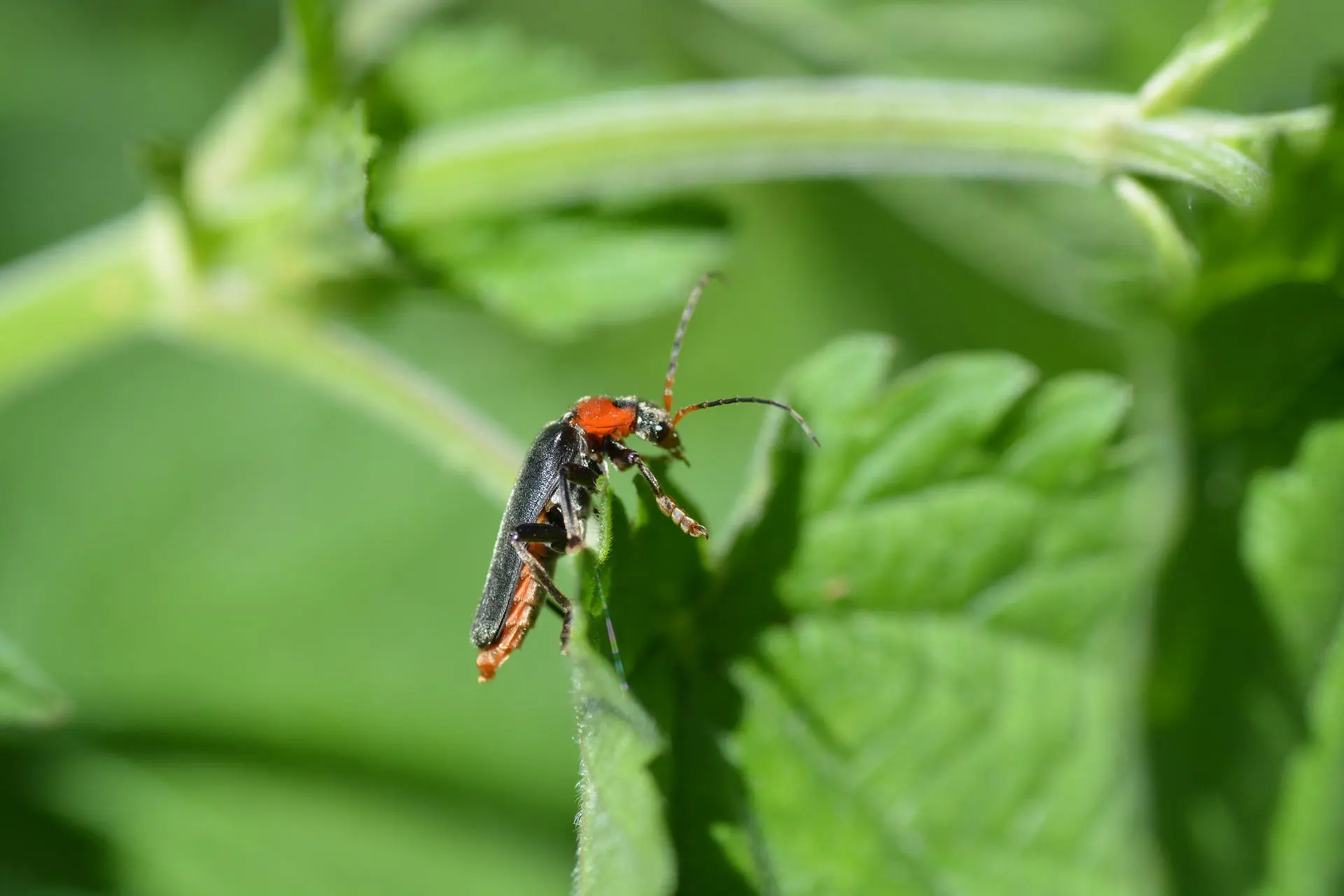
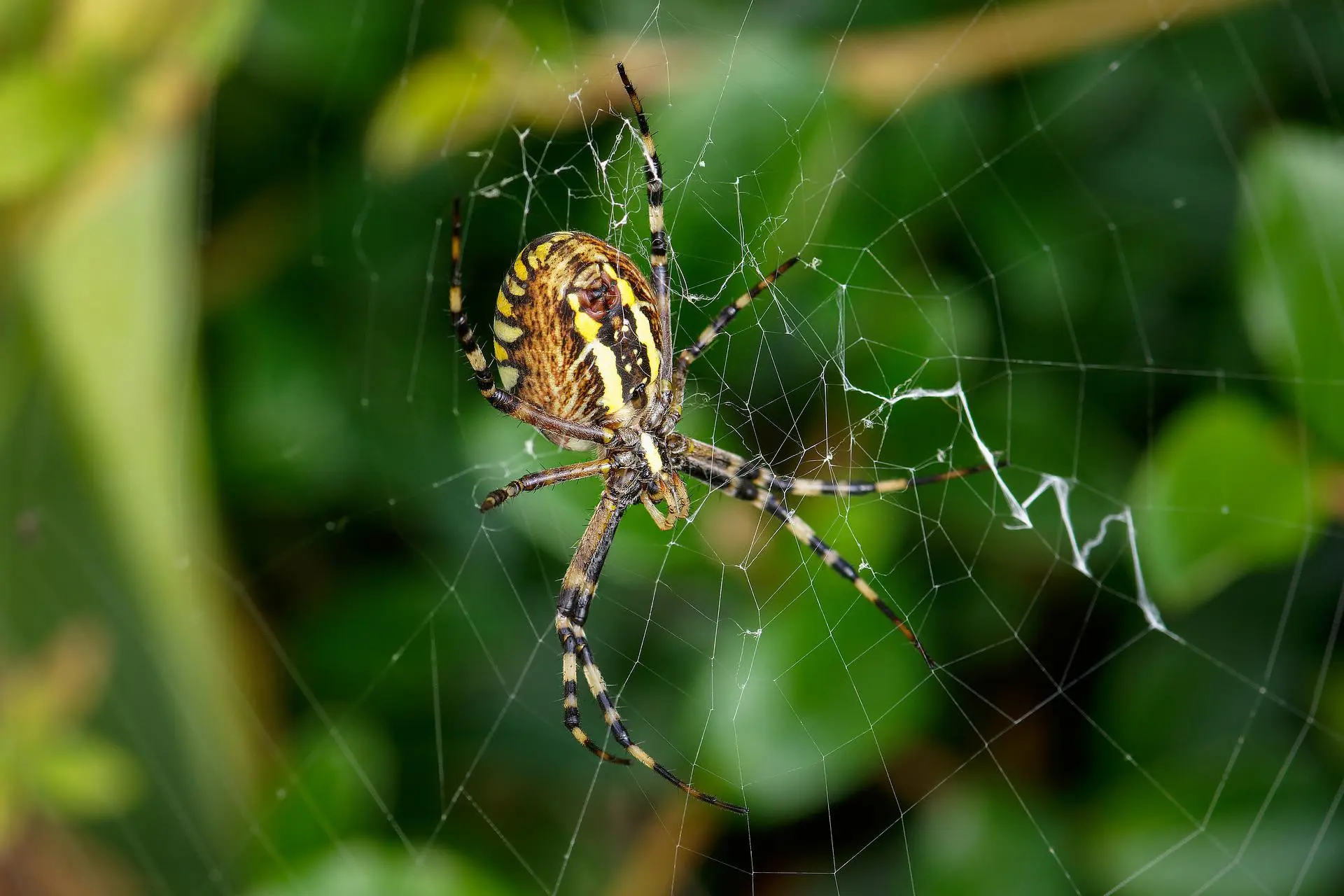
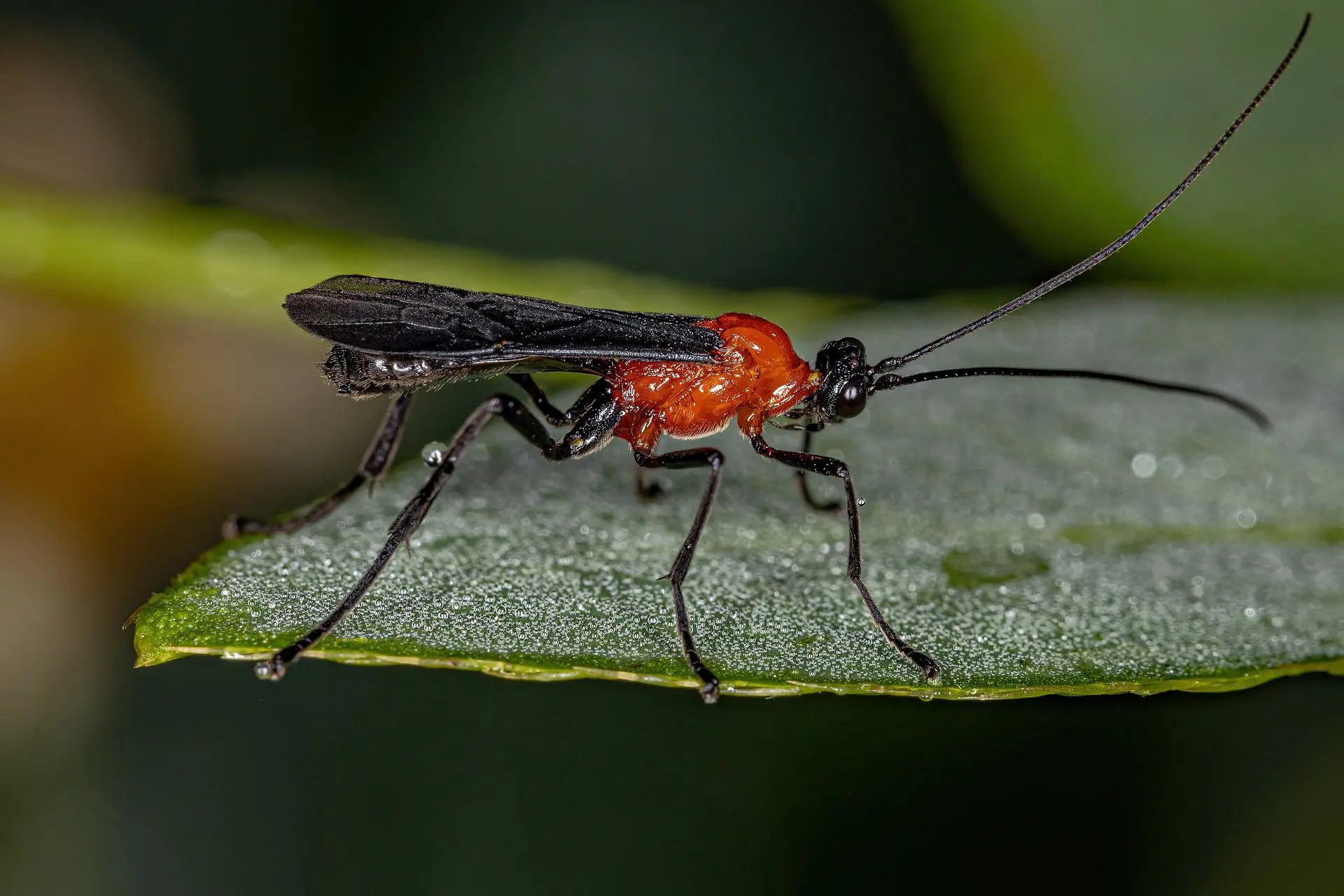
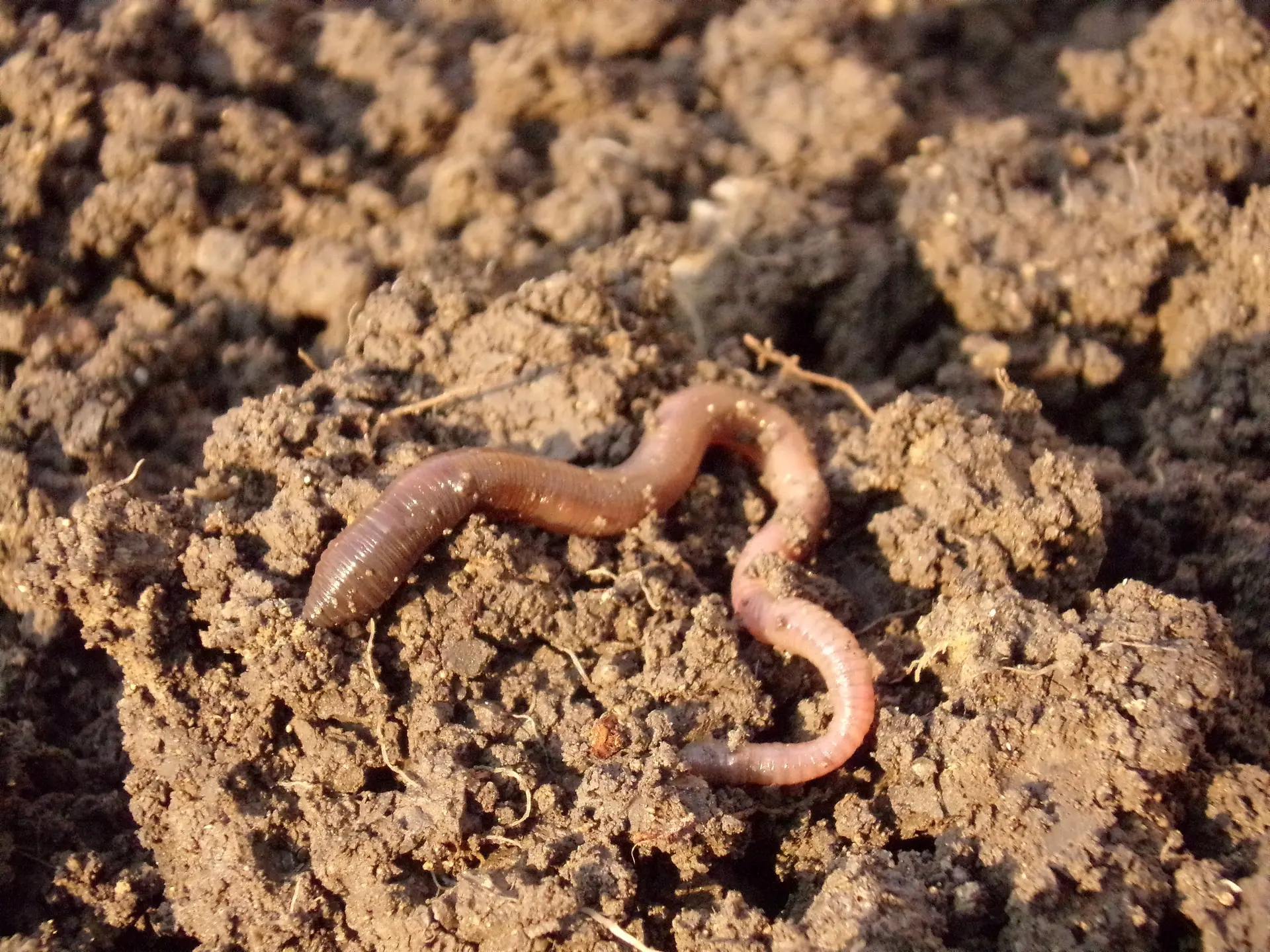
Beneficial Critters

Growing from Seed
Radishes should be sown directly outside as soon as the soil is workable. They should not be transplanted. Larger sized radishes need more space than small, round radishes and their seeds may need to be planted more deeply. Confirm the spacing and planting depth instructions on the seed packet for the variety you are growing.
Planting Considerations
Radishes prefer loose, loamy soil. Add compost to the soil at the time of planting and loosen the soil with a garden fork if needed (especially for daikon and larger radishes). Radishes grow best in cool weather. They can be grown throughout the gardening season in many areas but during the heat of summer they need consistent irrigation and potentially a bit of shade to help them stay cool and to keep them from becoming too spicy. Plant radishes in succession (i.e., multiple times) to have an ongoing harvest through the season. Radishes can be grown in containers. Choose a container that holds at least 1 gallon (3.8L). If pests are a problem with your radishes try applying insect netting over newly-seeded radishes to keep pests at bay.
Feeding
Radishes are light feeders. Adding compost at the time of planting should provide enough nutrition for radishes. Too much nitrogen can cause radishes to put energy into leaf growth instead of bulbing up.
Harvesting
Common round radishes are typically harvested when they are about 1" (2.5 cm) in diameter, however there are many radish varieties available with different shapes and sizes. Check the seed packet for the expected days to maturity and expected size for the radish varieties you are growing. Radishes are best when they are harvested young; radishes left in the ground too long can become woody and extra-spicy. Small radishes can be pulled out of the ground by their stems. Daikons and larger radishes often need to be dug out with a garden fork. Insert the fork close to the radish and pull down to help pull it out of the soil; do not get too close and accidentally pierce the radish.
If your radishes happen to bolt (go to seed) don't miss out on the edible green seed pods- they have a tasty mild radish flavor!
Storage
Wash radishes and remove the tops before storing. Radish tops should be eaten within a few days. Radish tops can be eaten raw but they can have an unpleasant fuzzy, prickly texture- cooking helps to eliminate this. Younger radish greens will be milder and more tender.
Whole radishes can be stored in the fridge for up to several weeks. Radishes can also be pickled or fermented for long term storage. Be sure to follow pickling or fermenting recipes from a reputable source.