Squash
Cucurbita pepo, C. ficifolia, C. maxima, C. mostacha, C. argyrosperma
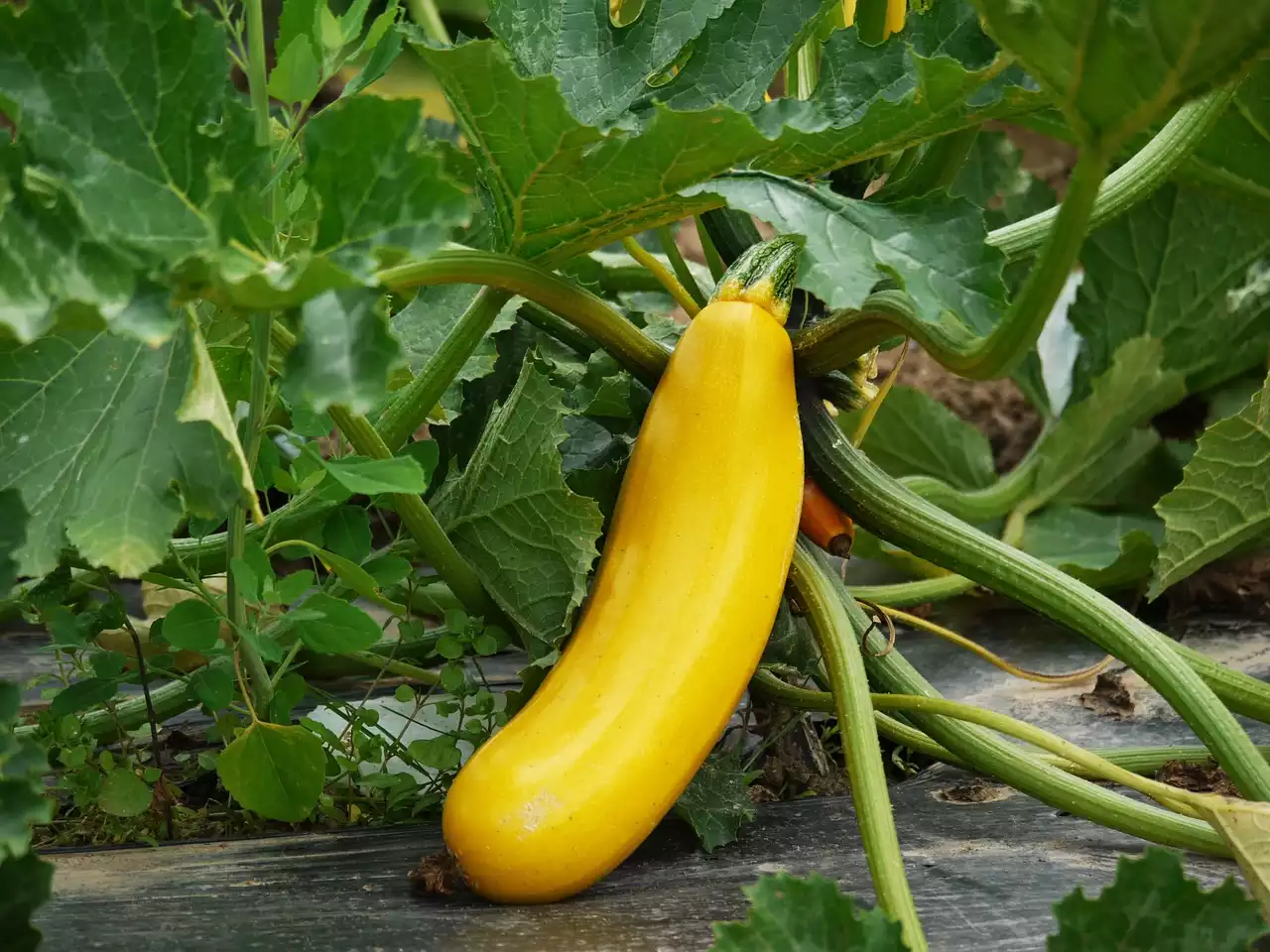
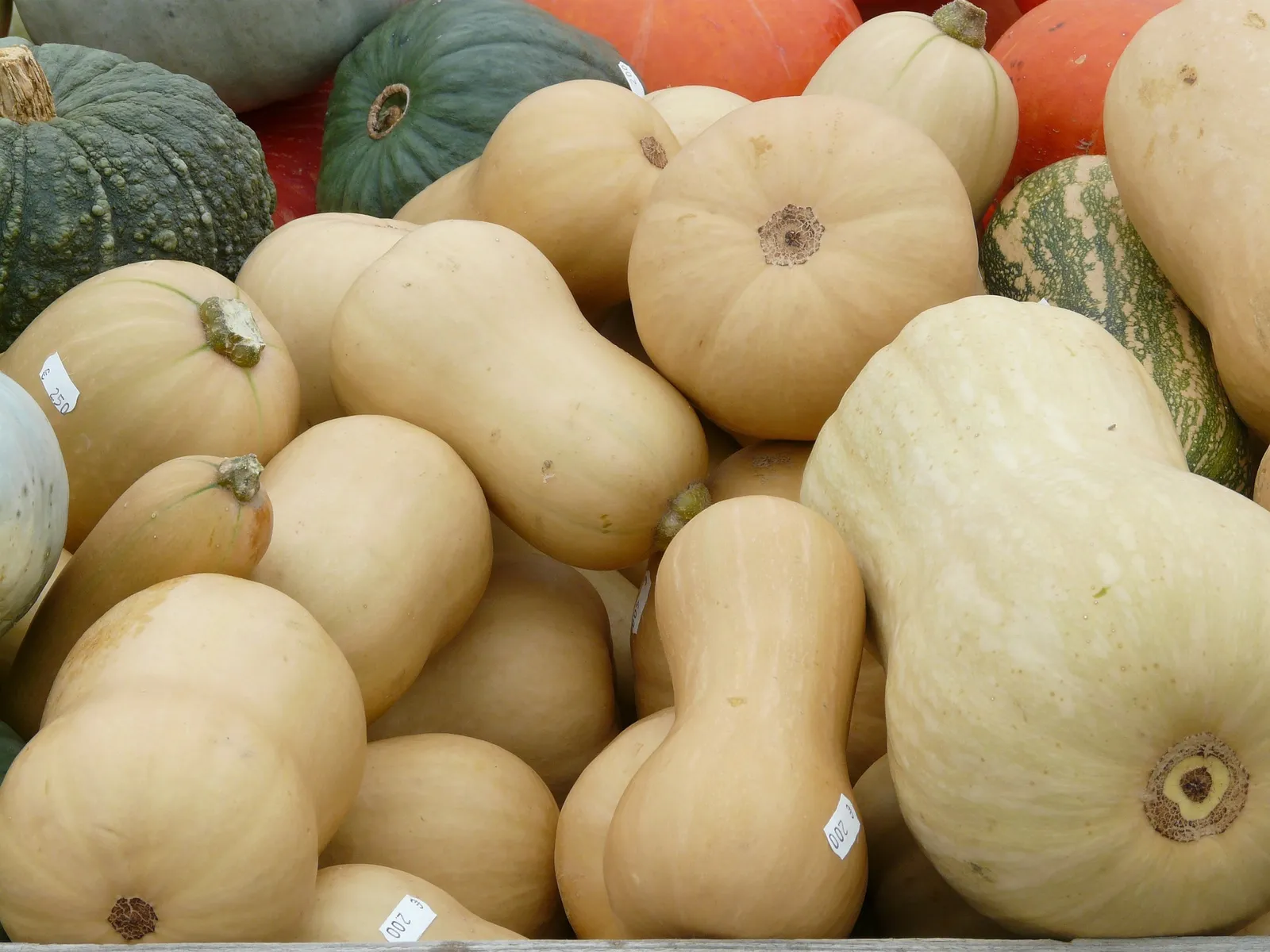
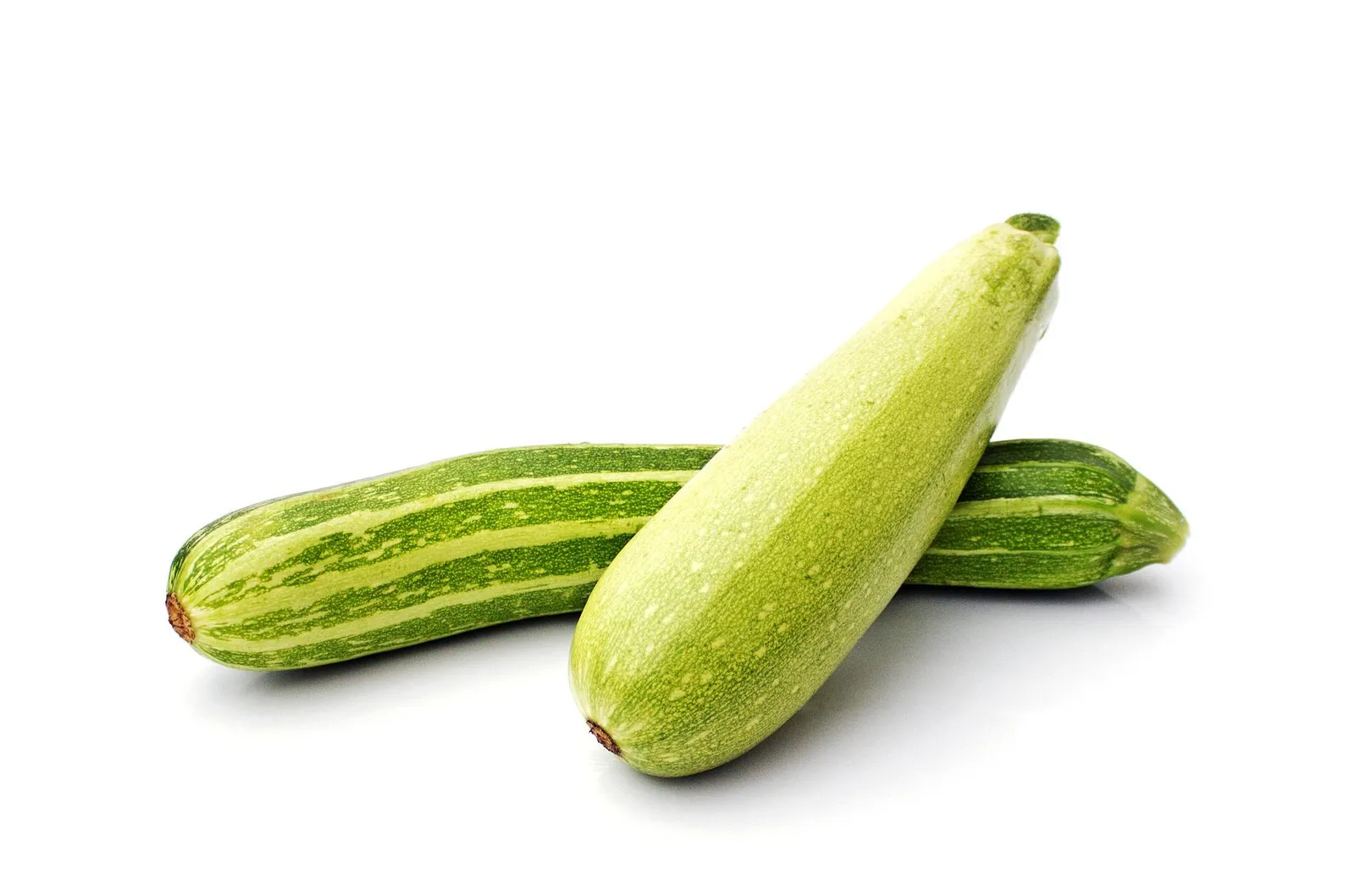
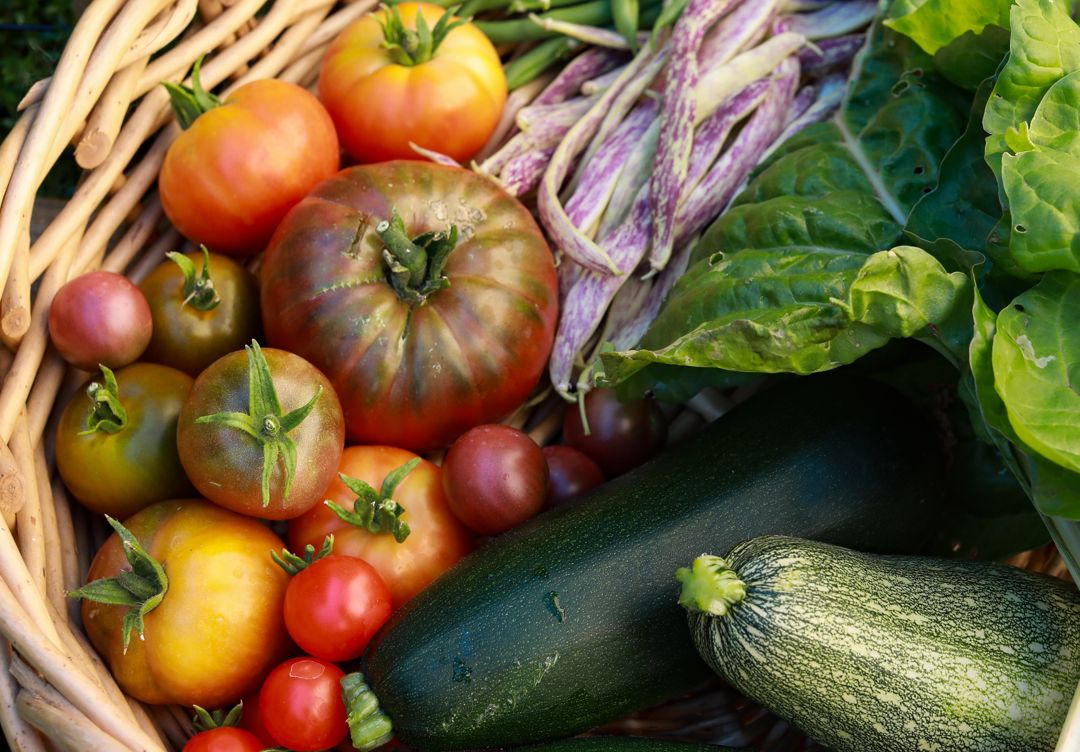
Squash are super-productive, warm-season plants. Many types of squash are vining plants that tend to sprawl unless they are grown up a trellis. There are compact bush and container squash varieties that, while they are still somewhat large, do not have the same tendency to take over. Squash varieties are grouped as either 'summer squash' or 'winter squash'. ‘Summer’ and ‘winter’ doesn't refer to when the squash is grown- both are typically grown through the peak months of the gardening season. Summer squash is harvested earlier while the fruits are still young and tender, while winter squash takes longer to mature and develops a tough skin that allows it to be stored for long periods of time- potentially well into winter. Within each of these squash types there is an endless array of colors, shapes, sizes, and flavors to choose from!
How to Grow Squash
Quick Info


Put away the pen and paper
Plan your veggie garden in minutes with Planter's easy drag and drop planner.
Try Planter for Free
Varieties
Related Articles
Companion Plants












Combative Plants






Nutrition
Vitamins



Nutrients





Pests
Diseases
Beneficial Critters

Growing from Seed
Squash can be sown directly outside once the soil has warmed up or it can be started indoors then transplanted out after all risk of frost has passed. If starting indoors, a heat mat can be used to aid germination. Squash can be sensitive to having its roots disturbed so be gentle during transplanting to avoid stunting the plant. Some gardeners like to sow squash in 'hills'- small mounds of soil with 2-3 plants in the center. Growing in hills can help to warm the soil, improve drainage, and increase airflow around the plant. Sow 4-5 seeds per hill initially then thin them down to the 2-3 strongest seedlings. Hills are typically spaced around 5-8' (1.5-2.4 m) apart, or 2-3' (60-90 cm) in the case of bush type squash, since there are multiple plants per hill and they are often allowed to sprawl out. Trellised squash can be planted more densely.
Planting Considerations
Squash are productive plants so typically only a few are needed for a family. Summer squash can be planted in more than one succession to ensure ongoing harvests after pest and disease pressure sets in on the first planting. Because it takes longer to grow, winter squash is usually planted once for a harvest towards the end of the season.
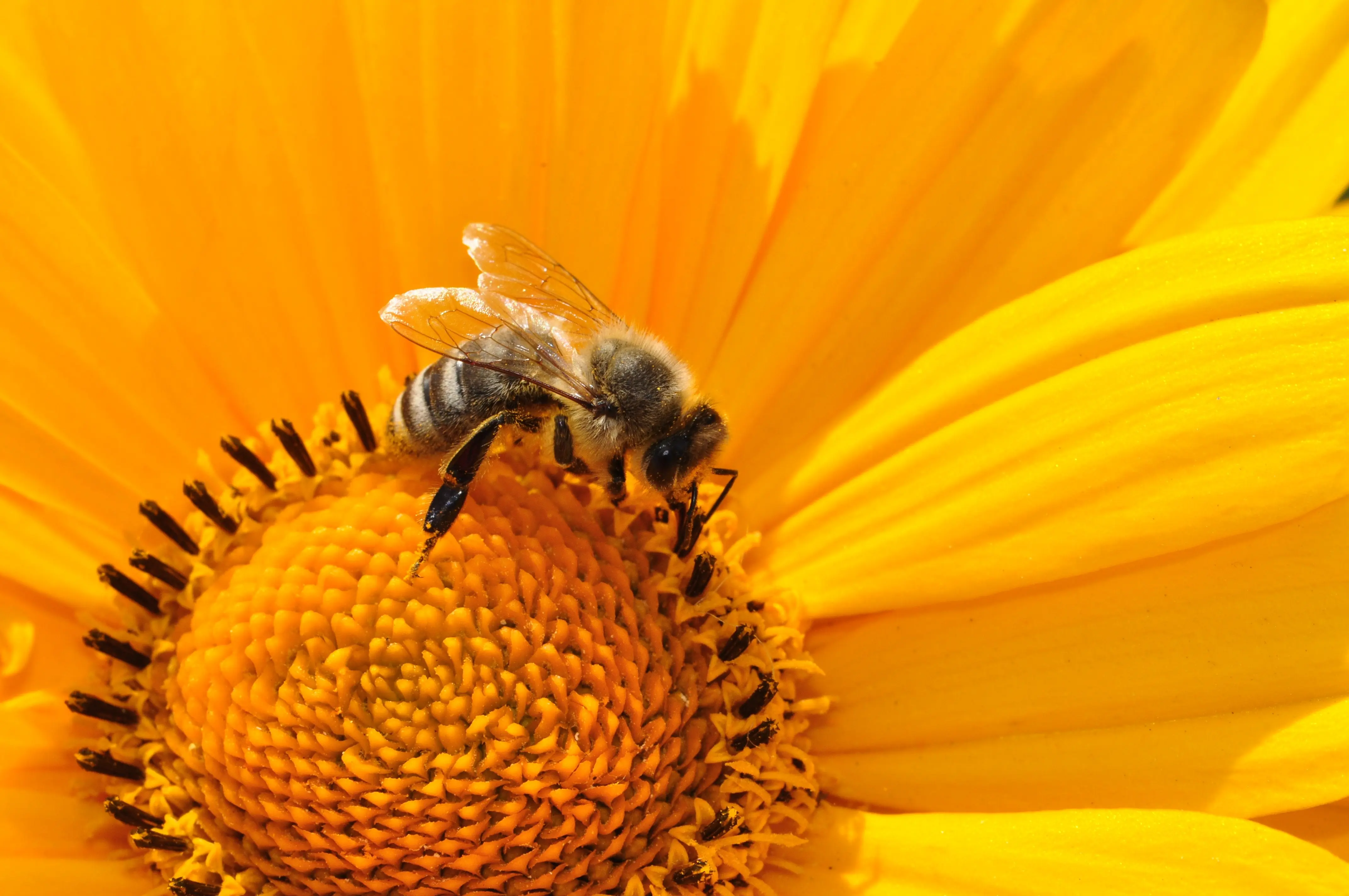
Squash prefers loamy, fertile, well-draining soil. Add compost to the soil prior to planting. Bush type squash do not need a trellis however vining squash are sometimes grown on a trellis- often made with 'cattle panel' fencing or another sturdy material- to save garden space and to increase airflow around the plants which can help prevent disease. Install the trellis at the time of planting to avoid damaging the plants' roots later on. If you are not planning to use a trellis for vining squash, be sure to leave enough space for vines to sprawl along the ground. Apply mulch around the plants to manage weeds and to help retain moisture. Some gardeners like to use black plastic mulch when planting squash to help warm the soil; otherwise be sure the soil has warmed up before applying mulch. Row cover can be used to protect young seedlings from pests and to help keep the plants warm. Be sure to remove the row cover once the plants start flowering to allow pollination (unless you are growing a variety that does not require pollination). Planting pollinator-friendly plants nearby can help to ensure good pollination.
Squash can be grown in containers. Choose a container that holds at least 5 gallons (19L) for each plant.
Feeding
Squash is a heavy feeder. Apply a balanced fertilizer at the time of planting and fertilize regularly as the plants begin to flower and produce fruit. Excessive nitrogen can cause the plant to put energy into vine and leaf growth at the expense of squash yields; be sure your chosen fertilizer is not nitrogen-heavy.
Harvesting
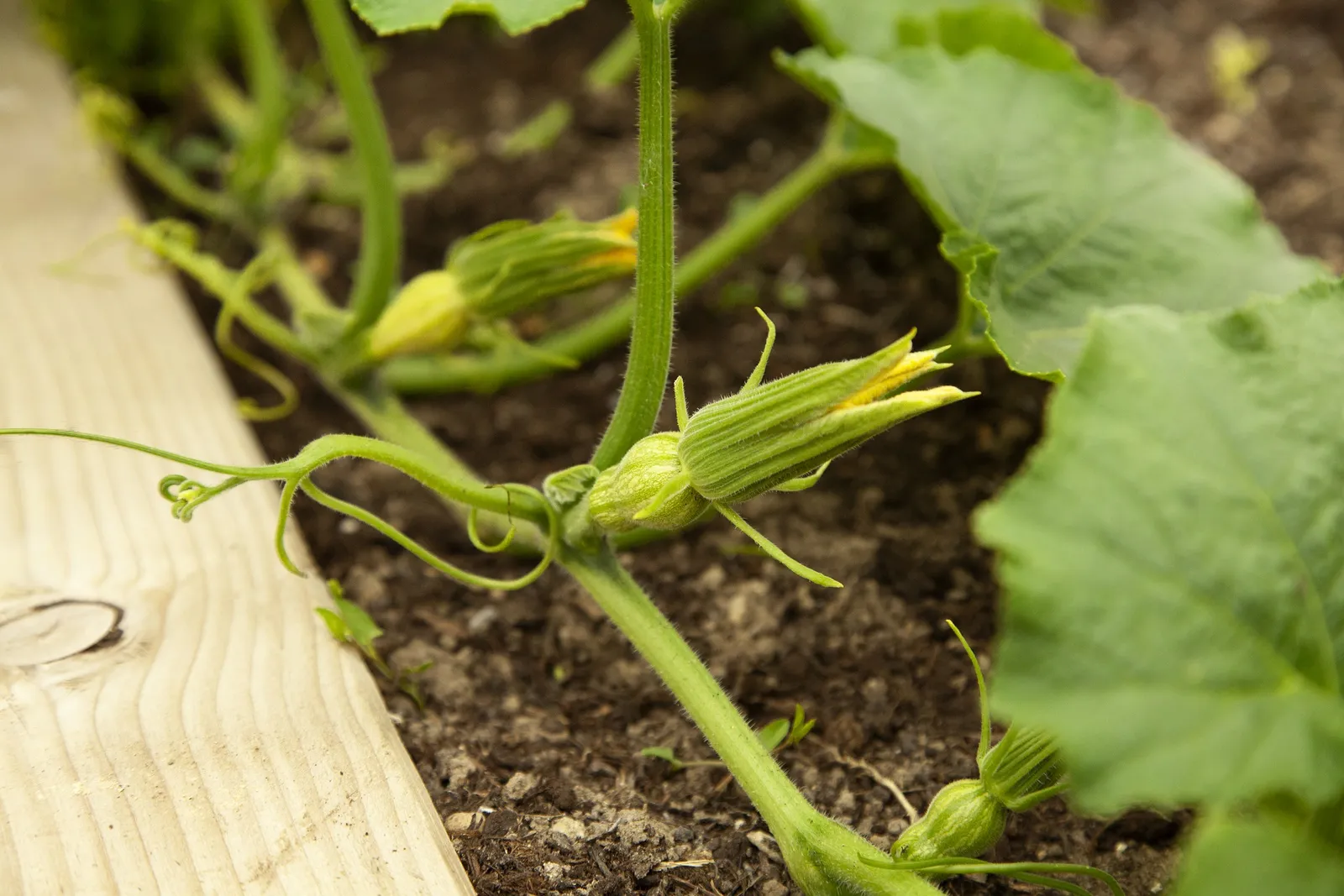
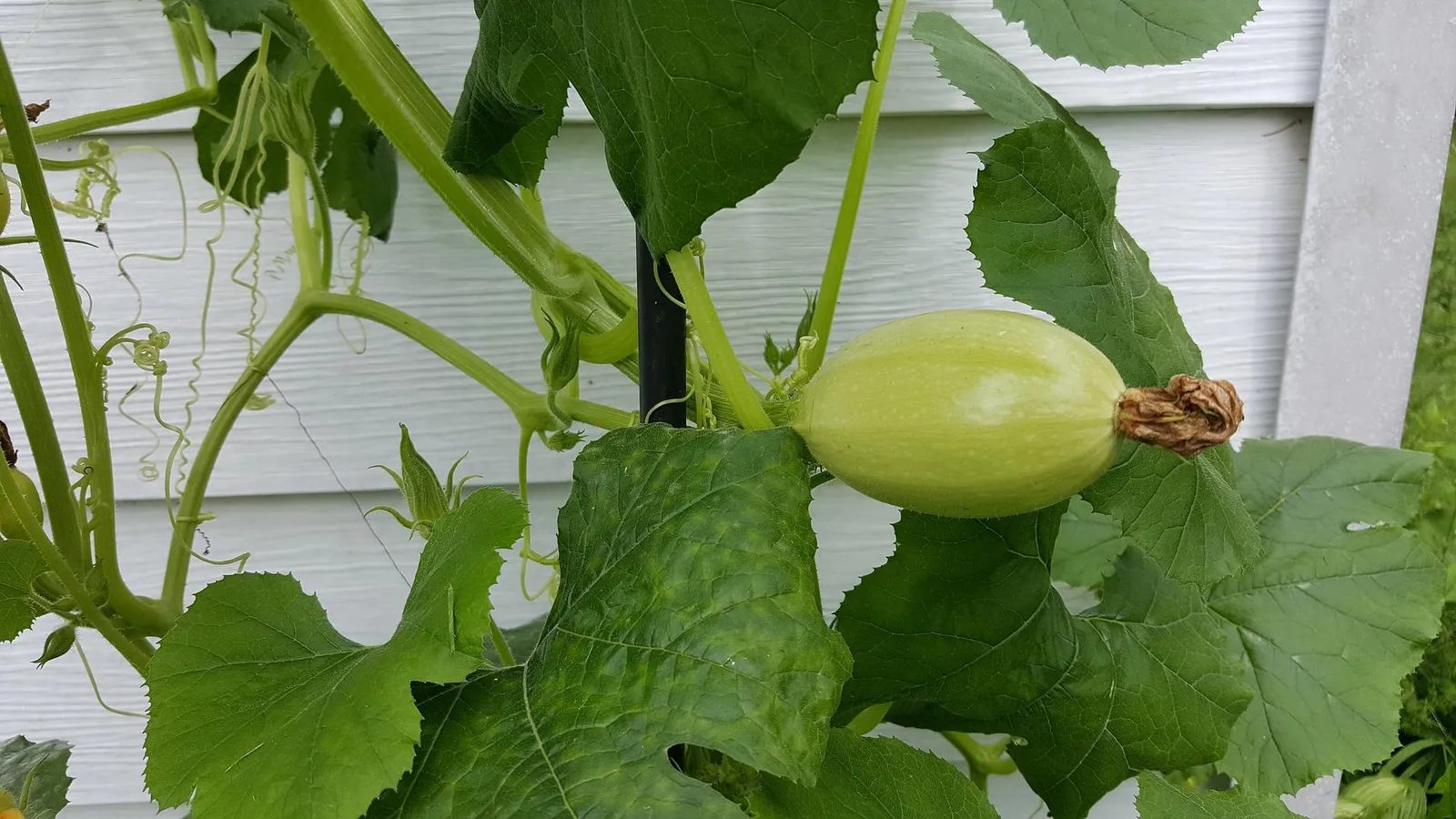
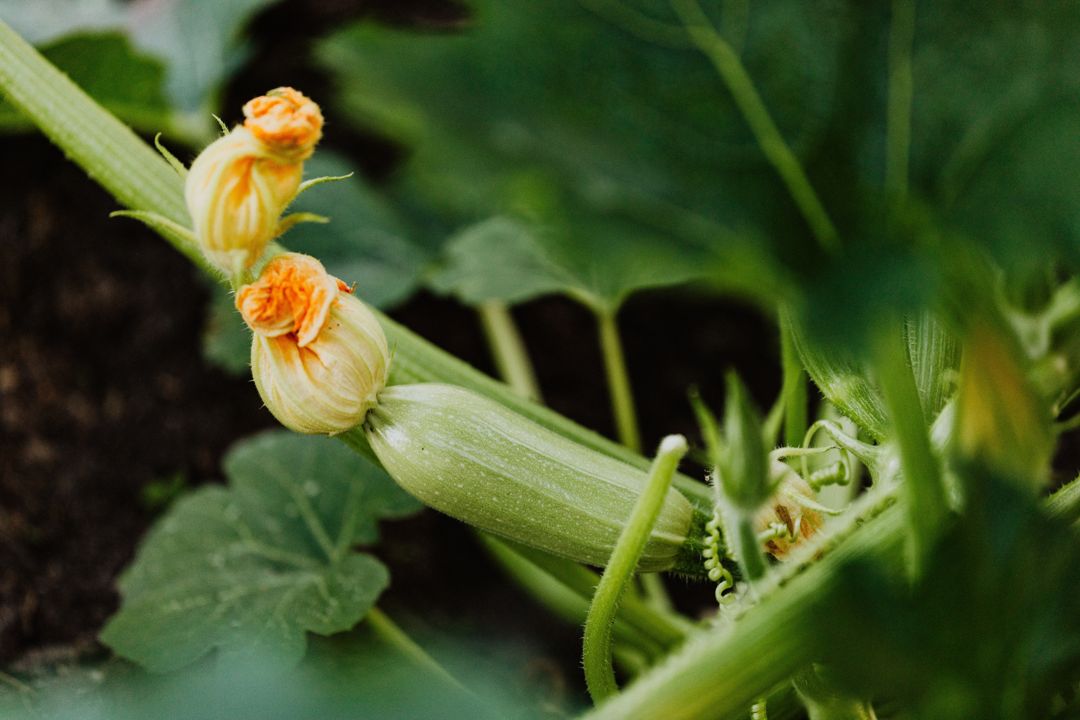
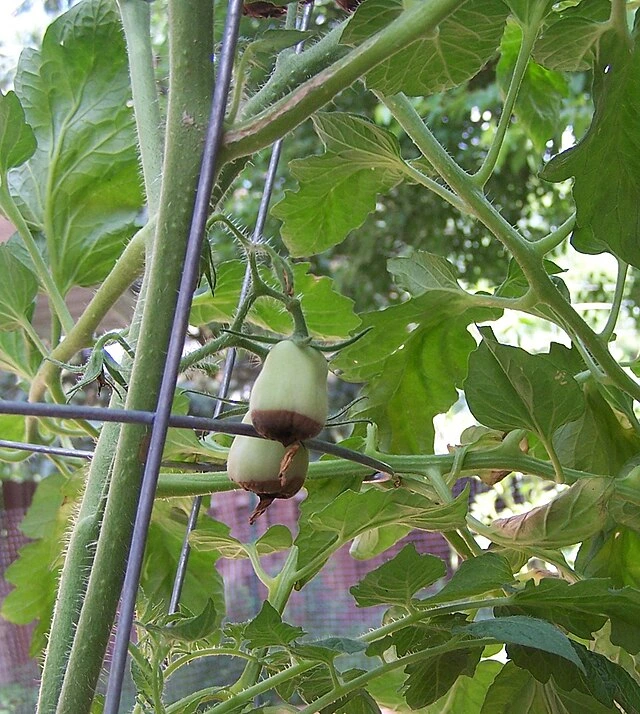
The first flowers on a squash plant are often male and the first squash fruits (from female flowers) often suffer from insufficient pollination. Fruits that are improperly pollinated will wither and turn brown-black at the end; cut them off the plant. Pollination and fruit set should improve as the plant matures. The mature size of summer squash depends on the variety you are growing; check the seed packet for details on when your squash should be ready. In general, summer squash is harvested before the skins get tough and the seeds enlarge. Squash can be harvested by cutting them off with a sharp, clean knife. Aim to leave about 1" (2.5 cm) of stem attached to the squash; squash fruits with damaged stems may not keep for very long. When harvesting with a knife be careful not to accidentally slice the plant. Another way to harvest some types of summer squash is to gently twist them off the plant using one hand to twist and another to hold the plant stem. This method can be risky as it is easy to accidentally snap off the top of the plant or to rip the stem off the squash. Harvest squash every few days for the best quality and to encourage continued production. If some squash become overly mature they should still be removed otherwise the plant's production will slow down. Harvest any remaining summer squash before frost, regardless of size.
Winter squash should be harvested once the skin has toughened up, which happens after the squash has reached full size. Check the seed packet for the expected days to maturity for the winter squash varieties you are growing to know roughly when the squash should be ready. To test the skin gently press it with a fingernail- it should not puncture. Leave at least 2" (5 cm) of the stem attached to the squash as this will help it keep better in storage. Harvest winter squash before heavy frost threatens; slightly immature winter squash can be eaten but will not keep well. Use a dry towel to brush any loose dirt off the mature winter squash then leave them in a warm, dry area for 10-14 days before storing- they can be cured outdoors if the weather is sunny or they can be cured indoors.
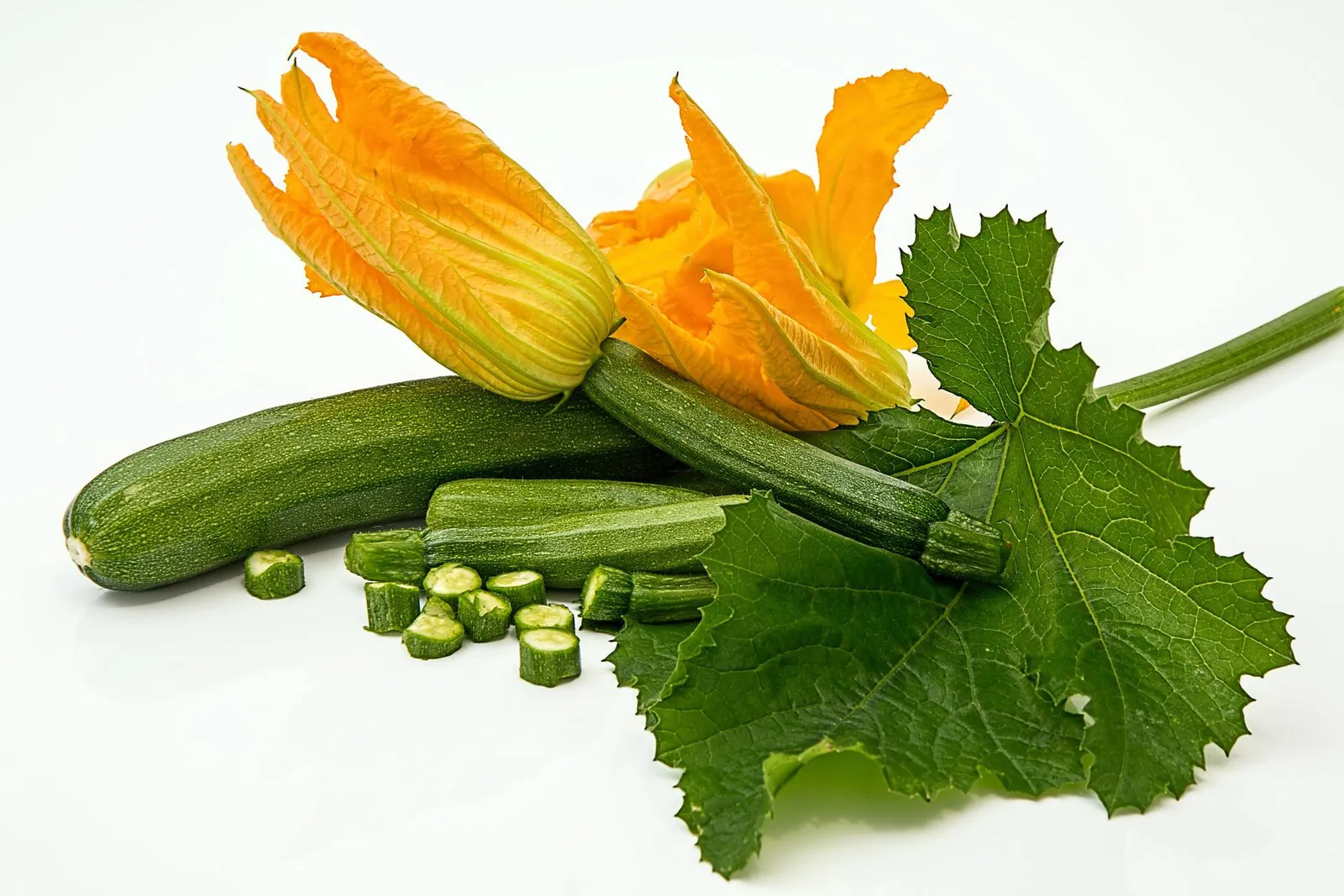
Some people enjoy eating squash blossoms. Male blossoms can be harvested without affecting squash yields (just be sure to leave some for pollination). Male blossoms do not have tiny squash underneath them- they are attached with just a stem. Harvest unblemished, newly-opened blossoms and use them the same day.
Storage
Summer squash can be stored in the fridge for up to several days. It can also be sliced, blanched, and cooled then frozen in a single layer on a baking tray before transferring to freezer-safe bags or airtight containers (or, it can be grated then steamed before freezing). Frozen squash can be kept for up to several months. Summer squash can also be pickled for long-term storage.
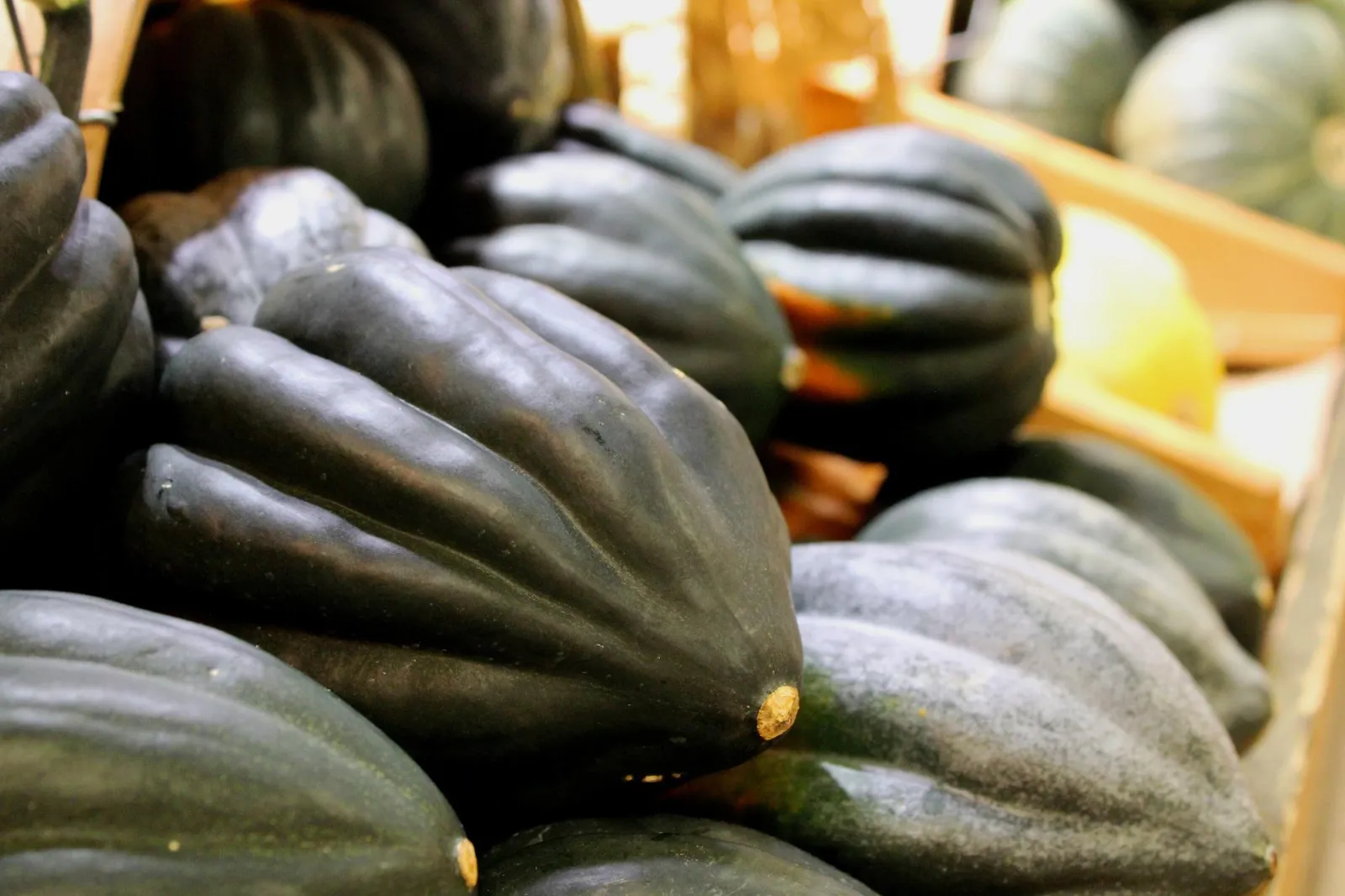
Winter squash should be stored in a cool area with good ventilation and moderate humidity for up to several months (only a few months for acorn squash). Regularly inspect for any squash that are going bad and discard them. Winter squash can also be peeled, cubed, then frozen on a single layer on a baking sheet before transferring to airtight containers or freezer-safe bags. It can also be cooked and pureed, then frozen.
Pruning
Squash plants do not require pruning other than to remove damaged and diseased lower leaves. Some gardeners will stake bush-type squash and aggressively prune off the lower leaves.