Bee Balm
Monarda fistulosa, M. didyma
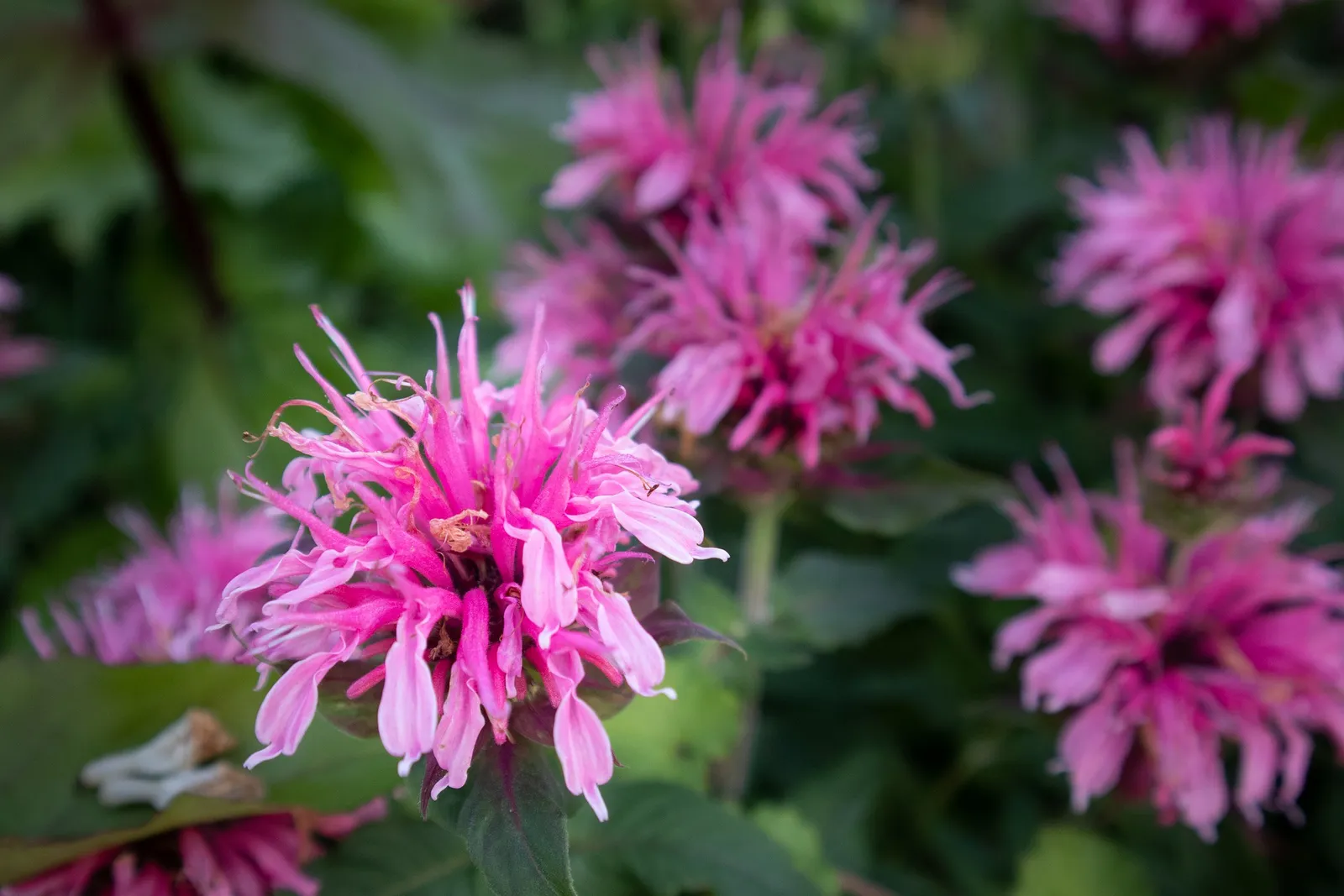
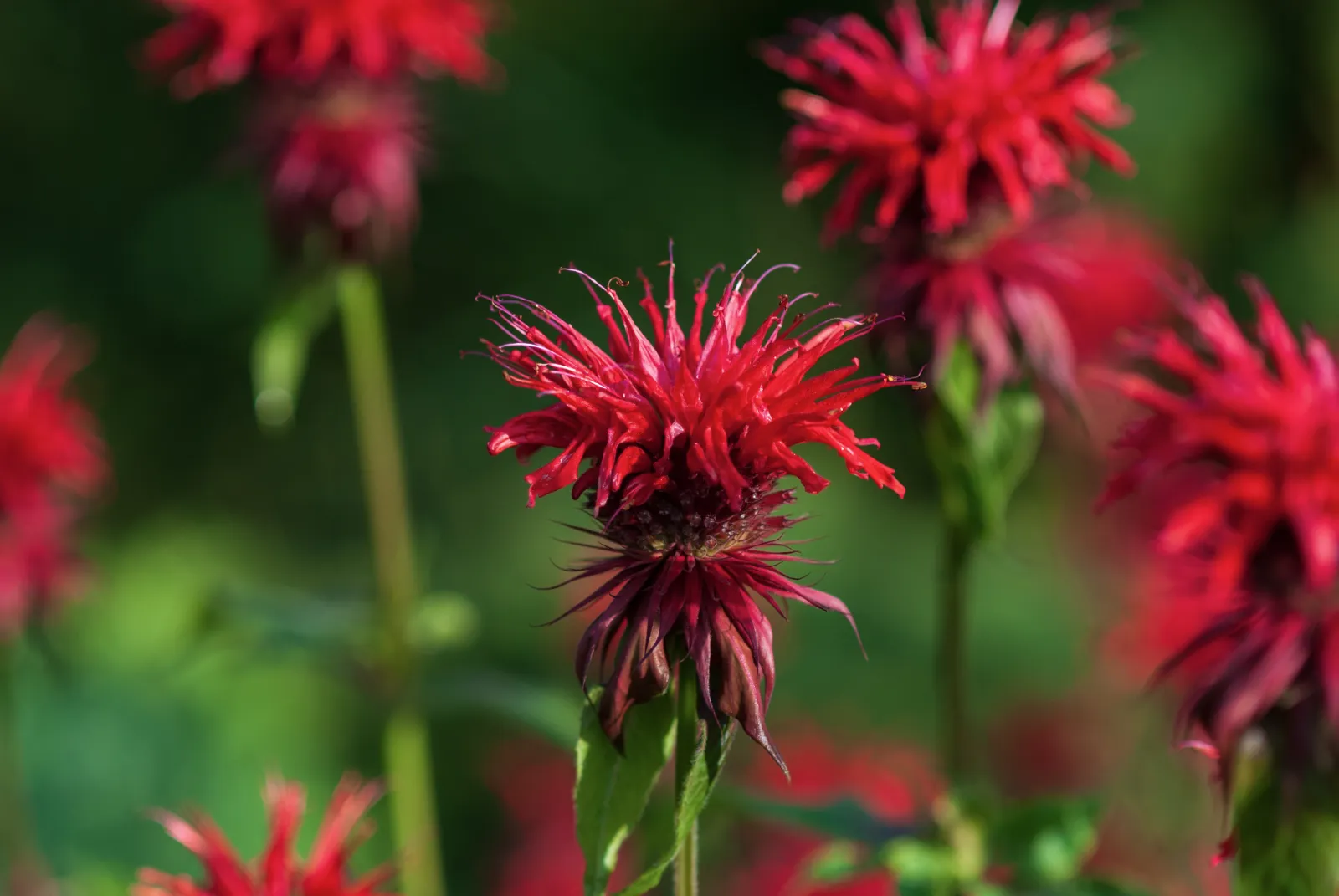
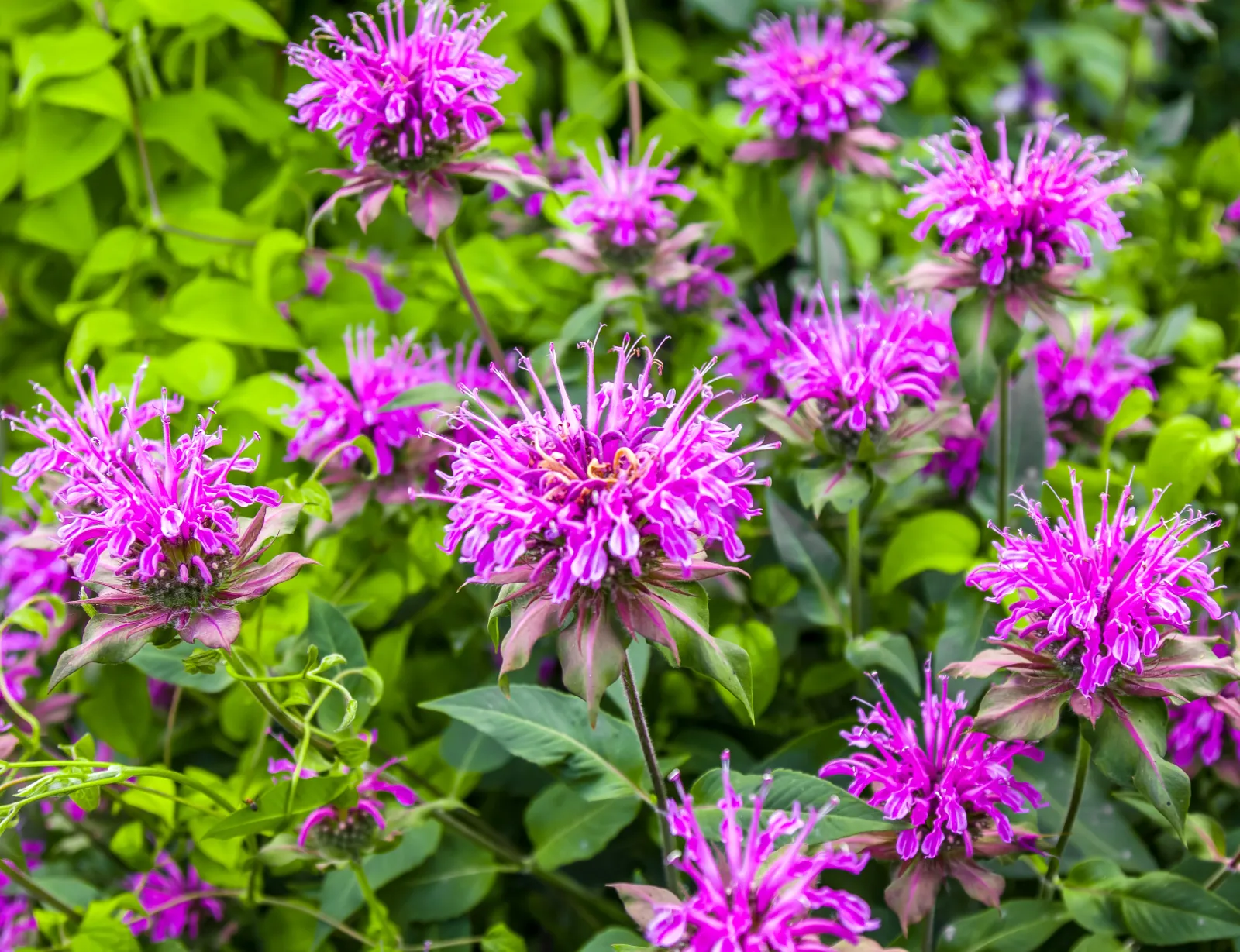
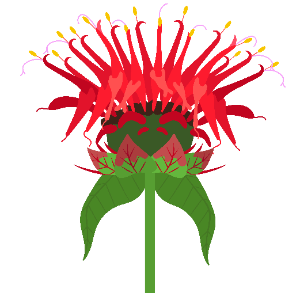
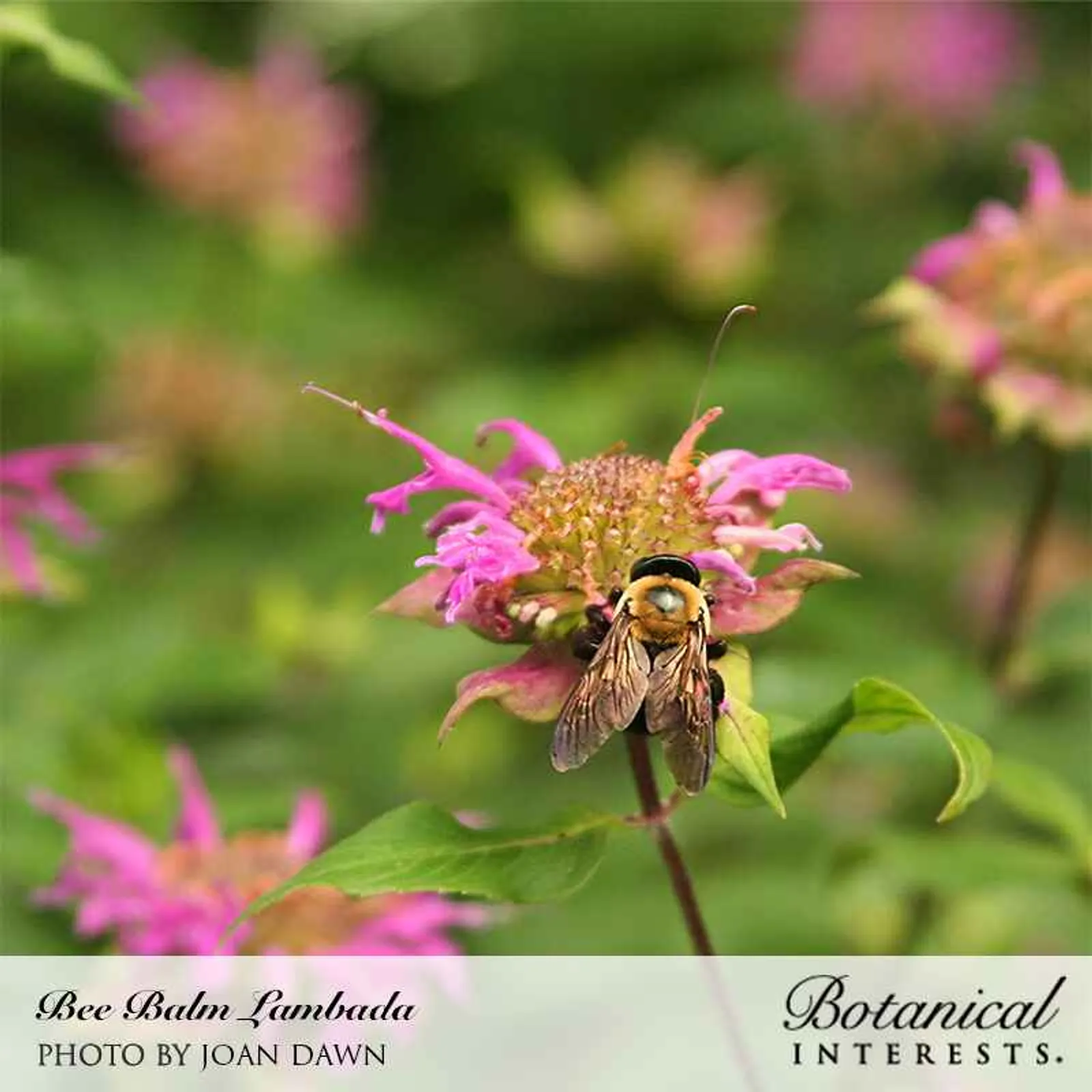
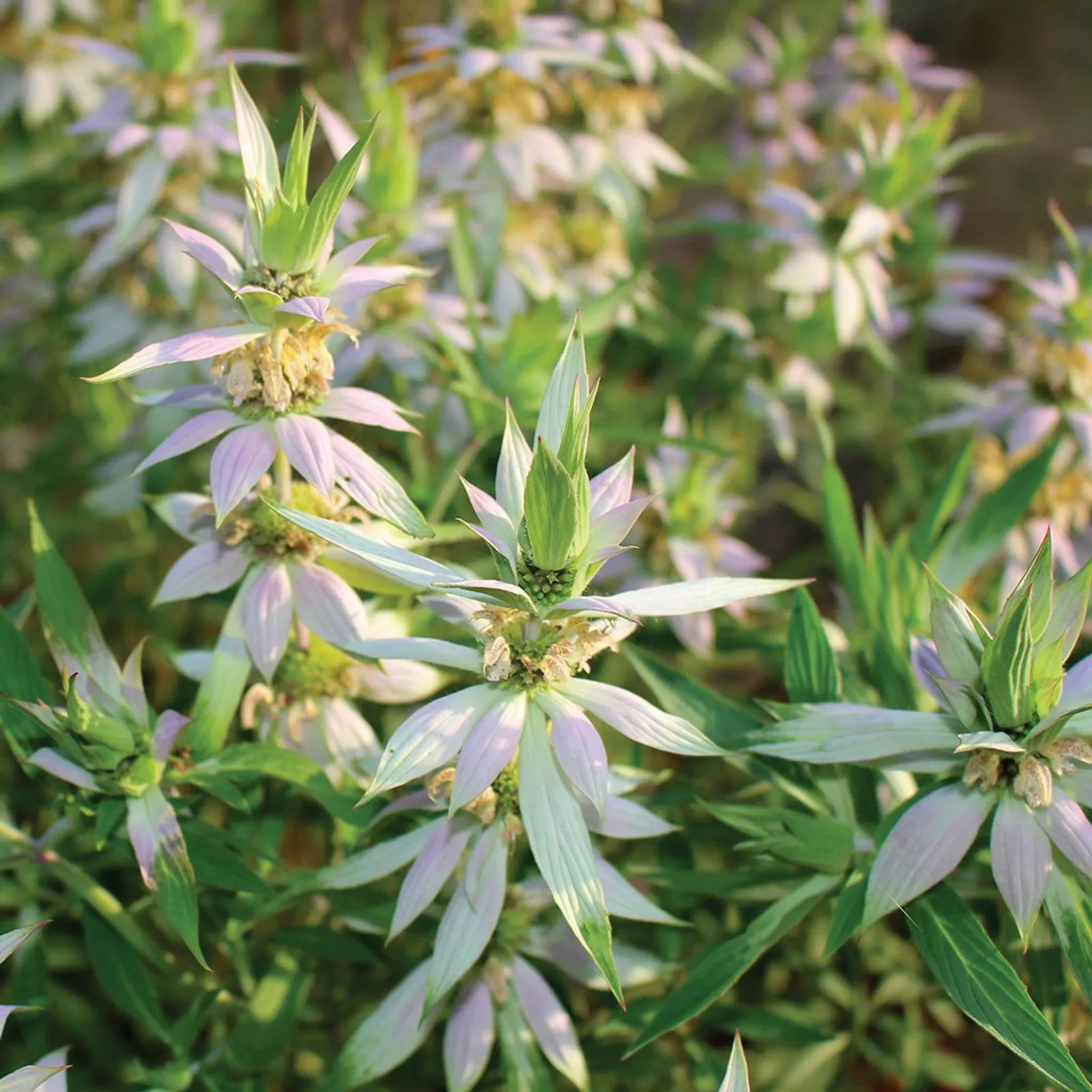
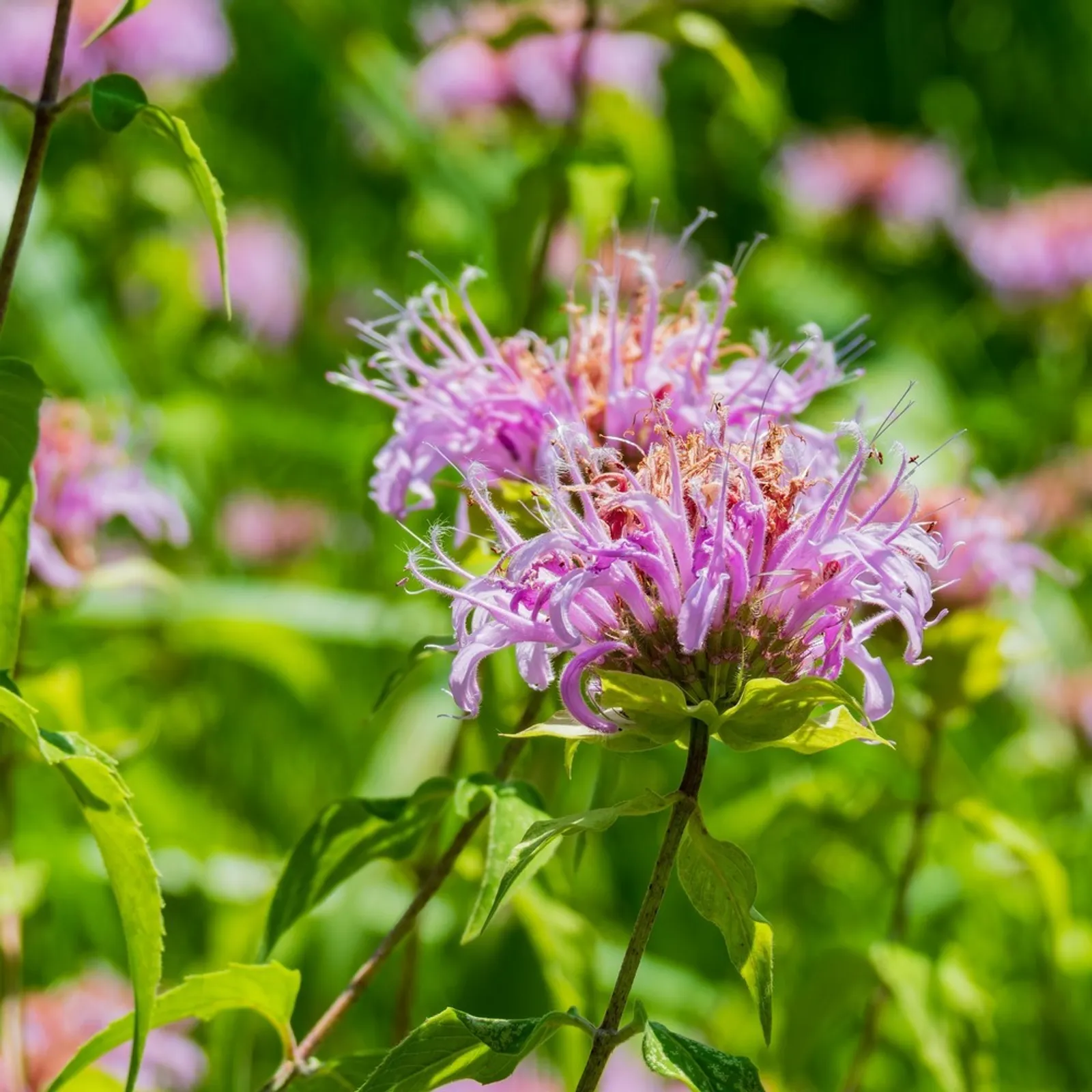
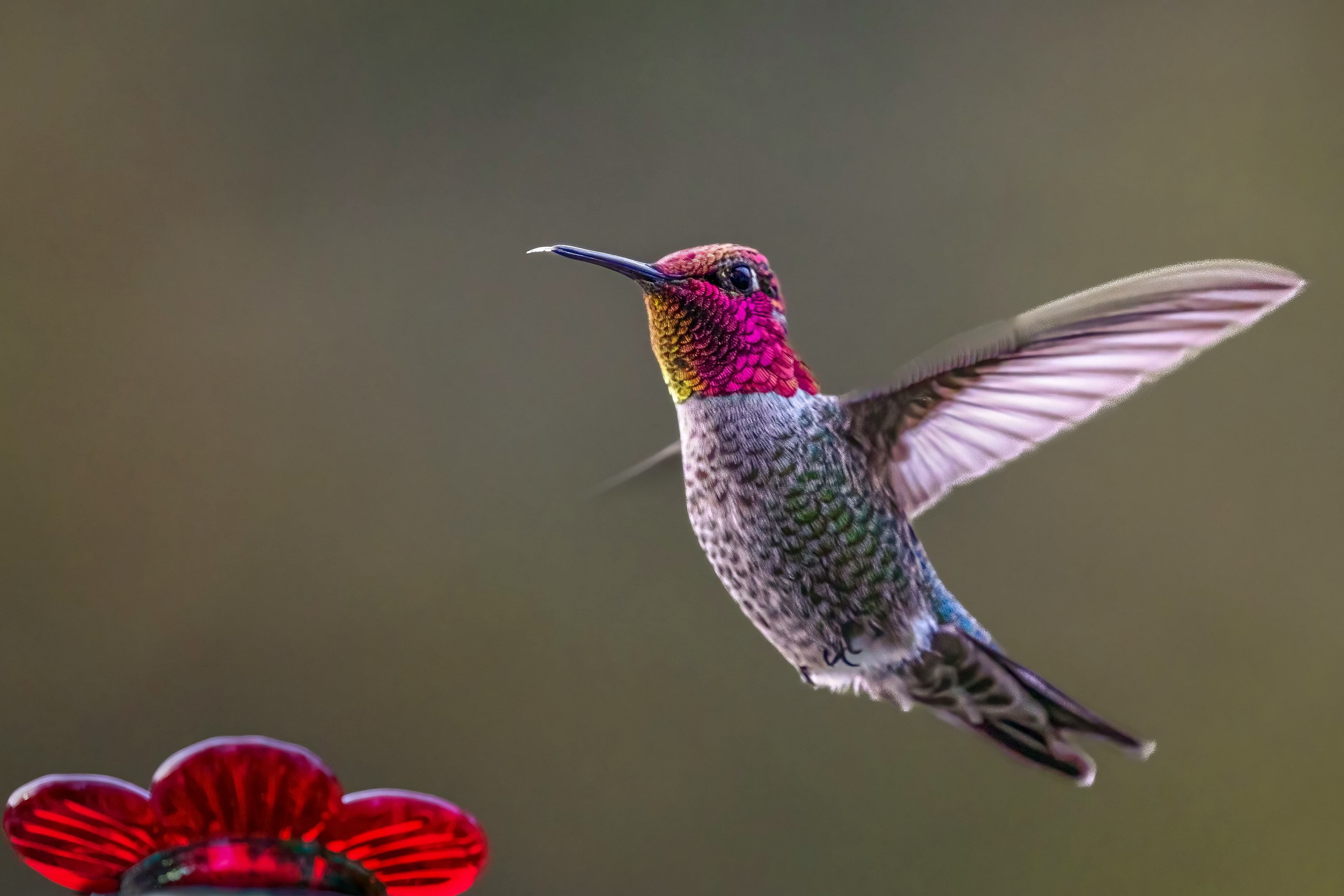
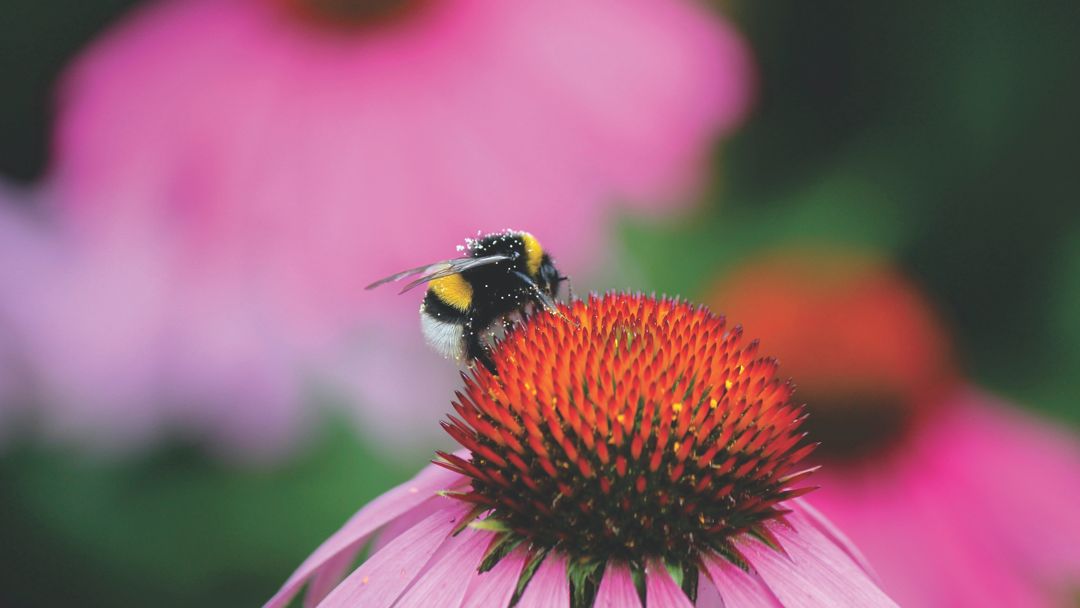
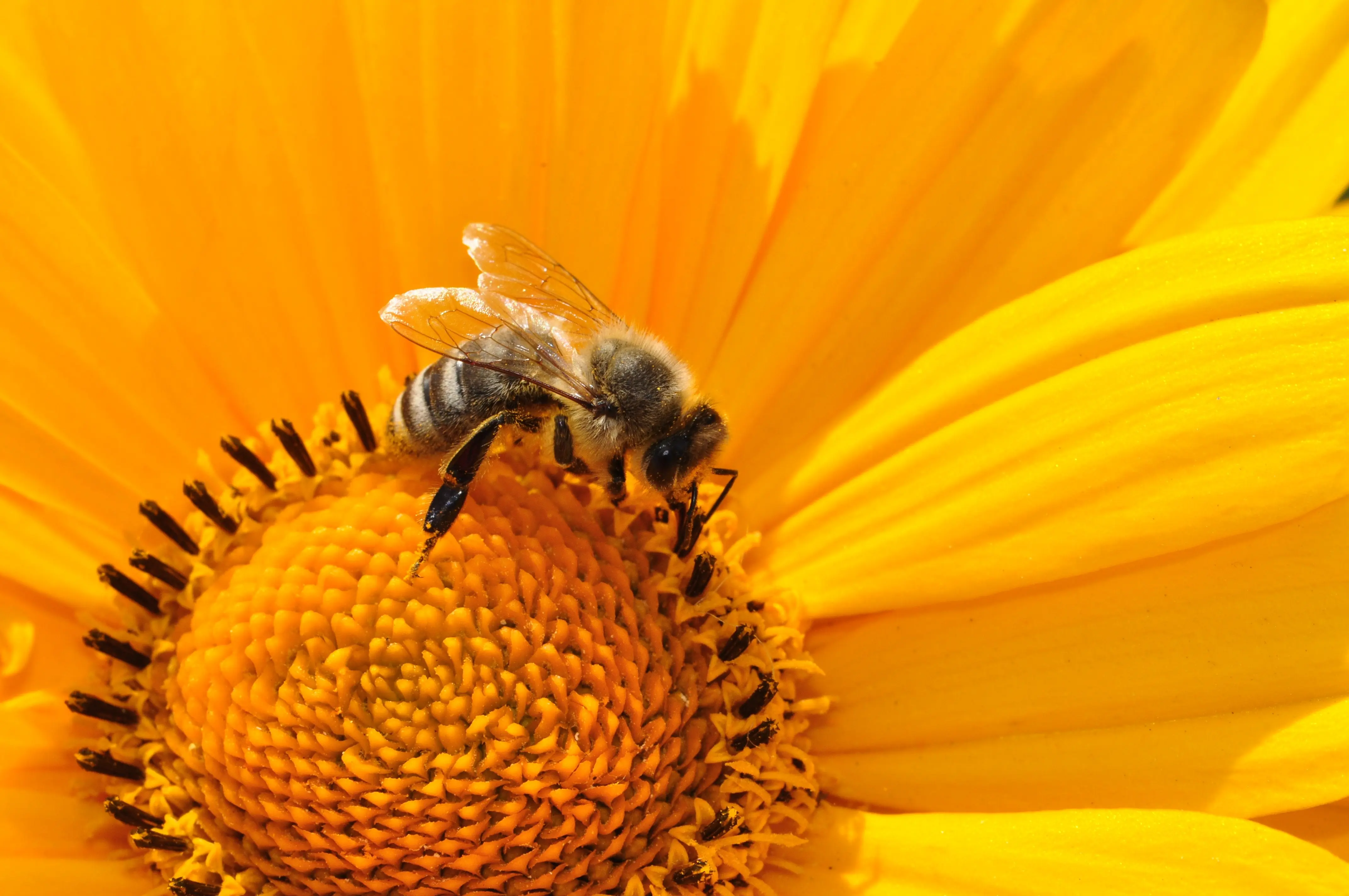
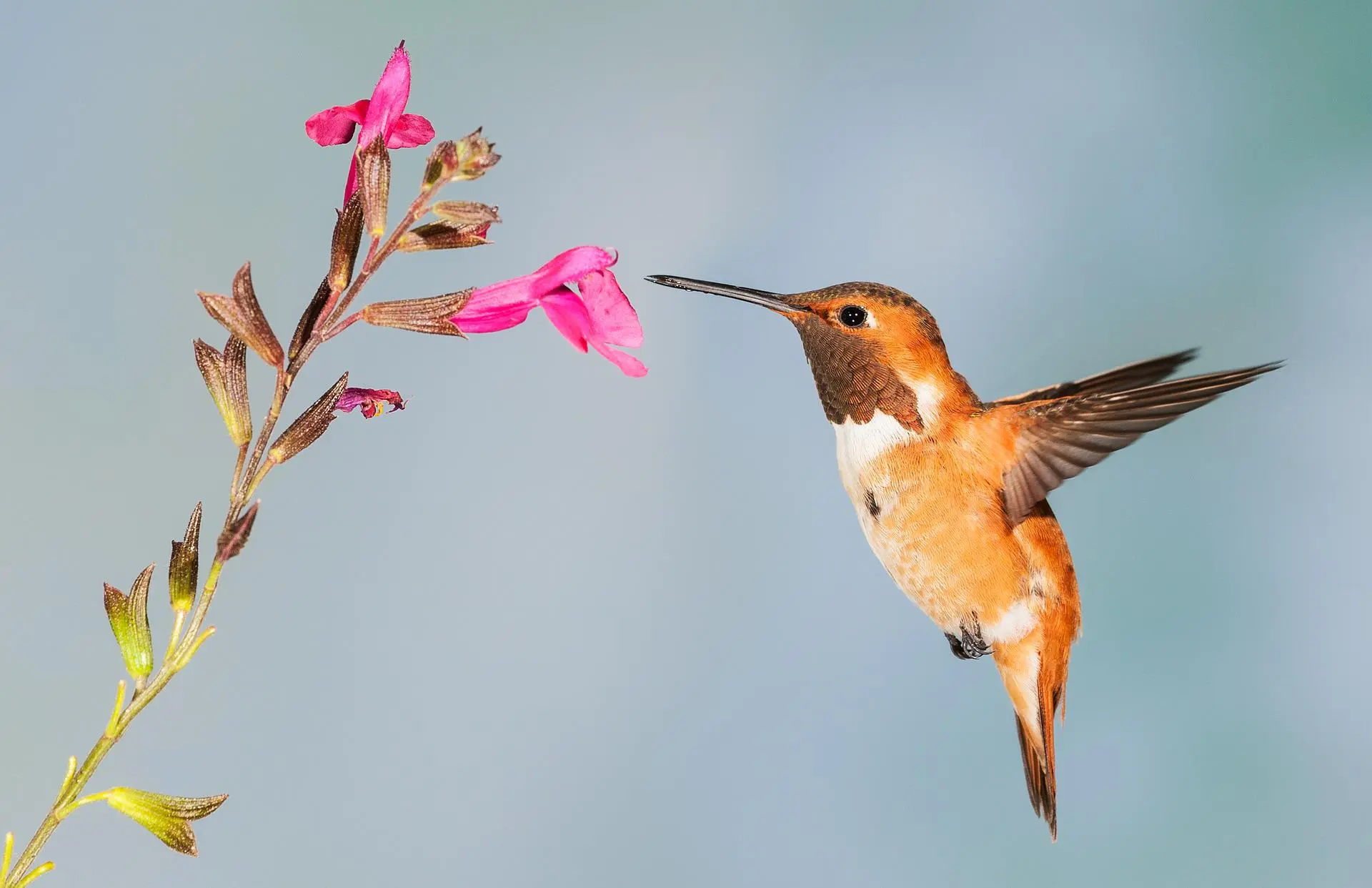
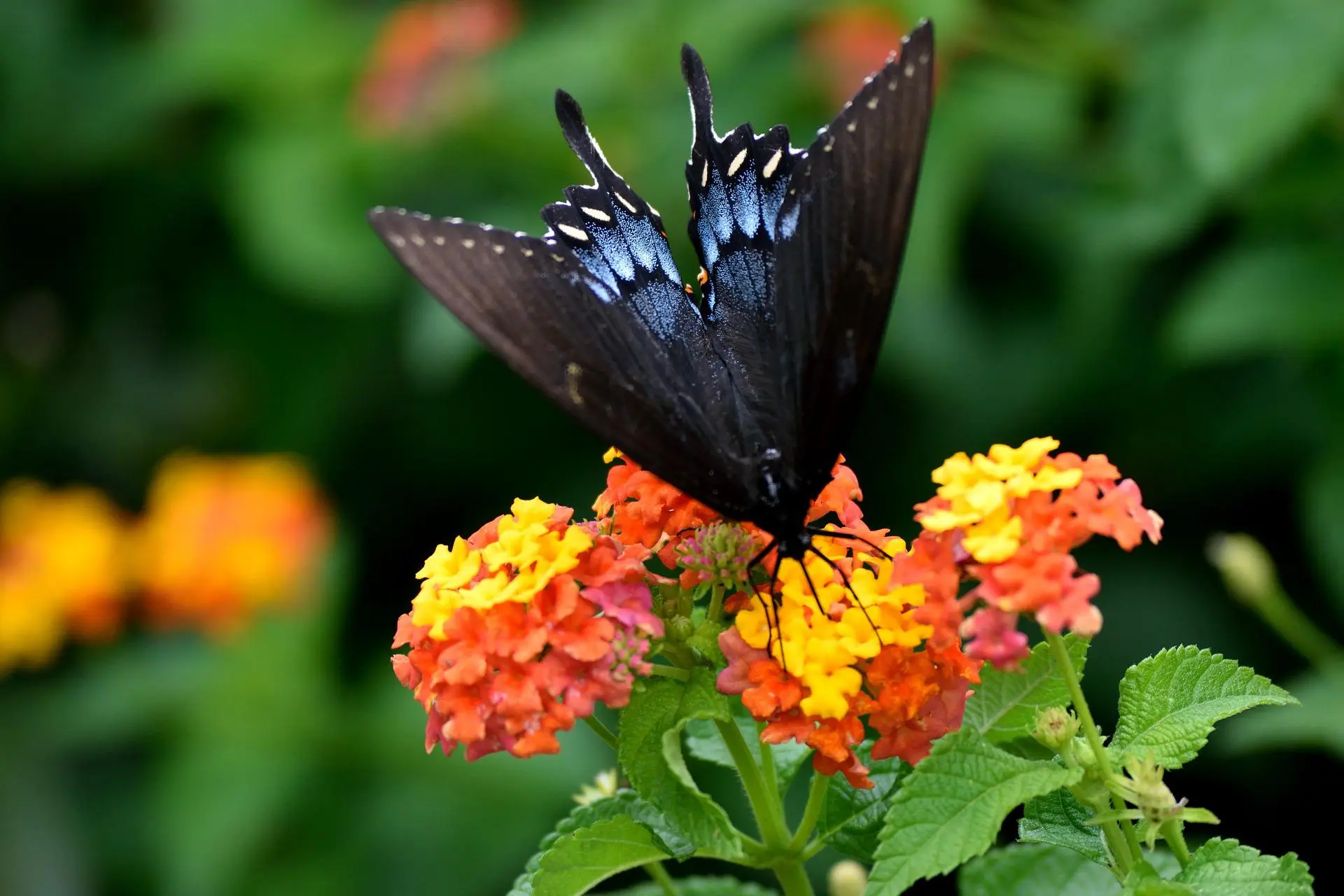
Monarda is a multi-purpose plant in the garden. Bee balm is useful medicinally in treating irritated skin, from sources such as bee stings and rashes. Stems and leaves are used by Indigenous Americans as a medicinal for digestion, bronchial, and analgesic. The flowers are a minty/spicy edible and abundant nectar attracts bees, butterflies, and hummingbirds. Crushed leaves are said to repel mosquitoes. Bee Balm is an excellent cut or dried flower. Tubular petals spring from the flower head in unique and easily identifiable blooms. Colors range from lavender, white, bright reds, purples, and pinks.
How to Grow Bee Balm
Quick Info
Put away the pen and paper
Plan your veggie garden in minutes with Planter's easy drag and drop planner.
Try Planter for Free
Varieties
Related Articles
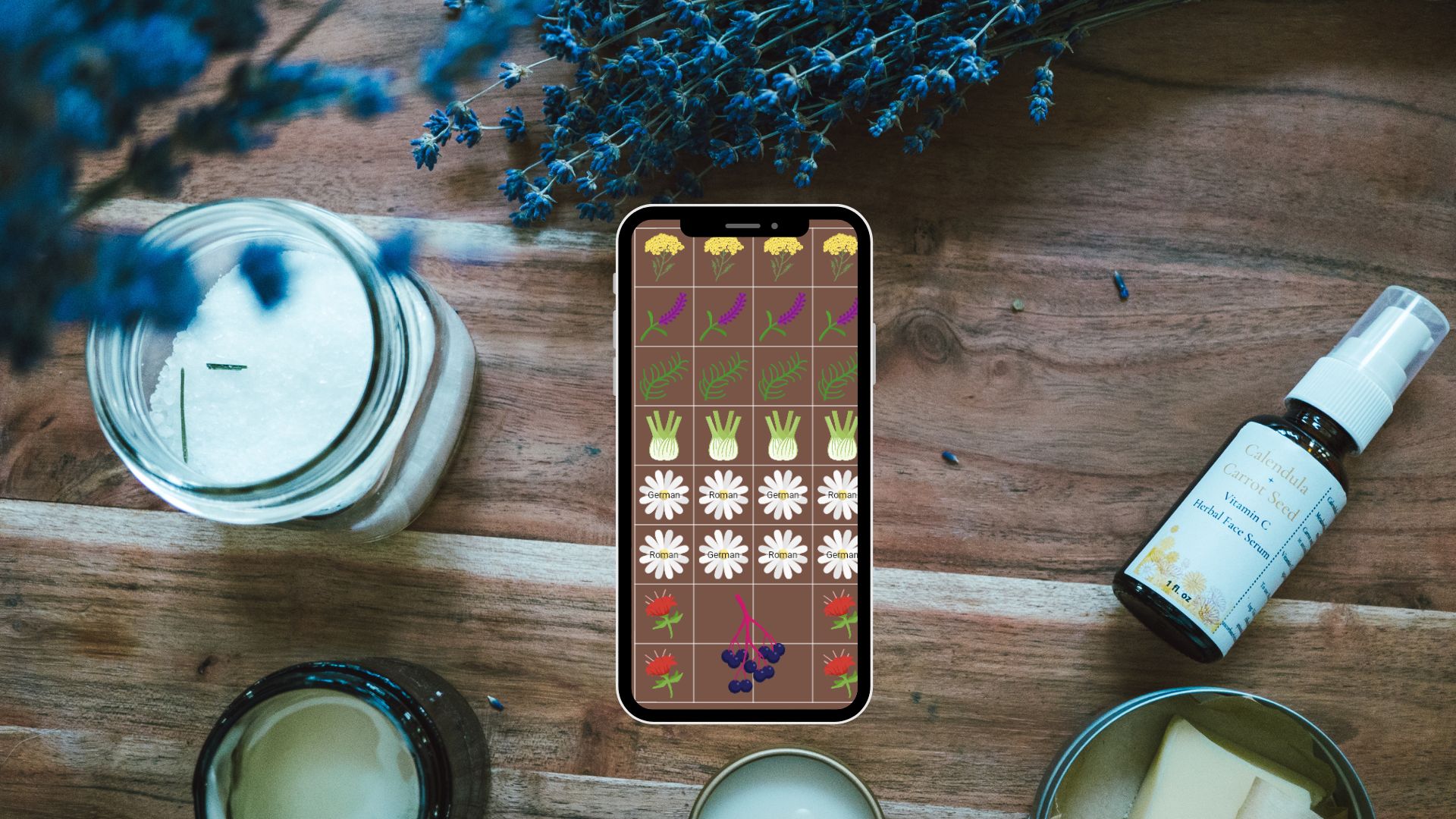
Companion Plants

Diseases
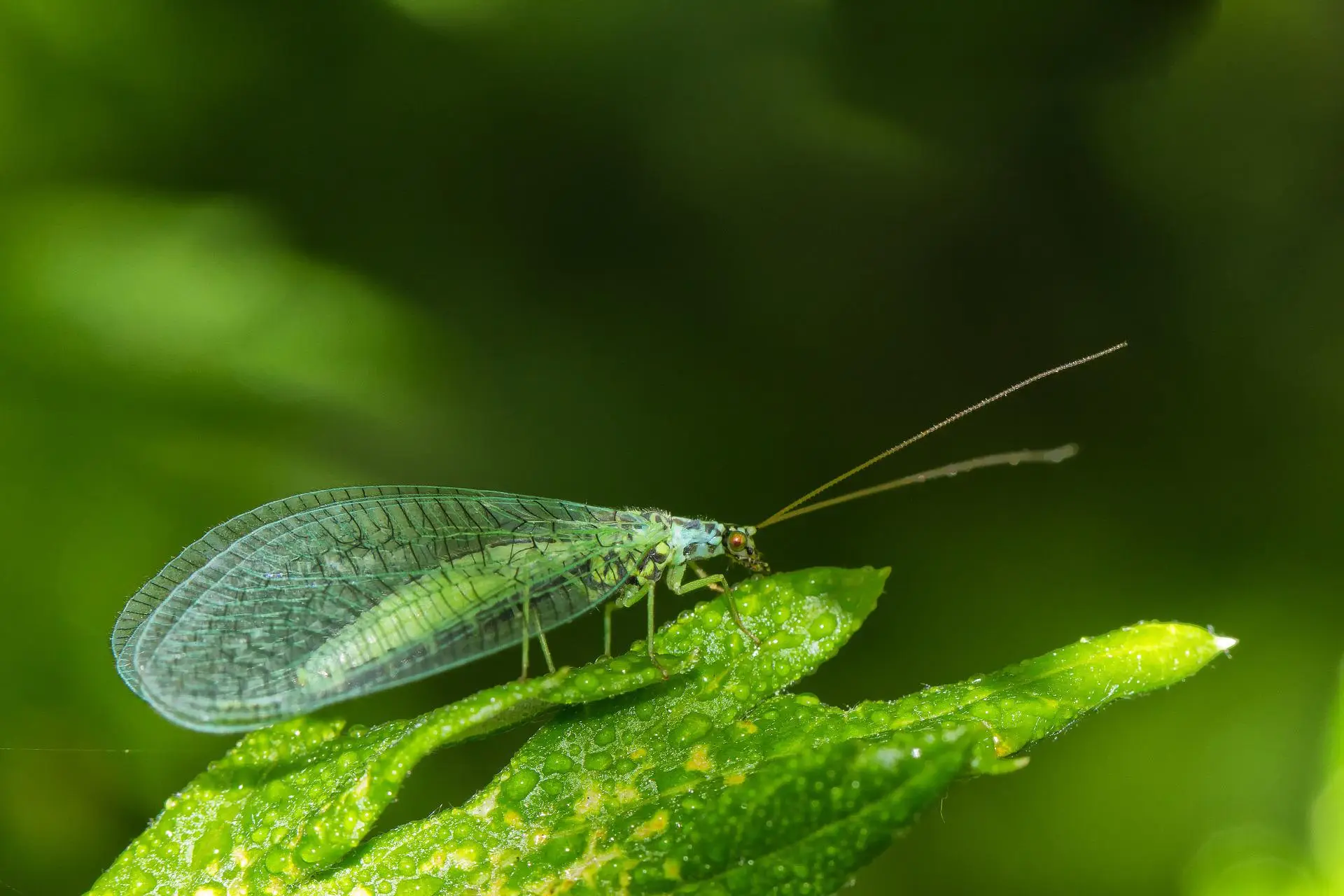
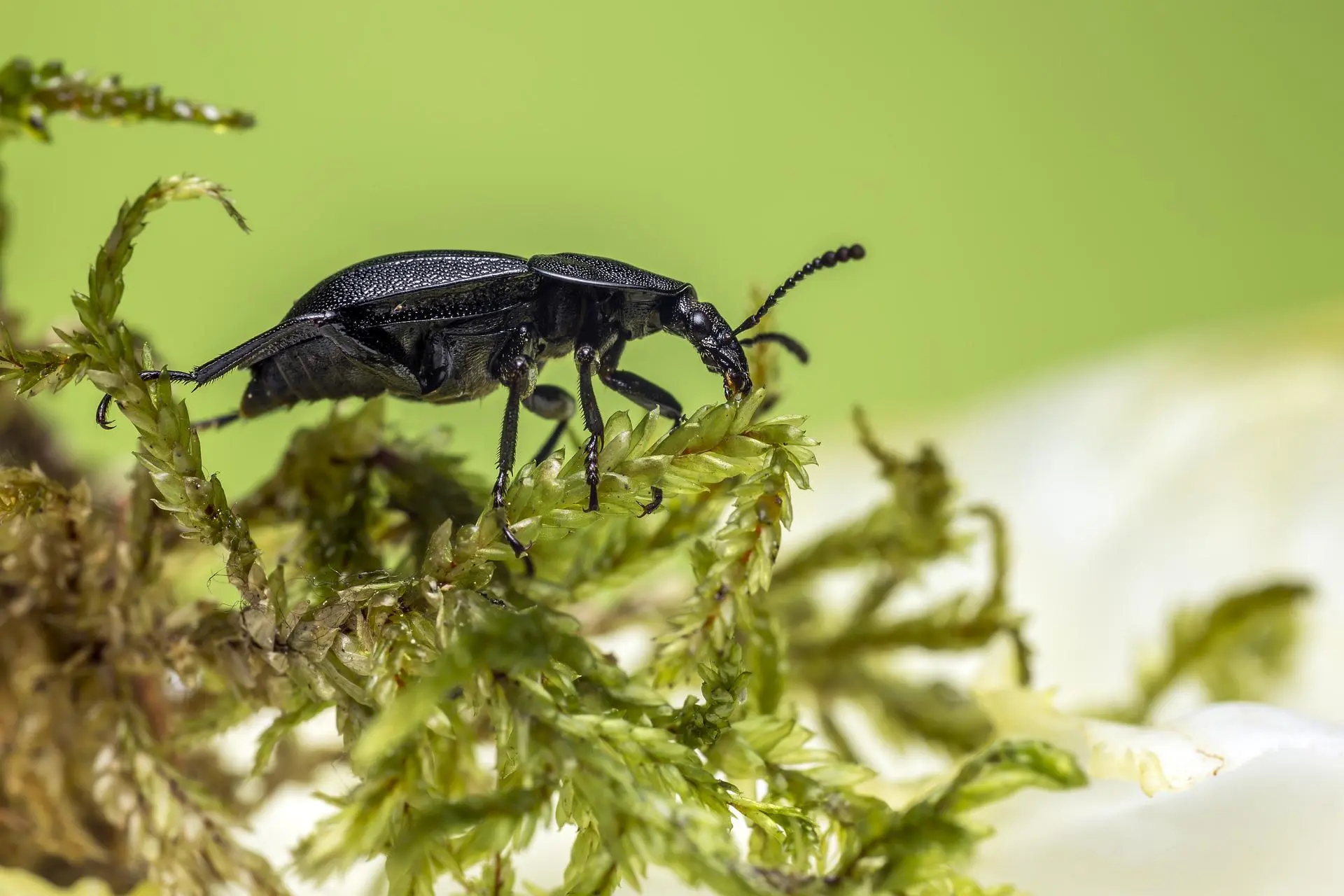
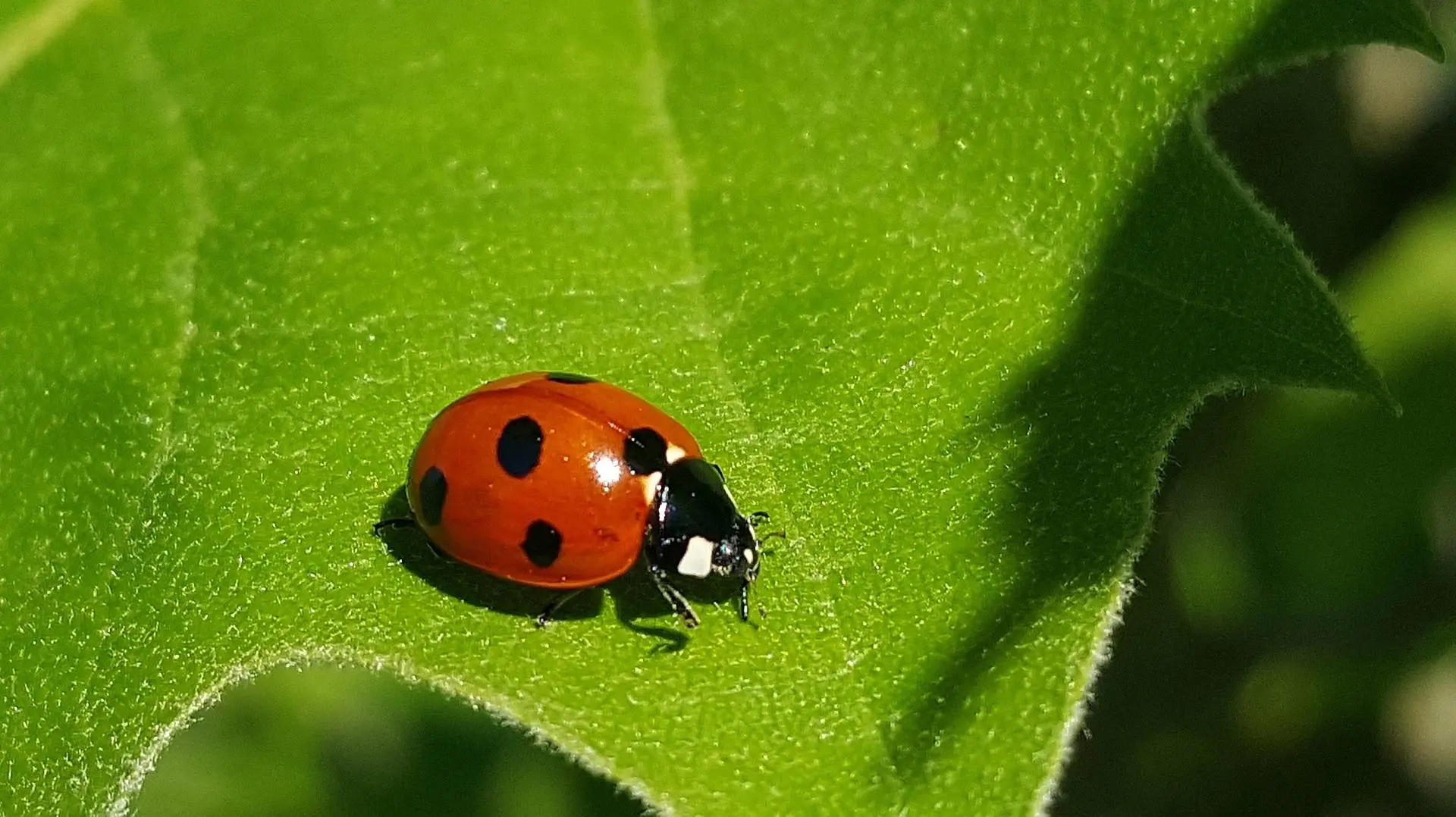
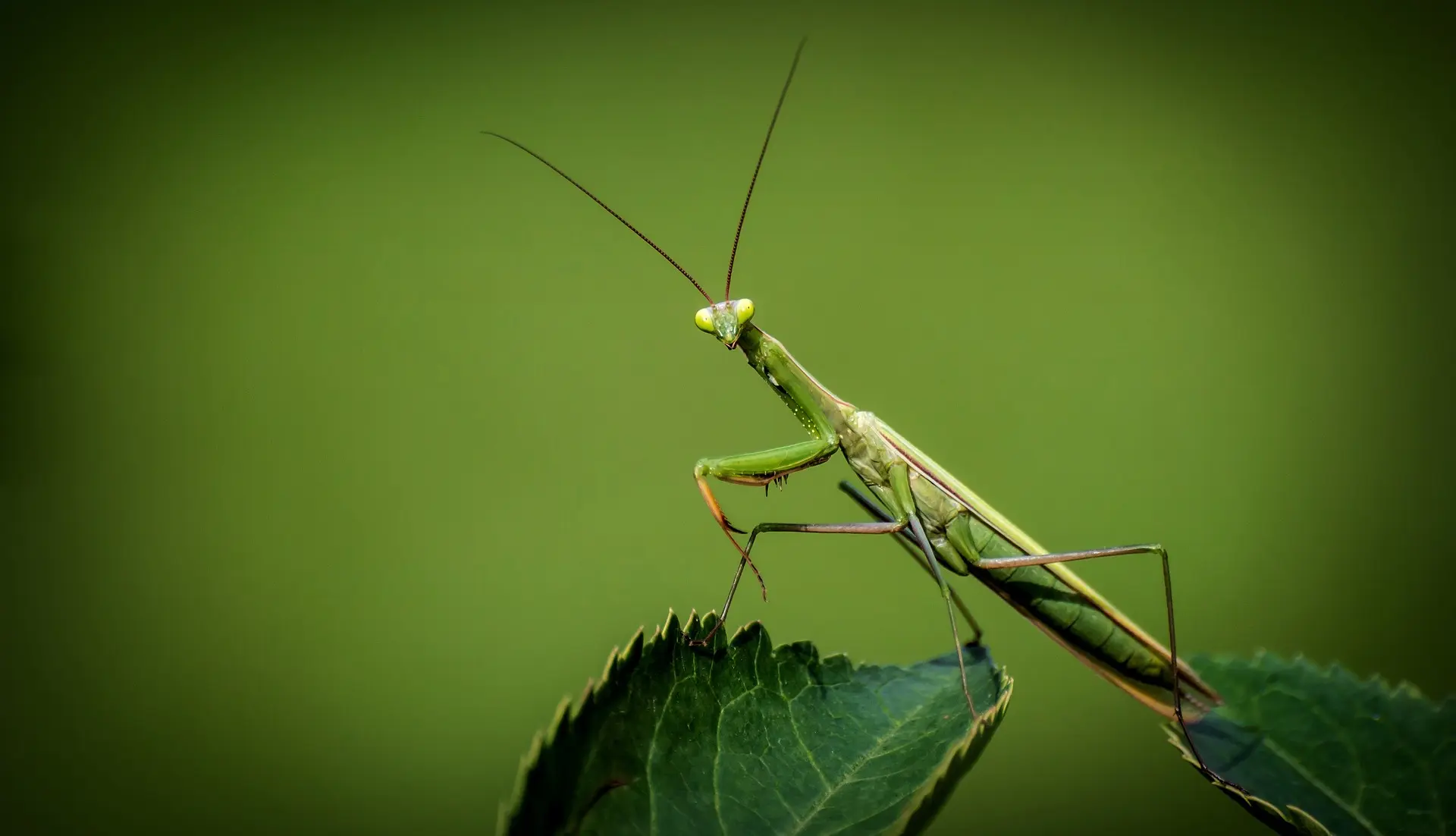
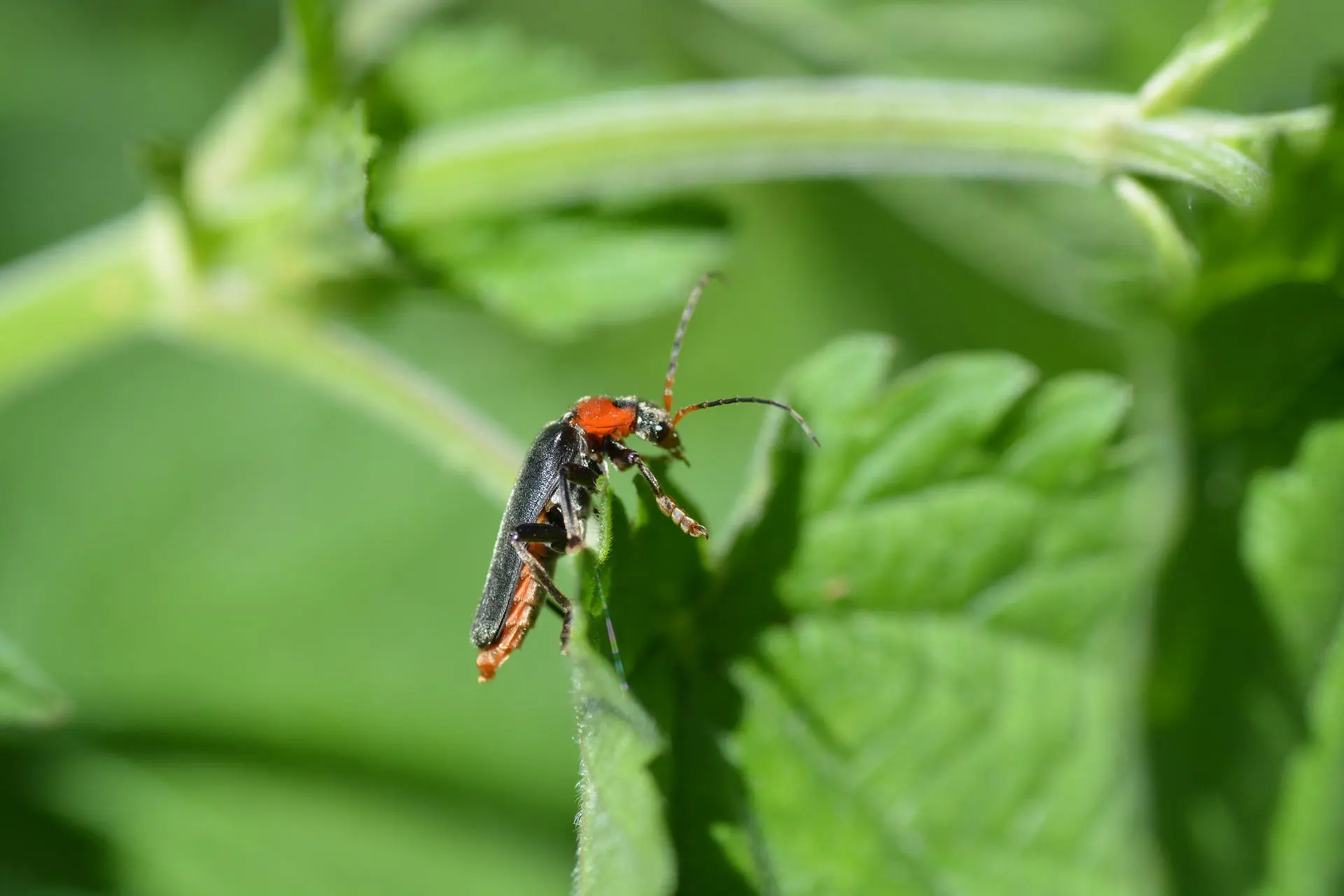
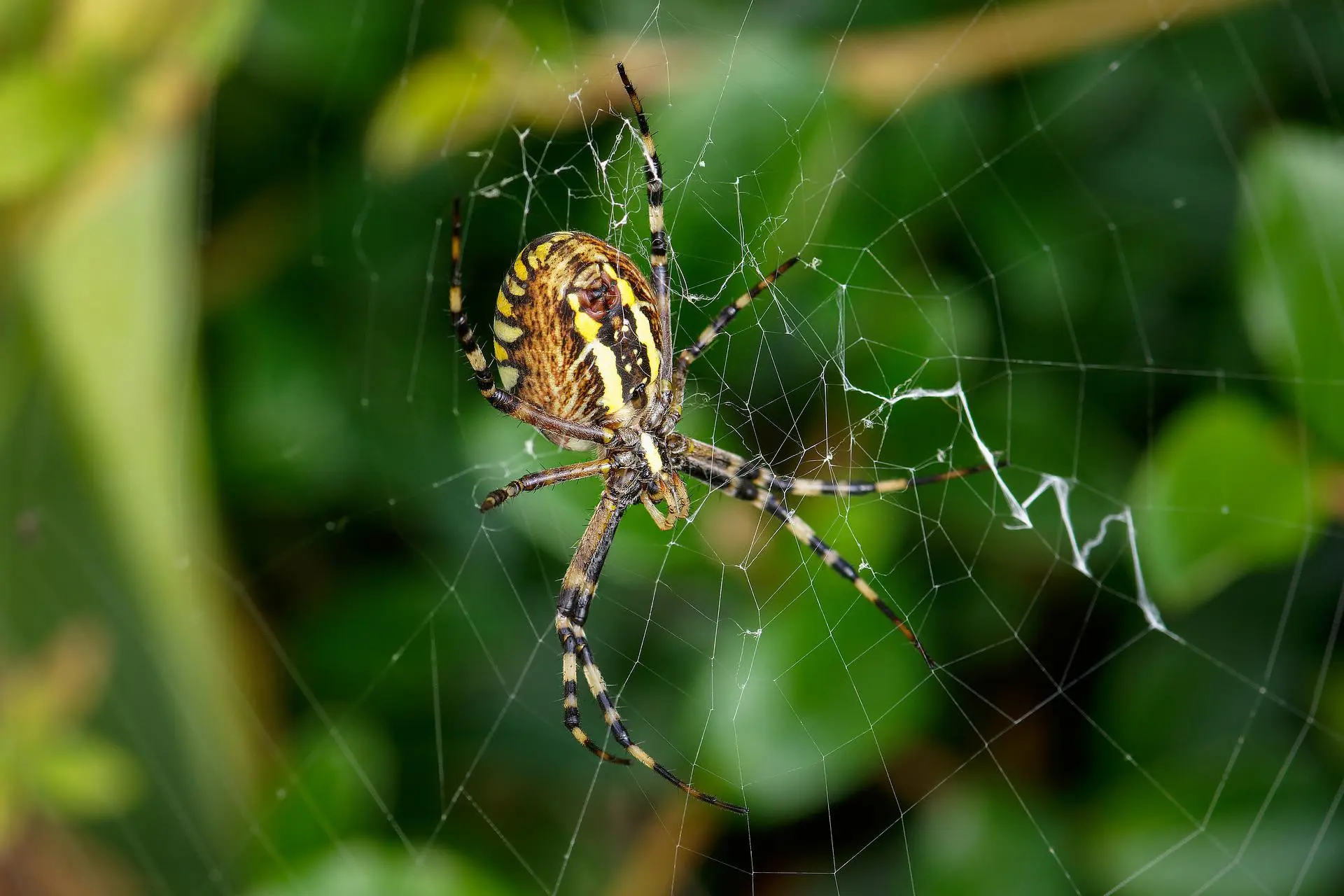
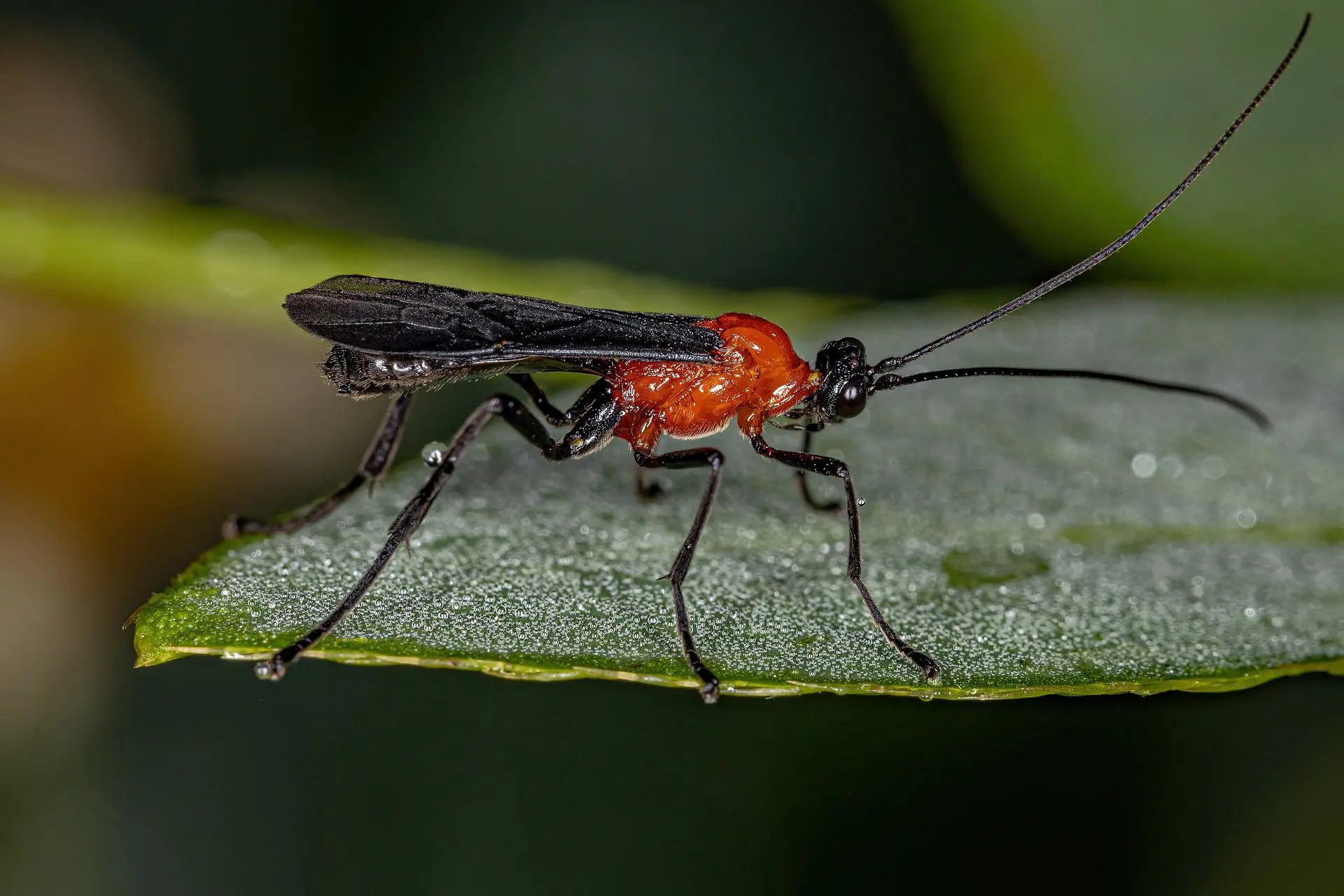
Beneficial Critters
Growing from Seed
Cover seeds lightly.
Planting Considerations
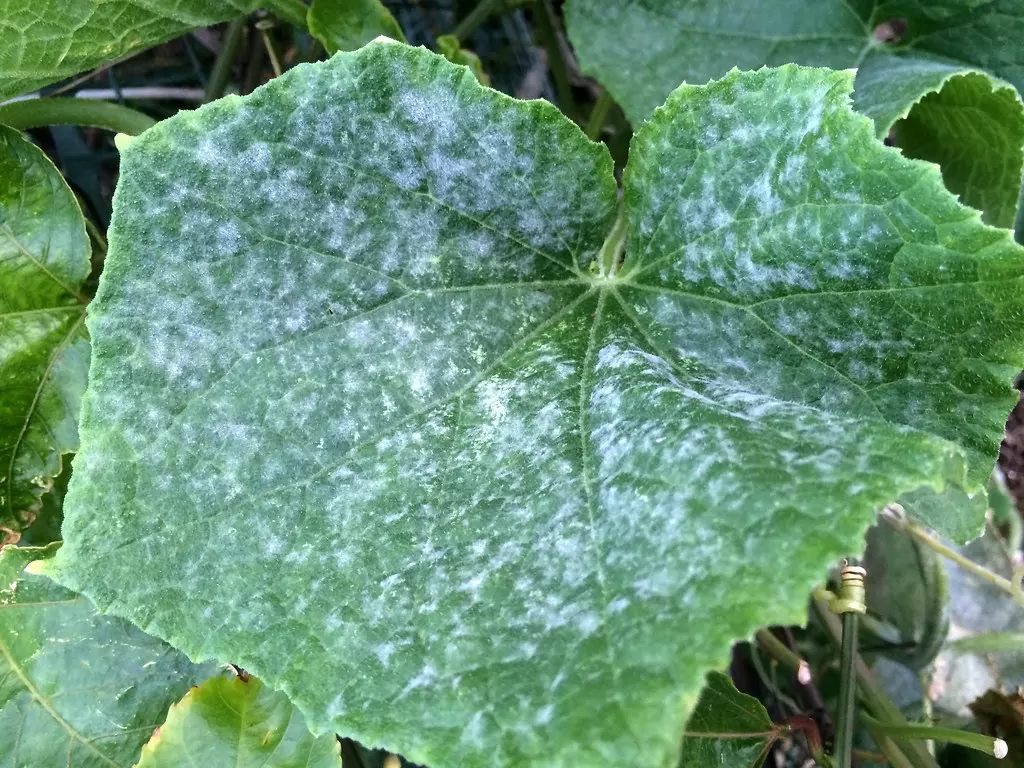
Bee balm is not only great at attracting pollinators, it can also deter pests from the garden. Give Bee Balm room to spread. Plants bloom in their second year. Proper spacing for good air flow is important as bee balm ca be prone to mildew.
Feeding
Optionally add a small amount of 10-10-10 fertilizer later in the spring season.
Harvesting
Leaves can be harvested whenever in the growing season, and should be left to dry out on trays for 2-3 days in warm conditions. When flowers are fully bloomed, they can be harvested.
Pick for vase when bloom is almost fully open; fully open for dried flowers. They should be picked in dry conditions, ideally mid-morning in the summer when dew has evaporated.
Storage
Bee balm can be stored in glass jars in a dark cabinet until ready for use.
Herbal Use
M. didyma and M. fistulosa are also called Oswego tea because the native people of the Oswego, New York, area used this plant for many different ailments. Bee balm contains thymol, which is very antiseptic, so bee balm is used for external wounds. Bee balm is in the mint family and is very aromatic, like most mint members. Bee balm makes a great tea for respiratory conditions. Other popular uses include syrups, oxymels (a mix of honey and vinegar), and herbal steams. You can use both the leaves and flowers. Monarda can mold quickly, so take care during drying. Always consult with your healthcare professional before using herbs.