Tomatoes
Solanum lycopersicum
There is something deeply satisfying about growing your own tomatoes. Tomatoes are relatively easy-to-grow, however variety selection is key to success. Beyond choosing tomato varieties for shape, size, and flavor, look for varieties that are suited to your gardening style. Tomato varieties are categorized either as determinate or indeterminate. Determinate tomatoes, also called "bush-type" tomatoes, grow to a fixed height and put on the majority of their fruit at once. Indeterminate tomatoes, also called "vine-type" tomatoes, have continuously growing vines which produce tomatoes all season long until either frost or disease kills them off. Indeterminate tomatoes require rigorous trellising and pruning to stay healthy, but they are more productive and there are more varieties to choose from. Determinate tomatoes are more hands-off and are great for when you want a large tomato harvest all at once. It can also be beneficial to look for varieties that are disease-resistant and well-adapted to the growing conditions in your local area.
How to Grow Tomatoes
Quick Info


Put away the pen and paper
Plan your veggie garden in minutes with Planter's easy drag and drop planner.
Try Planter for Free
Varieties
Related Articles
Companion Plants









Combative Plants





Nutrition
Vitamins



Nutrients






Pests
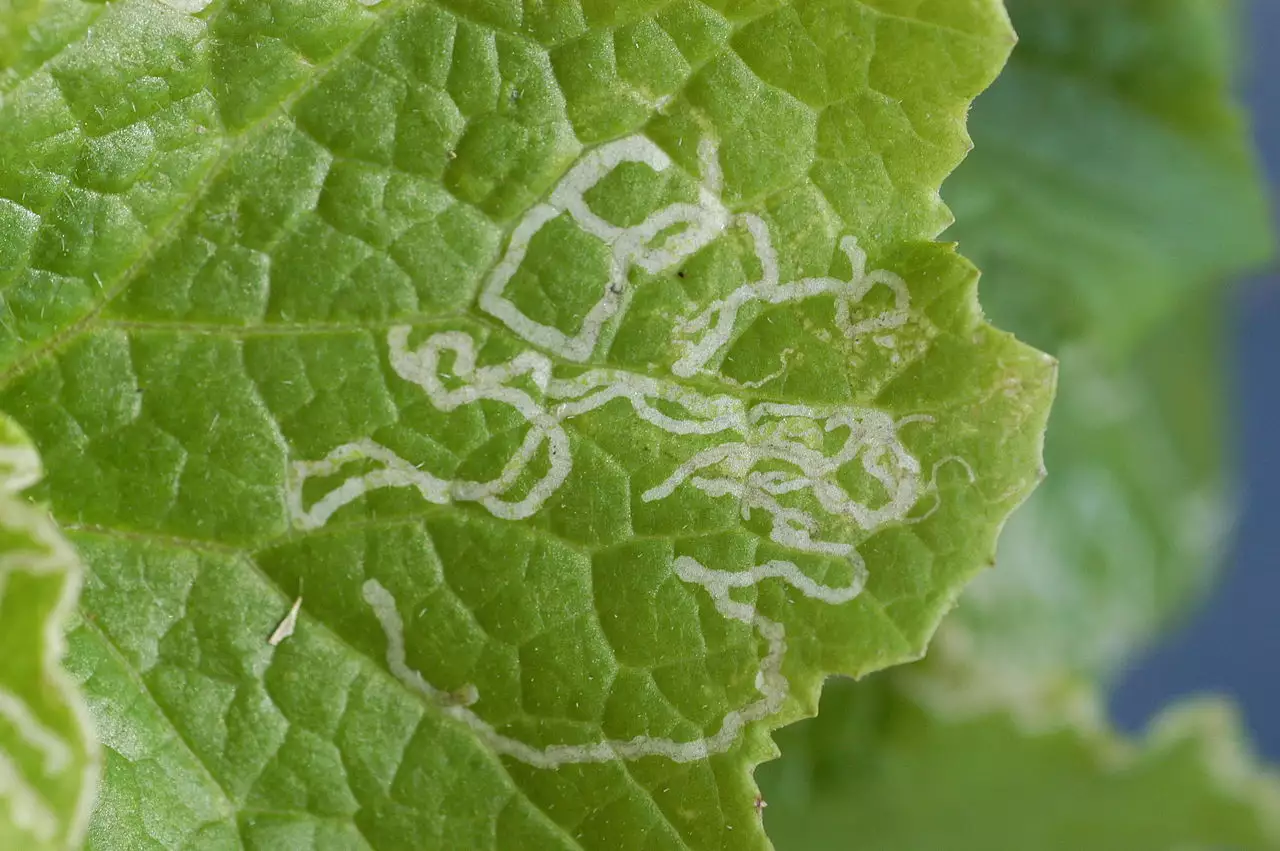
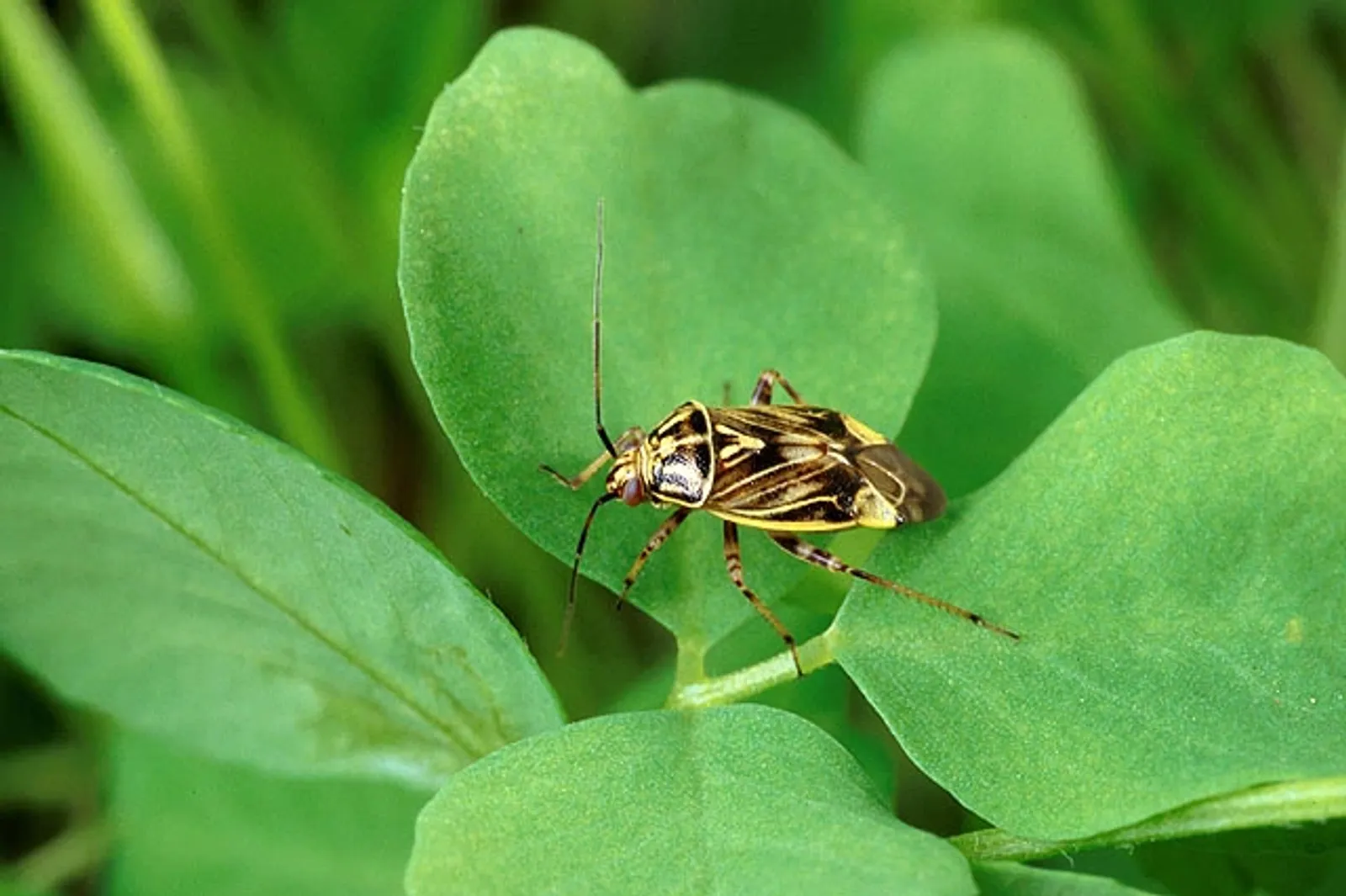
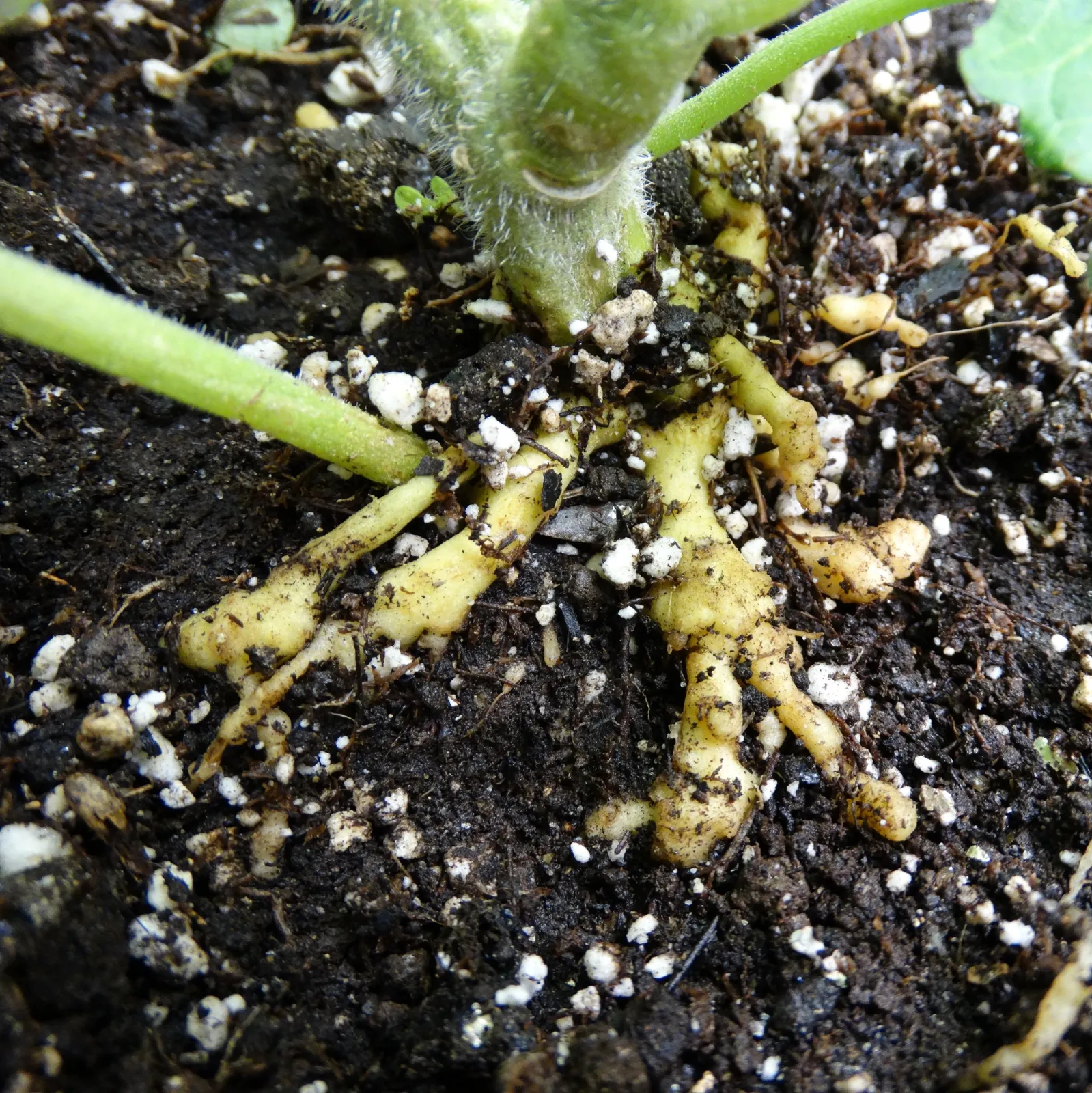
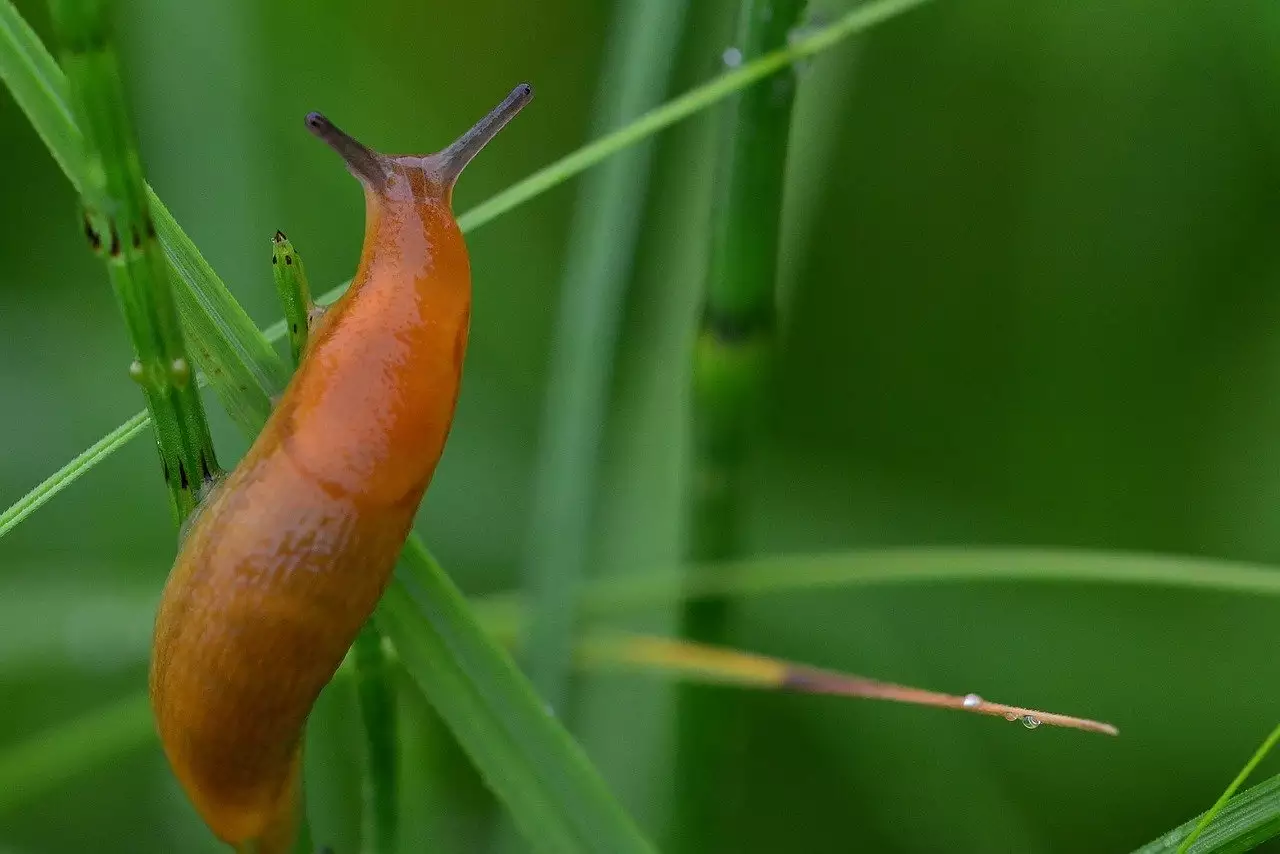
Diseases
Beneficial Critters
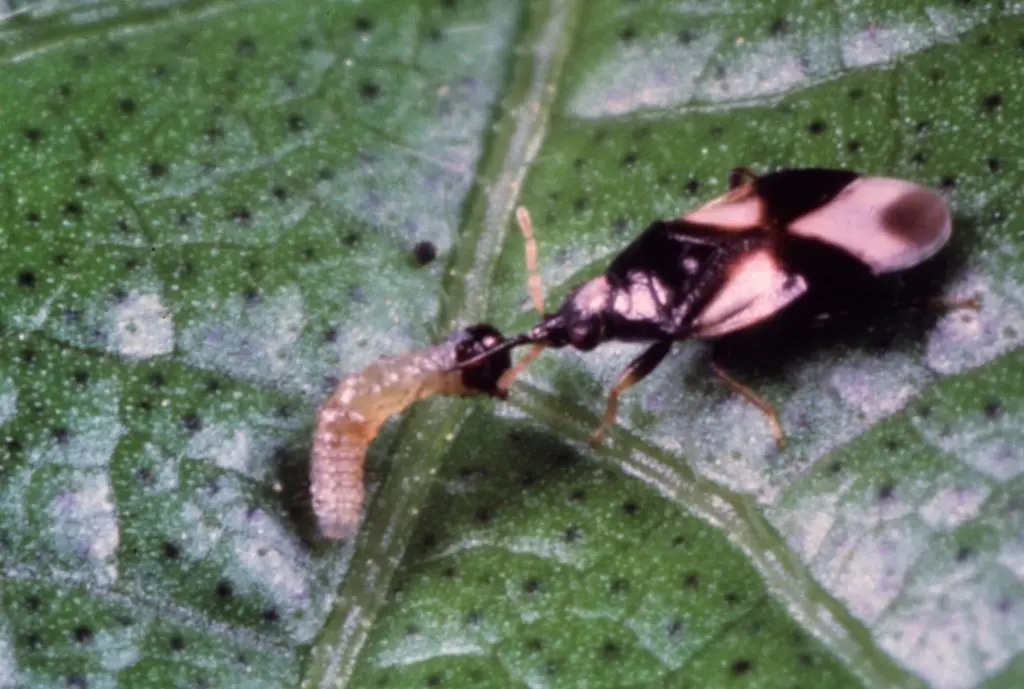
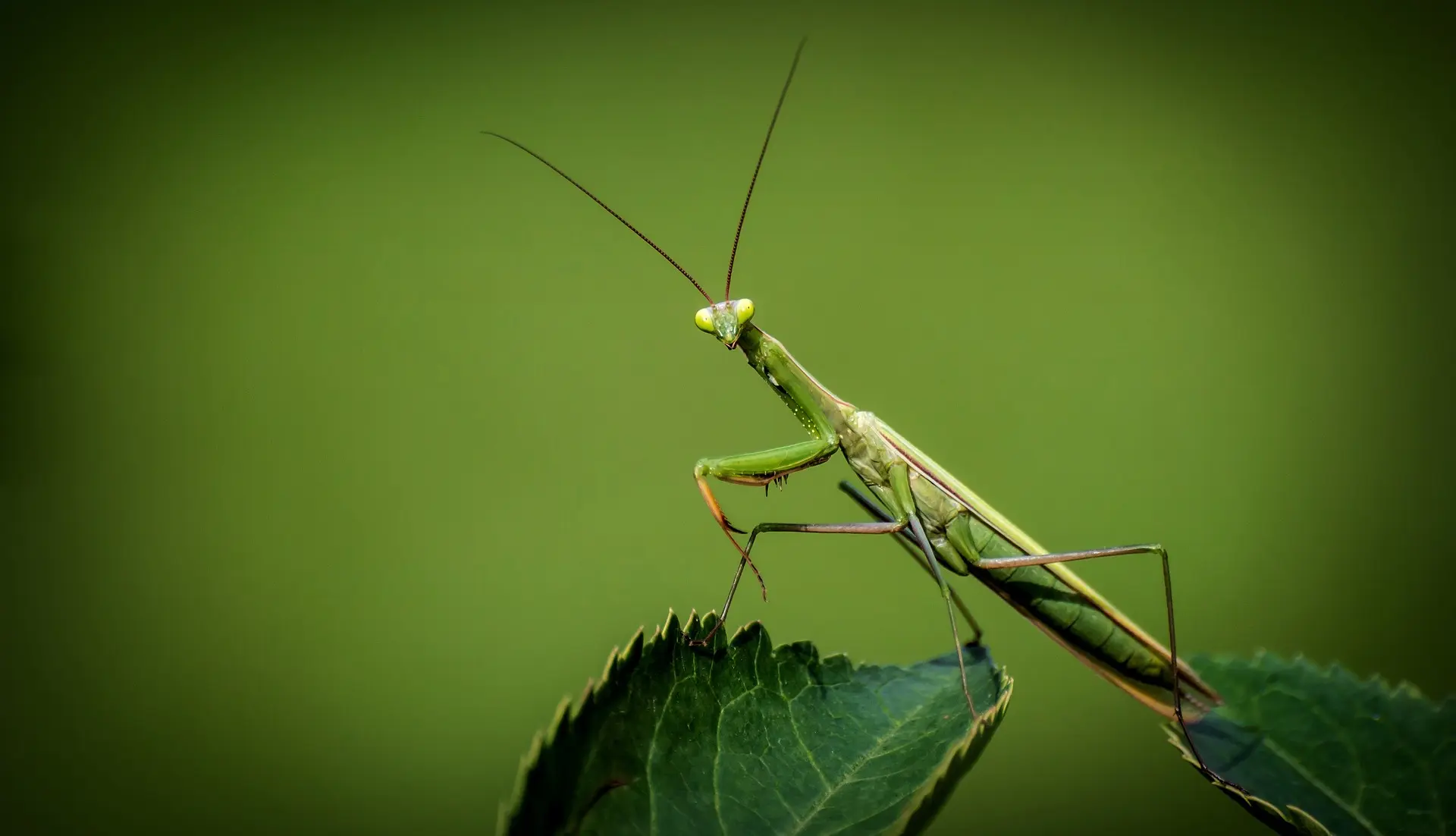
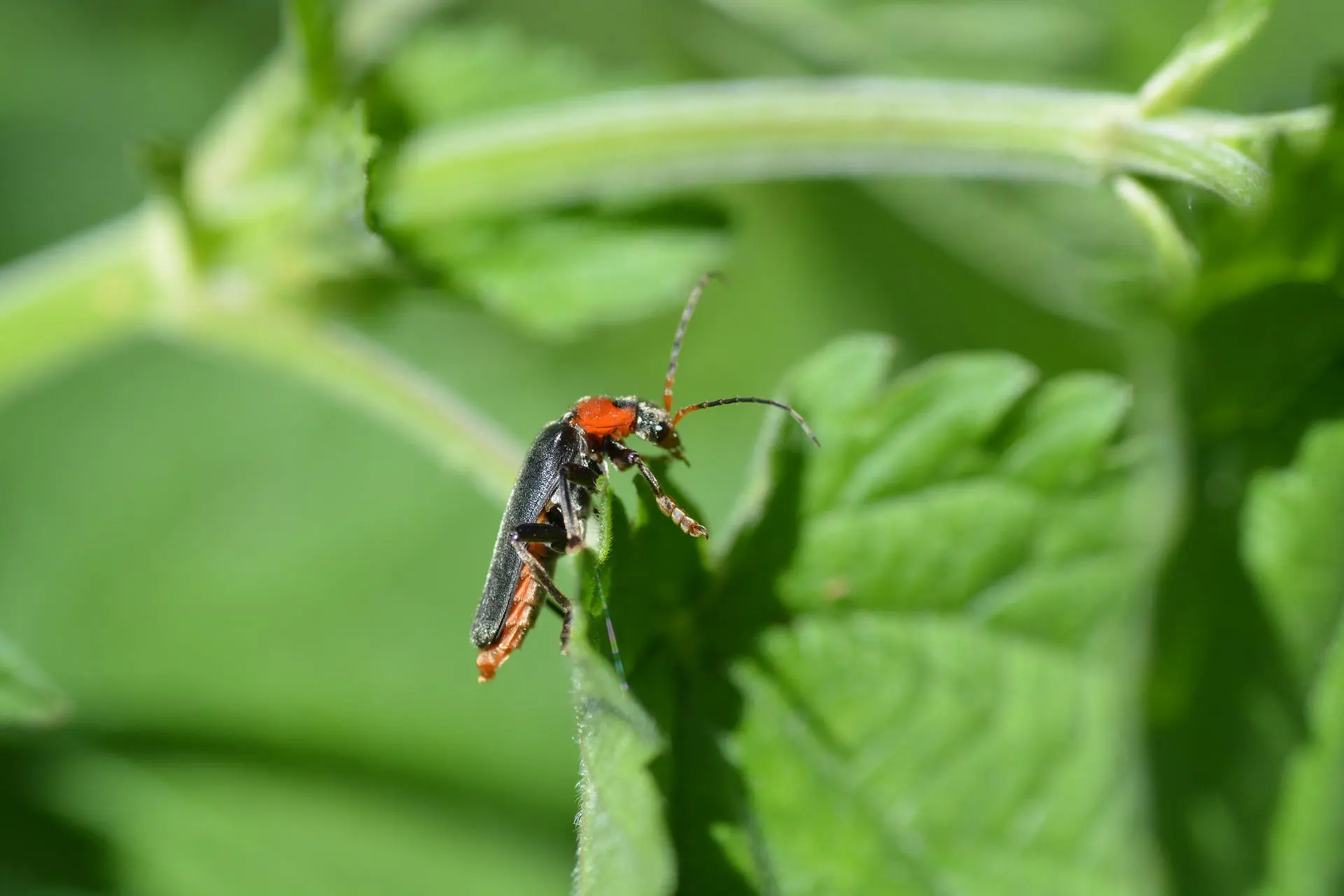
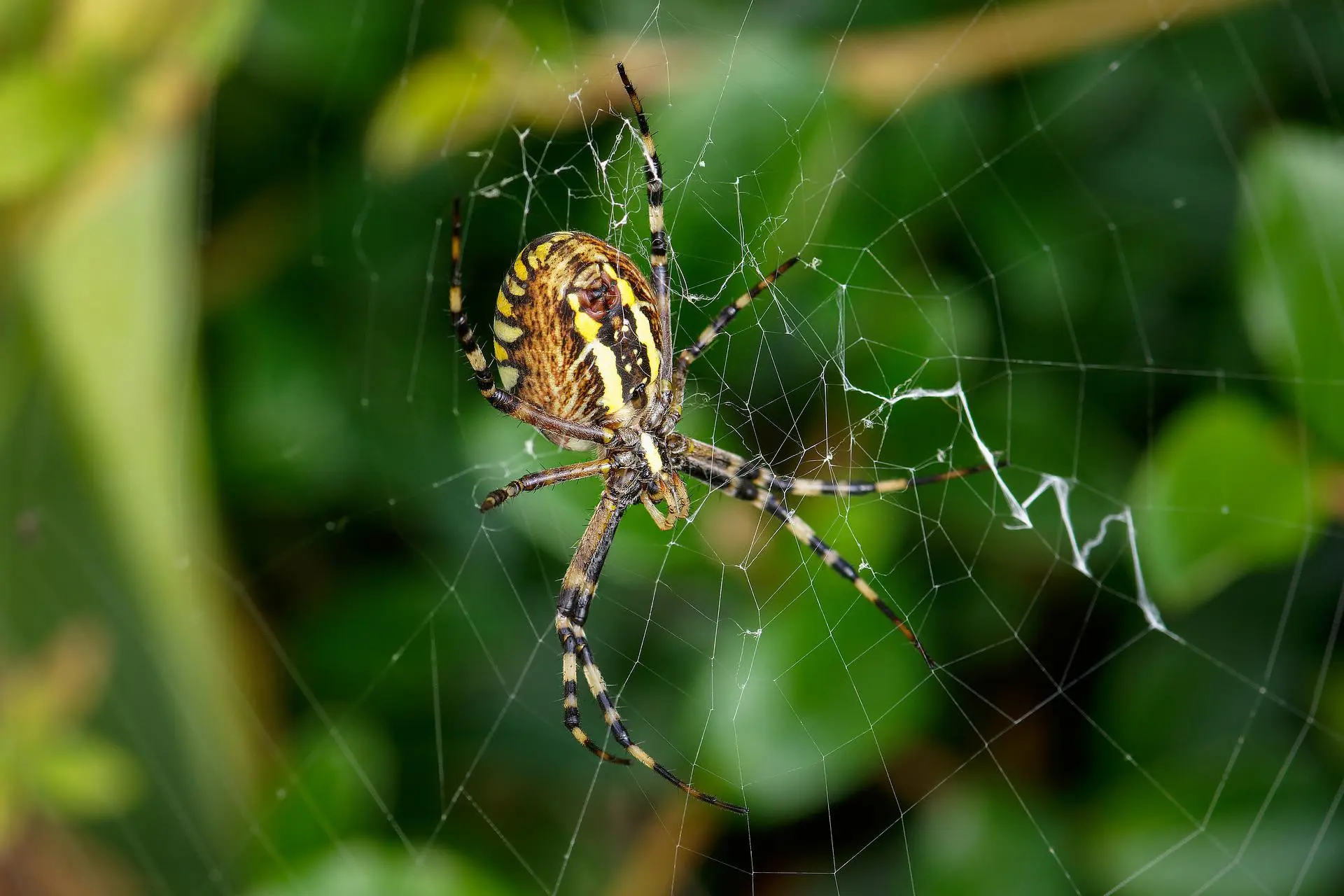
Growing from Seed
Because tomatoes are a long-growing, warm-season crop they are typically started from seed indoors then transplanted outside. In some warmer climates tomatoes can be sown directly outside. Keep the seed starting mix consistently moist but not wet. A heat mat can be used to aid germination. Use grow lights to provide supplemental light as soon as the seeds germinate. Depending on the size of the container they were started in, tomato seedlings may need to be potted up into larger containers as they grow so they don't become root bound and stunted.
If tomato seedlings start to flower while still indoors, some gardeners choose to pinch off the early flowers. This practice may help improve future fruit size and yield under specific conditions, at the expense of earlier tomatoes.
Planting Considerations
The recommended plant spacing for tomatoes can differ for different varieties. In general, determinate varieties need 4 square feet, while indeterminate varieties that are pruned and trellised need 1 square foot. Transplant tomato seedlings outdoors after all risk of frost has passed and the weather is consistently warm. Seedlings should be hardened off before transplanting. Tomatoes prefer loamy, fertile, well-draining soil. Add compost to the soil prior to planting.
Tomato seedlings can be transplanted deeper than they were originally grown. This can encourage a stockier, more vigorous plant since tomato plants readily develop new roots along their stem. Remove the lowermost leaves and plant up to 5-6" (13-15 cm) deep. Leggy seedlings can be planted in trenches with the stems angled sideways underground (the above ground portion should be upright). Apply mulch around the plants to manage weeds and to help retain moisture. Some gardeners like to use black plastic mulch around tomatoes to help warm the soil. Row cover can be used to protect young seedlings from pests and to help keep the plants warm. Tomatoes can be grown in containers. Choose dwarf or determinate varieties that are better suited for container growing and be sure to select a large enough container so the plant doesn’t become stunted.
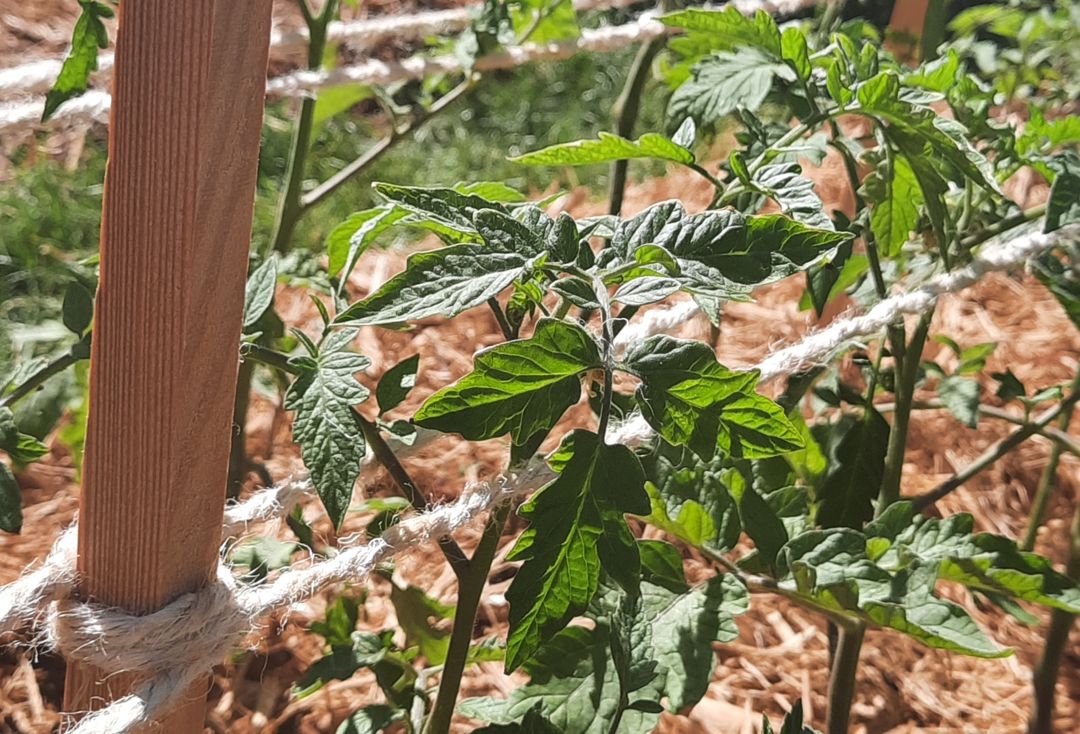
Determinate tomatoes do not need trellising, however they can benefit from being caged to staked to help keep the plant from flopping over. Many wire cages are not sturdy enough to support large tomato plants when they are fully laden with fruit. Look for study cage options. Indeterminate tomatoes need trellising to keep the vines growing upright and healthily. They can be trellised with a 'basket weave' technique where stakes are driven in every few plants and twine is woven around each side at regular intervals as the plant grows (this technique is commonly used with determinate tomatoes as well). Ensure the structure is tall and sturdy. Vines will need to be 'topped' (have their tops cut off) once they reach the top of the trellis. They can also be trellised on a tall overhead system with strings hanging down which each plant is trained around. In this type of system it is possible to 'lower and lean' the vines as they grow so they do not need to be topped. There are many other trellising structures you can build or buy. Ensure trellising structures are installed when the plants are transplanted to avoid damaging the roots and stems later on.
Feeding
Tomatoes are heavy feeders. Fertilize regularly throughout the growing season with a balanced fertilizer. Excessive nitrogen can cause the plant to put energy into leaf growth and can delay fruiting.
Harvesting
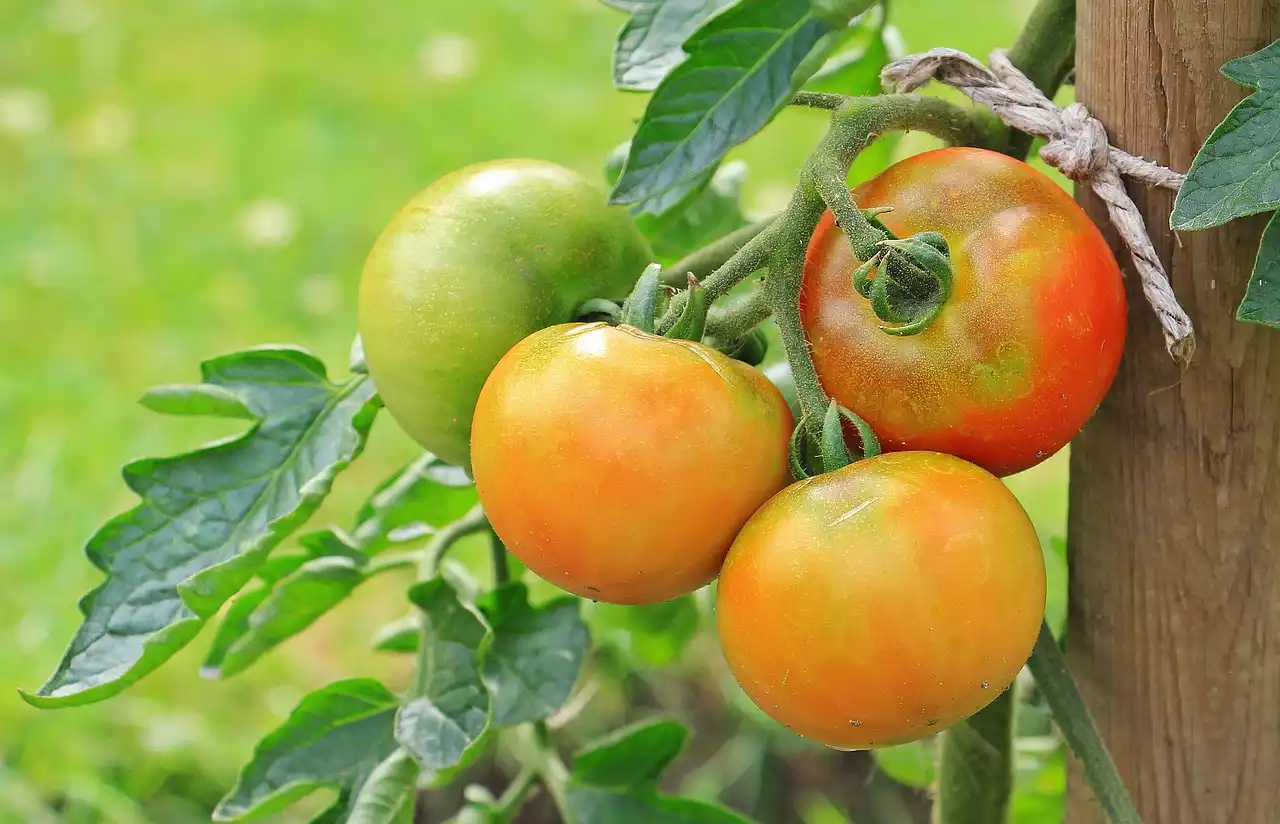
It is often thought that tomatoes left to ripen on the plant taste best. However flavor primarily comes down to the variety and how the plant was grown, and some taste tests have shown that there is no significant difference between tomatoes left to fully ripen on the plant vs. off. There are several benefits to harvesting tomatoes at what is called the 'breaker stage'. This is when the tomatoes are fully sized and are just starting to show the first hint of color. Harvesting at the breaker stage helps to ensure you get to enjoy the fruit before it gets attacked by pests. It also encourages the plant to be more productive as it directs energy to maturing remaining fruit.
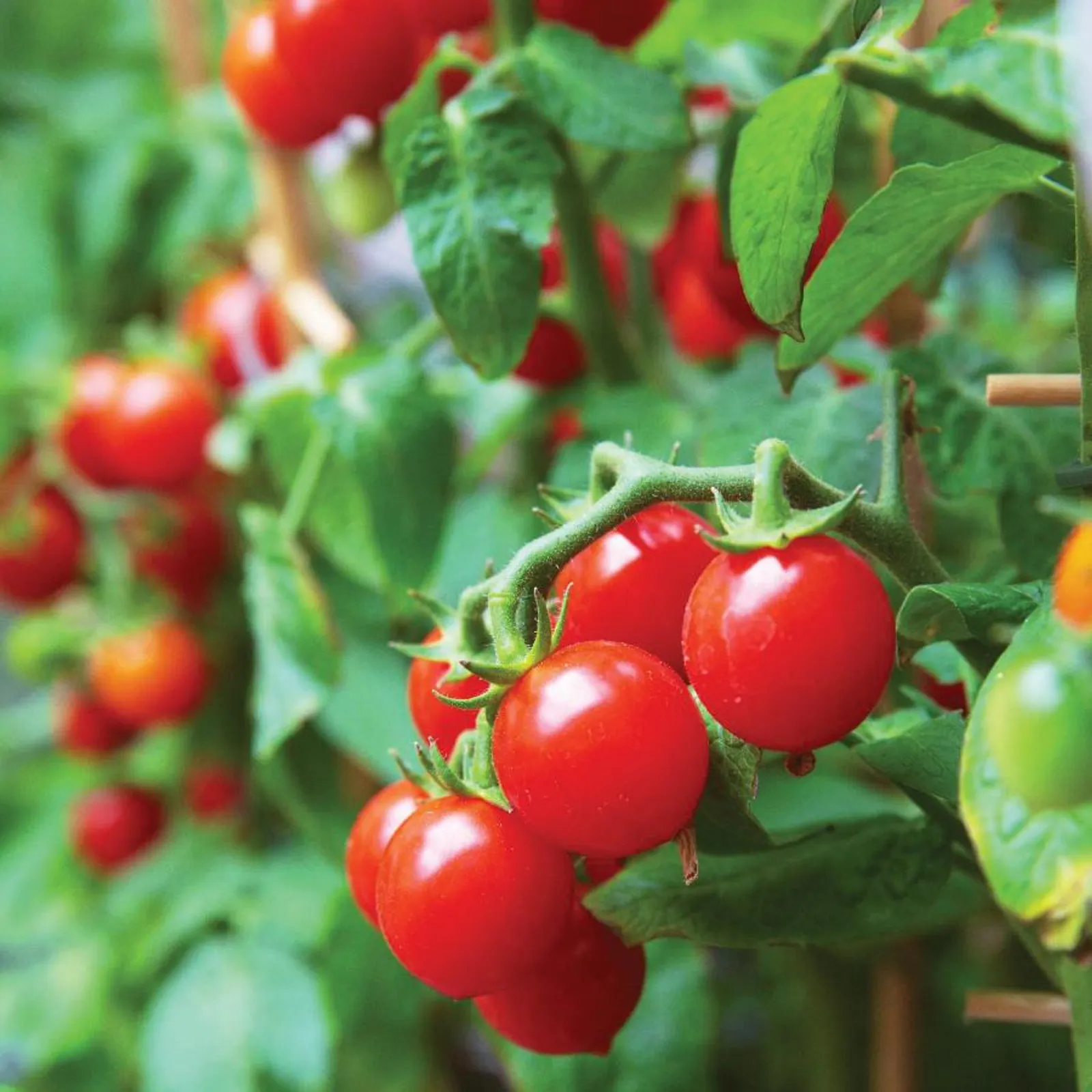
An exception could be cherry tomatoes where you might want to snack on them as soon as you pick them! Cherry tomatoes are usually very prolific so leaving some of them to fully ripen shouldn't make a major dent in the overall harvest. For green tomato varieties where it can be tricky to judge ripeness by color, give the tomato a gentle squeeze. If it has a slight give (i.e., is not rock hard) it is ripe.
Tomatoes can be gently pulled off the plant or can be cut off using clean, sharp snips. If you are plucking fruits off by hand use the other hand to hold the stem to avoid tearing it where the fruit is attached. Harvest tomatoes regularly for the best fruit quality and to encourage continued production. If frost is coming and you do not intend to protect the plants, harvest all remaining sizable fruit.
Storage
Tomatoes can be left to ripen on the kitchen counter. Some sources recommend keeping tomatoes stem-side down for longer shelf life. The optimal temperature for ripening is around 65-68°F (18-20°C), however the room temperature in your home is likely fine for ripening. Keep the ripening tomatoes out of direct sunlight. To ripen tomatoes faster, place them loosely in a paper bag. Do not add other fruits to the bag as this can hasten the process too much and negatively impact flavor.
Ripe tomatoes can be stored on the counter for up to several days. Tomatoes can also be frozen in freezer-safe bags- either whole or after being processed into tomato puree or sauce. Tomatoes can be kept frozen for up to several months. Tomatoes can also be processed and canned for long-term storage. Follow canning instructions from a reputable source. Sliced tomatoes can also be dehydrated for long-term storage (often called 'sun-dried' tomatoes- although we suggest using an oven or dehydrator!)
Pruning
Determinate tomatoes generally do not need pruning other than to remove diseased or yellowing leaves and to keep leaves from laying on the ground and rotting.
Indeterminate tomatoes are commonly pruned to a 'single leader' (one main growing stem) or 'double leader'. For a single leader, remove all suckers other than the main growing stem. Suckers are found in the 'elbow' where leaves attach to the main stem and they look like small tomato plants, not like regular leaves. Remove all lower leaves up to the first flower cluster. For a double leader do the same except leave one sucker under the first flower cluster to develop into the second main growing stem. Aim to prune weekly to remove any new suckers that develop and to remove more lower leaves as the fruit is harvested. It is best to remove suckers while they are small before the plant spends too much energy on them.
To remove suckers and leaves use an upward then downward motion with your hands to snap them off the plant. This ensures they break away from the stem cleanly and also minimizes the need for tools. If the sucker bends and does not easily snap off do not force it as this risks tearing the plant stem. Use clean snips to snip the sucker off as close as possible to the stem.
If you accidentally snap off the top of the main growing stem don't panic; leave a sucker unpruned to turn into the new main growing stem.