Thyme
Thymus spp.
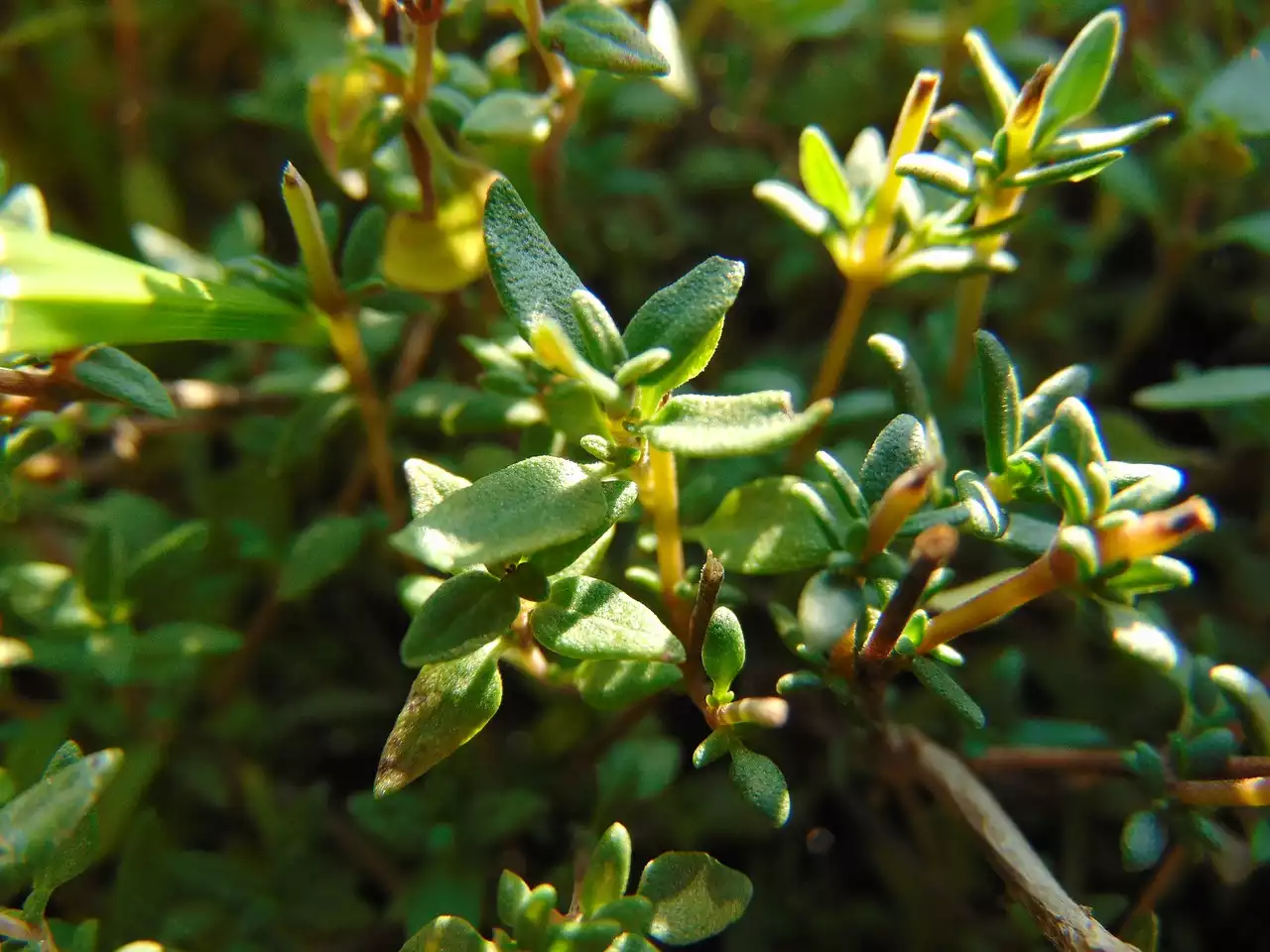
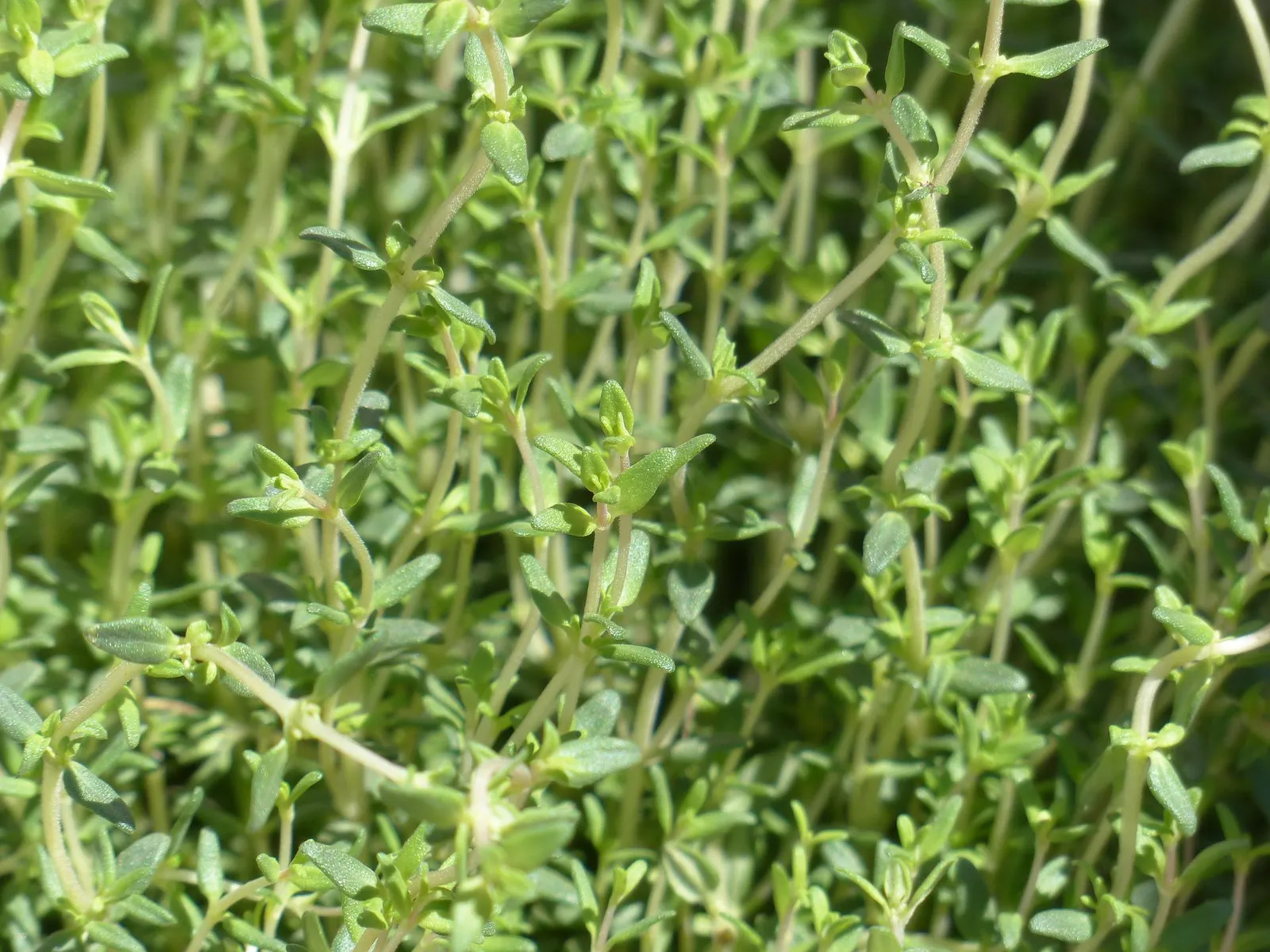
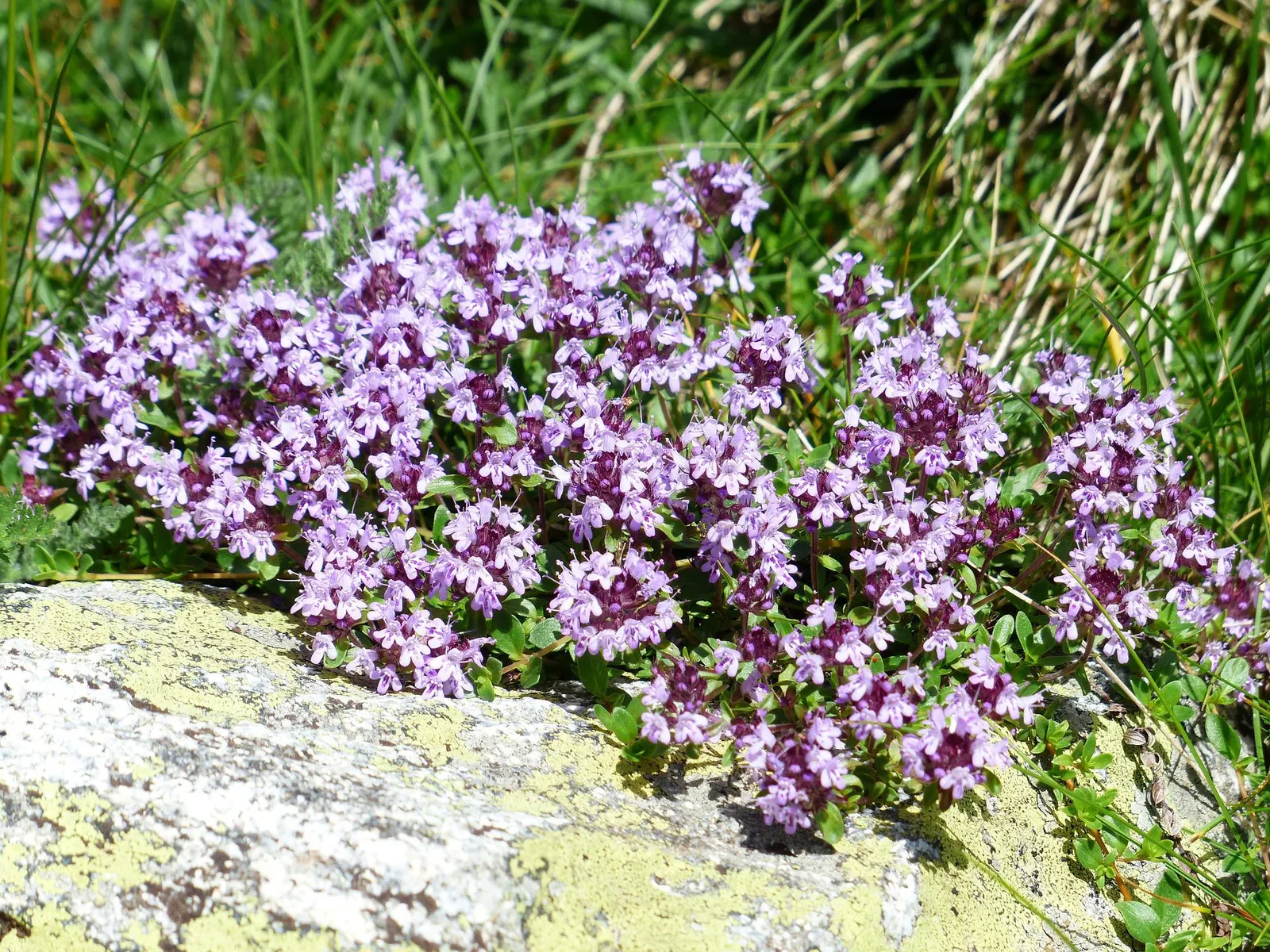
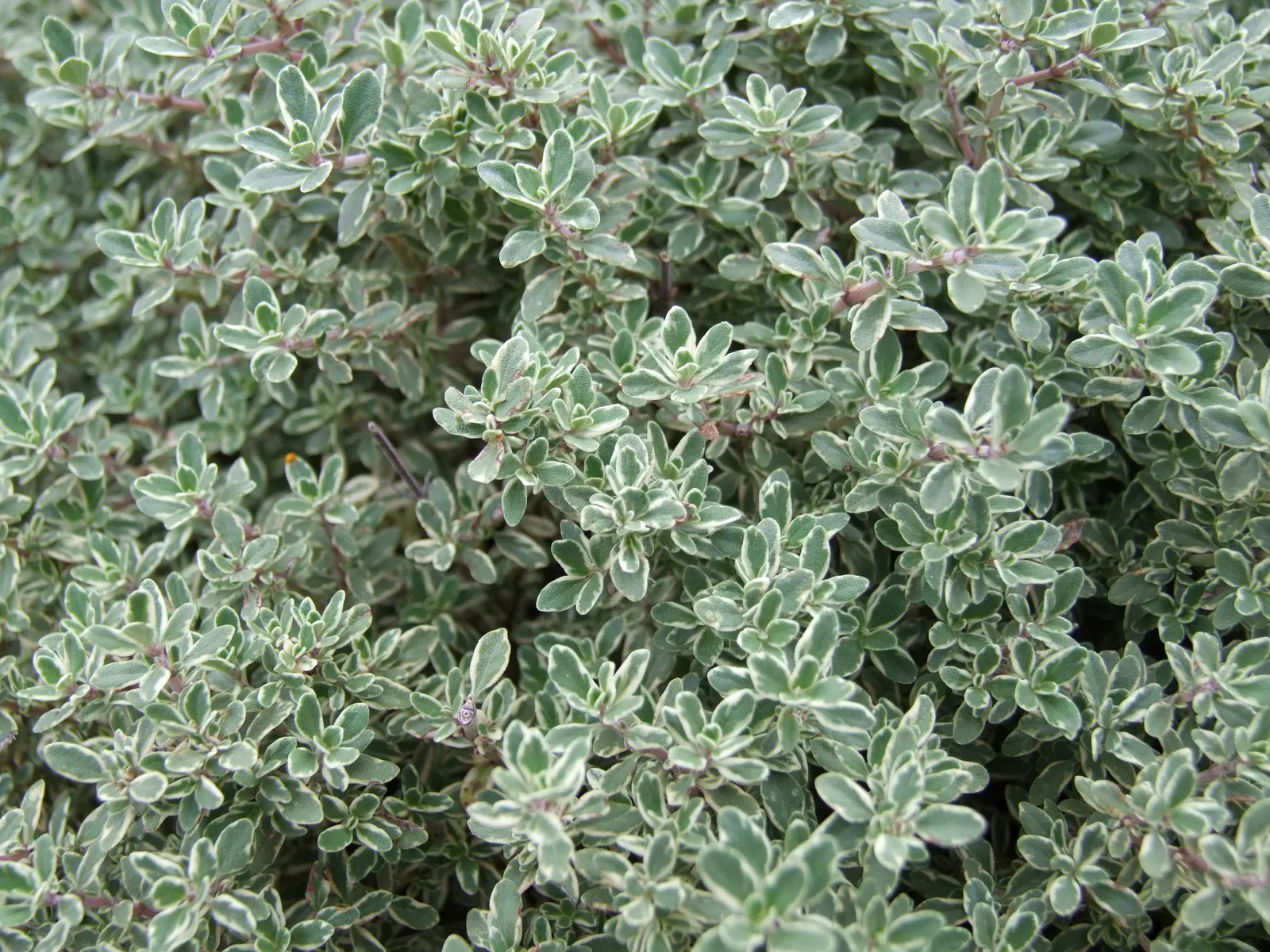
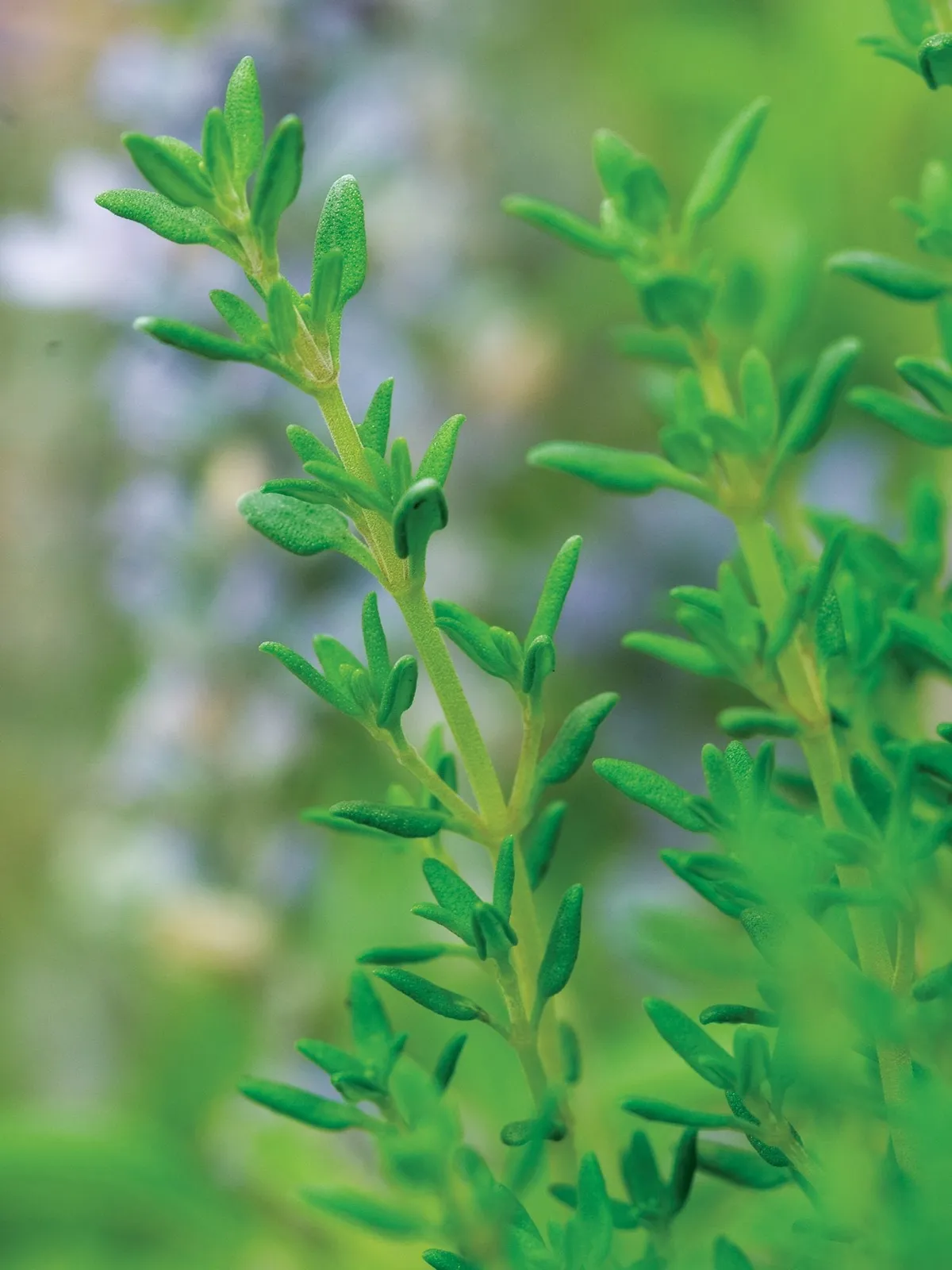
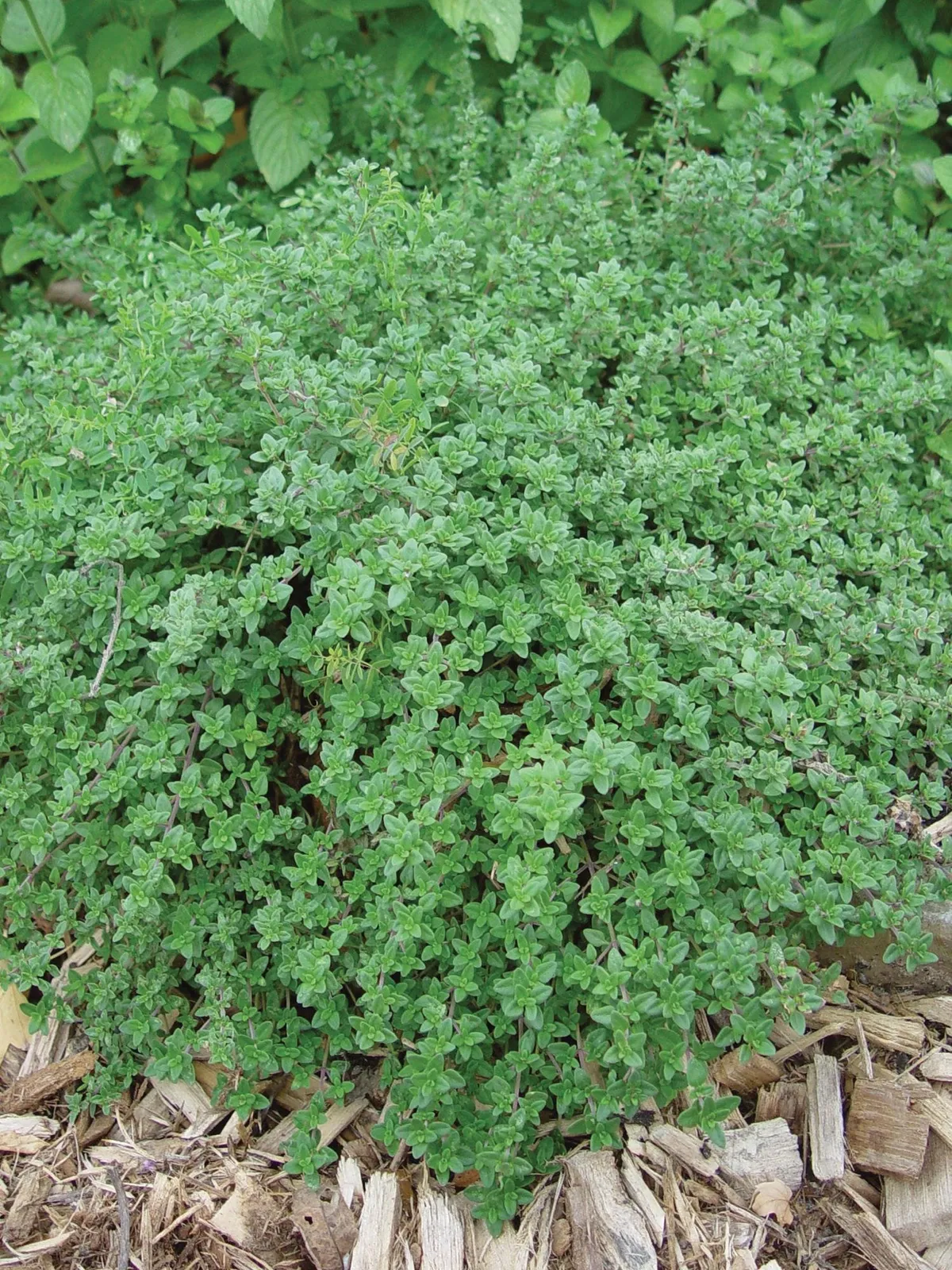
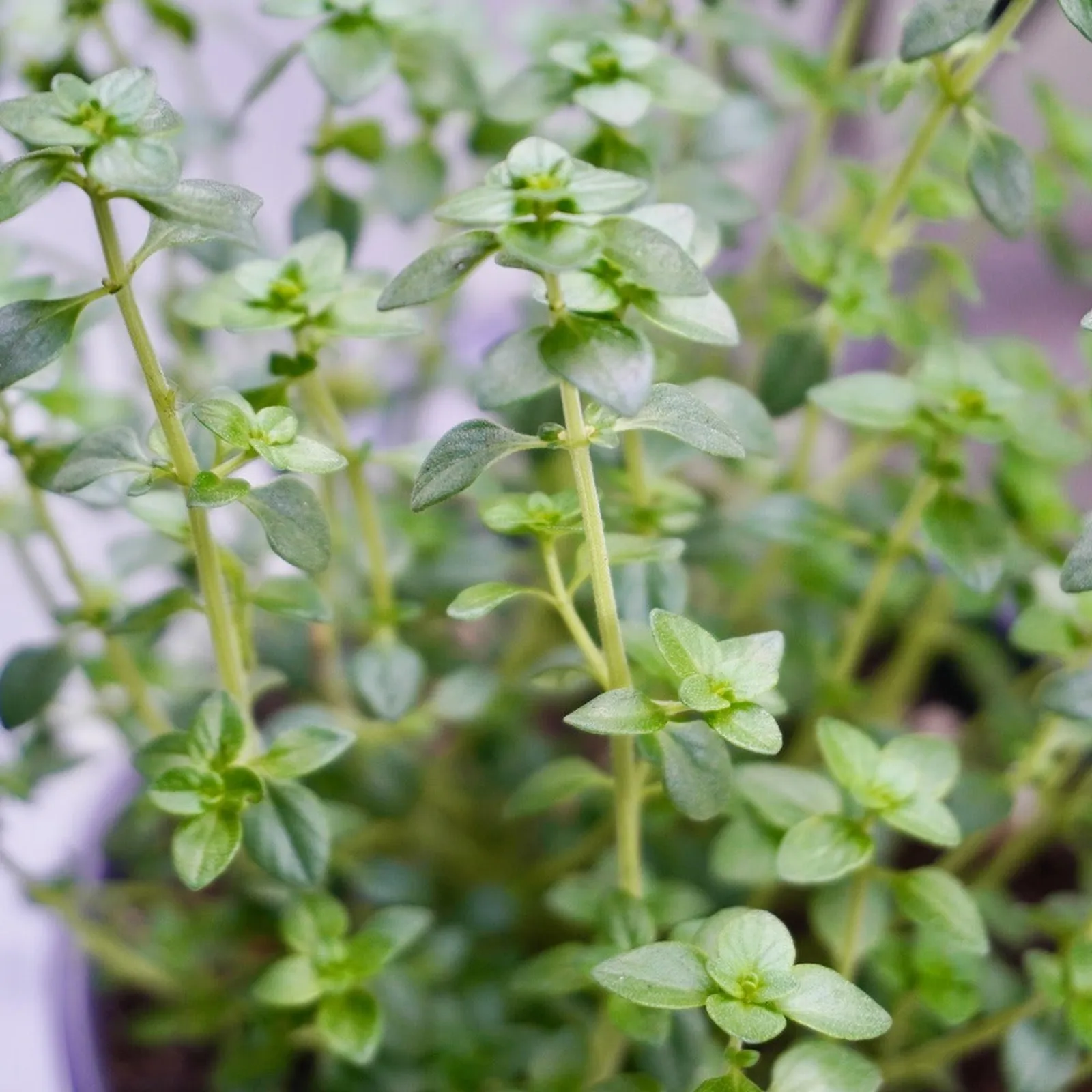
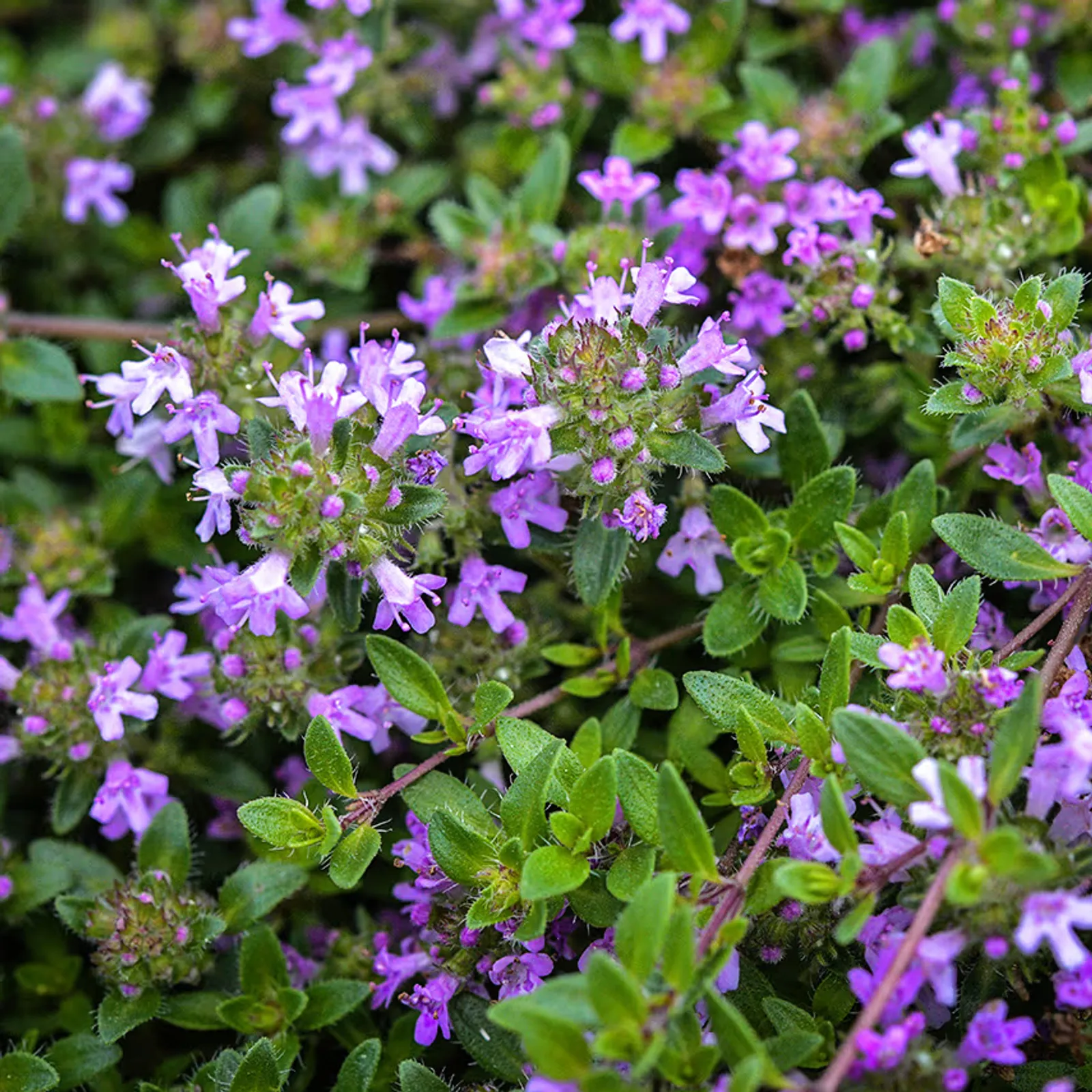
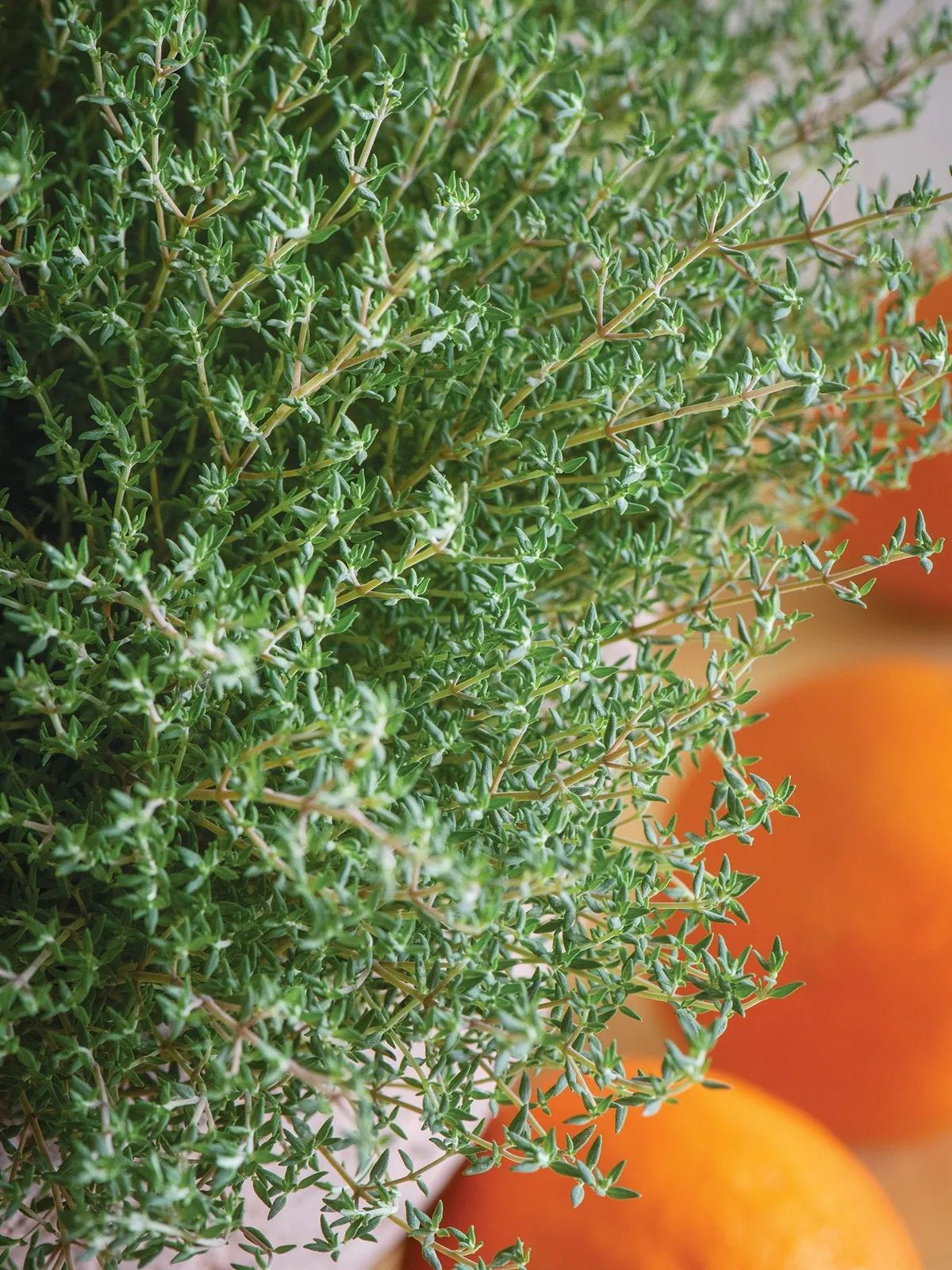
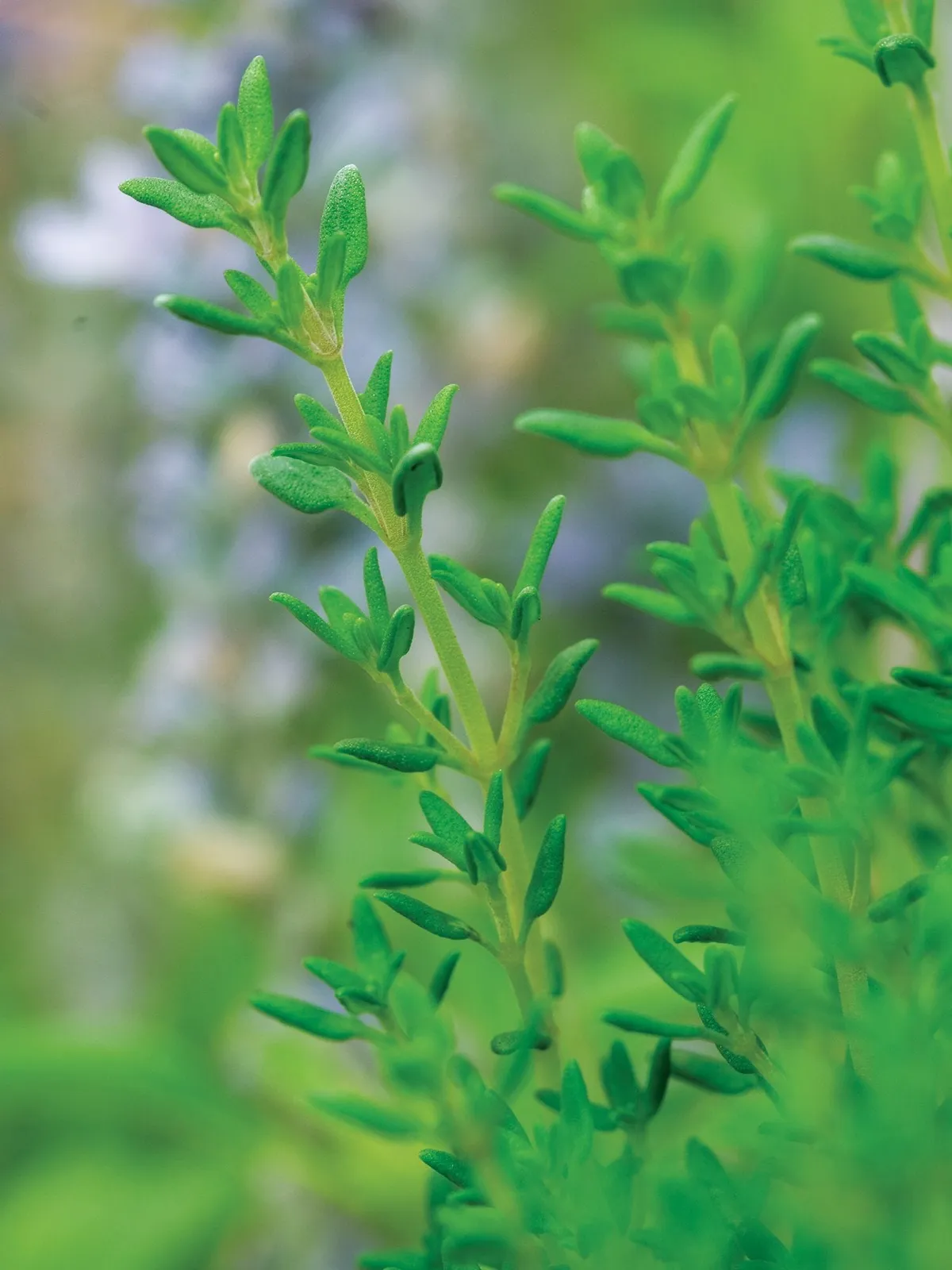
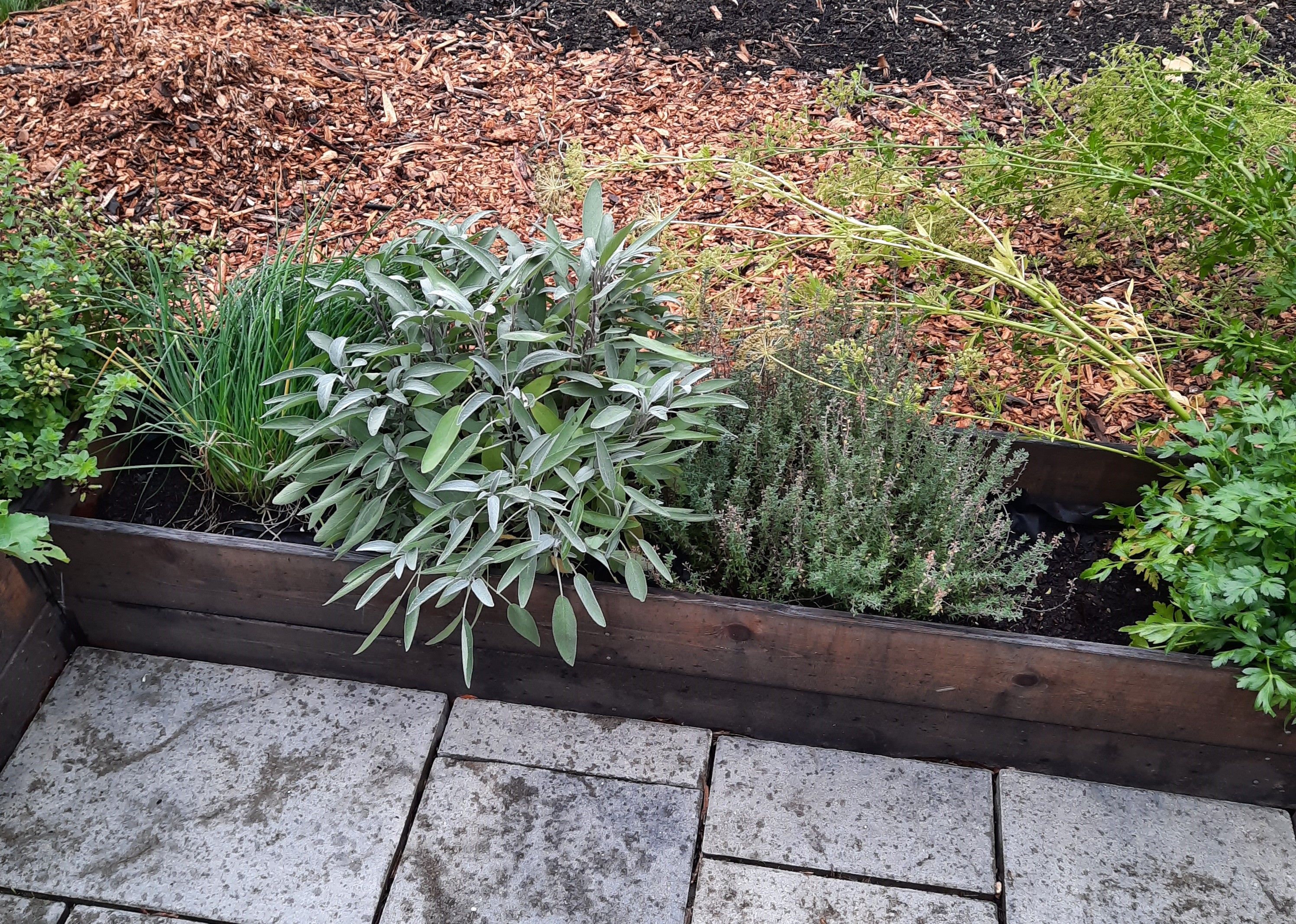
Thyme is a small perennial shrub with lots of branches and white or light purple to pink flowers. It's aromatic and has a pleasant, pungent, clover flavor. There are over fifty varieties used in cooking and gardening. English thyme is used most often in cooking.
How to Grow Thyme
Quick Info


Put away the pen and paper
Plan your veggie garden in minutes with Planter's easy drag and drop planner.
Try Planter for Free
Varieties


Related Articles

Companion Plants







Combative Plants

Diseases
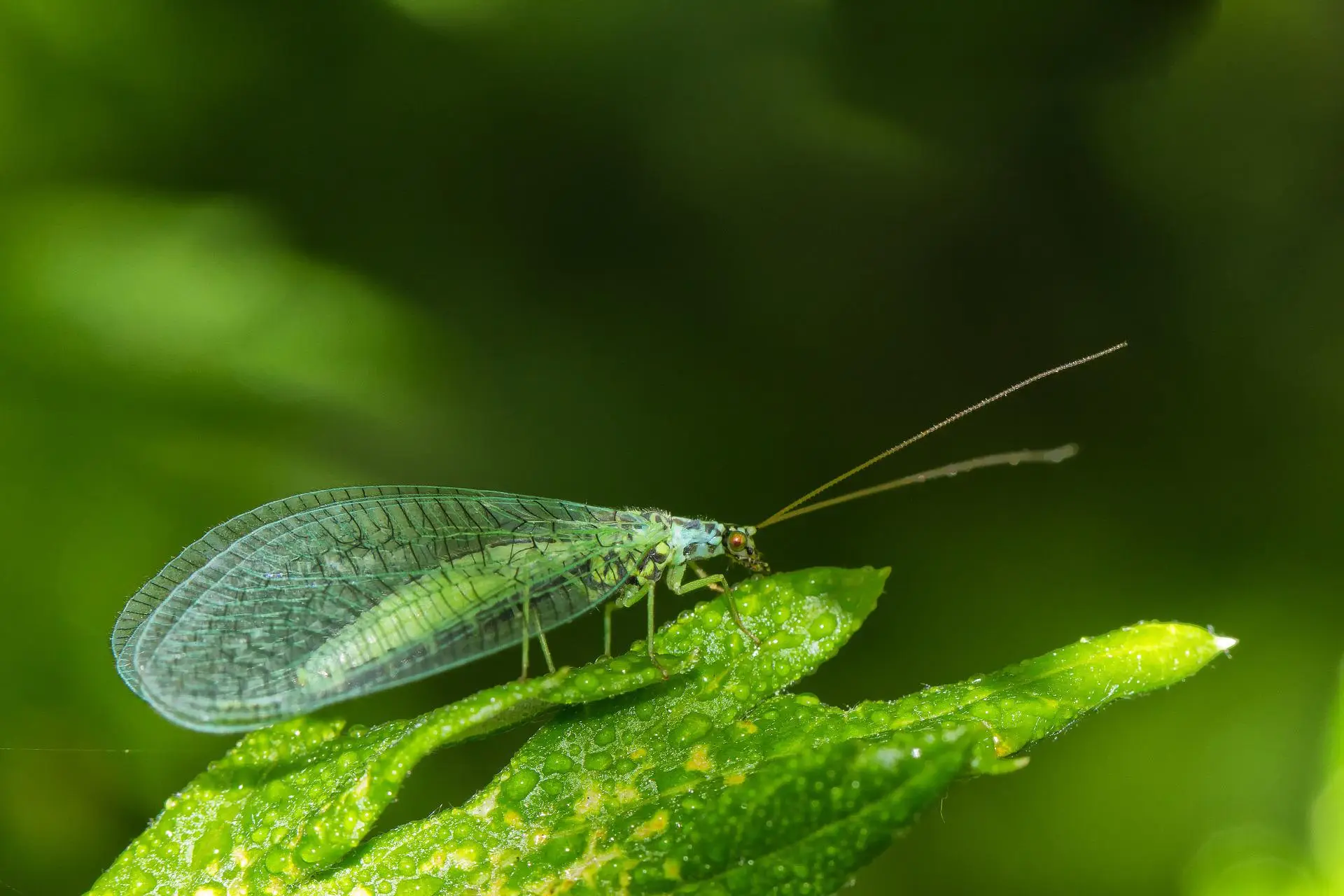
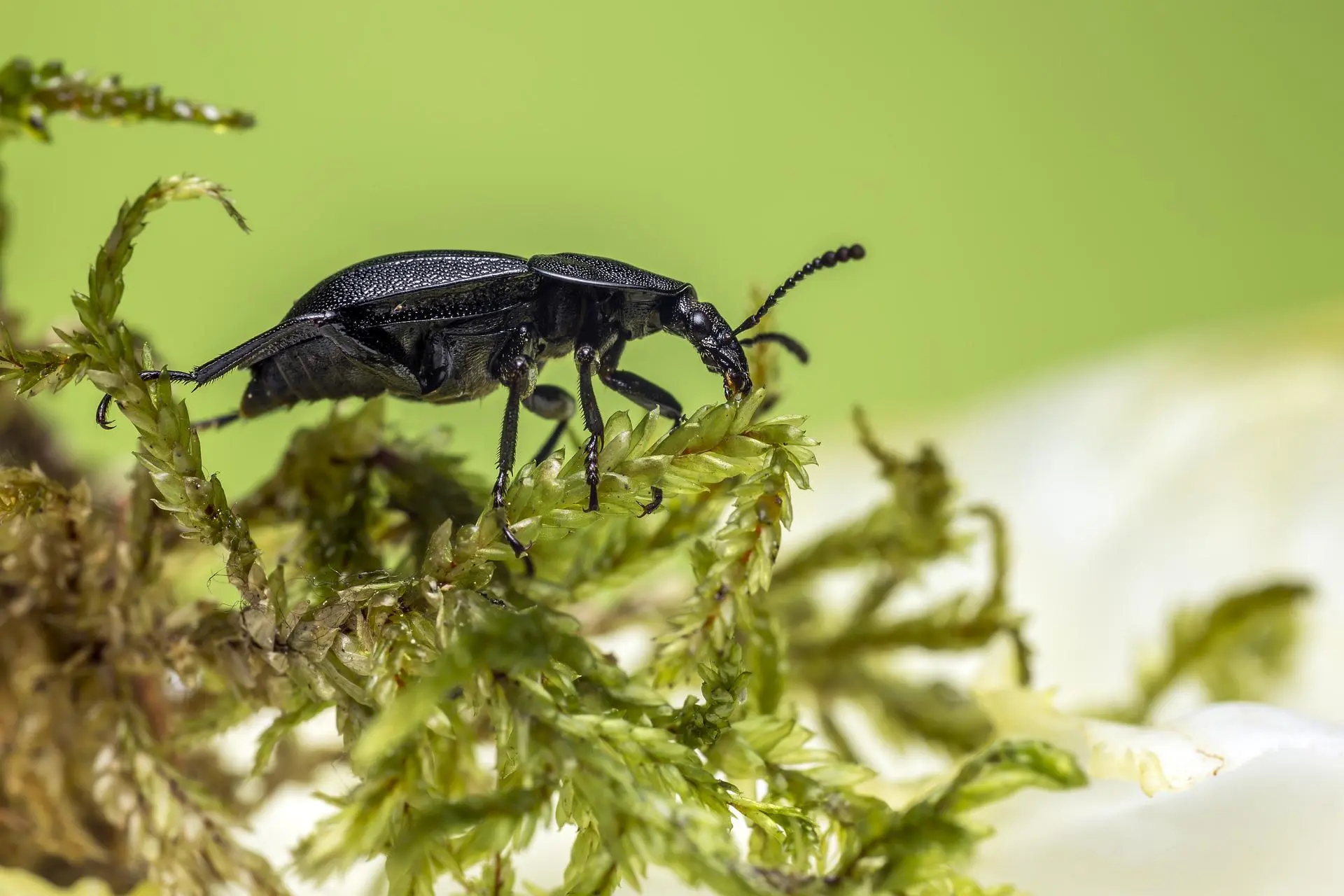
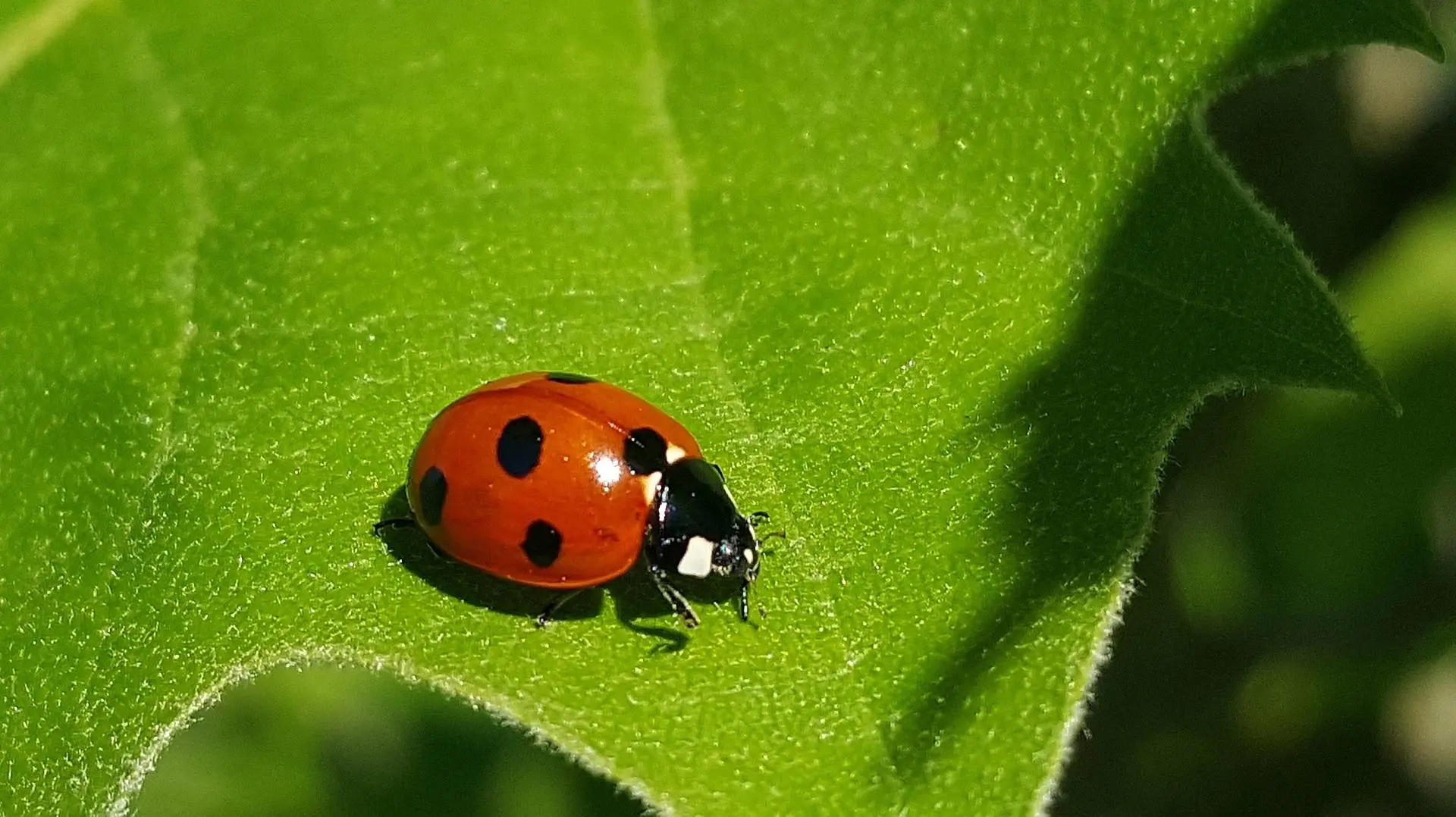
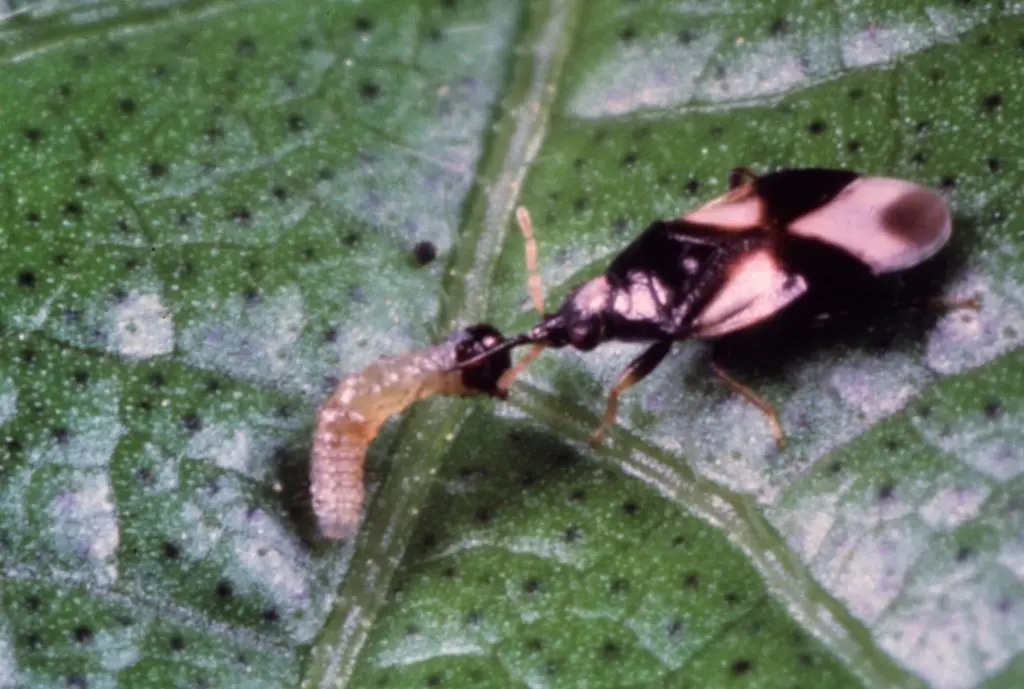
Beneficial Critters
Growing from Seed
It can be tricky to grow thyme from seeds because of its slow, uneven germination. It's easier to buy transplants or take some cuttings from a friend.
Planting Considerations
Thyme will grow better in slightly dry, well-draining soil than in waterlogged soil.
Feeding
Thyme usually grows well without any additional feeding. However, feel free to apply a well-aged manure or balanced fertilizer every once in a while.
Harvesting
Throughout the summer, leaves and sprigs can be harvested at any time.
Storage
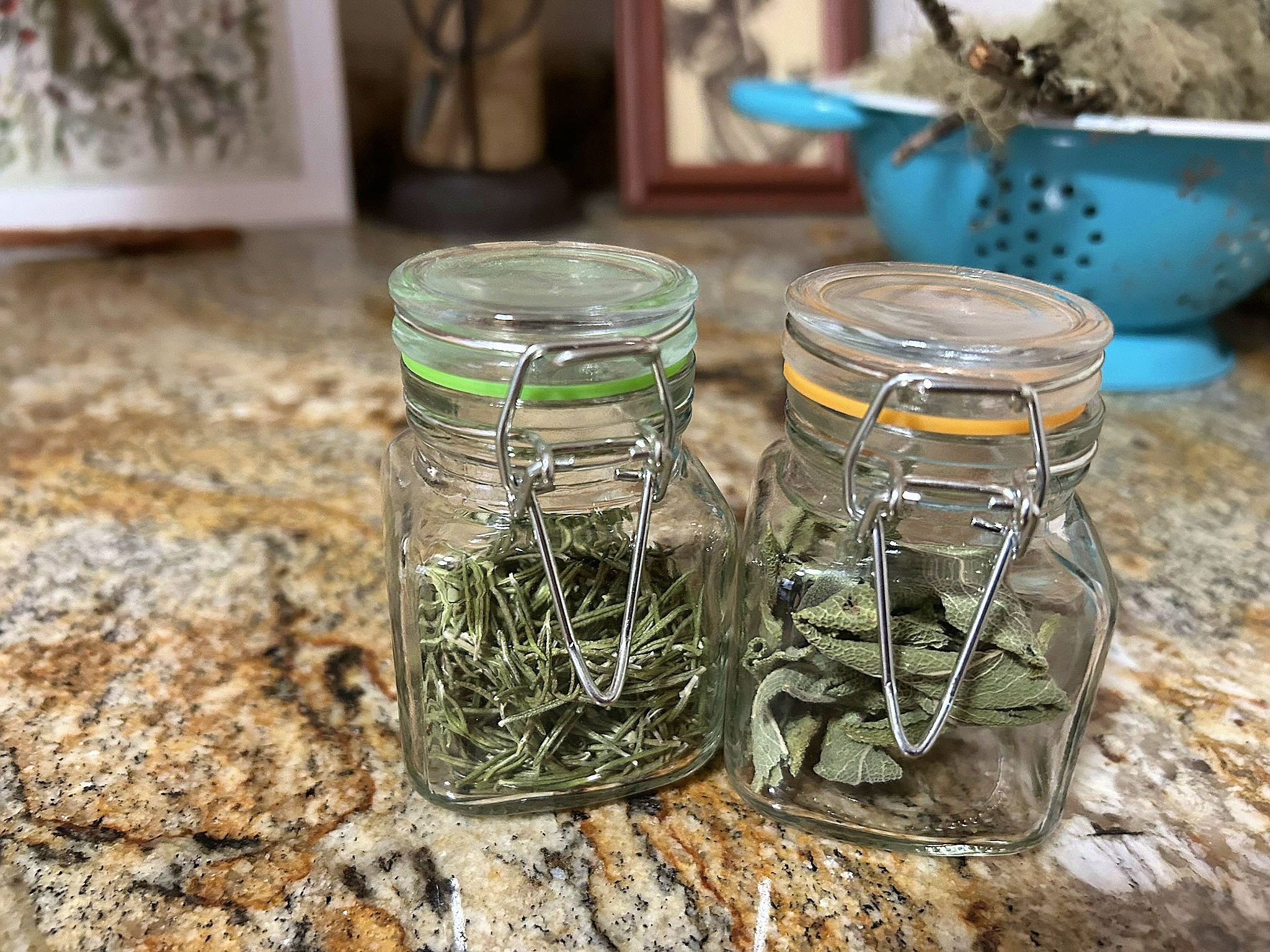
To dry the sprigs, hang them in a dark, well-ventilated, warm area. You can also just dry the leaves by placing them on a tray. Once dried, store them in an airtight container. Freezing is another method of storage.