Pear
Pyrus communis L.
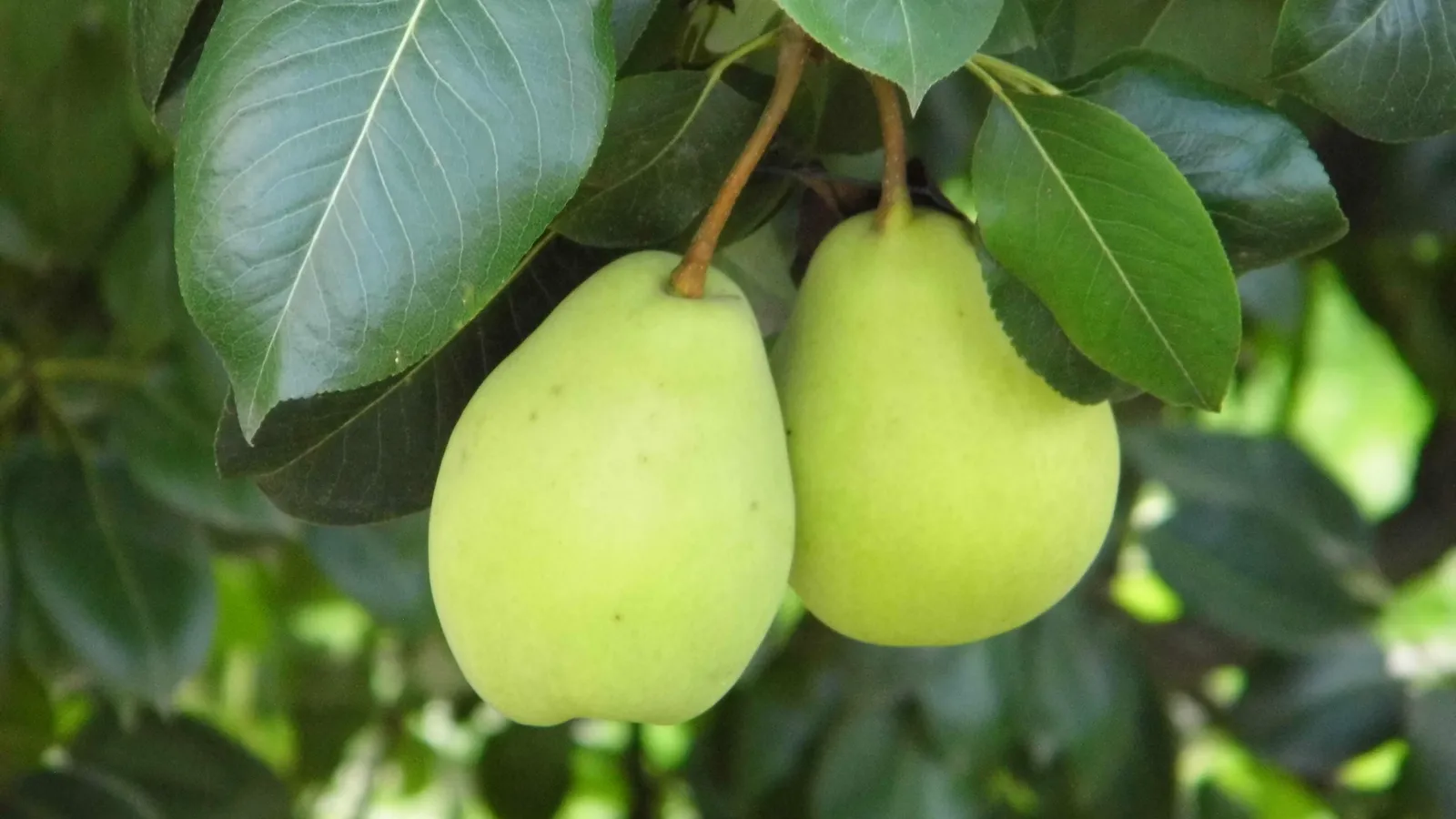
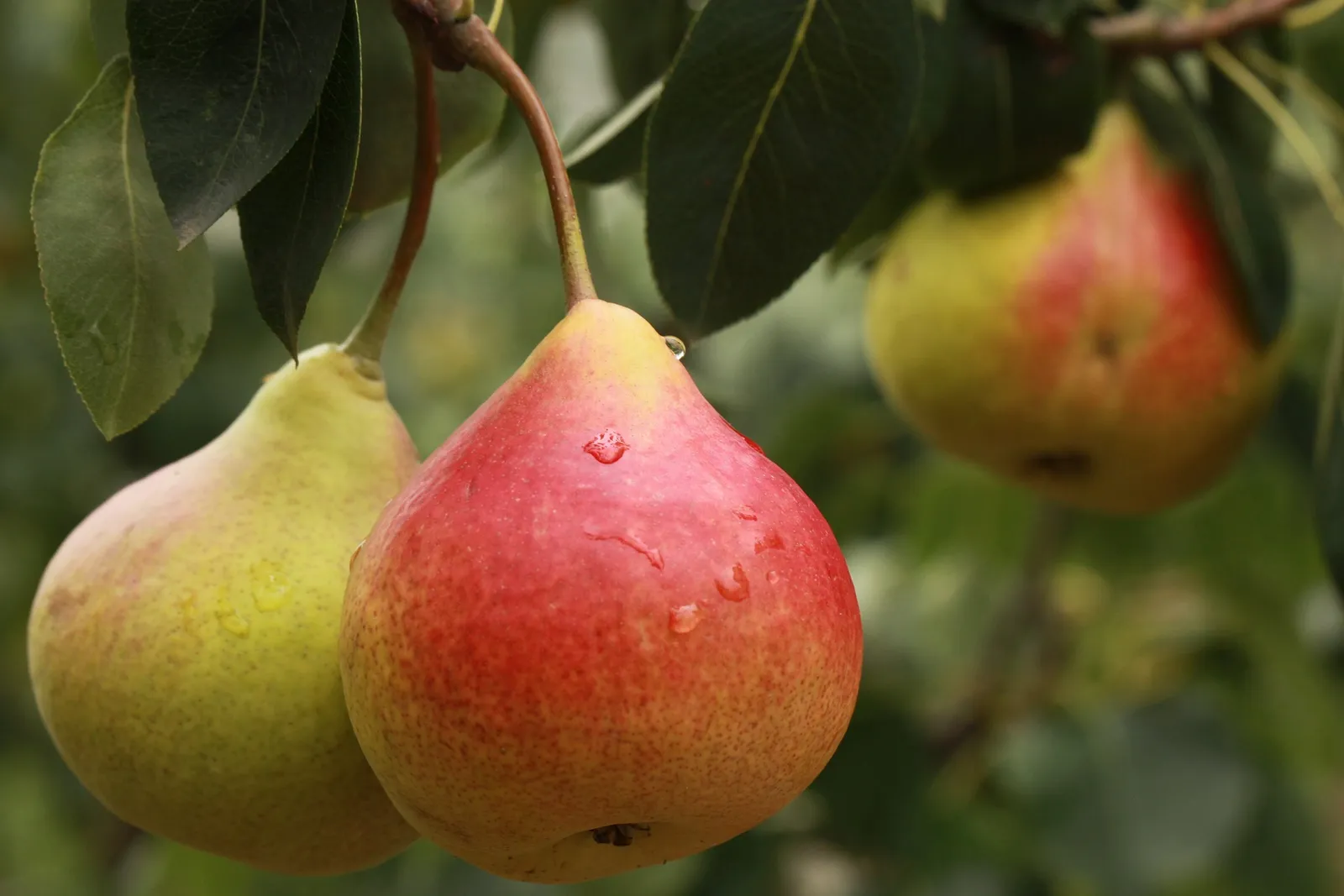
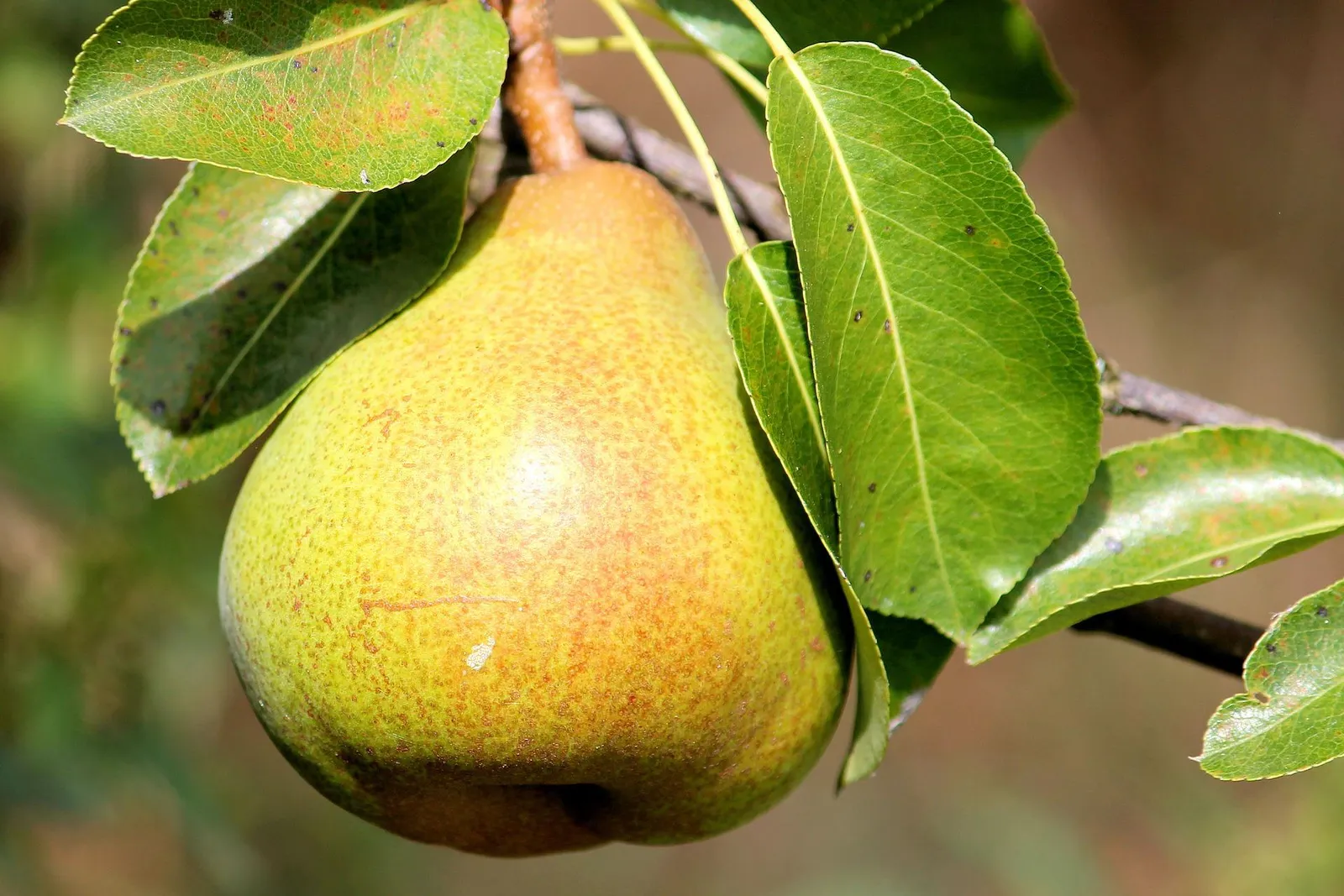
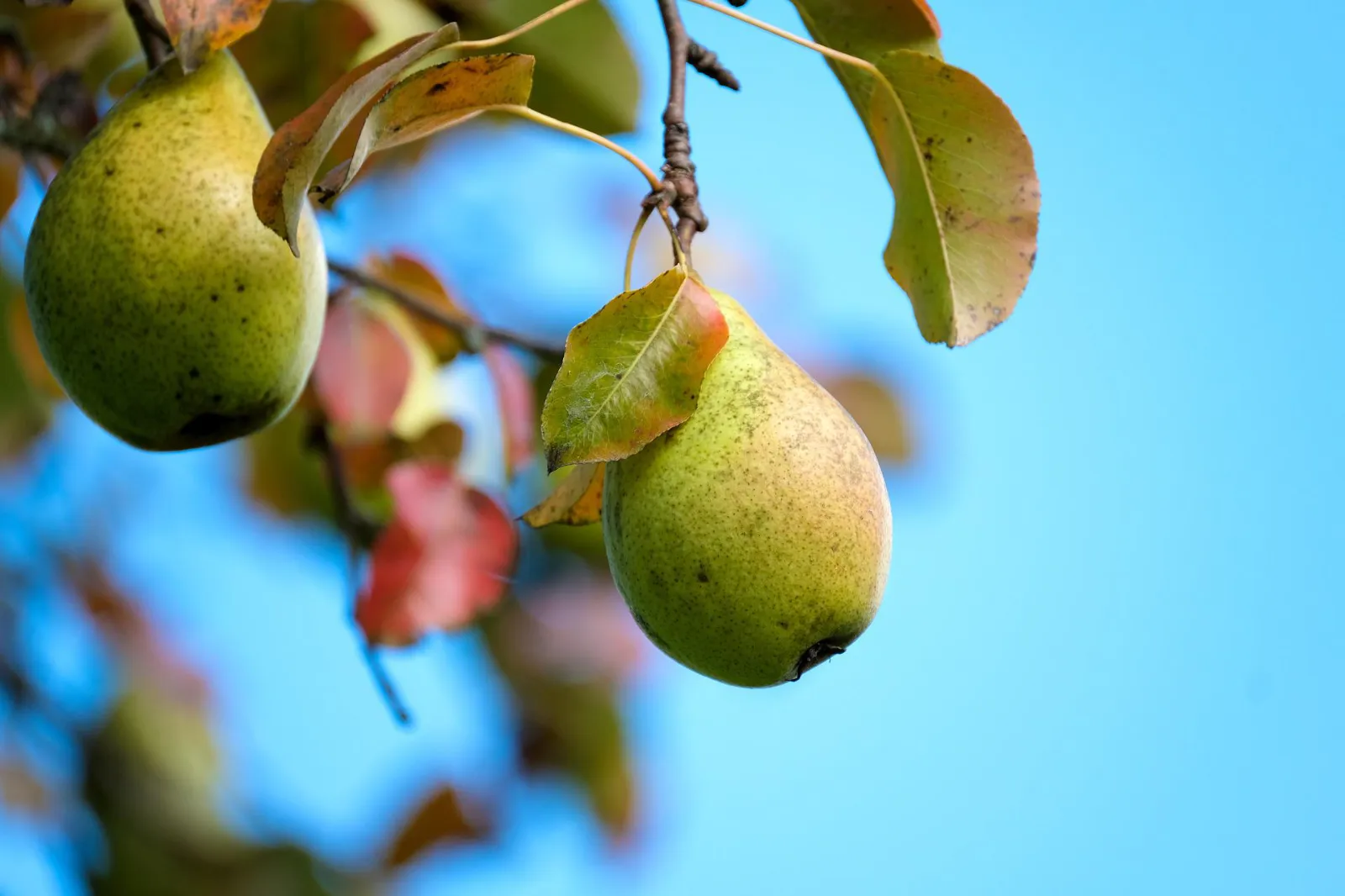
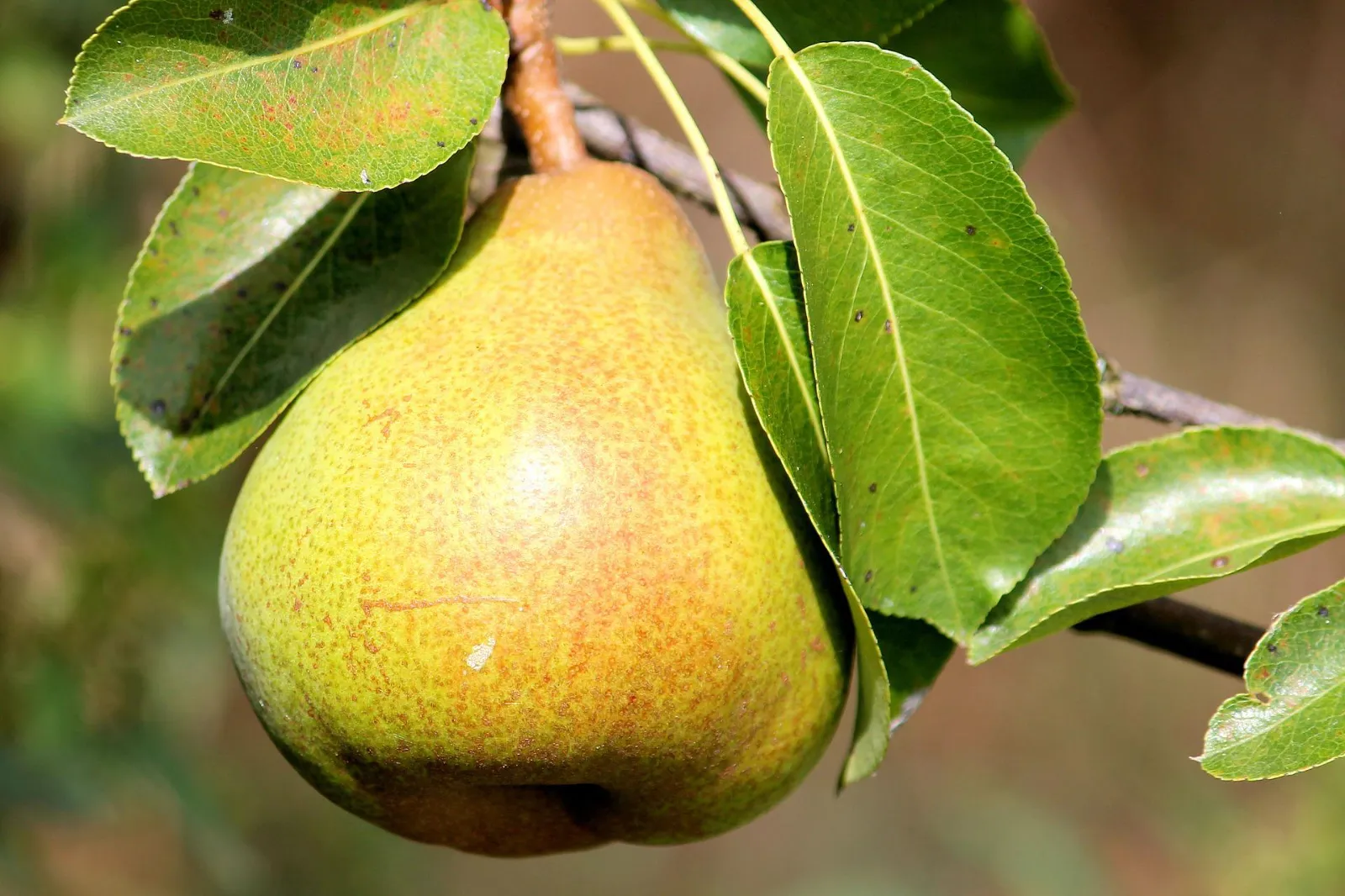
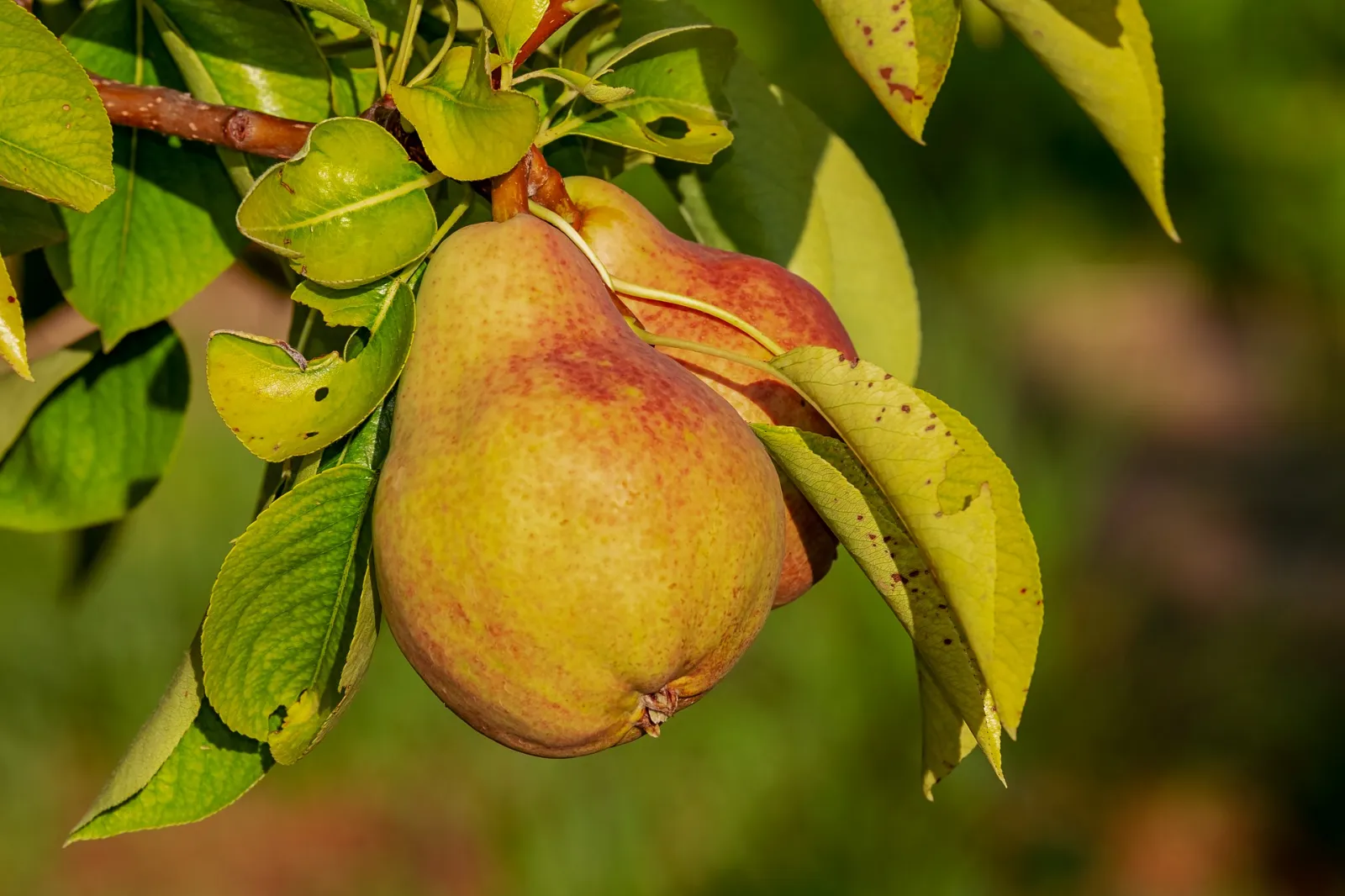
Pears are one of the more easily grown fruits. They are not as susceptible to pests and disease as apples and other common fruits. Additionally, pear trees are very hardy and can withstand cold temperatures. ‘Bartlett’ is the variety most often grown by home gardeners.
How to Grow Pear
Quick Info

Put away the pen and paper
Plan your veggie garden in minutes with Planter's easy drag and drop planner.
Try Planter for Free
Varieties
Related Articles
Companion Plants





Combative Plants

Nutrition
Vitamins





Nutrients






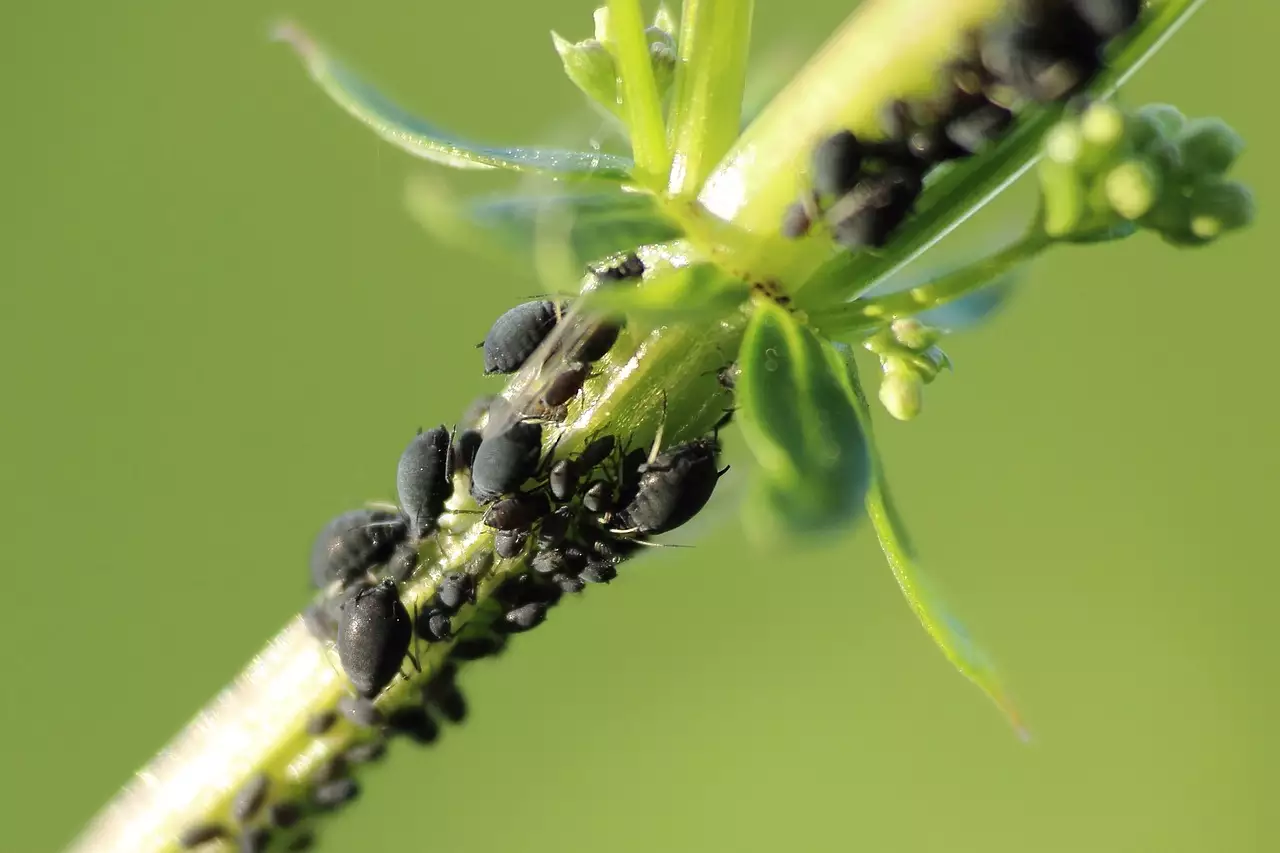
Pests
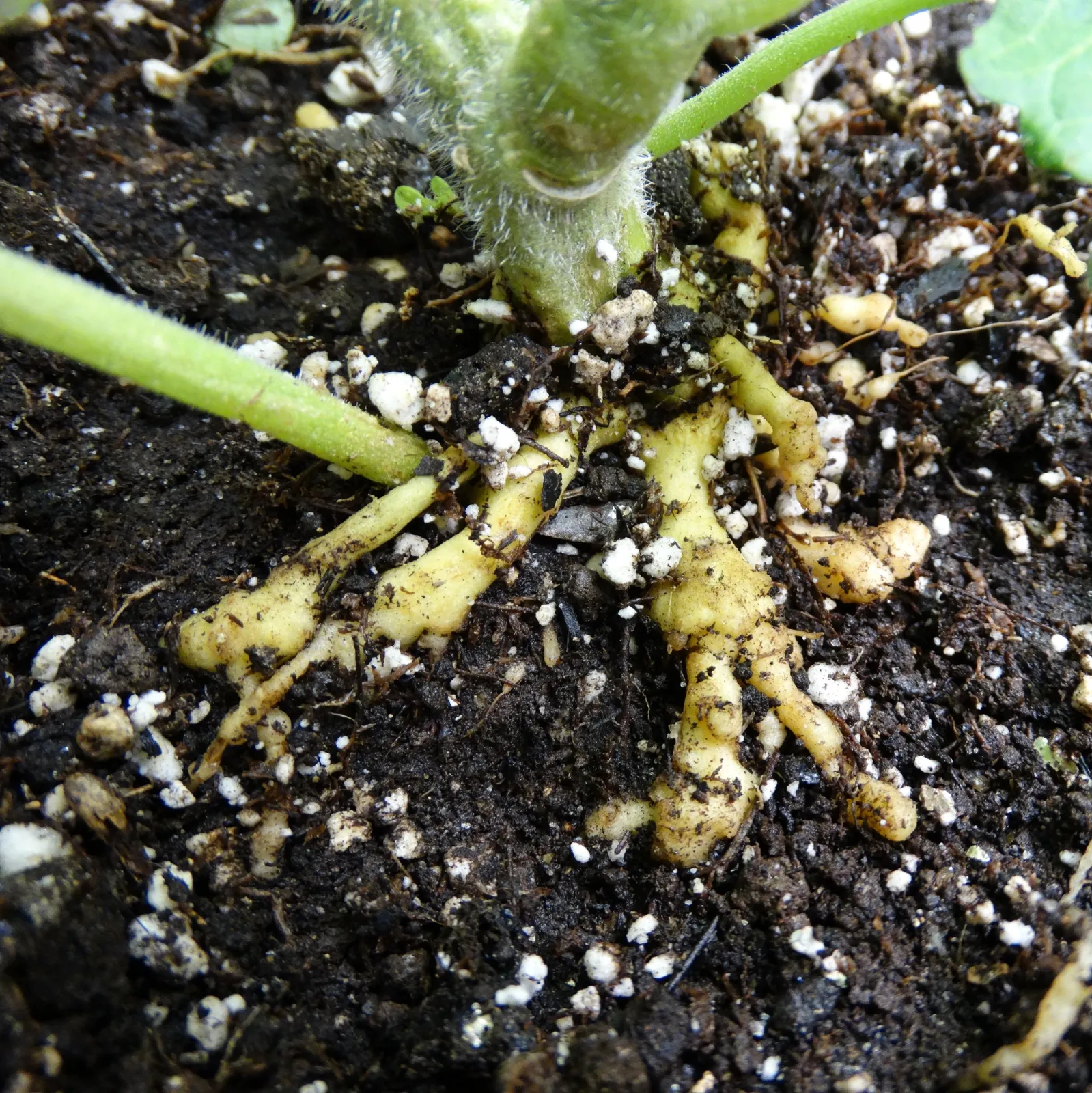
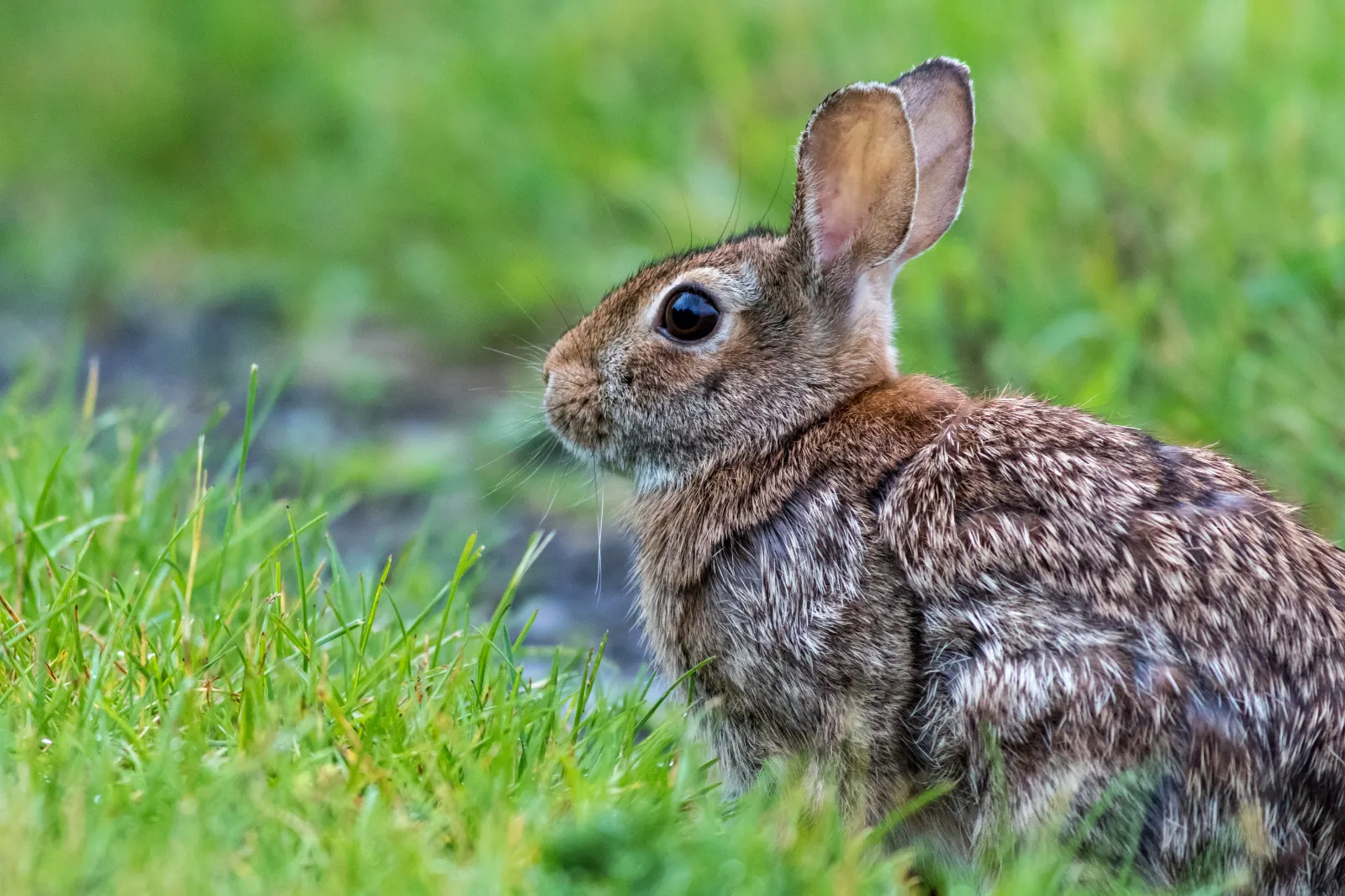
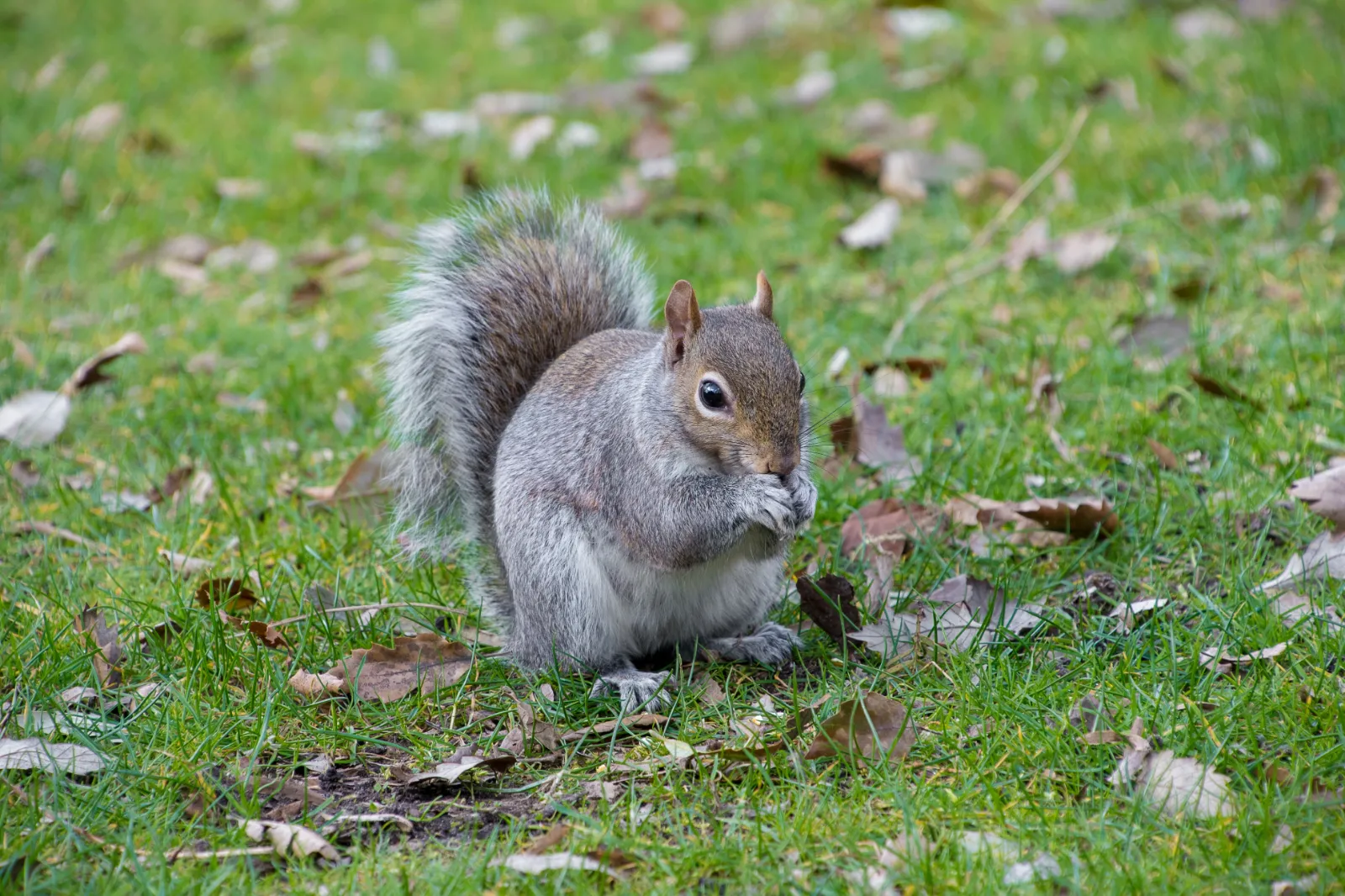
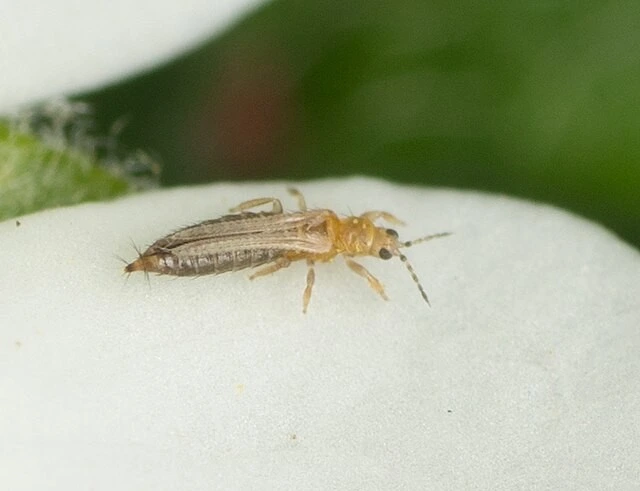
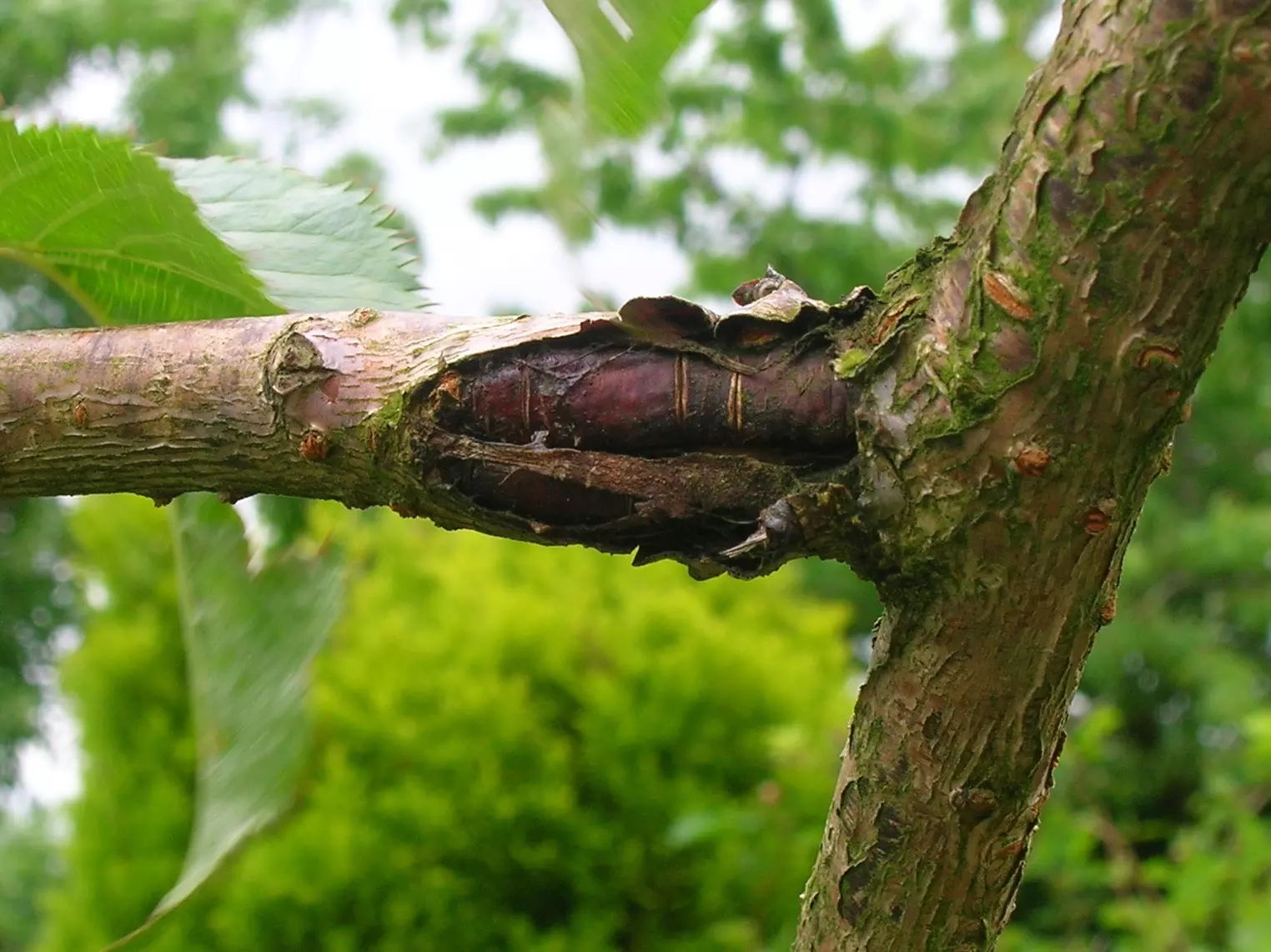
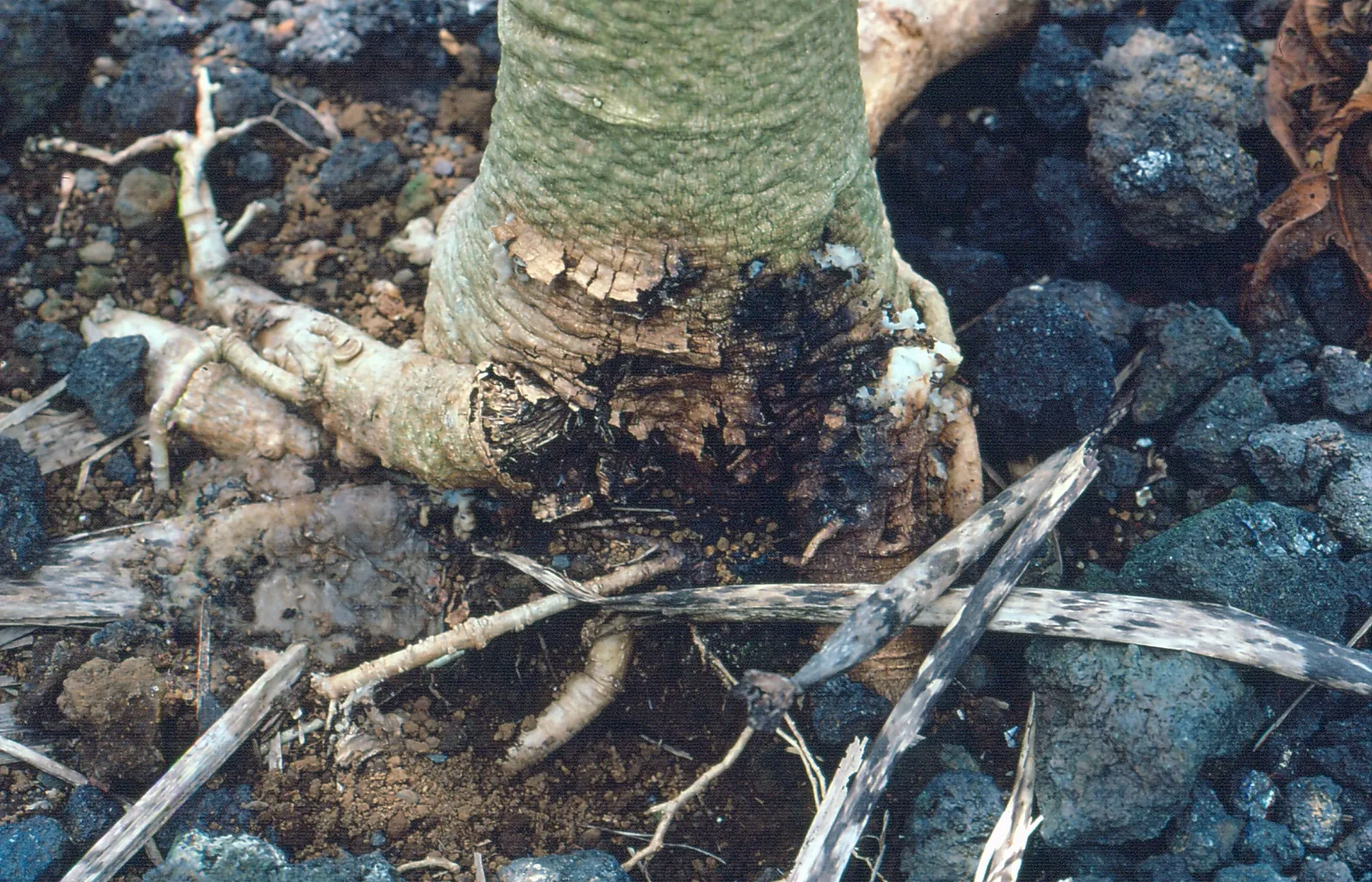
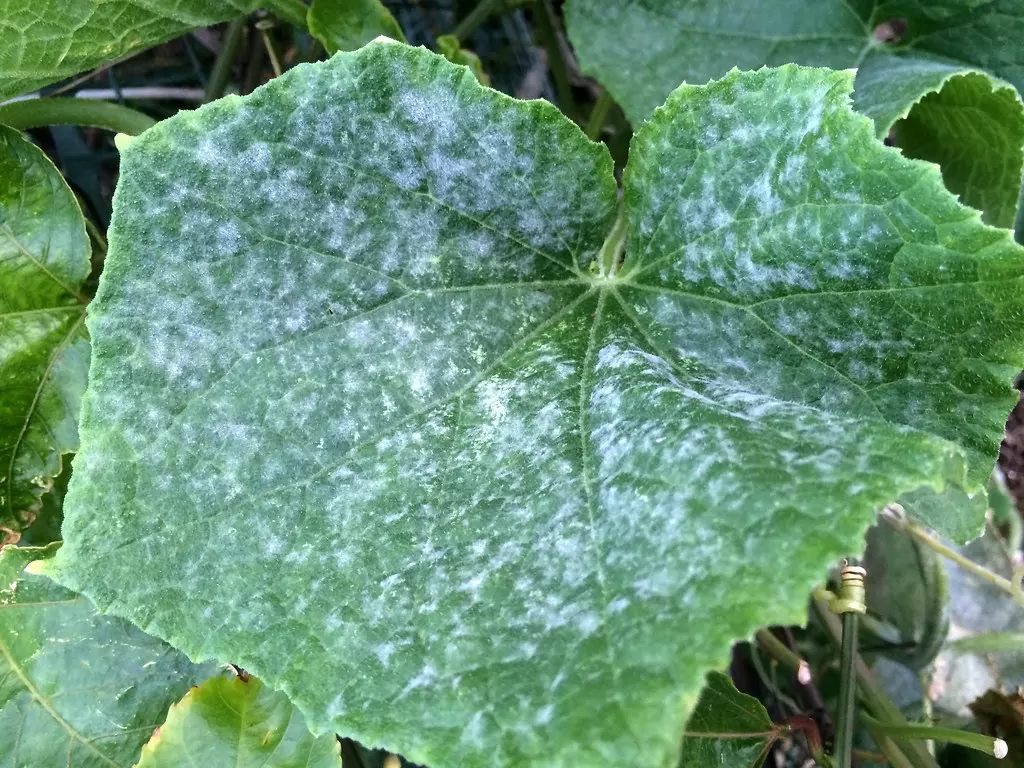
Diseases
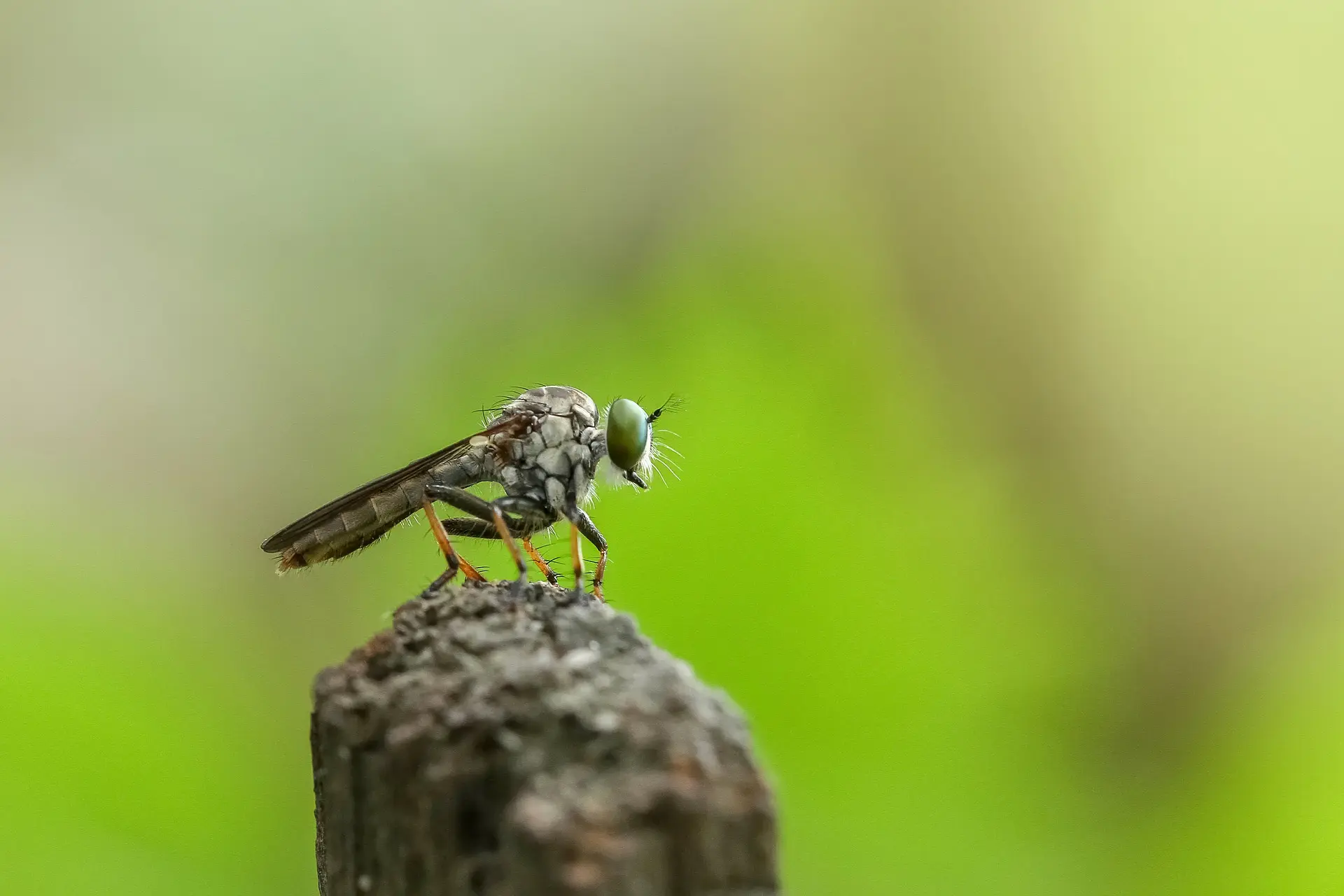
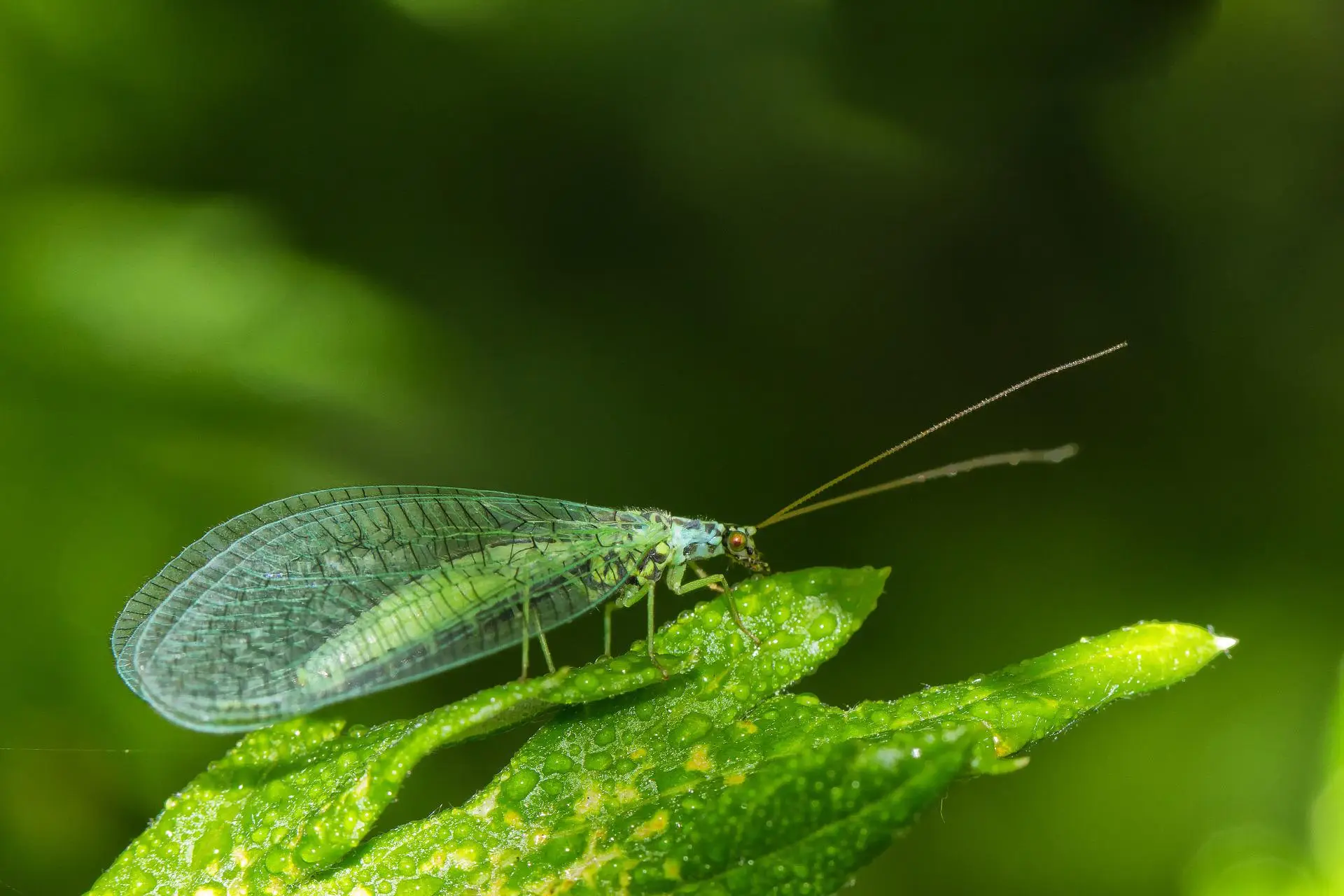
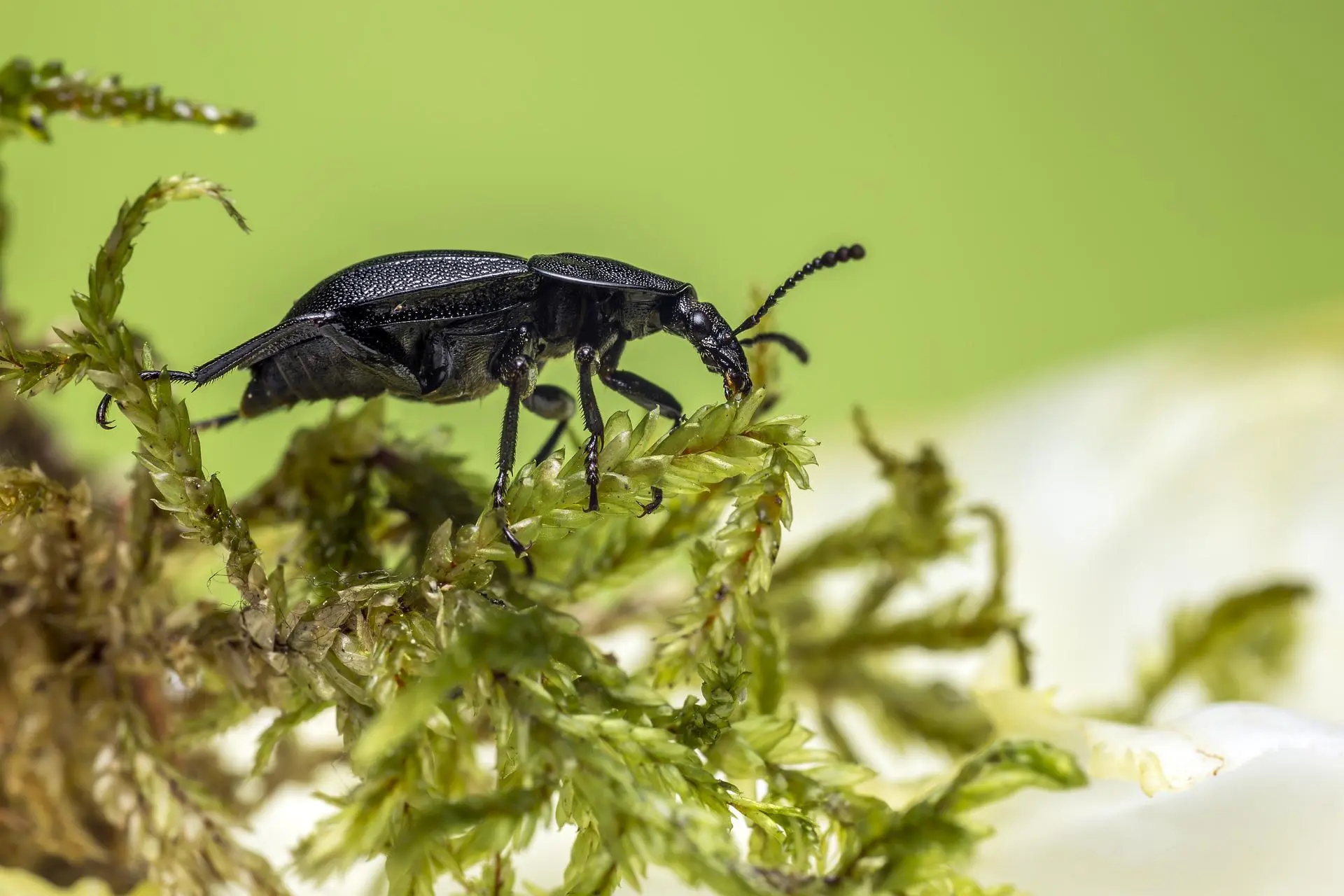
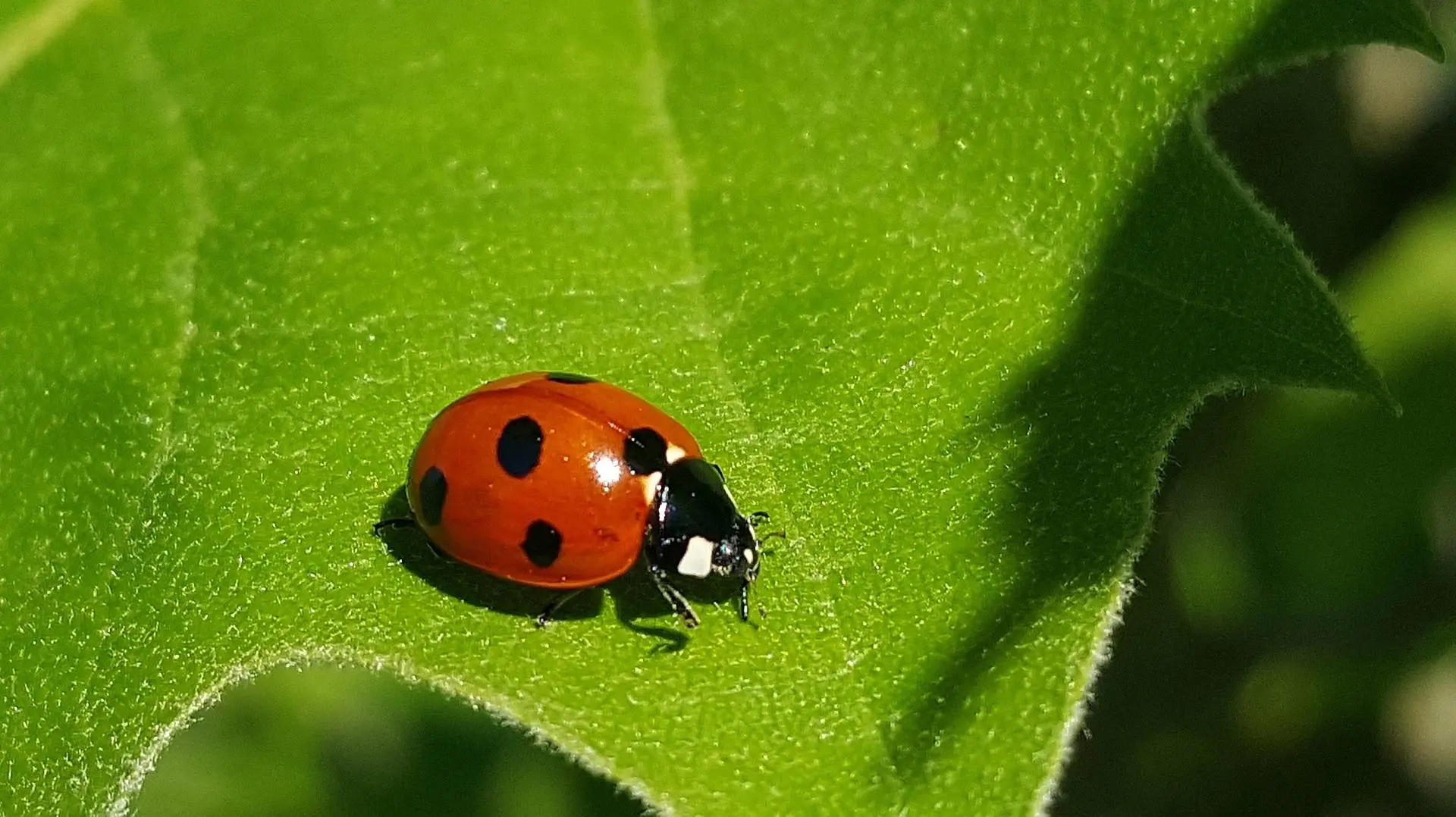
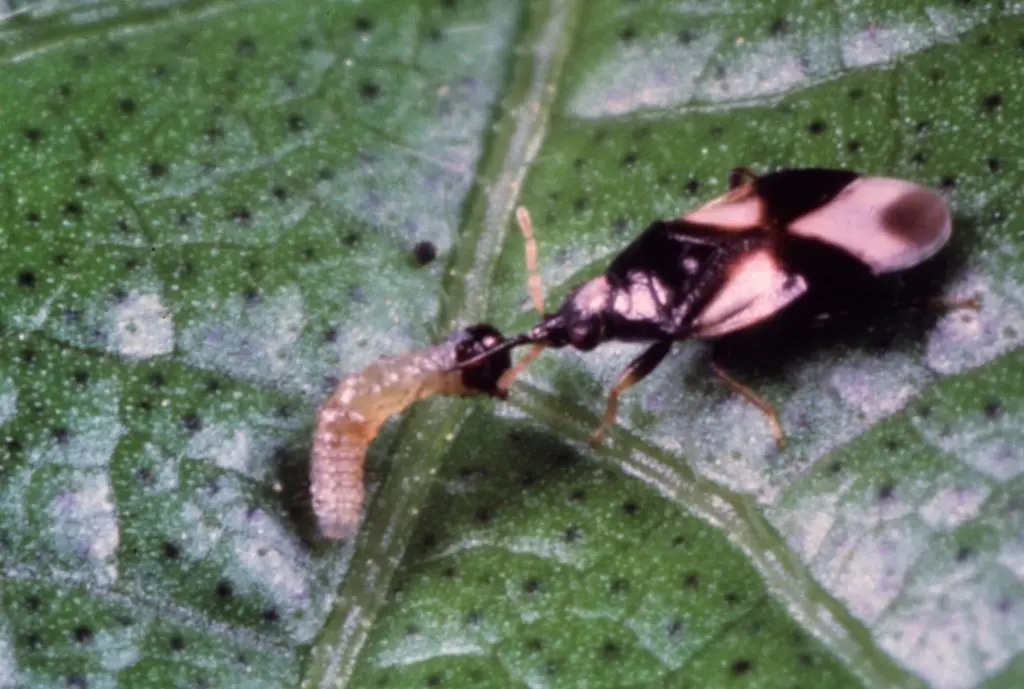
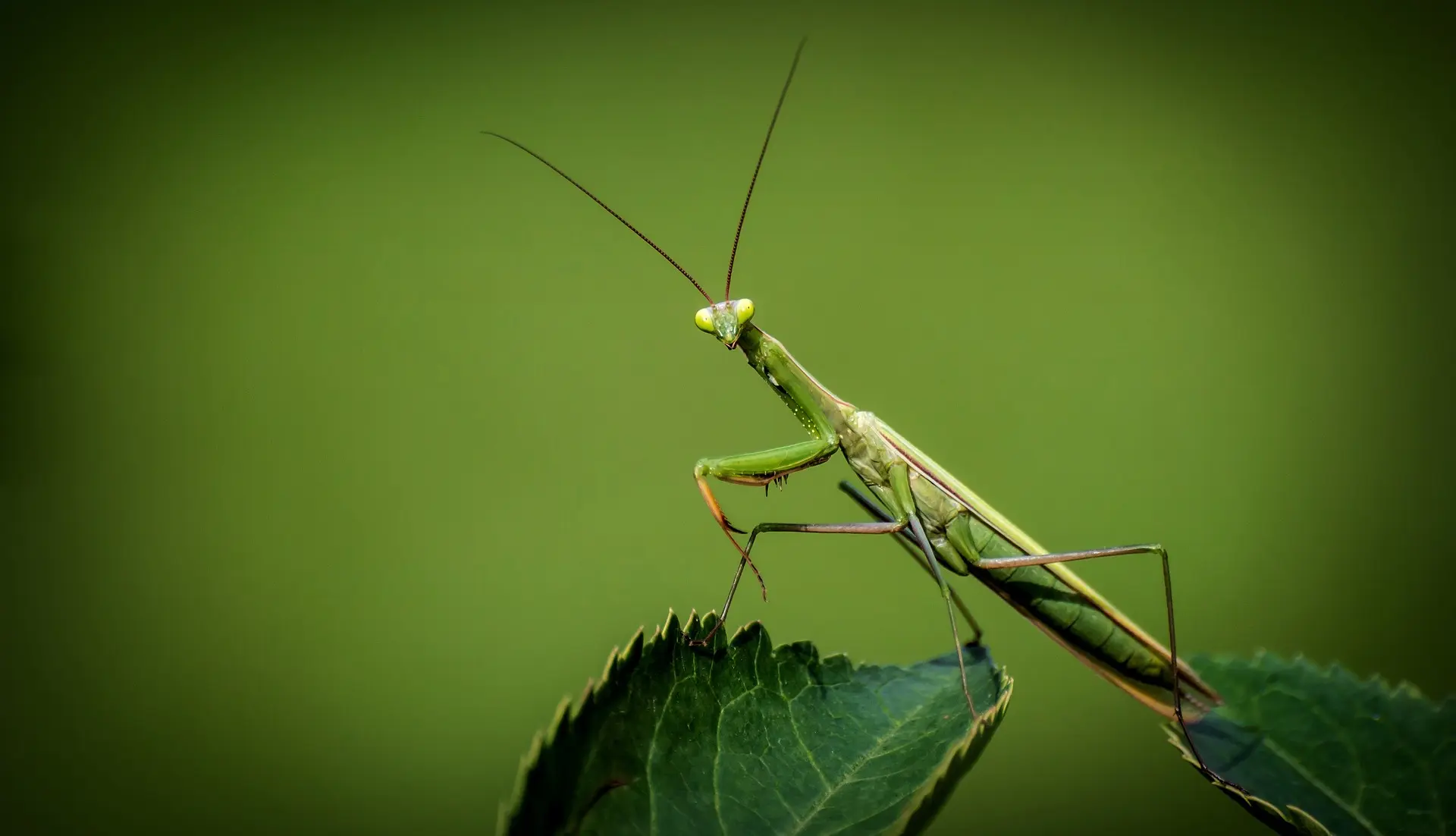
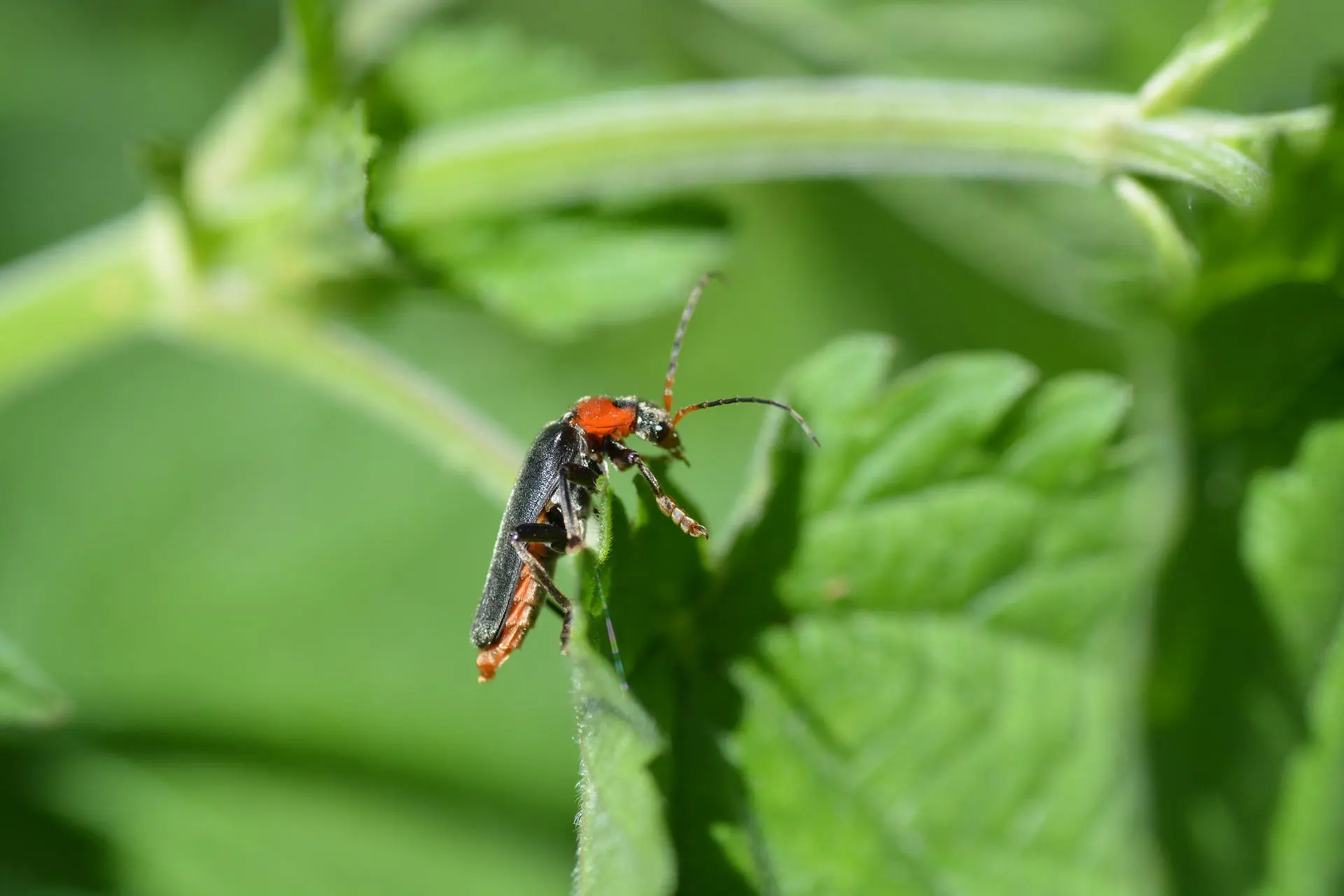
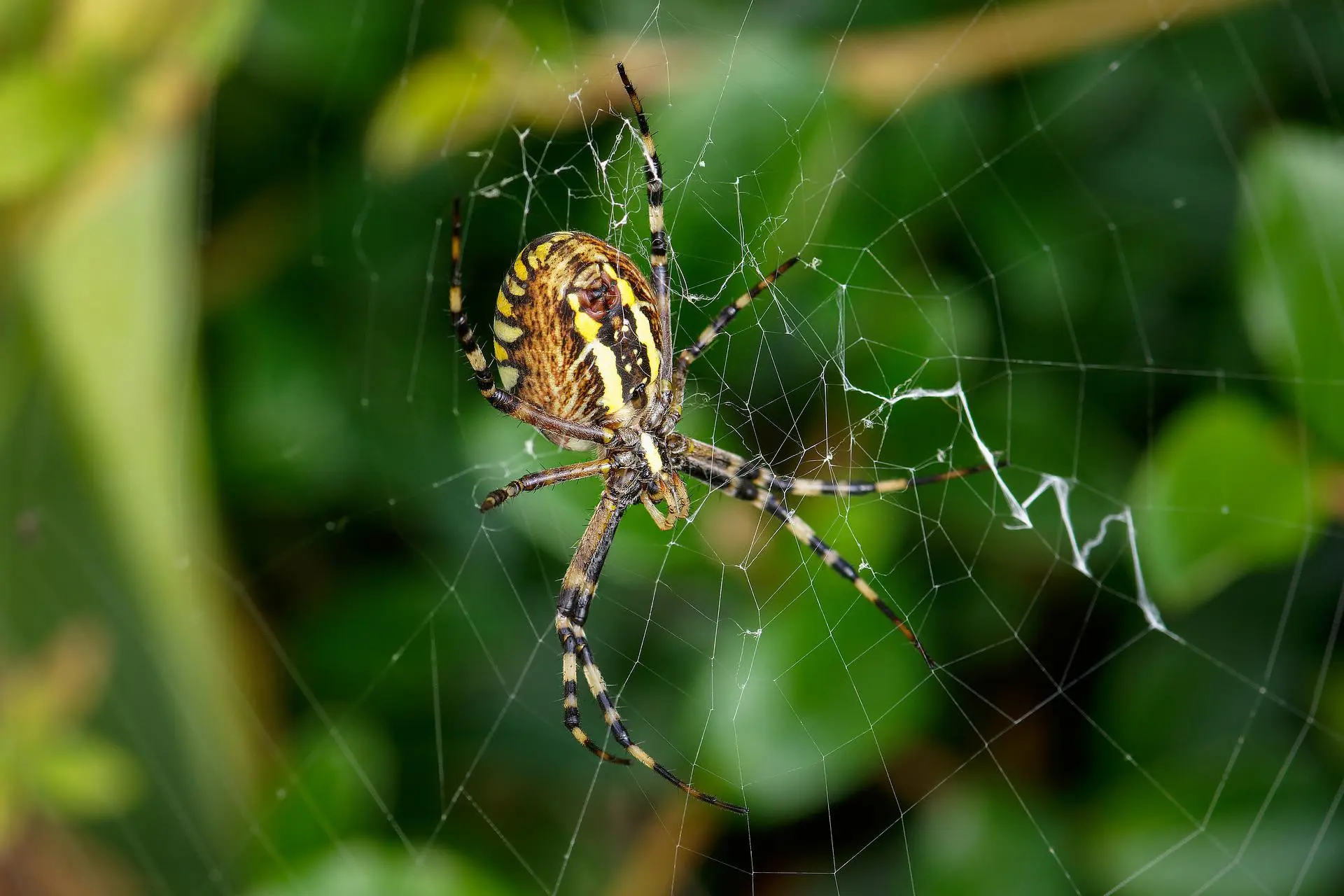
Beneficial Critters
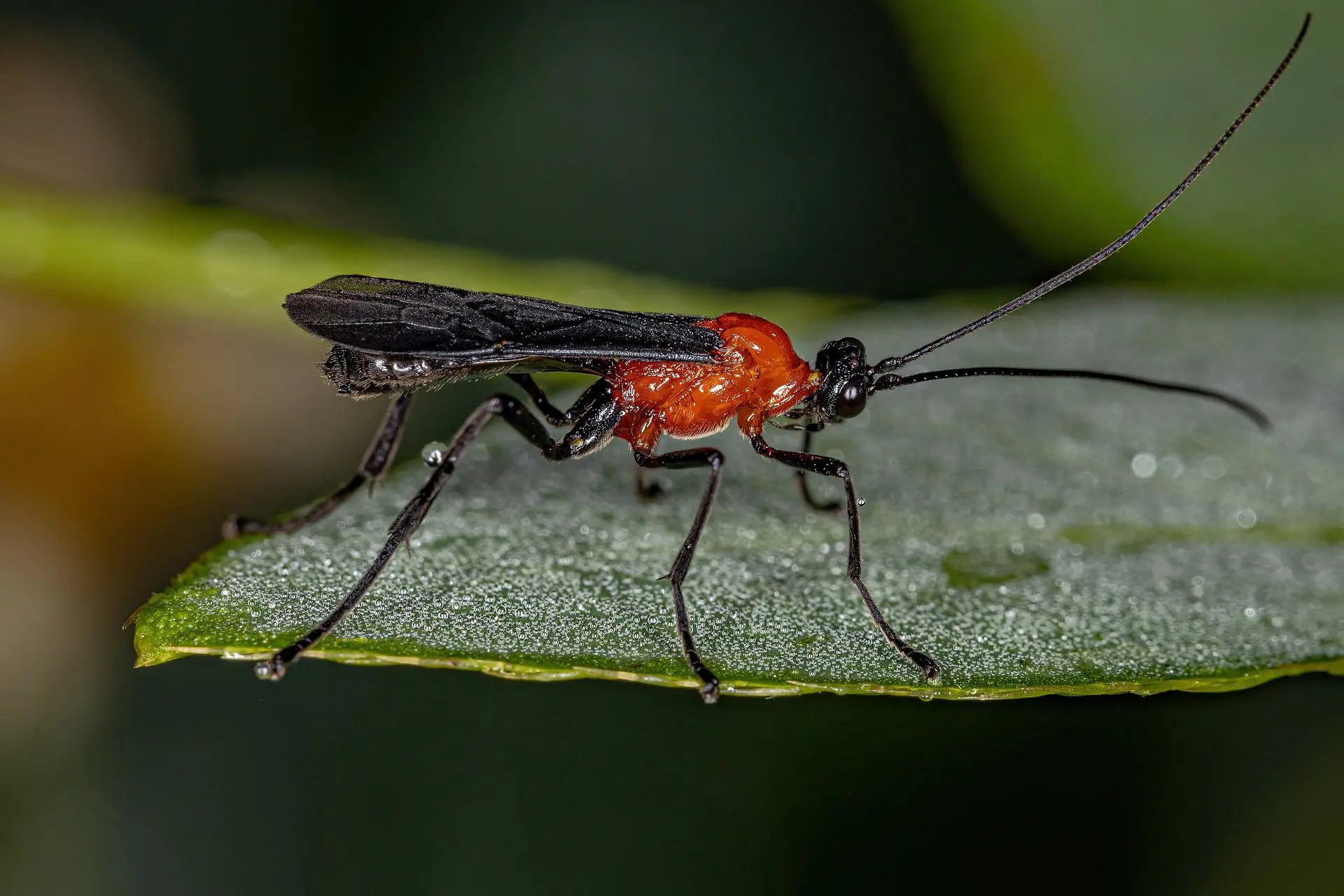
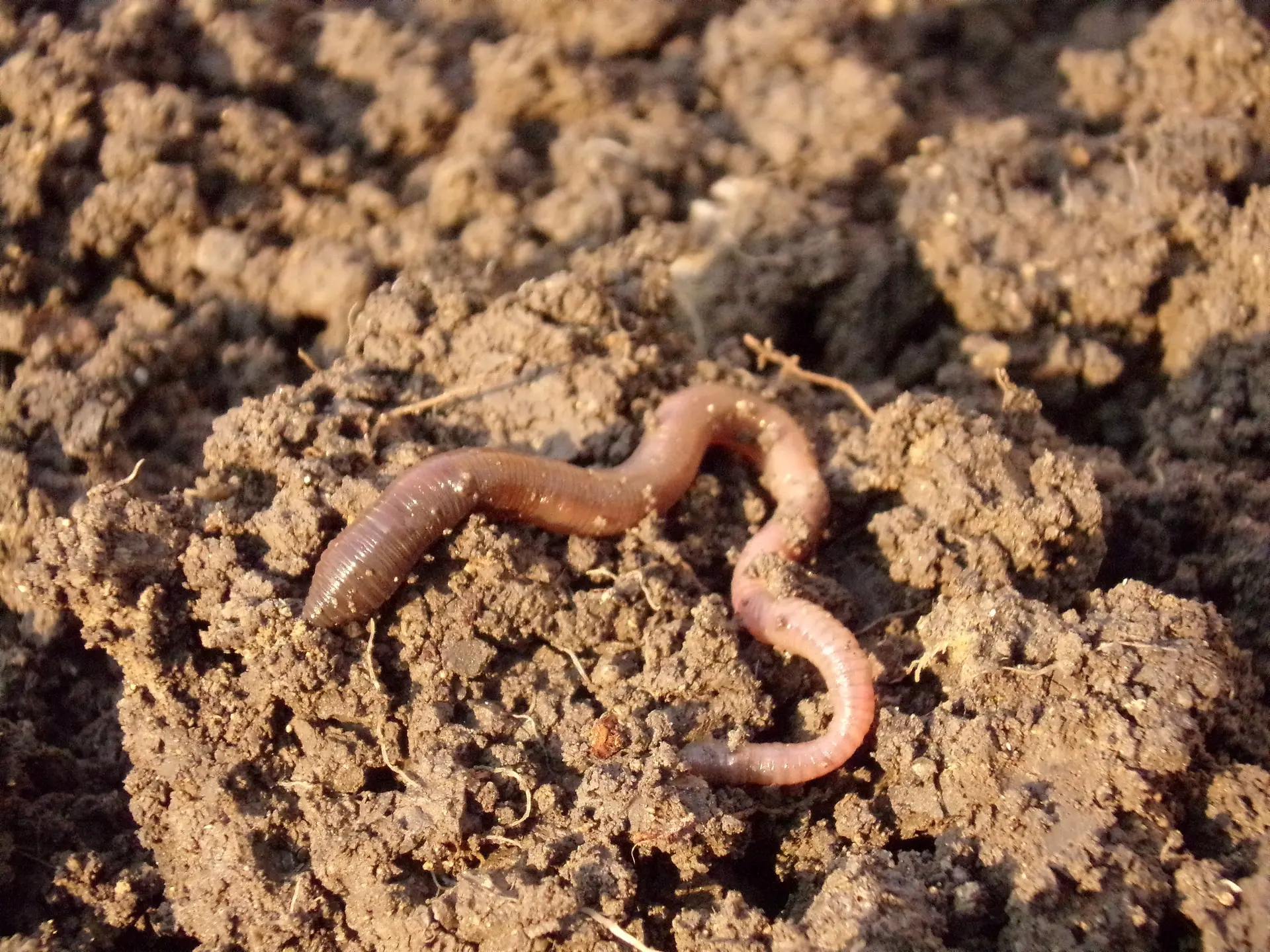
Growing from Seed
Pears are generally not grown by seed by the home gardener. Pear trees can be purchased at many nurseries.
Planting Considerations
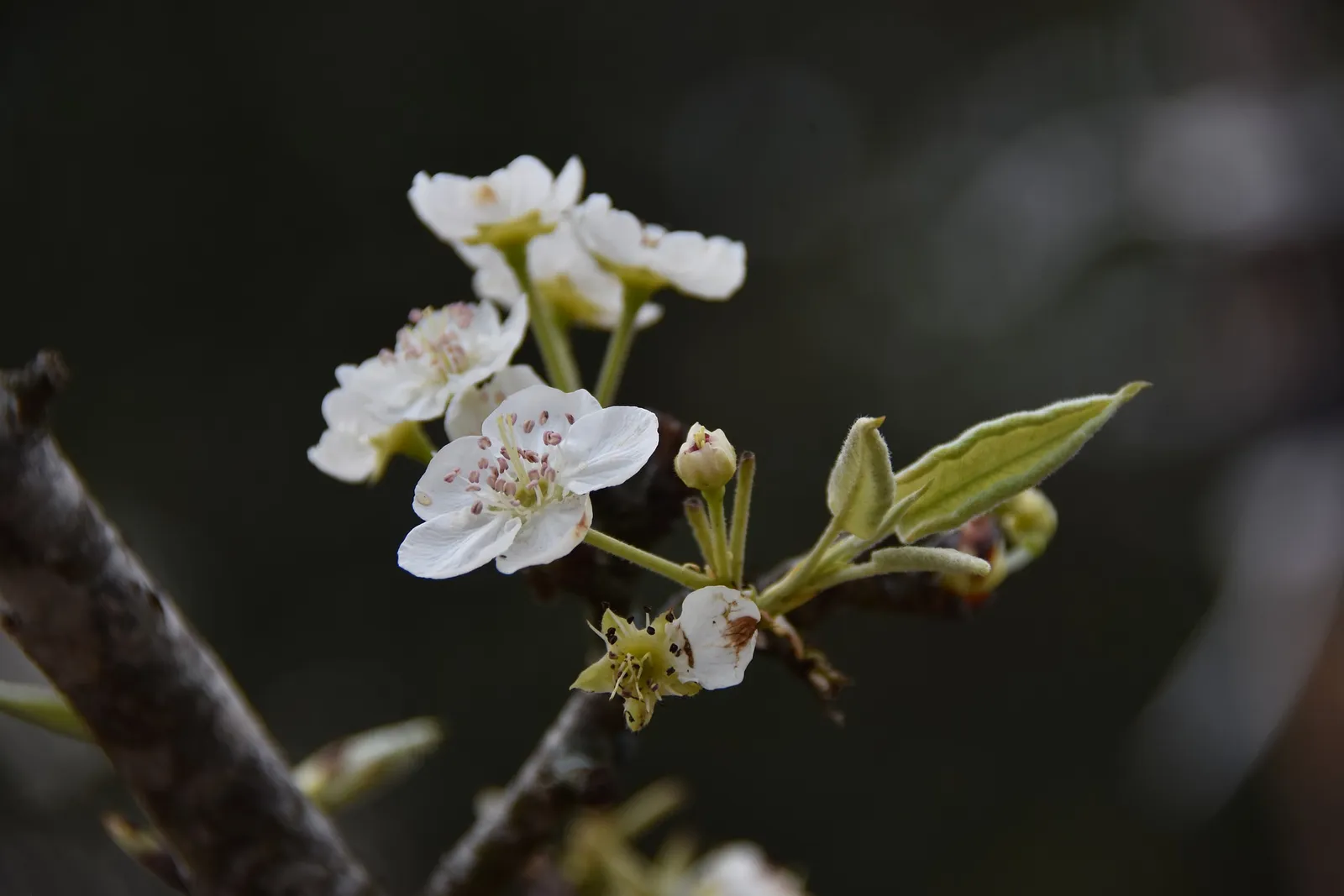
Pears do not self pollinate; you will need to plant at least two pear trees for successful pollination and fruiting. Pear trees require well-drained soil. To plant your pear tree, dig a hole slightly deeper and wider than the spread of the tree’s roots. While planting, gently spread the roots away from the trunk, but don’t bend them.
Feeding
Apply a small amount of ammonium nitrate fertilizer early in the year. Too much fertilizer will cause excess foliage growth and small fruit.
Harvesting
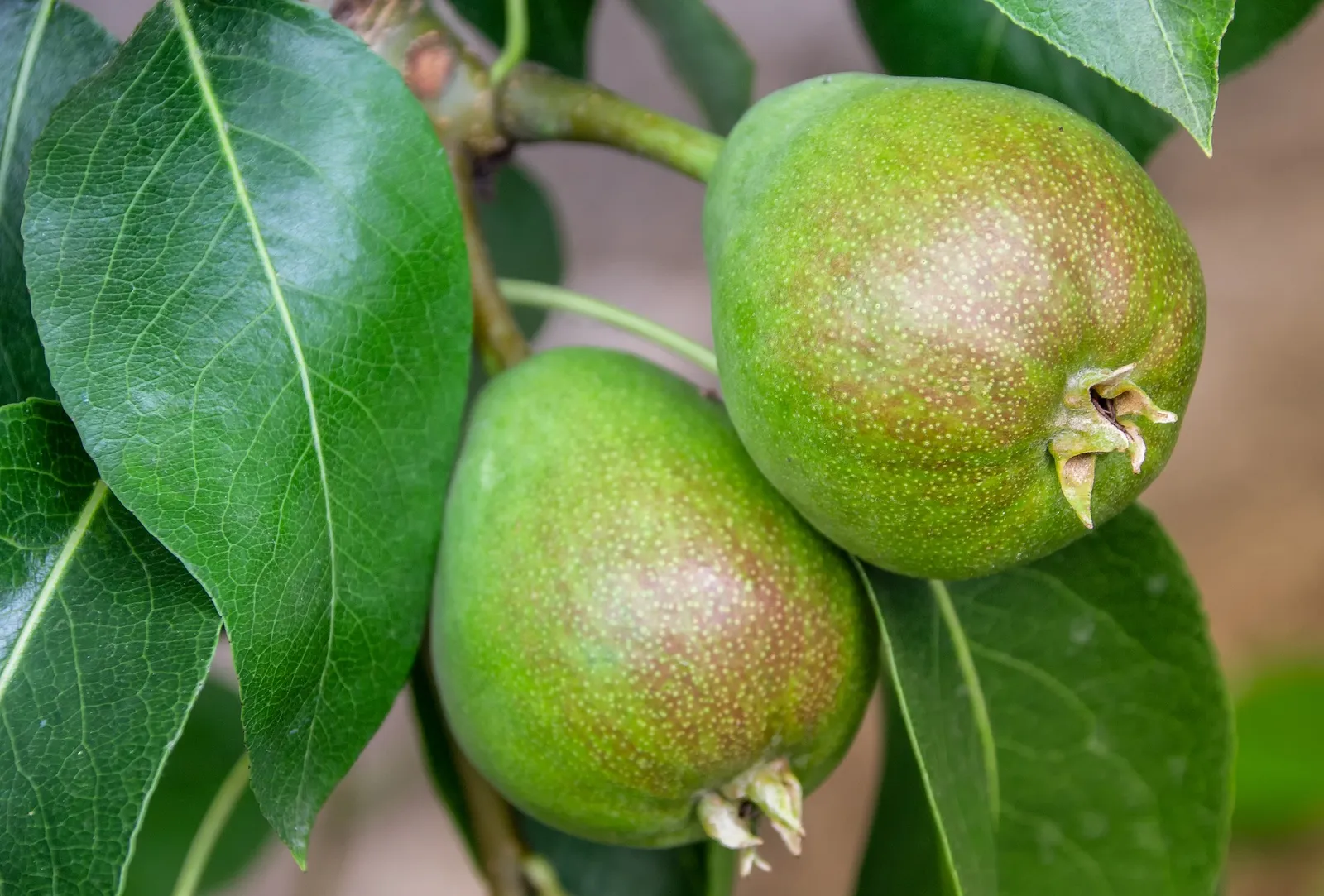
Pick pears when they are mature but hard. Let the pears ripen at room temperature.
Storage
Freshly picked pears will last for about a week in the refrigerator. They can be stored within containers in a cool, dark place for about a month. Pears can also be canned for extended storage.