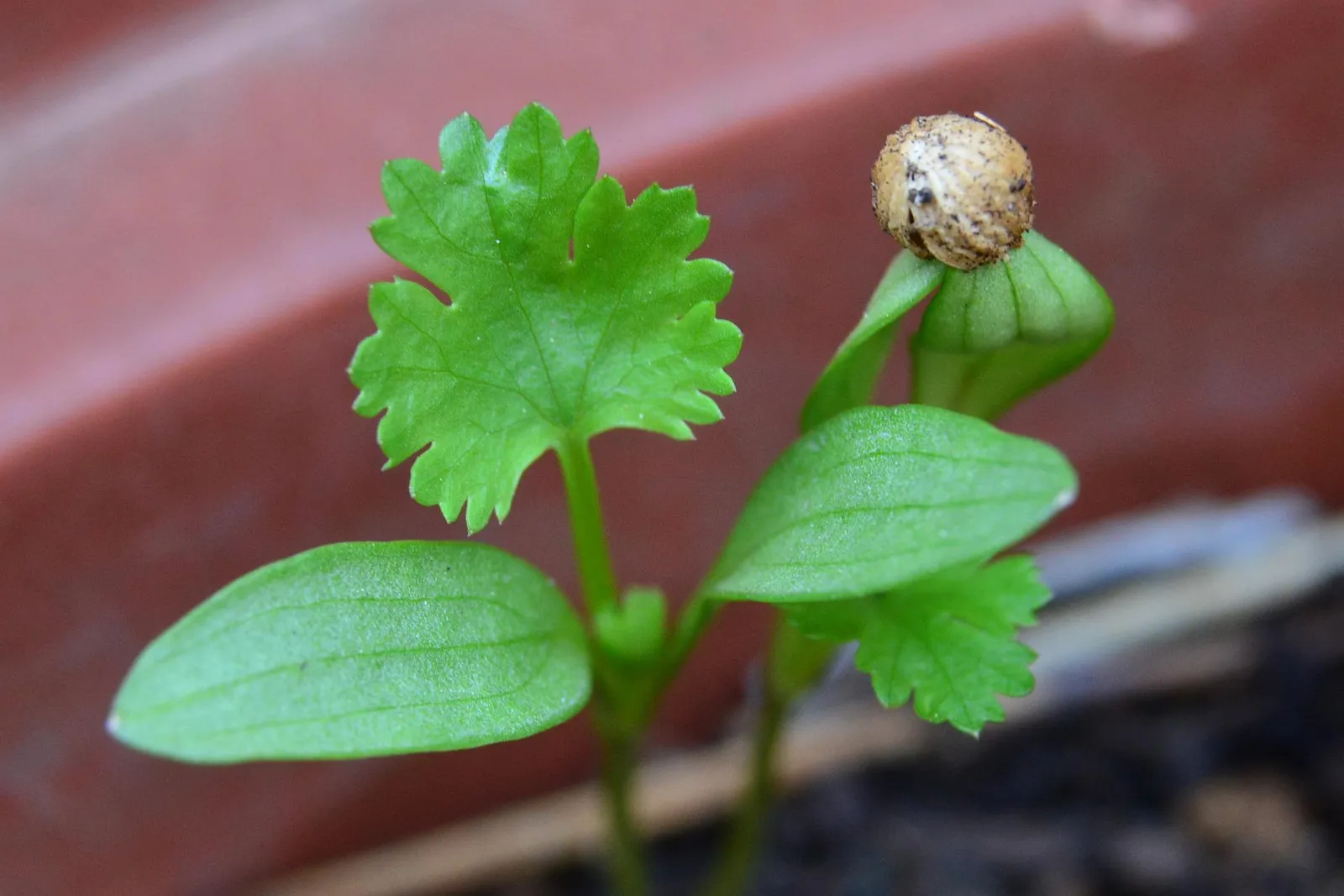
Cilantro
Coriandrum sativum
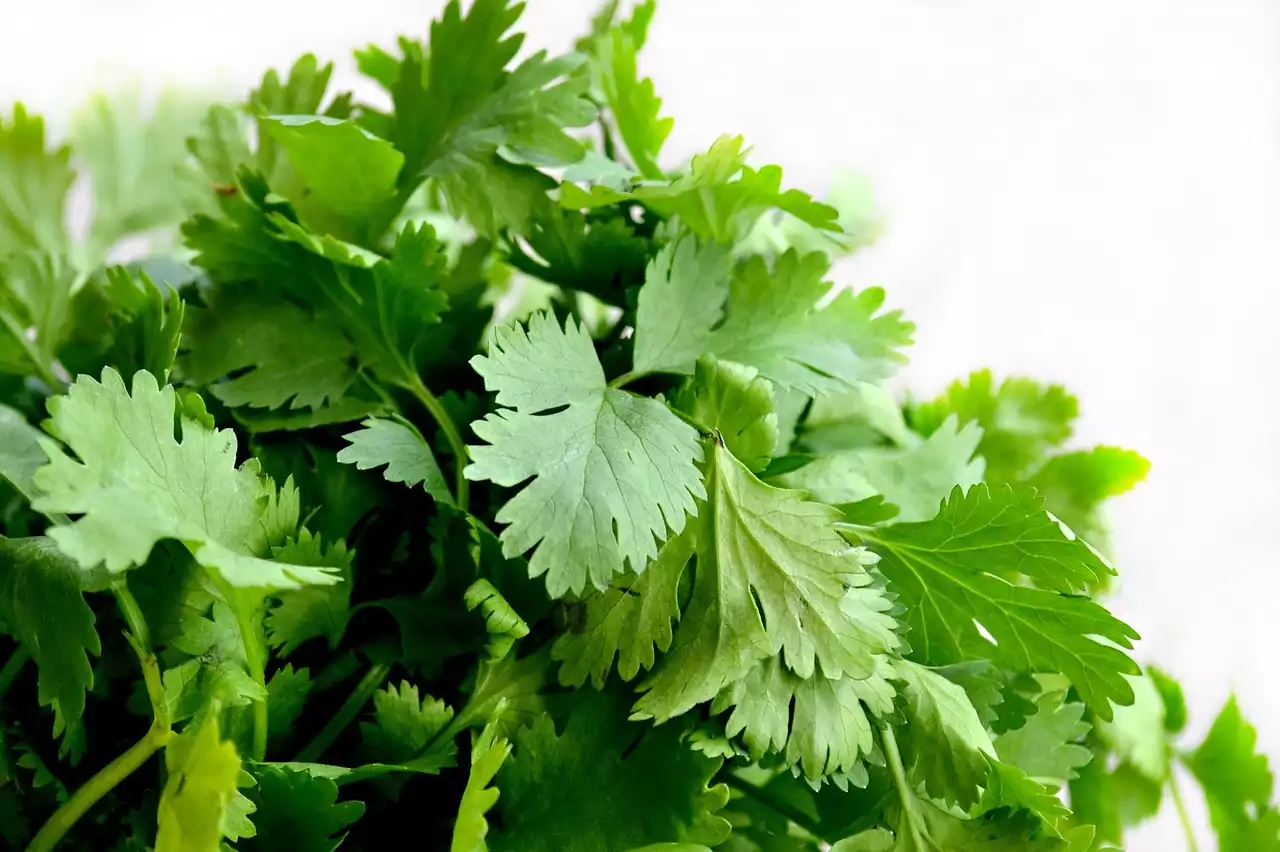
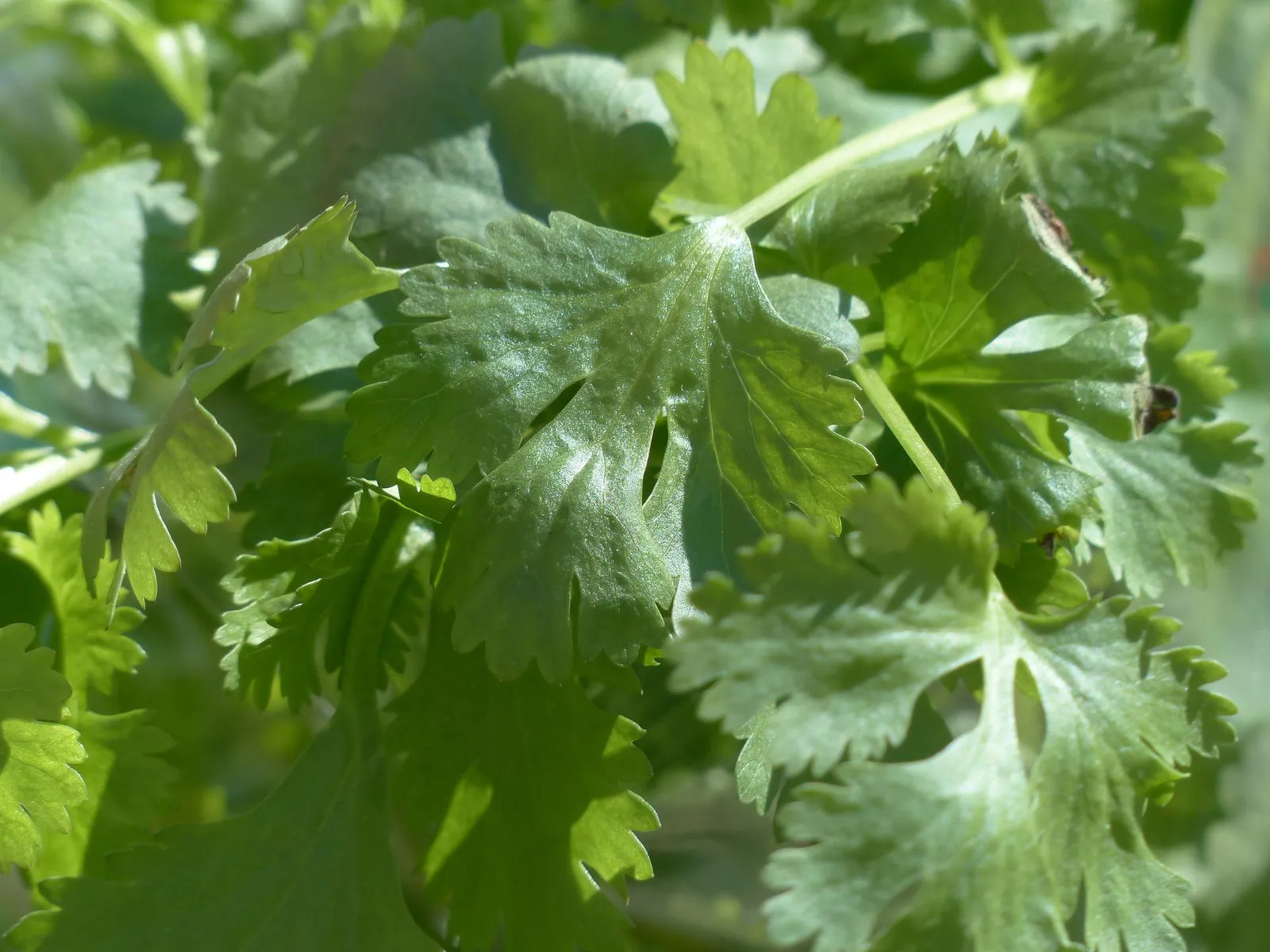
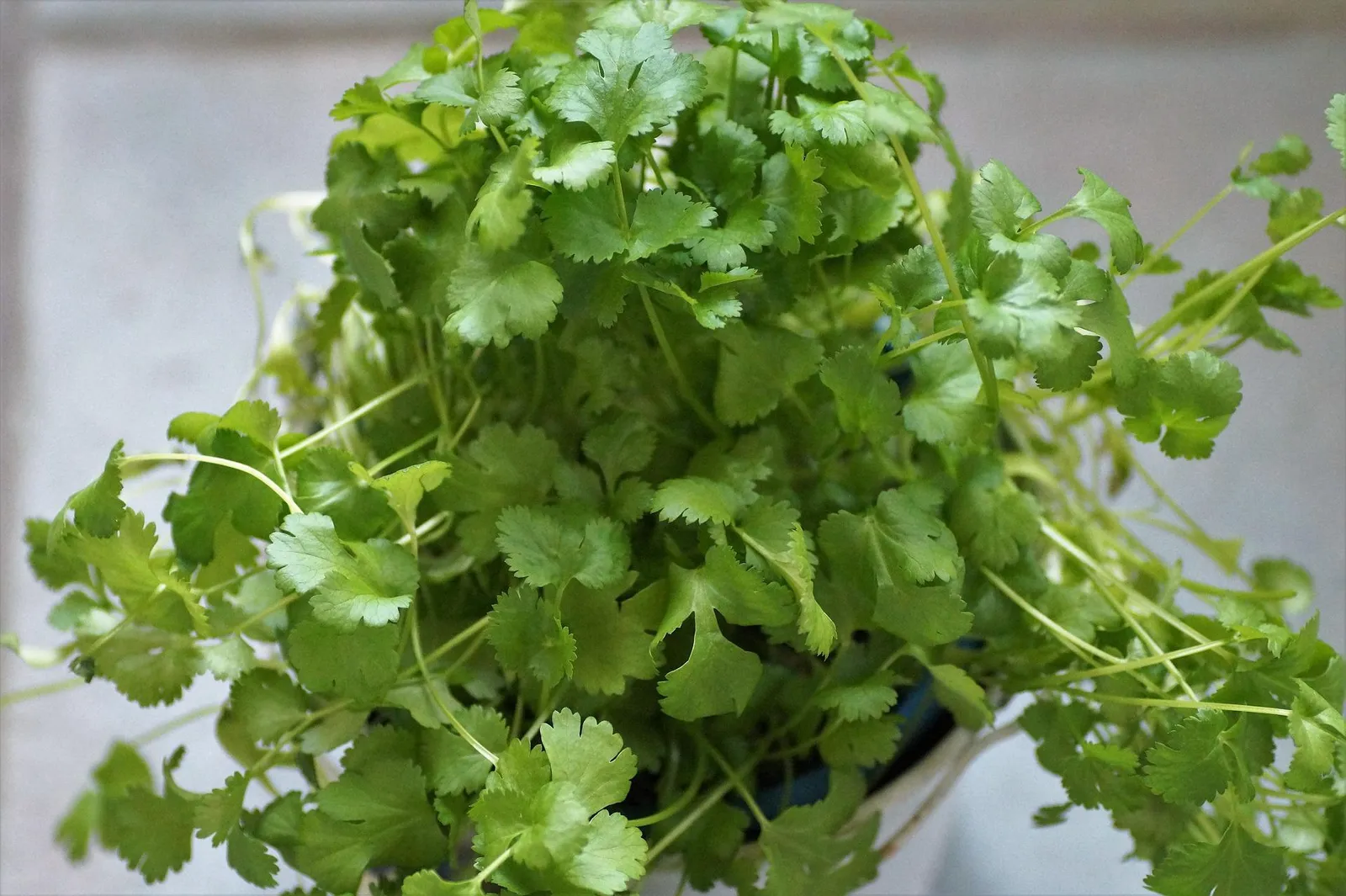
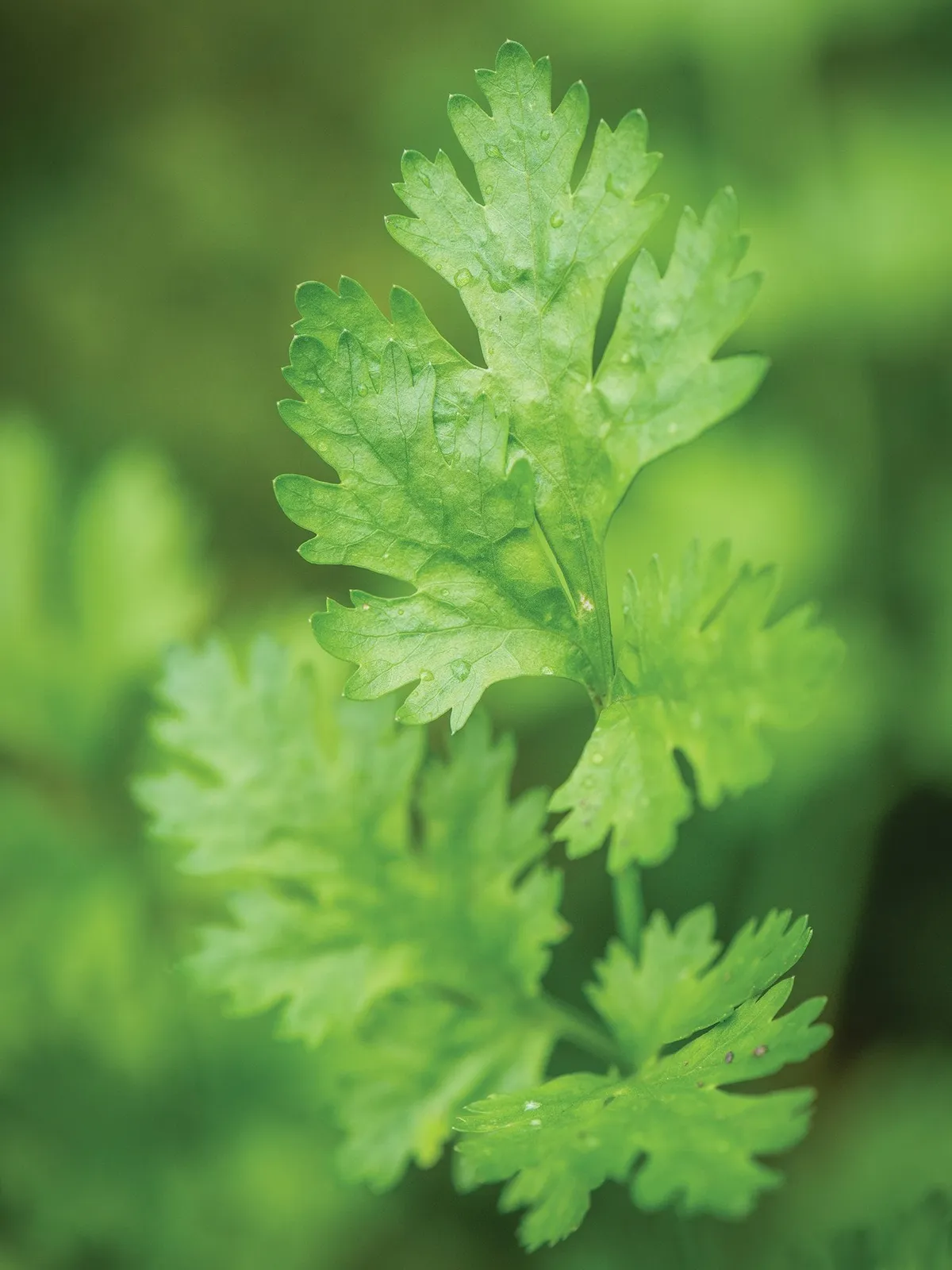
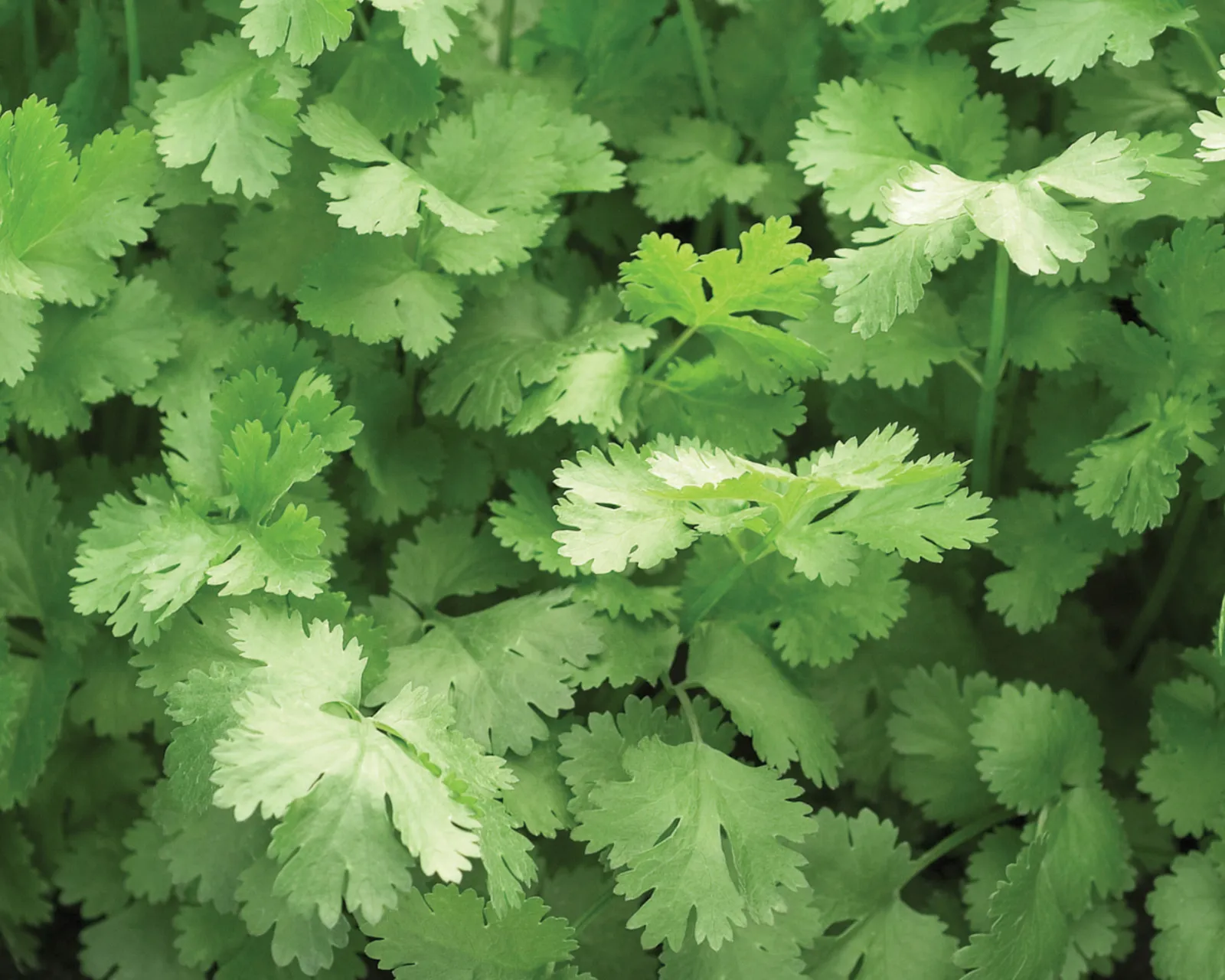
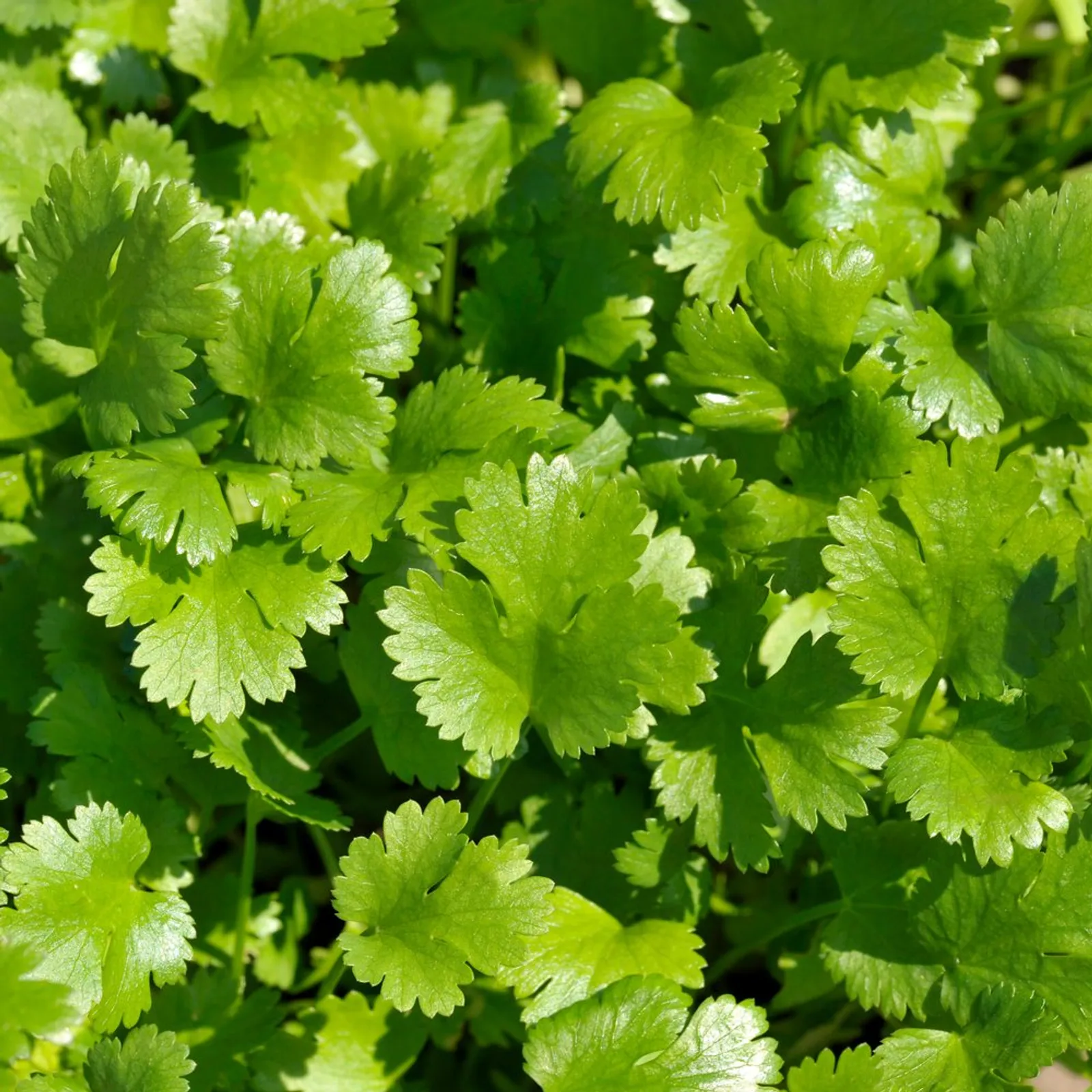
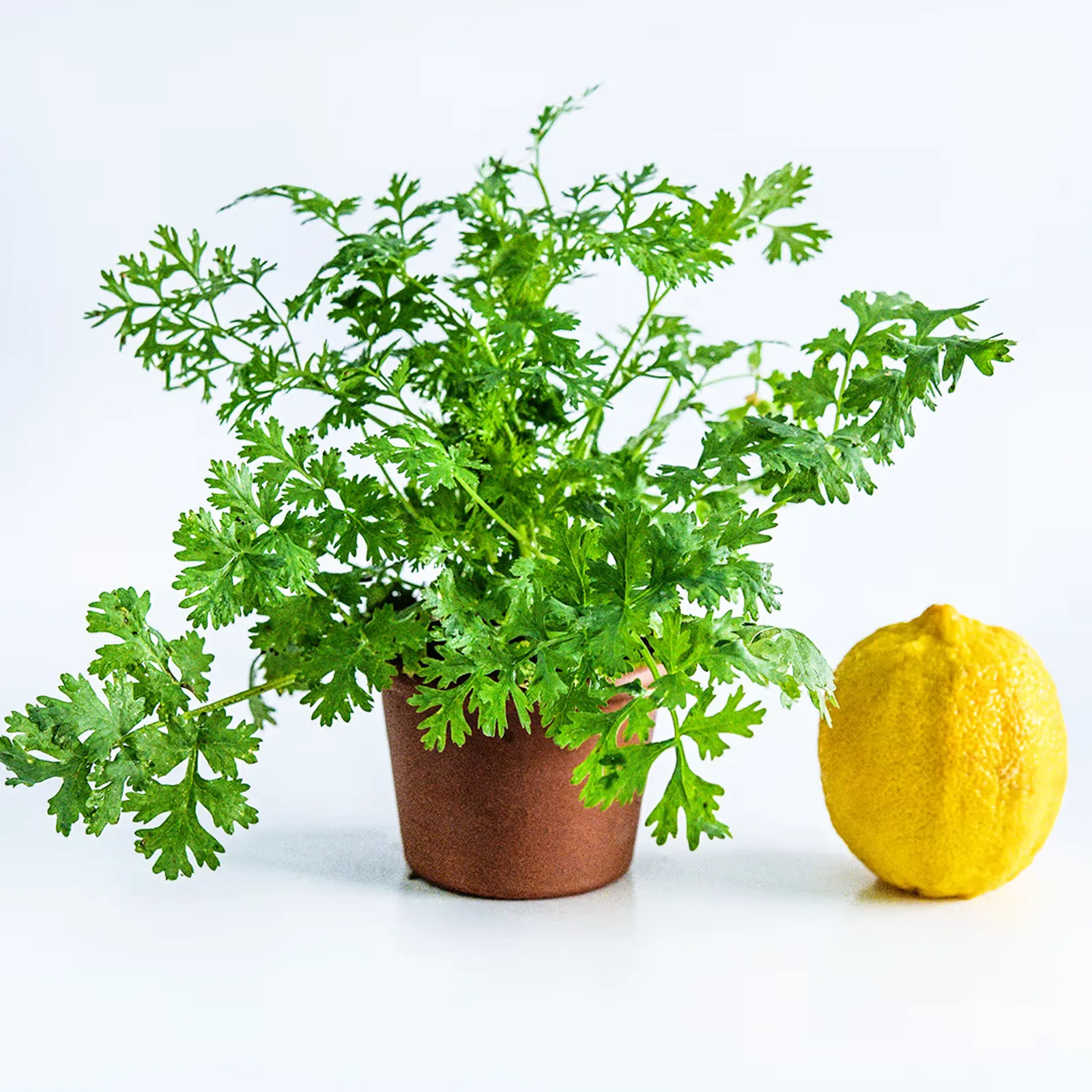
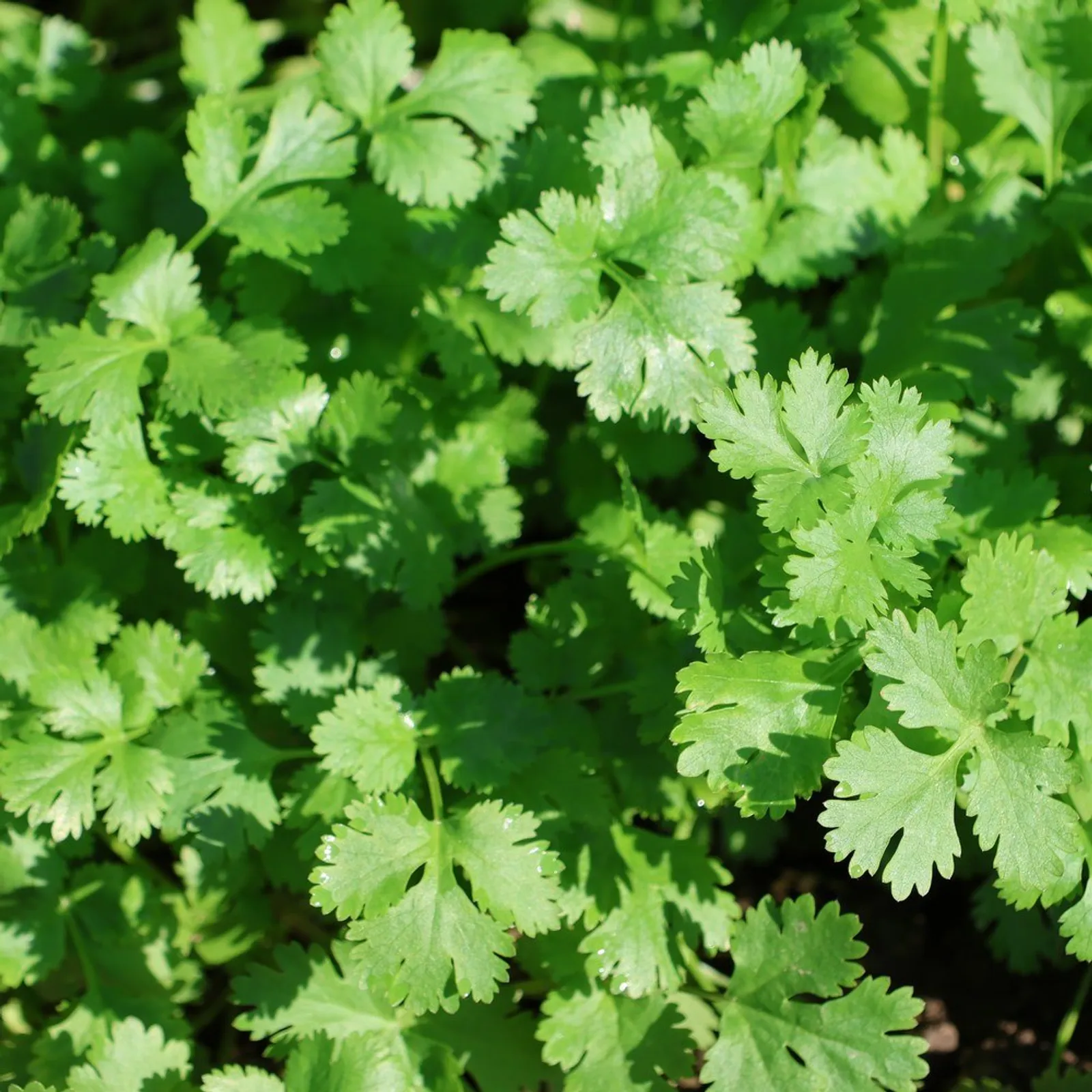
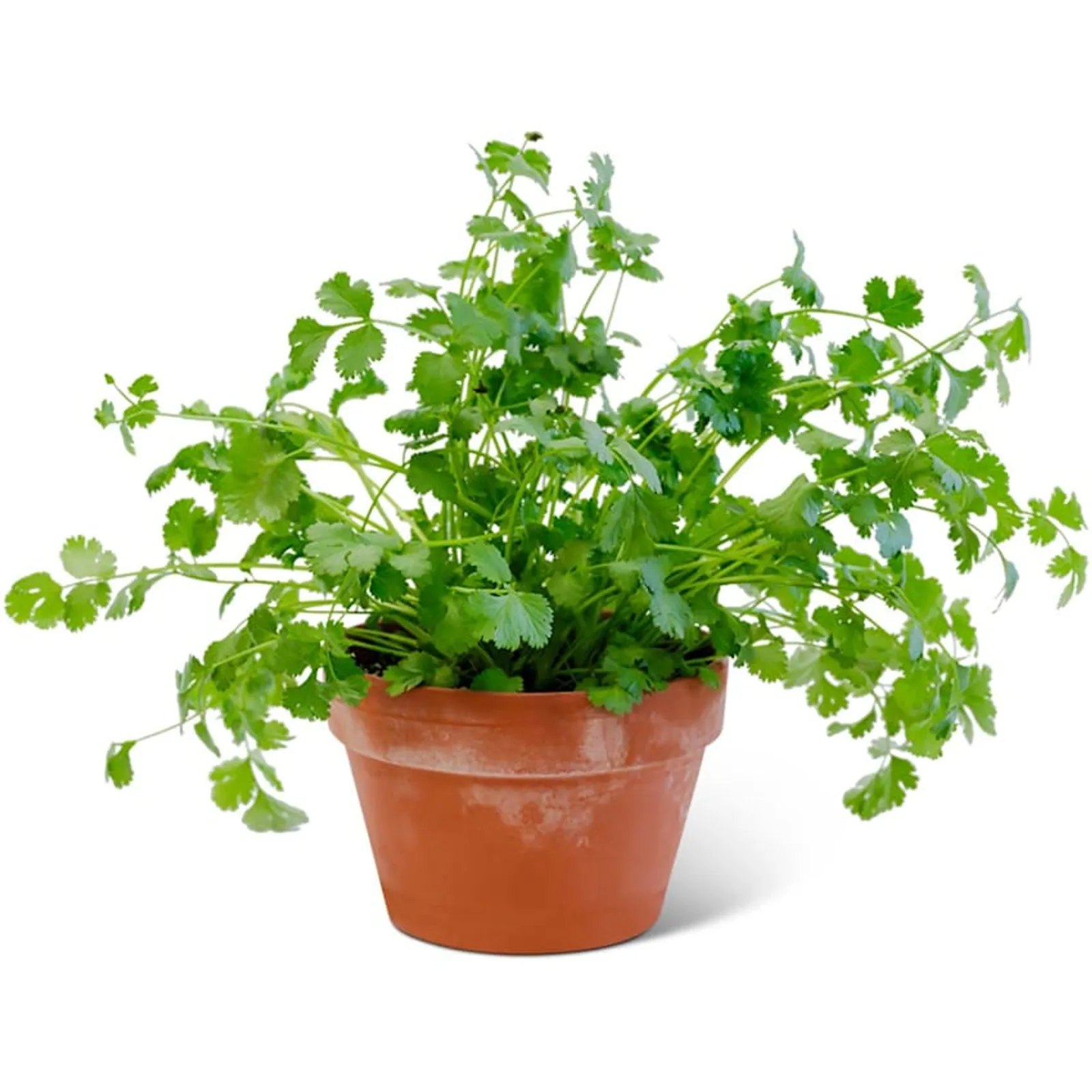
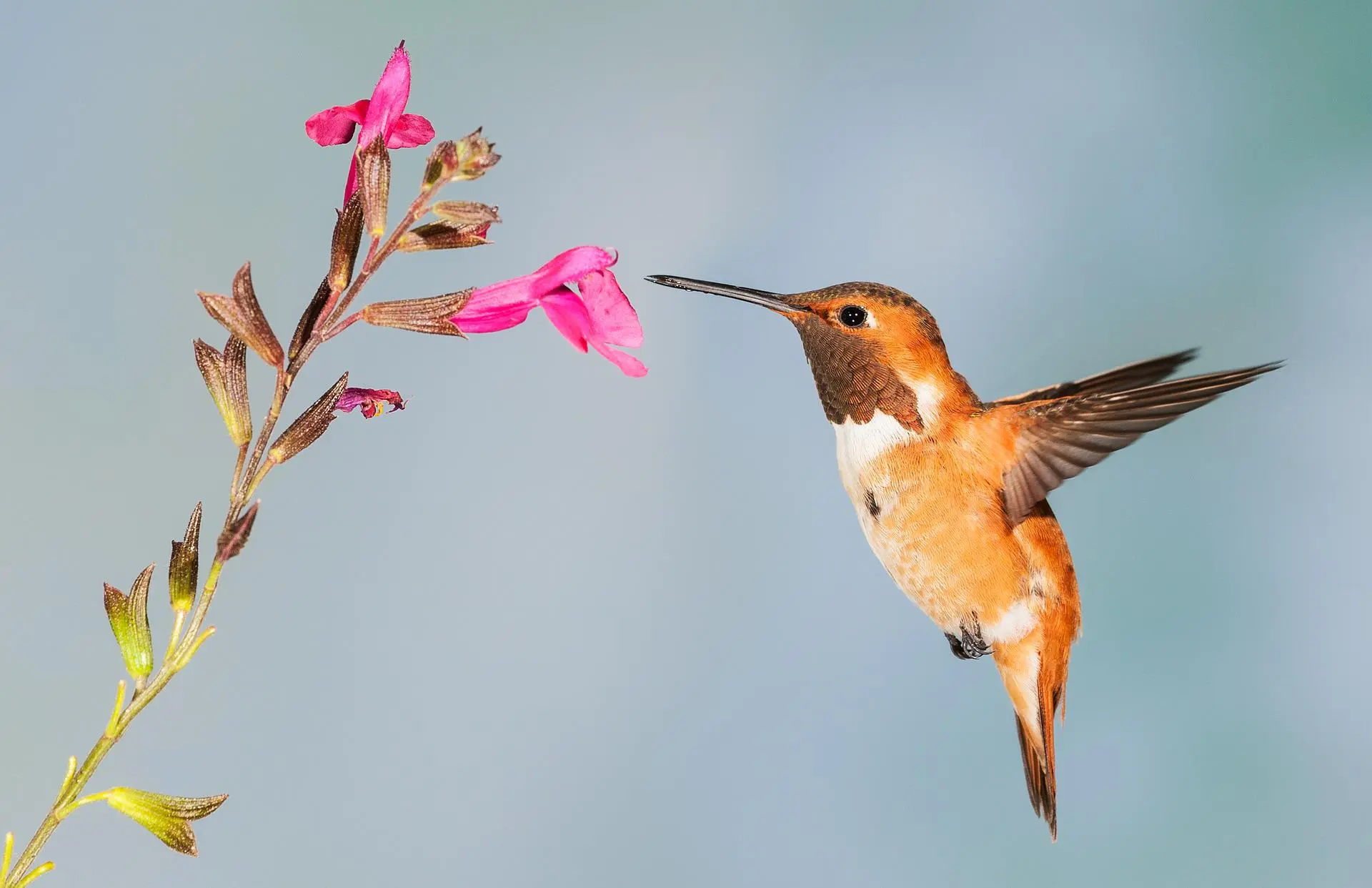
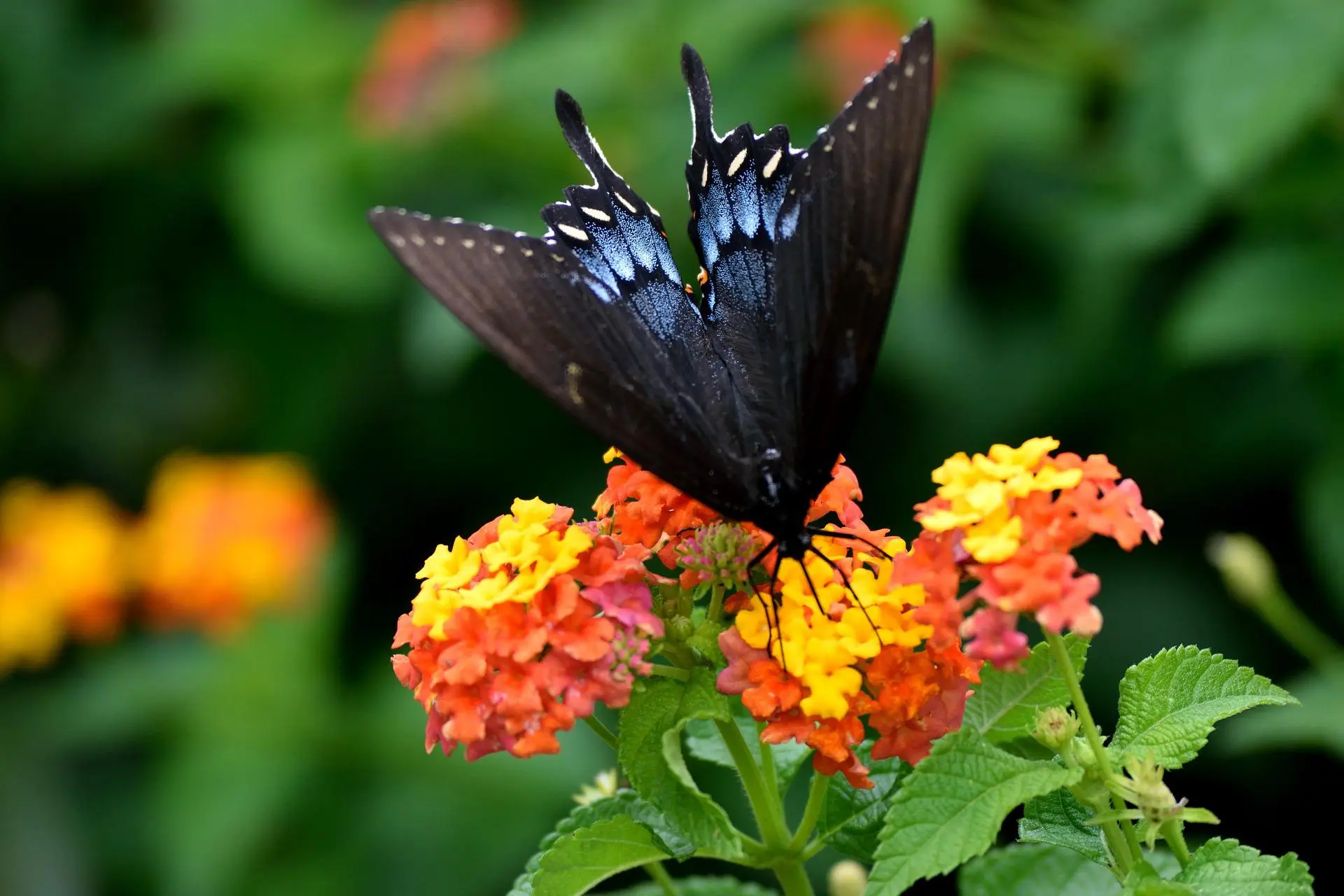
Cilantro, also known as coriander, is a versatile herb that is a mainstay in many cuisines. Often used fresh, cilantro adds a herbaceous, slightly citrusy flavor when added to salsas or used as a topping on tacos, soups, and other dishes. For some people cilantro tastes soapy- so it does not appeal to everyone! Cilantro is often grown for its leaves and stems although the whole plant is edible and the roots are commonly used in some parts of the world. Although cilantro is used in foods from hotter regions, it is technically a cool-season crop and tends to go to seed very easily especially with long, hot days. Rather than fight this the best way to have a continuous supply is to plant cilantro regularly throughout the growing season. If cilantro is left to flower it is highly attractive to pollinators, and its seeds (coriander seeds) can also be used in cooking…or left to grow into new cilantro plants!
How to Grow Cilantro
Quick Info


Put away the pen and paper
Plan your veggie garden in minutes with Planter's easy drag and drop planner.
Try Planter for Free
Varieties
Related Articles
.jpg)

Companion Plants




Combative Plants


Nutrition
Vitamins




Nutrients



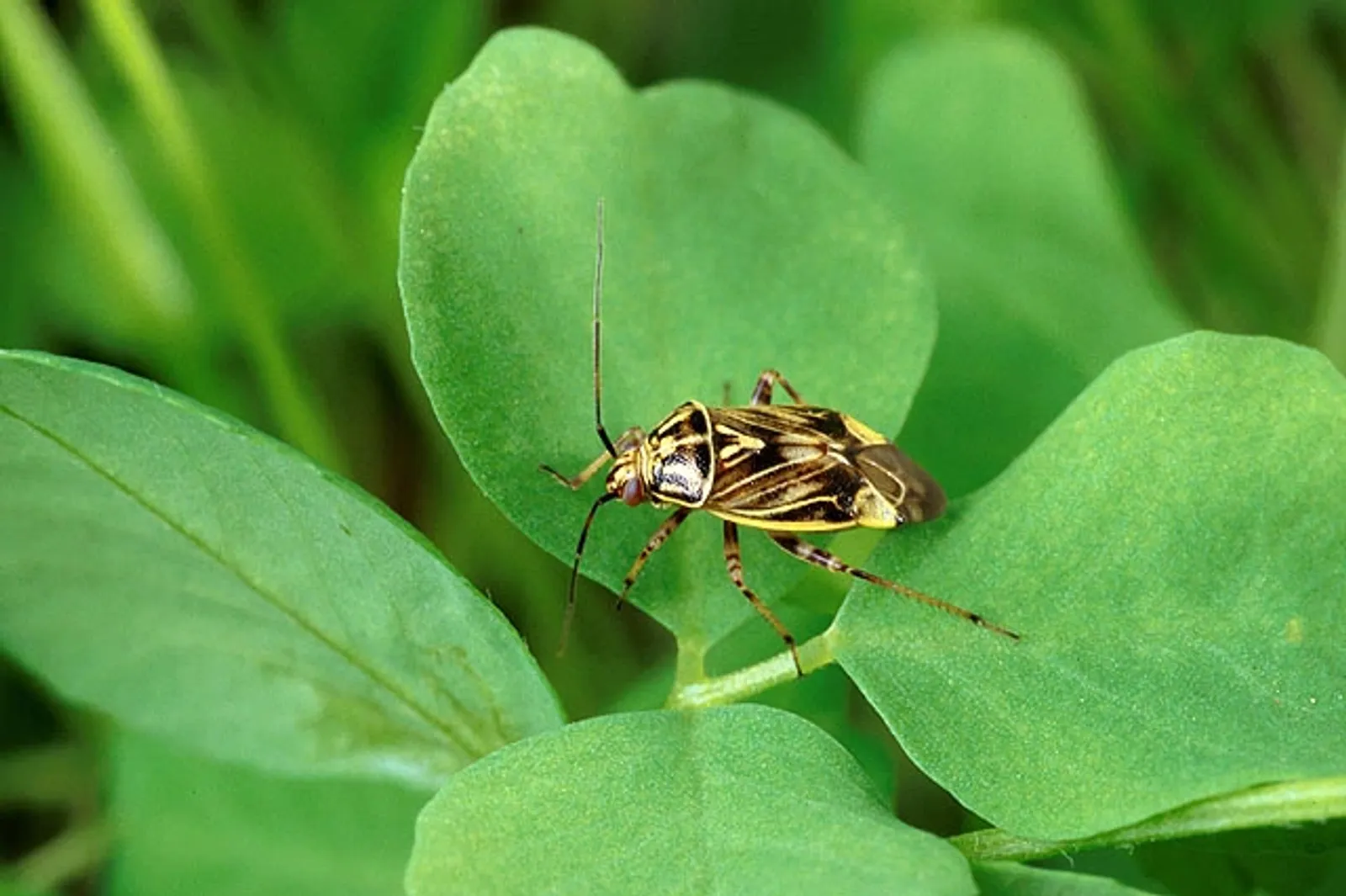
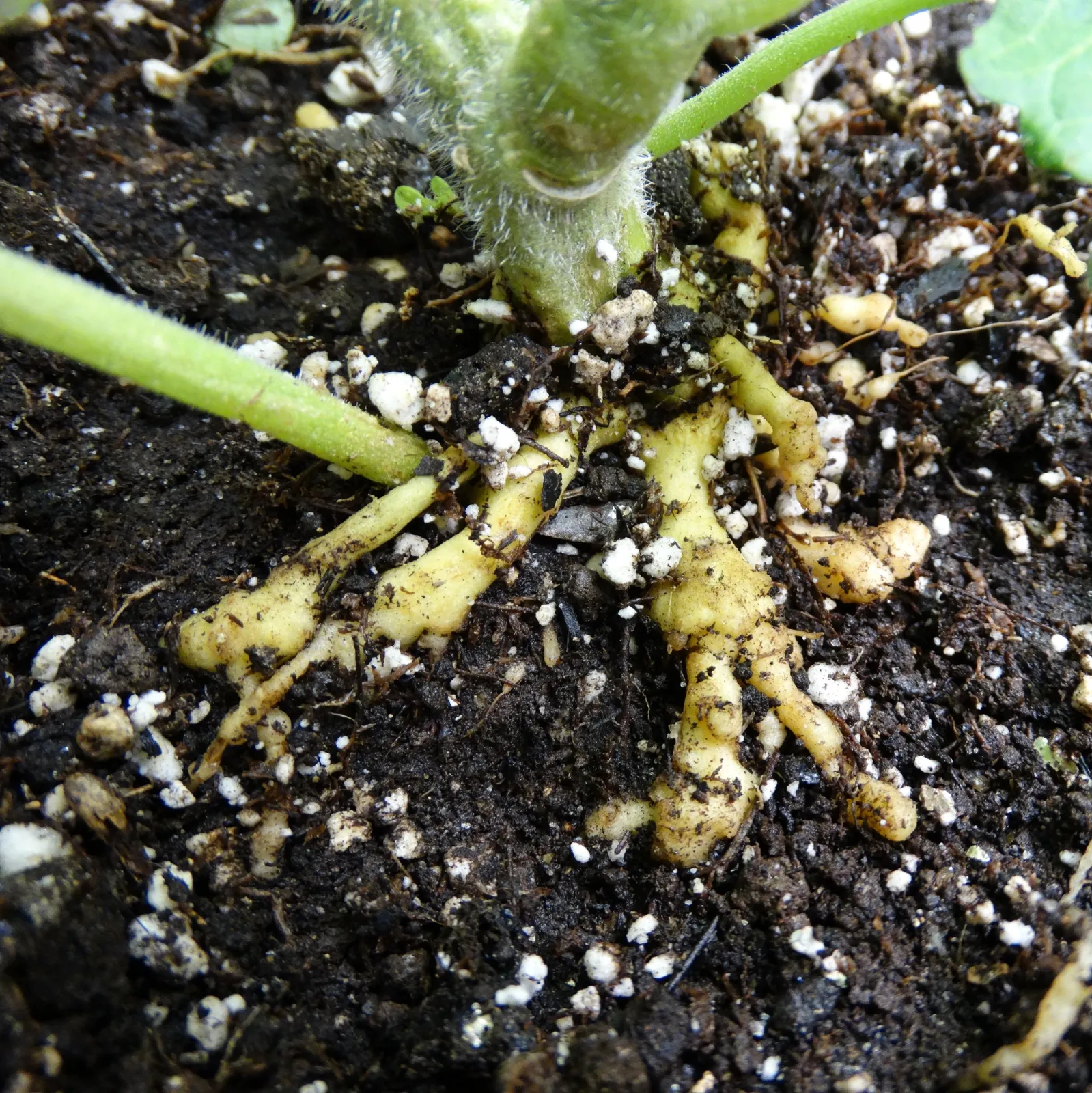
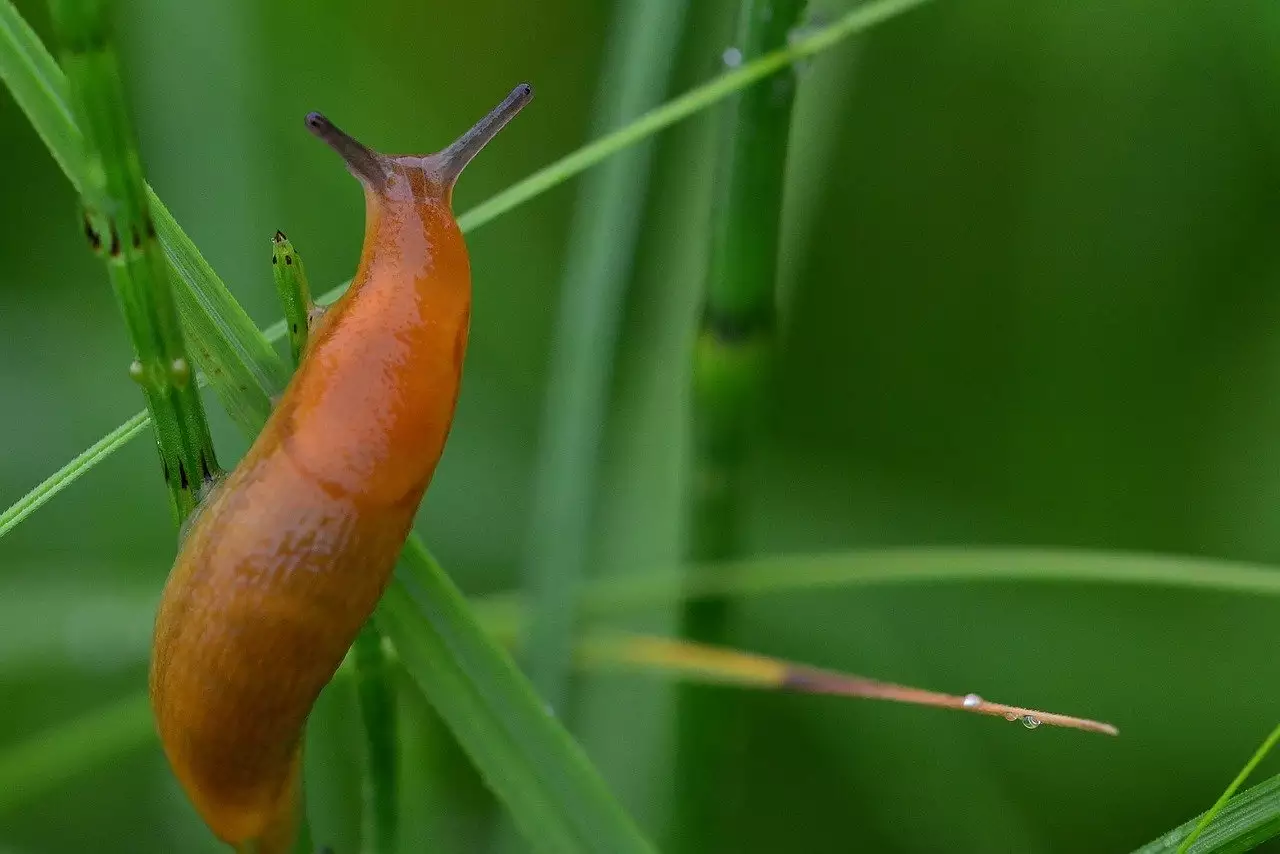
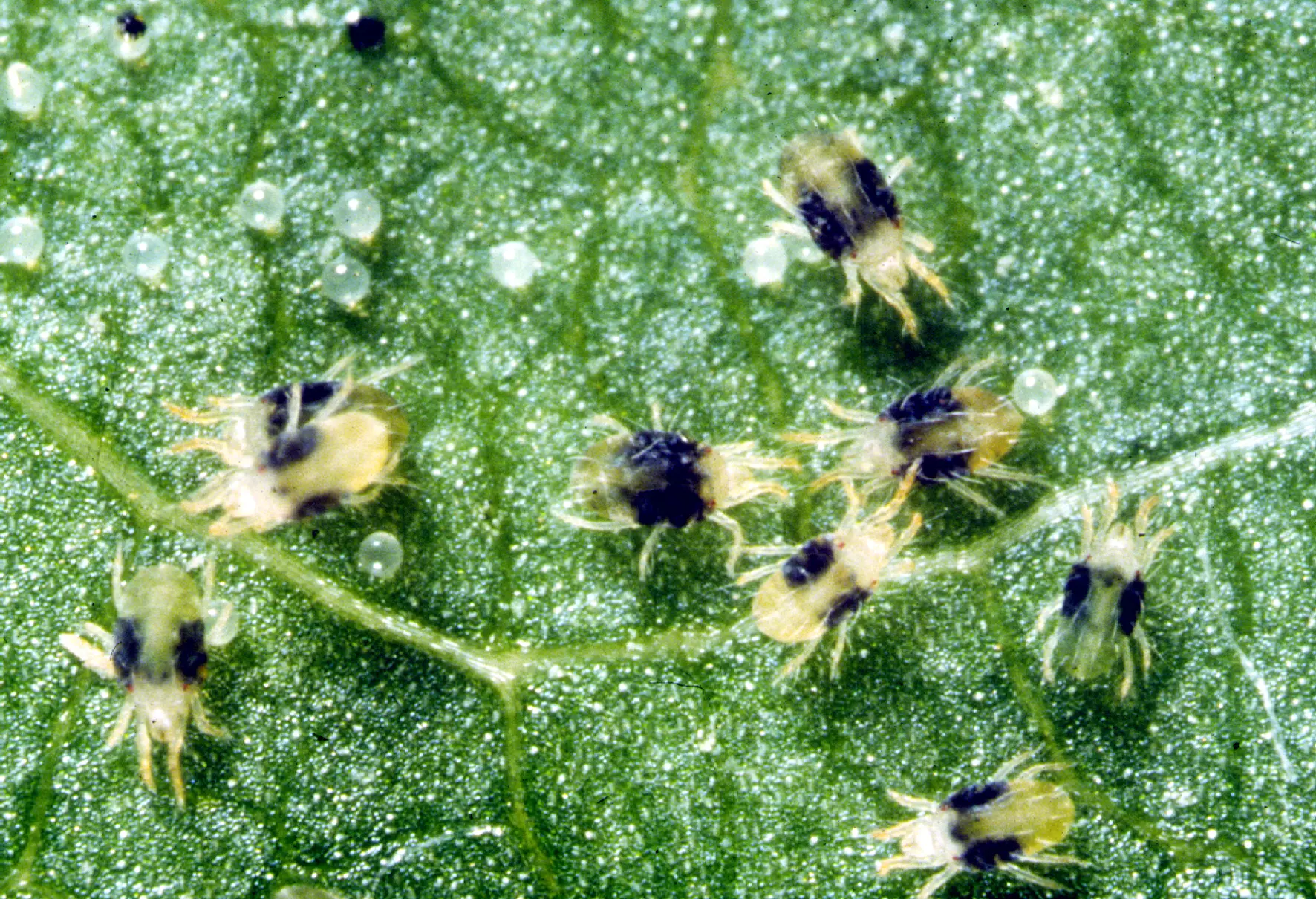
Pests
Diseases
Beneficial Critters
Growing from Seed
It is generally recommended to sow cilantro directly outside as it doesn't like having its roots disturbed; however it is possible to start cilantro indoors and carefully transplant it. Keep the soil (or seed starting mix) consistently moist. If growing indoors provide supplemental light as soon as the seeds germinate. Cilantro seeds can each potentially produce two plants. It is not strictly necessary to thin them out.
Planting Considerations
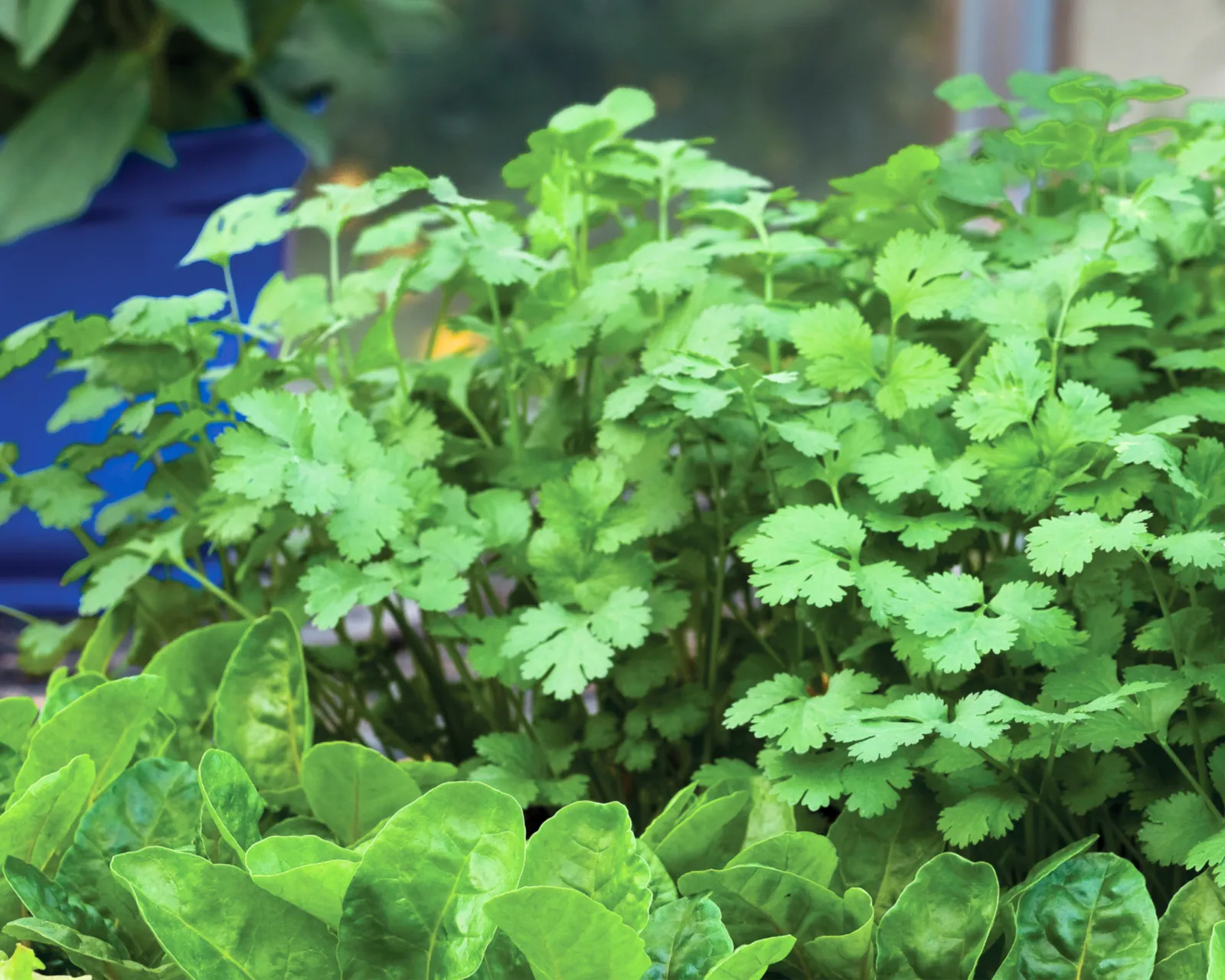
Cilantro prefers fertile, well-draining soil that retains moisture but does not become waterlogged. Add compost at the time of planting. Since cilantro is prone to bolting, plant cilantro every few weeks for a continuous supply of cilantro leaves throughout the season. Apply mulch around the plants to manage weeds and to help retain moisture. Cilantro can be grown in containers. Choose a container that holds at least 1 gallon (3.8L). Once the plant flowers the leaves will not be as flavorful. Cilantro that is left to flower can help to attract pollinators and other beneficial insects. Keep in mind that it can take 100 days or more to get harvestable coriander seed and plan your garden space accordingly. If seed heads are left on the plant cilantro will readily self-seed new cilantro plants.
Feeding
Apply compost and a well-balanced fertilizer at the time of planting. Over-fertilization can negatively impact the flavor of cilantro.
Harvesting
Cilantro is ready to harvest once the leaves and their stems are at least 6" (15 cm) tall. To harvest cilantro use clean scissors or snips to cut off the outermost leaves, cutting the stems as closely as possible to the base of the plant. Cilantro can also be harvested by cutting the plant horizontally about 2" (5 cm) above the soil line (leaving the inner leaves intact). Regular harvesting ensures the best quality leaves and can help to keep the plant productive. Pulling the entire cilantro plant with the roots can help extend its shelf life (and the roots can be used in recipes) if you're not looking to get repeated harvests.
If possible, avoid harvesting cilantro during the hottest parts of the day to help keep it from wilting (or bring it inside quickly).
Coriander seeds can be harvested while still green for fresh use. For dried coriander seed harvest once the seed heads begin to turn brown and dry out. Cut off entire seed heads then leave them to dry in a paper bag or on a paper towel-lined tray in a well-ventilated area. Once the seed heads are completely dry shake them and/or gently pull off clusters of seeds then store them in an airtight container. Be absolutely sure the seeds are fully dry before storing otherwise you'll have a moldy mess!
Storage
Cilantro can be stored in the fridge for up to several days. Cilantro can also be washed then frozen either as whole leaves in a freezer-safe bag or chopped and frozen in ice cube trays topped off with water or olive oil. Once frozen, transfer cilantro cubes to an airtight container or freezer-safe bag. Cilantro can be kept frozen for up to several months. Cilantro can be air dried or dehydrated for long-term storage although the leaves lose much of their flavor when dried. Dried cilantro can keep for a year or more. Dried coriander seed can also be kept for a year or more.
Pruning
Remove seed heads if you do not want cilantro to self-seed.