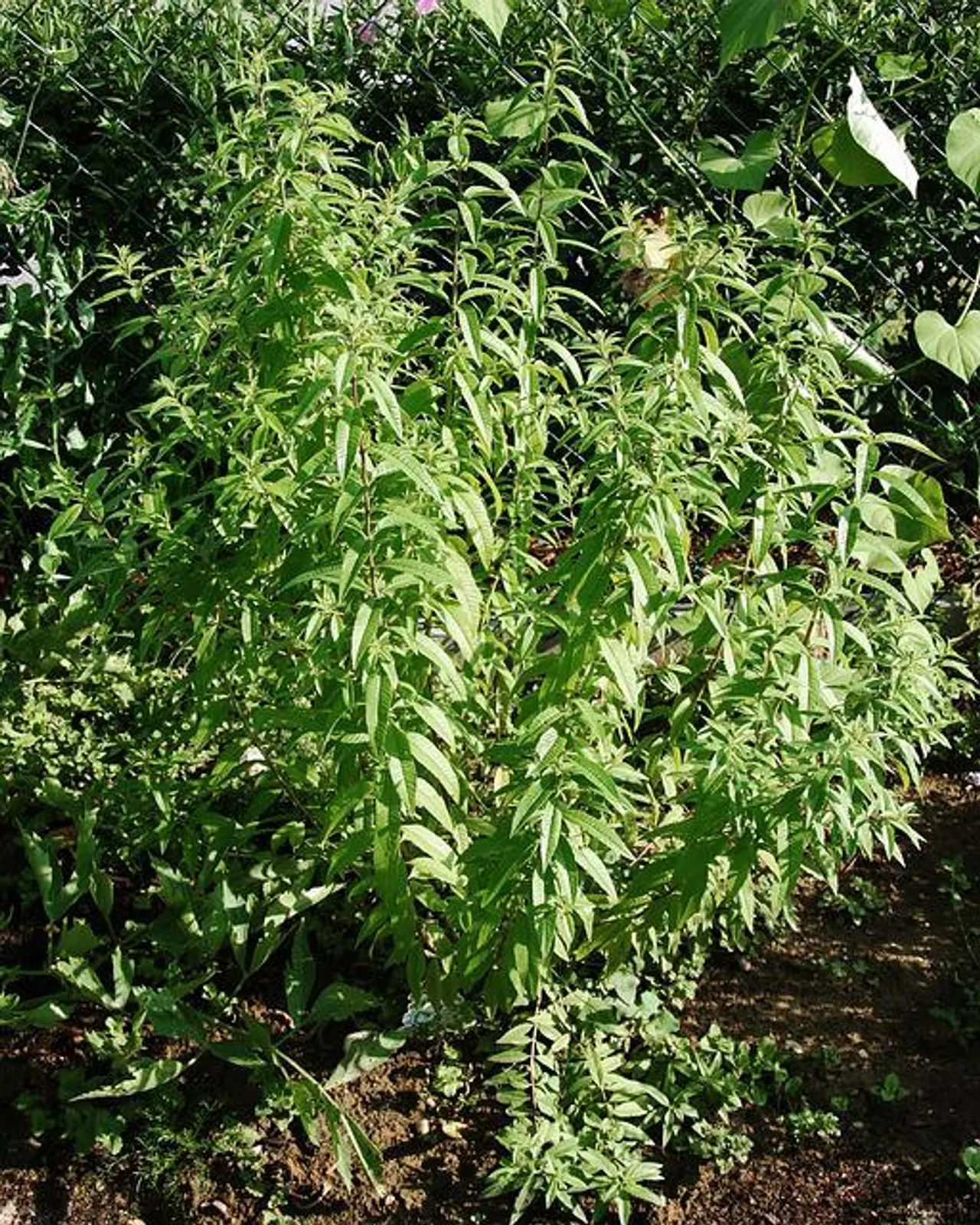
Lemon Verbena
Aloysia citrodora
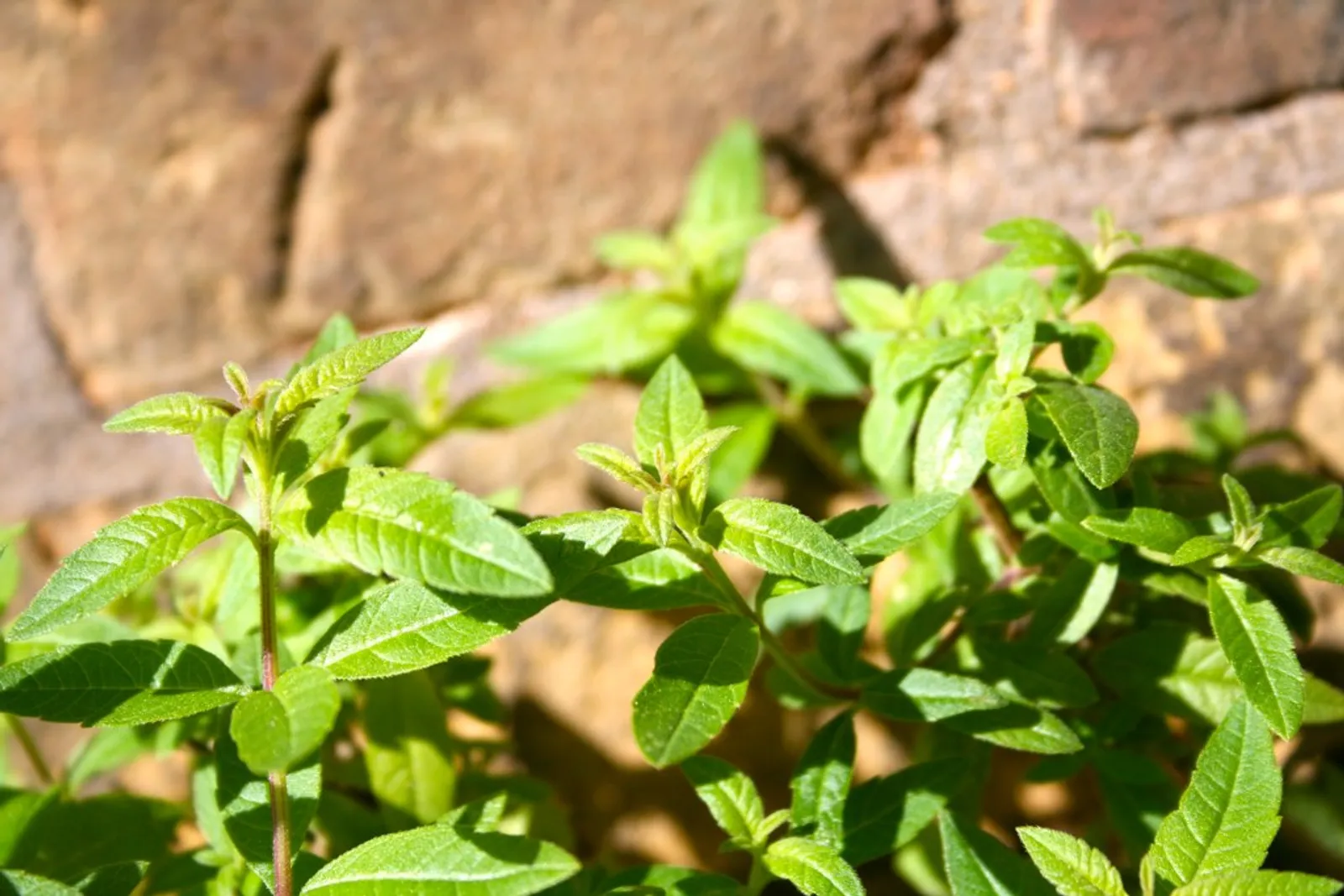
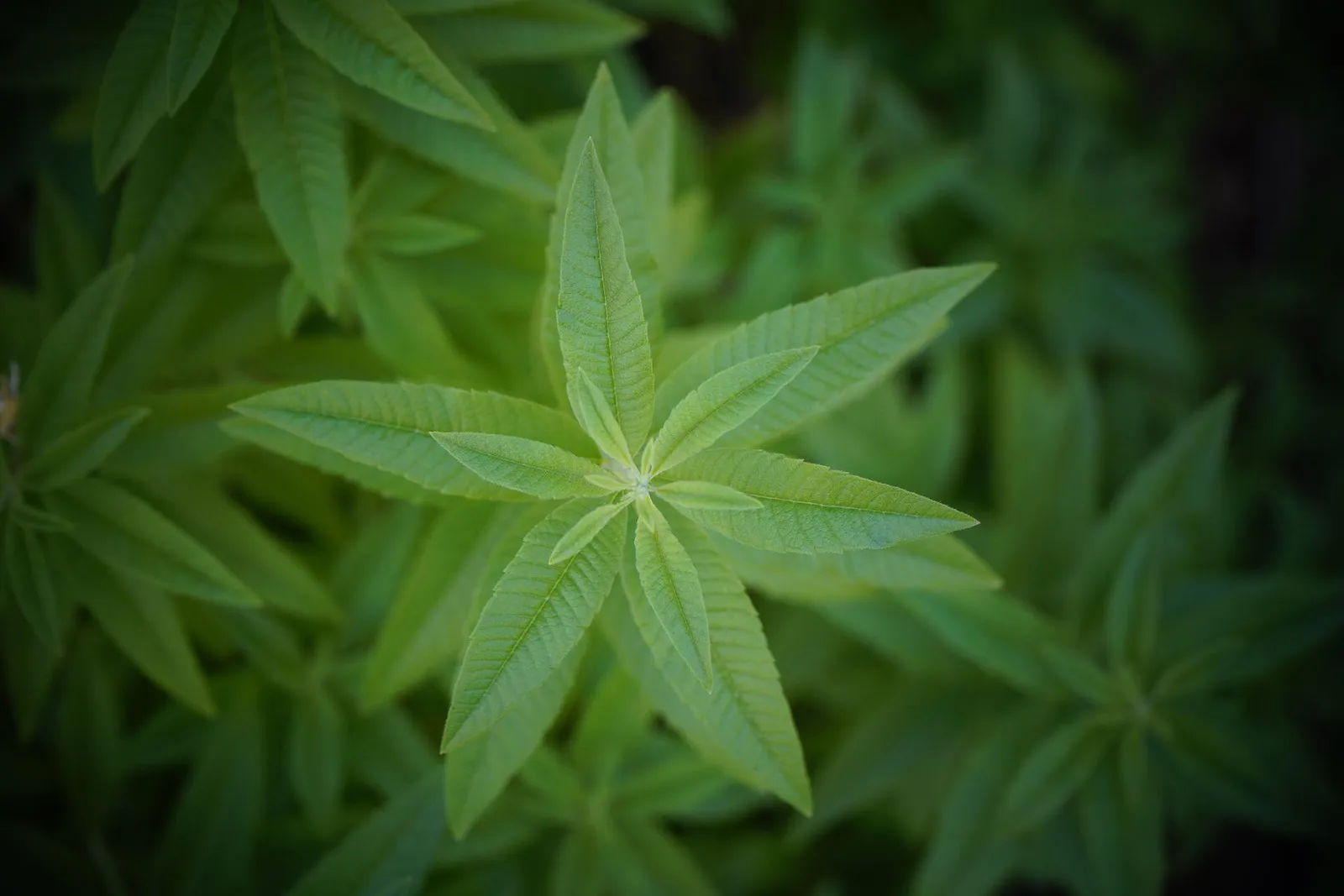
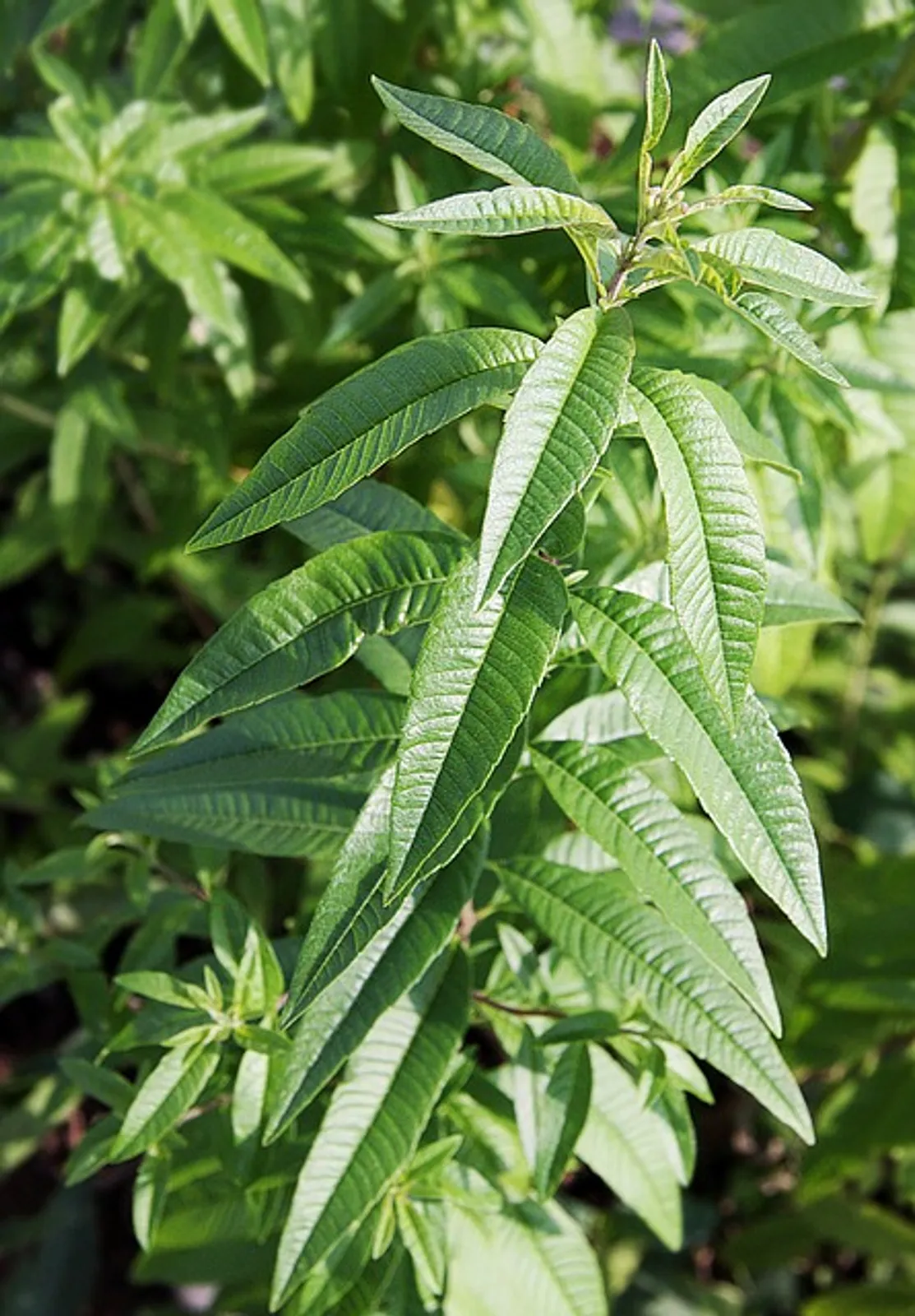
Lemon verbena is an herb known for its strong lemony scent and flavor. For this reason, it is commonly used in teas or to flavor dishes. It is perennial in warmer climates, but grown as an annual elsewhere.
How to Grow Lemon Verbena
Quick Info

Put away the pen and paper
Plan your veggie garden in minutes with Planter's easy drag and drop planner.
Try Planter for Free
Related Articles
Companion Plants




Pests
Beneficial Critters




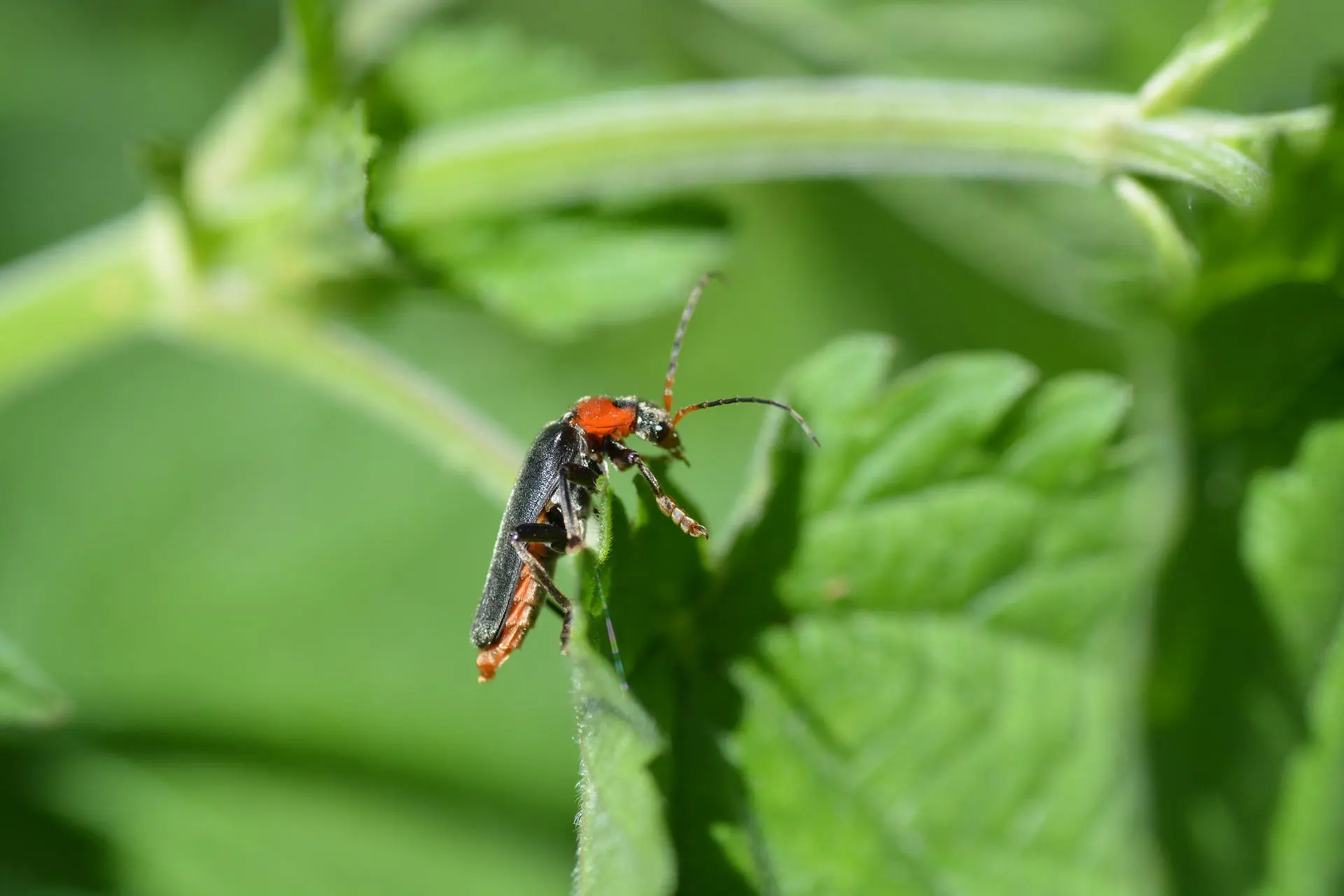
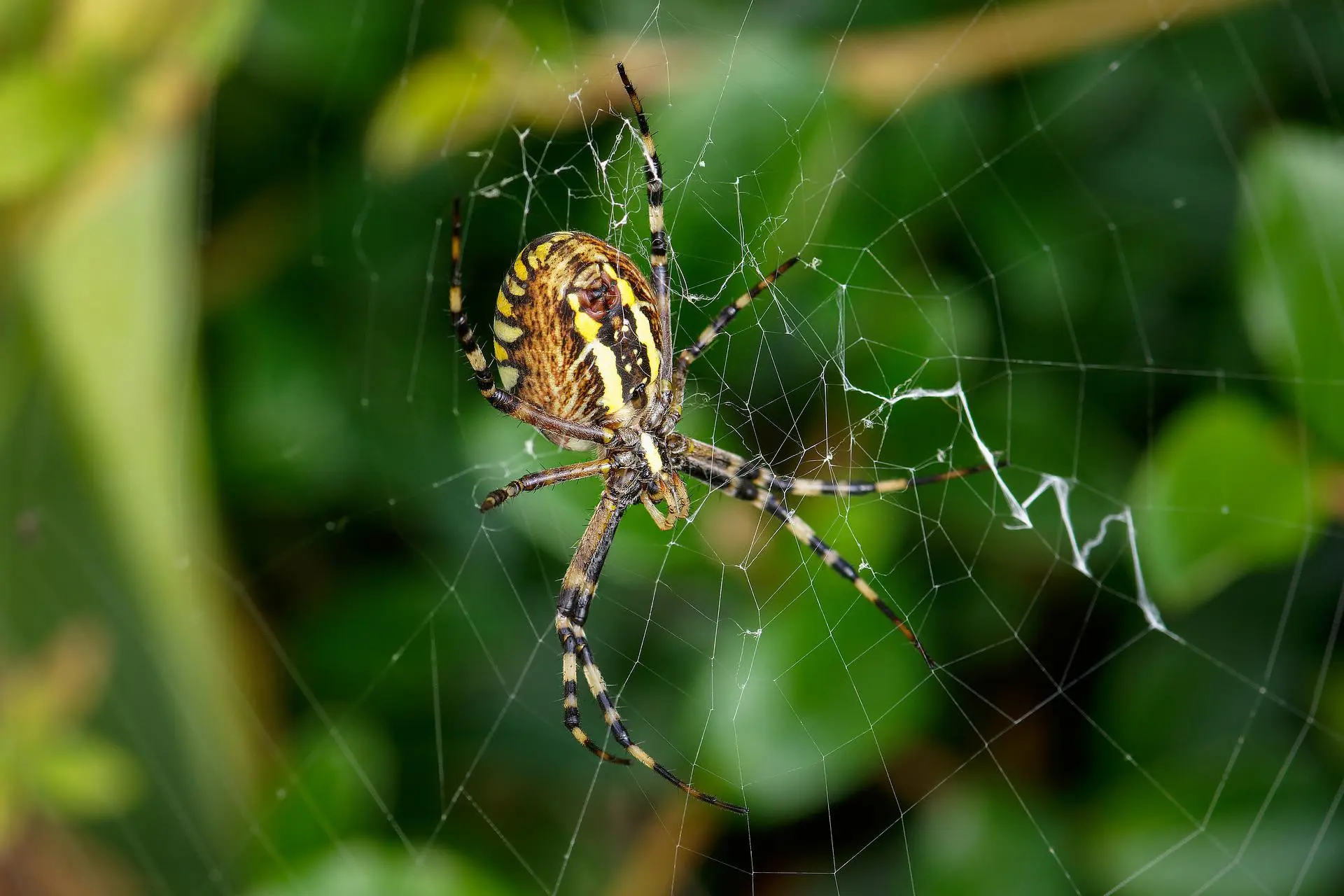
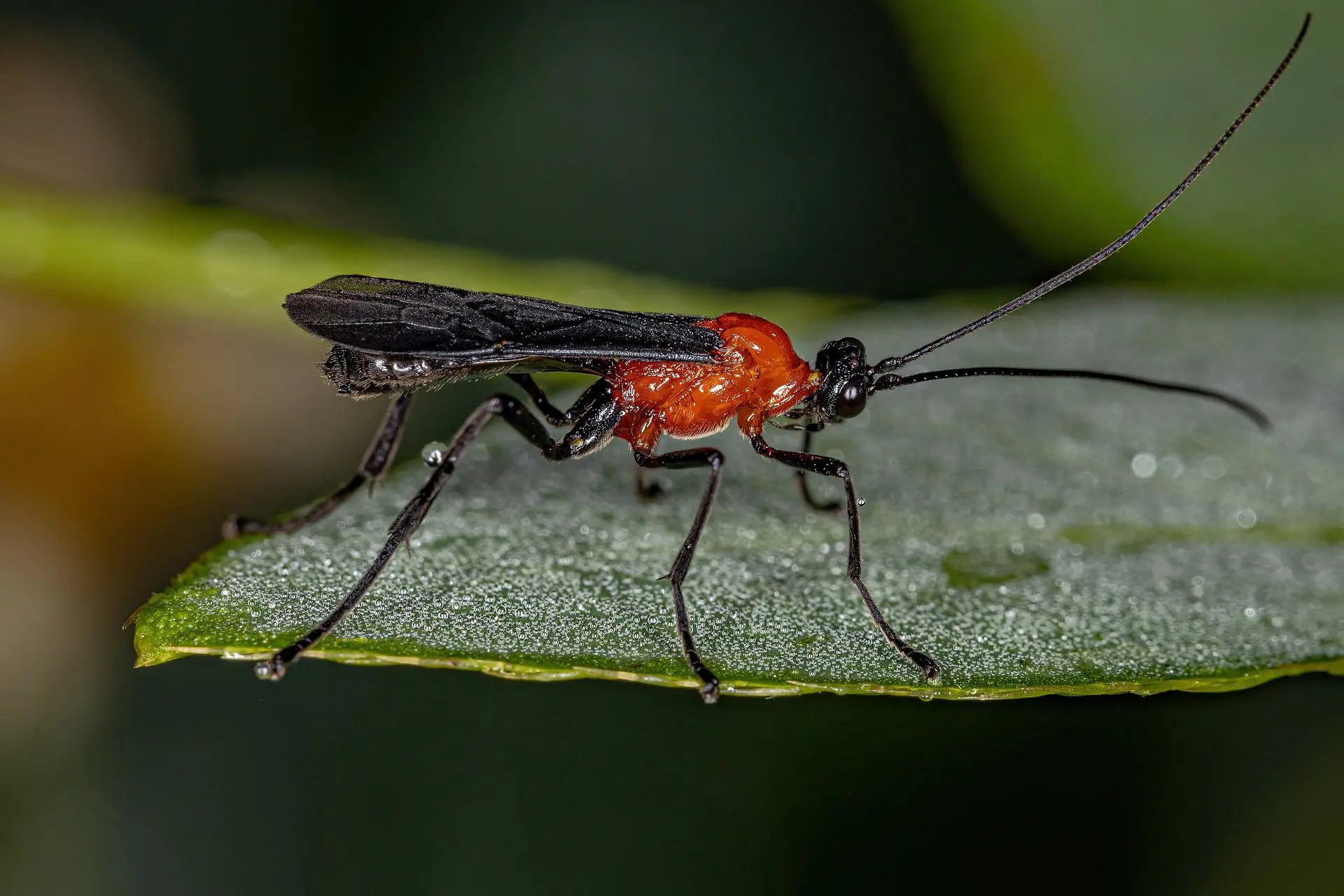
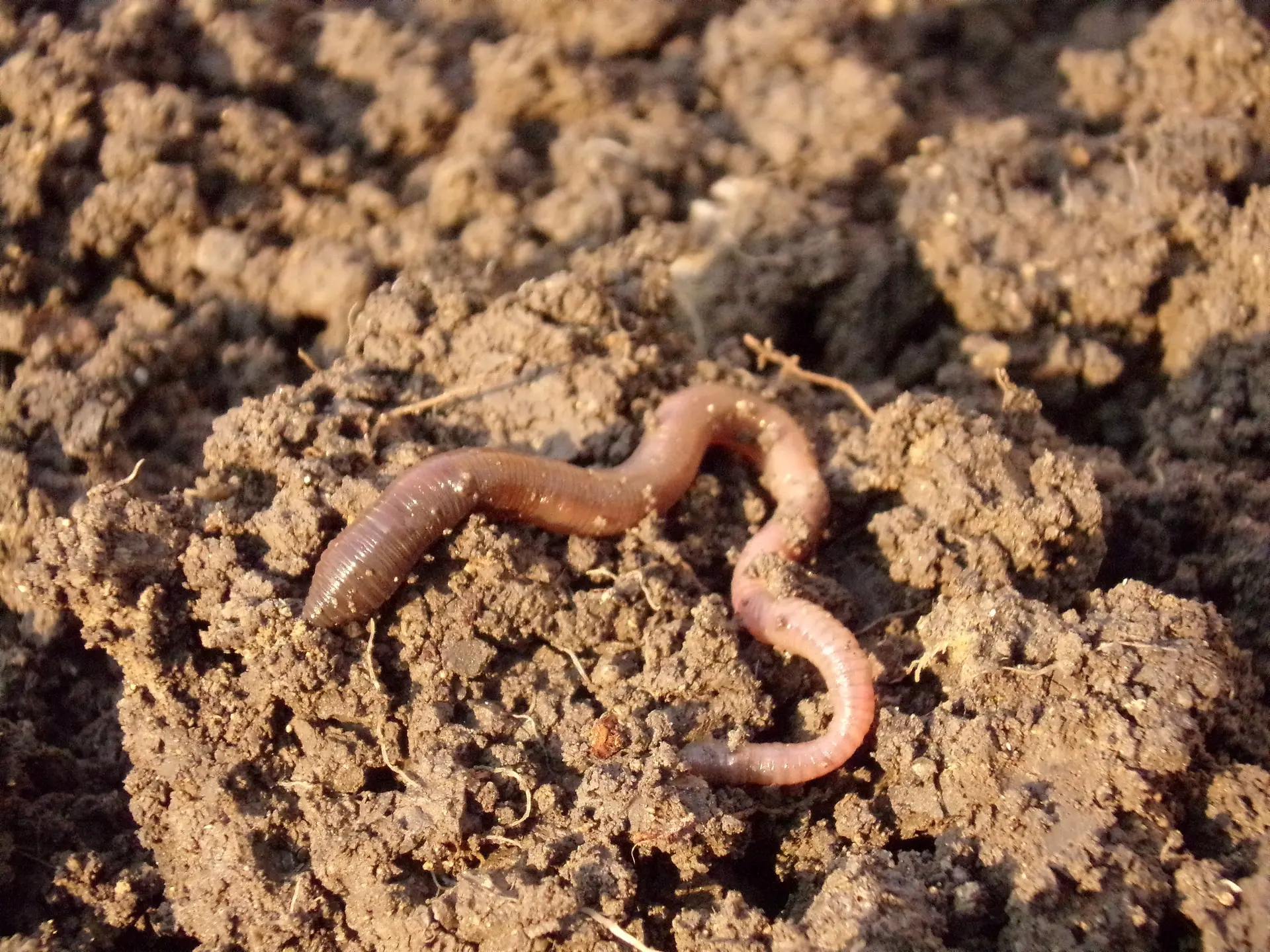
Growing from Seed
Lemon verbena is very difficult to grow from seed, so it is recommended that you purchase a young plant from a reliable nursery to transplant into your own garden. Alternatively, you can take cuttings from an existing lemon verbena plant in order to start a new one.
Planting Considerations
It is best to plant lemon verbena in loose, well-draining soil that has been amended with compost. Frequent pruning will help your plant grow even more leaves. Clippings from pruning can be used to start new plants. In zones where lemon verbena is a perennial, the plant will enter a period of dormancy once temperatures drop below 40 degrees Fahrenheit (about 4 degrees Celsius). You will know your plant is about to enter dormancy once it begins to shed its leaves. During this time, do not overwater your plants, as this can easily kill them.
Feeding
Lemon verbena is a heavy feeder. Fertilize frequently throughout the growing season with a 5-10-10 or 10-10-10 fertilizer solution. One application every two weeks should be adequate.
Harvesting
Harvest leaves at any time throughout the growing season once they are large enough for use. Crumble leaves before using to release their lemony flavor.
Storage
To store lemon verbena, you can dry individual leaves on a screen or in a dehydrator. Alternatively, you can hang entire bundles of stems to dry in a cool, dark place. Remove the dried leaves from their stems, and store them in an airtight container in a dark place. Dried leaves retain their scent and flavor for several years. Leaves can also be frozen or blended into butter.