Basil
Ocimum basilicum, O. tenuiflorum
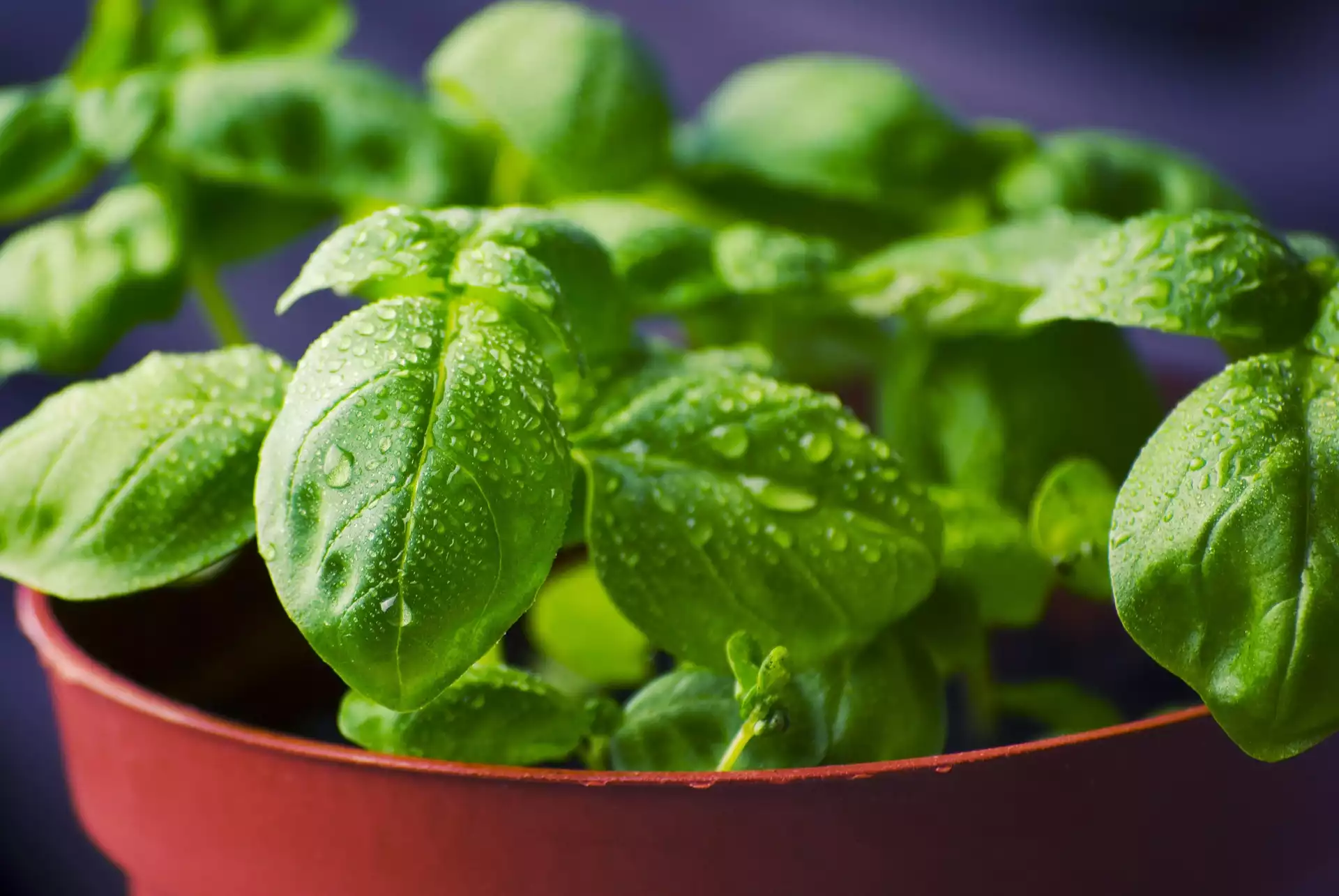
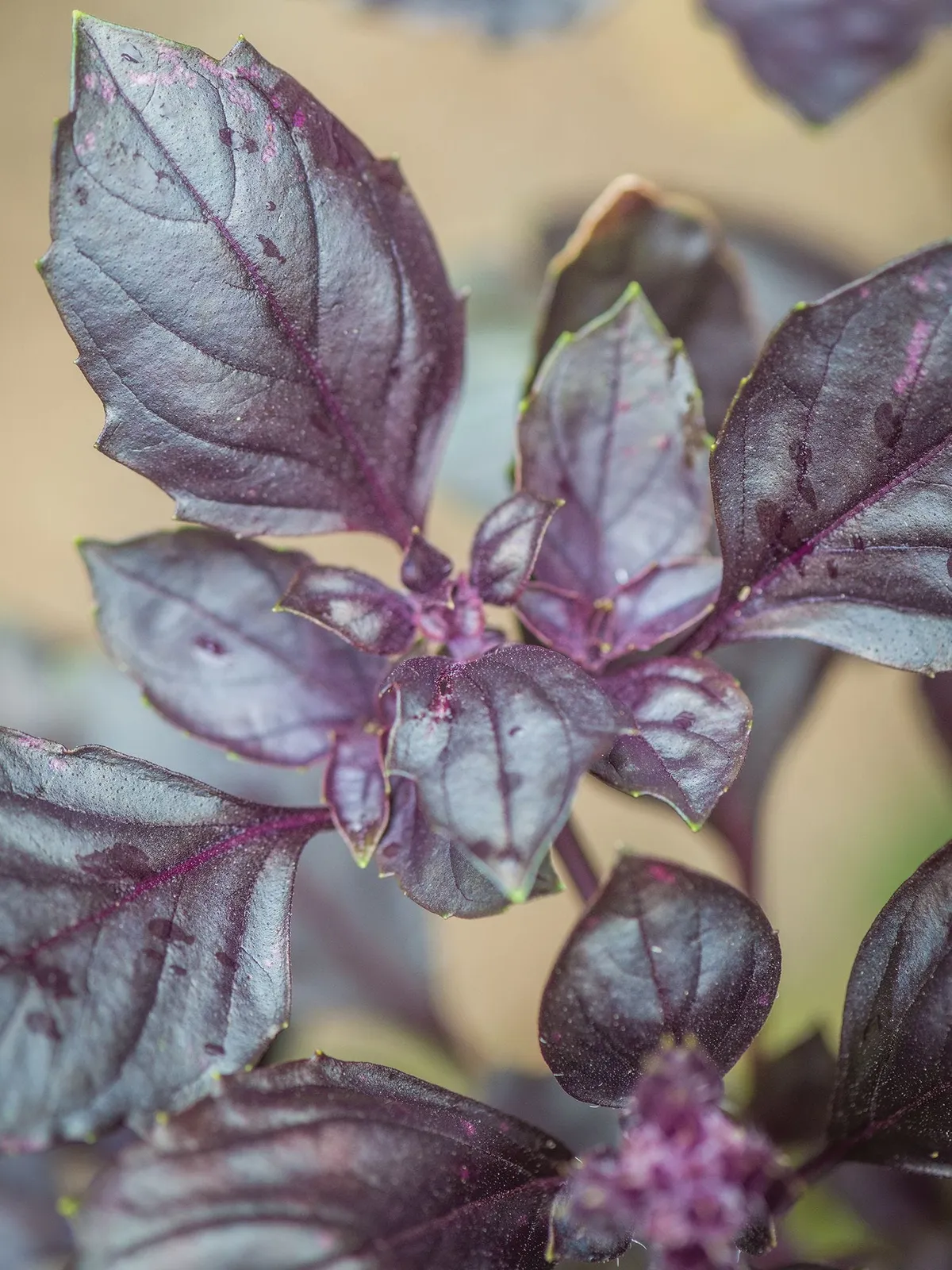
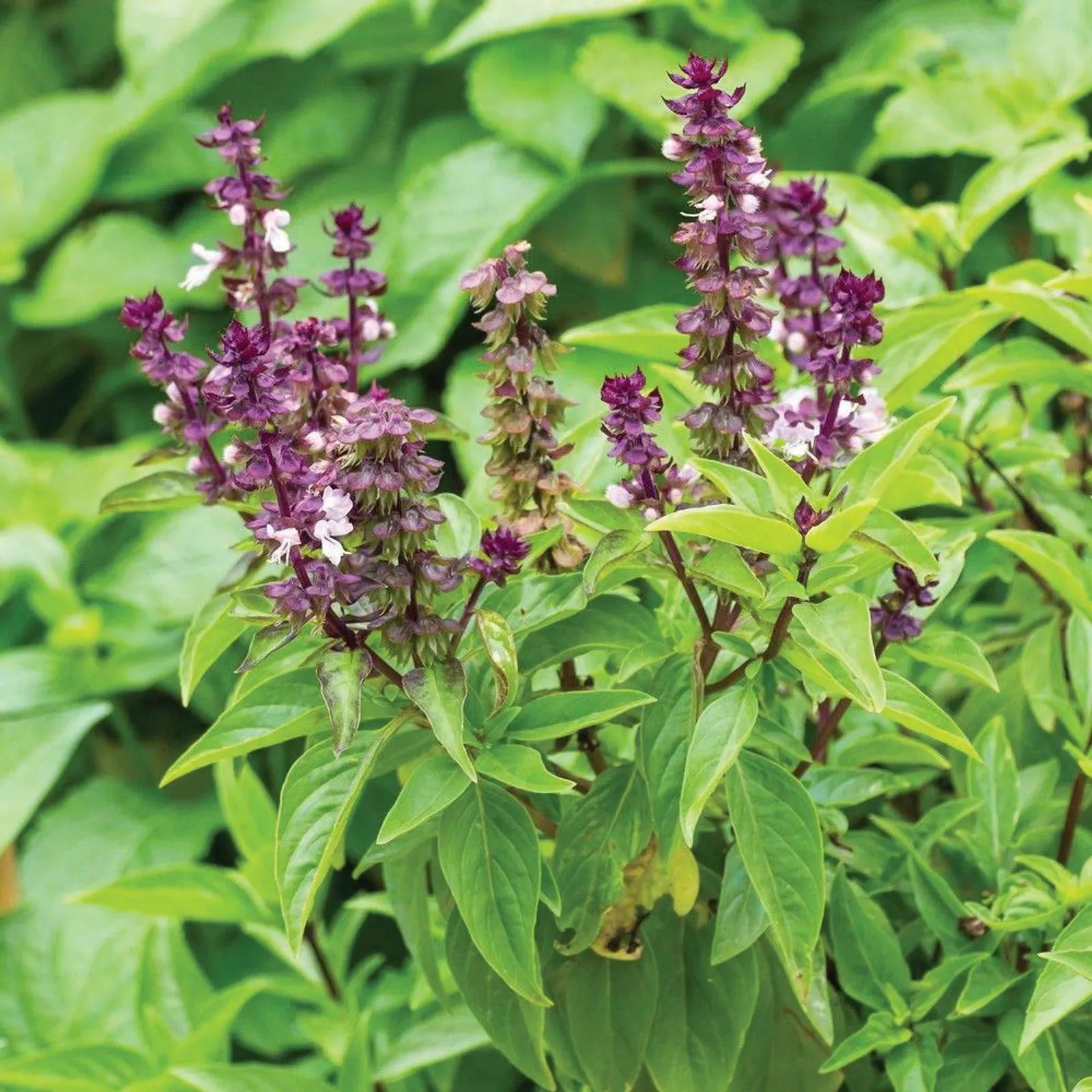
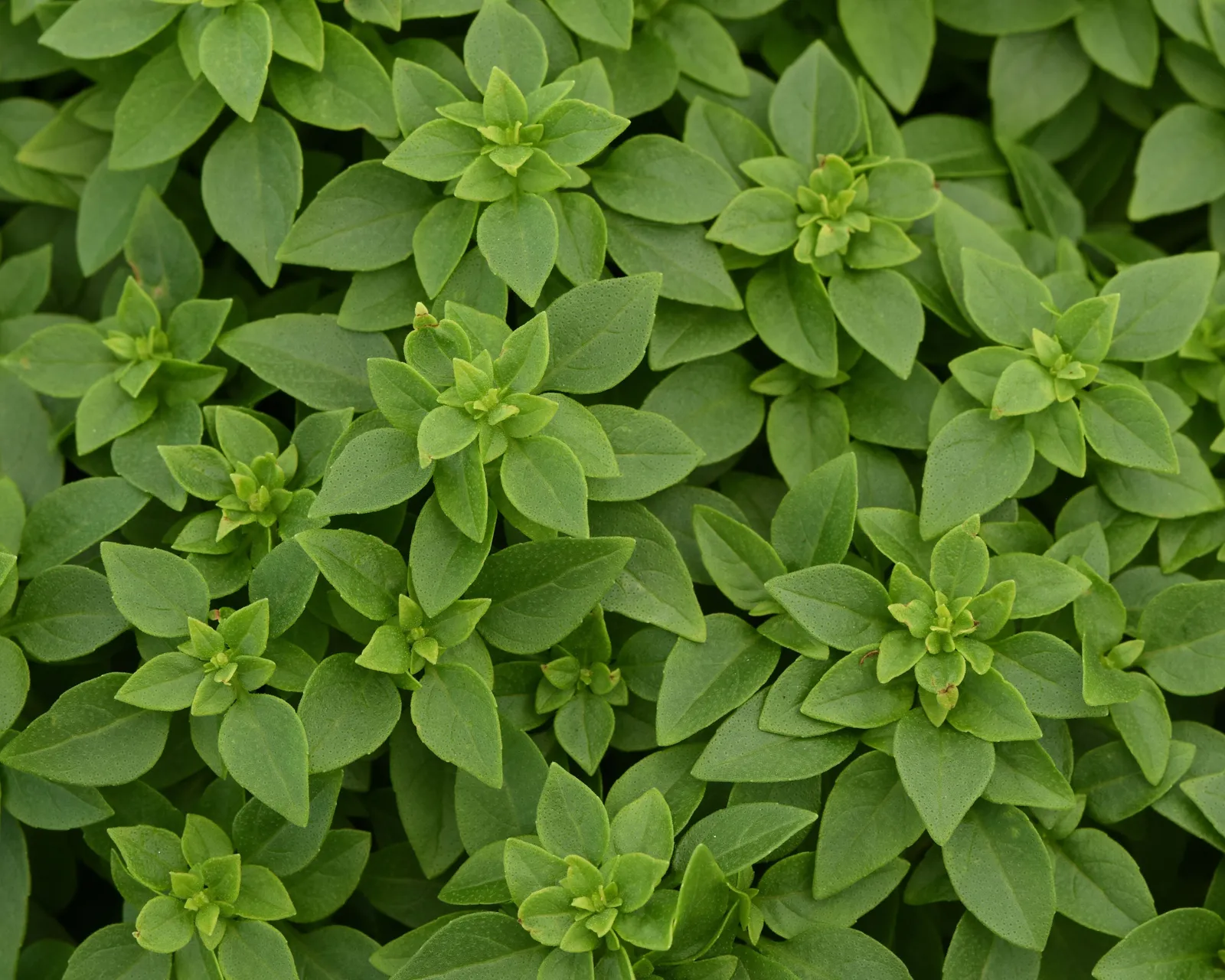
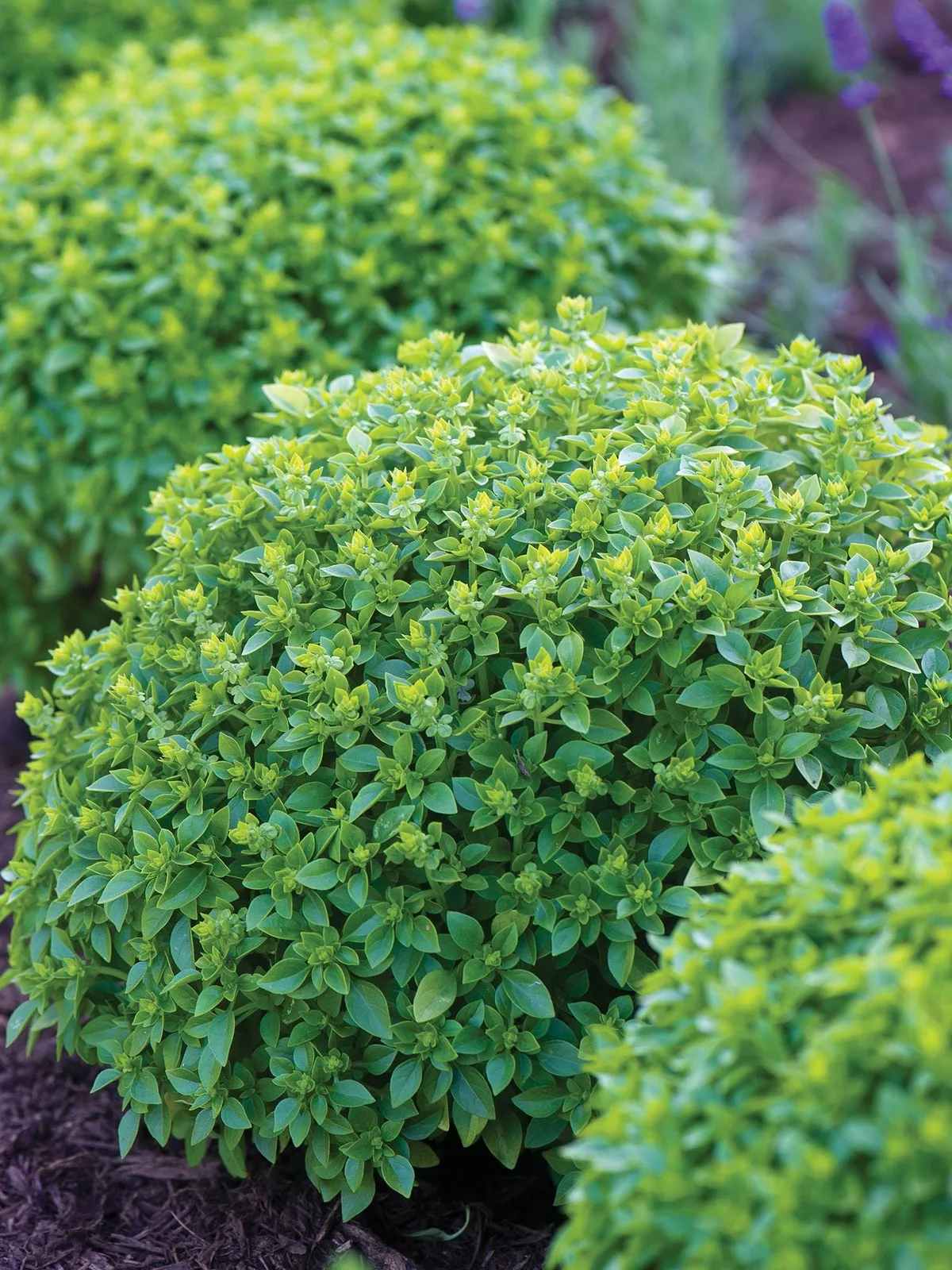
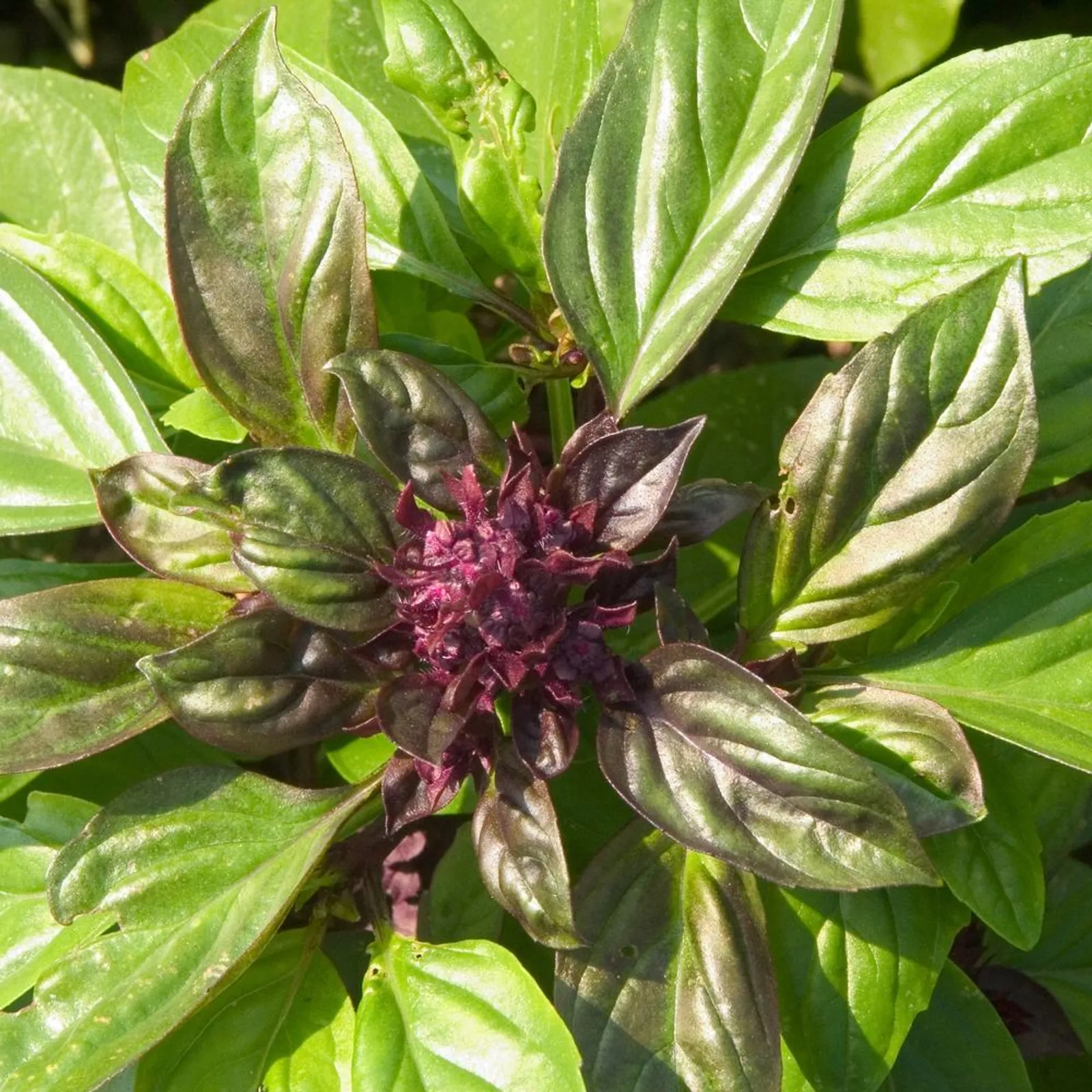
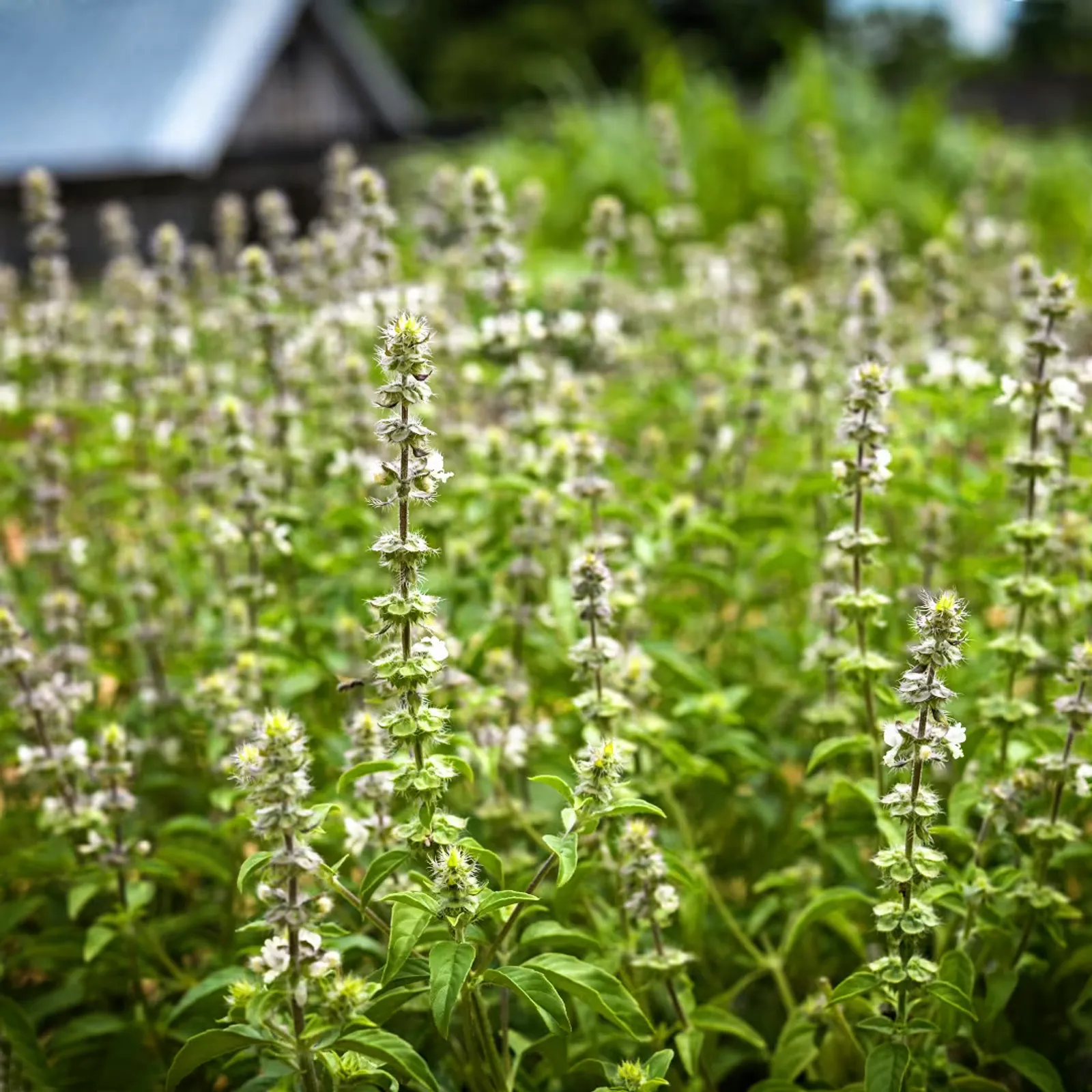
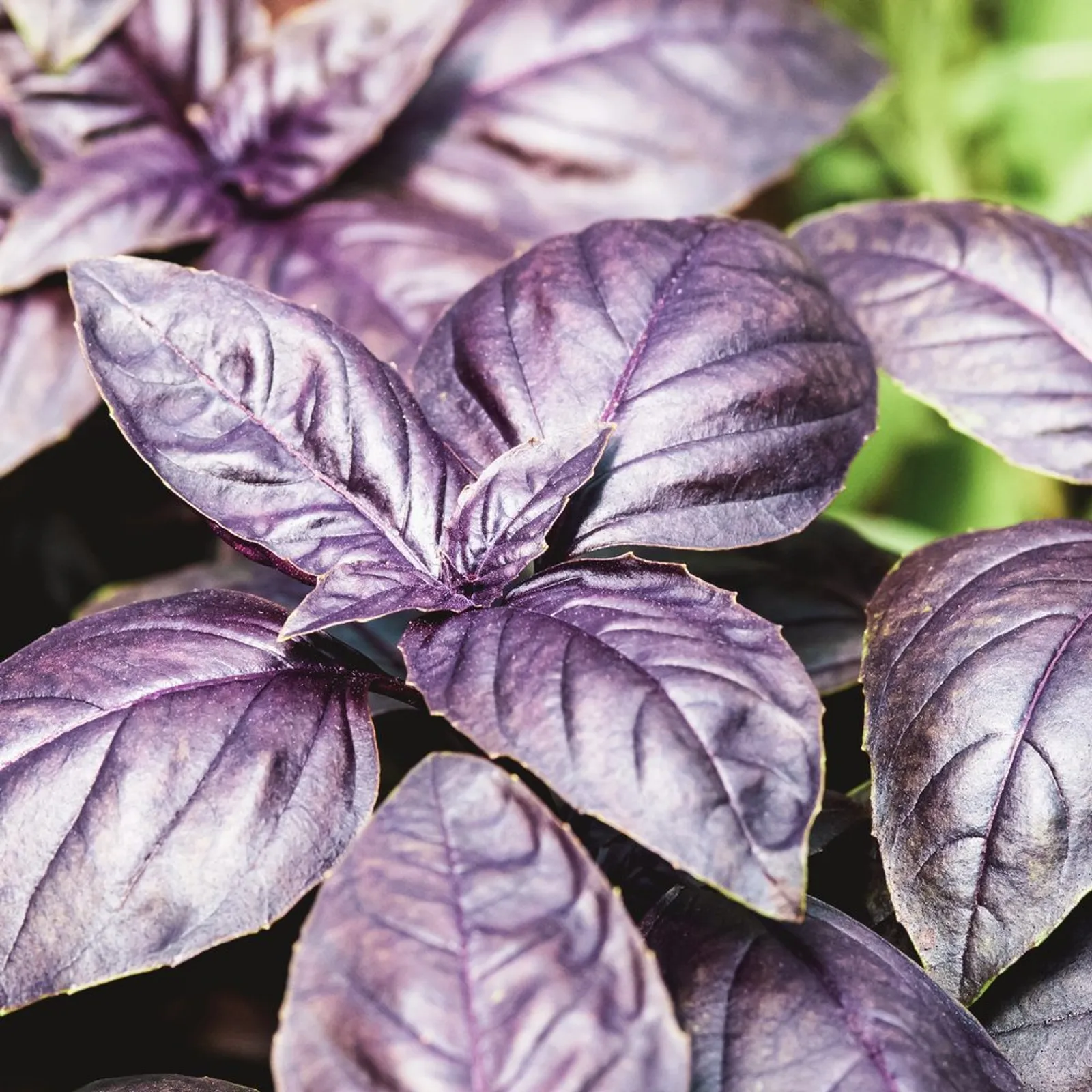
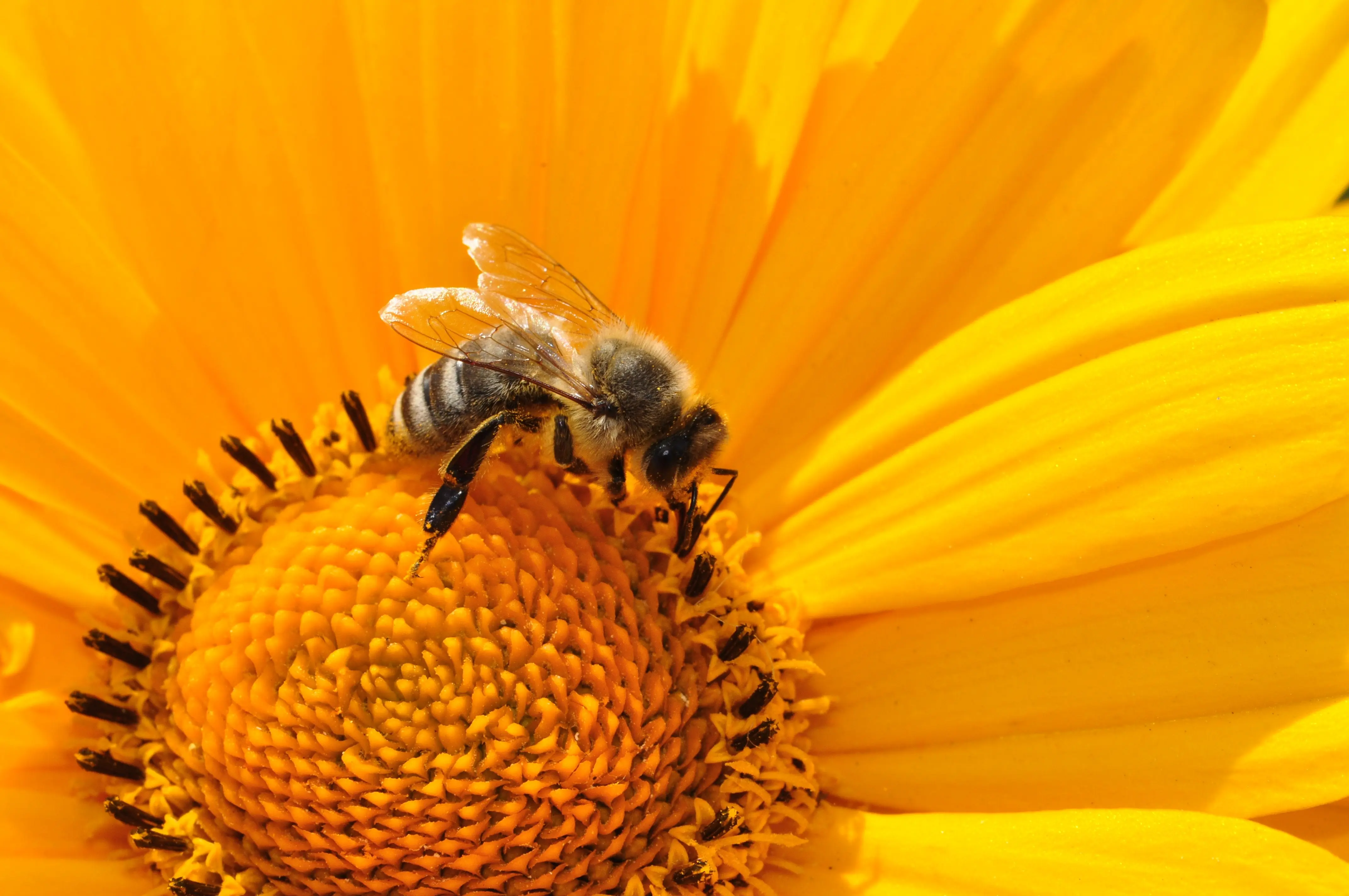
Basil is a leafy, fragrant herb often used in Mediterranean and Asian cuisines. There are many different types of basil- 'sweet basil' is common but other types include purple basil, lemon basil, cinnamon basil, and Thai basil. There are also tall 'columnar' basils, prolific "lettuce leaf" basils, and 'holy basil' (Ocimum tenuiflorum) which has a wide array of culinary and herbal uses. Some varieties have been bred for resistance to downy mildew, a disease that commonly afflicts basil. Basil is a heat-loving plant; the keys to success with basil are to select a sunny location and to only plant it outdoors once the weather has thoroughly warmed up. Basil has a tendency to bolt- that is, to flower and set seed- before the season is done. While there are some ways to delay this, and there are 'slow-bolting' varieties, you might want to plant basil multiple times to ensure continuous harvests. If your basil does flower, the flowers are highly attractive to bees and other beneficial insects and they are also edible!
How to Grow Basil
Quick Info

Put away the pen and paper
Plan your veggie garden in minutes with Planter's easy drag and drop planner.
Try Planter for Free
Varieties
Related Articles
Companion Plants









Combative Plants
Nutrition
Vitamins


Nutrients









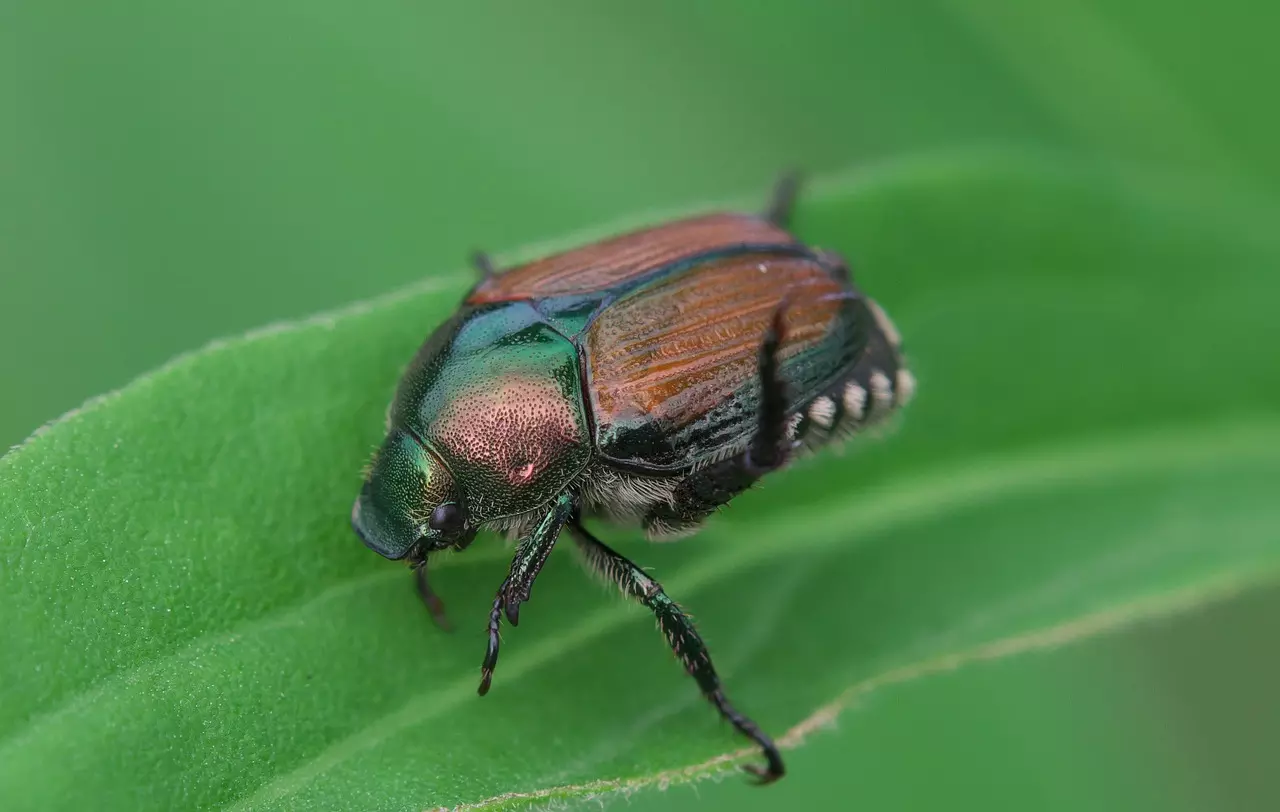
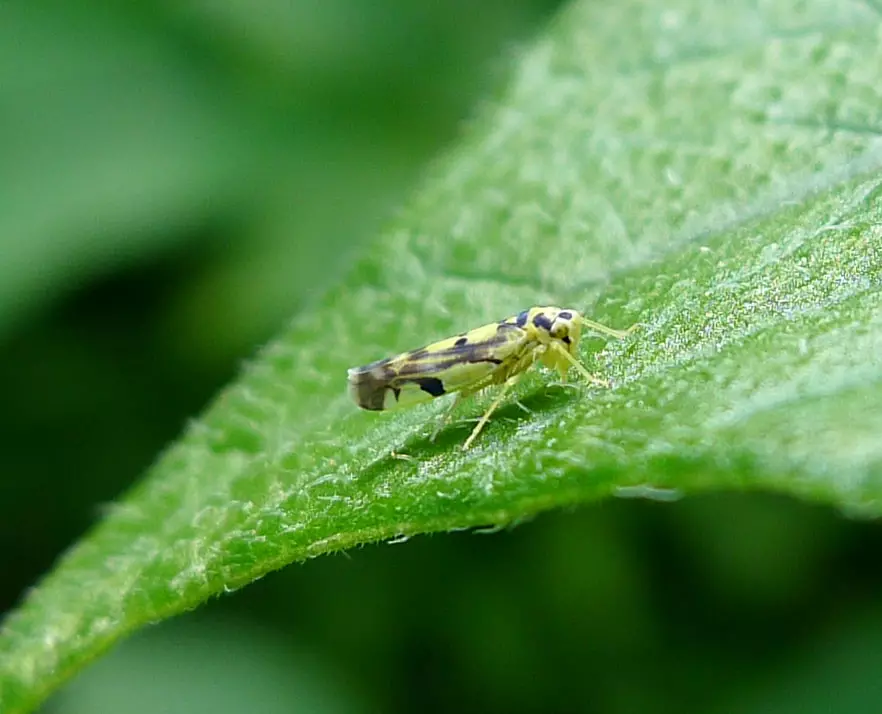
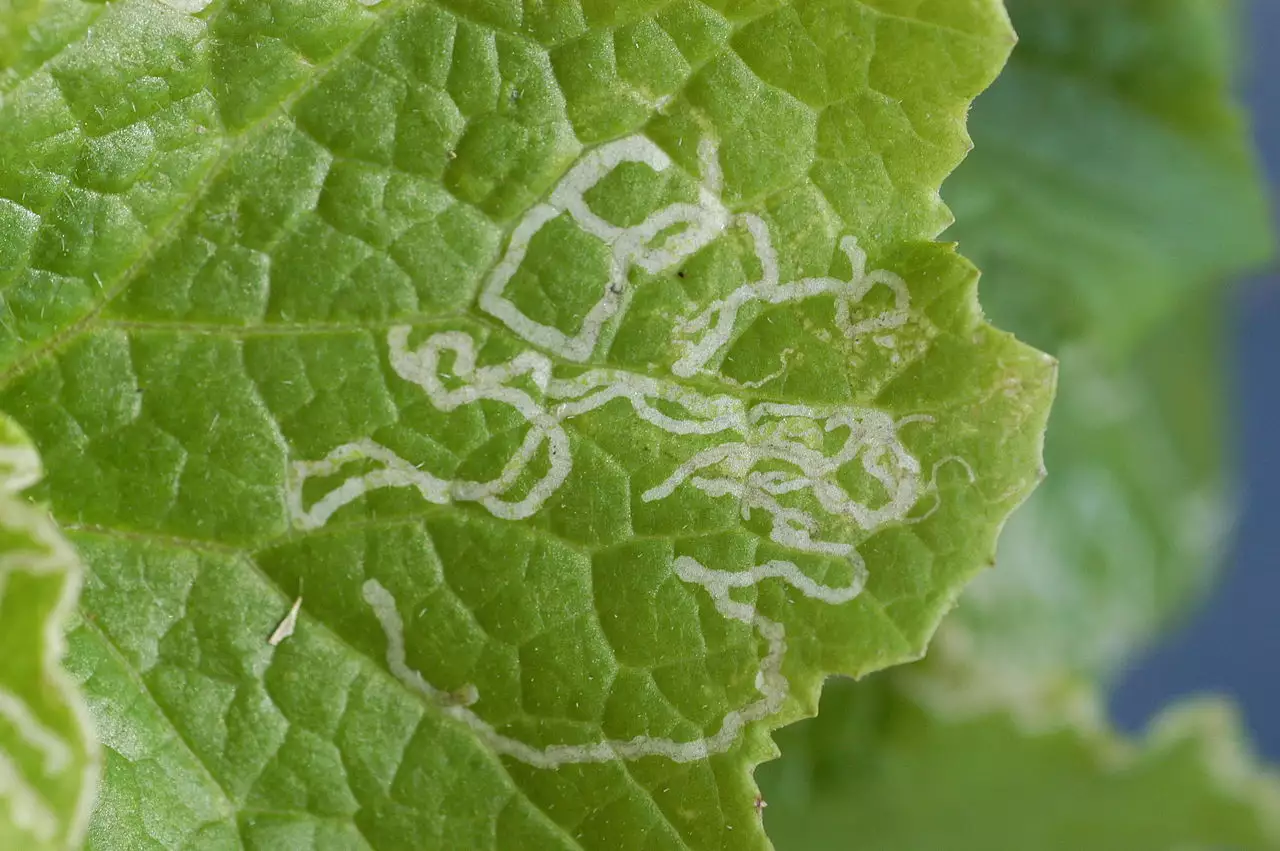
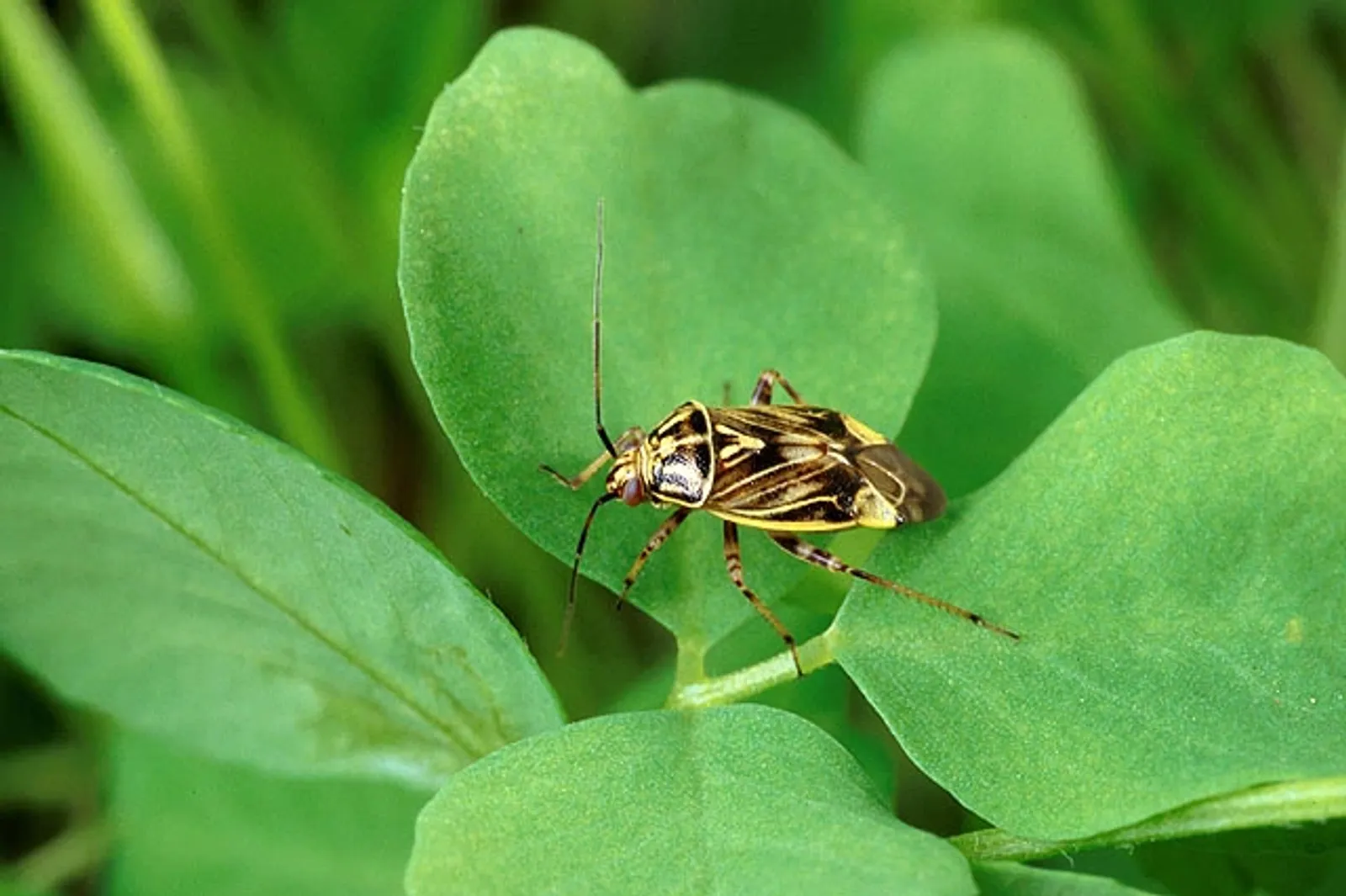
Pests
Diseases
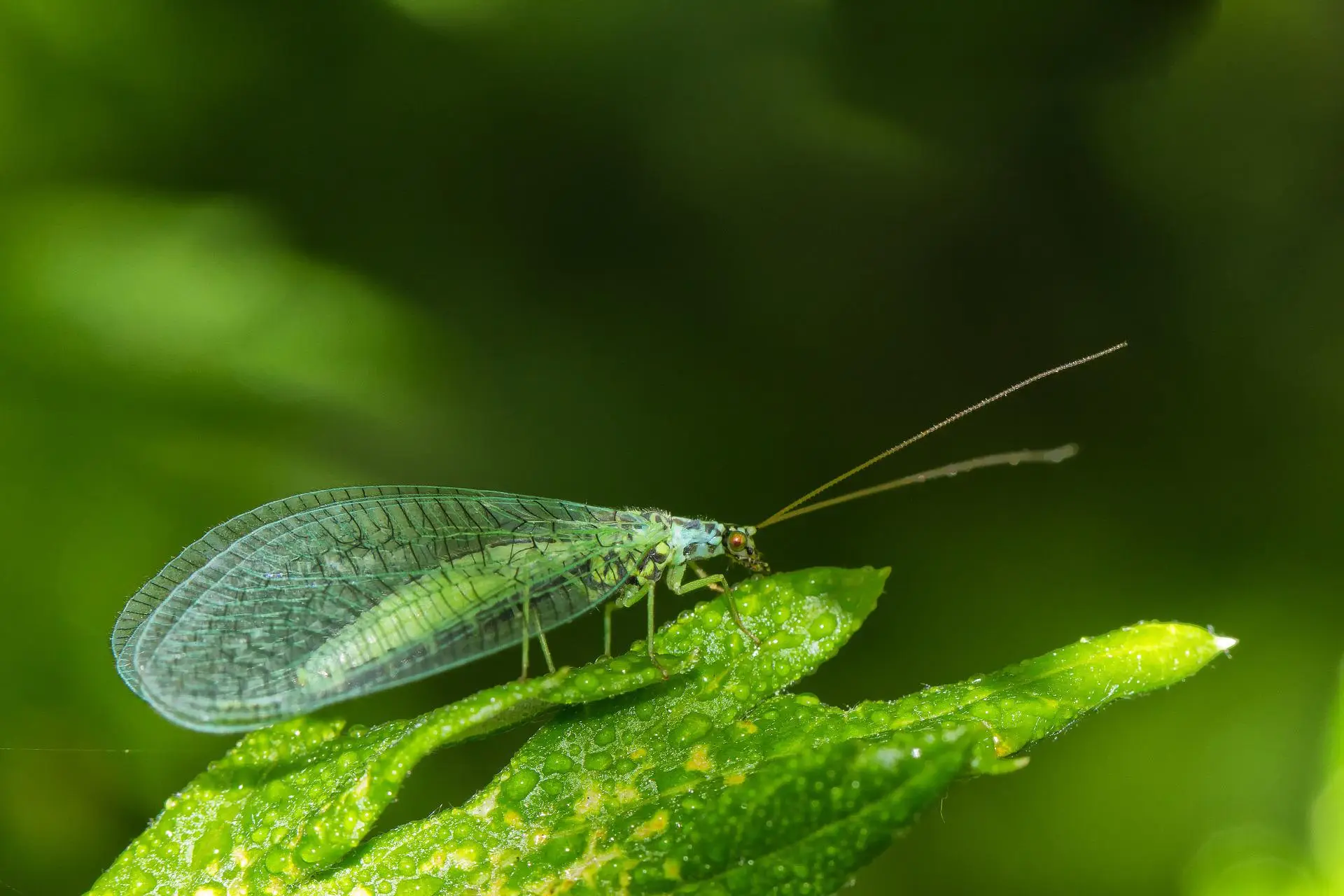
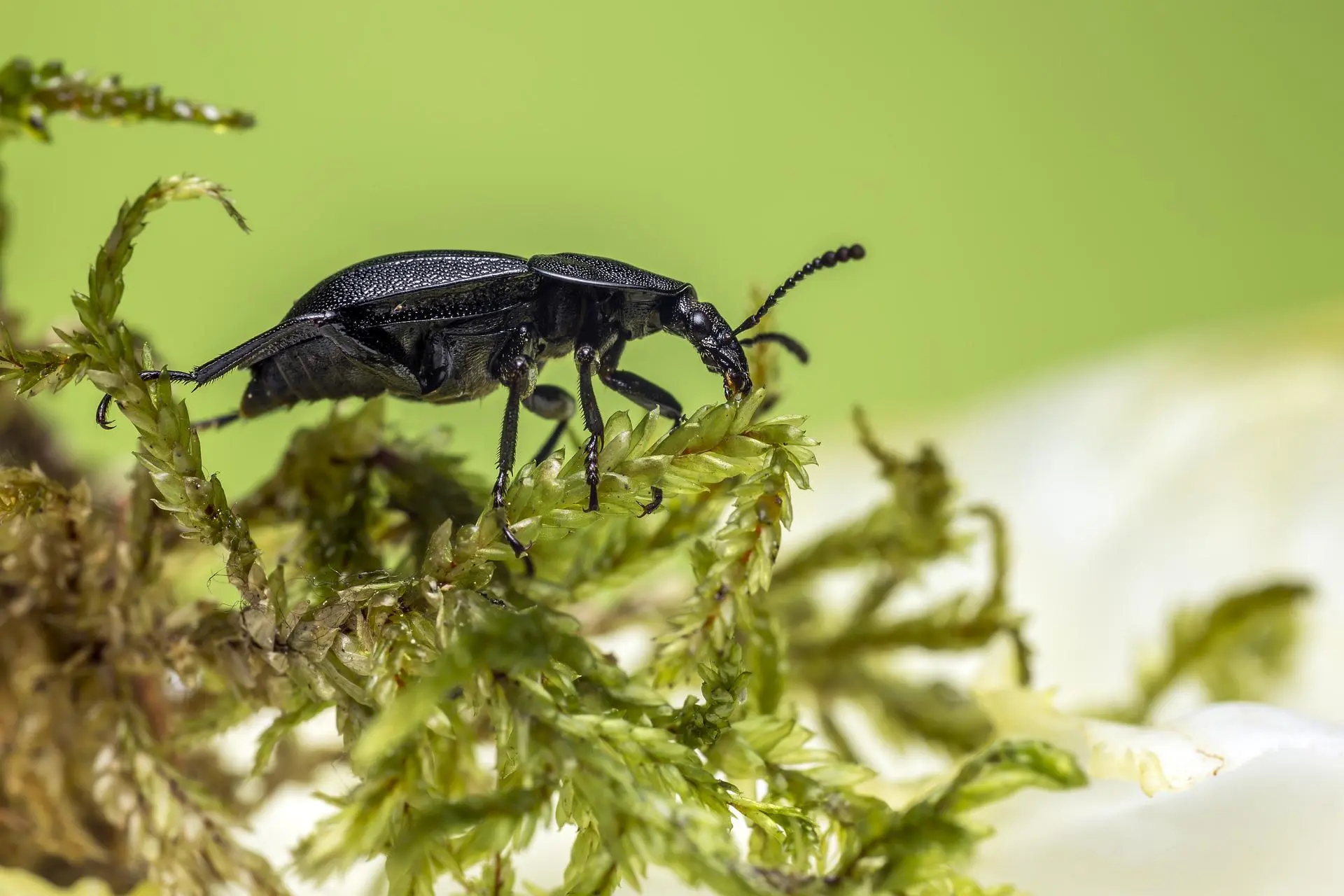
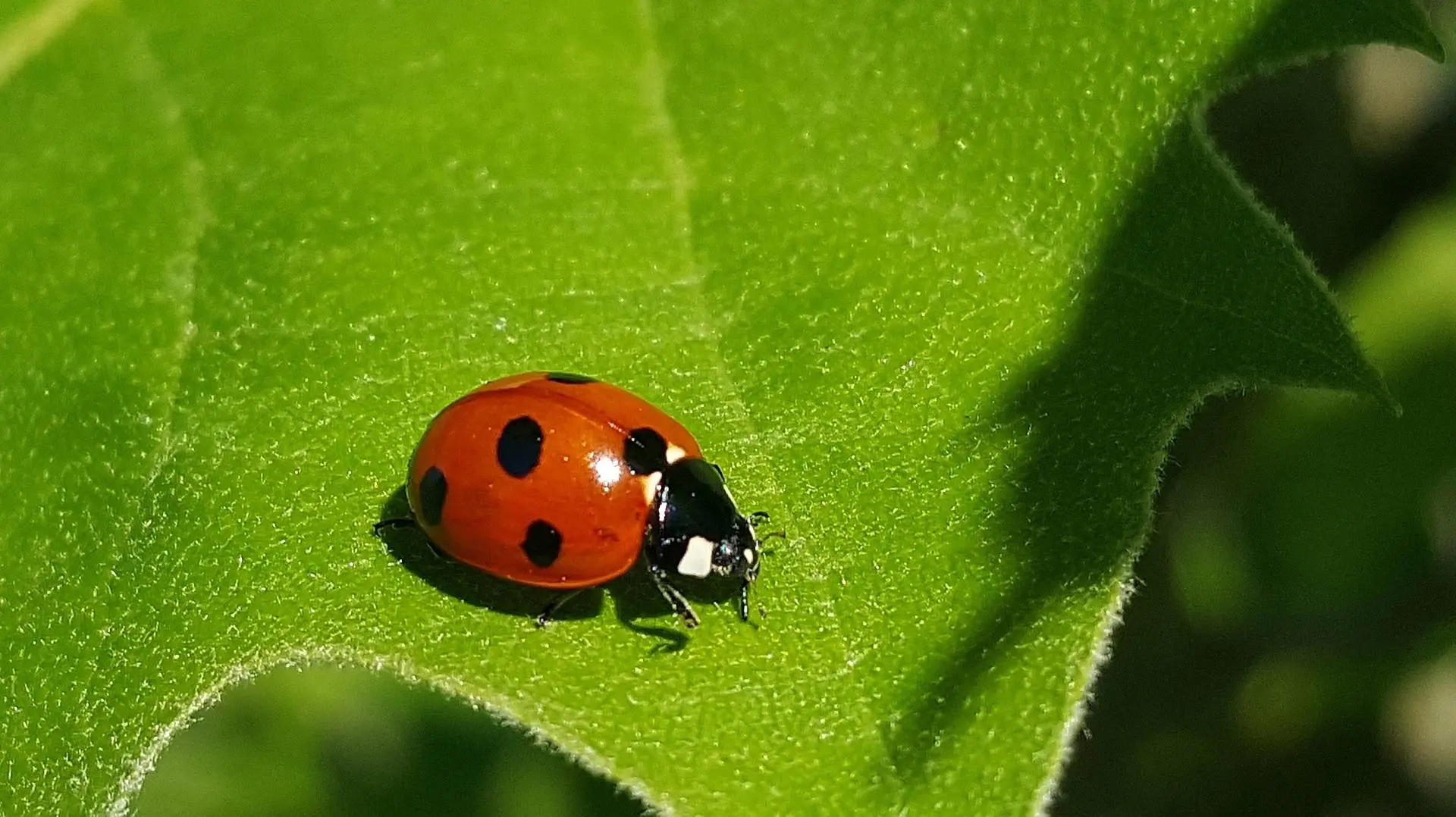
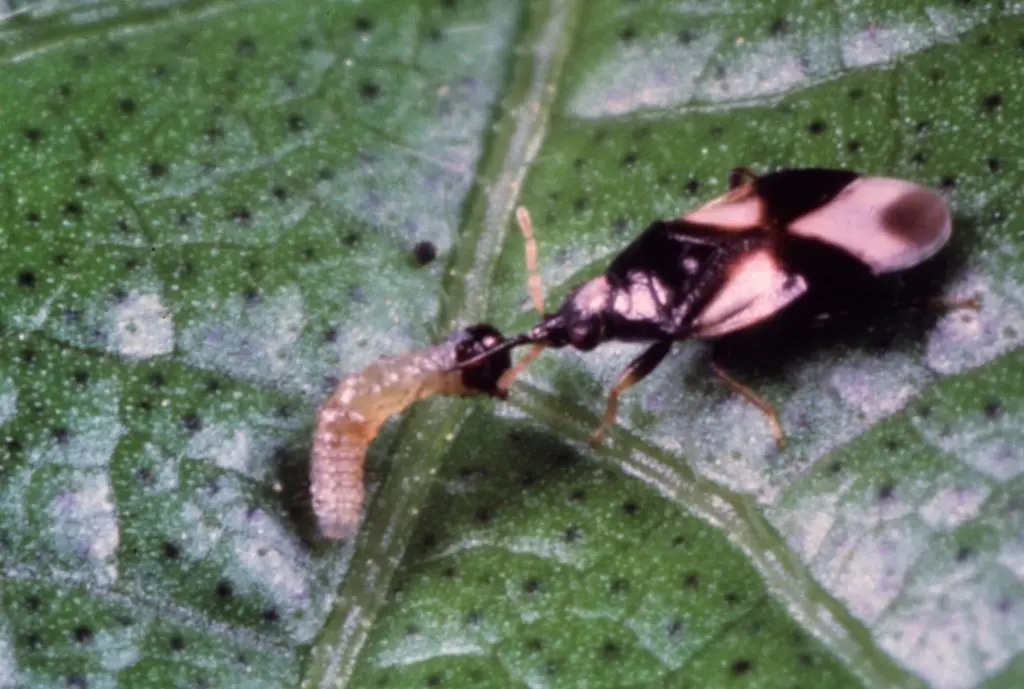
Beneficial Critters
Growing from Seed
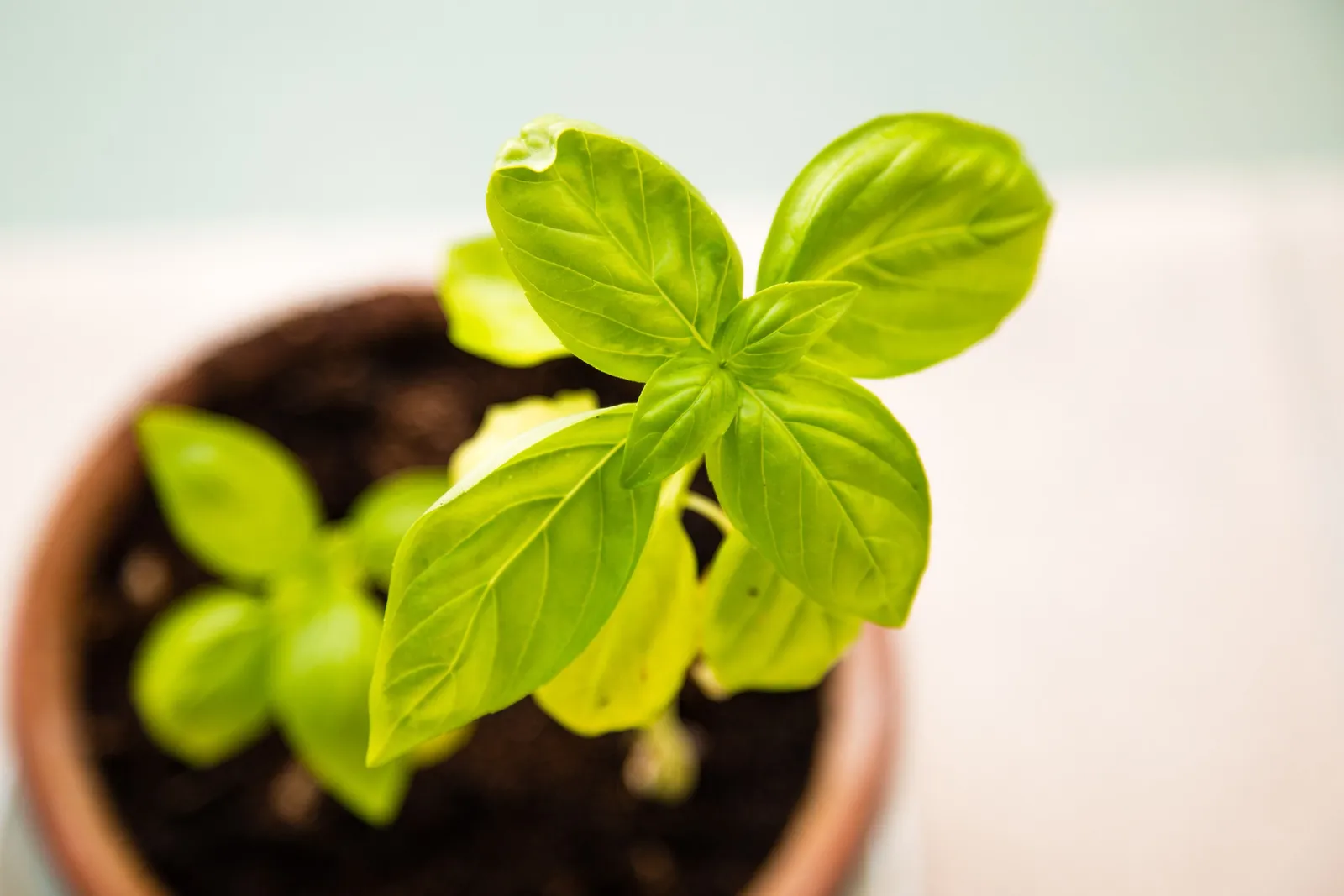
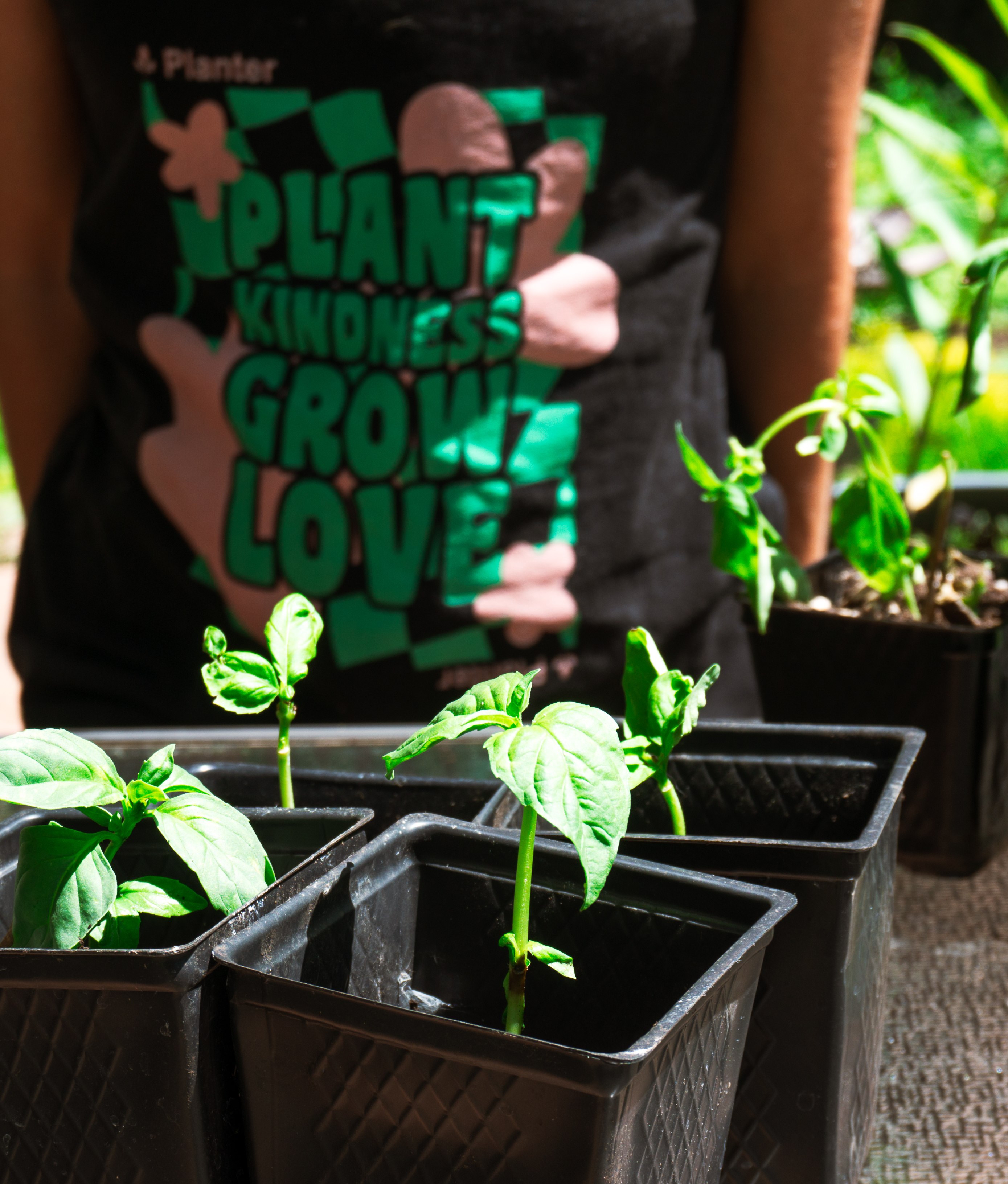
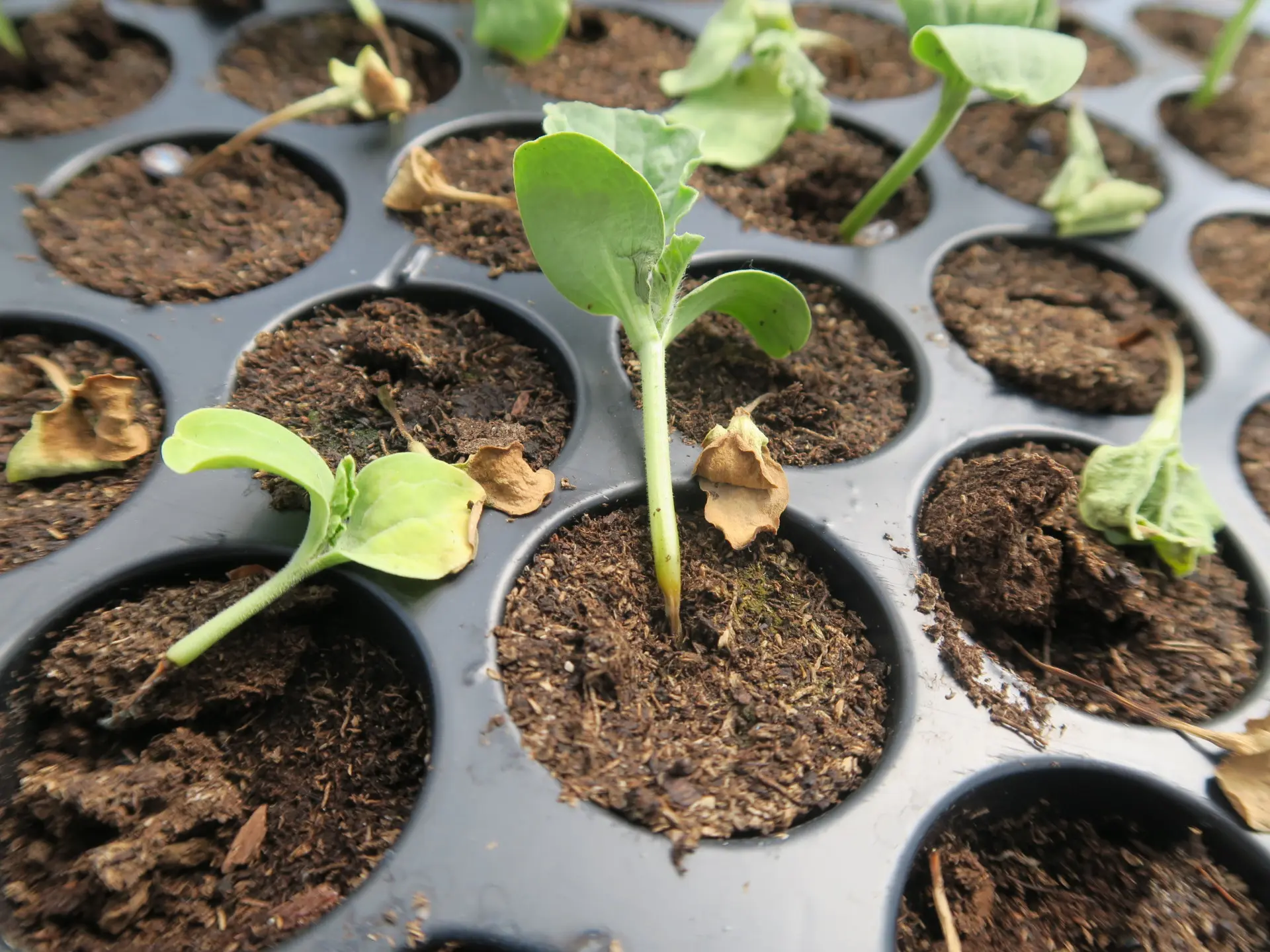
Basil can be started from seed indoors then transplanted outside. It can also be directly sown in the garden after the risk of frost has passed and the soil has warmed up. Keep the seed starting mix (or soil) consistently moist If growing indoors, a heat mat can be used to aid germination. Provide supplemental light as soon as the seeds germinate.
Planting Considerations
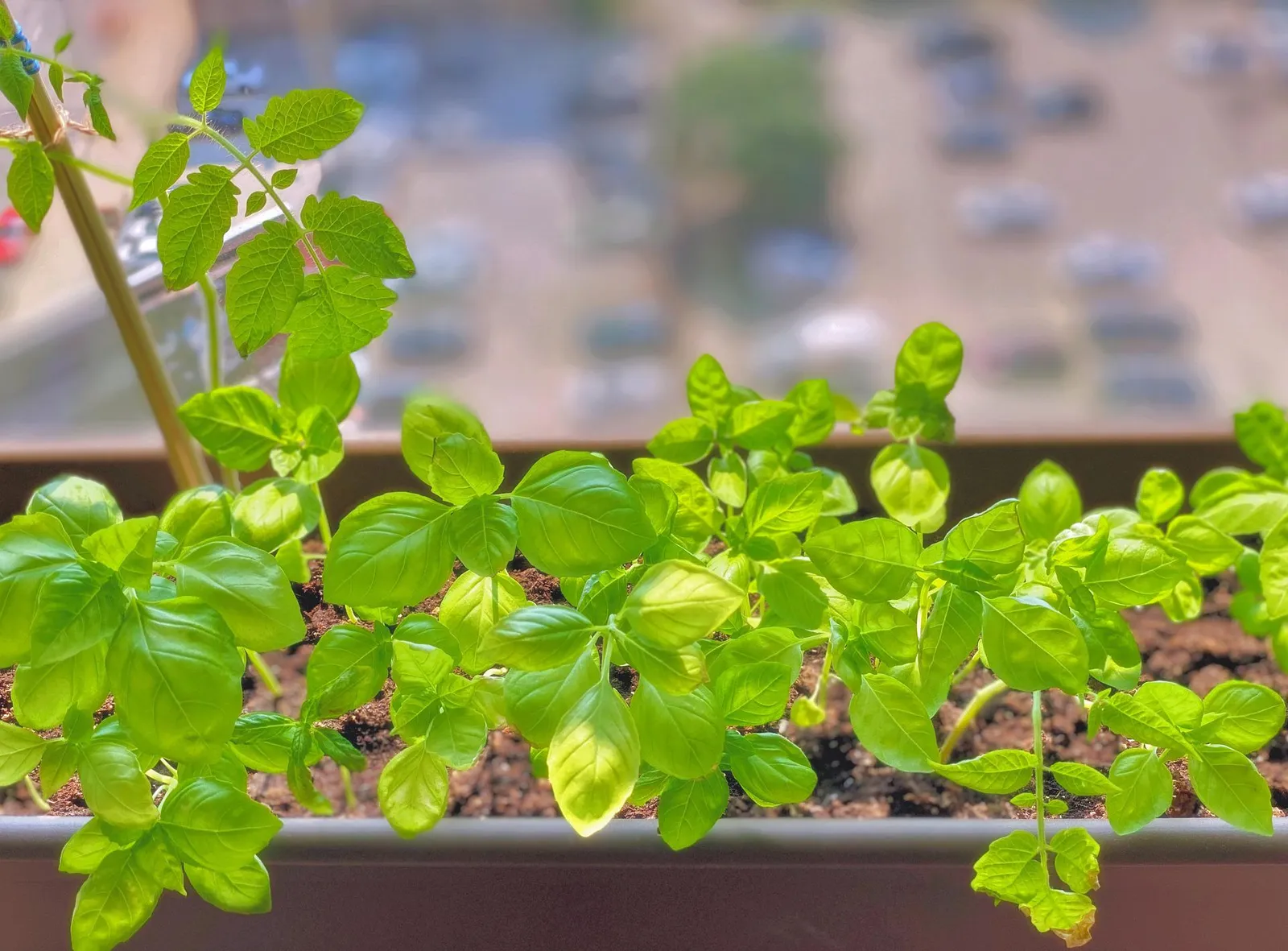
Basil prefers fertile, well-drained, loamy soil. Add compost at the time of planting. Apply mulch around the plants to manage weeds and to help retain moisture. Basil can be planted multiple times during the season for a continuous harvest. Basil can be grown in containers. Choose a container that holds at least 1 gallon (3.8L). Once the plant flowers, leaf production will slow down and the leaves will not be as flavorful. Basil that is left to flower can help to attract pollinators and other beneficial insects.
Feeding
Basil requires some supplemental nitrogen to keep producing new leaves, however over-fertilizing can lead to a lack of flavor as a result of rapid leaf growth. Apply compost and a well-balanced fertilizer at the time of planting and fertilize regularly throughout the growing season with a dilute-strength fertilizer. Do not spray or apply fertilizer directly on the leaves.
Harvesting
It is best to harvest basil regularly to encourage new leaf growth. Harvesting basil also serves the purpose of pruning to keep the plant bushy and compact. Start harvesting when the plants are 6-8" (15-20 cm). Harvest by using clean scissors or snips to cut the stems just above a 'node' (the place where leaves are attached to the stems). The node is where new side-shoots of basil will form after harvesting. On each stem harvested aim to leave about 2-4 leaves on the plant. Avoid harvesting more than 1/3 of the plant at a given time so as not to stress the plant and delay regrowth. If possible, avoid harvesting basil during the hottest parts of the day to help keep it from wilting (or bring it inside quickly).
Storage
It is best to use basil fresh. Basil can be stored on the counter for a few days by placing the stems in a cup of water (re-cut the ends of the stems if they are not freshly harvested). Basil does not keep well in the fridge but if needed it can be placed in a cup of water with a plastic bag loosely covering the tops. It can be kept there for up to several days. Basil can also be washed then frozen either as whole leaves in a freezer-safe bag or chopped and frozen in ice cube trays topped off with water or olive oil. Once frozen, transfer basil cubes to an airtight container or freezer-safe bag. Basil can be kept frozen for up to several months. Basil pesto can also be frozen in this way. Basil can be air dried or dehydrated for long-term storage. Dried basil can keep for a year or more.
Pruning
Pinch off any long stems and flower buds that start to form to delay flowering and encourage bushy growth (unless you are growing basil for its flowers).
Herbal Use
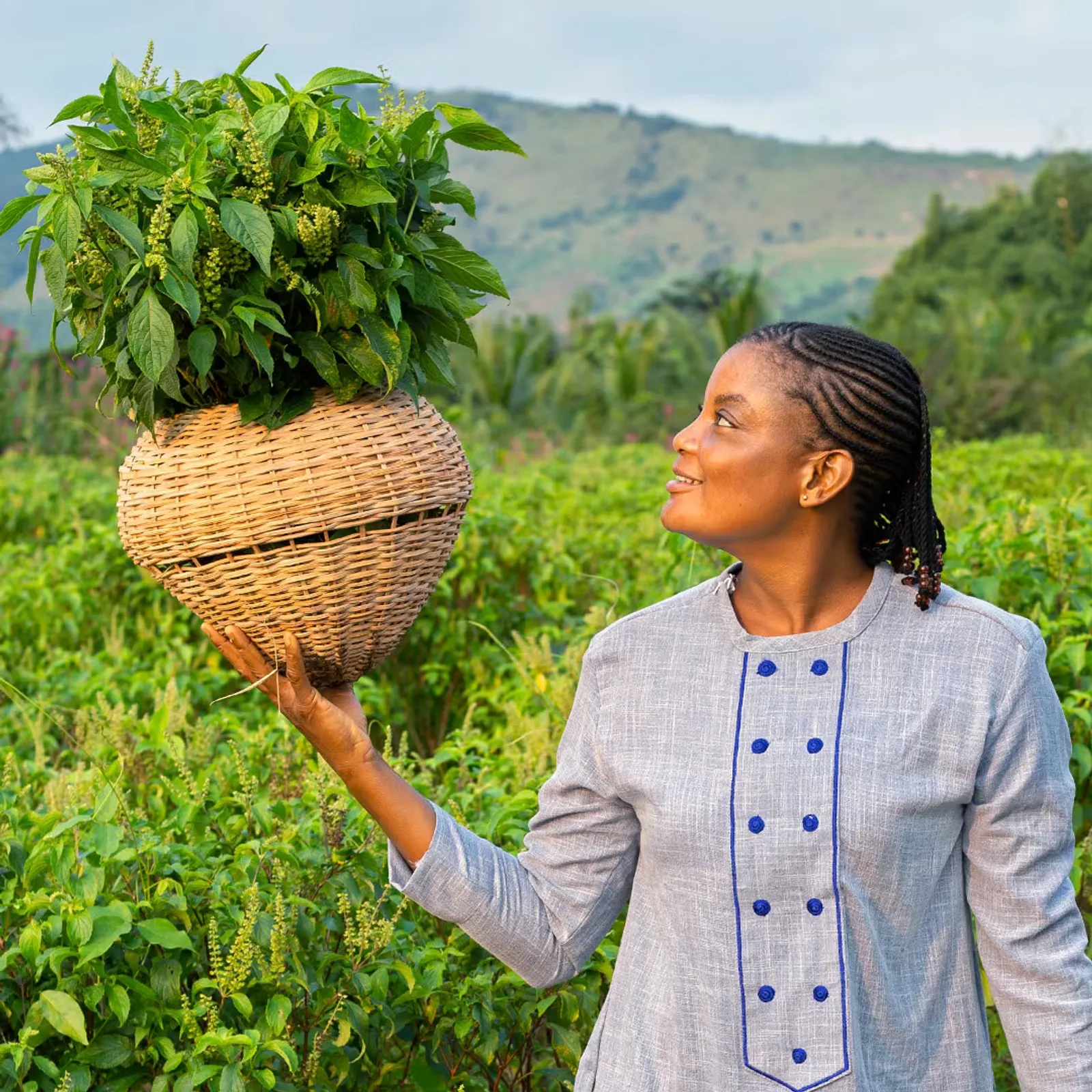
Basil is a versatile kitchen herb most famous for flavoring food but also has health benefits. Basil can be beneficial, stimulating the appetite, soothing indigestion, helping to relieve bloating, and repelling insects. Holy basil (Ocimum tenuiflorum), also known as Tulsi, is the type used in the Ayurvedic tradition. Holy basil makes a delicious tea that promotes a calm and relaxed mind. Holy basil is an adaptogen taken as a tonic for the whole body. The variety 'temperate Tulsi' (Ocimum basilicum var. citriodorum or Ocimum x africanum) is perfect for growing in cooler climates. Always consult with your healthcare professional before using herbs.