Honeydew
Cucumis melo L. (Inodorus Group)
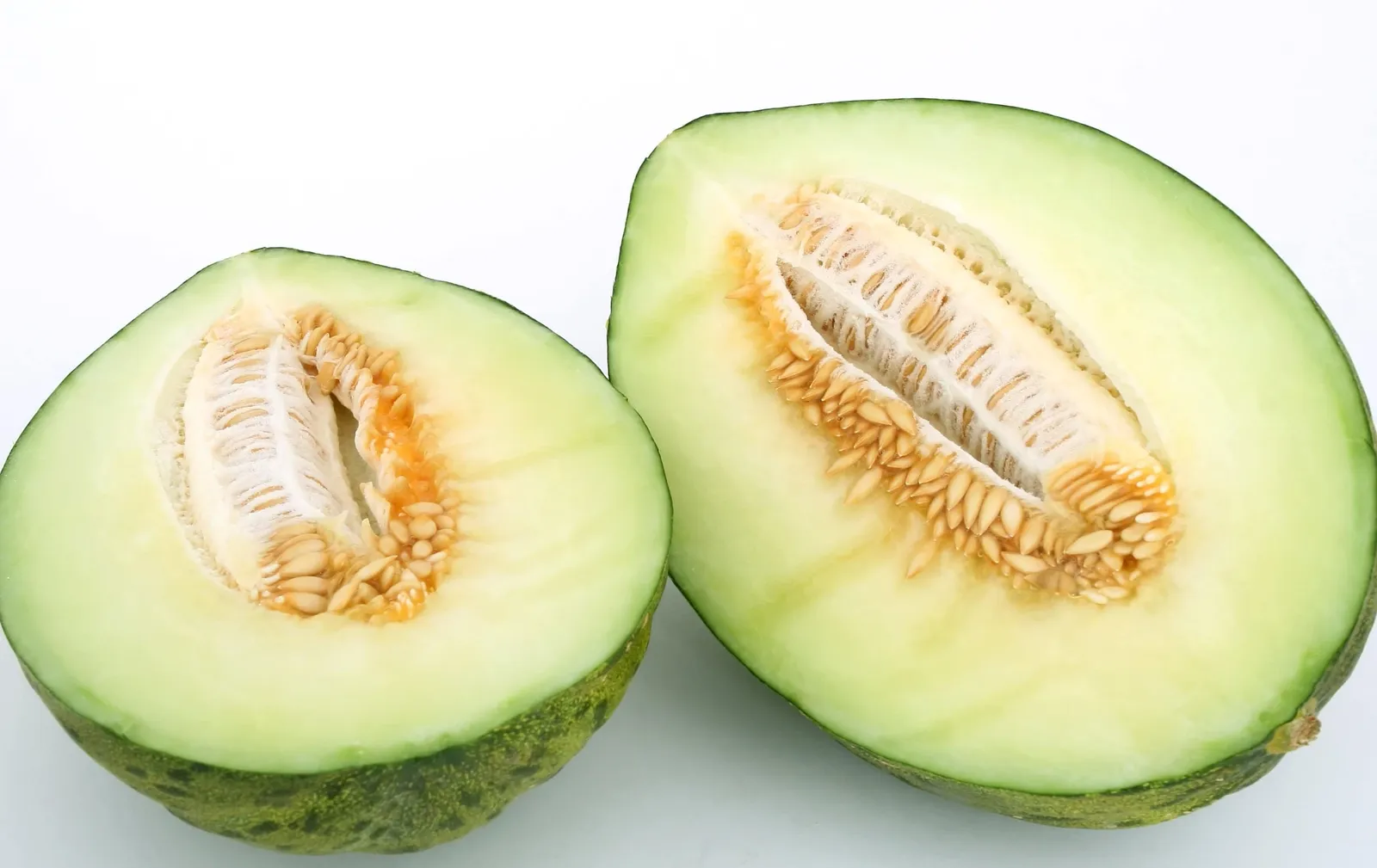
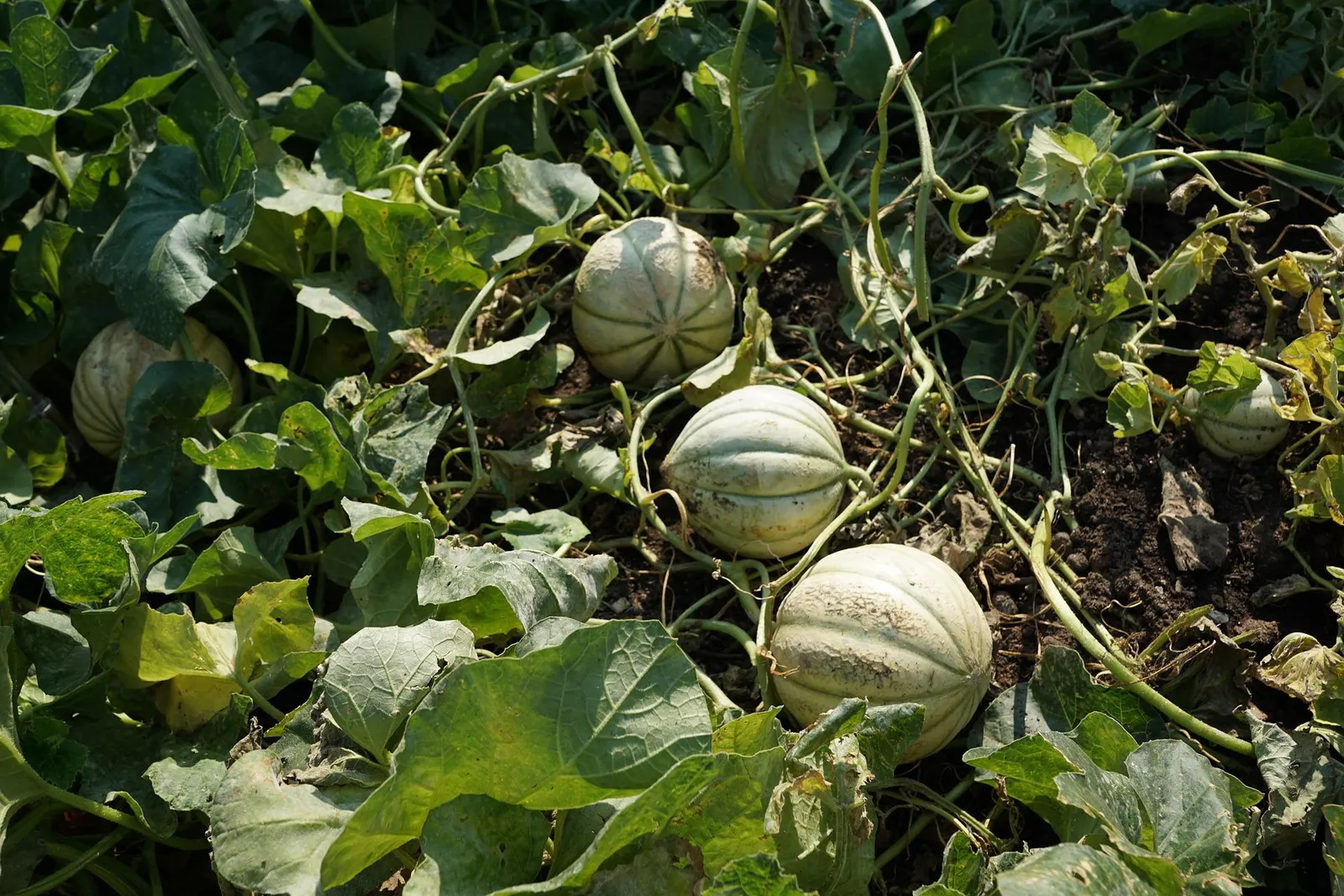
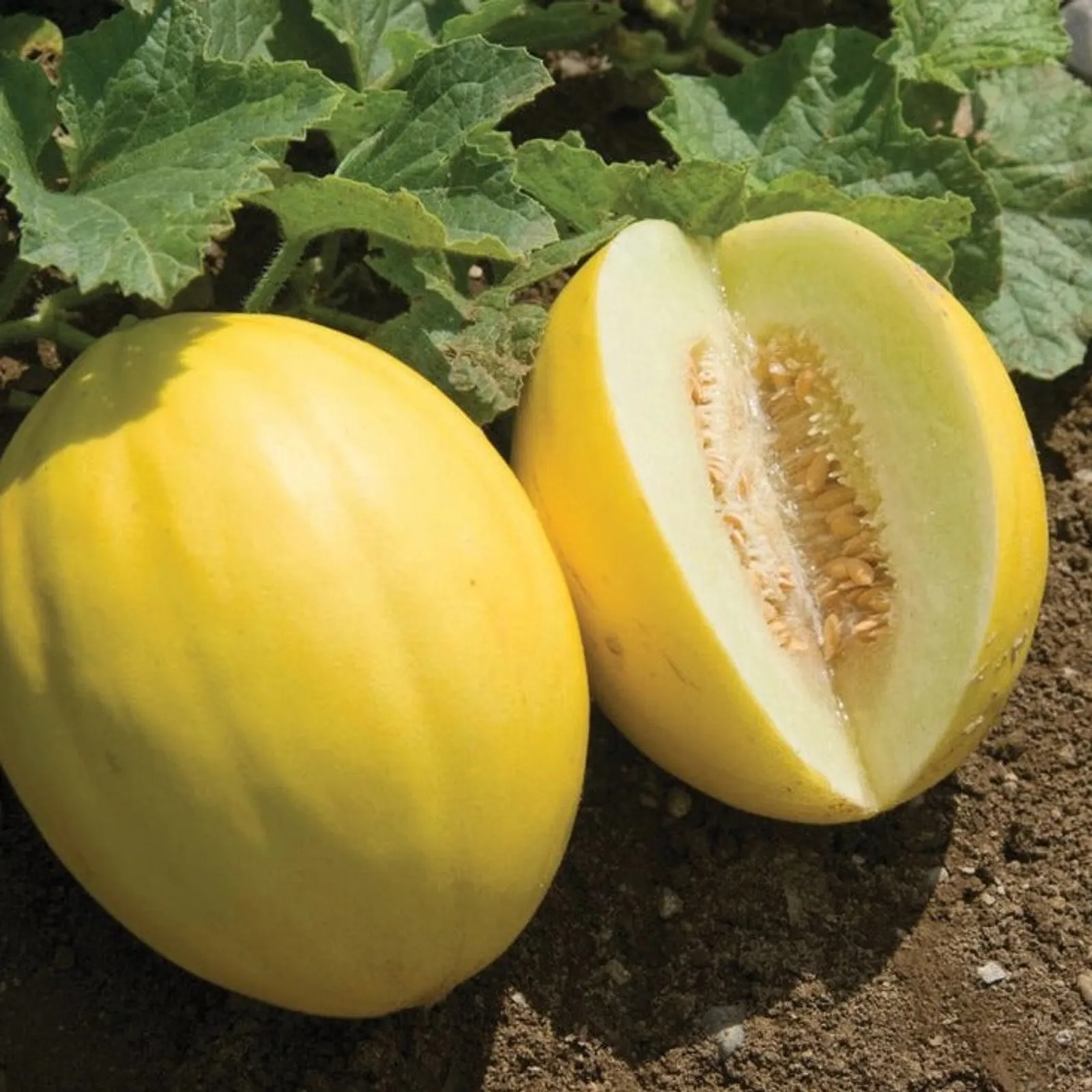
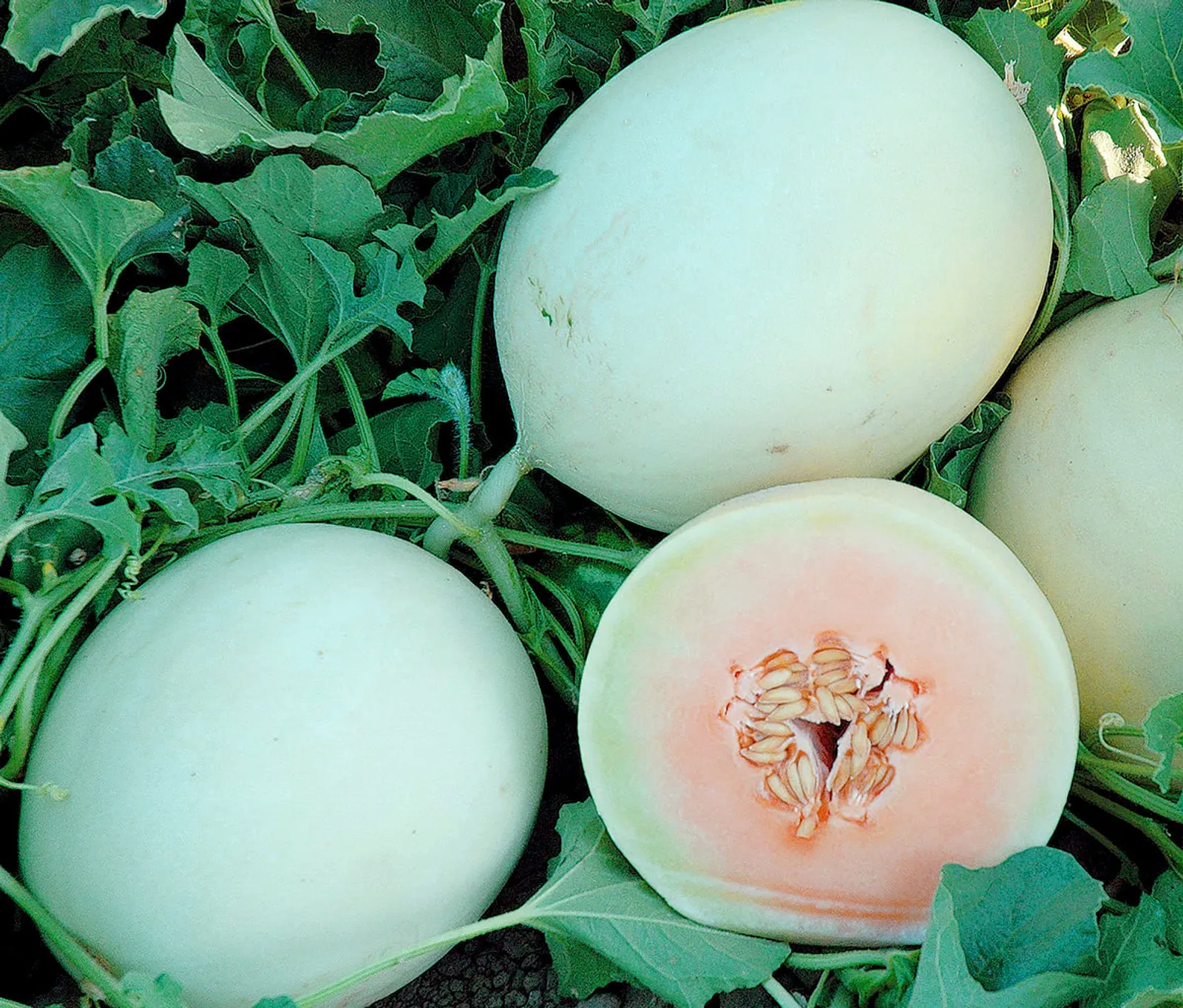
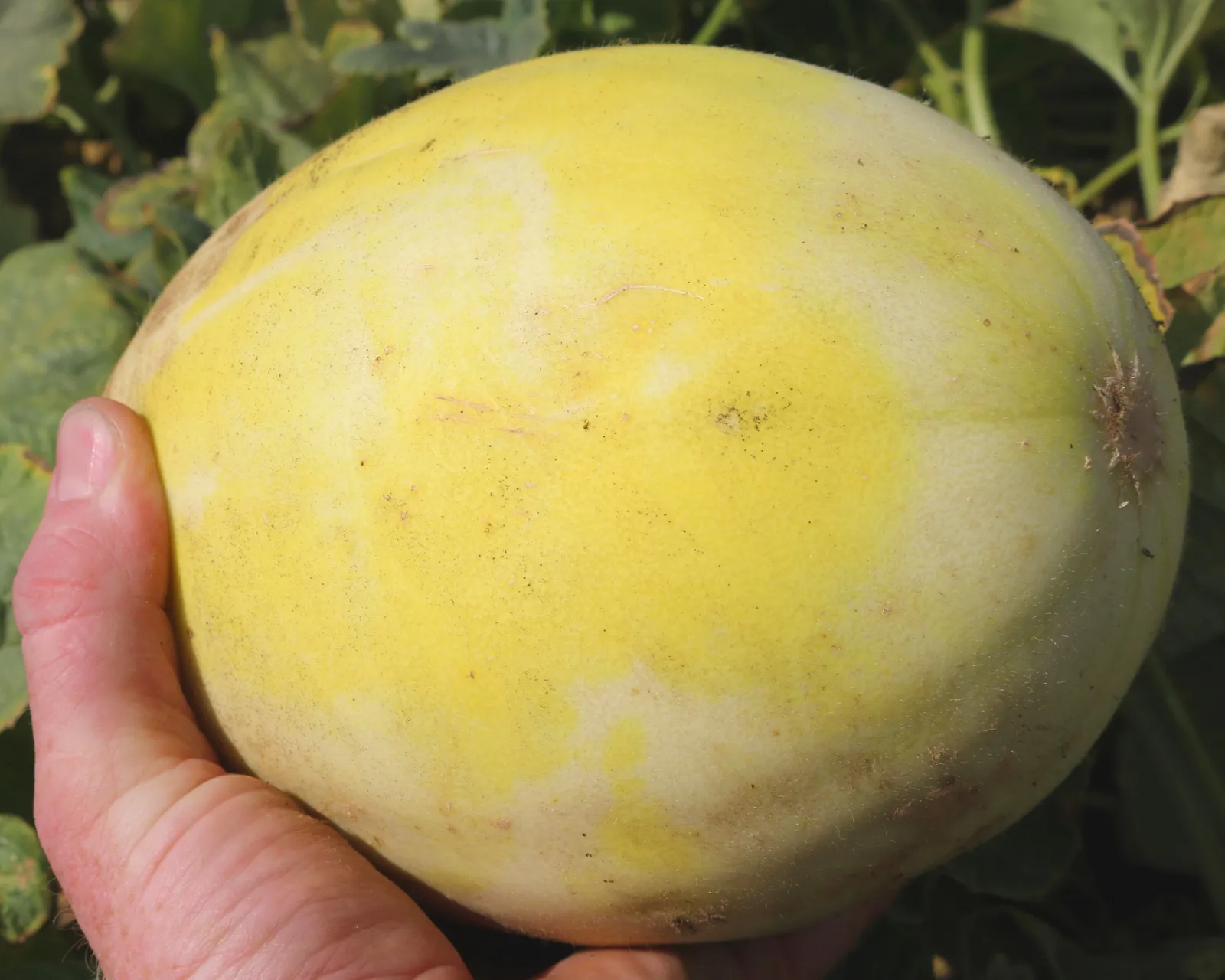
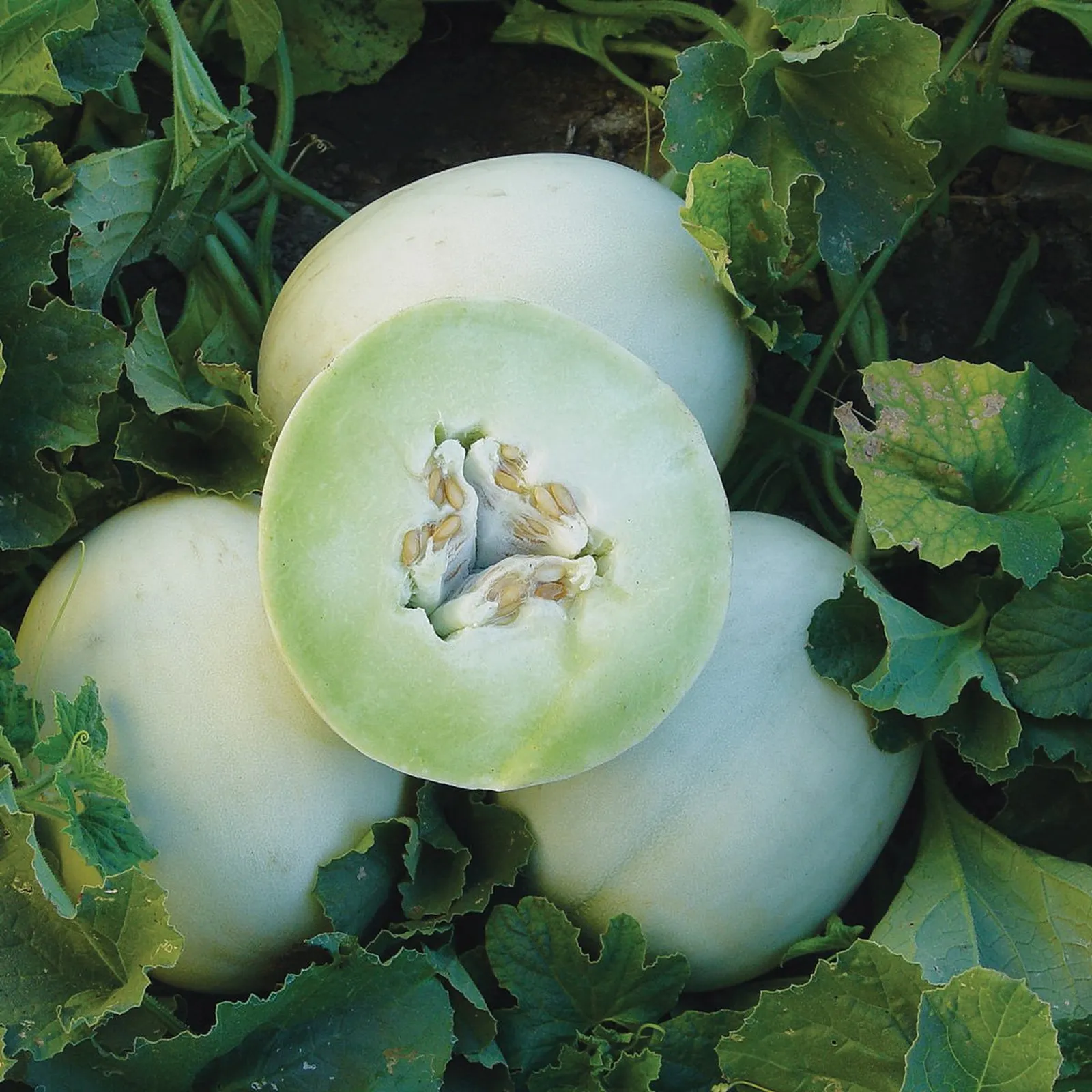
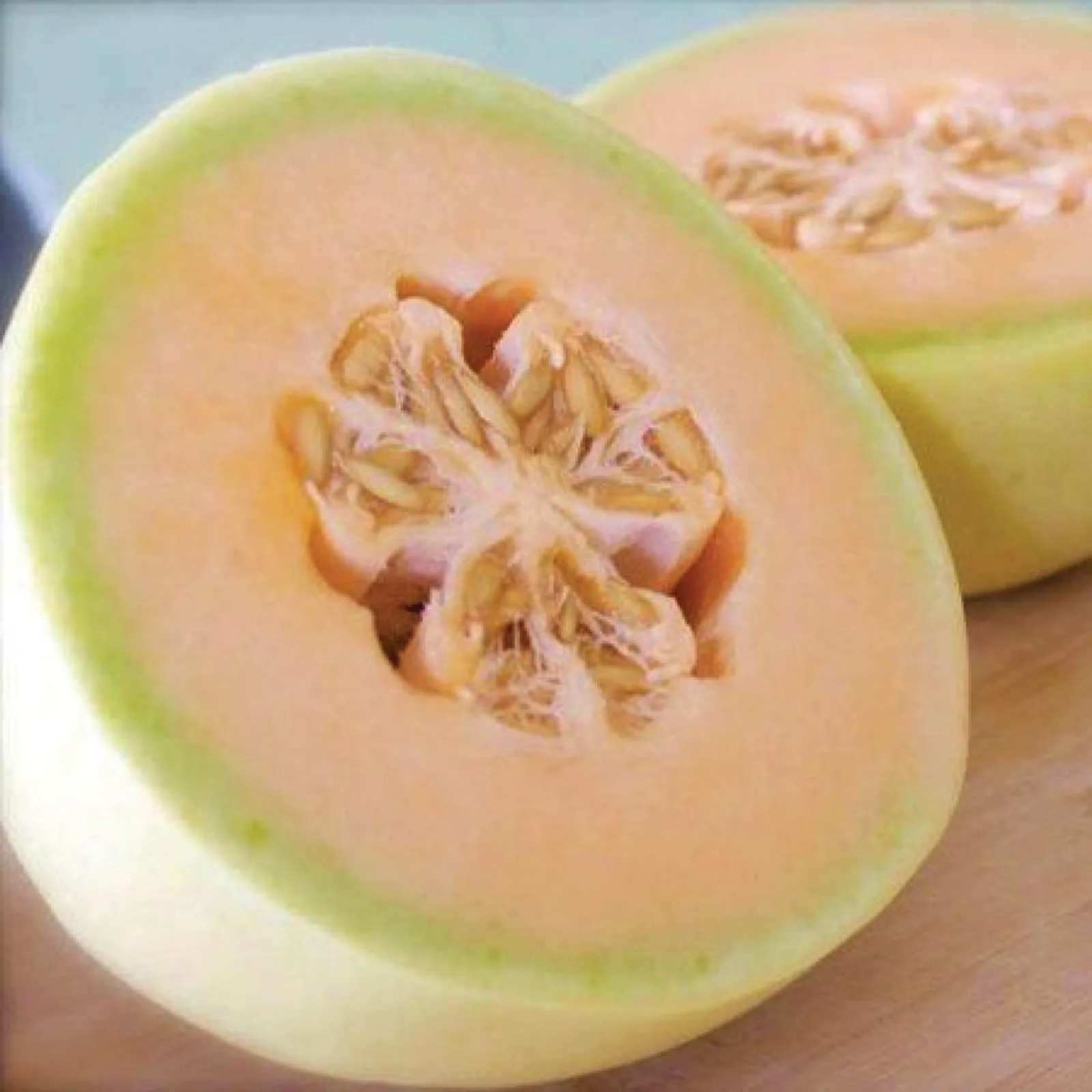
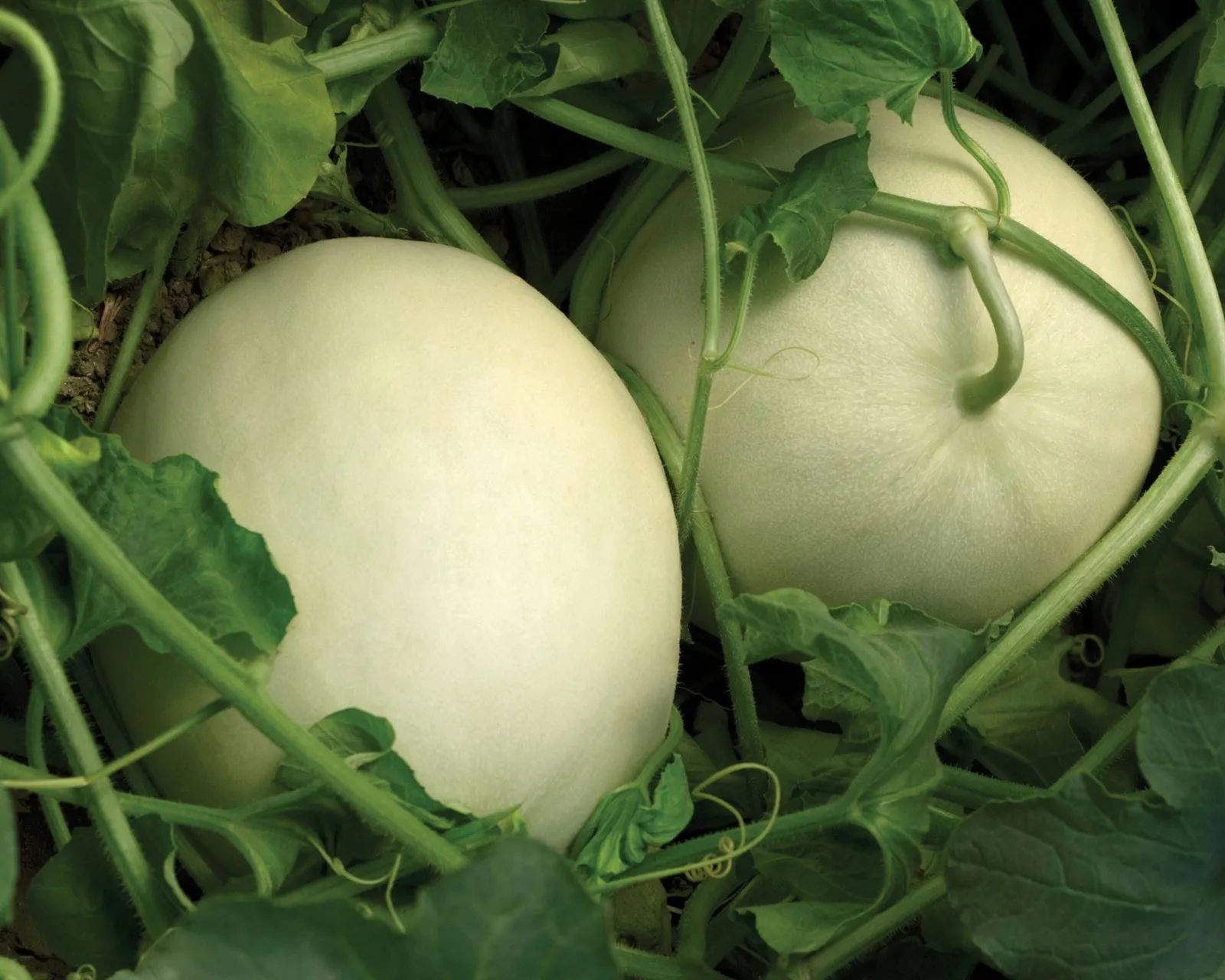
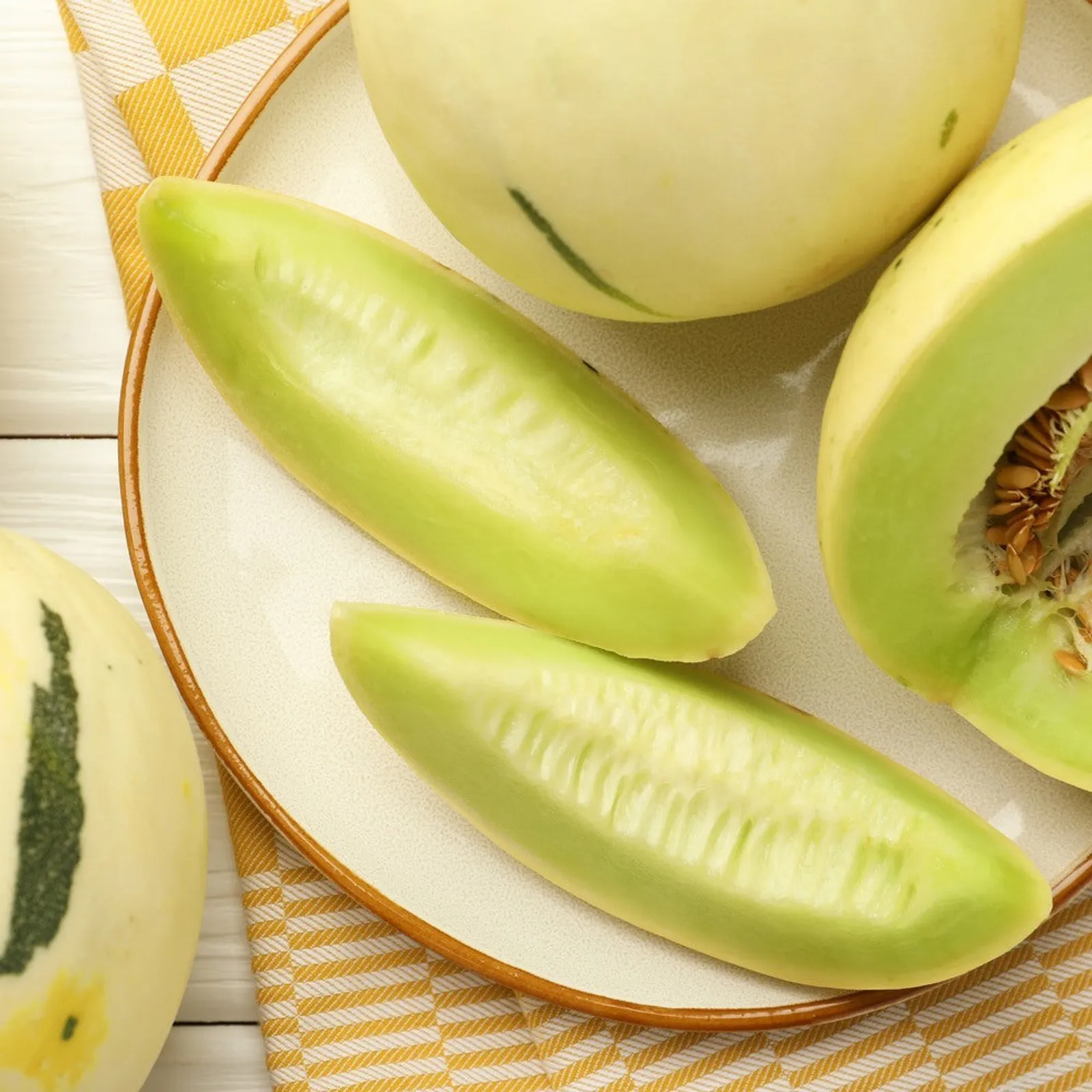
Honeydew is a type of melon. It has a greenish-yellow, smooth exterior and pale green flesh. It is closely related to cantaloupes, but honeydew tastes a bit sweeter. It is also an excellent source of vitamin C!
How to Grow Honeydew
Quick Info


Put away the pen and paper
Plan your veggie garden in minutes with Planter's easy drag and drop planner.
Try Planter for Free
Varieties
Related Articles
Companion Plants










Combative Plants





Nutrition
Vitamins




Nutrients






Pests
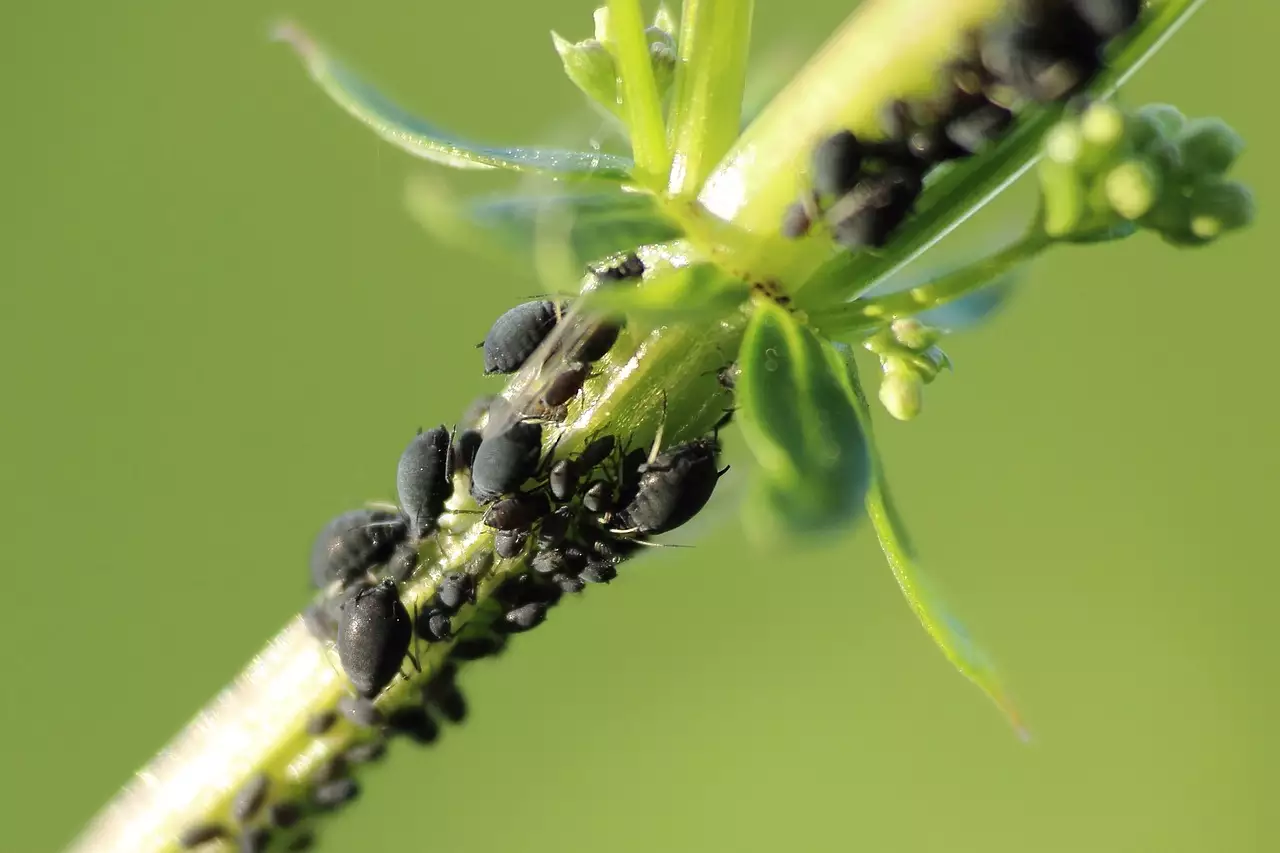
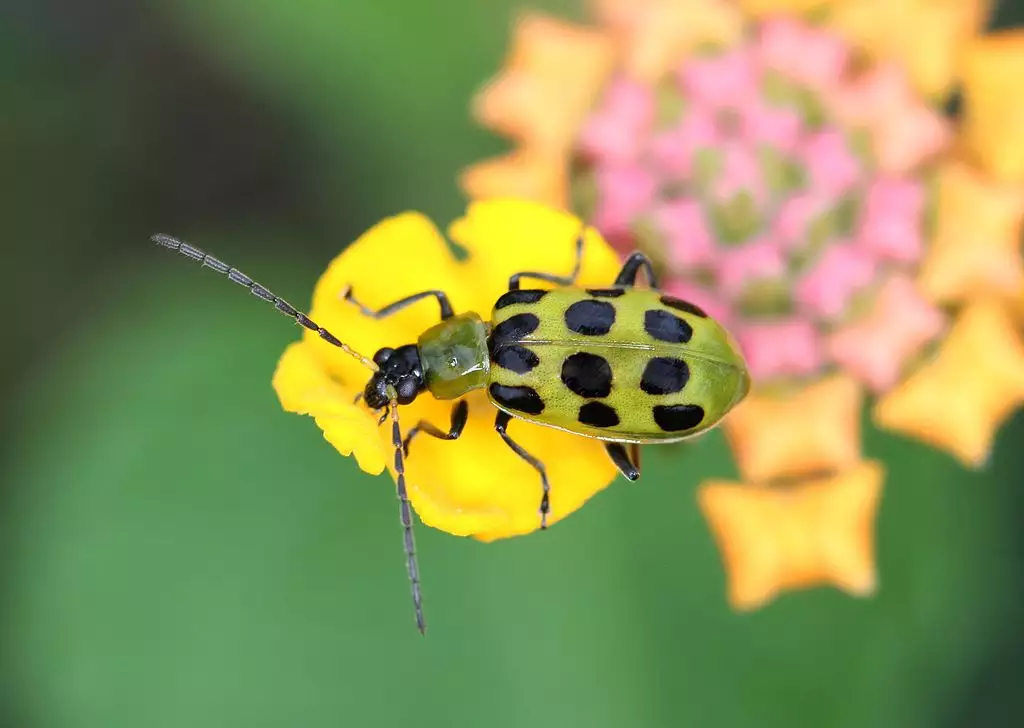
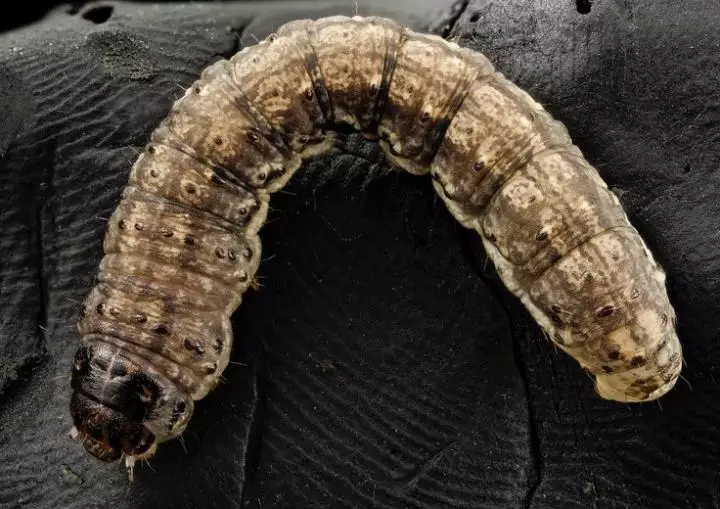
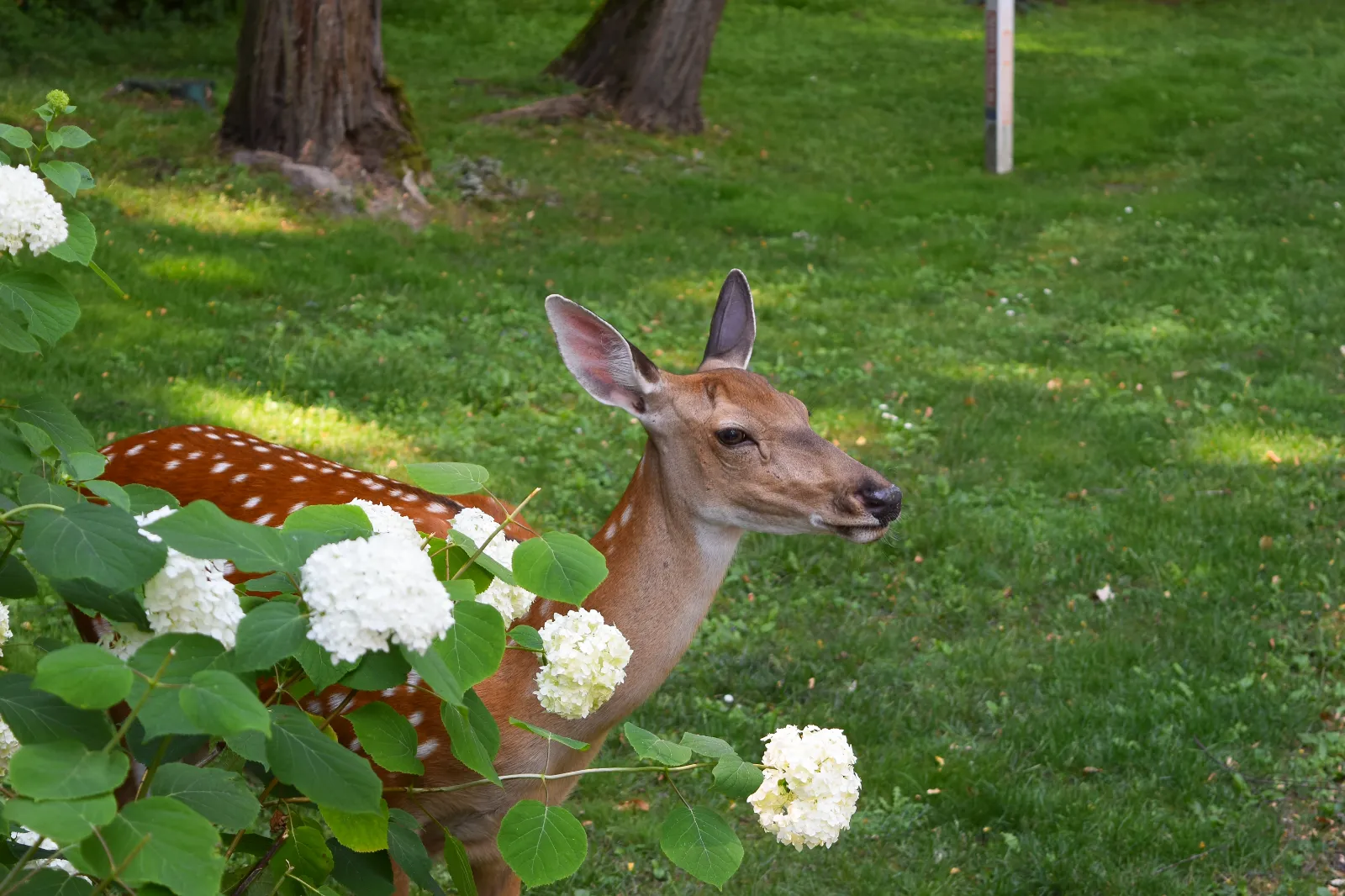
Diseases
Beneficial Critters
Growing from Seed
Honeydew are generally direct sown, but can also be started indoors and transplanted. This method is useful for those living in cooler climates. Ensure seedlings have plenty of light- 16 hours a day is recommended. Be sure to harden off seedlings before transplanting them. At first, keep the seedlings in a sunny, sheltered area outside for just a few hours a day. Bring the plants in at night. Gradually leave the seedlings outside for longer and longer, under less shelter, until it is time for them to be transplanted to the garden. This process will help strengthen your plants and ensure their survival.
Planting Considerations
At the planting site, mix your soil with plenty of compost. Honeydew and other melons are heavy feeders, and require lots of nutrients.
Feeding
Fertilize regularly with a balanced fertilizer, such as a 10-10-10 (10% nitrogen, 10% phosphorous, and 10% potassium) mix. A fertilizer with too much nitrogen will cause the plant to grow excess leaves instead of fruit.
Harvesting
Honeydew is ready when the skin takes on a creamy yellow color, and the blossom end of the fruit is somewhat soft. Cut the melon off at the vine with sharp shears.
Storage
Honeydew is best enjoyed fresh. It will only last in the fridge for a short amount of time. Honeydew can also be frozen for up to a year.