Watermelon
Citrullus lanatus
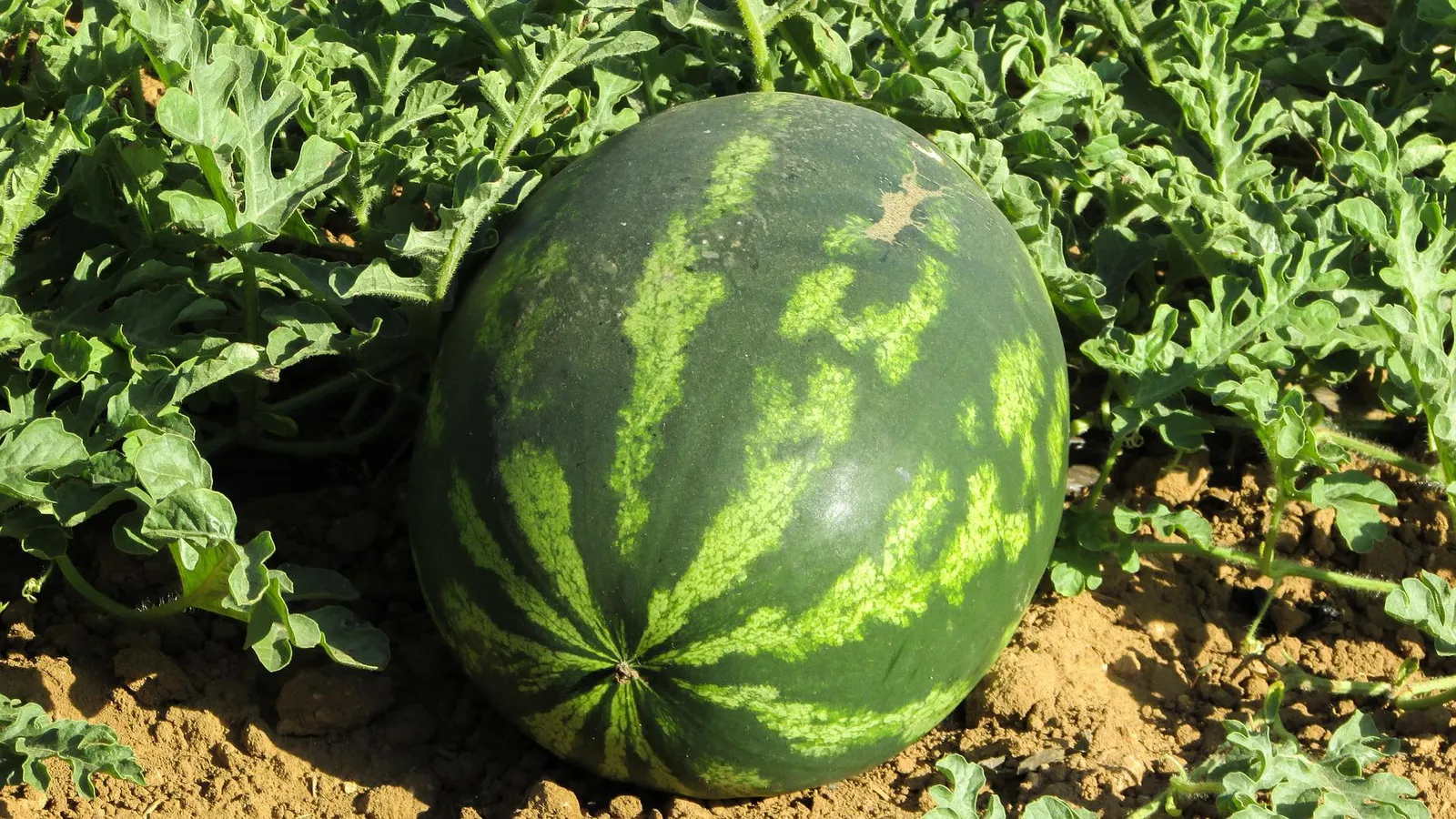
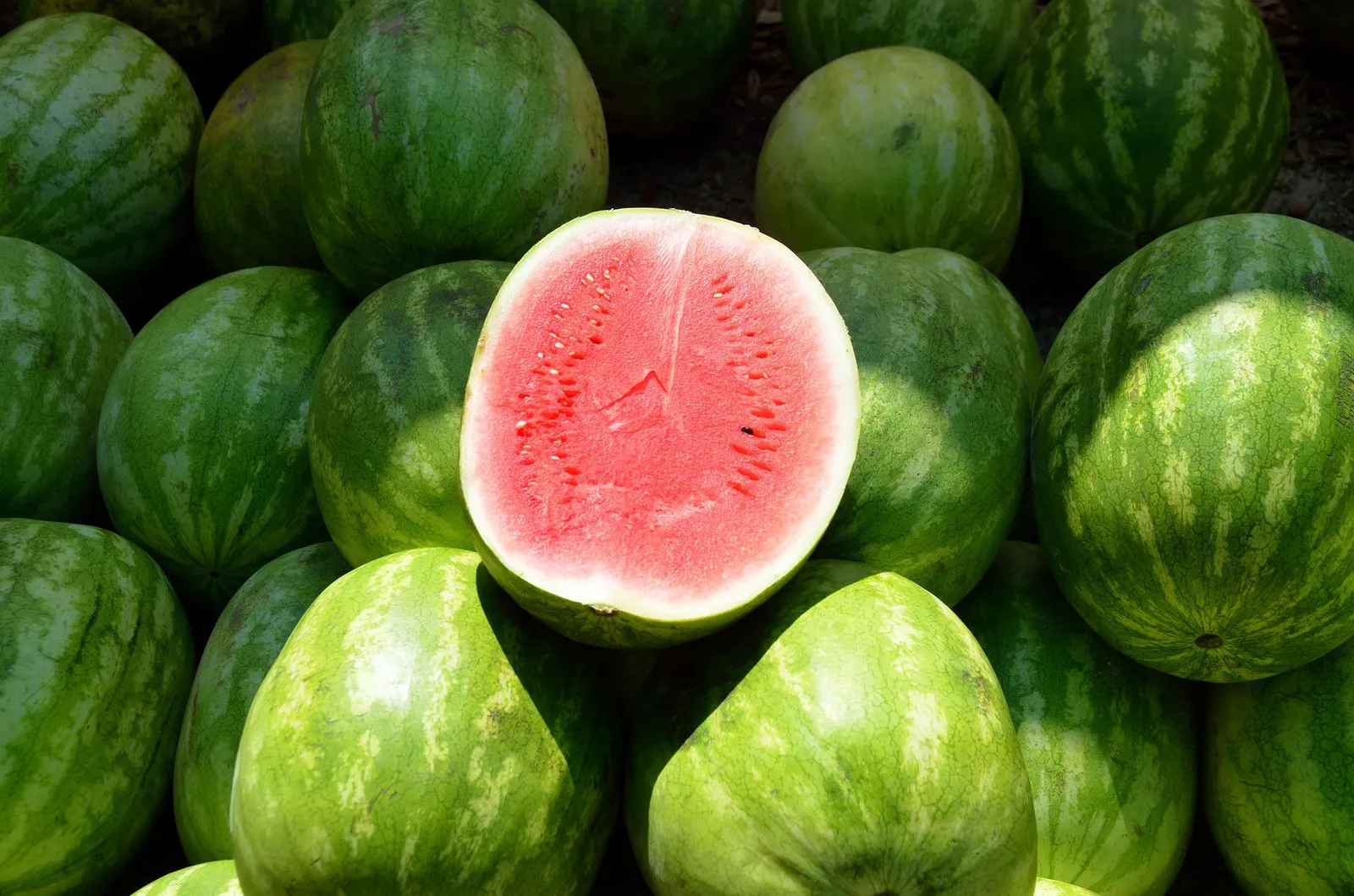
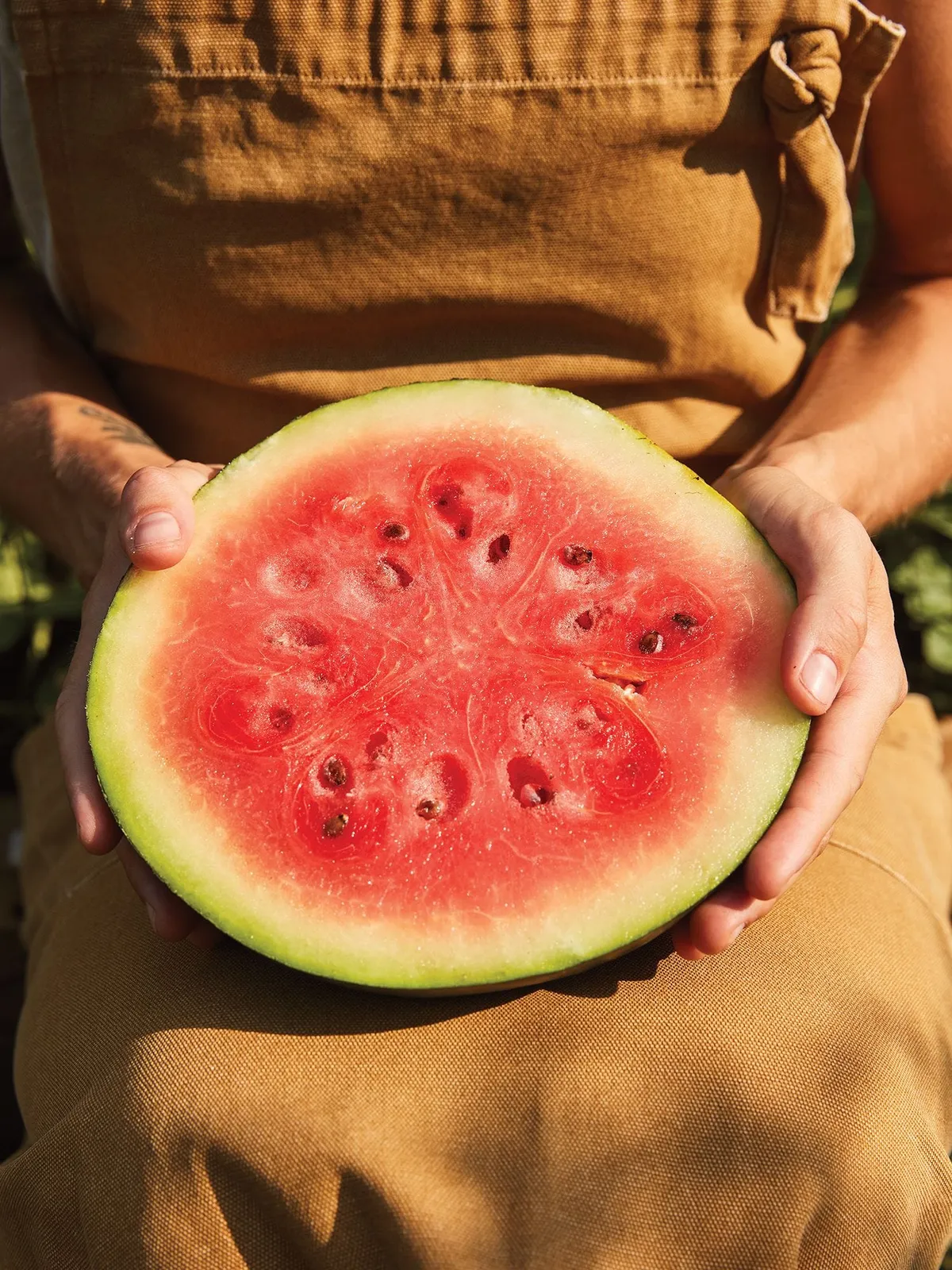
Everyone seems to love juicy watermelon in the summertime. Native to Africa, melons need warm temperatures (up to 80 degrees during the day) and a long growing season. Gardeners in colder climates can still have success in growing watermelon by starting seeds indoors and choosing short-season varieties.
How to Grow Watermelon
Quick Info


Put away the pen and paper
Plan your veggie garden in minutes with Planter's easy drag and drop planner.
Try Planter for Free
Varieties
Related Articles
Companion Plants






Combative Plants





Nutrition
Vitamins



Nutrients




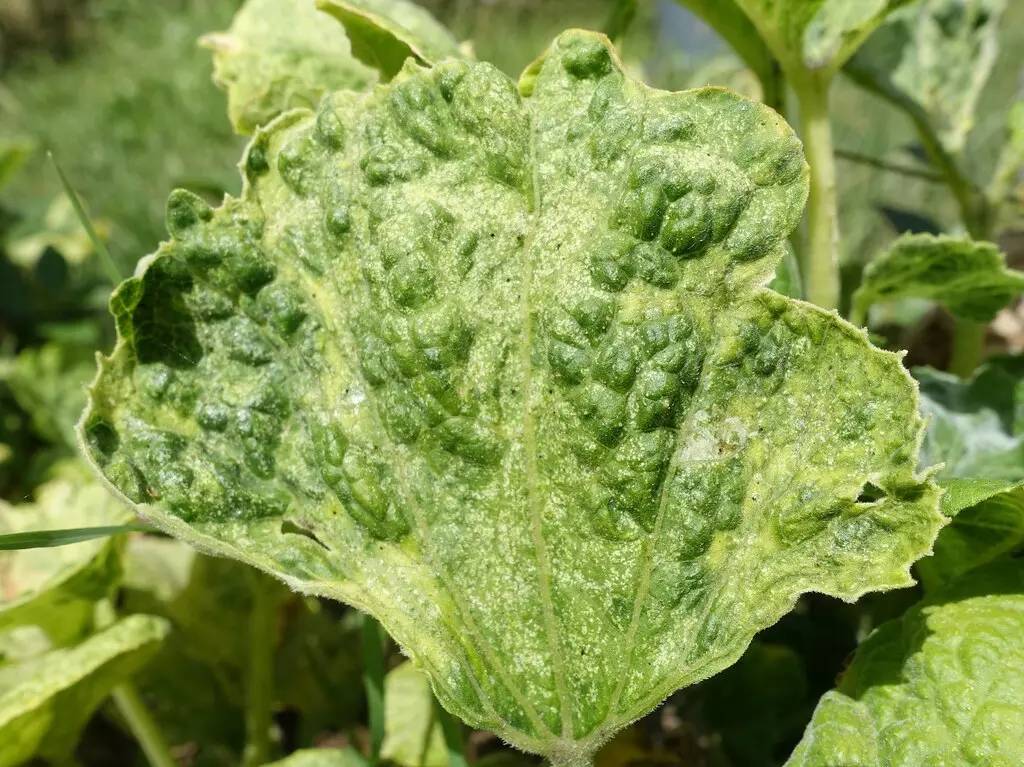
Pests
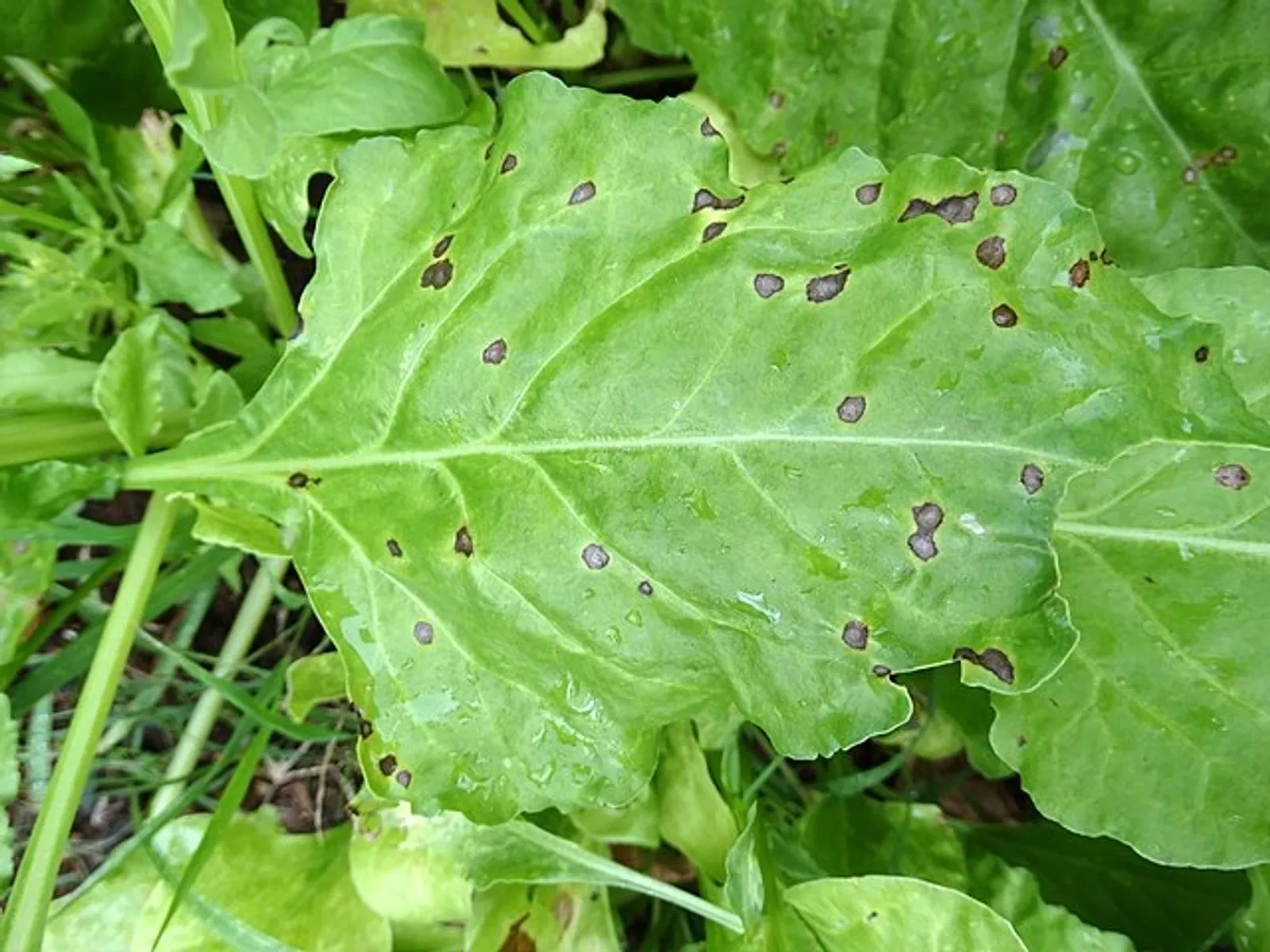
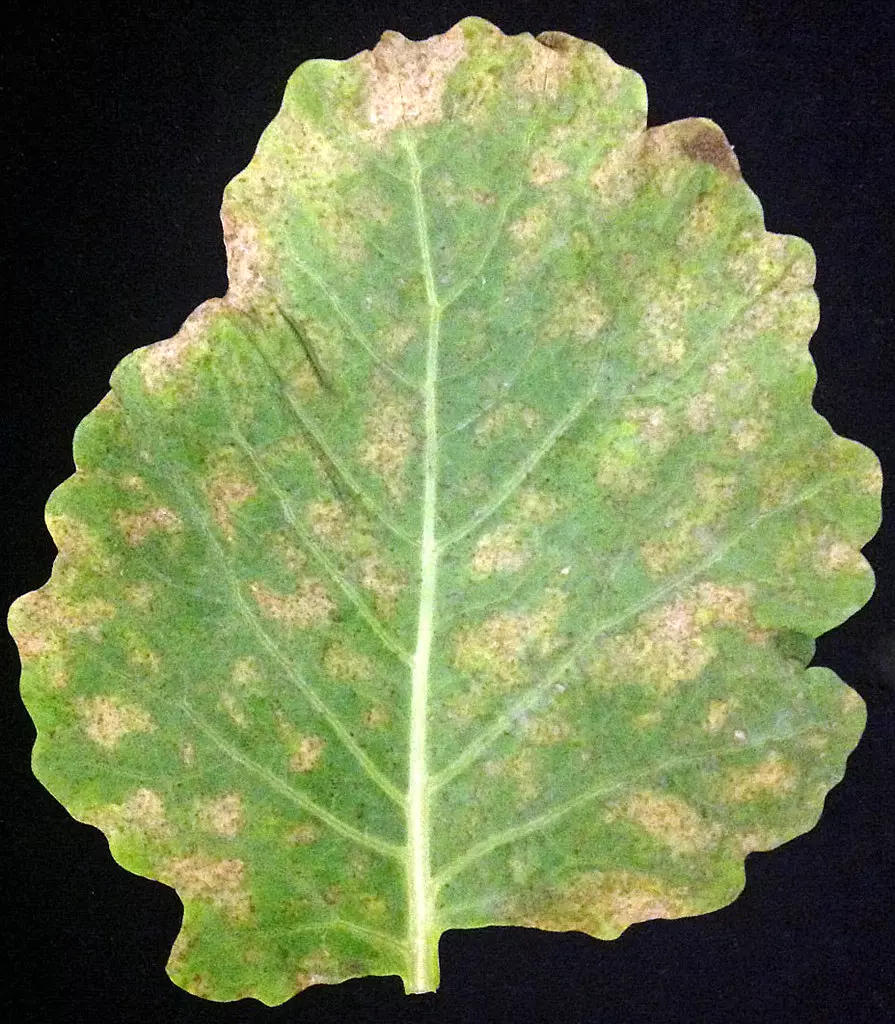
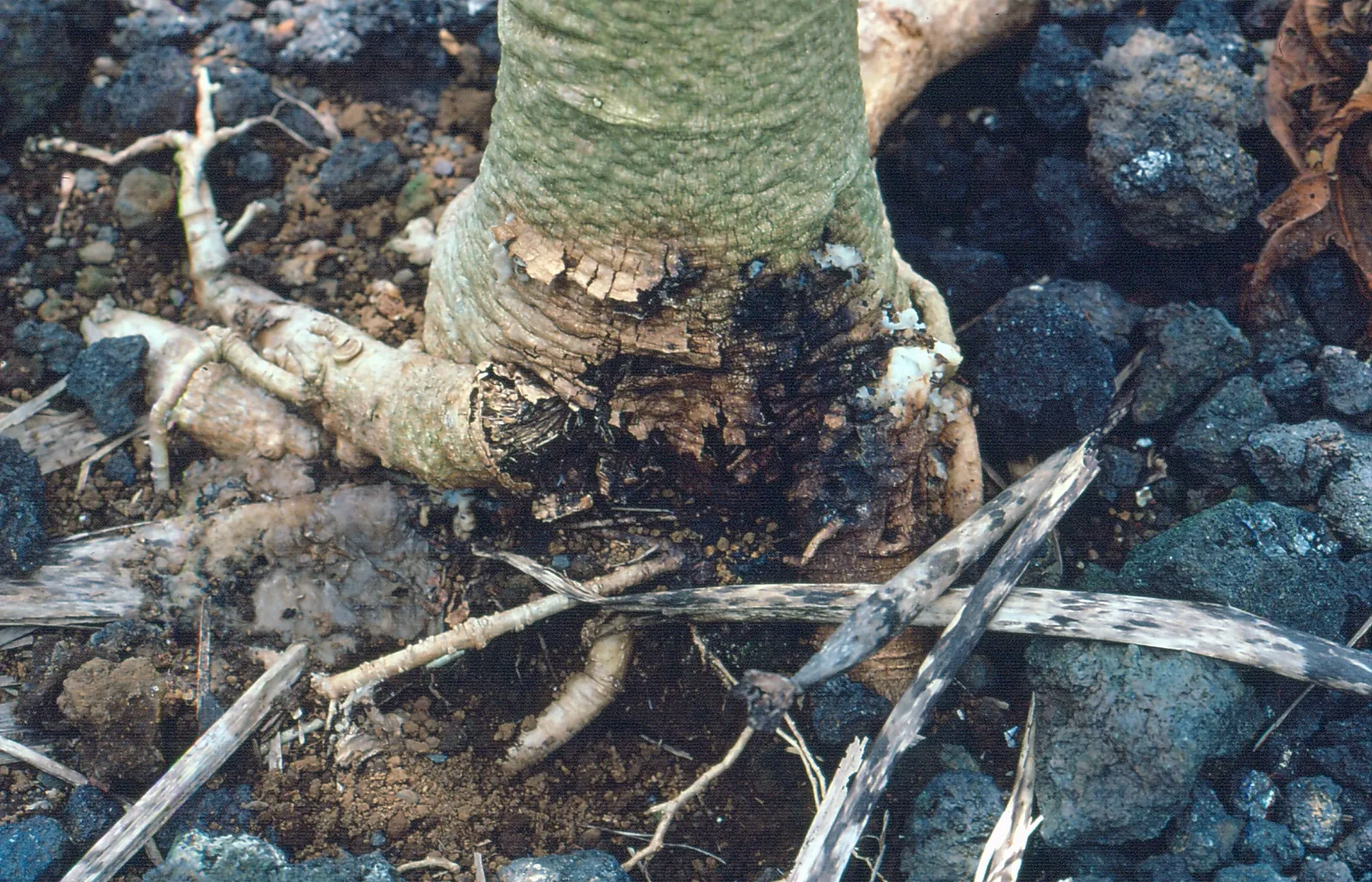
Diseases
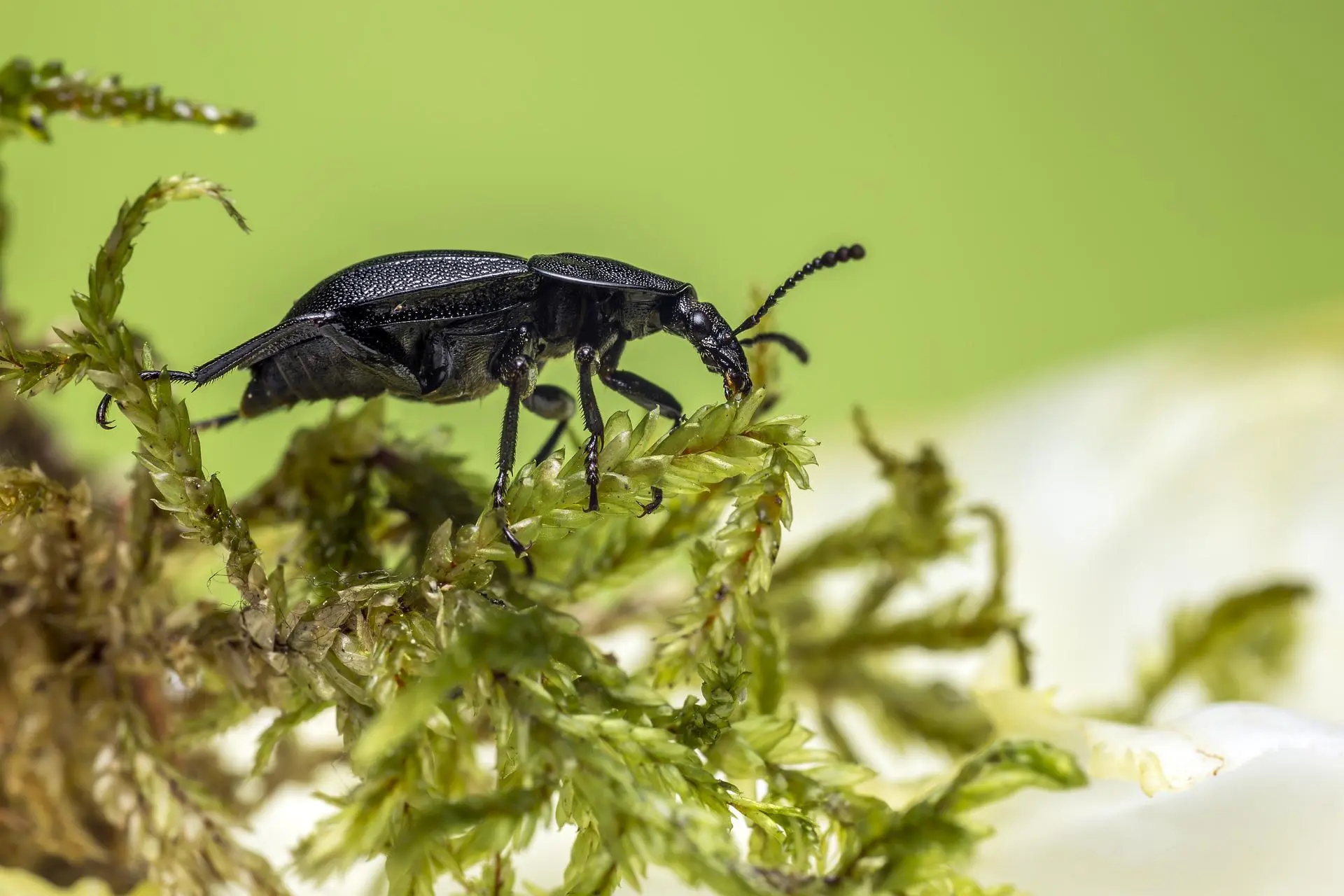
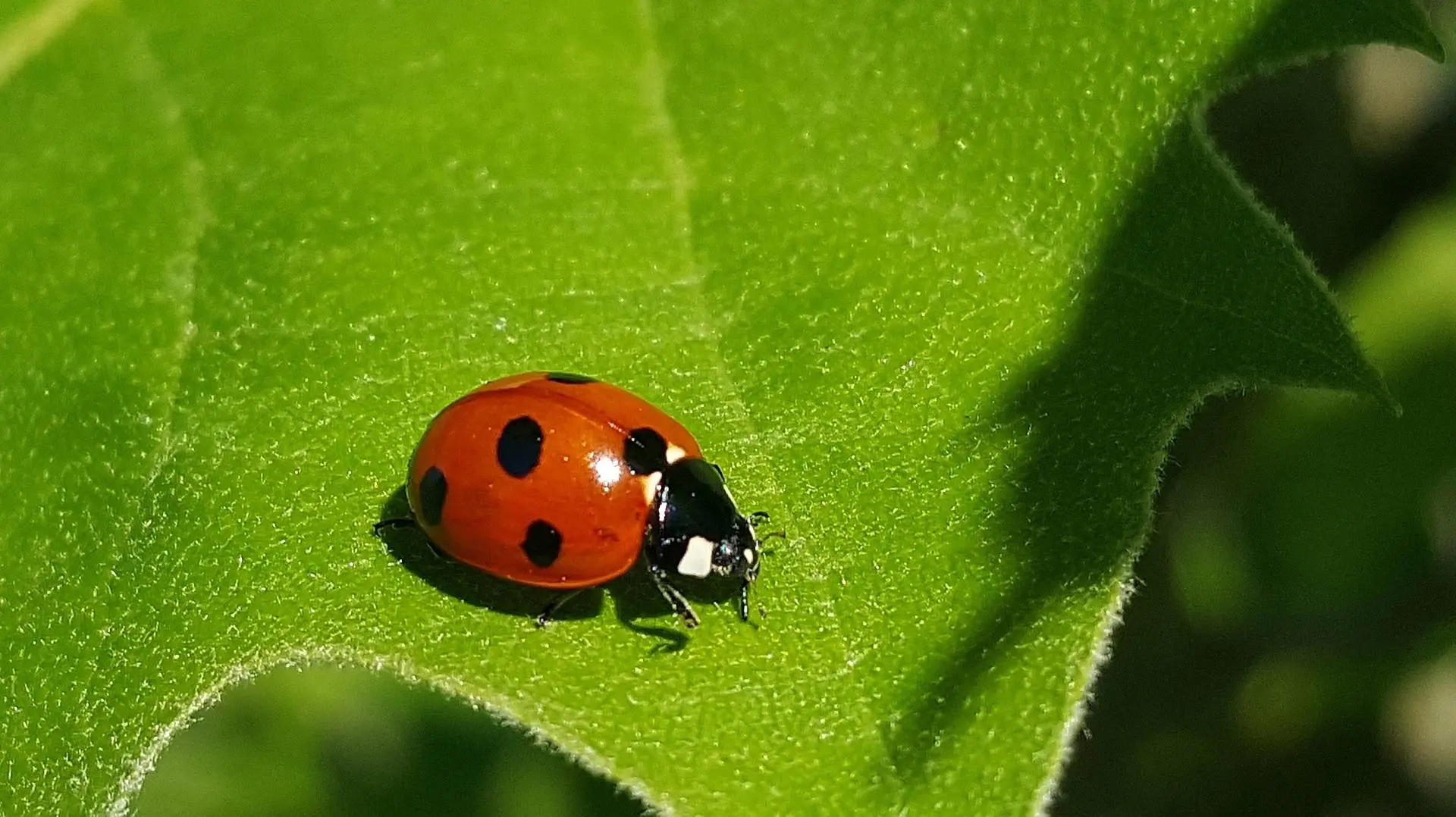
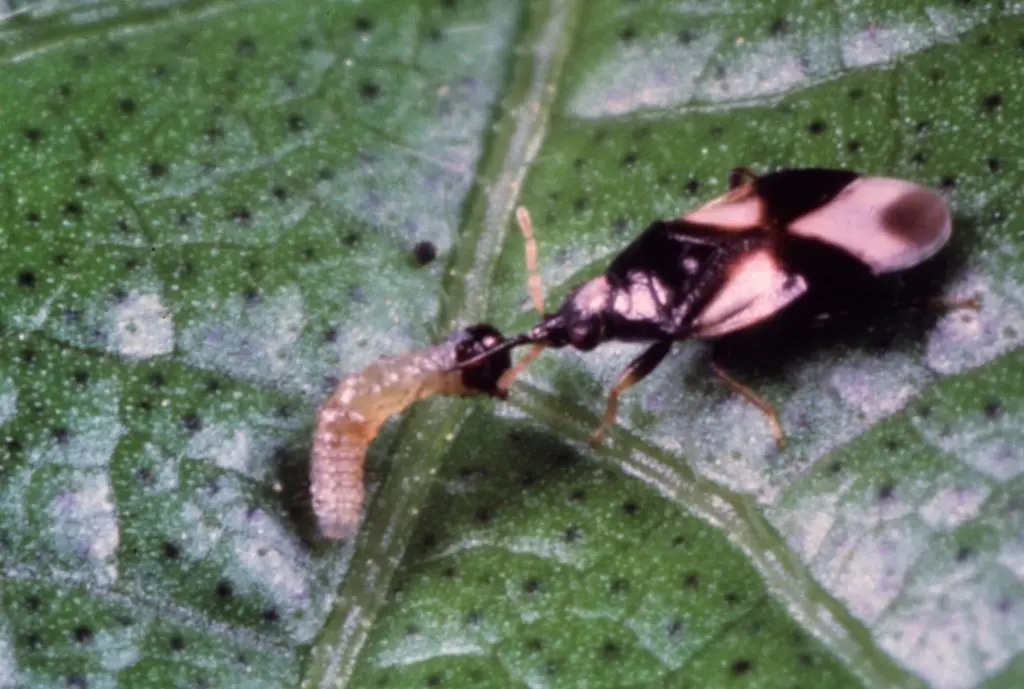
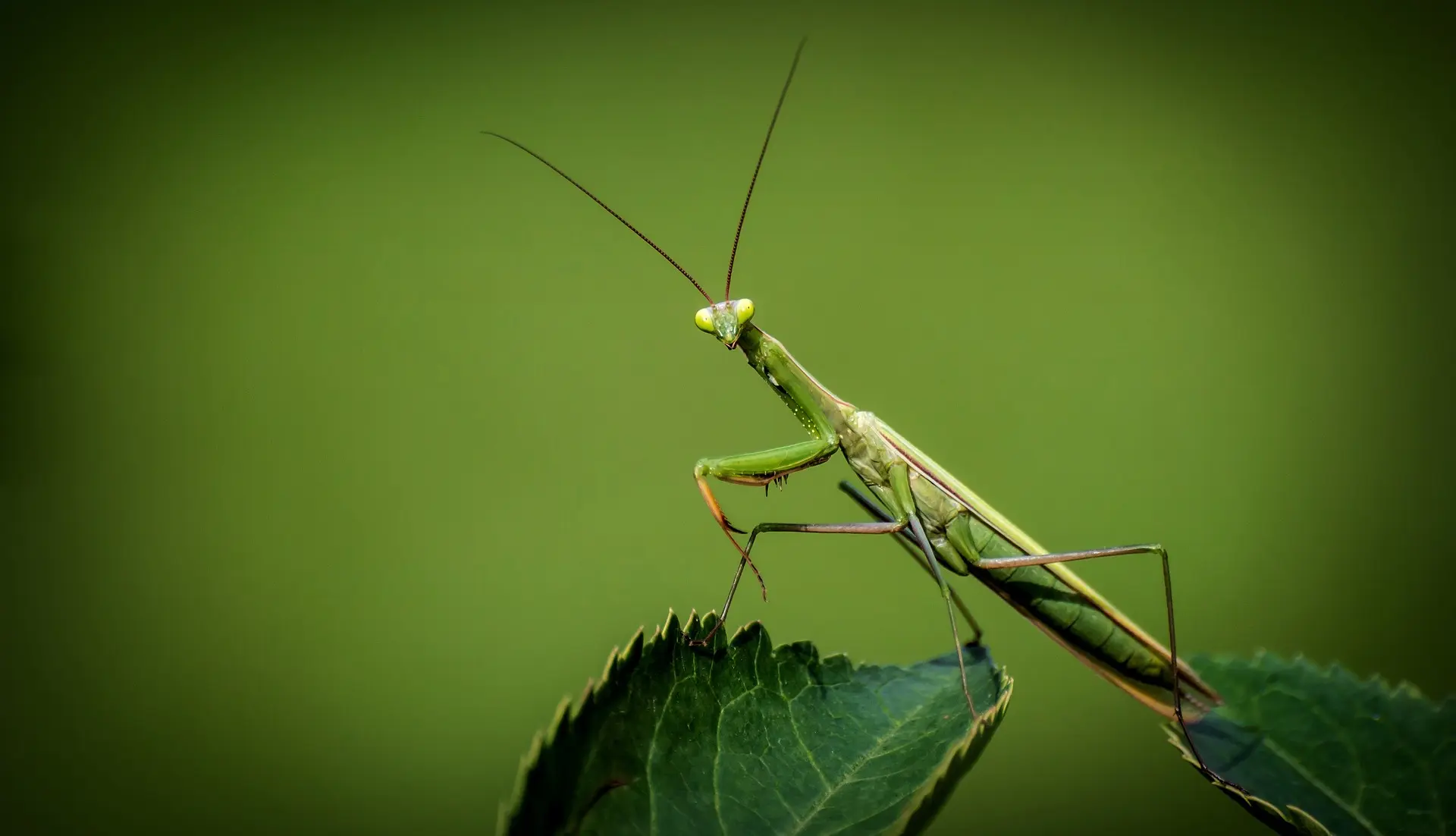
Beneficial Critters
Growing from Seed
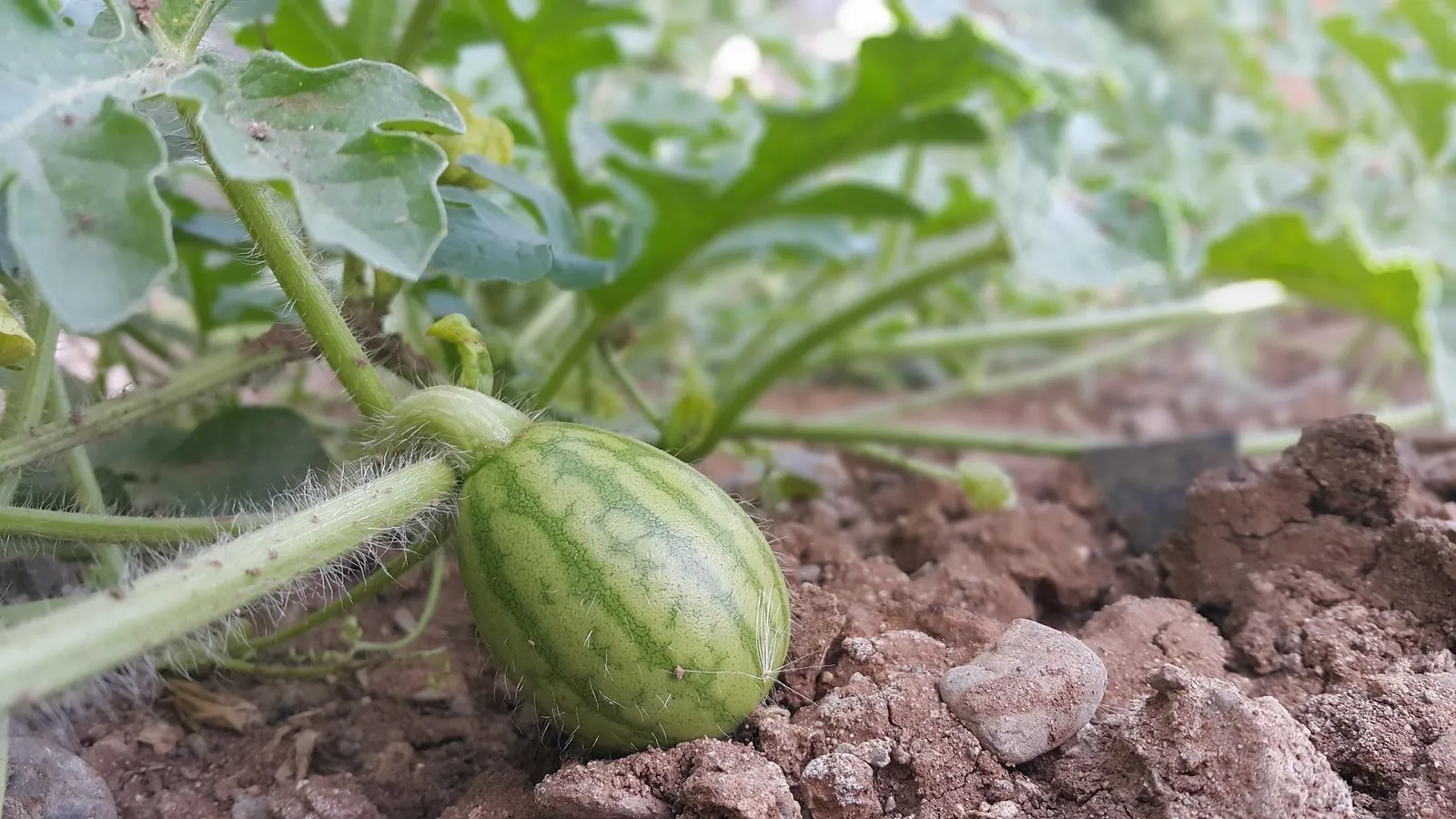
If you live in warmer climates, you can direct sow seeds outdoors, but wait until the soil temperature warms up avoid poor germination. If you live in colder climates, it is highly recommended to start your watermelon seedlings indoors. Transplant them to the garden 2-4 weeks after your last frost date.
Planting Considerations
Amend soil with aged manure, seaweed, and/or compost before planting. Watermelons are heavy feeders. Watermelons prefer a soil pH between 6 and 6.8.
Feeding
If you choose to fertilize (and many do), make sure the fertilizer you choose delivers more nitrogen than phosphorus and potassium. However, after flowering begins, use a fertilizer with less nitrogen. We like to use liquid seaweed.
Harvesting
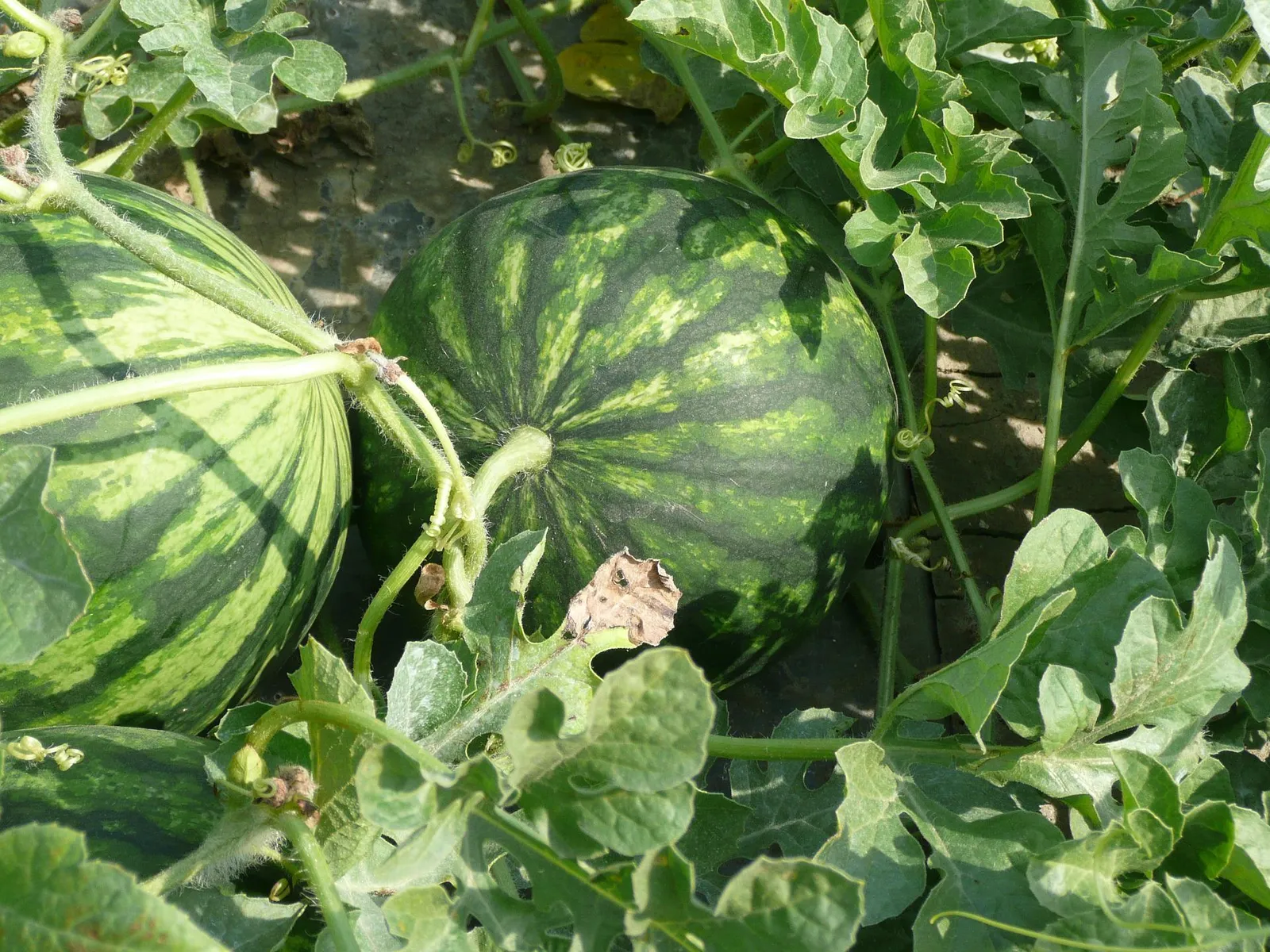
Watermelons don’t sweeten after they are picked, so harvest time is important. They generally ripen over two weeks, so keep your eye on them. Check the tendril. If it's green, wait. If it’s half-dead, the watermelon is nearly ripe or ripe. If the tendril is fully dead, it's ripe or overripe. It’s not going to get any riper, so you might as well pick! Stems should be cut with a sharp knife close to the fruit.
Storage
Watermelons can be stored uncut for about 10 days. If cut, they can last in the refrigerator for about 4 days. Wrap tightly in plastic.