Alternaria (Early Blight)
Identification
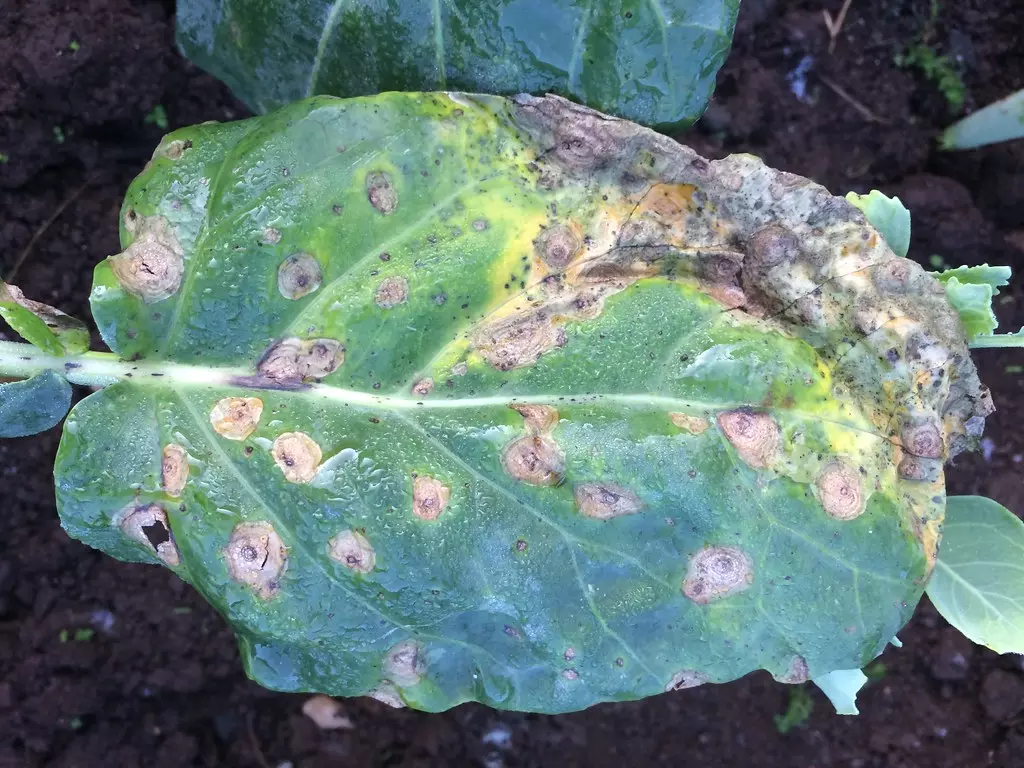
Alternaria fungi cause rounded or oval brown-yellow leaf and stem spots that can grow up to 1/2"" (1.25 cm) in diameter and develop concentric rings. The spots are sometimes described as looking like targets. Eventually the spots can grow together and heavily infected leaves will turn brown and die. Alternaria is a common disease in the garden. It tends to occur when weather is moderately warm, wet, and damp; often in spring although it can be a problem at any point when conditions are favorable. Alternaria is not as severe as some other garden diseases and with good gardening practices established plants can often continue growing and produce a harvest. In seedlings alternaria may cause stem girdling and 'damping off'. The common name for alternaria can vary depending on the crop affected. In Solanaceous crops such as tomatoes, peppers, and potatoes it is usually called 'early blight'. In Brassicas such as cauliflower, cabbage, broccoli and in Cucurbits such as cucumbers, squash, and melons it is usually called 'alternaria leaf spot'. In members of the Allium family such as onions, garlic, shallots it is called 'purple blotch'.
Damage prevention
Plants that are otherwise healthy may survive alternaria and continue on to produce a sizable harvest. Ensure plants do not become drought-stressed and follow other plant-specific best practices to help keep plants healthy. Avoid splashing water on plant leaves when watering and if possible use drip irrigation. Apply mulch around the base of the plants to help keep spores from splashing up onto plants. Prune and trellis plants to help improve air circulation and keep plant parts up off the soil. Practice good weed control as some weeds- especially nightshades- can harbor alternaria. If alternaria has been a problem in your garden, remove and dispose of all plant debris in and around the affected area at the end of the season. Also do not plant crops that are susceptible to alternaria in the same spot for at least two years. There are alternaria resistant plant varieties available (these varieties can still be affected by alternaria, but the impact of the disease may be lessened).
Physical control
Trim off leaves and branches affected by alternaria where possible. Do not remove more than 1/3 of the plant at a time and do not sever the main growing stem. Wash your hands and disinfect tools after pruning or working around plants with Alternaria to avoid spreading the disease to healthy plants.
Chemical control
Fungicide can be used preventatively with moderate effectiveness although it is generally not recommended for home vegetable gardens. Plants that are otherwise healthy can tolerate some degree of alternaria without yield losses and pruning can help manage the disease. If you choose to use a fungicide, select a product that is labelled for alternaria and rotate products where possible to minimize resistance. Not all fungicide products work on all types of fungal diseases. Check local regulations (or your local Extension Office where applicable) to identify products that can be used in home gardens in your area. Follow label instructions carefully for safe and effective fungicide application and to ensure that edible crops are safe to harvest. Test fungicide on a few plants before widespread application. Spray fungicides in the late evening and try to avoid spraying during blooming to minimize negative impacts on pollinators- some fungicides are directly lethal to pollinators, and others can have indirect negative impacts. Fungicides may not help if the plant is already severely diseased; it works best when used early (or preventatively in cases where you know you have a particular disease susceptibility). Severely diseased plants may need to be removed and disposed off site.
Plants Affected





...and 26 more plants
Put away the pen and paper
Plan your veggie garden in minutes with Planter's easy drag and drop planner.
Try Planter for Free