Cabbage
Brassica oleracea var. capitata, B. oleracea var. sabauda, B. rapa var. pekinensis
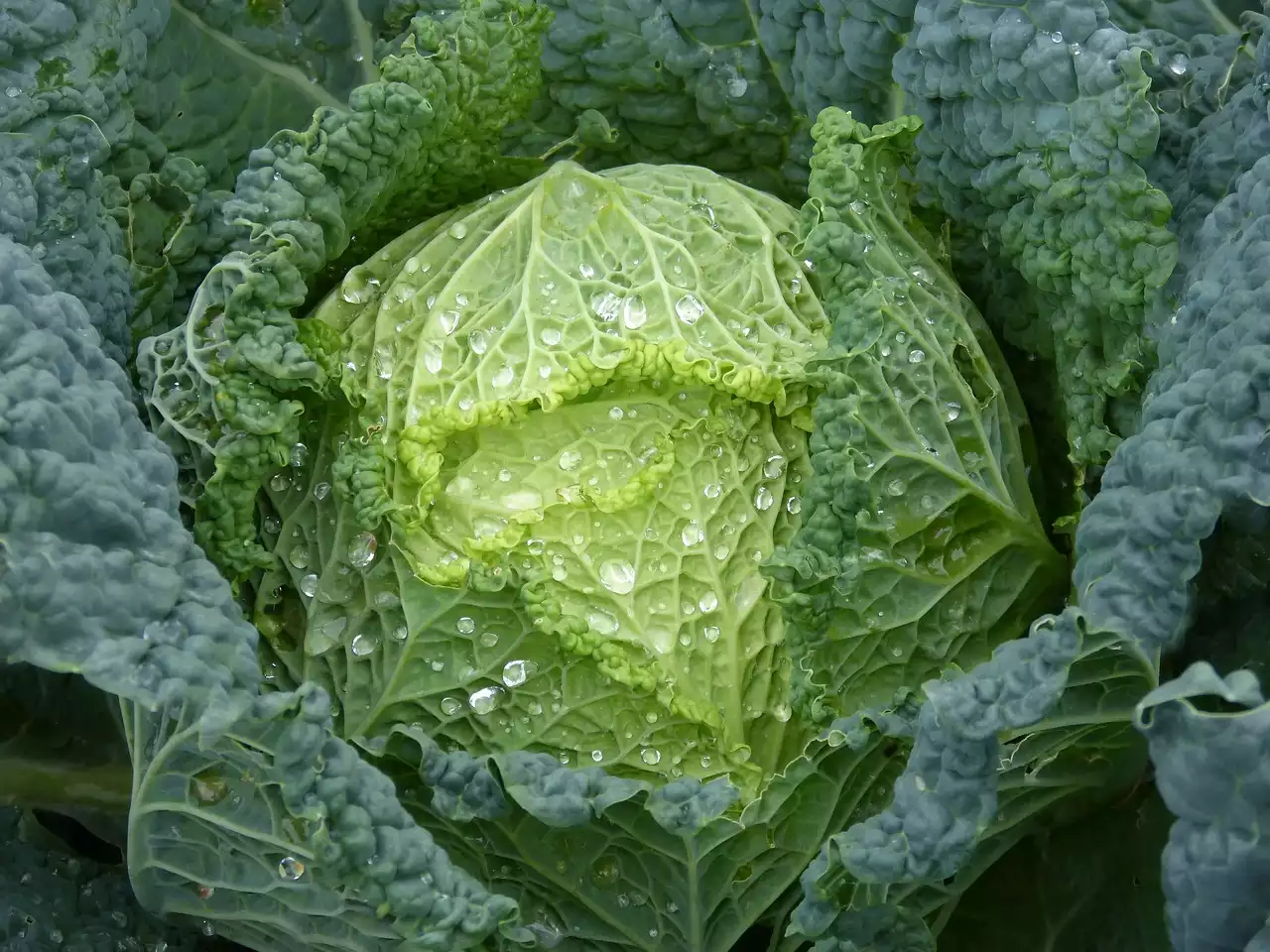
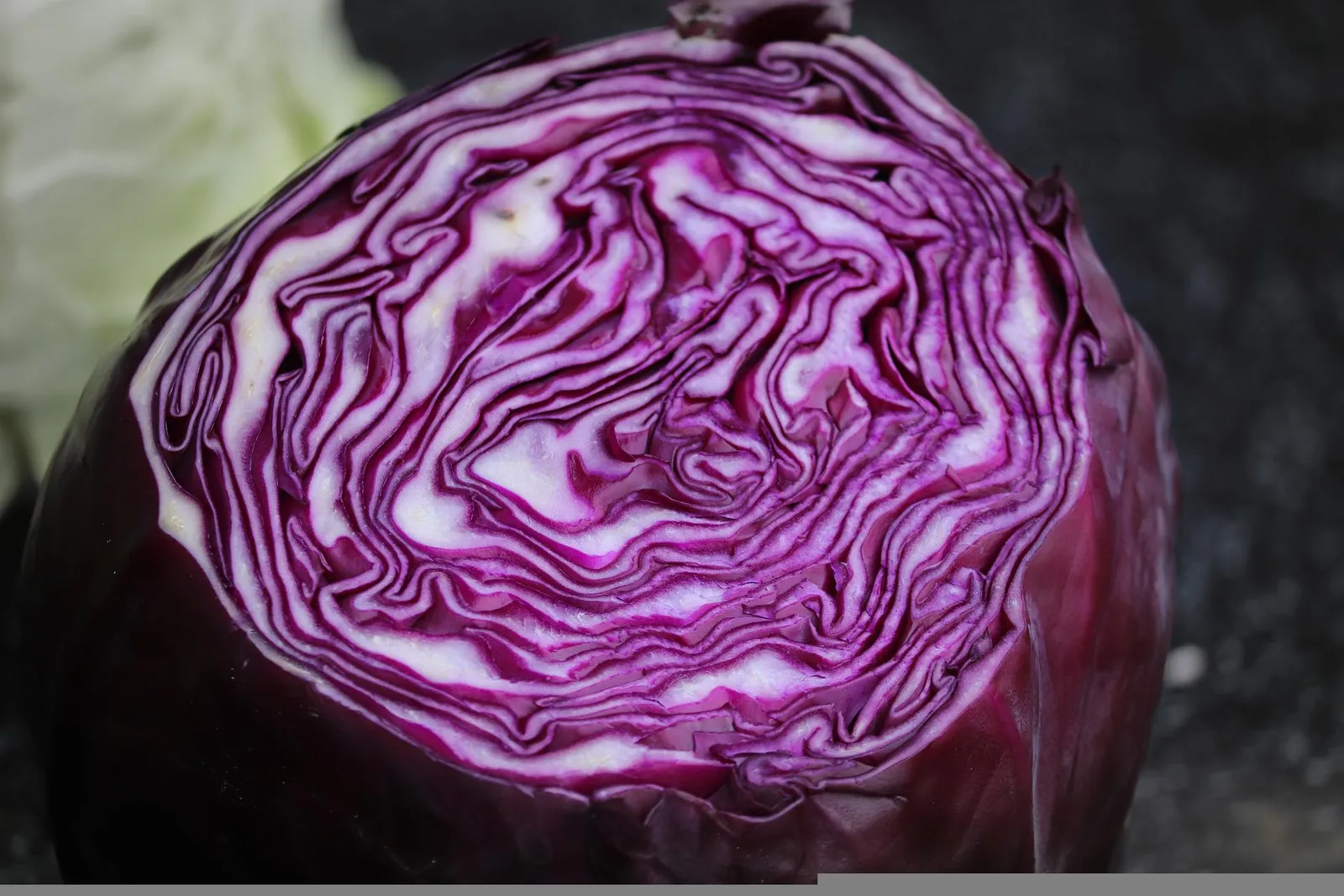
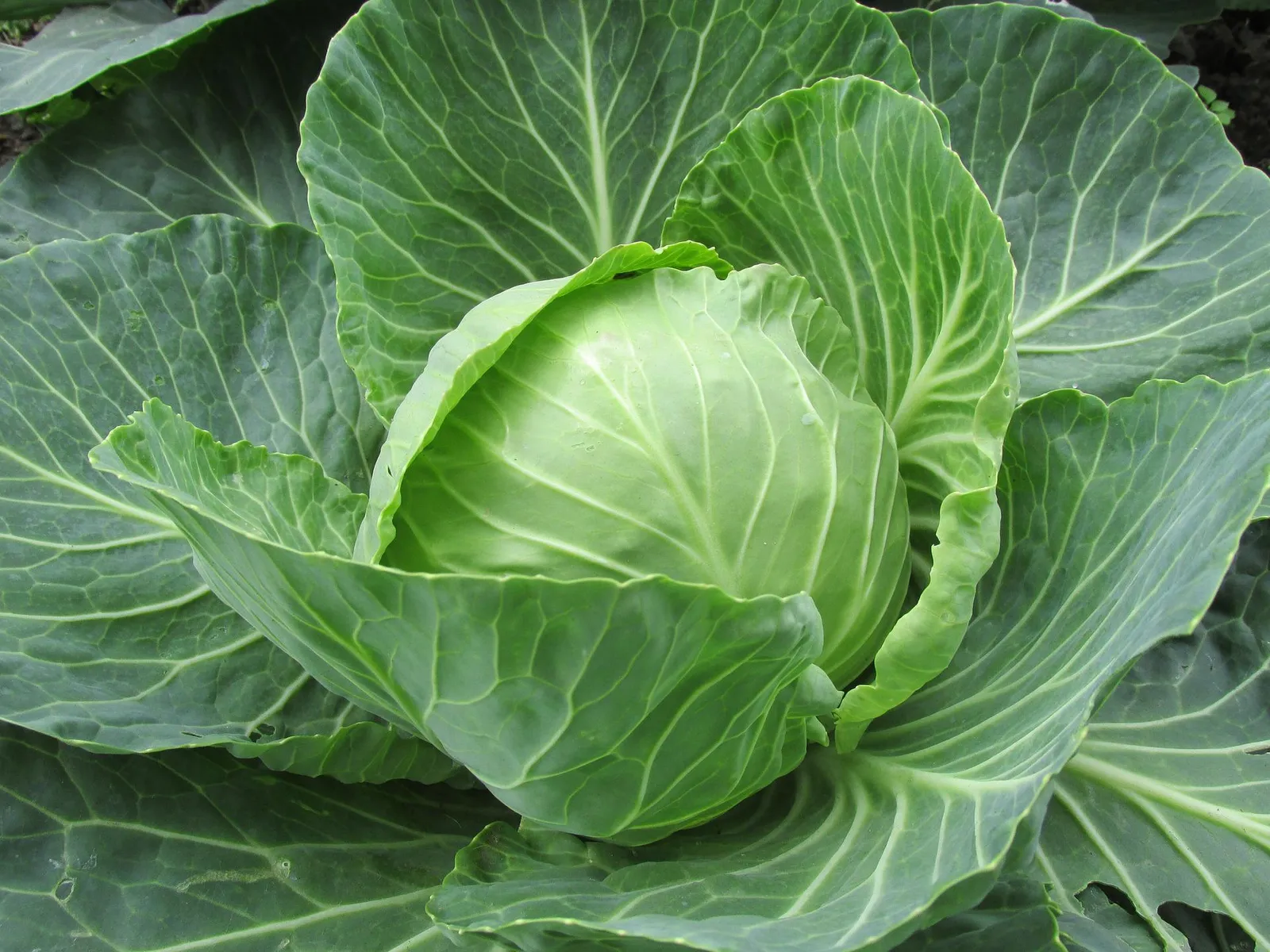
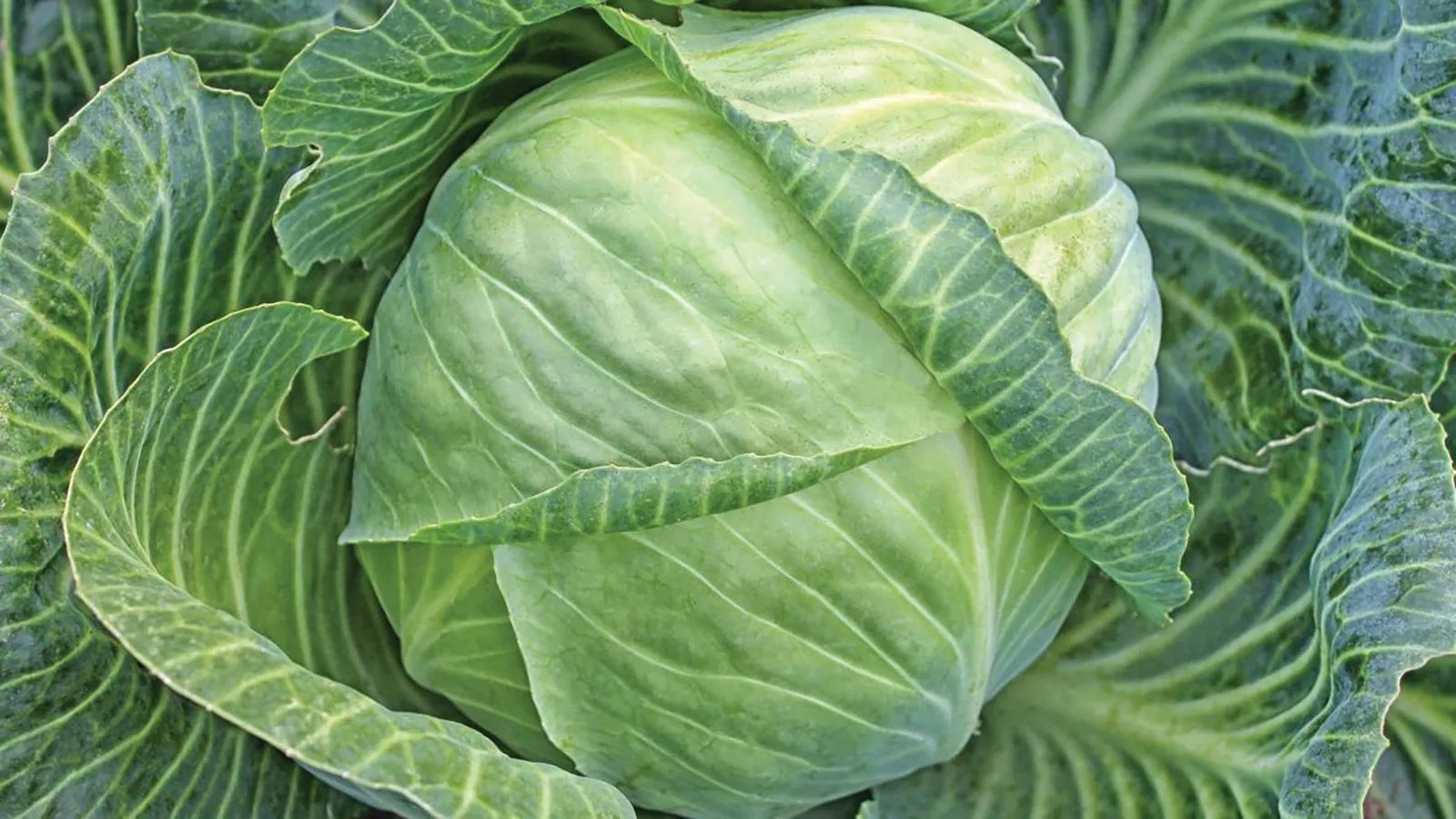
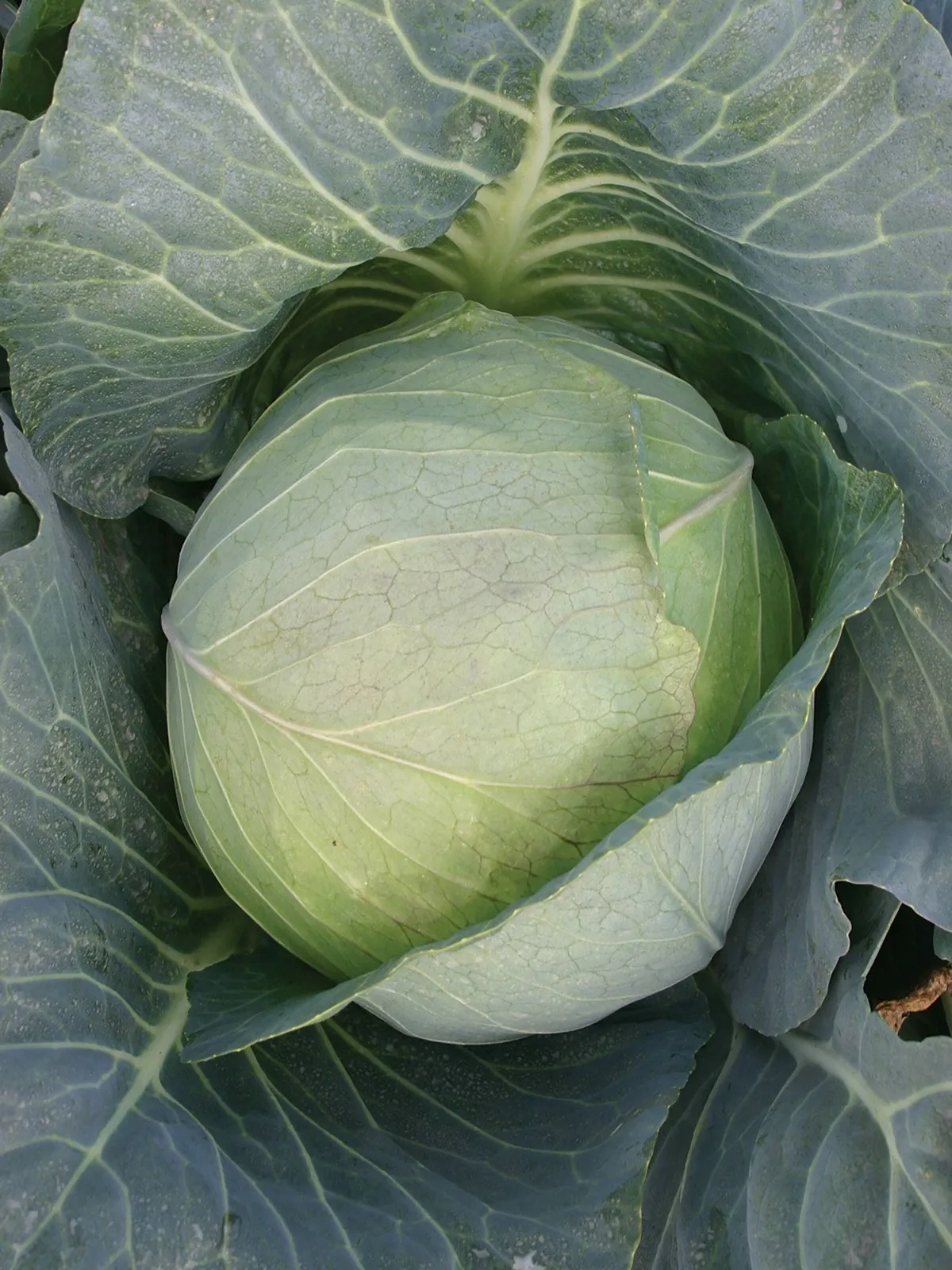
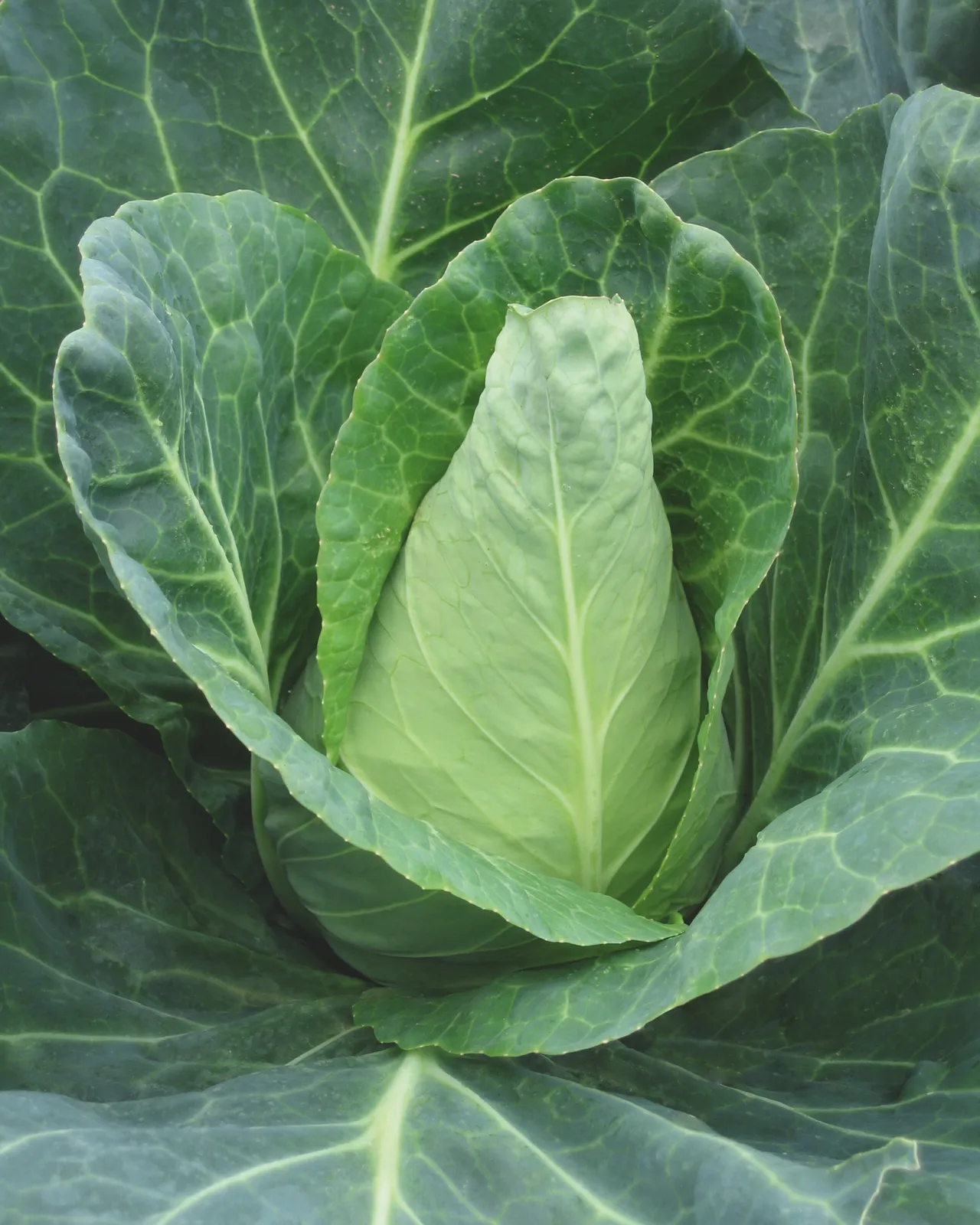
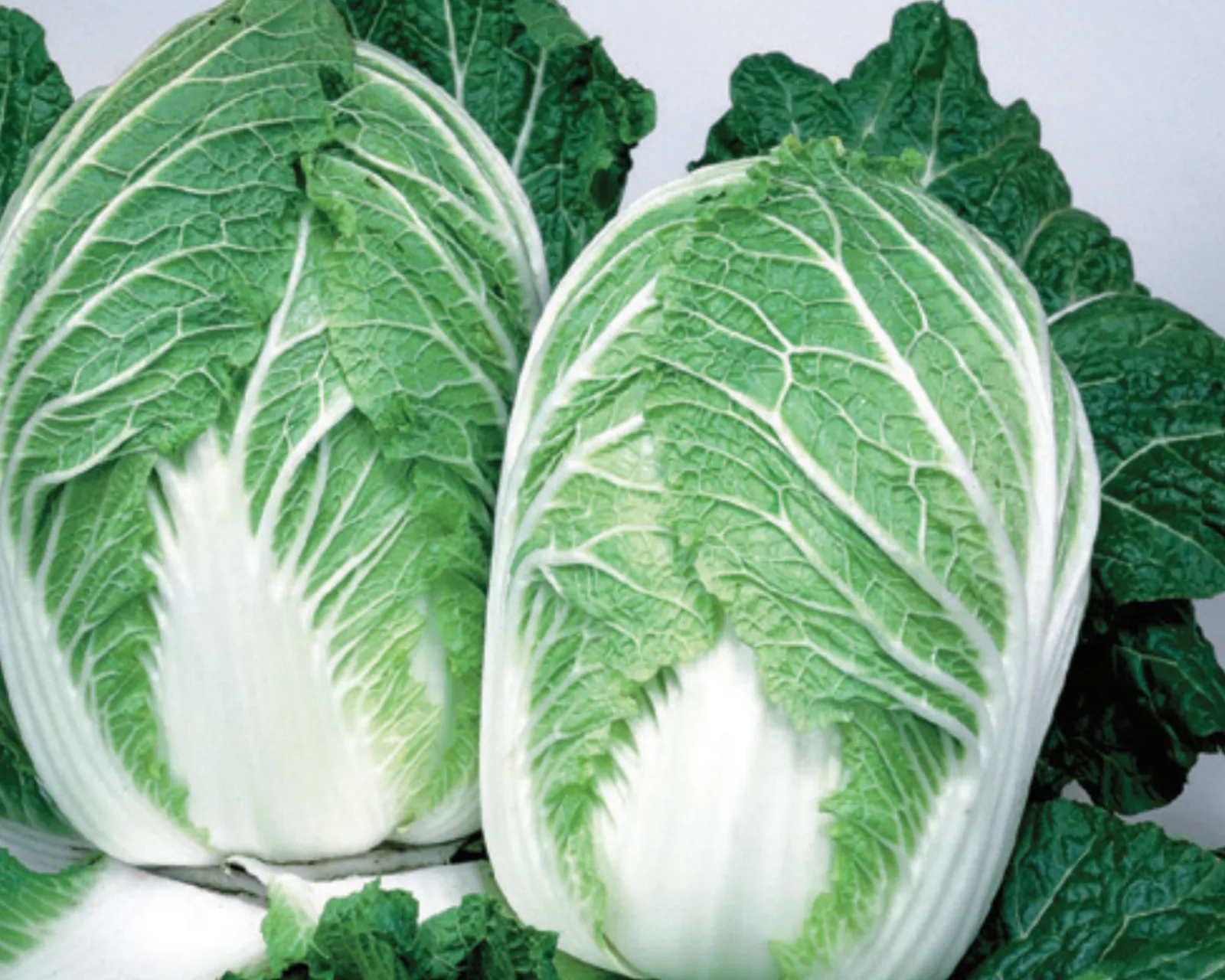
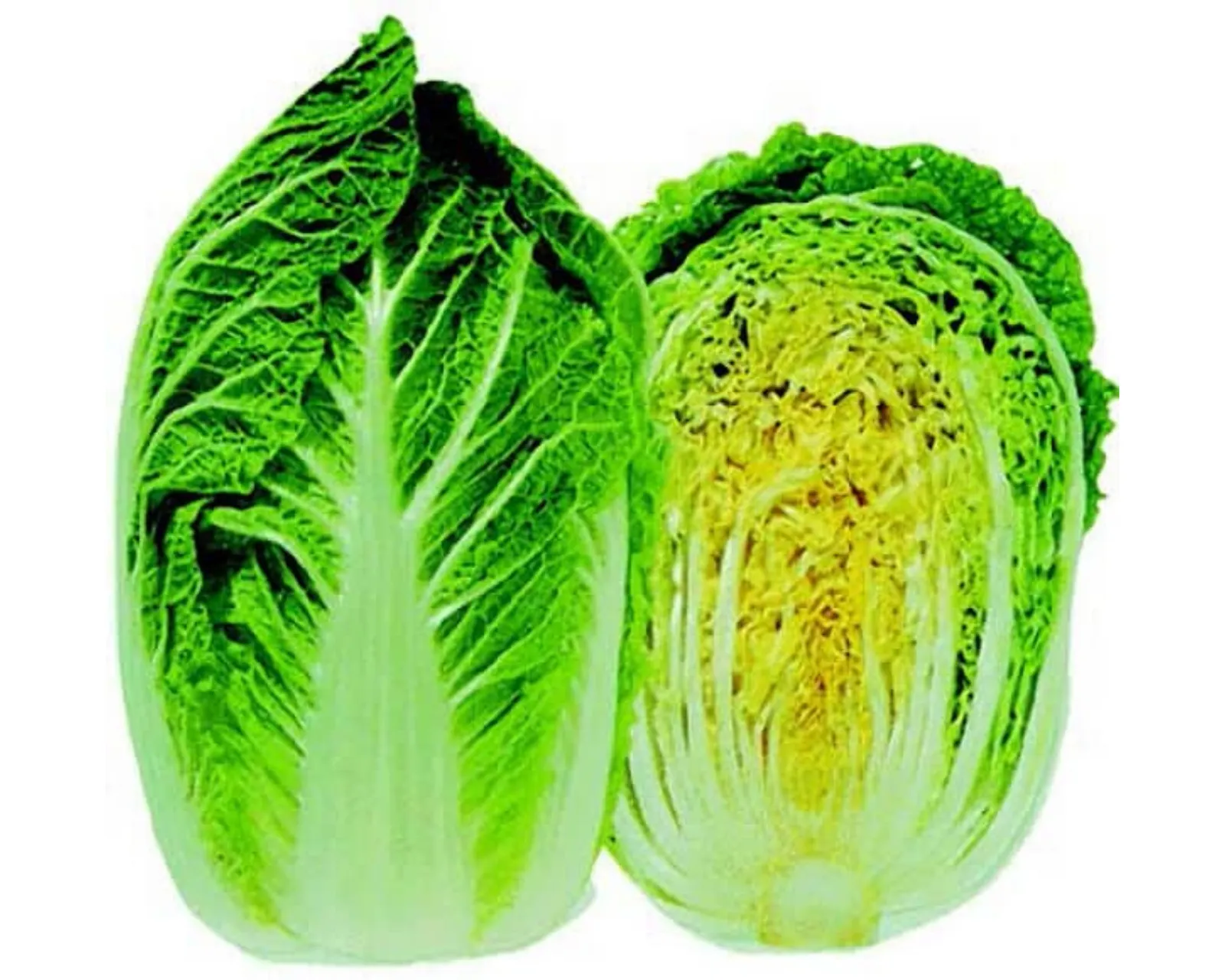
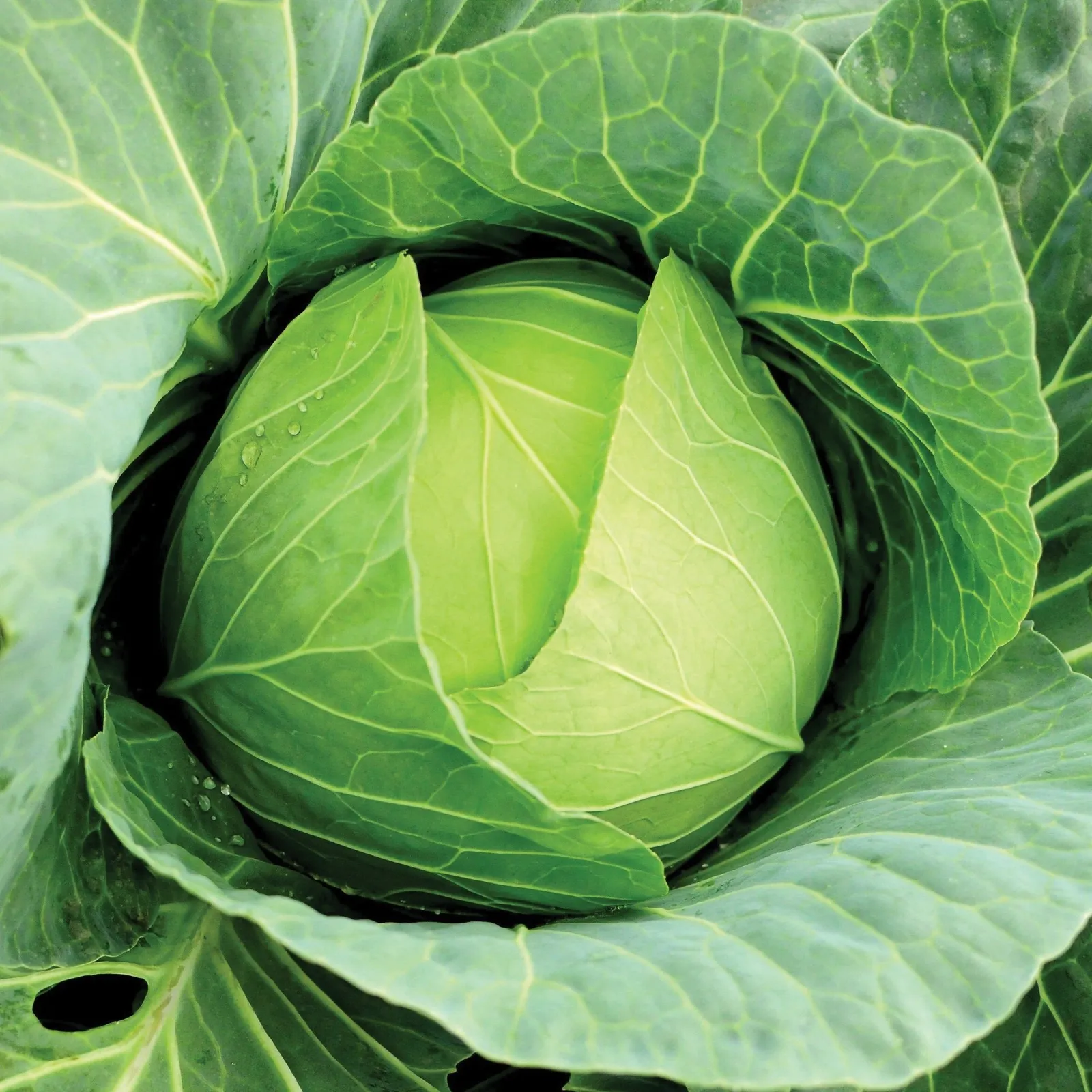
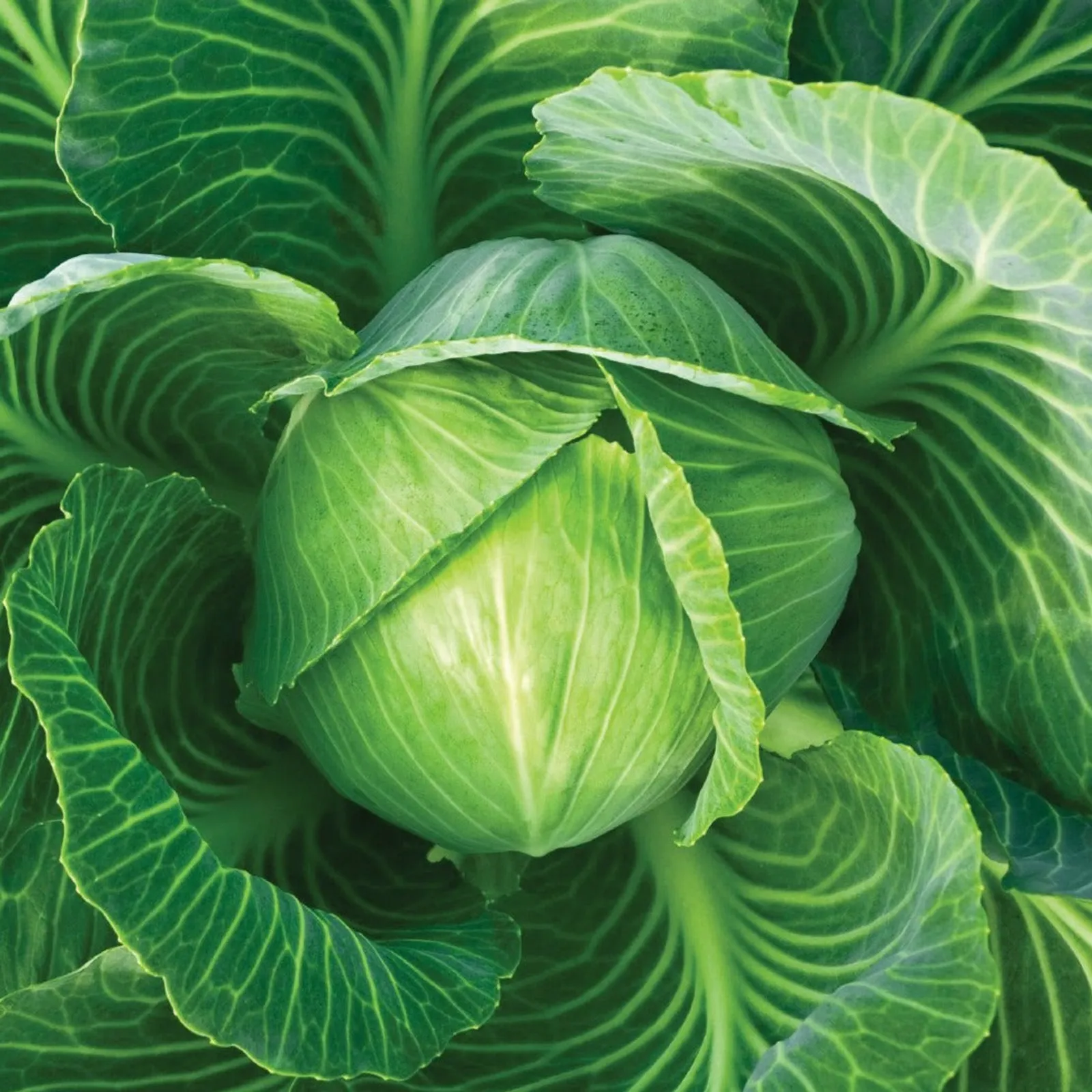
Cabbage is a slow-growing, cool season plant. It is a nutrient dense superfood that can be enjoyed raw in coleslaws and salads, cooked in dishes such as fried cabbage and cabbage rolls, or fermented as sauerkraut and kimchi. In addition to the well-known red and green cabbages (Brassica oleracea var. capitata), there is also savoy cabbage (B. oleracea var. sabauda) and napa cabbage (B. rapa var. pekinensis) which is a type of Chinese cabbage. Cabbage typically grows best in the spring or fall, although there are heat-tolerant, long-season varieties. In milder climates cabbage can be grown over winter.
How to Grow Cabbage
Quick Info


Put away the pen and paper
Plan your veggie garden in minutes with Planter's easy drag and drop planner.
Try Planter for Free
Varieties
Related Articles
Companion Plants












Combative Plants





Nutrition
Vitamins



Nutrients








Pests
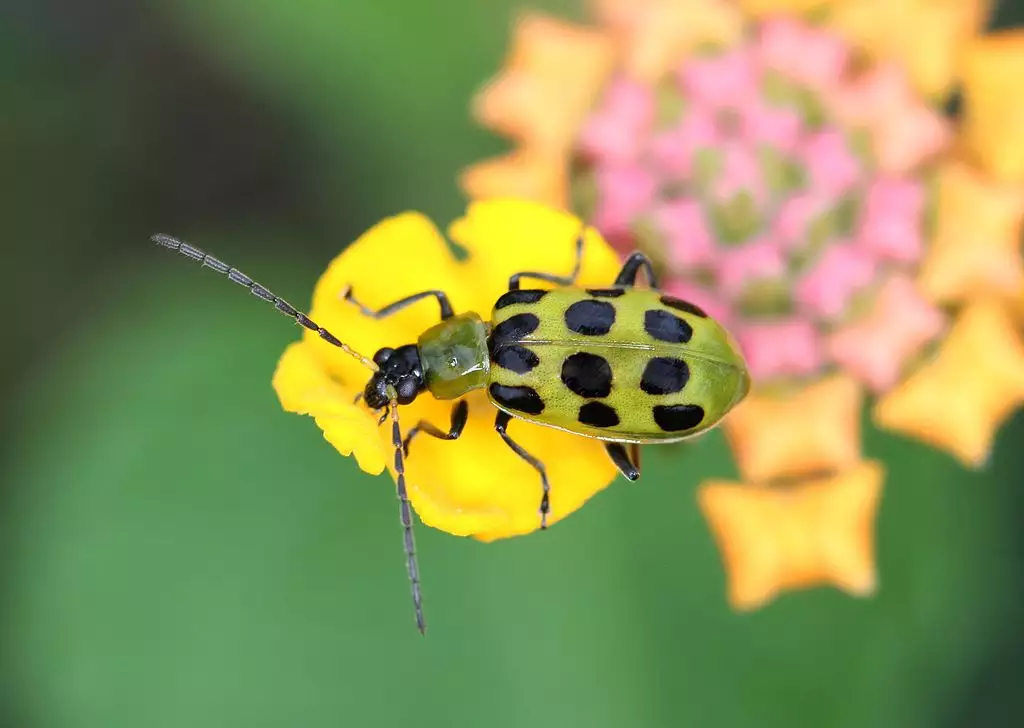
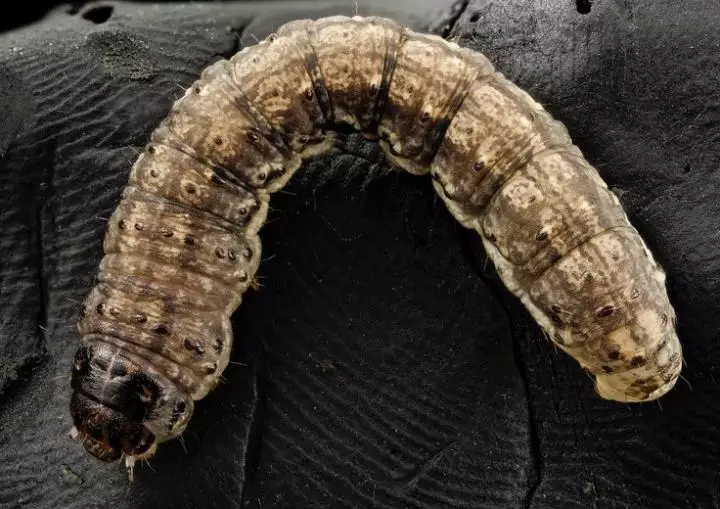
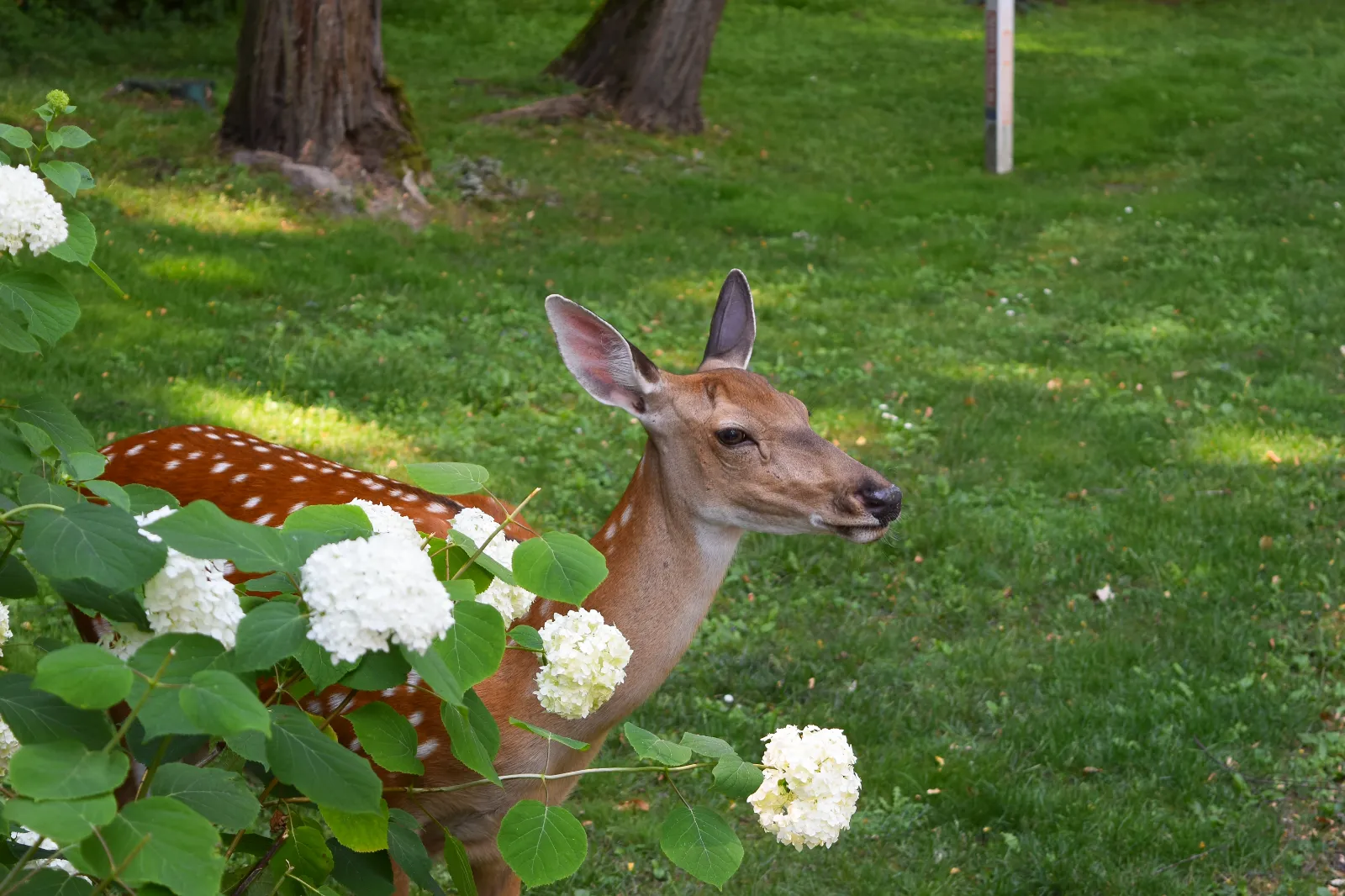
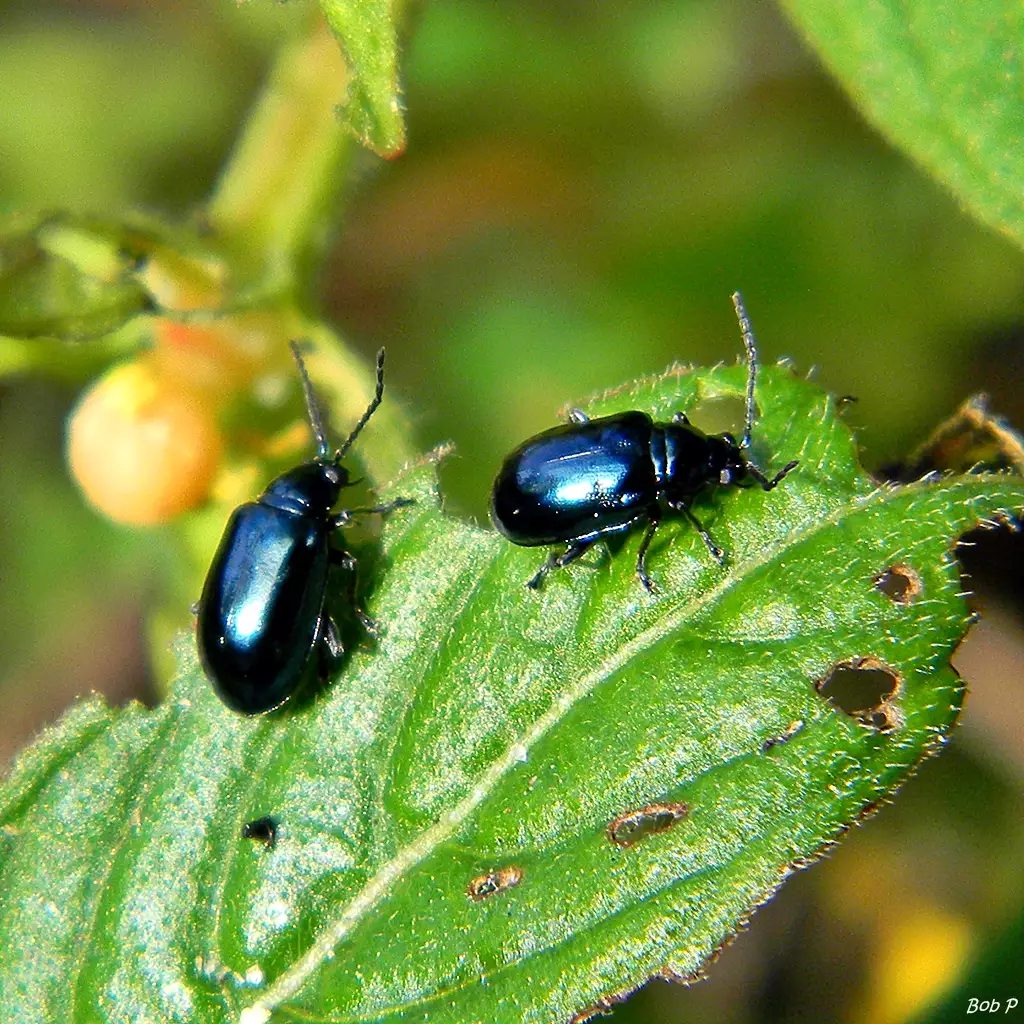
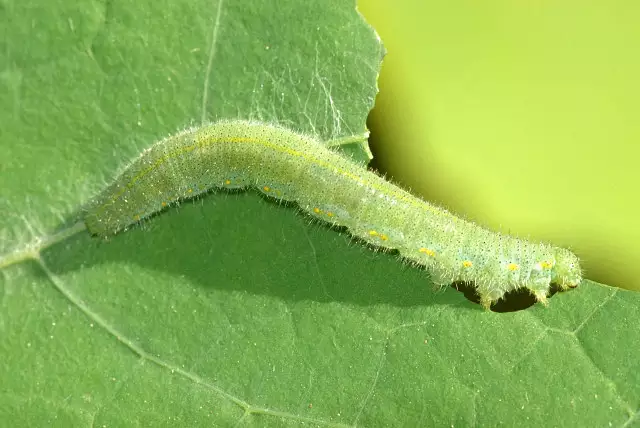
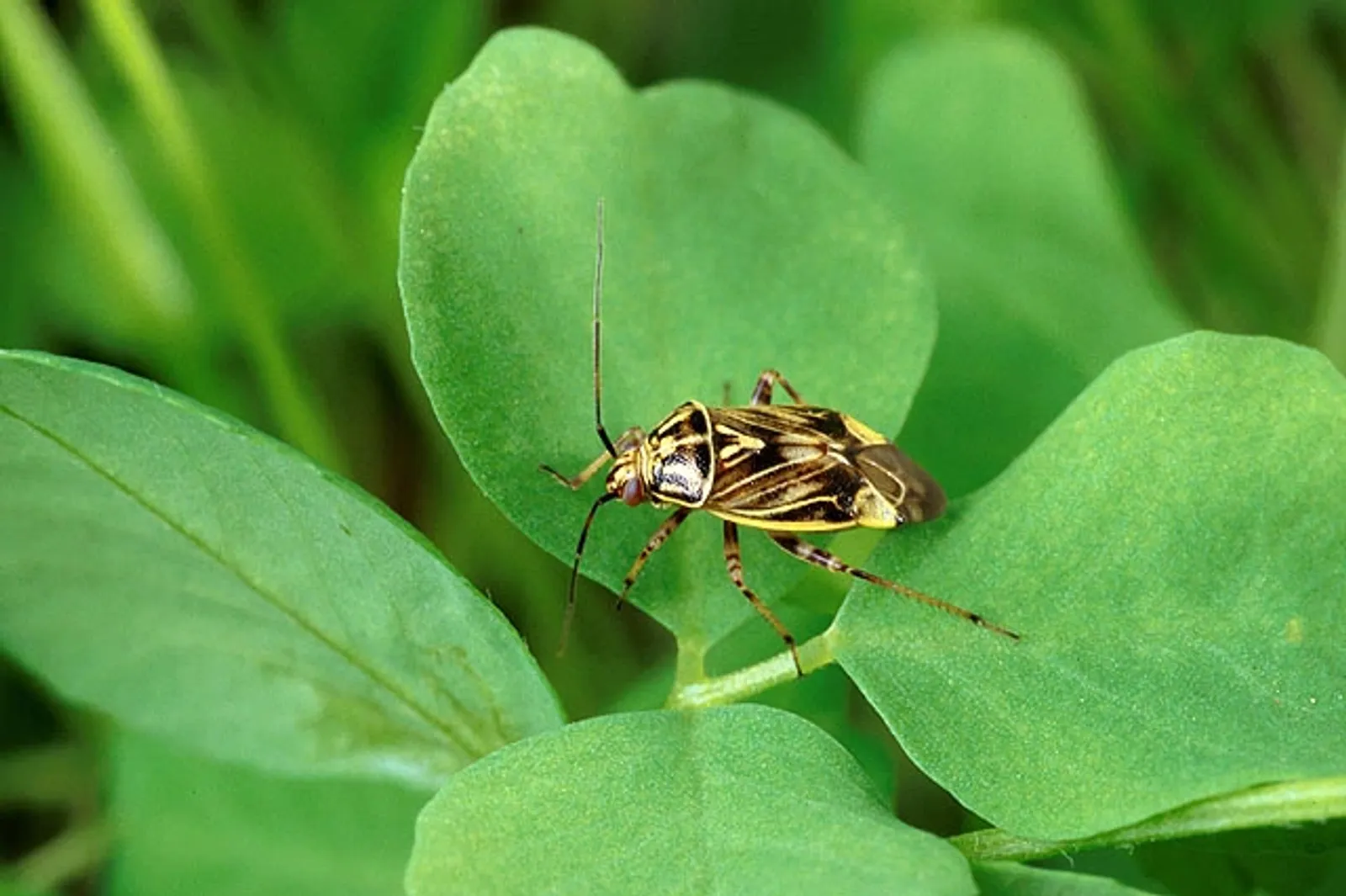
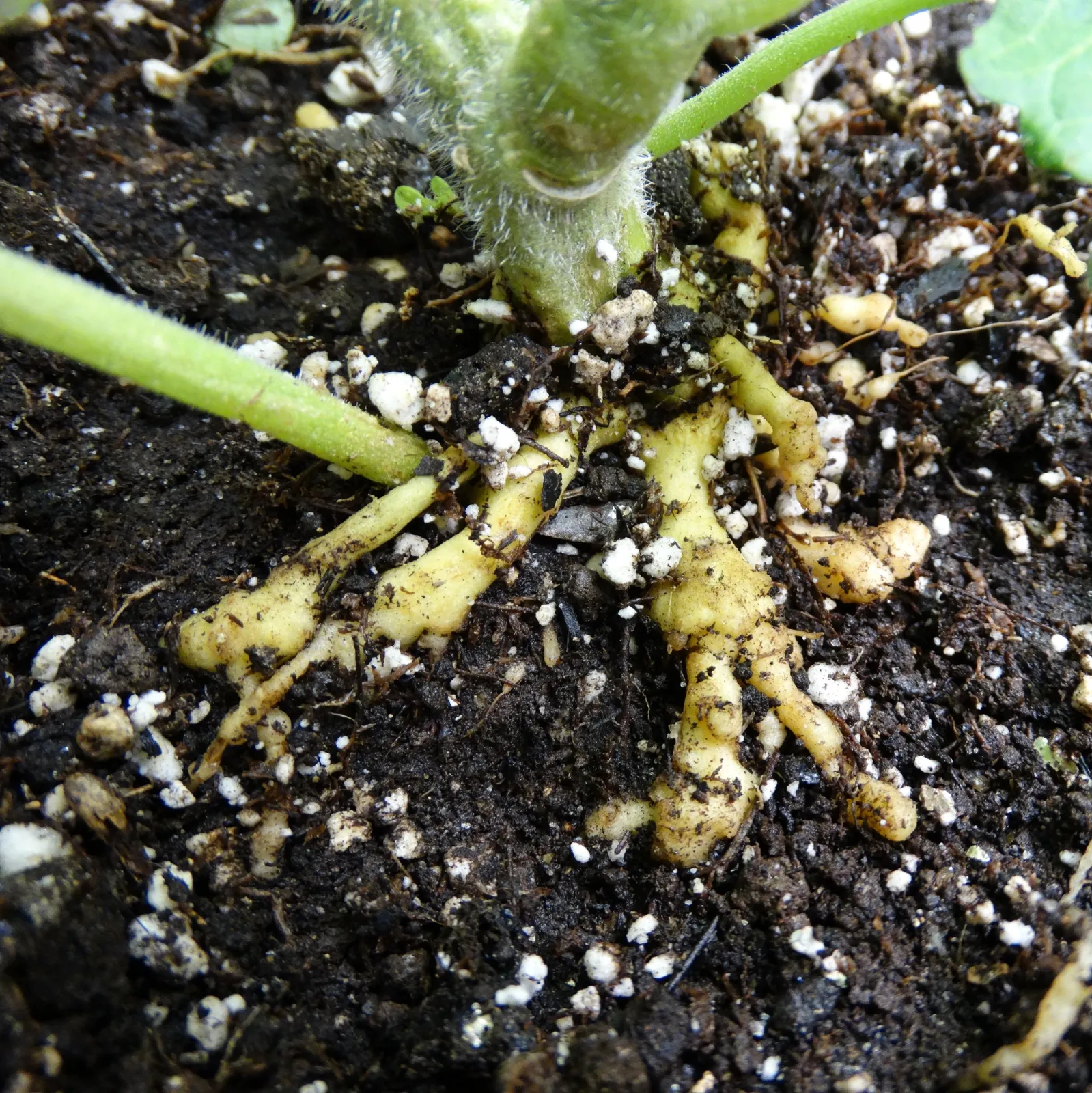
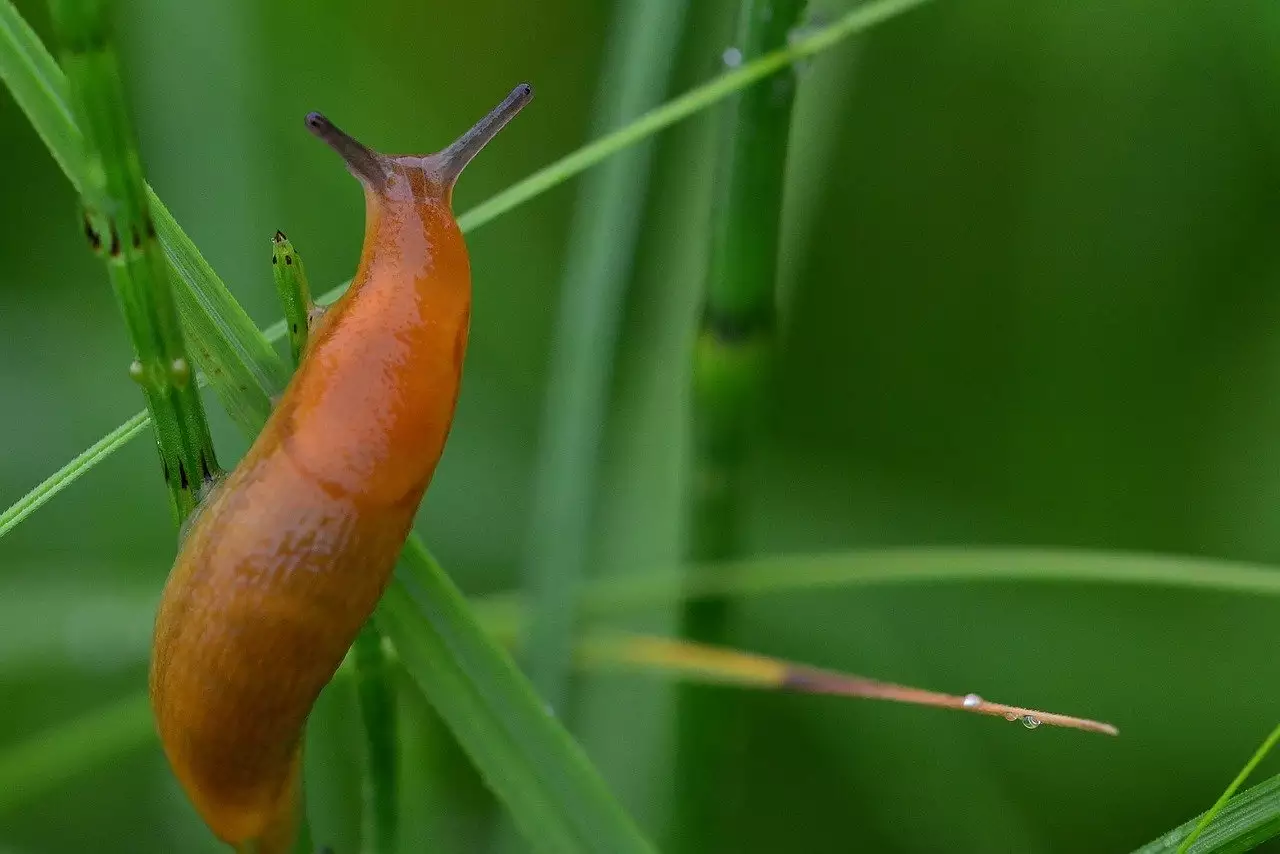
Diseases
Beneficial Critters
Growing from Seed
Cabbage seeds can be sown directly outdoors in spring as soon as the soil is workable, however starting seeds indoors helps cabbage to get established before the summer heat sets in. Napa cabbage in particular can be prone to bolting prematurely if young seedlings are exposed to temperatures below 50°F (10°C) for multiple nights, so starting seeds indoors is useful to get a head start when the weather is still cold outside. Keep the seed starting mix consistently moist but not wet. A heat mat can be used to aid germination but excessive heat after germination can cause the seedlings to become leggy and weak. Turn off heat mats as soon as seedlings emerge and be sure your grow room is cool. Use grow lights to provide supplemental light as soon as the seeds germinate. For a fall crop of cabbage it is also helpful to start seeds indoors to avoid the intense heat in summer.
Planting Considerations
Cabbage prefers fertile, loamy soil that retains moisture but does not become waterlogged. Add compost to the soil at the time of planting. Cabbage plant spacing can vary depending on the variety- larger, long-season varieties need more space than smaller, short-season varieties. Apply mulch around the plants to help manage weeds and retain moisture. Cabbage is susceptible to many pests. Proper plant spacing, good weed control, and applying row cover or insect netting at the time of planting can help to minimize pest damage. To grow cabbage in a container choose a smaller variety that is suited for container growing and use a container that holds at least 5 gallons.
Feeding
Cabbage is a heavy feeder. Fertilize regularly throughout the growing season with a balanced fertilizer. Cabbage requires ample sulfur and boron. If your soil test indicates a deficiency be sure to amend your soil prior to planting cabbage.
Harvesting
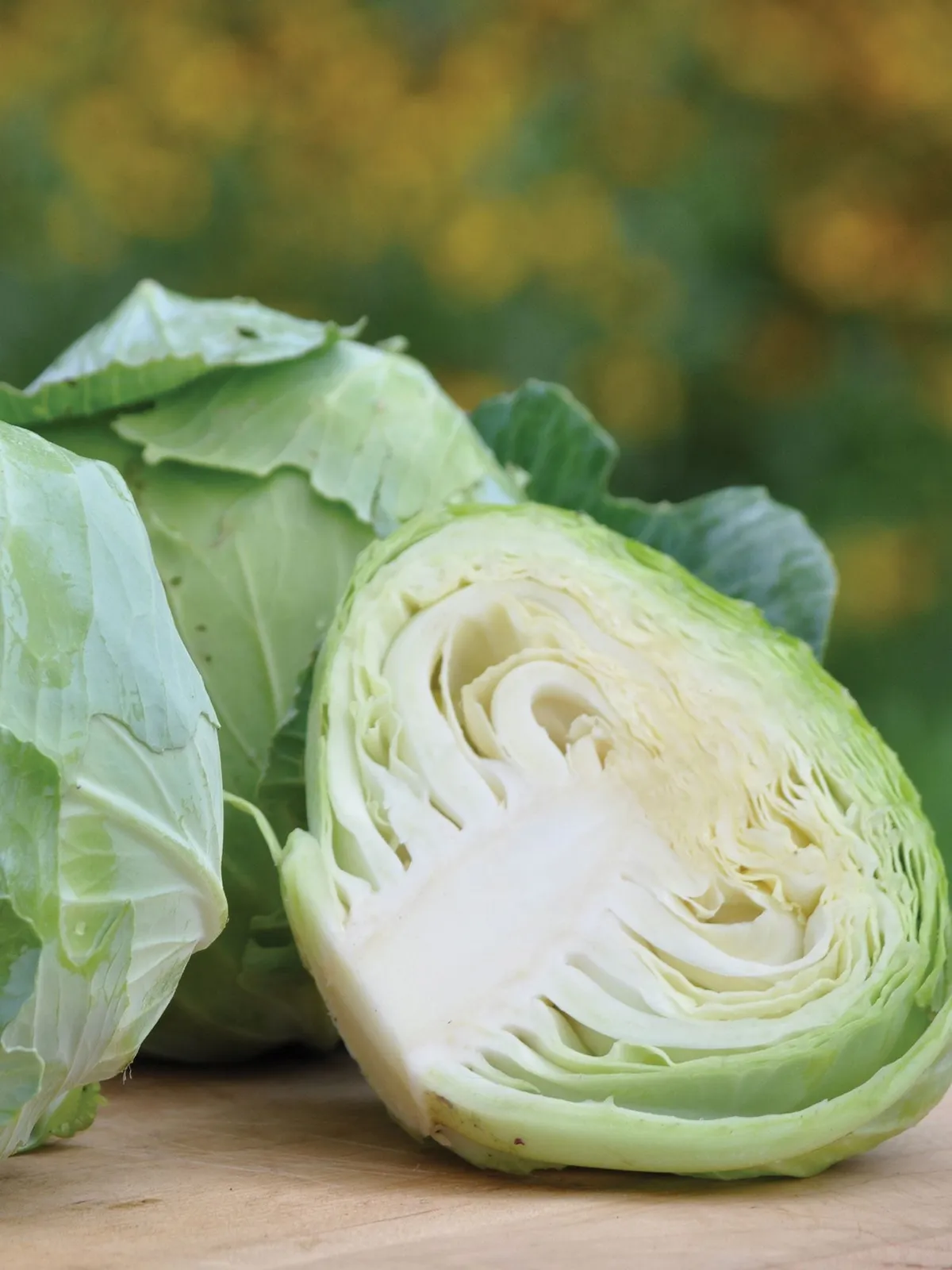
Check the seed packet to confirm the estimated days to maturity for the variety you are growing as there can be a wide variation between different varieties. Cabbages are ready to harvest when they have formed firm, tight, sizable heads (the mature size also depends on the variety). Cabbages should be harvested soon after they mature; they store well once harvested and mature cabbages left in the garden for too long can be prone to cracking. Cabbages become sweeter with frost so aim to harvest fall cabbages after the first few light frosts if possible (note that napa cabbage is more frost sensitive and cannot tolerate heavy frosts). To harvest cabbage, use a sturdy knife to cut the head off from the rest of the plant, then remove the outermost leaves from the head. If the leaves are left on the plant it may form more, tiny cabbage heads. These are usable although they will not develop into fully-sized, firm heads so it may be best to pull the entire plant and use the space for another crop.
Storage
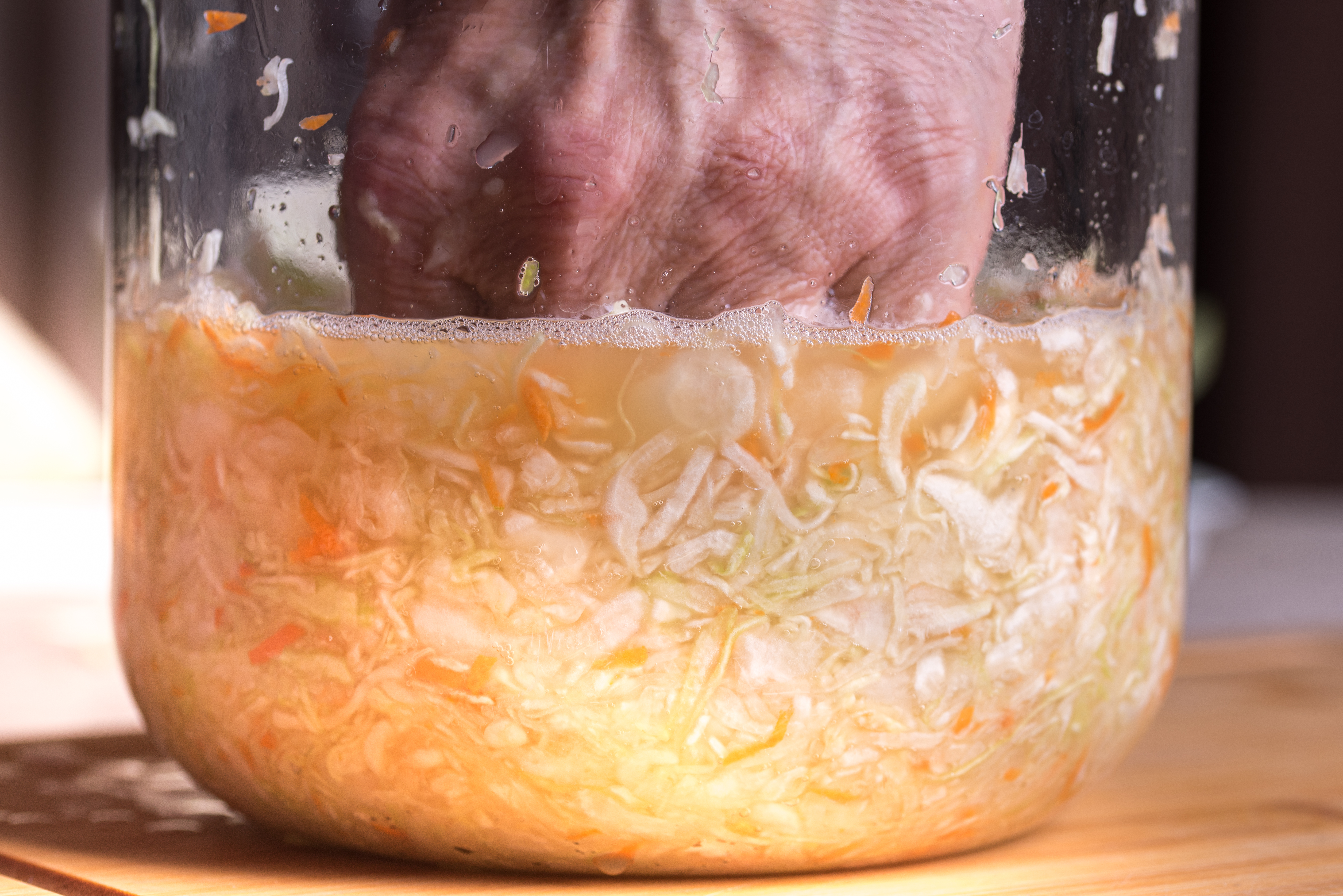
Whole cabbage heads can be stored in the fridge or in a root cellar or cold room for up to several months. Red cabbages keep the longest while savoy or napa cabbages have shorter shelf lives. Cabbage can also be pickled or fermented for long-term storage. Cabbage can be chopped and frozen for convenience although frozen cabbage is best used in cooked dishes. Blanch the chopped cabbage pieces in boiling water for 1.5 minutes then cool and dry them. Store the blanched cabbage in an airtight container or freezer-safe bag; it can be kept frozen for up to several months.