Endive/Escarole
Cichorium endivia
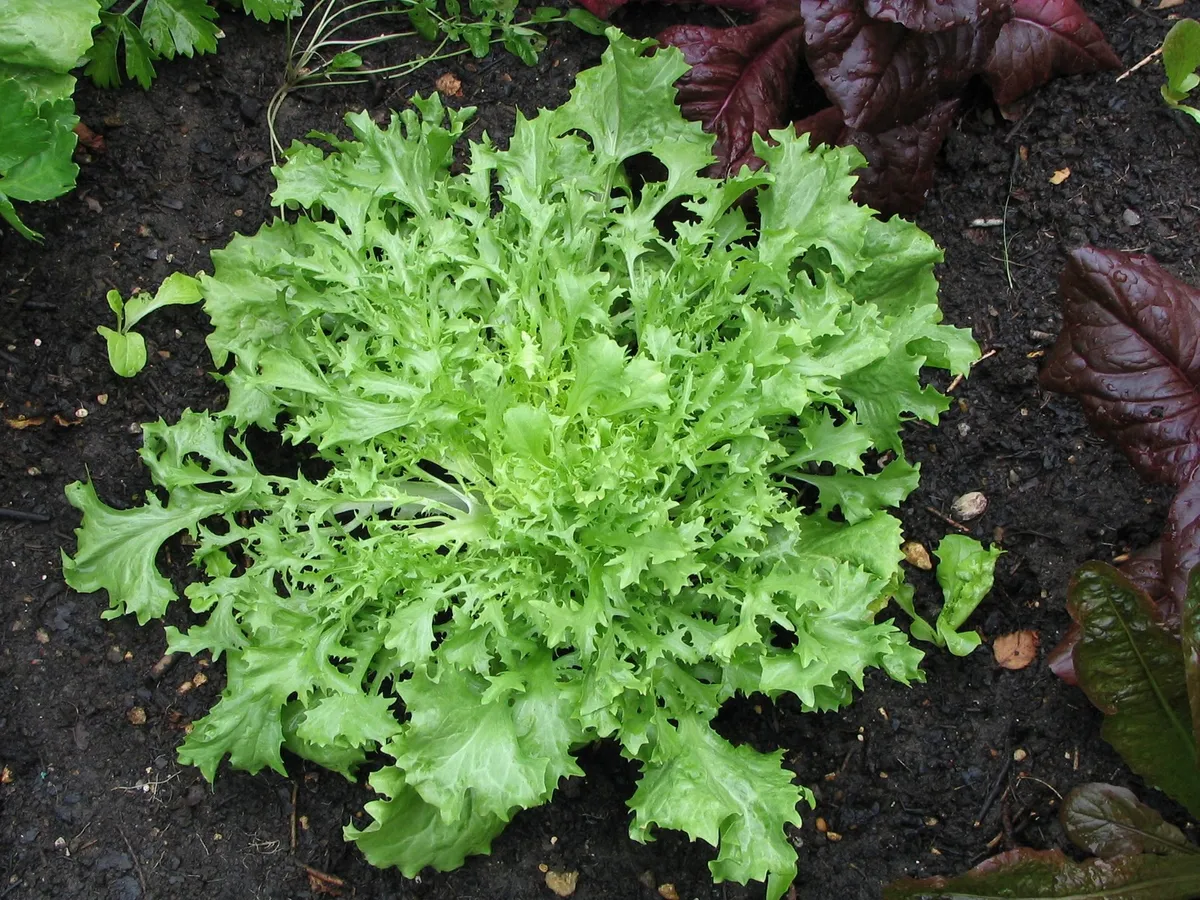
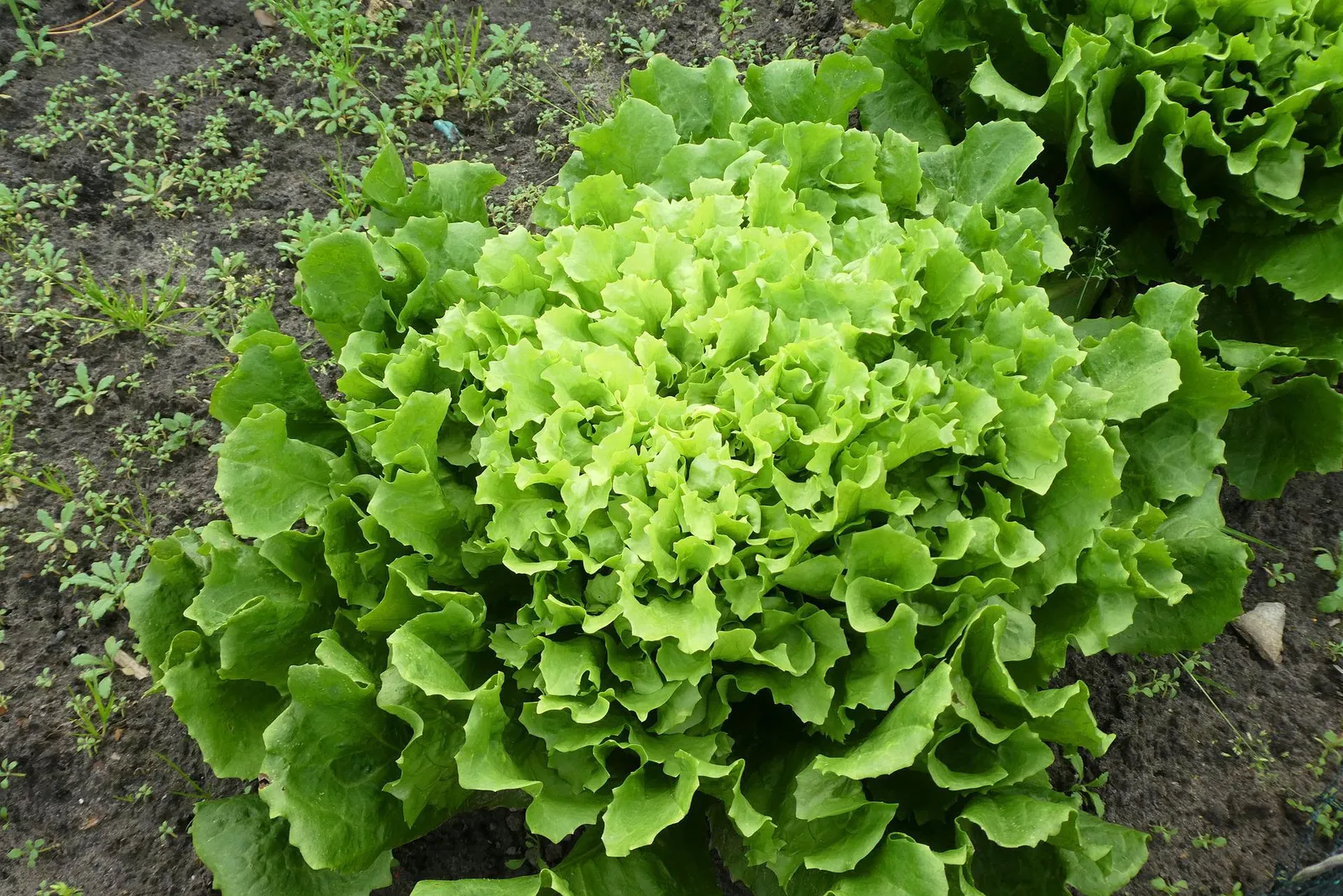
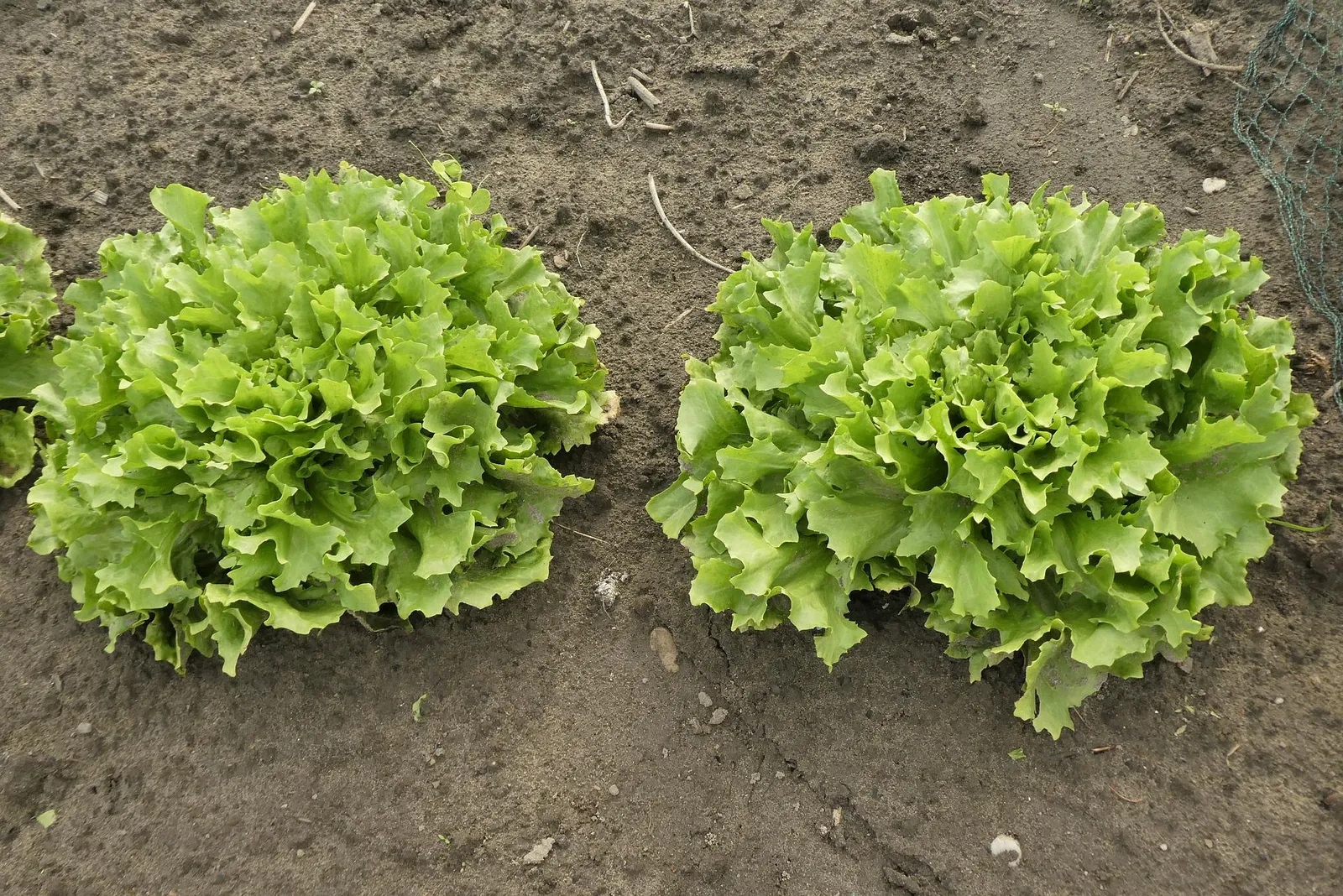
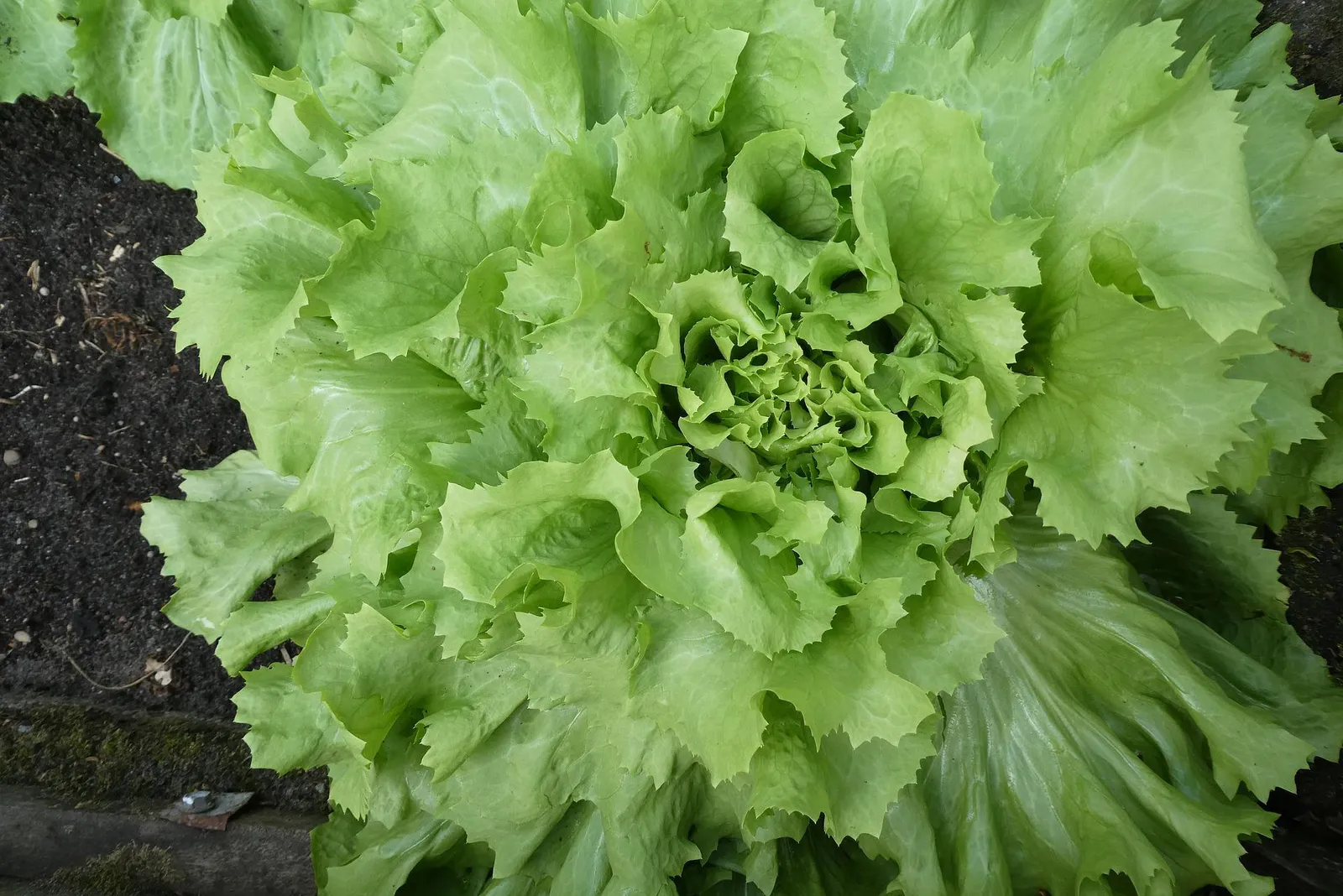
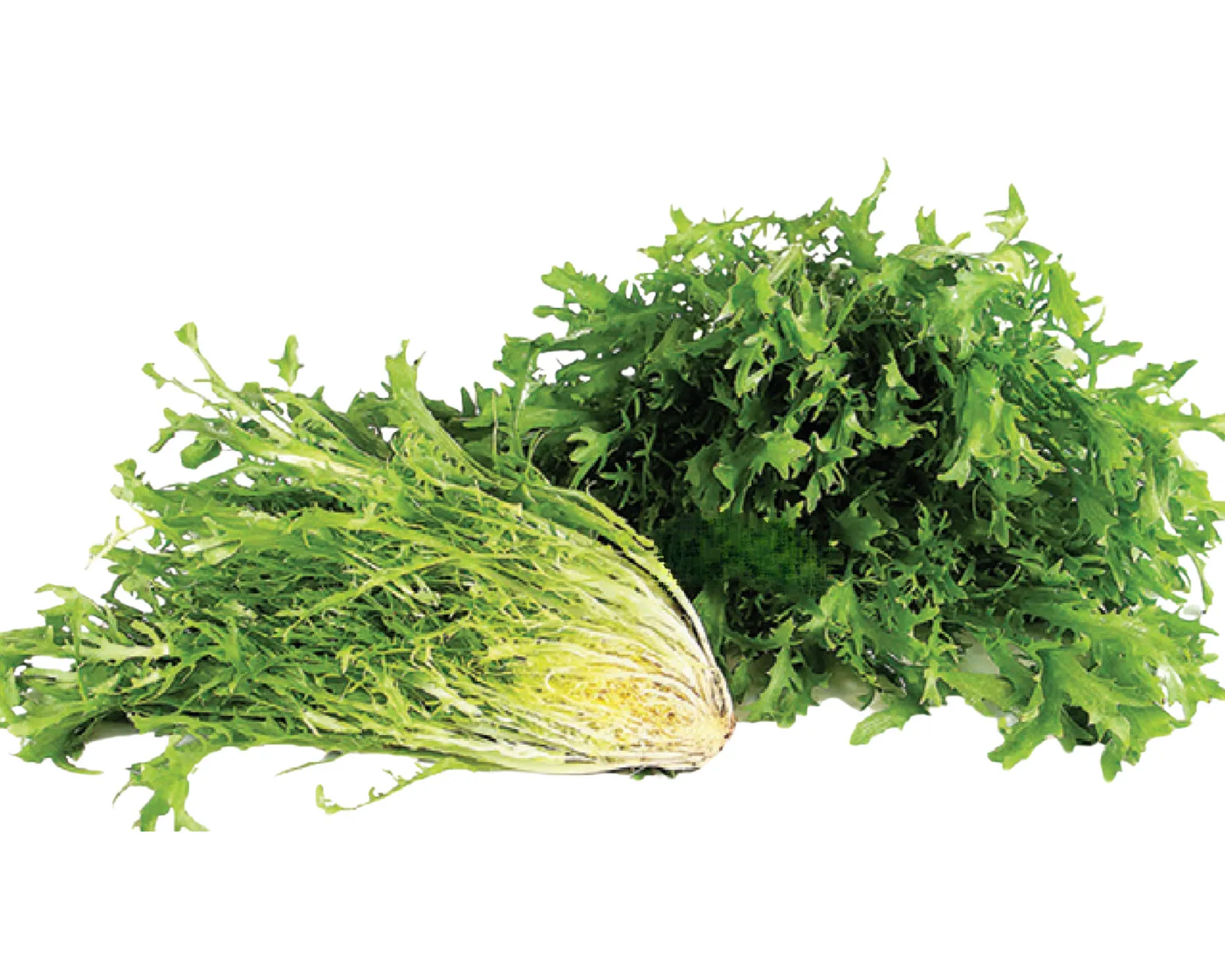
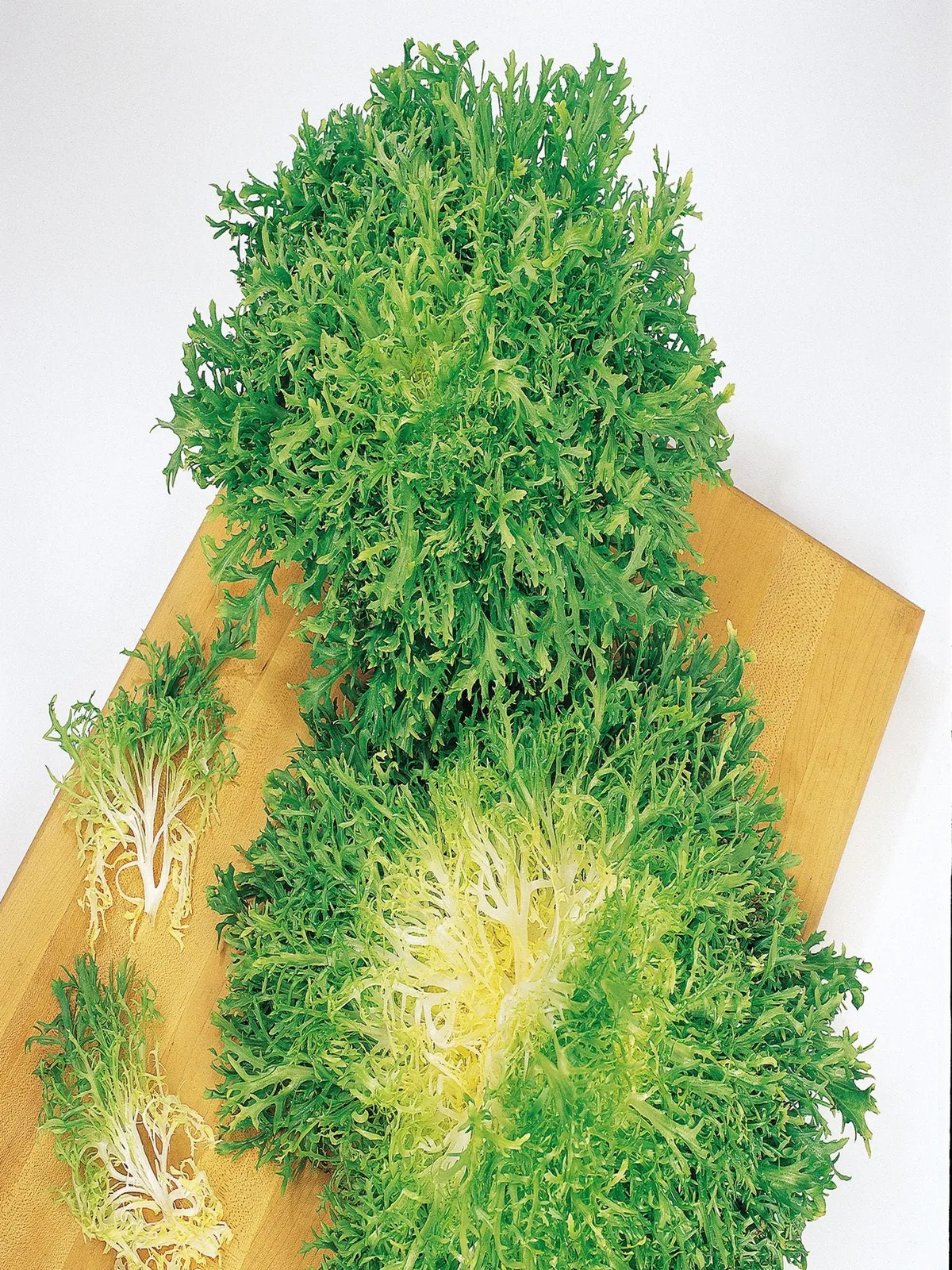
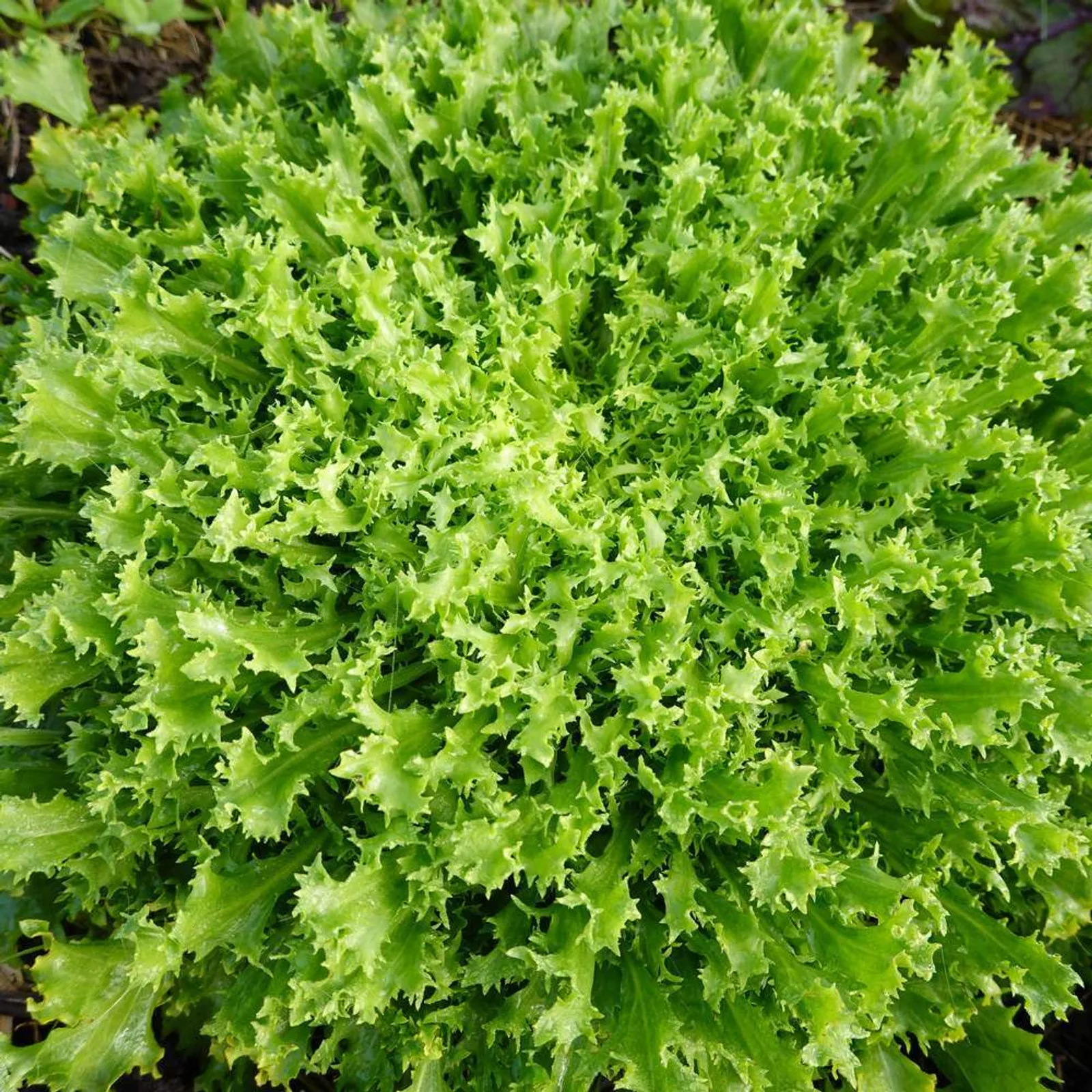
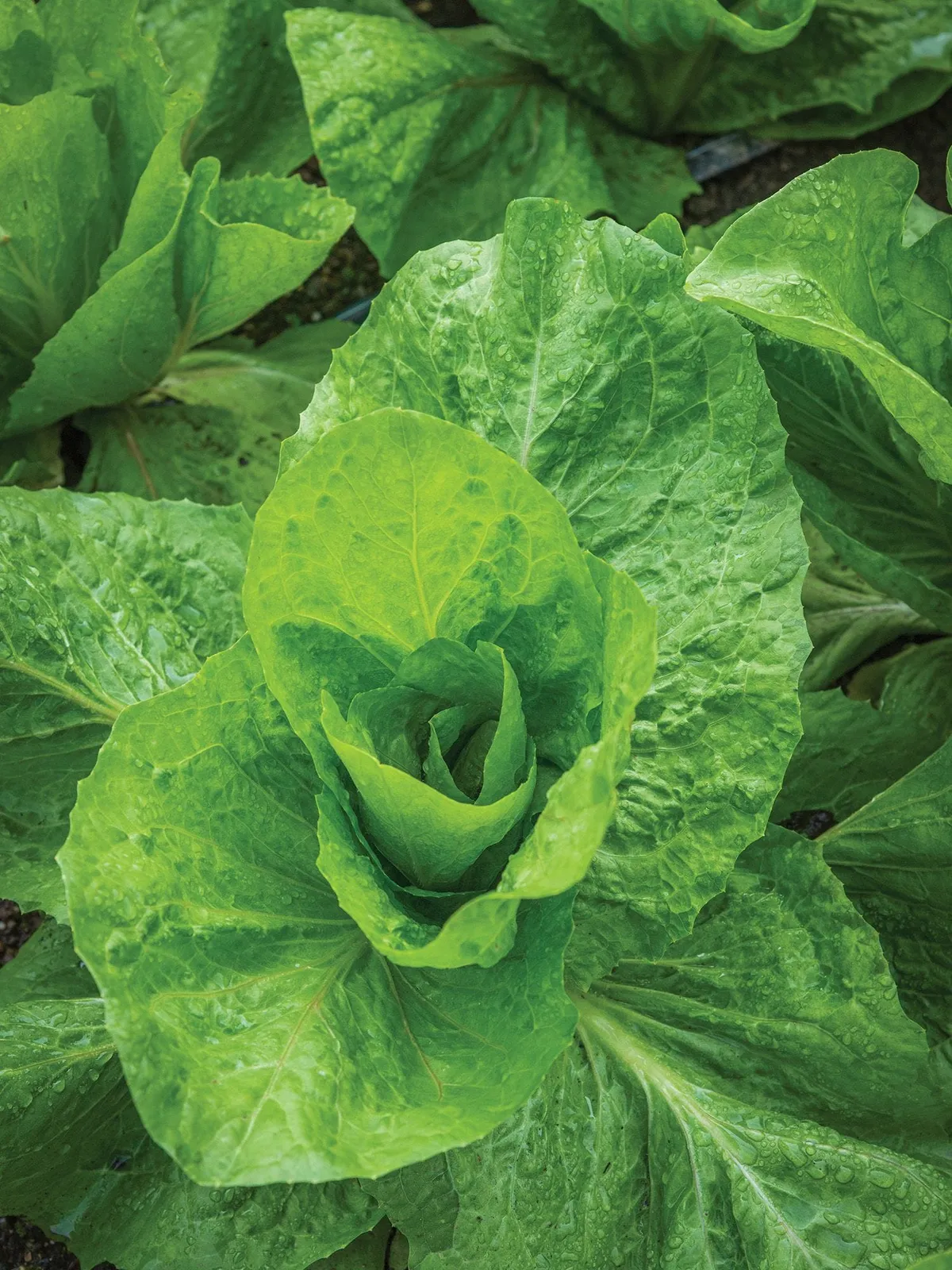
Endive grows similarly to lettuce. There are three main types of endive: curly, escarole, and belgian endive. Curly endive, also called frisée or chicory, has a bushy head of curly greens. The slightly bitter flavor is more intense in the leaves that are a darker shade of green. It is often used in salads to add texture as well as flavor. Escarole, or broad-leaved endive, is slightly less bitter than curly endive with broader leaves. While sharing the name "endive", Belgian endive is actually a different species and grown very differently (the information here does NOT apply to Belgian endives). Belgian endive is the same species as radicchio, except it's green. Belgian endive is a small, rounded head of lettuce whose yellow-green leaves feature slightly curly edges. It is moderately bitter and requires special care to keep it pale and preserve its delicate flavor.
How to Grow Endive/Escarole
Quick Info

Put away the pen and paper
Plan your veggie garden in minutes with Planter's easy drag and drop planner.
Try Planter for Free
Varieties
Related Articles

Companion Plants


















Combative Plants



Nutrition
Vitamins




Nutrients




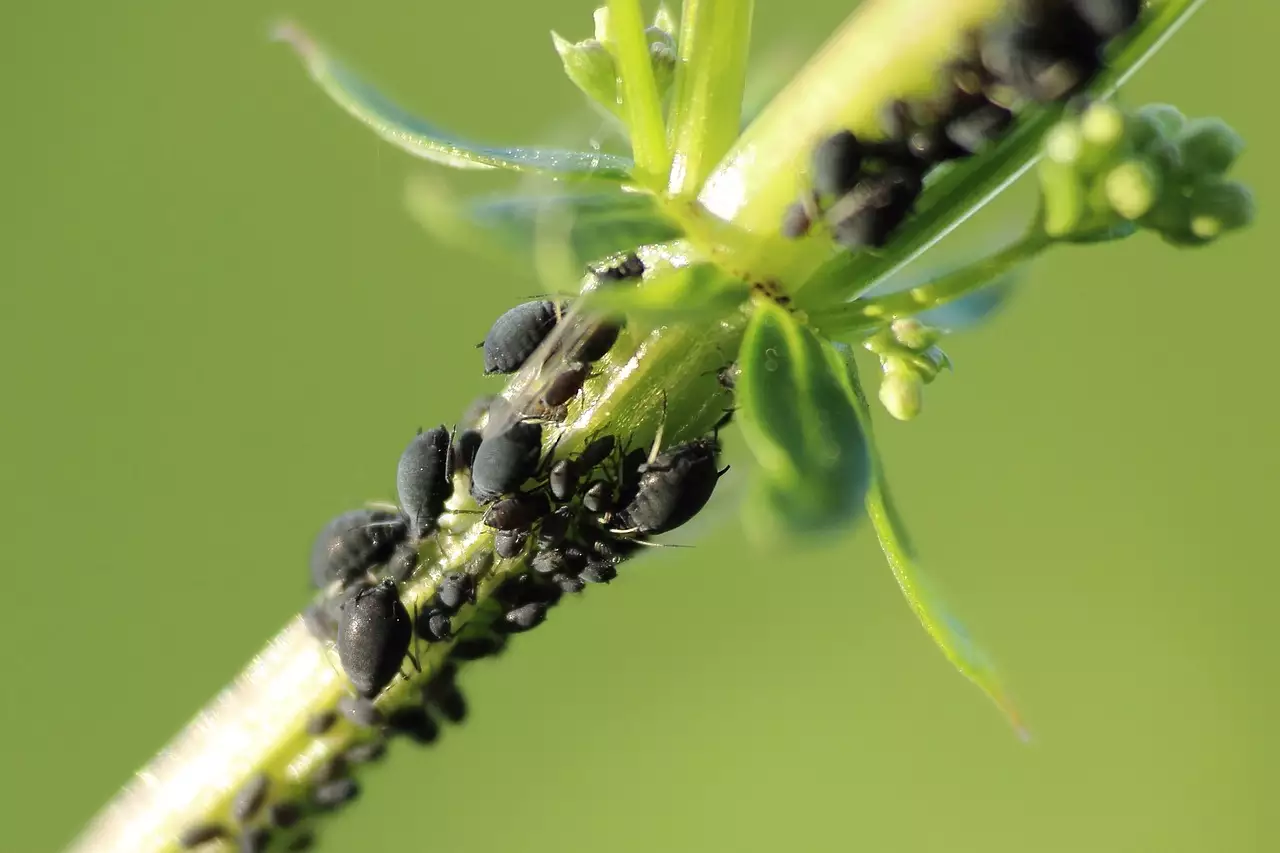
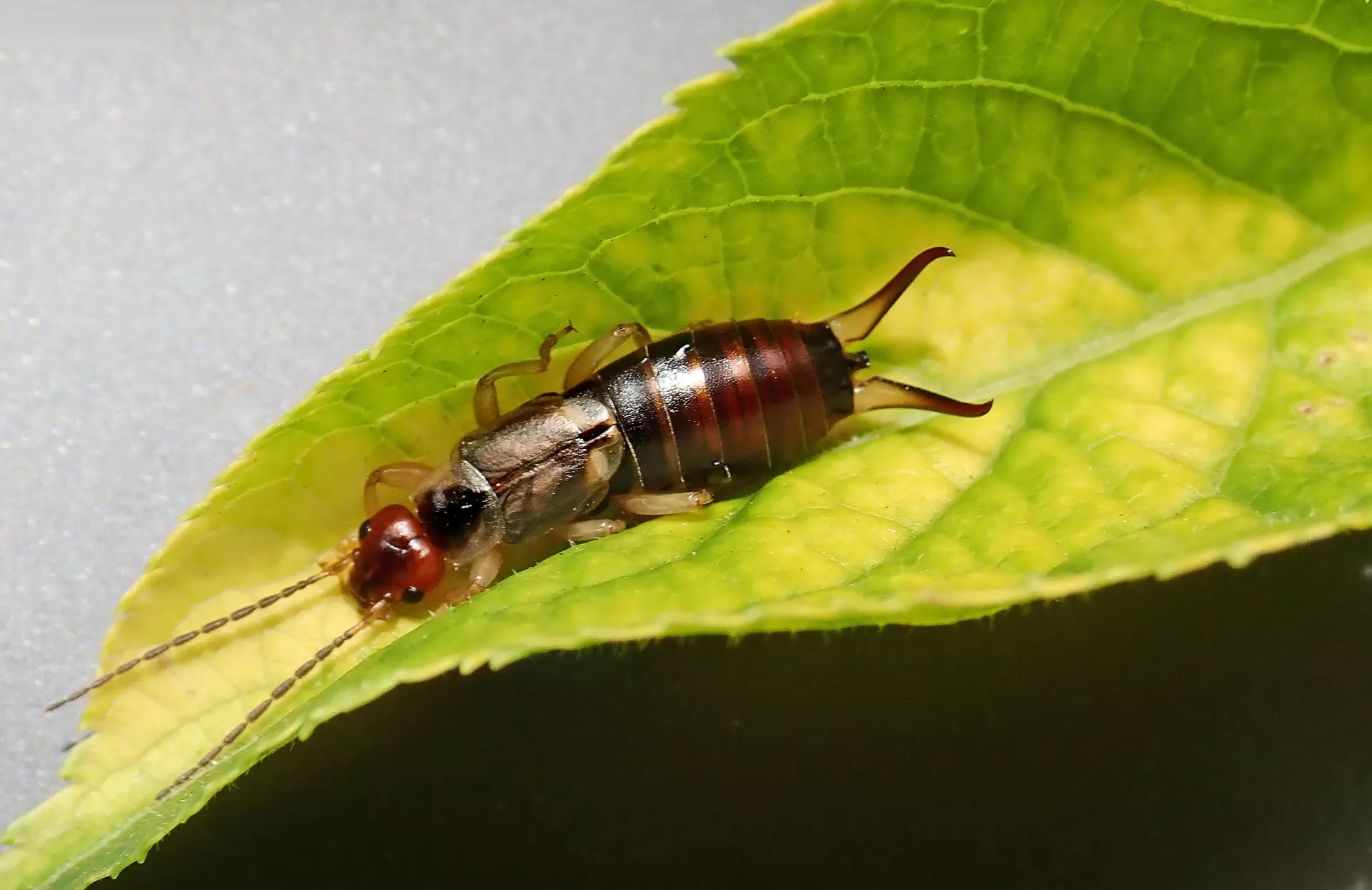
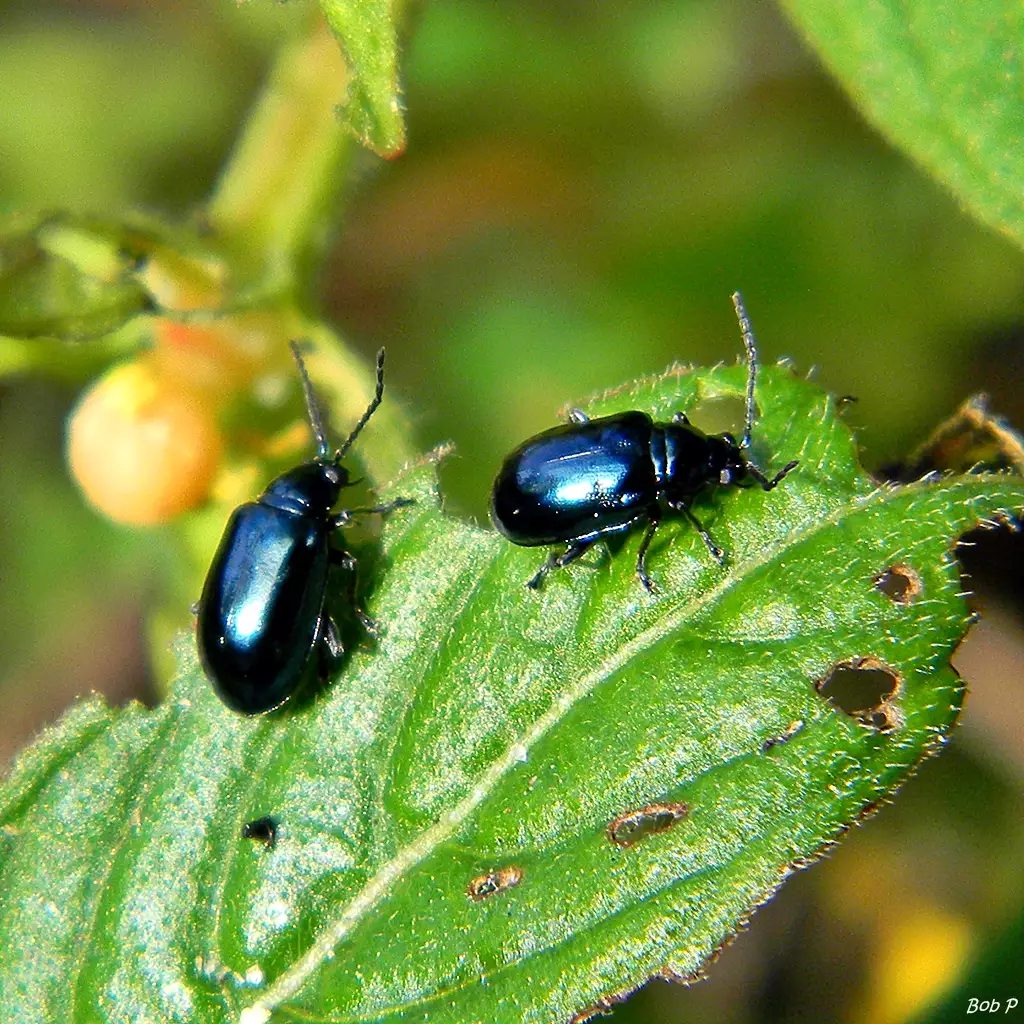
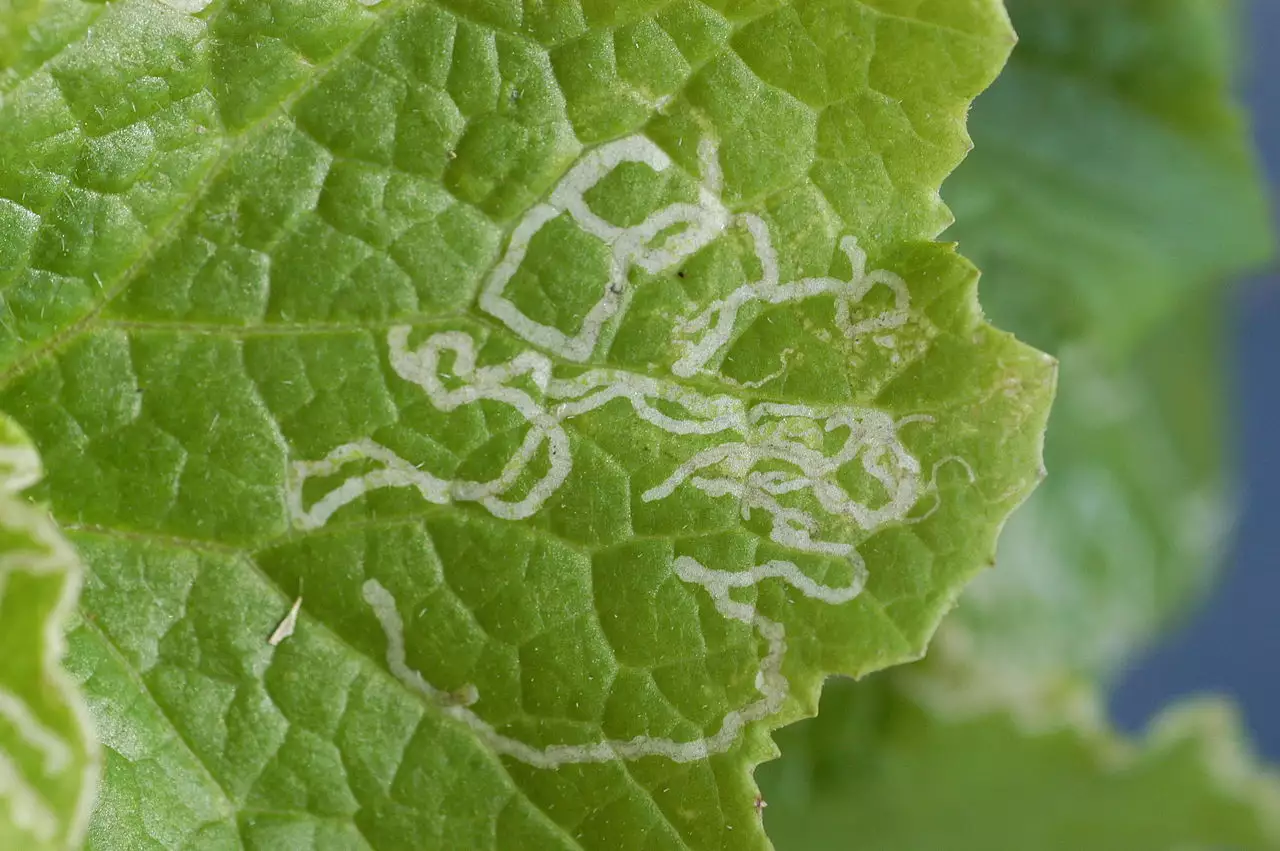
Pests
Diseases
Beneficial Critters




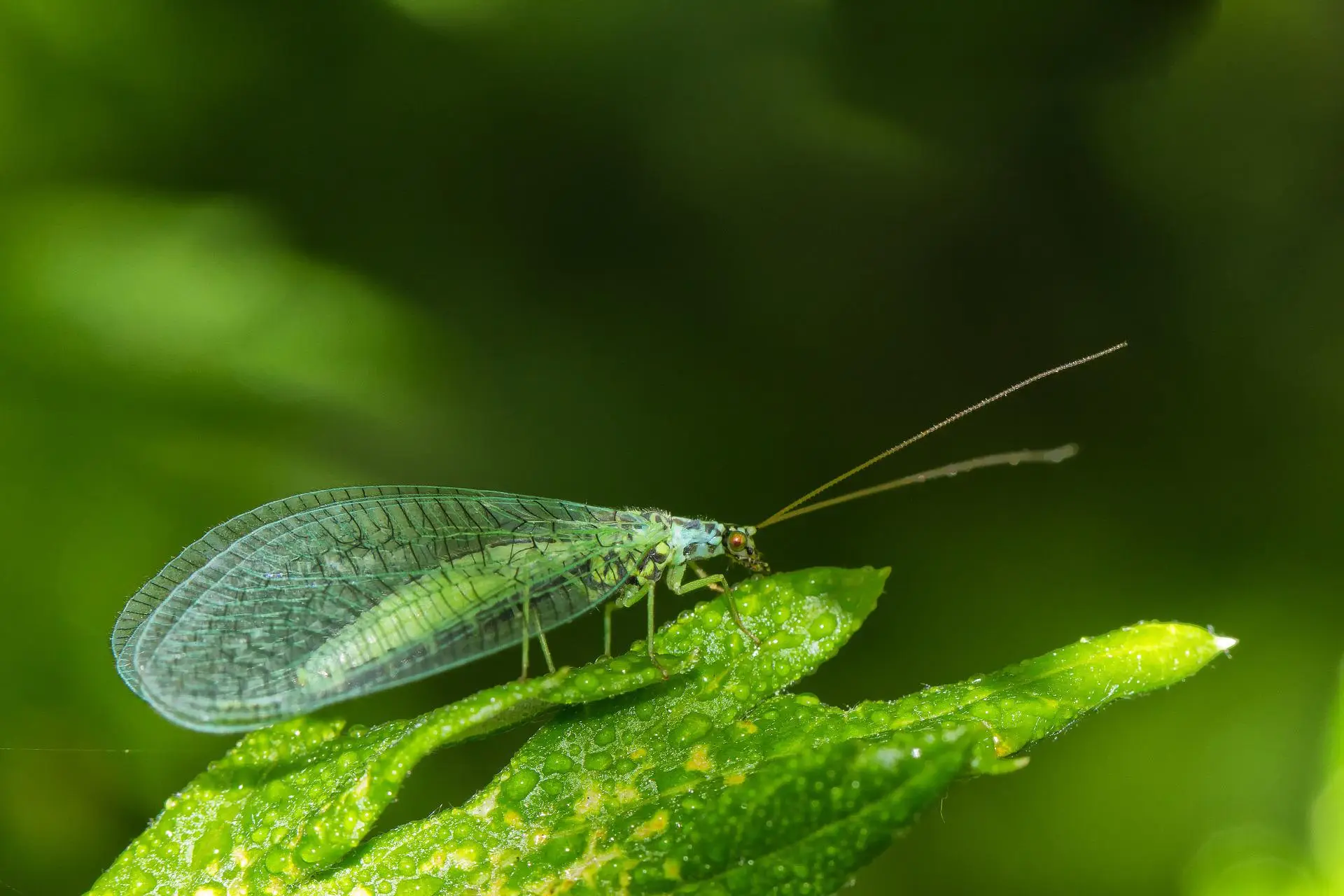
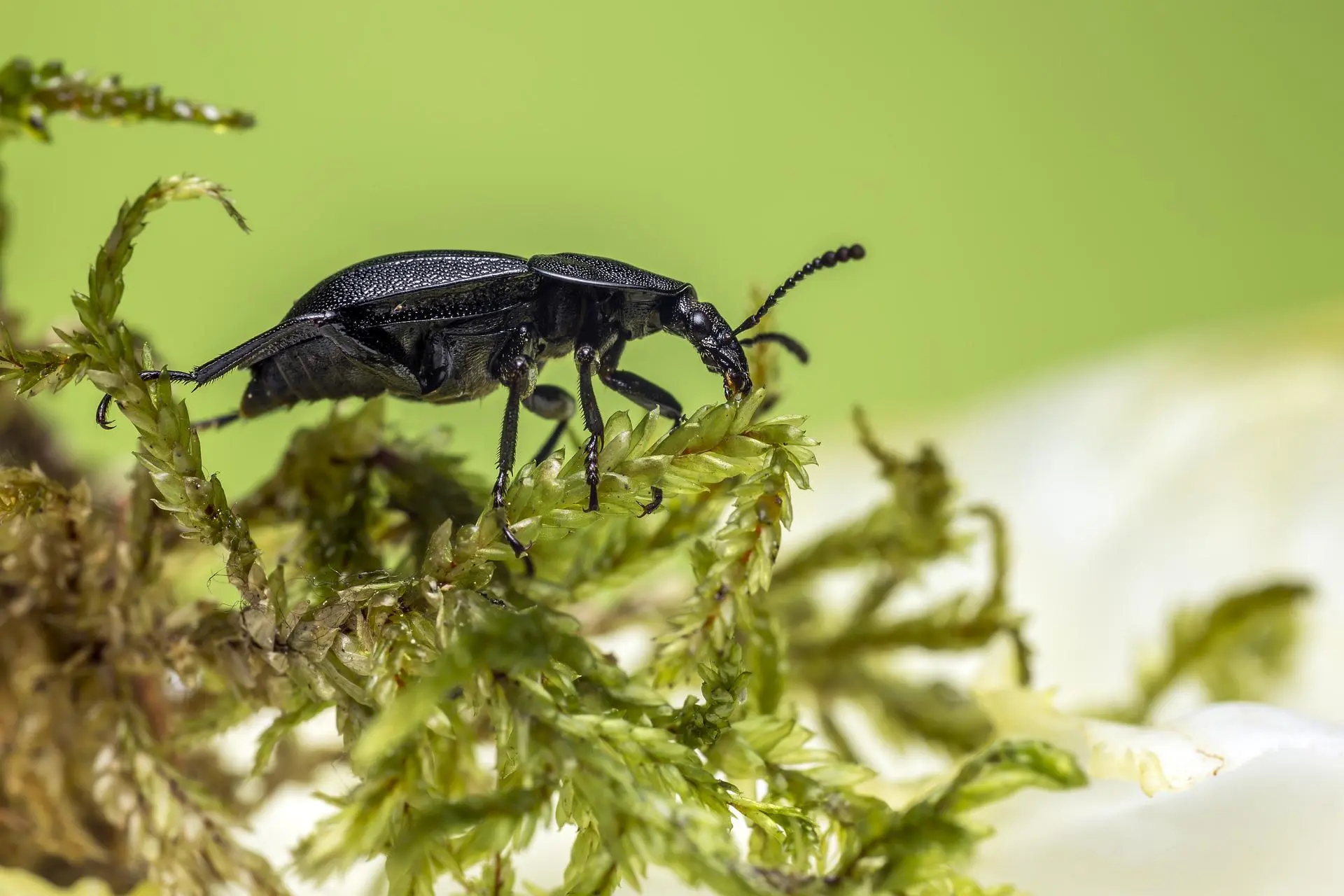
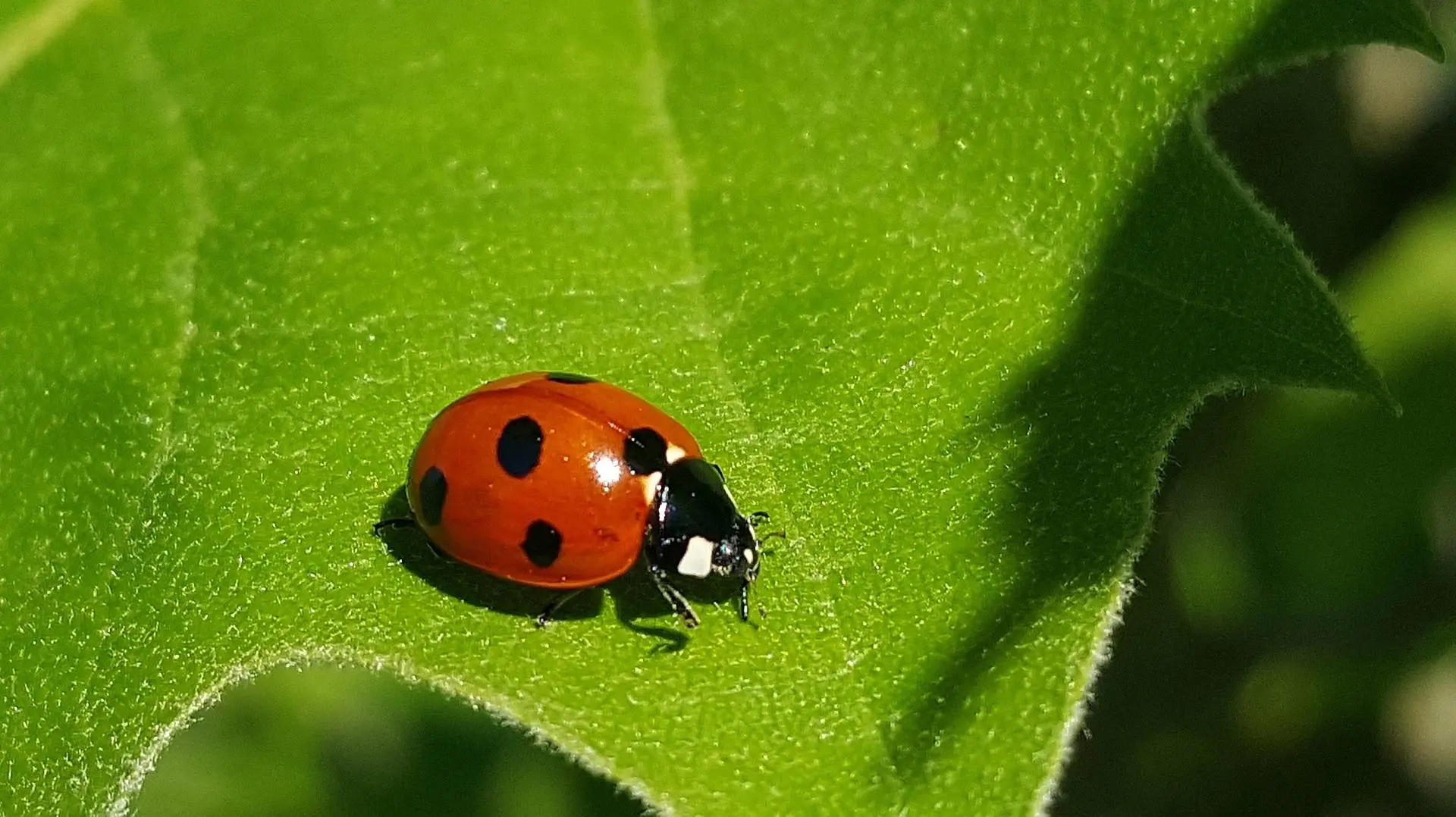
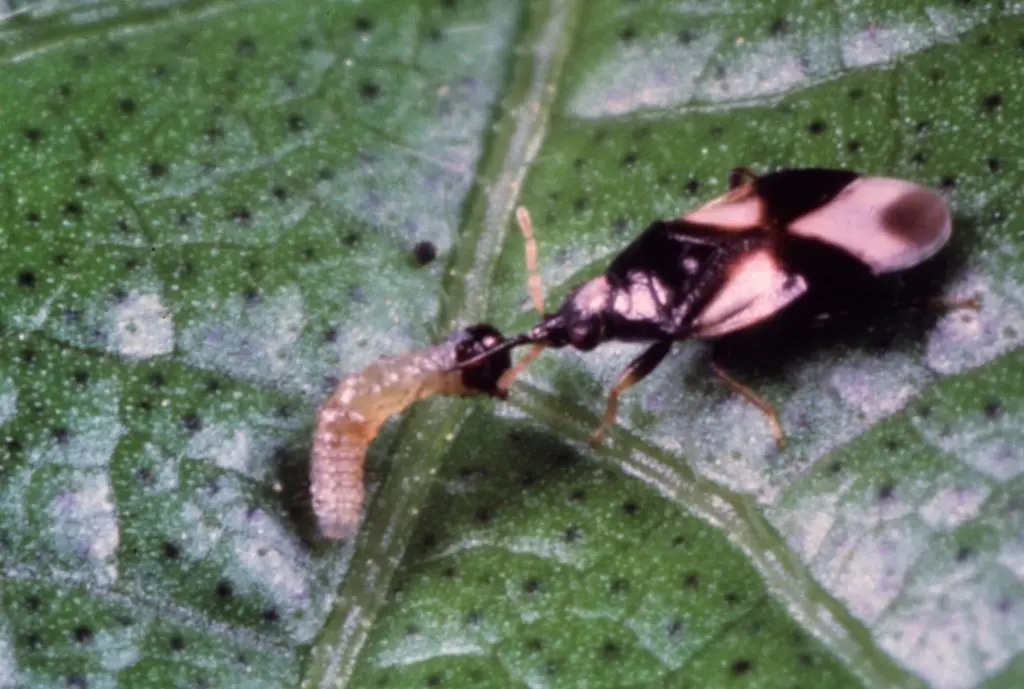
Growing from Seed
Seeds will not germinate when the soil temperature is above 80F (26C).
Planting Considerations
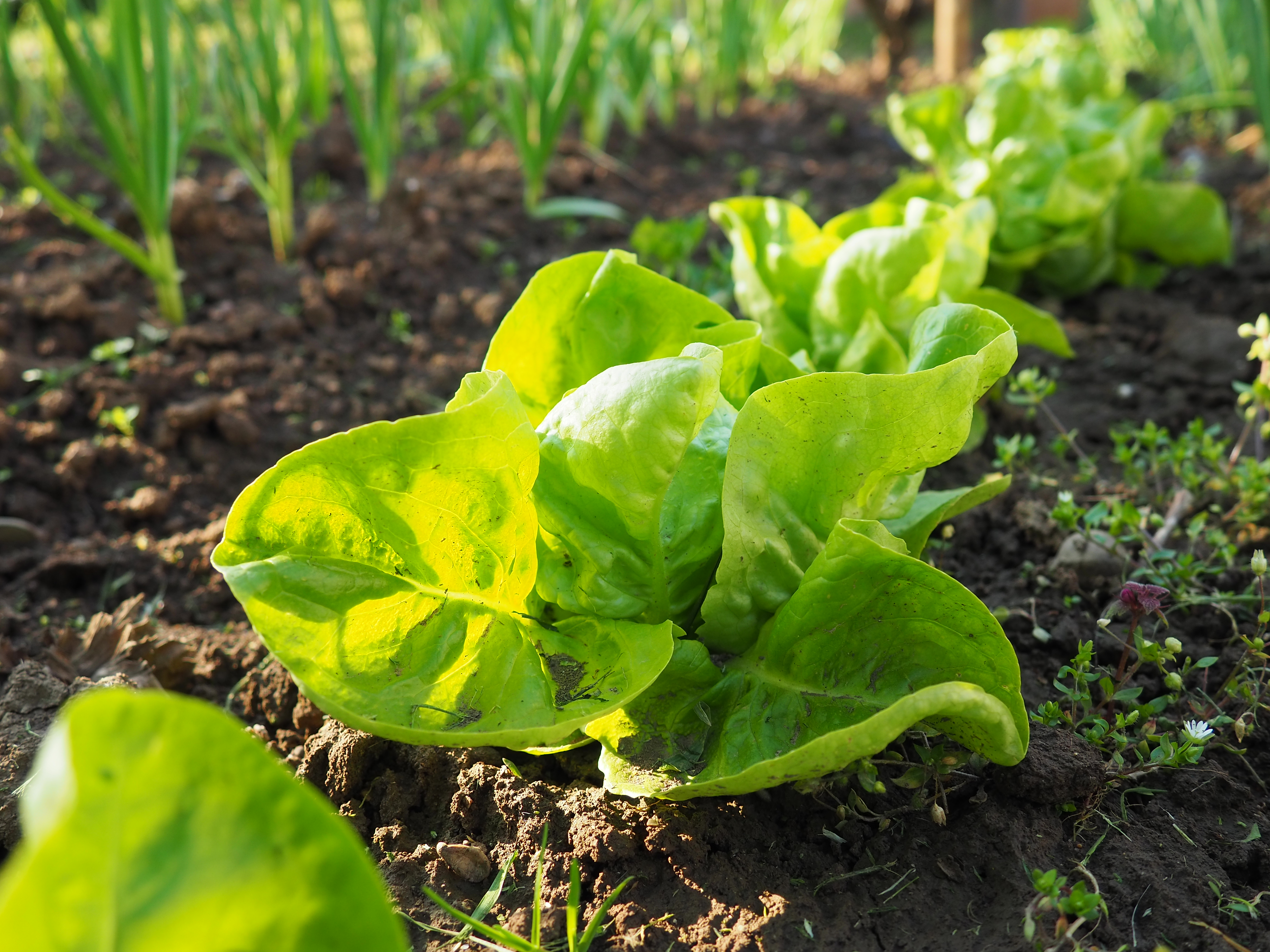
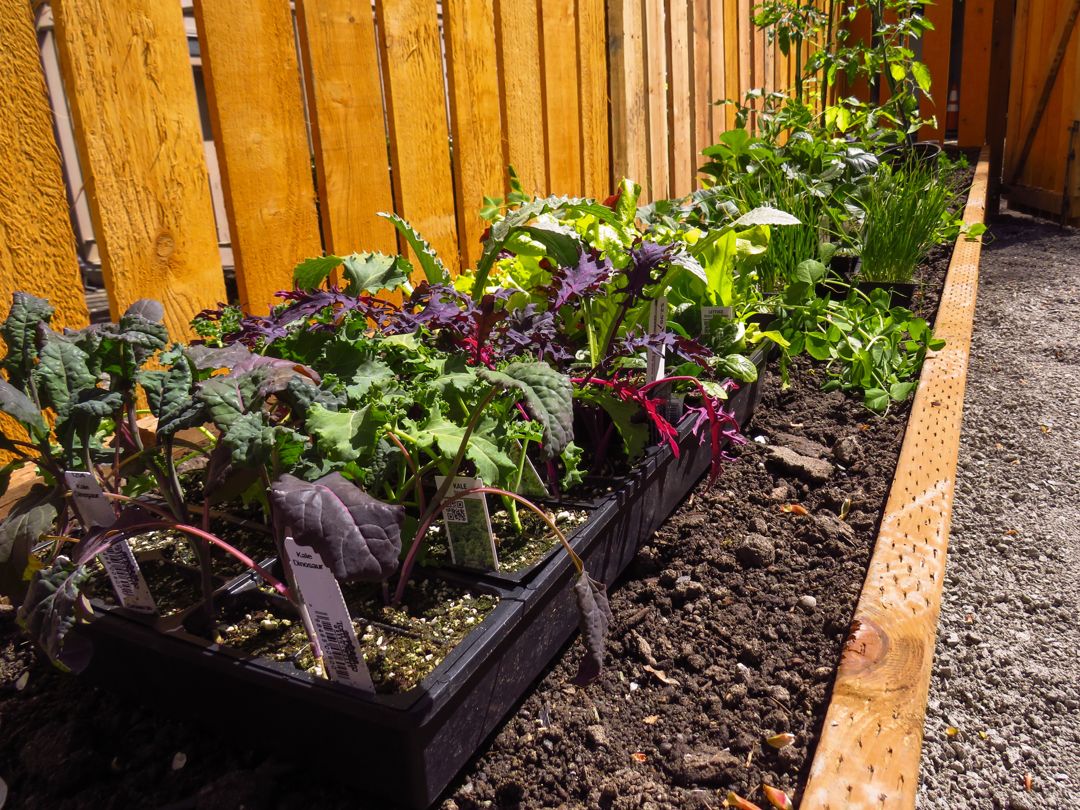
Consider planting rows of chives or garlic between your endives to control aphids. They act as “barrier plants.” Planning your garden so that endives will be in the shade of taller plants, such as tomatoes or sweet corn, in the heat of the summer, may reduce bolting as well.
Feeding
Add compost to the soil before planting and side-dress plants with compost at midseason.
Harvesting
Harvest endives once they are 5 to 6 inches (12-15cm) tall. Cut the plant off just above soil level or pick off only a few outer leaves at a time.
Storage
Store in a perforated plastic bag in your refrigerator crisper drawer.