Beets
Beta vulgaris (Garden Beet Group)
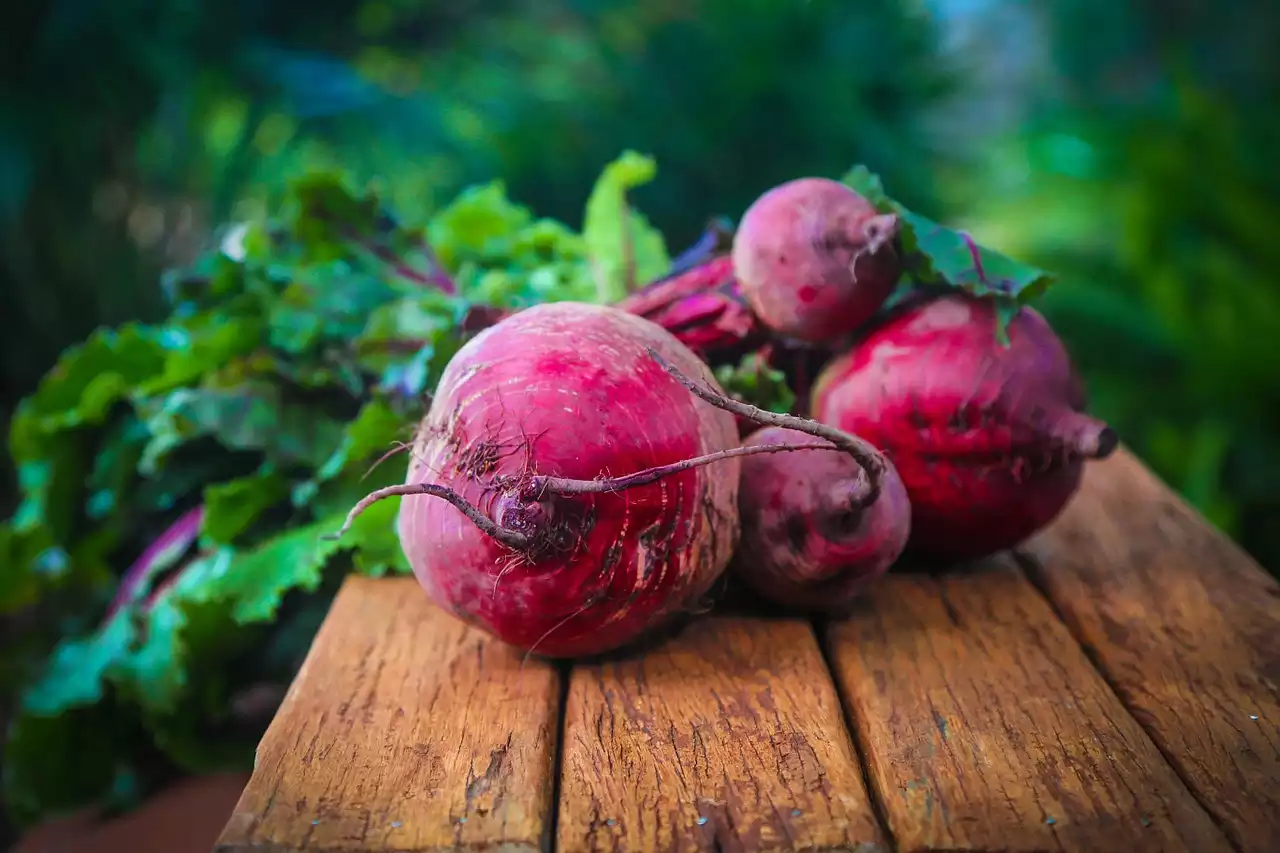
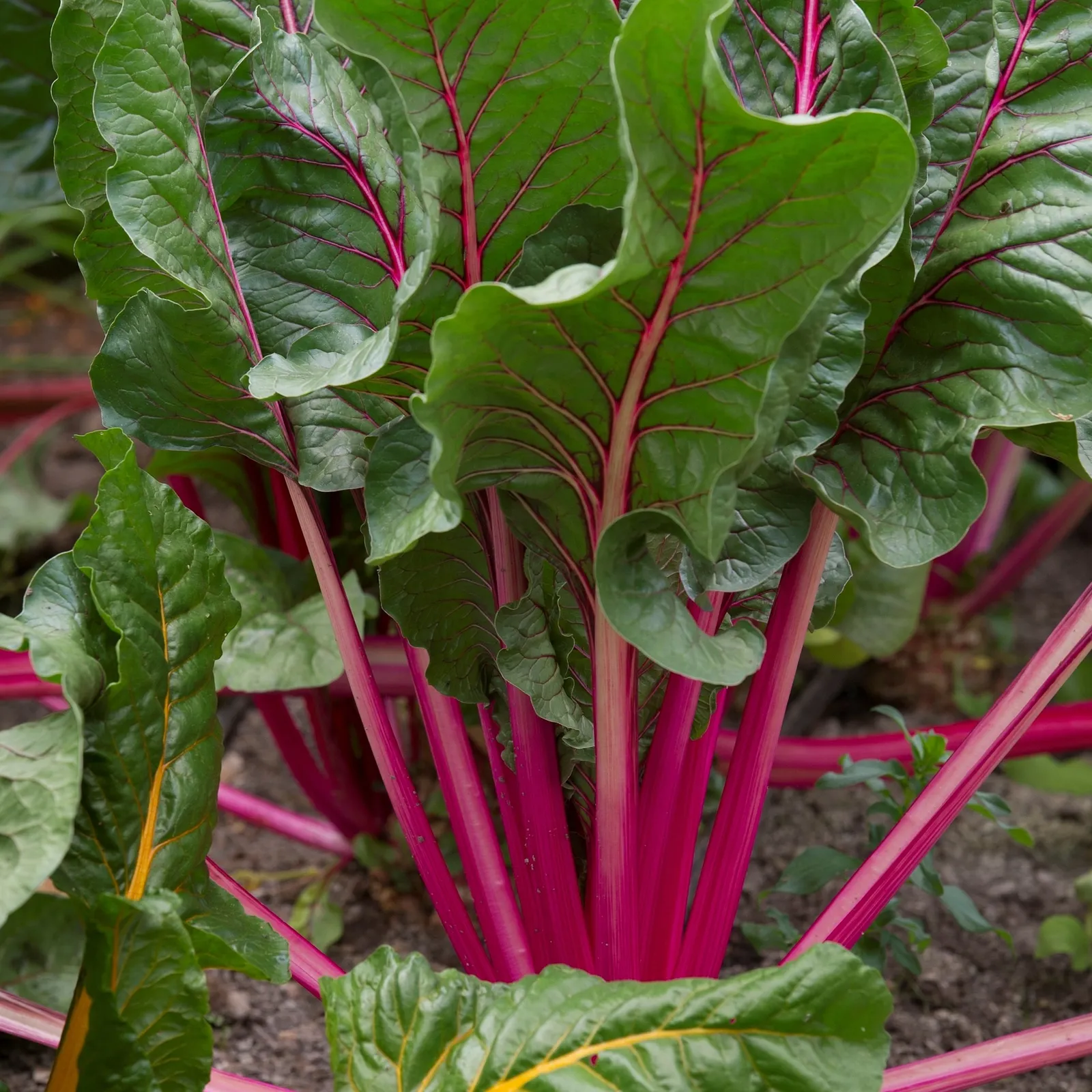
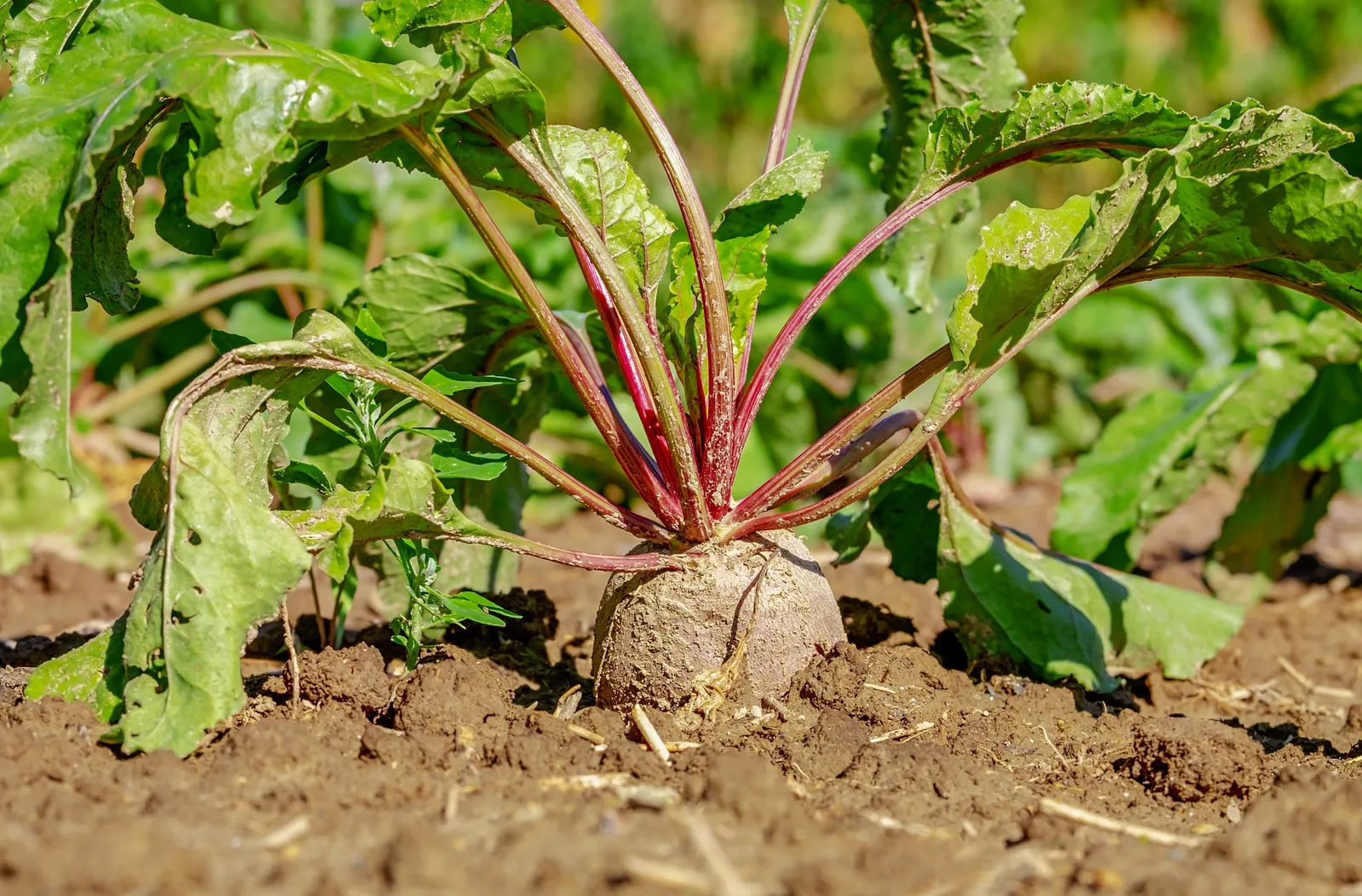
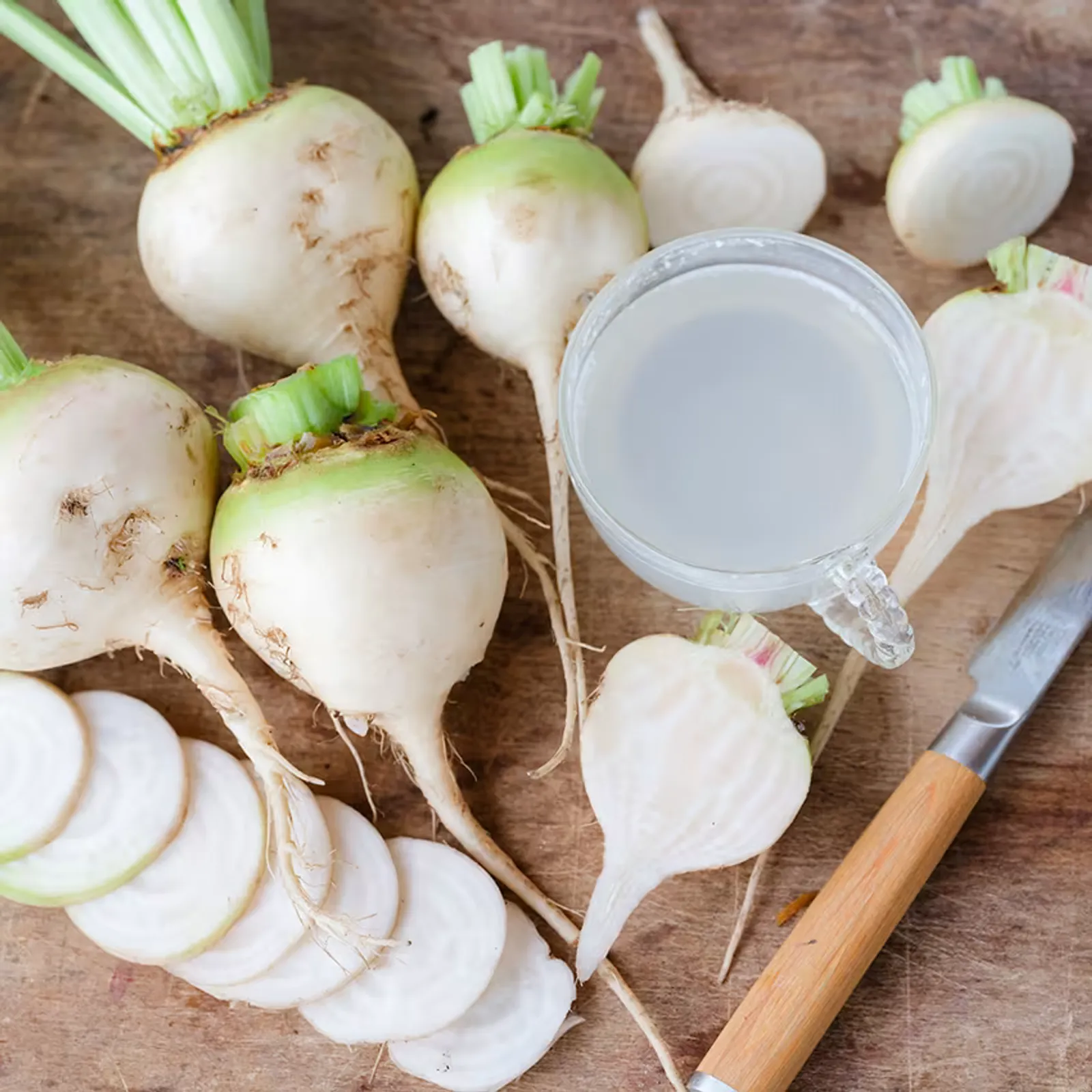
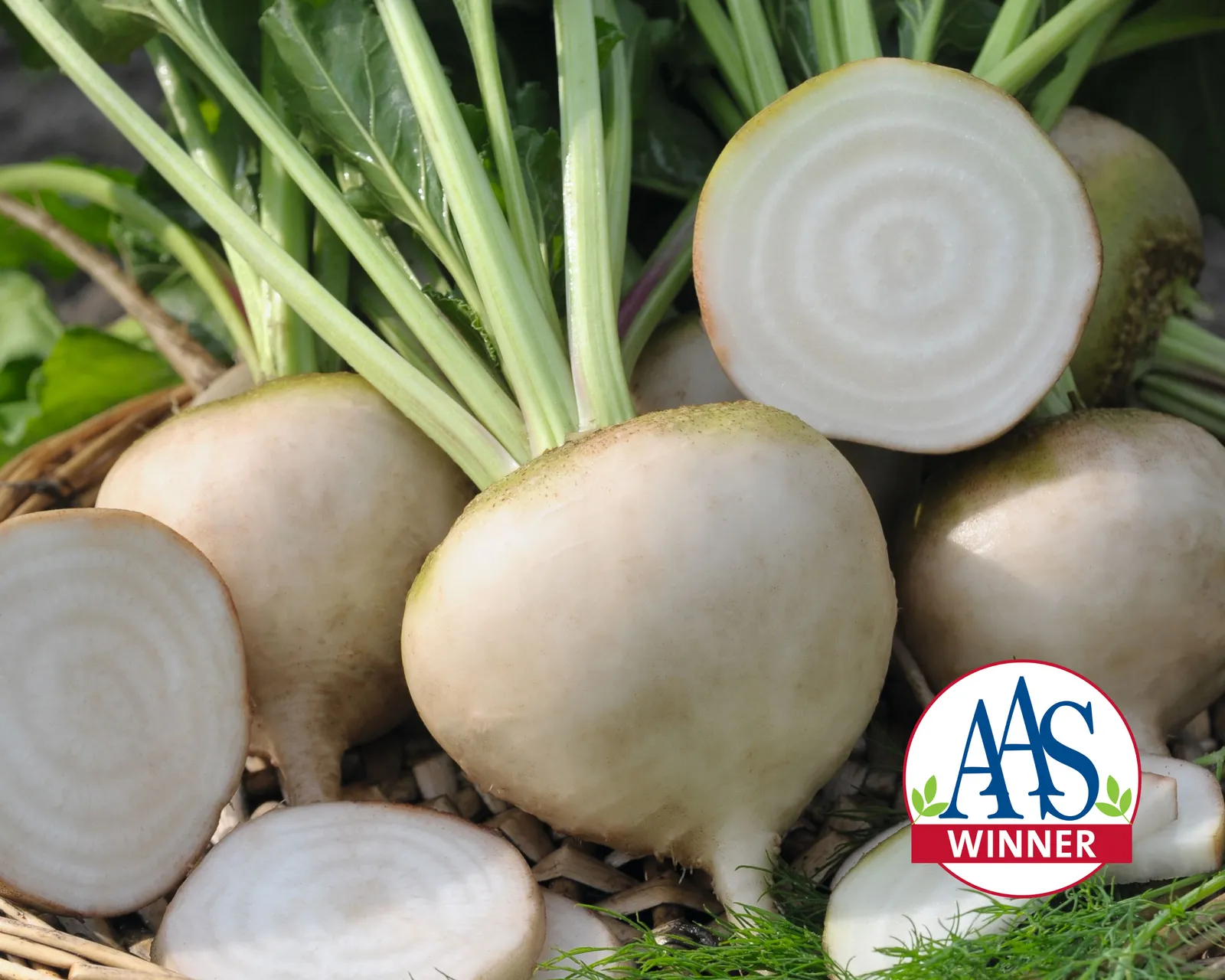
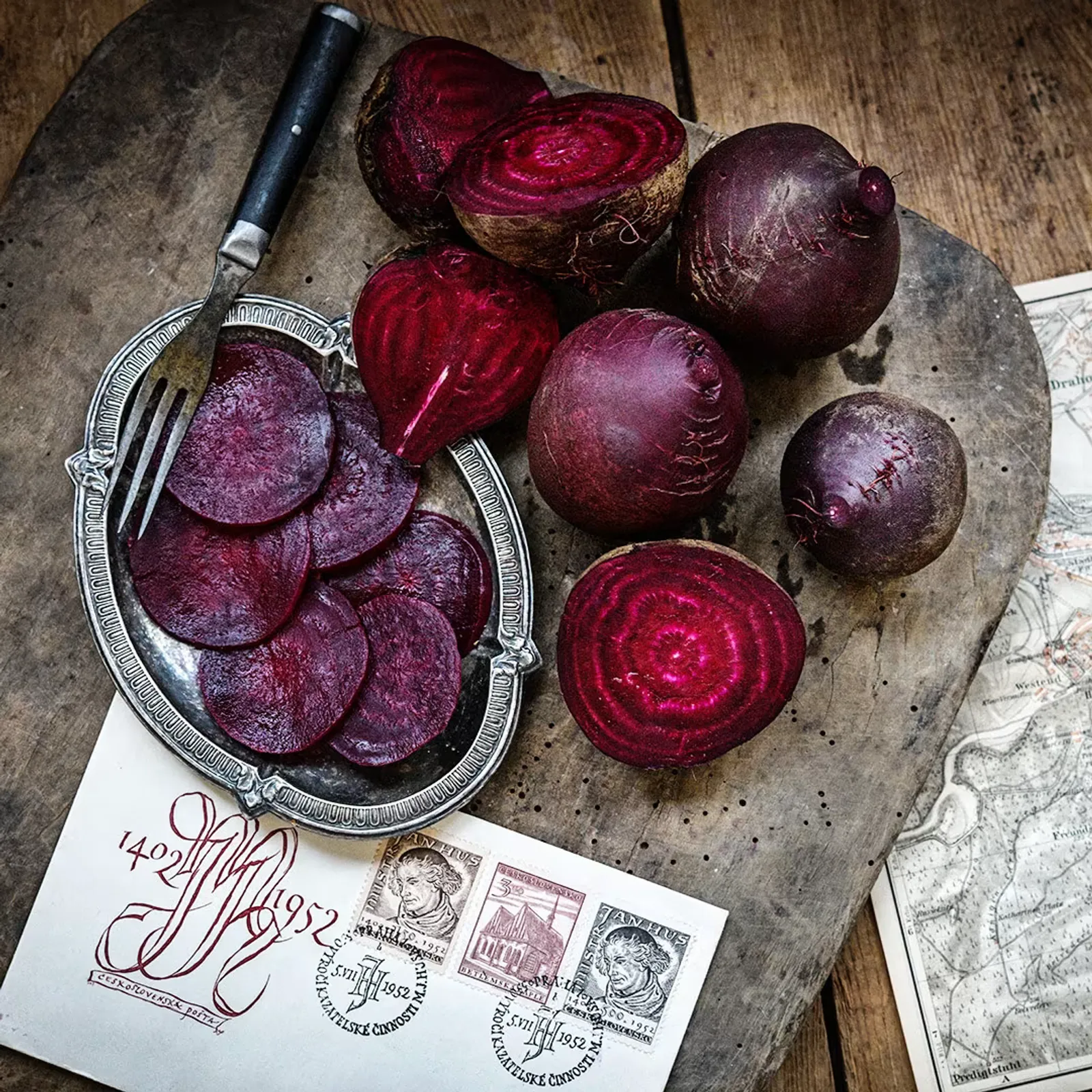
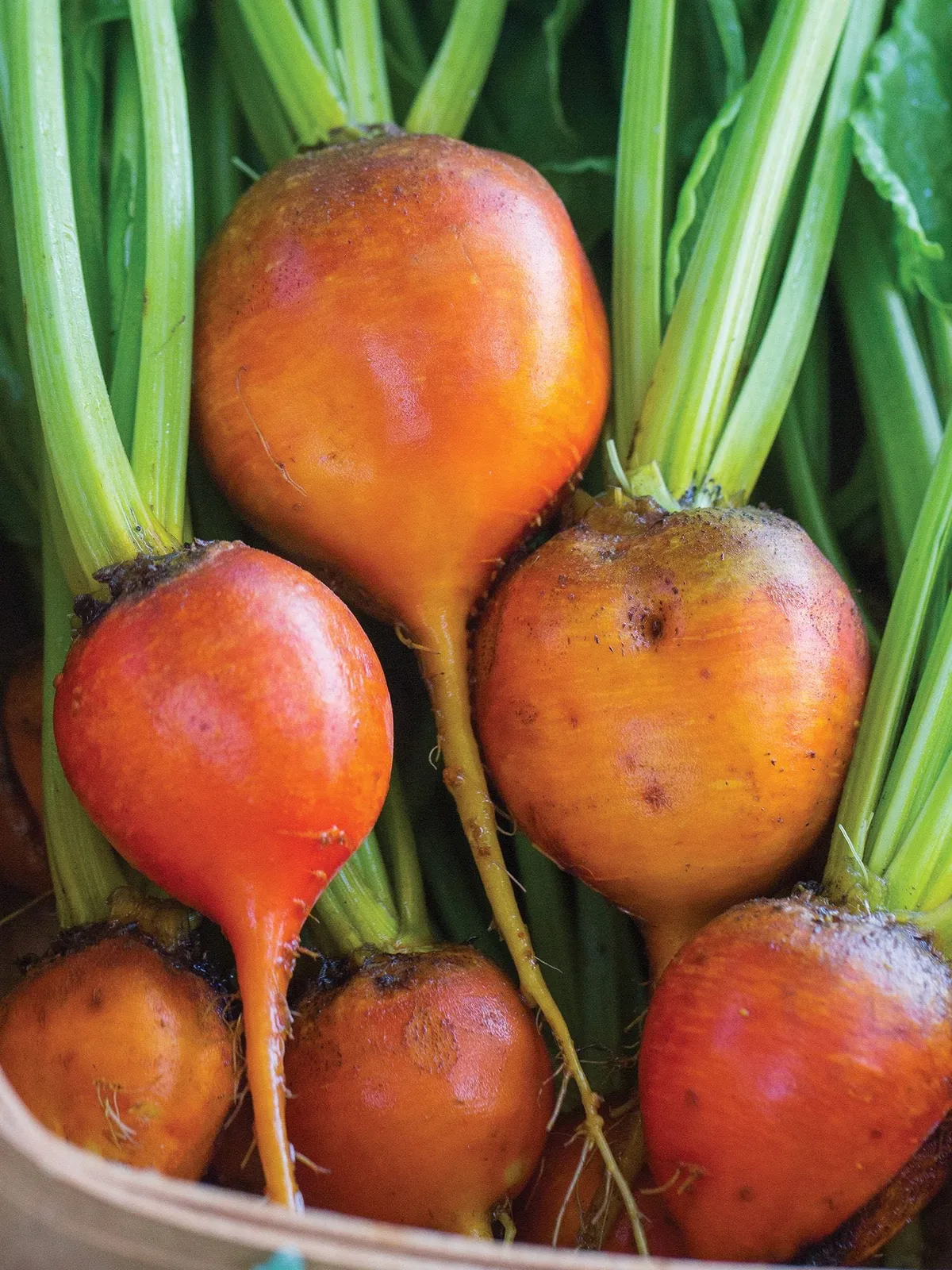
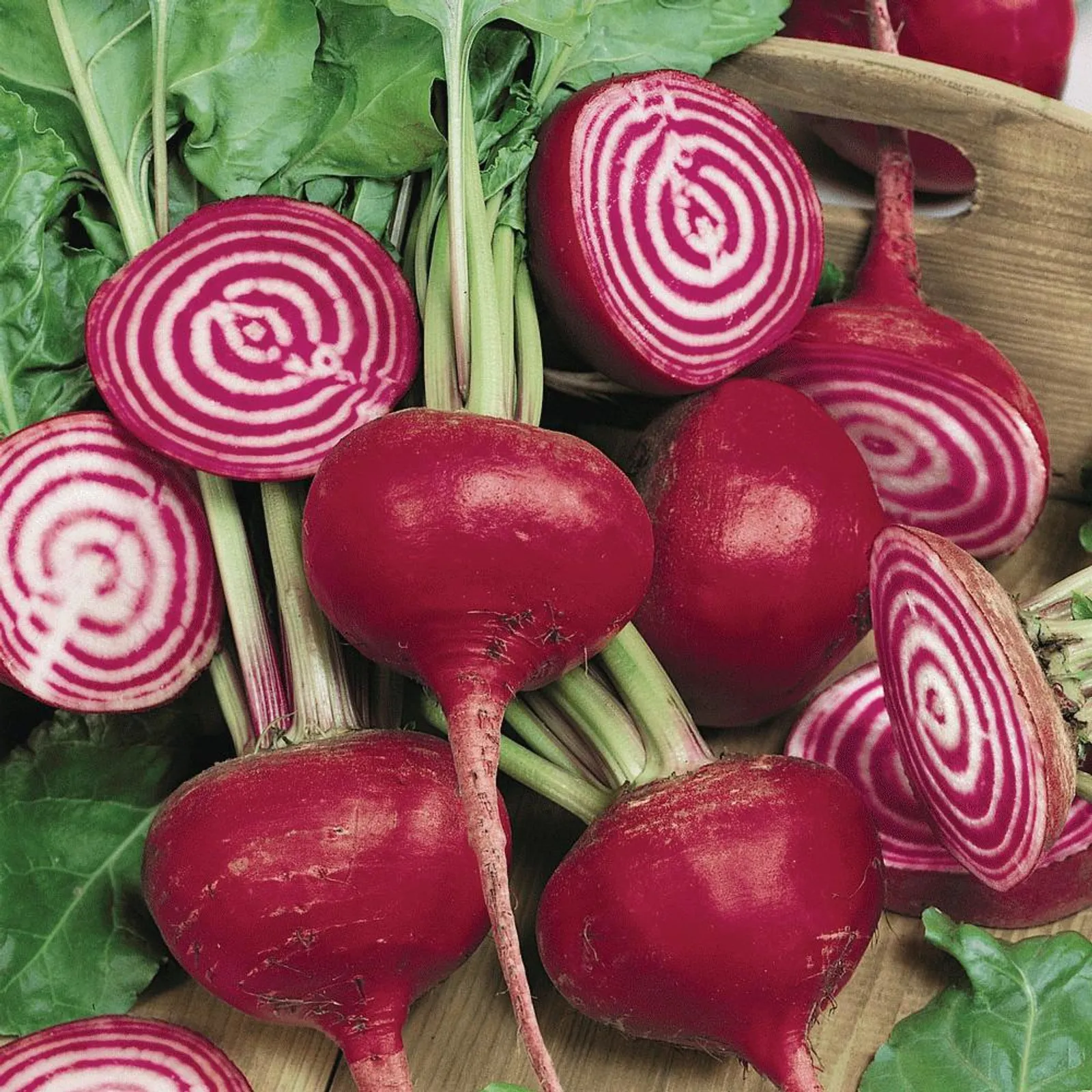
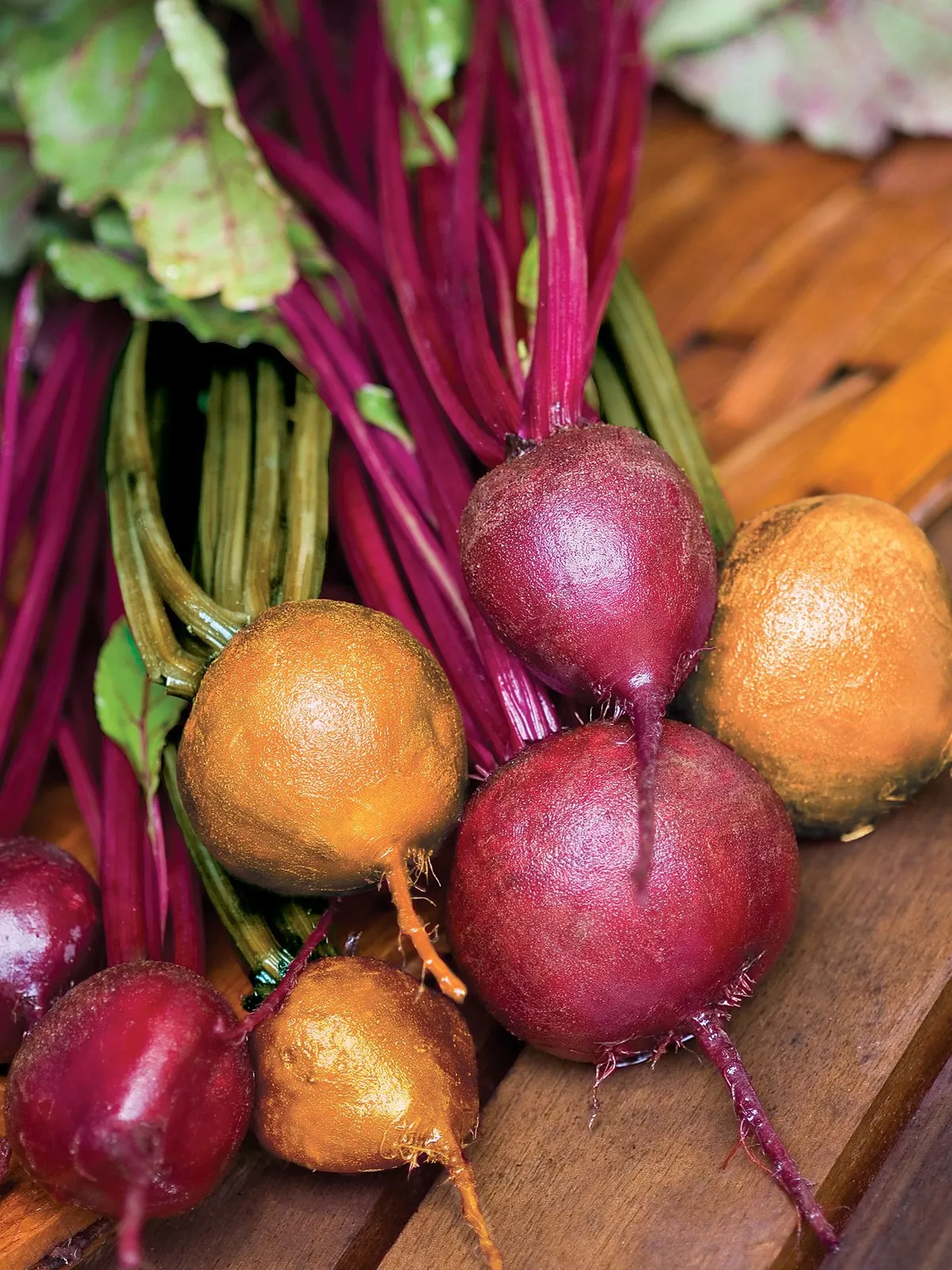
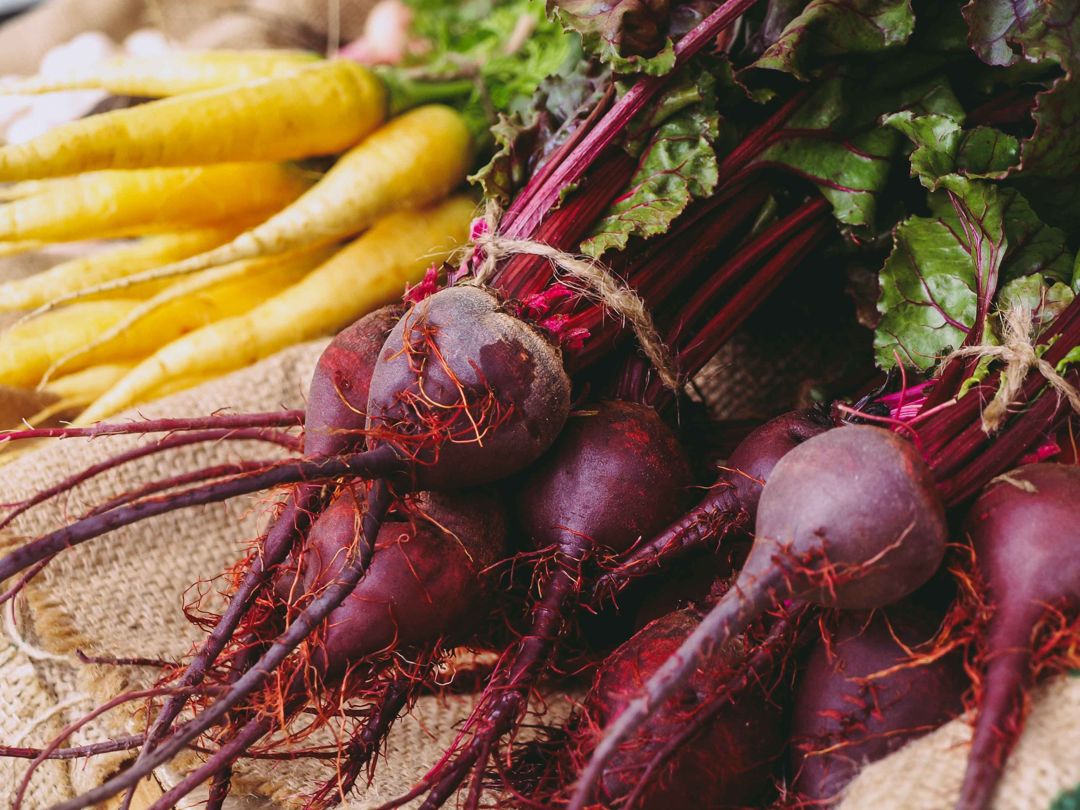
Beets can be a love-it-or-hate-it veggie. Some people find the taste of beets 'iron-y' or 'muddy' while others love their rich, sweet flavor. However there are a wide variety of beets available to gardeners, including yellow, pink, and white beets which have all of the sweetness but none of the iron flavor commonly associated with purple beets. Pickled beets are also a love/hate delicacy, but there are many other delicious ways to prepare beets besides pickling them. They can be roasted,used in soups, puréed, and added to healthy juices. Beet tops are also delicious and nutritious and can be used similarly to spinach and swiss chard.
How to Grow Beets
Quick Info


Put away the pen and paper
Plan your veggie garden in minutes with Planter's easy drag and drop planner.
Try Planter for Free
Varieties
Related Articles
Companion Plants




Combative Plants

Nutrition
Vitamins


Nutrients





Pests
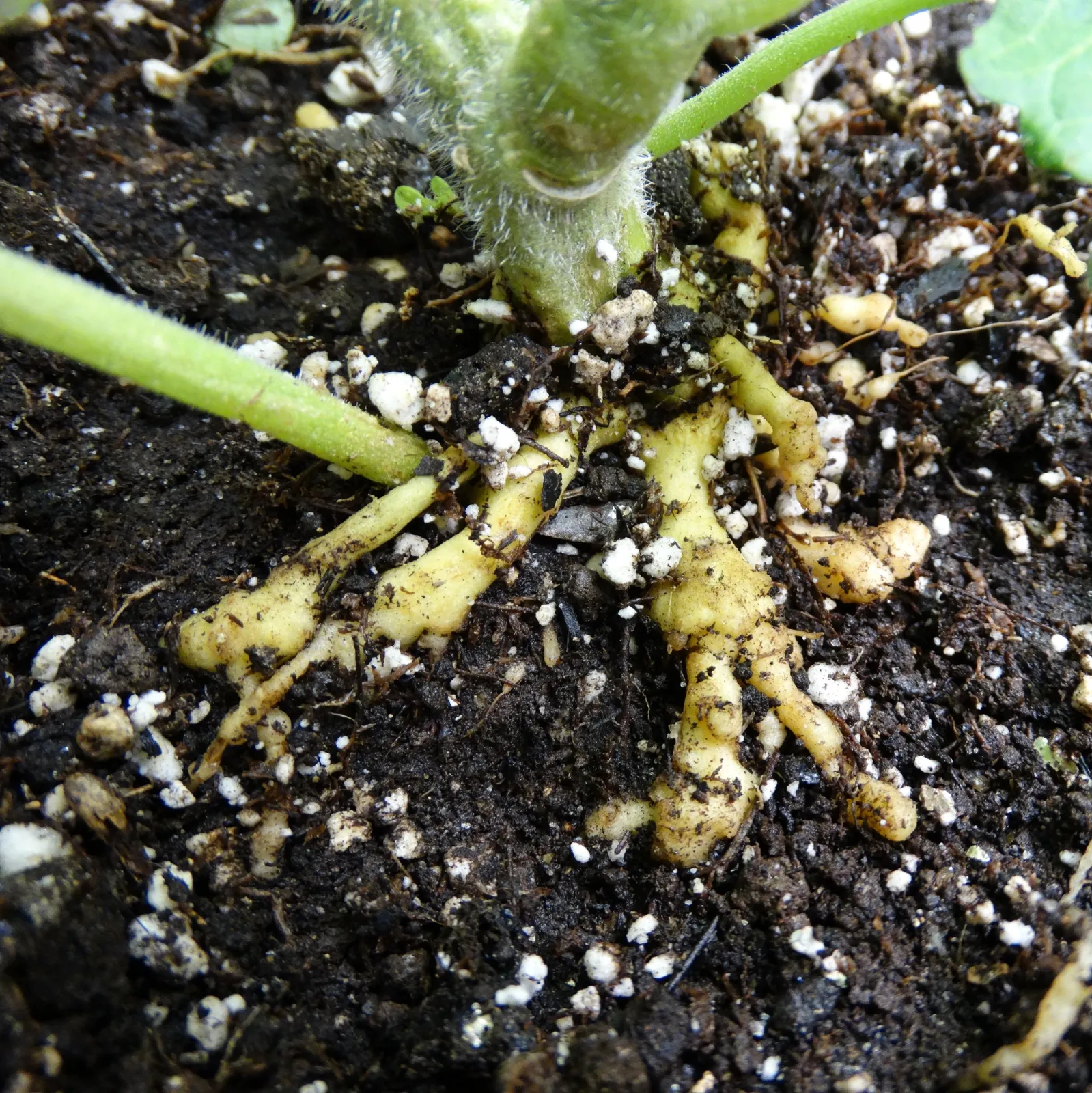
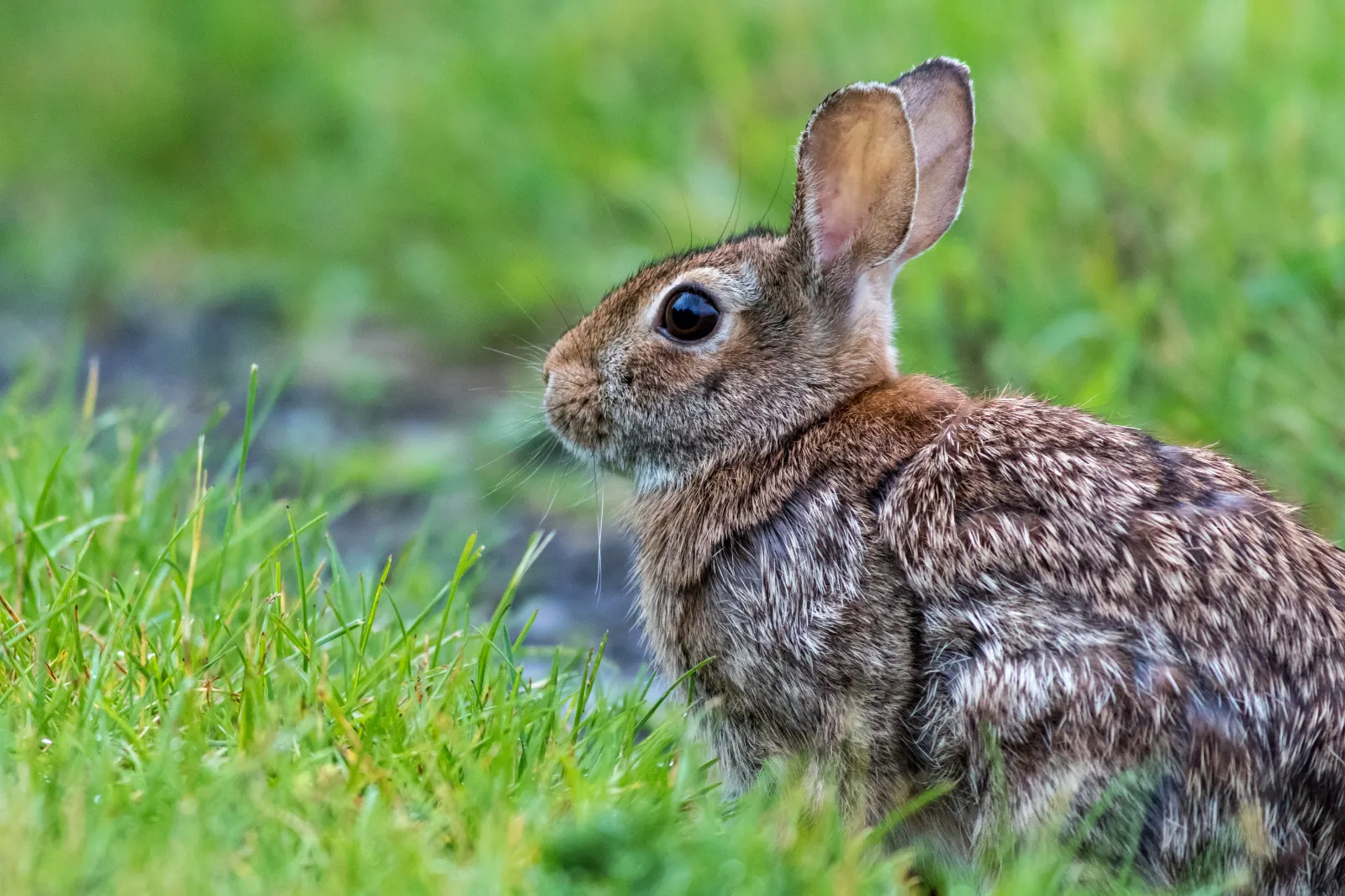
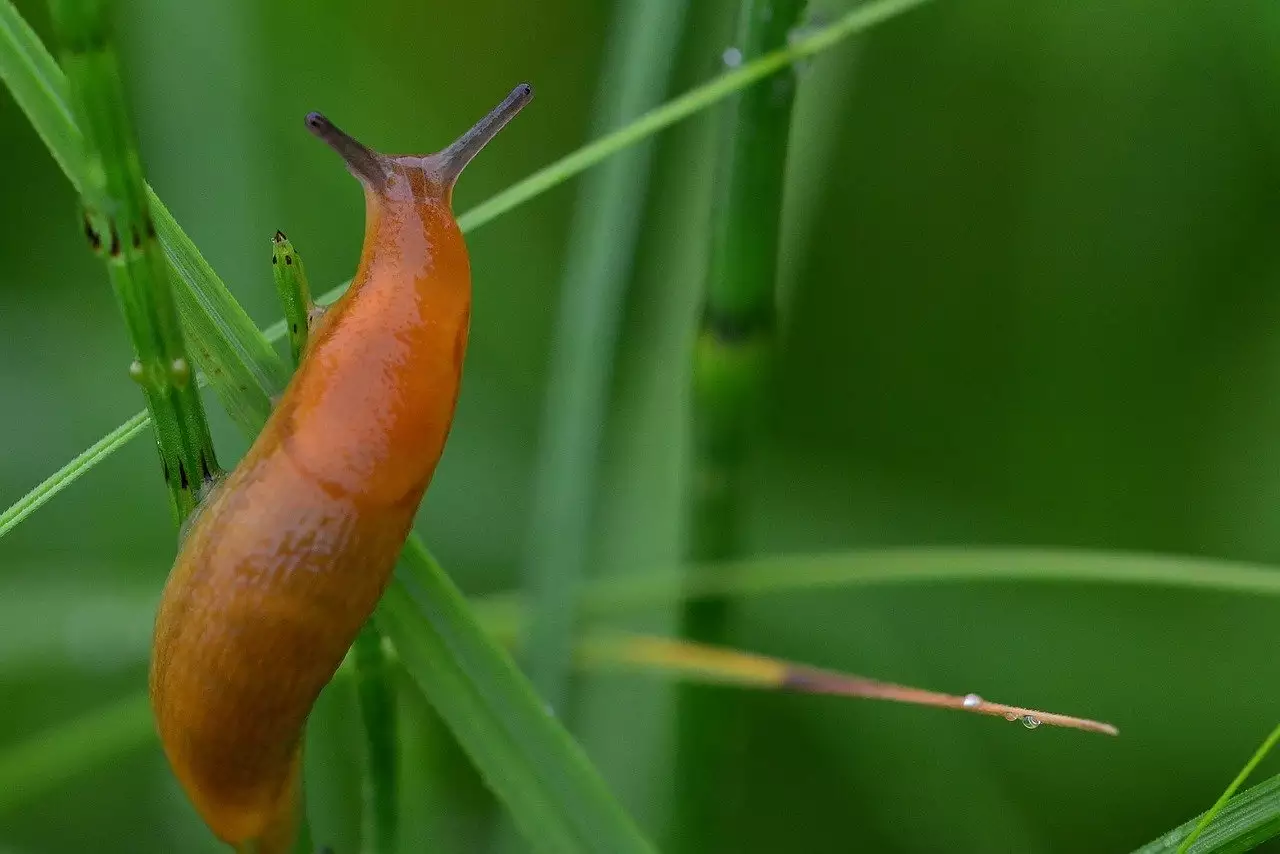
Diseases
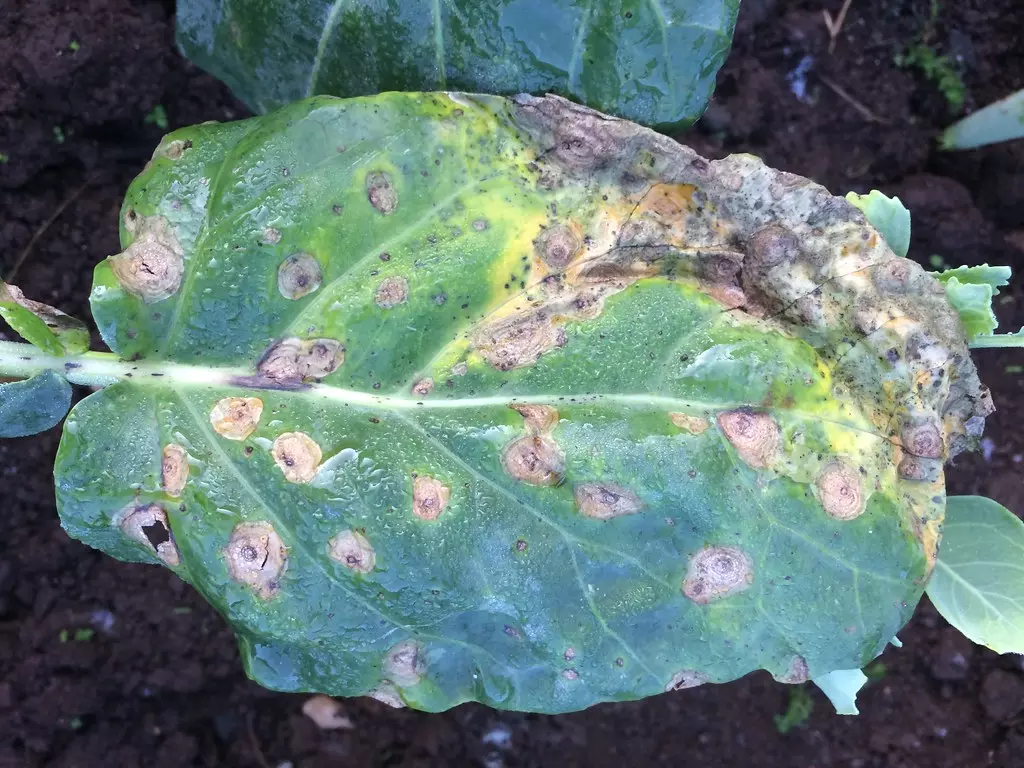
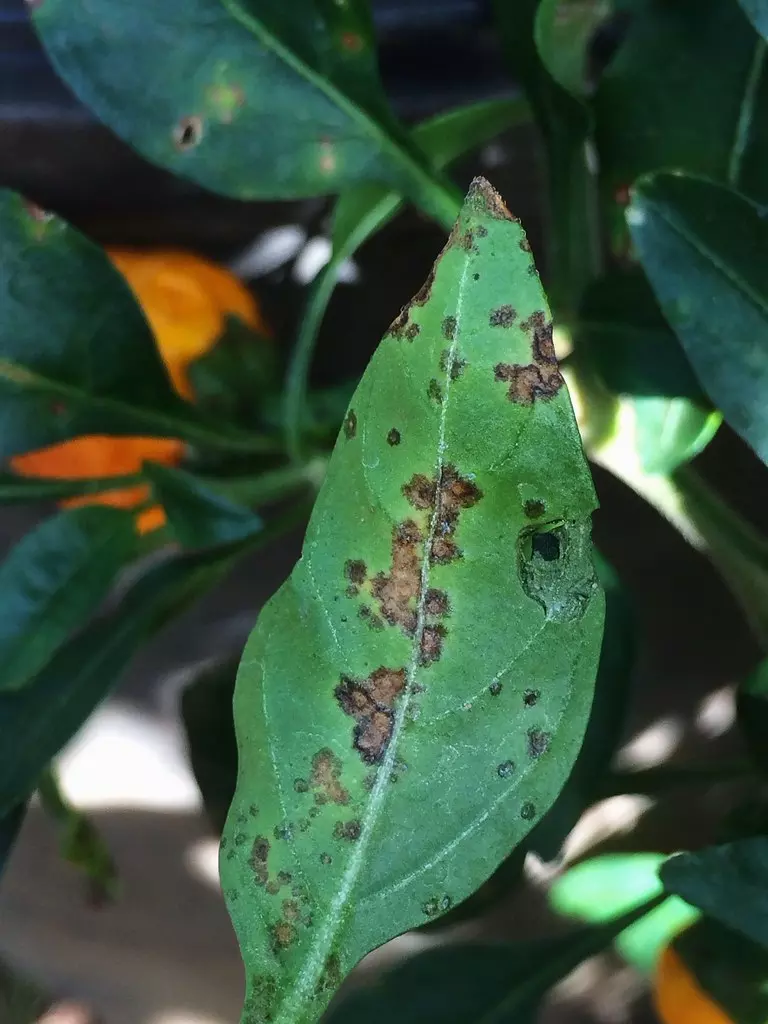
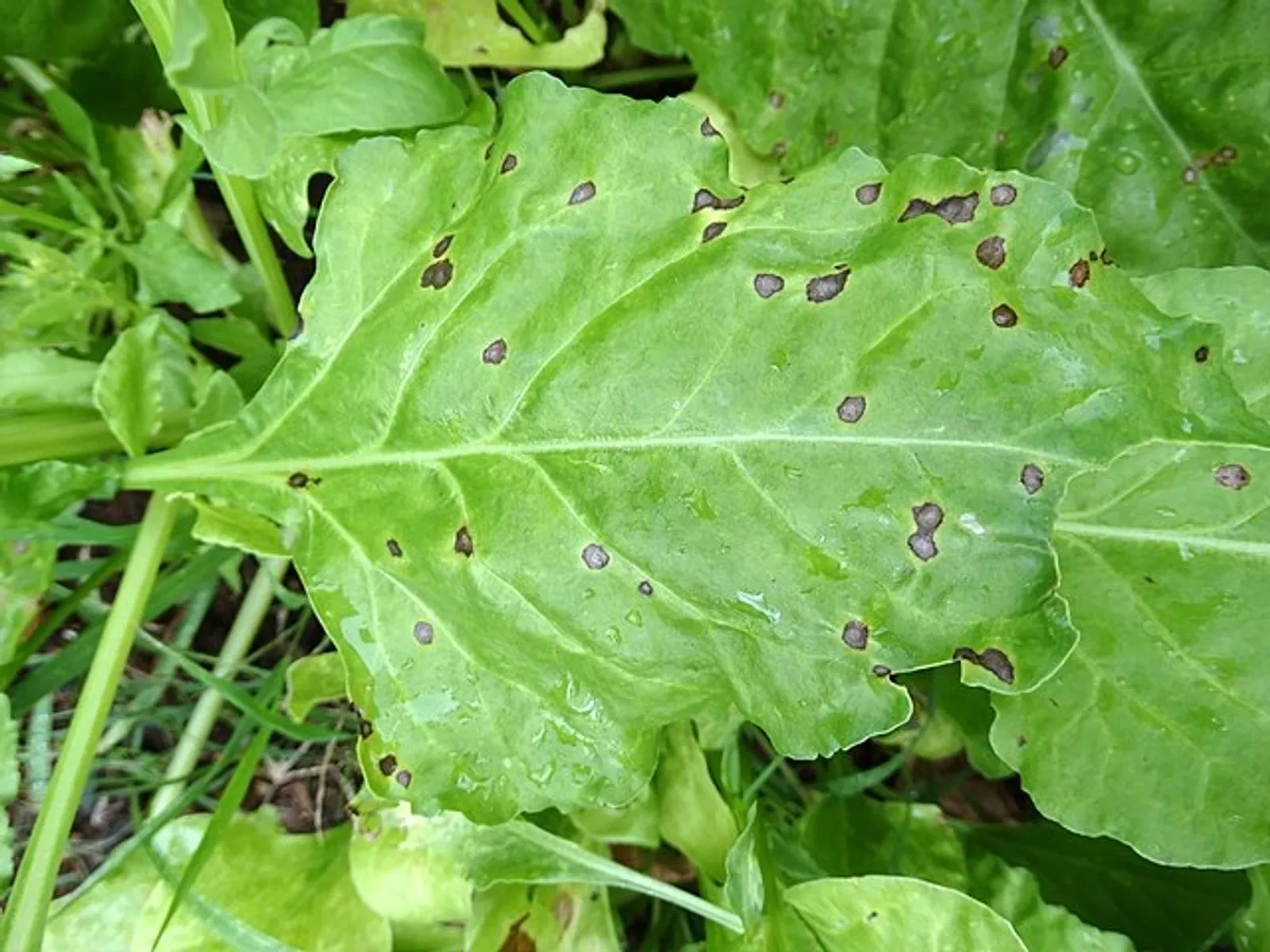
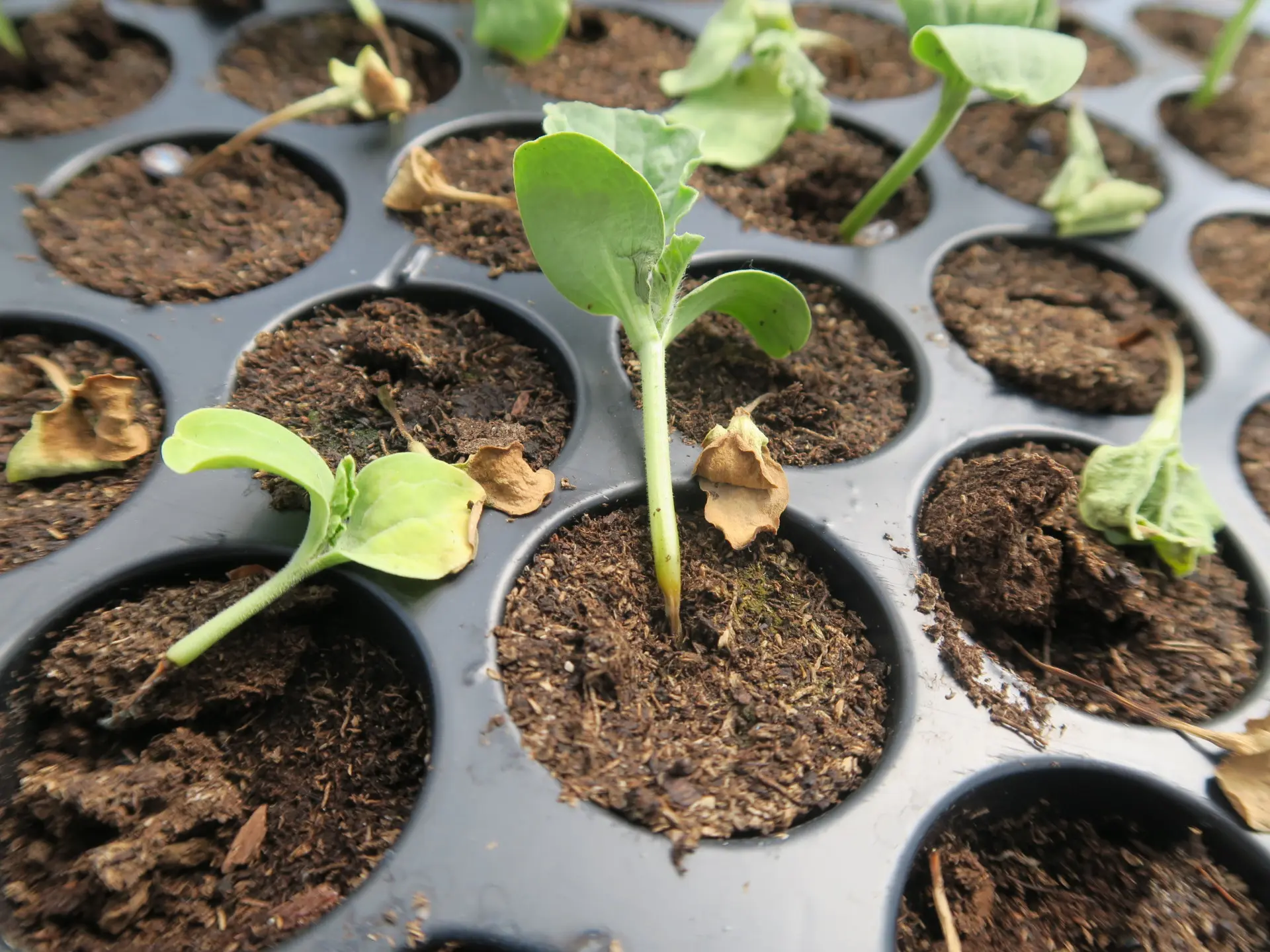
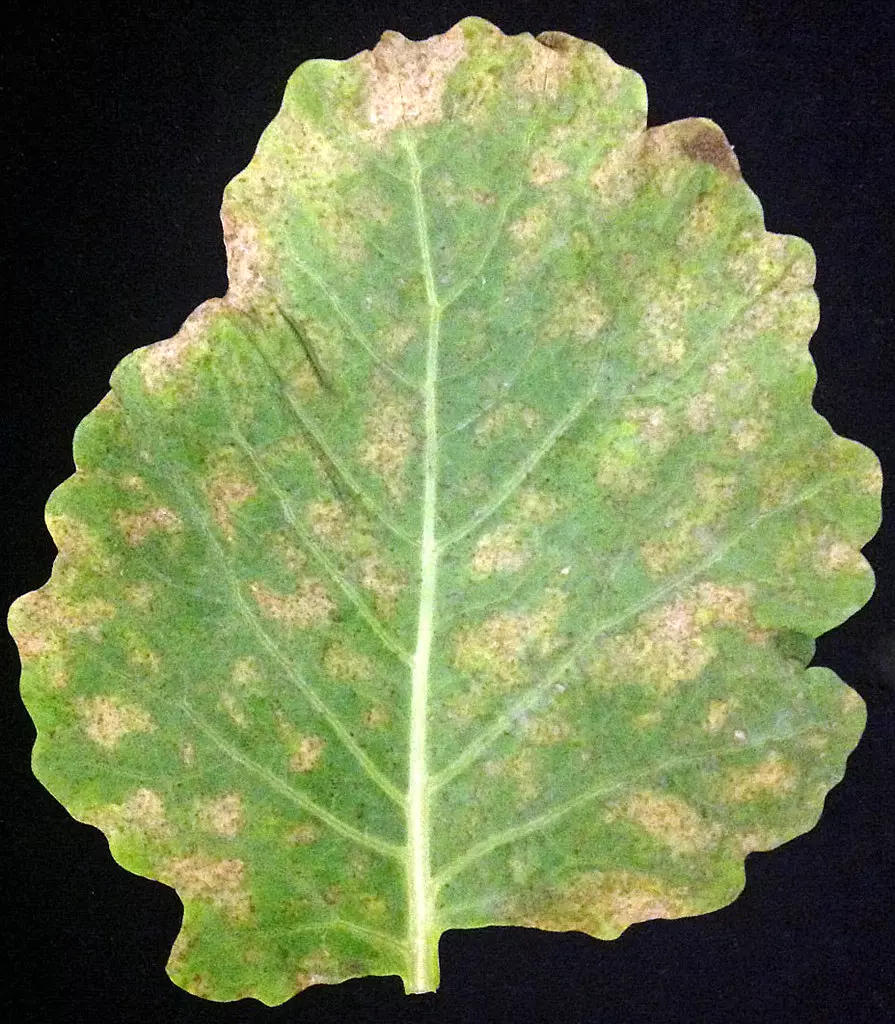
Beneficial Critters


Growing from Seed
Beets are typically sown directly outdoors in spring as soon as the ground is workable. Keep the soil consistently moist and do not allow it to crust over otherwise beets may struggle to germinate. Each beet seed (technically, a fruit) can produce more than one beet plant. Because of this beets sometimes need to be thinned out to the desired spacing. Many sources do not recommend transplanting beets but it is possible with some care. Beets can be transplanted in clusters of up to 3-5 plants (we recommend 3). If there are more seedlings than that growing together be sure to thin them out. Provide supplemental light as soon as seedlings germinate so they do not get leggy (tall and spindly). When transplanting, be careful not to damage the roots and be sure to bury the stems deeply- up to the first leaves- to ensure the beet roots grow to a nicely rounded shape.
Planting Considerations
Beets prefer loose, loamy, fertile soil. Add compost to the soil at the time of planting. Heavy clay soils may impede root development. Beets are cool season crops however if they are planted too early when the weather is still cold- 41-48°F (5-9°C) they may bolt. Beets can be grown throughout the gardening season in many areas but during the heat of summer they need consistent irrigation to help them stay cool and to prevent the soil from drying out. Plant beets in succession (i.e., multiple times) to have an ongoing harvest through the season. Cultivate (weed) beets regularly to help loosen the soil and keep weeds from taking over, but be careful to avoid damaging the beet roots as they grow. Beets can be grown in containers. Choose a large container that is 10" (25 cm) deep at minimum to accomodate the taproot.
Feeding
Beets are heavy feeders. Apply a balanced fertilizer at the time of planting. Too much nitrogen can cause excessive leaf growth and poor root bulbing; be sure your chosen fertilizer is not nitrogen-heavy. Beets require ample boron. If your soil test indicates a deficiency be sure to amend your soil prior to planting beets.
Harvesting
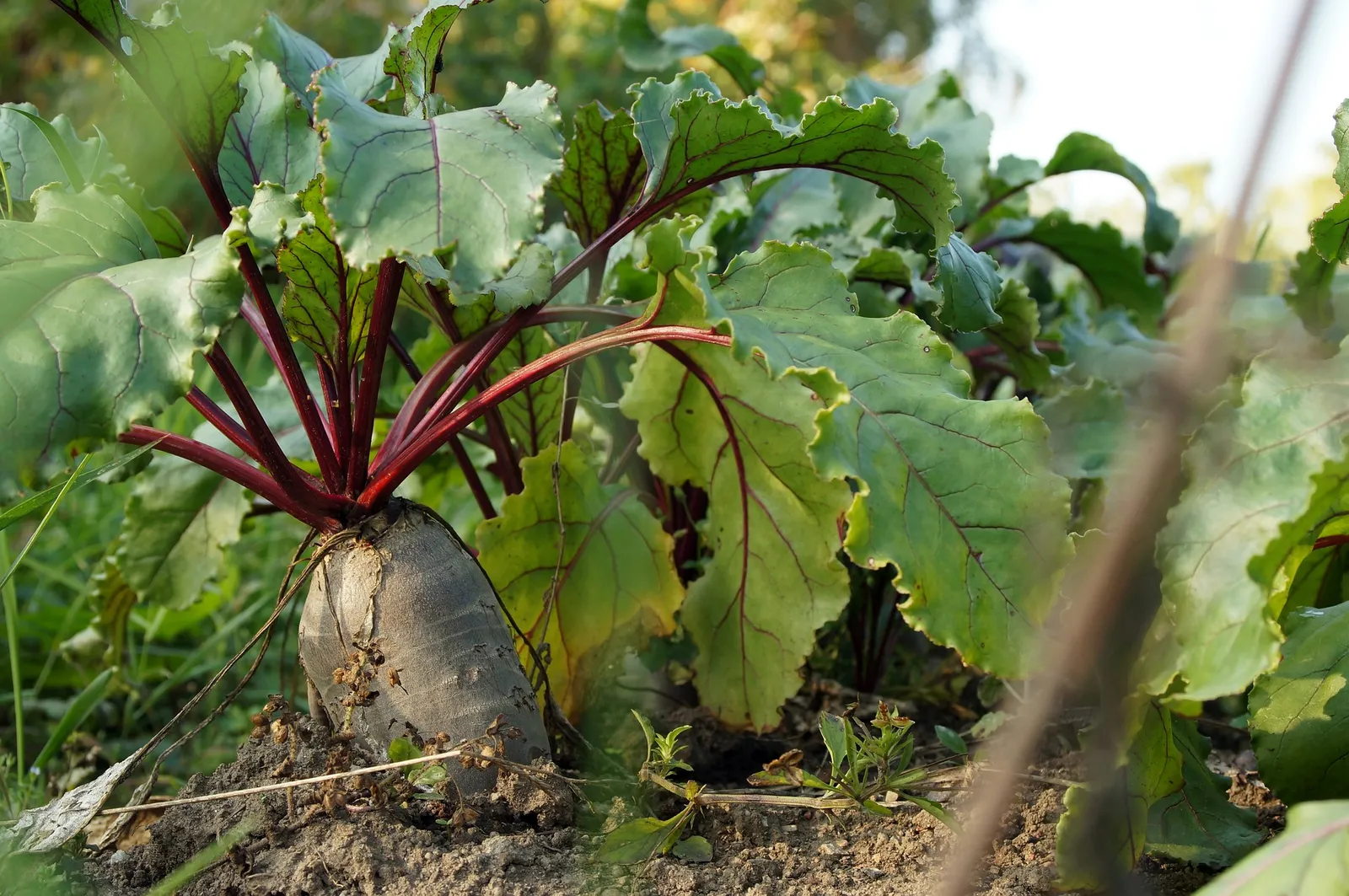
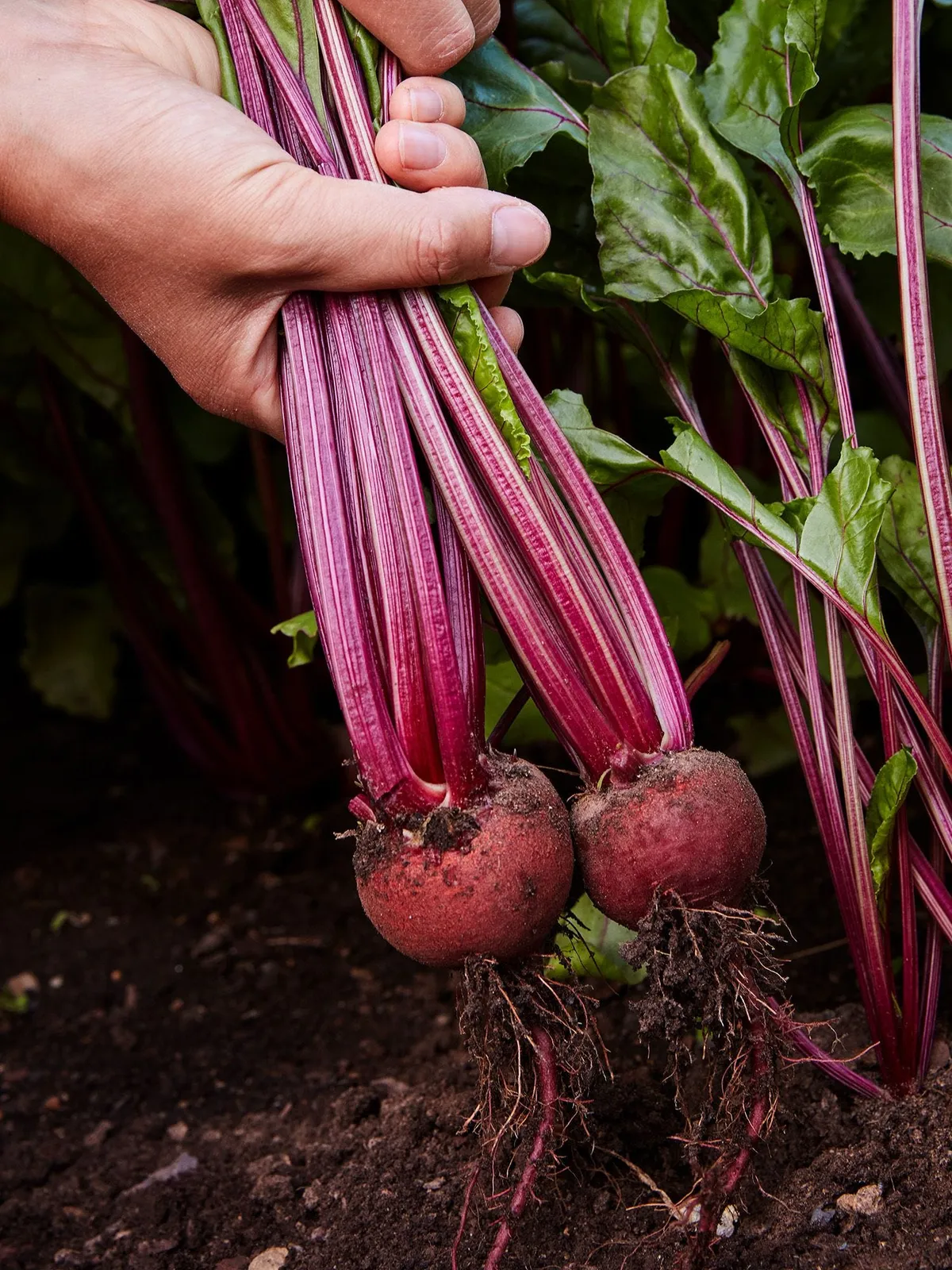
Beets can be harvested at almost any stage of development. Beets can be harvested for their greens before the root bulbs. If you're growing beets solely for the greens a knife can be used to cut the tops off. If you'd like to still get a beet root pick off a few leaves sparingly; do not harvest too many leaves at once. Beets can be harvested while they are still small as "baby beets" although they are typically harvested when they are about the size of a tennis ball. Check your seed packet for the expected days to maturity and mature size for the beets you are growing. Beets can usually be pulled out of the ground by their tops. Occasionally beet tops will break off and the root will need to be dug out of the soil with a trowel. For beets grown in clusters, pull the largest beets out of the cluster carefully and hold the remaining smaller beets in the ground so they don't get accidentally uprooted.
Storage
Wash beet roots after harvesting then lightly trim off the root tip leaving about 1/2" (1.25 cm). Beet tops should be cut off and stored separately, also leaving about 1/2" (1.25 cm) of stem on the root. Remove and compost any blemished beet tops. Beet tops can be stored in the fridge for up to several days. Beet roots with their tops removed can be stored in the fridge for up to a couple months. Beets can be boiled (whole with the small bit of stem and roots intact), then peeled, sliced, and frozen for up to a year. Purple beets can stain your hands or cutting board when working with them but yellow, pink, and white beets do not have this issue. Beets can also be pressure canned or pickled for long-term storage. Be sure to follow a reputable source for canning and pickling recipes.
If you happen to have a root cellar, beets can be stored there packed in boxes with damp peat moss, sawdust, or sand. Do not wash beets if you plan to store them in a root cellar.