Slugs and Snails
Identification
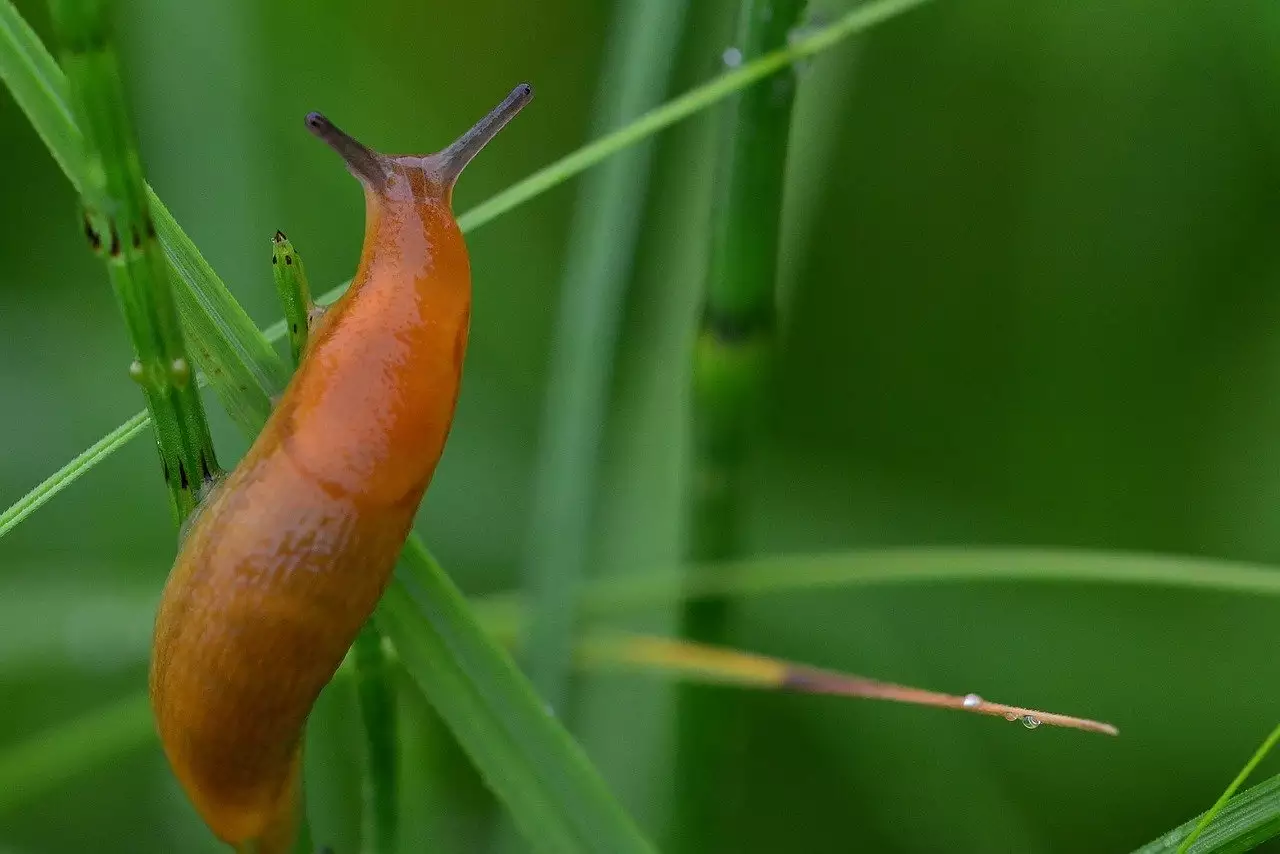
Slugs and snails are not insects, but land-dwelling mollusks. Snails have a shell, slugs do not. They can be gray, black, orange, brown, tan, or mottled, and often leave a slime trail behind.
Damage
Snails and slugs leave irregular holes in leaf margins or centers. They feed at night or on rainy days, so often the culprit isn’t present during the day.
Prevention
Remove habitat that snails and slugs live in, such as woodchips or leaves. Water in the morning only as slugs and snail prefer feeding on wet foliage. Encourage birds, snakes, frogs, and toads in the garden because all of these critters eat slugs and snails. Copper strips placed around plants prevent feeding due to a chemical reaction with the slime produced by slugs and snails.
Physical control
Handpick slugs and drop them into a jar of soapy water. Beer traps also work, but the beer should be emptied and refilled daily.
Chemical control
It is highly recommended to try physical prevention/control methods before resorting to chemical control. Use only slug baits with the active ingredient of iron phosphate; do not use baits made from metaldehyde or methocarb as both are poisonous to pets and other wildlife. Check local regulations (or your local Extension Office where applicable) to identify which products can be used in home gardens in your area. Follow label instructions carefully for safe and effective insecticide application and to ensure that edible crops are safe to harvest.
Plants Affected






...and 50 more plants
Put away the pen and paper
Plan your veggie garden in minutes with Planter's easy drag and drop planner.
Try Planter for Free