Artichoke
Cynara cardunculus var. scolymus
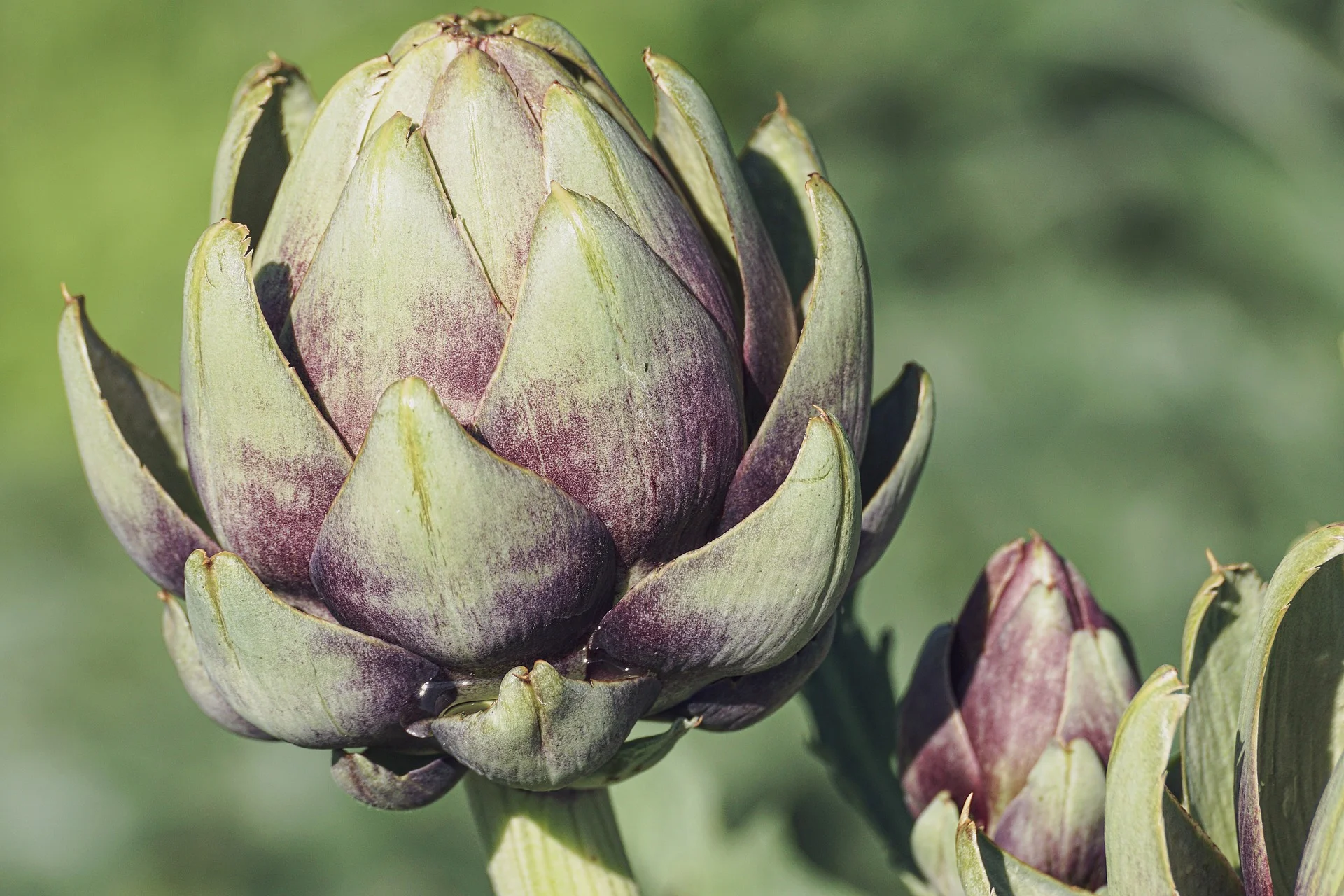
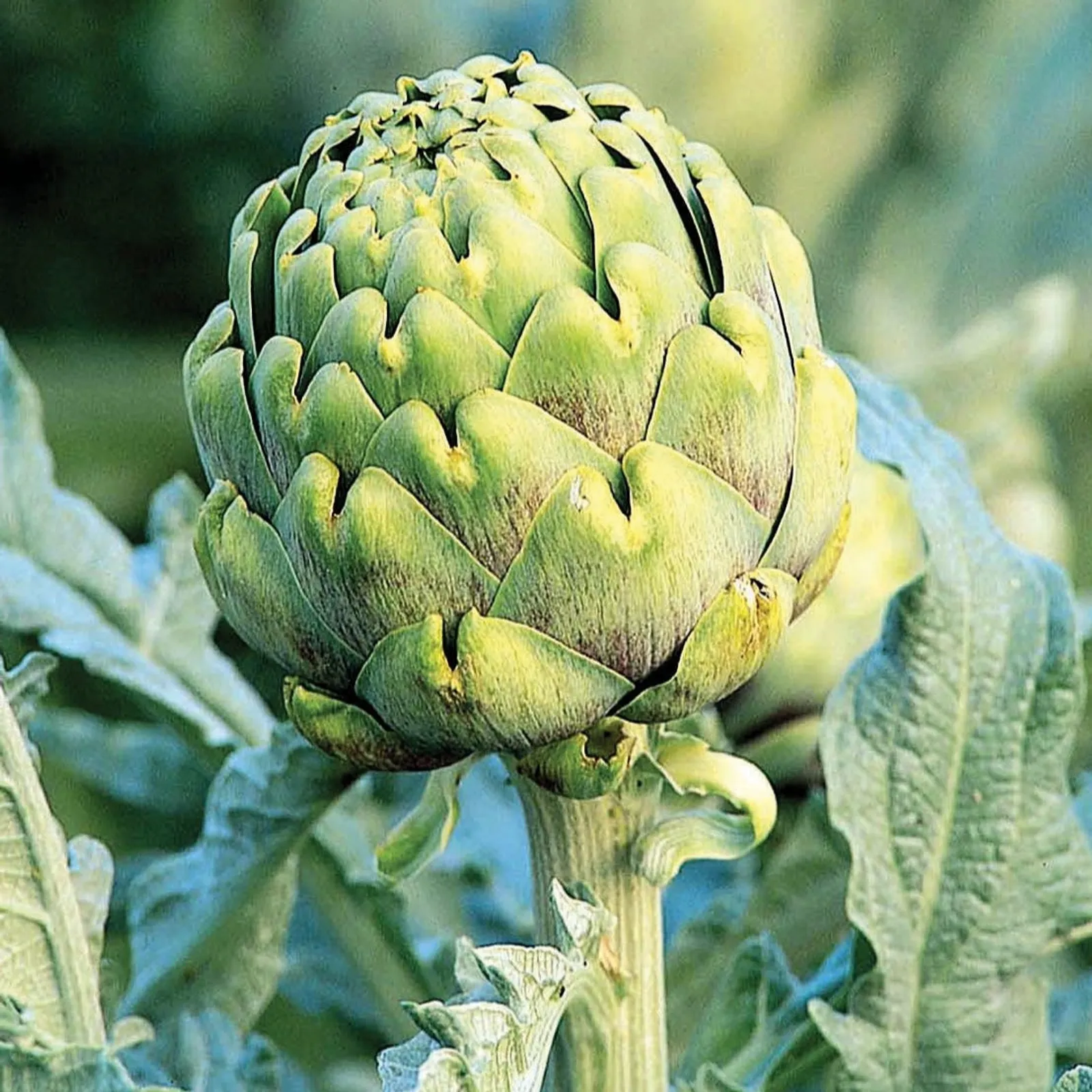
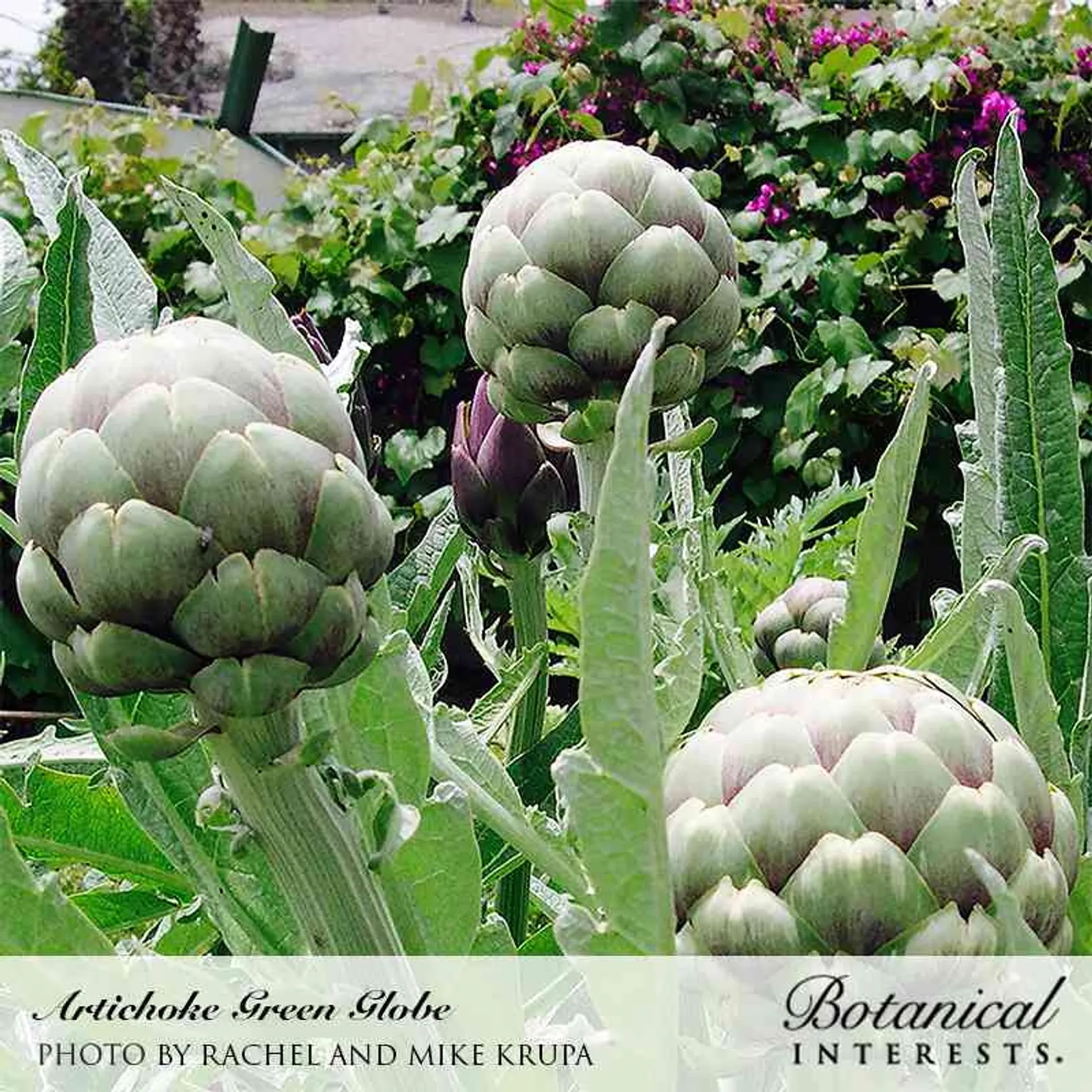
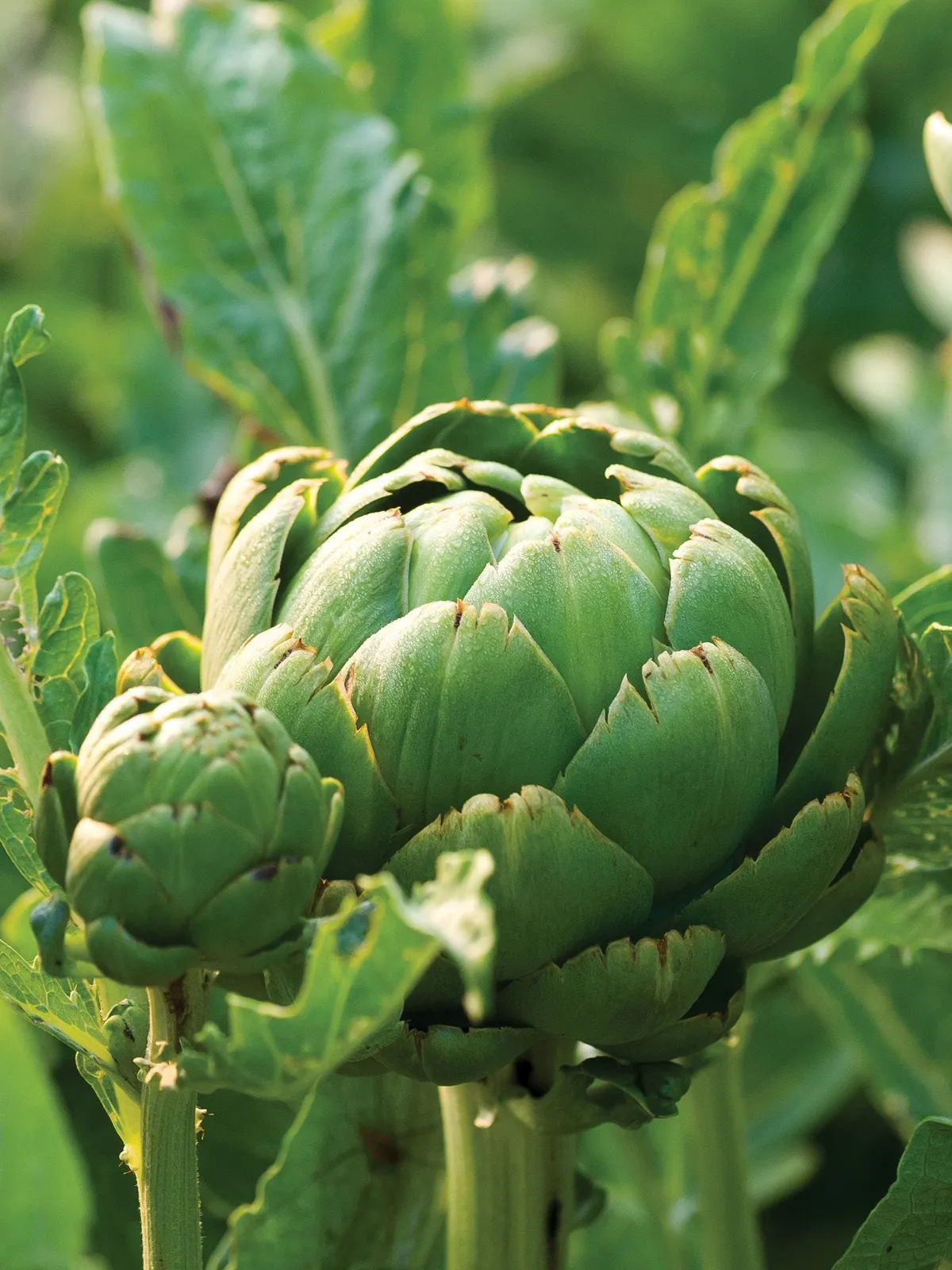
Artichokes are known for their tender, edible flower buds. They are perennial in warmer climates and grown as annuals in cooler climates. Interestingly, artichokes belong to the same family as daisies and several other flowers!
How to Grow Artichoke
Quick Info


Put away the pen and paper
Plan your veggie garden in minutes with Planter's easy drag and drop planner.
Try Planter for Free
Varieties
Companion Plants



Nutrition
Vitamins



Nutrients





Pests
Diseases
Beneficial Critters
Growing from Seed
Start seeds indoors 8 to 12 weeks before transplanting out. Artichoke seeds germinate best after a period of cold stratification in the fridge. Artichoke plants also require a ~10-day period of cool (but not freezing) temperatures below 50°F (10°C) to induce flowering. After hardening seedlings place them in a cold frame or use other means of protection to expose them to cool spring temperatures without allowing them to freeze. In climates with milder winters artichokes can be sown in the fall for a spring harvest.
Planting Considerations
Artichokes can grow very large, sometimes 4 feet in diameter so spacing is very important. When grown as an annual, they must be planted in spring. In warmer zones where they survive as perennials, plant as seeds in late summer or transplant in mid-autumn. Artichokes produce for about three to five years and will develop side shoots at their bases. At this time, you can lift, divide, and replant the new shoots. To grow artichokes as perennials, over-winter them according to your planting zone. For zones 8 and warmer, after the last harvest, cut the plants to soil level and cover with 2 to 4 inches of mulch (staw works well). For zones 6 to 7, after the last harvest , cut the plants down to about 12 to 18 inches. Cover the plant with organic mulch, like straw, leaves, or even compost, and then cover that with a large basket. Mound another layer of straw or leaves over the basket and cover everything with a waterproof tarp. Zone 5 and cooler: You can try the method described for zones 6 to 7, or you can pot up your plants, move them to a dark spot that stays cool, but above freezing, and water them occasionally throughout the winter. In the spring, move the pots back outdoors after all danger of frost, and either replant the artichokes in soil or continue to grow them in the containers.
Feeding
Apply a balanced vegetable plant food every two weeks throughout the growing season.
Harvesting
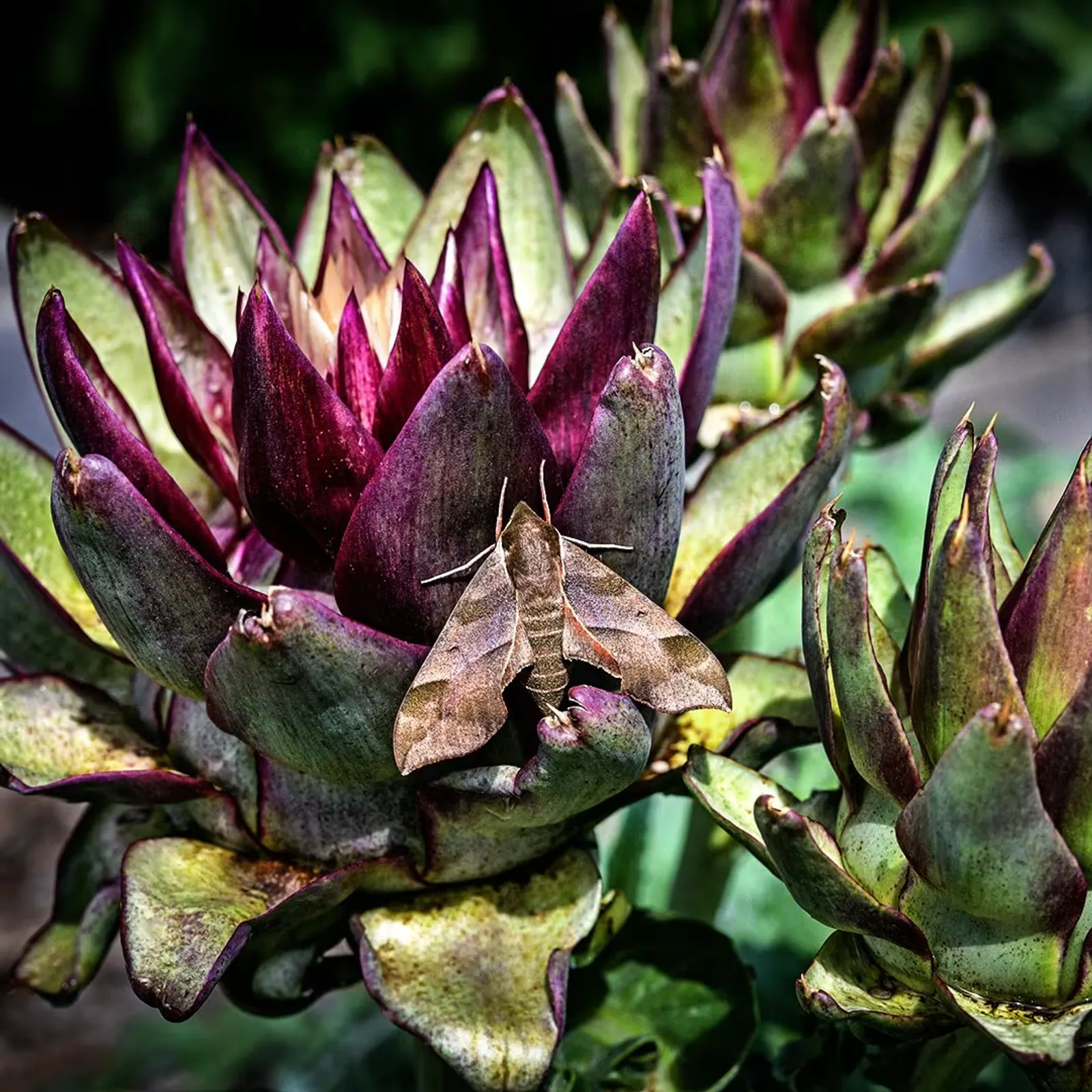
Artichokes can take two years to flower. Harvest the buds for eating before they begin to flower, when it is about 3 inches and the buds feel firm. The center bud will develop first, followed by the ones on the outside, which may be smaller but even more flavorful.
Storage
Sprinkle with some water and store in the coldest part of the fridge in a plastic bag for up to a week.