Sunflower
Helianthus
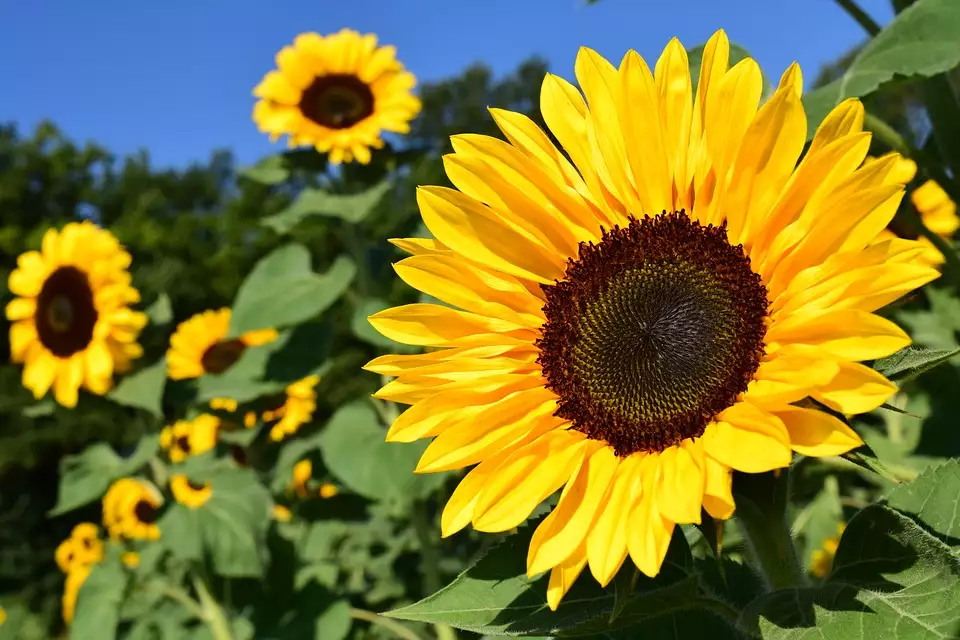
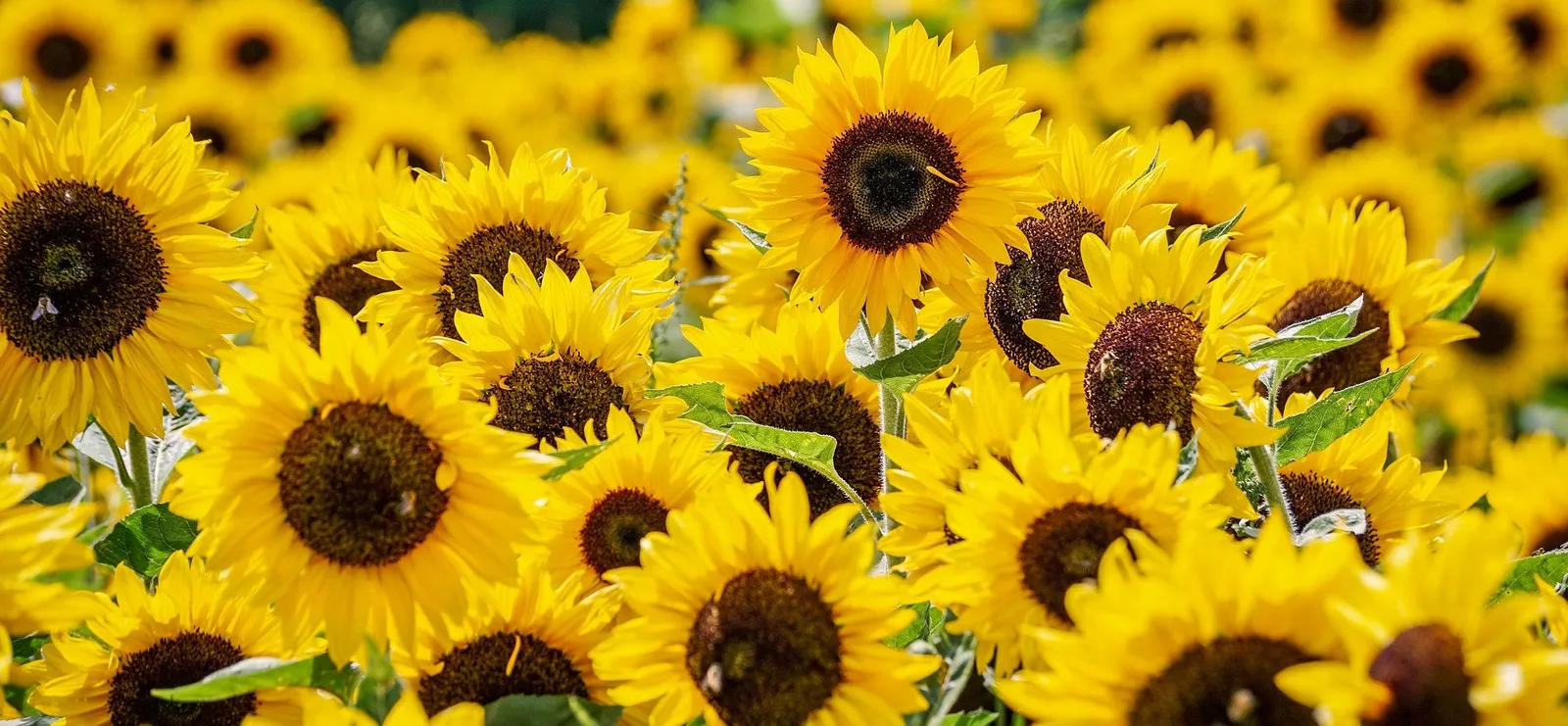
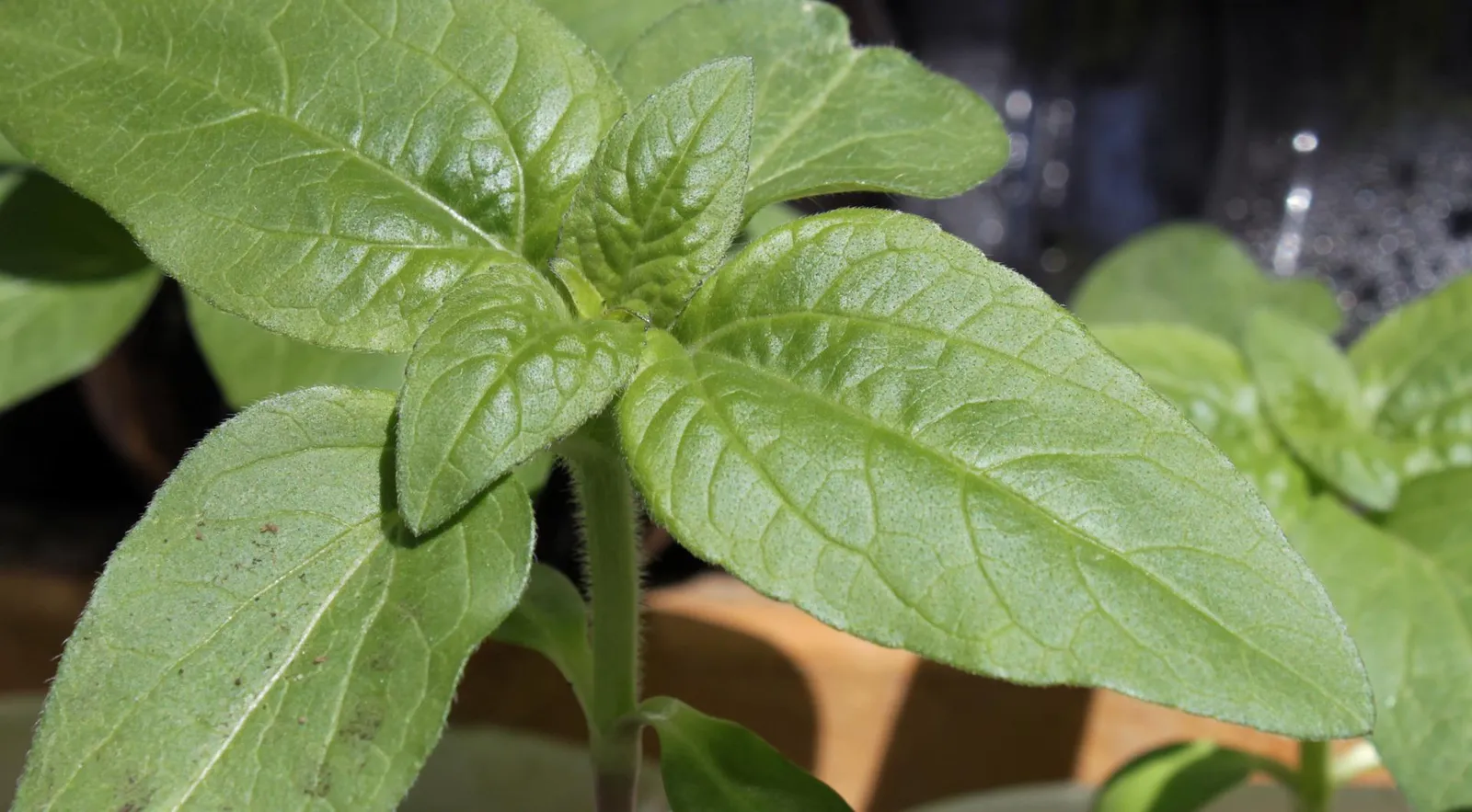
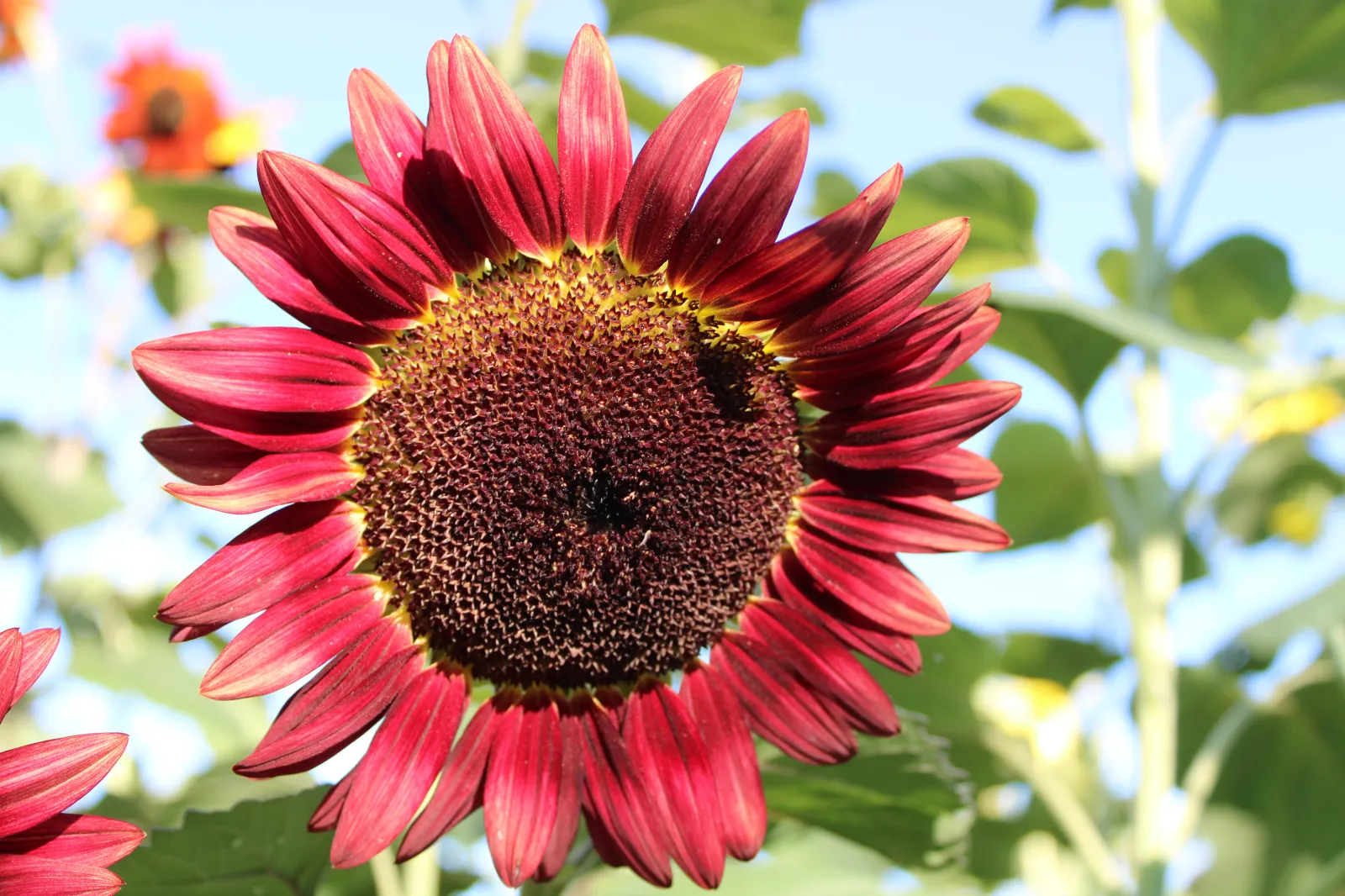
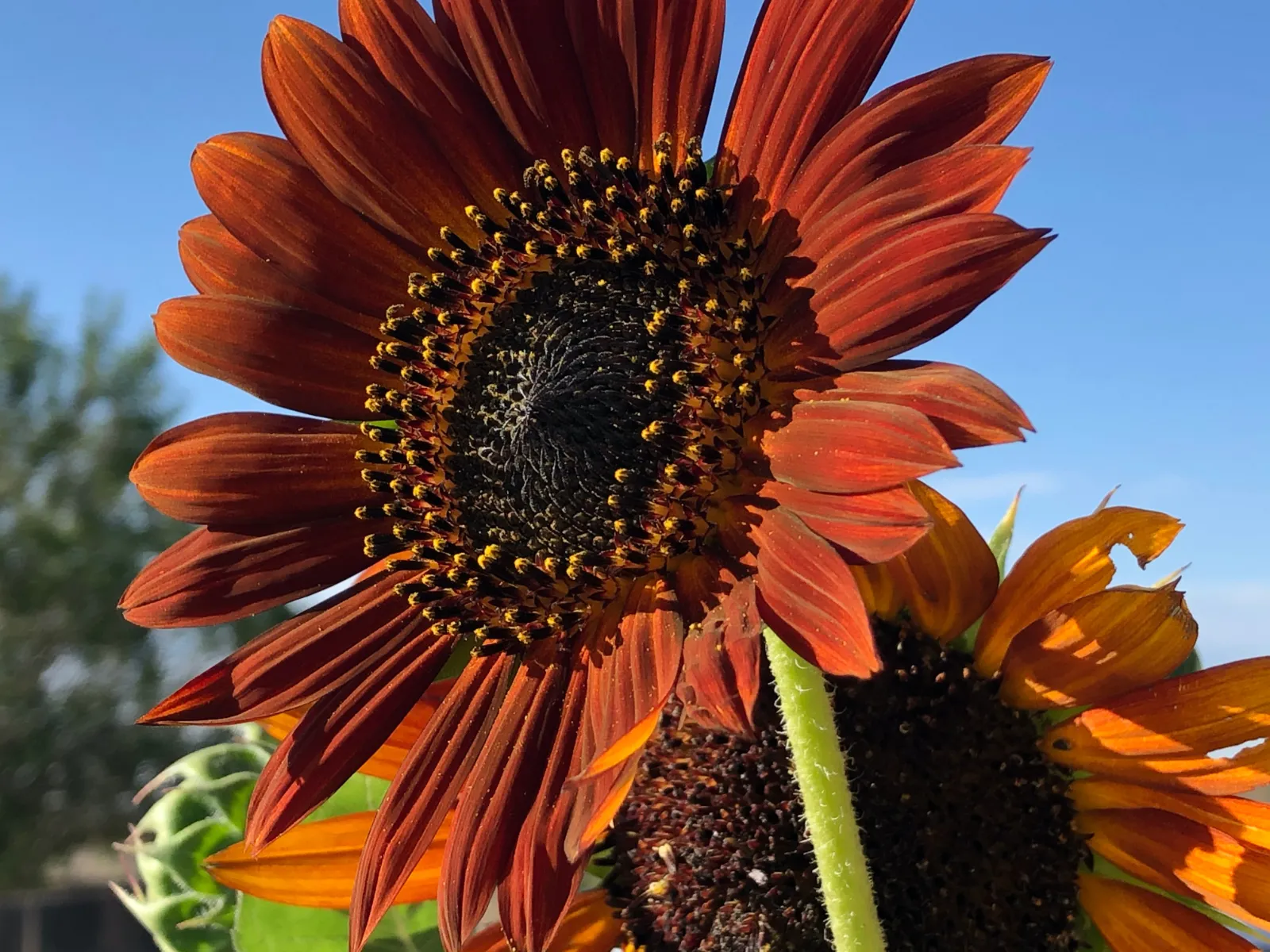
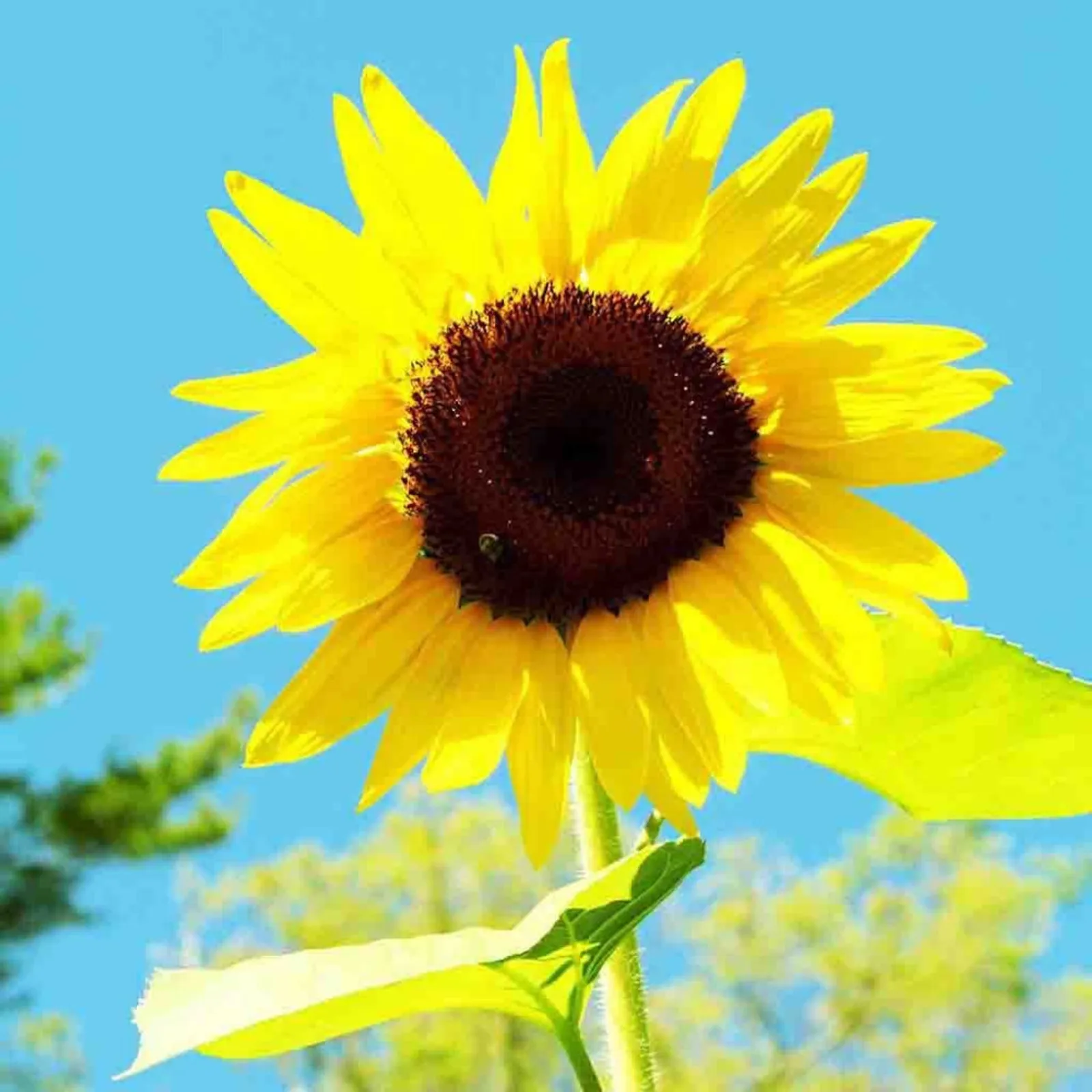
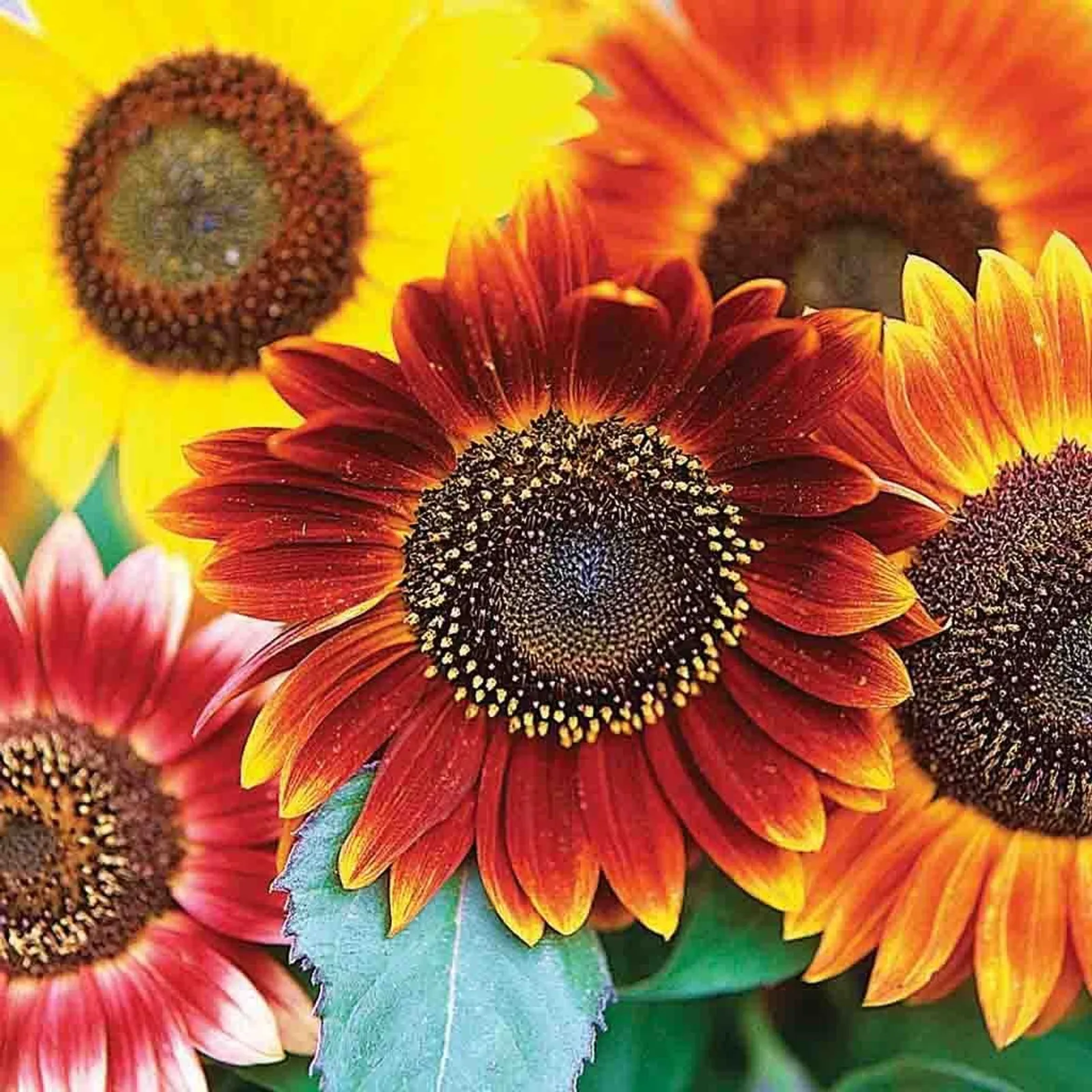
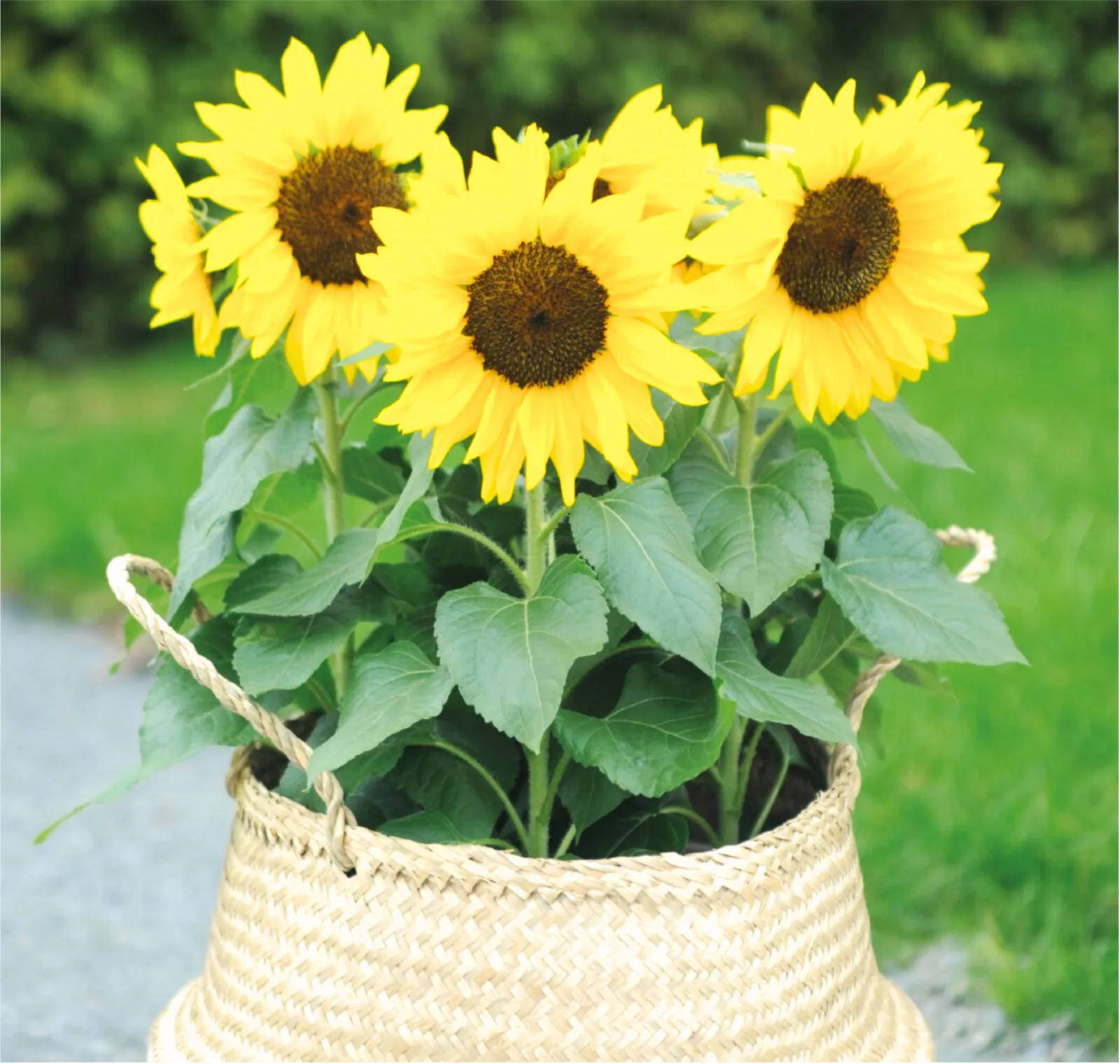
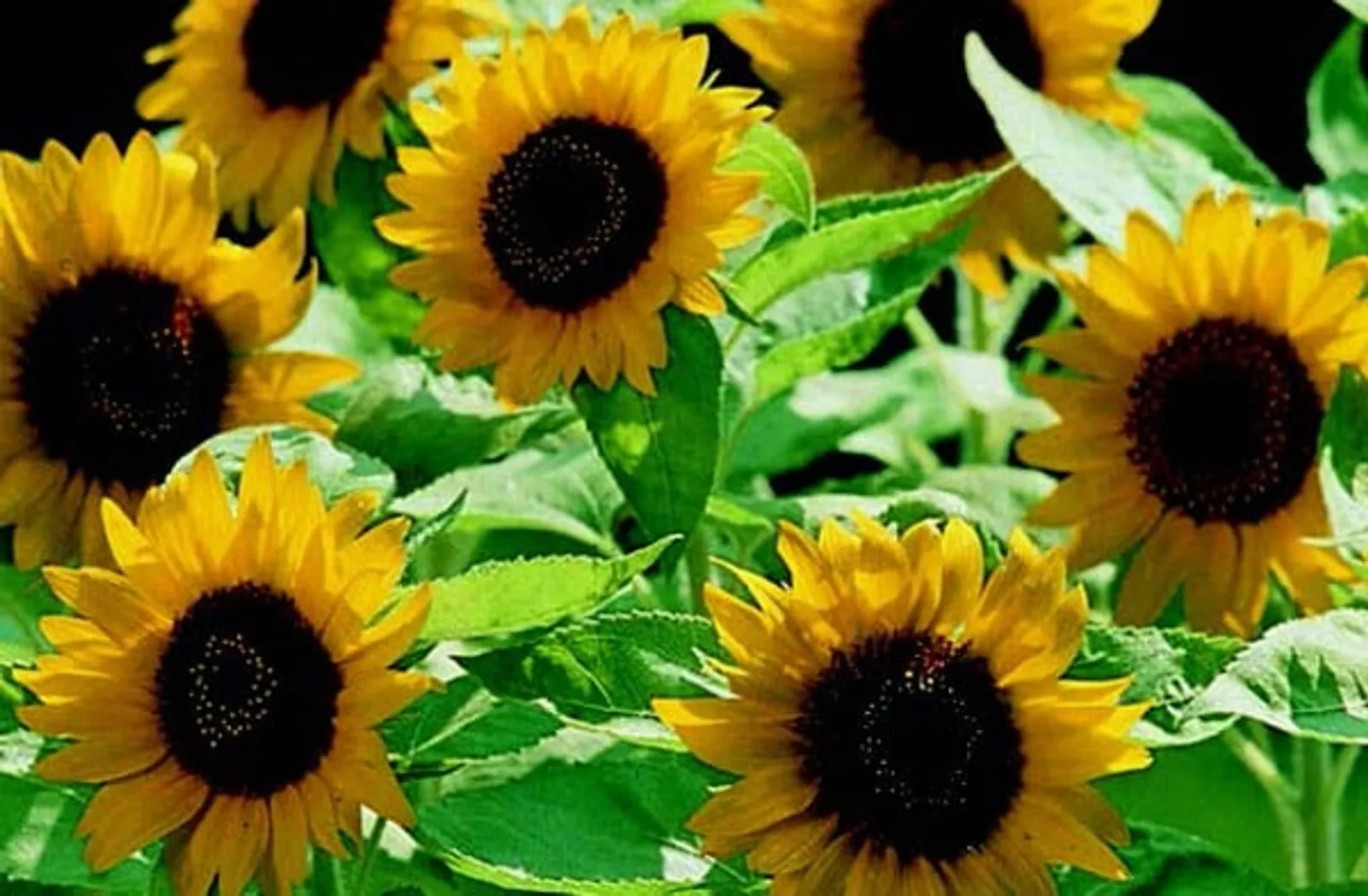
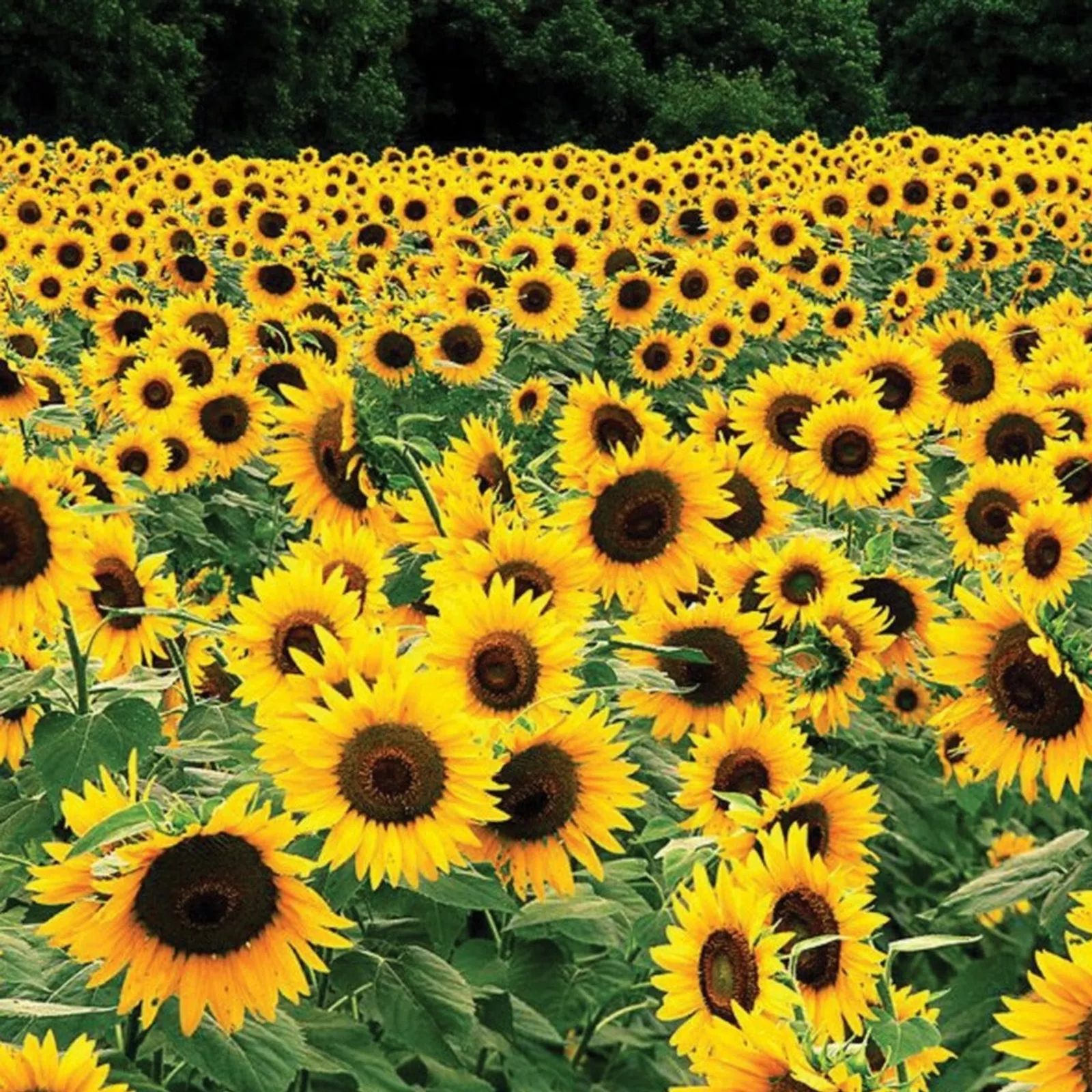
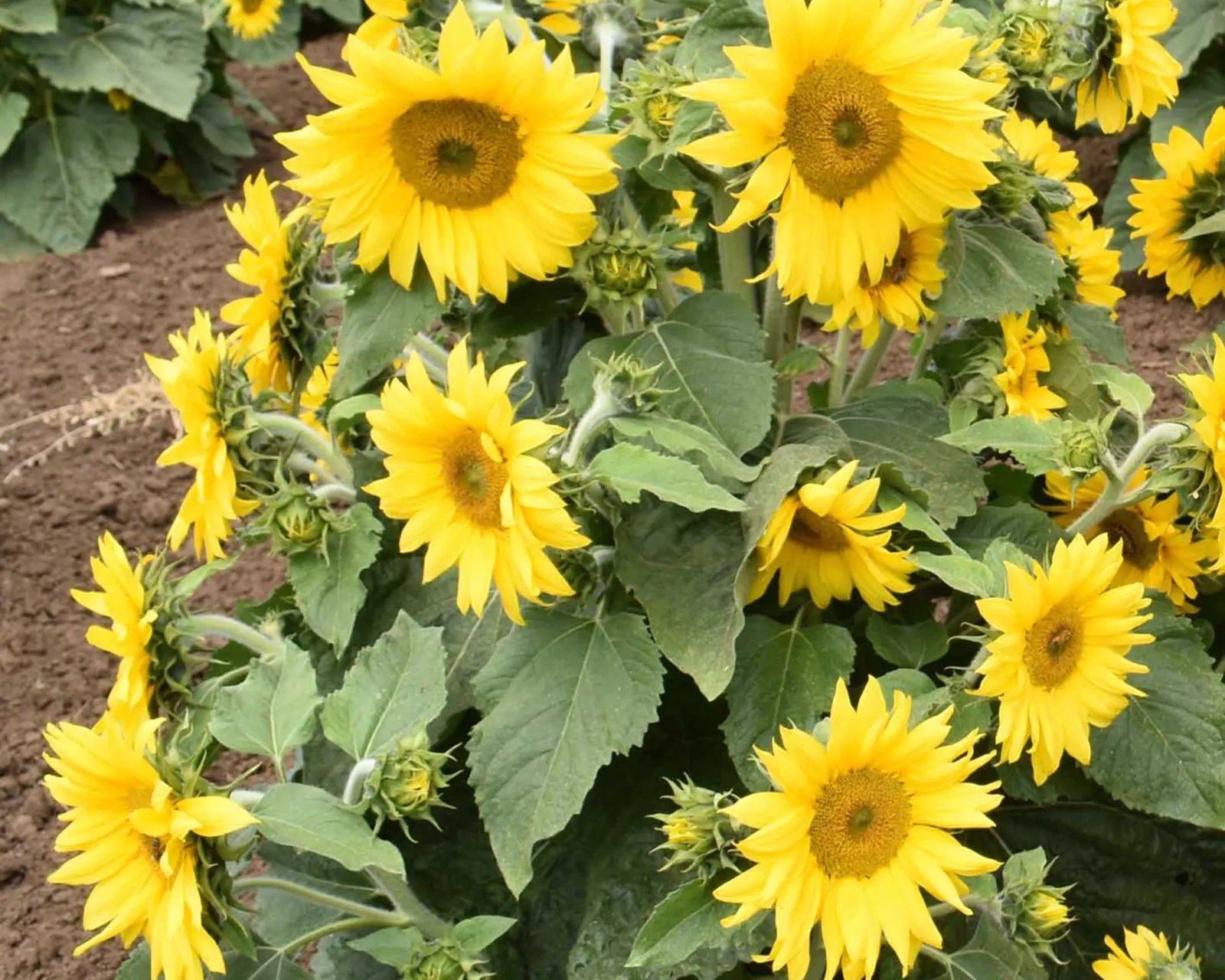
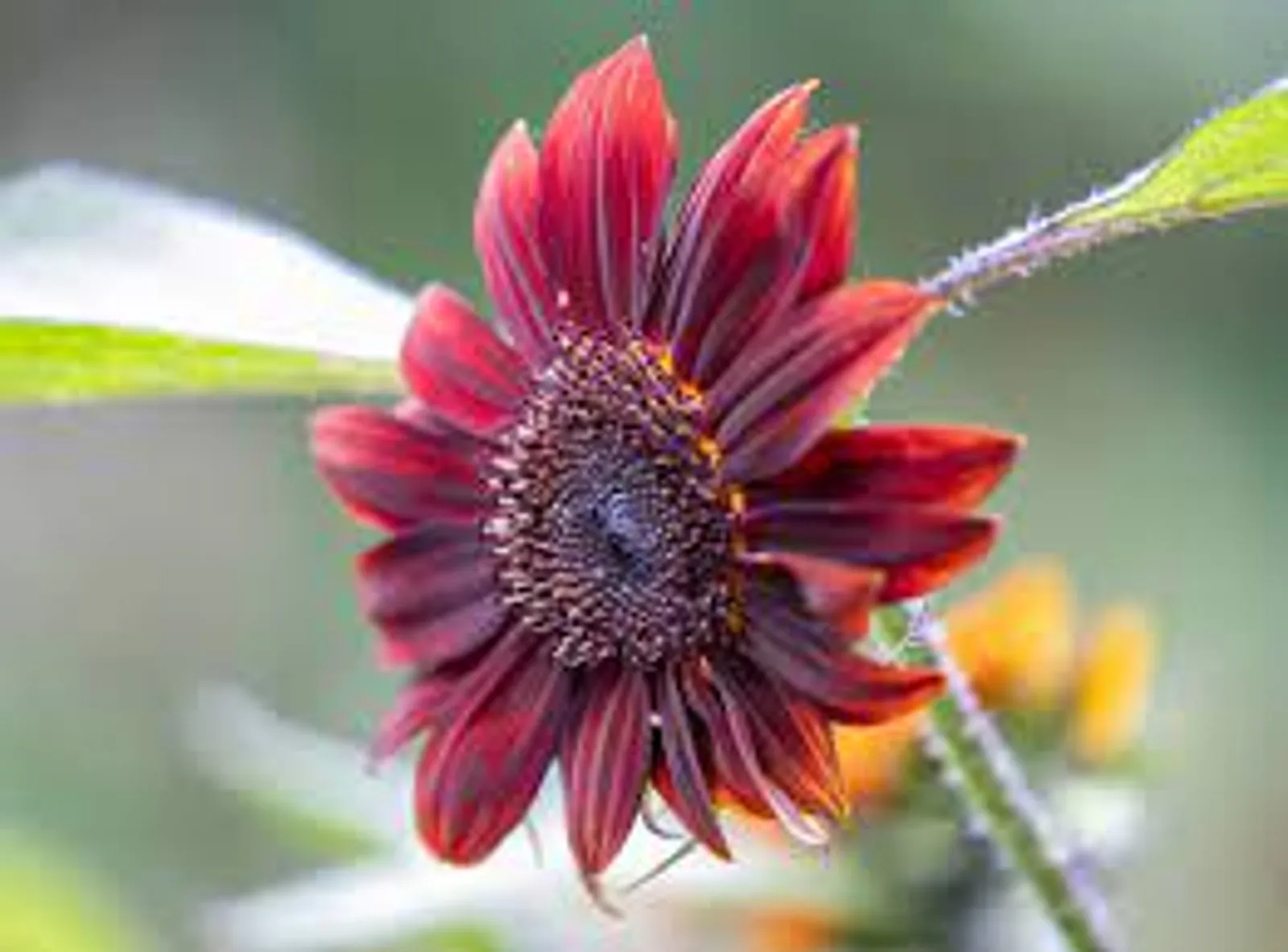
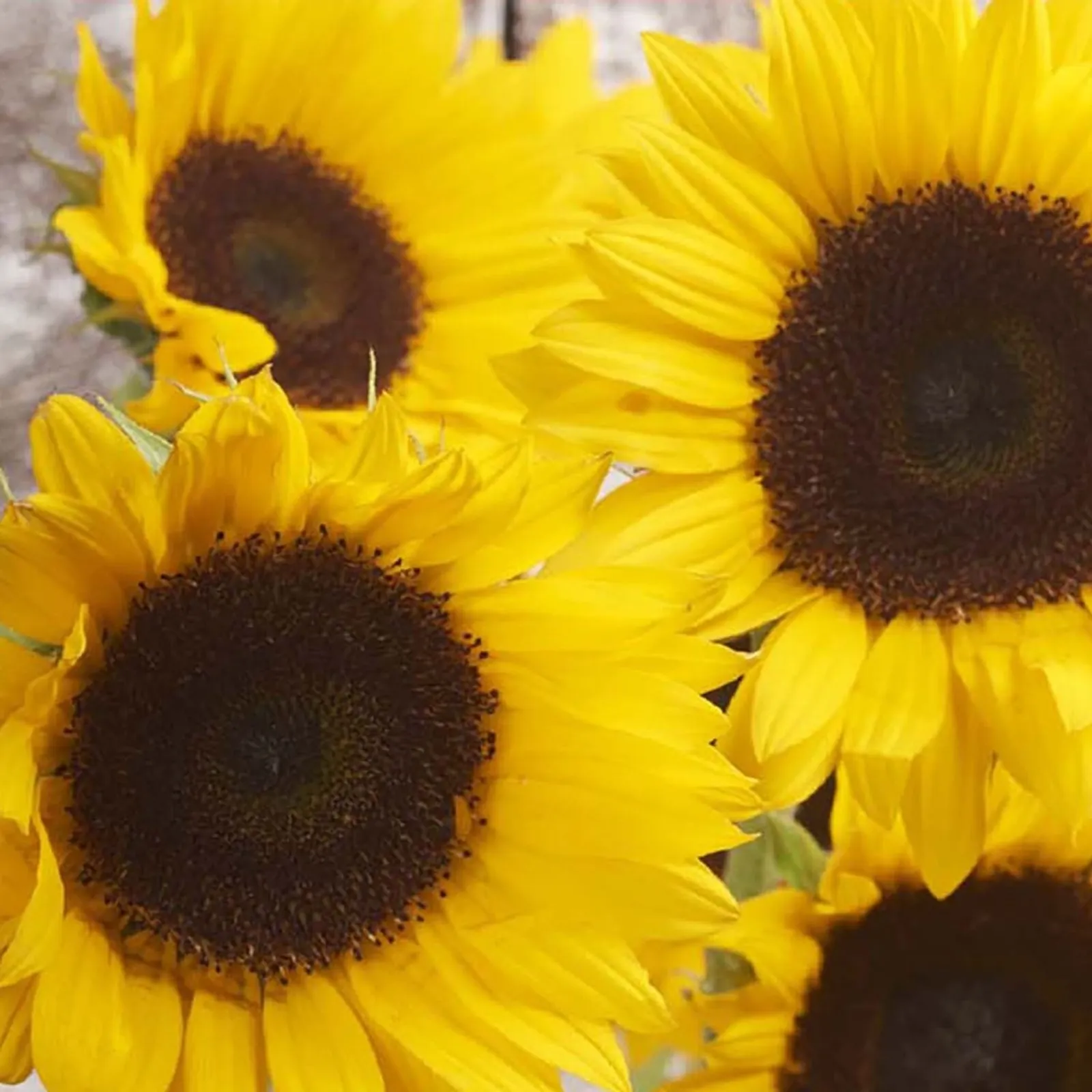
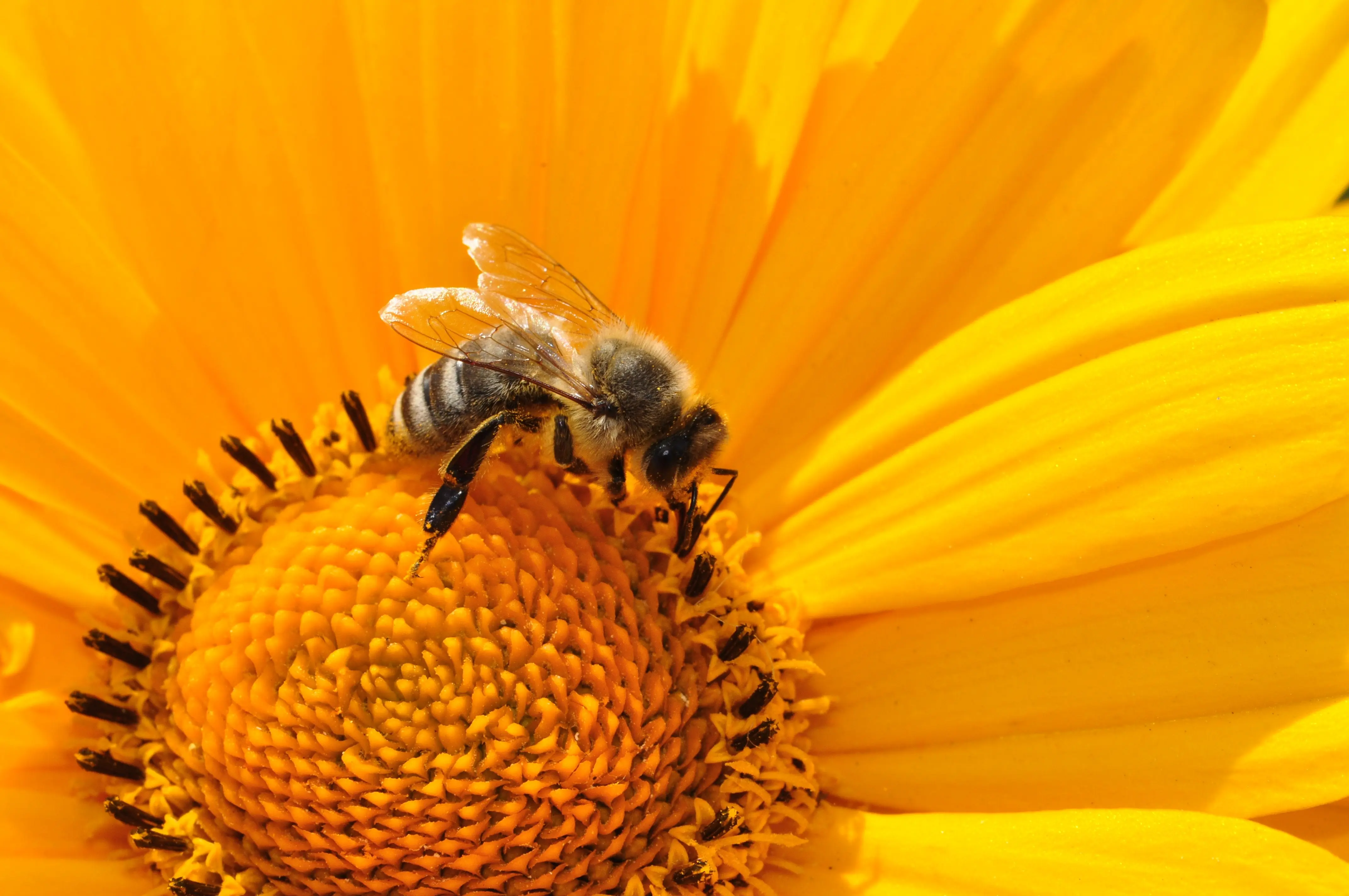
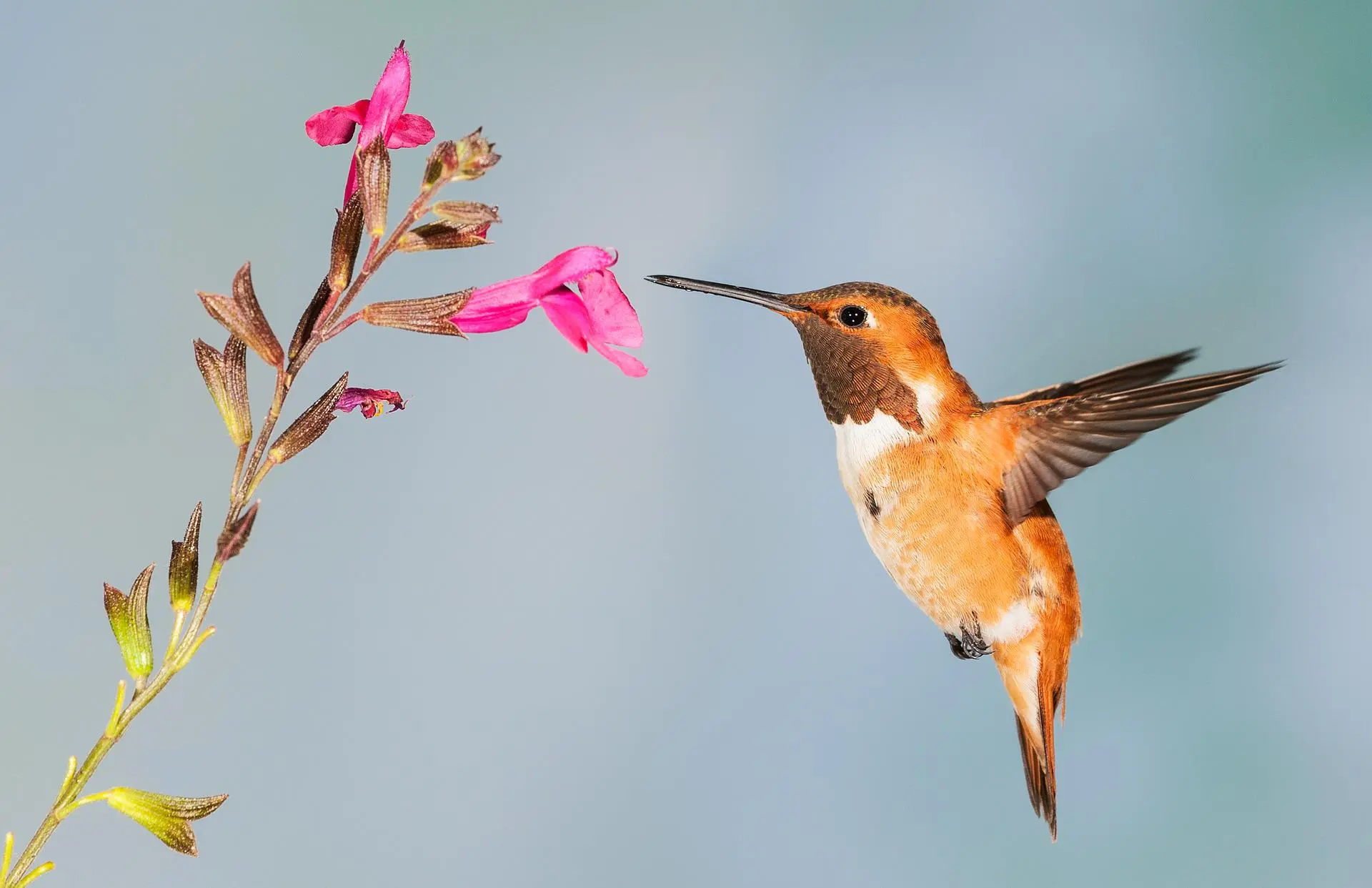
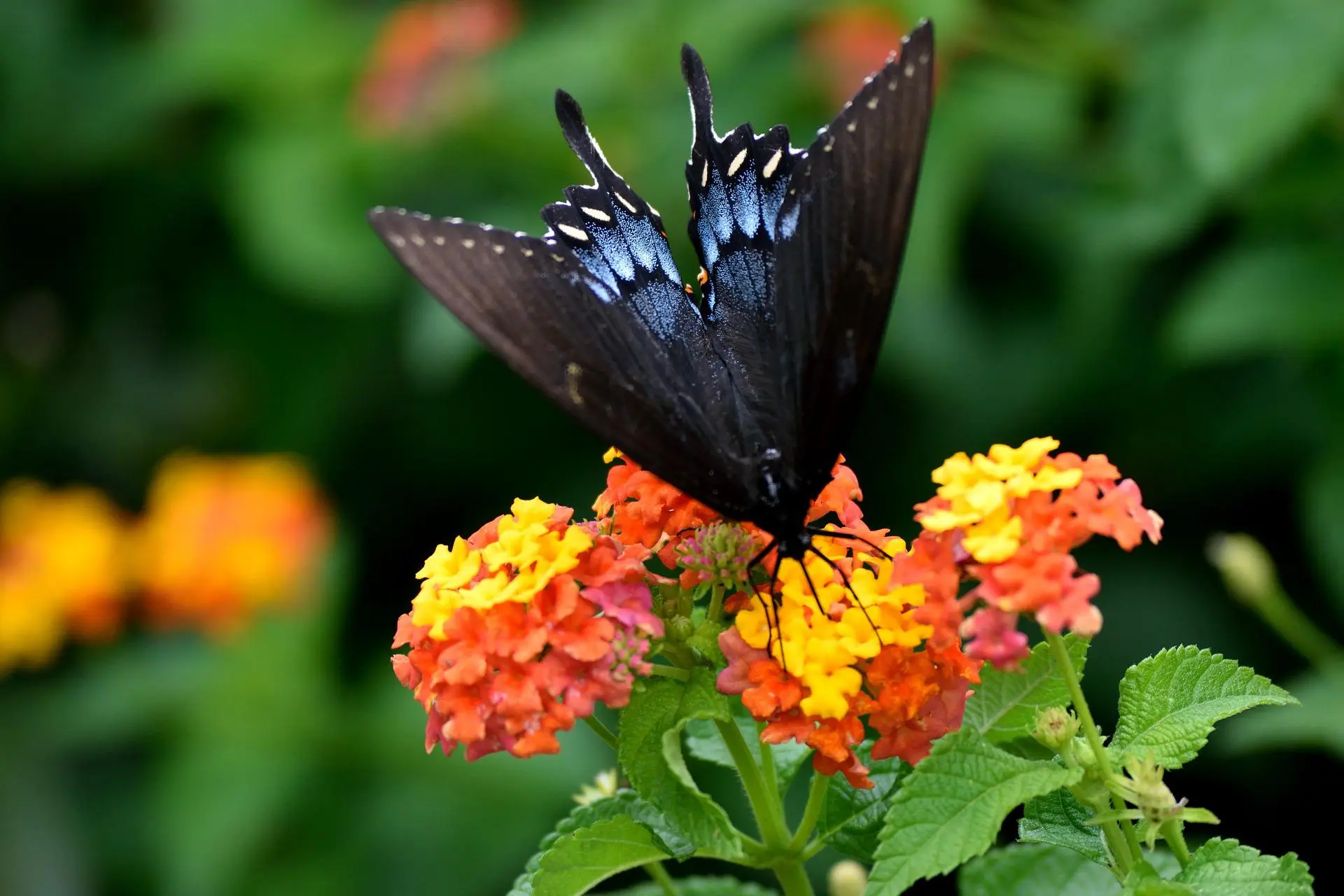
Sunflowers have big, daisy-like flowers, most familiarly with bright yellow petals and brown centers. They are tough plants that can grow in most soil types. Sunflowers attract many beneficial pollinators to the garden, and, of course, produce delicious seeds! Sunflowers can be single stem (one flower atop a sturdy stem), or branching (larger plants with multiple stems). For cutting gardens: Look for pollenless varieties like ProCut, Sunrich, or other hybrid single stems. There are petal shades of yellow, white, red, maroon, and variegated and single or double. Centers can be brown, black, and green. Sunflowers are a late season nectar plant for pollinators, a larval host plant for Silvery Checkerspot, a series of specialized bees, and please leave out the heads for winter bird food.
How to Grow Sunflower
Quick Info

Put away the pen and paper
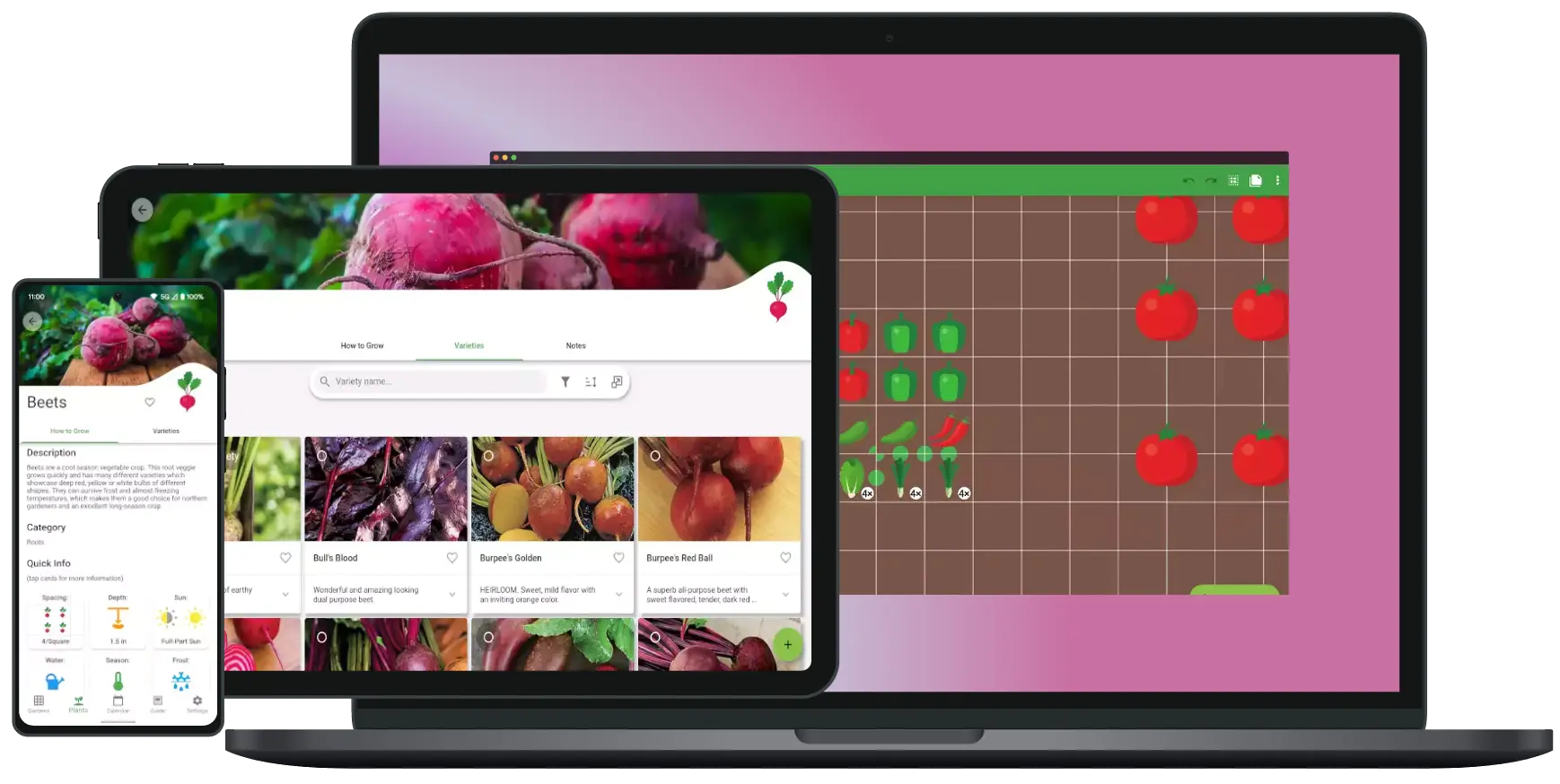
Plan your veggie garden in minutes with Planter's easy drag and drop planner.
Try Planter for Free
Varieties
Related Articles
Companion Plants

Combative Plants
Diseases
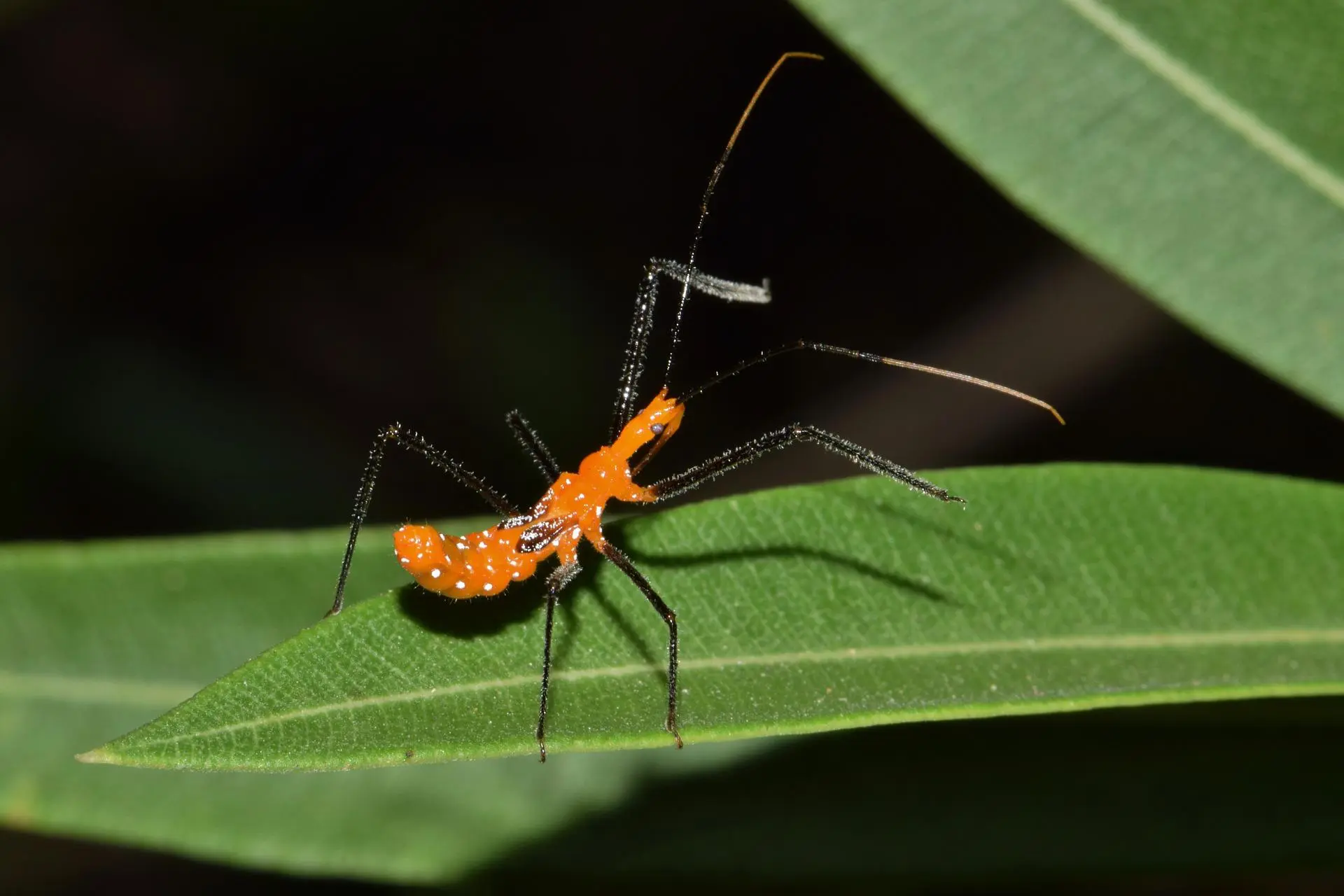
Beneficial Critters
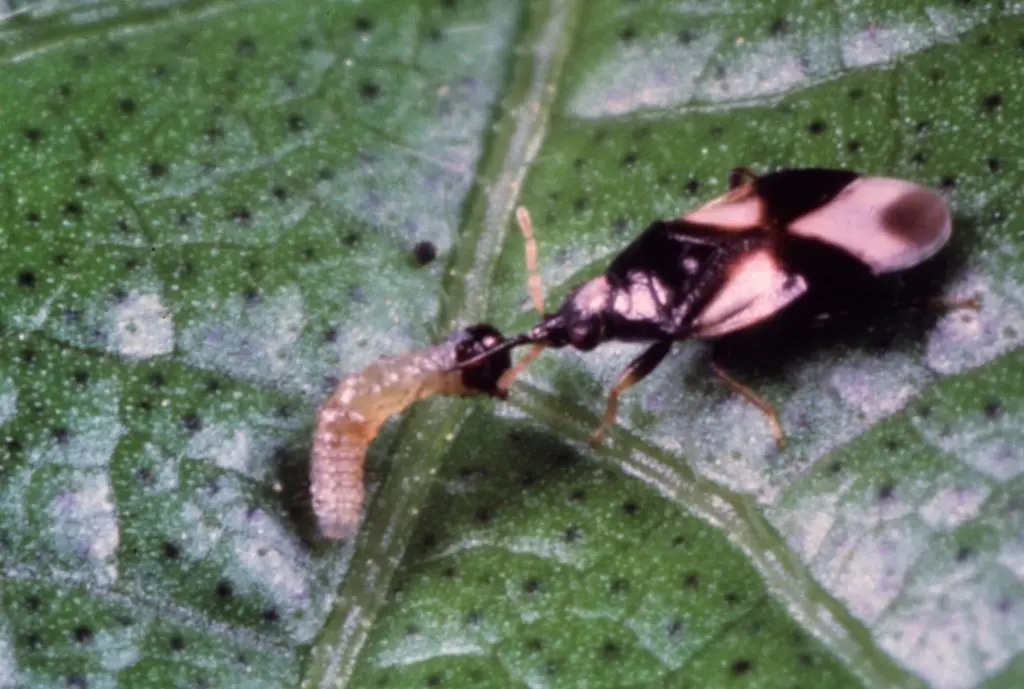
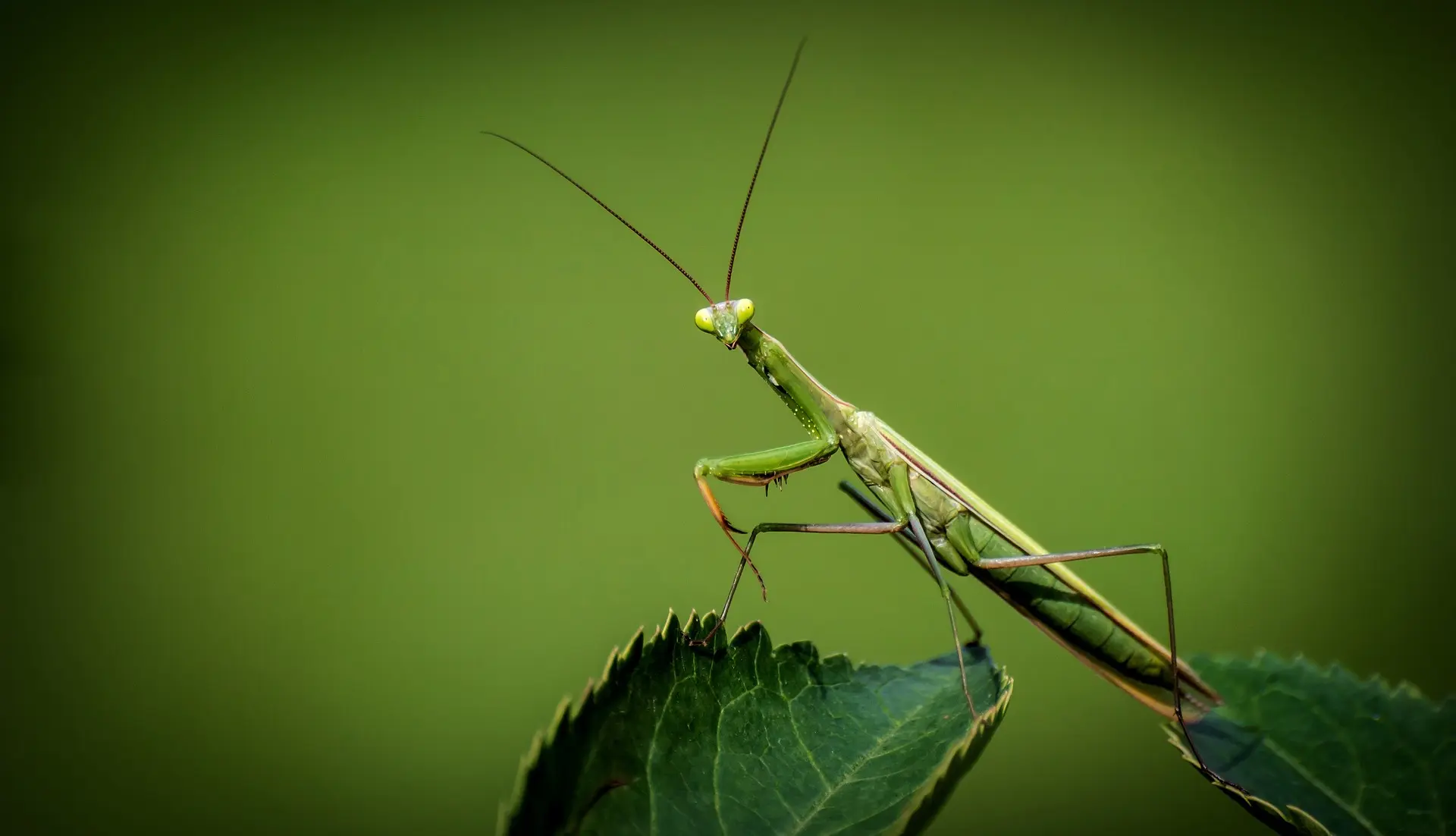
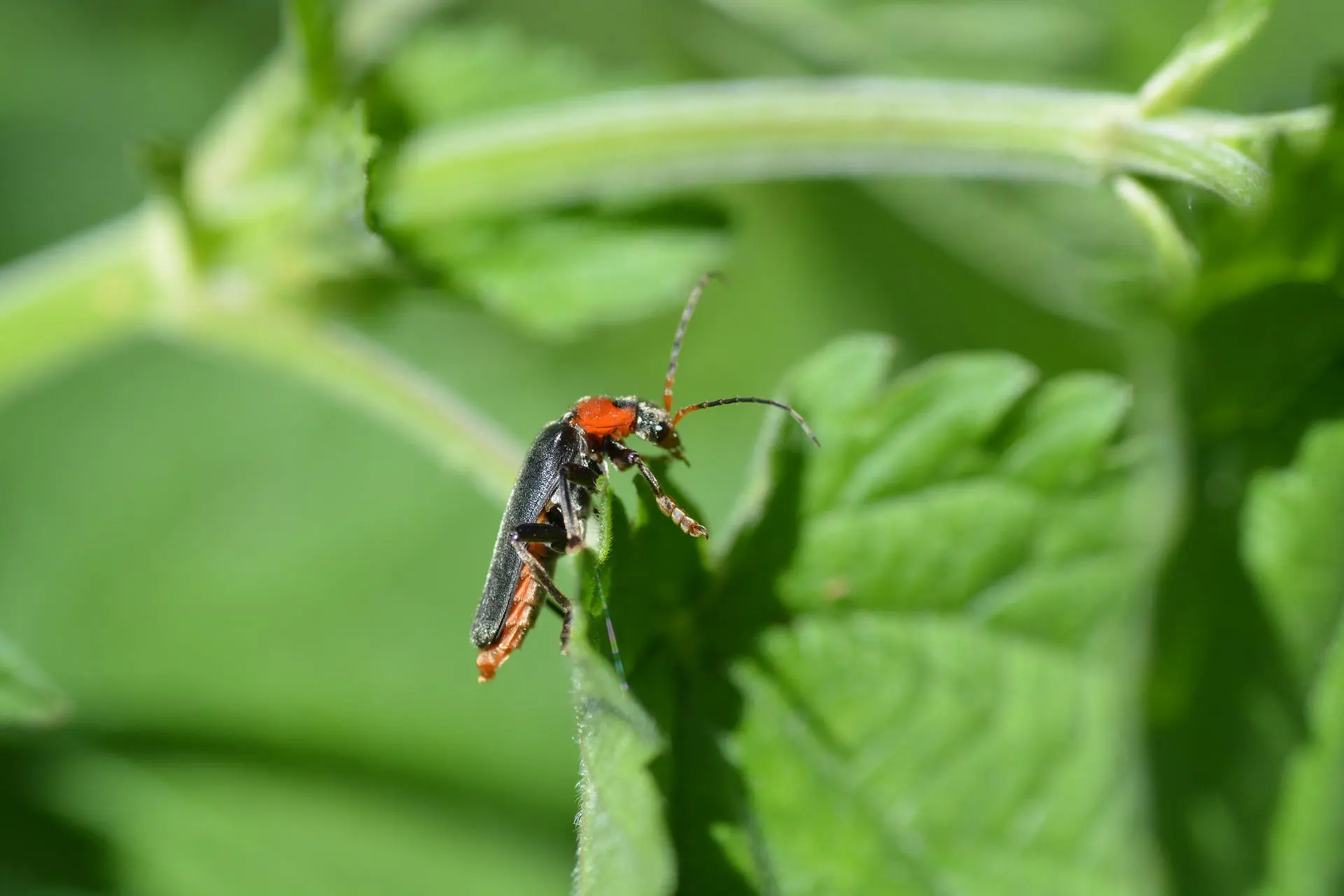
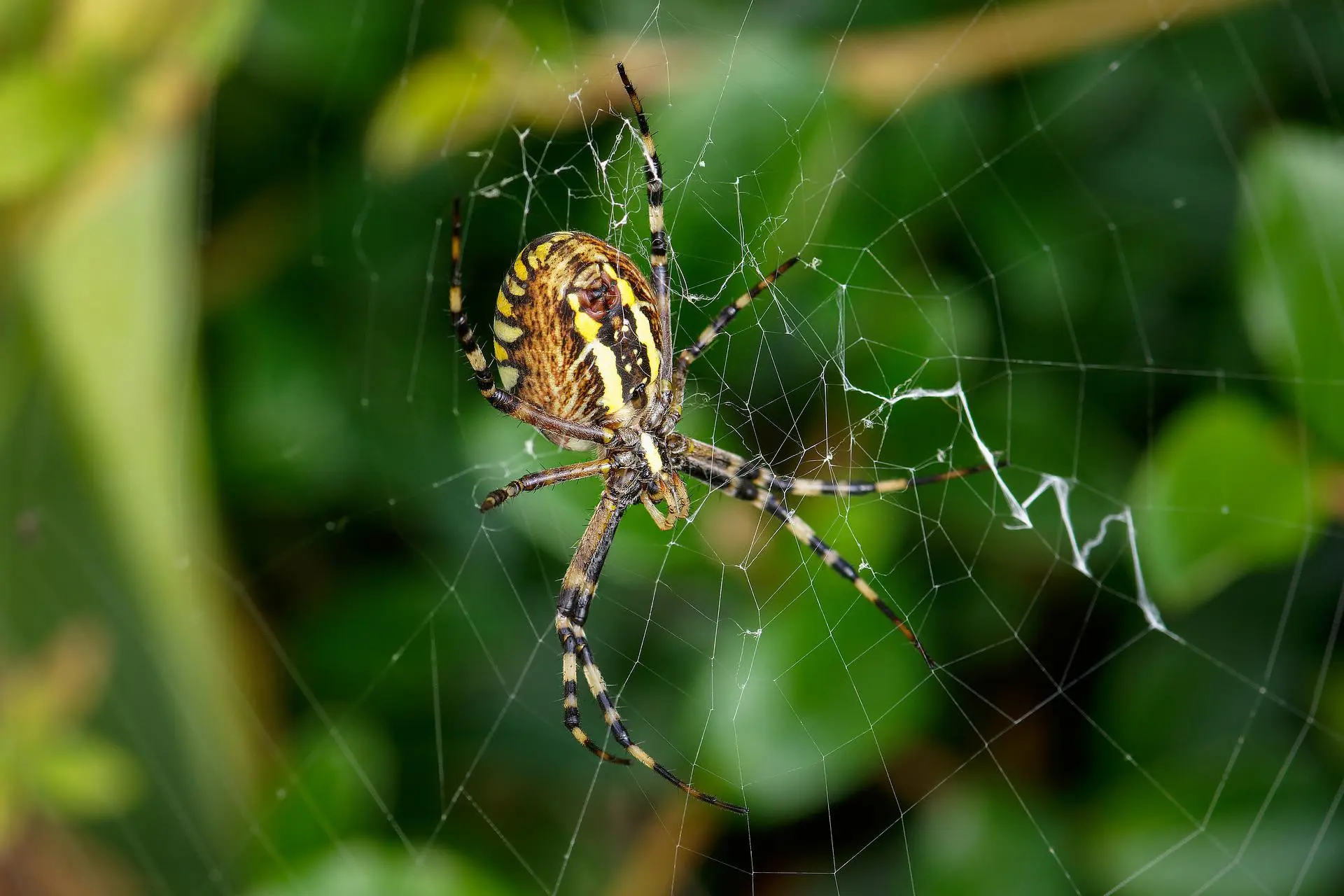
Growing from Seed
Direct sow sunflower seeds after all danger of frost has passed. Plant the large seeds no more than 1 inch deep. You can plant multiple seeds and thin them to the strongest contenders when the plants are 6" (15 cm).
For cutting gardens: start seeds indoors 2-3 weeks before last frost. Start new seeds every 2-3 weeks for continous blooms through the summer (succession planting). Consider growing pollenless varieties; sunflower pollen is considerably messy when in a vase.
Planting Considerations
Sunflowers prefer loose, well-drained soil. Try to plant your sunflowers in an area where they are somewhat protected from the wind, as strong winds can easily topple these plants. You can also support particularly tall varieties using stakes.
For cutting gardens: sow seedlings every 2" (5 cm) to keep bloom size managable for bouquets. Branching varieties have smaller blooms on sturdy stems. Consider where you are placing sunflowers in your garden- due to their size, they cast shade that can stunt the growth of nearby flowers.
Feeding
Sunflowers are heavy feeders, so amend soil with organic matter prior to planting. Over-fertilization can cause stems to break, so it is not recommended.
Harvesting
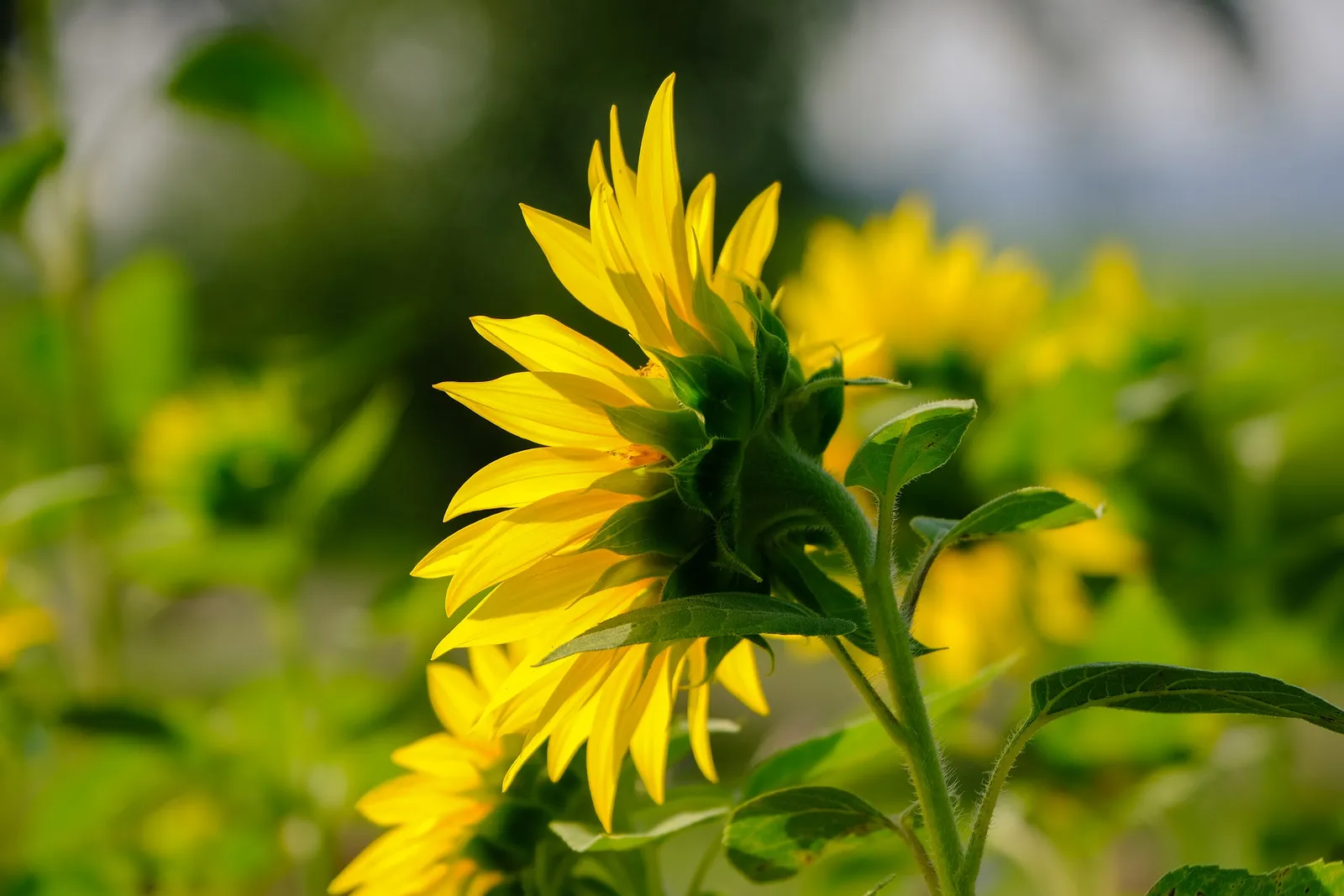
Cut stems early in the morning for bouquets and handle gently. For eating, seeds are ripest when the back of the flower head turns from green to yellow and the bracts dry and turn brown. At this point, cut off the head and remove the seeds with your fingers or a fork. Alternatively, hang dry the flower heads to allow the seeds to dry (away from birds).
For cutting gardens: harvest blooms when they are just breaking the bud- when you can see the color (cracking). This ensures the longest vase time possible. This also keeps birds from feasting on the flowers.
Storage
Seeds can be roasted or stored for future planting.
Herbal Use
Native Americans ground sunflower seeds into flour, crushed the plants as a poultice for snake bites, and brewed an infusion from the flowers for chest and pulmanary problems. Seeds can be used to make a purple-gray dye. Steamed buds have an artichoke-like flavor.