Lettuce
Lactuca sativa
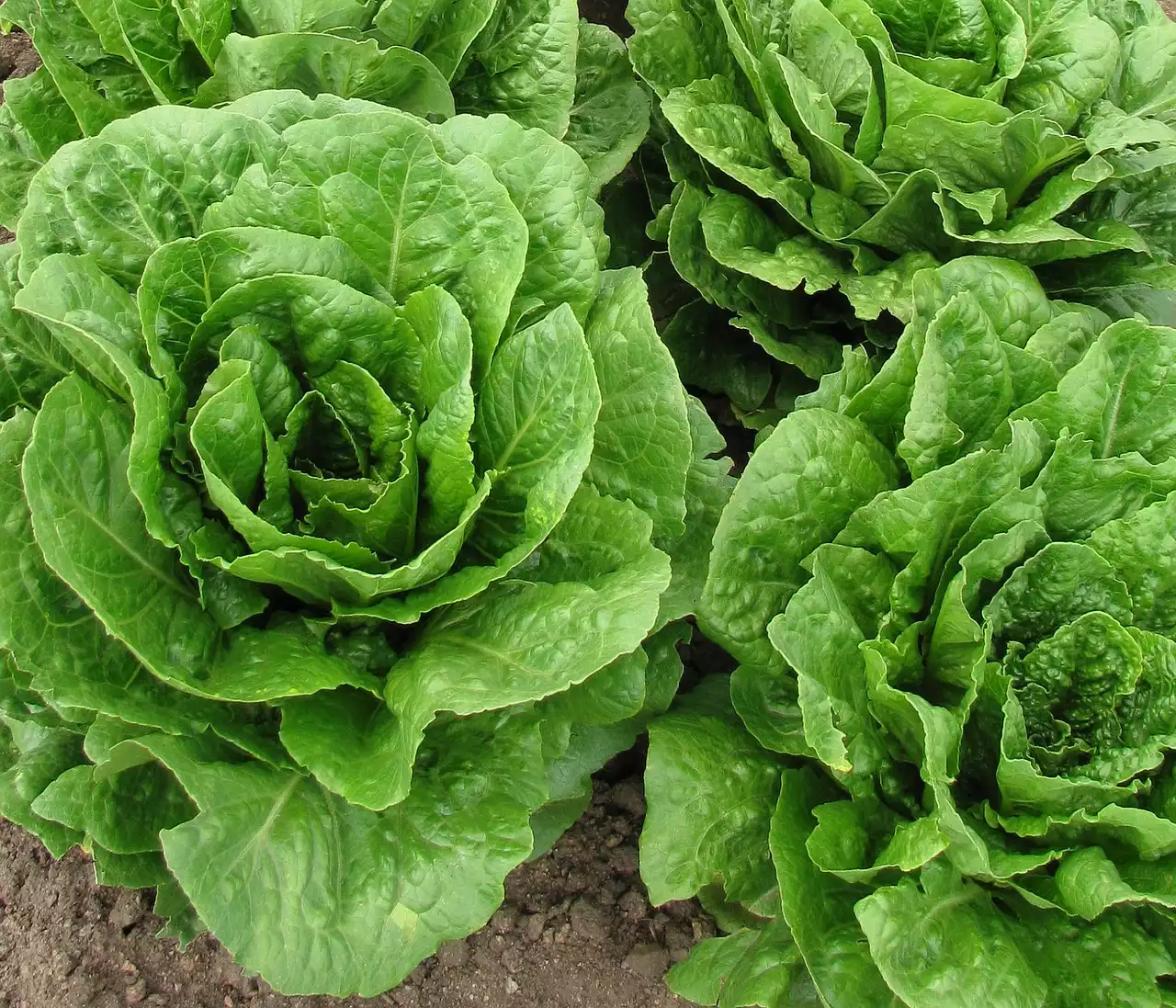
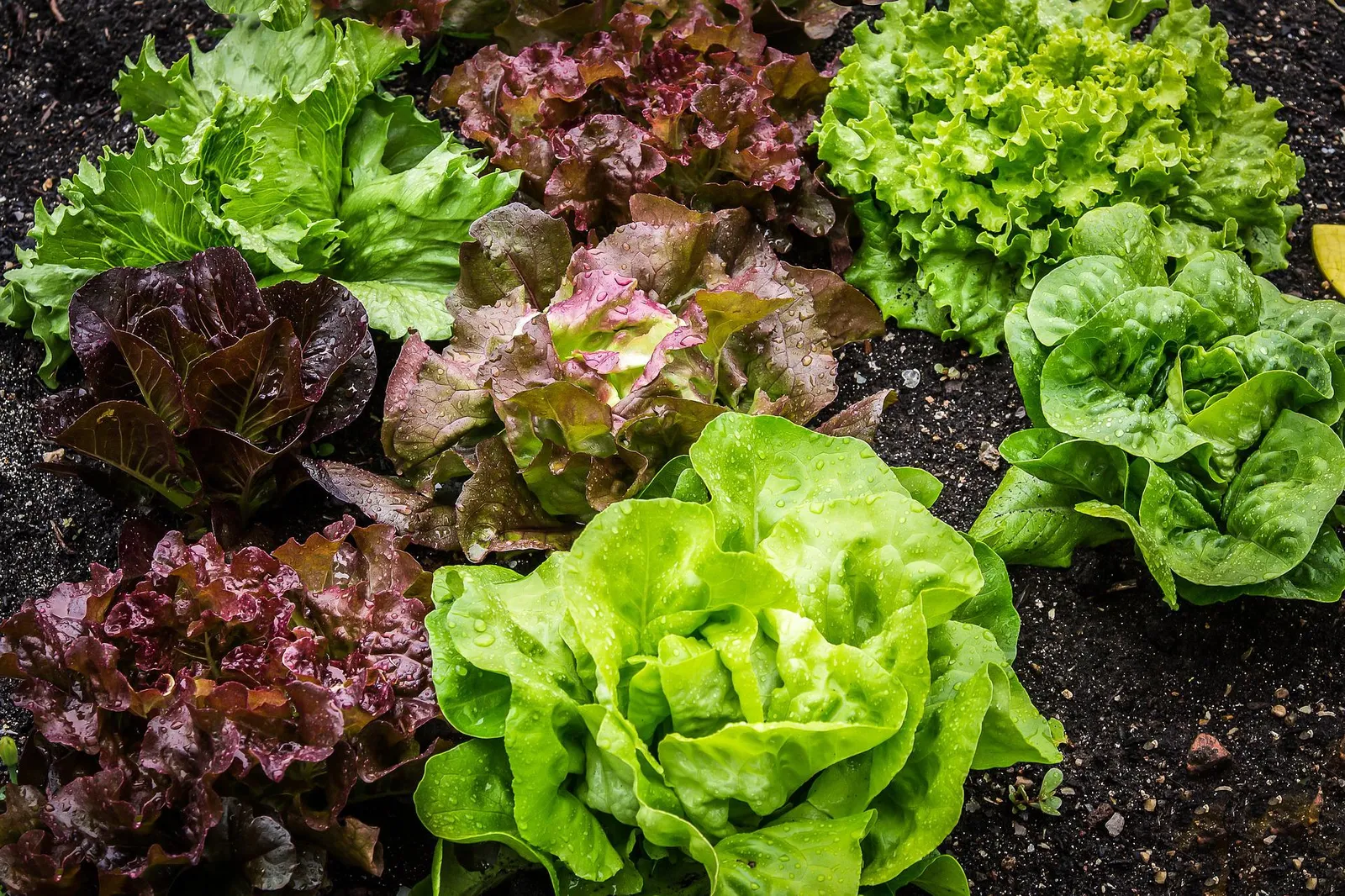
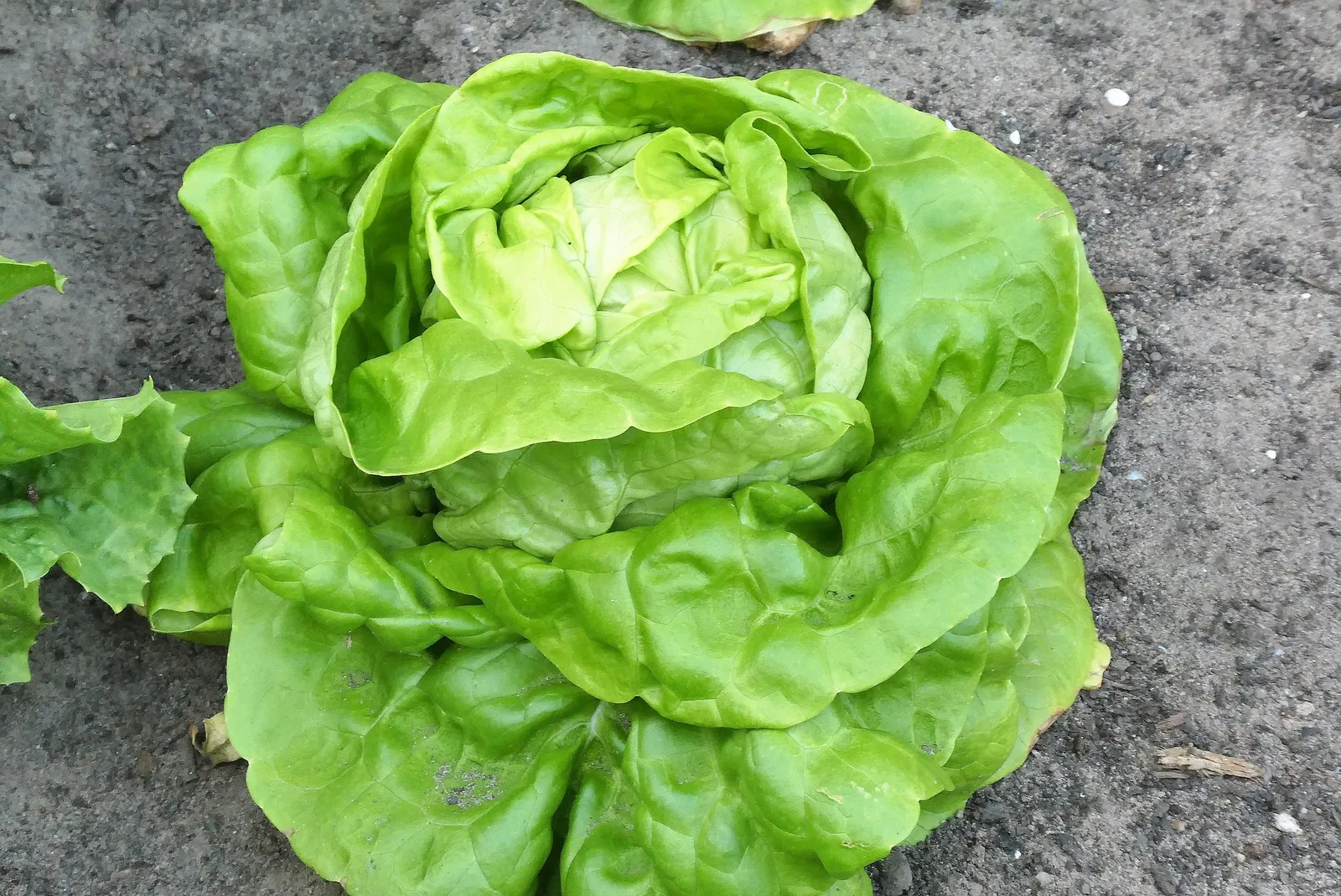
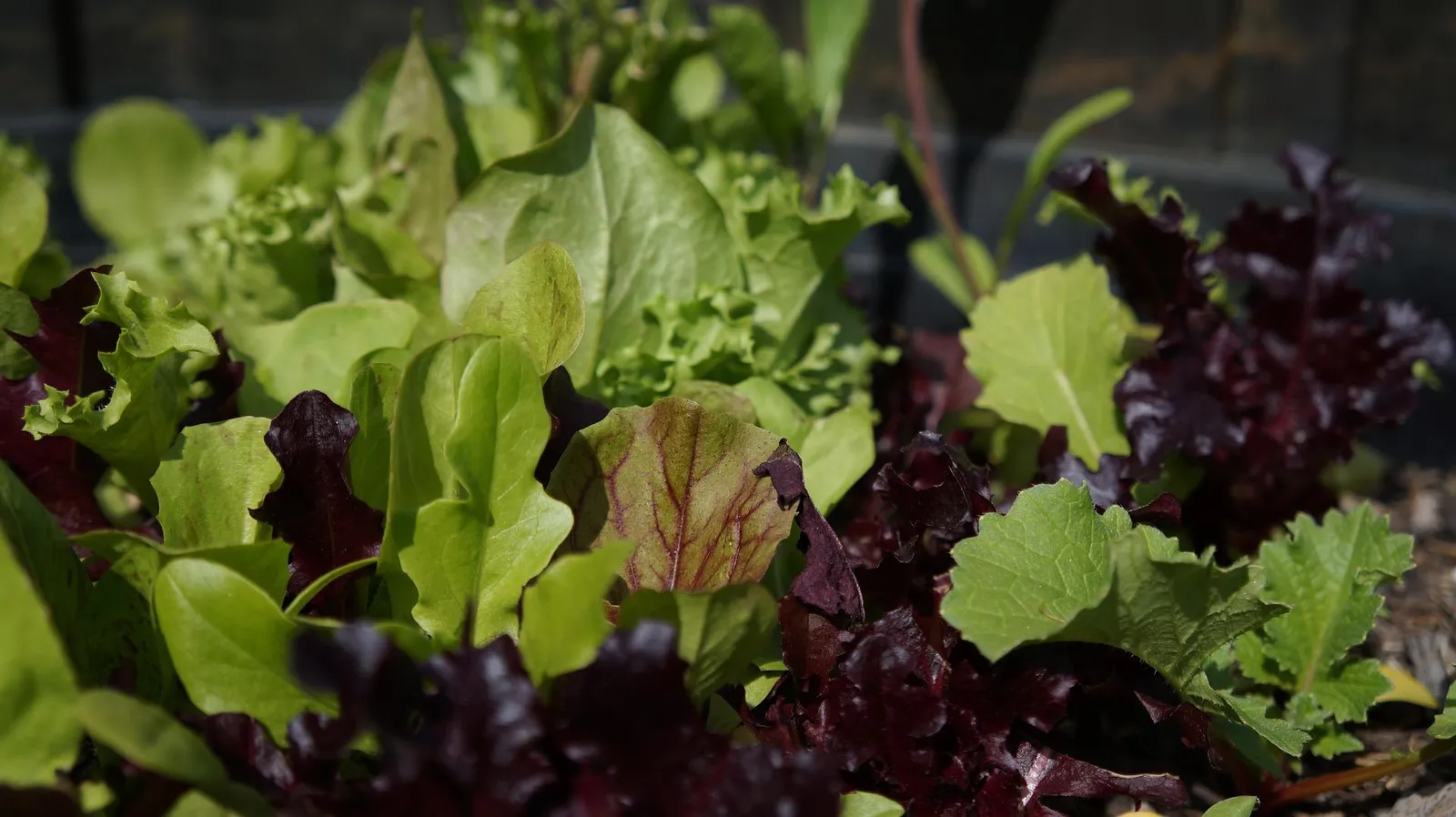
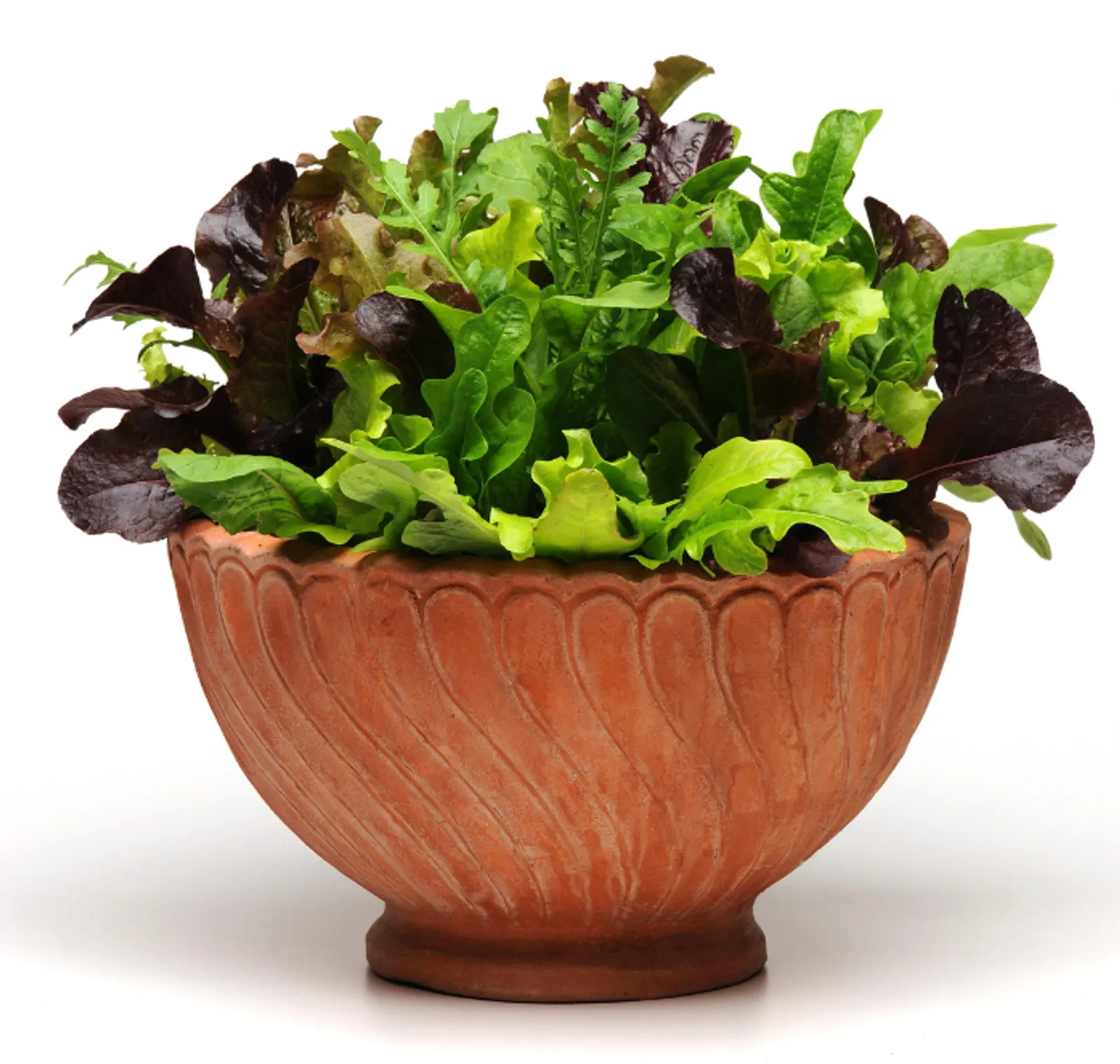
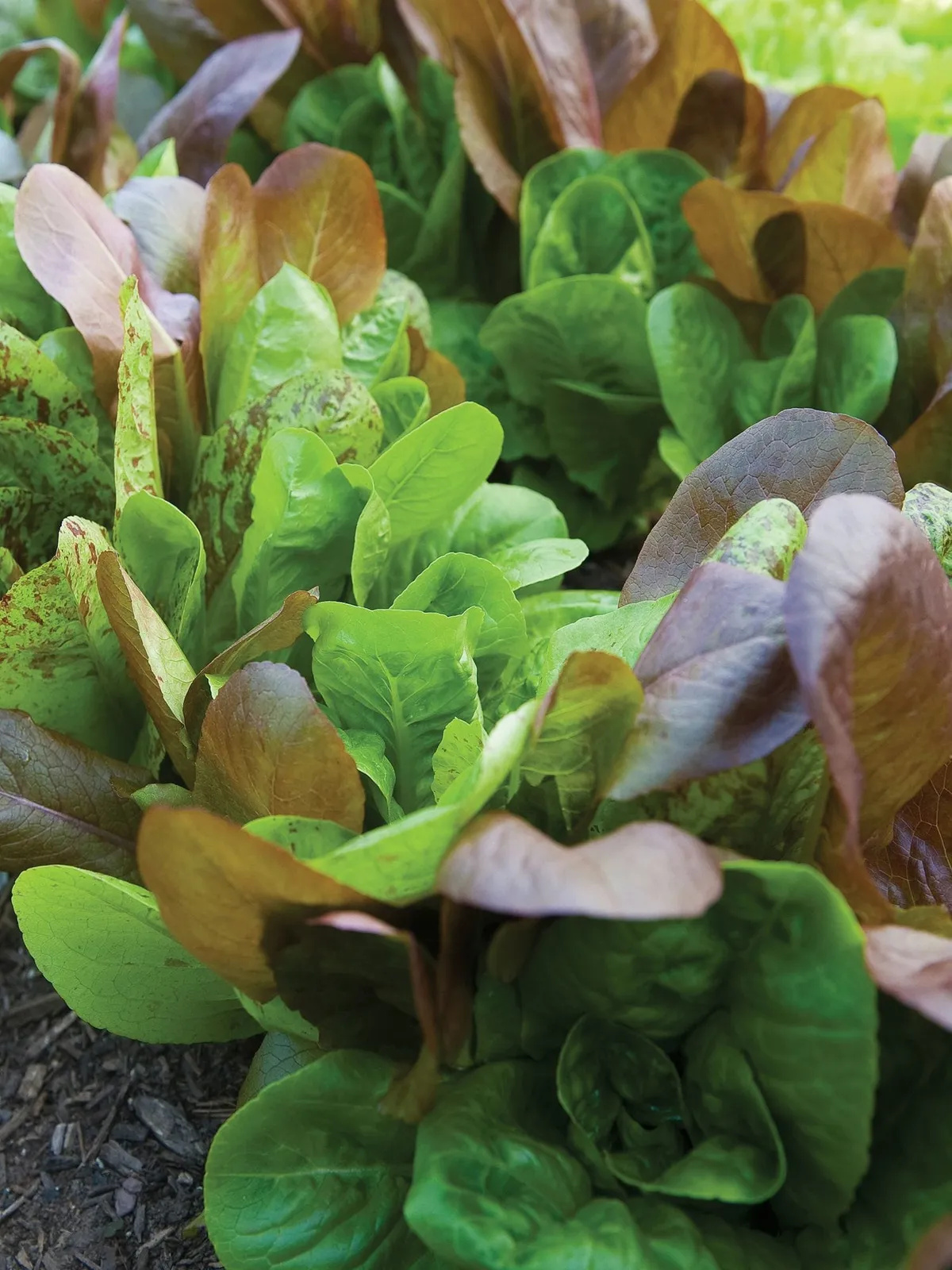
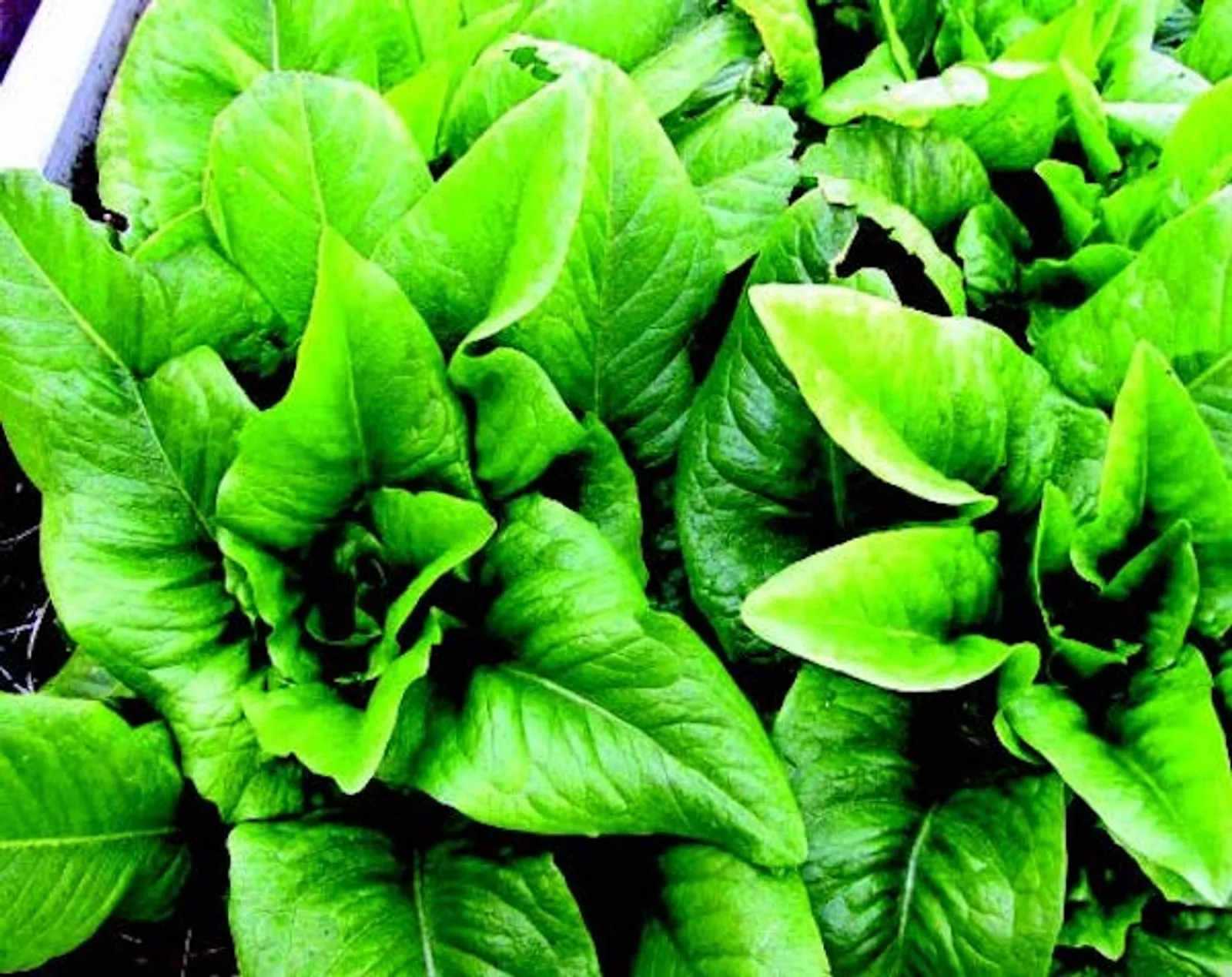
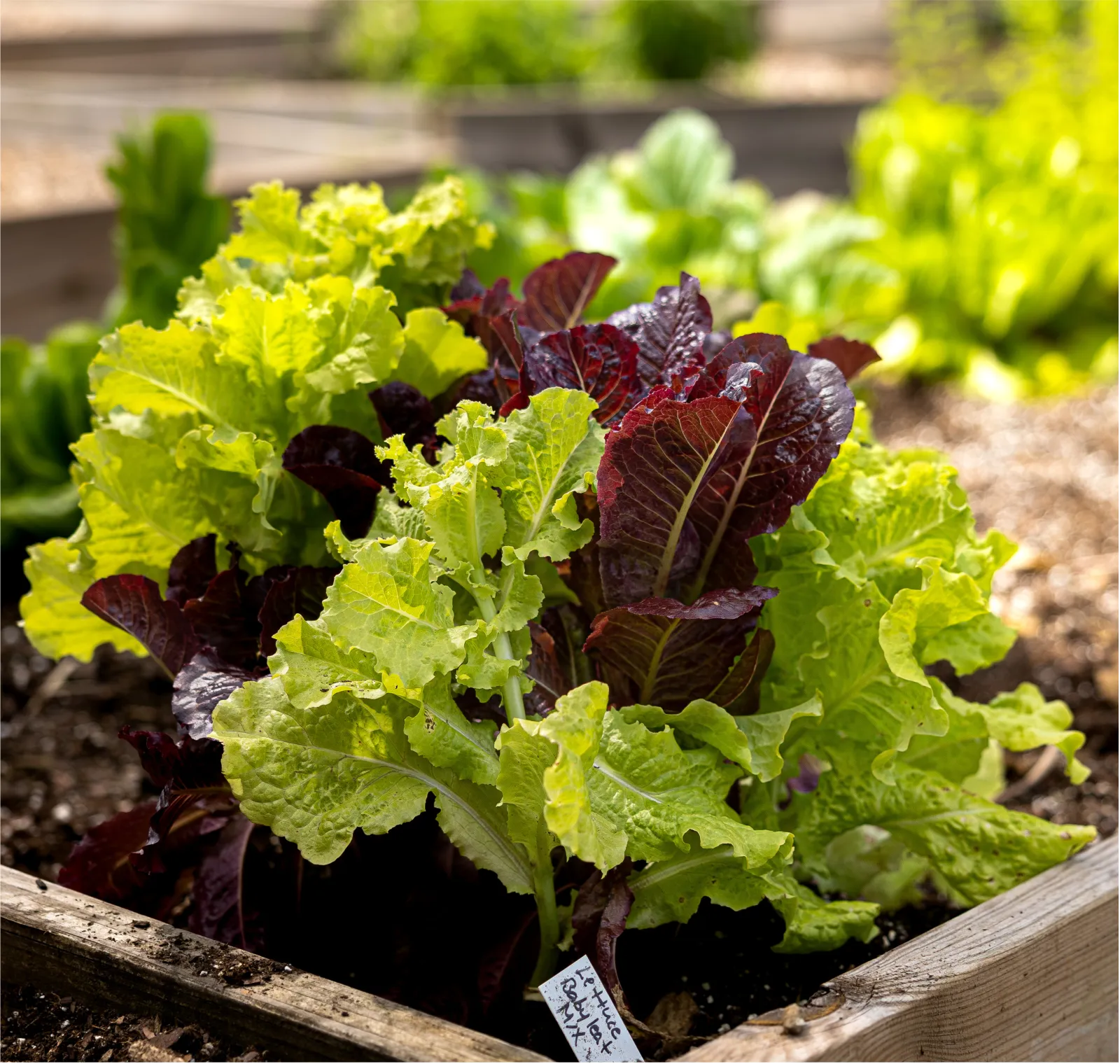
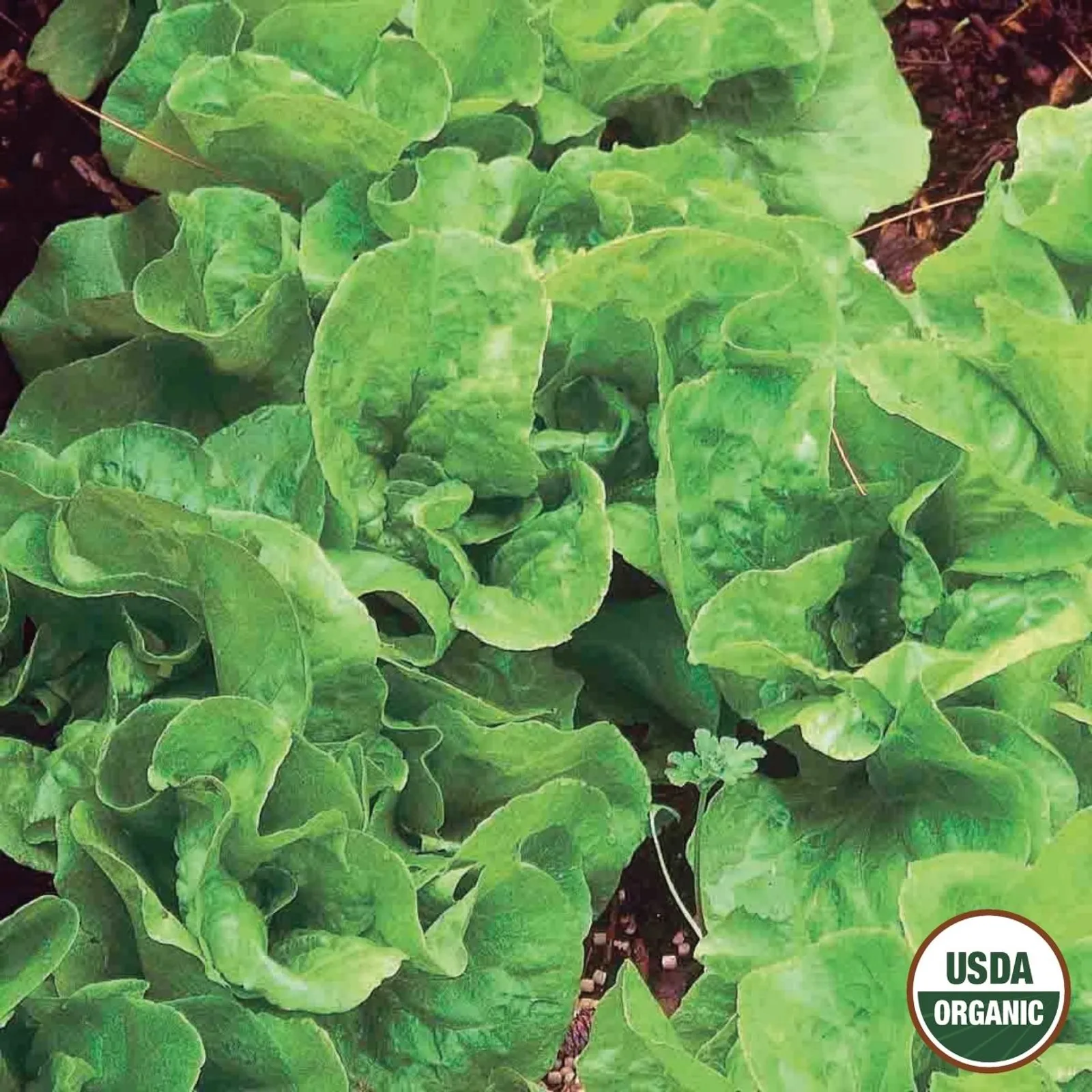
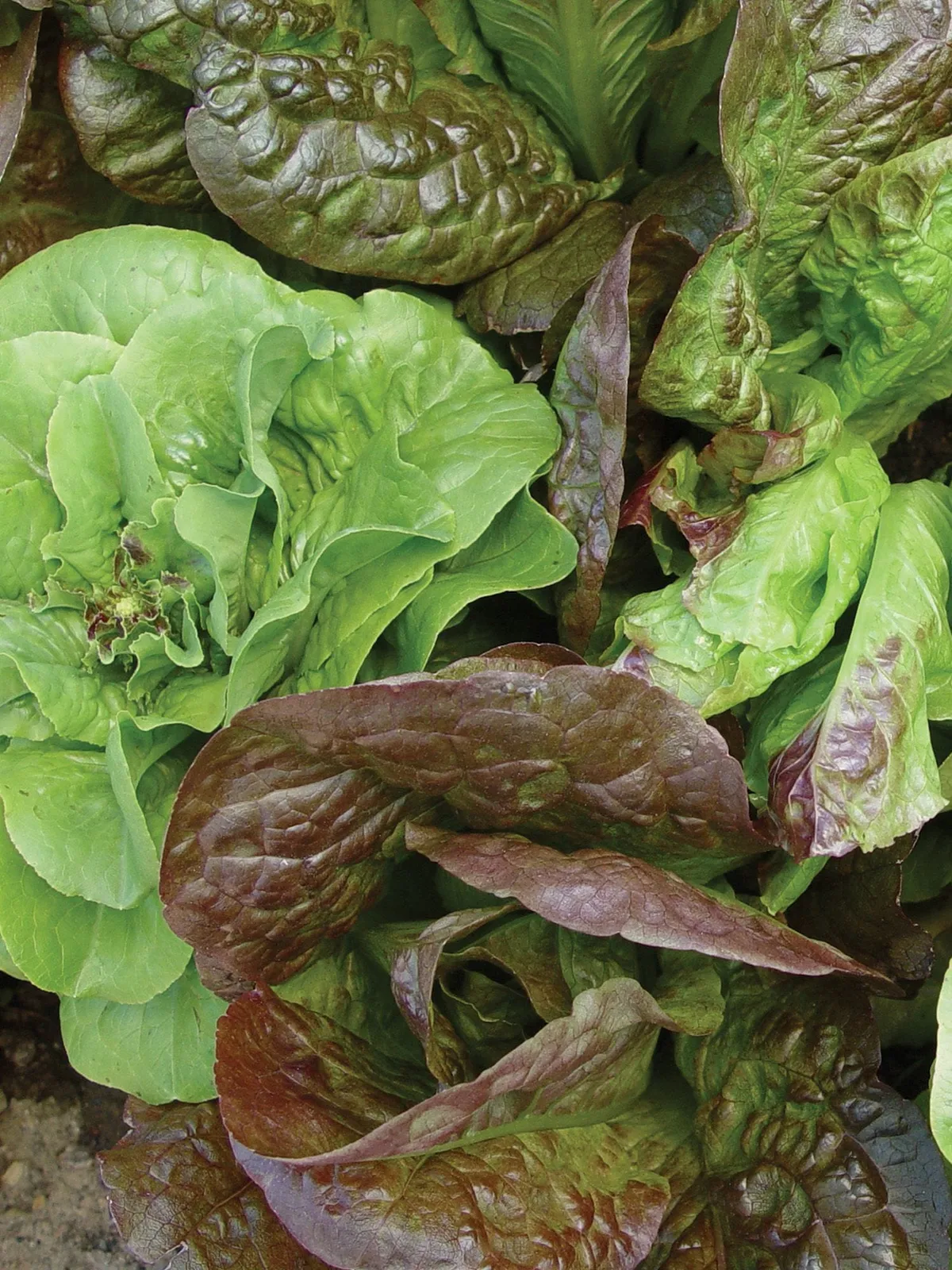
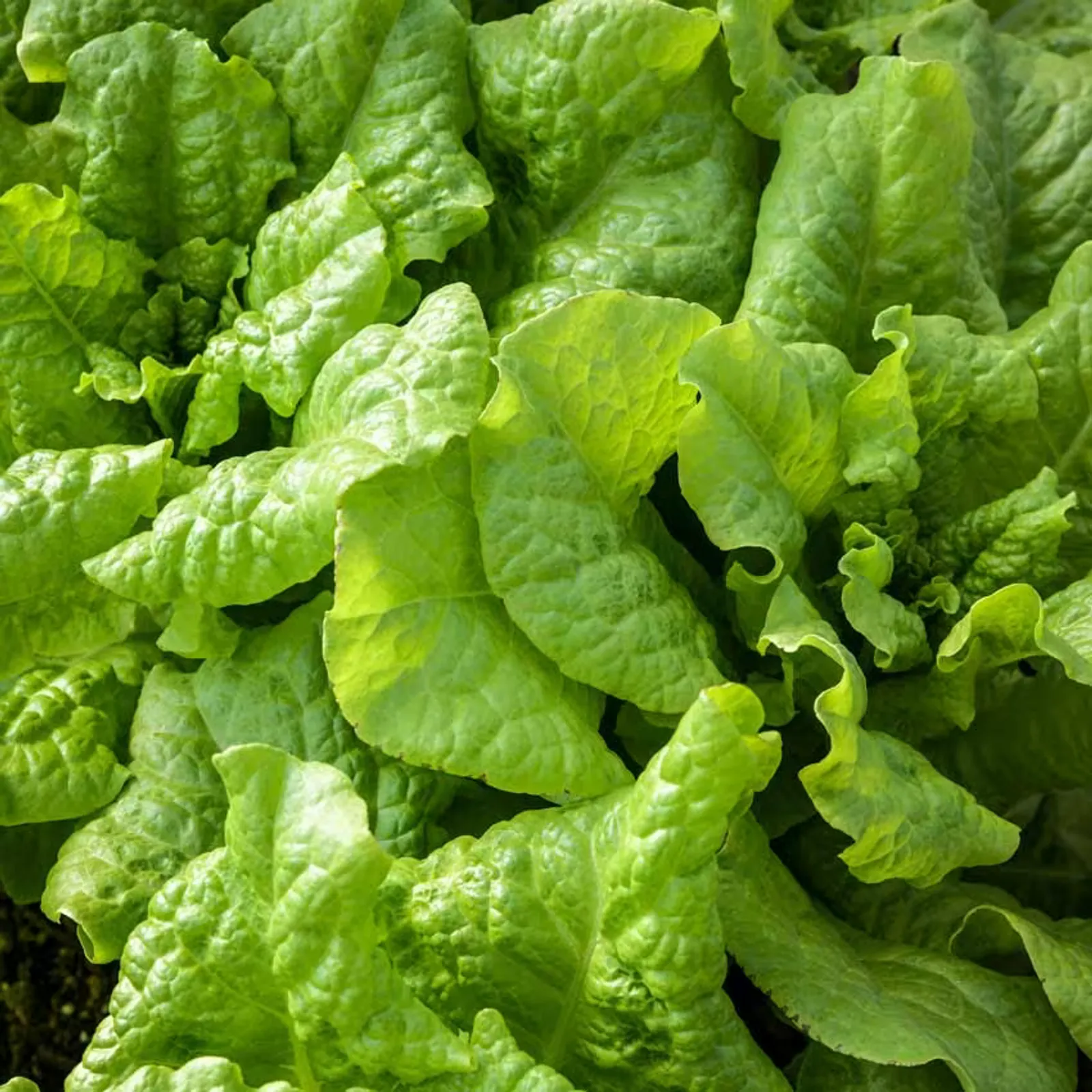
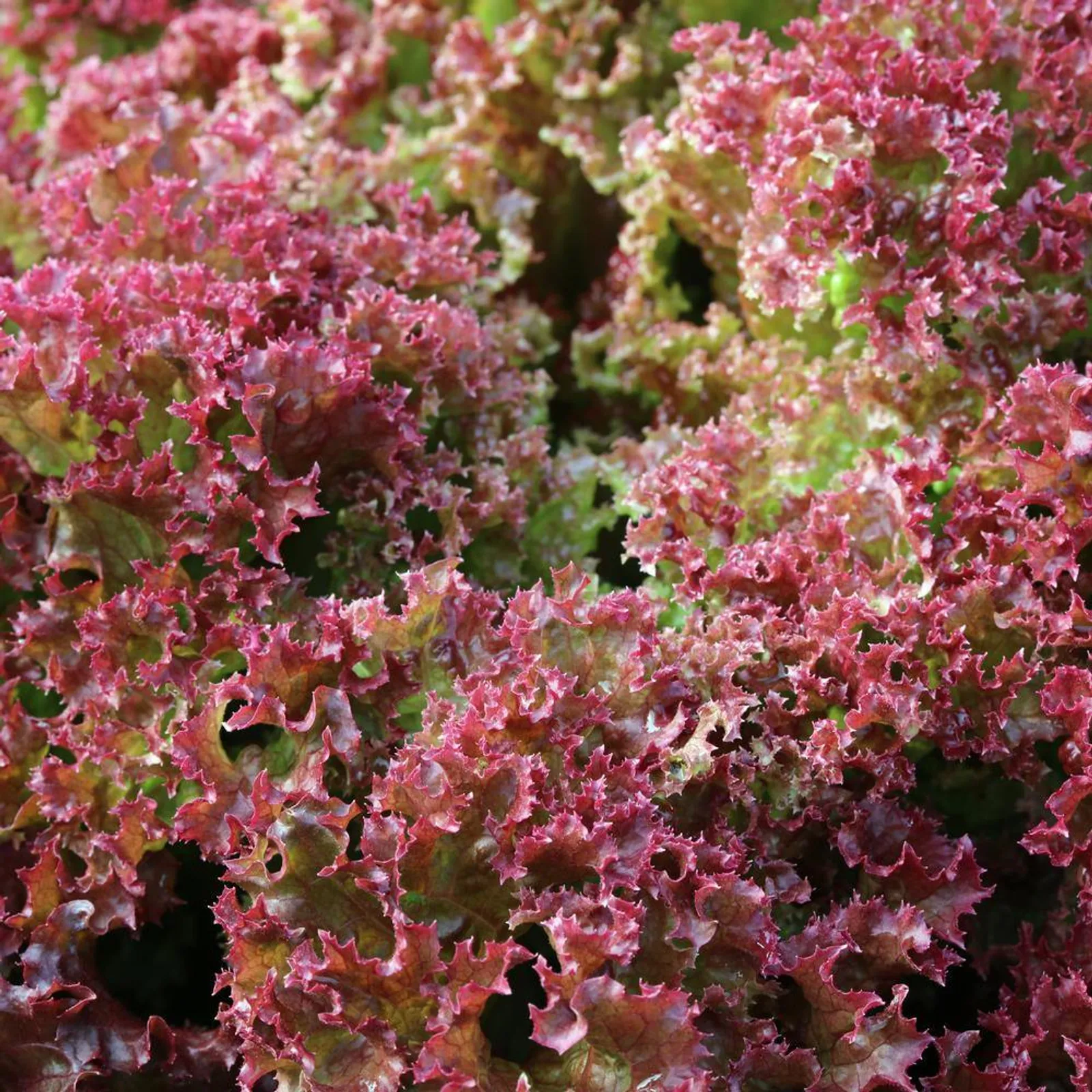
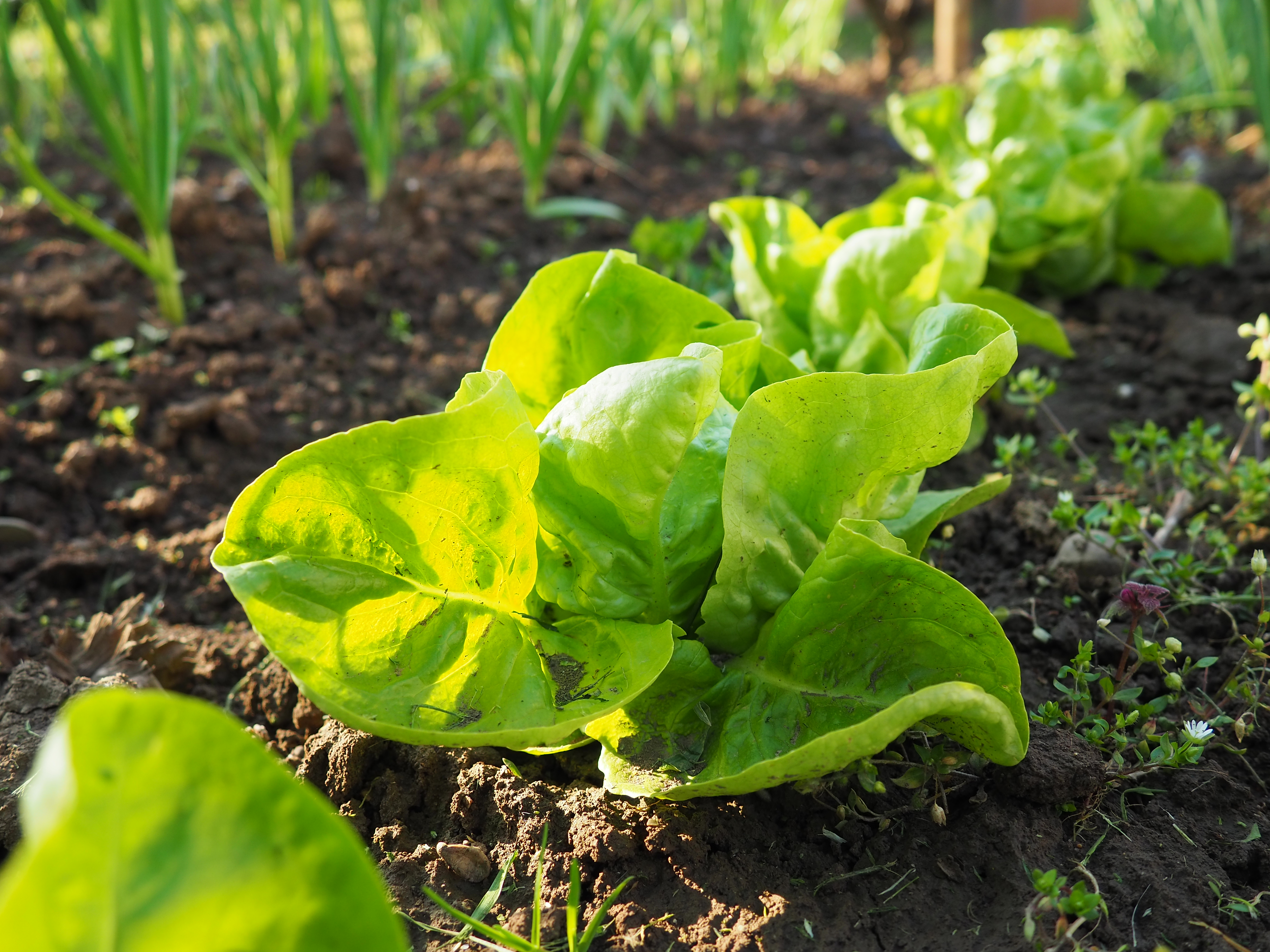
Lettuce is a compact, fast-growing garden crop. It is easy to produce lots of lettuce in a small space! There are many beautiful colors and textures of lettuce available to gardeners. There are four main types of lettuce: Crisphead (aka. iceberg lettuce) types are popular in the grocery store but are difficult to grow as they take a long time to form a head and do not tolerate heat well. Butterhead types produce loosely-formed heads with velvety green leaves that look great in salads and are perfect for lettuce wraps. Romaine (aka. Cos) types produce upright, crisp, tight heads which are perfect for caesar salads. Loose leaf (aka. bunching) types are easy to grow and do not form a tight central head. There are mini lettuce head varieties that produce compact versions of these types, although most any type of lettuce can be spaced tightly and grown for smaller heads. Seed companies also offer unique blends of different lettuces that can be seeded densely for baby leaf lettuce mix.
How to Grow Lettuce
Quick Info


Put away the pen and paper
Plan your veggie garden in minutes with Planter's easy drag and drop planner.
Try Planter for Free
Varieties
Related Articles
.jpg)

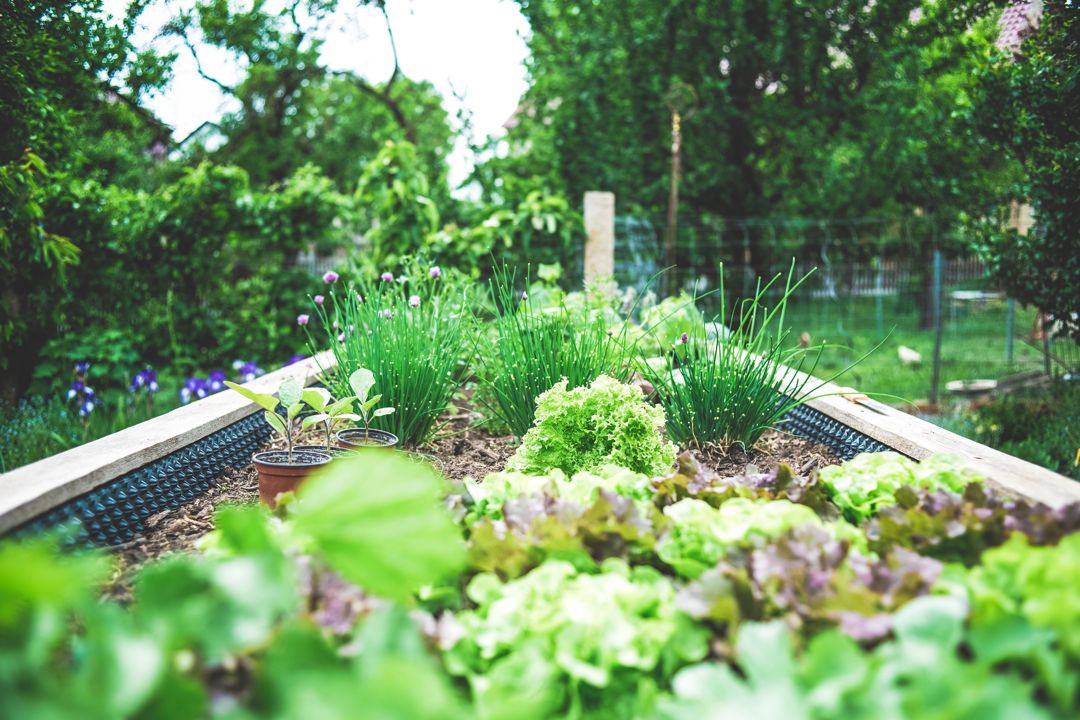
Companion Plants


























Nutrition
Vitamins



Nutrients







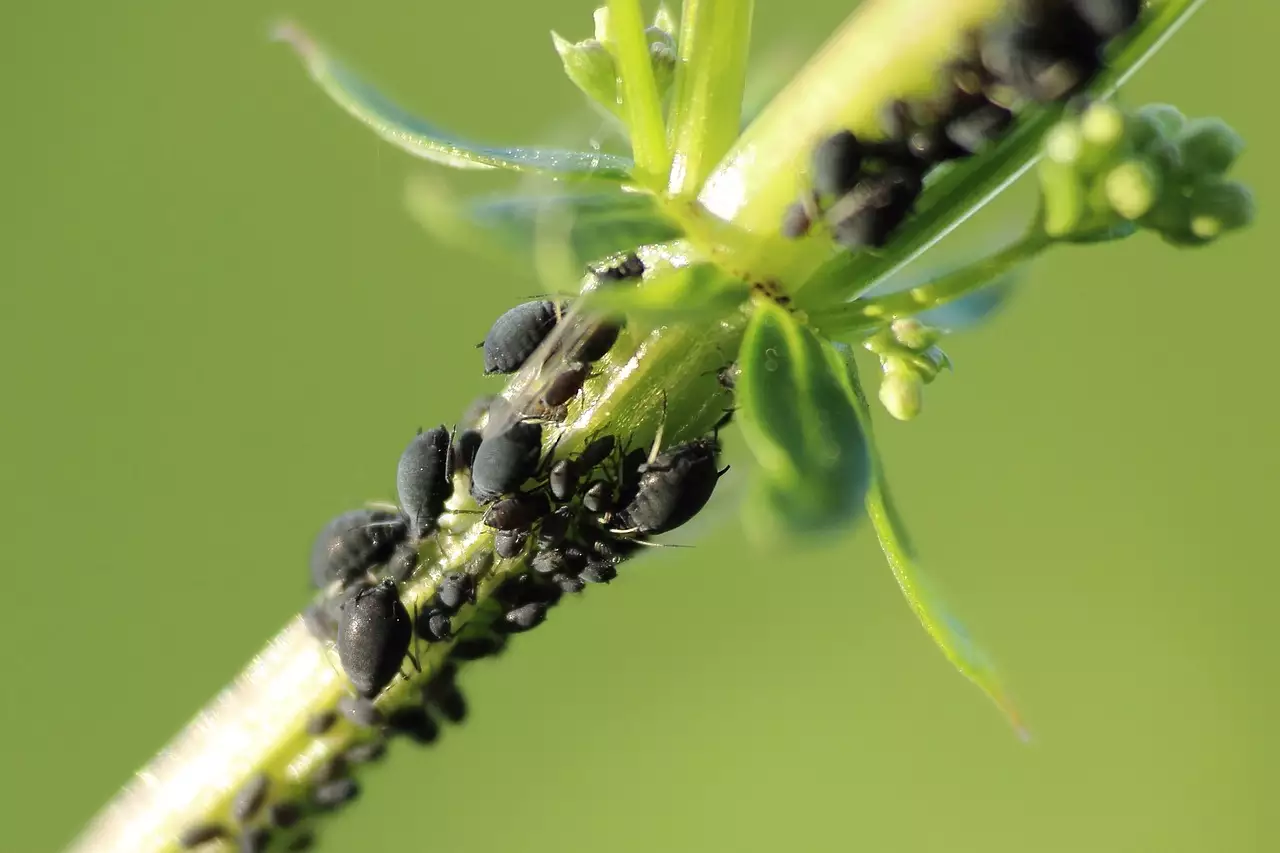
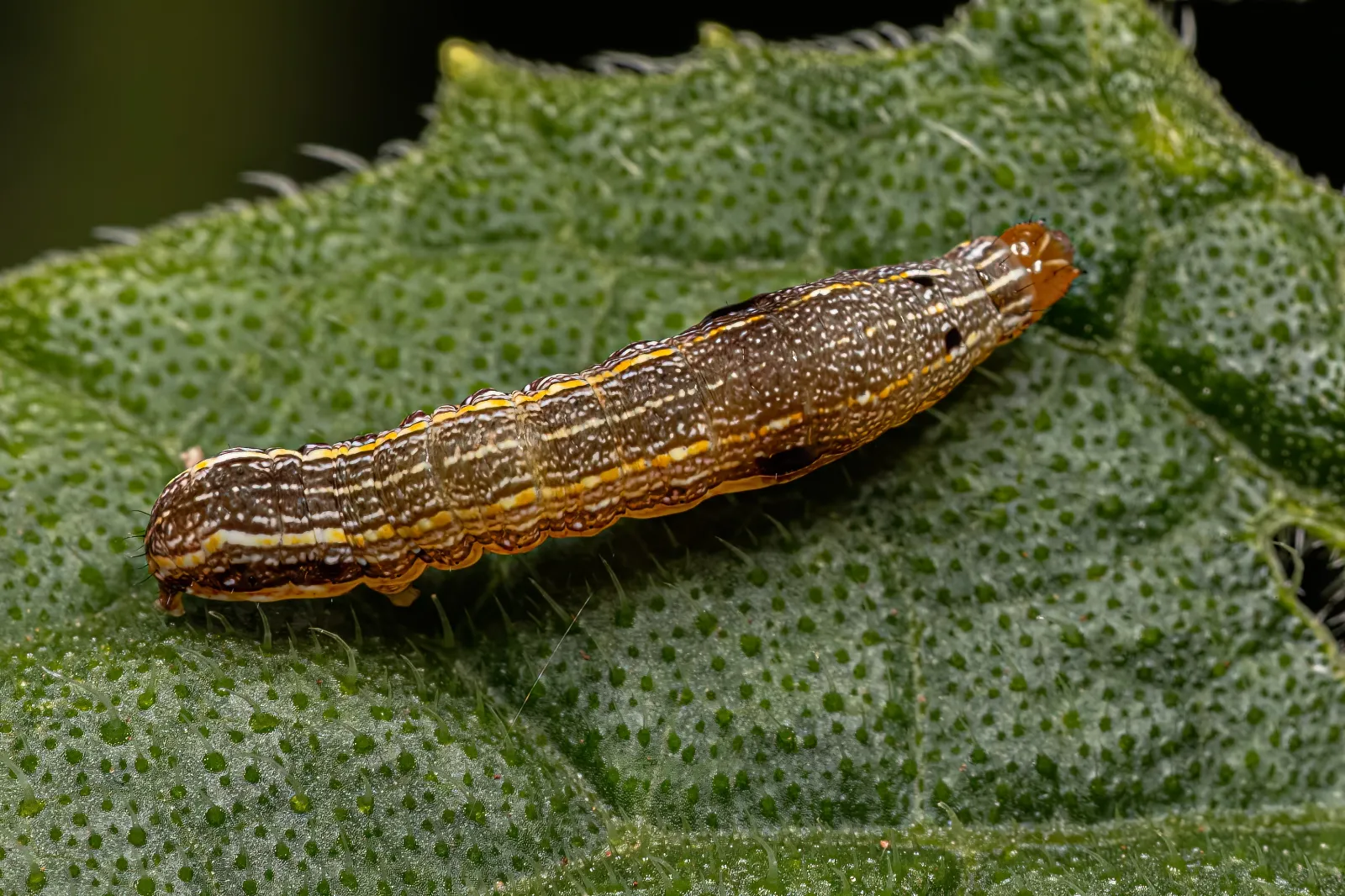
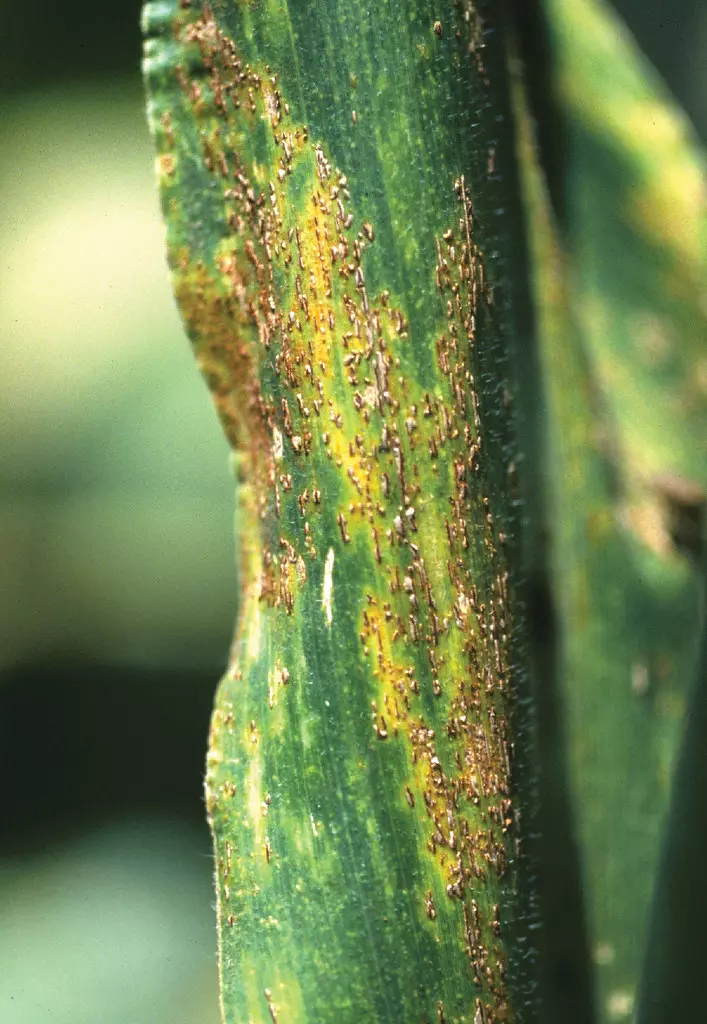
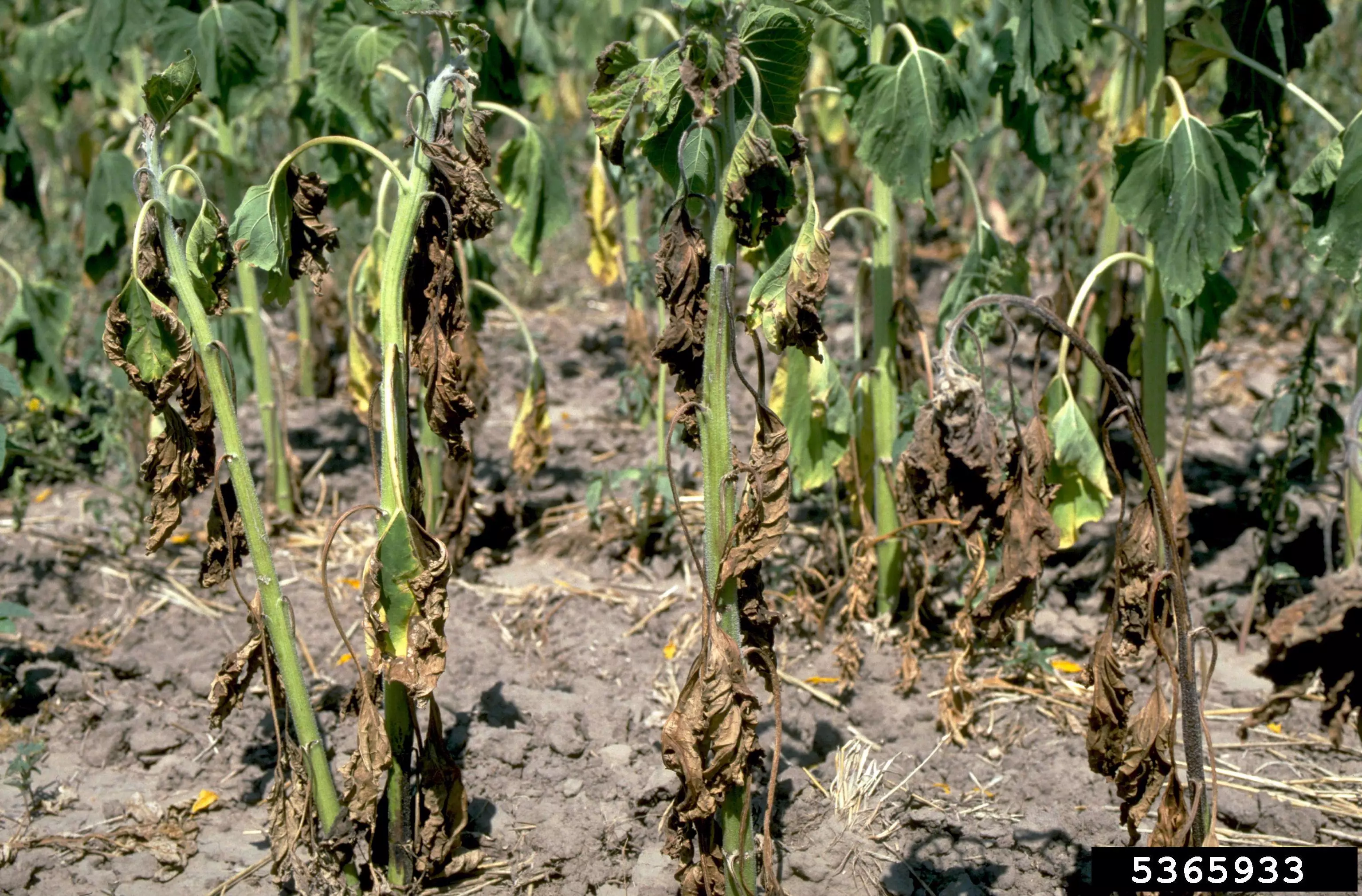
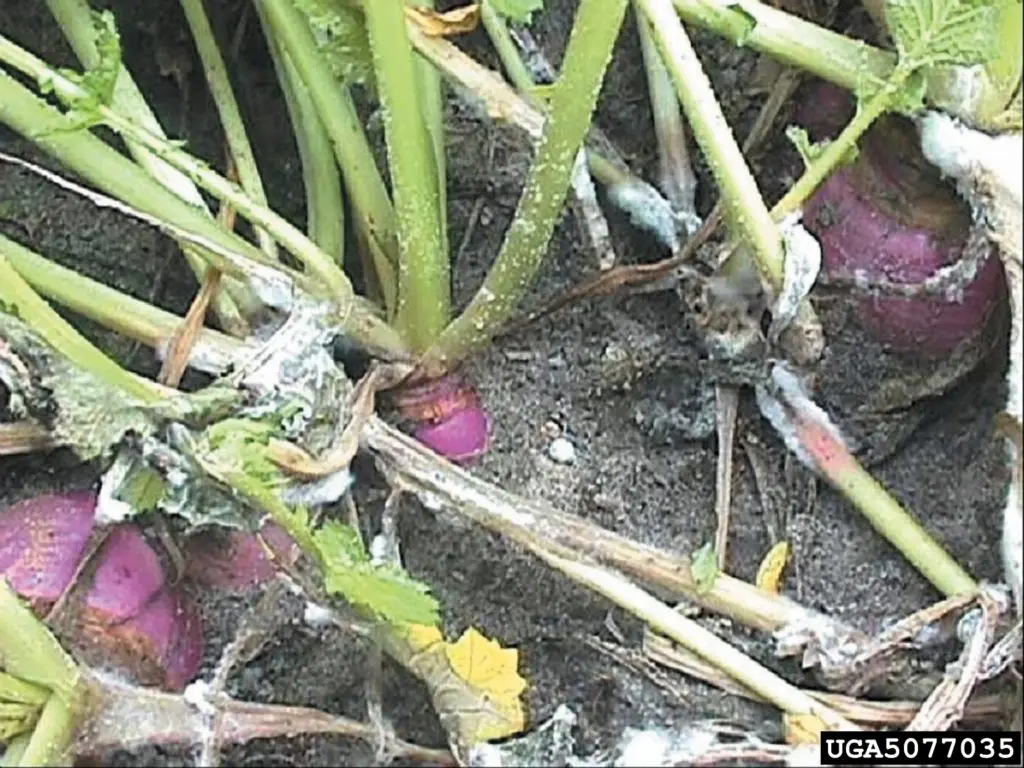
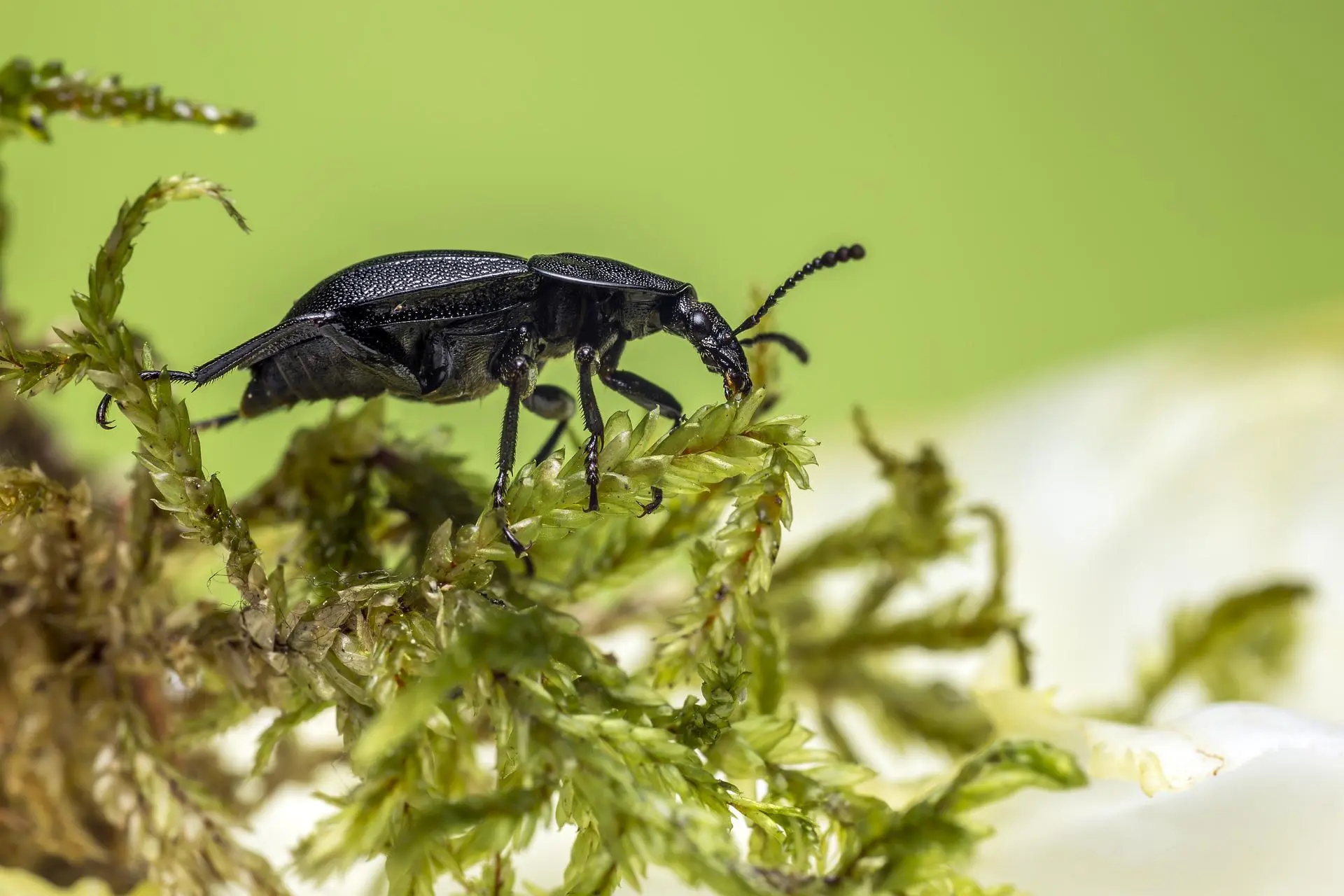
Pests



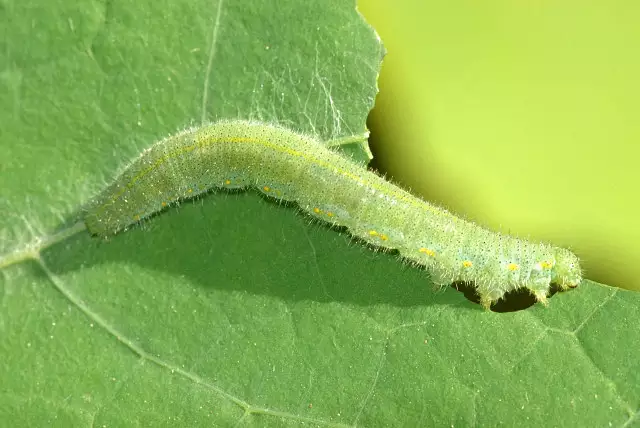
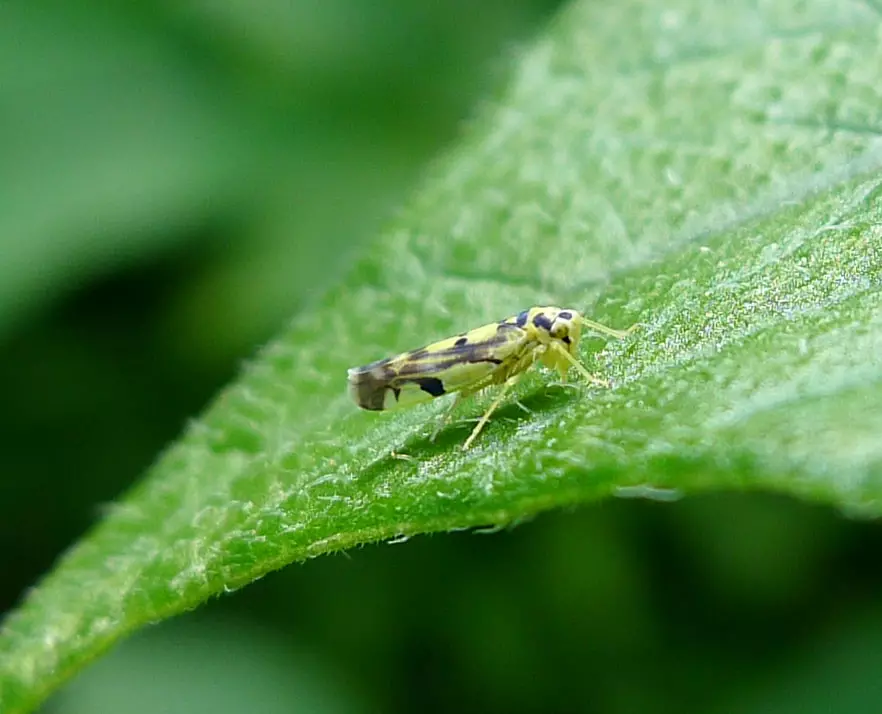
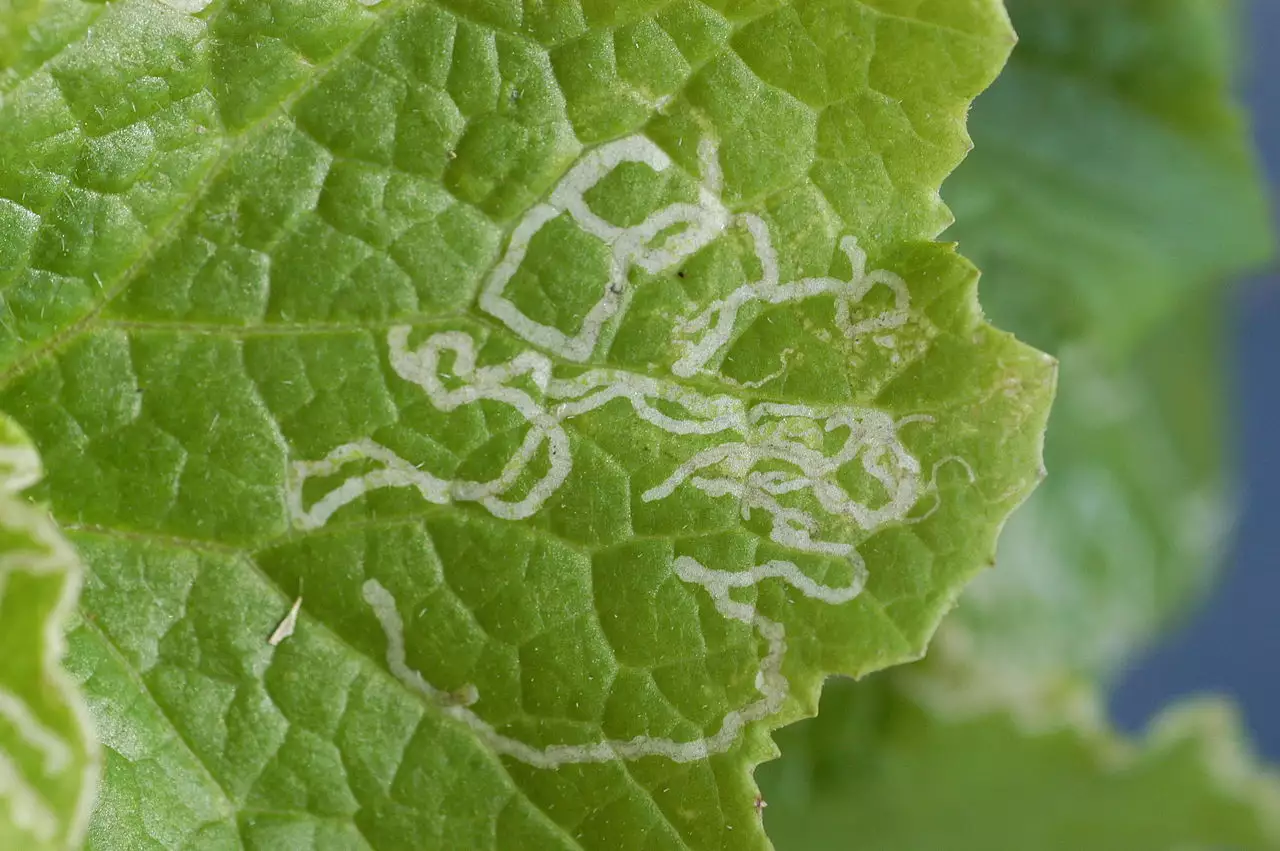
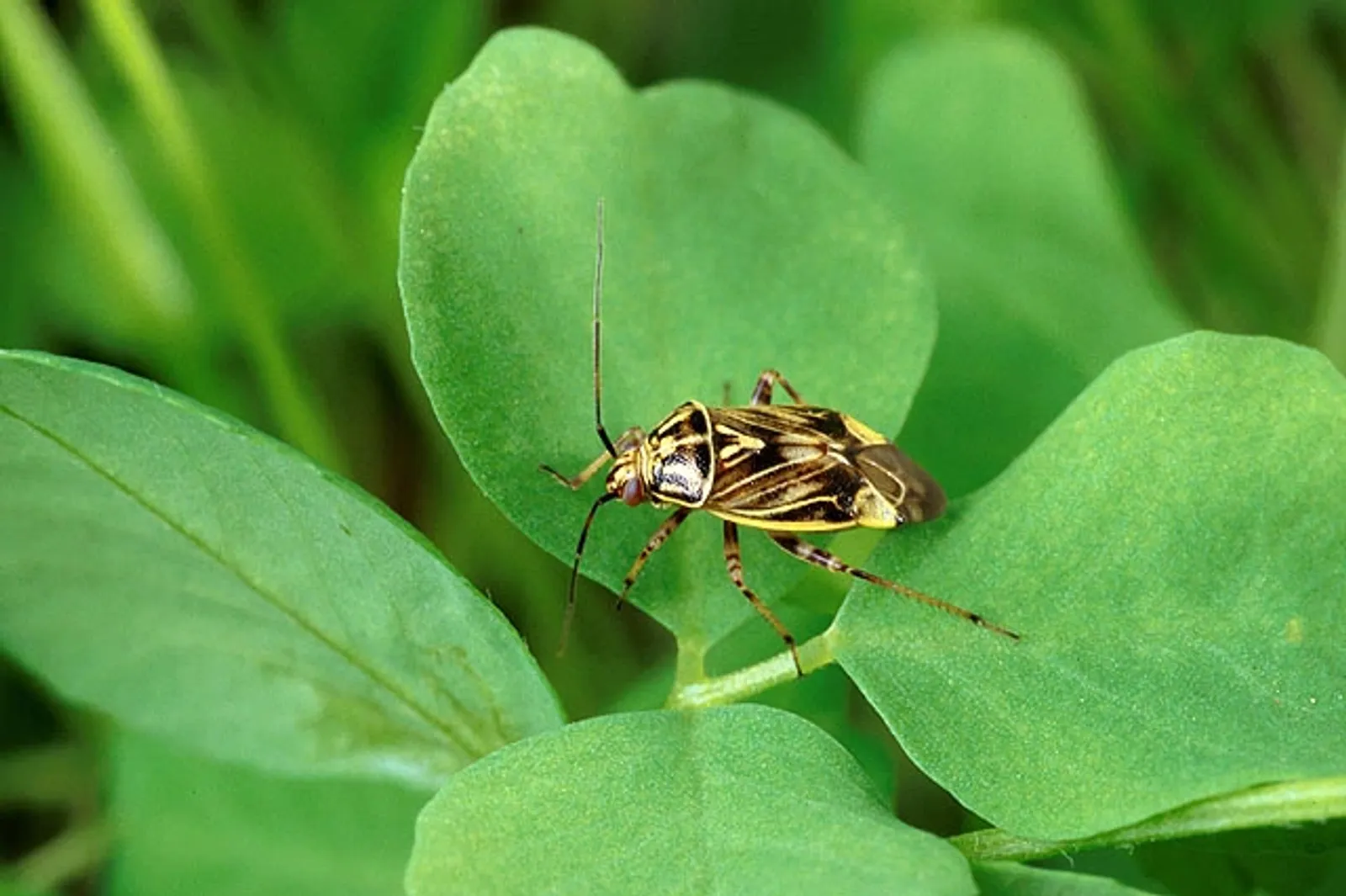
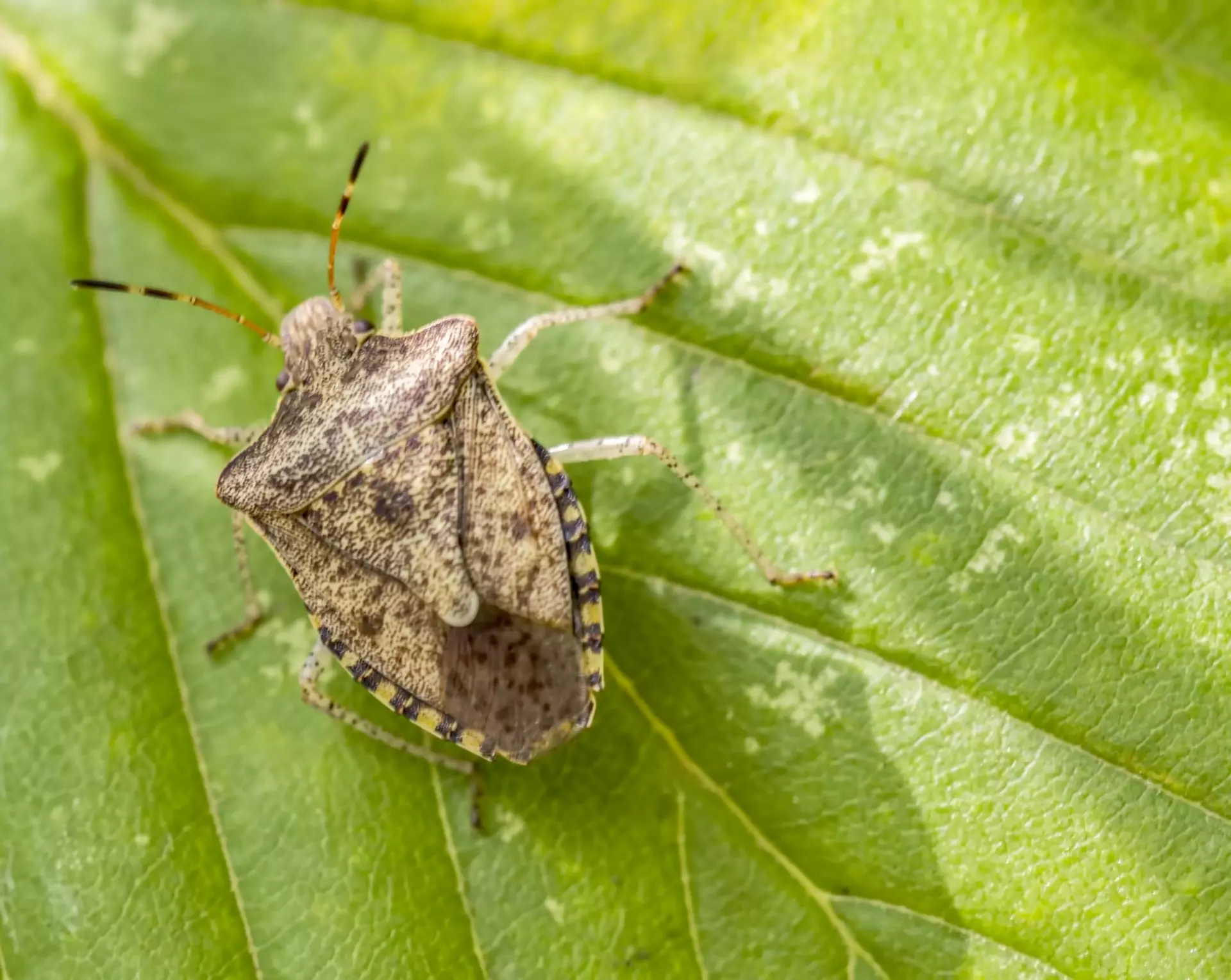
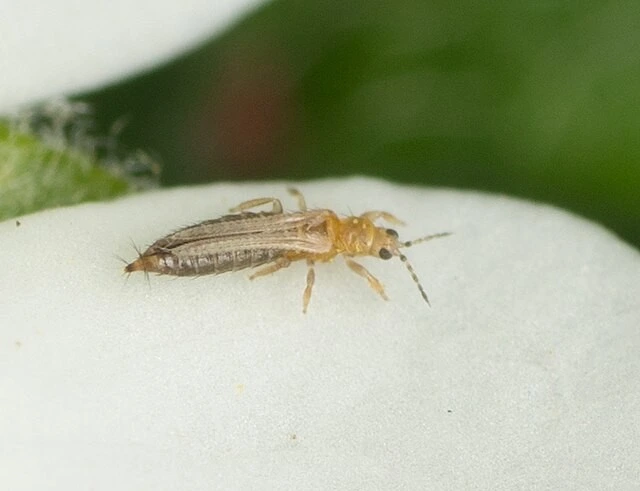
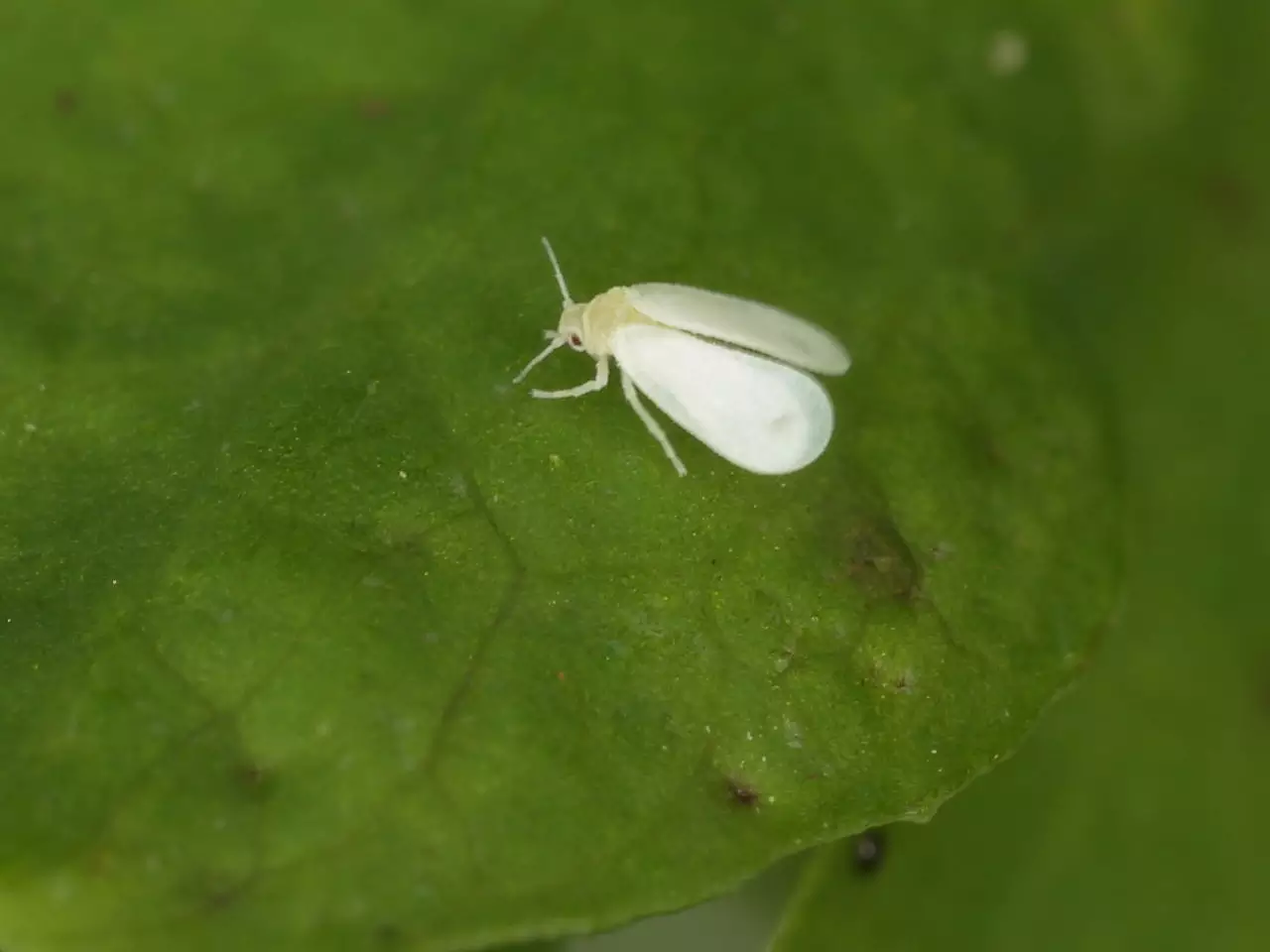
Diseases
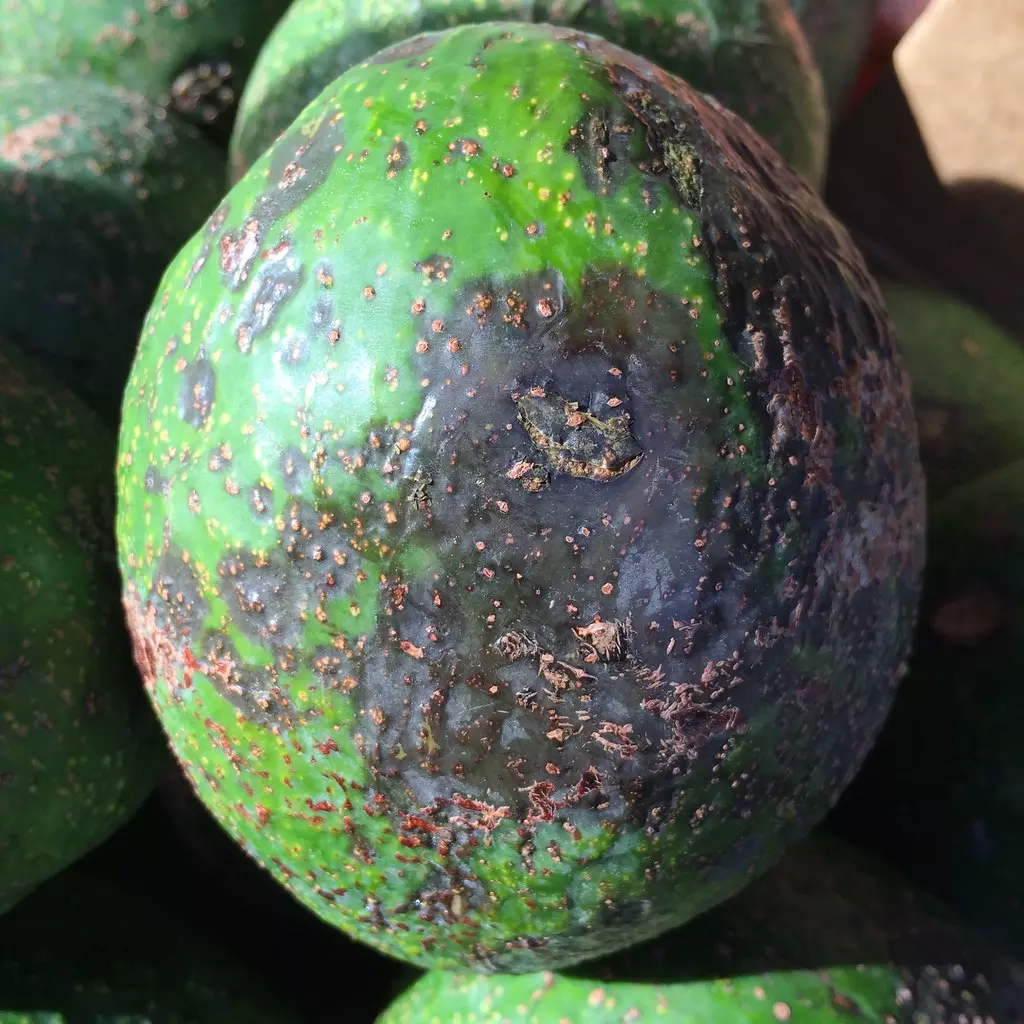

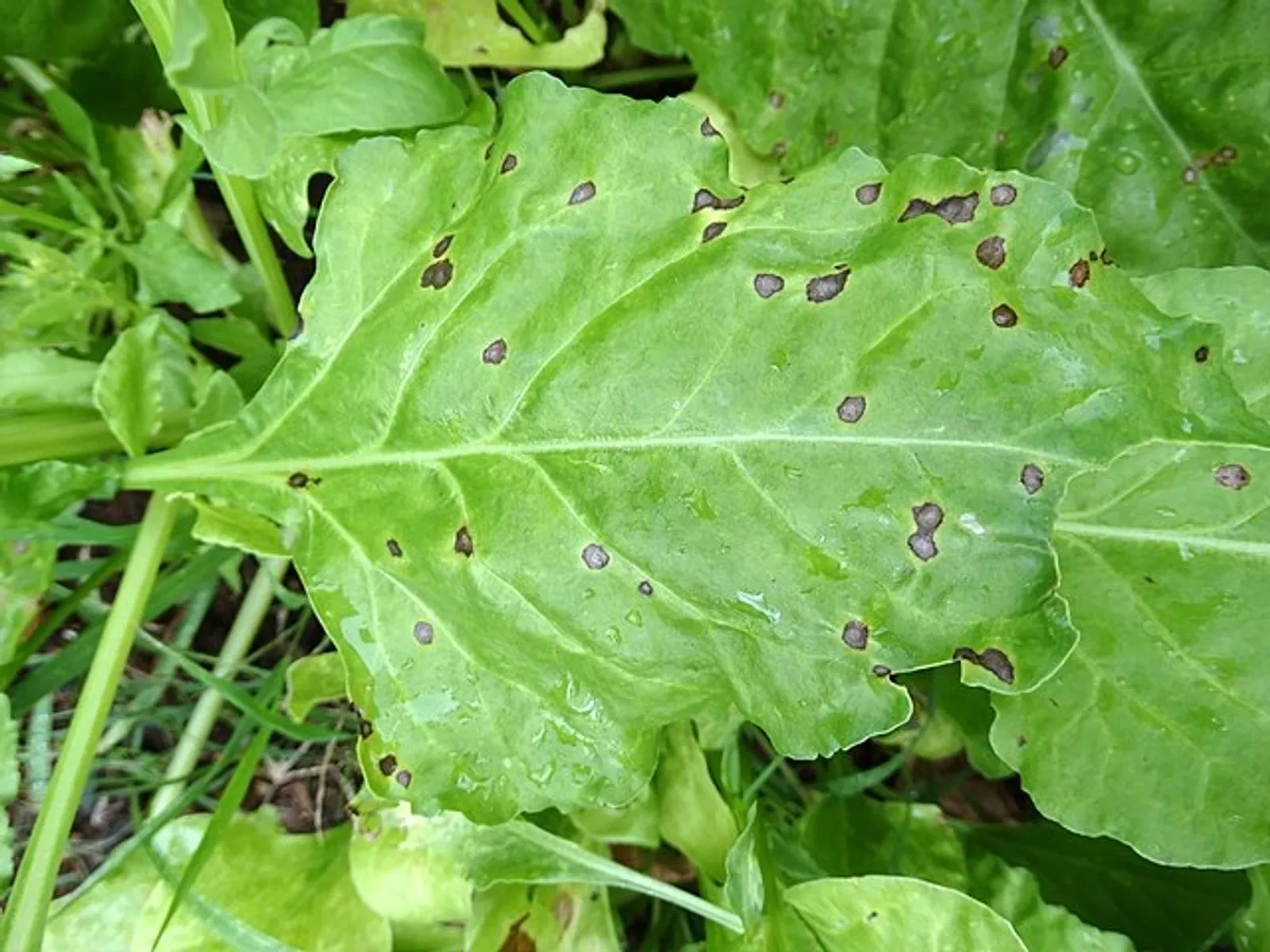
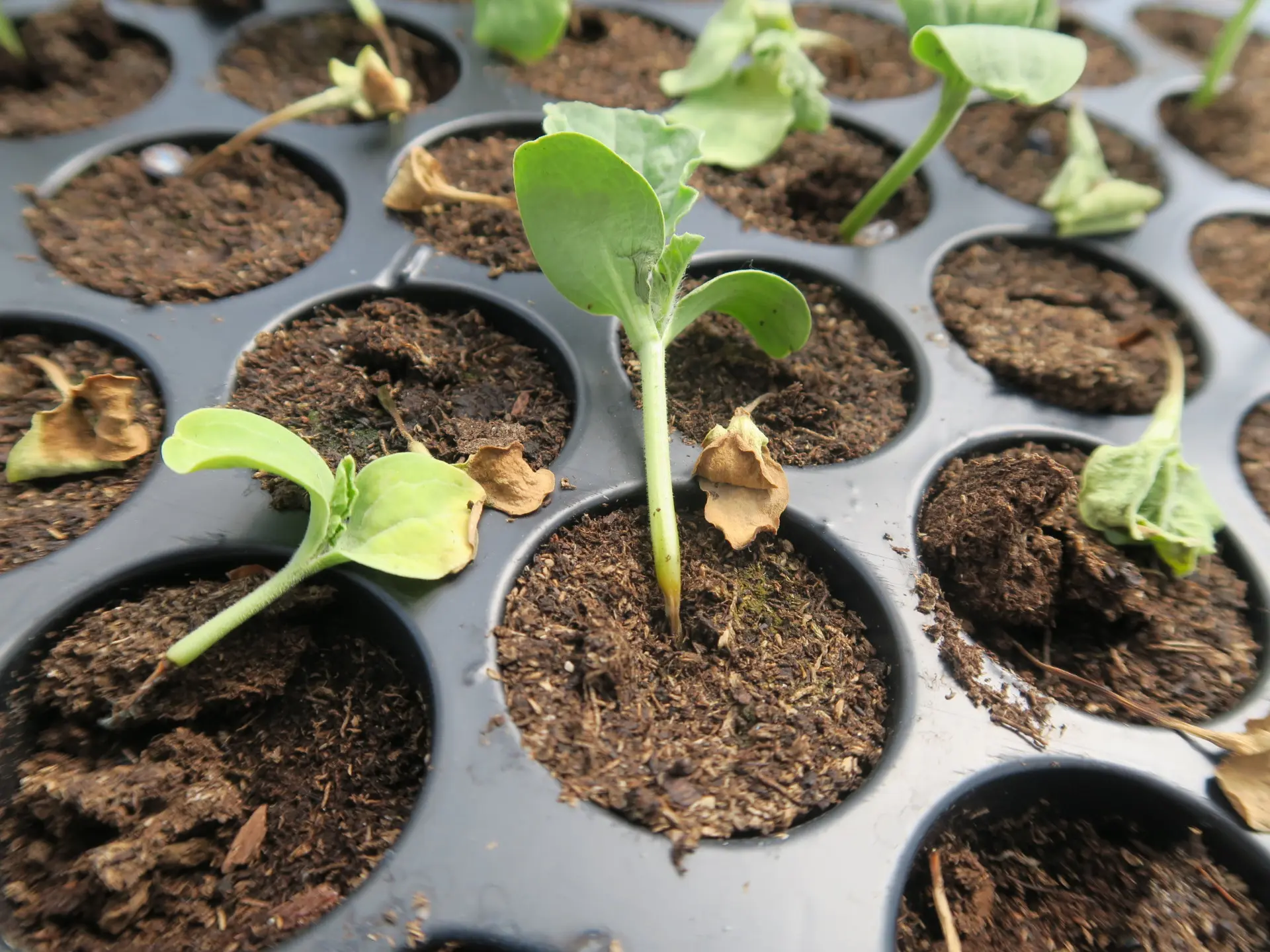
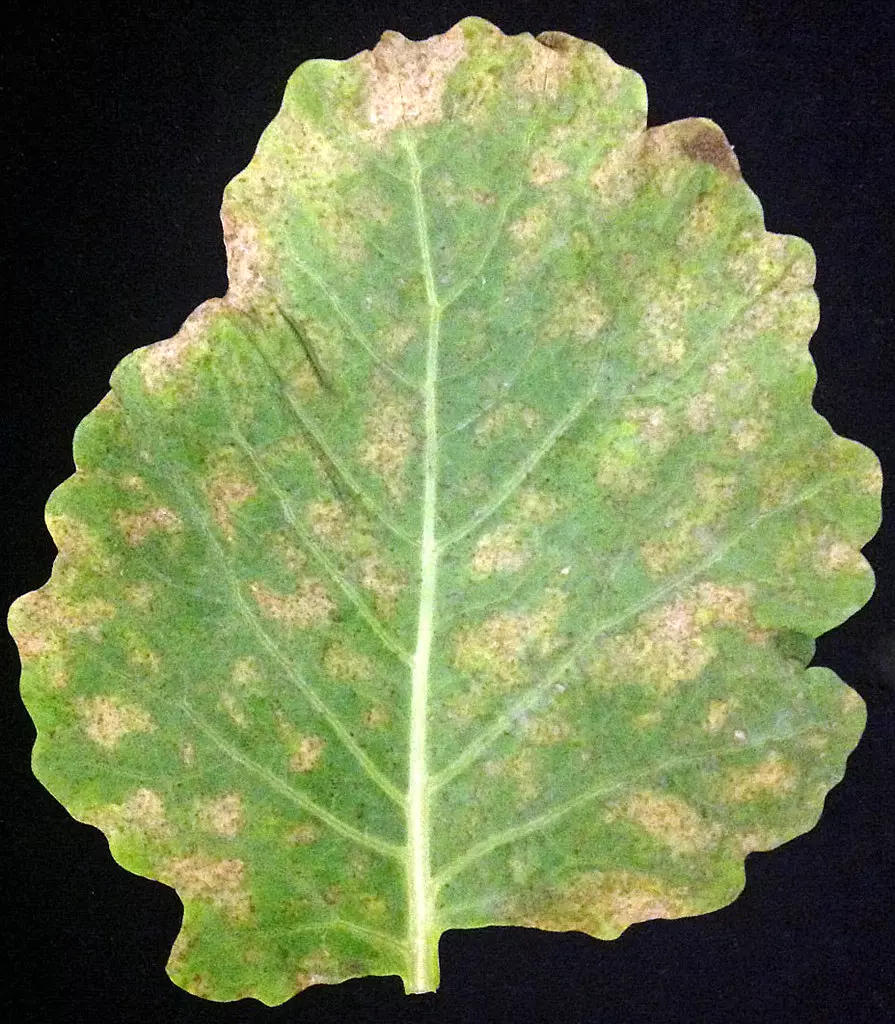
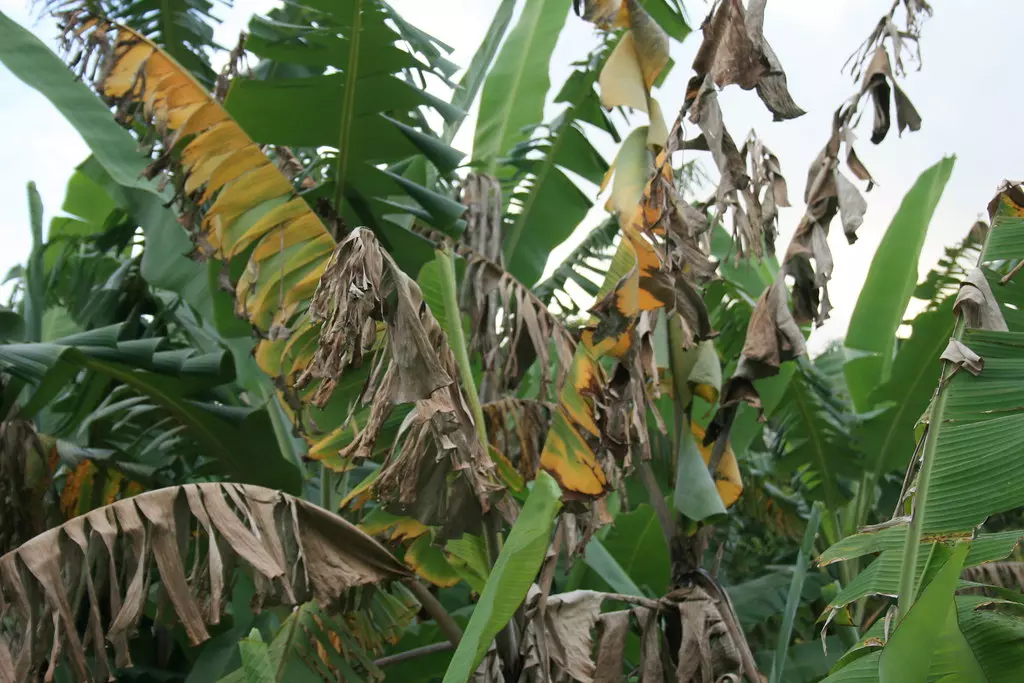
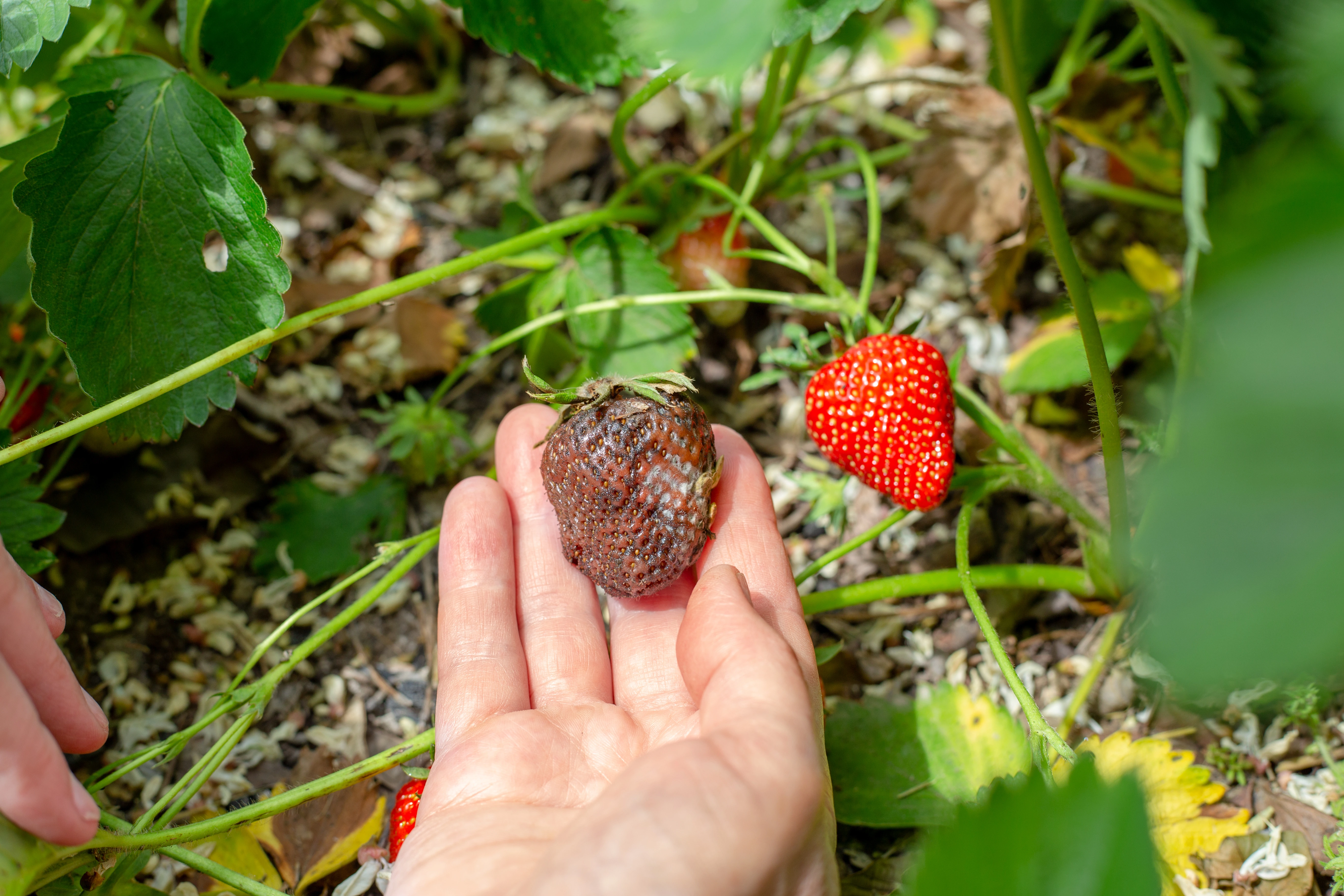
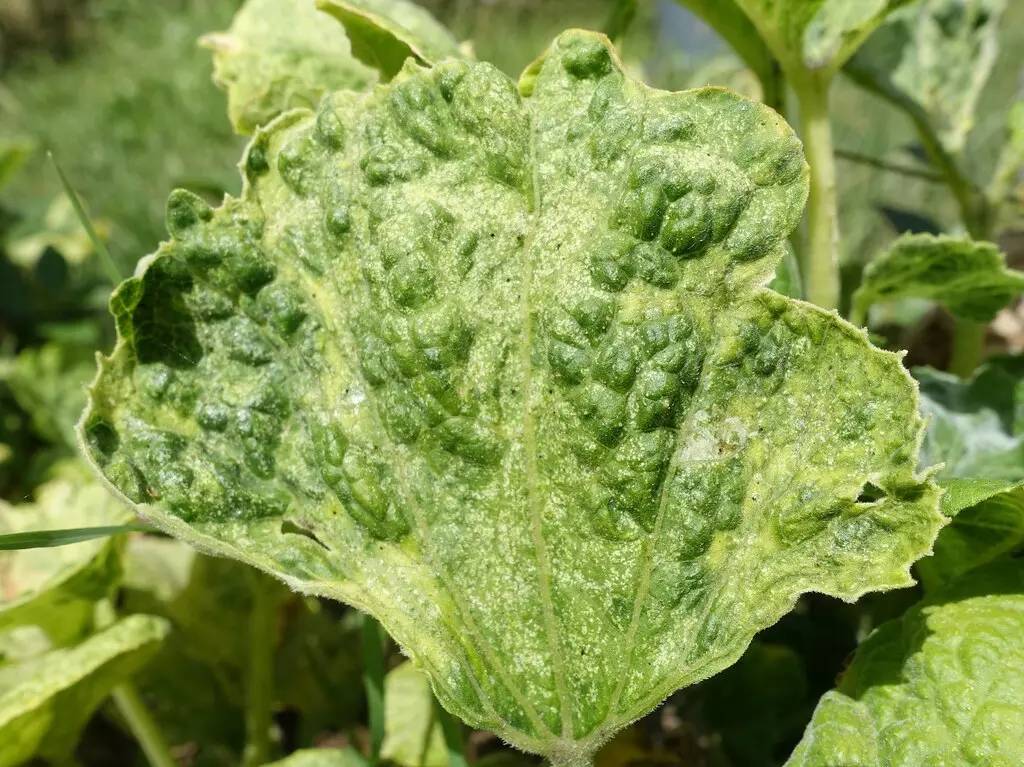
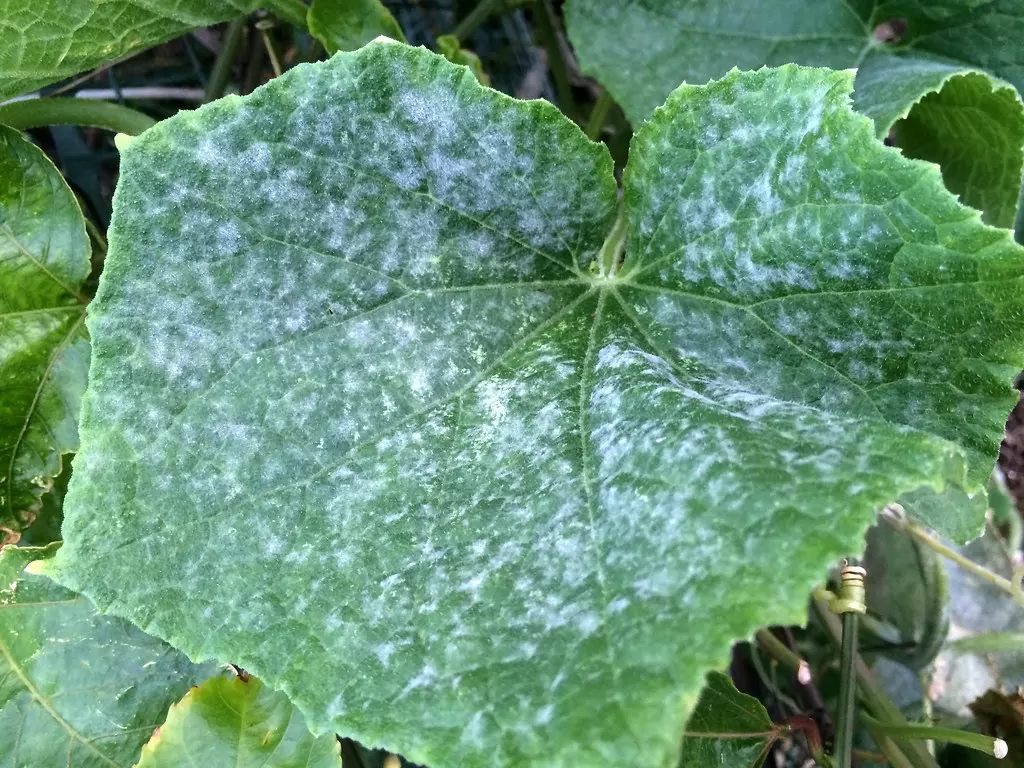
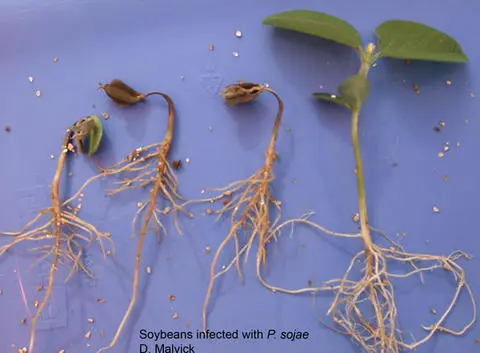
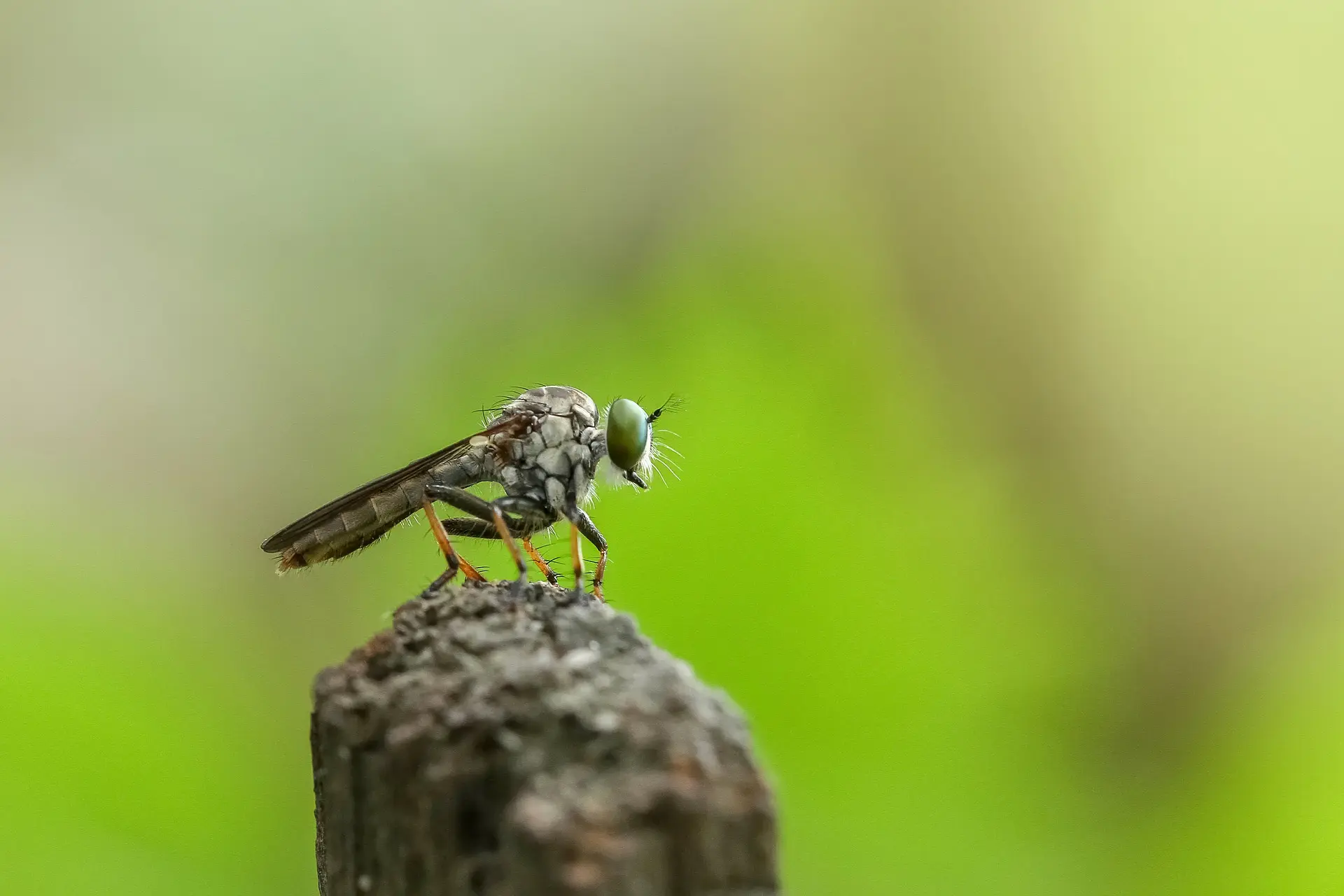
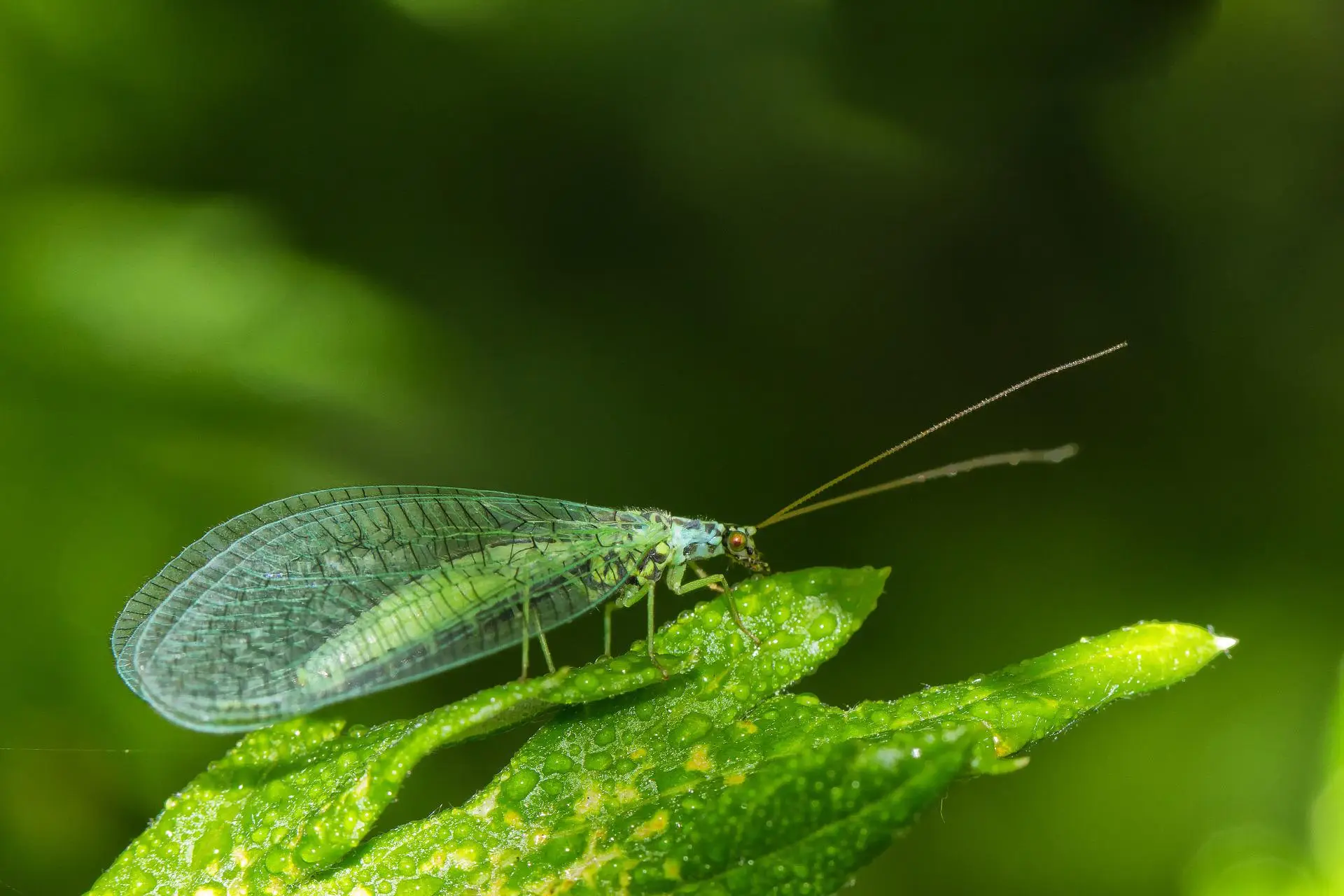
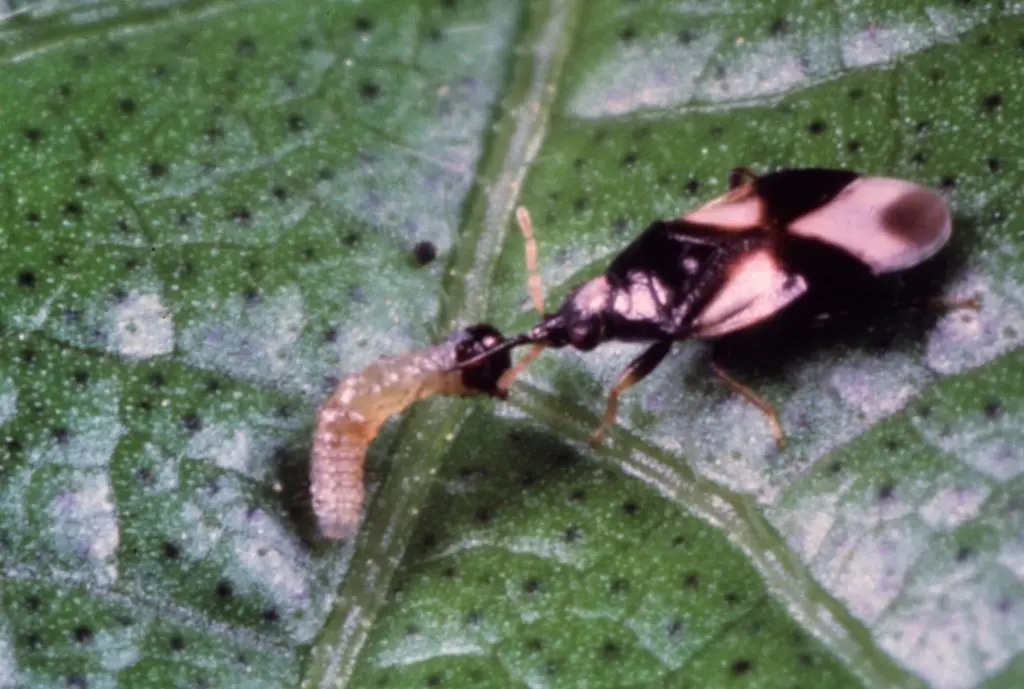
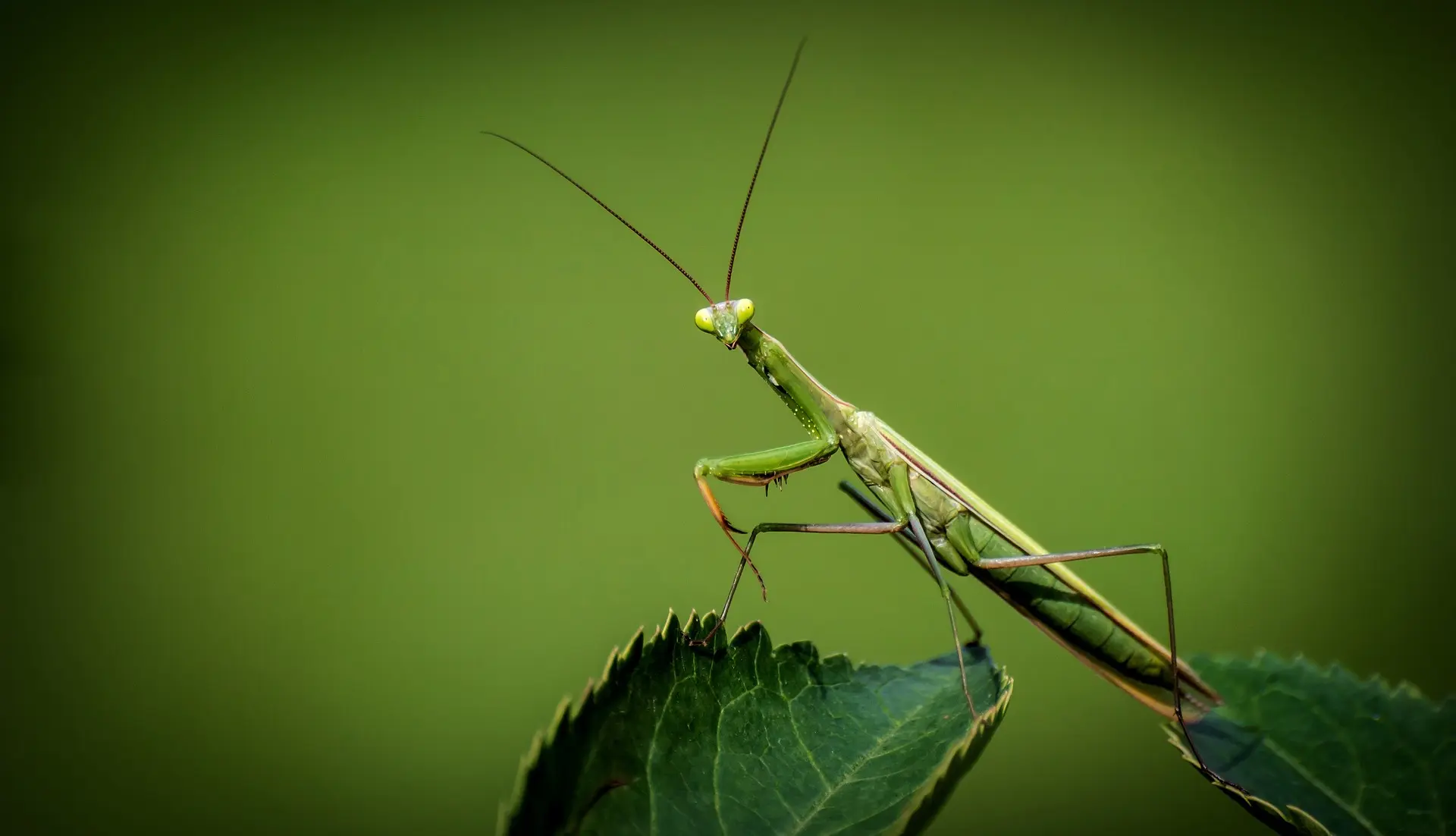
Beneficial Critters






Growing from Seed
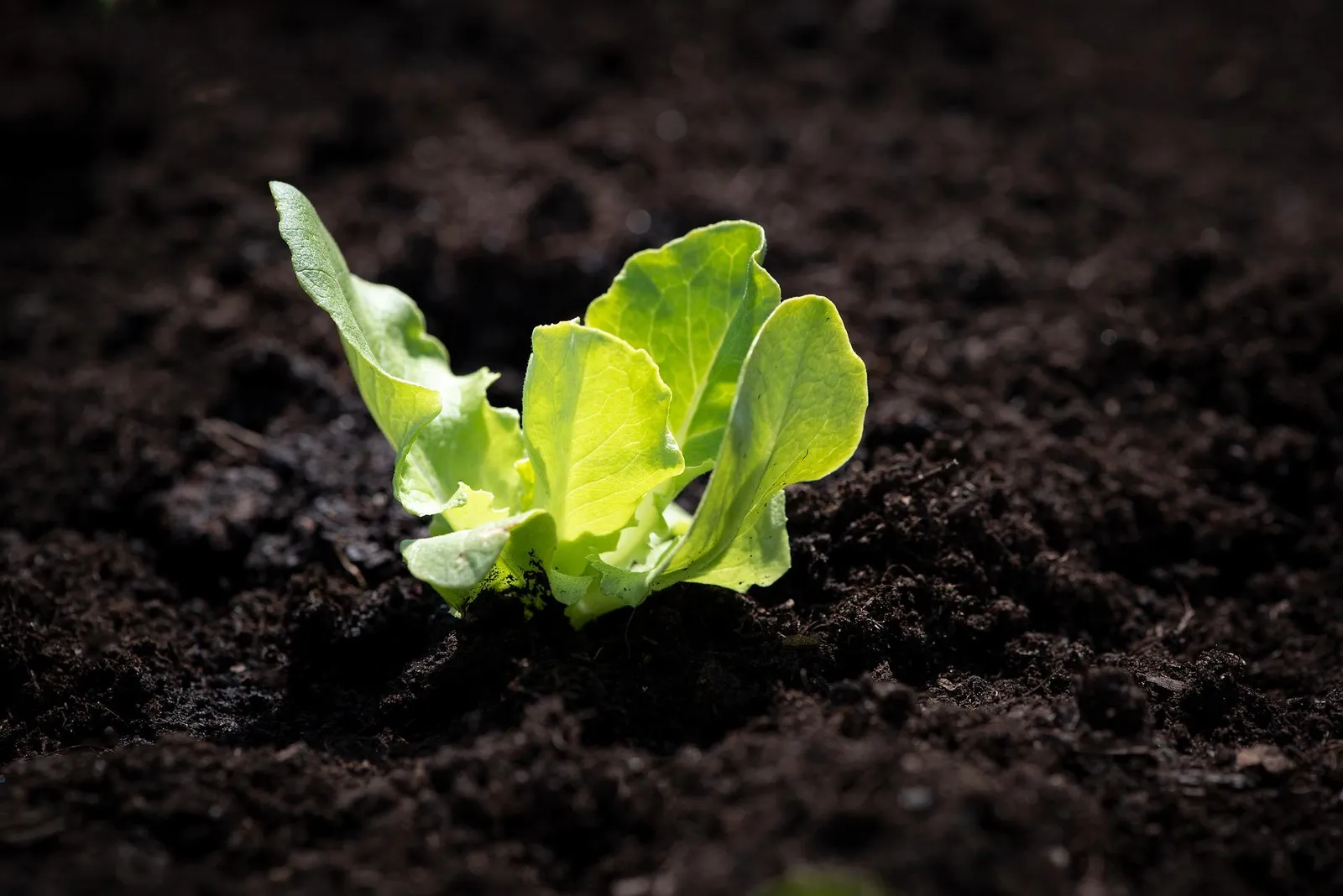
Lettuce can be seeded directly outdoors as soon as the soil is workable. However, starting lettuce indoors and then transplanting has some advantages. Since lettuce seeds are small and finicky to handle, sowing indoors can be easier and may reduce the need to thin out seedlings. It is easy to accidentally plant lettuce too deep in garden soil. Planting in seed starting mix indoors can make it easier to control the planting depth. Using 'seed tape' or 'pelleted' lettuce seeds can also make the seeds easier to handle. If the garden soil crusts over it can impede lettuce germination, which should not be an issue with controlled indoor growing. Lastly, starting indoors can allow for a head start on the growing season and can also be helpful to avoid the hottest parts of the season when germination outdoors can be very poor. At temperatures above 85°F (29°C) lettuce seed enters 'thermodormancy' and does not germinate well. Regardless of which method is used, be sure to keep the seed starting mix or soil consistently moist. If growing indoors, provide supplemental light as soon as the seeds germinate.
Planting Considerations
Lettuce prefers fertile, well-draining soil that retains moisture but does not become waterlogged. Apply compost at the time of planting. Lettuce spacing can vary depending on the variety you are growing and whether you are growing it for baby lettuce, loose-leaf lettuce or full-size lettuce heads. Check the recommended spacings on the seed packet for the varieties you are growing. Lettuce grows best in cool temperatures however it can be grown through hotter weather with special care. Choose heat-tolerant, bolt-resistant varieties. Transplant seedlings rather than direct seeding and ensure the soil is kept consistently moist. Provide partial shade to help to keep lettuce cool especially during the hottest parts of the day. Apply mulch to help keep the soil cool and retain moisture. Sow reasonable quantities of lettuce in multiple successions throughout the season to have a continuous supply and to avoid having a glut all at once. Lettuce can be grown in containers. Choose a container that holds at least 1 gallon (3.8L).
Feeding
Lettuce is a heavy feeder. Apply a balanced fertilizer at the time of planting and as the plant grows. Do not spray or apply fertilizer directly on the leaves.
Harvesting
Lettuce can be harvested in several different ways:
Heading lettuces are ready once the plant begins to form a tight, somewhat firm inner head. Loose-leaf lettuces can also be harvested whole as 'lettuce heads' although they will not form a tight inner head. Check the seed packets for the expected head size and look for the varieties you are growing. To harvest lettuce heads gently tilt the head to the side with one hand so you can see the stem then use a sharp knife in the other hand to cut the stem just above the soil line.
Lettuce leaves can be harvested as a 'cut-and-come again' crop. This is typically done for loose leaf varieties although any variety can potentially be harvested this way. The lowermost leaves can be cut or plucked off close to the stem, leaving the inner leaves to continue growing. It is also possible to slice young lettuce heads crosswise and get regrowth. Some varieties are especially well adapted for this kind of harvesting. Cut low enough to get nearly whole leaves but not so low that the growing stem is severed. It can be easy to accidentally sever the stem and kill the plant by harvesting this way.
For baby leaf lettuce where the plants were grown densely, use a sharp knife to cut handfuls of roughly 4-6" (10-15 cm) sized leaves, cutting about 1-2" (2.5-5 cm) above the soil line. So long as the main growing stem is not severed the lettuce can potentially regrow.
If possible, avoid harvesting lettuce during the hottest parts of the day to help keep it from wilting (or bring it inside quickly).
Storage
Lettuce should be cooled down quickly after harvesting to prevent wilting. Immerse lettuce in cold water or gently spray it and inspect it for any pests that need to be removed. Spread loose leaf lettuce out to dry or place lettuce heads upside down (if possible) to drain on a clean towel in a cool area. Lettuce should not be stored wet; refrigerate once the excess moisture has been removed. Lettuce can be kept in the fridge for up to several days. Store lettuce in loose plastic bags or airtight containers to prevent wilting.