Kale
Brassica oleracea var. acephala, B. napus var. pabularia, B. oleracea var. longata
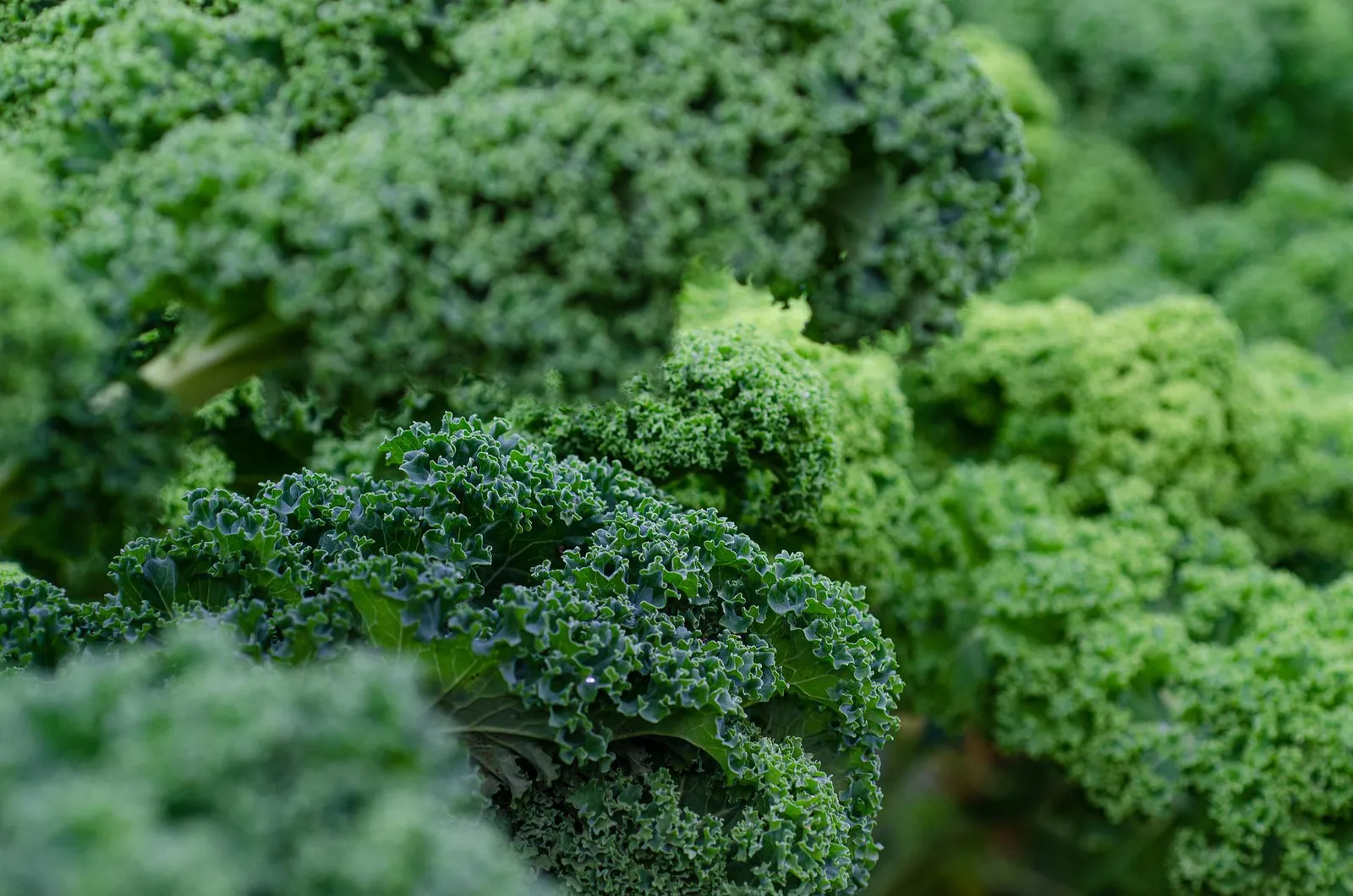
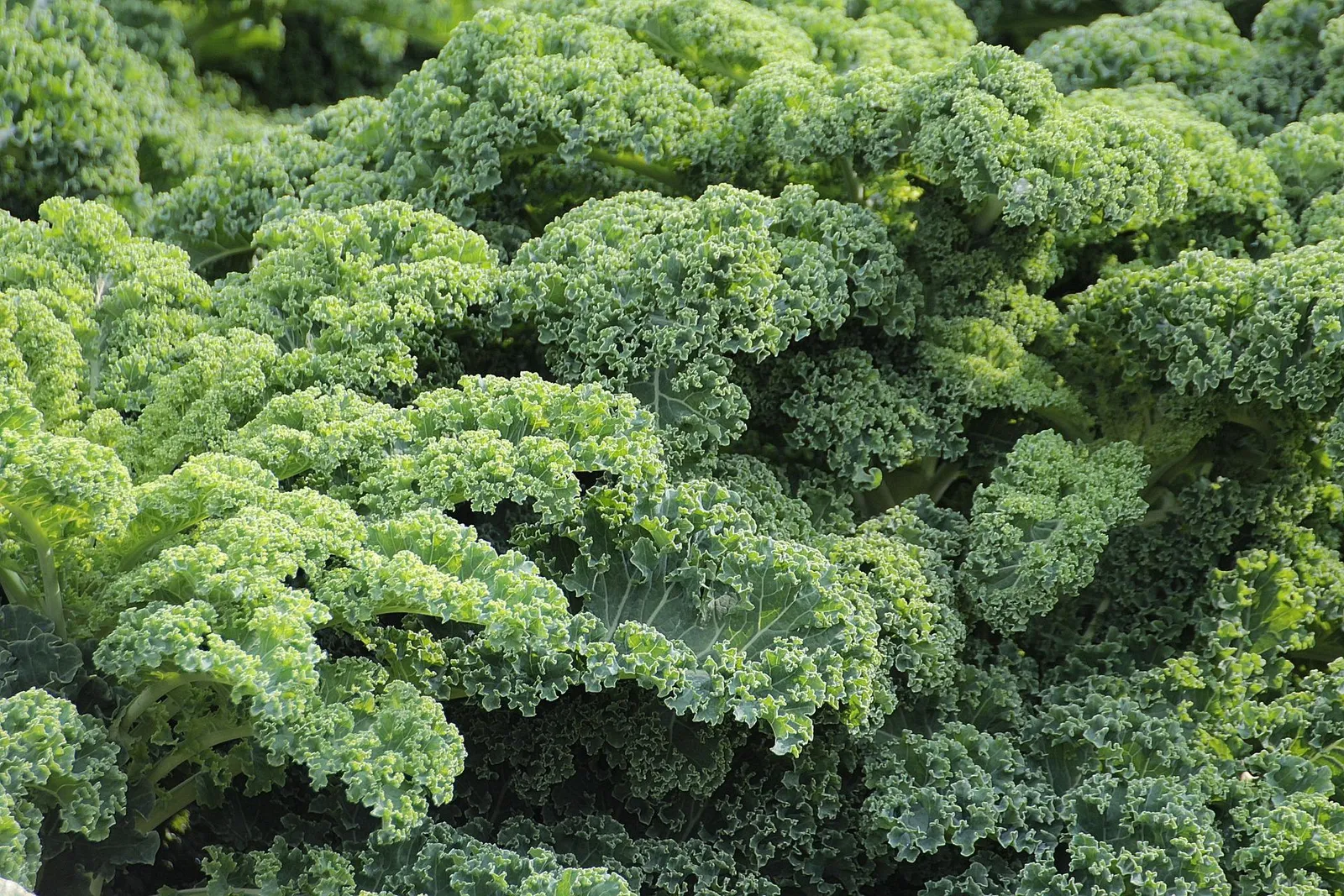
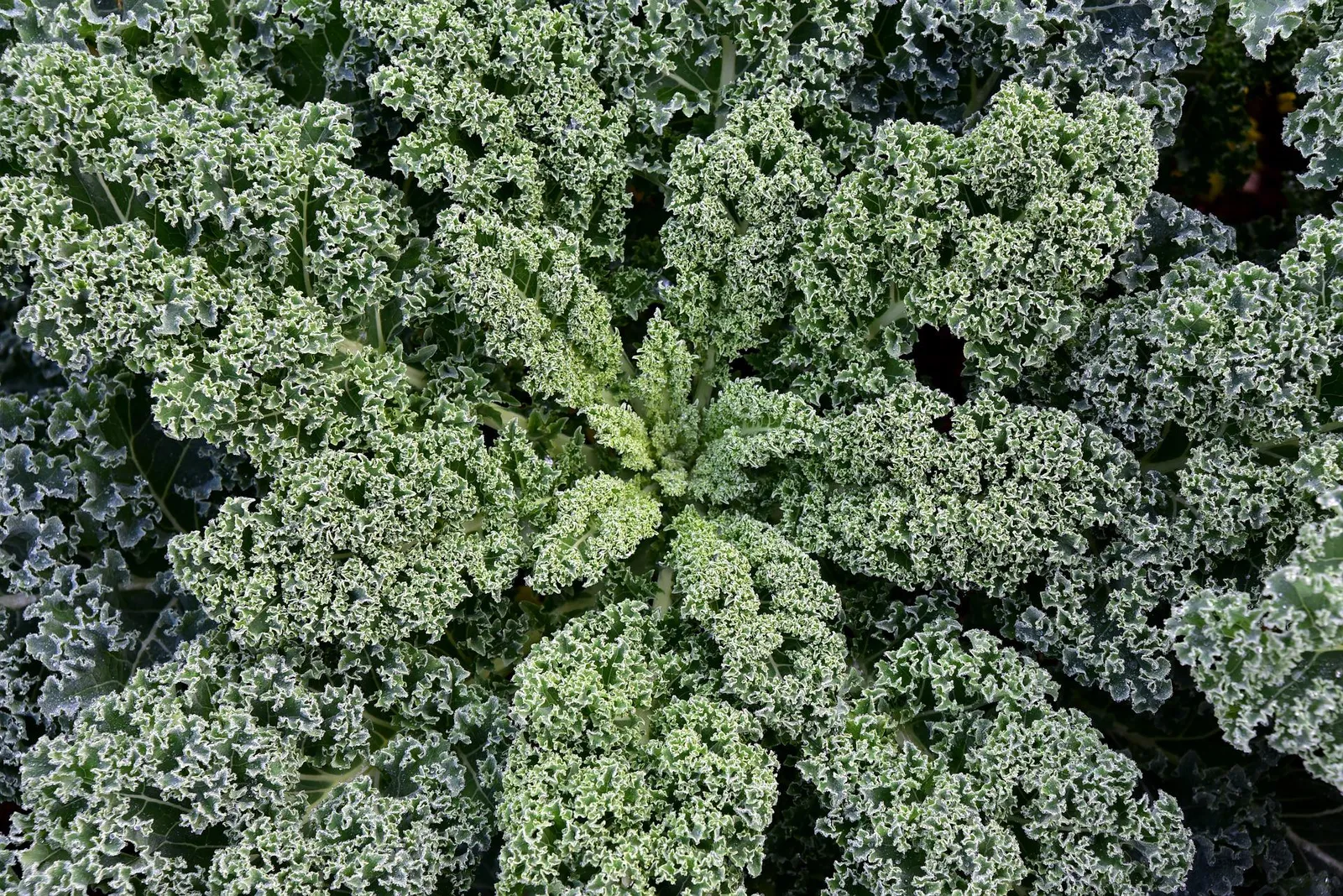
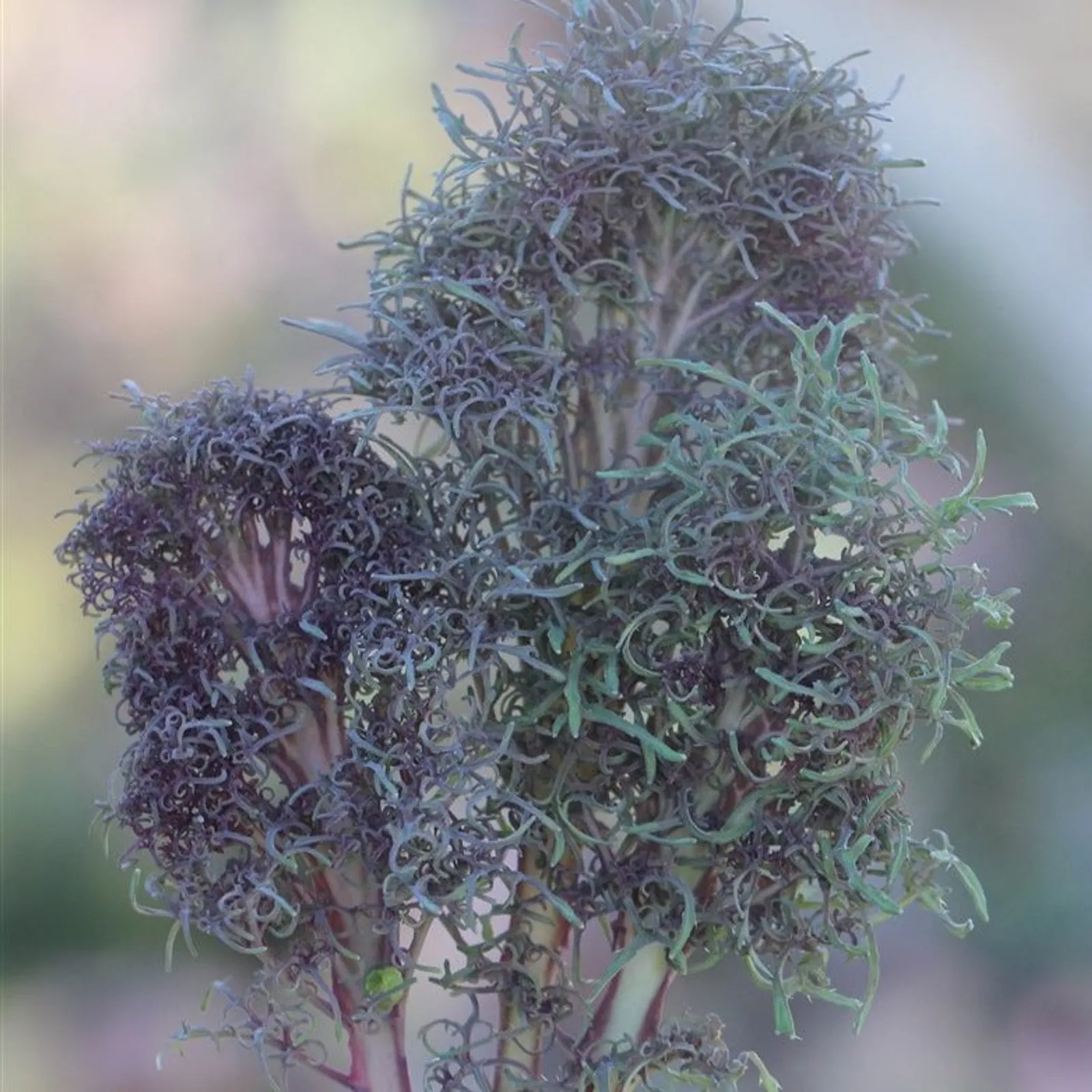
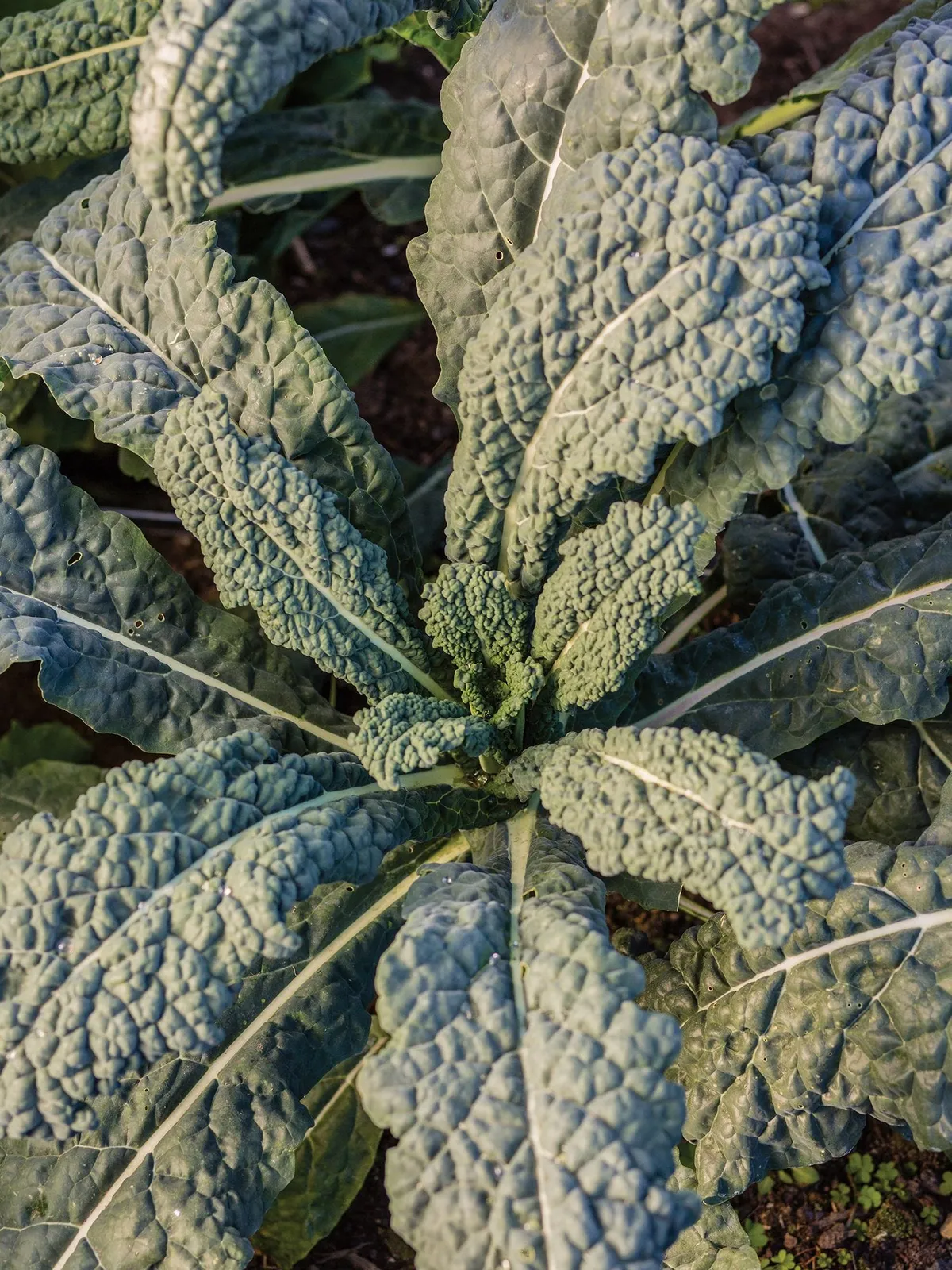
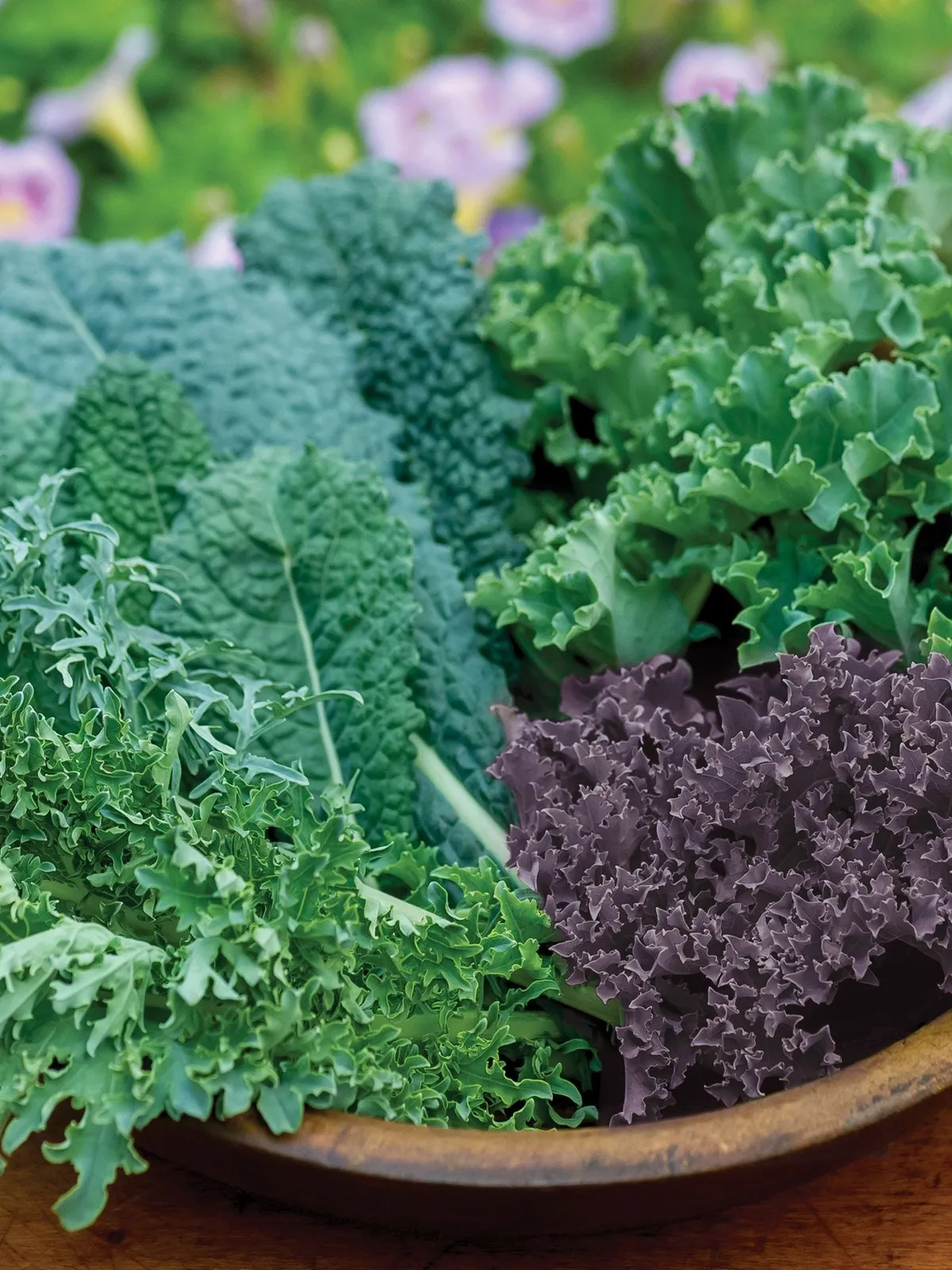
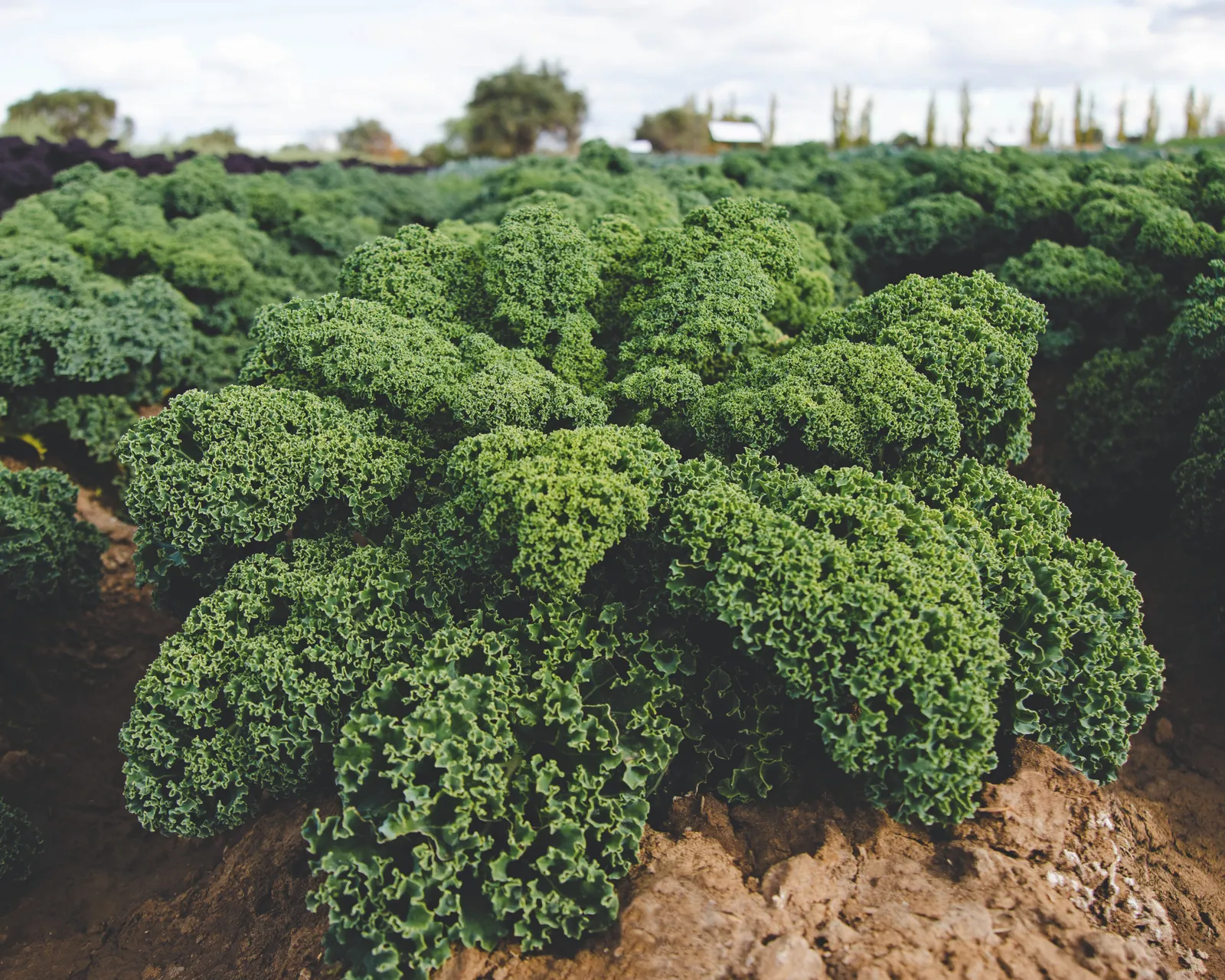
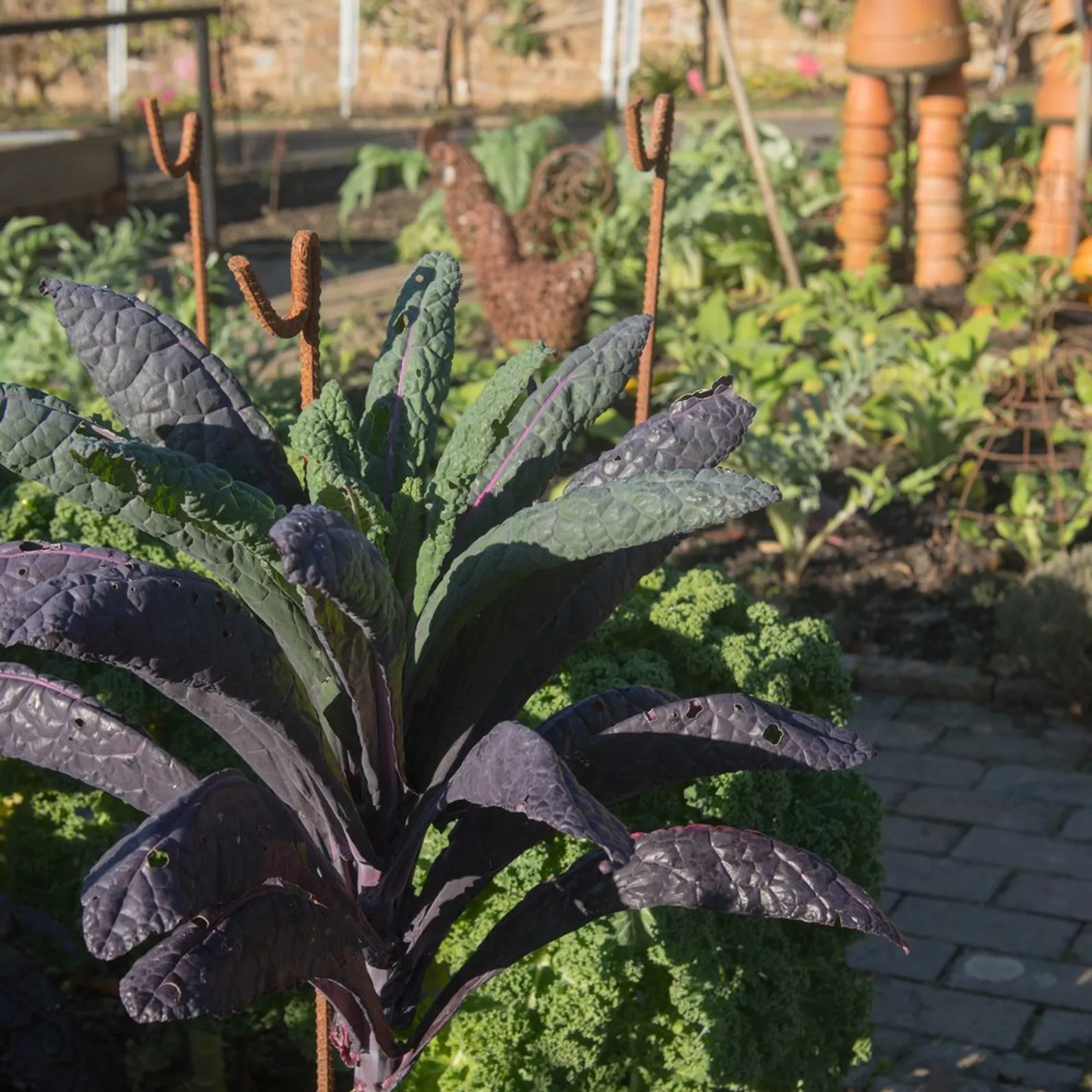
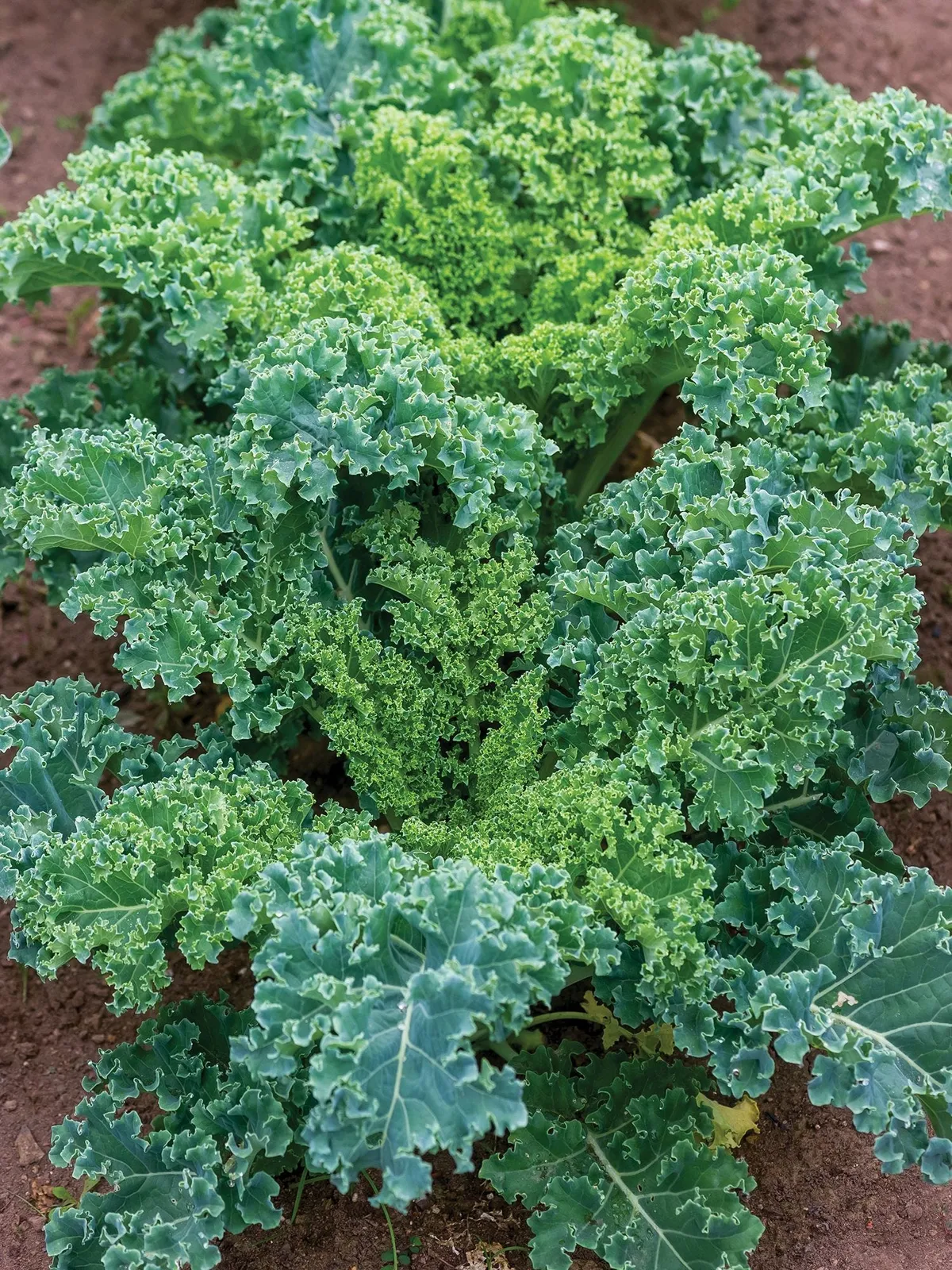
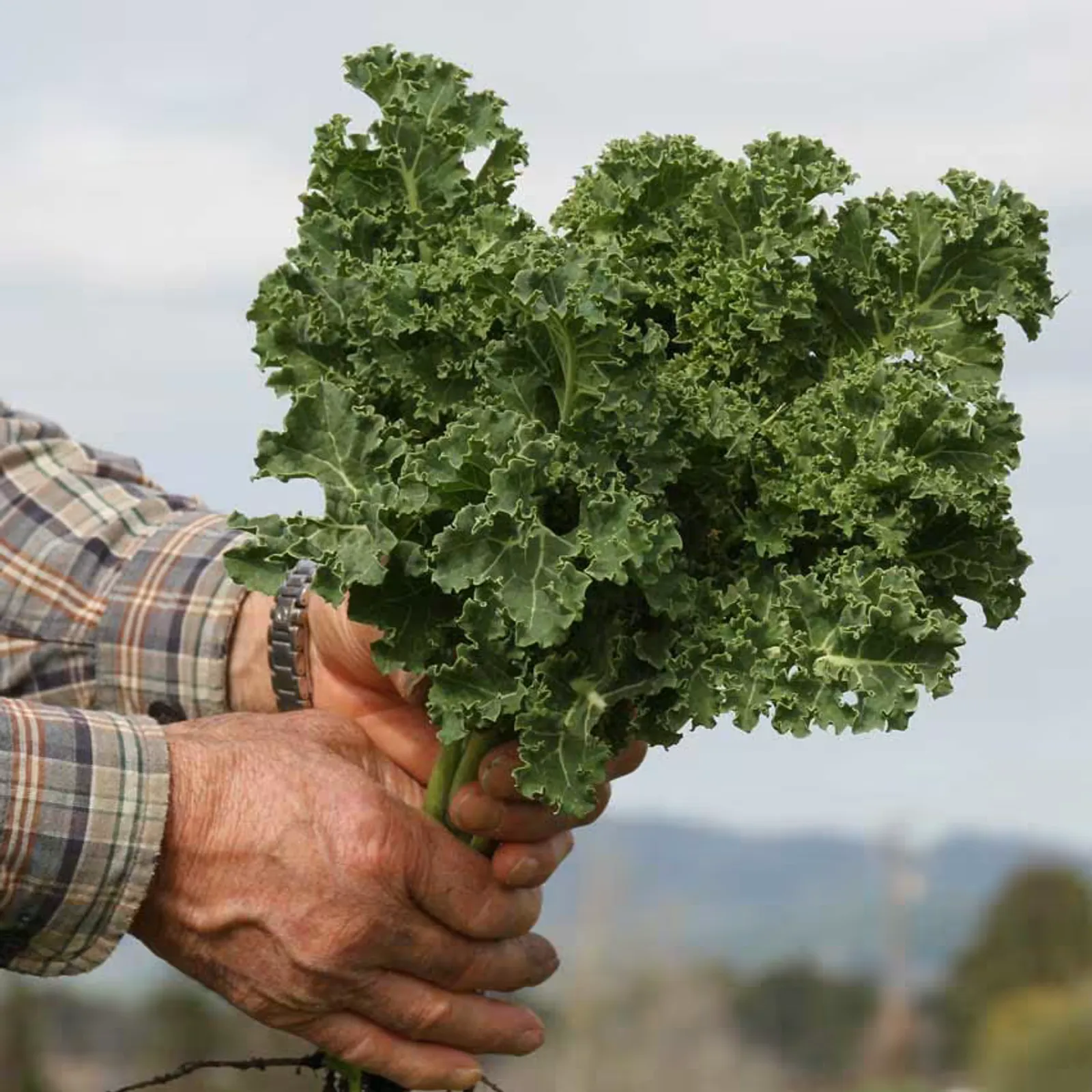
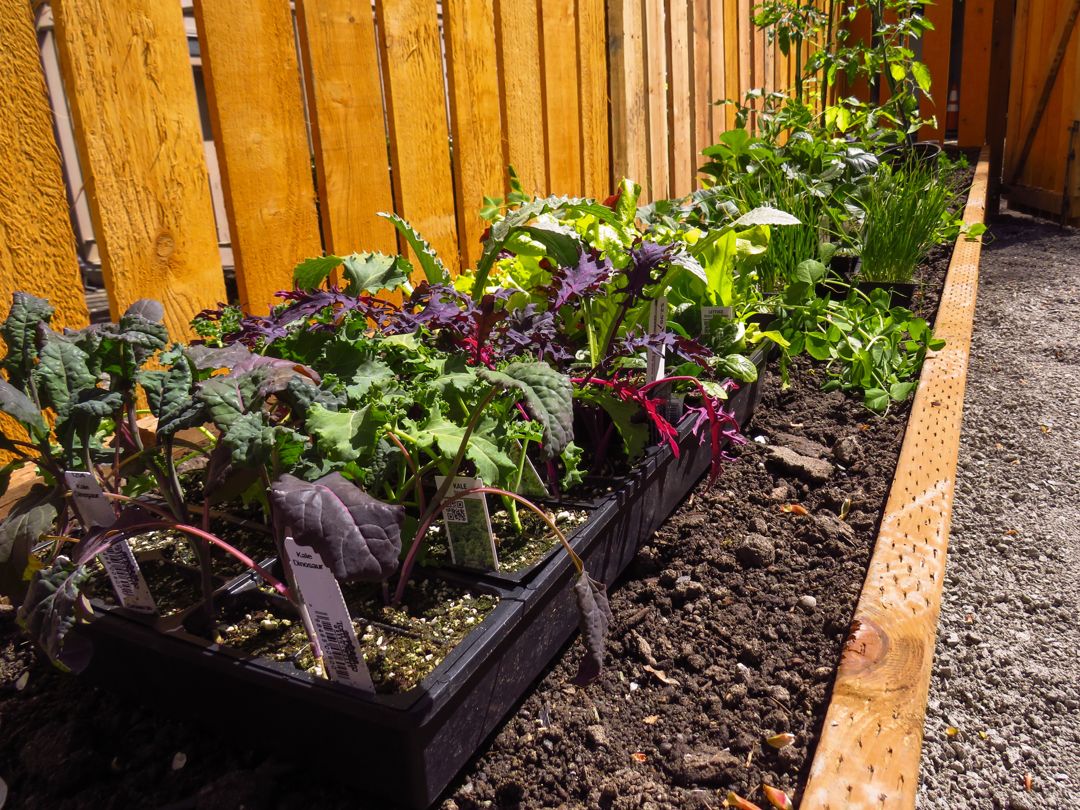
Kale has received a lot of attention lately for its health-promoting properties. However it is a historically significant crop that's been cultivated for food for thousands of years! Some well-known types of kale include curly kale (Scotch kale) and Tuscan kale (aka. dinosaur kale or lacatino kale), as well as Russian and Siberian kales (Brassica napus var. pabularia). There is also Jersey Kale (B. oleracea var. longata) which is used for animal fodder and to make walking sticks (!) and ornamental kales which are beautiful but not pleasant to eat. Kale is often grown as a spring or a fall crop, however in cooler regions it can be planted in spring and harvested continuously throughout the entire season. In milder regions kale can be sown in fall and grown over winter. Some gardeners also grow baby kale which can be used on its own or combined with other greens in a salad mix.
How to Grow Kale
Quick Info

Put away the pen and paper
Plan your veggie garden in minutes with Planter's easy drag and drop planner.
Try Planter for Free
Varieties
Related Articles
.jpg)
Companion Plants









Combative Plants



Nutrition
Vitamins




Nutrients










Pests
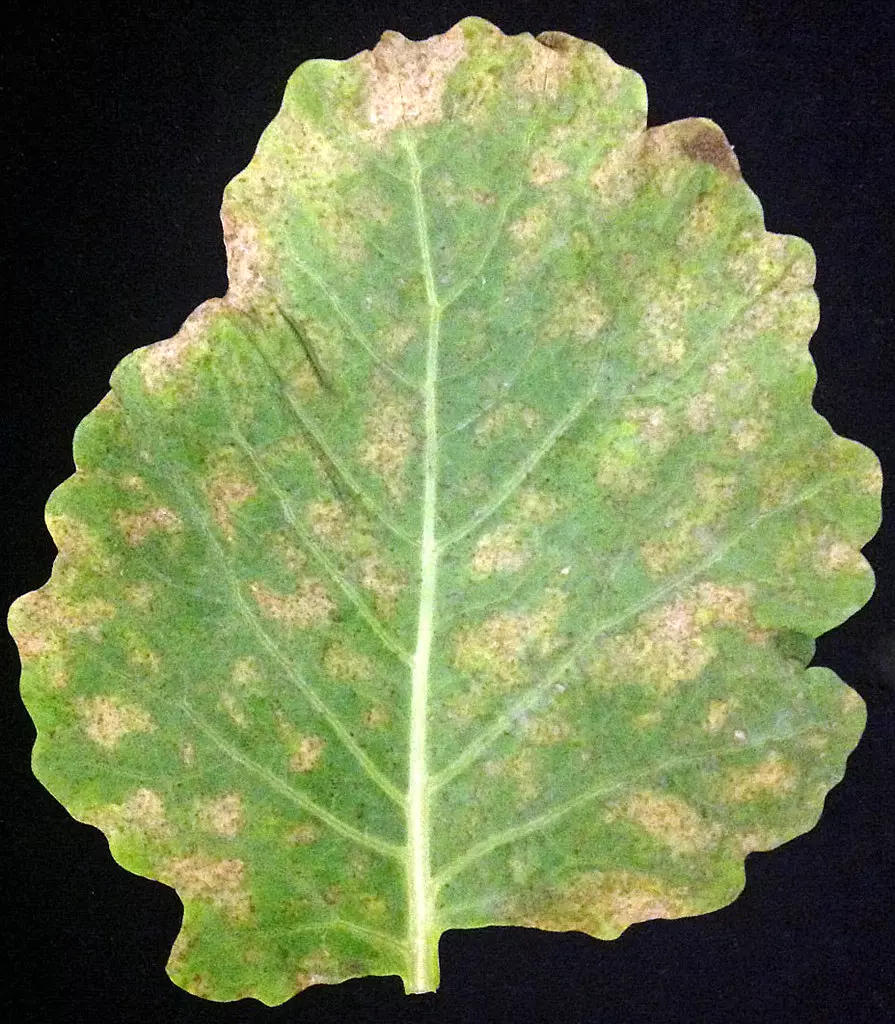
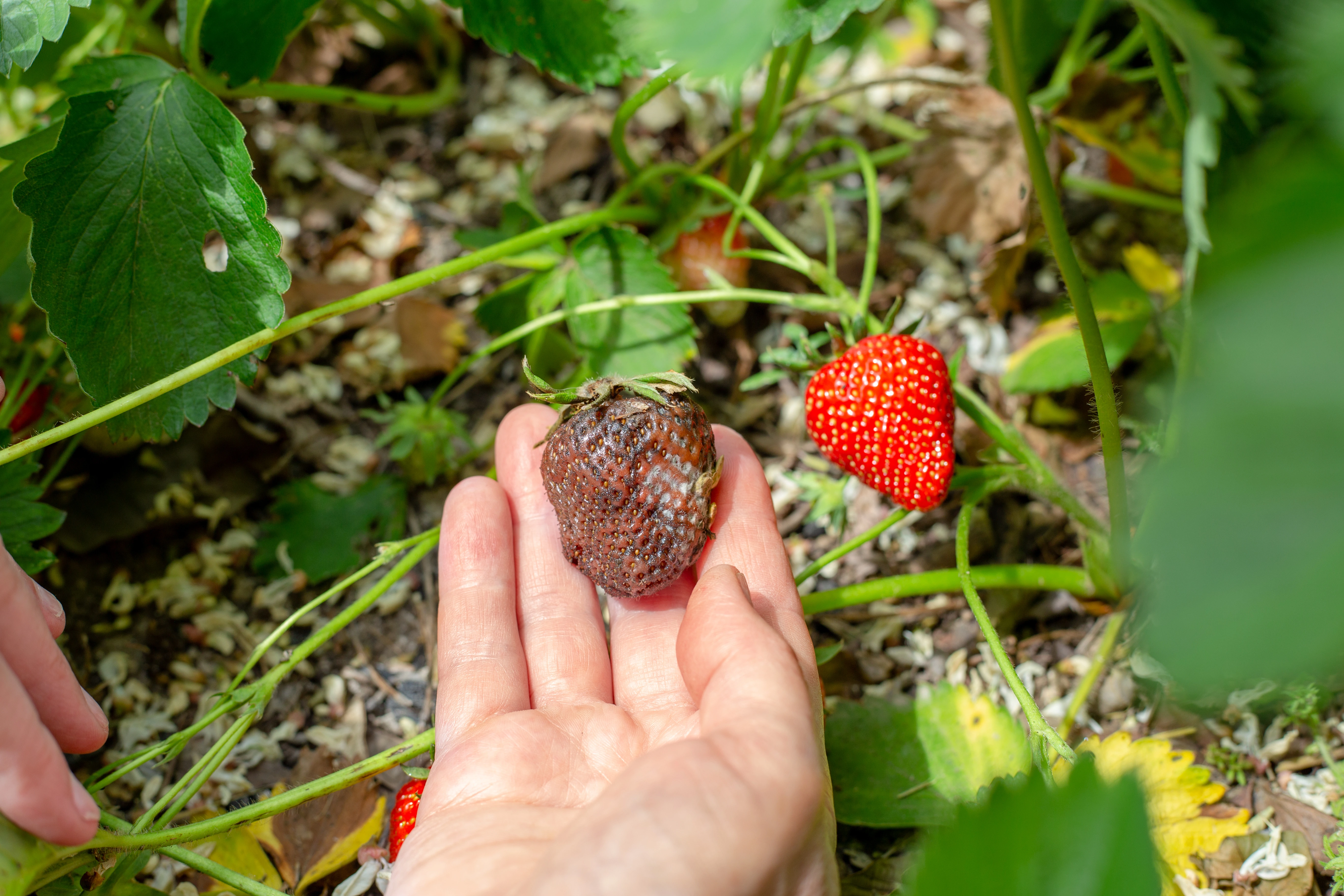
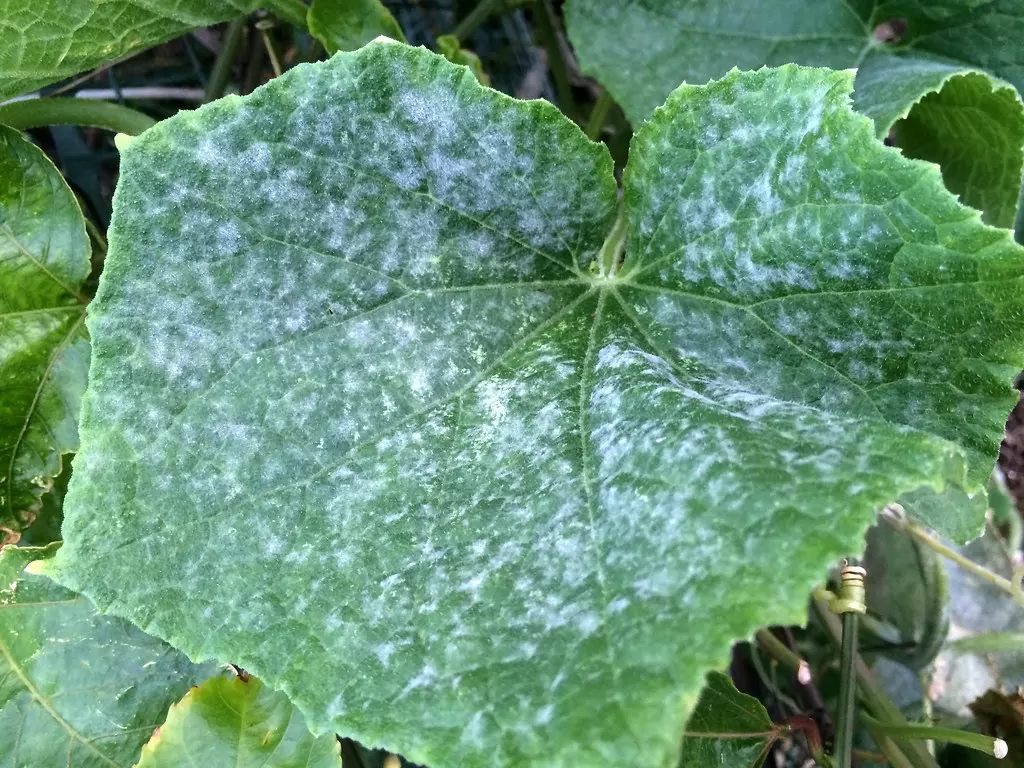
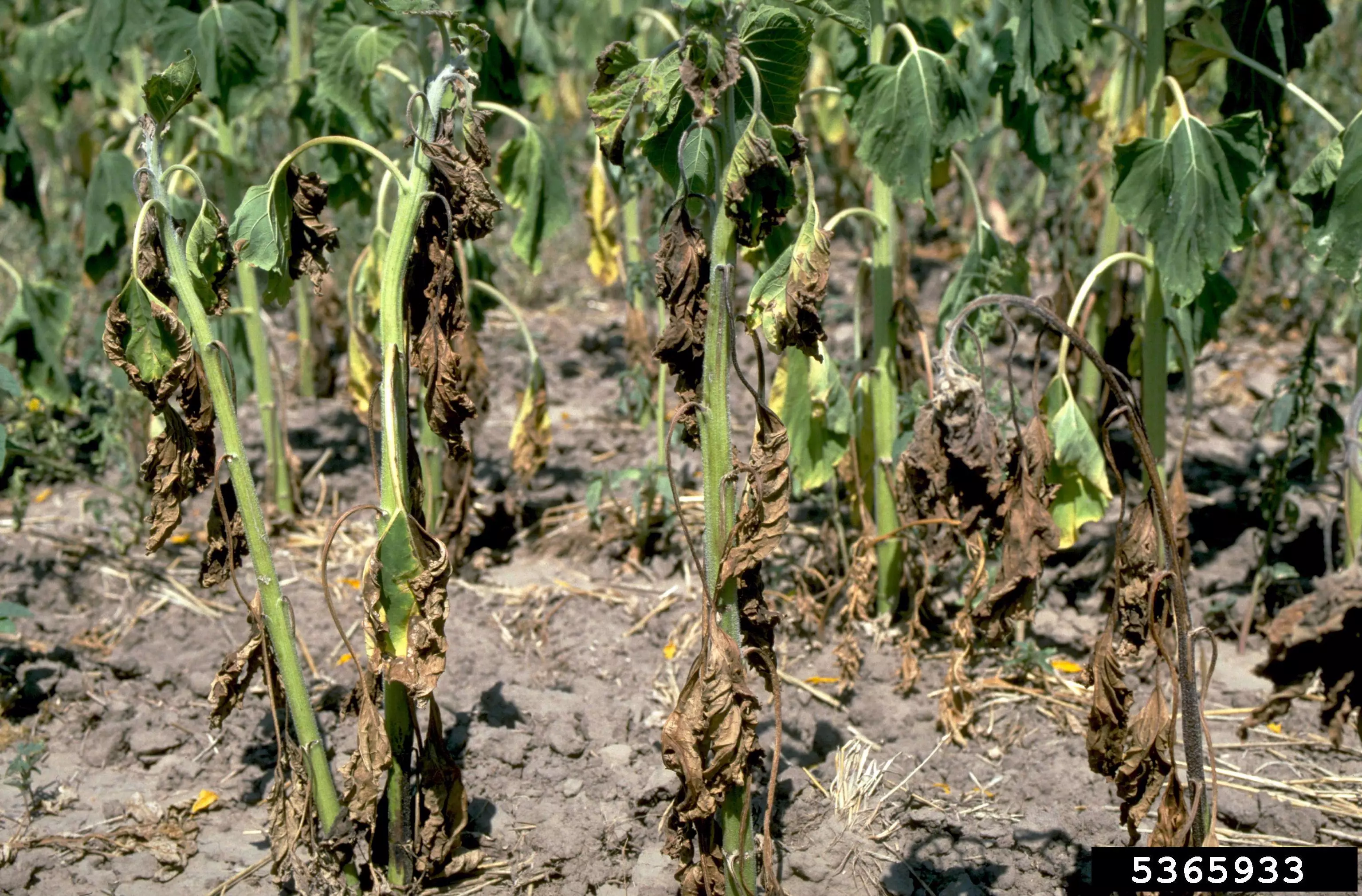
Diseases
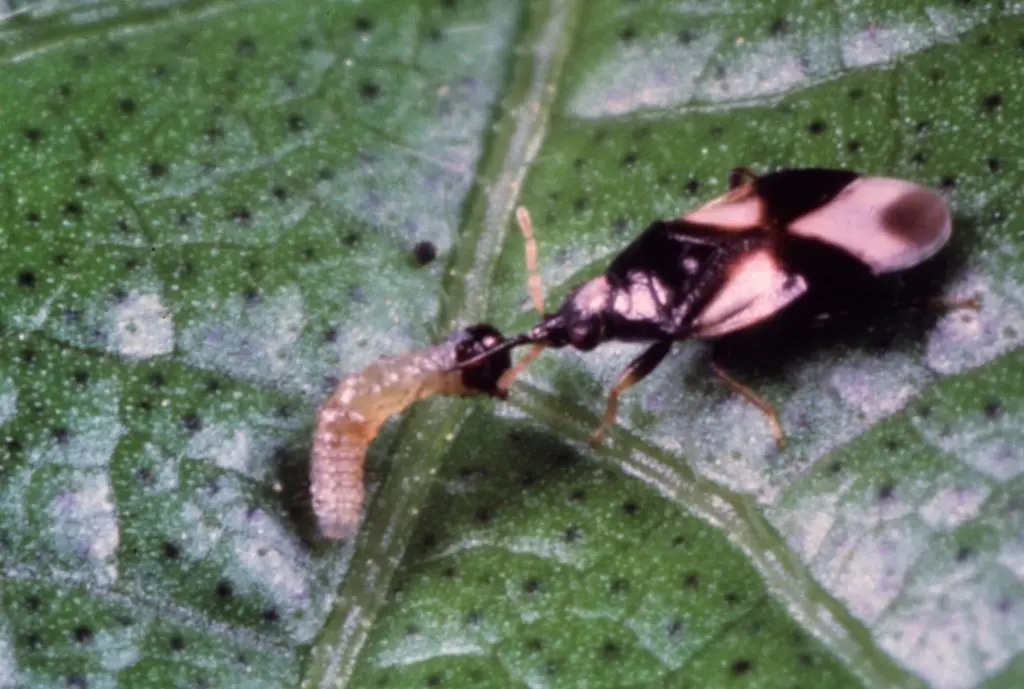
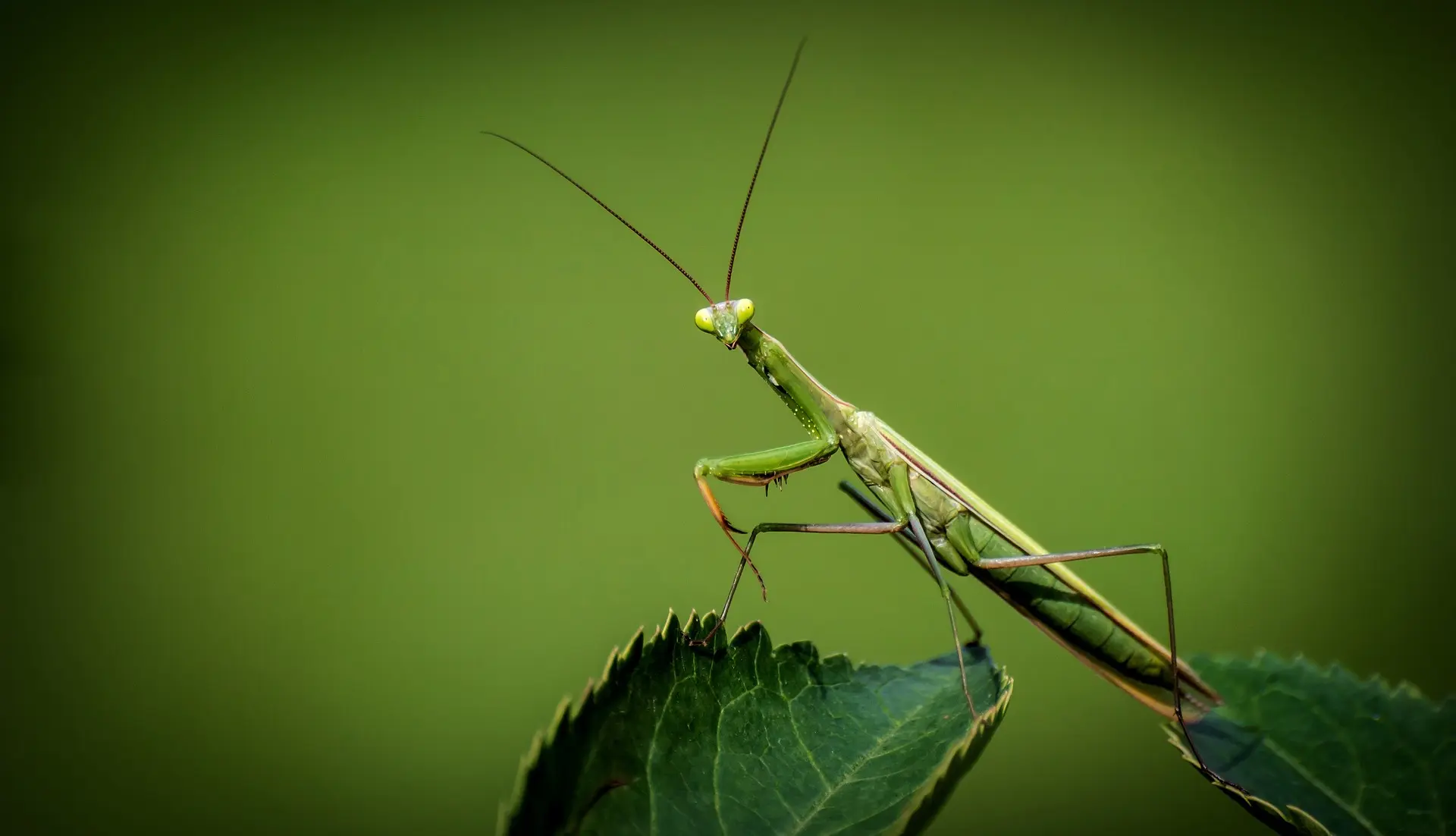
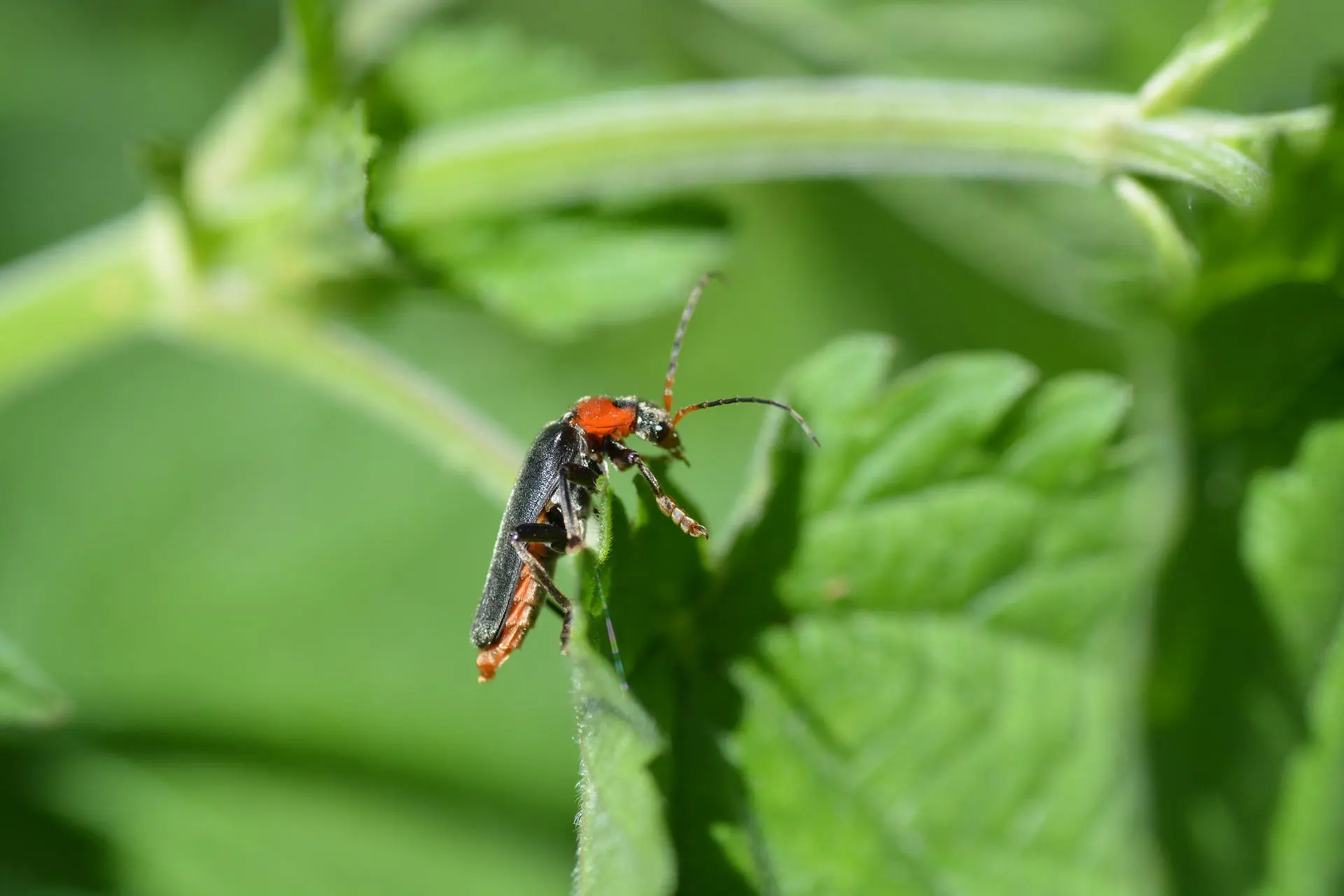
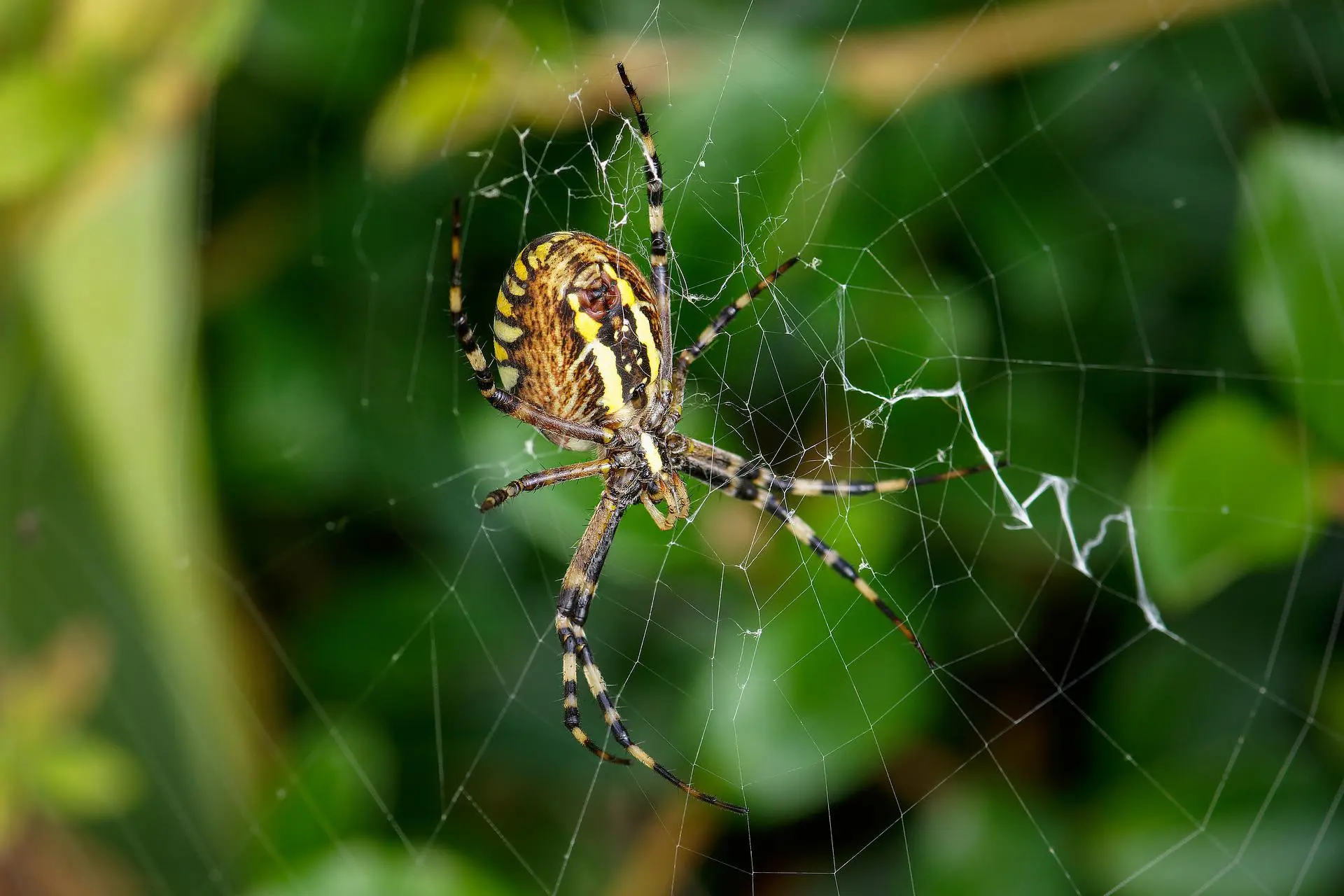
Beneficial Critters
Growing from Seed
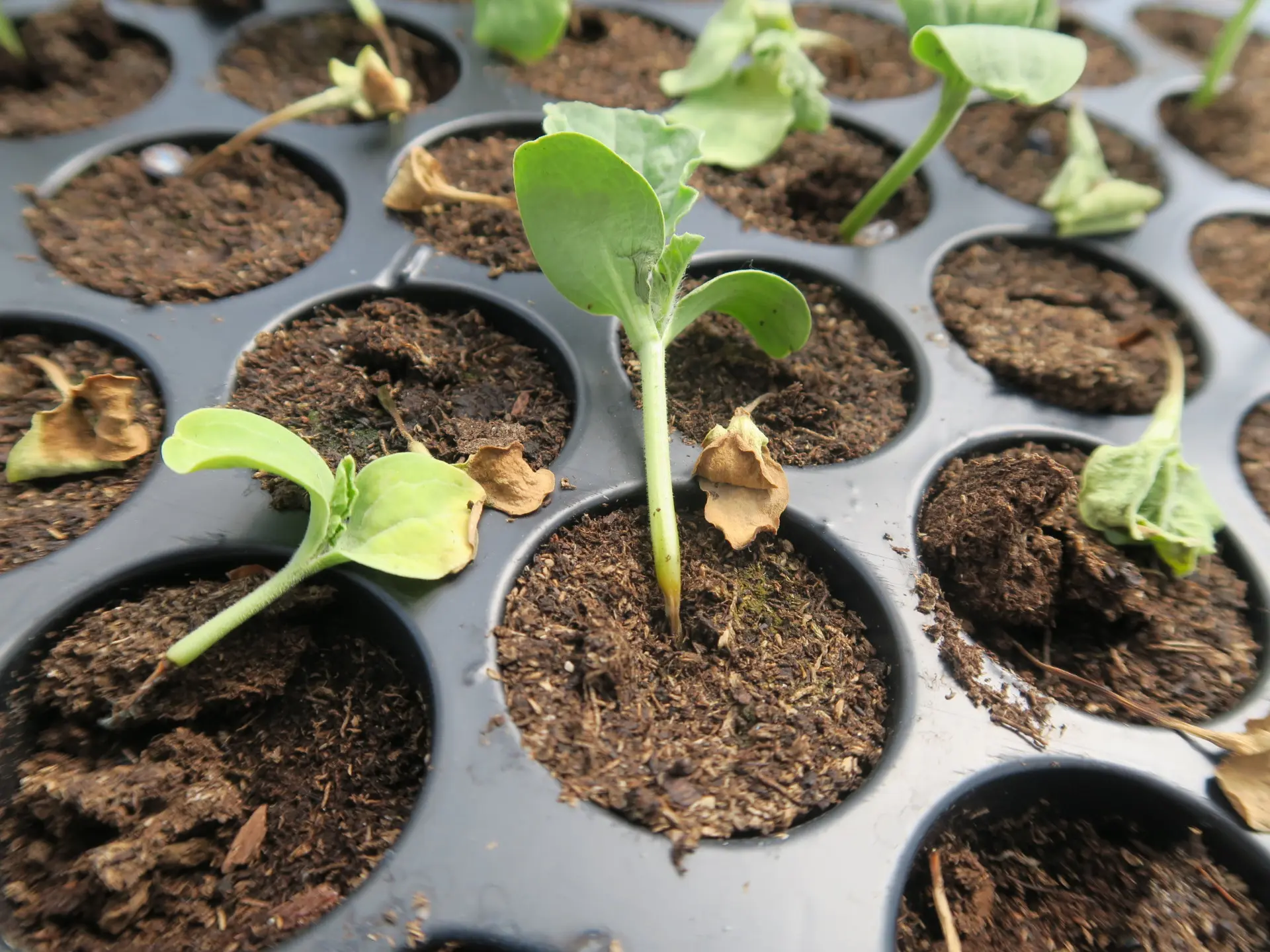
Kale seeds can be directly sown in the garden in early spring or they can be started indoors. If starting indoors, keep the seed starting mix consistently moist but not wet. A heat mat can be used to aid germination but excessive heat after germination can cause the seedlings to become leggy and weak. Turn off heat mats as soon as seedlings emerge and be sure your grow room is cool. Use grow lights to provide supplemental light as soon as the seeds germinate.
Planting Considerations
Kale prefers fertile, loamy soil that retains moisture but does not become waterlogged. Add compost to the soil at the time of planting. Kale planted for baby leaf production can be spaced much more intensively than kale grown for full-sized leaves. If growing full-size plants (i.e., not baby kale), apply mulch around the plants to manage weeds and to help retain moisture. Kale is susceptible to many pests. Proper plant spacing, good weed control, and applying row cover or insect netting at the time of planting can help to minimize pest damage. To grow kale in a container be sure to choose a container that holds at least 3 gallons.
Feeding
Kale is a heavy feeder. Fertilize regularly throughout the growing season with a balanced fertilizer (unless you are growing baby kale in which case incorporate fertilizer at the time of planting). Kale requires ample sulfur and boron. If your soil test indicates a deficiency be sure to amend your soil prior to planting kale.
Harvesting
Baby kale greens are harvested when the plants are very young by cutting the entire topmost part of the plant with a knife. Larger individual leaves can be harvested once the plant is at least 10-12" (25-30 cm) tall. To harvest kale leaves snap or cut the lowermost leaves off the plant as close to the stalk as possible. Leave the upper leaves intact to continue growing. The flavor of kale leaves gets sweeter after frost so keep plants growing well into fall and even winter. Row cover can help to extend the harvest. When the plant is done for the season (or when you are ready to stop harvesting- whichever comes first!) the entire top part of the plant can be cut off the stalk.
Storage
Whole kale leaves can be stored in the fridge for up to several days. Kale can also be chopped, blanched, cooled and dried then transferred to an airtight container or freezer-safe bag and frozen. Kale can be kept frozen for up to several months.