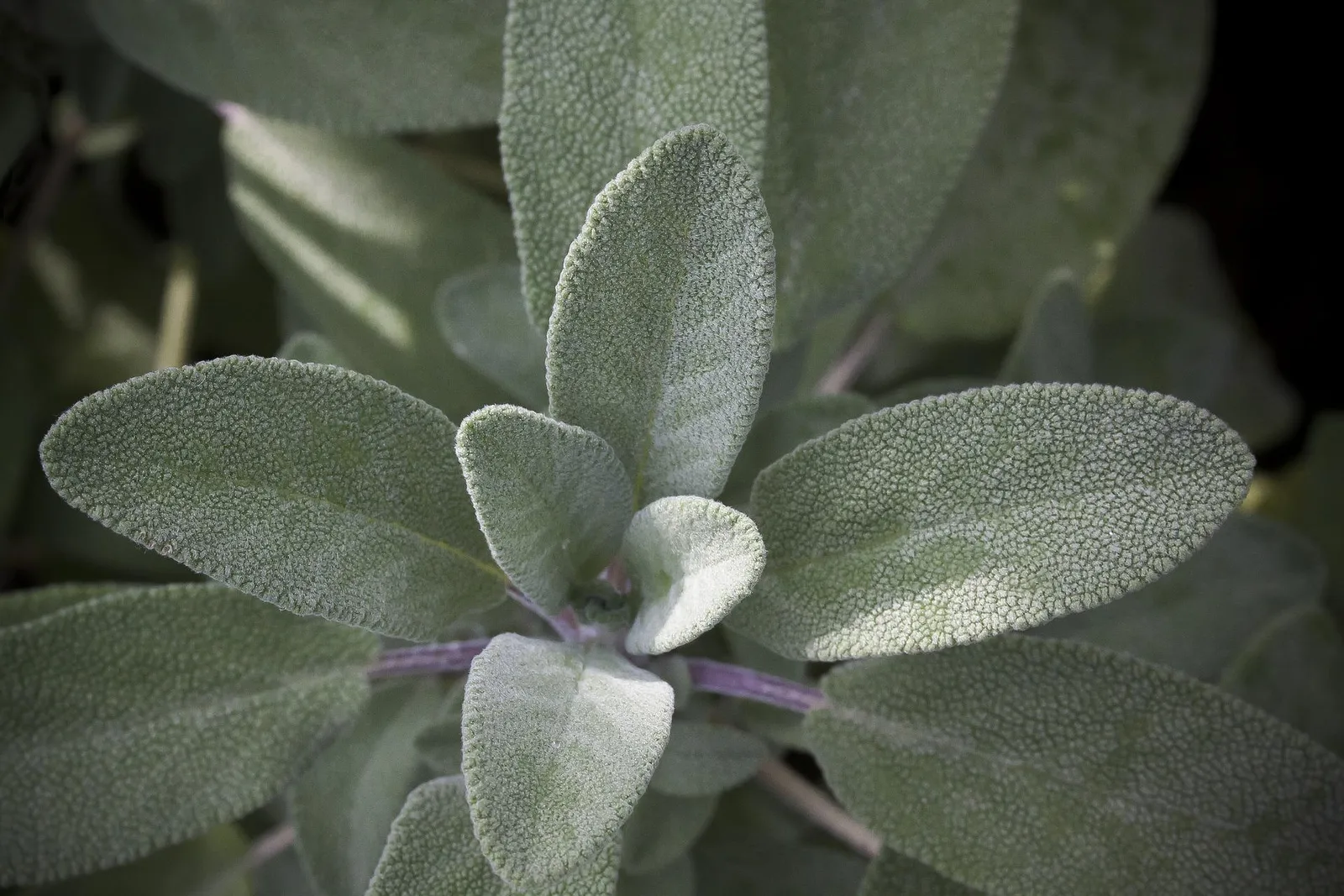
Sage
Salvia officinalis
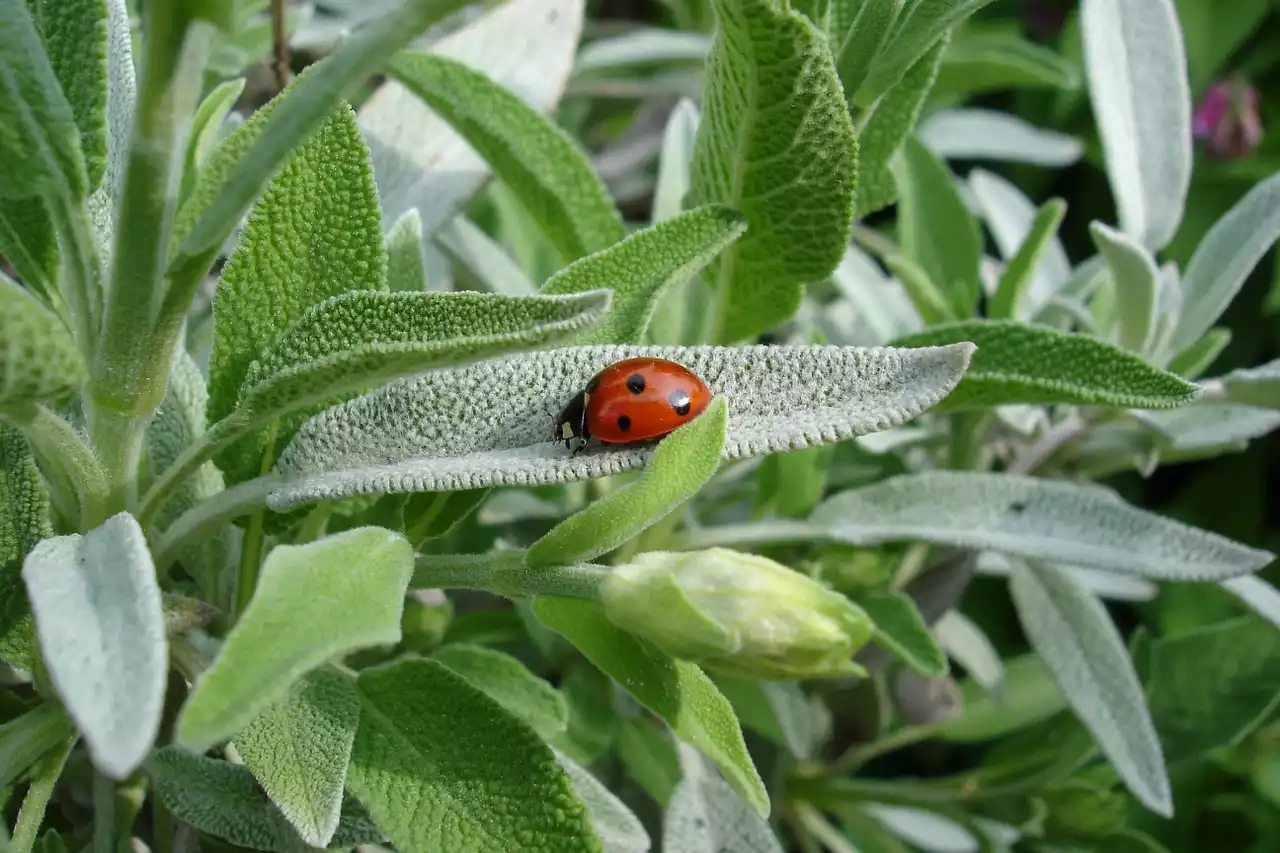
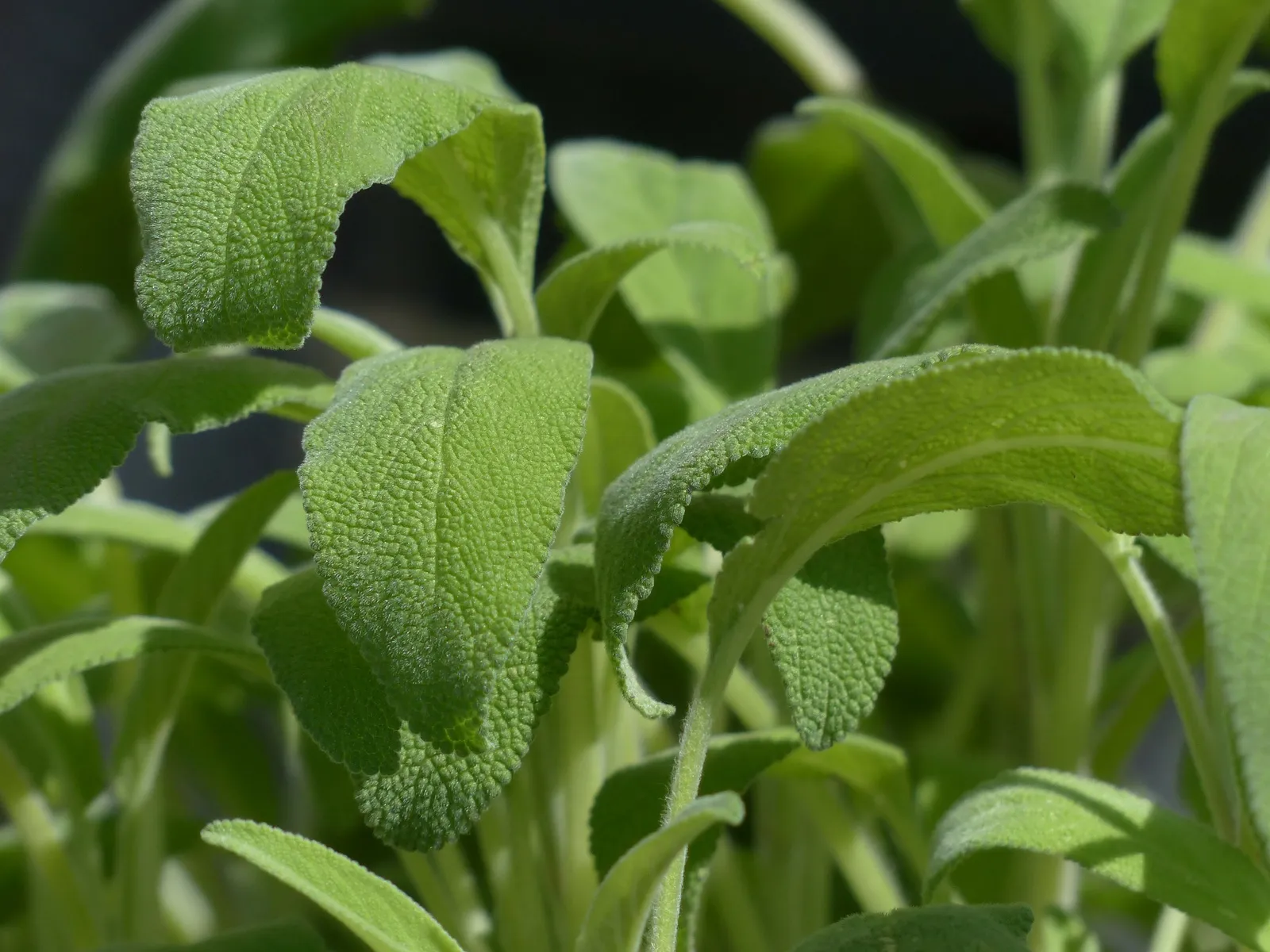
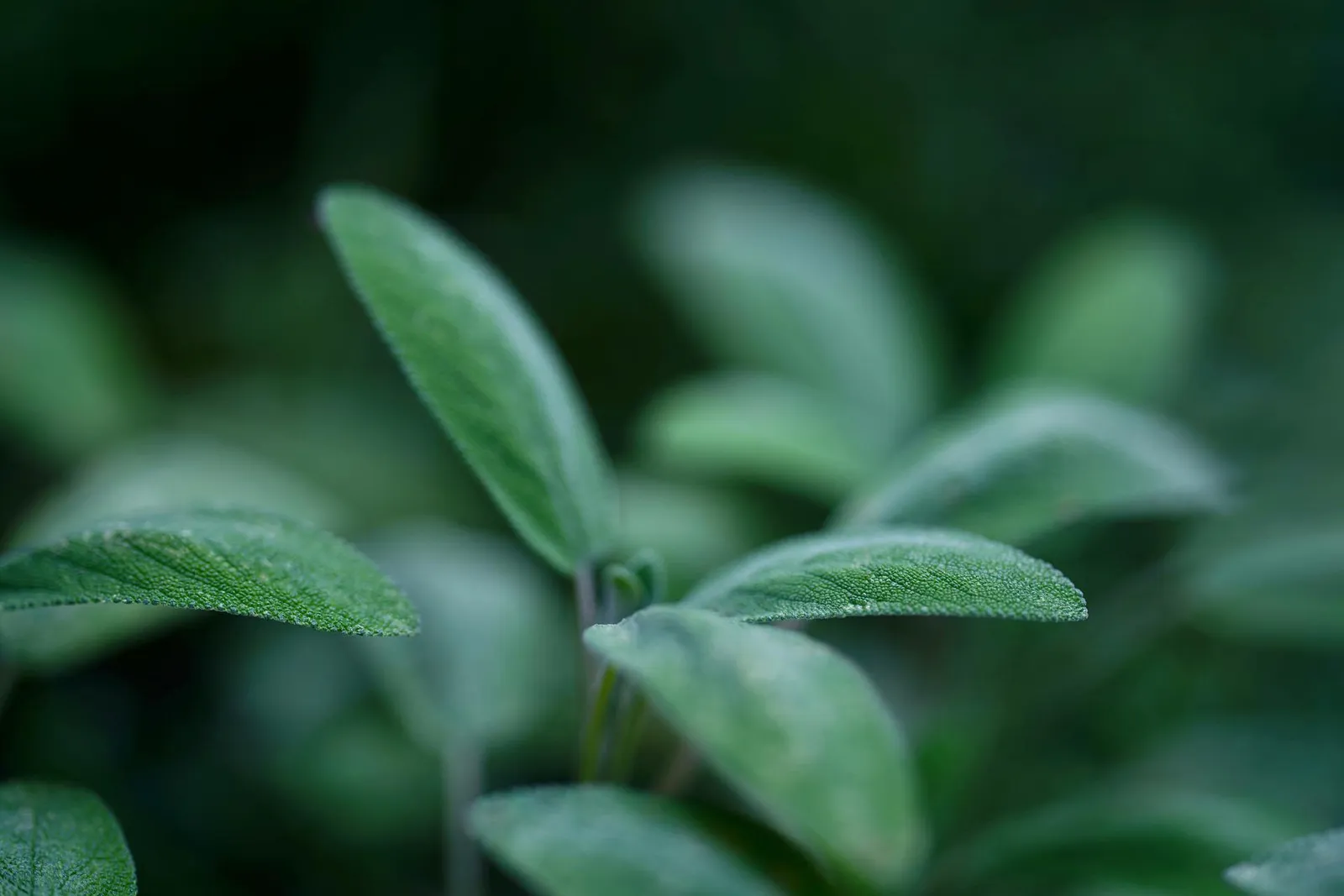
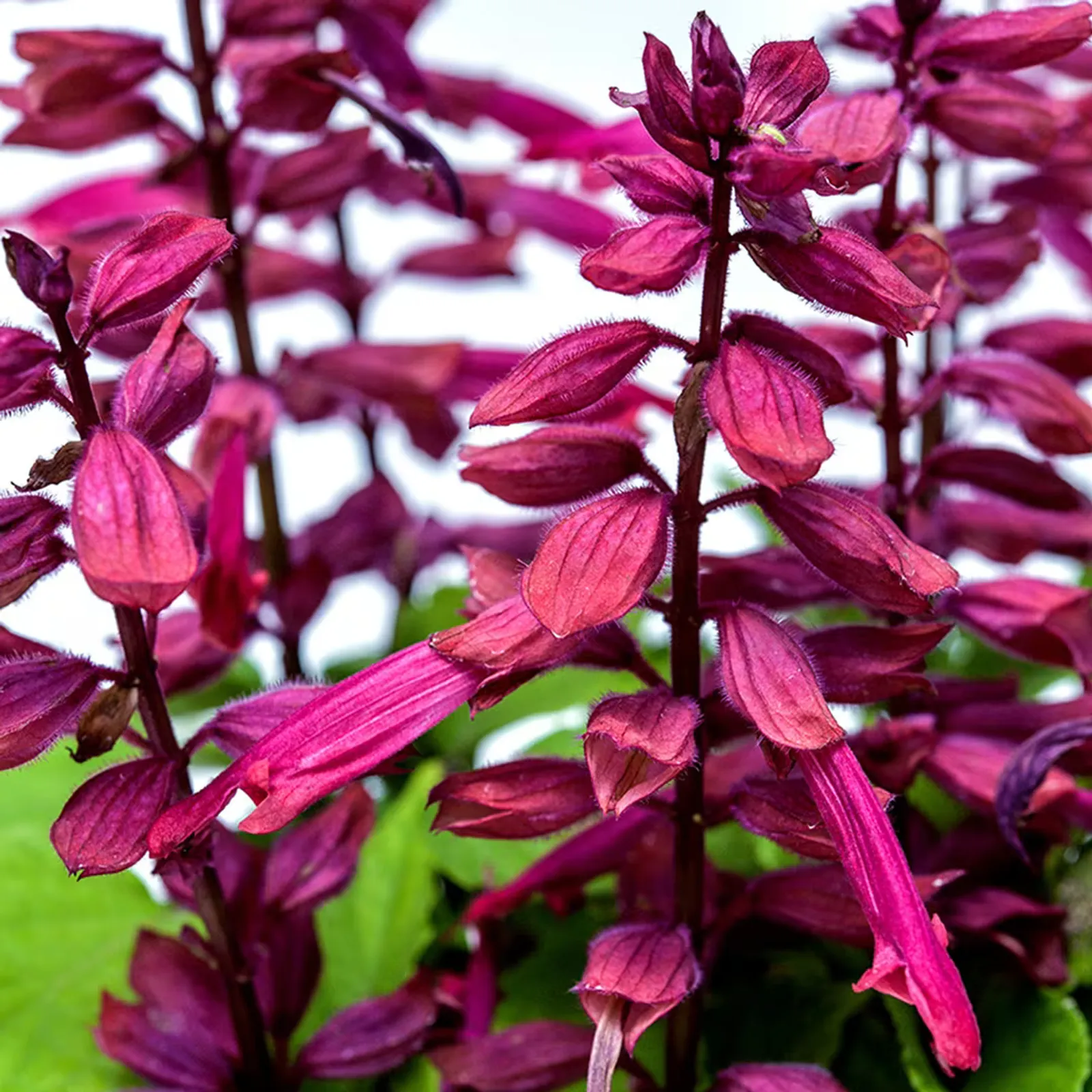
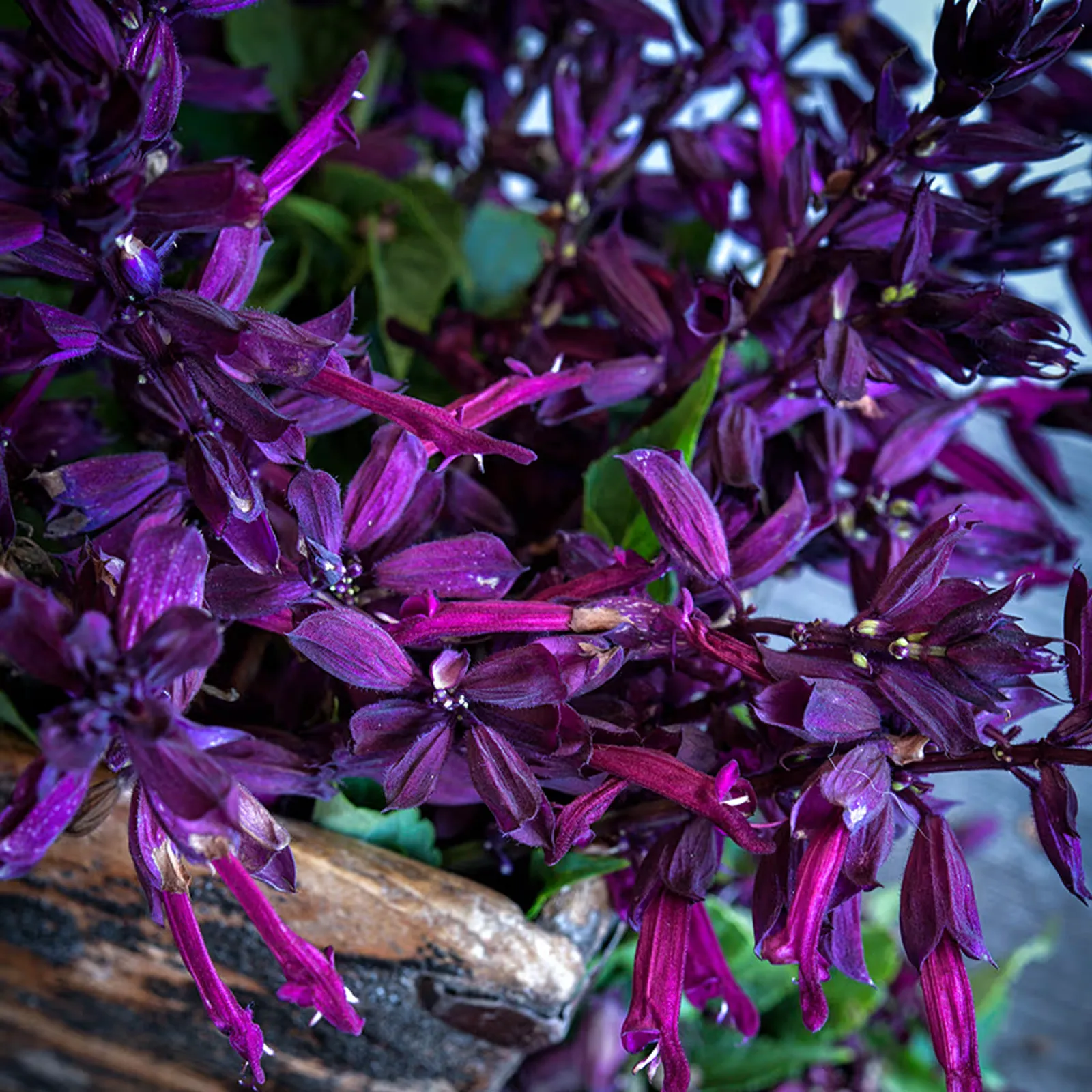
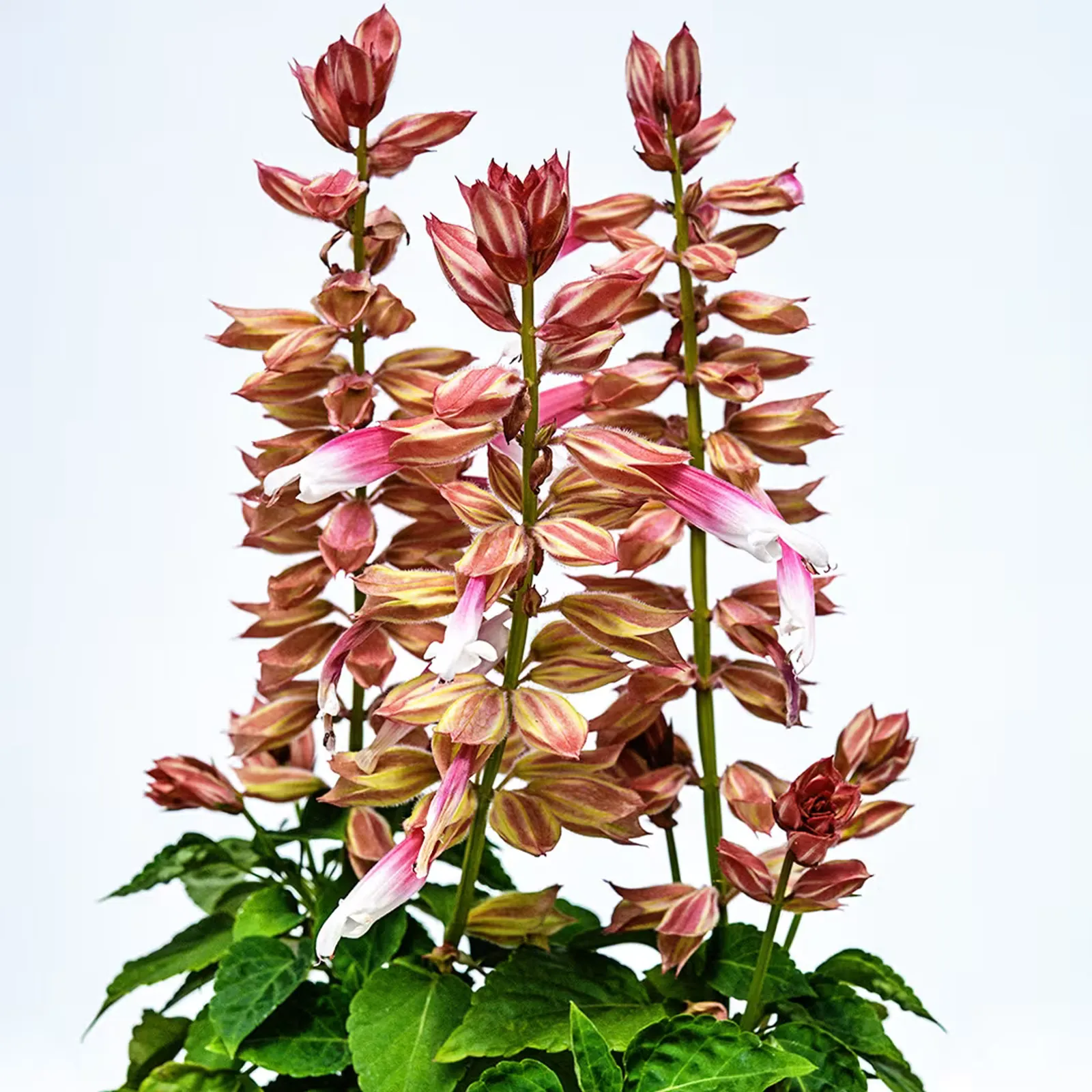
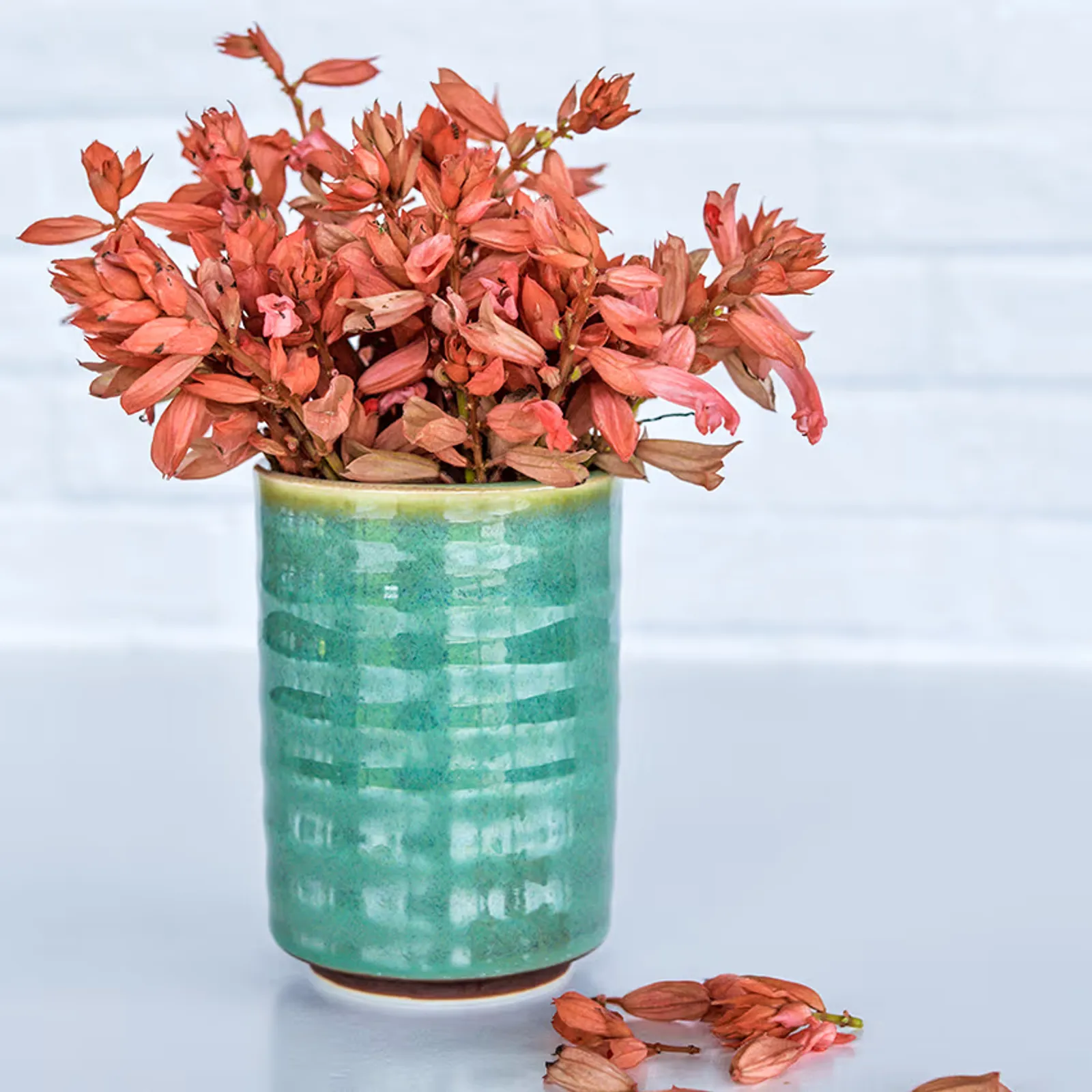
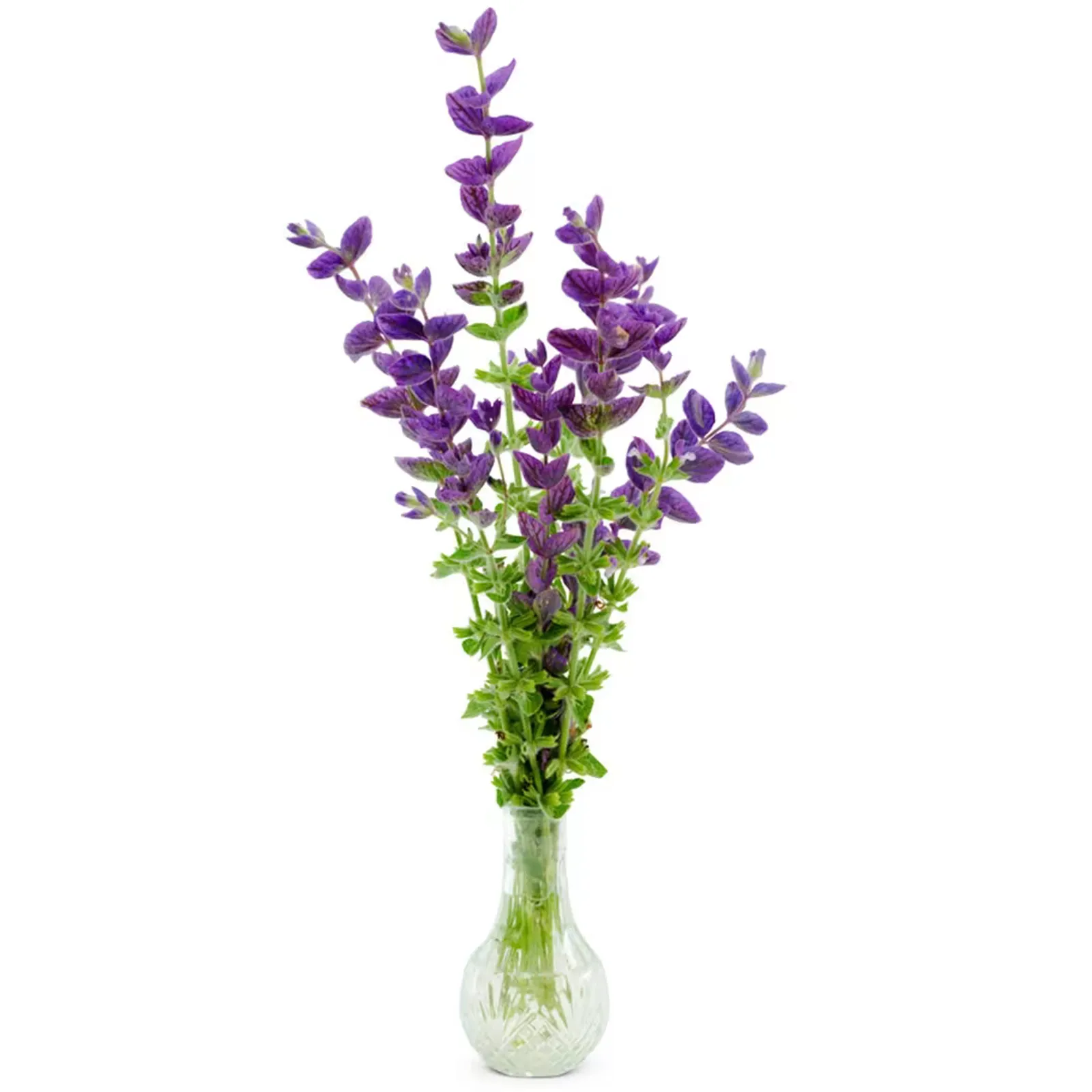
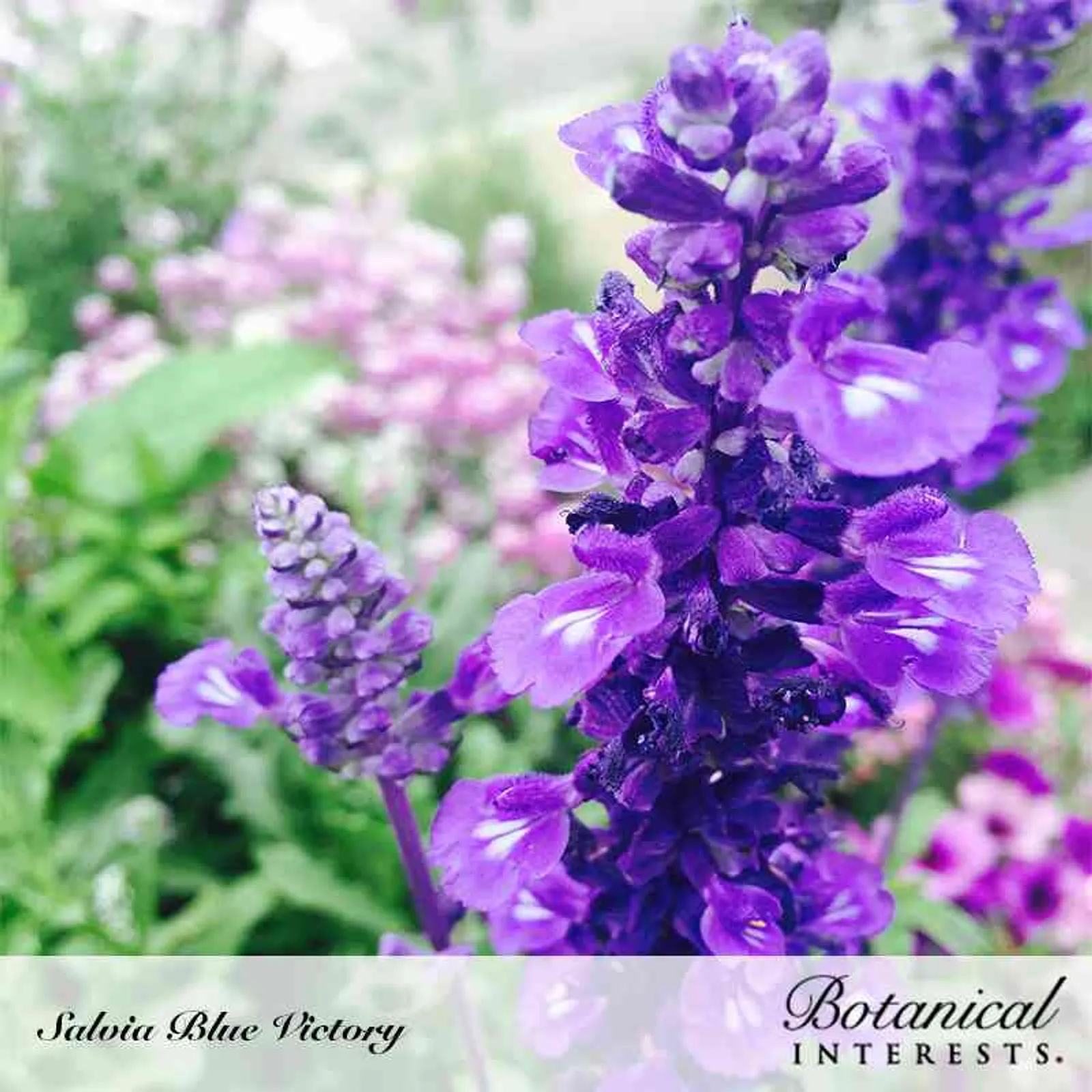
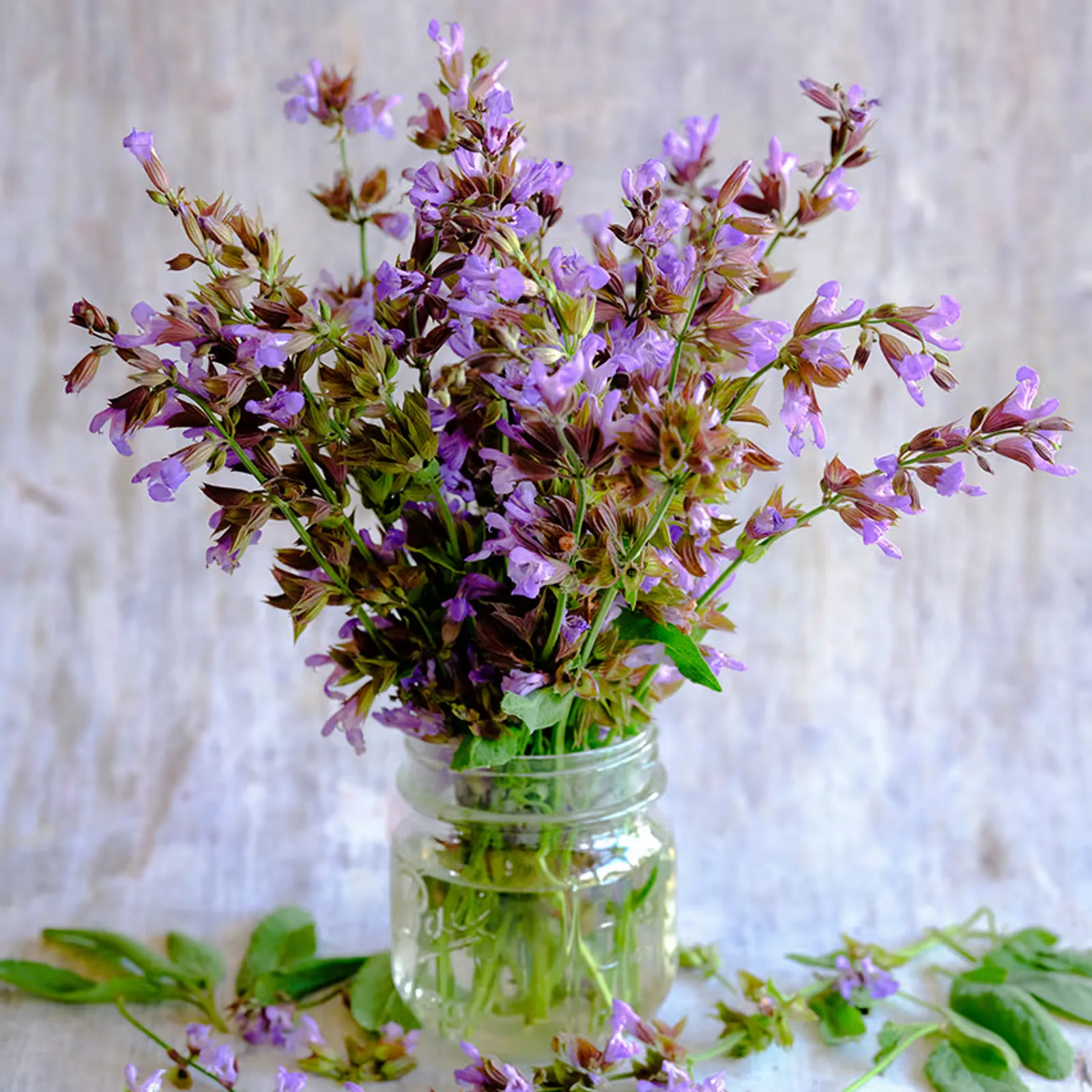
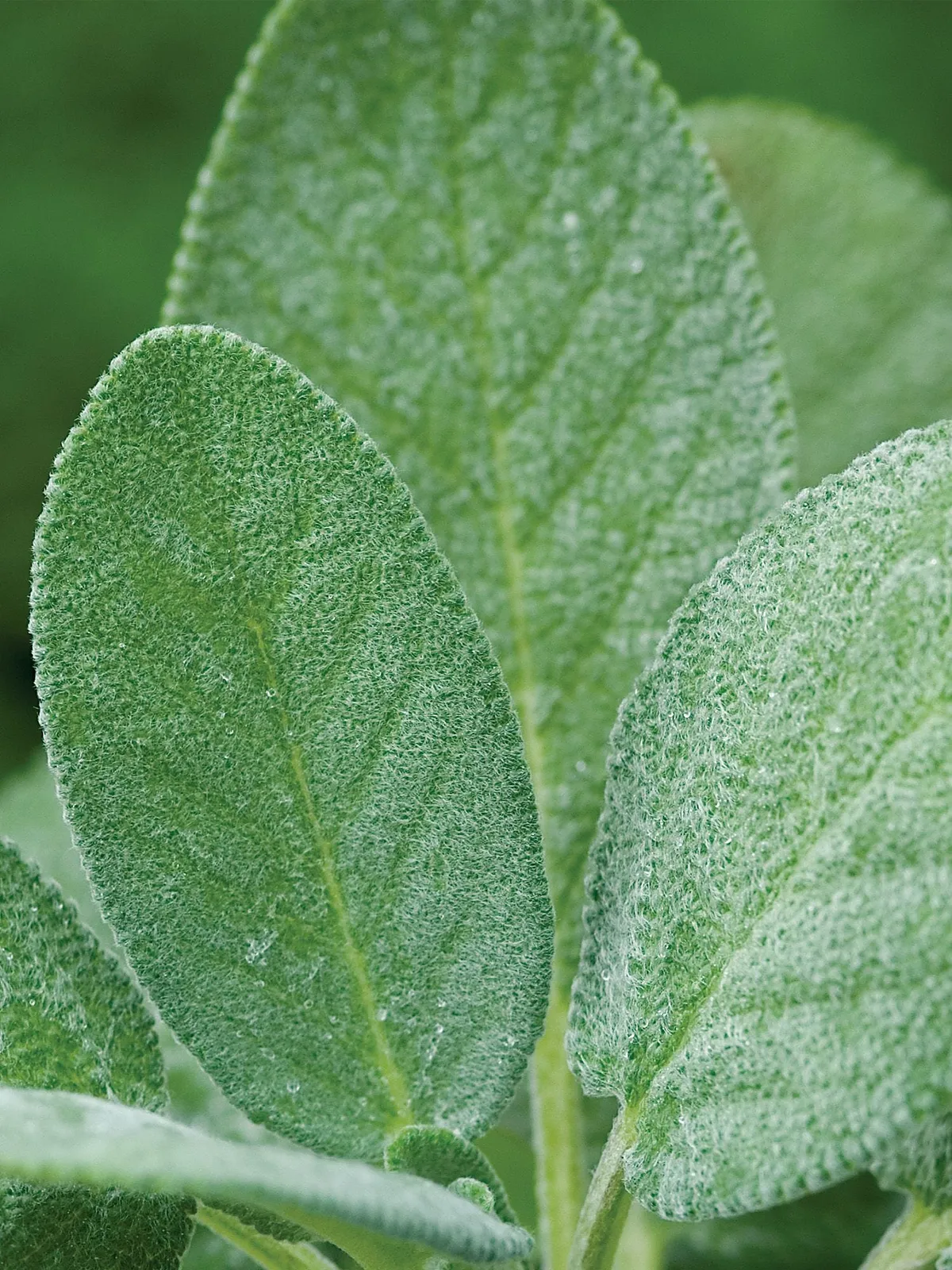
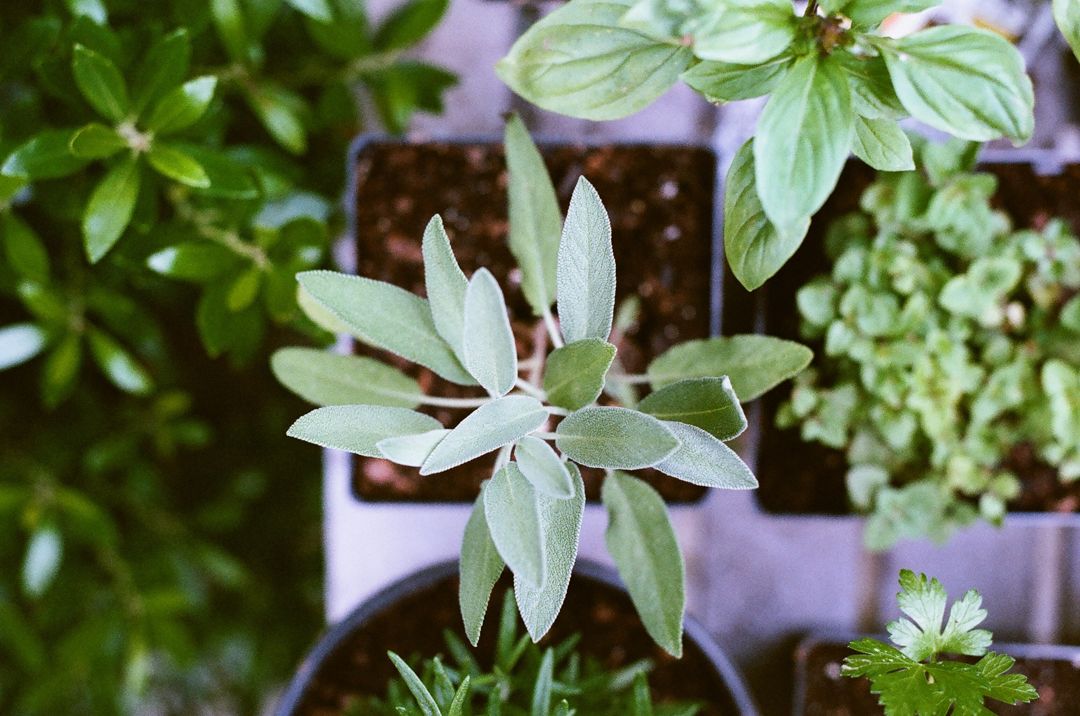
Sage is a hardy perennial with soft, grayish green leaves. Its flower colors vary; they can be purple, pink, blue, or white. Common sage is most often used for cooking; it's a classic in stuffing. However, there are hundreds of other varieties which make beautiful ornamentals!
How to Grow Sage
Quick Info


Put away the pen and paper
Plan your veggie garden in minutes with Planter's easy drag and drop planner.
Try Planter for Free
Varieties
Related Articles
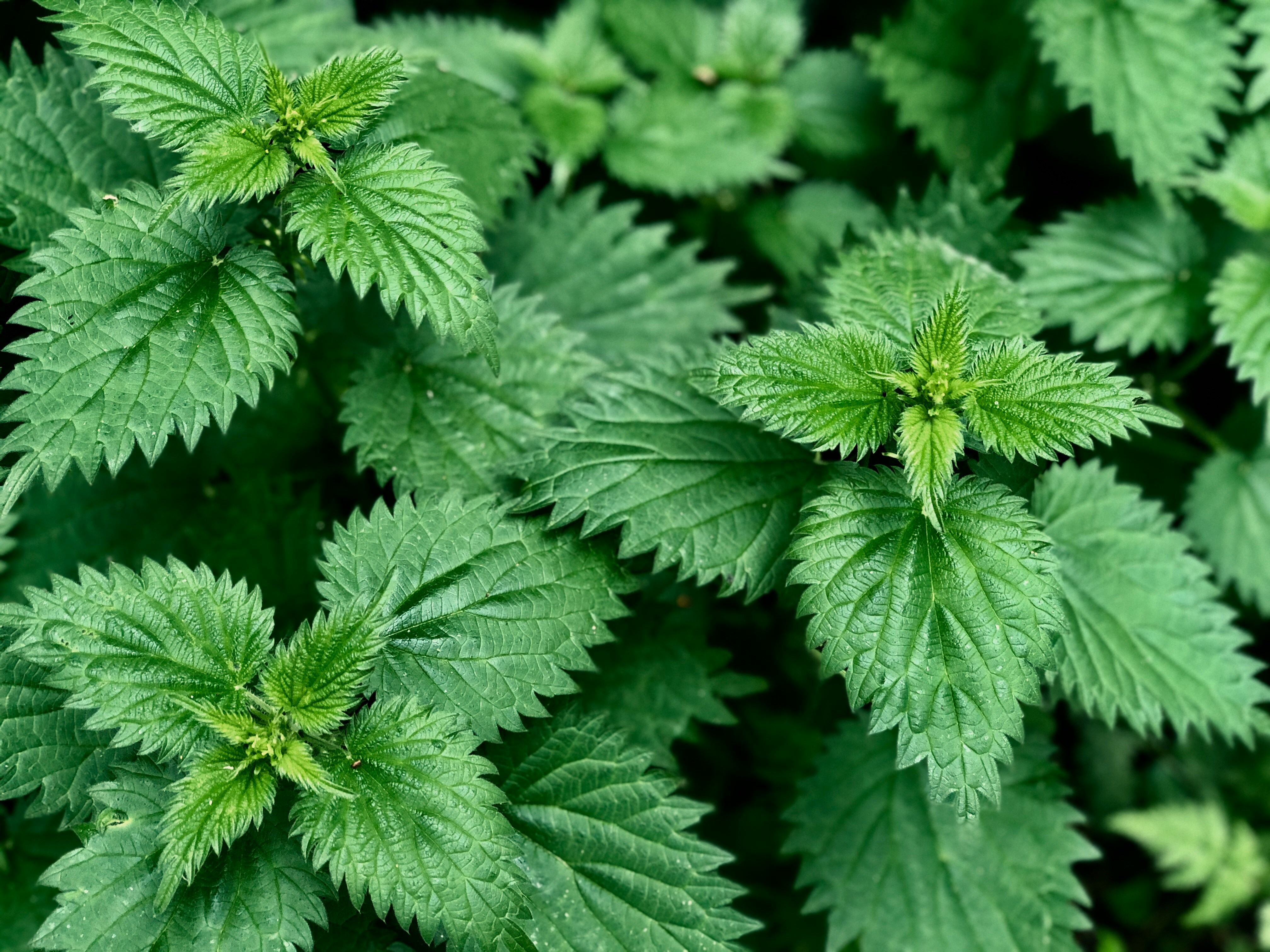
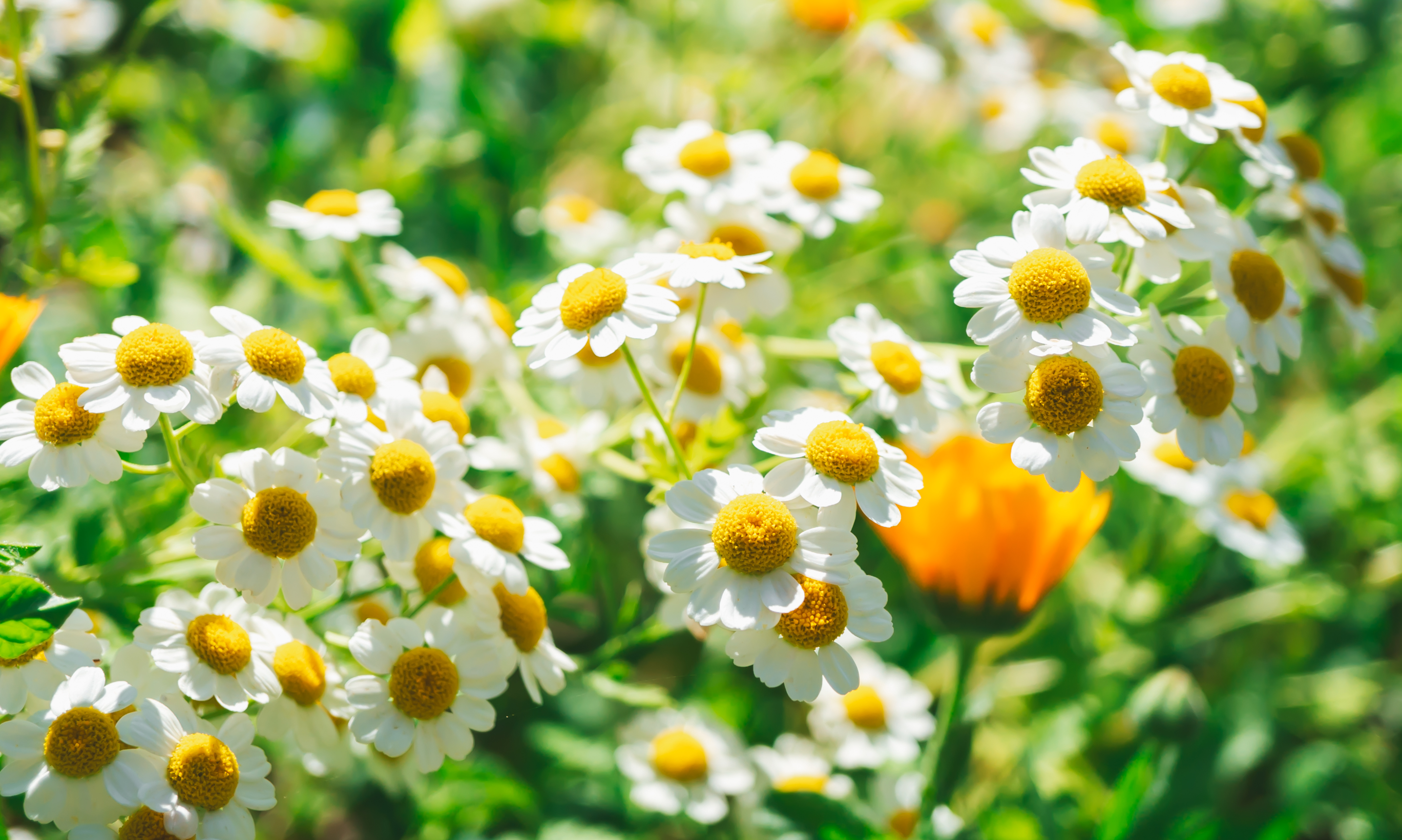
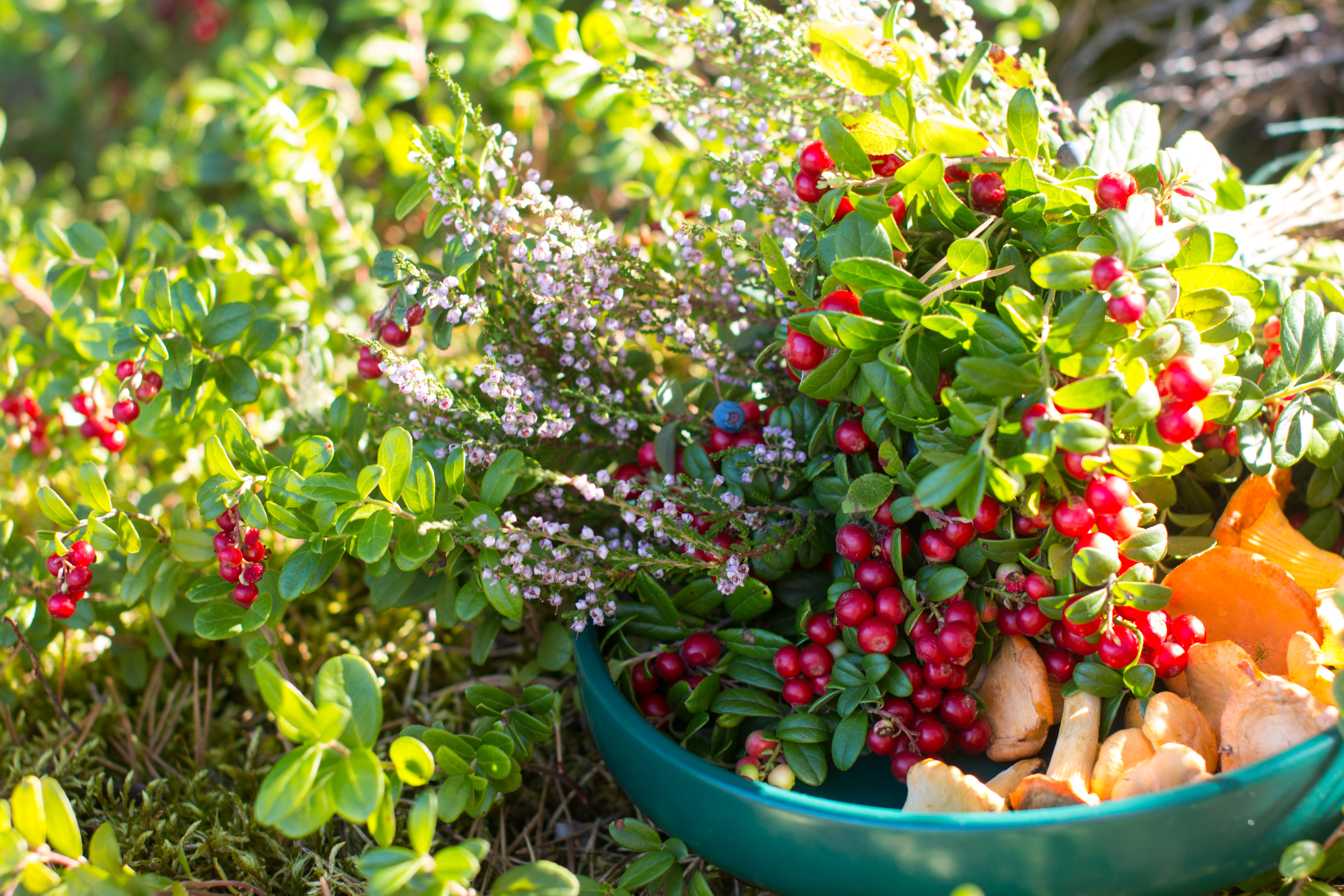
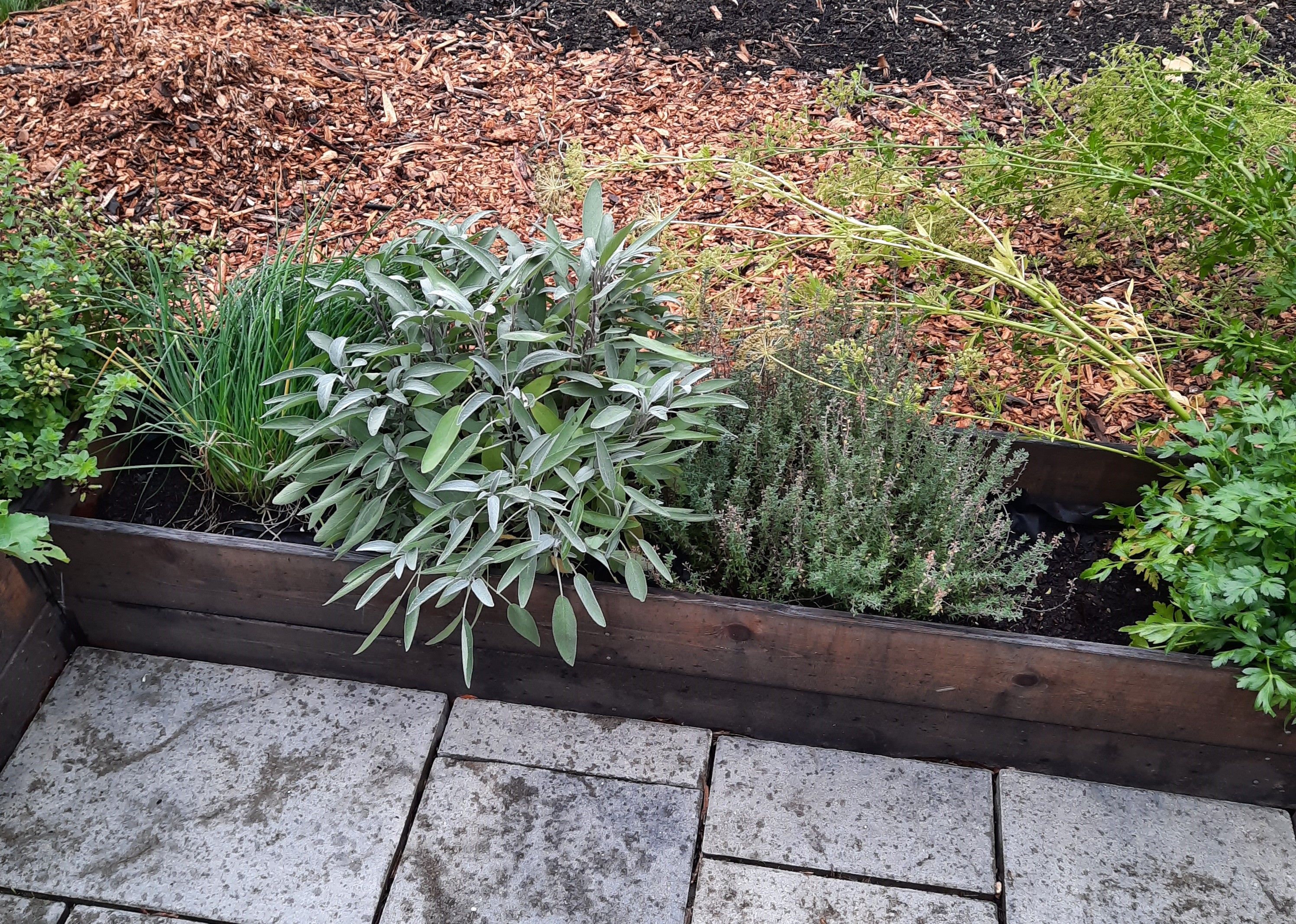
Companion Plants






Combative Plants

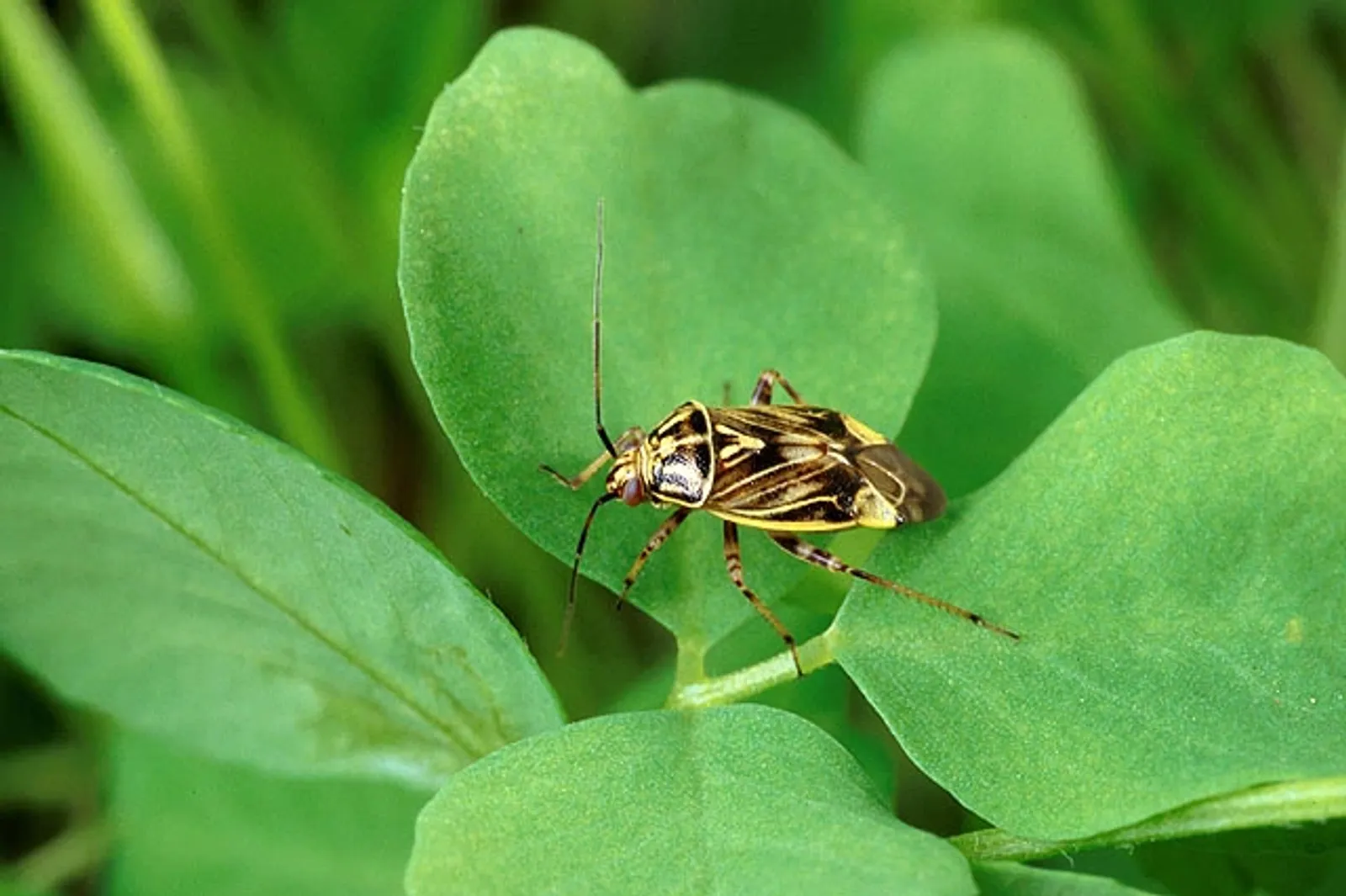
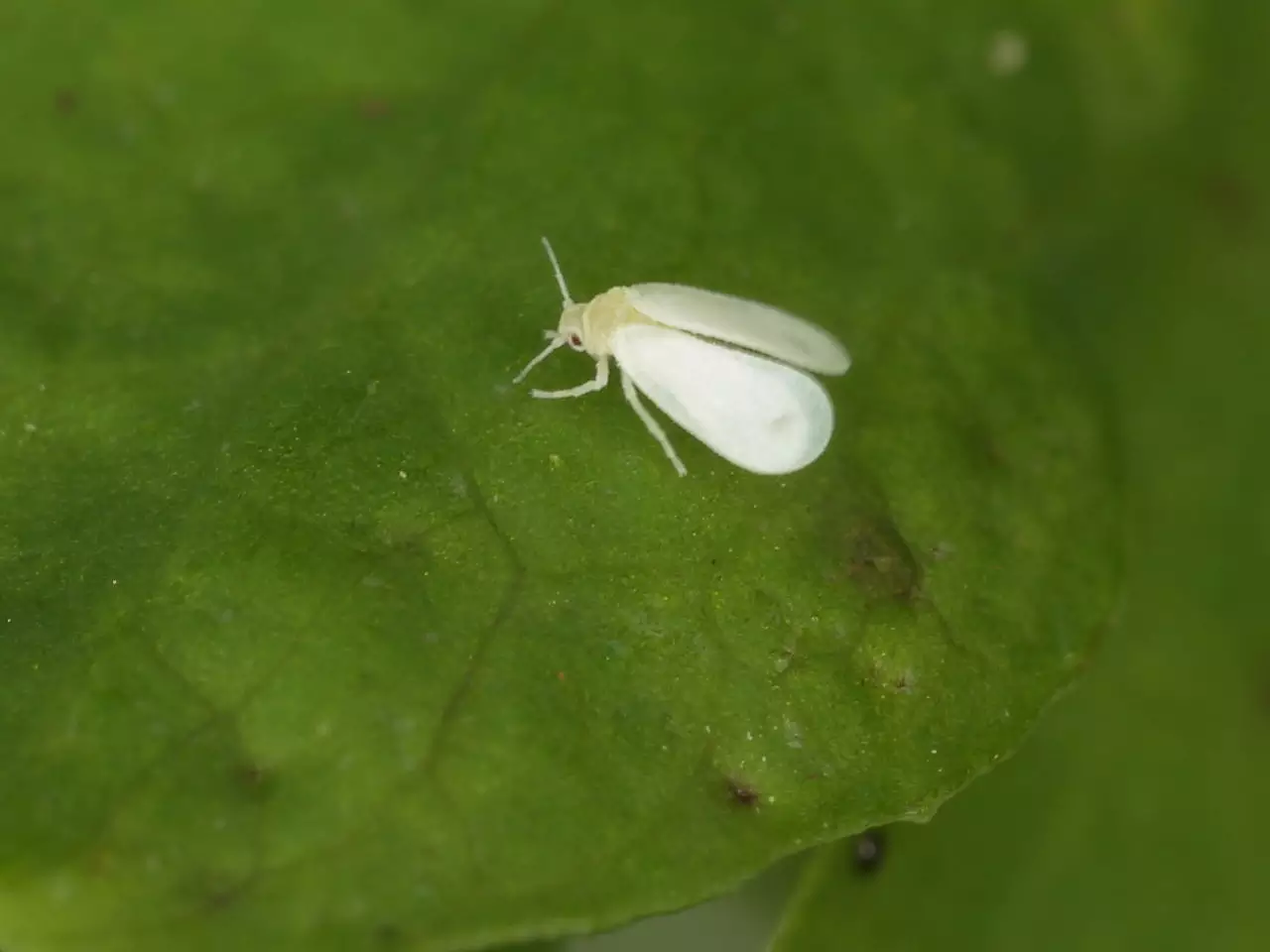
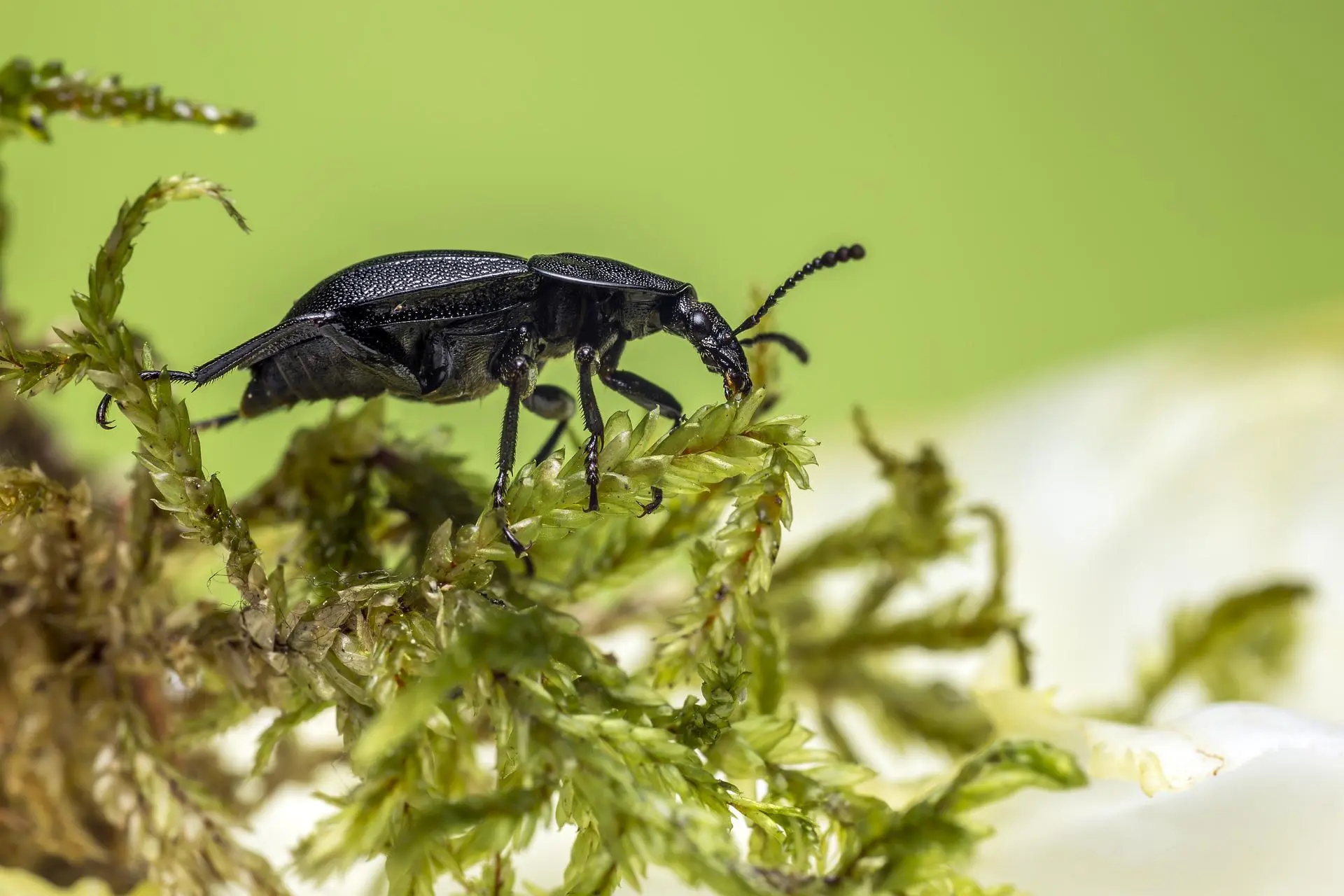
Pests
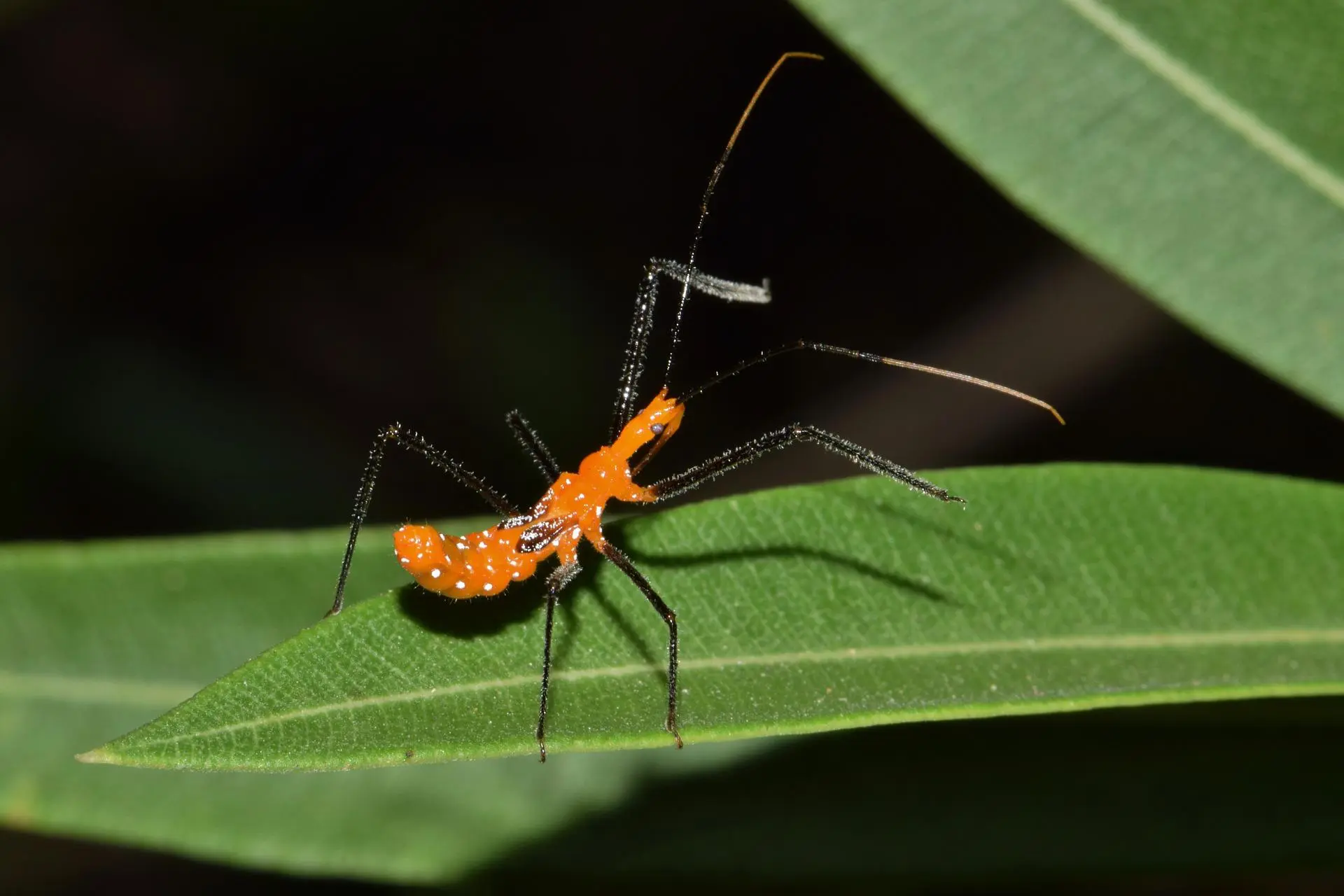
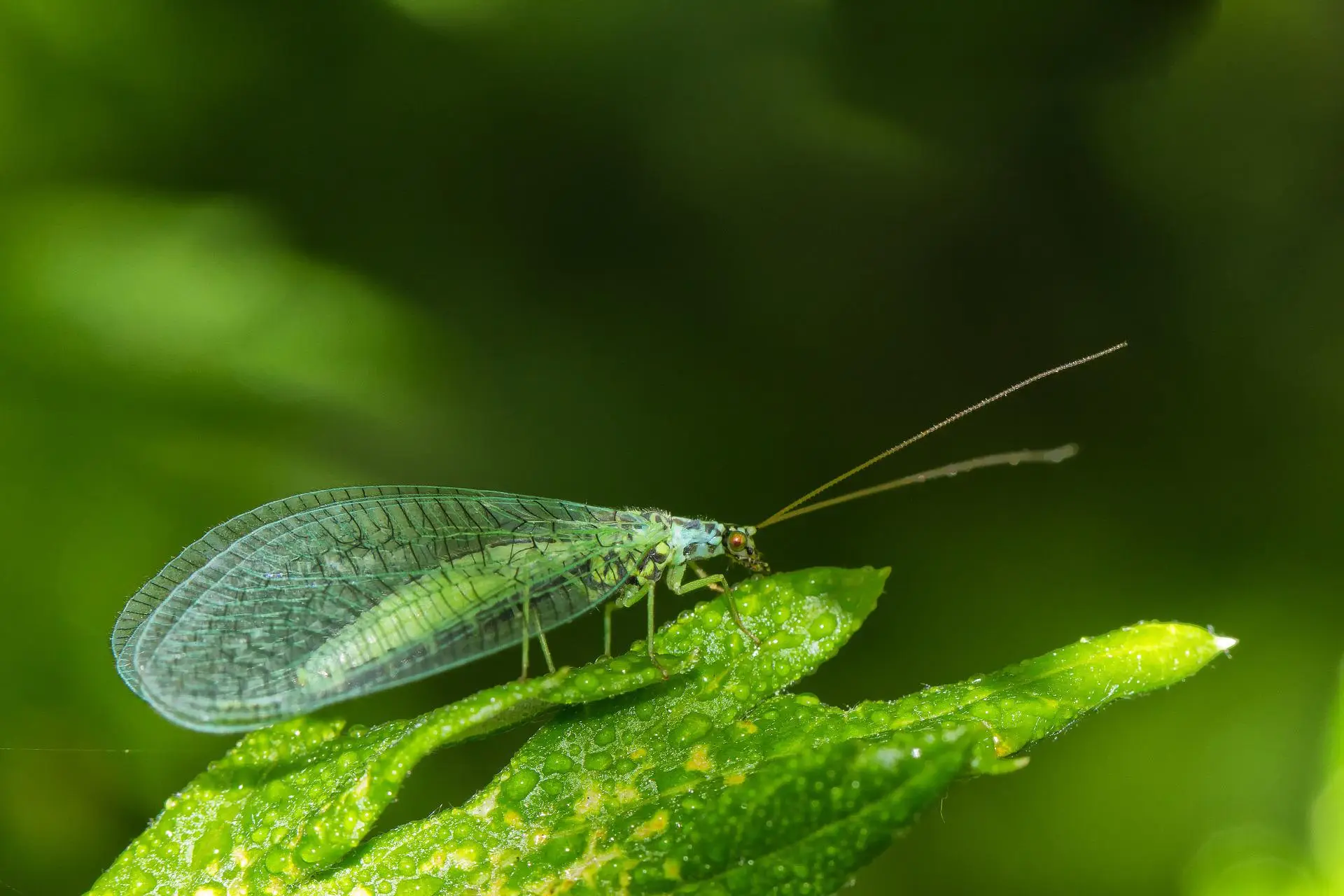
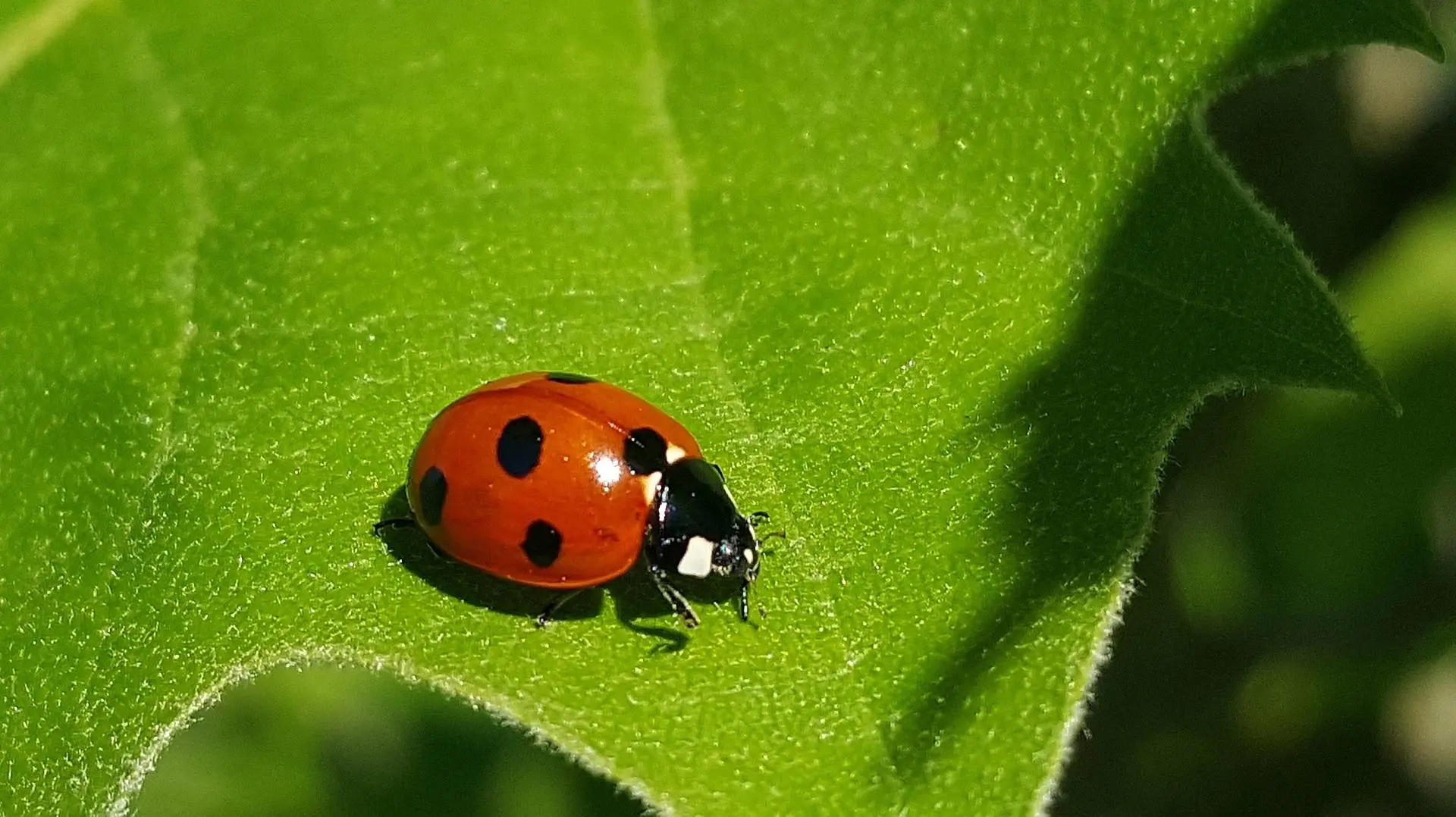
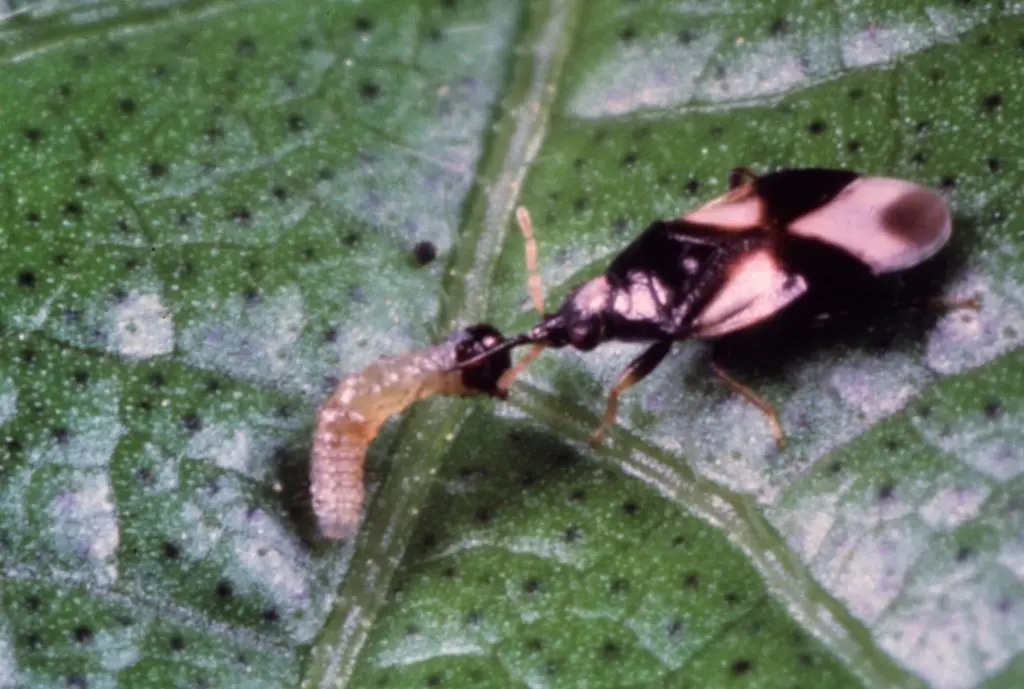
Beneficial Critters
Growing from Seed
Although sage can be grown from seed, the best way to grow high-quality sage is from cuttings from an established plant.
Planting Considerations
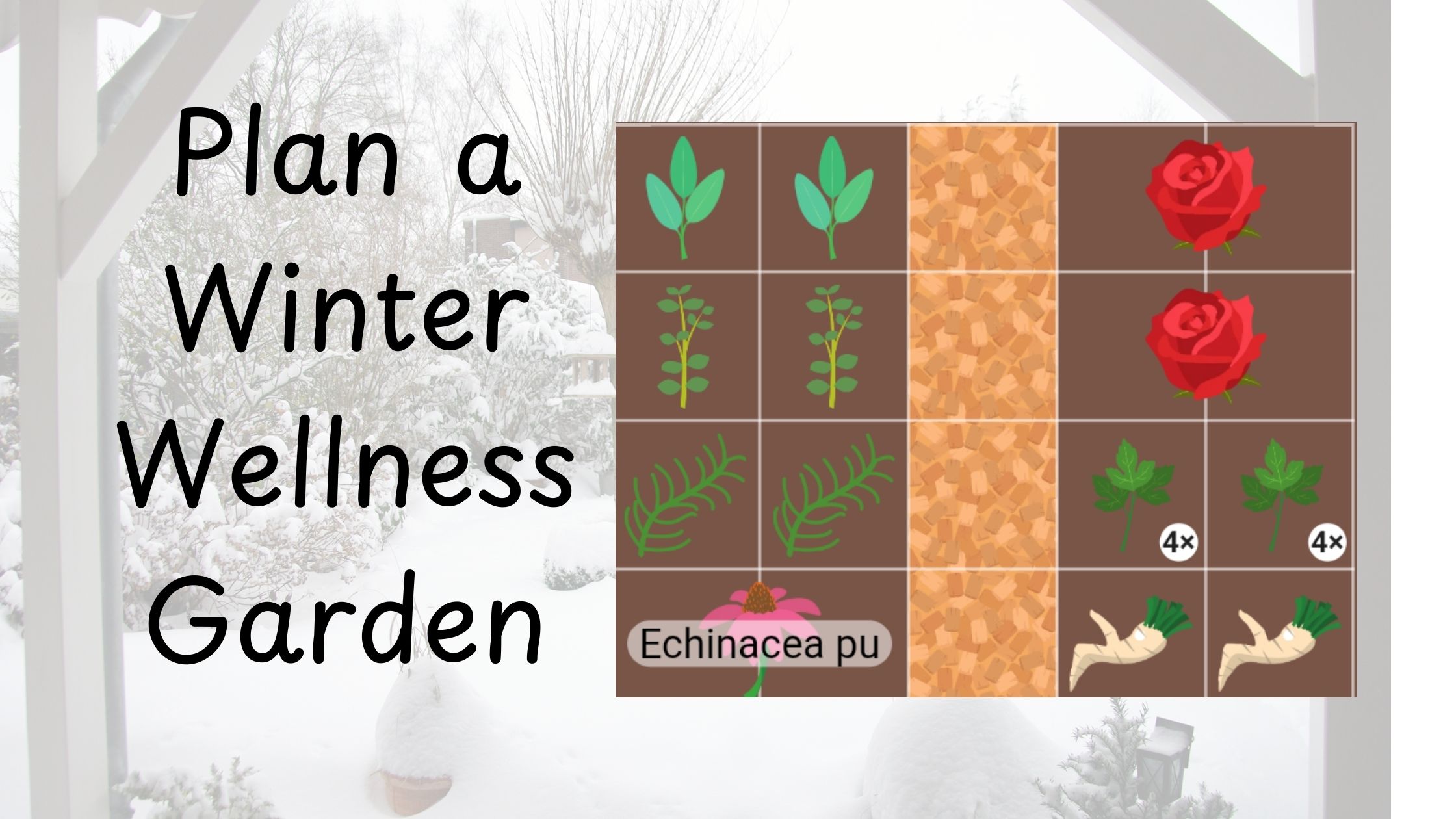
In the garden, plant near rosemary, cabbage, and carrots, but keep sage away from cucumbers.
Feeding
If soil is poor, work in some fertilizer before planting sage. Sage will benefit from a light application of fertilizer 6-8 weeks after planting.
Harvesting
Harvest sage just before it flowers. During the first year, harvest lightly to ensure that the plant grows fully. After the first year, be sure to leave a few stalks so that the plant can rejuvenate. If fully established, one plant can be harvested up to three times in one season.
Storage
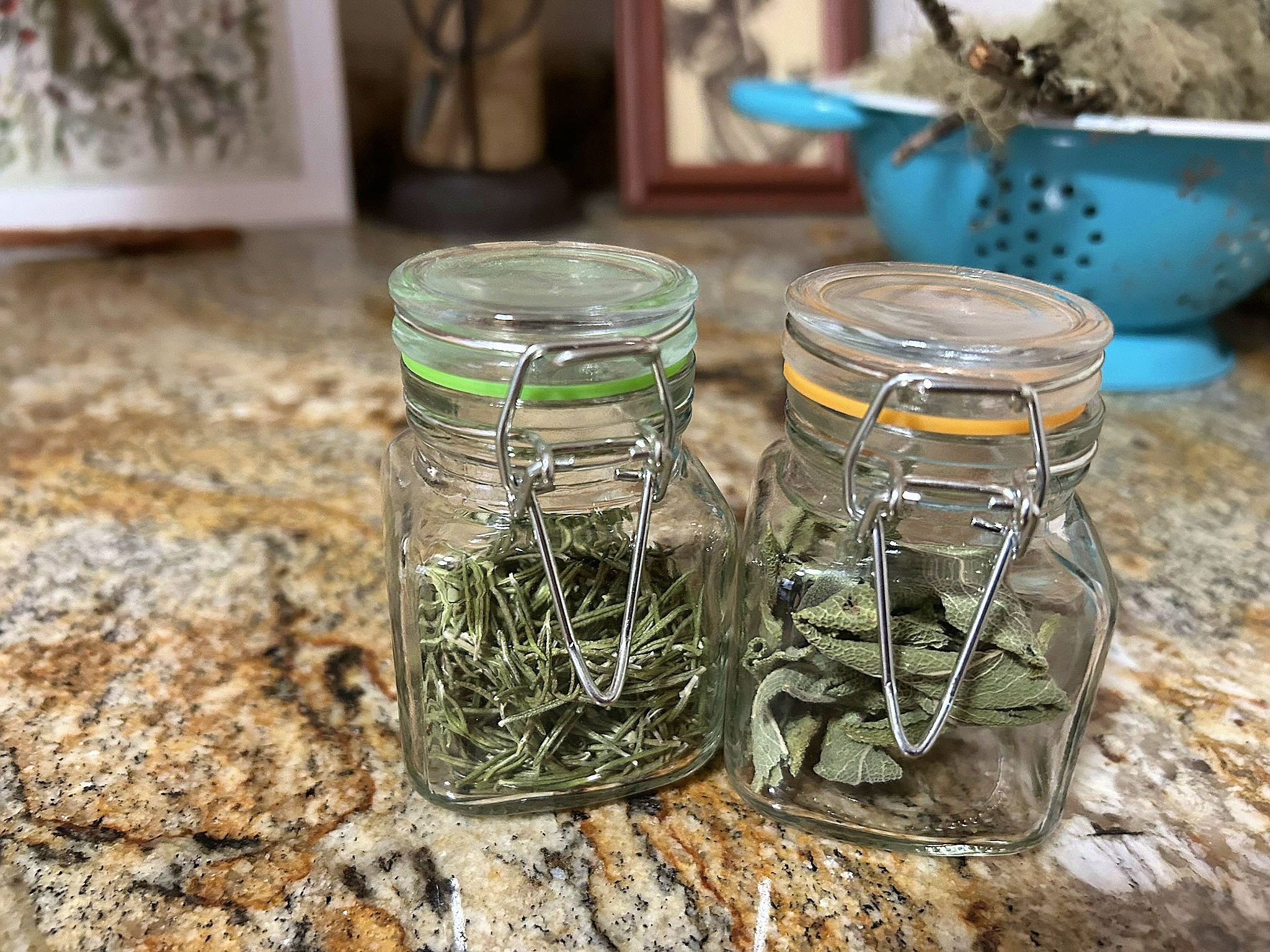
Sage's flavor is best when fresh, but it can also be frozen or dried. To dry, leave the branches in the sun. Once dried, remove the leaves and store them in an airtight container.